Category: MAM

  • Seekho raises Rs 3.75 crore in seed round led by We Founder Circle

    Seekho raises Rs 3.75 crore in seed round led by We Founder Circle

    Mumbai:  Investment platform We Founder Circle (WFC), led by a global community of founders and strategic angels, has led a seed round worth Rs 3.75 crore in an edutainment startup, Seekho. Many strategic angels have banded together to propel the start-up to new heights.

    Seekho said that it aims to define an entirely new category of edutainment content by combining educational content with entertaining byte-sized videos, building a “Netflix for Learning.” Seekho plans to use the investment to expand into new languages and expand their already diverse premium content library.

    The current round witnessed participation from We Founder Circle and SucSEED Innovation Fund, along with Toppr co-founder Hemanth Goteti and other executives.

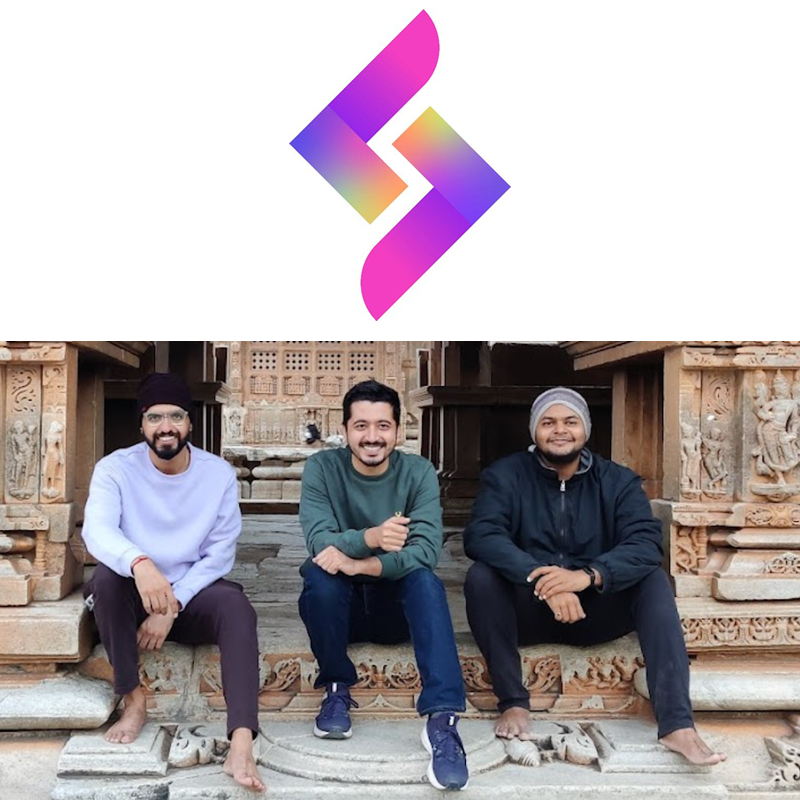
    IITK alumni Rohit Choudhary, Keertay Agarwal, and Yash Banwani founded the company in 2020. The startup is already backed by PointOne Capital, 3one4 Capital, First Cheque, Callapina Capital and entrepreneurs including Anupam Mittal (People Group), Gaurav Munjal (Unacademy), Ramakant Sharma (Livspace), Zishaan Hayath (Toppr), Dinesh Goel (Aasaanjobs), Alok Mittal (IAN), Miten Sampat (CRED), Aakrit Vaish (Haptik), Harsh Shah (Fynd) and Harpreet Singh (Cocubes).

    We Founder Circle co-founder Gaurav VK Singhvi said, “At We Founder Circle, we are pleased to have invested in Seekho since they have demonstrated the will and smart ideas required to run a start-up. The start-up has the potential to revolutionise the education system and benefit society in a great way. We pledge our mentorship and support to Seekho, and we intend to cover all aspects of their development, including business strategy, product development, community building, and connecting with potential business mentors.”

    Seekho founder and CEO Rohit Choudhary added, “At Seekho, we are thrilled to have WFC and SucSEED as strategic investment partners, especially at this time when we are seeing really promising early results from the launch of Seekho PLUS subscriptions. With such strategic angels on board, we intend to scale up quickly and reach one lakh paying subscribers in the next six months.”

  • Geo-targeted campaigns ramp up as brands go hyperlocal

    Geo-targeted campaigns ramp up as brands go hyperlocal

    Mumbai: Location-based targeting or geo-targeting has increasingly become an important tool in the marketer’s toolkit to deliver the right message to the right audience at the right time. While TV enables mass reach and is a key medium for national brands trying to achieve objectives such as brand awareness, salience and top-of-mind recall, geo-targeted allows advertisers to speak to the audience that is relevant to the brand.

    Many new-age advertisers want to be present on TV. However, the target audience may be confined to a particular geography and effective media planning aims at having minimal or no wastage of the marketing budget which is not possible through the pray & spray approach of TV.

    There are limited options for brands to target a specific market in a way that offers the scale of TV and the flexibility of targeting offered by digital. This needed gap is addressed by geo-targeted ad solutions offered by DTH platforms such as Tata Play which allows brands to target specific geographies via TV.

    “Geo-targeted campaigns work very well when it comes to test marketing in specific geographies or to boost reach in a brand’s high priority market. The primary marketing objective of a geo-targeted campaign is the localised reach with minimal cost and zero spills to non-brand markets. Certainly, geo-targeting plays a major role in the overall media mix as it uplifts the brand & communication reach by targeting the core markets with no spillover, thus facilitating prudent optimization of investments,” said Initiative’s senior vice president of business Dhirendra Singh.

    Geo-targeted ad solutions offered by DTH platforms offer a vast potential to brands that are looking for advertising options that are cost efficient and deliver the relevant reach. Tata Play’s geo-targeted solution ‘search and scan (S&S)’ banner shows the brand’s ad on the TV screen whenever the channel is swapped. This solution allows brands to target specific geography, for example, brand X may only want to target Uttar Pradesh. It also allows that brand to showcase different versions of the same ad in different geographies, allowing for contextual advertising. For example, brand X shows the Tamil version in Tamil Nadu and the Hindi version in Uttar Pradesh. 

    “Geo-targeted advertising gives advertisers the much-required hyper-local reach, especially if one has a creative specific to that market insight. Geo-targeting is used majorly for hyperlocal campaigns and should gain momentum as now we are seeing more localized campaigns by large brands,” said Tata Consumer Products head of media, digital & PR Taranjeet Kaur. 

    This solution has attracted brands from across categories including food delivery, retailers, consumer products, and mattress brands. Several brands such as Swiggy, Sleepwell and Ikea have invested in Tata Play’s advertising solution. 

    A leading brand that leveraged Tata Play’s geo-targeted ad solution noted that it helped the brand stand out during the festive season which is usually cluttered by many brand campaigns. 

    It explained, “As a local plus national brand, geography-based advertising is crucial for us when planning advertising campaigns. While newspapers and billboards are very effective, DTH ensured that we were unmissable when it came to our target group.”

    Home furniture and accessories retailer IKEA also leveraged Tata Play’s platform for their geo-targeted campaign. “Geo-targeted DTH advertising allows us to reach the majority of the TV viewing audience with the flexibility of playing a mix of long and short creative edits. Through geo-targeting, we could utilise the platform (Tata Play) in the markets we are in operation. Overall, DTH helps us overcome the limited reach of regional TV channels (especially in Mumbai) and added incremental reach,” said IKEA India’s country marketing manager Anna Ohlin.

    “IKEA in India has a presence in seven cities (in four states) only so far and country-wide targeting or advertising is not an option as that will create an unnecessary spill and result in consumer expectations that can’t be met at present,” she added. “With geo-targeted media planning, we reach out to consumers in the markets we are present either through offline or online stores.”

    Geo-targeted ad solutions by DTH platforms may be leveraged by brands that want to reach consumers in a specific geography or focus their ads in a location where their products are available. This allows brands to allocate their marketing budgets more efficiently.

    “Geo-targeted campaigns can benefit any brand. However, the life stage and footprint of the brand plays an important role when it comes to leveraging such platforms,” noted Initiative’s Singh. “Digital media also offers geo-targeted campaigns, but from a TV perspective, currently, there are very few opportunities and hence there is an immense opportunity to ramp up this space with newer avenues which will bolster increased participation by media and marketing fraternity.”

  • Groupm rolls out a global framework for media decarbonization

    Groupm rolls out a global framework for media decarbonization

    Mumbai: WPP’s media investment group, GroupM, has introduced the approach that it will take to measure & reduce ad-based carbon emissions using a newly developed global carbon measurement framework.

    The framework is an innovative, new set of measurement methodologies designed to break down the media value chain & define the necessary data inputs to measure carbon emissions across all five stages of the advertising life cycle for all formats, channels and markets in accordance with the Greenhouse Gas Protocol’s standards.

    The establishment of a globally scalable approach to carbon measurement is a major step GroupM is taking to deliver on its commitment to decarbonize its media supply chain by 2030, as announced by WPP in April 2021. It provides the parameters, data inputs and methodology necessary to power what we believe to be the industry’s most robust global carbon calculator, which will be available to GroupM clients later this year and will allow media planners to map the total carbon footprint of advertising campaigns from development to delivery.

    Speaking about it, GroupM global CEO Christian Juhl said, “Our clients want to prioritize media investment with publishers and platforms that are actively decarbonizing their media supply.”

    Juhl added, “While we applaud the many steps taken to quantify ad-based carbon emissions in recent years, having different standards across companies, platforms, and markets is delaying meaningful action. By sharing this global framework, we hope to begin aligning our industry behind a consistent set of standards that will create clear goals and incentives for rapidly decarbonizing the media supply chain.”

    AXA media performance insights director Jérôme Amouyal said, “We have seen that our industry has an increasing number of calculators, but not an aligned reduction plan. It is important that we as a collective get behind a robust, actionable solution that accelerates decarbonization. We believe that market approaches such as GroupM’s will lead the way in educating, informing and enabling vital change in the industry. We’re looking forward to working with them to have the right framework to inform our future buying decisions.”

    To develop its decarbonization framework, GroupM worked with independent specialists in carbon measurement and incorporated input from clients, industry partners, third parties, and experts across GroupM and WPP. In addition to providing standards and processes for measuring carbon emissions, the framework also outlines steps advertisers can take immediately to accelerate their decarbonization efforts. These include buying fewer but higher-quality ads, cutting the complexity of the supply chain by reducing intermediaries, and buying low-carbon media products.

    To encourage the establishment of industry-wide standards for carbon measurement across channels and formats, GroupM will make the methodologies and processes supporting its new framework available to industry bodies and organizations committed to decarbonizing the media supply chain, setting a target approved by the Science Based Targets initiative (SBTi).   

    Ad Net Zero chair Sebastian Munden said, “Action 3 of the Ad Net Zero action plan is all about getting the whole industry to the point where we can accurately track, report and therefore reduce the carbon footprint of all media channels. This is no easy task, especially as we scale the efforts of Ad Net Zero globally. We would need an agreed standardized approach that works for all parts of the ecosystem: advertisers, agencies, media and tech. This move by GroupM is hugely welcome, and a very timely development to help deliver those aims. Through the new Ad Net Zero Global Group recently announced at Cannes Lions, we will explore how this approach can be scaled right across the industry.”

  • Bradshaw Capital acquires Elite Pro Basketball League franchise Jaipur Giants

    Bradshaw Capital acquires Elite Pro Basketball League franchise Jaipur Giants

    Mumbai: Bradshaw Capital has acquired the Jaipur Giants franchise of the Elite Pro Basketball League. Bradshaw Capital is led by former Montblanc US CEO Bill Brown. Elite Pro Basketball is a 5×5 Pro Basketball League featuring 12 teams filled with Indian players. The Jaipur Giants has signed former Indian National Team player and current Indian Railways player, Prakash Mishra, as their marquee player, and have also drafted Rajat Shrivastava and Samuel Gali, among others. The league is organised by Elite Sports India (ESI) and is scheduled to begin matches in January 2023.

    The organisers said that from his experience as a varsity athlete at Cornell University and his current sports activities, Brown clearly understands the life-changing and life-long positive impact sports can have on young athletes and is thrilled to play a role in the Elite Pro Basketball league.

    In 2016, Brown attended the AIU National Championship Basketball Tournament in Mumbai and recognised the enormous potential of basketball in India. Brown said, “The Elite Pro Basketball League is a natural destination for India’s best university players.  And hopefully the very best will come to Jaipur!”

    Elite Pro Basketball CEO Sunny Bhandarkar said, “We are pleased to welcome Bradshaw Capital to Elite Pro Basketball and having someone of Brown’s stature as a team owner, assures us that the League is on the road to great success, and we are committed to growing basketball in India.”

  • HUL’s notches up solid growth in quarter ended 30 June 2022

    HUL’s notches up solid growth in quarter ended 30 June 2022

    MUMBAI: The folks at Hindustan Unilever Ltd  (HUL) are in a celebratory mood. Reason: the FMCG multi-product major has announced shiny financial results for the quarter ended 30 June 2022, even though the economy is sailing through rough weather.  The company’s turnover grew 19 per cent with underlying volume growth of 6 per cent. HUL  continued to grow significantly ahead of the market, gaining value and volume market shares1. EBITDA margin at 23.2 per cent remained healthy despite unprecedented inflationary headwinds. Profit after tax before exceptional items (PAT bei) grew 17 per cent and profit after tax  (PAT) grew 11 per cent.

    Home care: Stellar performance continues

    Home care delivered 30 per cent growth driven by strong performance in Fabric Wash and Household Care. Both categories grew in high double-digits with all parts of the portfolio performing well. Liquids and fabric sensations continued to outperform driven by effective market development actions. Calibrated price increases were taken across fabric wash and household care portfolios as input cost continue to inflate at significantly high levels. During the quarter Comfort Delicates was launched which is specially made for delicate clothes.

    Beauty and  personal care: Strong growth ahead of the market

    Beauty & personal care growth of 17 per cent was broad based. Hair care grew in high double-digit led by strong performance in the premium portfolio. Soaps delivered price-led double-digit growth driven by strong performance in Lux, Dove and Pears. Skin care and color cosmetics delivered strong YoY growth on a soft base. Premium portfolio in skin care performed well and is significantly ahead of pre-Covid levels. Calibrated pricing actions were taken across the portfolio to offset the impact of record inflation in input costs. During the quarter, Tresemme’s hair care range ‘Pro Pure’, Baby Dove Derma Protect Baby Wash, Vaselines’s summer range of body moisturisers and Lakme’s Facial Foams were launched.

    Foods and refreshment: Steady performance on a high base comparator

    Foods and refreshment grew 9 per cent driven by solid performance in ice-cream, coffee and food solutions. Ice cream had a very strong quarter broad based across brands and formats taking it significantly ahead of pre-COVID levels. Tea delivered steady performance and cemented its market leadership. Coffee had a strong quarter growing in double-digit. Health food drinks continued to gain market share and penetration on the back of focused market development actions. Foods grew in double-digit led by jams. Unilever Food Solutions delivered a solid performance and continued to build its salience with professional chefs.

    Operating margins remain healthy

    EBITDA margin at 23.2 per cent remained healthy despite the unprecedented inflation in input costs. YoY EBITDA margin declined 110 bps. PAT (bei) was up 17 per cent YoY. PAT at Rs 2,289 Crore was up 11 per cent YoY. The difference between PAT (bei) and PAT growth is largely due to a one-off prior period tax credit we had in base period. The company says it continues to manage “its business dynamically driving savings harder across all lines of P&L and taking calibrated pricing actions using the principles of net revenue management. It continues to invest competitively behind our brands. “

    CEO & managing director Sanjiv Mehta said: : ‘In an environment which remains challenging, marked by unprecedented inflation and consequential impact on consumption, we have delivered yet another quarter of robust topline and bottom-line performance. We have grown competitively whilst protecting our business model by maintaining margins in a healthy range. While there are near term concerns around inflation, the recent softening of commodities, forecast of a normal monsoon, and monetary/ fiscal measures taken by the government augur well for the industry. We are confident of the medium to long term prospects of the Indian FMCG sector and remain focused on delivering a consistent, competitive, profitable and responsible growth. ‘ 

  • Dentsu Intl onboards broadcast vet Robert Gilby as APAC CEO

    Dentsu Intl onboards broadcast vet Robert Gilby as APAC CEO

    MUMBAI: His is a familiar face with the entire media and entertainment industry in India. More so in the broadcast sector, Singapore-based Rob Gilby – who is well-known for his fancy moves on the dance floor as he is for building organisations in Asia – will be joining Dentsu International as its APAC CEO come 5 September 2022. He will report to Dentsu International global CEO Wendy Clark.

    Rob has been mandated with overseeing the 11,600-strong Dentsu army of ad folks in 18 markets. He is stepping into the agency at a time when it has rolled out Dentsu Creative worldwide following accolades like it being awarded as the APAC regional network of the year and Dentsu Creative India being recognised as the global agency of the year at the recently concluded Cannes Lions. The agency has also been showing some fancy results with growths of 4.7 per cent in FY’21 and 5.2 per cent in Q1 2022.

    “Rob is an exceptionally well-rounded leader with a progressive approach that deeply understands the future of the industry and opportunities for growth, for our people, our clients and our business,” said Dentsu International CEO Wendy Clark. “Importantly, he demonstrated his long-term vision, values-based leadership style and passion for building high-performance, diverse teams that is fundamental to the way we do business at dentsu.”

    He has great credentials indeed with 30 years’ experience in the media and entertainment industry and has worked in Asia Pacific for over 25 years. He has a proven track-record of growing profitable businesses including WarnerMedia and The Walt Disney Co, with extensive experience in markets including Australia, China, India, Southeast Asia and Singapore.

    He joins dentsu from Nielsen where he is President, APAC responsible for building relationships with key media owners, brands and agencies to deliver audience insights across the media ecosystem. Prior to that he was CEO & founder, Blue Hat Ventures, an investment and advisory firm focussed on identifying and commercialising high-growth businesses in the digital media sector in Asia Pacific. He has held non-executive board and advisory roles at the ministry of communications & Information, the InfoComm Media Development Authority and the Singapore Media Festival.

    Robert said, “I was instantly drawn to dentsu’s compelling vision with its rich heritage as the only holding company born out of Asia. It is a privilege to be leading this region with the world looking to the Asia Pacific region as its GDP growth is forecasted to remain strong, the emerging middle-class booms and rapid digitization and investment in homegrown platforms leapfrog existing technologies. Dentsu’s ability to understand people better than anyone else and vision for horizontal creativity coupled with these market conditions creates an exciting opportunity for brands to thrive.”

  • Brands must recognise what matters in people’s lives and focus on affordability: Kantar Report

    Brands must recognise what matters in people’s lives and focus on affordability: Kantar Report

    Mumbai: Data and analytics company Kantar has found in recently released data from Kantar’s Global Issues Barometer that the invasion of Ukraine remains the #1 concern of people in India, followed by economic worries and the cost-of-living crisis. Asked to spontaneously share their concerns, 37 per cent of people mentioned the war, followed by 29 per cent mentioning economic issues as their top concerns currently. Climate and environmental issues have also emerged among the top three concerns. Covid-19 is no longer seen as a pressing issue like the rest of the world, except in China where lockdowns are just lifting.

    Kantar’s Global Issues Barometer study is a detailed analysis of eight hundred people’s attitudes in India contrasted to eleven thousand people across nineteen countries (representing 68 per cent of global GDP) as they strive to adapt to the tempest of global events. The study asked open-ended questions to understand peoples’ real opinions and used Kantar’s TextAI technology to understand and analyse the responses.

    The war in Ukraine

    The war in Ukraine is currently the biggest concern in India, as in every geographic region surveyed. As expected, the concern is much lower than its European counterparts. There is a high correlation between concern and proximity. 64 per cent of people across the globe mentioned the war as a concern, compared to only one in three of India’s (37 per cent).

    The cost-of-living crisis

    The cost-of-living crisis is number two on people’s minds. Price increases in fuel, food and drink, and household bills have been noticed the most. Compared to the world, Indians feel the pinch of price increases on white goods more.

    While 35 per cent of the population report their household financial situation is deteriorating, 46 per cent believe the general economic outlook of their country is negative right now. People are struggling to meet their living costs, with 32 per cent of households experiencing difficulties meeting their monthly outgoings and 11 per cent unable to meet their commitments. The problem looks set to continue. A further 71 per cent of people believe inflation will continue to rise even further.

    But there is a sliver of hope as two thirds of people in India feel secure in their jobs and expect a pay rise that will match inflation.

    Eco-anxiety

    Climate inaction is causing remarkably high levels of distress, with more than half of people experiencing eco-anxiety.

    Two-thirds of the population believe businesses have a responsibility to solve the climate crisis, while 84 per cent of consumers want to buy environmentally sustainable products but need brands to do more work on affordability.

    Discussing the findings, Kantar managing director – South Asia insights division Soumya Mohanty observed, “The current tempest of global events is affecting long-term plans as well as short-term behaviour of Indians. Beyond making cutbacks on general expenditure, people are rationalising their future savings and working harder.”

    “Luxury goods, entertainment and holidays look likely to be the sectors to suffer next. Almost half of households (41 per cent) are considering economising subscriptions to entertainment subscriptions – one industry that did well during the pandemic. Longer-term, almost three fourth of people say the current turmoil is impacting their big life plans; saving for big future life events (47 per cent), children’s education (27 per cent) and retirement plans (24 per cent). So, the impact of this crisis lies in the future as much as in the present and can influence not just financial but also emotional well-being. Brands must therefore recognize what matters in people’s lives and examine brand’s relevance in supporting people to overcome these challenges,” she added.

    Kantar executive managing director South Asia insights division Deepender Rana added, “Brands that can offer green affordable solutions are likely to be favoured and become mainstream. With inflation rocketing, in their daily lives, consumers are considering solutions that can help reduce energy and fuel expenditure. They expect brands to do the same and be more efficient, while simultaneously raising the bar on ethical production. If anything, the cost-of-living crisis has reminded people that green products/services shouldn’t come at a premium. Insights from Kantar’s Global Issues Barometer can help brands and businesses understand how to navigate during these uncertain and fast changing times.”

  • GUEST COLUMN: The changing dynamics of influencer marketing in a digital era

    GUEST COLUMN: The changing dynamics of influencer marketing in a digital era

    Mumbai: Influencer Marketing has evolved significantly over the past few years. As opposed to 2017, influencer marketing involves much more than finding people with the highest social media followings to promote the products. Today it’s performance and purpose-driven – that needs both art and science.

    Influencer marketing is projected to touch 2.85 billion by 2025 growing at a CAGR of eight per cent. Creator economy market size is estimated to reach $104 billion in 2022. The Indian market is becoming fairly regulated as well as digital marketing budgets are growing significantly. Having operated an influencer marketing company for the last four years, I have gathered the following insights and learnings in order to keep up with the rapidly changing dynamics of today’s influencer marketing:

    Setting the wrong goal for influencer marketing

    Most new marketers who get into influencer marketing sometimes consider it as a conversion play. It’s not. Influencer marketing is a brand awareness play. Obviously, this isn’t the ultimate goal, but if you compare the campaign to getting a return on every dollar spent, no purpose-driven impact will be achieved.

    Pursue long-term influencer partnerships

    A short-term, one-off social post is a thing of the past. Partnerships that are long-term and authentic are getting more traction right now. Treating influencers as brand ambassadors builds more trust between the brand, the influencer, and their followers. You get better audience engagement, more creative content, and your marketing budget works harder. As an influencer’s audience grows, your brand gets promoted continuously.

    Shifting from influencers to content creators

    Discovering the 20-30 top influencers is very easy, and brands with good budgets are all in to spend money on them. Basically, you’re treating these influencers like a newspaper or television show or a TV spot between IPL matches, but finding your niche is really important.

    Create open-ended briefs with lot of ideas

    The most unsuccessful influencer marketing campaigns are those in which brands force their thoughts onto influencers. Although influencers do that for money, the end result is a boring sponsored post on their feed. It’s not about telling the influencer what to do, but about giving them a detailed brief that helps and educates them about the brand. The ideas should be open-ended so that influencers can get something out of them that suits their audience, since not all influencers are great creatives.

    Focus on videos. Not always short form videos. Do what suits you

    Today, everything is snackable, but don’t we binge a long-form show with 10 episodes? Short forms are great, but it depends on the message you want to convey and what type of influencer you want to reach. It has to be entertaining, if not educational. When someone consumes the content, either of these works well.

    Using Influencers in co-creation

    Brands such as Zomato and Groww have had great success co-creating with influencers on their own channels. a no-brainer that we are living in 2022, where children these days want to become YouTubers rather than astronauts. Hiring influencers to create content that gets published on your own YouTube channel or Instagram feed gets your audience to consider you cool and progressive.

    Purpose driven influencer marketing are on the rise

    Today, our favourite influencers are those who stand for something, who just do not talk about how beautiful their life is but provide us with some value that is relevant to ourselves. Brands need to understand this well and keep this in mind while creating their influencer marketing strategy.

    Engagement metrics and comments quality dictates success

    While doing prospecting, it’s really important that we focus on engagement metrics more than followers. It is very important to inspect the comments on the last sponsored post so that we can ideally get a pattern of how sponsored posts perform on the feed of the influencer. Marketers often focus on the size of the influencer rather than the engagement they have.

    Affiliate marketing is abused and misunderstood

    Many brands are thinking that sharing revenue will lure influencers to work with them, but if your fundamental idea is that influencers’ audiences buy everything they promote, then that is a wrong assumption. It is the audience that can tell if an influencer is promoting something that generates no value and will instead push the brand down rather than up.

    Influencers in the Podcast Industry are going to be popping up more

    Audio is a great medium in today’s world because of the passive nature of it. We are all always busy, and influencer marketing in podcasts will be important for brands seeking a more meaningful long-term association with a large listening audience.

    LinkedIn is going to be the new home for a lot of content creators

    Writing is the next big thing, and LinkedIn as a platform has been really impressing a lot of professionals. It used to be a platform to seek new jobs, but now, along with the story features and great mobile experience, the infotainment content space is really serious on LinkedIn. Brands would ideally like to work with this set of influencers.

    Influencer marketing is the greatest invention for the advertising and marketing industry and we are heading towards an interesting decade where videos, NFTs, creator economy tools, etc. are going to change the way we promote our products. Every company will become a media company that creates content of their own and partners more with the creator side of influencer marketing.

    The author is Pulpkey founder Amit Mondal.
  • Dentsu X retains top spot for third year in a row as fastest growing agency: RECMA’s report

    Dentsu X retains top spot for third year in a row as fastest growing agency: RECMA’s report

    Mumbai: Dentsu India has once again ranked amongst the top three, continuing its record-breaking growth velocity, in the latest RECMA Media Agency Ranking Report. 

    Dentsu International is a network designed for what’s next, helping clients predict and plan for disruptive future opportunities and create new paths to growth in the sustainable economy. This is delivered through the five global leadership brands: Carat, Dentsu Creative, Dentsu X, iProspect and Merkle, each with deep specialisms.

    The recently published RECMA report calls out the stellar performance of each agency: 

    Dentsu X, as India’s fastest-growing media agency leading the chart with a 153 per cent growth rate for the past three years. It is India’s #2 agency since 2020, narrowing the gap with Mindshare in 2021. Driving experiences beyond exposures, Dentsu X engineers brand outcomes and growth.

    iProspect, accelerating brands through a performance mindset, has clocked an impressive 83 per cent growth in 2021! Growing our brands at the intersection of culture, content, data, and tech is paying a dividend to our clients and our business.

    And Carat, designing for people, has recorded a smart 60 per cent growth over the last year, delivering an unparallel capability to unlock real human understanding to connect people and brands by designing powerful and engaging experiences.

    Dentsu Media South Asia CEO Divya Karani said, “Yes, of course, our clients and people value our vision, our continuous reinvention and rigour, but scaling at this unprecedented trajectory for the past three years is a huge validation! Even more gratifying is that all our media agencies, each with their unique proposition, are performing at full throttle. Transforming by design, Densu is planning the next steps even as we continue to scale. With our deep specialisation in media, creative and CXM, we are constantly focused on stitching up integrated business transformative solutions for our clients.”

    Dentsu’s recently released global ad spend report forecasts India’s growth at 16 per cent, reaching $11 billion in 2022, well past the 2019 pre-pandemic level. Digital is expected to clock double the momentum, contributing 33 per cent of overall India’s spending. Dentsu is bullish on India and predicts India as the fastest growing market globally. 

    RECMA is the leading independent research company that reports and tracks the performance of media agencies around the globe. The report showcases the market share and growth of the media agencies based on their overall activity. The overall activity volume report, evaluating over 900 media agencies across 70 countries, is the reference quantitative ranking based on the activity volume, a metric including both traditional buying billings and non-traditional activities, which covers online paid media as well as fee-based activities in digital, data & analytics, content, marketing, and sponsorship.

  • Parle Products rolls out three new TVCs for Bengali market

    Parle Products rolls out three new TVCs for Bengali market

    Mumbai: Parle Products has launched three new TVC’s for Parle Marie. The product consolidates its position as the soul of adda in its latest campaign for the Bengal market.

    The campaign is built on the Parle Marie brand’s foundations in the Bengal market.

    Designed and executed by Thought Blurb Communications, the three-film campaign addresses a broad demographic of young and old, men and women and are all represented in the films. It spans the width of the populace which has one thing in common. Held by the same social thread that ties and binds all ages & segments of society.

    Long before internet chat rooms were in vogue, the Bengali was devouring conversations, ideas and arguments in the form of ‘adda’. Parle Marie biscuits have always been a part of the tea-and-biscuits tradition that accompanies a good adda session. With the new campaign Parle Marie seeks to cement its relationship further.

    Parle Products senior category head Mayank Shah said, “In a nation as vast as ours, each region has its own voice, values and ideals. A generic message addressed to the entire country may not always take root. Speaking to each consumer in his individual language, in idioms he understands and in surroundings that he is familiar with, is a far better option. The new campaign is in line with Parle’s belief in regional marketing, speaking in the voice of the local population, using subjects that are deeply relatable, and in a tone that is immediately understood.”

    Thought Blurb Communications chief creative office & managing director Vinod Kunj added, “The strategy is as elegant as it is simple. Insert the brand into the social fabric and become part of the consumer’s conversation. Then you can accompany him through his life’s journey with occasional brand reinforcement. Too often, we have to confront the consumer and try to change his preferred brand and habit. But in this case, we are simply building another storey over a home with a strong foundation.”