Category: MAM

  • Role of ESG Factors in Stock Trading Decisions

    Role of ESG Factors in Stock Trading Decisions

    Have you ever wondered why some investors look beyond financial statements before picking shares? In recent years, ESG factors, environmental, social, and governance considerations, have become an integral part of stock trading decisions across the world, including in India.

    For participants opening their first portfolios or those planning to open a demat account for long-term goals, ESG is no longer just a niche topic. This article explains how these factors shape decisions and what investors need to understand in a practical, easy-to-follow way.

    What Are ESG Factors?

    ESG stands for Environmental, Social, and Governance. These three areas provide a framework for evaluating how responsibly and sustainably a company operates.

    Environmental

    ●    Covers how a company manages its environmental footprint.

    ●    Energy use and efficiency

    ●    Waste management practices

    ●    Carbon emissions reporting

    Social

    Refers to how a business manages relationships with employees, customers, and communities.

    ●    Employee welfare and diversity

    ●    Labour rights and workplace safety

    ●    Community engagement

    Governance

    Looks at the internal structures and decision-making processes of a company.

    ●    Board independence and structure

    ●    Transparency in disclosures

    ●    Ethical business conduct

    Understanding these pillars gives investors a clearer picture of how companies operate beyond numbers and financial ratios.

    Why ESG Matters in Stock Trading?

    For many investors, stock markets are not only about returns but also about aligning investments with values and long-term stability.

    Risk Management

    Companies that ignore environmental or social responsibilities may face penalties, reputational risks, or operational setbacks. Factoring ESG into stock trading helps investors identify such risks early.

    Market Perception

    ESG-conscious firms often attract more positive attention from institutional investors. This sentiment can influence demand for shares in both primary and secondary markets.

    Long-Term Considerations

    While short-term gains may appeal to some, others opening a demat account for retirement or wealth-building often view ESG as a marker of sustainable performance.

    Growing Importance in India

    The conversation around ESG has gained momentum in India over the past decade.

    Regulatory Push

    Indian regulators have encouraged companies to disclose ESG-related information. With more transparency, investors can evaluate how businesses address sustainability and governance concerns.

    Rising Awareness Among Retail Investors

    ●    Social media discussions around responsible investing

    ●    Broking platforms highlighting ESG-focused funds

    ●    Greater curiosity from new investors about ethical practices

    As a result, even retail investors exploring open demat account options now find ESG-friendly products available to them.

    How Retail Investors View ESG Factors

    For retail participants, ESG may appear as a complex concept. However, it is increasingly being integrated into decision-making processes.

    Practical Filters

    ●    Checking company sustainability reports

    ●    Reviewing governance scores from rating agencies

    ●    Observing industry-wide environmental practices

    Everyday Influence

    For example, investors may prefer companies with clear environmental initiatives or transparent governance structures when selecting shares for stock trading.

    ESG and Investment Products

    The Indian market has gradually introduced products catering to ESG preferences.

    ●    ESG-Focused Funds: Mutual funds and exchange-traded funds (ETFs) highlight their ESG orientation, making them accessible for individuals without requiring advanced research skills.

    ●    Direct Stock Trading: Retail investors may also apply ESG filters before applying for IPOs or purchasing shares through their demat accounts.

    ●    Balancing ESG with Other Factors: While ESG is important, it does not replace traditional financial analysis. Investors often combine both approaches.

    Common Approaches

    Here are the common things you can consider:

    ●    Analysing balance sheets and profit margins alongside ESG disclosures

    ●    Considering industry-specific risks (for example, energy vs. IT)

    ●    Comparing governance practices across competitors

    By doing so, participants achieve a more balanced outlook on stock trading decisions.

    Role of Technology in ESG Evaluation

    Digital platforms are making ESG integration easier for investors.

    ●    Online Tools and Research

    ●    Broking apps highlight ESG scores

    ●    Independent agencies publish ESG rankings

    ●    Digital reports summarise environmental and social data

    This enables even new investors who recently open demat account to access ESG-related insights without specialised knowledge.

    Benefits Observed by Investors

    While experiences differ, several themes often emerge when investors consider ESG factors.

    ●    Greater trust in company practices

    ●    Awareness of broader market trends

    ●    Opportunity to support sustainable industries

    These aspects add depth to stock selection beyond traditional financial metrics.

    Challenges with ESG Integration

    Despite its rising importance, ESG investing is not free from challenges.

    ●    Lack of standardised disclosure formats

    ●    Subjective interpretation of what qualifies as ESG-compliant

    ●    Limited historical data in certain sectors

    ●    Investors must stay aware of these limitations when making decisions in stock trading.

    The Future of ESG in Indian Stock Markets

    The role of ESG in investment decisions is expected to expand as markets evolve.

    ●    More companies adopting sustainability disclosures

    ●    Improved rating frameworks for governance and social factors

    ●    Growing participation from retail investors through demat accounts

    As awareness grows, ESG is likely to become a mainstream consideration rather than a niche approach.

    Tips for Retail Investors Exploring ESG

    For individuals interested in ESG-focused investing, a few practical steps can simplify the process.

    ●    Start small by reviewing sustainability reports

    ●    Diversify holdings with ESG-focused mutual funds

    ●    Use broking platforms that provide ESG screening options

    ●    Keep financial goals aligned with risk appetite

    By taking such measures, investors integrate ESG into their approach without making the process overwhelming.

    Conclusion

    The integration of ESG factors into stock trading is steadily shaping how investors think about the market. ESG awareness has been adopted included within the learning curve of many Indians who are pondering the idea of opening a demat account or not. Between challenges and the trend, there is a greater change in investor priorities.

    Instead of paying attention only to the short-term key performance indicators, market actors will pay more attention to the way companies engage with the society, the environment and their domestic governance. This responsibility-performance balance has been slowly reconstituting investment behaviour in India. 
     

  • Hero worship 62 per cent of Indian dads see themselves as family protectors

    Hero worship 62 per cent of Indian dads see themselves as family protectors

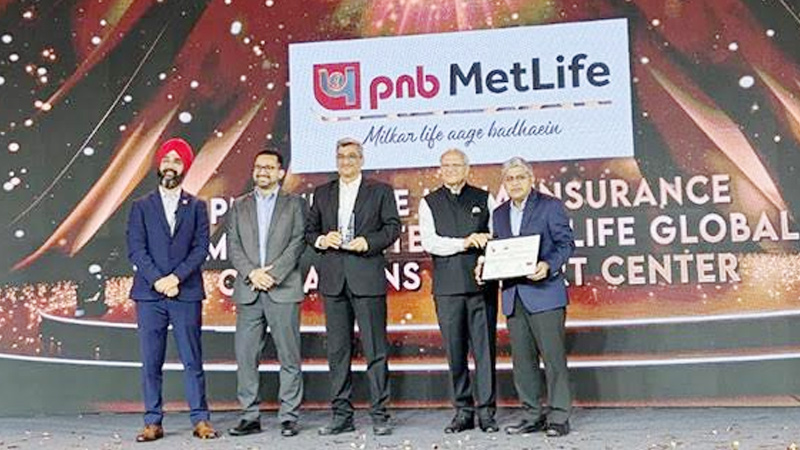
    MUMBAI:  Looks like Indian fathers are donning more than just their Sunday cap, they’re putting on superhero capes too. A new PNB Metlife India Insurance survey, conducted across the country, finds that 62 per cent of fathers identify as “Hero Dads” guardians who see themselves as the primary protectors of their family’s financial security.

    The nationwide study, launched on Father’s Day and spread over June, July and August, engaged more than 6000 fathers across urban and semi-urban India through microsites and QR-code activations. The exercise grouped dads into three personas:

    Hero Dads: 62 per cent, the protectors of family finances.

    Thoughtful Dads: 29 per cent, cautious long-term planners.

    Disciplined Dads: 9 per cent, methodical savers with a love for structure.

    Beyond the labels, the survey painted a clear picture of evolving priorities. Children’s education remains the top concern for 51 per cent, but fathers are now increasingly thinking about themselves too. 14 per cent prioritise retirement planning and another 14 per cent dream of a big family holiday hinting at a shift towards security paired with experience-led living.

    What’s striking is the long-term lens fathers now wear. 53 per cent are willing to invest for 10–15 years, 14 per cent for 15–20 years, and 13 per cent for 20–30 years. Perhaps most telling, 20 per cent are in it for the very long haul over 30 years cementing a cultural tilt towards sustained wealth-building.

    When it comes to parking their money, dads are showing a clear preference for stability: 30 per cent opt for fixed deposits, 22 per cent choose life insurance, while 17 per cent favour mutual funds. The pattern points to a generation more comfortable with low-risk, predictable instruments that align with their extended horizons.

    PNB Metlife chief marketing & communications officer Sourabh Lohtia summed it up: “Today’s father is a provider, protector, and nurturer financially savvy and emotionally present. The ‘Dad Type’ survey shows how deeply fathers are committed to building secure futures for their families.”

    Turns out, the new-age Indian dad is not just about quick fixes or cautious saving, he’s evolving into a blend of protector, planner, and provider. And with nearly two-thirds proudly wearing the ‘Hero’ tag, it seems India’s dads are scripting their own blockbuster sequel in the financial universe.
     

  • Metal of honour Vedanta’s Independence Day ode powers India’s rise

    Metal of honour Vedanta’s Independence Day ode powers India’s rise

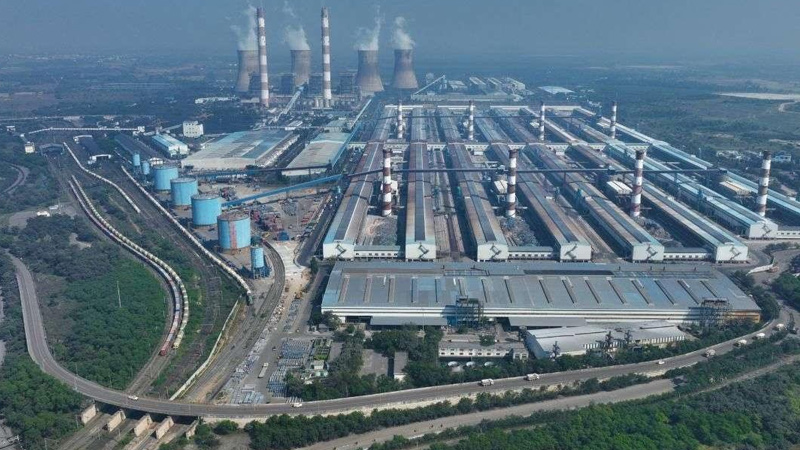
    MUMBAI: When it comes to nation-building, Vedanta Aluminium is proving that not all heroes wear capes some shine in silver sheen. This Independence Day, India’s largest aluminium producer launched its campaign “Badhte Bharat Ki Pehchaan”, a tribute to the metal fuelling the country’s self-reliant march towards Viksit Bharat@2047. The campaign rolled out in cinematic style. It began with teasers that celebrated India’s progress without revealing the engine behind it. The suspense gave way to a digital film, unveiling aluminium as the invisible force powering India’s EVs, solar farms, defence systems, and smart infrastructure. The film closed on a resonant note: “Hum hai Vedanta Aluminium. Hum Badhte Bharat ki Pehchaan hain.”

    For Vedanta Aluminium CEO Rajiv Kumar the message is clear: “This year’s Independence Day theme, ‘Naya Bharat’, reflects a reality in the making. Aluminium is the ‘metal of the future’, enabling everything from clean energy to defence alloys. Our campaign is a salute to that spirit of innovation and resilience.”

    The tribute didn’t just play out on screen. Vedanta turned the spotlight on its employees, who shared selfies on social media with the campaign line, calling themselves the real faces powering India’s industrial leap. The company also kicked off a snippet series that zooms into its role in high-growth sectors like electric mobility, renewables, aerospace, defence and infrastructure industries critical to India’s ambition of becoming a $5 trillion economy and beyond.

    From EV batteries and solar panels to combat-ready alloys and metro rail structures, aluminium’s versatility is pitched as India’s growth catalyst. By positioning itself at the centre of this industrial shift, Vedanta Aluminium isn’t just selling a metal, it’s scripting a metaphor: India’s strength, resilience, and future, all rolled into one shiny sheet.

    So, while fireworks lit up the skies this Independence Day, Vedanta made sure aluminium lit up the nation’s imagination. After all, in the story of a rising Bharat, the real sparkle might just be metal deep.

  • Delhi set to take the catwalk as Lakmē Fashion Week turns 25 in style

    Delhi set to take the catwalk as Lakmē Fashion Week turns 25 in style

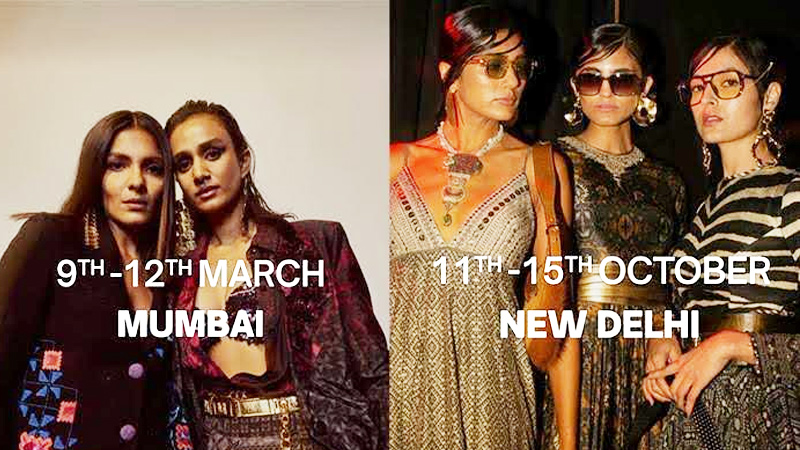
    MUMBAI: Delhi, dust off your heels the runway is calling. Lakmē Fashion Week x FDCI is strutting back to the capital for its 25th anniversary showcase, scheduled from 8 to 12 October 2025 at The Grand, Vasant Kunj. Fresh off a glittering Mumbai edition earlier this year, which kicked off the silver jubilee celebrations, the spotlight now shifts to Delhi long regarded as India’s fashion nerve centre. Over the past quarter century, Lakmē Fashion Week has been more than just sequins and spotlight; it has launched careers, celebrated craft, and built India’s identity in the global style playbook.

    With its bi-annual format across Mumbai and Delhi, the platform powered by Lakmē, Reliance Brands Ltd., and the Fashion Design Council of India (FDCI) has been a springboard for iconic names while staying committed to sustainability, diversity, and innovation.

    “Each edition serves as a catalyst for the industry setting benchmarks, launching talent, and reimagining what fashion can be,” said Lakmē India VP Sunanda Khaitan hinting at a season where heritage will meet futuristic ideas.

    For Reliance Brands’ Group VP Jaspreet Chandok, Delhi offers the perfect stage: “With every edition, we aim to elevate the experience not just as a runway, but as a cultural moment.”

    Echoing the sentiment FDCI chairman Sunil Sethi framed the October showcase as both a celebration and a business opportunity: “Our endeavour is to empower designers, open new markets, and drive engagement between creativity and commerce. This edition will spotlight India’s craft, innovation, and diversity.”

    The fashion week’s legacy is undeniable. Since its inception, it has championed India’s handloom weavers and artisans, while opening global markets for contemporary designers. With over two decades of influence and a growing list of international collaborations, its catwalks have been as much about commerce as couture.

    Final details spanning designer line-ups, collabs, and headline shows remain under wraps, but one thing is certain: come October, Delhi will be where heritage and haute couture collide, and the runway will be louder than Diwali fireworks.

  • Fevikwik sticks to fun with AI mashups and Rs 5 lakh prize campaign

    Fevikwik sticks to fun with AI mashups and Rs 5 lakh prize campaign

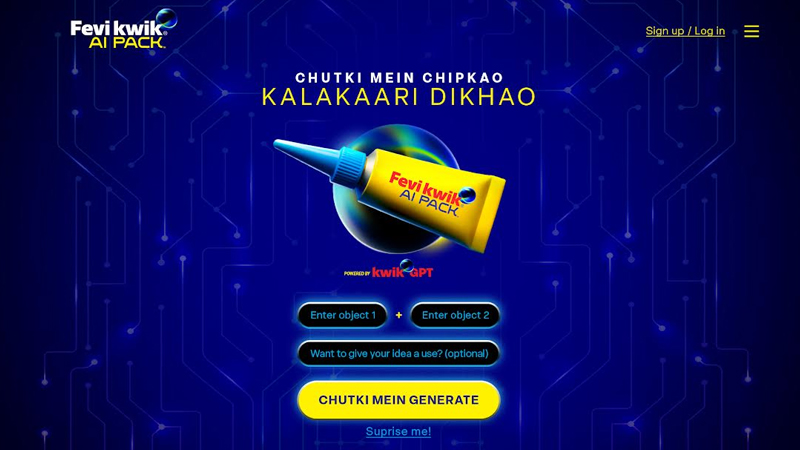
    MUMBAI: When glue meets giggles, you know Fevikwik is up to something. This time, the quick-fix brand has gone from mending the broken to mashing up the bizarre with its newly launched Fevikwik AI Pack, powered by its in-house engine, KwikGPT. From Monsoon Beats (umbrella with headphones) to Time Waist (belt with a watch) and Cute Chops (a chopping board fused with a vanity mirror), the AI tool conjures up oddball hybrids that are as hilarious as they are shareable. The idea? To prove Fevikwik doesn’t just stick, it sparks imagination.

    The campaign, created by Ogilvy India, rides on India’s AI craze, where everything from movie scene swaps to fantasy cricket picks has gone viral. Now, Fevikwik’s twist lets users head to aipack.fevikwik.in, key in any two objects, and watch KwikGPT whip up an image of their invention along with a cheeky name.

    And the fun isn’t just virtual. Weekly winners pocket Rs 10,000, while the ultimate “Chutki Mein Kalaakari Champion” takes home a grand prize worth Rs 5 lakh. The most inventive creations also get a social media spotlight on Fevikwik’s channels, fuelling a leaderboard race for bragging rights.

    “We want to spark action through instant ingenuity, especially for younger audiences,” said Pidilite Industries Ltd CMO Sandeep Tanwani. “Fevikwik is evolving into a symbol of spontaneous creativity celebrating originality, humour, and the joy of making things happen in the moment.”

    Echoing the sentiment Ogilvy India chief creative officer Anurag Agnihotri added: “In a world where AI makes creators of us all, Fevikwik AI Pack spotlights the brand’s playful personality. It’s not just glue, it’s a spark of possibilities.”

    With influencers, creators, and digital buzz fuelling the campaign, Fevikwik is proving once again that it knows how to stick to culture and this time, with a big laugh and a bigger prize.

  • Birla Opus paints a bold stroke with free repainting ‘Assurance’ plan

    Birla Opus paints a bold stroke with free repainting ‘Assurance’ plan

    MUMBAI: Looks like Birla Opus is ready to brush away all consumer doubts quite literally. Birla Opus Paints, part of Aditya Birla Group’s Grasim Industries, has unveiled its new ‘Birla Opus Assurance’ campaign, a first-of-its-kind pledge in the Indian paint industry that promises to repaint homes free of charge if customers aren’t satisfied within a year.

    The one-year repainting warranty covers all four seasons, putting walls through the ultimate weather test. This goes above and beyond the standard product warranty, signalling Birla Opus Paints’ confidence in its advanced formulations and service quality.

    Fronting the colourful campaign are brand ambassadors Vicky Kaushal and Rashmika Mandanna, who don quirky avatars across multiple ad films. Adding extra sparkle to the ensemble are Ranveer Shorey, Murali Sharma, Seema Pahwa and Jaaved Jaaferi, each bringing humour and relatability to the brand’s promise. The ads cheekily thank the design and construction community contractors, architects, and dealers whose word-of-mouth recommendations continue to fuel Birla Opus’ growing popularity in the decorative paints market.

    Birla Opus Paints CEO Rakshit Hargave said the campaign reflects the brand’s “deep-rooted belief in the exceptional quality and performance of our products”, while Marketing Head Inderpreet Singh called it “a bold statement of confidence” that balances reassurance with humour.

    On the creative front, Leo Burnett South Asia’s CCO Sachin Kamble revealed that the films tap into the Indian psyche of “value, trust, and quality service”, with humour used to tackle everyday consumer concerns about durability and finish.

    The ‘Birla Opus Assurance’ campaign will run across Hindi and regional languages, backed by a 360° push spanning TV, digital, and print. With India’s decorative paint sector seeing fierce competition, Birla Opus has taken a bold stroke, one that promises to keep consumers covered, rain or shine.

  • Dentsu turns up the volume with India’s first agency-led podcast network

    Dentsu turns up the volume with India’s first agency-led podcast network

    MUMBAI: Mic check, India branded storytelling just got a whole new sound. Dentsu India has launched the Dentsu Podcast Network (DPN), a dedicated vertical set to make podcasts the next big stage for brands to converse, connect, and create communities across Bharat.

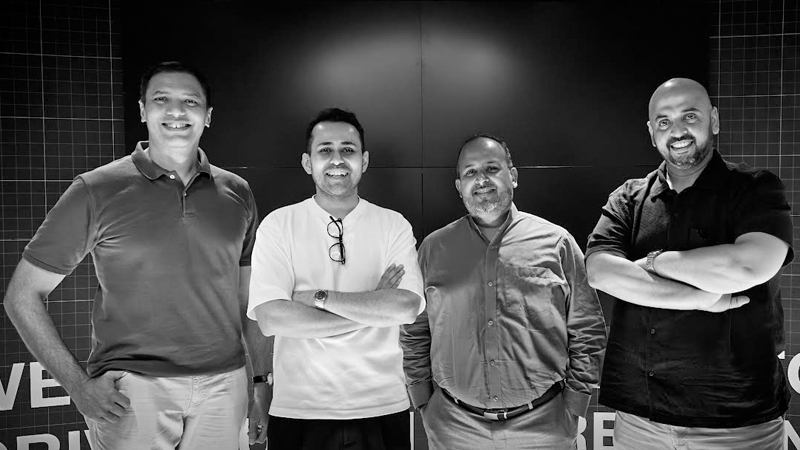
    Podcasts are no longer just background noise. With over 650 plus shows, 100 plus brands, and 120 plus creators already under their belts, the trio of Aditya Kuber, Agith Kuruvilla, and Ashwin Gangakhedkar now vice presidents at dentsu are bringing their podcasting prowess from Ideabrew Studios into the global agency ecosystem. Their experience spans seven languages, from chart-topping Hindi originals to fast-growing regional formats, making them uniquely placed to amplify dentsu’s branded content play.

    Reporting to Dentsu Creative Isobar CEO Sahil Shah,  the new team will collaborate across dentsu’s media, creative, and CXM businesses to push the boundaries of branded audio. “Podcasts are no longer a niche; they are the most immersive and authentic way to connect with audiences,” said Shah, adding that DPN will help brands “tap into India’s cultural pulse” like never before.

    With India’s diverse subcultures and rising appetite for vernacular content, the opportunity is huge. As Dentsu Creative & Media Brands South Asia CEO Amit Wadhwa put it, “This is more than a media launch; it is a bold step towards shaping narratives that travel from the heart of Bharat to audiences across the globe.”

    In the months ahead, DPN will roll out original branded series, vernacular-first IPs, large-scale creator collaborations, video podcasts, and immersive storytelling innovations. The goal: to ensure every dentu client can harness the intimacy of podcasts and the diversity of Indian languages to build deeper, more meaningful brand affinity.

    For India’s podcasting scene already one of the world’s fastest growing, this could well be the big leap from playlists to power plays, with dentsu tuning brands into conversations that echo far beyond the metros.

  • Shaadi shopping hits jackpot as Omaxe Chowk gifts Rs 1.5 crore house

    Shaadi shopping hits jackpot as Omaxe Chowk gifts Rs 1.5 crore house

    MUMBAI: Who said wedding shopping only lightens the wallet? This season at Chandni Chowk, it might just hand you the keys to a Rs 1.5 crore dream home. Omaxe Chowk has rolled out its one-of-a-kind retail extravaganza Shaadi ka Mota Shagun making bridal trousseau shopping feel more like a game show. Starting 16 August and running for five months, shoppers will get more than bangles and bandhgalas; they stand a chance to win a house worth Rs 1.5 crore, a luxury car, two bikes, travel packages, jewellery, and daily to monthly rewards.

    The timing is as grand as the giveaways. India’s wedding industry, the second largest in the world, hit a whopping US 57.1 billion dollars (Rs 4.74 trillion) in 2023, growing 26.4 per cent year-on-year, according to IBEF. With nearly every sector from fashion and décor to jewellery and automobiles woven into the shaadi economy, Chandni Chowk has always been the bustling epicentre. Now, Omaxe Chowk is taking the tradition into overdrive by fusing heritage with plush retail infrastructure and digital flair.

    Omaxe Group executive director,  Jatin Goel summed it up: “Indian weddings are not just personal milestones but cultural events that drive one of the world’s largest wedding markets. With Shaadi ka Mota Shagun, we’re going beyond discounts, giving shoppers the chance to win prizes as grand as their celebrations.”

    From daily shopping vouchers to life-changing jackpots, the campaign ensures that every swipe of the card or exchange of cash could come with more than just shopping bags it could come with a set of keys, a flight ticket, or even a luxury ride home. For brides, grooms, and families alike, Chandni Chowk isn’t just where wedding dreams are stitched; it’s where fortunes may now be won.

  • ITC Sangeet Research Academy’s ‘Desh Ek Raag 2’ blends Hindustani classical and dance in Independence Day tribute

    ITC Sangeet Research Academy’s ‘Desh Ek Raag 2’ blends Hindustani classical and dance in Independence Day tribute

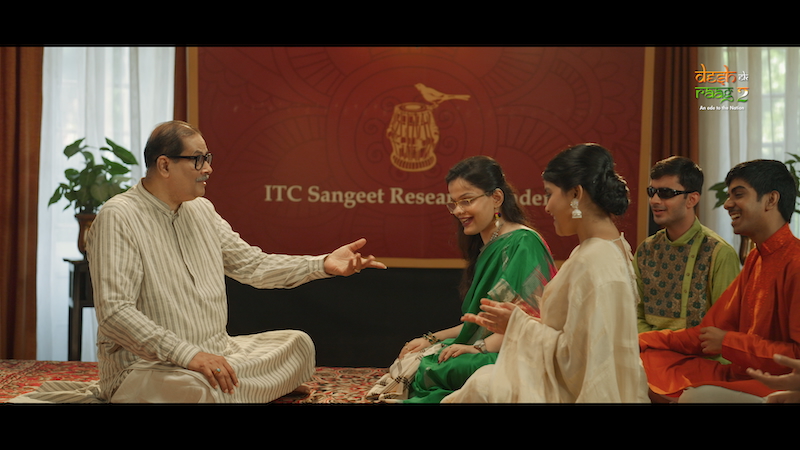
    MUMBAI: ITC Ltd, through the ITC Sangeet Research Academy (ITCSRA), has unveiled Desh Ek Raag 2—a sweeping musical salute to India’s cultural heritage ahead of the nation’s seventy ninth  Independence Day. Anchored in Raag Desh and enriched by elements of Vande Mataram, the performance combines Hindustani classical music with Bharatnatyam, Kuchipudi, Odissi and Kathak, performed by celebrated dance gurus and their disciples. 

    The project, directed musically by ITCSRA guru Abir Hossain, features leading names including Pandit Ajoy Chakrabarty, Pandit Ulhas Kashalkar, Pandit Partha Chatterjee, Vidushi Subhra Guha, Pandit Uday Bhawalkar and tabla maestro Pandit Suresh Talwalkar. Western instrumentation by the band Prithibi adds a contemporary texture. 

    Desh Raag is the unifying thread weaving our country’s beauty, diversity and traditions,” said Chakrabarty. Hossain noted that this year’s edition brought together a new mix of scholars, faculty and veteran artistes to reflect both tradition and fresh creative energy. 

    The performance, recorded at ITCSRA’s Kolkata studio and filmed by Chandrasish Ray, is an expansion of 2024’s Desh Ek Raag, which drew over a million views. Chairman Sanjiv Puri called it “a tribute to our beloved nation” and a reminder of the academy’s role in preserving the Guru-Shishya parampara.  

    Founded in 1977, ITCSRA has trained generations of Hindustani classical musicians in the tradition of residential, immersive learning. With over 40 scholars in Kolkata and Pune, the academy blends cross-gharana exposure with rigorous discipline—ensuring the music and its values endure. 

  • R K Swamy’s ad spend pays off with Q1 profit leap to Rs 287 lakh

    R K Swamy’s ad spend pays off with Q1 profit leap to Rs 287 lakh

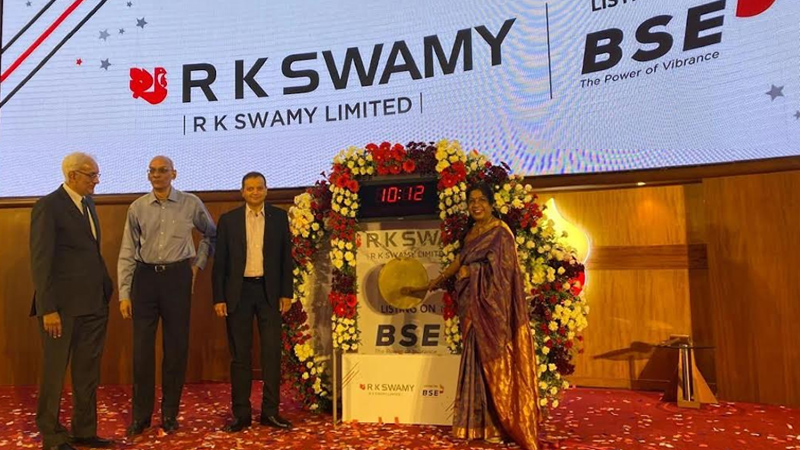
    MUMBAI: R K Swamy seems to have found the right script for Q1, a plot with steady revenues, tighter expenses, and a profit scene worth watching. The integrated marketing services player posted a consolidated net profit of Rs 287.46 lakh for the quarter ended 30 June 2025, up from Rs 217.93 lakh in the year-ago period. Revenue from operations stood at Rs 7,756.79 lakh, with total income touching Rs 8,024.81 lakh, powered by Rs 268.02 lakh in other income.

    Operational expenses rose to Rs 2,494.25 lakh from Rs 2,173.20 lakh, while employee costs were slightly higher at Rs 3,182.71 lakh. Other expenses climbed to Rs 1,468.53 lakh. EBITDA came in at Rs 879.32 lakh, well ahead of the Rs 703.22 lakh posted last year, though below the March quarter’s Rs 1,972.21 lakh.

    Finance costs and depreciation stood at Rs 85.45 lakh and Rs 433.52 lakh respectively, leading to a profit before tax of Rs 360.35 lakh. Total tax expenses were Rs 72.89 lakh.

    The quarter also saw Rs 5,400 lakh of IPO proceeds fully deployed for working capital, while Rs 3,626.22 lakh earmarked for general corporate purposes has also been utilised. However, Rs 5,458.43 lakh remains unutilised including Rs 1,098.50 lakh for a planned DVCP Studio, Rs 2,838.20 lakh for IT infrastructure across R K Swamy and its subsidiaries Hansa Research and Hansa Customer Equity, and Rs 1,521.73 lakh for new CEC and CATI facilities.

    On a standalone basis, profit for the quarter was Rs 134.16 lakh versus Rs 35.18 lakh last year, with revenue from operations at Rs 3,283.06 lakh.

    While adland has seen its fair share of headwinds, R K Swamy’s Q1 suggests the company is positioning itself for a year of expansion with big-ticket infrastructure investments waiting in the wings to take centre stage.