Category: MAM

  • CX marks the spot as brands bet big on experience over everything else

    CX marks the spot as brands bet big on experience over everything else

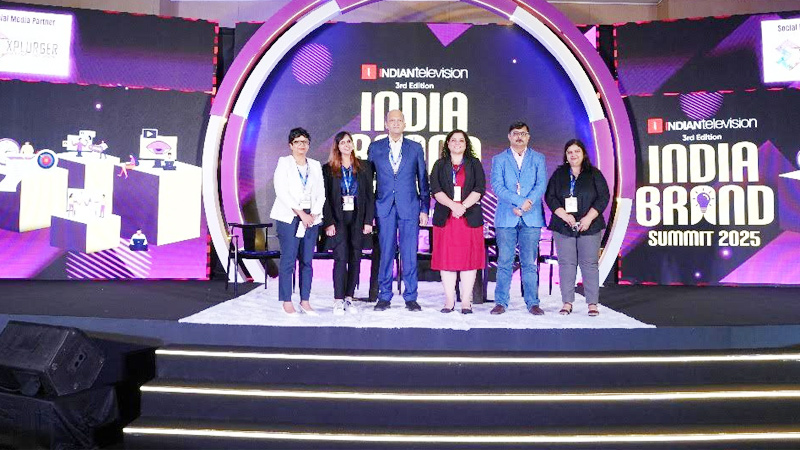
    MUMBAI: What do movie remixes and customer experience (CX) have in common? Both, as it turns out, need staying power, emotional hooks, and the ability to get even the toughest crowd on their feet. That was the mood at the 3rd India Brand Summit 2025, where CX leaders gathered for a session titled CX-Led Growth: Why Experience is the Ultimate Differentiator and the conversation hit all the right notes.

    Session chair Deloitte India, partner Vivette D’Cruz set the tone by urging brands to design CX not just for today but for the decades to come: “Make it like a remix that still works 20 years later evergreen, adaptable and impossible to resist.”

    From there, the panellists spanning sectors from entertainment and holidays to manufacturing and consumer goods unpacked how experience has become the real battlefield for brand loyalty.

    Mahindra Holidays & Resorts India VP for customer operations Shweta Srivastava traced CX’s rise from a back-end support function to boardroom strategy. “Customer experience has evolved from reactive firefighting to being a core driver. Many companies now have Chief Customer Experience Officers at the table,” she said. Her advice: pick three metrics that matter most, whether CSAT, NPS, or retention, and make them part of leadership KRAs. That way, ownership spreads across functions finance, supply chain, marketing not just the service desk.

    She recalled an e-commerce fix designed through empathy: “We created a ‘green pass’ tag for loyal customers, flagged in the CRM. It allowed frontline agents to override rigid return policies and say ‘no questions asked’ because loyalty deserves flexibility.”

    Panasonic Electric Works India head of customer services Rakesh Gupta highlighted how embedding CX into culture requires mapping the entire customer journey. From browsing switches on a website to watching demo panels at a shop, installation, servicing, and even product disposal, every stage was considered. “We even run chai-samosa meetings with electricians, train dealers, and reward loyalty. Because one grumpy ‘Chotu’ at the store can undo months of marketing effort,” he quipped.

    Digital tools like AR/VR are now part of the mix. Customers can virtually test whether a fan matches their walls or a plate complements their curtains. Panasonic also recently piloted a “ballroom” model where its most skilled technicians guide local teams through AI-driven video support, saving costly travel and slashing resolution times.

    Hindalco Industries (Aditya Birla Group) head of customer centricity Namita Bohara stressed that in B2B, trust is built as much through billing details as through product quality. “We measure customer satisfaction through something we call the Fairness Index tracking not just value but whether customers feel they are treated fairly. Even small requests like a GST line item on an invoice matter hugely in cementing loyalty,” she explained.

    Her mantra: listen, learn, act, and close the loop by showing customers how their feedback drove change. Increasingly, Hindalco is co-creating solutions with clients, anticipating needs before they arise.

    For Shemaroo head of digital marketing Anvesha Poswalia CX boils down to emotional connect. “We’ve pivoted from B2B to B2C. Customers come to us not for discounts but for goosebumps,” she said. Citing the Gujarati film Umrooni Pen Paar, she described how Shemaroo turned its launch into a cultural moment by encouraging audiences to share their own ‘first threshold’ stories. “It wasn’t just about streaming a film, but sparking conversations people related to. That’s how you build loyalty,” she said, adding: “Our mission is to make Gujaratis fall in love again with Gujarati cinema.”

    Hamilton Housewares’ head of CX & Service, Uday Bhosale, argued that technology must augment, not replace, human connection. “Fifteen years ago, call centres were the only channel. Today, we have bots, Whatsapp, emails, even AI answering calls. But businesses must decide where to draw the line. Use bots for order status or FAQs, but when frustration and emotions enter, only a human should step in,” he warned.

    He noted that 70 per cent of companies deploying AI for cost-cutting miss their targets. The better approach: let AI assist agents by surfacing faster answers, while humans handle empathy-driven queries.

    Shweta added that transparency in personalisation is non-negotiable. “Customers should feel their data is enhancing their experience, not invading privacy. In our membership model, we use past holiday behaviour to design plans that fit their lives. When personalisation feels helpful, it works,” she said.

    The session ended with consensus: CX is less about one-off “wow” moments and more about remixing consistency with innovation. Whether through loyalty councils, AI-enhanced service, fairness indices, or goosebump-worthy cultural campaigns, the goal is to make CX the evergreen anthem of brand growth.

    As one speaker summed it up, “Technology and human connection must work hand in hand because in the end, customers don’t just remember the transaction, they remember the feeling.”
  • Brands unplugged as CXOs decode trust, traffic and tech at IBS 2025

    Brands unplugged as CXOs decode trust, traffic and tech at IBS 2025

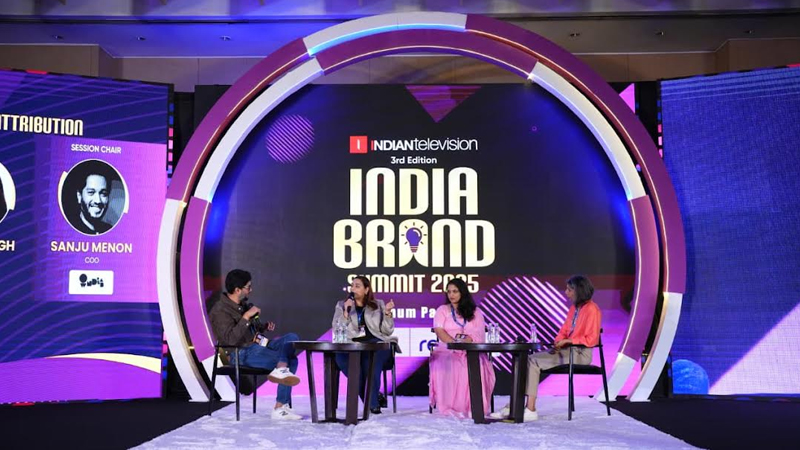
    MUMBAI: When it comes to building brands in today’s attribution-obsessed world, traffic isn’t just on the roads, it’s the lifeblood of every founder’s morning routine. That was the cheeky starting point at the CXOs Unplugged: Building Brands in the Age of Attribution session at the 3rd India Brand Summit 2025, where candid confessions flowed as freely as marketing buzzwords.

    Bartisans co-founder Jovita Mascarenhas admitted she checks Shopify impressions before coffee: “How many people even got to know about us? Conversion comes later. Awareness is the scariest metric.” For Abhinav Pathak, CEO & Co-Founder of Escape Plan, the stress of traffic is daily revenue pressure: “Yesterday’s traffic, today’s revenue. I’d be on my toes with WhatsApp broadcasts to make up the gap.”

    But traffic panic wasn’t the only anxiety in the room. Aseem Shakti founder & CEO Swati Singh delivered a sharp warning on the limits of AI: “A major disruption will come from the growing skepticism around AI-generated content. Trust is diminishing. Offline marketing will be just as important as digital in the next few years.” Her mantra: trust-building is oxygen for the present, but authentic storytelling is the food that sustains brand longevity. “If you feed your company junk food weak storytelling, it may survive today but not thrive tomorrow.”

    Taboola advertising account director Vibhu Anand pushed back gently, arguing AI is less about hype, more about real-time insights. “AI is a phase everyone’s jumping on, but it’s about finding your niche. It’s still going to need people to guide the insights. Trust-building will require heavy investment in technology.” Taboola itself is testing Deepadive, an AI engine to keep readers loyal to publisher sites in an age of content drift.

    The conversation veered into funding scars when Mascarenhas recalled her early VC experience: “They once told me, ‘Shut down.’ Cocktail mixers in India? People thought it was fruit juice. Building a category takes patience VCs often don’t have.” Her solution has been doubling down on storytelling, a mother-son brand journey, clean ingredients, and unapologetic positioning in a culture wary of drinking at home.

    Pathak echoed the need for balancing numbers with narrative. “Performance marketing is oxygen, but content is fitness. I want my brand to last 10, 20, 50 years, not just today.” She confessed Shark Tank still drives virality every month, but admitted splurging on radio and film premieres despite fuzzy attribution because “it builds trust and perception.”

    And if consumer trust is wobbling, commerce itself isn’t slowing. Mascarenhas quipped that “quick commerce will continue disrupting retail for the next few years,” underscoring how founders now battle both shrinking consumer patience and multiplying competition.

    Wondrlab COO Sanju Menon, session chair, kept the banter flowing, but the takeaway was clear: in an age where every click is tracked, brand-building is about patience, authenticity, and choosing when to lean on dashboards versus when to lean into storytelling.

    As Anand put it, “It’s more expensive to acquire a new user than keep a repeat one. Storytelling and trust may not show up on a dashboard tomorrow, but six months down the line, they slash your acquisition costs by 25 per cent.”

    Attribution may be the age we live in, but as the CXOs unplugged, it’s still trust, traffic, and timeless storytelling that keep brands truly alive.

  • CMOs court AI but still swear by human touch in Dentsu’s 2025 report

    CMOs court AI but still swear by human touch in Dentsu’s 2025 report

    MUMBAI: In the age of algorithms, it seems imagination still has the final word. Dentsu Creative’s freshly released CMO Report 2025 reveals that while artificial intelligence is now deeply woven into marketing practice, senior marketers insist human creativity, empathy and cultural intelligence remain irreplaceable.

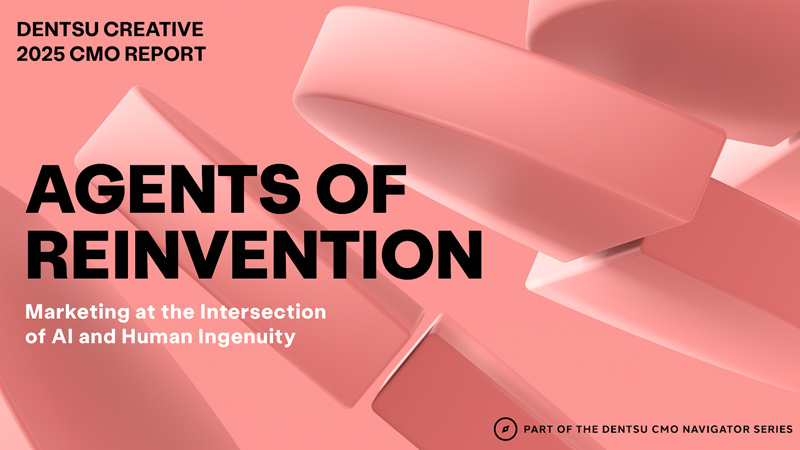
    The study, titled Agents of Reinvention: Marketing at the Intersection of AI and Human Ingenuity, draws insights from 1,950 plus CMOs across 14 markets from India and the US to Japan and Brazil. Its central paradox? In a world governed by AI, humanity becomes the most valuable differentiator.

    Key findings highlight the balancing act CMOs face:

    . 30 per cent plus use AI daily, but 78 per cent agree AI can never replace human imagination, up 13 points from 2024.

    .  87 per cent say strategy now demands more empathy and creativity, not less.

    . 71 per cent fear invisibility without “winning the algorithm”, yet 79 per cent worry optimisation breeds sameness.

    .  84 per cent believe brands must win share of culture, not just share of voice.

    .  90 per cent see social and influencer content as outperforming traditional ads, while 91 per cent believe brands are built through creator collaborations (though 82 per cent fret about losing control).

       Innovation budgets are rising too 70 per cent plus plan to allocate over 20 per cent of spend to innovation in 2026 and beyond.

    The report also flags a striking shift in Connected AI adoption: 89 per cent expect “agentic AI” where digital agents curate travel, shopping and more to reshape business, but the same proportion say trust and taste will matter more than ever.

    Global dentsu leaders underscored this duality. Global CCO Yasu Sasaki noted that AI “is exceptional at prediction, but creativity is unpredictable by nature,” while CSO Patricia McDonald warned that “if every brand chases the same signals with the same tools, we’re just running harder to stand still.”

    For India Dentsu CEO of creative & media brands Amit Wadhwa summed it up neatly: “Algorithms may shape what we see, but imagination, empathy and culture shape what we remember.”

    In other words, CMOs in 2025 aren’t just coding for clicks, they’re betting that the brands which out-human the algorithm will be the ones that endure.

  • Makemytrip and Zomato serve hot meals right to train passengers’ seats

    Makemytrip and Zomato serve hot meals right to train passengers’ seats

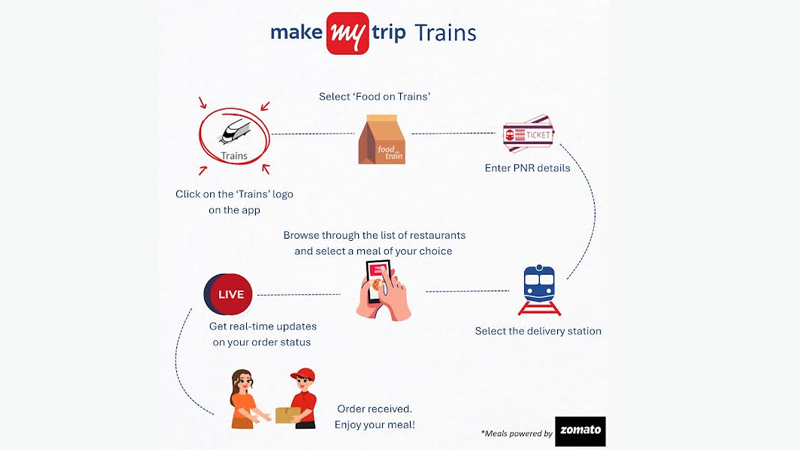
    MUMBAI: No more soggy samosas in foil packets, train travel in India just got a gourmet upgrade. Makemytrip has teamed up with Zomato to bring meals from 40,000 plus restaurant partners across 130 plus stations straight to passengers’ seats.

    The move rides a wave of appetite: in FY 2024–25, more than 90,000 rail passengers used Indian Railways’ e-catering services daily, a 66 per cent year-on-year growth. With its new ‘Food on Train’ service, MakeMyTrip is banking on its Live Train Status tool to nudge travellers into ordering at just the right moment, ensuring breakfast, lunch, dinner, or snacks arrive piping hot.

    The partnership has already been soft-launched with encouraging results, showing travellers lean towards travel-friendly meals. To add festive flavour, passengers booking rail journeys on MakeMyTrip this Diwali will also get a complimentary coupon redeemable on Zomato orders.

    “Over the past few years, we have been growing faster than the industry in train bookings, driven by customer-centric innovations. Food on Train is another step to enhance the journey,” said Makemytrip CBO & CMO Raj Rishi Singh.

    Zomato, which has already served 4.6 million plus orders across 130 plus stations as an IRCTC-authorised food partner, sees this as a natural extension. “This collaboration makes meals seamless and enjoyable, delivered directly to your seat,” said Zomato VP for Product Rahul Gupta.

    Beyond food, Makemytrip is also reshaping every stage of the train journey with tools like route extension assistance, seat availability forecasts, seat lock, trip guarantee, free cancellation, live PNR updates, and real-time tracking.

    From steaming biryanis to paneer rolls, rail journeys may never taste the same again because now, your favourite restaurant is only a station away.
     

  • Mille shakes up kitchens with protein-packed dal to coffee innovation

    Mille shakes up kitchens with protein-packed dal to coffee innovation

    MUMBAI: If dal could lift weights, it would probably taste like Mille. The supergrain brand from Wholsum Foods (of Slurrp Farm fame) has just dropped a kitchen-friendly fix to India’s biggest dietary gap, protein.

    According to Indian Market Research Bureau (IMRB) data, a staggering 73 per cent of Indian diets are protein-deficient, thanks to plates piled high with rice, roti and dal but little else. And while gym rats sip their heavy shakes and chew dense bars, the everyday eater has been left scrambling for easier answers.

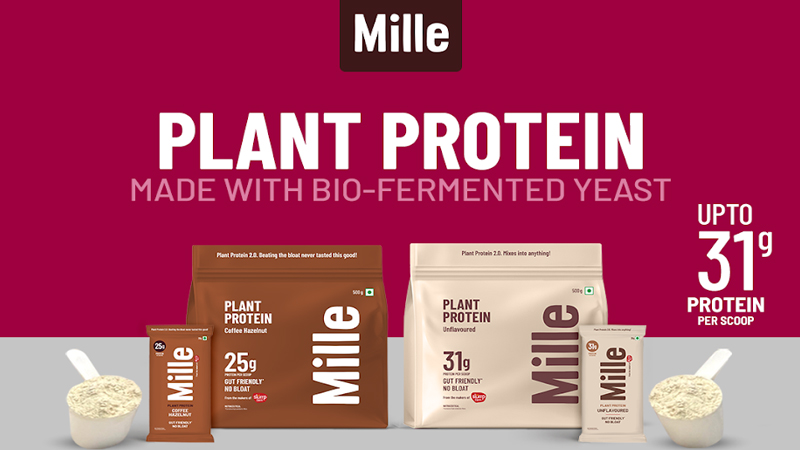
    Enter Mille Protein Powder designed not for bodybuilders but for the rest of us. Available in two versatile formats, it sneaks protein into familiar meals without turning the kitchen upside down. The coffee-flavoured shake offers a comforting hit of caffeine with a whopping 31 grams of protein per serving, while the neutral, heat-stable booster can disappear into dosas, rotis, khichdi, pasta, dal, or even soup without changing taste or texture.

    “Our goal was simple: to bring protein back into the Indian kitchen,” said Wholsum Foods co-founders Meghana Narayan and Shauravi Malik. “Most people aren’t counting macros, they just want food that’s tasty and good for them. Mille makes it easy to add protein to what you’re already eating from your morning coffee to your evening roti without fuss.”

    Retailing at Rs 1,999 for 500 grams, Mille Protein hits shelves this month, with availability on millesupergrain.com, Amazon, and Swiggy Instamart.

    For a nation that loves its dal and dosa, Mille’s pitch is simple: no crash diets, no complicated routines, just protein made familiar, delicious, and everyday. After all, why should fitness buffs have all the shakes?

  • Tata Tea Gold paints Pujo golden with 10 art-led festive packs in Bengal

    Tata Tea Gold paints Pujo golden with 10 art-led festive packs in Bengal

    MUMBAI: If Bengal’s Durga Puja is a painting in motion, then Tata Tea Gold has just framed it in gold. This festive season, the brand has launched a dazzling campaign Banglar Shilpi Shojjito Pujo featuring 10 limited-edition tea packs designed by celebrated Bengali artists, each capturing a different ritual of the five-day celebration.

    The packs are more than packaging, they are canvases. From the thunder of the dhaak on Shashti to the swirling smoke of the dhunuchi dance on Nabami and the sindoor-smeared joy of Dashami, every pack is a stroke of nostalgia. Artists like Goutam Sarkar (acrylic realism), Gopal Naskar (myth-meets-modern pastels), Gourab Kundu (fluid watercolours), Anjan Bhattacharya (rich oils), and Joyeeta Bose (digital magic) have each lent their craft, creating a collectible series that doubles as an ode to Bengal’s artistic soul.

    The campaign extends beyond shelves. A special festive TVC opens with a steaming cup of Tata Tea Gold in a Bengali household before the vapour spirals into colours that paint vibrant pandals, neighbourhoods, and rituals across West Bengal. Every transition becomes art itself with the film ending on the evocative line: “Banglar Pujo Ek Sonar Chhobir Mawto” (Bengal’s Pujo is nothing short of a golden painting).

    “Durga Puja is not just a festival; it is an emotion that binds Bengal,” said Tata Consumer Products president for packaged beverages India & South Asia Puneet Das. “This year, by collaborating with local artists, we’ve brought those emotions alive on every pack, making Pujo feel as personal as it is collective.”

    The initiative builds on Tata Consumer Products’ vast consumer base of 275 million Indian households and its wide portfolio from Tata Tea and Tetley to Tata Salt, Sampann, Soulfull and Ching’s Secret. With a consolidated turnover of Rs. 17,618 crore, the company is betting on art and authenticity to deepen its festive connect.

    This Durga Puja, tea breaks in Bengal may just feel like gallery visits, cups steeped not only in flavour but also in festival, memory, and art.

  • Sreeleela shines in Chicnutrix’s ‘Glow Mode On’ campaign, blending science with beauty

    Sreeleela shines in Chicnutrix’s ‘Glow Mode On’ campaign, blending science with beauty

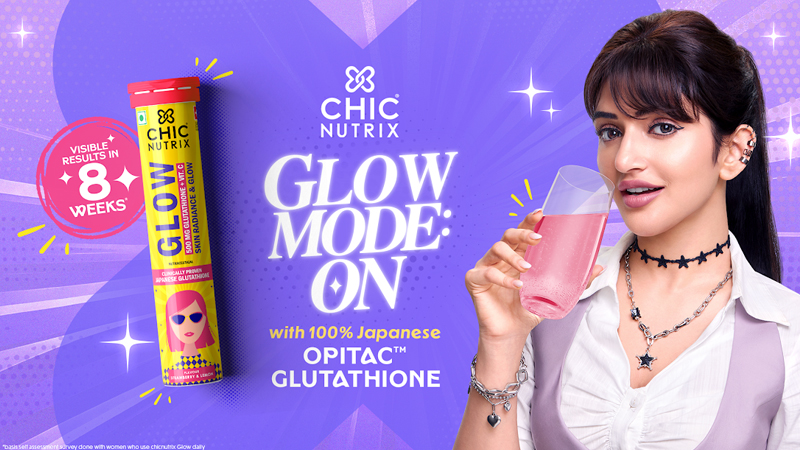
    MUMBAI: Chicnutrix, India’s leading beauty and wellness nutrition brand, has unveiled its new campaign ‘Glow mode on’ featuring Telugu actor Sreeleela. With her radiant persona, strong youth appeal, and authentic approach to wellness, Sreeleela brings charm and credibility as the face of Chicnutrix, making her the ideal advocate for beauty and nutrition backed by science.

    Today’s skincare consumer is ingredient-conscious and seeks solutions that are effective and clinically validated. ‘Glow mode on’ reflects this demand with Chicnutrix glow, powered by Opitac Glutathione from Japan, the global gold standard in skin health, along with Vitamin C. Together, these ingredients target dullness, pigmentation, and uneven tone, delivering brighter, clearer, and naturally radiant skin from within.

    The campaign blends live action with Japanese anime to create a striking visual narrative. In the film, Sreeleela appears as a radiant force whose Glow transforms into a shield, defeating the villains of pigmentation and dullness, protecting her from external stressors, and amplifying her inner beauty.

    Chicnutrix, ceo, Shilpa Khanna Thakkar said, “Glow Mode On isn’t just a campaign, it’s a movement that speaks to every modern woman who knows true beauty starts from within. With Sreeleela, we have the perfect face to deliver this message with both glamour and credibility. She represents the balance of science and style that Chicnutrix stands for.”

    Speaking about her association, Sreeleela said, “For me, true beauty is about feeling confident in your own skin, inside and out. Chicnutrix glow combines clinically proven ingredients like Opitac glutathione and Vitamin C in a way that is simple, fun, and effective. I am delighted to be part of this campaign that encourages women to switch their Glow Mode On and embrace wellness as a lifestyle.”

    The ‘Glow Mode On’ campaign is now live across social media platforms, carrying the bold message that with Chicnutrix: Glow mode on is equal to skin problems off.

  • Zappfresh serves up IPO feast with Rs 59 crore issue on BSE SME platform

    Zappfresh serves up IPO feast with Rs 59 crore issue on BSE SME platform

    MUMBAI: When the meat is this fresh, even the markets want a bite. DSM Fresh Food Limited, better known by its consumer brand Zappfresh, is sharpening its knives for a stock market debut with a Rs 59.06 crore IPO on the BSE SME platform.

    The issue opens on Friday, 26 September 2025, and closes on Tuesday, 30 September 2025, with a price band of Rs 96–Rs 101 per share. Anchor investors will get first dibs on 25 September, a day ahead of the public opening.

    The offering comprises 59,06,400 equity shares of face value Rs 10 each. Out of these, 3,31,200 shares (Rs 3.34 crore) are reserved for the market maker, leaving a net issue of 55,75,200 shares (Rs 56.3 crore). The allocation structure follows SEBI’s book-building rules:

    . Up to 50 per cent for Qualified Institutional Buyers (QIBs), with up to 60 per cent of this portion available to anchor investors.

    . At least 15 per cent for Non-Institutional Investors (NIIs), with sub-categories for bids above and below Rs 10 lakh.

    . Not less than 35 per cent for Retail Individual Investors.

    Founded in 2015, Zappfresh has carved out a niche in India’s fragmented meat market with an integrated supply chain spanning sourcing, processing, cold storage and distribution. Its omnichannel model serves both B2C consumers and B2B Horeca clients across chicken, mutton, seafood, and ready-to-cook/eat products.

    Proceeds from the IPO will fund growth and expansion, including Rs 25 crore for working capital, Rs 15 crore for marketing, Rs 11 crore for capex, and Rs 3 crore for acquisitions. The balance will go toward general corporate purposes.

    Narnolia Financial Services Limited is the sole book running lead manager.

    With its promise of “fresh, hygienic, worry-free meat”, Zappfresh is looking to slice into India’s equity appetite just as it has cut through the clutter of the butcher’s market. The question is: will investors find the flavour worth savouring?
     

  • Bright sparks ad buzz with Diwali-ready 360 degree festive campaigns

    Bright sparks ad buzz with Diwali-ready 360 degree festive campaigns

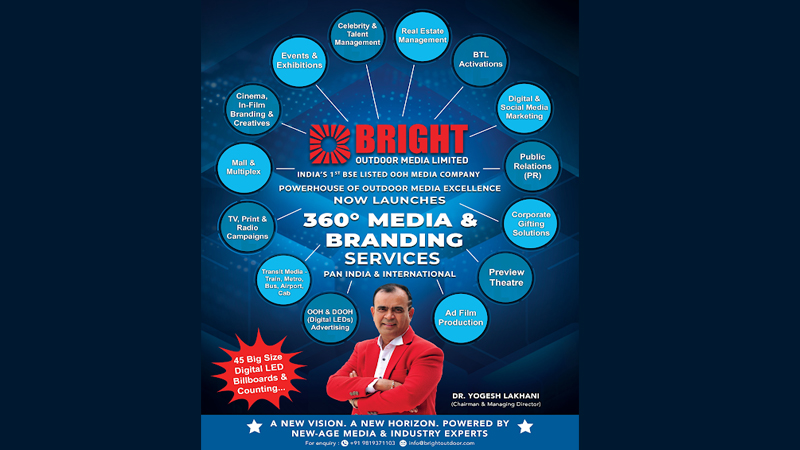
    MUMBAI: When the diyas go up, so do the billboards and Bright Outdoor Media Limited is making sure this Diwali is as dazzling on the streets as it is at home. With a 360° marketing push, the company is rolling out a festive firecracker of campaigns designed to help brands shine brighter during India’s biggest shopping and celebration season.

    At the heart of Bright’s strategy is its network of 50 plus large-format digital LED screens across Mumbai, built to deliver high-impact motion-led campaigns that can’t be missed. Tailored festive pricing ensures that brands maximise their visibility just when consumer sentiment peaks.

    Static billboards, meanwhile, are being deployed across Tier II and Tier III cities, where festive rushes make premium locations ripe for recall. And with Diwali weekends packed with blockbuster films, Bright is also leveraging cinema screens both multiplexes and single screens to deepen brand resonance with family audiences.

    The festive footprint extends further with transit media from bus wraps and metro services to cab branding ensuring brand messages follow consumers on their shopping and travel routes. On the digital front, Bright is sharpening its OTT advertising solutions, keeping pace with surging festive streaming habits.

    But the strategy isn’t limited to conventional placements. Bright is curating real-world experiences, from a Real Estate Expo in Borivali to an awards night for the Gujarati and Marwari business community, giving brands direct access to niche yet influential audiences. The company is also acting as official outdoor partner for Navratri and cultural festivals, doubling down on community-centric visibility.

    Even print retains its spotlight, with Bright offering industry-specific campaigns across leading publications where credibility and clarity still cut through festive clutter. Add to this a robust celebrity and influencer network, and Bright ensures festive ads don’t just reach audiences, they stick.

    “Diwali is more than a festival, it’s a time of connection, celebration, and joy,” said Bright Outdoor Media CMD Yogesh Lakhani. “Our 360° framework combines traditional and digital platforms with creativity and precision to ensure campaigns don’t just reach, they resonate.”

    From store launches and product unveilings to film promotions, Bright’s media professionals are turning festive season into a brand showcase, one LED, billboard, bus, reel, and reel star at a time.

  • Inka launches India’s first AI voice assistant for insurance buyers

    Inka launches India’s first AI voice assistant for insurance buyers

    MUMBAI: When insurance starts talking back, you know disruption has arrived. Inka, India’s digital-first insurance distribution platform, has unveiled Vaani, the country’s first voice AI assistant in the sector and it promises to turn policy planning from paperwork into conversation.

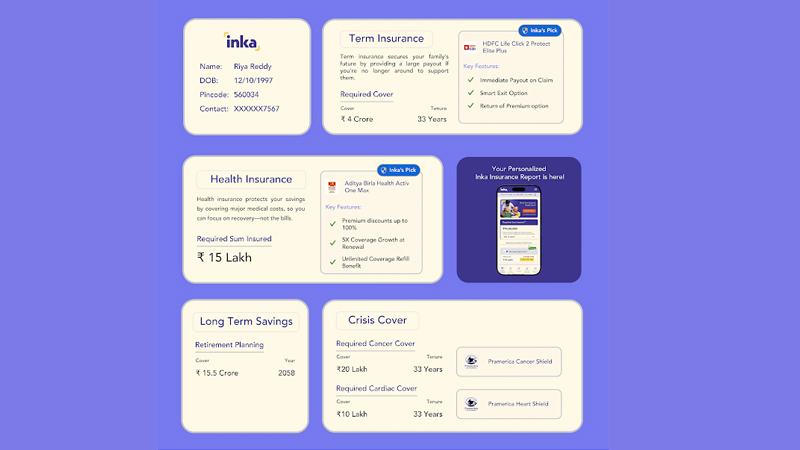
    Built on Google’s Gemini AI, Vaani doesn’t stop at basic Q&As. Instead, it draws on more than 2,400 data points to understand a user’s life stage, health profile, aspirations, and finances before suggesting tailored plans. From health, life, and term insurance to cancer and cardiac covers, long-term savings instruments, and child planning solutions, Vaani ensures every recommendation feels uniquely yours.

    What makes Vaani stand out is its voice-first, multilingual interface. Consumers can chat with it naturally in English, Hindi, Marathi, with Telugu support on the way. By ditching jargon and answering the questions people didn’t even know to ask, it makes insurance feel less like a sales pitch and more like a trusted advisor whispering in your ear.

    Beyond real-time analysis, Vaani can guide users through complex policy comparisons and even book expert consultations, all triggered by a simple voice command. Currently available on the Inkasure platform across desktop and mobile, the pilot rollout aims to refine user experience before a national launch.

    “In a market where buying insurance often feels overwhelming, Vaani represents a giant leap,” said an Inka spokesperson. “It’s about trust, utility, and empowering customers to make informed choices.”

    With insurance penetration in India still hovering around 4 per cent of GDP, the launch signals a bold step to bridge the trust gap and widen access. And with Vaani’s ability to cut through complexity, Indians might finally find their policies speaking their language.