Category: Brands

  • TBZ posts 13 per cent profit growth in Q1 as sales see steady rise

    TBZ posts 13 per cent profit growth in Q1 as sales see steady rise

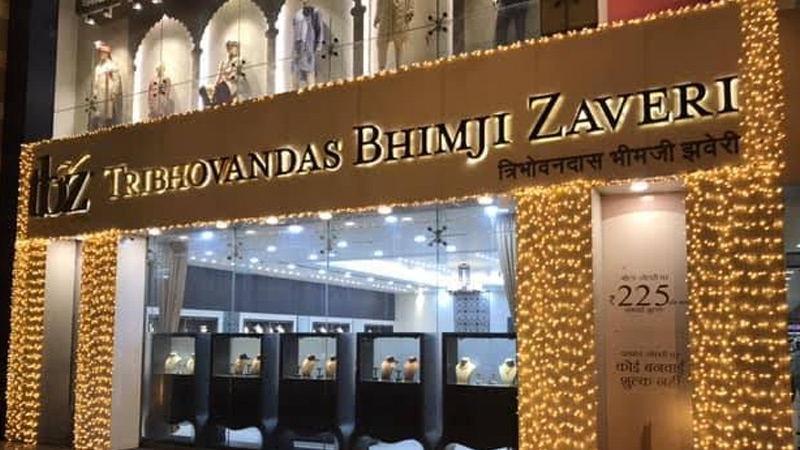
    MUMBAI: All that glitters is gold at least for TBZ. Tribhovandas Bhimji Zaveri Limited (TBZ), the iconic Indian jeweller, began FY26 on a shiny note, reporting a 13.4 per cent year-on-year rise in profit after tax (PAT) to Rs 209.44 million for the quarter ended 30 June 2025. The performance came riding on the back of festive campaigns, curated premium collections, and expanding footprint in key metros and emerging markets.

    Revenue from operations for Q1 FY26 rose 4.7 per cent to Rs 6,240.07 million, up from Rs 5,962.43 million in Q1 last year. What sparkled more than sales, though, was efficiency gross profit rose a gleaming 17.4 per cent to Rs 1,008.43 million, buoyed by better product mix and procurement smarts. Gross margin jumped 176 basis points (bps) to 16.16 per cent.

    EBITDA for the quarter clocked in at Rs 514.08 million, a 20.7 per cent YoY rise, while EBITDA margin improved 110 bps to 8.24 per cent, reflecting operational discipline even as new stores came online. Profit before tax stood at Rs 282.39 million, up 13.8 per cent from Rs 248.16 million in the same quarter last year.

    PAT margin ticked up 27 bps to 3.37 per cent. Basic and diluted earnings per share (EPS) rose to Rs 3.14, up from Rs 2.77 in Q1 FY25.

    On a consolidated basis, TBZ’s performance was equally gilded. Consolidated PAT came in at Rs 224.97 million, up from Rs 170.48 million a year ago. Total income stood at Rs 6,257.44 million, with total expenses at Rs 5,959.49 million. Operating costs remained largely under control despite higher material costs and finance charges.

    The company’s strategy leaning into occasion-led campaigns and premium designs seems to be paying off. Inventory changes shaved off Rs 3,176.57 million in costs, and labour charges were kept at Rs 507.27 million. Finance costs stood at Rs 1,767.28 million, and depreciation rose marginally to Rs 741.76 million.

    In a market known for volatility and sentiment-driven buying, TBZ has managed to strike the right chord with customers while keeping its financials glittering. The strong start to FY26, marked by both topline growth and margin expansion, sets the tone for the quarters ahead especially as the festive and wedding season approaches.
     

  • Monte Carlo slips into loss as sales drop in a seasonally weak quarter

    Monte Carlo slips into loss as sales drop in a seasonally weak quarter

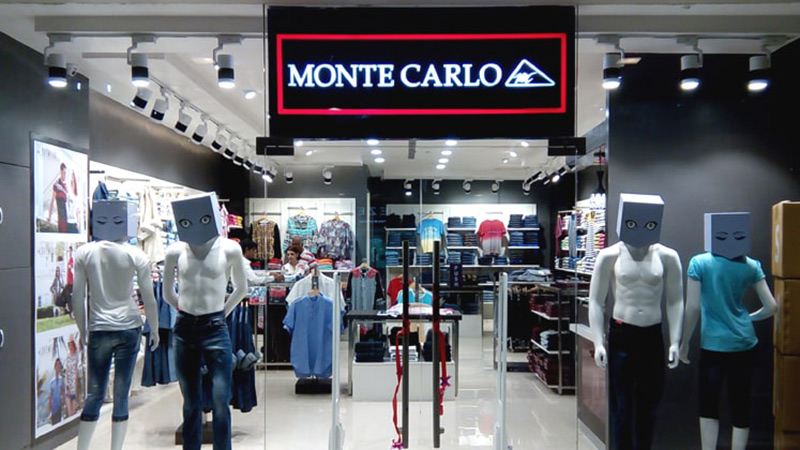
    MUMBAI: Winterwear label Monte Carlo just caught a summer chill on its balance sheet. For the quarter ended 30 June 2025, Monte Carlo Fashions Ltd. reported a standalone net loss of Rs 1,632 lakh, slipping deeper into the red compared to a loss of Rs 1,327 lakh in the same quarter last year. Sequentially too, the performance weakened, with the company reporting a wider loss than the Rs 1,028 lakh deficit in the March 2025 quarter.

    Total income stood at Rs 13,896 lakh, down sharply from Rs 21,856 lakh in the March quarter, and only a marginal uptick from Rs 13,327 lakh in Q1 FY24. The drop was primarily due to a seasonal decline in revenue from operations, which came in at Rs 13,853 lakh, a notable fall from the Rs 20,593 lakh clocked just a quarter ago.

    Operating costs remained high. Purchases of stock-in-trade touched Rs 6,418 lakh, and employee expenses rose to Rs 3,234 lakh. While inventory adjustments offered some relief (with a positive change of Rs 2,724 lakh), it wasn’t enough to offset the drag from expenses like advertising and promotion (Rs 1,039 lakh) and finance costs (Rs 1,105 lakh).

    On a consolidated basis, losses remained nearly the same, with a net loss of Rs 1,622 lakh for Q1 FY26. Total consolidated income was Rs 14,897 lakh, again marking a sequential decline.

    Despite a strong performance in the previous full year with a standalone profit of Rs 7,980 lakh Monte Carlo is off to a frosty start this fiscal. Seasonal cyclicality, high fixed overheads, and a muted retail environment appear to have squeezed margins this quarter.

    The company’s equity base remains stable at Rs 2,073 lakh, with other equity reserves totalling Rs 81,337 lakh. Earnings per share (not annualised) stood at Rs (7.87), compared to Rs 38.49 for the year ended March 2025.

    With peak season months still ahead and inventory realignments underway, the Ludhiana-based firm will be banking on stronger demand in the colder quarters to thaw the current chill. Until then, investors may need to layer up for some financial frostbite.
     

  • Hero revs up Q1 with a profit bump and an EV jolt to the system

    Hero revs up Q1 with a profit bump and an EV jolt to the system

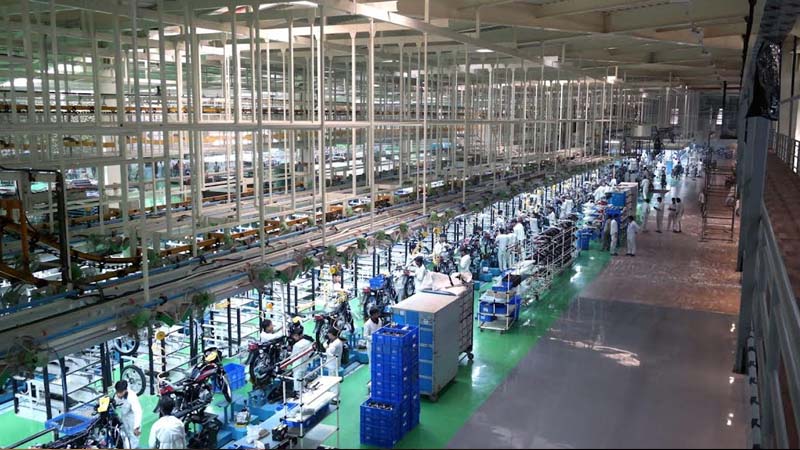
    MUMBAI: EVs, exports, and earnings, Hero MotoCorp’s first quarter of FY26 was anything but idle. The world’s largest two-wheeler maker posted a consolidated net profit of Rs 1,706 crore for the April–June 2025 quarter, a staggering 65 per cent jump from Rs 1,032 crore a year ago. A significant portion Rs 722 crore of that windfall came from a one-time gain following the partial dilution of Hero’s stake in Ather Energy, which went public this quarter.

    On a consolidated basis, Hero Motocorp clocked revenue from operations at Rs 9,728 crore, while standalone revenue stood at Rs 9,579 crore. Profit after tax (PAT) on a standalone basis was Rs 1,126 crore, flat compared to Rs 1,123 crore in Q1 FY25.

    Despite a slight drop in volumes 13.67 lakh units sold this quarter versus 15.35 lakh last year, the bottom line remained buoyant thanks to a steady 14.4 per cent EBITDA margin (Rs 1,382 crore), mirroring last year’s performance. The consolidated EBITDA margin nudged slightly higher at 14.5 per cent.

    Hero’s electric vehicle (EV) arm, VIDA, continues to plug into new opportunities. It launched a subscription-based Battery-as-a-Service (BaaS) model and introduced the Evooter VX2. A campaign titled ‘Charging Simple Hai’, timed with the IPL, spotlighted VIDA’s swappable battery tech.

    On the global front, Hero pushed four new products into the Sri Lankan market in collaboration with long-time distributor Abans Auto: the Xoom 110, Hunk 160R 4V, Xtreme 125R and HF Deluxe.

    The 125cc scooter segment, led by Destini 125 and Xoom 125, and the newly launched HF Deluxe Pro in the 100cc segment helped maintain retail traction. VAHAN registrations remained healthy, and the upcoming festive season could accelerate demand.

    Premium positioning also got a boost with the Harley-Davidson 2025 line-up rollout, including the return of Street Bob and new Road Glide and Street Glide variants. Hero also opened new Premia stores across the country, reaching the 100-store milestone.

    Hero is also tackling regulatory curves. While the company awaits clarity on obligations under the End-of-Life Vehicle (ELV) Rules 2025, it has not yet accounted for any financial impact, citing lack of a defined pricing or certification framework.

    Meanwhile, Hero continues to invest in brand visibility on and off the road. It signed golfers Akshay Bhatia and Sahith Theegala as global ambassadors and added young Austrian rider Tobias Ebster to the Hero Motosports Rally team.

    Hero’s leadership sounds confident. Hero Motocorp chief financial officer Vivek Anand noted strong performance across electric, global and premium categories and flagged a “robust pipeline of new launches” for the coming quarters.

    Investors also got good news earlier this year, with the Board approving a final dividend of Rs 65 per share, taking the FY25 total to Rs 165 per share (8,250 per cent).

    Despite a temporary production pause that impacted dispatches, Hero appears ready to hit the throttle as it enters the festive season. With electric mobility gaining traction, international markets humming, and Ather’s IPO money in the bank, Hero seems geared for a smooth ride into the rest of FY26.

  • Blockbusters and billions boost PVR Inox in Q1 of FY’26

    Blockbusters and billions boost PVR Inox in Q1 of FY’26

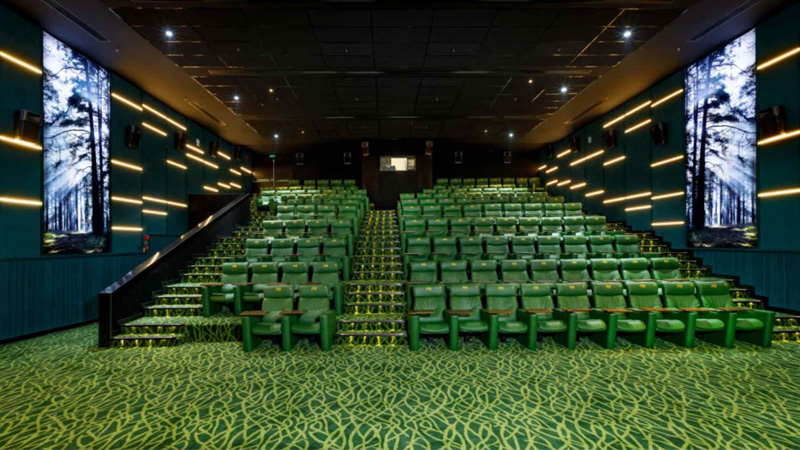
    MUMBAI: Seats taken, debts shaken PVR INOX sets the tone for a blockbuster FY’26. If the opening quarter of FY’26 is any clue, PVR Inox isn’t just selling popcorn, it’s popping the lid off cinema’s revival story. The multiplex major has posted a stellar Q1 performance for the quarter ending June 30, 2025, powered by Bollywood box office blitzes, Hollywood hits, and a strategic play on alternative programming and screen expansion.

    Cinema seats saw healthy occupation as a total of 10 films crossed the Rs 100 crore mark, with three of them zooming past Rs 200 crore, setting the tone for a more balanced and consistent theatrical performance.

    Bollywood brought in blockbuster numbers for PVR Inox, with collections jumping 38 per cent year-on-year. The charge was led by crowd-pullers like Raid 2, Sitaare Zameen Par, Kesari Chapter 2, Housefull 5, and Jaat all five entered the Rs 100 crore club, and three soared past the Rs 200 crore milestone.

    Hollywood wasn’t far behind, registering a whopping 72% YoY growth for the exhibitor. Mega franchises like Mission Impossible, Final Destination: Bloodlines, Ballerina, and the box office juggernaut F1 drove this spike especially on premium formats like IMAX and 4DX, where admissions rose 20 per cent YoY.

    Regional cinema remained a steady performer, with titles like Tamil’s Good Bad Ugly, Malayalam’s Thudarum, and Tourist Family holding the fort.

    Launched in April, the Blockbuster Tuesdays initiative offering tickets at just Rs 99 proved to be more than a gimmick. It brought in nearly 1 million new and lapsed transactors, giving weekdays a much-needed footfall bump.

    Meanwhile, the exhibitor’s push into alternate programming including IPL match screenings, concerts, comedy shows, and film re-releases contributed over 5 lakh admissions this quarter, reinforcing cinemas as multipurpose destinations.

    That said, the quarter wasn’t without hiccups. PVR Inox estimated a loss of 6–7 lakh admissions due to external disruptions like Operation Sindoor, protests around Punjabi film Akaal, and the suspension of Sardaarji 3.

    Sticking to its asset-light strategy, PVR INOX added 20 new screens this quarter, 14 of which were under FOCO and Asset-Light models. With 55 more screens signed under FOCO and 72 under Asset-Light, expansion continues with minimal capital drag.

    Financially, net debt stood at Rs 8,915 million as of 30 June 2025, a Rs 607 million reduction from March 2025 and a sharp Rs 5,389 million (38 per cent) decline since the merger, signalling strong deleveraging.

    The multiplex chain is optimistic about the coming months, with July already clocking the highest monthly admissions in the past 18 months. Hits like Saiyaara, Superman, Mahavtar Narsimha, and Metro In Dino have already found their footing, while much-anticipated releases like War 2, Border 2, Love & War, and Hollywood heavyweights like Avatar: Fire and Ash and The Conjuring: Last Rites promise more gold at the box office.

    Regional biggies such as Coolie, Toxic, Akhanda 2, and Kantara: A Legend Chapter 1 will further bolster the slate.

    With a footprint of 1,745 screens across 353 cinemas in 111 cities across India and Sri Lanka, and a focus on lean growth, PVR Inox is eyeing a full house not just in theatres, but on the balance sheet too.

    As PVR Inox managing director Ajay Bijli summed it up, “The momentum has been supported by a well-performing and steady content slate, giving us confidence in the year ahead.”

    And if Q1 is anything to go by, FY’26 might just be the comeback reel Indian cinema’s been waiting for.


  • Britannia posts Rs 520 crore profit in Q1 on higher revenue and margins

    Britannia posts Rs 520 crore profit in Q1 on higher revenue and margins

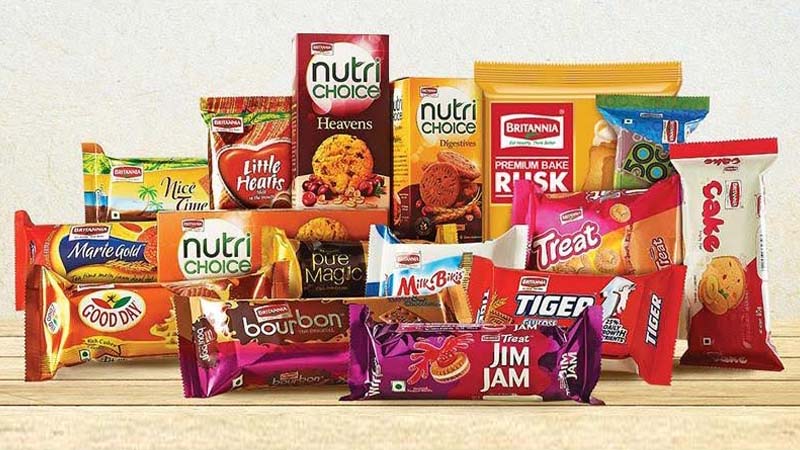
    MUMBAI: Biscuit boss Britannia sinks its teeth into a strong Q1, notching up a crisp Rs 520 crore in net profit, driven by higher volumes, improved margins, and a well-baked portfolio mix. Britannia Industries Limited reported a sweet start to FY26, with consolidated net profit rising to Rs 520.13 crore in the quarter ended 30 June 2025. That’s up from Rs 504.88 crore in the same quarter last year. Total consolidated revenue from operations for Q1 stood at Rs 4,622.22 crore, a healthy increase from Rs 4,250.29 crore a year ago.

    The biscuit major’s consolidated total income rose to Rs 4,679.23 crore, aided by other income of Rs 57.01 crore. Britannia’s operational costs climbed too, but were kept under check with total expenses at Rs 3,973.36 crore, up from Rs 3,599.51 crore in Q1 FY25.

    Among the key expense heads, raw material costs stood at Rs 2,550.87 crore, while employee benefits rose to Rs 241.86 crore (up from Rs 201.95 crore YoY), and other expenses totalled Rs 864.21 crore.

    Profit before tax for the quarter came in at Rs 701.02 crore, with tax expenses pegged at Rs 180.89 crore, leading to the final net profit figure of Rs 520.13 crore. The company’s earnings per share (basic and diluted) stood at Rs 21.62, compared to Rs 20.99 in the same quarter last year.

    On the standalone front, Britannia clocked revenue from operations of Rs 4,452.74 crore, up from Rs 4,094.44 crore in Q1 FY25. Standalone profit before tax came in at Rs 674.20 crore, while net profit stood at Rs 498.27 crore compared to Rs 502.08 crore last year. Standalone EPS (basic and diluted) stood at Rs 20.69.

    The biscuit bellwether also reported total comprehensive income of Rs 521.10 crore (consolidated) and Rs 498.27 crore (standalone) for the quarter. The company’s paid-up equity share capital remained unchanged at Rs 24.09 crore.

    Britannia, which has been navigating a volatile input cost environment, has leaned on price optimisation and product mix to drive growth. With Q1 numbers setting the tone, it appears the brand is baking more than just biscuits, it’s cooking up consistent profitability.

    Summary of Key Financials (Consolidated Q1 FY26):

    ●  Revenue from operations: Rs 4,622.22 crore

    ●  Total income: Rs 4,679.23 crore

    ●  Profit before tax: Rs 701.02 crore

    ●  Net profit: Rs 520.13 crore

    ●  EPS (Basic & Diluted): Rs 21.62

    ●  Total comprehensive income: Rs 521.10 crore

    The earnings confirm that Britannia is staying crunchy even in a competitive and inflation-prone FMCG market.

  • The Sleep Co flashes Rs 100 crore marketing purse

    The Sleep Co flashes Rs 100 crore marketing purse

    MUMBAI: The Sleep Co, India’s leading comfort-tech brand, has secured Rs 480 crores in Series D funding from ChrysCapital and 360 ONE Asset, two of the country’s most established private equity firms. The fresh capital will fuel aggressive expansion, manufacturing scale-up and a Rs 100-crore brand-building blitz as the company races to own India’s premium sleep market.

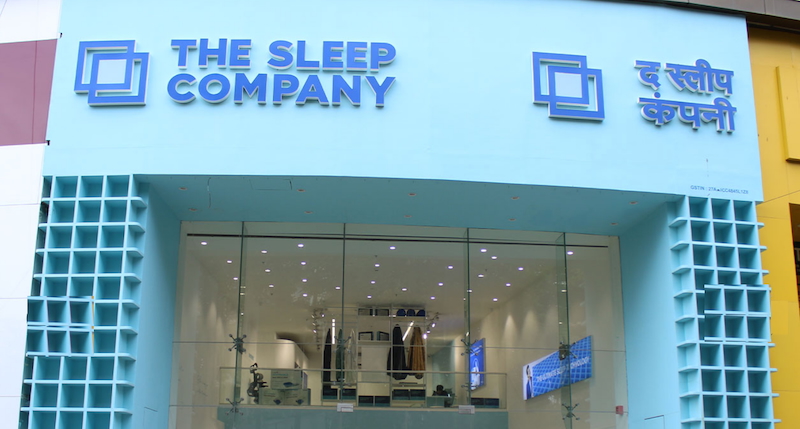
    The Mumbai-based firm has hit a Rs 700-crore annual revenue run rate and notched 60 per cent year-on-year growth in FY25, having recently opened its 150th exclusive outlet. Since its last funding round, monthly revenues have doubled and headcount has swelled from 650 to over 1,500 employees—testament to surging demand for its patented SmartGrid technology.

    Founded by husband-and-wife duo Priyanka Salot and Harshil Salot, The Sleep Co has morphed from a direct-to-consumer startup into an omnichannel juggernaut. Its offline stores now generate 70 per cent of total revenue through a “research online, purchase offline” strategy that blends digital discovery with immersive retail experiences.

    The company’s 150th store doubles as a “Sleep Lab”, featuring pressure and heat mapping tests that pit SmartGrid products against traditional memory foam. Celebrity endorser Anil Kapoor fronts campaigns like “RIP Memory Foam” that position the brand as a lifestyle choice rather than a functional purchase.

    The new funding will bankroll expanded manufacturing capacity, deeper penetration in metro and tier-1 cities, entry into adjacent comfort categories, and heavy R&D investment. The company aims to extend SmartGrid technology—originally developed for mattresses—across chairs, recliners, cushions and sofas.

    “This fundraise powers the next phase of our journey to lead the comfort-tech revolution in India,” said co-founders Priyanka Salot and Harshil Salot. “We’re scaling faster, opening more stores, expanding capacity and doubling down on innovation to transform how India sits and sleeps.”

    ChrysCapital  director & consumer sector lead Rajiv Batra said the investment represents “a compelling opportunity to participate in India’s broader premiumisation wave” as consumers gravitate towards science-led, design-first products.

    360 One Asset senior fund manager Chetan Naik called The Sleep Co “a category-defining brand” that’s “redefining comfort-tech through patented material innovation and omnichannel excellence.”

    The company has previously raised Rs 13.4 crore in pre-Series A, Rs 177 crore in Series B from Premji Invest and Fireside Ventures, and Rs 184 crore in Series C funding. Avendus Capital advised on the latest transaction.
    With strong fundamentals and a growing offline footprint, The Sleep Co is positioning itself to ride India’s wellness boom—transforming sleep from a low-involvement purchase into a premium lifestyle decision.

  • Lloyd D’souza returns to Lava International as chief business officer

    Lloyd D’souza returns to Lava International as chief business officer

    MUMBAI: Lloyd D’souza has rejoined Lava International Ltd  as chief business officer for enterprise business, marking his return to the Indian smartphone manufacturer after a five-year absence.

    The appointment comes as D’souza brings a wealth of government and public sector experience to Lava’s enterprise division. His remit will focus on advancing business across government, corporate customers and public sector undertaking verticals from the company’s Noida headquarters.

    D’souza previously served as head of enterprise business at Lava between March 2018 and October 2020, where he oversaw enterprise sales, international operations, government sales and electronics manufacturing services. His departure coincided with a broader reshuffling in India’s competitive smartphone market.

    Since leaving Lava, D’souza spent over three years as director at Laqshanya Solutions Pvt Ltd, where he specialised in identifying government and public sector clients, coordinating customer relations and managing tender processes. He also held a senior vice president role at Square Panda Inc between October 2020 and February 2022.

    The executive’s career spans over two decades in business development and experiential marketing. He spent 13 years as director of Maverick Marketing, a full-spectrum experiential marketing agency, before transitioning to the mobile technology sector with Karbonn Mobiles in 2015 as executive director.

    At Karbonn, D’souza managed e-commerce, international sales and institutional sales operations during the height of India’s smartphone boom. His expertise in government affairs, crisis management and competitive tendering has made him a sought-after figure in India’s technology sector.

    Lava International, founded in 2009, has been working to reclaim market share in India’s increasingly crowded smartphone market, dominated by Chinese brands and global players. The company’s focus on government and enterprise customers represents a strategic pivot towards higher-margin business segments.

    D’souza’s return signals Lava’s renewed push into enterprise and government markets, sectors where his established relationships and tender management expertise could prove valuable for the homegrown brand.

  • Disney tops licensing table with $62 billion haul in 2024

    Disney tops licensing table with $62 billion haul in 2024

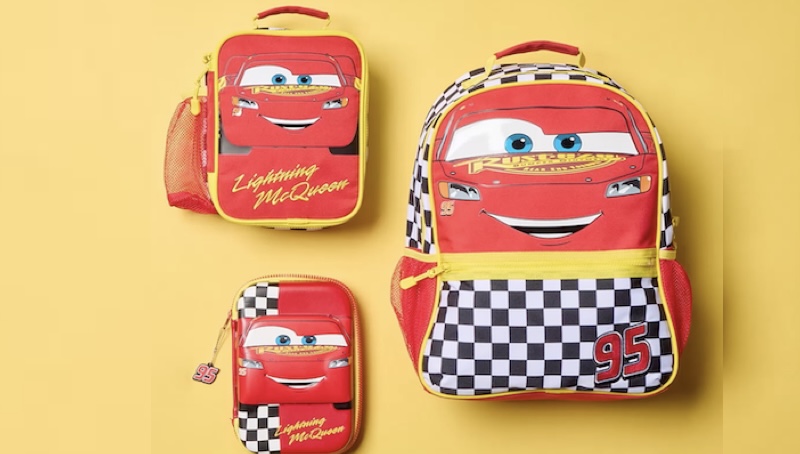
    MUMBAI: The world’s biggest brand owners have turned emotional connections into cold, hard cash. Disney sits atop a licensing empire worth $62 billion in retail sales, nearly doubling the revenue of its closest competitor as the global licensing market surged to over $307 billion in 2024—a tidy $26.7 billion increase from the previous year.

    License Global’s annual rankings reveal an industry that thrives on nostalgia, fandom and the human need to belong. While economic uncertainty grips consumers elsewhere, licensed products—from Pokemon pyjamas to Marvel mugs—continue their relentless march through shopping baskets worldwide.

    The top ten licensors generated $208bn in retail sales during 2024, up from $192 billion in 2023. Over the past five years, these corporate titans have collectively raked in more than $1 trillion, proving that emotional attachment trumps rational spending when wallets tighten.

    Disney’s dominance reflects the mouse house’s unrivalled stable of beloved characters spanning generations. But the chasing pack tells a different story. Authentic Brands Group, which corrals sports and lifestyle brands including David Beckham and Champion, claimed second place with $32bn. People Inc (formerly Dotdash Meredith) rounded out the podium with $26.7 billion, followed by NBCUniversal at $17 billion.

    The full top ten includes Hasbro ($16.1 billion), Warner Bros Discovery ($15 billion), The Pokemon Co International ($12 billion), Bluestar Alliance ($10 billion), Mattel ($8.8 billion) and Japan’s kawaii kingpin Sanrio ($8.4 billion).

    “What is remarkable about this year’s report is how it demonstrates the resilience of emotional connections in consumer decision-making,” says License Global content director Ben Roberts. Even as economic pressures mount, consumers prioritise brands that matter to them personally, creating loyalty that transcends market forces.

    The data suggests a generational handover is brewing. Millennials currently lead licensed product purchasing at 28 per cent, but Generation Z is expected to seize the crown in 2025-26, while Generation Alpha grows to 22 per cent relevance. Fashion dominates growth categories, with 70 per cent of brand owners highlighting apparel as a key opportunity, followed by toys and games (54 per cent) and food and beverage (52 per cent).

    The industry’s expanding reach is evident in its newcomers. First-time entrants include Lego, Legendary Entertainment and Gordon Brothers, reflecting licensing’s broadening appeal as brands seek deeper consumer relationships.

    As digital platforms reshape commerce, successful licensors are building integrated experiences across physical, digital and hybrid channels. Brands with agile strategies on Roblox, TikTok and social commerce platforms are positioning themselves to lead the next wave of consumer engagement.

    The licensing juggernaut shows no signs of slowing. In an era where consumers crave authentic connections, brands that can tap into personal identity and shared experiences have found the ultimate recession-proof formula.

  • Fabelle crafts personalised Rakhi chocolates using AI for siblings

    Fabelle crafts personalised Rakhi chocolates using AI for siblings

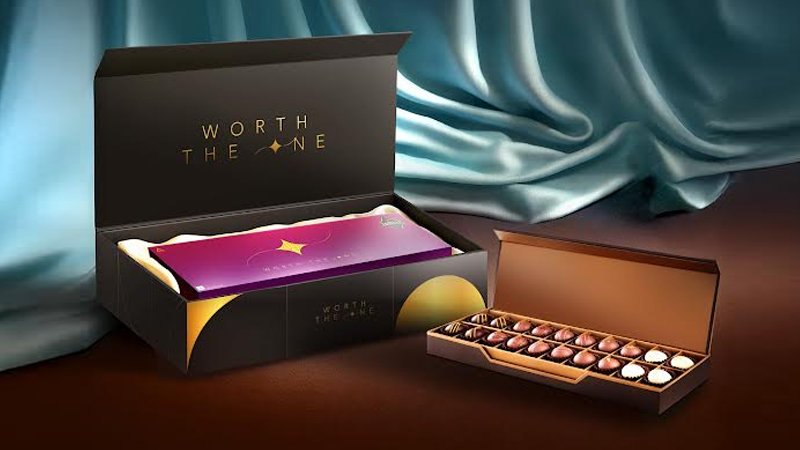
    MUMBAI: Why gift socks or a last-minute card, when you can gift nostalgia, inside jokes, and a sprinkle of AI wrapped in chocolate? This Raksha Bandhan, Fabelle Exquisite Chocolates, the luxury brand from ITC Ltd., is out to rescue brothers from the tyranny of generic gifting. Enter #WorthTheOne, a personalised chocolate experience that blends tech, taste, and tender sibling chaos into one deliciously curated box.

    Every year, brothers scramble for something anything that says “I care” without screaming “I forgot.” But Fabelle’s new offering changes the game by transforming the bond between siblings into an edible, handcrafted, AI-curated keepsake.

    Here’s how it works: head to the worththeone.com website and take a fun, slightly nosey sibling compatibility test. Based on your answers covering everything from who’s the overachiever to who hogs the remote, an AI engine analyses your emotional dynamics, quirks, rivalries, and affections. This data is then used to customise a box of luxury truffles that reflect your sibling equation.

    And this isn’t your average Rakhi chocolate box. Each #WorthTheOne box features 20 bespoke truffles in five unique flavours, all handcrafted by ITC’s Master Chocolatiers using cocoa sourced from across the globe. From the nostalgia-drenched Saffron Rasmalai Truffle to the exotic Ruby Hazelnut Gianduja, every flavour represents a different layer of the sibling bond sweet, spicy, dramatic, and heartwarming.

    “No two boxes are the same,” says ITC Foods vice president and head of marketing for chocolates, coffee and confectionary Anuj Bansal. “This is not just a gift; it’s an experience. We’re using AI to convert memories, quirks, and emotional textures into something luxurious, handcrafted, and deeply personal.”

    Even the packaging gets the personalised treatment. Every box comes tailored with the sibling’s names and relationship traits subtly worked into the design. The result? A gift that doesn’t just sit on a shelf, it tells a story.

    Fabelle has consistently positioned itself at the intersection of craft, luxury, and emotion. With #WorthTheOne, it’s doubling down on its philosophy by bringing storytelling and technology into the confectionary fold.

    From the moment the AI curates the flavours to the time the first bite takes you back to a shared childhood prank, #WorthTheOne is built to make your sibling say, “Okay, fine, you’re my favourite this year.”

    As Rakhi traditions get a gourmet upgrade, Fabelle proves once again that chocolate isn’t just sweet, it’s smart, stylish, and deeply sentimental.

  • Boult from the blue as Goboult reboots with bold new brand play

    Boult from the blue as Goboult reboots with bold new brand play

    MUMBAI: Fasten your seatbelts, Goboult is here, and it’s not just screwing around. India’s fastest-growing wearables brand, formerly known as Boult, has hit refresh with a full-throttle rebrand, new name, new logo, and a supercharged strategy to match. Now called Goboult, the company is revving up its ambitions, targeting Rs 1,000 crore in revenue by FY26 after clocking Rs 800 crore in FY25 nearly double what it pulled in two years ago.

    The new identity reflects more than a cosmetic makeover. It signals a decisive leap towards premiumisation, international expansion, and a tech-forward future built on speed, style, and substance. The name “Goboult” isn’t just a tagline, it’s a mindset. The “Go” symbolises agility, boldness, and forward motion, qualities baked into the company’s DNA.

    And that story carries into the new logo: a screwhead (think resilience and precision) fused with an arrow (aka momentum and transformation). Together, they represent Goboult’s ambition to be the personal tech brand for a generation that doesn’t wait.

    “We’re not just changing our name, we’re changing the way we operate,” said Goboult co-founder Varun Gupta. “Goboult is about thinking bigger and moving faster. It’s a personal milestone for me, a project I built with heart and hustle. We’re not following trends, we’re setting them.”

    The rebranding is backed by a Rs 25 crore investment in R&D and design innovation. That includes building AI-first capabilities, integrating smarter software into wearables, and doubling down on user-centric design. Engineering and design teams are being scaled up as the brand sharpens its focus on next-gen personal tech.

    A significant pivot is also underway in distribution. Goboult plans to expand its retail footprint from 3,000 to over 30,000 outlets across India in the next 18 months. That’s 10X growth in general trade, modern retail, and experiential formats expected to drastically shift the revenue mix, making offline sales a key driver.

    On the product side, Goboult is stepping into the Rs 2,000 plus ASP segment with a focus on style-conscious, tech-savvy offerings: wearables, audio gear, and smart personal devices. The aim is clear be the brand that bridges fashion, function, and futuristic tech.

    Also in the pipeline: global expansion. Goboult is preparing for launches in the US, Europe, Southeast Asia, and East Asia starting next year. The new identity is crafted to resonate with global audiences, positioning the brand as a serious contender in the personal tech space beyond India.

    The company is also exploring design-first collaborations and pop culture-infused partnerships. A recent limited-edition tie-up with Mustang was just the beginning of a trend that aligns the brand with bold, Gen Z sensibilities.

    Goboult co-founder Tarun Gupta summed it up: “We’re building for scale and experience across product, packaging, and retail. Everything is aligned toward our Rs 2,000 crore vision by 2030. This is more than a rebrand, it’s a blueprint for global leadership.”

    With IPO ambitions down the line and a pulse on what Gen Z wants next, Goboult is racing ahead to become India’s most aspirational personal tech brand, one that doesn’t just follow trends, but leads the charge.

    The screw’s tight, the arrow’s loaded Goboult isn’t slowing down anytime soon.