Category: Brands

  • Parineeti Chopra is Sugar Free brand ambassador

    Parineeti Chopra is Sugar Free brand ambassador

    NEW DELHI: Actor Parineeti Chopra, who is fast climbimg the ladder to catch up with Virat Kohli and Ranbir Kapoor in television ads, will now promote the sugar substitute Sugar Free as its brand ambassador.

    As part of its new brand campaign, the actor will be seen in a new television commercial that goes on air across general entertainment channels and news channels in the country. Sugar Free has also taken a step forward to reinvent itself and position the brand as a healthy alternate to direct consumption of sugar.

    The brand’s new tagline – Smartness Waali Sweetness – is aimed at attracting the audience to make a healthy choice of giving up sugar while continuing to retain sweetness.

    The new TVC which went on air on 5 June sees Parineeti playing the role of a young sister-in-law prodding her brother-in-law to make a smart choice by adding Sugar Free to his post-work out nimbu paani. The campaign will be supported by a surround marketing plan including print, on-ground and digital media engagement. The new TVC is directed by Prashant Madan from Nirvana Films.

    Zydus Wellness COO Tarun Arora said: “Our new campaign is all about making smarter choices. Today, consumers are inundated with a variety of options – be it foods, consumer goods or even health. Sugar Free is their partner in making an intelligent, smart choice of taste without having to give up on their indulgences. The concept of ‘Smartness Waali Sweetness’ emphasizes on the smarter choice – To give up sugar, not the sweetness”.

    He added that Chopra’s transformation which is a reflection of her dedication and her willpower to make smart health choices resonated well with what the Zydus intended to say. “We have no doubt that this association with Parineeti will provide a good reason to the consumer and inspire them to opt for a smarter, healthier lifestyle without much compromise or change”.

    ”Parineeti Chopra has been the talk of the town with her recent transformation from a bubbly girl-next-door persona to becoming the poster-girl for fitness. She is the new youth icon to relate with when it comes to being fit; a true embodiment of the brand’s philosophy of bringing in a fitter lifestyle”.

    Chopra said “I am excited to be a part of this journey. I have always had a sweet tooth and can totally relate to how difficult it can be for someone to give up on sugar. It’s great how Sugar Free can help one to be off sugar but not sweetness. Healthy foods are not the only option. Making a healthy choice, consciously helps. Even during my weight loss transition, I fulfilled all my cravings just by opting for some smarter choices. Sugar Free was a natural fit for me to associate with and I took up the opportunity at the first instance. I haven’t given up on my indulgences. Just made some smart moves.”

  • Parineeti Chopra is Sugar Free brand ambassador

    Parineeti Chopra is Sugar Free brand ambassador

    NEW DELHI: Actor Parineeti Chopra, who is fast climbimg the ladder to catch up with Virat Kohli and Ranbir Kapoor in television ads, will now promote the sugar substitute Sugar Free as its brand ambassador.

    As part of its new brand campaign, the actor will be seen in a new television commercial that goes on air across general entertainment channels and news channels in the country. Sugar Free has also taken a step forward to reinvent itself and position the brand as a healthy alternate to direct consumption of sugar.

    The brand’s new tagline – Smartness Waali Sweetness – is aimed at attracting the audience to make a healthy choice of giving up sugar while continuing to retain sweetness.

    The new TVC which went on air on 5 June sees Parineeti playing the role of a young sister-in-law prodding her brother-in-law to make a smart choice by adding Sugar Free to his post-work out nimbu paani. The campaign will be supported by a surround marketing plan including print, on-ground and digital media engagement. The new TVC is directed by Prashant Madan from Nirvana Films.

    Zydus Wellness COO Tarun Arora said: “Our new campaign is all about making smarter choices. Today, consumers are inundated with a variety of options – be it foods, consumer goods or even health. Sugar Free is their partner in making an intelligent, smart choice of taste without having to give up on their indulgences. The concept of ‘Smartness Waali Sweetness’ emphasizes on the smarter choice – To give up sugar, not the sweetness”.

    He added that Chopra’s transformation which is a reflection of her dedication and her willpower to make smart health choices resonated well with what the Zydus intended to say. “We have no doubt that this association with Parineeti will provide a good reason to the consumer and inspire them to opt for a smarter, healthier lifestyle without much compromise or change”.

    ”Parineeti Chopra has been the talk of the town with her recent transformation from a bubbly girl-next-door persona to becoming the poster-girl for fitness. She is the new youth icon to relate with when it comes to being fit; a true embodiment of the brand’s philosophy of bringing in a fitter lifestyle”.

    Chopra said “I am excited to be a part of this journey. I have always had a sweet tooth and can totally relate to how difficult it can be for someone to give up on sugar. It’s great how Sugar Free can help one to be off sugar but not sweetness. Healthy foods are not the only option. Making a healthy choice, consciously helps. Even during my weight loss transition, I fulfilled all my cravings just by opting for some smarter choices. Sugar Free was a natural fit for me to associate with and I took up the opportunity at the first instance. I haven’t given up on my indulgences. Just made some smart moves.”

  • LeEco stores in two months, targets 500 stores over one year

    LeEco stores in two months, targets 500 stores over one year

    BENGALURU: Chinese technology player LeEco which has had a number of launches of  smartphones since it ventured into India in late January this year plans to have about 500 brick and mortar stores in India once it receives FIPB (Foreign Investment  Promotion Board). Excerpts of a two minute interaction with LeEco COO of Smart Electronics –India Atul Jain on the side lines of a press conference for the launch of LeEco’s Le 2, Le Max2 smartphones and Le Mall in New Delhi yesterday:

    When is LeEco likely to launch brick and mortar stores?

    We are looking at FIPB approvals to come. As soon as we get the approvals from the government, we’ll start. It’s been two months since we have applied, normally the approval process takes around 3 to 4 months, so in a month or two we should get the approvals after which we’ll need some setup time.

    How many stores are you looking at in the first phase?

    We are looking at about 500 stores including franchise stores over the next one year from the date of our first store. Just to give you an update, we have started our brick and mortar distribution which is selling through brick and mortar stores yesterday. So now our Le 1s is available in brick and mortar, mom and pops stores, independent stores, multi-brand stores, besides online.

    Do you have the supply chain to these outlets in place?

    Yes, we have our supply chain in place for that.

    What about your OTT platform? How long do you plan to continue giving it along with the cost of a phone, given that most cell phones now have a usage life of a year or less? Are you going to continue offering the Rs 4,999 Supertainment package included in the cost of the phone?

    As of now, that’s what we are announcing. Even for the two new phones that we have launched today – Le 2 and Le Max2, the Supertainment package for a year is included in the cost of the phone. Eventually in the long term, there will be a payment mechanism. It will be on a monthly basis

    What about LeEco’s own production facilities in India?

    That’s also coming up. It’s difficult to say exactly when. It’s likely to happen in the next six months or so.

    Do you plan to bring the four brands on your OTT platform under a single brand? Do you plan to offer these options separately?

    We might. As of now we will offer the subscribers everything. Maybe eventually we will offer subscribers’ a choice. As of now we are just trying to get our content to move.

  • LeEco stores in two months, targets 500 stores over one year

    LeEco stores in two months, targets 500 stores over one year

    BENGALURU: Chinese technology player LeEco which has had a number of launches of  smartphones since it ventured into India in late January this year plans to have about 500 brick and mortar stores in India once it receives FIPB (Foreign Investment  Promotion Board). Excerpts of a two minute interaction with LeEco COO of Smart Electronics –India Atul Jain on the side lines of a press conference for the launch of LeEco’s Le 2, Le Max2 smartphones and Le Mall in New Delhi yesterday:

    When is LeEco likely to launch brick and mortar stores?

    We are looking at FIPB approvals to come. As soon as we get the approvals from the government, we’ll start. It’s been two months since we have applied, normally the approval process takes around 3 to 4 months, so in a month or two we should get the approvals after which we’ll need some setup time.

    How many stores are you looking at in the first phase?

    We are looking at about 500 stores including franchise stores over the next one year from the date of our first store. Just to give you an update, we have started our brick and mortar distribution which is selling through brick and mortar stores yesterday. So now our Le 1s is available in brick and mortar, mom and pops stores, independent stores, multi-brand stores, besides online.

    Do you have the supply chain to these outlets in place?

    Yes, we have our supply chain in place for that.

    What about your OTT platform? How long do you plan to continue giving it along with the cost of a phone, given that most cell phones now have a usage life of a year or less? Are you going to continue offering the Rs 4,999 Supertainment package included in the cost of the phone?

    As of now, that’s what we are announcing. Even for the two new phones that we have launched today – Le 2 and Le Max2, the Supertainment package for a year is included in the cost of the phone. Eventually in the long term, there will be a payment mechanism. It will be on a monthly basis

    What about LeEco’s own production facilities in India?

    That’s also coming up. It’s difficult to say exactly when. It’s likely to happen in the next six months or so.

    Do you plan to bring the four brands on your OTT platform under a single brand? Do you plan to offer these options separately?

    We might. As of now we will offer the subscribers everything. Maybe eventually we will offer subscribers’ a choice. As of now we are just trying to get our content to move.

  • LeEco launches Le 2 and Le Max2, along with LeMall

    LeEco launches Le 2 and Le Max2, along with LeMall

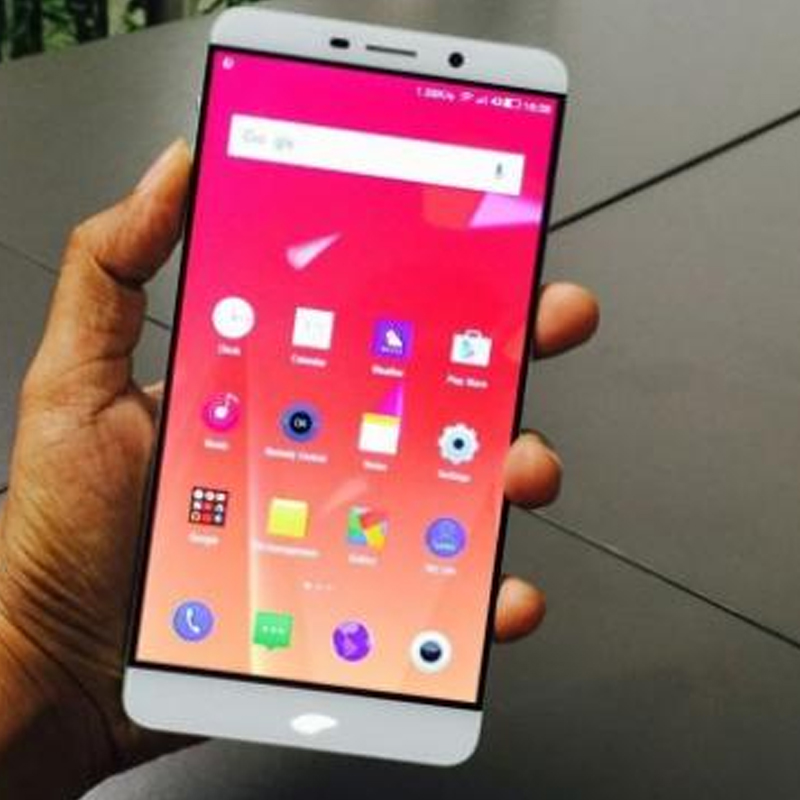
    MUMBAI: LeEco has unveiled its second generation ‘superphones’, Le 2 and Le Max2, with the company’s symbolized content ecosystem and membership. The giant venture has also launched its marketplace e-commerce website LeMall.

    The company also revealed a Continual Digital Lossless Audio (CDLA) type-C earphone. At the event which was conducted today at New Delhi, LeEco’s official song was also revealed, composed and produced by Pritam’s studio Jam8 and sung by Nakash Aziz.

    Le Holdings VP and APAC CEO Tin Mok said, “Today is an extremely important day for us in our India journey so far. It marks our entry into the thriving e-commerce industry with the launch of LeMall. Additionally, we are thrilled to bring our second generation Superphones with supertainment to India. Also, we’re happy to have achieved a significant milestone by pioneering digital lossless sound experiences. As forerunners in bringing the breakthrough technology as well as great features at a disruptive price, we remain committed to bringing best-in-class devices and services to our users in India.”

    Le 2 comes at a price of Rs. 11,999, including one year membership, which is worth Rs 4,900 if purchased alone while for Le Max2, the 4GB+32GB model will cost Rs 22,999, and the 6GB+64GB version will be at a price of Rs 29,000 and will include a one-year membership.

    Both Le 2 and the Le Max2 will be available on Flipkart and LeEco’s very own marketplace e-commerce website LeMall.com soon. Registration for both the models will be open on 20 June on Flipkart.

    LeEco India smart electronics business COO Atul Jain unveiled the 2nd generation of Superphones, calling them redefine product value. “LeEco is ushering into the ET Era, or what we call Ecosystem Technology Era. It’s time to end the practice of taking the consumers a ride and put an end to profit-oriented business models, but actually redefine product value”, he added. He also shared that the devices, new and old, are now gradually available in retail stores across the country, apart from the online point of sale through Flipkart and LeMall. As reported earlier by indiantelevision.com, the company expects to launch its own brick and mortal stores in the upcoming two months.

    LeMall will serve as the primary channel for customers to engage with LeEco and become a part of the ecosystem through the products and services.

    “All the announcements we made today are in synergy with our expansion plans in India and are a testimony to our commitment to the Indian market. We are very grateful for the tremendous user responses we have received so far on all our products and services. We remain committed to raising the bar each time and creating newer industry benchmarks with our technological prowess”, added Mok.

    In the coming months, through LeEco Membership program, users can get access to a collection of 2000+ movies. LeEco is all set to have the largest collection of blockbuster and award winning movies from across the world including top Regional Cinema from India – across Hindi, Tamil, Telugu, Marathi & Bengali films. Meanwhile, the program provides 3000+ hours of curated shows, 150+ live TV channels and 3.5 million songs for users’ choices. LeEco takes the lead in offering 1.9 million songs with lossless audio, bringing the users’ audio experience to a brand new height.

    LeEco has ambitious plans to set-up fully owned exclusive retail stores in top 8 to 10 cities, starting with New Delhi, Mumbai and Bengaluru along with 500 franchise stores. The company will showcase its entire product and services ecosystem at the stores; ranging from phones, TVs, VR Headsets, Bluetooth devices and power banks.

  • LeEco launches Le 2 and Le Max2, along with LeMall

    LeEco launches Le 2 and Le Max2, along with LeMall

    MUMBAI: LeEco has unveiled its second generation ‘superphones’, Le 2 and Le Max2, with the company’s symbolized content ecosystem and membership. The giant venture has also launched its marketplace e-commerce website LeMall.

    The company also revealed a Continual Digital Lossless Audio (CDLA) type-C earphone. At the event which was conducted today at New Delhi, LeEco’s official song was also revealed, composed and produced by Pritam’s studio Jam8 and sung by Nakash Aziz.

    Le Holdings VP and APAC CEO Tin Mok said, “Today is an extremely important day for us in our India journey so far. It marks our entry into the thriving e-commerce industry with the launch of LeMall. Additionally, we are thrilled to bring our second generation Superphones with supertainment to India. Also, we’re happy to have achieved a significant milestone by pioneering digital lossless sound experiences. As forerunners in bringing the breakthrough technology as well as great features at a disruptive price, we remain committed to bringing best-in-class devices and services to our users in India.”

    Le 2 comes at a price of Rs. 11,999, including one year membership, which is worth Rs 4,900 if purchased alone while for Le Max2, the 4GB+32GB model will cost Rs 22,999, and the 6GB+64GB version will be at a price of Rs 29,000 and will include a one-year membership.

    Both Le 2 and the Le Max2 will be available on Flipkart and LeEco’s very own marketplace e-commerce website LeMall.com soon. Registration for both the models will be open on 20 June on Flipkart.

    LeEco India smart electronics business COO Atul Jain unveiled the 2nd generation of Superphones, calling them redefine product value. “LeEco is ushering into the ET Era, or what we call Ecosystem Technology Era. It’s time to end the practice of taking the consumers a ride and put an end to profit-oriented business models, but actually redefine product value”, he added. He also shared that the devices, new and old, are now gradually available in retail stores across the country, apart from the online point of sale through Flipkart and LeMall. As reported earlier by indiantelevision.com, the company expects to launch its own brick and mortal stores in the upcoming two months.

    LeMall will serve as the primary channel for customers to engage with LeEco and become a part of the ecosystem through the products and services.

    “All the announcements we made today are in synergy with our expansion plans in India and are a testimony to our commitment to the Indian market. We are very grateful for the tremendous user responses we have received so far on all our products and services. We remain committed to raising the bar each time and creating newer industry benchmarks with our technological prowess”, added Mok.

    In the coming months, through LeEco Membership program, users can get access to a collection of 2000+ movies. LeEco is all set to have the largest collection of blockbuster and award winning movies from across the world including top Regional Cinema from India – across Hindi, Tamil, Telugu, Marathi & Bengali films. Meanwhile, the program provides 3000+ hours of curated shows, 150+ live TV channels and 3.5 million songs for users’ choices. LeEco takes the lead in offering 1.9 million songs with lossless audio, bringing the users’ audio experience to a brand new height.

    LeEco has ambitious plans to set-up fully owned exclusive retail stores in top 8 to 10 cities, starting with New Delhi, Mumbai and Bengaluru along with 500 franchise stores. The company will showcase its entire product and services ecosystem at the stores; ranging from phones, TVs, VR Headsets, Bluetooth devices and power banks.

  • Iconic American Brand Cole Haan Steps into Noida

    Iconic American Brand Cole Haan Steps into Noida

    MUMBAI: Iconic American footwear and accessories brand Cole Haan is now in India. Launched by Arvind Sports Lifestyle Limited, a subsidiary of Arvind Limited, India’s Lifestyle Brands and Apparel Major, Cole Haan’s first store in the country has opened its doors in DLF Mall of India in Noida.

    Known for its exceptional craftsmanship and timeless style, the brand focuses on elegant innovation to differentiate itself. Cole Haan stands for its commitment to craftsmanship, timeless style and design innovation.

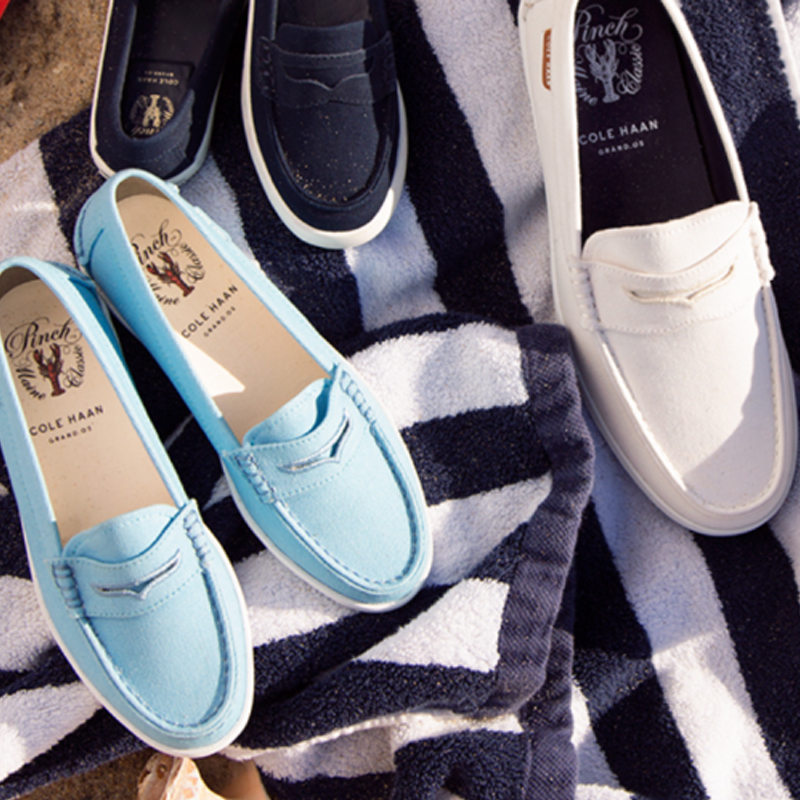
    The men’s Spring Summer 2016 comprises products like the lightweight Zerogrand and the Pinch Campus Penny Loafers which have a stamp of Cole Haan’s elegant innovation coupled with timeless style. The women’s wear collection is versatile with products like comfortable stilettoes, Wedges, bellies, penny loafers and thong sandals which are chic and stylish yet highly functional.

    The Cole Haan store is now open at DLF Mall of India, Noida.
    Prices – Rs. 4999 onwards

  • Iconic American Brand Cole Haan Steps into Noida

    Iconic American Brand Cole Haan Steps into Noida

    MUMBAI: Iconic American footwear and accessories brand Cole Haan is now in India. Launched by Arvind Sports Lifestyle Limited, a subsidiary of Arvind Limited, India’s Lifestyle Brands and Apparel Major, Cole Haan’s first store in the country has opened its doors in DLF Mall of India in Noida.

    Known for its exceptional craftsmanship and timeless style, the brand focuses on elegant innovation to differentiate itself. Cole Haan stands for its commitment to craftsmanship, timeless style and design innovation.

    The men’s Spring Summer 2016 comprises products like the lightweight Zerogrand and the Pinch Campus Penny Loafers which have a stamp of Cole Haan’s elegant innovation coupled with timeless style. The women’s wear collection is versatile with products like comfortable stilettoes, Wedges, bellies, penny loafers and thong sandals which are chic and stylish yet highly functional.

    The Cole Haan store is now open at DLF Mall of India, Noida.
    Prices – Rs. 4999 onwards

  • Luxury brands make the most of digital ad spends

    Luxury brands make the most of digital ad spends

    MUMBAI: Since digital advertising became mainstream, if there is one sector that saw  a sea change in its media planning, it’s the luxury brands. With social media influencers, independent makeup artists, Instagramers, Youtubers and what not becoming the the new age style icons, it is not unnatural for them to call dibs in the precious ad spends.

    Now that there are so many channels of communication at the brands’ disposal, the bifurcation of annual marketing is far beyond the straightforward split in print, OOH and television. Brands are exploring content branding and native advertising with partnerships with well known publishers, putting up content in brand owned platforms and of course, the social media. This shift from traditional to unconventional was drastic and needless to say, so was the change in planning for the brands.

    Looking at the broader picture in the market, between 2014 and 2015 the expenditure on luxury goods advertising — such as luxury automotive, fragrances & beauty, fashion & accessories, and watches & jewellery — saw a major setback dipping down to 1.9 per cent growth rate in 2015, partially due to advertisers reaction to the unrest in BRICS nations, as per ZenithOptimedia’s Luxury Adspend Forecast, which is a collaboration  Zenith’s Worldwide Publications Team and Zenith France

    “Adspend shrank by 1.4 percent in Asia and by a massive 20.3 percent in Eastern Europe, mainly as the result of the oil crisis and rouble devaluation in Russia, but the global total was buoyed by strong growth in North America (3.6 percent) and Western Europe (4.7 percent),” read the report.

    The latest 2016 report however shows a slow but positive recovery of the luxury ad spends in Asia to 2.9 percent, pulling the overall global growth in ad spends to 3 per cent.  “The decline in Eastern Europe slows to 2.8 percent. North America will stay strong, with 3.9 percent growth, but Western Europe will slip back to 1.7 percent. Overall we forecast 3.0 percent growth in luxury ad spend across our top 18 markets in 2016,” the report adds.

    The 18 markets are China, Colombia, France, Germany, Hong Kong, Italy, Malaysia, Mexico, the Netherlands, Peru, Russia, Singapore, South Africa, South Korea, Spain, Taiwan, the United Kingdom and the United States of America.
     
    The figures in the report however clearly point at the slow rate at which  luxury advertising is growing as opposed to all other categories.

    “Across our top 18 markets, luxury advertising grew by 2.9 percent in 2014, compared to 5.6 percent for advertising as a whole, and 1.9 percent in 2015 (compared to 4.1 percent). We forecast this underperformance to continue, with luxury advertising growing 3.0 percent in 2016 compared to 4.5 percent growth across all categories,” the report further pointed out.

    While many factors can be listed for the underperformance of the category, several industry experts find it unfair that luxury advertising be compared to other categories as it works on a completely different set of marketing rules.  As senior brand consultant and business strategist Harish Bijoor puts it, “True luxury is never advertised as luxury is meant to be exclusive. Therefore expect the luxury ad spends in traditional marketing mediums to grow won’t be correct. Luxury advertising is always meant to be a nano-niche of mass advertising. “

    “Most luxury brands’ marketing budget should not go in their top line advertising but in below the line work. Some brands also spend a lot on direct marketing or one is to one communication with specific clients. A fair bit of money goes into all that,” Bijoor added.

    Dentsu Aegis Network South Asia CEO and chairman Ashish Bhasin on the other hand sounds comparatively more optimistic of the category’s performance, especially in India. Quoting a study done by Carat, Bhasin shares, “Don’t know about Asia, but the growth of luxury brands’ ad spends in India was more than 15 per cent in the last one year as per Carat’s estimates. Moreover, retail is a very important aspect of luxury goods marketing, and as the retail situation in India improves and as the FDI mandate loosens up allowing international brands to open single owner stores in cities, the industry will see a boom.”

    Regardless of the difference in perspective on the performance of the category and its contribution to the overall advertising spends, all media stakeholders unanimously agree that the category has more scope to grow with digital media, albeit in different forms.

    “Digital is definitely a great medium because every consumer of luxury brand is mostly fully and completely digital; owns a smartphone, is on more than one digital device and screen, etc. Therefore targeting consumers who can afford to pay premium using digital is definitely a smart play,” shared Bhasin.

    In fact, as per the current Luxury Advertising Expenditure Forecasts by ZenithOptimedia, “Digital advertising is by far the biggest contributor to the growth in luxury advertising, growing consistently at double-digit rates. We expect digital media ad spend by luxury advertisers to increase by USD 837 millon between 2015 and 2017. Over this period, television, radio and cinema will increase by a total of USD 26m between them; outdoor will shrink by USD 10million; and print will shrink by U$150 million”

    Elaborating his point on below the line advertising, Bijoor too emphasised on the growing importance of digital for the sector. “Apart from digital advertising, below the line advertising on digital has proven helpful for luxury brands to grow their market, where bloggers and social influencers are handpicked to make oblique reference of the brand, or wear it themselves which leads to social media conversations and buzz around the internet.”

    While mix media campaigns, promotions leveraged by social media influencers are popular amongst the Christian Diors, Guccis, Tiffanys and the Pradas of the world, not all of them are commercial deals. Meaning not all promotions are paid for by the brands  and thus doesn’t require any marketing budget allotment.

    Popular online style icon Hanadi Merchant who runs the fashion blog style DesiHighstyle.com frequently gets requests from brands like Gucci, Dolce and Gabbana and more, but without any commercial deal in place. “I regularly work with Dior and Gucci, but it is not a paid thing. I do shoots for their product and talk about it in my blog and wear their accessories as well, but there is no commercial deal in place. International luxury brands don’t do such deals in India I think,” Merchant shared.

    When pointed out the fact that these brands spends millions of dollars into advertising their product for the right promotion and visibility, Merchant asserted that her international counterparts do make hefty sums of money through these native advertising efforts, although ‘those bloggers are in a different league altogether.”

    Merchant is also trying out a few Indian high end brands and if things work out well, she would consider a paid deal with the brands. While paid blog articles and social media influence is an ongoing concept in India, due to lack of regulation and monitoring it is hard to estimate how much money is going into these BTL advertisements. As the lines of advertising continue to blur in this market, digital would continue to grow as a preferred medium for communication for luxury brands.

     

  • Luxury brands make the most of digital ad spends

    Luxury brands make the most of digital ad spends

    MUMBAI: Since digital advertising became mainstream, if there is one sector that saw  a sea change in its media planning, it’s the luxury brands. With social media influencers, independent makeup artists, Instagramers, Youtubers and what not becoming the the new age style icons, it is not unnatural for them to call dibs in the precious ad spends.

    Now that there are so many channels of communication at the brands’ disposal, the bifurcation of annual marketing is far beyond the straightforward split in print, OOH and television. Brands are exploring content branding and native advertising with partnerships with well known publishers, putting up content in brand owned platforms and of course, the social media. This shift from traditional to unconventional was drastic and needless to say, so was the change in planning for the brands.

    Looking at the broader picture in the market, between 2014 and 2015 the expenditure on luxury goods advertising — such as luxury automotive, fragrances & beauty, fashion & accessories, and watches & jewellery — saw a major setback dipping down to 1.9 per cent growth rate in 2015, partially due to advertisers reaction to the unrest in BRICS nations, as per ZenithOptimedia’s Luxury Adspend Forecast, which is a collaboration  Zenith’s Worldwide Publications Team and Zenith France

    “Adspend shrank by 1.4 percent in Asia and by a massive 20.3 percent in Eastern Europe, mainly as the result of the oil crisis and rouble devaluation in Russia, but the global total was buoyed by strong growth in North America (3.6 percent) and Western Europe (4.7 percent),” read the report.

    The latest 2016 report however shows a slow but positive recovery of the luxury ad spends in Asia to 2.9 percent, pulling the overall global growth in ad spends to 3 per cent.  “The decline in Eastern Europe slows to 2.8 percent. North America will stay strong, with 3.9 percent growth, but Western Europe will slip back to 1.7 percent. Overall we forecast 3.0 percent growth in luxury ad spend across our top 18 markets in 2016,” the report adds.

    The 18 markets are China, Colombia, France, Germany, Hong Kong, Italy, Malaysia, Mexico, the Netherlands, Peru, Russia, Singapore, South Africa, South Korea, Spain, Taiwan, the United Kingdom and the United States of America.
     
    The figures in the report however clearly point at the slow rate at which  luxury advertising is growing as opposed to all other categories.

    “Across our top 18 markets, luxury advertising grew by 2.9 percent in 2014, compared to 5.6 percent for advertising as a whole, and 1.9 percent in 2015 (compared to 4.1 percent). We forecast this underperformance to continue, with luxury advertising growing 3.0 percent in 2016 compared to 4.5 percent growth across all categories,” the report further pointed out.

    While many factors can be listed for the underperformance of the category, several industry experts find it unfair that luxury advertising be compared to other categories as it works on a completely different set of marketing rules.  As senior brand consultant and business strategist Harish Bijoor puts it, “True luxury is never advertised as luxury is meant to be exclusive. Therefore expect the luxury ad spends in traditional marketing mediums to grow won’t be correct. Luxury advertising is always meant to be a nano-niche of mass advertising. “

    “Most luxury brands’ marketing budget should not go in their top line advertising but in below the line work. Some brands also spend a lot on direct marketing or one is to one communication with specific clients. A fair bit of money goes into all that,” Bijoor added.

    Dentsu Aegis Network South Asia CEO and chairman Ashish Bhasin on the other hand sounds comparatively more optimistic of the category’s performance, especially in India. Quoting a study done by Carat, Bhasin shares, “Don’t know about Asia, but the growth of luxury brands’ ad spends in India was more than 15 per cent in the last one year as per Carat’s estimates. Moreover, retail is a very important aspect of luxury goods marketing, and as the retail situation in India improves and as the FDI mandate loosens up allowing international brands to open single owner stores in cities, the industry will see a boom.”

    Regardless of the difference in perspective on the performance of the category and its contribution to the overall advertising spends, all media stakeholders unanimously agree that the category has more scope to grow with digital media, albeit in different forms.

    “Digital is definitely a great medium because every consumer of luxury brand is mostly fully and completely digital; owns a smartphone, is on more than one digital device and screen, etc. Therefore targeting consumers who can afford to pay premium using digital is definitely a smart play,” shared Bhasin.

    In fact, as per the current Luxury Advertising Expenditure Forecasts by ZenithOptimedia, “Digital advertising is by far the biggest contributor to the growth in luxury advertising, growing consistently at double-digit rates. We expect digital media ad spend by luxury advertisers to increase by USD 837 millon between 2015 and 2017. Over this period, television, radio and cinema will increase by a total of USD 26m between them; outdoor will shrink by USD 10million; and print will shrink by U$150 million”

    Elaborating his point on below the line advertising, Bijoor too emphasised on the growing importance of digital for the sector. “Apart from digital advertising, below the line advertising on digital has proven helpful for luxury brands to grow their market, where bloggers and social influencers are handpicked to make oblique reference of the brand, or wear it themselves which leads to social media conversations and buzz around the internet.”

    While mix media campaigns, promotions leveraged by social media influencers are popular amongst the Christian Diors, Guccis, Tiffanys and the Pradas of the world, not all of them are commercial deals. Meaning not all promotions are paid for by the brands  and thus doesn’t require any marketing budget allotment.

    Popular online style icon Hanadi Merchant who runs the fashion blog style DesiHighstyle.com frequently gets requests from brands like Gucci, Dolce and Gabbana and more, but without any commercial deal in place. “I regularly work with Dior and Gucci, but it is not a paid thing. I do shoots for their product and talk about it in my blog and wear their accessories as well, but there is no commercial deal in place. International luxury brands don’t do such deals in India I think,” Merchant shared.

    When pointed out the fact that these brands spends millions of dollars into advertising their product for the right promotion and visibility, Merchant asserted that her international counterparts do make hefty sums of money through these native advertising efforts, although ‘those bloggers are in a different league altogether.”

    Merchant is also trying out a few Indian high end brands and if things work out well, she would consider a paid deal with the brands. While paid blog articles and social media influence is an ongoing concept in India, due to lack of regulation and monitoring it is hard to estimate how much money is going into these BTL advertisements. As the lines of advertising continue to blur in this market, digital would continue to grow as a preferred medium for communication for luxury brands.