Category: Brands

  • MRF Tyres launches Biking community for passionate bikers

    MRF Tyres launches Biking community for passionate bikers

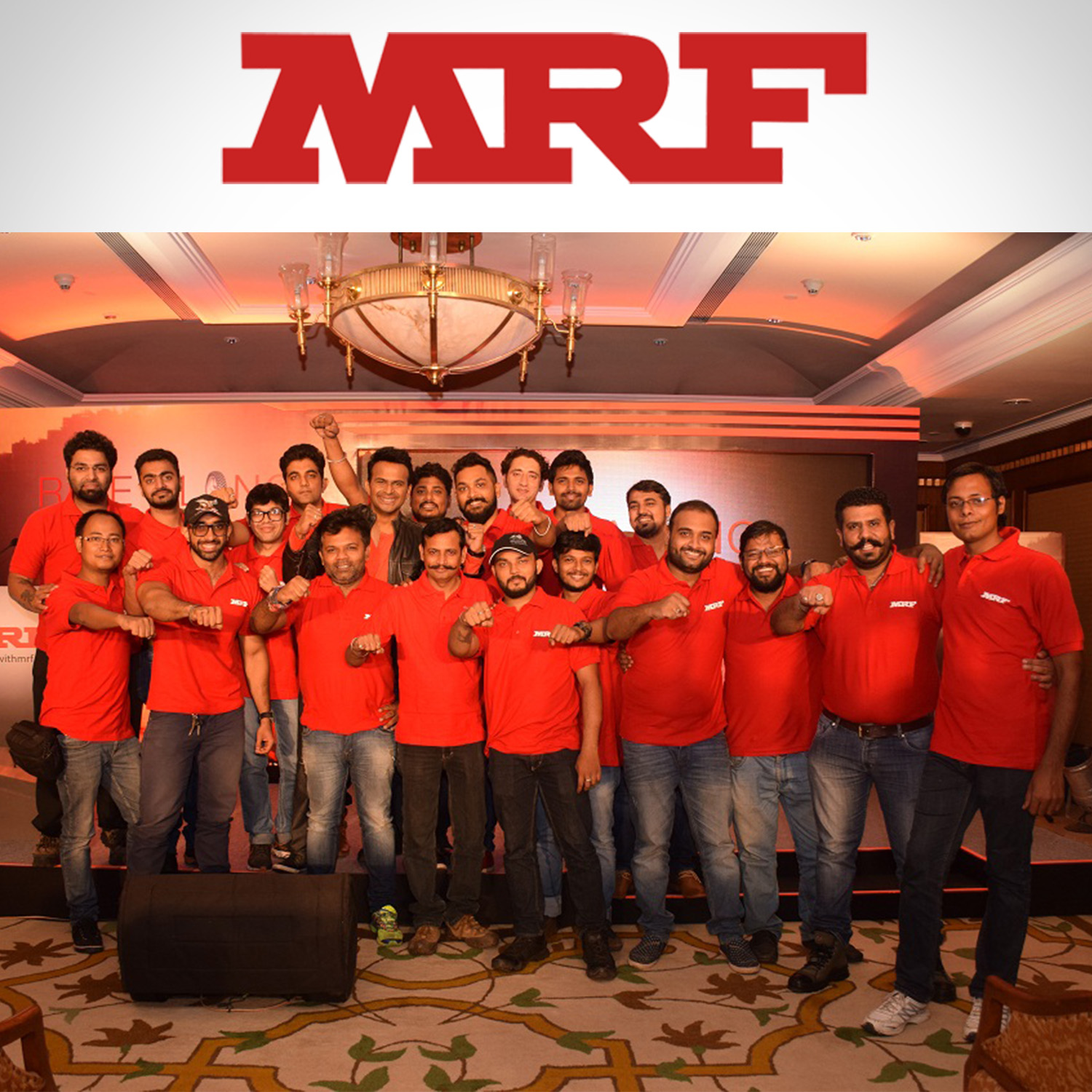
    MUMBAI: Leading Indian Tyre manufacturer MRF Tyres on Friday announced the launch of a one of a kind riding community ‘Ride Along with MRF.’

    During the ICC Cricket World T20, MRF launched an initiative to add Thrill to the lives of two-wheeler owners across India. With over three lakh riders participating, it was a highly successful campaign. It also gave MRF an insight into the latent needs of bikers across India. So MRF decided to cater to these needs and fuel the passion of the riders.

    This fan run portal launched by MRF aims at making group riding a more accepted phenomenon. Two-wheeler owners across India have the passion for riding, but most feel that it is a very daunting task. MRF aims at not only catering to the rising need but also making ‘going on rides’ a safe, enjoyable activity that any two wheeler owner can set out to do. The idea is to create a place where a rider, with any bike or biking experience, can come and fuel his/her passion for riding.

    Additionally, MRF will also galvanise fellow riders to join the monthly ‘Ride for a Cause’ promoting a social cause or celebrating an occasion. These will be special rides which aim to raise awareness about cause across India.

    Commenting on the eve of the launch of this unique initiative, MRF Tyres marketing- EVP Koshy Varghese said, “Most biking communities in India are for hard-core bikers. They are either started by Bike Brands or a set of enthusiastic riders of a particular kind of bike. Our vision is to get every bike owner in India to explore India on two-wheels. All they need is a passion for riding. So we have created a platform that helps organise and plan weekend trips that anyone can do. We want 3 or 4 friends with bikes to set simply out on rides, armed with information, support and fun ideas while being fully prepared and safe. And above all, we want to create ride stories for everyone to remember and share with their friends and family.“

    While the community will start off with MRF Ride Ambassadors in 9 cities across India namely – Mumbai, New Delhi, Kolkata, Chandigarh, Pune, Nagpur, Bangalore, Hyderabad and Dharmashala.

    Some of the key features of the community are – find exclusive Ride ideas, curate ride stories across the country for the larger public, meet and network with fellow bikers, etc.

  • MRF Tyres launches Biking community for passionate bikers

    MRF Tyres launches Biking community for passionate bikers

    MUMBAI: Leading Indian Tyre manufacturer MRF Tyres on Friday announced the launch of a one of a kind riding community ‘Ride Along with MRF.’

    During the ICC Cricket World T20, MRF launched an initiative to add Thrill to the lives of two-wheeler owners across India. With over three lakh riders participating, it was a highly successful campaign. It also gave MRF an insight into the latent needs of bikers across India. So MRF decided to cater to these needs and fuel the passion of the riders.

    This fan run portal launched by MRF aims at making group riding a more accepted phenomenon. Two-wheeler owners across India have the passion for riding, but most feel that it is a very daunting task. MRF aims at not only catering to the rising need but also making ‘going on rides’ a safe, enjoyable activity that any two wheeler owner can set out to do. The idea is to create a place where a rider, with any bike or biking experience, can come and fuel his/her passion for riding.

    Additionally, MRF will also galvanise fellow riders to join the monthly ‘Ride for a Cause’ promoting a social cause or celebrating an occasion. These will be special rides which aim to raise awareness about cause across India.

    Commenting on the eve of the launch of this unique initiative, MRF Tyres marketing- EVP Koshy Varghese said, “Most biking communities in India are for hard-core bikers. They are either started by Bike Brands or a set of enthusiastic riders of a particular kind of bike. Our vision is to get every bike owner in India to explore India on two-wheels. All they need is a passion for riding. So we have created a platform that helps organise and plan weekend trips that anyone can do. We want 3 or 4 friends with bikes to set simply out on rides, armed with information, support and fun ideas while being fully prepared and safe. And above all, we want to create ride stories for everyone to remember and share with their friends and family.“

    While the community will start off with MRF Ride Ambassadors in 9 cities across India namely – Mumbai, New Delhi, Kolkata, Chandigarh, Pune, Nagpur, Bangalore, Hyderabad and Dharmashala.

    Some of the key features of the community are – find exclusive Ride ideas, curate ride stories across the country for the larger public, meet and network with fellow bikers, etc.

  • Pokemon Go craze: A brand insight

    Pokemon Go craze: A brand insight

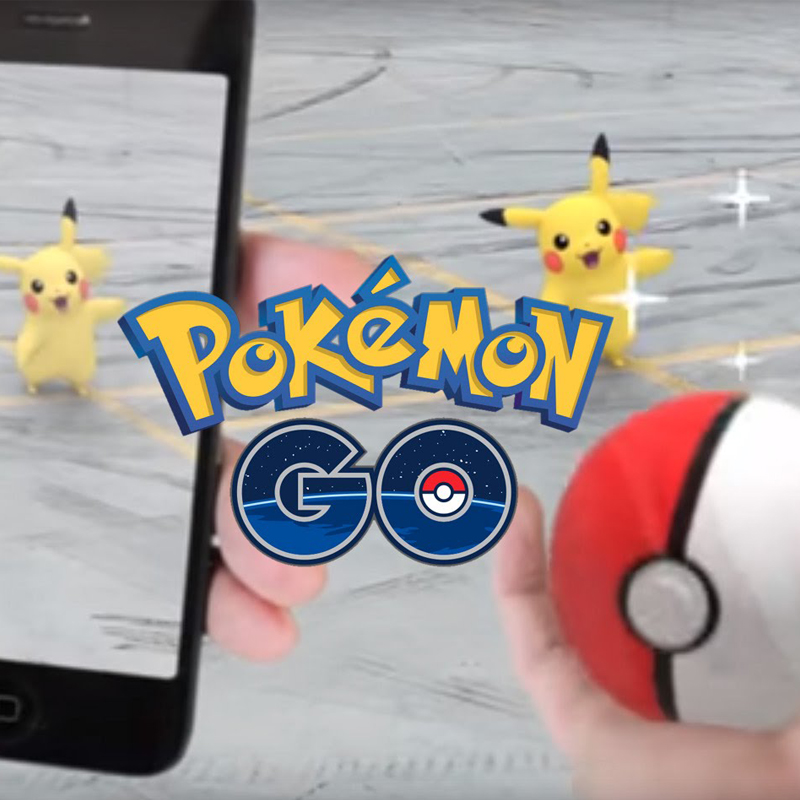
    MUMBAI: They are on the streets, right outside posh coffee shops, in temples and churches, in your offices, on your desk and are even invading your bedrooms, seducing you to catch ‘em all. And if you still don’t know about this illusive ‘them’, you are missing out on one of the biggest ‘game’ changers of this decade : this phenomenon called Pokemon Go.

    Quite like Schrodinger’s paradox, Pokemons are everywhere and nowhere at the same time — thanks to the ingenious fusion of Augmented Reality and Google Maps with gamification devised by  California based former Google startup Niantic.

    Folks at Niantic remastered their existing idea of a mobile game based on augmented reality (Ingress)  and launched  it on the back of the twenty year of Pokemon franchise that Nintendo co-owns. Nintendo, together with its affiliate Pokemon Co. and Google, last year had invested in Niantic. The game is both an opportunity as well as a leap of faith for Nintendo in the mobile game market given its initial reluctance to move away from console driven games.

    Eat, Catch, Play, Repeat:

    For the gaming and mobile marketing fraternity  and brands at large it is a success story worth taking notes of.  Since the game launched in select countries on 6 July, it has reportedly rivaled social media giant Twitter in daily use  as per SimilarWeb, and jumped to become the most downloaded app on Google Play in the US.

    Nintendo basked in this sudden craze for the game and saw its stock pricing skyrocketing and gaining 86 percent since its US launch earlier this month, adding $39 billion to its market value as of Tuesday’s stock market close as reported by Reuters. And that is after the prices showed cooling down after the initial doubling of the share rates. Nonetheless, Nintendo has surpassed long time rival and technology ace Sony.

    All this, and the app hasn’t even been officially launched across the world and is currently officially limited to only 26 countries.

    But that hasn’t stopped Pokemon lovers and Nintendo loyalists from downloading the app outside Google Play and iTunes. India too has joined the bandwagon.

    Suddenly teenagers and young adults are walking away from stores with discounted limited edition items in a mall and flocking to a mirage-like ‘Pokestop’ that is only virtually visible to them through their smartphones. People are taking breaks during lunch hours to hunt for Pokemons around their workplace.

    In fact, the game’s popularity has also earned it a viral ‘Pokemons Of New York’ page on the social media, quite in tandem with the famous ‘Humans Of New York.’ Creators of the page — Abhishek Singh Kadian, Avish Revis, Abhi Nash, and Aakash Shah hailing from different parts of the country — share that their largest traction come from  India.

    “Given the initial response brands are on my mind, but we need to feel that we have earned them (followers) enough. Therefore, first we  want some good content out there,” shared Kadian.

    If all these facts and figures don’t impress you, wait till you hear of the number of marketing possibilities the game has for your brand.

    A dream IP for marketers:

    According to MindShift Interactive  creative lead Randal Gomes,  the game may have made records on online usage, it’s the retail store owners and brands with an offline touch base with consumers that will reap the most benefits.

    “From a  brand perspective, there is an advantage to those who have an offline store. Because there is this thing called Pokestops in the game that attracts gamers to it. These are real world locations and could be anything from coffee shops to malls. In other words, stores or shops who don’t have a Pokestop have a disadvantage. Several shops in the US are doing some innovative ongoing marketing campaigns based on this. They are inviting people to come play Pokemon at the shops while they try out the products, and are even giving discounts and other gratifications to those who catch them. It is a wonderful way to engage consumers.”

    Another fine example how brands are leveraging the Pokemon fandom to gain traction for themselves is GOQii. The California based fitness band manufacturer founded by former Indiagames head honcho Vishal Gondal has used the game’s requirement for people to walk and hunt and given it a fitness twist. “We are organising Pokemon related events throughout the city where people are expected to turn up with the game installed and walk around to catch Pokemon Go. Along with that we have ‘Poke Trainers’ who will make you exercise and get healthy. Since GOQii is all about being fit and healthy, we are encouraging people to play the game to start walking,” shared Gondal.

    Nintendo is aware of the game’s implications for the advertising world and is quickly acting on it to monetise it in every possible way. Niantic CEO John Hanke has asserted that Niantic would augment the already significant revenue that the game is making from in-app purchases by allowing selective partners to become “sponsored locations” in the game. A sponsor can create “gyms” — where Pokémon can be battled or trained by gamers — at their retail store or locations, a move that could drive real-world traffic and potential sales to their business.

    Nintendo is in fact launching the app in Japan with its first sponsored location. McDonald’s will be the first launch partner in a tie-in that will see its 3,000 plus fast food restaurants across Japan become gyms for would-be Pokémon collectors. Given the talks of brand integration between the fast food giant and Pokemon Go and it’s Pokemon-branded Happy Meal sales, McDonald’s share prices in Japan have already seen positive growth. It is a take away for all the brands, especially those that target kids, to jump on the gravy train to sign merchandising deals with Pokemon Go.

    In India, the merchandising and licensing agency owned and operated by Jiggy George has already prepared a road map for licensing different product categories once Pokemon launches.  The agency is the answer to brands’ Pokemon Go related merchandising requirements, as it is representing  the franchise in India and South Asia. Recently, George, through an informal post on social media, has called in brands to add ‘Pokemon Power’ to  their portfolio.

    Meanwhile, there are also some marketers who prefer to wait out this initial craze to find real value to invest time, money and creative energy on the property.

    “Pokemon Go per se may or may not become a fad. More likely the former. So it is not about what would now brands do with this new shiny thing.  What Pokemon Go has done is to bring AR back into the mainstream conversations. Developers and marketers will now explore possibilities of AR in creating consumer engagement programs. In the short term, as the fever of Pokemon Go peaks, brands might use tactical methods to drive footfalls to designated areas or leverage some possibilities with virtual currencies,” said Maxus South Asia chief digital officer Unny Radhakrishnan.

    Pokemon trainers in the industry:

    As the old marketing gurus used to say, best marketing practices comes from real life experienced. Therefore, many within the industry are trying the game first hand.

    “We had some business visitors yesterday who said on their way to us somewhere around UB city etc, they also caught a few Pokemons. My nieces are going crazy over it as well. When Pokemon first happened to India in the 90s, I was a twenty something boy. It is interesting that the makers have revived what was an old video game on the back of smartphones and made it app based and therefore more relevant for today’s generation. Would Kingfisher do any integration with the franchise or do anything Pokemon related? Too early to say. Honestly the game became popular overnight so we haven’t really sat around to discuss it in detail… so for now, we can’t tell,” United Beverages marketing SVP Samar Singh Sheikhawat shared.

    Folks at different agencies too are trying their hands at the game. Rediffusion Y & R India  president Dhunji S Wadia, informed that several at his agency have been enjoying the game. “Although I haven’t gotten into it very seriously, I have been fooling around the game with all the online content,” Wadia said. “It is definitely a rage. It is spreading like a wildfire in the States, and soon catching up in India. From what I have observed, two kinds of people are trying it out: the loyal teens and twenty somethings who are seriously getting into it and the adults and others who are emulating the former because it is cool to be associated with the game.”

    Leo Burnett India CCO Raj Deepak Das blamed his laziness for not being able to download the app. “Have been travelling a lot lately therefore haven’t really got around to download it.” But Das is on top of the game on anything Pokemon Go related. “I am constantly following the development on Twitter and Facebook. I am reading many interesting stories related to this and it is all very exciting,” Das revealed.

    While Das needs a spark of self motivation to join the hunt for Pokemons, the industry continues to keep its eyes trained on where Pokemon Go is headed. Some are already projecting its fate in India post the promised launched in September 2016, and are ‘hatching’ strategies to make the most of it.
  • Pokemon Go craze: A brand insight

    Pokemon Go craze: A brand insight

    MUMBAI: They are on the streets, right outside posh coffee shops, in temples and churches, in your offices, on your desk and are even invading your bedrooms, seducing you to catch ‘em all. And if you still don’t know about this illusive ‘them’, you are missing out on one of the biggest ‘game’ changers of this decade : this phenomenon called Pokemon Go.

    Quite like Schrodinger’s paradox, Pokemons are everywhere and nowhere at the same time — thanks to the ingenious fusion of Augmented Reality and Google Maps with gamification devised by  California based former Google startup Niantic.

    Folks at Niantic remastered their existing idea of a mobile game based on augmented reality (Ingress)  and launched  it on the back of the twenty year of Pokemon franchise that Nintendo co-owns. Nintendo, together with its affiliate Pokemon Co. and Google, last year had invested in Niantic. The game is both an opportunity as well as a leap of faith for Nintendo in the mobile game market given its initial reluctance to move away from console driven games.

    Eat, Catch, Play, Repeat:

    For the gaming and mobile marketing fraternity  and brands at large it is a success story worth taking notes of.  Since the game launched in select countries on 6 July, it has reportedly rivaled social media giant Twitter in daily use  as per SimilarWeb, and jumped to become the most downloaded app on Google Play in the US.

    Nintendo basked in this sudden craze for the game and saw its stock pricing skyrocketing and gaining 86 percent since its US launch earlier this month, adding $39 billion to its market value as of Tuesday’s stock market close as reported by Reuters. And that is after the prices showed cooling down after the initial doubling of the share rates. Nonetheless, Nintendo has surpassed long time rival and technology ace Sony.

    All this, and the app hasn’t even been officially launched across the world and is currently officially limited to only 26 countries.

    But that hasn’t stopped Pokemon lovers and Nintendo loyalists from downloading the app outside Google Play and iTunes. India too has joined the bandwagon.

    Suddenly teenagers and young adults are walking away from stores with discounted limited edition items in a mall and flocking to a mirage-like ‘Pokestop’ that is only virtually visible to them through their smartphones. People are taking breaks during lunch hours to hunt for Pokemons around their workplace.

    In fact, the game’s popularity has also earned it a viral ‘Pokemons Of New York’ page on the social media, quite in tandem with the famous ‘Humans Of New York.’ Creators of the page — Abhishek Singh Kadian, Avish Revis, Abhi Nash, and Aakash Shah hailing from different parts of the country — share that their largest traction come from  India.

    “Given the initial response brands are on my mind, but we need to feel that we have earned them (followers) enough. Therefore, first we  want some good content out there,” shared Kadian.

    If all these facts and figures don’t impress you, wait till you hear of the number of marketing possibilities the game has for your brand.

    A dream IP for marketers:

    According to MindShift Interactive  creative lead Randal Gomes,  the game may have made records on online usage, it’s the retail store owners and brands with an offline touch base with consumers that will reap the most benefits.

    “From a  brand perspective, there is an advantage to those who have an offline store. Because there is this thing called Pokestops in the game that attracts gamers to it. These are real world locations and could be anything from coffee shops to malls. In other words, stores or shops who don’t have a Pokestop have a disadvantage. Several shops in the US are doing some innovative ongoing marketing campaigns based on this. They are inviting people to come play Pokemon at the shops while they try out the products, and are even giving discounts and other gratifications to those who catch them. It is a wonderful way to engage consumers.”

    Another fine example how brands are leveraging the Pokemon fandom to gain traction for themselves is GOQii. The California based fitness band manufacturer founded by former Indiagames head honcho Vishal Gondal has used the game’s requirement for people to walk and hunt and given it a fitness twist. “We are organising Pokemon related events throughout the city where people are expected to turn up with the game installed and walk around to catch Pokemon Go. Along with that we have ‘Poke Trainers’ who will make you exercise and get healthy. Since GOQii is all about being fit and healthy, we are encouraging people to play the game to start walking,” shared Gondal.

    Nintendo is aware of the game’s implications for the advertising world and is quickly acting on it to monetise it in every possible way. Niantic CEO John Hanke has asserted that Niantic would augment the already significant revenue that the game is making from in-app purchases by allowing selective partners to become “sponsored locations” in the game. A sponsor can create “gyms” — where Pokémon can be battled or trained by gamers — at their retail store or locations, a move that could drive real-world traffic and potential sales to their business.

    Nintendo is in fact launching the app in Japan with its first sponsored location. McDonald’s will be the first launch partner in a tie-in that will see its 3,000 plus fast food restaurants across Japan become gyms for would-be Pokémon collectors. Given the talks of brand integration between the fast food giant and Pokemon Go and it’s Pokemon-branded Happy Meal sales, McDonald’s share prices in Japan have already seen positive growth. It is a take away for all the brands, especially those that target kids, to jump on the gravy train to sign merchandising deals with Pokemon Go.

    In India, the merchandising and licensing agency owned and operated by Jiggy George has already prepared a road map for licensing different product categories once Pokemon launches.  The agency is the answer to brands’ Pokemon Go related merchandising requirements, as it is representing  the franchise in India and South Asia. Recently, George, through an informal post on social media, has called in brands to add ‘Pokemon Power’ to  their portfolio.

    Meanwhile, there are also some marketers who prefer to wait out this initial craze to find real value to invest time, money and creative energy on the property.

    “Pokemon Go per se may or may not become a fad. More likely the former. So it is not about what would now brands do with this new shiny thing.  What Pokemon Go has done is to bring AR back into the mainstream conversations. Developers and marketers will now explore possibilities of AR in creating consumer engagement programs. In the short term, as the fever of Pokemon Go peaks, brands might use tactical methods to drive footfalls to designated areas or leverage some possibilities with virtual currencies,” said Maxus South Asia chief digital officer Unny Radhakrishnan.

    Pokemon trainers in the industry:

    As the old marketing gurus used to say, best marketing practices comes from real life experienced. Therefore, many within the industry are trying the game first hand.

    “We had some business visitors yesterday who said on their way to us somewhere around UB city etc, they also caught a few Pokemons. My nieces are going crazy over it as well. When Pokemon first happened to India in the 90s, I was a twenty something boy. It is interesting that the makers have revived what was an old video game on the back of smartphones and made it app based and therefore more relevant for today’s generation. Would Kingfisher do any integration with the franchise or do anything Pokemon related? Too early to say. Honestly the game became popular overnight so we haven’t really sat around to discuss it in detail… so for now, we can’t tell,” United Beverages marketing SVP Samar Singh Sheikhawat shared.

    Folks at different agencies too are trying their hands at the game. Rediffusion Y & R India  president Dhunji S Wadia, informed that several at his agency have been enjoying the game. “Although I haven’t gotten into it very seriously, I have been fooling around the game with all the online content,” Wadia said. “It is definitely a rage. It is spreading like a wildfire in the States, and soon catching up in India. From what I have observed, two kinds of people are trying it out: the loyal teens and twenty somethings who are seriously getting into it and the adults and others who are emulating the former because it is cool to be associated with the game.”

    Leo Burnett India CCO Raj Deepak Das blamed his laziness for not being able to download the app. “Have been travelling a lot lately therefore haven’t really got around to download it.” But Das is on top of the game on anything Pokemon Go related. “I am constantly following the development on Twitter and Facebook. I am reading many interesting stories related to this and it is all very exciting,” Das revealed.

    While Das needs a spark of self motivation to join the hunt for Pokemons, the industry continues to keep its eyes trained on where Pokemon Go is headed. Some are already projecting its fate in India post the promised launched in September 2016, and are ‘hatching’ strategies to make the most of it.
  • Dabur India forays into fizzy drinks market

    Dabur India forays into fizzy drinks market

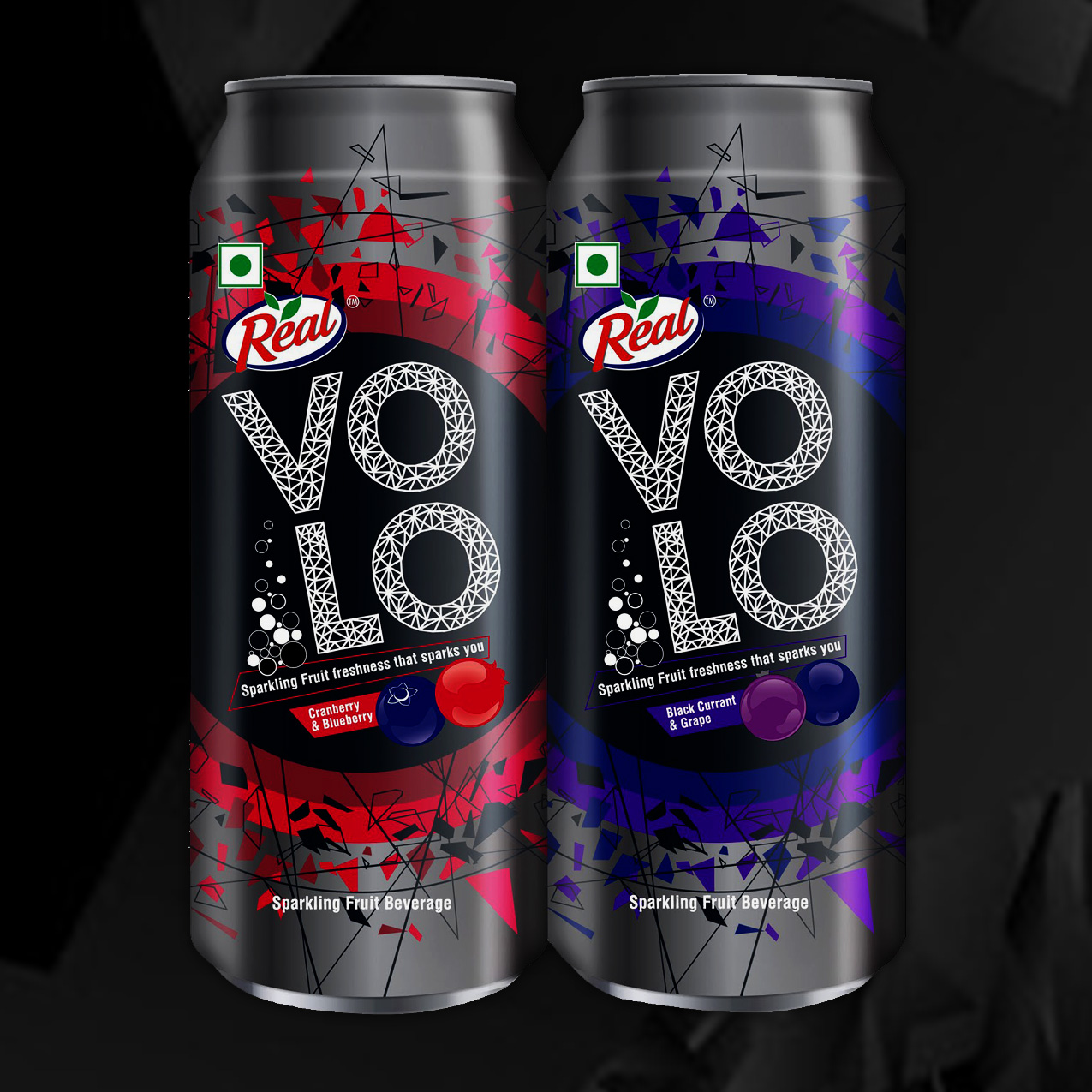
    MUMBAI: Dabur India announced its foray into the fizzy drinks market with the launch a range of fruit juice-based aerated drinks.

    The new range, Réal Volo, has been prepared using a blend of exotic fruits like Cranberry, Blueberry, Blackberry and Grape. The range will be available in 250ml cans priced at Rs 40.

    “Today’s health conscious consumers prefer healthier beverage options. We have been
    witnessing an increase in consumer demand for ready-to-drink beverages that are aerated but not unhealthy. With Réal Volo, we are meeting this consumer demand with a range of fizzy fruit drinks that retain the goodness of the fruits and comes without the guilt of unhealthy consumption. Our Réal Volo range contains 20-25% fruit juice content making the fun of fizz healthier with the goodness of fruits. Consumers can now have a can of Réal Volo without the guilt of consuming carbonated drinks,”said Dabur India Fruit Juices and Beverages category head Mayank Kumar.

    Réal Volo, which does not have any added preservatives, is being launched in two variants: Cranberry-Blueberry, and Grape-Blackcurrant. The company plans to extend this range in the coming months with the introduction of newer variants.

    “Dabur has always been at the forefront of innovation. We pioneered the concept of packaged fruit juices in India with the launch of with Réal and were also the first to introduce 100% fruit juices and fruit-vegetable juices under with Réal Activ. We expanded the category with India’s first fruit fiber beverage – Réal Activ Fiber+ and are now expanding our range with the launch of fruit juice-based aerated drinks with with Réal Volo. With the launch of Réal Volo, we aim to not only extend brand Réal to give our consumers more choices but also make the experience of consuming aerated beverages more enjoyable and nutritious,” added Kumar.

  • Dabur India forays into fizzy drinks market

    Dabur India forays into fizzy drinks market

    MUMBAI: Dabur India announced its foray into the fizzy drinks market with the launch a range of fruit juice-based aerated drinks.

    The new range, Réal Volo, has been prepared using a blend of exotic fruits like Cranberry, Blueberry, Blackberry and Grape. The range will be available in 250ml cans priced at Rs 40.

    “Today’s health conscious consumers prefer healthier beverage options. We have been
    witnessing an increase in consumer demand for ready-to-drink beverages that are aerated but not unhealthy. With Réal Volo, we are meeting this consumer demand with a range of fizzy fruit drinks that retain the goodness of the fruits and comes without the guilt of unhealthy consumption. Our Réal Volo range contains 20-25% fruit juice content making the fun of fizz healthier with the goodness of fruits. Consumers can now have a can of Réal Volo without the guilt of consuming carbonated drinks,”said Dabur India Fruit Juices and Beverages category head Mayank Kumar.

    Réal Volo, which does not have any added preservatives, is being launched in two variants: Cranberry-Blueberry, and Grape-Blackcurrant. The company plans to extend this range in the coming months with the introduction of newer variants.

    “Dabur has always been at the forefront of innovation. We pioneered the concept of packaged fruit juices in India with the launch of with Réal and were also the first to introduce 100% fruit juices and fruit-vegetable juices under with Réal Activ. We expanded the category with India’s first fruit fiber beverage – Réal Activ Fiber+ and are now expanding our range with the launch of fruit juice-based aerated drinks with with Réal Volo. With the launch of Réal Volo, we aim to not only extend brand Réal to give our consumers more choices but also make the experience of consuming aerated beverages more enjoyable and nutritious,” added Kumar.

  • Big B to promote using city compost produced from municipal solid waste in new campaign

    Big B to promote using city compost produced from municipal solid waste in new campaign

    NEW DELHI: The Urban Development Ministry plans to promote the initiative of using City Compost produced from municipal solid waste.

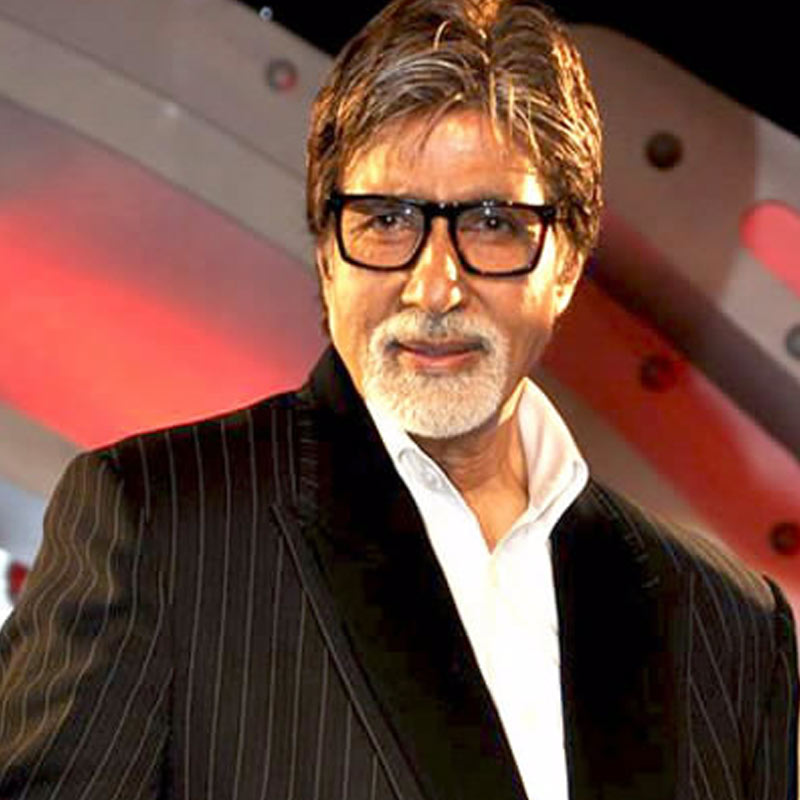
    This will be done through a multi-platform communication campaign commencing soon featuring megastar Amitabh Bachchan.

    In this context, Urban Development Minister M Venkaiah Naidu who also holds the Information and Broadcasting portfolio spoke to Bachchan to convey his gratitude for agreeing to be the face of the Ministry’s new communication campaign.

    Bachchan is expected to appeal to all citizens, nursery owners and horticulture agencies to pledge to use only city compost in their gardens, farm houses and public gardens.

    Additionally, he will be making an appeal to bulk waste generators like educational institutions and hotels to set up decentralized composting equipment in their respective premises and encourage the citizens to segregate organic waste for further composting.

    India currently produces over 1.54 lakh Metric Tonne of solid waste per day, 50% of which comprises of organic waste that can be converted into compost & gas; 30% is inorganic waste, which can be converted into energy. India has the potential to produce 54 lakh Metric Tonne of compost per annum from waste. Compost, produced organically from waste, are free of harmful chemicals and serve to provide carbon and primary / secondary nutrients to soil and increases its water retention capacity. Composting imitates nature’s way of rebuilding soil by encouraging the decomposition of organic substances. Besides being the cheapest method of disposing organic wastes, composting is eco-friendly, since it prevents production of harmful greenhouse gases (especially methane) and toxic material that pollutes groundwater apart from polluting the environment.

  • Big B to promote using city compost produced from municipal solid waste in new campaign

    Big B to promote using city compost produced from municipal solid waste in new campaign

    NEW DELHI: The Urban Development Ministry plans to promote the initiative of using City Compost produced from municipal solid waste.

    This will be done through a multi-platform communication campaign commencing soon featuring megastar Amitabh Bachchan.

    In this context, Urban Development Minister M Venkaiah Naidu who also holds the Information and Broadcasting portfolio spoke to Bachchan to convey his gratitude for agreeing to be the face of the Ministry’s new communication campaign.

    Bachchan is expected to appeal to all citizens, nursery owners and horticulture agencies to pledge to use only city compost in their gardens, farm houses and public gardens.

    Additionally, he will be making an appeal to bulk waste generators like educational institutions and hotels to set up decentralized composting equipment in their respective premises and encourage the citizens to segregate organic waste for further composting.

    India currently produces over 1.54 lakh Metric Tonne of solid waste per day, 50% of which comprises of organic waste that can be converted into compost & gas; 30% is inorganic waste, which can be converted into energy. India has the potential to produce 54 lakh Metric Tonne of compost per annum from waste. Compost, produced organically from waste, are free of harmful chemicals and serve to provide carbon and primary / secondary nutrients to soil and increases its water retention capacity. Composting imitates nature’s way of rebuilding soil by encouraging the decomposition of organic substances. Besides being the cheapest method of disposing organic wastes, composting is eco-friendly, since it prevents production of harmful greenhouse gases (especially methane) and toxic material that pollutes groundwater apart from polluting the environment.

  • Mastercard revamps its logo keeping digital world in mind

    Mastercard revamps its logo keeping digital world in mind

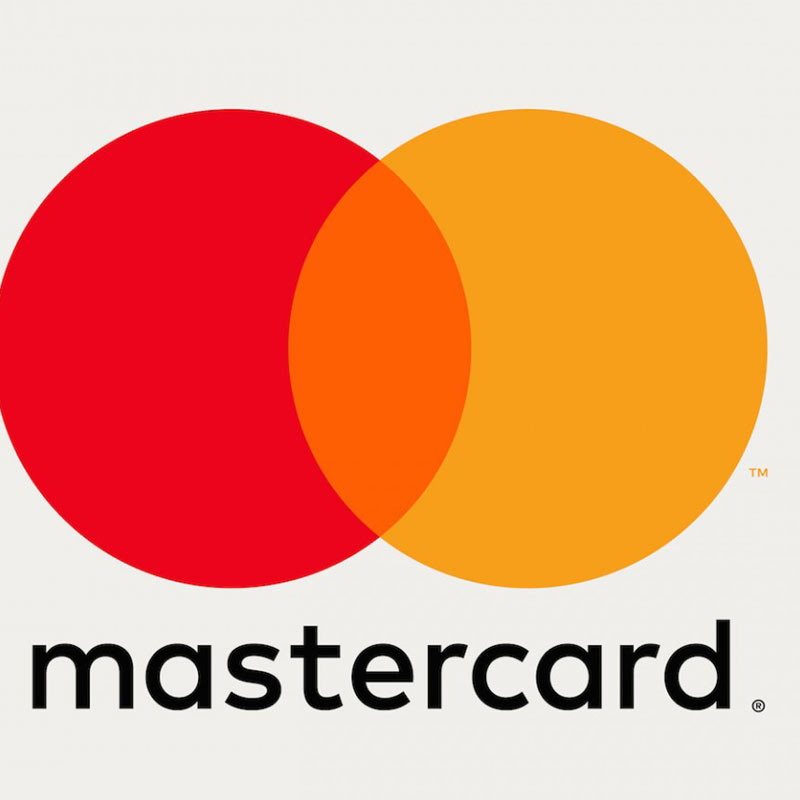
    MUMBAI: Leading global payments & technology company Mastercard has revamped its logo, a first for the financial services giant in 20 years, according to reports.

    The new card logo no longer reads CamelCase; it’s just “Mastercard” now and in some cases “mastercard’, as per theverge.com. The logo still has the overlapping red and yellow circles and sans-serif font, but all the elements are finer and sharper.

    Knowing that almost 2.3 billion people carry the company’s cards, one would wonder why it needed a change in the first place endangering its 20 year old brand identity.

    “This is really one of the most broadly distributed and most widely seen marks in the world,” said Michael Bierut, who designed the new branding with Pentagram partner Luke Hayman in an interview with the media. Between them, the acclaimed designers have revamped identities for everyone from Verizon to New York Magazine to Hillary Clinton.

    There is also the question of credibility. Consistent branding is one of the ways in which banks and credit cards build trust with their customers. But as the function that these financial services offer have evolved with time between online payment platform, a digital wallet, and a technology company, suiting the current digitally charged consumers, it is important to have a logo that reflects just that.

    “It needs to thrive in a digital space,” Mastercard’s customer experience and design head Cindy Chastain had said on the new change. “It’s simplified. It’s modernized and optimized for relevance in an increasingly digital world.”

    In other words, traditional financial companies are now opting for logos that not only look good and trustworthy on banners, billboards and cards, but on laptop screens, smartwatches and of course as app logos as well.

  • Mastercard revamps its logo keeping digital world in mind

    Mastercard revamps its logo keeping digital world in mind

    MUMBAI: Leading global payments & technology company Mastercard has revamped its logo, a first for the financial services giant in 20 years, according to reports.

    The new card logo no longer reads CamelCase; it’s just “Mastercard” now and in some cases “mastercard’, as per theverge.com. The logo still has the overlapping red and yellow circles and sans-serif font, but all the elements are finer and sharper.

    Knowing that almost 2.3 billion people carry the company’s cards, one would wonder why it needed a change in the first place endangering its 20 year old brand identity.

    “This is really one of the most broadly distributed and most widely seen marks in the world,” said Michael Bierut, who designed the new branding with Pentagram partner Luke Hayman in an interview with the media. Between them, the acclaimed designers have revamped identities for everyone from Verizon to New York Magazine to Hillary Clinton.

    There is also the question of credibility. Consistent branding is one of the ways in which banks and credit cards build trust with their customers. But as the function that these financial services offer have evolved with time between online payment platform, a digital wallet, and a technology company, suiting the current digitally charged consumers, it is important to have a logo that reflects just that.

    “It needs to thrive in a digital space,” Mastercard’s customer experience and design head Cindy Chastain had said on the new change. “It’s simplified. It’s modernized and optimized for relevance in an increasingly digital world.”

    In other words, traditional financial companies are now opting for logos that not only look good and trustworthy on banners, billboards and cards, but on laptop screens, smartwatches and of course as app logos as well.