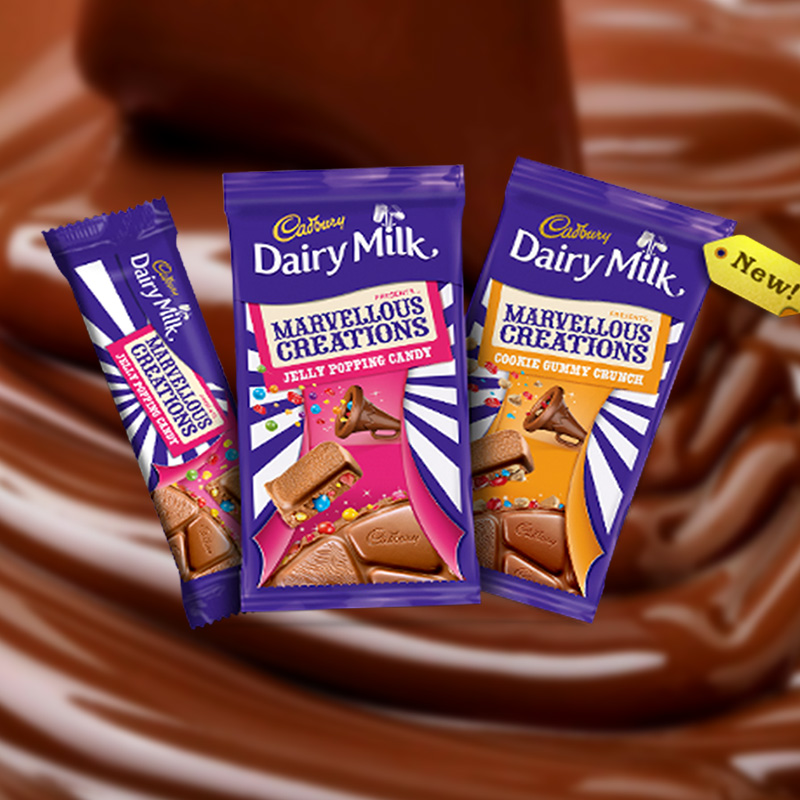
MUMBAI: After the success of its centre-filled chocolate Cadbury Dairy Milk Silk Caramello and aerated chocolate Cadbury Dairy Milk Silk Bubbly, Mondelez India Foods Private Limited has launched Cadbury Dairy Milk Marvellous Creations. Available in two flavours, Jelly Popping Candy and Cookie Nut Crunch, it will exuberating a fun and playful characteristic with its distinctive form and unpredictable inclusions. The former is priced at Rs 39 while Cookie Nut Crunch is priced at Rs. 80.
The company indents to redefine chocolate eating experience for its consumer that craves for innovation. This new innovation is different, with a quirky looking block and curiously shaped pieces of varying sizes made specifically for sharing. The rounded pieces roll off the roof of your mouth, the chocolate melting away to leave the key ingredients to explode, as the contrasting sensations play off.
Speaking on the launch, Mondelez India director marketing for chocolates Prashant Peres said, “We are delighted to introduce global innovation like Cadbury Dairy Milk Marvellous Creations in India. Indian consumers now demand unique formats and eat experiences and given our global leadership in chocolate, we are well positioned to identify and bring some of our world leading brands to India. Cadbury Dairy Milk Marvellous Creations reflects India’s celebratory spirit and our objective is to bring fun and excitement into the way Indians enjoy their favorite chocolate. The product combines exciting inclusions like gems, jelly and popping candy in an indulgent bar of milk chocolate that literally explodes in your mouth with every unpredictably delicious bite.”
Through Cadbury Dairy Milk Marvellous Creations, the brand is amplifying the joy that it has been bringing to Indians for more than six decades. The launch will be supported by a 360-degree communication campaign, that includes a new TVC, as well as outdoor and digital campaigns targeting the brands core target audience families. On-ground activations and a Cadbury Dairy Milk Marvellous Creations bus, are also a part of the campaign to leave its consumers pleasantly surprised.
Cadbury Dairy Milk Marvellous Creations will be exclusively available in select cities, on Amazon, India’s largest online store, starting 10 August. It will then be available across all major urban and rural retailers from mid-August.
MUMBAI: After the success of its centre-filled chocolate Cadbury Dairy Milk Silk Caramello and aerated chocolate Cadbury Dairy Milk Silk Bubbly, Mondelez India Foods Private Limited has launched Cadbury Dairy Milk Marvellous Creations. Available in two flavours, Jelly Popping Candy and Cookie Nut Crunch, it will exuberating a fun and playful characteristic with its distinctive form and unpredictable inclusions. The former is priced at Rs 39 while Cookie Nut Crunch is priced at Rs. 80.
The company indents to redefine chocolate eating experience for its consumer that craves for innovation. This new innovation is different, with a quirky looking block and curiously shaped pieces of varying sizes made specifically for sharing. The rounded pieces roll off the roof of your mouth, the chocolate melting away to leave the key ingredients to explode, as the contrasting sensations play off.
Speaking on the launch, Mondelez India director marketing for chocolates Prashant Peres said, “We are delighted to introduce global innovation like Cadbury Dairy Milk Marvellous Creations in India. Indian consumers now demand unique formats and eat experiences and given our global leadership in chocolate, we are well positioned to identify and bring some of our world leading brands to India. Cadbury Dairy Milk Marvellous Creations reflects India’s celebratory spirit and our objective is to bring fun and excitement into the way Indians enjoy their favorite chocolate. The product combines exciting inclusions like gems, jelly and popping candy in an indulgent bar of milk chocolate that literally explodes in your mouth with every unpredictably delicious bite.”
Through Cadbury Dairy Milk Marvellous Creations, the brand is amplifying the joy that it has been bringing to Indians for more than six decades. The launch will be supported by a 360-degree communication campaign, that includes a new TVC, as well as outdoor and digital campaigns targeting the brands core target audience families. On-ground activations and a Cadbury Dairy Milk Marvellous Creations bus, are also a part of the campaign to leave its consumers pleasantly surprised.
Cadbury Dairy Milk Marvellous Creations will be exclusively available in select cities, on Amazon, India’s largest online store, starting 10 August. It will then be available across all major urban and rural retailers from mid-August.
MUMBAI: Paytm reported more than a lakh movie tickets, reflecting the huge potential of the online movie ticketing industry in India. This significant milestone has been crossed by Paytm within four months of launch of the movie ticketing business. In a massive effort to encourage digital payments in India, the company’s foray into the entertainment space has been warmly welcomed by the movie industry across the value chain comprising exhibitors, distributors and production houses. Leveraging Paytm’s existing ecosystem of over 130 million users, Paytm has set itself aggressive numbers in the months ahead.
One of the key reasons for the significant initial success of Paytm in the movie-ticketing domain has been the Pan India availability of movie screens on its platform. Currently, Paytm has over 2250 screens for which tickets can be booked online. This number will increase to 3000 screens in the coming months. Paytm’s list of tie-ups in the movie industry includes PVR, Cinepolis, Inox, Wave, Miraj, MovieTime, Gold Cinemas and multiple other chains & single screen theatres.
Speaking on this, Paytm VP Renu Setti said, “In just about four months since the launch of movie ticketing, Paytm is well on its way to become the country’s favorite mode of booking movie tickets. We are very pleased at the encouraging response to our efforts to serve the millions of movie lovers in India. Paytm will also bring offline single screens on its platform over a period of time. This will take the reach of Paytm deeper and further in this space, and also aid the theater owners in filling up seats.”
MUMBAI: Paytm reported more than a lakh movie tickets, reflecting the huge potential of the online movie ticketing industry in India. This significant milestone has been crossed by Paytm within four months of launch of the movie ticketing business. In a massive effort to encourage digital payments in India, the company’s foray into the entertainment space has been warmly welcomed by the movie industry across the value chain comprising exhibitors, distributors and production houses. Leveraging Paytm’s existing ecosystem of over 130 million users, Paytm has set itself aggressive numbers in the months ahead.
One of the key reasons for the significant initial success of Paytm in the movie-ticketing domain has been the Pan India availability of movie screens on its platform. Currently, Paytm has over 2250 screens for which tickets can be booked online. This number will increase to 3000 screens in the coming months. Paytm’s list of tie-ups in the movie industry includes PVR, Cinepolis, Inox, Wave, Miraj, MovieTime, Gold Cinemas and multiple other chains & single screen theatres.
Speaking on this, Paytm VP Renu Setti said, “In just about four months since the launch of movie ticketing, Paytm is well on its way to become the country’s favorite mode of booking movie tickets. We are very pleased at the encouraging response to our efforts to serve the millions of movie lovers in India. Paytm will also bring offline single screens on its platform over a period of time. This will take the reach of Paytm deeper and further in this space, and also aid the theater owners in filling up seats.”
MUMBAI: It is a challenge for any brand to bust myths around itself that it once thrived upon.
If one were to wake up one fine day and discover that their favourite face-wash brand can also be used as a kitchen cleaner, consumers would hardly buy it; (pun intended). Categories exist for reason, after all. Breaking away from this typecast in the marketing world is one of the biggest challenges a brand can take on. And yet, if it’s done right, the returns are promising. Nutrition and wellness label Danone Nutricia’s Indian marketing director Himanshu Bakshi can testify to that.
Protinex was by and large a heritage brand; been around in the country for some 60 years now and is well known among its niche consumer in the medical circle. Historically the brand has always been prescription driven, which is to say its sales was driven through doctor recommendations and prescriptions. Around three years ago when Danone Nutricia acquired Wockhardt Group, brands such as Dexolac, Farex, Nusobee and Protinex brands, came under its purview and kindled a scope for Protinex to enter the over the counter market.
“That is when we decided to take our brand OTC, or over the counter,” recollects Bakshi. When you think about it, Protein in itself doesn’t require doctor’s prescription per say to be consumed, and it is a requirement for everyone.
To ensure that their thought process was backed by facts, Protinex did a huge round of consumer research. What came out of it was that people knew what protein is, people knew what Protinex is, but they weren’t aware why they should consume it without being asked by a doctor. “Clearly, we realised that the relevance of protein in everyday life was missing among the consumers,” Bakshi remembers.
There were lots of myths associated with the product, the primary one being its use for body builders. Several assumed that if they were not into body building, protein and Protinex didn’t concern them. There were also those that believed that Protinex was limited to specific occasions, such as when one is recovering from any sickness.
“To test the waters, we did a pilot campaign in south India starting with Andhra Pradesh back in 2014. It did exceedingly well for us in that market, both in terms of brand awareness and shelf life of the product in retail stores. Following which in 2015, we went all out with our national campaign including, television ad spots, newspaper visibility, out-of-home campaigns and of course digital,” shares Bakshi.
While Taproot Dentsu has the brand’s creative mandate, GroupM has managed the planning and buying of all media for Protinex as its media agency ever since.
The first campaign was straightforward awareness building on the brand’s part that laid down facts and figures on protein deficiency in the country, upholding it as an issue that affects the everyday consumer. The campaign touched upon the fact that common illnesses like fatigue and weakness can be tied down to deficiency of adequate protein in one’s everyday diet.
The brand custodians claim that it was not only a first time for Protinex reach out to consumers directly through TV, radio, print and digital, but the campaign was a novelty in the category itself.
But grabbing the retail consumer’s attention was just the start of the multifold challenge that the brand and its marketing team was taking on. “Gaining penetration in a market like this isn’t an easy task. It takes time and consistent effort through brand communication. We did make inroads when it comes to adoption figures going up as gathered from our sales study in the areas where the campaign did well,” states Bakshi.
He, however, has no qualms in facing the reality that when the overall health food and food supplements market is looked at — which is dominated by the Horlicks’ and Complans of the world– Protinex has a long way to go.
Where in comes the need for a differentiated communication that will cut above the noise. The brand’s second campaign is a sea removed from what it attempted at first to generate awareness. It was more about building unique brand identity than educating consumers.
“Generally health and wellness is considered a boring category and not much innovation is seen when it comes to marketing it. People don’t really tweet and share about it as enthusiastically as they would for an automobile brand for example. Therefore the key to it is to create a point of engagement. If you look at the campaigns done in the category so far, every brand is talking about ‘kids growing taller and smarter.’ Claims are really overdone. A plain vanila ad on health will just not cut it, especially for us, because we are still very small when it comes to market share. That is why we have willed ourselves to think out of the box and come up with truly engaging ideas, including the involvement with Mumbai dabbawallahs,” Bakshi says, referring to its latest campaign.
Having said that, the current ongoing campaign is a bud up on the first one. “While the first campaign was very functional in nature, the second is way more engaging for the consumer. We have blended in fun elements along with indian values, so that the consumers can relate and own the message. Above all the message shouldn’t sound like a sermon, if we wanted consumers to listen,” he says.
“We took the insights from our study that ä huge chunk of the Indian demography has a deficiency in protein, and instead of outright saying it in their face, we took a queue from the fact that most people think it’s good enough. We built the campaign ‘something missing’ around it using the dabba or the Indian lunchbox as the key visual for it,” Bakshi explains.
It started with a teaser for the first few days on the major news channels on TV, followed by visibility at bus shelters. The most innovative was the involvement of the Mumbai dabba wallas in the campaign. The scale at which the campaign is being attempted is a first for the brand, and therefore overwhelming but it feedback makes it worth it, Bakshi says.
Currently the campaign has been launched nationally and an entire 360 degree conversation has been chalked out which includes TV spots, radio spots, print coverage and digital penetration through various social media and VOD platforms.
When it comes to buying media on television news channels are the preferred genre for the brand given its target audience and its limited penetration in that market.
“We have been sponsoring news shows on Times Now, for example, for News Hour. Apart from that we have been buying slots in India TV and some regional news channels as well, “ reveals Bakshi. “Given the male-female skew to the brand, we also buy slots in GECs to cater to the housewives in the target profile. We are also somewhat present in sports channels, although we don’t go overboard with it as the intention remains to make Protinex a mainstream consumption product rather than niche consumption by sports enthusiasts.”
Based on the same analogy, the brand has looked away from roping in a sports celebrity to endorse its product as well, as it doesn’t want to just build a niche consumer base for itself.
A key touch point of the campaign is out-of-home engagement with consumers which includes billboards and on-ground activations at malls and other retail points.
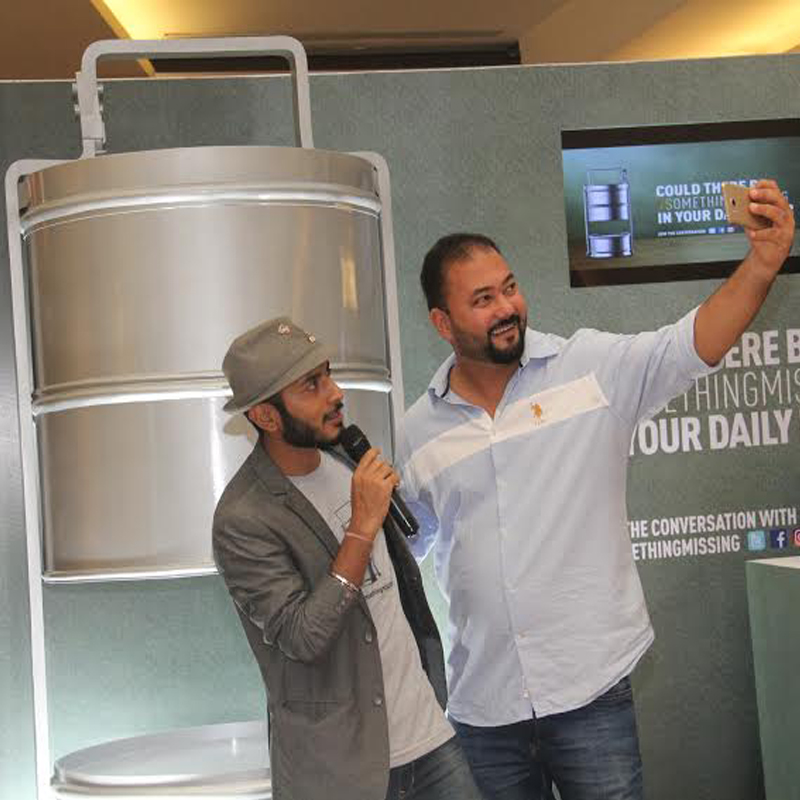
The mall activation was tied to the brand’s digital initiatives, where the brand encouraged mall goers to click selfies with their dabbas against the giant lunchbox installations. The campaign garnered a fair amount of traction for the brand on social media. “Apart from this we are also tying up with few airlines to reach out to the captive audience onboard flights,” Bakshi adds.
As per Bakshi, digital has proven to be a useful media for the brand. “We have realised since last year that digital has become one of the primary mediums for us especially in terms of getting feedback and therefore, even our digital ad spends have doubled since last year. Apart from social media, we are also exploring multiple avenues of engagement with our consumers digitally. For example we have an advertising tie up with Hotstar as well,” he informs.
Currently for Protinex, the digital ad spends constitute 10 to 15 percent of its total advertising budget for this financial year.
It is not just the company’s internal benchmarks that hint at the definite ROI from the campaigns, but also how the campaign has impacted the brand on a macroeconomic level. “Our consumption numbers, household penetration numbers and share numbers show that our marketing efforts have been very fruitful in gaining new loyal consumers. While there was brand awareness initially, there were very few new trails that took place earlier. Post the campaign, we have gained many new trialists, and that helps in gaining new markets for the brand,” shares a confident Bakshi, while withholding from revealing any specific numbers.
The brand has also expanded its footprint through sales by adding new outlets. “When we were predominantly prescription driven, we were only available in pharmacies, but now we are largely available in groceries and with general merchants.”
The scale at which the brand has attempted its latest campaign is albeit overwhelming for it, but last year’s feedback and the high double digit growth rate as a result of the campaign has made it worth it for the brand. The brand custodians are hopeful that this campaign, which is to continue throughout the current financial year, would also help its market penetration as well as sales grow exponentially.
MUMBAI: It is a challenge for any brand to bust myths around itself that it once thrived upon.
If one were to wake up one fine day and discover that their favourite face-wash brand can also be used as a kitchen cleaner, consumers would hardly buy it; (pun intended). Categories exist for reason, after all. Breaking away from this typecast in the marketing world is one of the biggest challenges a brand can take on. And yet, if it’s done right, the returns are promising. Nutrition and wellness label Danone Nutricia’s Indian marketing director Himanshu Bakshi can testify to that.
Protinex was by and large a heritage brand; been around in the country for some 60 years now and is well known among its niche consumer in the medical circle. Historically the brand has always been prescription driven, which is to say its sales was driven through doctor recommendations and prescriptions. Around three years ago when Danone Nutricia acquired Wockhardt Group, brands such as Dexolac, Farex, Nusobee and Protinex brands, came under its purview and kindled a scope for Protinex to enter the over the counter market.
“That is when we decided to take our brand OTC, or over the counter,” recollects Bakshi. When you think about it, Protein in itself doesn’t require doctor’s prescription per say to be consumed, and it is a requirement for everyone.
To ensure that their thought process was backed by facts, Protinex did a huge round of consumer research. What came out of it was that people knew what protein is, people knew what Protinex is, but they weren’t aware why they should consume it without being asked by a doctor. “Clearly, we realised that the relevance of protein in everyday life was missing among the consumers,” Bakshi remembers.
There were lots of myths associated with the product, the primary one being its use for body builders. Several assumed that if they were not into body building, protein and Protinex didn’t concern them. There were also those that believed that Protinex was limited to specific occasions, such as when one is recovering from any sickness.
“To test the waters, we did a pilot campaign in south India starting with Andhra Pradesh back in 2014. It did exceedingly well for us in that market, both in terms of brand awareness and shelf life of the product in retail stores. Following which in 2015, we went all out with our national campaign including, television ad spots, newspaper visibility, out-of-home campaigns and of course digital,” shares Bakshi.
While Taproot Dentsu has the brand’s creative mandate, GroupM has managed the planning and buying of all media for Protinex as its media agency ever since.
The first campaign was straightforward awareness building on the brand’s part that laid down facts and figures on protein deficiency in the country, upholding it as an issue that affects the everyday consumer. The campaign touched upon the fact that common illnesses like fatigue and weakness can be tied down to deficiency of adequate protein in one’s everyday diet.
The brand custodians claim that it was not only a first time for Protinex reach out to consumers directly through TV, radio, print and digital, but the campaign was a novelty in the category itself.
But grabbing the retail consumer’s attention was just the start of the multifold challenge that the brand and its marketing team was taking on. “Gaining penetration in a market like this isn’t an easy task. It takes time and consistent effort through brand communication. We did make inroads when it comes to adoption figures going up as gathered from our sales study in the areas where the campaign did well,” states Bakshi.
He, however, has no qualms in facing the reality that when the overall health food and food supplements market is looked at — which is dominated by the Horlicks’ and Complans of the world– Protinex has a long way to go.
Where in comes the need for a differentiated communication that will cut above the noise. The brand’s second campaign is a sea removed from what it attempted at first to generate awareness. It was more about building unique brand identity than educating consumers.
“Generally health and wellness is considered a boring category and not much innovation is seen when it comes to marketing it. People don’t really tweet and share about it as enthusiastically as they would for an automobile brand for example. Therefore the key to it is to create a point of engagement. If you look at the campaigns done in the category so far, every brand is talking about ‘kids growing taller and smarter.’ Claims are really overdone. A plain vanila ad on health will just not cut it, especially for us, because we are still very small when it comes to market share. That is why we have willed ourselves to think out of the box and come up with truly engaging ideas, including the involvement with Mumbai dabbawallahs,” Bakshi says, referring to its latest campaign.
Having said that, the current ongoing campaign is a bud up on the first one. “While the first campaign was very functional in nature, the second is way more engaging for the consumer. We have blended in fun elements along with indian values, so that the consumers can relate and own the message. Above all the message shouldn’t sound like a sermon, if we wanted consumers to listen,” he says.
“We took the insights from our study that ä huge chunk of the Indian demography has a deficiency in protein, and instead of outright saying it in their face, we took a queue from the fact that most people think it’s good enough. We built the campaign ‘something missing’ around it using the dabba or the Indian lunchbox as the key visual for it,” Bakshi explains.
It started with a teaser for the first few days on the major news channels on TV, followed by visibility at bus shelters. The most innovative was the involvement of the Mumbai dabba wallas in the campaign. The scale at which the campaign is being attempted is a first for the brand, and therefore overwhelming but it feedback makes it worth it, Bakshi says.
Currently the campaign has been launched nationally and an entire 360 degree conversation has been chalked out which includes TV spots, radio spots, print coverage and digital penetration through various social media and VOD platforms.
When it comes to buying media on television news channels are the preferred genre for the brand given its target audience and its limited penetration in that market.
“We have been sponsoring news shows on Times Now, for example, for News Hour. Apart from that we have been buying slots in India TV and some regional news channels as well, “ reveals Bakshi. “Given the male-female skew to the brand, we also buy slots in GECs to cater to the housewives in the target profile. We are also somewhat present in sports channels, although we don’t go overboard with it as the intention remains to make Protinex a mainstream consumption product rather than niche consumption by sports enthusiasts.”
Based on the same analogy, the brand has looked away from roping in a sports celebrity to endorse its product as well, as it doesn’t want to just build a niche consumer base for itself.
A key touch point of the campaign is out-of-home engagement with consumers which includes billboards and on-ground activations at malls and other retail points.
The mall activation was tied to the brand’s digital initiatives, where the brand encouraged mall goers to click selfies with their dabbas against the giant lunchbox installations. The campaign garnered a fair amount of traction for the brand on social media. “Apart from this we are also tying up with few airlines to reach out to the captive audience onboard flights,” Bakshi adds.
As per Bakshi, digital has proven to be a useful media for the brand. “We have realised since last year that digital has become one of the primary mediums for us especially in terms of getting feedback and therefore, even our digital ad spends have doubled since last year. Apart from social media, we are also exploring multiple avenues of engagement with our consumers digitally. For example we have an advertising tie up with Hotstar as well,” he informs.
Currently for Protinex, the digital ad spends constitute 10 to 15 percent of its total advertising budget for this financial year.
It is not just the company’s internal benchmarks that hint at the definite ROI from the campaigns, but also how the campaign has impacted the brand on a macroeconomic level. “Our consumption numbers, household penetration numbers and share numbers show that our marketing efforts have been very fruitful in gaining new loyal consumers. While there was brand awareness initially, there were very few new trails that took place earlier. Post the campaign, we have gained many new trialists, and that helps in gaining new markets for the brand,” shares a confident Bakshi, while withholding from revealing any specific numbers.
The brand has also expanded its footprint through sales by adding new outlets. “When we were predominantly prescription driven, we were only available in pharmacies, but now we are largely available in groceries and with general merchants.”
The scale at which the brand has attempted its latest campaign is albeit overwhelming for it, but last year’s feedback and the high double digit growth rate as a result of the campaign has made it worth it for the brand. The brand custodians are hopeful that this campaign, which is to continue throughout the current financial year, would also help its market penetration as well as sales grow exponentially.
MUMBAI: A unique business model that is driven by innovation and technology is the trademark key to success among the emerging businesses in the world. Under tough competition, it is no longer enough to have hard working product or service. Smart brand building is the need of the hour. Keeping that in mind, Interbrand in partnership with Facebook, Ready Set Rocket and New York Stock Exchange (NYSE), has released its ‘Breakthrough Brands’ report that examines strong emerging brands.
Of the 200 brands nominated, 60 ended up being featured in the Interbrand Breakthrough Brands report, although the list does not rank the brands.
India- founded Zomato has been featured in the Food and Beverage category along with Deliveroo from UK, Blue Apron from US and do dem from Brazil. Zomato’s mission is to facilitate better dining experiences for food seekers all over the world. Founded in 2008, this brand’s food discovery platform is now a part of India’s biggest personal assistant app, HelpChat, which will be able to anticipate users’ food-related desires. Zomato also offers online ordering and table reservations, as well as tools that allow restaurants to manage demands, thus creating better food experiences for both its users and one million restaurants partners worldwide.
Also, PayTM has been featured in the prestigious ‘Growing global’ category. This category celebrates the brands that have created a unique, differentiated approach which is global from day one. Breaking ground fast and too big to ignore, these brands are poised, or already on the path, to creating a significant global footprint. PayTM’s growing mission to create a one-stop, mobile shop has caused it to flourish in the population-dense country of India, where online platforms serve a growing need to get things done, quicker and more conveniently. Launched in 2010, PayTM began as mobile charging and bill payment service and has since become a full mobile commerce platform, with 20 million registered users and growing. It’s poised to break through in other Asian markets, where the one-stop-shop proposition is becoming increasingly popular. The brand has featured in the category along with Xiaomi from China, WeChat from China and DJI Global from Hong Kong.
“In this ‘Age of You’ brands are being used by people to design better experiences in their day to day lives. That is what necessitates the conventional brands themselves to move at the Speed of Life. The Breakthrough Brands are born into the new cognitive era and are unencumbered. They can therefore create bespoke experiences per people’s needs and desire with a clear purpose to provide solutions through a sustainable business model. The task thus is not so much technology-out as much as it is solution focused. Then on, all the regular tools of running a good business need to be put in place – a scalable resource plan with internal clarity, responsiveness and governance models; external differentiation to ward –off imitability and consistency while the scale up. The stronger the solution and its focus, the better would be the earned media and buzz that are the decisive promotional vehicles for today’s breakthrough brands,” said Interbrand India MD Ashish Mishra in parting.
MUMBAI: A unique business model that is driven by innovation and technology is the trademark key to success among the emerging businesses in the world. Under tough competition, it is no longer enough to have hard working product or service. Smart brand building is the need of the hour. Keeping that in mind, Interbrand in partnership with Facebook, Ready Set Rocket and New York Stock Exchange (NYSE), has released its ‘Breakthrough Brands’ report that examines strong emerging brands.
Of the 200 brands nominated, 60 ended up being featured in the Interbrand Breakthrough Brands report, although the list does not rank the brands.
India- founded Zomato has been featured in the Food and Beverage category along with Deliveroo from UK, Blue Apron from US and do dem from Brazil. Zomato’s mission is to facilitate better dining experiences for food seekers all over the world. Founded in 2008, this brand’s food discovery platform is now a part of India’s biggest personal assistant app, HelpChat, which will be able to anticipate users’ food-related desires. Zomato also offers online ordering and table reservations, as well as tools that allow restaurants to manage demands, thus creating better food experiences for both its users and one million restaurants partners worldwide.
Also, PayTM has been featured in the prestigious ‘Growing global’ category. This category celebrates the brands that have created a unique, differentiated approach which is global from day one. Breaking ground fast and too big to ignore, these brands are poised, or already on the path, to creating a significant global footprint. PayTM’s growing mission to create a one-stop, mobile shop has caused it to flourish in the population-dense country of India, where online platforms serve a growing need to get things done, quicker and more conveniently. Launched in 2010, PayTM began as mobile charging and bill payment service and has since become a full mobile commerce platform, with 20 million registered users and growing. It’s poised to break through in other Asian markets, where the one-stop-shop proposition is becoming increasingly popular. The brand has featured in the category along with Xiaomi from China, WeChat from China and DJI Global from Hong Kong.
“In this ‘Age of You’ brands are being used by people to design better experiences in their day to day lives. That is what necessitates the conventional brands themselves to move at the Speed of Life. The Breakthrough Brands are born into the new cognitive era and are unencumbered. They can therefore create bespoke experiences per people’s needs and desire with a clear purpose to provide solutions through a sustainable business model. The task thus is not so much technology-out as much as it is solution focused. Then on, all the regular tools of running a good business need to be put in place – a scalable resource plan with internal clarity, responsiveness and governance models; external differentiation to ward –off imitability and consistency while the scale up. The stronger the solution and its focus, the better would be the earned media and buzz that are the decisive promotional vehicles for today’s breakthrough brands,” said Interbrand India MD Ashish Mishra in parting.
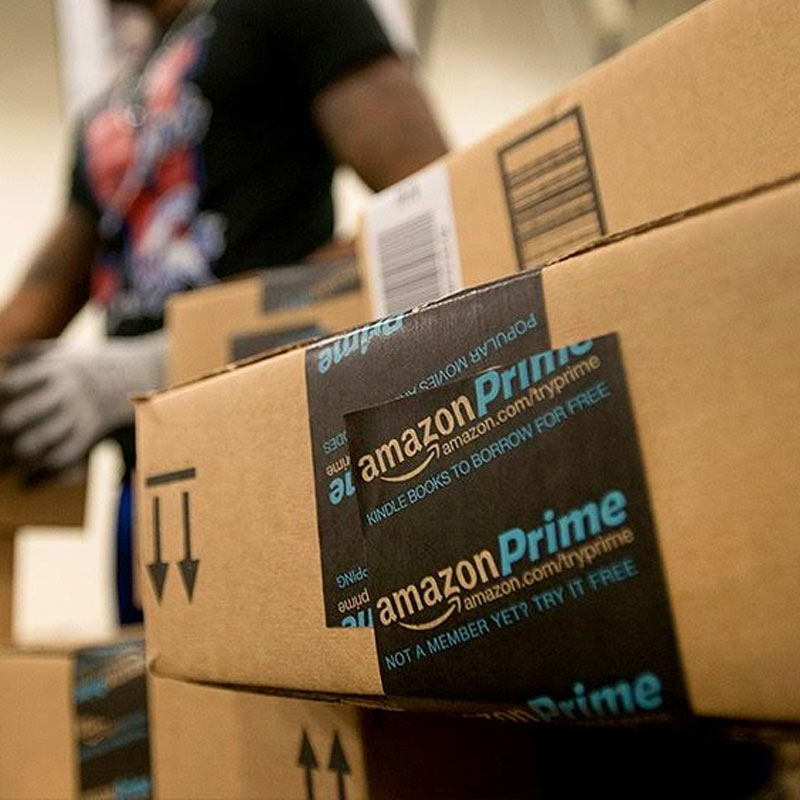
MUMBAI: With an introductory price of Rs 499 for a year, Amazon Prime is now available in India to give users same day or next day delivery on orders and 30 minute early access to lightning deals. After the inaugural pricing period, a Prime subscription will cost Rs 999 a year.
Items eligible for Prime benefits are marked on the website with the Prime logo next to it. Alternatively, users can choose the Prime logo filter to view the items available on Prime.
The company has announced that Amazon Prime Video will be coming in later but it has not given a timeline. Prime Video will have access to Amazon Original Series, movies and TV shows from India and around the world.
In the U.S., Amazon Prime offers over 40,000 movies and TV shows, a million songs and 500,000 free ebooks for $99 per year. It has begun talks with Bollywood producers and independent production houses for building video content from India. Amazon CEO Jeff Bezos announced that $300 mn (approx Rs 2,000 cr) will be invested in its India unit.
Overall, it’s a great news for Indian entertainment industry, as such heavy funding will surely bring out the top talent and potential superstars.
With this, Amazon’s total investment commitment in India goes up to $5 bn; the $3 billion announced now, plus the $2 billion investment announced back in July 2014, which the company has already completed in phases over the past two years.
MUMBAI: With an introductory price of Rs 499 for a year, Amazon Prime is now available in India to give users same day or next day delivery on orders and 30 minute early access to lightning deals. After the inaugural pricing period, a Prime subscription will cost Rs 999 a year.
Items eligible for Prime benefits are marked on the website with the Prime logo next to it. Alternatively, users can choose the Prime logo filter to view the items available on Prime.
The company has announced that Amazon Prime Video will be coming in later but it has not given a timeline. Prime Video will have access to Amazon Original Series, movies and TV shows from India and around the world.
In the U.S., Amazon Prime offers over 40,000 movies and TV shows, a million songs and 500,000 free ebooks for $99 per year. It has begun talks with Bollywood producers and independent production houses for building video content from India. Amazon CEO Jeff Bezos announced that $300 mn (approx Rs 2,000 cr) will be invested in its India unit.
Overall, it’s a great news for Indian entertainment industry, as such heavy funding will surely bring out the top talent and potential superstars.
With this, Amazon’s total investment commitment in India goes up to $5 bn; the $3 billion announced now, plus the $2 billion investment announced back in July 2014, which the company has already completed in phases over the past two years.