Category: Brands

  • How Google views India’s internet landscape

    How Google views India’s internet landscape

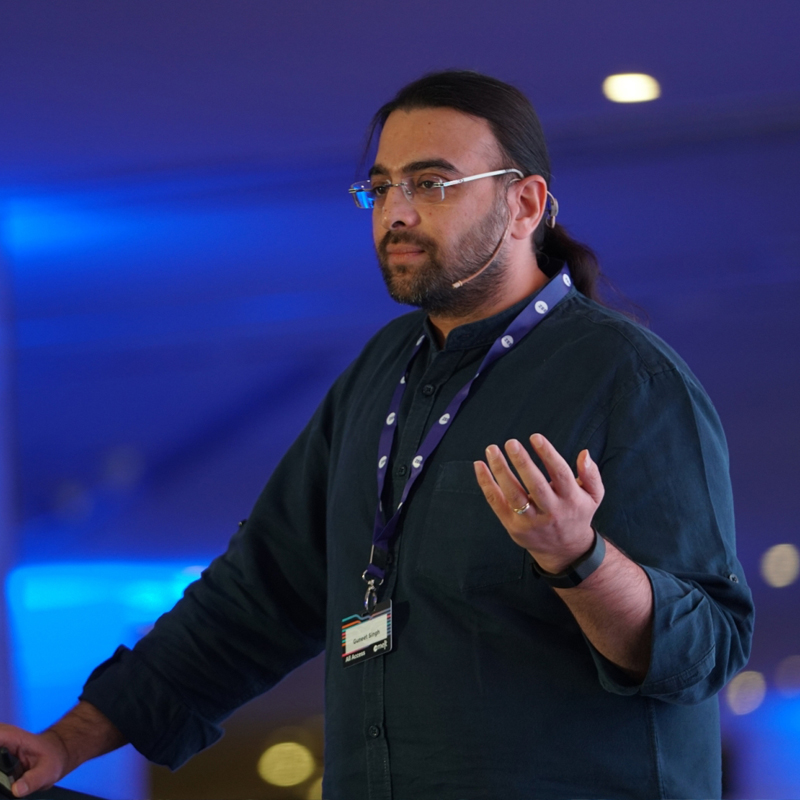
    MUMBAI: After having worked with three tech giants of today – Google, Microsoft and Samsung – Guneet Singh is not hesitant to speak of the power of digital. The Google head of marketing solutions for India and SEA was speaking at the Zee Melt 2018 conference.

    At Google since the time digital market was a minuscule fraction in the country, he believes that digital empowers people to market their products providing equal chance. As the industry transformed from TV to digital, creative ecosystem needs to change to understand how the consumption is happening.

    “Internet market is led by two things. It’s led by the smart device which has to process and the good network. Both of those were struggling. The first big shift came between 2012-15 when prices were going down and quality of data improved. The next shift came after Jio entered the market,” he revealed in an interaction with Indiantelevision.com.

    Owing to the large population, even when only 10 per cent of Indians were on the internet, India was a priority market for Google. Though India’s vast cultural and linguistic diversity makes it a challenging market, Singh thinks every company has to be ready to able to be flexible and appeal to users across the country. According to him, the best way to look at India is not as a country but as a region which has eight to nine geo-clusters or small countries.

    India being a priority market, Google has a large marketing team in India. It likes to keep a multi-cultural team in every office. Along with a high number of local population, it also encourages people from other parts of the world to come and work in different countries paving the way to knowledge-sharing.

    One of the major areas Google focuses on India is always having more people on the internet, to really get the value of the internet which is beyond funny videos. It is also working with manufacturers to look at ways to get great performance at affordable prices on Android devices. In 2016, Google launched, in collaboration with Indian Railways, its free high-speed public wi-fi service at five railway stations which has now reached around 400 stations.

    “The second part is that as you grow beyond the first 100 million users, we have so many different languages, cultures, there’s an effort on trying to build a vernacularity. The focus is on the content on the internet which is primarily in English and then goes to Hindi, Punjabi, Telugu, Malayalam, Bengali, whatever India needs and next generation of Indian users comes up from that effort. That’s another big initiative we are taking,” Singh said.

    While with the recent Cambridge Analytica scandal, GDPR roll out in Europe, protection of consumer data has become a burning issue worldwide, Singh also considers the issue very important. “The internet empowers people. Therefore the way data can be used should be a choice of that individual,” he said. However, he thinks it should not become a rightist movement. People should be given a choice if they are okay with sharing data for getting something better.

    With an experience of more than 15 years in the industry, he thinks digital advertising needs to evolve to grab the eyeballs of an audience which has a very short attention span. Six-second videos aren’t always the goal but the right engagement. The optimistic man, however, firmly believes creativity is not dead.
  • Mobile internet consumption to hit 28% of media use by 2020: Zenith Report

    Mobile internet consumption to hit 28% of media use by 2020: Zenith Report

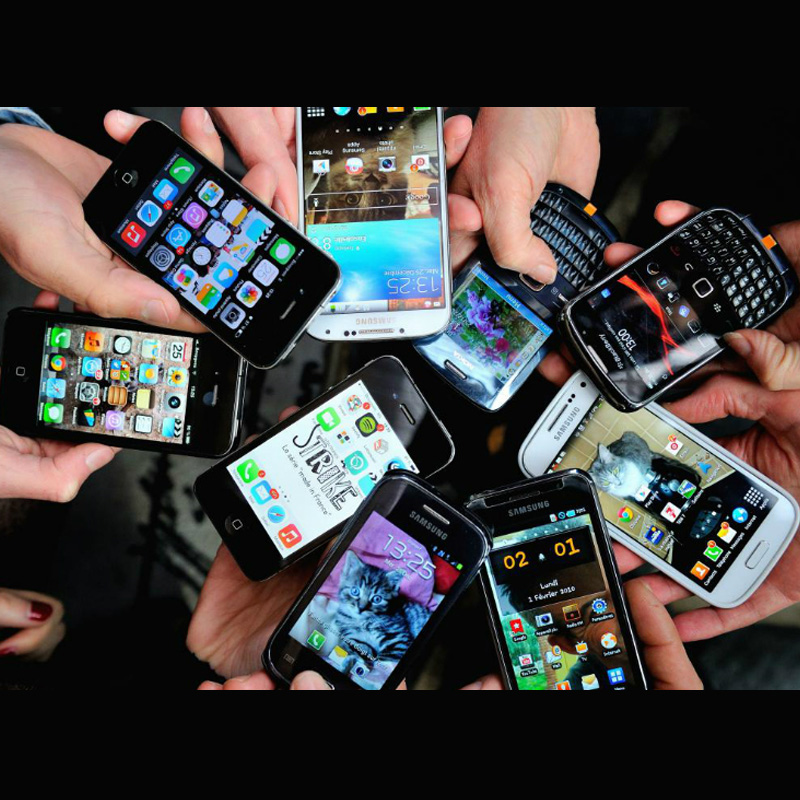
    MUMBAI: The spread of mobile devices and rapid mobile data networks has transformed global media consumption in recent years. A recent report by Zenith Media Consumption Forecasts 2018, reveals that 24 per cent of all media consumption across the world will be mobile this year, up from just five per cent in 2011. The report highlights that by 2020 internet usage will reach 28 per cent, taking share from almost all other media.

    The rise of mobile is also forcing brands to transform the way they plan their communications across media, focusing less on channels and more on consumer mind-set as the distinctions between channels are eroded.

    The report surveys changing patterns of media consumption since 2011 and forecasts how the amount of time people allocate to different media will change between 2018 and 2020, in 63 countries across the world.

    Mobile internet use has eroded the consumption of almost all other media. Newspapers and magazines have lost the most, as between 2011 and 2018 time spent reading them has fallen by 45 per cent for newspapers and 56 per cent for magazines. However, this refers only to time spent reading printed publications. Time spent reading newspapers and magazines online is included in the internet total, and for many publications the time they have gained online more than makes up for the time they have lost from print.

    Zenith’s head of forecasting and director of global intelligence Jonathan Barnard says, “Under traditional definitions, all other media are losing out to the mobile internet. But the truth is that the distinctions between media are becoming less important, and mobile technology offers publishers and brands more opportunities to reach consumers than ever.”

    Television and radio have also lost out, though not on the same scale. The time spent watching television shrank by three per cent between 2011 and 2018, while time spent listening to radio shrank by eight per cent. Again, television channels and radio stations have gained audiences online at the same time as they have lost them offline, but they have faced stiff competition from native digital platforms such as YouTube and Spotify.

    The rise of mobile has blurred the boundaries between different channels: it can be used for entertainment, news, information, research, socialising and communication. For brands it can play the role of building awareness, creating direct responses, allowing one-to-one communication, or generating earned content, depending on how the consumer is using the device, and in particular their mind-set while using it.

    A consumer who is actively searching for a specific information is in a very different mind-set from one who is sharing holiday photos with friends, or leaning back and enjoying a video. Brands need to understand the signals a consumer’s activity provides about their mind-set, and therefore what forms of communication are appropriate.

    Focusing on mind-set also dissolves the distinction between traditional and digital media: it’s more important that a consumer is reading news, than whether they are doing so using a printed newspaper or newspaper websites. People who are watching video content on television sets, laptops or smartphones have much in common, though people watching long-form entertainment can have quite different mind-sets from people scrolling short-form content on social media. Brands need to decide the role each platform plays in their communications strategies, however the consumer happens to access it.

    The rapid expansion of mobile internet use has increased the amount of time the average individual spends consuming media, by giving people access to essentially unlimited content almost everywhere, and at any time of the day. The report estimates that the average person will spend 479 minutes a day consuming media this year, 12 per cent more than in 2011 and will reach 492 minutes a day in 2020.

    Time spent at the cinema actually increased three per cent between 2011 and 2018 as cinema owners have invested in more screens and a better experience for visitors, while studios have marketed their films more effectively at international audiences. On average, though, people spend much less time at the cinema than they do with any other medium.

    Zenith’s global brand president Vittorio Bonori mentions, “Mobile technology is challenging brands to rethink how they communicate with consumers. Brands need to understand both the consumer’s mind-set and where they sit on the consumer journey, to determine how to communicate with them. By using data, ad tech and now artificial intelligence, brands can co-ordinate their communications across media and mind-sets to move them along the consumer journey most effectively.”


  • PepsiCo acquires Bare Foods for $200M in a bid to provide healthy products

    PepsiCo acquires Bare Foods for $200M in a bid to provide healthy products

    MUMBAI: A global snack brand started by an Indian, Bare Foods has been acquired by American multinational food, snack, and beverage corporation, PepsiCo. 

    PesiCo has entered into a definitive agreement to acquire the US snack company that is primarily into baked fruits and vegetable snacks. The transaction will expand the company’s snacking portfolio and further deliver on its vision to offer consumers more positive nutrition options.

    PepsiCo chairman and chief executive officer Indra Nooyi says, “For nearly a dozen years, PepsiCo has been committed to our vision of making more nutritious products, while also reducing added sugars, salt, and saturated fat. Bare Snacks fits perfectly within that vision.”

    Although both the companies did not disclose the financial terms of the deal, but it is learnt that Pepsi will pay less than $200 million for the snack company.

    She adds, ”The Bare Snacks leadership team has done an outstanding job building a top-tier organisation and a strong brand with authentic roots, and I couldn’t be more excited to welcome Bare Snacks to the PepsiCo family.”

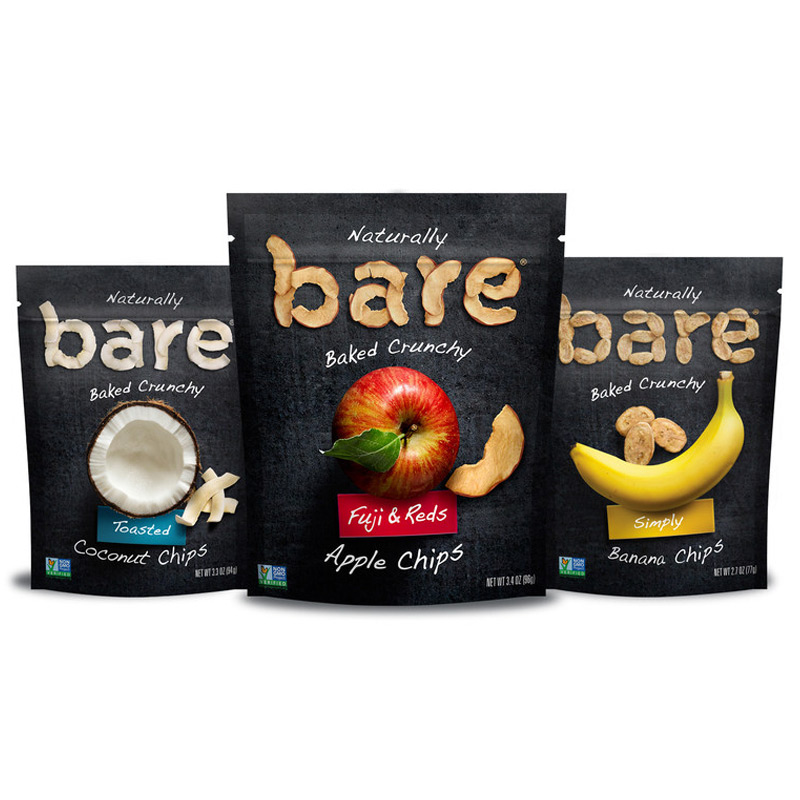
    Bare Snacks was founded in 2001 by a family owned organic apple farm in Washington, that began selling packaged baked apple chips in local farmers’ markets. Under its current leadership team, it has expanded steadily to become the leader in apple, banana and coconut snacks.

    It has recently expanded into vegetable chips and offers the industry’s broadest assortment of baked crunchy fruit and vegetable chips (apple chips, banana chips, coconut chips, and new beet chips, carrot chips, and sweet potato chips). Bare products are made from simple ingredients that are baked, not fried.  They are non GMO project verified, feature clean labels and are sold online and in natural and conventional retail channels across the US.

    Bare Foods CEO Santosh Padki is thrilled to work with the PepsiCo team to further its mission of bringing simplicity to snacking. “With a shared passion for crunchy, better-for-you snacks, PepsiCo is the right partner to help bring our simply baked fruit and vegetable  snacks to even more consumers across the world and continue to grow our brand,” he adds. 

    Upon closing, Bare Snacks will continue to operate independently from its headquarters in San Francisco with its leadership reporting into Frito-Lay North America, a division of PepsiCo.

    Frito-Lay North America president and chief operating officer Vivek Sankaran thinks that Bare premium baked fruit and vegetable chips are an exciting expansion of Frito-Lay’s better-for-you snack offerings. 

    PepsiCo will continue to offer the current Bare Snacks product line  while also working with the Bare Snacks team to deliver new, innovative options, and ultimately expanded distribution.

    PepsiCo generated more than $63 billion in net revenue in 2017, driven by a complementary food and beverage portfolio that includes Frito-Lay, Gatorade, Pepsi-Cola, Quaker and Tropicana. PepsiCo’s product portfolio includes 22 brands that generate more than $1 billion each in estimated annual retail sales.

  • Sourav Ganguly becomes undercover delivery boy for Pizza Hut

    Sourav Ganguly becomes undercover delivery boy for Pizza Hut

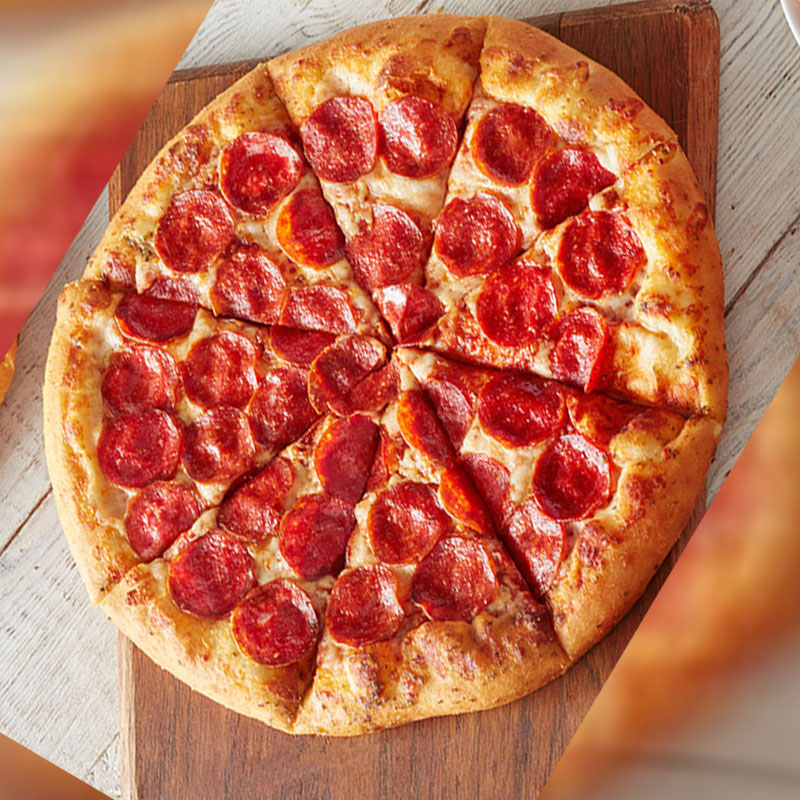
    MUMBAI: What if you were standing in a queue and suddenly discovered that the person standing next to you is your favourite celebrity or hero? Will you be starry-eyed, nervous or excited? That’s exactly how people assembled at the Sourav Ganguly Cricket Academy in Kolkata on 15 May felt. After all, they had the Bengal Tiger himself standing amidst them, but they stood there, none the wiser.  

    Leading pizza chain, Pizza Hut, recently curated a massive surprise experience in the Kolkata, in a creative collaboration with Rannvijay Singha and Sourav Ganguly.

    A social media campaign titled ‘Cricket with Rannvijay’ called out to cricket fans and the youth of Kolkata challenging them to play better than Rannvijay and get an opportunity to enjoy Pizza Hut pan pizzas with him. But the fun did not end there. 

    The video shows how the unsuspecting crowd was electrified with excitement as they realise that they ended up casually playing cricket with cricketer Sourav Ganguly.

    The video begins with Rannvijay Singh engaging people from the audience by inviting them to beat his score. He assigns the crowd with the power to decide the score every time someone bats, including himself. After a few friendly shots, Ranvijay adds some delicious pizza fun to the cricket fever on the ground. He pulls out his mobile phone, goes on Pizza Hut’s m-site and within minutes, orders Pizza Hut signature pan pizzas for everyone. Hearing this, the crowd begins to cheer and hoot in anticipation of the delicious pizzas. The excitement changes pace when the pizza delivery boys (more so one of them in specific) start commenting on the people batting and how they could improve their game to which Rannvijay counters and challenges one of the delivery boys to play.

    This delivery boy begins playing a right-handed game. A few unimpressive attempts later, he changes his stance to one that would be very familiar to the eye of a true cricket buff. And behold, then begins a barrage of 4s and 6s leaving the crowd stunned. His superb batting skill draws massive cheers from the onlooking crowd, including Rannvijay. Ranvijay moves forward to take a selfie with the Pizza Hut delivery boy who stunned everyone with his left-handed batting skills.

    The delivery boy smirks and peels off his (prosthetic) nose, and starts getting rid of his make-up. And lo and behold, the delivery boy was none other than ‘Dada’, the Bengal Tiger himself – Sourav Ganguly.

    The crowd and players, naturally, are beside themselves with excitement, thronging against the nets to catch a glimpse of Ganguly, vying to take selfies with their hero, and delighted that some of them actually played with him. Ganguly then mingles with his fans before leaving the venue on a happy note, to cheers of ‘Dada’.

  • IRCTC Partners with ixigo for Hotel Bookings

    IRCTC Partners with ixigo for Hotel Bookings

    MUMBAI: Travel marketplace ixigo has partnered with IRCTC to exclusively power hotel bookings for IRCTC users. 

    Through this partnership, ixigo’s wide range of accommodation offerings from its domestic and international hotel partners and OTAs will be available on IRCTC’s web and mobile platforms.

    Railway travellers can now go to IRCTC hotels and compare budget and luxury hotels across prices, ratings, reviews and amenities through this new hotel search and booking platform. ixigo searches and compares over 40,000 hotels from all leading travel websites and allows travellers to filter by offerings such as ‘pay at hotel’ and ‘free cancellation’.

    IRCTC CMD Mahendra Pratap Mall says, “Our partnership with ixigo is a part of our efforts of enhancing service offerings to railway customers. The smart and personalised hotel booking options aggregated from multiple online travel sites will help IRCTC deliver affordable accommodation to users through ixigo’s simple and innovative hotel platform.”

    ixigo CEO and co-founder Aloke Bajpai adds, “We are delighted to power hotels for IRCTC and extend our offerings for their large base of rail customers. As a company, we have a decade-long commitment towards understanding the pain points of train travellers and solving them. Through this partnership with IRCTC, ixigo’s hotels meta-search technology will be made available to fulfil the government’s vision of providing more convenience and services to rail travellers.”

    IRCTC’s website and app witnesses over seven lakh train bookings a day and through this exclusive partnership with ixigo, it aims to fulfill the hotel booking requirement for thousands of travellers every day. Rail travellers will benefit from exclusive deals and discounts as ixigo will aggregate and compare prices across branded budget hotel aggregators and OTAs on IRCTC. 

    Launched in 2007, ixigo is India’s leading travel marketplace, with a user base of over 100 million travellers. ixigo allows you to compare and book from 120+ travel suppliers and OTAs across flights, hotels, trains, cabs and destinations.

  • Bajaj Finserv celebrates fitter lifestyle

    Bajaj Finserv celebrates fitter lifestyle

    MUMBAI: Bajaj Finance Ltd, the lending arm of Bajaj Finserv has launched a campaign #FitForLife Fest to offer fitness and wellness products on no cost EMI option.

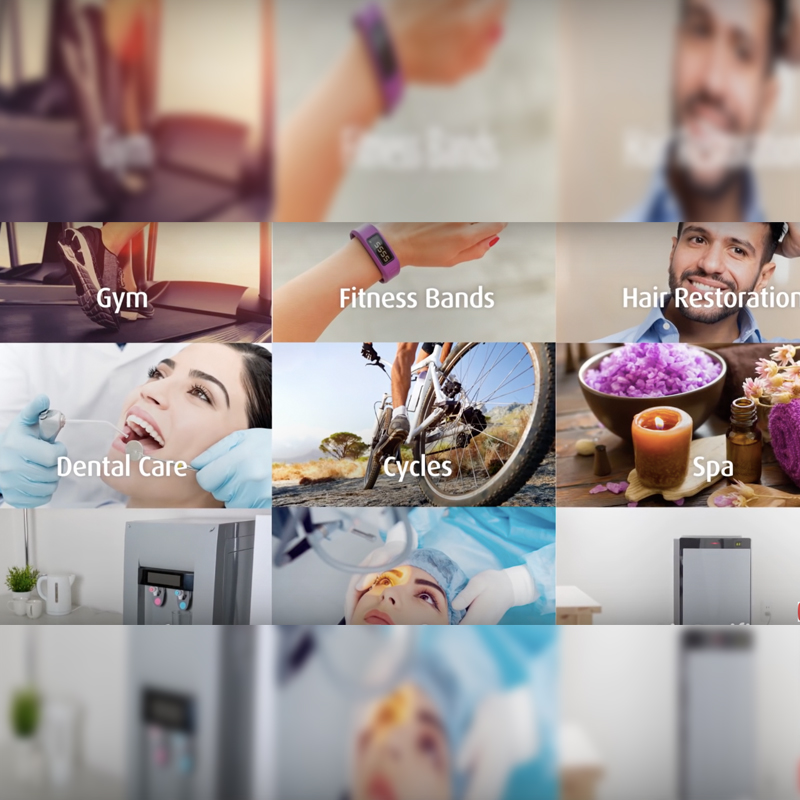
    Under the campaign, customers can avail products like cycles, spa treatments, gym memberships, fitness equipment, fitness bands, smart watches, water purifier, air purifier, vacuum cleaner and life care elective treatments like hair restoration, cosmetic surgery, eye care, dental care, maternity, IVF and stem cell on EMI.

    The company has also launched a TVC for the same. EMI on cycles will start from Rs 999 and other fitness products at Rs 1280.

    The offer can be availed at 20000+ partner retail stores like VLCC, Dr Batra, Apollo Health check-up, Sabka Dentist, Partha Dental, True weight, Talwalkars, Gold’s Gym, Hero Cycle, Starkenn, Scott, Track and Trail Cycles, Tata Stryder, Four Fountains Spa, O2 Spa and many more. These special offers can be availed by both existing and new customers of Bajaj Finserv. New customers can connect with the Bajaj Finserv executive at the store to submit their documents and avail the finance option instantly. Existing holders of Bajaj Finserv EMI Network Card can transact using their card.

    The Bajaj Finserv no cost EMI option is a monthly instalment-based payment scheme with no hidden costs and most importantly, easy payments.

    Additionally, Bajaj Finserv customers can choose to foreclose their loan anytime without any extra charges and can also choose the tenor most suitable to them to repay on their own terms. This way, customers don’t have to worry about immediate payments or about exceeding their budget while shopping.

  • RTB House opens AI Marketing Lab for advertisers

    RTB House opens AI Marketing Lab for advertisers

    MUMBAI: RTB House, a global company providing retargeting technology with top online advertisers has opened a new research division called AI Marketing Lab. The lab will research and develop cutting edge mar-tech solutions for both publishers and advertisers.

    The lab will conduct research and development in broad marketing areas and support all the international markets including new markets like India and US. Present in across 70 countries, RTB House opened its first office in India in September 2017. The new lab will remain separate from the main R&D department and focus on creating an environment for inventing and developing new mar-tech solutions across digital advertising formats including programmatic ads.

    “We’ve been highly focused on improving our primary personalised-retargeting system which is a benchmark in the digital marketing industry globally. We’re now looking to the future, to expand our knowledge, technology, and resources to new areas in order to develop another game-changing solution. One of the most promising areas is improving effectiveness of acquiring new traffic by advertisers,” says RTB House CEO Robert Dyczkowski.

    “In 2017, we achieved one of our biggest goals and introduced deep learning technology into 100 per cent of the crucial elements of our predicting mechanism including for brands and advertisers in India which was a market first. The Indian market has been slow but is rapidly seeing an adoption in new age advertising technologies like programmatic ads. With this lab we aim to pioneer industry first innovations for advertisers in India using artificial intelligence,” adds RTB House India Country Manager Kshitiz Randhir Shori.

    RTB House has also earmarked $5 million for establishing the lab and the amount will also be used for hiring researchers and engineers with expertise in deep learning.

    The opening of the new lab also comes close on the heels of expanding to the US market with offices in New York, Boston and Chicago. It currently has more than 1200 clients in nearly 70 countries, including such well-known brands as Adidas, Hotels.com, New Balance, Trivago, Sephora and Walmart.com. The focus in the US market will remain on acquiring new clients and bolstering employee strength.

    As per a report on digital advertising by Dentsu Aegis Network, the Indian digital advertising industry is currently pegged at around Rs 8,202 crore and is expected to grow at 32 per cent CAGR to reach Rs 18,986 crore by 2020. Increasing penetration of digital media by the Indian audience will play a key role for advertisers to reach out to untapped audiences. The AI lab will seek to develop and implement new age solutions for an emerging market like India. With programmatic ads increasingly becoming popular by advertisers, AI lab will play an important role in assisting brands to improve their ROIs on digital spends and reduce ad fraud.

    RTB House is the first and only ad retargeting company to be powered entirely by deep-learning algorithms. Deep learning models high-level abstractions in data, and imitates the human cognition in processing data rapidly to create patterns that marketers use in decision-making while allocating ad-spends.


  • IndiaMART promotes payment gateway for SMEs

    IndiaMART promotes payment gateway for SMEs

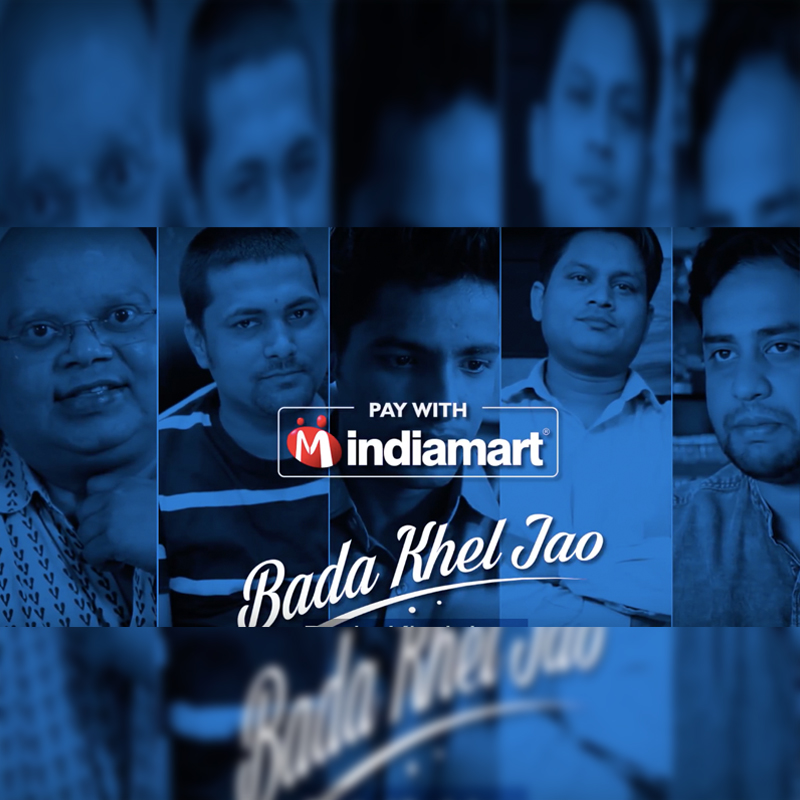
    MUMBAI: IndiaMART has launched its latest digital-led campaign that focuses on various benefits of Payment Gateway, Pay with IndiaMART.

    By showcasing various real businesses from across the country which are listed on its platform, IndiaMART has taken an explanatory route to highlight how IndiaMART’s small and medium businesses (SMEs) have been able to grow their business by using the online payment gateway.

    Unlike any other payment gateway, Pay with IndiaMART allows merchants to receive payment instantly in their account even on a bank holiday. Apart from this, the campaign also focusses on the benefits like the availability of EMI options, ability to accept advance payments and ease of operating across geographical limitations.

    IndiaMART VP marketing Sumit Bedi says, “We realised that millions of SMEs in India are largely untouched by the benefits of fin-tech. Hence, Pay with IndiaMART, a payment gateway, was launched, which could cater to their requirements. We traveled across the country to collect feedback from the users of the service. These businesses told us how the features of Pay with IndiaMART was assisting them in growing and making it big, like the availability of EMI option and ability to collect instant payment even on a holiday. And thus, through a series of videos under the #BadaKhelJao campaign we want to highlight these success stories and urge businesses to go digital to aid their growth.”

    Under the umbrella campaign of #BadaKhelJao, the video would be followed up by five more videos which would be launched in the coming weeks.

  • Oyo becomes RCB’s sponsor till Dec 2018

    Oyo becomes RCB’s sponsor till Dec 2018

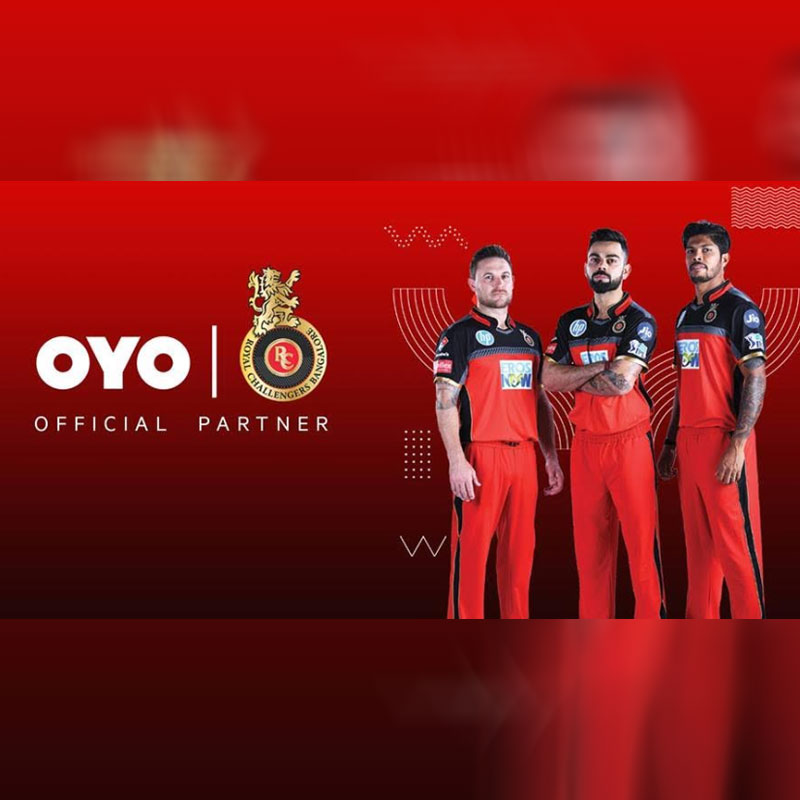
    MUMBAI: Oyo, India’s largest hospitality company, has inked its first team sponsorship with Royal Challengers Bangalore for this season of cricket’s magnum opus, T20. With this deal, Oyo becomes one of RCB’s direct sponsors until December 2018 and brings an exceptional opportunity to its customers from across Bengaluru to engage more with their beloved team. 

    Oyo aims to go big on fulfilling Bengaluru’s massive appetite for T20, satiating the sports frenzy among loyal referral customers, by giving away free tickets to RCB matches and hosting screenings across Bengaluru and other cities.

    This partnership brings unique benefits to Oyo’s loyal customer base wherein select cricket enthusiasts will receive VIP tickets to RCB matches. The company has already given out 104 normal and VIP tickets for these matches and 10 more are up for grabs for the customers. Furthermore, OYO is celebrating the RCB relationship by painting nation happy and gleefully red – signage and banners of the OYO-RCB partnership can be seen on various Oyo hotels across the city. For customers not watching the match at the stadium, special match screenings and F&B packages are being arranged across hotels in the city – MG Road, Indiranagar, Koramangala, Electronic City and Shanthi Nagar. Similar screenings are being held in Delhi, Mumbai, Gurugram, Kolkata and Agra. With the reach and mindshare captured during the T20 season, the partnership is sure to yield great results in the days to come and expand Oyo’s reach to the right audience and further brand ties.

    Oyo chief strategy officer Maninder Gulati says, “Oyo is an urban innovator driven by commitment and passion and continues to create beautiful living spaces as its mission. It is a matter of great satisfaction for us to find a brand that shares the same ethos and energy as ours. RCB is a strong team with consistent performance and we believe this association will help our brand reach more discerning customers in every nook and corner of the country through T20.”

    Royal Challengers Bangalore chairman Amrit Thomas adds, “The partnership finds Oyo in perfect brand synergy with the team RCB, which is led by young skipper, Virat Kohli. Oyo is a brand that appeals and connects with the youth with diverse offerings, including Oyo Townhouse, Oyo Home, Oyo Rooms and Oyo SilverKey, and we are delighted to welcome Oyo on board as our sponsor.”

    Oyo is India’s largest hospitality company operating in more than 150 cities across India, Malaysia and Nepal. With over 75,000 exclusive rooms in its network, Oyo works in close proximity with its hotel partners while exercising full control over the hotels for ensuring a quality experience for travellers. Its network includes major metros, regional business hubs, top leisure destinations as well as pilgrimage towns. 

    The company is backed by leading investors, including the SoftBank Group, Greenoak Capital, Sequoia India, Lightspeed India, Hero Enterprise and China Lodging Group.

  • Everest Super launches new campaign for fibre cement roofs

    Everest Super launches new campaign for fibre cement roofs

    MUMBAI: Building solutions providers Everest has launched its new product Everest Super which is a colourful fibre cement roofing sheets with heat and water resistance and non-corrosive features. This is the first time ever in India that fibre cement roofs are made available in colour.

    The corrugated fibre cement roofing sheets are easy to fix, economical and promise low noise, low heat and special properties of corrosion-free experience. As these sheets are made from finest quality cement and fibre through a unique fibre mesh technology they give you a product of long lasting value.

    Everest Industries managing director Manish Sanghi says, “Everest Super is a truly innovative product that’s launched keeping in mind how colour can enhance the look of a roof and in turn the house itself. We hope that Everest Super becomes synonymous with the pride and development that reek of the rural India of today.”

    The colourful roofing sheets with such prominent features demanded a communication that would appeal to its audience. Colour being an intricate part of the lifestyle in India is found everywhere–clothing, foods and festivals. Thus the film celebrates the village life and the people who it talks to.

    Adding to the creative approach, What’s Your Problem associate creative director Mihir Chitre adds, “The attempt, as always, was to come from an insight. In this case, we realised that in the rural India of today, everything, from mobile covers to footwear, oozes colour. But surprisingly, roofs have always been an exception. Hence we decided to simply ask people if their whole life is colourful, why not the roof above the head. This became the campaign thought.”