Category: Brands

  • Reliance Brands acquires Rhea Retail for $30 million

    Reliance Brands acquires Rhea Retail for $30 million

    MUMBAI: Mukesh Ambani led Reliance Brands Limited, a subsidiary of Reliance Industries Ltd, has acquired Rhea Retail Pvt. Ltd. Reliance acquired 100 per cent stake in the company for $30 million (Rs 203.46 crore)in an all cash deal. 

    Rhea was incorporated in 2007 and is in the business of selling of products in India for expectant mothers and in general merchandise for children. The company’s turnover for  FY 2017-18 stood at Rs 200 Cr.

    With this acquisition, Reliance Brands will expand its product portfolio. 

    The acquisition of Rhea does not fall under related party transaction and none of the promoters / promoter group / group companies have any interest in Rhea.

    Reliance Brands has a portfolio of over 40 international brands. These include luxury, bridge-to-luxury, high-premium and high-street lifestyle segments such as Gas, Diesel, Marks & Spencer and Steve Madden.

    In 2017, Reliance Brands acquired a 46.6 per cent stake in Genesis Luxury Fashion Pvt. Ltd, which operates brands such as Michael Kors, Armani and Canali.

  • Godrej Appliances promotes water conservation in new campaign

    Godrej Appliances promotes water conservation in new campaign

    MUMBAI: Global water crisis is deepening with each passing day. Even a developed city like Cape Town in South Africa is enduring one of the worst water crisis and it may allegedly run out of water next year, if not sooner. Closer to home, Kerala has declared 9 districts as drought hit due to shortage of water. There are 1.2 Billion people or almost 1/5th of the world’s population that live with water scarcity. In India, 330 million people suffer from regular water shortage issues with limited access to clean and safe water.

    Taking matters in own hands, Godrej Appliances in India has launched its #MyACSavesWater initiative, which is aimed at sensitising people about this critical issue.

    Wondering how an Air conditioner can be a possible source of saving water? Here is the thought behind the initiative – Inside the indoor unit of an AC, there are evaporator coils that cool the warm air blown over it. This causes condensation and moisture forms on the coil, just like how water droplets form on a cold glass of water on a hot day. If run for a period of 8 hours, the air conditioner generates almost 10 Litres of water due to condensation. Generally, this water is taken out of our homes and discarded through drain pipes. However, with approximately 5 million units of air conditioners sold in India each year, that’s potentially 50 million litres of water daily that can be saved and re-used, even without considering the existing installed base of ACs.

    Taking this insight and moving a step further towards water conservation, Godrej Appliances, launched its #MyACSavesWater initiative, to educate and encourage people to re-use this distilled water generated from air conditioners. It also provided 1000 customers of its Green Balance range of Air Conditioners, with a unique 10 Litre compact and collapsible water can, to help its customers collect this water and informed them of ways in which the water can be reused like for watering plants, cleaning purposes etc. As per the Indian Standard Code of Basic Requirements for Water Supply, a person uses about 125 Litres of water a day for bathing and cleaning purposes. With 10 Litres of water getting collected from air conditioners and then re-used every day for these purposes, we can save about 8 per cent of daily tap water.

    Godrej appliances business head and executive vice president Kamal Nandi says, “Water conservation is a pressing concern in India which needs to be addressed at the earliest. In line with our ‘Soch ke Banaya Hai’ philosophy, the thought behind the #MyACSavesWater initiative is to sensitise people of the depleting water resources and encourage them to conserve water.”

    Godrej Appliances marketing head Swati Rathi adds, “We hope that the 1000 cans that we provided to our customers serve as an incentive to take up this drive and inspire many more to follow the example, irrespective of their AC brand. With every AC owner potentially saving 10 Litres water or more daily, we hope this simple soch will usher in a positive change and go a long way in conserving our environment.”

    The campaign is being leveraged through social media to reach out to all users of air conditioners, as anyone can help conserve water, irrespective of the brand of air conditioners they use. A video explaining the movement has been shared on our Facebook, Twitter and YouTube social media handles and our website.

    A series of posts have also gone up on our social media handles educating the people about the water shortage crisis, the current consumption of tap water and how this simple act of collecting and re-using the water generated from the usage of air conditioners can save millions of litres of water .An emailer and SMS is being sent to all customers, employees and channel partners to take up this initiative and help spread the word.

  • ITC to use 100% reusable, recyclable or compostable packaging

    ITC to use 100% reusable, recyclable or compostable packaging

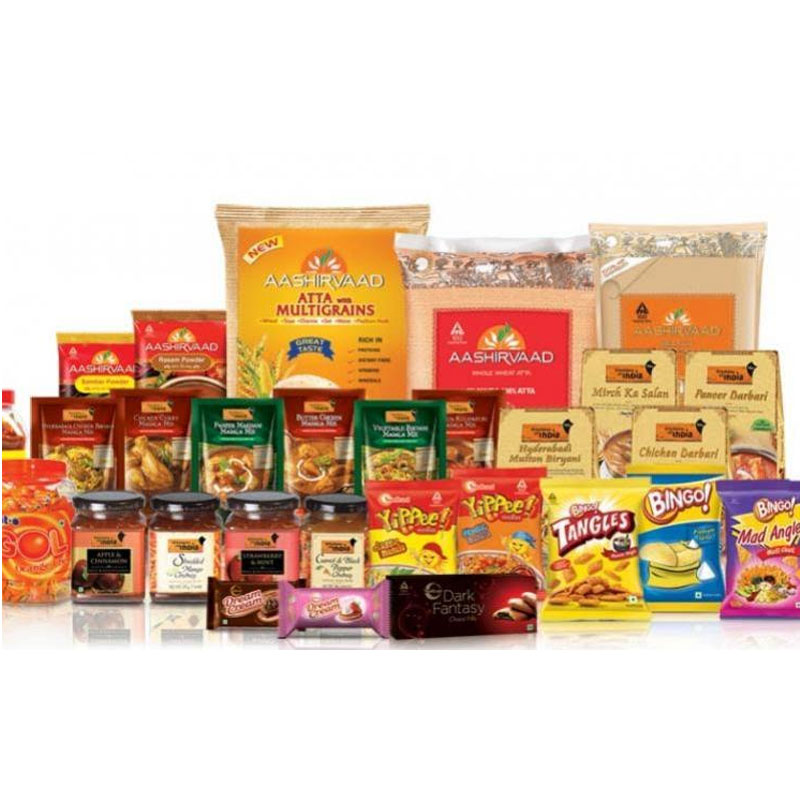
    MUMBAI:  Multi-business conglomerate, ITC Limited has pledged that over the next decade, going beyond its Extended Producer Responsibility, it will deploy superior solutions so that 100 percent of its product packaging will be reusable, recyclable or compostable.

    ITC also reiterated that it is committed to scale up its solid waste management programmes and sustain its leadership position as a Solid Waste Recycling Positive Company.

    ITC’s initiatives in the solid waste management of which plastic waste management is a significant component, aim at providing a 360-degree solutions framework to address the critical issue of waste management through packaging optimisation, resource conservation, recycling of waste generated in its operations, source segregation, collection, reuse and recycling. Already over 99 percent of waste generated in ITC’s operations is recycled. ITC’s holistic solid waste management initiatives has now extended to 10 states across the country, covering cities, towns, villages and temples.

    In a true spirit of public-private-people partnership, ITC’s waste management models including the flagship initiative Wellbeing Out of Waste, encompass community awareness, segregation, promotion of recycling and reuse through capacity building and development of social entrepreneurship. 100 per cent dry waste including plastic waste is sent for recycling.

    ITC Ltd managing director Sanjiv Puri says, “The problem of solid waste management is one of the epic proportions and requires each organ of the society and more so, enterprises that are large economic organs of the society, to make a meaningful contribution. Wellbeing out of Waste (WOW) focuses on providing an end-to-end sustainable and a scalable solution spanning the entire value chain right from awareness, segregation, collection and promotion, reuse or recycle of solid waste. The benefits of these are already available to 77 lakh citizens of the country and over time, we are going to scale this up and enhance our contribution to the Prime Minister’s Vision of Swachh Bharat.”

    “As a Company which is carbon positive, water positive and solid waste recycling positive for over a decade, ITC is committed to shaping a secure, sustainable and inclusive future through superior Triple Bottom Line performance,” he added.

    Other than the Wellbeing Out of Waste (WOW) programmes that is operational in cities and large towns, ITC has initiated a number of community-managed projects in villages and towns to address the issue of waste management. Under ITC’s Green Temple initiative, three of Tamil Nadu’s eminent temples are turning their premises into zero garbage zones by recycling the organic waste from daily offerings – benefitting both the temples and their neighbourhoods with cleaner and healthier surroundings.

    ITC is also collaborating with the municipal corporations of Delhi, Hyderabad, Bengaluru, Saharanpur, Muzaffarpur, among others to ensure cleaner and greener cities.

    WOW works by building partnerships, giving each stakeholder including rag-pickers and waste workers a role and responsibility and leveraging their capabilities as productively as possible. It optimises resources – using existing infrastructure where available and creating new where required.

  • Patanjali to move food park after UP govt denies permission

    Patanjali to move food park after UP govt denies permission

    MUMBAI: Baba Ramdev led Patanjali Ayurved Limited moved the FMCG sector entirely with ‘ayurvedic and natural’ products. The company announced in 2016, that it will build a mega food park in Uttar Pradesh, India.

    However, in a latest twist to the story, Patanjali will now have to shift its planned mega food park from the state after the state government denied permission for it.

    Patanjali Ayurved managing director and co-founder Acharya Balkrishna took to his Twitter handle and informed that they have to shift the food park due to state government’s disappointing attitude.

    https://twitter.com/Ach_Balkrishna/status/1004006135827795968/photo/1?ref_src=twsrc%5Etfw&ref_url=https%3A%2F%2Fwww.aninews.in%2Fnews%2Fbusiness%2Fbusiness%2Fpatanjali-to-shift-mega-food-park-from-up-after-denied-permission201806052056220002%2F

    He further said their initiative to improve the lives of farmers in the region would not be achieved after this decision.

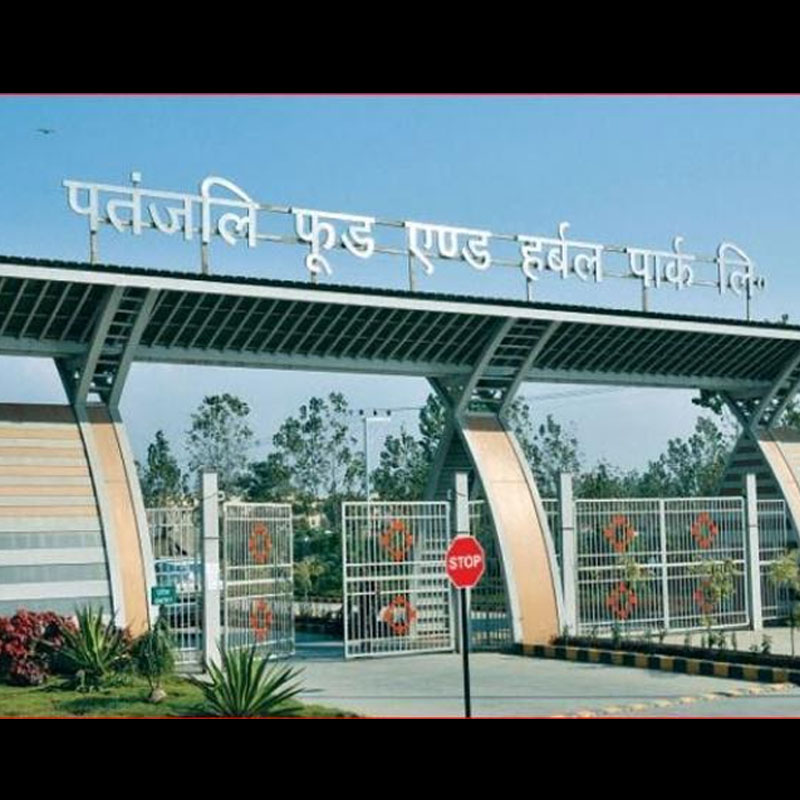
    Patanjali acquired 455 acres of land for the Patanjali Food and Herbal Park in Greater Noida and the project was worth over Rs 20000 crore. It was the largest project set up by the company after the one in Haridwar, which is spread over 150 acres.

  • ASUS brings Gal Gadot to India for new range of products

    ASUS brings Gal Gadot to India for new range of products

    MUMBAI: ASUS India has decided to collaborate with Gal Gadot to promote its latest series of laptops and All-in-One PC. Sharing a joint passion for creativity and inspiring others to find theirs, Gal embodies ASUS’ core values to unleash the creative power within.

    The partnership comes as ASUS reveals the latest in its flagship laptop series, the ZenBook Series new ZenBook Pro, as well as the refreshed range of VivoBook and all-in-one PC. The new ZenBook Pro, being showcased at Computex, is the first ASUS device to showcase its new innovative ScreenPad feature, turning the touch pad into a fully functioning display with adaptive design, and providing users a smarter way to interact with their laptop to offer the ultimate performance.


    The concept behind the video is to showcase the path of creators today. From the days when creators just had a paintbrush to create art to now when they have technology at their disposal to create the incredible.Check out how Gadot uses the ScreenPad in the video to show what technology can help create.

    Working with Gadot, ASUS hopes to inspire people across the globe to showcase that everyone can use technology to create. With the ErgoLift design making for better typing experience, the fine craftsmanship and adaptive design of the ScreenPad, ASUS provides a range of innovation enabling users to create what they know they are able to achieve. The high-performance processor equipped inside also supports people’s full creativity. In addition, the VivoBook, an exciting creation itself for young creators, features bold color-blocking designs, with five vibrant color options and several textured finishes.

    “People used to think you had to be super techy or geeky to get the most out of technology, but the truth is everyone can use technology to create,” says Gadot. “ASUS’ new ZenBook Pro with ScreenPad empowers boundless creativity, so I’m thrilled to be working with a brand that helps unleash the creativity I know is within us all.”

    ASUS Corporate Vice President Eric Chen says that like Gal, they believe everyone can pursue their own incredible. It just takes the right technology to unleash one’s creative power.

    ASUS is one of Fortune magazine’s World’s Most Admired Companies, and is dedicated to creating products for today and tomorrow’s smart life. Our comprehensive portfolio includes Zenbo, ZenFone, ZenBook and a range of IT devices and components, along with AR, VR and IoT. ASUS employs more than 16,000 people worldwide and over 5,000 world-class R&D talents. Driven by innovation and committed to quality, the company won 4,511 awards and earned approximately US$13 billion of revenue in 2017. 

    Intel corporation vice president of client computing group Chris Walker mentions that ASUS is their long-time partner committed to reimagining the PC and driving innovation in a way that allows people to tap into their most creative and productive selves.

  • Vodafone Business Services IoT campaign- Make Your Business #SmarterwithIoT

    Vodafone Business Services IoT campaign- Make Your Business #SmarterwithIoT

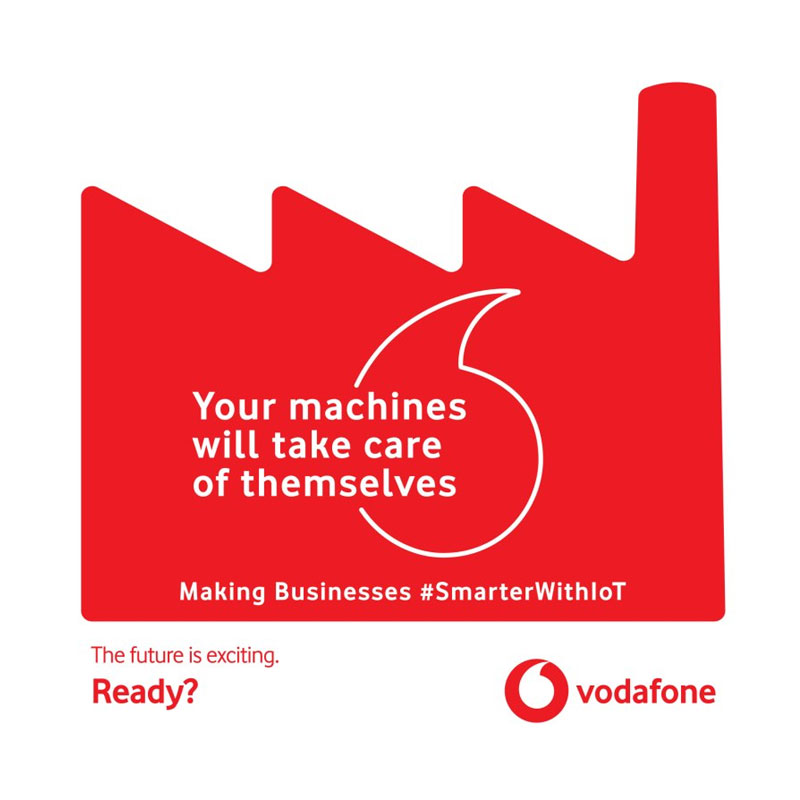
    MUMBAI: Today technologies such as Internet of Things (IoT), digital and big data are reshaping and transforming every industry. Vodafone’s IoT Barometer Report 2017-18 states that the proportion of companies embracing IoT on a massive scale has doubled since 2016. Backed by global expertise Vodafone Business Services has taken leadership in introducing an enterprise brand campaign #SmarterWithIoT. The campaign aims to establish Vodafone’s leadership in IoT and reiterate its unique differentiator of deploying the right IoT solutions across verticals.

    Combining the insights from its C-Suite Survey and the Annual IoT Barometer Report, #SmarterWithIoT is targeted at enterprise customers to own mindshare, preference and trigger business conversations. The integrated campaign positions Vodafone as the “Global Leader in IoT”, thus highlighting its #SmarterWithIoT business solutions in the areas like parking, fleet tracking, industrial IoT, automotive management, healthcare, garbage bins, utilities management, factories and home automation.

    The year-long #SmarterWithIoT campaign comprising, print, digital, social media, and events, went live with innovative OOH elements and contextual print advertising in Mumbai, Delhi and Bengaluru.

  • Online majors are biggest spenders on TV, says a global report

    Online majors are biggest spenders on TV, says a global report

    MUMBAI: Some of the biggest tech giants are the biggest spenders on TV.Figures from around the world show the extent to which online businesses are now investing in TV advertising.

    For example, in Australia in 2017, Google spent sixtimes as much on TV advertising, reaching A$11.3 million and Apple increased its ad spend by 17.4 per cent to A$20.2 million. Amazon backed its Australian launch with a TV ad investment of A$3.2 million, and Uber increased its TV spend with a first investment of A$3.4 million, according to Nielsen Adex,.

    Using comScore data in the US, the Video Advertising Bureau found that online businesses see an immediate and significant lift in web traffic once they launch TV campaigns – data from 14 online businesses showed the lift ranged from 11 per cent to 1,075 per cent. Studies from around the world have proven the impact that TV advertising has on online activity. A study in France by SNPTV found that organic traffic to a pure players’s website increases by 66 per cent during a TV advertising campaign.

    The global figures were compiled by The Global TV Group, an informal grouping of TV broadcasters’ and sales houses’ trade bodies in Europe, the US, Canada, Australia and Latin America. Findings show that from Brazil to Germany, brands such as Amazon, Zalando, Netflix, Expedia and Airbnb are building their image, reputation and sales through the reach and influence of TV.

    The investment trend demonstrates the strong relationship between TV and online, with viewers armed with Internet-connected devices able to respond to TV advertising immediately.

    According to Google Australia and New Zealand marketing director Aisling Finch,”Like most marketers, we use a range of channels to achieve campaign objectives. We know that audiences engage with content across different platforms at different times, and marketers do the same. For campaigns such as the launch of Google Home we used a combination of radio, TV, cinema, print, outdoor and online channels including search, YouTube and social. In this campaign we found the combination of contextual media and creative drove stronger uplift.”

    In Belgium, during 2016, TV represented a 62 per cent share of the online business sector’s media investments. The Rocket Internet group, the second biggest spender, which owns companies like HelloFresh and Home24, spent a total of €6,072,463 in 2017 on TV advertising.

    Online businesses’ TV ad spend grew by 17 per cent in Brazil between 2015 and 2017. When including the e-commerce players owning physical stores, the increase is almost 20 per cent. In Canada, online businesses represent one of the fastest growing sectors in TV advertising. Online businesses have doubled spend on TV over the past five years, with spend in 2017 topping $105 million.

    Over a 3-year period (2015 to 2017), Airbnb’s TV ad spend increased by 44 per cent. Expedia and Amazon show even more impressive figures with an increase of 65 per cent each. In Italy, online businesses invested a total of €95,653,000 in TV in 2017, representing a 10.7 per cent increase compared to 2015 whereas in Netherlands, e-commerce advertisers increased their TV investment by 26 per cent between 2015 and 2017 to become the fourth biggest category of TV-advertisers. 200 e-commerce advertisers invested €300 million gross in TV in 2017. The highest TV investor was the German booking site Trivago with a gross investment of €25 million. Spain saw Amazon’s TV ad spend go from €106,990 in 2015 to €11,006,360 in 2017, more than 100 times the investment in 2015. Google’s investment in TV went from €40,250 in 2015 to €603,620 in 2017, 15 times more.

    In United Kingdom, online businesses including brands Amazon, Trivago, Google and Purple Bricks invested a total of £682 million in TV advertising in 2017, up from £590 million in 2015. Despite cuts in other categories due to ongoing economic uncertainty, online businesses, which in 2016 became the biggest spenders on TV in the UK, remained steadfast in their TV investment.

    United States of America in 2017, saw digital-native companies including brands like Amazon, Expedia, Wayfair and eBay spend over $5.9 billion US dollars on TV, representing a 10 per cent increase over 2016.  Within this spend is a group of 50 “direct-disruptor” newcomer brands, including Gwynnie Bee, Peloton and Leesa – who only recently began investing in TV but now collectively spend over $1.3 billion US dollars in TV annually.

    The positive trend is set to continue in 2018 as more e-commerce brands around the globe put their trust in TV advertising to strengthen their image, drive traffic and generate return.

    Video Advertising Bureau president and CEO Sean Cunningham said, “We’ve been analysing digital-native companies since 2014 and found that those who turned to a heavy reliance on TV early in their company’s history saw substantial benefits.”

    n a more recent study, featuring various case studies, the VAB looked into how TV drives business outcomes for disruptor brands. For example, expanding brands saw an average increase of 188 per cent in their search volume as they increased their TV investment.

  • Kotak Securities uses cups to promote its latest offering

    Kotak Securities uses cups to promote its latest offering

    MUMBAI: Kotak Securities, the stock broking arm of Kotak Mahindra Bank Limited, is the new addition in the list of brands that has opted for a distinct marketing strategy by tying up with advertising start-up CupShup which is known for its popular technique of converting tea and coffee cups in to a platform for brands to get visibility amongst its target audience.

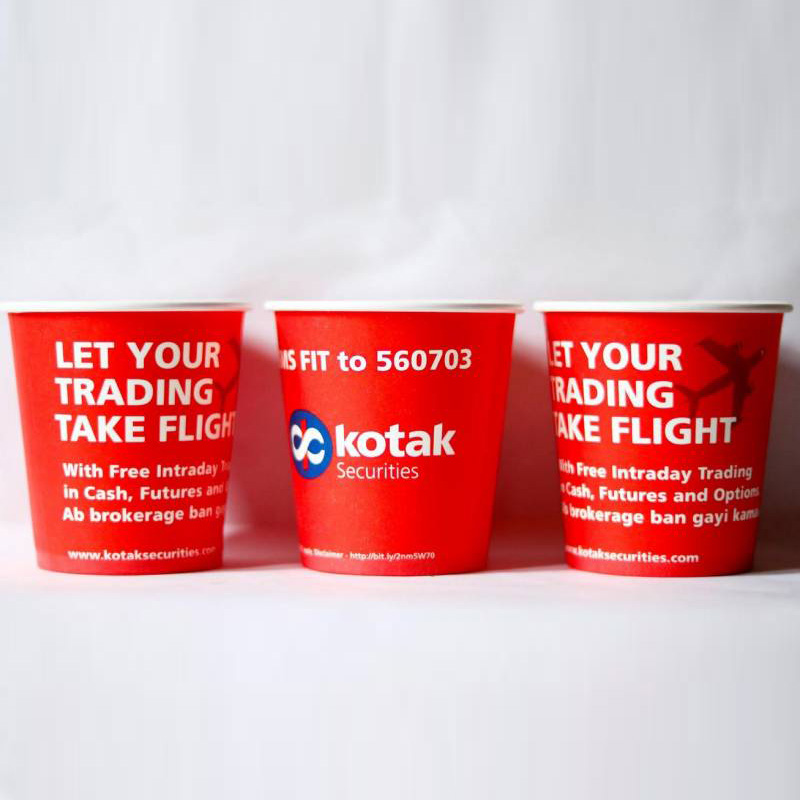
    Kotak Securities is promoting its recently launched product – Free IntraDay Trading where CupShup has chosen Indigo Airlines as one of the spots to execute the campaign. Free IntraDay Trading allows self directed investors to do intra-day trading without paying any brokerage.

    Apart from Indigo Airlines, the offline campaign is being executed across 500 corporates and 1,500 tea stalls in 12 Indian cities – Mumbai, Delhi NCR, Bengaluru, Hyderabad, Pune, Chennai, Kolkata, Indore, Jaipur, Ahmedabad, Baroda and Surat.

    For the campaign, the company used more than 55 lakh cups made out of water-based ink and biodegradable recyclable paper, with an aim to make the audiences have 5-7 minutes clutter free exposure to the product. This step was adopted considering high possibility of discussions that may generate among the people taking tea breaks.

    Kotak Securities EVP and head of marketing Jaimit Doshi says, “We wanted to get immediate attention of our target audience. Through geo-targeting we identified locations where our customers were based. We reached out to them specifically in those cities and areas. What better way to target people than our product popping up during tea breaks which also gives people another investment topic to talk about?”

    CupShup co-founder Sanil Jain adds, “I am glad that in an era where digital marketing is ruling various industries, we are able to get brands to market their product in an efficient as well as in an effective way. Cupshup’s marketing concept is sure to create an impression with customers who can receive their daily dose of information on what brands are doing in the current scenario. Kotak Securities is a valuable client to us and we hope that this campaign results in giving the brand the desired outcome.”

    Besides the primary activity, CupShup is also running activations with 100 Corporates by setting up a Kotak Securities booth where Relationship Managers will educate the employees about their products.


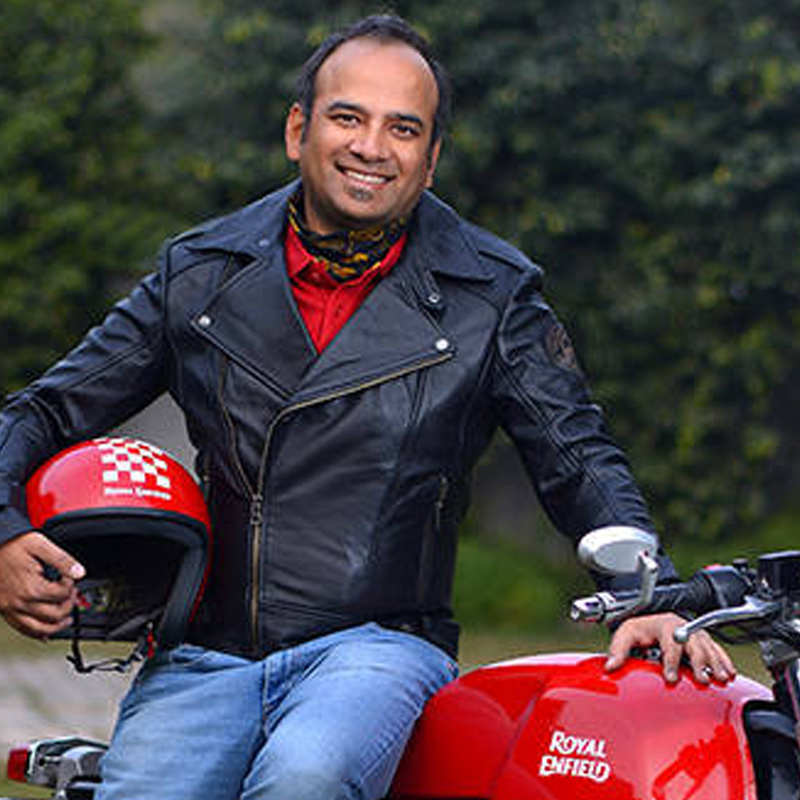
  • The secret sauce to Royal Enfield’s success in India

    The secret sauce to Royal Enfield’s success in India

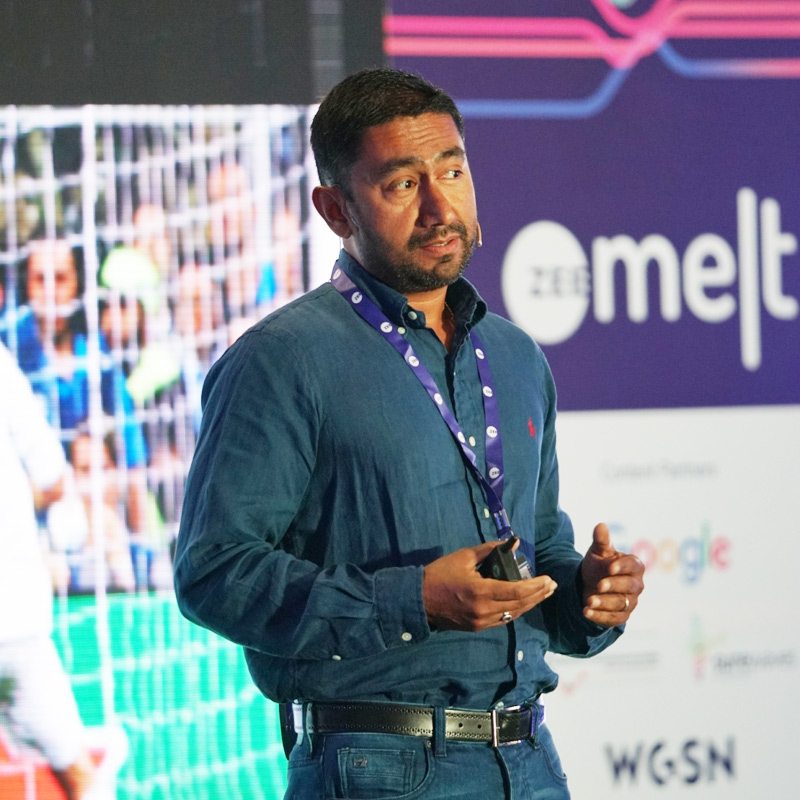
    MUMBAI: Royal Enfield or RE as it is popularly known has been one of the secretive brands that have forever been tight-lipped; never wanting to talk about its advertising, structure or business model. But it was a rare sight at Zee Melt 2018 where Royal Enfield president Rudratej Singh engaged with the audience for the first time to talk about why the brand stays away from advertising and its brand philosophy.

    First produced in 1901, Royal Enfield is the oldest motorcycle brand in the world still in production, with the Bullet model enjoying the longest motorcycle production run of all time.

    Singh kicked off his session with a short film that showcased how its consumers are not just consumers but rather a community who believe in the true spirit of riding. “We are a bunch of riders, for riders. We do not sell motorcycles but what your motorcycle can do in terms of experience,” he said.

    Singh thinks that the entire team at Royal Enfield is a bunch of storytellers trapped in an automative company and they like to express themselves via its motorcycles. Although RE is the world’s fastest growing automative company today, Singh modestly calls it a small organism that is trying to become an organisation.

    While other brands spend millions on advertisement and production, RE likes to keep it in-house and authentic. “Most of the communication and films for Royal Enfield are produced and directed in-house which saves us a lot of money rather than having an agency do it for us which would charge us nothing less than a few lakhs,” he says.

    While everyone’s guessing the secret sauce of RE’s success, it is simply a balance between keeping it aspirational and accessible. The former in being authentic for what the brand stands for and the latter in terms of cost, cost of ownership, availability and usability.

    Although the company sells motorcycles, it believes that it can motivate people to undertake travelling, something that RE owners definitely love to do, and self discover.

    RE doesn’t believe in being omnipresent. For it, context matters. Singh said, “We would rather be visible on contextual events and gathering which are relevant to us rather than being present everywhere.” Royal Enfield spends a major chunk of its time and money on creating events, experiences and products. Singh said that the company has rejected several associations where it could have had front page coverage but did not do that since it was not relevant to them and it doesn’t believe in “that kind of marketing”.

    The core of RE is to build meaningful relationships with its customers. This is done by sending frequent messages about joining its rides, attending events, being a part of the community and so on. This, in turn, has helped the brand in gaining consumer trust which is a huge asset for the motorcycle company.

    Although the company has always refrained from television commercials and major advertisements on any platform, it has always been dragged into controversy, if not by its own will then by its competitor’s statements and ads. On this, Singh said, “We always knew that we are here to expand our own market and not snatch somebody else’s market. We analyse ourselves rather than nitpicking on other companies in the segment.”

    Automation industry is all about product-led innovation and coming up with new products and launches but RE thinks of itself as a brand-led company which can do various things without being product led since brands tend to have a larger impact. Calling the company a zero GRP brand, Singh stated the reason for it being this way was because it has no money or time left and it becomes inauthentic the minute it tries to reach a large number of audience with similar communication. He said that a lot of focus for advertisers and marketers today is perennially on marketing and advertising. What you see now is only the lag of what has been happening in the industry for 15 years and the industry needs to buck up and do something about it. Marketers are trained to go for reach and frequency but the result of this approach is that people stop caring about the brand after a point of time because every communication they see around them is the same.

    “We believe in getting across our message with minimum content and minimum cost. We don’t want to blast the internet and television spots with visibility. We always struggle with having little communication with a large group of audience at RE but we are okay with that,” he concluded.

  • Heineken’s challenge of advertising a product like beer

    Heineken’s challenge of advertising a product like beer

    MUMBAI: Most brands can easily take up any form of promotion when it comes to advertising themselves. But some brands have the hard task of not being allowed to advertise at all. What does one do then? That is exactly what Heineken global director of integrated marketing communication Anuraag Trikha spoke about on day one of Zee Melt – ‘Beer marketing in the digital world’.

    Trisha kicked off the session by pointing out the dilemma that global beer brands face, which is, to make sense of digital in selling something that you can buy at every corner of the country – beer. He noted that it is an interesting dilemma as the world is not 100 per cent digital or 100 per cent traditional and is rather a mix of both and that’s why it is complicated.

    He defined his dilemma in terms of scale and relevance. “Digital is nothing but relevance because relevance is in your hands, it’s the phone you carry. What’s digital to me is how relevant are you on digital. And then comes the middle ground which is a mix of scale and relevance,” he said.

    He also went on to say that he really admires music company Spotify and would quit his job at Heineken for Spotify if they offer him a job. That is solely because the music company really understands how to take big data (scale) and make it super relevant for consumers in their playlist, and that is the future of marketing where you can do relevance with scale.

    He also mentioned that brands should not dismiss the power of idea, emotion and knowing their consumer while they do all their “cool” stuff and should instead balance both sides. No matter what they do, consumers should be at the heart of everything. He then went on to showcase Heineken’s case study for UEFA champions league where its major challenge was to connect with consumers who were not watching football at all or watch football at home.

    Heineken’s mission for 2017 UEFA league was to inspire consumers to watch the league with friends and a few Heinekens. The problem is that 72 per cent consumers usually watch the match at home alone which is a big disadvantage for the brand as it dwells on being a social drink. Also, 64 per cent of Champions League matches is usually watched outside Europe which means people are watching the match in different time zones and they may not be in a mood to have a glass of beer at 4 am in the morning or at 3 pm in the afternoon.

    Marketers around the world across all genres have to consider these variables to become the most distinctive brand, according to Trikha.

    To change the scenario of drinking beer culture in Europe, Heineken got on board football coach Jose Mourinho, this time not to prep talk the footballers but rather the fans of the game.

    Although 50 per cent of Heineken’s ad spend is on television, digital is extremely important for the company as it allows to connect with the audience on a one-to-one basis. It looks at every social asset and wants to leverage social, digital and all available mediums to talk to the consumer and will increase the adverting spends considerably. He also mentioned that the brand will never report to surrogate advertising and would rather prefer not adverting at all in media dark areas than going surrogate.