Category: Brands

  • Britannia plans expansion by 2020

    Britannia plans expansion by 2020

    MUMBAI: Britannia Industries is looking to expand its business in neighbouring countries as well as Africa and Middle East as per a report by The Hindu. It intends to start operations at these locations by 2020.

    Britannia is looking to invest about Rs 55 crore in the Himalayan nation to generate over Rs 70 crore revenue and scale that to about Rs 150 crore in the next four years, Britannia MD Varun Berry said in an earnings conference call.

    The firm currently has a 17 per cent market share in Nepal. Britannia exports products such as Good Day to the neighbouring country to meet growing demand.

    Berry added that the greenfield unit at Ranjangaon in Maharashtra will be ready by November. “Ranjangaon is going to be a food park for us,” he said, adding that the 150-acre facility would be an integrated space for biscuit, cake, rusk, croissant, dairy and other products.

    Meanwhile, an Edelweiss Securities research report said that the growth of the company has accelerated by more than 250 basis points and Britannia is gearing to become a total foods company.


  • Nobel Hygiene acquires Godrej’s Snuggy diapers

    Nobel Hygiene acquires Godrej’s Snuggy diapers

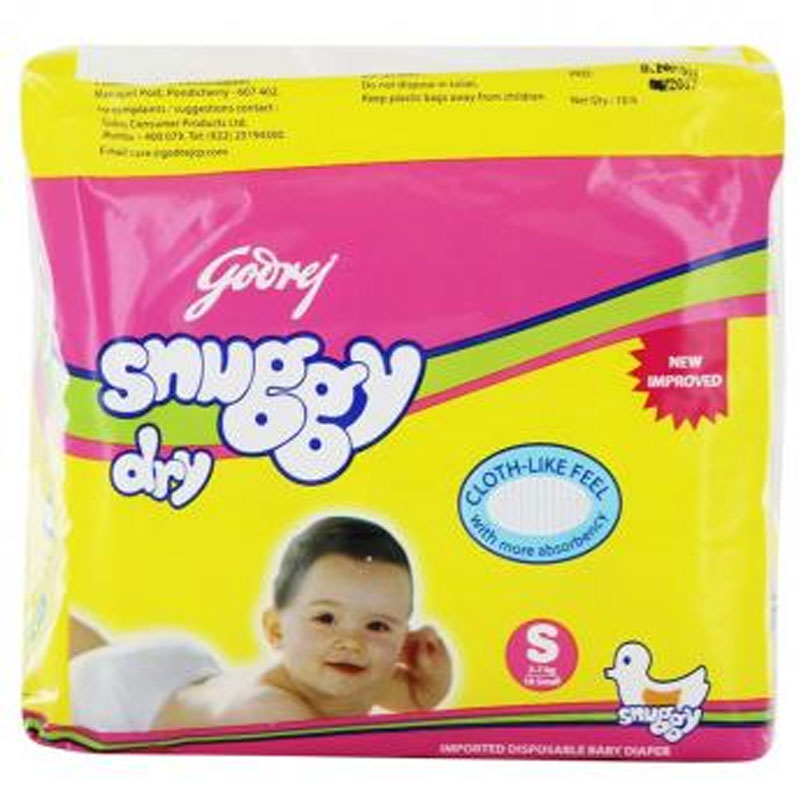
    MUMBAI: Indian disposable hygiene manufacturer, Nobel Hygiene, has acquired Godrej consumer products’ diaper brand Snuggy. 

    Founded in 1987 by Shogun Diapers, the Snuggy brand is a regional jewel and has a strong market in four southern states of India. 

    This acquisition marks a full circle for Nobel Hygiene’s founder and managing director Kamal Johari as the inspiration to enter the disposable care’s market came from a brief stint distributing Snuggy diapers, even before the brand was sold to GCPL in the year 2003.

    Johari said, “We are fortunate for the excellent timing, as we had our eye on this brand for a few years. Being a specialist, high-quality diaper manufacturer with a passion for excellence; we will do full justice to Snuggy. We hope to deliver an excellent product to the relevant target audience, many of whom still recognise the brand.”

    The Indian diaper market is estimated to grow at 26 per cent CAGR. With this acquisition, Nobel Hygiene plans to leverage its manufacturing expertise and provide an enhanced product for Indian babies and Indian moms. It will greatly help the company drive growth in accordance with its aggressive aims.

    The diaper business in India reported total net sales of approximately Rs 5500 crore in the year 2017, out of which approximately Rs 5000 crore is from baby diapers.

  • Nestle forays into breakfast cereal category in India

    Nestle forays into breakfast cereal category in India

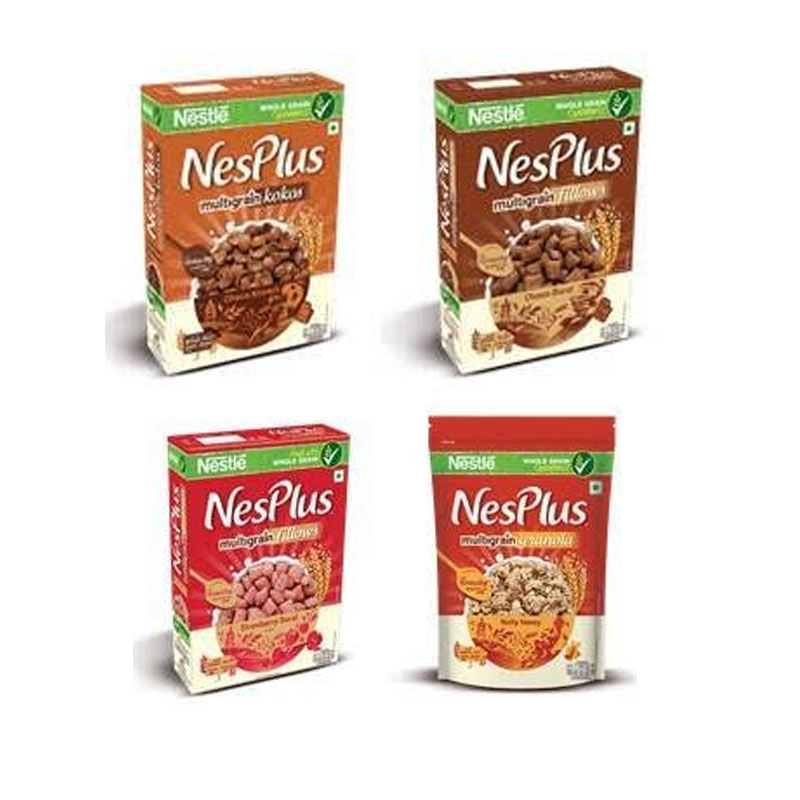
    MUMBAI: Nestle India has launched Nesplus – a range of nutritious and delicious breakfast cereals for the entire family. A unique combination of wholegrain and multigrain, the new breakfast cereals aim to offer an array of healthy breakfast choices for Indian families.

    The new range of Nesplus breakfast cereals comes with four multigrain variants – Kokos, Choco- Burst Fillows, Strawberry-Burst Fillows and Nutty Honey Granola. Each of these is a combination of four grains including wheat, rice, oats and the traditional Indian millet, jowar. This combination of grains along with unique flavours has been specially created for the Indian palate. A key characteristic of the product is that it remains crunchy in warm milk.

    Nestlé India chairman and managing director Suresh Narayanan says, “Breakfast is considered to be the most important meal of the day and consuming the right breakfast sets the tone for the rest of the day. Nesplus is specifically designed for the Indian consumer and offers vitamin D, calcium, B-vitamins, iron, folic acid and fibre, making it a great addition to the breakfast table.”

    With this launch, Nestlé India aims to provide high quality nutritious breakfast options for the Indian consumer in line with its vision to introduce products ingrained in nutrition, wellness and health.

  • Kalyan Jewellers announces campaign winners for a Mercedes Benz

    Kalyan Jewellers announces campaign winners for a Mercedes Benz

    MUMBAI:  Jewellery brand Kalyan Jewellers has recently announced the top 25 winners from the “Shop and win 25 Mercedes Benz CLA” global campaign. The campaign, which was started as part of the brand’s Akshaya Tritiya offer in April, drew to a close on 9 June.

    The winners from India were selected via an electronic raffle while the winners from other countries like UAE, Qatar, Oman and Kuwait were identified through the individual lucky draw from each country. As announced at the start of the campaign, 10 winners were selected from India, seven from UAE, three from Qatar, three from Oman and two from Kuwait. The cars keys will be handed over in the coming weeks after the formalities are completed.

    Kalyan Jewellers chairman and managing director TS Kalyanaraman said, “I would like to congratulate the all the lucky winners. At Kalyan our endeavour has been to enable our customers to extract value from their purchase while providing a great shopping experience. This campaign was an extension of that thought, and I am delighted that we could play a small part in helping realise the dreams of our customers.”

    The campaign marks the single largest offer of free Mercedes Benz CLA in a raffle draw in India and GCC. Customers participated in the promotion by making a minimum purchase across Kalyan Jewellers showrooms in their respective countries. 

    The list of all winners is as follows.

    list_15.jpg

  • Dentsu Webchutney, Chakra Tea redefine tea-breaks with Chai-Fi

    Dentsu Webchutney, Chakra Tea redefine tea-breaks with Chai-Fi

    MUMBAI: Currently, India is the second most populated country of workers in the world wherein people toil for 16-17 hours a day to make ends meet. Away from their families, friends and social circle, these workers lead a hard life with no joy or happiness. Consequently, the tiring nature of their work barely leaves them with any time to enjoy anything else in their lives.

    Chakra Tea, a popular brand from central India has addressed the issue and brings up an initiative called Chai-Fi, by adding ‘wi-fi’ to their lives. 

    As part of the initiative, Chakra Tea along with Dentsu Webchutney, has conseptualised an innovative tea-kettle that is now being distributed at tea stalls popular with the workers. As the kettle is heated to make tea, it also generates wi-fi that is then made available to workers for free. They use the free wi-fi to connect to their favourite videos, music, movies, sports, news shows and even family members.

    Dentsu Webchutney co-founder and chief creative officer Sudesh Samaria  said, “Tea is such an integral part of our lives that it is difficult to think of it in a new light. Our team identified an opportunity in the tea-breaks and made these breaks even more refreshing by creating a tea-kettle that generates wi-fi when heated. We call it Chai-Fi.”

    Chakra Tea MD Priyank Khandelwal,“The category is dominated by big names. For brands like us to stand out, innovation is critical. Chai-Fi is one such innovation. It brings joy in people’s lives while opening up a world of possibilities.”

    Dentsu Webchutney chief creative technologist Gurbaksh Singh said,“Right technology can solve all our problems, big or small. Chai-Fi is a simple yet innovative idea that combines the trend of free wi-fi with human desire of information and entertainment.”

    Chai-Fi holds the promise of bringing more people to the internet while serving as a model for more such innovations.

  • Johnson & Johnson rebrands baby care portfolio

    Johnson & Johnson rebrands baby care portfolio

    MUMBAI: Baby care brand, Johnson & Johnson, has always been under the scanner with people claiming it causes cancer and is actually harmful for a baby’s skin.

    The brand has stuck to using scientific research to back up the global appeal of its products. But that was up until now.

    Today, with rising awareness about artificial fragrances and harmful dyes used in bay care products, brands like Johnson & Johnson, Pampers, Huggies and others are being questioned and asked to move towards an all-natural alternative.

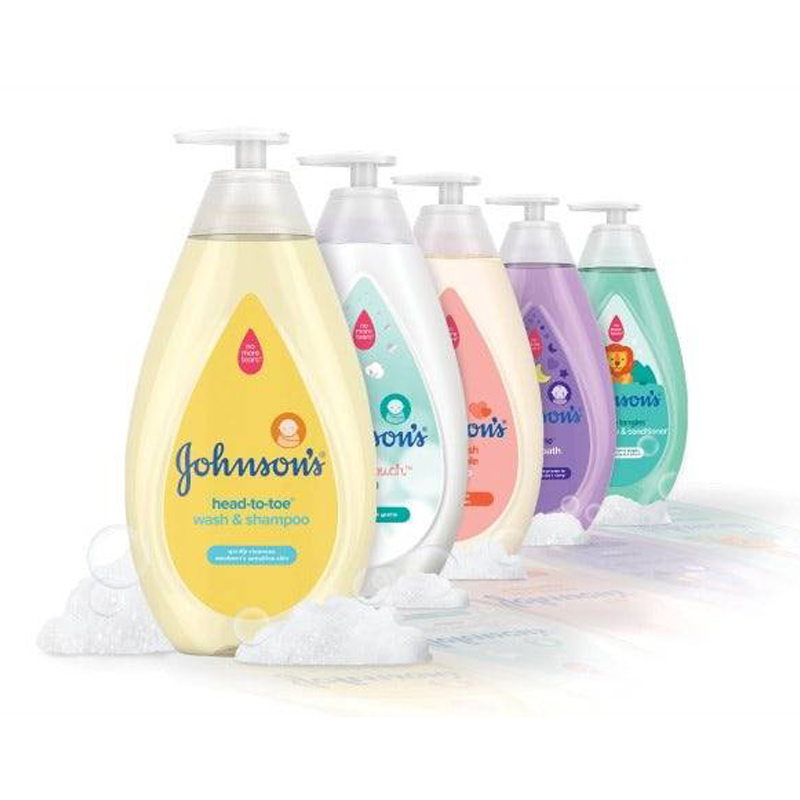
    Now, to address the rising concern of parents and consumers around the globe, Johnson & Johnson has decided to rebrand its entire baby care portfolio prioritising transparency over science as it looks to get closer to parents.

    Since the brand needed a new identity to connect with the millennial consumers/parents, it undertook an intensive research spread over 18 months with mothers and fathers. J&J discovered that the general concern among parents was about the presence of harmful dyes in products and a general need for greater transparency from the brand’s end. 

    The baby care company has completely redesigned its packaging based on the feedback from its customers and employees, with an easy-to-hold, pump action bottles that can be operated with one hand while holding a baby. The products will now display the ingredients that go into their products and fragrances for the first time, which has until now been considered a secret. 

    The global relaunch will roll out over the next 18 months, starting in the US in August, followed by China and India by the end of this year and then in the UK during quarter one of 2019.

  • Roger Federer shifts from Nike to Uniqlo

    Roger Federer shifts from Nike to Uniqlo

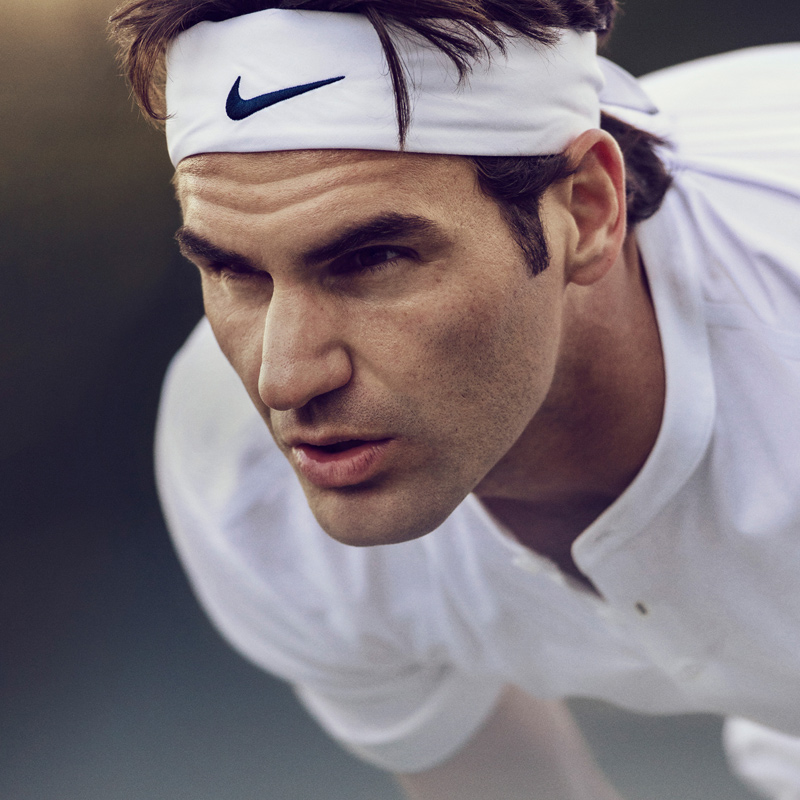
    MUMBAI: International tennis icon Roger Federer has ended his 20-year association with Nike. Federer has now become the brand ambassador of Japanese outfit company, Uniqlo.

    Neither Uniqlo, Federer or Nike had made any previous announcement about the deal and it was only during the Wimbledon match on Monday where he was seen without the Nike swoosh on his bandana and the RF logo on his jacket that the change was revealed.

    In a statement issued on Monday, Uniqlo CEO Tadashi Yanai said, “Our partnership will be about innovation on and off court.”

    Having Federer on board will boost Uniqlo’s global expansion plan, especially in Europe where the company is said to open new stores. The clothing company already has a strong presence in China, but may face challenge in markets where Zara, H&M and more are already established.

    The winner of 20 grand slam titles, Roger Federer will represent the brand at all tennis tournaments for a year. According to ESPN, the tennis champion will earn $300 million from the deal over a period of 10 years.

    In the past, Uniqlo endorsed 12-time Grand Slam winner Novak Djokovic for a period of five years. Djokovic however moved away from the brand and signed Lacoste in 2017.

    Federer signed his first contract with Nike in 1994 and continues to wear Nike shoes, as Uniqlo doesn’t make athletic footwear.

  • Flipkart engulfs Sachin Bansal’s Billion into private label business

    Flipkart engulfs Sachin Bansal’s Billion into private label business

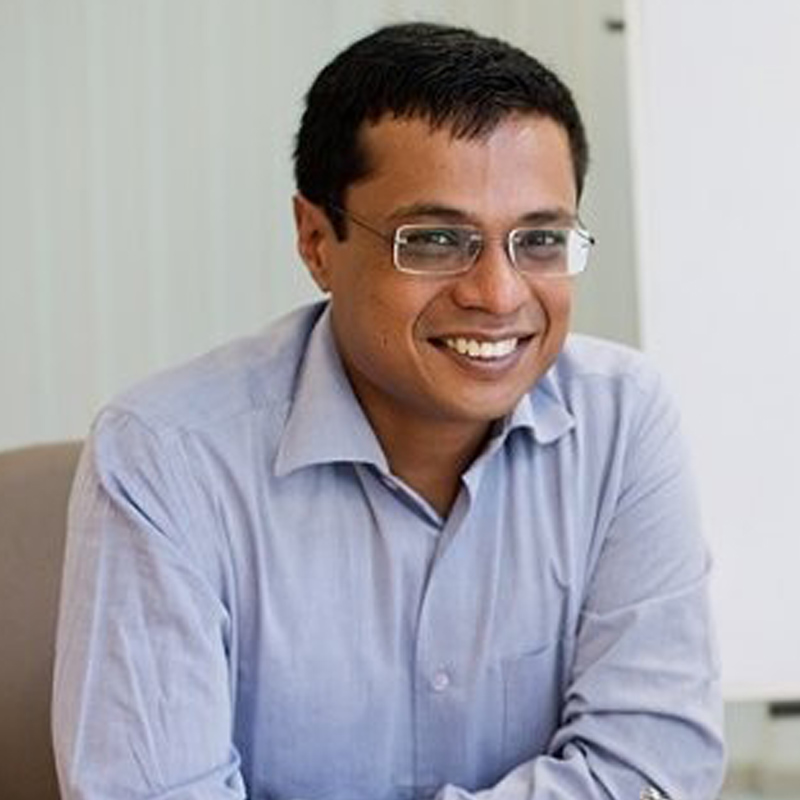
    MUMBAI: Flipkart has moved Billion, a private label brand founded by Sachin Bansal, into its overall private label business. Billion is a made in India project and is positioned as a reasonably priced brand tailored specifically with the Indian customers in mind.

    Billion was formed as a private label selling electronics, appliances and accessories by Sachin Bansal after he resigned from the post of Flipkart CEO in 2016. Before leaving Flipkart, Sachin was operating Billion as a brand separate from Flipkart’s private businesses.

    The brand is now a part of a portfolio of eight brands which are being managed by Flipkart vice president of private labels Adarsh Menon. The 50-member team of Billion will work in conjunction with the private labels team of the e-tailer, while Sachin Bansal remains at its helm.

    “The space that Billion has very successfully created and occupied for Indian consumers is the space of make in India and made in India. And that’s an extremely rich asset that the brand has. That can enable it to travel across multiple categories, which speaks volumes about how strong the brand is. What Billion will continue to do is identifying very India-specific customer requirements, and then working with our ecosystem partners to deliver that to Indian consumers?” said Menon as quoted by Livemint.

    Billion was Bansal’s big project after he left Flipkart. Sachin co-founded Flipkart with Binny Bansal. Sadly, he had to bid adieu to the company after he demanded stronger shareholder rights and better role in the operations of the resultant entity, which was opposed by Lee Fixel of Tiger Global Management, one of the major backers of Flipkart, and the company’s board. Following this, Sachin had to sell his entire stake in Flipkart, signing a non-compete clause with the company and had to leave the company. A year later, Binny Bansal himself was replaced by former Tiger Global Management executive Kalyan Krishnamurthy.

  • No competition from Himalaya or Patanjali: Nyassa founder

    No competition from Himalaya or Patanjali: Nyassa founder

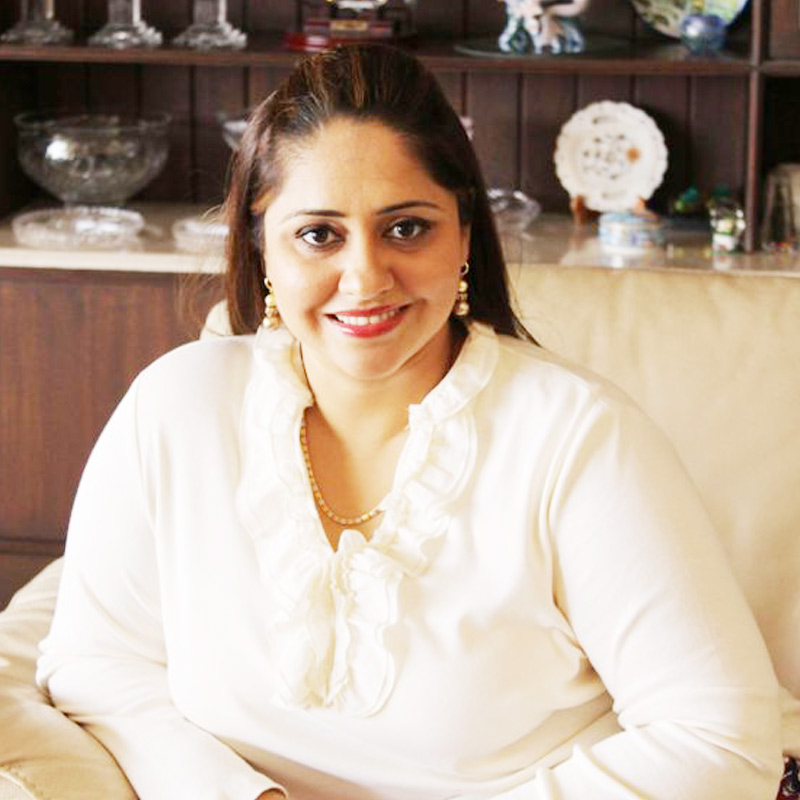
    MUMBAI: Working at a renowned financial company like Ernst & Young may be what most youngsters dream about. But not Ishween Anand, who left her cushy finance job in New York to pursue her passion for fragrances in India. 10 years down the line, she does not regret her decision one bit. 

    Anand was always inclined towards soap-making, the process and various fragrances. And once she came back to India, she decided to pursue her dream and combine all things she loved by launching Nyassa in 2007. The word has its origin in Sanskrit that means healing through touch by chanting tantras and mantras.

    At that time, there were barely any exclusive natural soap brands in the country, and she sensed a huge opportunity. But the Indian consumer was alien to buying bath soaps worth Rs 100 when a standard soap bar was available at the cost of just Rs 20. 

    Knowing the challenges she might have to face, Anand went ahead with her initial investment of Rs 15 lakh into the business. She didn’t have to spend a lot of resources on machinery and setting up a plant as natural soaps are made by hand. But it isn’t all that easy to launch your own company and manufacture products and Anand had her own hurdles in getting the FDA (Food and Drugs Administration) licence from the government.

    She recalls an incident when she reached out to the FDA seeking necessary documentation to launch bath bombs, a concept which was pretty foreign to India at the time. “The executives were baffled on which category do we put bath bombs under as it was something they hadn’t heard about before,” she says.

    She began her entrepreneurial journey by selling only soaps and body lotions at the food court of Atria Mall in Mumbai. This proved to be a masterstroke for her, as within three months of launch, she had already partnered with 15 stores who were willing to sell the products. 

    Anand’s company broke even in just about a year. The soap-maker tasted success without actually investing in conventional ATL (above the line) advertising. With a y-o-y growth of 30 per cent for the last three years, Nyassa does not believe in advertising on traditional media. “If we ever do anything on advertisement, it will be on digital,” says Anand. Another natural brand, Soulflower, went ahead of its time to advertise on social media when the medium was just catching up and Anand now realises that it’s time to buck up.

    Today, the company advertises on social media platforms Instagram and Facebook with its own in-house marketing team due to budget constraints. But Anand now realises the importance of having a full-fledged agency on board. “We haven’t really gone out and marketed ourselves but I think we will have to do it now as the competition today is cutthroat and it’s important to distinguish your brand from the rest.”

    The appetite for beauty segment is huge is India and Nykaa’s Rs 600 crore revenue just by selling bath and beauty products goes to show how cluttered and interesting the segment is.  

    The bath and body brand sells 80 per cent of its products through offline channels and a mere 20 per cent through third party e-commerce websites Amazon, Flipkart and Nykaa. However, 30 per cent of the company’s revenue comes from online sales and a staggering 70 per cent still comes from people who visit the stores to buy products. Even though Nyassa has its own website, a major chunk of the sale comes from Amazon, Nykaa and Flipkart and that’s where the company wants to focus.

    With a strong presence in Mumbai and airports across India, Anand now wants to expand the company to other locations in India, next up being Delhi. 

    What e-commerce has enabled the company to do, is reach out to consumers in smaller towns and cities with orders pouring in from Kochi, Patna, and the eastern and southern belts as well. On this, the entrepreneur says, “I think our consumers are everywhere. But with the limited resources that we have, we have to prioritise whether we want to open a shop in a tier II town or Delhi. We will eventually open shops everywhere.”

    The beauty and bath segment has begun seeing an uptick only recently but the international market is extremely cluttered as every local city has soap makers along with high-end premium soap manufacturers. The consumers there also have an appetite for fancy products and money to spare. It will be interesting to see an Indian manufacturer tap that market with Indian fragrances and products. Anand admits that she would love to enter the international market eventually, but does not have an immediate plan for the same. 

    It is pretty fair to assume that any consumer today is willing to explore his options when it comes to soap bars as we have over 500 different brands opening in the segment. The recent trend being of buying herbal and natural soaps after yoga guru Baba Ramdev popularised Patanjali by selling its soaps for only Rs 10.  Anand does not believe in positioning the company as either ayurvedic or natural and rather opines that the positioning is about offering fragrant products which are chemical free. 

    However, Anand does not see competition from brands like Patanjali or Himalaya. “Brands like Himalaya and Patanjali are not our competition because a person that uses these products is not our consumer. We don’t get deterred by a brand like Patanjali. But if we were a Hindustan Unilever, we would definitely be worried,” she adds.

    Going forward, Nyassa is all set to launch customised perfume bars where consumers can walk into the store and create their own perfumes with the fragrances they like. 

    Also Read :

    Going from clicks to bricks

    RAW Pressery working on slow but steady expansion

    Can Ranveer Singh breathe life into the Swiss tourism industry?

    Unibic makes a dent in the cookie segment
  • Instagram valued at $1000 billion

    Instagram valued at $1000 billion

    MUMBAI: Photo and video-sharing social networking service, Instagram, is estimated to be worth $1000 billion, if it were a stand-alone company. According to data compiled by Bloomberg Intelligence, Instagram could account for 16 per cent of Facebook’s revenue over the next year, which is up from 10.6 per cent in 2017.

    Facebook acquired Instagram in 2012 for over $1 billion in a cash and stock deal.

    The social media platform recently announced the addition of Instagram television (IGTV) which will allow users to upload long format content.

    Instagram had over a billion users as of last week after it launched IGTV.

    According to latest stats by Statista, Instagram has nearly 59 million monthly users in India as of April this year only after the US with 120 million users and Brazil with 61 million.