Category: Brands

  • Future Supply Chain partners with Road Safety World Series 2020 as principal sponsor

    Future Supply Chain partners with Road Safety World Series 2020 as principal sponsor

    MUMBAI: Future Supply Chain Solutions Limited (FSC), India’s leading third-party supply chain solutions specialist and logistics service provider has partnered with The Road Safety World Series, a five-nation T20 cricket tournament as Principal Sponsor. FSCs integration with the tournament aims to create awareness towards road safety in the country.  The sixteen-day cricket series is set to commence from March 07, 2020, to March 22, 2020, in Mumbai and Pune.

    With this new association, FSC stands strong towards its goal to promote road safety awareness. FSC as an organisation has always worked around the theme of “Safety Culture" for every member associated with them. 

    Commenting on the partnership, Future Supply Chain MD Mayur Toshniwal said “We are extremely delighted to be associated with the Road Safety World Series, which provides us a platform to connect with millions of people via Cricket, the most loved sport in the country. Considering the supply chain business that we are in, this partnership will allow us to create awareness and spread the message about road safety at a larger level. We as an organisation have always been supportive of creating awareness by engaging with our employees through various activities and special training sessions for truck drivers to ensure our truck drivers' safety. We intend to do our best to support and promote this cause in future as well.”

    With the increasing incidence of road accidents, the ecosystem of the entire society has to come together and take measures at their own respective levels. FSC engages with its employees through various activities including drawing, essay, poster and slogan competitions on warehouse safety themes, quiz competitions and crosswords to highlight the importance of Safety, Health, and Environment at the workplace. The organization also organises a week’s training programme and interactive sessions for their truck drivers across all operations on the importance of safety, health, physical fitness and hygiene for them, while upholding their dignity and acknowledging their role.
  • Coca-Cola India identifies West Bengal as one of its key growth markets

    Coca-Cola India identifies West Bengal as one of its key growth markets

    MUMBAI: Taking forward its vision to become a ‘Total Beverage Company with strong local roots’, Coca-Cola India announced West Bengal as its key growth market and unveiled strategic plans to showcase commitment to the state. West Bengal is the first Indian state where the entire portfolio and marketing initiatives of Coca-Cola’s brands have been hyper-localized to resonate with local language and suit consumer preferences. The initiative begins with West Bengal and would extend nationally with local execution in other states. The company also announced its partnership with Kolkata Knight Riders (KKR) to turn up the excitement of the upcoming season of the Indian Premier League (IPL) for fans in Bengal.

    Coca-Cola India is deeply intertwined with the vibrancy of West Bengal through its relationship with music, sports, food, festival and culture. Consumers in West Bengal have a special love for Coca-Cola beverages, making it a priority market for the company. The initiative has been developed in line with local affinity and preferences of consumers in West Bengal and their strong emotional connect with their culture.

    Speaking at the launch of the initiative,  Coca-Cola India and South West Asia President T Krishnakumar said, “West Bengal is a vital part of our India story, and we will continue to build for the state by customizing our brand and product propositions with an improved understanding of the local consumers’ consumption patterns and desires. West Bengal has and always will remain close to our hearts and with this initiative, we aim to showcase our gratitude by celebrating the unique, diverse culture of Bengal with our differentiated offerings and continued investment. We are initiating this as a pilot in West Bengal and plan to extend this nationally with local execution in other states”

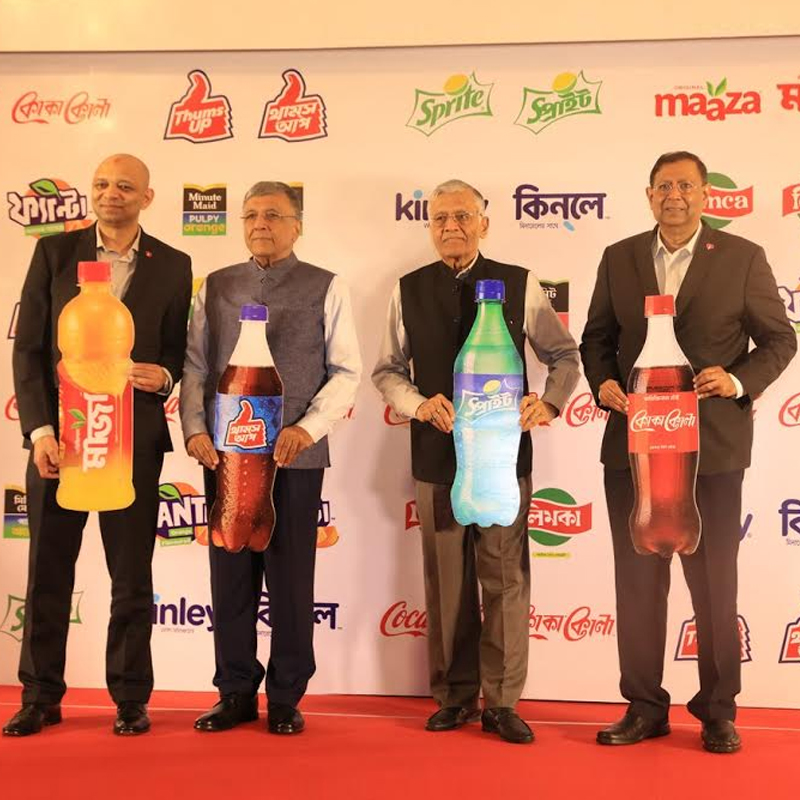
    To kickstart the initiative, Coca-Cola has rolled out Bengali packaging labels for all beverages across its portfolio, which includes Coke, Sprite, Thums Up, Maaza, Fanta, Limca, Kinley, and Minute Maid. Each brand will devise a hyperlocal campaign to deepen connect and bring on-ground experience alive for consumers in Bengal.
    > Coca-Cola India senior VP Shehnaz Gill added “The initiative is built on the premise of creating joyful moments that are of true cultural significance in West Bengal. We will engage with consumers across multiple touchpoints using three key pillars: Language & Culture, Festivals, and Passion Points such as Cricket, Food, Music etc. Coca-Cola India’s hyper-local strategy will reflect in the marketing mix, packaging, advertising, social media activations and a range of on-ground events across portfolio. This will be further anchored in a strong marketing framework to create an edge while keeping the consumers’ sensibilities at the forefront of all decisions.”

    As part of the initiative, Coca-Cola is tapping consumer passion moments such as Language and Cricket to build a strong emotional connect and cultural relevance. The pride for Bengali language is ubiquitous across West Bengal and Coca-Cola fueled the excitement by rekindling the love for storytelling during International Mother Language Day. Consumers were invited to participate in the contest by sharing their love for the language through short poems, tiny tales, and haikus. The winning entries were shared on Coca-Cola’s social media handles and also featured on Radio Mirchi by RJ Somak. Brand Coca-Cola will be the official beverage partner with Kolkata Knight Riders (KKR) to turn up the excitement of the upcoming season of the Indian Premier League (IPL) for fans in Bengal. A host of activities are planned both in stadium, as well as across the state to engage consumers and create unique experiences.

  • Modi’s Women’s Day initiative to move women from ‘other half’ to ‘significant half’ zone

    Modi’s Women’s Day initiative to move women from ‘other half’ to ‘significant half’ zone

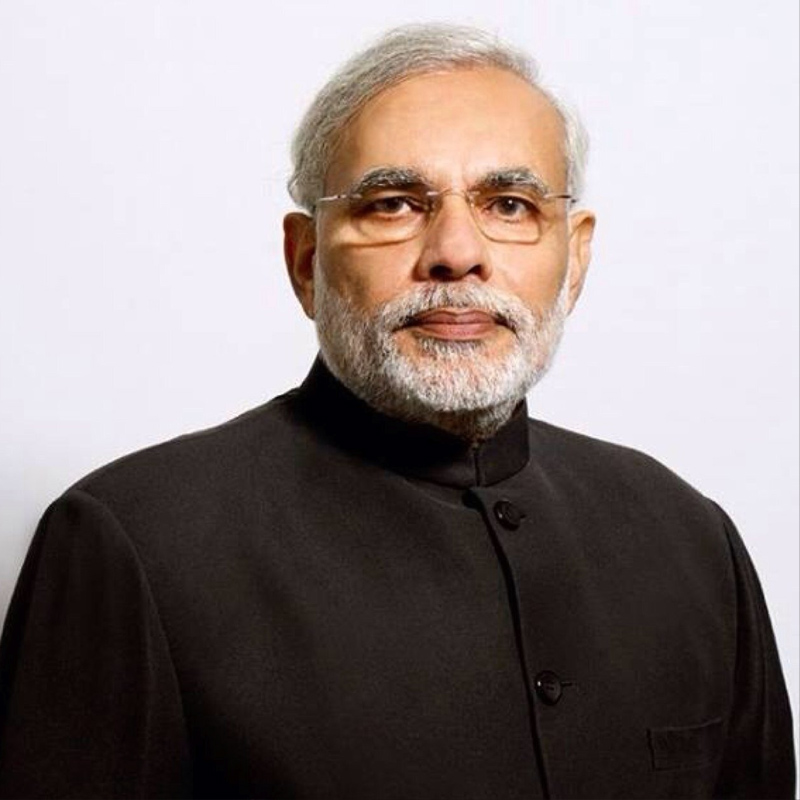
    DELHI: Indian Prime Minister Narendra Modi is one of the most popular politicians on social media globally. Therefore, when he posted an update of his plans to quit social media on coming Sunday, netizens went crazy. In no time, #NoSir started trending on Twitter, and many followers and politicians decided to follow his footsteps as well.

    However, Modi fans heaved a sigh of relief today, when the prime minister cleared the air around his cryptic social media post. Almost after 24-hours of his previous announcement, Modi shared that he will be handing over his social media accounts to women who inspire, like some Twitter users had predicted.

    He also called for entries from netizens to take the opportunity of handling his very famous social media presence for a day.

    Modi’s #SheInspiresUs campaign is being seen as a smart and welcome move by industry insiders. Harish Bijoor Consults Inc founder Harish Bijoor quipped, “All I can say is nice googly Prime Minister Ji!”

    The decision is being seen as a smart move to further augment the wide popularity he enjoys on digital platforms. The industry insiders also believe that it will lead to more women getting inspired to join politics.

    Mirum India ECD Naila Patel said, “This move is significant on multiple levels. One, Indian women are emerging as game changers on the political scene and the validation is coming from the highest source possible. Also it clearly moves a woman from ‘the other half to the significant half’ zone. As a branding activity it will ensure extremely positive PR for a party whose leading spokespersons have been clearly and domineeringly male!”

  • Sowkea Enterprises’ healthy coconut-based alternatives to aerated drinks

    Sowkea Enterprises’ healthy coconut-based alternatives to aerated drinks

    MUMBAI: Eating healthy is only just picking up in India. When thirsty we grab a can of cola and not water. People are not aware of healthier options available to them because it's easy to get something from the street vendor.

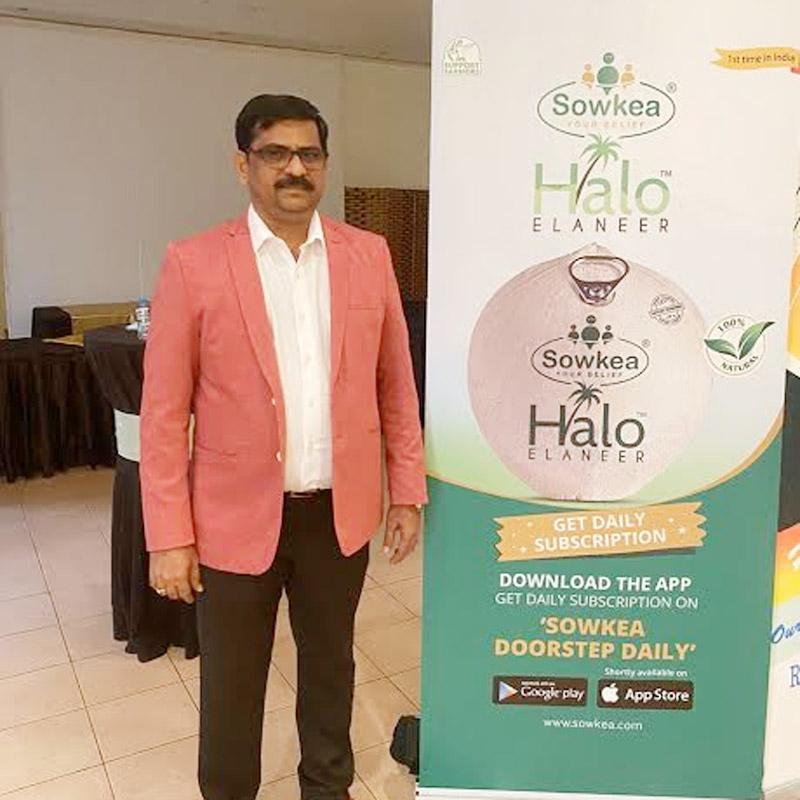
    This led RB Sivakumar to start  Sowkea Enterprises in 2019. The Tamil Nadu-based startup has an alternative for aerated drinks. Sowkea’s objective is to provide consumers farm-fresh tender coconut water, grated coconuts, and other coconut-related products. The intention is to get the right coconuts from the right farms which will benefit farmers and consumers alike.

    Sowkea Enterprises is promoted by Vignesh Polymers, a leading player in South India in the manufacturing of injection moulding components. Sivakumar is a first-generation entrepreneur who belongs to an agricultural family.

    In a conversation with indiantelevision.com Sowkea Enterprises CEO RB Sivakumar said: “Venturing into the agro-industry has been a passion of mine for a very long time as it relates to my roots. Moreover, social entrepreneurship is of utmost importance in the current and future scenario. It must be carried out to give back to the strength of our country’s farmers. Having delved into the manufacturing industry for the last 15 years, I felt I needed to give back to society, the country and our aforementioned strengths. Sowkea was started with the same ideology in mind and will forever be embedded with such principles of doing well.”

    The company has around 1000 individual customers as of now; these customers include individuals, educational institutions such as schools and colleges, IT companies, luxury hotels, hospitals, and other companies.

    “Sowkea had tied up with large coconut farms in and around Pollachi on a long term basis for the best quality coconuts. Last month I was invited to Kerela by the Coconut Development Board to meet coconut farmers. Farmers initially did not agree to the innovation as they did not feel it would be a success. After we explained to them about my agricultural background along with my technical knowledge, they were convinced to help us. We paid them an advance for one year andnone farmer’s approval paved the way for encouraging various other farmers and soon, we had a group of farmers willing to supply us,” Sivakumar further added.

    Consumers based out of Chennai can order coconut cans directly through the Sowkea app.

    The company is currently participating in Gulfood 2020 being held in Dubai. Apart from India, Sowkea is trying to tap the Middle East market. It has already launched Sowkea Halo Elaneer in Oman and Qatar.

    Sowkea a self-funded start-up with around 20 employees. This year the company’s agenda is to concentrate on vending machines and exports.

    Sivakumar said: “We have started promotions in South India. Slowly we will launch products in Bangalore, Mumbai, Delhi and Ahmedabad. We also conceived the idea of using vending machines to increase the reach of our product for this very reason. Soon these machines will be available at public places, hospitals, bus and railway stands.  The machines can be operated by cash or card.”

    Sowkea has spent around Rs 6 crore in the development, manufacturing, and advertising of the product. To make Sowkea Halo Elaneer reach every consumer the company will soon register itself on Flipkart and Amazon. Halo Elaneer has been priced in the ex-factory format of Rs 40, Rs 45 and Rs 50.

    As per Sivakumar the major challenges were to procure good quality tender coconuts and to identify custom made specialised machinery to make this innovation come true. R&D was done for more than a year.

    Sivakumar concludes the conversation by saying, “We have a group of farmers who supply to us throughout the year during all seasons. Fixed pricing has been given to them throughout the year, regardless of peak or off seasons so that the farmers can sustain efficiently.”

    Directly buying produce was the long-felt need of farmers. Direct procurement from farmers can go a long way. It helps marginal farmers to derive benefit throughout the year.

  • Brands share their #LifeInPie on Instagram

    MUMBAI: Social media is an interesting place. From information to entertainment to news, everything you seek is available there. It’s no wonder that it has become essential for all brands to be present there and get targetted access to their consumers, existing and potential. Every now and then, we see brands indulging in social media banters with one another or showing off their quirky and creative sides in trending post formats. This time, brands have been showing off their #LifeInPie, a format that Instagrammers have been using for years to highlight their life problems and habits in the form of pie charts. It recently caught the fancy of brands online and here are some of the best creatives that we saw trending online on Instagram this week:

    Burger King India

    Crompton India

    Indiabulls Mutual Funds

    IndusInd Bank

    Maddock Films

    Oral B India

    Parle Prodcuts

    Subway India

    Sunfeast Dark Fantasy

  • Viviana Mall’s recipe to keep physical retail stores alive in times of digital disruption

    Viviana Mall’s recipe to keep physical retail stores alive in times of digital disruption

    DELHI: Online shopping has been one of the buzzwords which have been shaping and reshaping the consumer trends across the globe. Indian market is also not untouched. The total number of online shoppers is estimated to grow 3.5 times from 50 million in 2015 to 175 million this year. Even the retail stores are working to create an online presence for themselves and e-tailers like Flipkart are investing in technologies that can give the consumers the physical look and feel experience online.

    All this leaves the physical retail stores in a compromised position. According to industry estimates during the 2019 online festive season, retailers witnessed a dip of 30 per cent in their footfall. And with digital fabric of the country getting stronger, this trend might continue. This requires physical retail stores and malls to amp up their game to stay relevant in times of digital disruption. 

    One of the prime examples of malls that are doing it right, is Viviana Mall in Thane. Started in 2013, Viviana is constantly evolving itself to match its pace with the disrupting industry. According to its CMO Rima Kirtikar it is important for a property like theirs to run an experience-driven business to keep consumers engaged. She insisted that more than discounts or free stuff like most online places offer, the customer of today is looking for memorable experiences. 

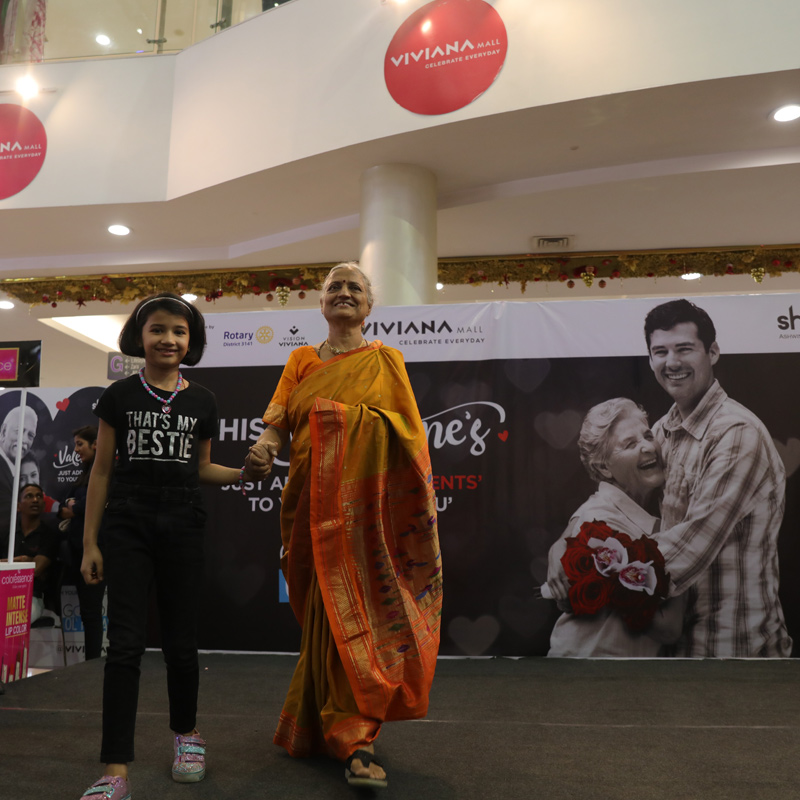
    Viviana mall has come up with a unique initiative to keep its consumers hooked. It has dedicated each day of the week to a particular concept and runs discount and experiential offers for those categories. It has ‘Tuesday Treats’ with offers going on food, and ‘Women Special Wednesdays’ where it has special offers for women customers. Recently, it added Good Ol’ Fridays to its list, to make senior citizens feel special. 

    Speaking about the concept of Good Ol’ Fridays, Kirtikar told Indiantelevision.com, “Grandparents or senior citizens are often a neglected category of shoppers. They usually visit malls either because their kids are going or their grandkids want to go. But we always felt that the clientele for this mall is from 0 to 99. Every strata of the society comes to the mall but we have not been doing something for the senior citizens. So, we thought of taking it up as a concept.”

    Kirtikar then happened to see a campaign video being run by AAAI and Rotary Club that was insisting the youngsters to spend a day with their grandparents. She got in touch with them and pitched for an activation at the mall level. This led to the launch of the experiential activity in January 2020. 

    “When we started this, we were a little apprehensive if the people would come or not but the response we got was overwhelming. Now we are doing it every week. We run special offers for senior citizens. The retailers at the mall like Starbucks and Chaayos have discounts for the senior citizens,” she elaborated. 

    On being asked what benefit such activities have for the retailers at the mall, Kirtikar said that offering complimentary or free services for a day leads to their discovery among people who are visiting their stores or the mall for the first time. This leads to increased footfall in the following days. 

    She also shared that one of the major reasons for the success of this on-ground activation has been the support from the retailers. Another reason, they don’t let the noise around the campaign fizzle. 

    “We have very little budget for marketing so we do minimalist campaigns. We invest greatly on digital, especially on Facebook where we run online competitions. Next we advertise in cinemas close to the mall. We put OOH hoardings, which we keep changing at regular intervals. Then we have great in-mall communication to guide the visitors about the special campaigns that we are running.”

    Kirtikar feels that retail stores are not going to die anytime soon. In fact, their presence will only boost as Indian consumers still want to have the look and feel experience. She urges that physical stores should be investing more in activation and experiential events to maintain their growth trajectory. 

  • Fortune unveils a new logo and identity

    Fortune unveils a new logo and identity

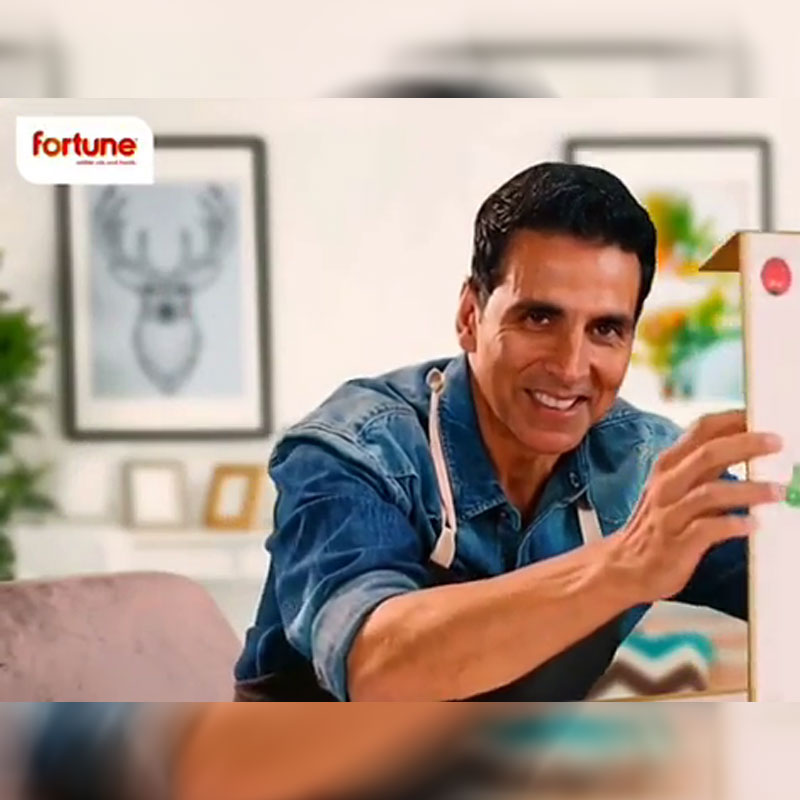
    MUMBAI: Fortune, a renowned food FMCG brand has unveiled a brand new logo and a wide range of product offerings. In the digital era, where the consumer’s attitude and behaviour have become extremely intuitive, the brand opted to focus on digital amplification to present it’s new identity across social media platforms in collaboration with Akshay Kumar & key influencers such as Miss Malini, Chef Ajay Chopra, Deeksha Joshi and many others. 

    Over the past two decades, the consumers have evolved. Being a beacon of inspiration, Fortune has uplifted it’s look and feel and built a modern and contemporary brand image. Owing to that, Fortune has revised the brand logo and packaging, along with the way they communicate with the consumers.

    Breaking down it’s stereotype of being a popular oil brand, Fortune now consists of a wide range of product offerings from rice, dal, atta, soya chunks, besan and much more.

    The brand launched a campaign #Whatsinthebox on 21 Feb with ace actor Akshay Kumar & key influencers to create conversations and generate curiosity amongst target audience by solving the puzzle & unbox the mystery Fortune box. On 28th Feb, the brand with Akshay Kumar unboxed the new identity and the wide range of offerings under the Fortune umbrella.

    Talking about the announcement, deputy CEO  Angshu Mallick said, “Fortune has always been about connecting with the consumers in the correct way. For the evolving needs of our consumers, Fortune has undertaken a step towards uplifting the brand proposition by modernizing the identity of the brand.

    For decades Fortune has been synonymous with oils, and while we have the largest share of the pie in the category, we are determined to dominate all categories. Our vision is to become the largest food FMCG brand in the country which is why Fortune range also includes Rice, Atta, Besan, Dal, Soya chunks and more in an all-new avatar that I believe will resonate better with all the consumers.”

    Media and strategy head Sanjay Adesara said, “For the digitally evolved consumers today brands are more than just a product. They connect with its philosophy, identity and buy into their vision. For the last 20 years Fortune has been periodically reinventing itself not only in its range (today the Fortune Foods range includes Rice, Atta, Besan, Pulses, Soya chunks, and more) but also in its identity. To retain the affinity of today’s visually-stimulated generation we have undertaken this rebranding initiative,”

    Fortune’s consistent quest for growth combined with innovation and experimentation will contribute to the brand’s overall sales and business model.

  • UPI recorded transaction volume of 10.8 bn in 2019: Worldline India Digital Payments Report

    UPI recorded transaction volume of 10.8 bn in 2019: Worldline India Digital Payments Report

    DELHI: In 2019, the four forms of online payments — debit cards, credit cards, Immediate Payment Services (IMPS) and Unified Payments Interface (UPI), recorded a combined transactions volume of over 20 trillion and combined value of over Rs trillion, reveals the annual Worldline India Digital Payments Report.

    The report mentions UPI as the most preferred mode of payment in terms of volume and perhaps the fastest product to hit 1 billion transactions-a-month in 2019 since its inception in August 2016.

    “It recorded a substantial transaction volume of 10.8 billion in 2019, a YoY increase of 188 per cent. In terms of value, UPI facilitated transactions worth Rs trillion, up 214 per cent from 2018,” reads the report.

    In terms of value, IMPS led the roost, followed closely by UPI. It clocked Rs trillion, up 41 per cent from 2018. In 2019, it on-boarded 165 banks under its ecosystem bringing the total number of banks providing IMPS services to the customers of 559 banks by end of 2019.  

    Transactions volume passing through Bharat Bill Payment Central Unit (BBPCU) – NPCI recorded a YoY increase of 133 per cent. The transaction value witnessed an increase of 174 per cent, standing at Rs 186.8 billion.

    The number of POS terminals deployed by merchant acquiring banks increased to 4.98 million in December 2019 from 3.59 million in December 2018, registering a YoY increase of 39 per cent. RBL bank, HDFC bank, State Bank of India, Axis bank and ICICI bank emerged as top five merchant acquiring banks to deploy POS terminals in 2019.  

    Grocery, restaurants, petrol stations, apparel stores and speciality retail emerged as the merchant categories with the highest volume and value of transactions in 2019 for Worldline India.  

    “They accounted for about 62 per cent volume of transactions and about 39 per cent value of transactions. It is interesting to note that while jewellery stores accounted for only 1 per cent of total volume of transactions, they accounted for 8 per cent of total value of transactions,” reads the report.

    The top 10 states with the highest transactions in 2019 for Worldline India included Maharashtra, Karnataka, Tamil Nadu, Delhi, Andhra Pradesh, Gujarat, Kerala, Uttar Pradesh, Haryana, and West Bengal. Top 10 cities with the highest number of transactions in 2019 for Worldline India were Bengaluru, Chennai, Mumbai, Pune, Hyderabad, Delhi, Kolkata, Gurgaon, Coimbatore and Ernakulam.

    Worldline India (WI) is wholly owned by Worldline SA, a leading payments company in Europe that is listed on Euronext Paris. Worldline entered India in 2010 with the acquisition of Venture Infotek followed by the acquisition of MRL Posnet in 2017.

  • Hygiene brand Pee Safe partners with ‘Thappad’

    Hygiene brand Pee Safe partners with ‘Thappad’

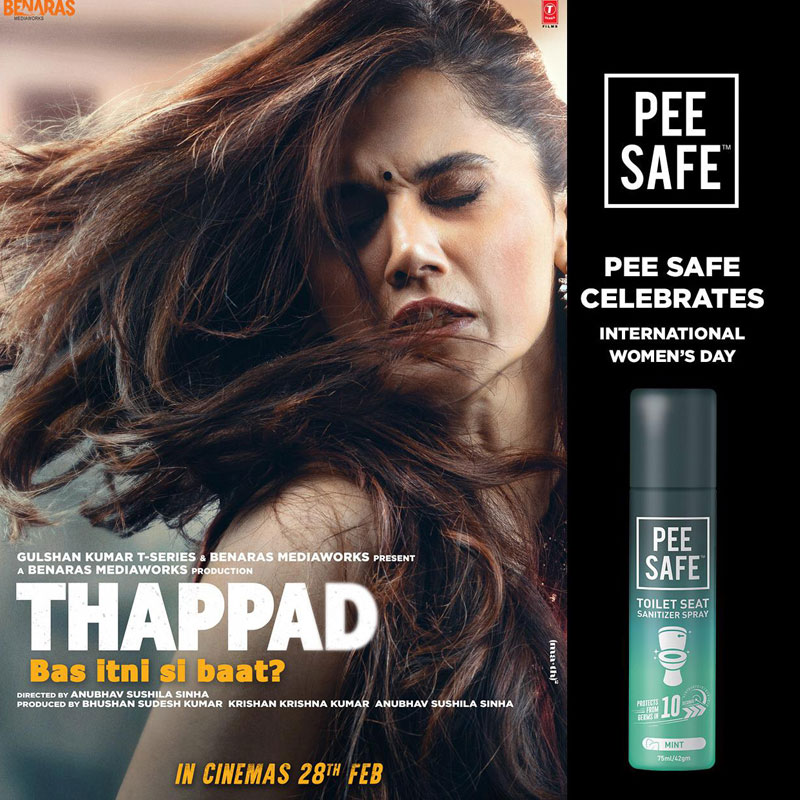
    MUMBAI: Pee Safe, India’s leading personal hygiene and wellness brand, has collaborated with the movie Thappad starring Taapsee Pannu. A video featuring Taapsee went live ahead of International Women’s Day 2020. It is trending as #BeSafewithPeeSafe on various social media platforms.

    Thappad, to be released this Friday, 28 February, shows how in a marital relationship, one slap is enough to become the deal-breaker. Pee Safe believes that the same holds true for the health and hygiene of women. Diseases such as urinary tract infection (UTI) can cause long-term complications if they become a recurring phenomenon. So, steps must be taken to ensure that they don’t happen even once.

    In the video, Taapsee speaks about how it is important to take precautions against both violence and health issues – and Pee Safe can become a trusted partner in empowering their well-being. The brand is a leader in the women’s personal hygiene segment and has directed its efforts towards preventing health issues amongst them since inception. Pee Safe has also partnered with the movie Toilet Ek Prem Katha earlier.

    Speaking about this, Pee Safe founder Vikas Bagaria said: “We are happy to partner with the movie Thappad. The movie has some brilliant performances especially by Taapsee and encourages women to take charge of their own well-being and safety. Pee Safe is empowering women to do this through products such as the toilet seat sanitizer spray which can prevent UTI and other infections. On International Women’s Day, it is time for women to take a pledge and say yes to good health and personal hygiene.”

    In the last 30 months, Pee Safe has disrupted the women’s hygiene products’ segment by introducing environment-friendly products. The brand started with the toilet seat sanitizer category that became a bestseller followed by other products addressing feminine and personal hygiene. Today, Pee Safe is a preferred choice amongst its customer base.

    Pee Safe’s Toilet Seat Sanitizer Spray is a dermatologically tested product and kills microbes within ten seconds, apart from being very travel friendly. Pee Safe was commercially launched in 2013, and by October 2015, the brand had sold over 100,000 units. Since then, there has been no looking back. Pee Safe now has a range of products including eco-friendly sanitary pads, organic cotton tampons, menstrual cups, panty liners, breast pads, natural intimate washes, wipes and sweat pads for both men and women, and pollution safe anti-pollution dust masks.

    Pee Safe recently raised Rs 30 crore in series funding led by Alkemi Growth Capital, a health and wellness-focused fund. The brand has also launched its products in the subcontinent region and plans to expand its reach globally in the next five years. Pee Safe products are currently available in modern trade, general stores, airports and organised stores across 40+ cities and online at www.peesafe.com and across leading e-commerce platforms such as Amazon, Nykaa, and Flipkart.

  • Samsung is India’s most desired brand; Sony TV fourth in the list

    Samsung is India’s most desired brand; Sony TV fourth in the list

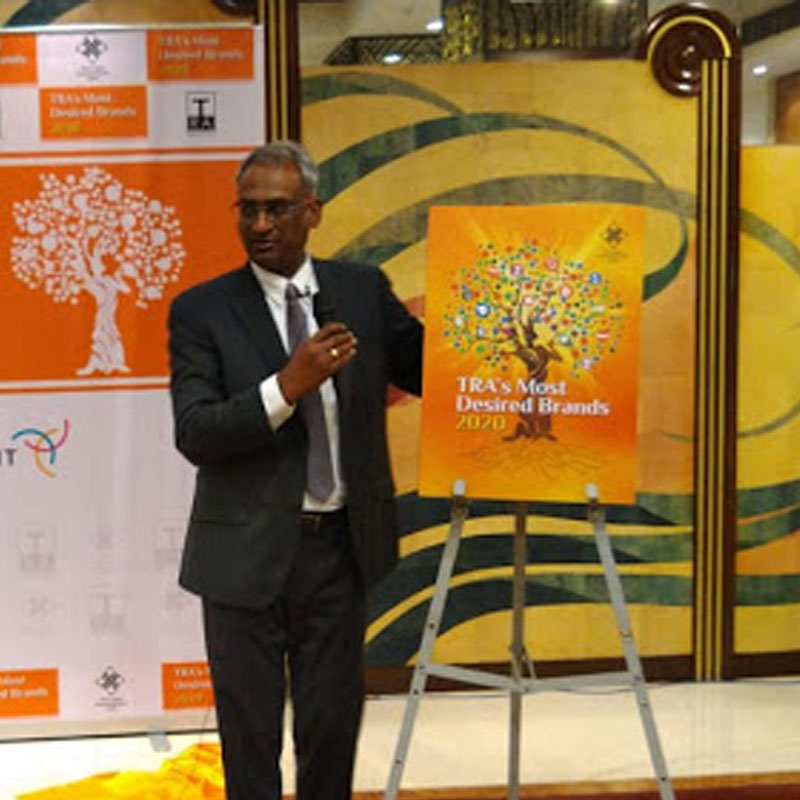
    MUMBAI: South Korean mobile brand Samsung has topped the list of TRA’s Most Desired Brands 2020. The next spot is followed by Apple which has moved one rank up as compared to last year. Apple steadily climbed rank from 290 in the year 2015 to now being second.

    Samsung has secured its place in the list in 2018, 2015 and 2013 as well, making it a significant leader. Samsung features again at third and seventh rank in the consumer electronics category.

    While speaking to indiantelevision.com on what makes Samsung the constant leader TRA Research CEO N Chandramouli said: “Rational, emotional, aspirational and communication appeal are the four most important appeals. Rational is does it fit in a price range, does it have the complex feature that I need. I buy something because there is a logic behind it. Does it have an emotional appeal, does it communicate to you emotionally. Is it giving me a positive flavour. When a brand covers all this aspect in its highest ends only then the consumer sees it. Samsung has been consistent in its service. In a state of tough competition it has reinvented itself. These are the key reasons why Samsung is famous.”

    For the first time in history Sony TV, the GEC channel made it to the top 20 list. It made a significant jump from 594 ranks to now securing fourth rank followed by Maruti Suzuki at fifth spot.

    Dell, an Austin-based technology company is at sixth position followed by Amul in the seventh spot, Honda Activa accelerated its way to the ninth position and Hyundai in tenth rank. Spanish apparel brand Zara becomes a first-time entrant in the top 20.

    Contrary to what people assume that Chinese and Korean brands will dominate the list but the top 100 of the list is dominated by 42 Indian brands followed by 15 American, 12 Japanese, 11 South Korean, six British brands, four German and three Chinese mobile brands.

    The top ten highest rank jumpers list includes Godrej Consumer Care at first position followed by Hindustan pencil’s Apsara, sewing machine brand Singer, Reliance Trends, Nirma, Chennai-based apparel brand Pothy’s, Pantaloons, Pizza Hut, Chennai-based soft drink brand Bovonto and Mumbai based real estate brand K Raheja respectively.

    F&B category with 159 brands and FMCG with 129 brands makes 28.8 percent of the listing. From salt to software and now fashion to finance, Tata group features 29 brands with ten being category leaders. For starters Tata also owns 49 per cent stake in Zara.

    Godrej Group features 11 brands, three category leaders and Amul has nine brands listed with eight brands as category leaders.

    On being asked how researches like these helps brands Chandramouli said: “Researches like these tell you about consumer’s mindset. The age of selling is gone, consumers have more information, more knowledge, awareness, money and access as compared to 50 years ago. 60 per cent of the population is now below 30. Brands now have to understand their mindset. When I speak to 90 per cent of the brands they say they cannot understand the consumer. Then what they do is repeat the same old thing which means some of it will work and some of it won’t work. The current market is highly competitive and consumer expectations are changing every minute. Brands need to build better relationship with consumers to understand them and this is where research helps.”

    TRA has partnered with Indian Statistical Institute to curate this report. TRA’s most desired brands 2020 lists the top 1000 brands based on the detailed research conducted with nearly 1500 consumer influencers across 14 Indian cities. However, the list includes only urban India to understand brand trust and brand desire among consumers.