Category: Brands

  • boAt raises $100 million from Warburg Pincus

    boAt raises $100 million from Warburg Pincus

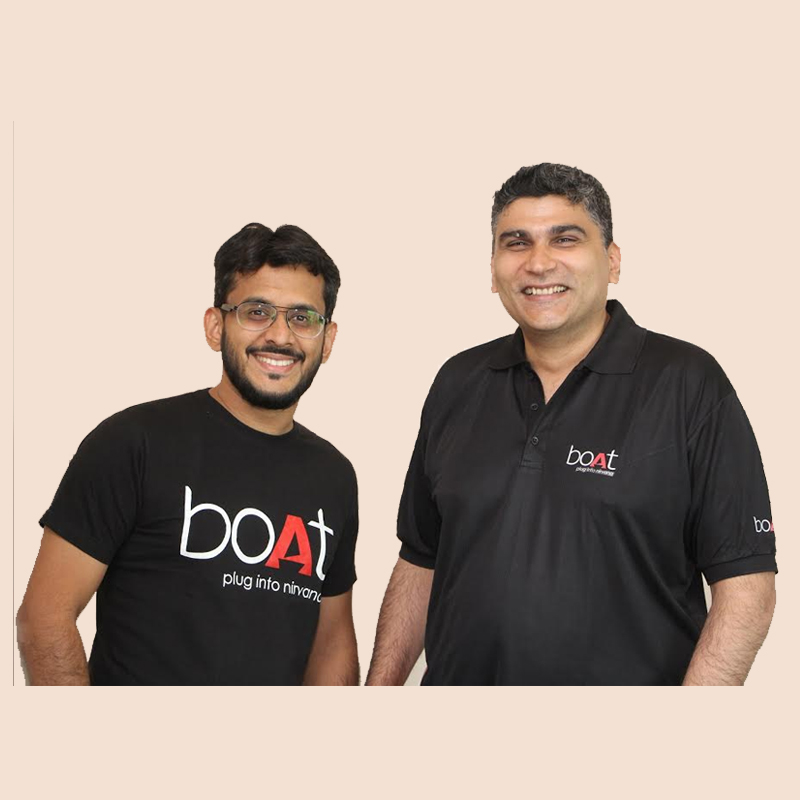
    NEW DELHI: Homegrown consumer electronics brand boAt has raised approximately $100 million from an affiliate of Warburg Pincus, a leading global private equity fund focused on growth investing. This investment is a landmark deal for the direct-to-consumer (D2C) industry in India as it endorses the sector’s coming of age with consumers trusting and gravitating towards brands launched online. 

    The investment by Warburg Pincus will enable the company to further fortify its leading market position, widen its R&D capabilities and product portfolio, and build on boAt’s efforts to create and support a manufacturing ecosystem under the Make-in-India initiative, enabling the manufacture of products in India.  

    boAt co-founder Aman Gupta said, “We welcome Warburg Pincus as a new investor into the company. This is a vote of confidence for our business model and growth prospects. The investment is great news for not only the company but for the entire D2C sector. The investment has come at the right time as we make efforts to ramp up our manufacturing and global supply chain.”

    boAt co-founder Sameer Mehta commented, “As boAt enters the next phase of growth and innovation, we look forward to benefitting from Warburg’s pedigree, collective experience and resources in helping us scale.  Going forward, with the government’s support, we will focus on building capabilities in domestic R&D and undertake vertical integration across both the hearable and wearable space to establish India as a global supplier.”

    Warburg Pincus India MD & head Vishal Mahadevia said, “We see a compelling growth story in boAt and believe the company is well-poised to build upon the strong leadership position it has carved out within the industry and stands to benefit from the secular tailwinds of e-commerce growth in India. Warburg Pincus is excited to partner with the management team of boAt led by Aman and Sameer in this journey and we look forward to supporting them through the next phase of the company’s growth.”

    Avendus Capital acted as the exclusive financial advisor to boAt and its shareholders on the transaction. 

  • French brand ZOOOK launches Explode 111, a new multimedia 2.1 speaker system

    French brand ZOOOK launches Explode 111, a new multimedia 2.1 speaker system

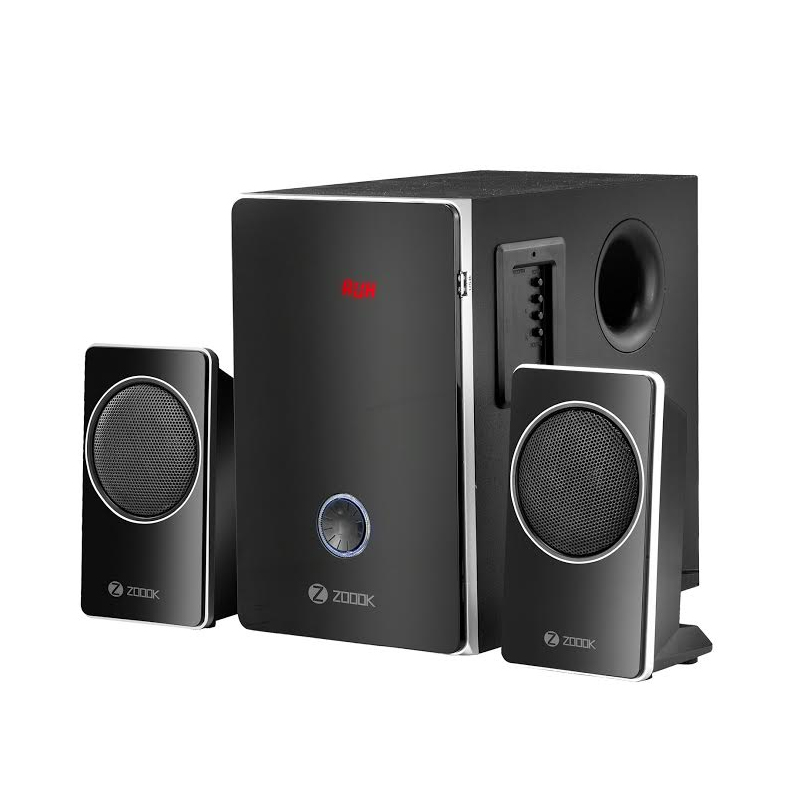
    Just days after introducing premium-quality tower speaker Tornado 101, French pioneering lifestyle brand ZOOOK has now launched a new multimedia 2.1 speaker system in India. Called ZOOOK Explode 111 BT, the latest Bluetooth 5.0v-enabled Multimedia 2.1 speaker system is an unparalleled combination of perfect sound with perfect design. With Explode 111 45 watts power, you can rest assured of a thumping deep bass sound, thanks to 4” subwoofer with 25w output. The unbeatable sound quality of the Zoook Explode 111 pops through every bit of music that is played. Be it jazz, dance music, your favorite video game, or just a movie, it will deliver the top-quality sound your heart deserves.

    The speaker system comes with a fully functional infrared remote control, allowing you to take complete control of your home audio. With a stylish LED display and smooth analog & digital controls, it adds the much needed style statement as well. ZOOOK Explode 111’s glass finish and beautiful looks make the speaker a treat for eyes and further add to the home décor.

    The multimedia 2.1 speaker can easily be paired with Bluetooth-enabled devices such as phones, laptops, phones and tablets for a seamless music streaming experience without the hassles of getting entangled in wires. Once a device is connected, the users can simply sync their favourite playlist. The speaker is engineered with perfection to be a standalone entertainment station for a laidback Sunday as one also gets the option to tune in to the favourite radio station with the built-in FM player.

    Referring to the new product, Achin Gupta, Country Head-India at ZOOOK said, “We are delighted to launch Explode 111 with 45 watts power, which is enough to get the beats on. The speaker has been designed for the highest acoustic standards to offer an optimal listening experience for all. We are sure that young and vibrant Indians will love our latest offering.”

    Designed for maximum portability, the speaker’s multi-input sources give you an all-round experience, whether it is USB Disk, FM Radio, RCA to AUX, or Bluetooth connectivity.

    ZOOOK Explode 111 is available on all leading online as well as offline stores. The speaker system is currently available at a price of Rs. 3,199.

  • 82% people are worried about carrying germs in clothes: Whirlpool & Kantar survey

    82% people are worried about carrying germs in clothes: Whirlpool & Kantar survey

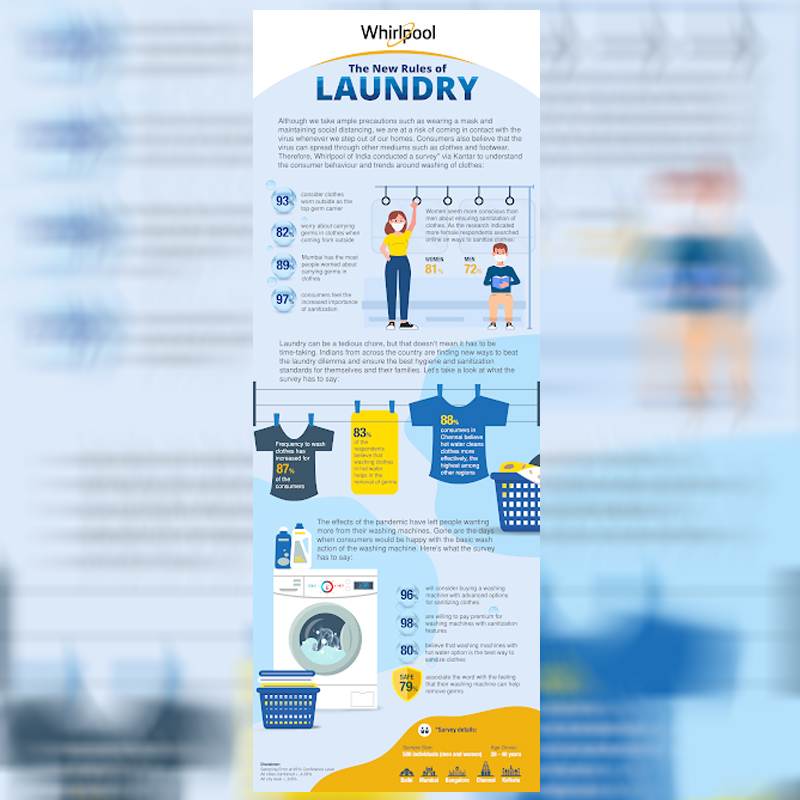
    KOLKATA: Whirlpool of India, the world’s leading kitchen and laundry home appliance company, facilitated a survey with Kantar to understand how consumers are responding to the hygiene and sanitation of their clothes. In the current environment, people world-over are concerned about keeping themselves and their surroundings germ-free and sanitized. Extra precautions are being taken every step of the way to minimize interaction with the outside world. 

    The detailed survey was conducted with a sample size of 500 individuals (men and women) aged 28-40 years in Delhi, Mumbai, Bangalore, Chennai and Kolkata. The primary objective of this survey was to arrive at hard-hitting facts on consumer’s awareness around the cleanliness of clothes and its implication in today’s time. 

    The survey reveals that 97 per cent of consumers feel the importance of sanitization has increased and the frequency with which they wash clothes has gone up for 87 per cent consumers.

    The other stark findings revealed by the survey include:

    Clothes worn outside the home tops the list of objects feared to carry germs with 93 per cent endorsements. The other carriers of germs include- 

    • Any surface area like lift, railings etc. and home delivered food (92 per cent)
    • Footwear (88 per cent)
    • Bags (83 per cent)
    • Mobile phones and money (82 per cent) 

    In the current situation, 82 per cent respondents claimed that they are worried about carrying germs in clothes when coming from outside. The other worries include- 

    • Sanitisation of hands and surfaces (80 per cent)
    • Sanitization of clothes (78 per cent)
    • Falling sick (76 per cent)
    • Lack of adequate medical help (73 per cent)
    • Increase in household chores (72 per cent)

    People from Mumbai are most worried about carrying germs in clothes when coming from outside at 89 per cent, followed by Chennai and Kolkata 

    87 per cent of the respondents claim that worrying has led to increase in washing of clothes for the following reasons: 

    • To maintain hygiene and cleanliness (91 per cent)
    • To keep our kids and elderly members safe from germs/allergens (83 per cent)
    • Prevention from falling sick (82 per cent)
    • Washing clothes worn outside after single wear (81 per cent)

    79 per cent of the respondents claim that hot water helps in Sanitizing clothes along with ‘effective cleaning’ and ‘removal of tough stains’

    • 88 per cent consumers in Chennai believe hot water cleans clothes more effectively, the highest among other regions

    Significantly higher number of female respondents (82 per cent) feel that hot water will help sanitize ‘kid’s toys, bedding and clothes’ more than males (73 per cent) 

    Respondents claimed that Germs/allergen in clothes can be removed by washing it with:

    • Detergent (82 per cent) 
    • Hot Water (76 per cent)
    • Disinfectant (71 per cent)
    • Using home remedies (43 per cent) 

    73 per cent of the consumers claimed that they use hot water to wash only a certain type of clothes such as:

    • Clothes with tough stains (91 per cent)
    • Baby clothes (86 per cent)
    • Clothes used in kitchen (85 per cent) 

    96 per cent of the consumers claimed that they will consider buying a washing machine that has an advanced option for sanitising clothes as well

    • In fact, 98 per cent of the consumers are even willing to pay premium while buying a washing machine with sanitisation feature rather than on other consumer appliances like AC, refrigerator, etc., shown to respondents

    93 per cent of the consumers believed that different water temperature is required for cleaning different type of clothes

    80 per cent of the consumers believe that washing clothes in a washing machine with hot water is the best way to remove stains and sanitise clothes

    • However, only 20 per cent of these respondents claim to use hot water wash for all types of clothes

    ‘Safe’ is the word that consumers associate with the feeling that their washing machine can help remove germs/allergens (79 per cent)

    Women are much more conscious about ensuring sanitization of clothes 

    • Significantly higher number of female respondents (81 per cent) have done online search to understand how to sanitize their clothes than male (72 per cent) respondents
    • There is a relatively higher concern among Moms (85%) on the worry of germs getting carried in from outside
    • 75 per cent of working women are more aware and highly concerned through online search on improving sanitisation
    • More working women (82 per cent) believe that hot water helps in sanitizing clothes

    Whirlpool of India vice president marketing KG Singh said, “People today are more vigilant of their health and hygiene than ever before. With sanitisation becoming the need of the hour, we commissioned a survey to gauge the behaviour patterns around their rising concerns of keeping clothes clean. With ‘Everyday, Care’ at the core of our brand, we wanted to be there for our consumers during this time by better understanding their needs and offering a portfolio of products that meet their expectations.” 

    “The survey clearly indicates the stress and worry around sanitization of clothes. Consumers are researching online to know of effective ways to clean their clothes and kill germs brought in from outside the home. Hot water which is known to be effective in cleaning stains has stood out as a top preference for consumers when opting for a washing machine along with the added benefits of sanitization features. It is extremely critical to take care of the hygiene and sanitization of one’s surroundings and clothes,” said the official spokesperson from Kantar. 

  • Dabur Red Pulling Oil is the brand’s first ayurvedic mouthwash

    Dabur Red Pulling Oil is the brand’s first ayurvedic mouthwash

    NEW DELHI: Dabur India Ltd has entered the mouthwash category with the launch of Dabur Red Pulling Oil, an Ayurvedic mouthwash, creating a whole new segment in the oral care market. The launch of this ayurvedic detox for teeth and gums marks another first for Dabur and for the ayurvedic products industry in India.

    Dabur India Ltd marketing head-oral care Harkawal Singh said, “Dabur Red Pulling Oil is an Ayurvedic mouthwash which contains natural oils and herbs with no alcohol. The product is based on a process defined in Ayurvedic scriptures and introduces to the world the Kavala-Gandusha Therapy, an oil-based oral detox regimen. Besides its oral care benefits, the therapy is also known to provide relief from health problems with improved health of sinuses, improved hormonal balance and detoxification. Dabur Red Pulling Oil helps strengthen teeth and gums, and kills 99.9 per cent germs, thus providing complete oral care.”

    The product contains coconut oil, which prevents gingivitis and plaque; sesame oil, which strengthens teeth and gums; tulsi to prevent bad breath; clove, which helps in reducing toothache; cinnamon oil that gives relief to a sore throat; and thyme mint for preventing tooth decay.

    “Backed by our 136-year heritage and knowledge of Ayurveda, Dabur has launched this breakthrough innovation for improvement of people’s overall oral health. Developed after extensive research, it is a known daily therapy for both oral and overall wellness of teeth and gums. Dabur Red Pulling Oil is made with pure and natural ingredients and is a complete solution for all dental problems,” Singh added.

    Priced at Rs 275 for a 195 ml pack, Dabur Red Pulling Oil is initially available across all leading e-commerce platforms and will soon be rolled out through regular retail channels too.

  • #Throwback2020: Best brand tweets in India

    #Throwback2020: Best brand tweets in India

    NEW DELHI: Twitter is a reflection of what’s happening in the world and what people are talking about. Over time brands across categories have leveraged Twitter’s ad offerings and influence to strengthen their presence among audiences. This year, as businesses pivoted to digital-first campaigns, Twitter emerged as an indispensable partner to launch something new and to connect with consumers. The constraints of 2020 encouraged brands to be more creative, thoughtful and personal, resulting in campaigns that warmed the heart and left people wanting more. Let’s look back at some brands and campaigns that stood out and made a difference with their Twitter salvos: 

    Best brand for speaking out and standing up: Axis Bank for #ReverseTheKhata

    While nearly every industry was drastically impacted in 2020, the worst-hit were local vendors and small businesses, with many being pushed to the brink. Axis Bank took up the cause and asked people to #ReverseTheKhata, referencing the bond between customers and their corner shop through the maintenance of a ‘khata’. The khata is based on the trust and loyalty shared between the two parties. The campaign showed us different moments on the relationship between customers and small businesses, projecting the various emotions that bubble up from the simple statement – Khate mein likh do – urging people to reverse roles and support vendors who have continued to serve us while keeping our accounts. The campaign used a clever and relatable insight, connecting with its audience in an authentic way, making it the best brand for speaking out and standing up. 

    Best #OnlyOnTwitter campaign: Netflix India for #NetflixMatchmaker

    We love to watch our favourite series and films on Netflix and look for the best recommendations, including on Twitter. Netflix India built on this insight and launched #NetflixMatchmaker. This innovation allowed a customised bank of emojis to serve fans a personalised experience on Twitter, helping them decide what to watch. So, how does it work? When someone tweets an emoji with the hashtag #NetflixMatchmaker, they are rewarded with a content recommendation tied to that specific emoji. For example, tweeting a gift emoji might send a recommendation for a holiday movie. Netflix knew there would be an ongoing demand for recommendations, so #NetflixMatchmaker pops up every weekend to help people match their mood to what they could enjoy streaming. This is why they had the best #OnlyOnTwitter campaign this year.  

    Best brand that brought the stadium to the phone: Star Sports

    To make up for the lack of on-ground sports experiences, Star Sports turned to Twitter to bring fans closer to all the sporting action, especially on two key occasions – the Indian Super League (ISL) and the Indian Premier League (IPL). 

    During the ISL’s  #TrueLove campaign on Twitter, Star Sports invited football fans to send in tweets with messages for their favourite footballers. At the trophy-lifting ceremony of what was a thrilling finale between ATK FC and Chennaiyin FC, these love-filled tweets presented in a physical form as Twitter-confetti and were showered upon the winning team covering them with #TrueLove for this one-of-a-kind activation. 

    For the IPL, Star Sports cued people in for the opening match through reminders on Twitter, activated by the Heart-To-Remind functionality. The brand also changed their Twitter username to ‘Star Sports at 7:30 PM’ to mark the time slot as the viewing time for the IPL. 

    Their consistent usage of Twitter to connect fans to the games they love made Star Sports the brand that brought the stadium to the phone. 

    Best campaign celebrating fandom: Samsung India for #GalaxyS20PlusBTS edition

    While launching the #GalaxyS20PlusBTS edition, Samsung routed its campaign towards the massive BTS fandom on Twitter. The brand launched a custom BTS quiz to engage with the K-pop band’s ARMY on the service who could put their love to the test and even stand to win a pair of the Galaxy Buds+ BTS edition. This carefully targeted campaign not only reached its audience but also had them glued to their Twitter timelines through a series of promoted tweets with creatives featuring various members of the band. The BTS edition campaign was part of a sustained promotion plan for the S20+, with the global launch event achieving millions of views worldwide. Samsung India’s clever use of Twitter to connect with their consumers made it the campaign that best celebrated fans. 

    Best brand connection to the couch: Amazon Prime Video for #Mirzapur2

    #Mirzapur2 hype on Twitter was real, evidenced by the many tweets begging Prime Video for the second season. As the OTT service finally prepared to premier the series, it decided to count down to the launch along with eager fans, and host a watch party to finally answer everyone’s wishes and get people watching (and reacting) together. Through a carousel events page, the brand curated a timeline of all conversations around #Mirzapur2 and also rolled out exclusive content leading up to the big day. A ‘Mirzapur throne’ emoji was also launched to fuel excitement. 

    But that was not all, following the watch party, the show’s characters were leveraged to engage the audience via a personality test pairing people with their favourite #Mirzapur characters when engaged with the tweet. Their thoughtful end-to-end integration and celebration of such a popular show earned them the title of best brand connecting all of us to our couch. 

    Best brand for pivoting when it counts: Uber India for #MoveWhatMatters

    At a time when everyone was being encouraged to stay put, Uber India, a brand that is built on doing the opposite, responded in just the right way. Playing off their slogan to #MoveForward, they suggested we #MoveWhatMatters. The brand echoed what we were hearing from public health authorities, asking people to stay home and stay safe, while their drivers continued to serve India’s essential workers. Moreover, the ride-hailing app also urged people to come out in support of their driver-partners who had also been impacted by the pandemic and set up the Uber Care Driver Fund. In a time when people needed to be assured of their safety, Uber India made its priorities clear.

    Best virtual launch: Hyundai India for the TUCSON launch with #TheNextDimension

    Hyundai India moved ahead and launched its new TUCSON via a magnificent (virtual) event called #TheNextDimension. Hyundai adopted a three-phased strategy for the launch; it acquired an active viewership through the Heart-To-Remind functionality, which reminded people to tune-in for the launch; it took over the service’s premium real estate with a promoted trend and livestream to maximise visibility, and to wrap up the launch it tweeted highlight videos from the event which were injected into people’s timelines via promoted tweets, making sure nobody missed the action. Despite not taking place on-ground, this campaign by Hyundai proved that launches can be as successful virtually. The live event recorded over 1 million views in the first 12 hours itself, making it a winner in the best virtual launch category. 

    Best new brand on the block: Cred

    Fintech start-up Cred was all over Twitter timelines in the best way. Launching its first-ever campaign with a series of videos, the brand made a strong impact, reaching new customers. The campaign was spearheaded by some of the strongest voices in the public space, including the founder himself. Moreover, picking up on a trend around nostalgia, they worked with some of the most iconic talent from the 90s and early 00s including, Govinda, Bappi Lahiri, Madhuri Dixit Nene, Anil Kapoor, Udit Narayan, and others in a creative way, ensuring mentions of CRED on Twitter reached new highs.

    Best brand voice: Zomato

    Restaurants may have been closed to visitors earlier this year, but delivery services like Zomato made themselves indispensable. And maybe because Zomato was experiencing it themselves, they knew just what to say to keep people on Twitter engaged. Keeping up with cultural moments and trends, the food delivery app stayed connected with its audience through conversations that were fun, light-hearted, and more often than not, perfectly hilarious. From being excited about a cricket match to being grumpy because of hunger pangs, Zomato engaged with its audience in one-on-one banter, replying and engaging with tweets. Adopting a sensitive voice, yet full of personality, the brand built its own community of followers making it the best brand voice on Twitter this year. 

    Best brand Fleet: IndiGo

    Since the test launch of Fleets in June, several brands have embraced it with content designed especially for the format. IndiGo stood out by engaging with its followers through consistent and coherent messaging via Fleets. Adhering to the needs of its patrons, the brand has been using the format to keep passengers informed about flight schedules and other real-time updates. Their diving into this new Twitter format gives them the title of best brand Fleets! 

  • Yamaha announces a unique “Test Ride My Yamaha” campaign for its customers

    Yamaha announces a unique “Test Ride My Yamaha” campaign for its customers

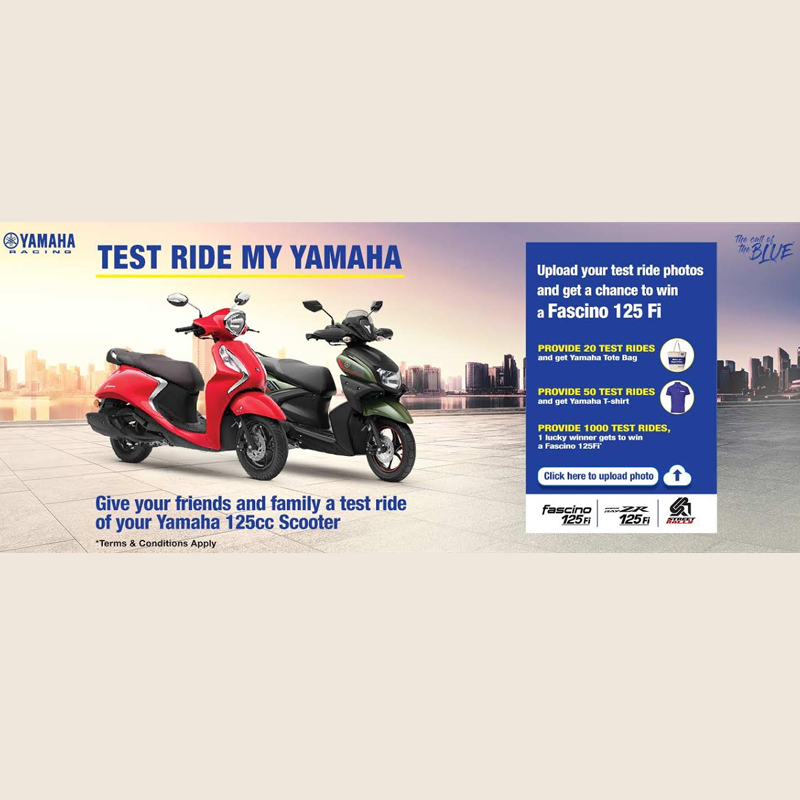
    KOLKATA: Yamaha Motor India group of companies kicked off of its unique and an exciting test ride campaign “Test Ride My Yamaha” for its customers across the country. The overall aim of this special campaign is to establish a deeper connect with the existing customers and encourage them to further create awareness on the advanced safety features and technologies of the company’s 125 cc scooter models – Fascino 125 FI, Ray ZR 125 FI and Street Rally 125 FI among their family and friends.

    Through this campaign, the company’s effort is to provide touch and feel as well as a personalized riding experience to more and more customers who aspire to own a Yamaha product and are curious to know about the new technologies and the safety features installed in Yamaha scooters like “Stop & start system”, “Smart motor generator (SMG)” and the “Side stand engine cut-off switch”. The existing Yamaha customer who participates and supports the campaign by motivating their family and friends to test ride the Yamaha 125 scooters stand a chance to win exciting Yamaha merchandise.

    The new 125 cc Yamaha scooters have received a tremendous response from the customers across India in the year 2020 and the company is confident that this special and unique campaign will help in reaching out to its target customers who are looking for a product which is stylish and sporty and at the same time more powerful, fuel efficient, equipped with safety technologies and value for money. The potential customers willing to participate in the campaign can reach out to their nearest Yamaha authorized dealerships in their respective cities to test ride the Yamaha products.

  • India on course to becoming a used car market: Droom’s Krishna Veer Singh

    India on course to becoming a used car market: Droom’s Krishna Veer Singh

    NEW DELHI: The Covid2019 pandemic sank the automobile industry in India to abysmal depths this year. With the enforcement of lockdown, people retreated indoors, businesses and offices shut down, the streets were deserted; and auto sales plunged to zero in the month of April.

    While the automobile market is desperately trying to rally and recover pre-Covid numbers, one category that has shown resilience in these troubled times is that of pre-owned vehicles. Growing at 6.2 per cent during FY16-20, it too was buffeted by the headwinds of the pandemic, but since then has witnessed a steady uptick in demand. Leading this segment are digital platforms that buy and sell second-hand cars and two-wheelers, which have logged manifold increase in online engagement and annual sales over the past several months.

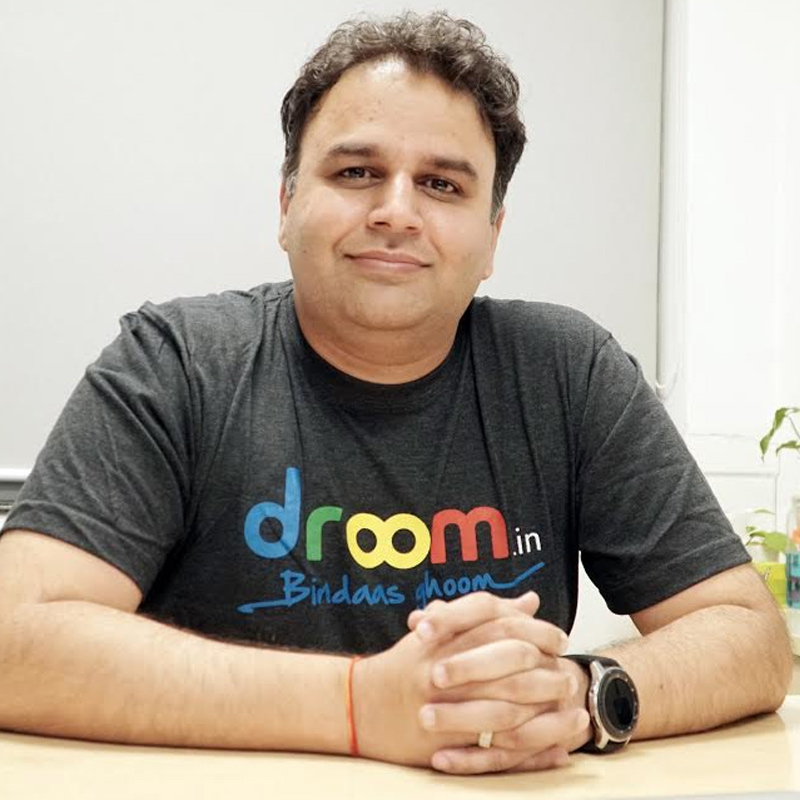
    One such company is Droom, a digital motorplace that claims to have captured 80 per cent market share of the automobile transactions happening online in India. The portal has clocked a massive 260 per cent surge in sales in the aftermath of Covid, along with a 175 per cent jump in traffic for new and pre-owned automobiles. Indiantelevision.com spoke to Krishna Veer Singh, president – marketplace, Droom to decode the recent upheaval in the used car business, how the platform is faring and what the road ahead looks like.

    Singh started off by clarifying that while Droom is seeing unprecedented numbers now, it hasn’t all been smooth sailing.

    “When Covid happened, we witnessed 90 per cent drop in orders within two months of lockdown. In June, we started seeing recovery even though we were far away from full recovery. Around August 2020, indicators like growth in traffic, leads and listings went up with huge numbers and we again achieved pre-Covid number of orders driven by two-wheeler demand. Also, we have achieved around 75 per cent of pre-Covid GMV by November 20,” he detailed.

    As Singh pointed out, the resurgence of the automobile sector is led by two-wheelers and pre-owned cars. This is mainly due to a massive shift in consumer mindset: in the aftermath of the highly-contagious Coronavirus, public transport and ridesharing are no longer considered safe. However, the upswing in the desire for personal mobility has been compounded by the problem of limited means.

    “With economic activity slowing down, people are more inclined towards lower-priced or smaller vehicles in personal mobility space which in turn has boosted sales of used vehicles. As a result, there is an increase in the demand for budget-friendly options like Swift, WagonR, Dzire, Honda City, i10, Scorpio and Santro, among others and two-wheelers,” he said, adding that these make up 70 per cent of total orders.

    FY21 auto sales are estimated to be decadal lows, and the industry has yet to recover to monthly sales levels of new vehicles seen before the pandemic. But it’s a fact that the automobile sector had undergone considerable slowdown over the last 12-18 months, labouring as it was under the GST regime change, stiff competition from ride-hailing apps, general liquidity issues, and several other factors.

    By contrast, the used car market is 1.3 times of the new car market, with the organised segment expected to register a CAGR of 22.79 per cent during 2020-25. Majority of the OEMs such as Maruti Suzuki, Mahindra, Hyundai and Toyota, and luxury car manufacturers like BMW, Audi, and JLR, have their own used car network. Online used car sellers have also reported good sales over the last few years. Government policies, for instance the reduction of GST rate on used cars from 28 per cent to 12-18 per cent, are also favourable – a key growth driver for the sector. Does all this portend that India is on the road to becoming a second-hand car market? Singh appeared to think so.

    “Demand for used cars has increased manifold in the last few years. The economic slowdown caused by the pandemic has resulted in financial restraints which leads to an increase in demand for budget-friendly options of Rs 2-5 lakh and middle budget of Rs 5-10 lakh. Overall, 25,000 cars were sold this year,” he highlighted.

    Post pandemic, the surge in sales has been powered, in main, by the top five to six metros in the country – Delhi, Mumbai, Bangalore, Hyderabad and Ahmedabad – and prospective customers are most interested in vehicles, germ shield and auto services, shared Singh. The site has clocked a 550 per cent jump in leads and an average MAU of six million over the last few months. An impressive feat, considering that 60 per cent of the traffic on Droom is organic.

    The reason may be that apart from catering to vehicles, the platform has branched out into several complimentary ventures in the wake of Covid. These new endeavours were initiated after careful consideration of consumer needs and the rising hygiene consciousness among people. Droom now offers Contactless Commerce, an end-to-end contactless experience including online vehicle research, doorstep test drive and delivery, online documentation, and digital payments. The Jumpstart service was introduced in May to provide vehicle service at your doorstep.

    Another big revenue driver this fiscal has proved to be Droom’s Germ Shield business. Not just limited to vehicles, the service has been extended to cover residences, offices and commercial spaces.

    “Germ Shield is a separate P&L and currently driven by our proprietary tool, ECO, and its network. The technology is relevant to all kinds of surfaces and expanding to other categories like homes, schools, and commercial gave us an opportunity to bring more business, along with more awareness and adoption of the product utilising the same network of ECO services and without any additional capex,” said Singh.

    All this doesn’t discount the fact that the used car market is a competitive space, with several players jostling for buyers’ attention. Curiously, despite commanding 80 per cent of the market share, Droom doesn’t really stand out. Its rivals, on the other hand, have greater brand recall on the back of their ATL campaigns. When asked about this dichotomy, Singh asserted that the brand doesn't believe in burning huge budgets on marketing. Instead, it has invested in building better solutions using technology and data science.

    “We are trying to bring transparency, convenience, and trust by building the whole ecosystem around automobile buying and selling by building and enhancing proprietary tools such as OBV, ECO, History, Quick Sell, etc. Also, Droom is the only pure-play internet company while others offer offline services. We work simultaneously with dealers and sellers instead of holding inventory. Droom has built an entire ecosystem around used automobiles for the digital economy,” he elaborated.

    The consumer uptake has been significant, particularly during the Dussehra-Diwali period this year. As families and friends met after a long time, and people thronged malls and markets for festive shopping, Droom registered a fivefold increase in bookings for germ shield sanitation services which offers antimicrobial surface protection service.

    “This festive season, we have witnessed over 60 per cent peak in sales. In new vehicles, sales of cars have witnessed 60 per cent surge and premium cars accounted for 100 per cent growth. Two-wheelers also witnessed growth over 240 per cent and 25 per cent jump in GMV,” added Singh.

    While the used car market, valued at $24.24 billion in 2019, is on an upward trajectory, it’s not without its own share of problems and shortcomings. Unorganised and semi-organised players take up most of the market share, leading to a highly supply-constrained market. Consumer-to-consumer deals still make up 32 per cent of the segment – not a good sign in terms of regulation and accountability. Financing and other value-added services aren't readily available in the used car business, which acts as a roadblock in customer engagement. However, recent growth through organised modes has been somewhat driven by cannibalisation of the consumer-to-consumer and unorganised channels – a trend that should bode well for companies like Droom.

    “The biggest challenge is to maintain the organic traffic and eventually make growth sustainable. Going forward we will keep practicing our customer-centric approach and build the latest technological solutions to make the buying and selling experience of automobiles better and better,” he concluded.
  • How brands are celebrating Christmas 2020

    How brands are celebrating Christmas 2020

    NEW DELHI: Wrapping up a rather tiring and complicated year that 2020 was, the season of joy and love is finally here with Christmas. While the celebrations are going to be muted with lockdown restrictions still in place across the country, it is nevertheless a good time to enjoy and enliven our spirits. Therefore, brands are also indulging in a number of fun activities, announcing special offers, and running cheerful campaigns to celebrate the holiday season. 

    Coca Cola

    Coca Cola was trending on Twitter on Christmas eve with its heartfelt X-mas creative that encouraged consumers to gift their loved ones joy with some food and Coca-Cola. #XMasWithCocaCola is a global campaign running in 90+ countries, including India, and is created by Wieden+Kennedy London. 

    Wiggles

    Fast-growing pet care brand Wiggles launched a first-of-its-kind Christmas carol  #WiggleBells asking pet parents to make their fur babies a part of the festivities. 
    Prior to the #WiggleBells campaign, Wiggles also rolled out a social media initiative as a run-up to Christmas to drive engagement and excitement among pet parents across India through its Wiggles Tribes social community. As part of the ongoing campaign, pet parents will get an opportunity to win 100 kgs of Wiggles YKibble – newly launched oven-baked dry food for active and senior dogs. The contest campaign has already engaged over 2,500+ pet parents across India within its first three days of going live.

    Bennet and Bernard Group

    In the true spirit of bringing cheer, Bennet and Bernard, a diversified group with majority business interest in eco-luxury real estate, hospitality, gastronomy and consumer goods, launched a ‘Joy of Giving’ Christmas campaign to spread positivity and kindness among the people and showcase solidarity. The month-long drive will focus on highlighting the importance of ‘togetherness.’

    Under this campaign, each week, the company will be carrying an act of kindness to help the vulnerable people in its community. Starting with the initiative to feed  street animals, the company will undertake several other initiatives throughout December such as providing essential kits to the workers at construction sites, supplying food to the old age homes, feeding the needy people and supporting the orphanages.

    Shorts TV

    Shorts TV has come up with special segments of selected shorts from around the globe to remind you of the Christmas and New Year of old. It will be running an interesting mix of Christmas films including The Elf Who Saved Christmas, The Christmas Hot Dog, ‘Tis the Season, etc. The movies can be watched on Tata Sky ShortsTV, ShortsTV Active on Dish TV & D2H and Airtel ShortsTV. 

    Chupa Chups

    One of the most iconic confectionery brands from the house of Perfetti Van Melle – Chupa Chups rolled out its new digital campaign #FunKaBooster, which is rooted in its philosophy of ‘Fun is for life, and not just for kids,’ to mark the Christmas fervour. The two digital-0nly films have been conceptualised by Ogilvy. 

    Winkies

    Cake specialist Winkies has also baked a fresh campaign with Enormous Brands to ‘Sweeten The Season.’ The ad film focuses on how we will celebrate Christmas during the pandemic and has a bigger concept – Bodo Din, Bodo Mon, which is about sharing joy and cheer during Christmas.

  • Guest column: Brandsville beckons ‘genuine’ empathy

    Guest column: Brandsville beckons ‘genuine’ empathy

    GURUGRAM: The article is inspired by the great recent occurrences in Brandsville and published in the interest of all creative thinktanks in our fraternity.

    WhiteHatJr lost its battle too soon. But it has jolted us marketers to think and analyse. The takeaway of the entire episode is that consumers are as well informed as the brand and can’t be considered naïve no more. An implication of information technology, it is one of the first times when we saw an uprise in India’s burgeoning knowledge society. Empathy is an aptitude that enables us to feel and express what someone else is feeling. It is something that is offered and brands have an advantage there.

    Consumers simply don’t want to purchase products. They want to make connections and relationships. There are many factors that add meaning and purpose to a brand, and they can all be derived from one source – empathy.

    Today’s consumers are not only interested in consuming content. Rather, they are actively seeking out content that prompts change, in both themselves and the world around them, allowing brands to build an emotional connection with their audience.

    The ability to think about the world from someone else’s point of view is an absolutely critical quality that content marketers must possess. The sanctity of a brand’s empathy is in creating a shared journey with the target audience. When we start interacting with our customers in a more personalized way, it will make them feel special. That catalyses brand value.

    Brands’ Dos and Don’ts for 2021

    The brand should act on the value to treat consumers as people (Well, this should be followed at all times nonetheless). Brands should demonstrate the values through supportive actions for all stakeholders.

    The brand should not get involved only in virtue signalling, which is only backing an idea to look good in public. It implies the brand entering a hibernation without communicating with the consumers, signalling an overly opportunistic behaviour in times of uncertainty.

    eBay prides itself on its rich history of launching small businesses and had an idea to make it a bit easier for these smaller organisations to make it through this tough time. To help out during the Covid2019 outbreak, eBay in California, started its ‘Up & Running’ program, an accelerator program pledging $100 million in support for small businesses and making eBay Store free for three months. With this support offered by the brand the small businesses will have a better chance of surviving the pandemic. The program will help them connect at a personal level with the aspiring entrepreneurs and it is equally impactful than an ad campaign.

    Some famous brands have also used this key ingredient in their branding recipe to add a purpose. Ogilvy’s Cadbury advertisement released during Diwali starts with a most intriguing line: “Not just a Cadbury ad.” The brand has tried to reach out to 1,800+ local retailers, across 260+ pin codes, whose businesses are promoted locally through this ad. The brand has been effective in evoking empathy among small businesses, who have received the worst blow of the pandemic’s economic fallout.

    The campaign is a great step to show that the problems faced by the people are understood by the brand. An assurance that it will do whatever is within its reach to help them out.

    Empathy branding isn't just a ‘feel-good’ technique

    Empathy allows marketers to step into the shoes of their target audience so they can better understand and respond to their wants and needs. Many times it is not just the core product offering at all. Emotion is like the lighthouse that guides the boats of consumer’s brand loyalty and their buying decisions. We have to create and algorithm that the consumers relate with and then create the marketing content which will put across the brand’s message in the most impactful way.

    One way to connect with consumers is to present an image of ‘realness’ This creates compassion and connection, presenting a brand as ‘just like you.’ Brands are using this very secret ingredient of empathy as a cherry on top of the cake.

    Empathy is about ringing the right chord with the individual’s emotions. Nike has a legacy of identifying and narrating inspiring stories of the indomitable human spirit. The sports brand's 2020 viral campaign received great praise online for its message of inclusiveness and perseverance as organised sports were immensely affected by the pandemic.

    The Covid crisis has created a very different situation for consumers of the travel industry. In August this year, Makemytrip came up with a digital campaign ‘Azaadi Wali Feeling' coaxing travellers to plan those much-delayed trips. Yet, it didn’t ripen enough for the traction desired. OYO Rooms took up the task around the same time to bring back consumer confidence with safety and hygiene towards travel. It launched the campaign ‘Road Tripping’ – Dekho Apna Desh. The articulately planned campaign hit the TG well and was rather engaging.

    At the end of the day, the simplest version of understanding what a brand is, is what your customers feel about you, what makes the company unique and understanding what the biggest needs and values of the customers are. Empathetic marketing follows the golden rule: "Do (treat) unto others as you would have them do unto you.” Let us remember that social distancing is for humans, not for brands.

    (The author is integrated marketing specialist at Topline Consulting Group. Indiantelevision.com may not subscribe to his views.) 

  • Skootr unveils its new brand identity, renews logo and tagline

    Skootr unveils its new brand identity, renews logo and tagline

    New Delhi, 21 December 2020: Skootr, India’s foremost ‘Premium Managed Office Space’ provider today announced the launch of its new brand identity. Skootr will now have a redefined logo. The new wordmark logo perfectly encapsulates the essence of the brand with its proposition 'Redefining Offices'.

    Commenting on the launch of new brand identity, Mr. Rajat Johar, Country Head, Skootr said, “We, at Skootr, have been a strong advocate for change, always pushing the need to reinvent the Indian workspaces. Skootr started as a seat renting business model and later ventured into the world of commercial real estate. With evolving market trends, the industry witnessed significant changes in the way office spaces were perceived and acquired. The new logo will play a key role in establishing our premium identity. We are thrilled to announce that we are rebranding to transform and inspire new trends in Indian commercial real estate industry while keeping our core philosophy intact.”

    The rebranding includes an overall redesign of the company’s website, logo, graphics, communications, and correspondence. Skootr’s new brand assets include a simplified, – Charcoal Grey & Black logo, along with a new website and other visual communications that utilize simple, chic graphics.

    Analysing the recent developments, behaviour patterns in how employees work and play, Skootr is meeting the future of workspaces demands by delivering bespoke offices that resonate with the aspirations of today’s dynamic corporate clan. Skootr’s concept of ‘premium managed office’ is a holistic package of real estate, design, community management, state-of-the-art IT solutions and  technological innovation that will revolutionize the Indian commercial real estate industry in the coming time by increasing the productivity, cultivating innovation, increasing collaboration among peers and preserving the company culture and ethos.

    Founded in 2016, Skootr currently manages over around 2.4 lakh sq ft office space across Delhi, Gurugram and Jaipur.