Category: Brands

  • Brand IPL value takes its first tumble in six years: Report

    Brand IPL value takes its first tumble in six years: Report

    MUMBAI: So the pandemic did leave its mark – rather a financial dent – on Brand IPL, similar to that on other businesses and the overall economy. The value of the IPL ecosystem has fallen by 3.6 per cent to Rs 45,800 crore post-2020 season, according to a brand valuation report by Duff & Phelps. In 2019, the IPL commanded a brand value of Rs 47,500 crore, which had grown seven per cent over the previous year.

    The fall in brand value was largely due to Vivo pulling out of the title sponsorship deal, additional costs involved to create a secure bio-bubble environment etc. IPL 2020 matches were played behind closed doors, effectively impacting the in-stadia revenues, including gate receipts and food and beverages, the report said.The individual franchisees have also witnessed a reduction in their brand values over the last year, Duff & Phelps said on Wednesday releasing the seventh edition of its valuation report on IPL. This was largely attributed to reduced franchisee-related sponsorship revenue, loss of gate receipts, reduced food and beverage (F&B) revenue, and certain teams’ on-field performances and off-the-field issues.

    Though one of the key franchises, the Reliance Group-owned Mumbai Indians has retained the top spot in the brand rankings for the fifth consecutive year, at a brand value of Rs 761.0 crore, it is nevertheless down 5.9 per cent from 2019. Chennai Super Kings saw its brand value fall the most, by 16.5 per cent year-on-year, to Rs 611 crore in 2020, while that of Delhi Capitals’ dropped the least, by one per cent to Rs 370 crore, the report said.

     “The standalone franchisee brands have seen their brand values decrease as the pre-Covid-19 sponsorship deals were reduced by 15-20 per cent before the start of the tournament, predominantly because there were no ‘meet and greet’ events with players; and there were no free tickets in stadiums,” Duff & Phelps India external advisor Santosh N was quoted as saying in the report.

    However, with people forced to spend time at home, there was an increase in IPL television viewership making the 2020 edition a huge success for broadcasters as it broke viewership and advertising revenue records. "Television ratings skyrocketed and advertisers tapped into this opportunity to scale up their brand image. Despite the challenging year, this momentum is indicative of how strong the IPL brand has become," observed Santosh.

    With the economy opening and virus infections decreasing, sponsorship deals are expected to be back to the pre-pandemic levels. Also, an increase in the number of teams in 2022 and the renewal of media rights in 2023 will enhance the IPL ecosystem value in the future, he added.

    Furthermore, with Vivo back as the title sponsor of the T20 league this year, things are already beginning to look up. In 2020, IPL 13 had seen lower sponsorship revenue compared to 2019 as the IPL had signed up Dream 11 as title sponsor for Rs 222 crore for one season, as against the Rs 440 crore per year they had been getting from Vivo.

    The list of sponsors who want to be associated with the Indian Premier League is only growing season after season, and the fourteenth season of the tournament promises to be no different.

  • Kartik Aaryan is Doritos’ first brand ambassador in India

    Kartik Aaryan is Doritos’ first brand ambassador in India

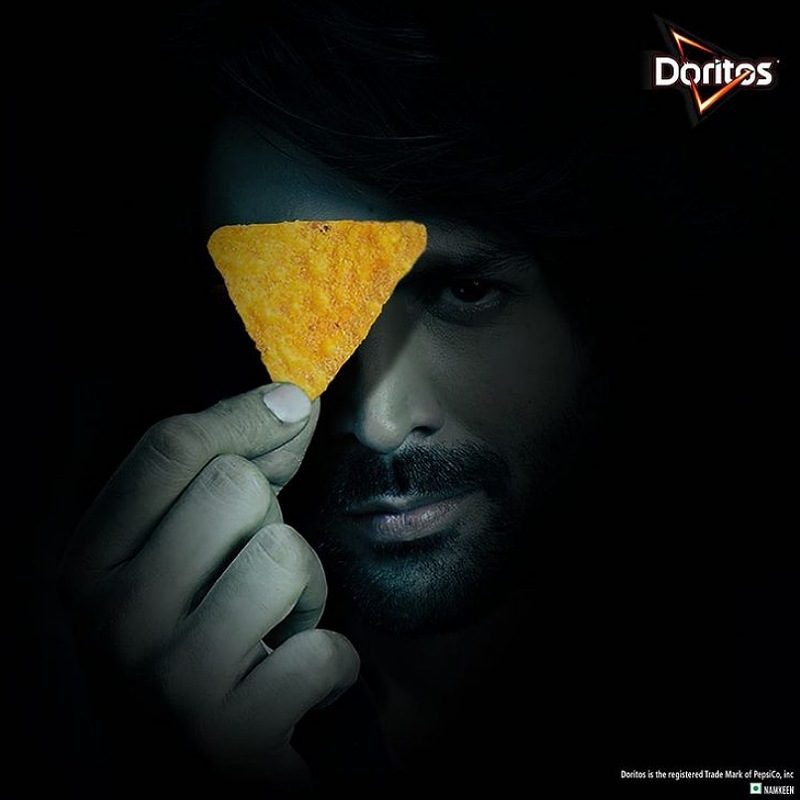
    NEW DELHI: Nacho chip brand Doritos has signed on actor Kartik Aaryan as its first-ever brand ambassador in India. This partnership will further help increase the brand’s reach in India and amplify the uniquely bold messaging of Doritos.

    “Kartik perfectly embodies what the brand stands for and will help amplify the distinct crunch of Doritos in an authentic, relatable, and enjoyable manner,” the company said in an official statement.

    “Doritos has been my favourite snack especially when I am relaxing, watching a movie, or playing games with my friends. I am so excited to partner with the brand that represents a crunchy style and bold attitude. I look forward to collaborating with one of the world’s favourite nacho chip brand and entertain audiences in an original, unconventional and engaging way,” shared Aaryan.

    “The Doritos brand is all about boldness. Kartik Aaryan’s daring and charged personality helps him step out of his comfort zone and this fits perfectly with the brand,” Doritos brand head Dola Halder said. “He brings a strong connect and influence over the Doritos consumer as he embodies the spirit of the young and fearless. With him on board, we are confident of strengthening the engagement with our consumers and building greater visibility for Doritos across India. We are very excited about our dynamic collaboration with Kartik and believe it will elevate the brand proposition in an original and crunchy style.”

    As part of the association, Aaryan recently posted a picture of himself on social media holding a placard with jumbled letters “TOROIDS”, which got likes from lakhs of fans and followers and led to a comment storm. The brand will launch a campaign featuring the actor across media platforms.

    Aiming to tap smaller town markets, PepsiCo India has launched Rs 10 entry-level price point Doritos packets to drive consumption in tier-2 and tier-3 markets. The brand is available across neighbourhood stores, modern retail and e-commerce channels in the country.

  • Prega News ropes in Srabanti Chatterjee as West Bengal brand ambassador

    Prega News ropes in Srabanti Chatterjee as West Bengal brand ambassador

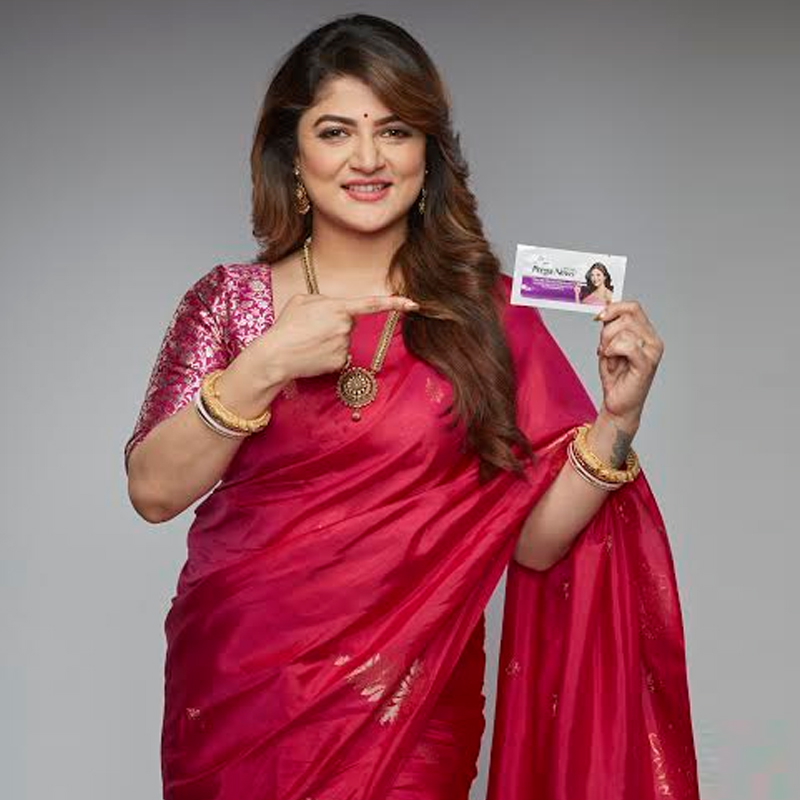
    MUMBAI: Prega News has signed on Bengali actor Srabanti Chatterjee as the face of the brand in West Bengal. The Mankind Pharma-owned entity made the announcement on the occasion of International Women’s Day. With this collaboration, the brand also aims to intensify its reach and regional connection in the eastern state.

    Besides working in films, Chatterjee has also been a part of many television reality shows as host and judge. The main objective behind the partnership is to drive visibility for Prega News and its efforts to reach the masses in West Bengal.

    Ahead of International Women’s day, the brand also launched a new campaign #SheIsCompleteInHerself, emphasising and highlighting the sensitive issue of infertility that exists among women.

    Srabanti Chatterjee said, “ Somehow I believe that nothing is a coincidence in life…it is so wonderful to be associated with a brand like PregaNews which has always chosen to challenge issues faced by women and has always been a harbinger of good news to women in particular and everyone in general.”

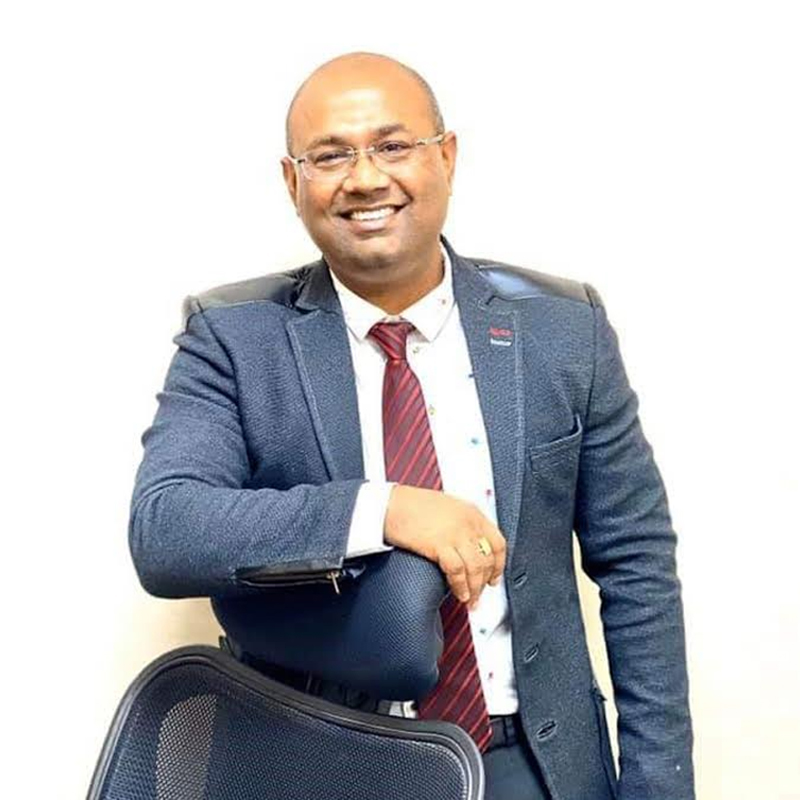
    Mankind Pharma general manager sales & marketing Joy Chatterjee said, “We are delighted to have Srabanti Chatterjee on board for this association as she has a mass fan following in the region. We are quite optimistic that with this partnership, our brand will further grow in the market, and people will become more aware of using Prega news.”

    Last year, the brand collaborated with actress Anushka Sharma to bring forth the powerful message of the strength of motherhood.

  • Beauty for all: Unilever says no to ‘normal’

    Beauty for all: Unilever says no to ‘normal’

    NEW DELHI: Pop queen Rihanna's Fenty Beauty shook up the beauty space in 2017 when it came out with 40 different shades of foundations that catered to a rainbow of skin tones, finding immediate favour with deep-skinned beauties. Fenty sparked an epochal shift in the beauty industry, with make-up brands waking up to the idea of inclusivity and smashing stereotypical beauty standards. More recently, the impact of the Black Lives Matter movement has been such that it sparked introspection among beauty brands in India, leading to several cosmetic manufacturers attempting to be more inclusive and diversity-friendly in terms of their products and marketing.

    The latest is Dove soap maker Unilever, which has taken the call to remove the word "normal" from its beauty and personal care products, as well as stop digital alterations of body shapes and skin colour of models used in its advertising in a drive to be more inclusive.

    The move from the multinational consumer goods giant, which is one of the top advertisers in the world, comes as it tries to move beyond the backlash it has faced in recent times for some of its advertising campaigns.

    Just last year, Unilever deigned to drop the word “fair” from its Fair & Lovely skin lightening products in India in the face of rising consumer ire over its negative stereotyping of darker skin tones’ instead renaming its top selling skin-lightening brand to "Glow & Lovely".

    While in 2017, the company faced a social media outcry over an advert for Dove body wash which showed a black woman removing her top to reveal a white woman. The ad was dropped after it was accused of racism. The company had then apologised stating that the ad “was intended to convey that Dove Body Wash is for every woman and be a celebration of diversity, but we got it wrong”.

    In another instance, an ad for its TRESemmé haircare forced Unilever to pull all its TRESemme products from South African retail stores for 10 days due to backlash. It described images of African black hair as "frizzy and dull," and "dry and damaged" while a white woman's hair was referred to as "normal", a case of tone-deaf advertising in a racially diverse country, which predictably resulted in furore on social media, and even public protests.

    "We know that removing 'normal' alone will not fix the problem, but we believe it is an important step towards a more inclusive definition of beauty," Unilever beauty and personal care president Sunny Jain told Reuters.

    Unilever plans to roll out this policy worldwide and in India, which will take a year to implement. Globally, more than a hundred Unilever brands will have the word "normal" removed to describe skin type or hair texture, and replaced with terms such as "grey hair" for shampoos or "moisture replenish" for skin creams by March next year.

    Unilever said a poll it conducted of about 10,000 people globally showed that more than half the respondents felt using "normal" to describe hair or skin made people feel excluded, while 70 per cent said using the word in advertising had a negative impact.

    "Who is to decide what is normal? Is curly hair normal? Or dry skin normal?" Indian subsidiary of Unilever, HUL executive director beauty & personal care Priya Nair said as quoted by The Economic Times. The company also plans to raise the number of advertisements portraying people from diverse groups who are under-represented, the report said.

    The company also said it would stop digitally altering body shape, size, proportion and skin tones of models it uses in its own advertisements, or those of its paid influencers across all its brands, a move that started with the Dove brand in 2018.

    Whether Unilever’s push for inclusivity and diversity is merely cosmetic tokenism in response to social ‘wokeness’ or a sign of more positive things to come, only time will tell.

  • Mankind Pharma to go big on modern retail outlets in 2021

    Mankind Pharma to go big on modern retail outlets in 2021

    NEW DELHI: Leading Indian pharmaceutical company Mankind Pharma is expanding its digital footprint to leverage the most out of the new consumer world, general manager – sales & marketing Joy Chatterjee told Indiantelevision.com. This will include a growth in its digital marketing activities and also a robust online sales strategy on its new d2c channel and leading e-commerce platforms. 

    “Currently, we are spending 20-25 per cent of our overall sales on digital marketing and we are planning to take it up to 30-35 per cent in 2021. The numbers will be re-evaluated after a year,” he shared. 

    As obvious, the move is a direct result of the new normal established by Covid2019, which has pushed more consumers to make online purchases. While some may doubt if people will buy products like pregnancy test kits and condoms online in India, Chatterjee noted that the trend is on a massive upswing for all the categories. 

    “After Covid2019, e-commerce buying capacity has increased for all categories. I feel that what would have come to India 10 years later has happened right now. We want to stay abreast of this changing world and have recently launched our d2c website,” he detailed. “Additionally, we are getting our presence registered across all the big e-c0mmerce platforms including Amazon, Flipkart, Big Basket, etc.” 

    Chatterjee added that they are going big on their marketing and advertising activities on digital platforms as well. “Our digital team is working extremely hard to increase our visibility on these digital sales channels. From static to video to blogs, we are extensively incorporating all the available options in our marketing plans. We have partnered with OTTs like Voot and Disney+ Hotstar too. We are also running big influencer campaigns for all our brands and have in the past partnered with a number of regional influencers.”  

    Mankind Pharma, in recent times, has worked with influencers like Shrenu Parikh, Ketaki Mategaonkar, Koushani, and Aashika Bhatia for Acne Star; Marathi theatre & film actor Bhau Kadam, and Bhojpuri singer-actor Anand Mohan for Gas-O-Fast, and has a long-standing association with actress Sunny Leone for Manforce condoms. 

    Not just via digital, the brand is heightening its focus on regional markets via ATL channels too. 

    “60 per cent of our television spends are directed towards various regional markets and 40 per cent on HSM (Hindi-speaking markets). Bengali, Punjabi, and Marathi have been some of the high-impact markets for us and we want to grow our popularity there further,” Chatterjee stated. 

    As far as print is concerned, the brand has taken the wait and watch approach – whether the circulation and popularity of the medium will grow back post the pandemic-induced slump. “We have reduced our print presence drastically over the past few years. As far as the magazines are concerned, we feel that most people are now preferring to consume the similar content on digital platforms, so we have moved there. But if in the next three-four months, print shows signs of good revival, we will consider our strategies once again.”  

    He is positive that all these efforts will definitely help the company in strengthening its market position across brands. Said he: “Manforce is the leading condom brand, yet it holds only 30-32 per cent of the market share. Why can’t it get as big as Prega News that holds 82 per cent share currently in the pregnancy testing kit market! So, this year, we are planning to grow our market share for all our products. We want Prega News to touch 90 per cent market share and Manforce, at least 40 per cent, this year. Gas-o-Fast is currently the second biggest brand in the category and we are working hard to take it to number one. There is a huge growth opportunity for AcneStar as well. While the market is highly unorganised, we are positive of double-digit growth for us this year.” 

    Chatterjee signed off saying that the year is quite big for them as they will soon be launching a new brand as well. The following months will also see some new brand campaigns coming up for Manforce and Prega News. 

  • Guest column: Post Covid, food hygiene is the top priority for F&B brands

    Guest column: Post Covid, food hygiene is the top priority for F&B brands

    NEW DELHI: One of the most desirable consequences of Covid2019 has been the increased all-round consciousness for hygiene. And among several types of hygiene such as personal hygiene, environmental hygiene etc which impact our day-to-day lives, food hygiene has naturally emerged as a major issue for regulators, consumers and above all, food manufacturers and companies. The constant need to be watchful of what is ingested or goes inside of our bodies can never be exaggerated enough. The recent pandemic has only further highlighted the need for making food hygiene a priority for all.

    What makes for unhygienic food: Unpackaged food an invitation to disaster

    There has been repeated reporting of how the open and unpackaged food sold in the streets  fashionably called street food has in a way been responsible for unsafe and unhygienic food consumption in the country. Particularly in these times of Covid2019, if the food maker doesn’t maintain personal hygiene, wears masks and gloves and keeps sufficient physical distance from fellow workers, the food prepared is highly risky to consume. The unhygienic and unsafe food leads to a vicious cycle of disease and sickness particularly impacting the elderly, the sick and the children, adding to the already high burden of disease pervading in the country.  

    Food-borne diseases have an economic cost

    Yet, the rise in outbreak of food borne diseases and safety cases has continued to be reported periodically from different parts of the country. In fact, unsafe food and water have been cited to be the biggest cause of preventable infection in India. Not pursuing basic food safety practices such as wearing an apron, accessing and using tap water, using soap for cleaning utensils, and storing food in proper refrigerated facilities is an invitation to food-borne diseases. This also has an economic cost. It has been estimated that food-borne diseases cost the country a whopping $15 billion.

    The numbers are far too scary to ignore

    In India, food-borne diseases (FBD) lead to 120,000 deaths each year imposing a burden of over eight million Disability Adjusted Life Years (DALYs). In fact, little children under five years are at 40 per cent more risk with around 30,000 deaths each year. These are frightening figures which are only expected to rise further in the coming years.

    The Covid-driven exigency

    These ongoing measures were given a new impetus when Covid2019 showed up resulting in a new set of guidelines. In addition to the existing food safety protocols, the food businesses were directed to ensure that food handlers and workers are made aware of the symptoms of the virus, the risks emanating from it as well as the good practices to circumvent those risks. Training programmes on risk factors, safe food handling, social distancing and other protective behaviours such as wearing of face mask, hand washing with soap or using alcohol-based sanitisers were made mandatory. In addition, food premises including areas of food establishment such as preparation, storage and packing areas, equipment and containers besides toilets and washrooms were to be periodically sanitized without fail. There should be limited food workers/handlers in a kitchen or areas of food preparation, packaging etc with each worker strictly maintaining personal/social distancing. Further, the personnel involved in delivery, transport and distribution mechanisms must also rigorously observe Covid-related social distancing and personal hygiene norms and practices.

    Therefore, for food to be finally consumed in a safe and hygienic manner, it must become high priority for the entire ecosystem of food manufacturing, distribution and consumption. From hospitality and restaurants to food manufacturers and food vendors to food handlers and finally the food-consuming individual, everyone needs to be aware of and engage in hygienic food practices. “A man is what he eats,” a German philosopher had once said. Good food hygiene practices not only reduce morbidity and mortality but also relieve pressure on the already overburdened health infrastructure and services in the country. And even more importantly, by keeping more people healthy and thereby raising the quality of human capital, the much-touted demographic dividend in the country can truly be tapped.

    (The author is director, Bikano. The views expressed in this article are his own and indiantelevision.com may not subscribe to them.)

  • Brands in US pause political donations after Capitol Hill episode

    Brands in US pause political donations after Capitol Hill episode

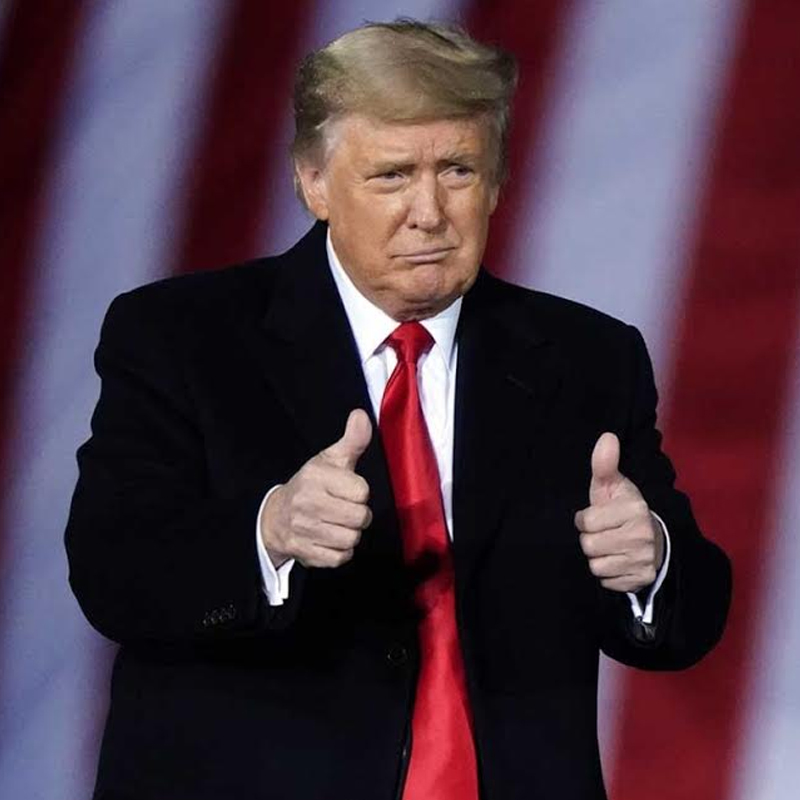
    NEW DELHI: Multiple brands in the US have decided to pause political donations to both Republicans and Democrats following Wednesday's Capitol siege. These include the likes of JPMorgan, Citibank, Facebook, and Microsoft.

    Media reports say that JPMorgan will pause all political funding for at least six months, Citibank for the remainder of the quarter, and Facebook for the next three months.

    Other companies that are following the suite include 3M, Dow, Marriott, and Morgan Stanley. These companies have expressed their discontentment around the Capitol Hill attacks and have stated that the focus of all the leaders should be on governing and helping those who need it. Some organisations have decided to suspend political contributions to representatives and senators who voted against the certification of Biden’s election last week.

    FedEx, Target, CVS Health, AT&T, and Walmart are among the companies currently reviewing their positions on political contributions

    Facebook told Axios it would pause political donations to the Democrats and the GOP for at least three months. The social media giant also indefinitely suspended Trump's Facebook account on Thursday, which will last at least until President-elect Biden is inaugurated on January 20.

    Microsoft is also freezing all political donations for the remainder of the quarter, Ashley Gold of Axios reported.

    The attack that took place last Wednesday left five people dead and several injured. There was an intense clash between the police authorities and local people after they were incited by the outgoing US president Donald Trump.

    People across the world condemned the attacks and social media platforms like Twitter and Facebook have suspended Trump’s account, citing the risk of him disturbing the peace in the country.

  • Del Monte makes olive oil more affordable than ever before

    Del Monte makes olive oil more affordable than ever before

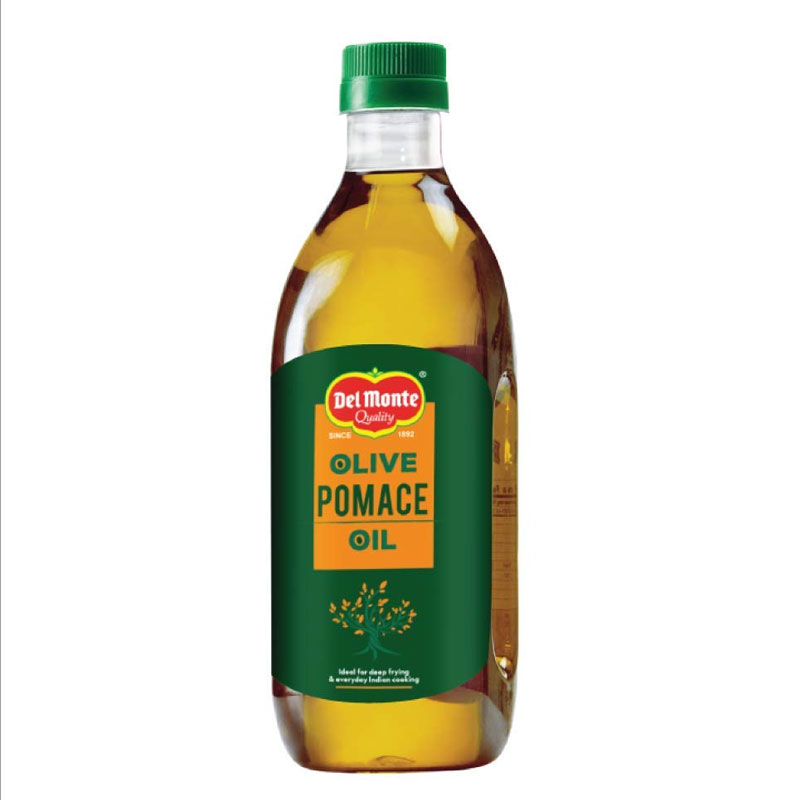
    NEW DELHI: Olive oil is considered one of the healthiest oil types and has therefore commanded a premium on price. But not anymore as Del Monte, a popular brand within the olive oil segment, has launched a special 1 litre pouch pack priced at Rs 250 only, thereby making this healthy oil affordable like never before.

    The move is surely expected to disrupt the Rs 40,000 crore edible oil market in the country, considering that price has been reported to be the single biggest barrier which has prevented families from shifting to olive oil. The pack has already hit the markets in Delhi-NCR, Bengaluru, Chennai, Mumbai, Hyderabad, Punjab and is available on leading e-commerce platforms as well.

    The new pack carries a special variety of olive oil called Olive Pomace Oil, which is imported directly from Europe and was only available in bottles at a premium, here in India until now. Olive Pomace Oil is known to have zero cholesterol with no trans-fats, and instead carries high good fats (MUFA/PUFA) and anti-oxidants. It is considered ideal for deep frying apart from everyday Indian cooking.

    “We have always given highest priority to quality and healthy options while bringing products to the market. This is the first ever affordable pack launch for Olive Pomace Oil in India. Home consumption during the lockdown has gone up tremendously and the new affordable pack will further drive the growth in this segment,” said FieldFresh Foods Pvt Ltd CEO Yogesh Bellani.

    This new affordable pack of olive oil from Del Monte has been rolled out after a thorough research which clearly highlighted that Indian consumers have become more health conscious than ever before and are keen on adopting a healthy cooking oil. 

  • More than hygiene, Svish sanitisers offer a lifestyle upgrade

    More than hygiene, Svish sanitisers offer a lifestyle upgrade

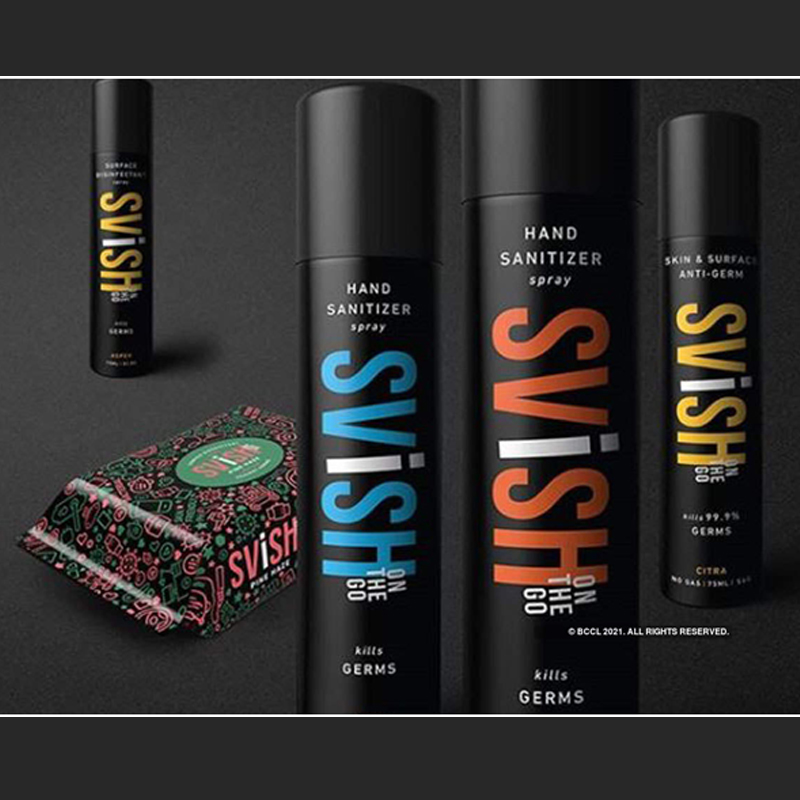
    NEW DELHI: It was a chance visit to Delhi from Toronto a few weeks before the Covid2019 lockdown was announced here that pushed advertising veteran Jaideep Mahajan to end his sabbatical and start a completely new entrepreneurial journey with Svish On The Go with founder and CEO Ishan Grover. A one-of-its-kind brand that is taking sanitisers to the lifestyle category, the company was launched in December after months of research, trials, and brainstorming sessions and within a few weeks has clocked sales of six lakh+ units, despite competing with hordes of established and young brands. In a recent conversation with Indiantelevision.com’s Mansi Sharma, Svish On The Go co-founder and CMO, Mahajan tells all about the brand, its vision, and marketing plans. Edited excerpts follow:

    On taking the entrepreneurial route

    I had already spent more than two decades in the advertising industry, working at all possible agencies, building so many top brands, and winning all possible awards before I decided to try something new. I moved to Toronto with my family a year ago. Interestingly, I came to visit Delhi for a small break in March when the lockdown was announced and I was left here alone with nothing to do. And for someone who belongs to the advertising world, it is almost impossible to sit idle because we are used to working a lot. It was the same for Ishan (Grover), who is a big name in the brewing industry. The business was shut and he too was looking forward to doing something valuable and interesting. Luckily, we knew each other from a previous project and we connected again. 

    I was ever-willing to move to the other side of the fence and create a brand instead of just nurturing it for a client. So, I thoroughly enjoyed the whole process of creating Svish from scratch and building something path breaking. 

    On building brand Svish

    Sanitisation, hygiene, and cleanliness were the buzz words when Ishan connected with me for Svish. Soon, there were new brands popping up everywhere. However, we were sure that we didn't want to do it just for the sake of jumping on the bandwagon. In fact, we wanted to create something that is in there for the long run and actually brings a differentiating factor to the table. 

    So, we spent close to six months researching the brand, did many trials before zeroing down on the right partners and built Svish On The Go. Our idea was to create a brand that can become an active part of every person’s lifestyle – something that they can rely on while going out. Be it their visit to the gym, or restaurant, or workplace, we wanted them to see Svish as a trusted partner. 

    Therefore, we put in a lot of emphasis on minor details like it must be eco-friendly, should have a pleasant fragrance, and the packaging should be presentable. We partnered with a number of facilities on a contractual basis within Delhi/NCR and Mumbai for the formulations. And these are exclusive to us. 

    For the design, Ishan, I, and our in-house team worked together. Being from the creative side of the industry helped me crack the right look and feel, right from the shape of the bottles to the colours, logo, and the overall presentation. We are very proud of the product that we have created. 

    We had started with a founder’s seed capital of Rs 1.5 crore and now we are in advanced-level talks with a number of investors to venture into the next leg of growth. 

    On Svish’s brand positioning

    As I said, we did not want to be just another sanitiser brand. In fact, we wanted to be seen as a lifestyle product, value addition to the everyday life of millennials. So, we are positioning ourselves as a premium lifestyle brand that enables you to settle in the new normal, promising hygiene and safety as you step out. Our products also have a flaunt factor to merge in the regular lifestyle of millennials. 

    On sales and distribution

    We have started as a digital-first brand and have our own website and social media presence to drive sales. Svish is currently present on at least ten leading online marketplaces including Flipkart, Amazon, and Snapdeal. Soon, we will be available on Nykaa and Big Basket as well. 

    Offline, we are already present in 200-odd retail shops in the Delhi-NCR region. It will increase considerably in the coming weeks. In our next phase of growth, we are planning to take it to all big metropolitan cities in India, starting with Bengaluru, then followed by Mumbai, etc. 

    On marketing initiatives

    We are an infant brand, and also active in a category that is closely associated with the Covid2019 pandemic. Therefore, there are certain restrictions for us to go full-fledged with advertising on social and other digital platforms. And we are happily complying with all the regulations because we want people to trust us first. Also, it is very early for us to venture out on traditional platforms. I don’t see us taking that route at least for the next nine to twelve months. 

    However, we are quite active on Instagram with a beautiful page. Our core plan is to strike an emotional chord with users and therefore you will see a number of real stories of people using our product on the page. 

    We had launched with an interesting campaign “Svish karo aage badho,” tipping on the fact that people are tired of sitting at home. We promised them as a lifestyle partner that we will keep them safe whenever they step outside. Next, we are planning a number of crowd-sourced music videos, which we will be rolling out soon. 

    Interestingly, we got a lovely response from the influencer community too. Though we haven’t done even a single paid collaboration thus far, we have sent out gift packages to a number of influencers active in various sectors. And they actually started using it and gave us shoutouts because they loved it; be it Hina Khan, Sumeet Vyas, or Riddhima Kapoor Sahni amongst many others. 

    On further expansion

    Obviously, we will keep our umbrella of products rooted in the core of hygiene and lifestyle. We are already working on rolling out some new fragrances for our marquee sanitisers. People have also asked us to launch smaller bottles that they can carry easily in smaller bags and we are working on that. Another suggestion that we are following is creating a mechanism for spray bottles caps so they don’t get lost. We are also in the process of innovating sanitisers for varied usages; for example, personal wipes.

    Additionally, a face wash and a body wash are currently work-in-progress. They too are going to be anti-microbial. This is a flourishing category and we see a lot of scope for growth and improvement there. And we are focussed on achieving that.
  • Eureka Forbes revamp couldn’t have come at a better time: CTO Shashank Sinha

    Eureka Forbes revamp couldn’t have come at a better time: CTO Shashank Sinha

    NEW DELHI: Joining the league of brands like VI, Intel, and Cadbury, Mumbai-based consumer goods company Eureka Forbes Ltd adopted a new brand positioning and identity in 2020 after three decades of operations. The brand, which pioneered the basic principles of health and hygiene in the category, embarked on a journey in pursuit of thriving in tough times and leaving behind footprints of a positive difference, taking  forward its philosophy of ‘friends for life.’ In a recent conversation with Indiantelevision.com’s Mansi Sharma, Eureka Forbes Ltd chief transformation officer Shashank Sinha talked in detail about this move, the new brand identity, and how 2020 fared for the company. Edited excerpts follow:

    On adopting a new brand identity in 2020

    This revamp was in process for us for quite some time. In fact, our initial plan was to announce it at our 2020 annual general meeting in the month of April. However, the circumstances that we found ourselves in the wake of Covid2019 lockdown did not even allow us to host the meeting. Thus, the announcement was postponed and as things started looking better, we took the call to roll it out. 

    Obviously, it was a challenging year and time, but it also provided us with the right background to better push forwards our improved agenda of ensuring the health and hygiene of the customers with our products. 

    On the rationale behind the rebranding

    Every brand finds itself in our position someday, from where they want to celebrate their successful journey while also preparing for a better future. This is that time for us, when we are looking back proudly on our almost four-decade-long journey and also reflecting on how we are poised for the future. I believe there couldn’t have been a better year than 2020 to start with this new journey. 

    On the new brand positioning

    When we had started our journey in 1982, we were possibly the first ones to pioneer this thought of health, hygiene, and safety with our products. We promised to tackle viruses then, at least for the water and air category. In fact, our brand of water purifiers, Aquaguard, became synonymous with the category. This was made possible because of our commitment to creating a better world with a positive difference. So, this philosophy has been there for quite a while. We are now going ahead to strengthen it in tandem with the times that we are in now. ‘A healthy world. A protected you. A happy us, revisited for the changing times’ is the new vision statement, which spells trust, authenticity and health.

    We will keep functioning standing tall on the three tenets of our identity; people, society, and a better world. 

    So, our focus will be on improving the lives and experiences of people who are working for us. We have always taken pride in building great careers and lives. That will continue. For consumers, we are promising to try and make a difference in their lives. All this will contribute to a better society and overall a better future for the world. 

    On the new brand identity

    We have rolled out a new logo for Eureka Forbes, which we are calling the ‘Posibol’ – a combination of positivity and symbol. This creates an internal focus within ourselves and the forward-looking arrow also shows the direction we are moving in. 

    Secondly, of our four core businesses, we have combined the three – Euroclean, Aeroguard, and Eurovigil – under the brand name Forbes. It was done because of the fact that people identify all these products as Eureka Forbes’ ones and the brand identity is rather strong. 

    Our range of water-related products will continue under the Aquaguard name. We have slightly tweaked the Aquaguard logo as well, to initiate the change yet keep it recognisable to the loyal customer base. 

    We have worked with a number of agencies including Taproot dentsu and Bombay DC for various aspects of this rebranding. Our internal teams have also contributed immensely, right from the new logos to the brand philosophy. As we go ahead, we will bring on newer partners to take forward the vision. 

    On the marketing strategy

    For us, the prime face of our brand are people we call Eurochamps. These are people like me and our on-ground teams who have been assisting our customers on a regular basis. Real people meeting real customers is our core marketing strategy. 

    Apart from that, Madhuri Dixit and her husband Dr (Sriram) Nene have been closely associated with us for years now. I don’t see any change happening there. 

    Additionally, the new logos have already been rolled out on our products and digital platforms. We haven’t rolled out a special corporate campaign for that thus far. 

    2020 was a muted year for us like most brands, but we are certainly planning on a marketing strategy for 2021-22. Both television and digital will play an important role for that. I see the spends getting divided into a 50:50 ratio between traditional and modern platforms. As far as print is concerned, I don’t think it is dead for us. However, its role and relevancy have certainly changed with digital getting in place.