Category: Brands

  • HomeLane appoints Aveek Nandi as senior vice president – product

    HomeLane appoints Aveek Nandi as senior vice president – product

    Mumbai: Home interiors brand HomeLane has announced another addition to their CXO suite, with the appointment of Aveek Nandi as senior vice president – product and head of customer experience. Nandi previously worked for Vedantu, Yulu Mobility, and Delhivery, and has over 12 years of experience in product, P&L, and operations.

    In his role at HomeLane as the senior vice president-product, he will be working towards building a more competitive product and technology-led organisation. Additionally, as the head of customer experience, Nandi has been entrusted with the goal of ensuring that HomeLane consistently delivers a seven-star experience to its customers.

    Commenting on the appointment, HomeLane co-founders Srikanth Iyer and Tanuj Choudhry said, “We are delighted to welcome Aveek to the HomeLane team. He has successfully led the product strategy for many marquee brands, and we are confident that with his varied experience and innovation-led approach, he will play an instrumental role in optimising our product portfolio and enhancing our overall customer experience.”

    Prior to joining HomeLane, Aveek worked for Vedantu as AVP – product and Yulu as head of product, where he was in charge of the brands’ product and design charters. He has also led product design and strategy for e-commerce logistics at Delhivery. At Delhivery, he was part of the CEO’s core team that focussed on building product solutions for key business challenges which included leading Delhivery’s business for MSMEs. Prior to Delhivery, Aveek worked on product and process challenges across functions and geographies at Tesco.

    Aveek Nandi said of the new role, “I am delighted to join HomeLane. It is really impressive how we are using products and technology to deliver a great customer experience in the complex journey of building one’s home and doing so in an optimised manner. I look forward to joining this highly energetic and dynamic team and contributing to HomeLane’s journey.”

    In addition to being an alumnus of the Indian Institute of Technology, Mumbai, Nandi has an MBA from the Indian Institute of Management, Bangalore.

  • DreamSetGo announces Sourav Ganguly as its first brand ambassador

    DreamSetGo announces Sourav Ganguly as its first brand ambassador

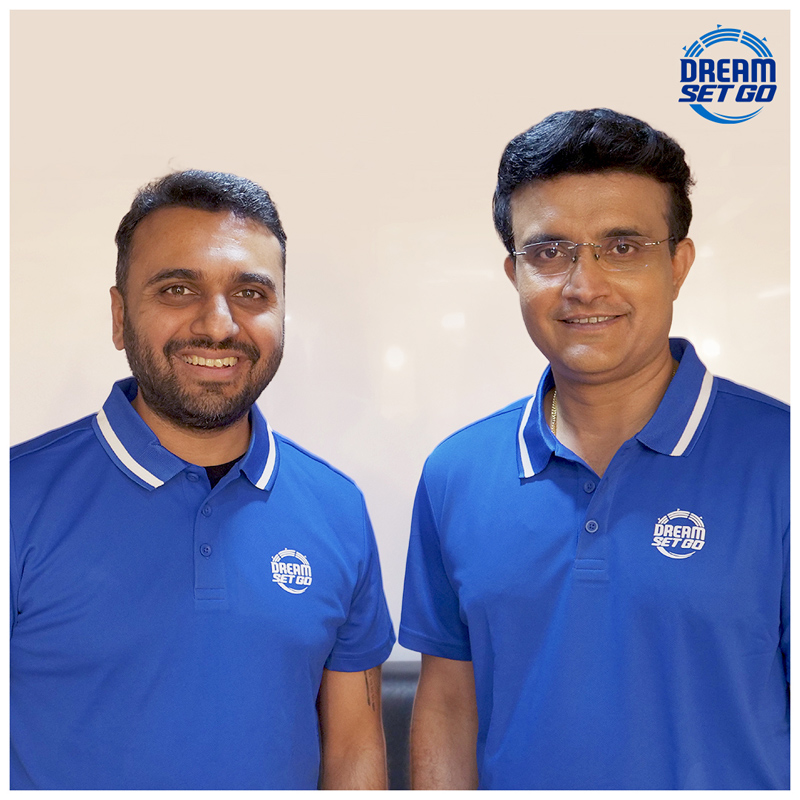
    Mumbai: The leading premium sports experiences and travel platform, DreamSetGo, India’s first premium sports experiences and travel platform, has signed the “Maharaja of Cricket”, Sourav Ganguly, as its first brand ambassador. The move is well supported by the campaign #SuperCaptainGanguly.

    Commenting on his association with DreamSetGo, Ganguly said, “DreamSetGo has been instrumental in revolutionising engagement, curating personalised experiences and memories for a lifetime for sports fans. I look forward to supporting DreamSetGo’s vision of creating accessibility for the biggest sporting events across the globe.”

    Welcoming the new brand ambassador, DreamSetGo founder and chief business officer Monish Shah said, “We are thrilled to have Sourav Ganguly as our brand ambassador. His unparalleled love and contribution to sports will help us reach fans across the country and promote our ability to create unique and memorable experiences.”

    As the “Supercaptain” for DreamSetGo, Ganguly will play a key role in promoting DSG’s curated experiences offered through its key partnerships with Manchester City, Chelsea FC, ICC Travel and Tours, AO Travel, F1® Experiences, and more.

  • Goldmedal Electricals partners with Asia Cup 2022 to be associate gold sponsor

    Goldmedal Electricals partners with Asia Cup 2022 to be associate gold sponsor

    Mumbai: Goldmedal Electricals on Thursday announced that it will be the associate gold sponsor of the upcoming T20 Asia Cup 2022 tournament. The tournament is scheduled to be played in Dubai and Sharjah. It is scheduled to start on 27 August, with India playing its first match on 28 August against arch-rivals Pakistan.

    The tournament has six teams competing for the cup: India, Pakistan, Sri Lanka, Bangladesh, Afghanistan, and another team amongst UAE, Kuwait, Hong Kong, and Singapore. Rohit Sharma will lead the Indian team, with KL Rahul returning to the team as his deputy.

    The Goldmedal Electricals brand will enjoy a prominent presence on the ground as part of this association. Along with a presence on the pitch map, the brand will also be visible on the perimeter boards, the sight screen, and various presentation backdrops.

    Speaking on the association with this marquee tournament, Goldmedal Electricals director Kishan Jain said, “Team India is on a roll, and everyone is looking forward to some amazing contests. As the gold sponsor, we are excited by this tournament’s possibilities, as every match will be keenly watched worldwide. As a pan-Indian brand, we believe that T20 cricket has a unique unifying force which will help us connect our brand with the cricket-loving people of the country.”

    Jain further cited that Goldmedal is keen to have a long-term association with Indian cricket. The gold association will mark Goldmedal’s first sponsorship of a major international cricket tournament. Earlier, Goldmedal was the title sponsor of the T20 series between India and the West Indies in July 2022. Goldmedal was also the official powered by sponsor of the ODI series between the two teams and the official power partner of the India-Ireland T20 series held in June.

    The Asia Cup 2022 matches will begin at 7:30 p.m. IST and will be telecast live on Star Sports and Disney + Hotstar, with the India-specific matches also being telecast on DD1 and DD Sports.

  • Puma partners with Indian popstar Harrdy Sandhu to strengthen youth culture

    Puma partners with Indian popstar Harrdy Sandhu to strengthen youth culture

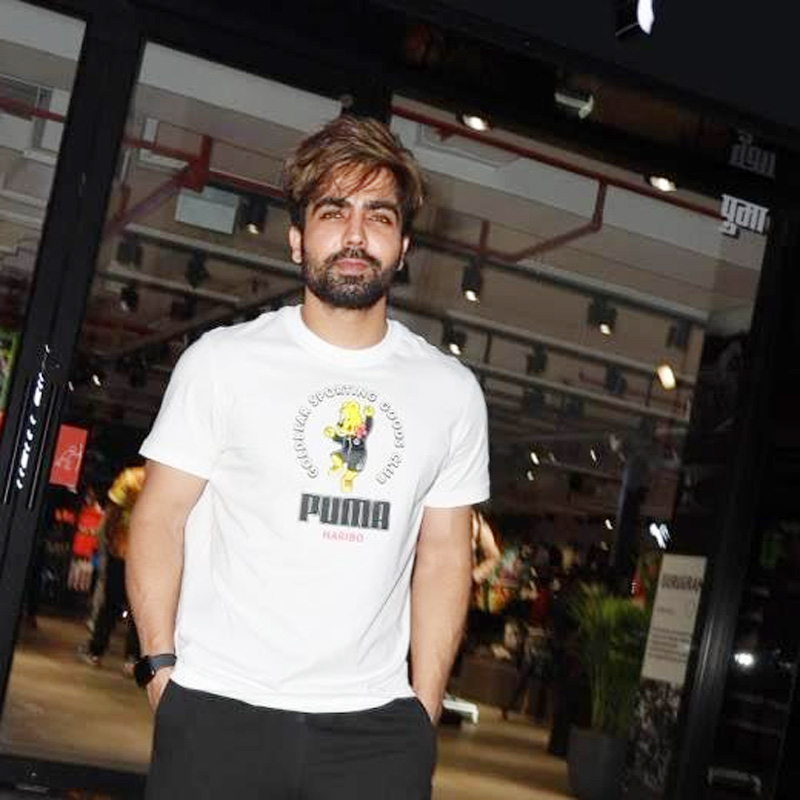
    Mumbai: Puma India has partnered with popular Indian singer Harrdy Sandhu. The new association comes as part of Puma’s decisive commitment towards connecting with youth culture and strengthening the brand’s geographical relevance.

    With this, Harrdy joins Puma’s roster of ambassadors such as Virat Kohli, KL Rahul, Kareena Kapoor Khan, Yuvraj Singh, MC Mary Kom, Avani Lekhara, and Dutee Chand.

    Under the partnership, Harrdy will engage with Puma’s large base of customers and create exclusive content poised to further cement the brand’s market leadership position in India. He will endorse the brand’s footwear, apparel, and accessories, including select collections.

    Speaking of the association, Harrdy Sandhu said, “I am extremely excited about my association with Puma, a brand known for being at the forefront of all things sports and lifestyle. Puma is the No. 1 sports brand in the country and drives the sports and lifestyle choices of millions of people, which keeps me updated on the latest lifestyle trends. This is an extremely valuable association for me, and I am looking forward to everything Puma and I have planned this year.”

    Commenting on the association, Puma India & Southeast Asia managing director Abhishek Ganguly said, “We are happy to have Harrdy Sandhu in the Puma family. Harrdy has been a good friend of Puma, and we have now combined this friendship into a partnership. As a brand, Puma has a strong commitment towards influences on culture. We want to connect and influence our target consumers through all forms of culture, such as art, music, and cinema, along with sports. India is a music-loving nation and hence it is an important part of our dialogue in the country. This confluence of music, culture, and sports makes Harrdy a perfect brand-fit and we are confident of a deeper engagement with India’s huge youth cohort with this partnership with him.”

  • The Laughing Cow opens a cheese factory for children at Mumbai’s KidZania

    The Laughing Cow opens a cheese factory for children at Mumbai’s KidZania

    Mumbai: KidZania on Monday announced its partnership with the cheese brand The Laughing Cow. The announcement was made to launch The Laughing Cow Cheese Factory at KidZania’s Mumbai facility.

    With this collaboration, The Laughing Cow Cheese Factory aims to encourage kids to role-play as cheesemakers, to learn while exploring the art of making their favourite soft and creamy cheese.

    The cheese factory will introduce the children to the various steps needed to make cheese. This will help them understand the importance of choosing carefully selected raw materials that make The Laughing Cow cheese nutritious and delicious.

    KidZania India chief partnership officer Prerna Uppal said, “We are extremely excited to partner with The Laughing Cow Cheese—a brand that is loved by millions of consumers worldwide. With our association with The Laughing Cow Cheese, we will be providing our visitors with a unique, fun, and educational concept in the form of The Laughing Cow Cheese Factory – India’s first cheese factory experience. Kids can role-play as ‘Cheese Maker’ and discover the uniqueness of The Laughing Cow Cheese and learn what it takes to make the creamiest and tastiest cheese in the world. We are thankful to The Laughing Cow Cheese, a brand that acknowledges and promotes the importance of laughter in a child’s growth and learning journey and is aligned with KidZania’s value of empowering the next generation and broadening their horizon.”

    Bel India commercial director Alamjit Singh Sekhon said, “We develop and encourage nutritional and educational programmes in a fun and interactive way. This partnership with KidZania will educate kids in an engaging way about the importance of a nutritious balanced diet while they make cheese.”

    He further added, “When kids come into this, The Laughing Cow cheese simulation factory, they will wear the hat of a cheese maker and they will learn, so each of them will be a cheesemaker and then they’re taken through the process of making the laughing cow cheese. It’s, in a way, contributing to the growth and development in a very fun way.”

    This interaction will educate children on the importance of a balanced diet. The role-playing activity tends to empower children with a deep insight into the workings of the cheese-making process. It helps cultivate and boost their critical thinking capabilities as well as their motor skills.

    Alamjit added, “The experience is definitely inspired by the way things happen in the original factory. But it has been made in a slightly simpler way with a little bit more manual intervention because, typically, when you have a factory, it is more automated and much larger. Here. The idea is to engage with the kids who will participate.”

    On completing the role play, the children become The Laughing Cow certified cheesemakers.

    Though this is exclusively for kids, Alamjit believes most of their communication is to parents as to how the company can be their ally in terms of creating something delicious and nutritious. “We typically reach out to people in the stores because they are the ones who are shopping, or in terms of our interventions through digital media, they are targeted toward parents.”

    Alamjit also told IndianTelevision.com about plans to expand in KidZania Delhi after Mumbai KidZania’s success, “We actually look forward to seeing how things have been with the launch in Mumbai. And then we can possibly look at scaling it up with KidZania in Delhi as well,” he said.

  • Zomato buckles to boycott trend, apologises & withdraws Hrithik ad

    Zomato buckles to boycott trend, apologises & withdraws Hrithik ad

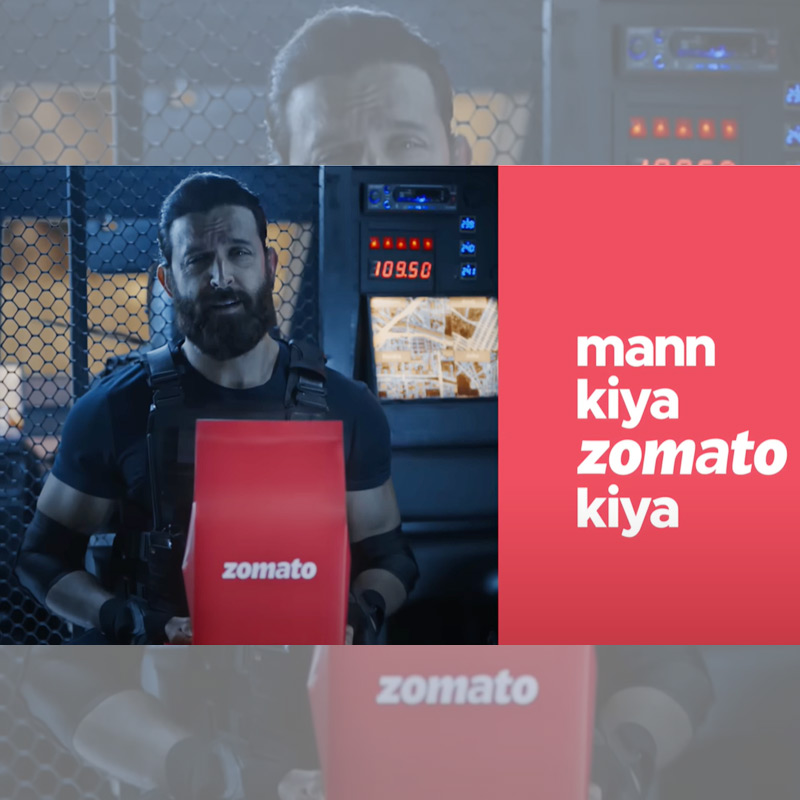
    Mumbai: Taking offence seems to be the order of the day. So is calling out ads, movies, and what-have-yous for allegedly hurting religious sentiments. Zomato, the latest victim of the “boycott culture” pervading the country, apologised even as it withdrew its advert starring Bollywood actor Hrithik Roshan amid a controversy surrounding the ad that threatened to blow up.

    The alleged ‘crime’ this time around was the use of the word ‘Mahakal’ in the online food aggregator’s advert. After two priests from Ujjain’s Mahakal temple demanded an apology from the brand for “offending Hindu sentiments”, an MP minister too joined the fray on Sunday. State home minister Narottam Mishra directed police to investigate the matter so that action can be initiated against the “guilty.”

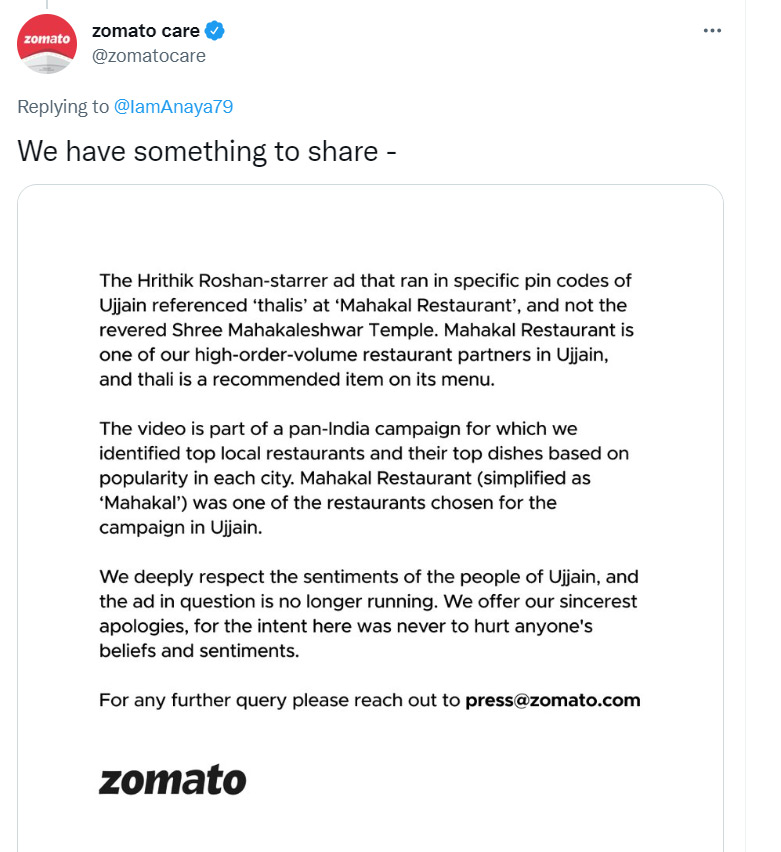
    In a bid to quell the matter, Zomato issued a statement on Sunday, clarifying its stand. It wrote: “We deeply respect the sentiments of the people of Ujjain, and the ad in question is no longer running. We offer our sincerest apologies, for the intent here was never to hurt anyone’s beliefs and sentiments.”

    The creative in question that caused the latest controversy has Hrithik mouthing the dialogue, “Thali ka mann kia, Ujjain mein hai, toh Mahakal se manga Lia (Felt like having a Thali. We’re in Ujjain, so we ordered from Mahakal.”

    The Hrithik Roshan-starrer ad that ran in specific pin codes of Ujjain referenced ‘thalis’ at ‘Mahakal Restaurant’, and not the revered Shree Mahakaleshwar Temple, the brand further clarified in its statement, adding, “Mahakal Restaurant is one of our high-order-volume restaurant partners in Ujjain, and ‘thali’ is a recommended item on its menu.”

    According to reports, the priests said Mahakal Temple does not deliver any thali. Devotees are served prasad in the thali at a section of the temple, but there is no provision to deliver these thalis on demand, they asserted, demanding an apology from both the brand as well as the actor for hurting religious sentiments.

    This sparked an online boycott campaign against the Foodtech app, with the hashtag #Boycott_Zomato trending on Twitter over the weekend.

    The video is part of a pan-India campaign for which Zomato identified top local restaurants and their top dishes based on popularity in each city. The ad uses location data to personalise and localise these ads. Mahakal Restaurant (simplified as ‘Mahakal’ in the video) was one of the restaurants chosen for the campaign in Ujjain, stated the brand even as it pulled the ads off air.

  • Why regional outreach is the way to go for brands this festive season?

    Why regional outreach is the way to go for brands this festive season?

    Mumbai: Historically, in India, during the three to four months of the festive season that stretches from August, starting with Raksha Bandhan, up until New Year’s eve in December, the marketing and advertising spending see their peak. This year, with the country nearly coming out of the pandemic hangover, the industry is buoyant and all set to launch an advertising blitzkrieg ahead of the celebrations. Brands are not only increasing their spending but are also aiming for deeper penetration and better engagement with their core consumers during this time. And towards this end, they are going beyond the metros to reach tier two and tier three towns to directly speak to them in a language they can relate to.

    Recently, Publicis Groupe-owned Leo Burnett India announced the launch of LB regional—a specialised division to help brands create localised content by understanding region-wise insights. The division that currently focuses on five languages—Tamil, Telugu, Malayalam, Punjabi, and Bengali—will have a team of creatives and writers who are experts in each of them to make content relatable and relevant. According to Leo Burnett India, the strategy and thinking are backed by an in-depth quantitative survey undertaken by the agency, spanning 10 states.

    “There is a growing demand for local, vernacular and Indianized content, which if done right, presents a big opportunity for brands to grow their audiences,” said Leo Burnett South Asia CEO & BBH India chairman Dheeraj Sinha, speaking about the launch of the division. “We have already created local level interventions for some brands and have seen great results in going region-up rather than national-down in our thinking and creation,” he added.

    Opportunities galore in regional markets

    The busy festive season serves as the perfect opportunity to tap into the regional market and cater to the needs of the customers. Speaking to a regional audience around a time that holds value to them helps brands grow their outreach. Digital reach and penetration have opened the doors for brands to reach out to a far bigger audience pool beyond metros. The growing popularity of online shopping in tier two and three towns of India too have made the top players sit up and explore avenues to further expand their consumer base into the country’s interiors, in time for the celebrations.

    Earlier last month, Parle Products launched three TVCs in Bengali to consolidate its position in the Bengal market. The new campaign, according to Parle, is in line with its belief in regional marketing, speaking in the voice of the local populace, using deeply relatable subjects, and in a tone that is immediately understood. Before that, in 2021, Parle launched three ads to celebrate their anniversary, and they were all in Marathi, targeting a specific audience.

    “In a nation as vast as ours, each region has its voice, values, and ideals,” said Parle Products senior category head Mayank Shah, weighing in on this subject. “A generic message addressed to the entire country may not always take root. Speaking to each consumer in his language, in idioms he understands, and in surroundings that he is familiar with, is a far better option.”

    It’s a known fact that a majority of consumer families are inclined to spend more during the festive season than during normal times, making it a no-brainer for brands to be in favour of investing greatly during this time of the year. This year’s festive ad spends are expected to range between 20-30 per cent of total annual spend for most product categories, with FMCG, e-commerce, lifestyle, and home improvement expected to be the top spenders.

    The festive season is the most cluttered time of the year for advertisers, and the need to measure ROI beyond just brand visibility is imperative for overall campaign efficacy, says BBH India VP strategy Radhika Burman. “Hyperlocal campaigns help brands reach out to captive audiences with high purchase intent and leverage these leads to push for conversions at a more affordable cost. Tools like Google My Business, geo-fencing, retargeted SMS/emailers, and push notifications help brands stay ahead of the curve.”

    Influencer marketing is gaining popularity

    Micro-influencer marketing is also changing the rules of brand outreach. “Going into the festive season, brands will try to break the clutter and maximise campaign efficacy by choosing regionally relevant content creators who create vernacular content that is seen as more authentic and credible. Across categories, brands are using platforms like TakaTak and Moj to leverage these micro-creator communities and reach out to younger consumers in a real, relevant and authentic way,” adds Burman.

    Reaching out to the right audience and brand connect remains a challenge for marketers. Often, marketing campaigns miss cultural nuances and appropriately generalised stereotypes of different communities. Region-specific marketing helps break this cycle and enables brands to think up appropriate content for each region.

    With influencer marketing on the rise, it has only helped brands further to be able to reach out to a more local and regional audience, which was not possible through conventional marketing. “This is quite evident from the fact that social media spends have surpassed TV media spends and are only going upwards here on,” opines DIZO digital marketing lead Sugandha Varshney.
    Furthermore, she says, “Brands have also started adopting more targeted campaigns instead of broadcast-to-all and hence it is boiling down to finding out and working upon the behaviours, demographics, and psychographics of the targeted market segment paired with the trends, attitudes, and perceptions of the customers towards the brand and the purchasing patterns of the consumers.”

    She adds that now either they target themselves or tie up with influencers or partner with other distribution networks who have already amassed relevant audiences for them to reach their targeted customers in a more connected fashion.

    Brands adopts hyper-local marketing strategies

    Brands have been actively including the vernacular aspect in a bid to reach out to the right audience set, corroborates Puretech Digital senior vice president-digital marketing, Kamaljit Saini. On the marketing strategies being adopted by brands to go hyper-local, he says, “Especially on connected TV or digital content publication mediums which allow to segment the audience based on consumption pattern and preferences far better than traditional TV approach, brands are consciously being vernacular in disseminating the message.”
    Be it in traditional TV commercials, connected TV ads, or content/commercial messaging on YouTube, Facebook, Instagram, etc., sharing the information in the language the audience understands has given brand adoption a boost. While this has helped in reaching out to audiences beyond the tier one and tier two circles, Saini believes brands can go one step ahead by not just incorporating vernacular adaptations but also being more regional. For instance, he says, simply dubbing the message in a regional language is not enough to create the connection.
    “Considering the overall persona of your audience at large, bringing in the cultural and human aspects is also critical for a much stronger brand connection.” The way personalisation in connecting with the audience is taking shape, in no time we will see information dissemination with a more precise regional and cultural mix, he adds.

    According to White Rivers Media creative director – design Bhushan Kadam, instead of just connecting with audiences pan-India in languages like Hindi or English, brands have started paying attention and money to campaigns that talk to people across areas by creating region-specific vernacular content and campaigns. “Investments in such vernacular campaigns have roughly increased by 20–30 per cent in the past few years.” When advertising for a festival specific to a particular region, regional campaigns pave the way for connections and conversations in a language that the people understand. It is an easy and effective way to build trust and brand recognition in regional or local parts of the country.

    However, Kadam believes the use of smartphones or access to the internet is still a challenge in small towns or rural parts of the country. But one thing that is still a big hit in these areas is television, he says. “Thus, creating TV ads for specific regions instead of just social media content makes sense for brands. It increases visibility by catering through a medium that is accessible there-TV. Advertisers are increasingly customising localised ads for regional markets because if spoken to customers in a language they understand, it’s a hit!”
    As for the ROI from investing in regional marketing so far this year, results are encouraging through the impact of localisation in one’s marketing mix. “We have seen encouraging numbers for early adopters. ROI is a direct function of how competitive the market is. Since the market is still opening up beyond metros, I’m sure brands who are early adopters and consciously taking steps towards localisation, will see greater ROIs than later comers,” says Saini.

    Optiminastic Media’s business development manager Aditya Pandey agrees and says, “ROI is one of the paramount metrics that a marketer relies on. The reason there has been a great shift of ad spending from national-level campaigns to regional says it all. Agencies and brands are working together to create regional content and integrate their brands organically.”

    The kind of outpour from the audience during the recent festivals like Eid and Raksha Bandhan have clearly shown how advertising during this season has increased sales volume and consumer loyalty, he adds.

    Today, 70 per cent of our total population lives in rural areas, with a substantial portion living in tier two, tier three, and tier four cities. They are the audience that makes or breaks a brand. Brands and marketers have understood the strength of regional audiences and how they can change the dynamics of a brand’s products and services.

    Increasing ad spends among brands

    “Brands have increased their marketing spend from 10 to 20 per cent and concentrated on regional audiences. 64 per cent of the rural population has access to connectivity and is spoilt for choice of content and offerings from the brand, says Pandey. According to Google, India will have 745 million internet users, with only 199 million of them speaking English. The rest of the consumer base is a big chunk where brands have shifted to advertise, Pandey adds.

    With the introduction of region-specific advertising, brands are consciously working towards targeting the various stratas of society as well as breaking the ideological and language barriers. Brands have understood the power of local reach and how making them happy would get them maximum reach and engagement. Taking cue, brands are not leaving any stones unturned to rope in regional content creators to engage with their consumers for relatability and promote new and old products alike.

    Ad films, social media posts, region-specific contests, campaigns, etc. are the various means that brands are using to reach out to regional audiences that comprise 70 per cent of India’s population. For instance, this Independence Day, we saw Prajakta Kohli, a social media influencer, in an ‘all Marathi’ reel with a subtle brand integration for Pepsi. “She has millions of followers on her social media handles and her YouTube channel, and that’s the reason Pepsi chose her for their brand,” says Pandey.

    “On the other hand, Diljit Dosanjh may not have been the main face behind Coca-Cola, but if you visit Punjab, you’ll see a lot of shops with his hoardings. And, as expected, the sales of the soft drink brand soared post-this association. That’s the power of regional marketing with the right stars,” he adds.

    Similarly, Parle leveraged the festive season by collaborating with Bombay Sweet Shop to create the special Geniusly Sweet Collection for Raksha Bandhan. Bhopal witnessed the highest sales during this time as they brought in sales worth Rs 20 crores in a week, according to Pandey.

    Marketers expect and anticipate a major uptick in consumer demand this holiday season as the country comes out of the pandemic. Most industry experts agree that with sales targets and industry benchmarks seeing consistent growth, it’s safe to assume that in the upcoming festive season, offline and online sales will exceed the numbers from last year.

  • Cleartrip appoints Shubham Khurana as the head of brand marketing

    Cleartrip appoints Shubham Khurana as the head of brand marketing

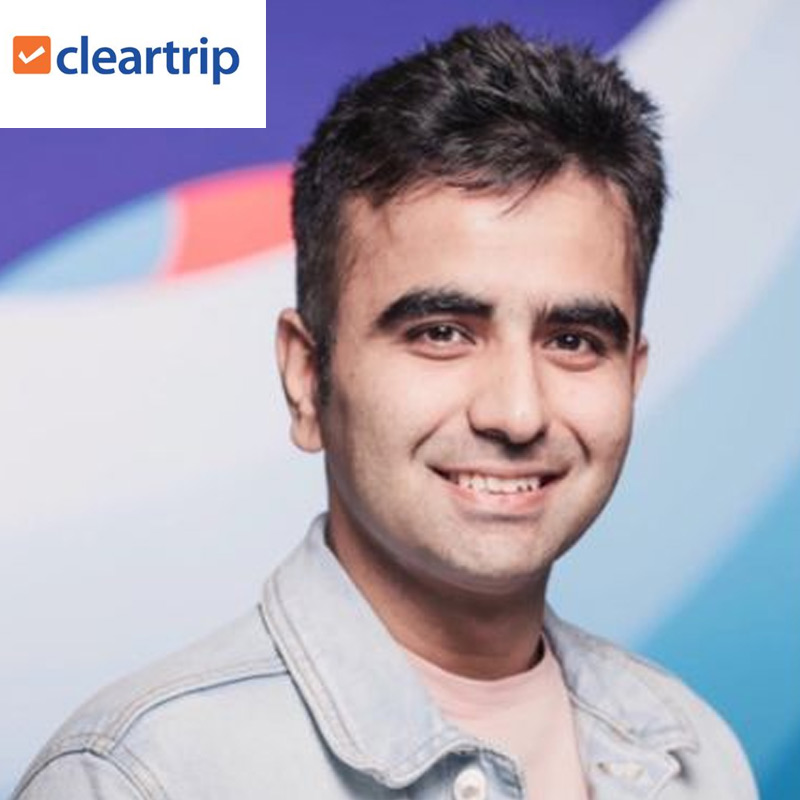
    Mumbai: Cleartrip announced the appointment of Shubham Khurana as the brand head on Thursday. In his new role, he will be responsible for augmenting Cleartrip’s brand presence across the country and further expanding its footprint in the newer markets, along with enhancing the customer experience.

    Talking about the appointment, Cleartrip chief marketing officer Kunal Dubey said, “At Cleartrip, we strongly back the notion of scaling a business that will not only disrupt the OTA space through innovations but also build a brand that is loved and trusted by millions. We have the ambition to build the brand with a differentiated positioning. Shubham joined the marketing team at Cleartrip at a very exciting time as we were getting ready to take the category by storm. Shubham joins us with a unique experience in consumer marketing, travel, and digital marketing and will definitely add value to the team in our journey ahead.”

    Speaking on his appointment, Khurana said, “I am excited about this mandate as it brings me back to the industry that I’m extremely passionate about. Travel is one of the most inspiring categories with some of the most uninspiring communication as of today, which is possibly why there isn’t any distinctive brand from India in this space yet. There is a great opportunity to create a contemporary and exciting brand, breaking the clutter of the price and discount-led communication that dominates the industry. Cleartrip has been able to create a niche and a loyal base of customers over the years, and I’m looking to take the goodness of the platform to the world at large with a renewed and refreshing brand identity and communication as my first priority. I am excited about being a part of Cleartrip and look forward to contributing to its renewed growth and success.”

    Khurana joins Cleartrip with over 12 years of experience at corporates like Facebook India, Unilever, and startups like Treebo Hotels, where he played an instrumental role in accelerating the growth strategies of the brands.

    At Unilever, he built a deep consumer understanding and a strong business acumen, having handled their largest sales area followed by a stint leading their coffee brand, Bru. He joined Treebo in 2015 as the Brand Head, where he built the marketing infrastructure from scratch. At Facebook, he managed India’s largest FMCG advertisers like HUL, Nestle, Mondelez, etc.

    He also conceptualised and built Facebook India’s strategy for tier-two and tier-three towns. He has completed his engineering from IIT- Roorkee and his MBA from XLRI Jamshedpur. Amongst his many achievements, he has also been recognized at India’s top business forums with awards like ET Young Leader and IAMAI Digital Marketer of the Year.

  • upGrad onboards Myleeta AgaWilliams as CEO – International

    upGrad onboards Myleeta AgaWilliams as CEO – International

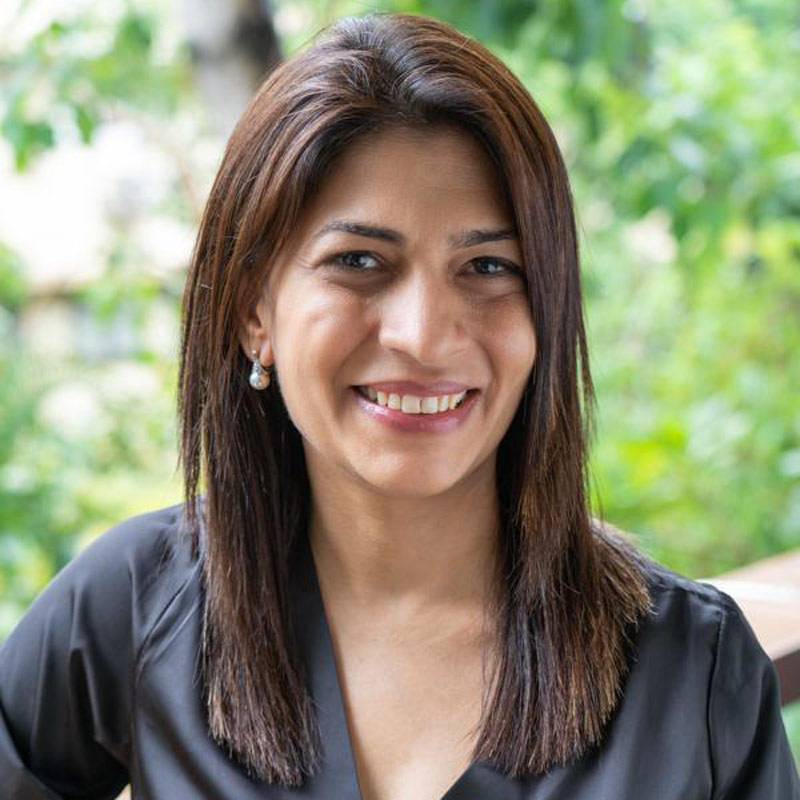
    Mumbai: EdTech company, upGrad has announced the appointment of Myleeta AgaWilliams as CEO-International to spearhead growth across the APAC, EMEA and US regions. She assumed office in August this year.

    With over two decades of experience in global and digital businesses, Myleeta will be responsible for managing end-to-end international operations and creating region-specific product pipelines, thereby driving high-impact revenue and profitability results.

    Myleeta AgaWilliams will be leveraging her experience in scaling businesses through strategic interventions across content and global distribution for broadcast and streaming media. She will engage with managerial teams based in multiple geographies to align short-term and long-term business objectives for accelerating profitability.

    Previously, she has managed diverse product portfolios and led marketing and sales teams across geographies at Netflix, BBC Studios, Discovery, and UTV, amongst others.

    Commenting on the appointment, upGrad co-founder & MD Mayank Kumar said, “We are at such a high point of our international expansion that we require a leader who has seen these markets evolve to make sound business decisions. Myleeta comes with a strong entrepreneurial mindset and cultural intellect that will augment our operations across existing and upcoming markets.”

    “While we are leading the higher education space in India and have penetrated successfully across SE Asia, we felt it’s the right time to go aggressive with other geographies, which will require strategic linear and non-linear movements to support the growth. Myleeta, who has built and scaled operations across niche markets including Asia, will continue to accelerate our ambition of becoming a global leader within the LifeLongLearning segment,” Kumar added.

    “Taking the hugely successful online learning portfolio that upGrad has pioneered to transform the lives and careers of learners across the globe is a fantastic opportunity,” said Myleeta while talking about her new role at upGrad.

    “In this next stage of growth, we will be looking at each of the markets in which we have ambitions to achieve scale and apply a nuanced and focused strategy, leveraging my past experience and deep knowledge of digital consumption habits. I am thrilled to be joining Ronnie, Mayank, Phalgun, and the leadership team at this exciting phase of high growth,” she concluded.

  • Lara Dutta launches ARIAS Kids in partnership with FirstCry

    Lara Dutta launches ARIAS Kids in partnership with FirstCry

    Mumbai: Miss Universe 2000 pageant winner, Indian actress, and entrepreneur Lara Dutta Bhupathi announced on Saturday her entry into the kids’ fashion space on the Indian e-tail baby and kids megastore FirstCry.com.

    Bhupati has partnered with FirstCry to launch ARIAS – an eco-fashion label of clothing and accessories which is an endeavour to design responsible fashion while translating current trends into comfortable, chic and premium quality products.

    ARIAS Kids, will be made available only on FirstCry.com and is set to challenge the existing market of conscious parents of independent kids who know exactly what they want to wear.

    ARIAS caters to 2–14-year old kids with the aim of creating clothing and accessories that reduce the negative impact of the fashion industry on the environment.

    The brand name is her daughter’s name, ‘Saira’, spelled in reverse. It seems fitting that ARIAS has naturally forayed into the kids’ clothing space too.

    Speaking about this new initiative, Lara Dutta said, “FirstCry was the first brand that immediately came to mind when I thought of ‘kids fashion’. With this partnership, I believe we can advance environmental education and youth environmental awareness while also achieving my goal of making ARIAS kids an eco-fashion brand.”


    A company spokesperson at FirstCry said, “The association with Lara’s brand is one that we are very positive about – we are witnessing the rise of the conscious consumer on FirstCry, and given ARIAS Kids’ core values of eco-consciousness, it is a great offering for parents who have come to expect more from the FirstCry brand.”