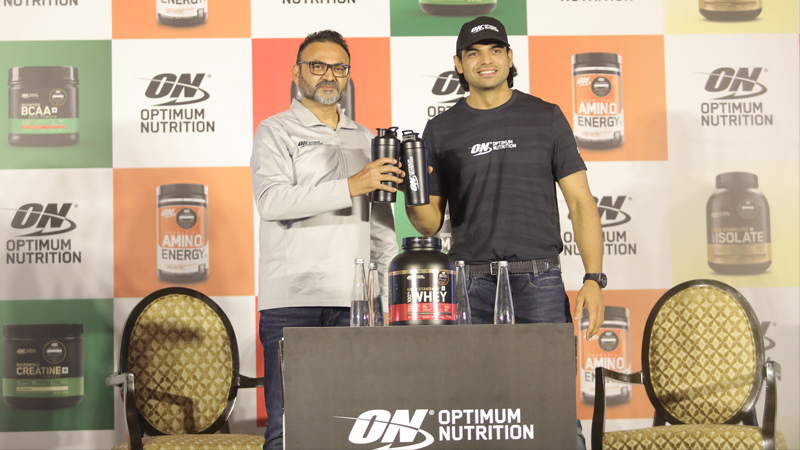
Mumbai: Optimum Nutrition, the World’s #1 Sports Nutrition brand, in a press conference in New Delhi announced Neeraj Chopra, the reigning Olympic, World, Asian Champion and India’s Javelin star, as its brand ambassador.
Optimum Nutrition is a brand of Glanbia Performance Nutrition (GPN), a company which is home to consumer brands that help people around the world meet their nutritional goals. Optimum Nutrition has been supporting athletes in achieving their fitness goals for over three decades and the collaboration with Chopra as his ‘Strength and Recovery Partner’, is similarly aimed at supporting his quest for a Gold medal in his Championship journey next year. Neeraj has been actively spreading the importance of nutrition in his hometown of Panipat in sync with the brand’s message – ‘Zyada Kar Dikhane Ki Taaqat”. Neeraj has also been a staunch supporter of propagating the achievements of women athletes across India.
As part of the association, Optimum Nutrition will be fuelling Chopra’s championship journey providing him with the “Strength to do More” in the year 2024 as we inch closer to the biggest event in the world of sports.
Glanbia Performance Nutrition India Pvt. Ltd chairman and managing director Satyavrat Pendharkar said, “We are honoured to have Neeraj Chopra as part of the Optimum Nutrition team. His unwavering dedication, outstanding achievements, and commitment to community development align perfectly with Optimum Nutrition’s core values. Together, we aim to make a lasting impact and empower individuals through the power of nutrition.”
He further added, “As Neeraj Chopra’s official nutrition partner, Optimum Nutrition will provide him with products that will help him with the strength, recovery and energy requirements to unlock his full potential and deliver the MORE that lies within him. By leveraging our expertise and scientific research in sports nutrition, we will work closely with Neeraj to develop a tailored nutritional strategy that optimizes his performance on, and off the field.”
Chopra equally enthusiastic about the collaboration shared, “I am delighted to join forces with Optimum Nutrition, a brand that shares my passion for excellence and community welfare. With Optimum Nutrition, I am confident that I have a strong partner that will allow me to push myself further and bring laurels to the nation.”
Chopra’s partnership with Optimum Nutrition emphasises the brand’s commitment to empowering athletes with the highest quality nutrition products, enabling them to push their limits and achieve their utmost potential. The association further reaffirms the brand’s mission to not only support elite athletes but also inspire all fitness enthusiasts worldwide, encouraging them to pursue their fitness goals with unwavering dedication and premium nutritional assistance.
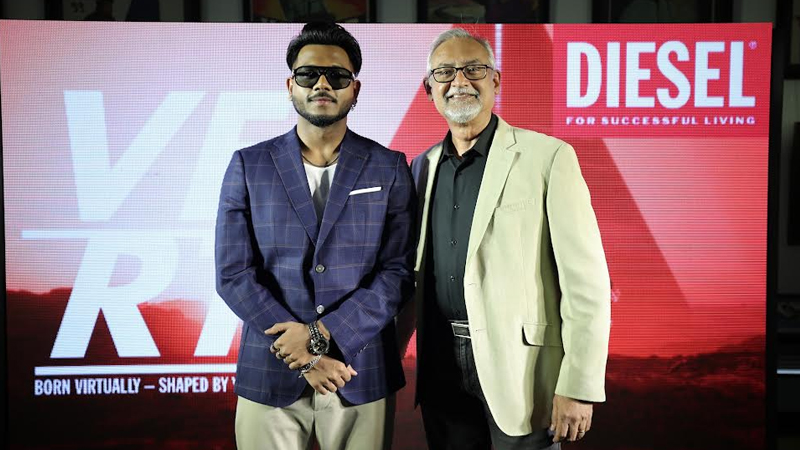
Mumbai: Diesel brought together the worlds of horology and hip-hop this week at a thrilling launch event for their new collection of timepieces. Held at Mumbai’s Jio World Drive, the launch featured India’s leading singer and pop star King, who unveiled Diesel’s Vert Collection alongside Fossil Group – India managing director Johnson Verghese. A first-of-its-kind range of timepieces by Diesel, the Vert Collection has been crafted using a new wave of VR technology that bridges the gap between the physical and digital worlds. The exclusive event was a glamorous affair, attended by a number of prominent influencers and leading press outlets, reaffirming Diesel’s status as a trendsetter in the industry.
The launch event itself was a spectacle of design and technology, featuring a captivating launch film and a showcase of the Vert Collection in all its glory. The brand further set up a striking 3D visual display of the Vert Collection within the mall, for attendees to admire up close. Diesel chose to partner with King, one of India’s most popular pop stars, to celebrate the futuristic aesthetic and transformative design of the Vert Collection and bring this fusion of elements to the public.
Verghese began the evening by sharing the story and design journey behind the eagerly awaited Vert Collection; before being joined by King to present the launch movie that gave the public their first ever look at the Vert Collection. This was followed by a press conference and an in-person unboxing and reveal of the Vert range of watches.
Indiantelevision.com on the sidelines of the launch of the event, caught up with Verghese where he discussed on the idea of this launch, collaboration and more…..
Edited excerpts
On the idea behind launching this product as many brands have not yet explored the metaverse universe
As new technology emerges in the spaces of virtual reality and artificial intelligence, it opens up new frontiers for the evolution of timepiece design. At Diesel, we are committed to innovation and pushing the boundaries of the conventional; and our vision for the Vert Collection was to create a future-forward timepiece that bridges the gap between the virtual and physical worlds. We accomplished this by utilising a first-of-its-kind VR technology to create an immersive aesthetic inspired by Diesel Creative Director, Glenn Martens, for this collection. We took a game-like approach to designing the Vert – as exemplified in the futuristic visuals seen in our launch film as well as the distinctiveness of the watches themselves. With this design, we have captured the look of a virtual timepiece in the physical world. We have also further created ‘Metamorph,’ a complete virtual reality world centred around the Vert collection which allows us to offer our consumers a greater immersive experience – featuring a specially curated playable VR adventure and a virtual concert by renowned artist Lil Dre. Thus, our expansion in the VR space has allowed us to accomplish our goal of innovating on a massive scale, and creating a product that excites our consumers.
On the strategy to associate with King for this collection launch
King is an artist who stands for free-flowing self expression and is known for forging his own path to success in the world of music. His music brings together the elements of pop and hip hop music to create unique medleys that are loved by fans across the country. This led us to identify King as the perfect personality to introduce the Vert Collection, which similarly pushes the frontiers across the virtual and physical worlds. As the worlds of fashion and music continue to get ever closer in the modern world today, our partnership with King for this launch stands for our shared commitment to pushing the boundaries beyond the conventional to achieve the extraordinary.
On crafting the entire product with VR technology and collaboration with tech artists
Virtual Reality forms the foundation of the design approach to the Vert Collection. VR design is already transforming the world of fashion, and we wanted to embrace this evolution with a future-first creation that incorporates this new generational approach to design. Thus, we took to creating the Vert with one step in both the physical and virtual worlds. It’s one of several styles from the new forward-thinking Metamorph collection that’s entirely conceptualised and created from a technologically immersive virtual reality experience with a game-like approach. Here, the flexibility of dreaming of a modern approach to design looks like armour unfolding on the wrist, a disruptive, hard-shelled appearance that’s mutually organic and futuristic.
On the amount of influencers present during the launch venue and the role of influencer marketing in the coming next few years
Influencer marketing remains a key component of our outreach strategy, to connect with the organic micro communities of consumers over their shared interests and preferences. We value the authenticity and personal touch that influencers bring to connecting a brand to its audience, and we expect it to remain relevant in our planned collaborations and partnerships over the coming years. We believe that closer content partnerships and organic collaborations are the way forward for influencer marketing, where brands and influencers come together for exclusive content and partnerships that appeal to their audiences and thus strengthen the unique value proposition of the influencer channels.
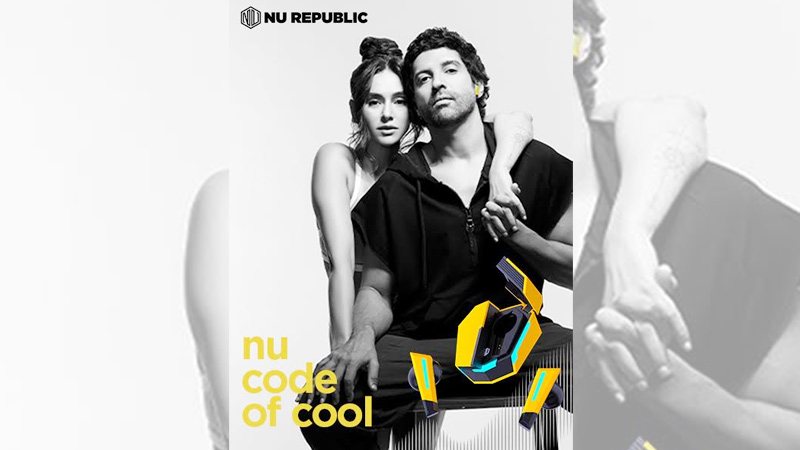
Mumbai: Nu Republic, an Indian lifestyle technology brand renowned for its “wear-tech” – wireless audio, watches. earbuds and speakers proudly announce its association with the dynamic power couple, Farhan Akhtar and Shibani Akhtar.
In this ground-breaking collaboration, Farhan and Shibani will be the ambassadors of Nu Republic – a brand that shares their unwavering commitment towards disruption and innovation
“These tech products are worn by people & are born to be stylish & fashionable – not merely functional” This conviction is at the heart of the Nu Republic product development process & over the years the brand has garnered widespread acclaim for its funky products.
Farhan Akhtar, a versatile actor, director, and producer, and Shibani Akhtar, an accomplished model, singer, and television host, embody the ethos of Nu Republic & bring their expertise, and effortless style to this collaboration.
Nu Republic founder Ujjwal Sarin expressed his excitement, stating, “Farhan Akhtar and Shibani Akhtar embody the ethos of Nu Republic through their multifaceted accomplishments.
At Nu Republic we are on a mission to challenge the mono-colour world of wear-tech, challenge the status quo and establish wear-tech as a fashion accessory, a form of self-expression.
Farhan and Shibani are the OG trailblazers who have inspired us all. Farhan has consistently pushed boundaries and disrupted the Indian film industry with his exceptional talent and revolutionary approach to acting, singing and filmmaking. Shibani, on the other hand, has carved a niche for herself in the world of fashion, music, and entertainment, redefining norms and inspiring individuals through her talent.
Their disruptive mindset, creative brilliance, and their dedication to making a difference align perfectly with our brand’s mission”
The Nu Republic, through its fashion-first product design and development process, challenges the idea of electronic wear-tech as mere utilitarian gadgets. Through the fashion-first design philosophy, the brand has successfully redefined the playing field by making high-style attainable, and high-tech affordable.
Farhan and Shibani Akhtar, equally thrilled about the collaboration, shared their thoughts.
Farhan said, “I am delighted to be associated with Nu Republic, a brand that shares my passion for music and innovation. Nu Republic’s commitment to transforming wear tech into a medium of self-expression aligns perfectly with my thoughts. I look forward to collaborating with Nu Republic as it blends the boundaries of music, technology & fashion”
Shibani added, “Being a part of Nu Republic is truly exciting. We look forward to collaborating with Nu Republic and inspiring individuals to embrace technology as an extension of their individuality.”
As brand ambassadors Farhan and Shibani Akhtar will actively participate in various promotional activities, including digital and print campaigns, events, and social media initiatives.
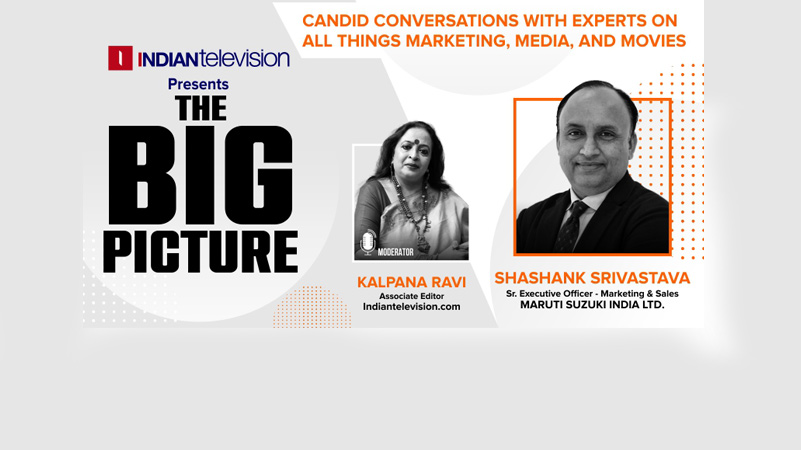
Mumbai: The power of movies on television, often referred to as “The Big Picture”, has impacted how we consume entertainment, making it an essential part of our lives. Not only that, the synergy of Movies and TV has also proven to be lucrative for brands who want to reach India at large and impact their daily lives. In a series of chats with marketers and media veterans, we discuss all things related to marketing, media and especially movies. I am your host, Kalpana Ravi, Associate Editor Indiantelevision.com and today my guest today is Shashank Srivastava – Senior Executive Director of Sales and Marketing – Maruti Suzuki India Ltd.
Edited excerpts
On your early life, about how you grew up and what has been your experience.
My hometown is Bhopal and I did my initial schooling there. Then I did my engineering, I was always out of Bhopal after that. I did my MBA from IIM Ahmedabad, post which I joined Maruti Suzuki. And that was a long time back, just out of college. And this is actually 33 years I have been in this industry. People asked me this question as to why the how, and why this long innings in Maruti Suzuki? The clear answer is that this is one industry, which I really love. It’s always cars, it has always been my passion, starting from my school days. Therefore, I wanted to join an organisation, which was in this industry. Maruti Suzuki, of course, has been leading organisations for a very long time. That’s how I came into Maruti Suzuki. It gave me a lot of good experiences across different areas of work. That’s how I kept on with Maruti Suzuki. I’m glad because we did contribute a lot to the industry. I feel that I have also been a part of that contribution to the Indian economy.
On your connection with cars
I started driving the car when I was in the seventh standard. My father used to have an Ambassador car. In those days, cars had these radiators, so we had to fill the water to cool the engine down. I was given the task of cleaning the car every morning and putting that water on the radiator. Once in a while I started, I started the car as well, and started driving a little bit just about 10 metres. I’m not sure that my father ever knew about this. But my mother clearly knew about this activity of mine. I’m not sure whether she told this to my father because he didn’t say anything. That’s how I started driving the car and started getting to have the feel of the car.
On choosing to be a marketer in the automobile sector.
It’s basically a consumer perspective and I thought that as a consumer, what should be what product it should be, what it should mean to a consumer. So, I got interested in the technicalities of the car in the mind of the consumer of the car, and that is how I started thinking about the products especially automobiles from a consumer perspective. For that obviously, during my course, in my MBA at the at IIM Ahmedabad but I mastered in you know, there was a subject I had to choose to specialise in and I chose marketing and it gave a very structured sort of knowledge a very structured approach to the entire consumer behaviour, consumer mind and how companies should make products and how to market them and that is how I chose marketing.
On sharing some highlights from your journey so far
There are many actually. Starting from the early 90s, you had a very high tax structure, the penetration of cars was just around two cars per 1000 people. Today it is 32. When I joined Maruti Suzuki, we had two other car manufacturers in the industry, the total sale was about 50,010 per annum. Today, we are selling 50,000. Maybe in the industry, we are selling almost 40 lakh this year. From about 50,000 to 40 lakhs, I have seen these changes happening in the last 30 years, not only in terms of volumes, which I just mentioned, also in terms of the different segments which emerged earlier. The Maruti 800 was being used by everybody, the bureaucrat, the businessman, the family guy, the young boys and the girls. But today, you see a lot of segmentation. So, you have family cars like the Ertiga, the Sedan’s then you have the SUVs, which were earlier a rougher sort of thing as technology has changed immensely. While volumes have changed, segments have changed and the consumers themselves have changed. You see a lot of digitalization in the industry today, which means the consumer buying process itself has changed. The type of buyer also has changed and the income level of the buyers has changed. In that sense, there has been a complete change from what it was 30 years ago, and each of these changes has been a highlight. For example, when the new Swift came in, it started a new segment which people thought would never exist, but it did then we had the Esteem. It was also a segment which suddenly came in. Therefore, each of these moments are like highlights of the last 30 years and I have been very lucky to be a witness to almost all of them.
On some of the memorable campaigns you have worked on work
One good thing about the large experience is also that I have been part of most of the memorable campaigns actually, because Maruti’s a 40-year-old company and I have worked for more than 33 years. In essence, the theme of those campaigns also defines how the consumer has been changing. So initially, there was a campaign about fuel efficiency. There was one Sardar Ji campaign that became a rage because it really defined in a very nice way how fuel efficiency is so dear to consumers. Those times consumers were obviously the first criteria for car purchase was the running cost and therefore, the second campaign on the network, which was about a guy who goes up to Ladakh somewhere, and he says, Is there a hotel? There is no hotel and he says there is a Maruti Suzuki service station. And they say yes, there is. So even in remote areas, that was a great campaign on fuel efficiency. Of course, some really good campaigns on the products as well. Like the new alto campaign, we had a blue-eyed boy campaign and so on and so forth. So, there are and there is one other campaign which is the corporate car campaign, which was about how Maruti Suzuki cars are integral to Indian consumers. It was a campaign which had a lot of elements of the brand being ubiquitous as it was everywhere. So that was another campaign, which I really loved and the consumers loved them too. And it became a talking point in the advertising world as well. So, some of these campaigns are really memorable. Even after 20-25 years, when I think about them, they really lift my spirits, because I’ve been part of them.
On your thoughts on Bollywood movies making record-breaking numbers this year
Indian consumers are really big movie fans. If you see this year, some of the movies have really done well in the theatres like Pathaan, Gadar 2, Jawaan, Kantara etc. Then down south KGF and RRR, have all done business in excess of 500 crores. So it’s encouraging not only for the film industry but also if you look at it from an advertisers’ point of view, it’s really very encouraging. In fact, when a movie does well at the theatre, you also have a high anticipation of the OTT and Television as well, because there will be a World TV premiere of these blockbusters as well. They tend to garner a lot of buzz because of them doing well in the theatre. Some of the movies have delivered extremely good numbers on television. Obviously, in a media strategy, we have tried to leverage these movies for our brands and going forward, I think we will continue to do that. One point about this is obviously the evolution of the OTT, there is a lot of content which are now available to consumers. So of course, he’s spoilt for choice in that sense, but even OTT premieres are big, and hence for the advertisers, I think we need to analyse the ROI very diligently and invest on both TV and OTT to get the best ROI. And that’s what Maruti Suzuki has been doing.
On watching movies on television creating value and impact that offer your brands?
It creates immense value because it is about memory structure as they say. It is not just about one advertisement or FCT that you put on. Of course, if you look at marketing as an investment and not as an expense, then what it does is build a longer-term brand value and these values come from these memory structures like watching a movie together with the family so, that becomes a brand conversation, which happens because of the family watching together. There are other memory structures like logos for example, or the packaging design, or, the visual treatment of the product itself, if you look at our Maruti Nexa product, for example, the design language is different. So there is also brand communication through the design language, we call it crafted futurism. So, therefore, I think these memory structures are extremely powerful, and very valuable for any brand. So, therefore, these memory structures are extremely powerful and very valuable for any brand. What it does is, it probably requires a small investment to keep the brands on top of the mind, because the investments have grown over time. That’s how those memory structures have evolved. These are the things which have a greater cultural relevance. Brands that see the advantage of this approach, will succeed and their ROI will grow. And we at Maruti Suzuki, feel that these occasions such as the ones that you mentioned, are really great opportunities for marketers.
On the current media spectrum of TV and digital contributing a winning mix for a marketeer and on the overall effectiveness of TV plus digital advertising
I’m glad that you said what is the ideal mix, rather than a lot of people who asked this question, which is better, is it TV or is it digital, because obviously, you have to strike the right balance between television and digital and find out the best way to reach the TG. For example, television is great, because for automobiles, if you really want to create imagery, the stickiness of the imagery is good on television, because you can have a large video format there. That’s essential, especially when you are launching a product. Also, the television media today in India has got a larger reach. So, if you’re trying to build a quick reach, and if you want to create imagery for brand positioning, initially, television is a great medium. However, in the funnel, if you look at the marketing funnel, as you go down for consideration and the actual conversion, then you need to have a more personalized message for consumers, their digital becomes more accurate, better, and less wasteful. Therefore, digital platforms obviously have got unparalleled, targeting capabilities because it allows marketers to reach specific audience segments and send personalized messages. That’s great for converting to an actual sale. And therefore, you need to have a mix of both television as well as, digital. It depends on the product category. A category such as car, imagery is very important. Because the category is different from the finance product, it also depends on the specific target audience, if you’re looking at really young consumers, who consume a lot of media in the digital sphere, obviously, you have to spend more money on digital. It also depends on your campaign objective, or even on the creative integration, the creative which is there. If you’re looking at performance measurement, obviously, that’s also one important thing because you can have a better measurement of the digital thing. It also depends on budget constraints. So, I would say that the media effectiveness and the mix are determined by the reach & engagement, if you want reach then TV. It definitely provides that broader reach and mass appeal, digital channels offer targeted engagements and personalised interactions. If you look at brand building, obviously, TV excels in brand building and emotional storytelling, digital platforms, drive performance marketing and maybe measurable results. So, a synergistic effect is what we are looking at. Therefore, a mix is good. In our case, the mix currently is about 30 per cent digital, television is about 40 per cent and the rest is print, radio, OOH and cinema.
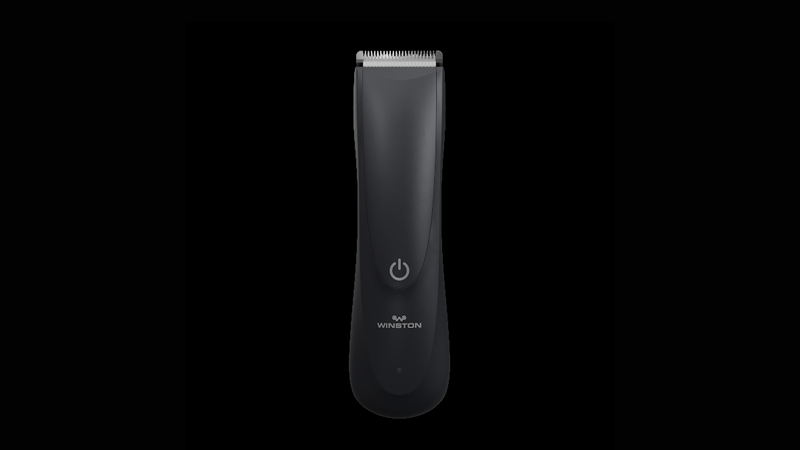
Mumbai: Winston is a leading name in the world of grooming and personal care and the company is thrilled to announce its bold entry into the men’s grooming category with the launch of Winston Nut Groomer. This innovative product is designed to cater for the grooming needs of modern men, offering them the tools that they need to maintain their confidence and personal hygiene.
This new product offers a perfect blend of style and functionality, making it an essential tool for men who take pride in their grooming. With a sleek design and superior performance, this product is poised to become a must-have in the grooming routines of men around the world.
Winston co-founder Himanshu Adlakha expresses his enthusiasm by saying, “Winston Nut Groomer is just the beginning of our journey into the men’s grooming category. We are dedicated to providing our customers with the finest grooming solutions, and we are excited to see our brand expand and flourish in this new direction.”
Apart from taking this innovative and bold step, the company will end the year with a remarkable turnover of 15 crores this Financial year which reflects the strong and steady growth of the brand in the personal care and grooming industry. But that’s not all, Winston aims to establish its brand identity in the men’s grooming market by selecting a brand ambassador who will represent the core values of the brand.
Winston invites its valued customers, partners, and the media to join them on this exciting journey into the men’s grooming category. As the company continues to innovate and expand their product offerings, its commitment to quality, innovation, and customer satisfaction will define the brand for years.
Mumbai: Pepe Jeans London, the iconic denim brand celebrated for its modern and stylish fashion selections, has formed a strategic partnership with GoKwik, a prominent eCommerce platform. Together, they aim to enhance Pepe Jeans’ online presence in India by extending Cash-on-Delivery (COD) services securely and embarking upon the issue of Return to Origin (RTO) rates. Utilizing GoKwik’s extensive network intelligence with over 100 million shoppers, Pepe Jeans aims to diminish non-deliverable COD orders and fortify its position in the ever-evolving digital commerce landscape.
GoKwik is set to assist Pepe Jeans London in expanding its digital presence by extending Cash-on-Delivery (COD) services to a broader range of postal codes. This expansion will harness GoKwik’s network-driven intelligence to curtail the incidence of Return to Origin (RTO). RTO occurs when COD orders are annulled during transit, leading to increased logistical expenses, inventory blockages, and potential product damage, all of which can impact the brand’s overall profitability.
Speaking on the partnership Pepe Jeans India CEO & MD Manish Kapoor said, “The Indian eCommerce sector holds significant promise and displays substantial potential in the years ahead. Cash on delivery is a distinct preference for the majority of Indian consumers, and this preference brings with it the intricate issue of RTO.” He further explained, “Our collaboration with GoKwik will further expand our ability to offer Cash-on-Delivery services in remote regions of India. Utilising their advanced intelligence solutions, we aspire to broaden our presence among various consumer demographics, ultimately enhancing our Gross Merchandise Value (GMV) and mitigating the challenges linked with COD orders.”
Cash-on-Delivery (COD) enjoys widespread popularity in India and is a crucial payment method for ensuring long-term business expansion. Nevertheless, a significant challenge arises, as more than 30 per cent of COD orders are returned to the warehouse during shipment, resulting in profit leakage for brands. In certain scenarios, such as for Direct-to-Consumer (D2C) brands, this return rate can skyrocket to as high as 60 per cent, with the fashion category being the most affected.
GoKwik is renowned for its comprehensive data-backed intelligence solutions that analyse shopper behaviour patterns across 200 parameters. It then ranks shoppers under different risk buckets based on their probability of returning orders before delivery, and then places controlled interventions to safely expand COD serviceability while keeping a check on the RTO rate. Through these unique solutions, GoKwik has helped several brands save over Rs 130 Cr of RTO losses.
“We are constantly committed to building solutions that help eCommerce brands grow at a high speed yet sustainable pace,” stated GoKwik co-founder & CEO Chirag Taneja. “Pepe Jeans have a legacy that is now continuing in the digital space. Through our data-backed intelligence, we aim to unlock their COD GMV by deepening their COD penetration while also minimising their return losses. Look forward to seeing them grow at a phenomenal rate with us” Chirag continued.
The collaboration between Pepe Jeans and GoKwik underlines their joint dedication to utilizing technological advancements and their deep industry knowledge to push the boundaries of online retail. Their mission is to address the requirements of Indian shoppers and establish a smooth, hassle-free shopping experience for fashion enthusiasts throughout the country.
Mumbai: TAM Sports has released an advertising report based on the first 23 matches of ICC Men’s Cricket World Cup’23 and for all the channels on which matches are telecasted.
ICC World Cup’23 witnessed indexed growth of 24 per cent from the first 23 matches in terms of average ad volumes per match compared to ICC World Cup’19.
The count of categories, advertisers & brands grew by 29 per cent, two per cent and 24 per cent respectively in ICC World Cup’23 compared to ICC World Cup’19 during the first 23 matches from both World Cups.
In ICC World Cup’23, Perfumes/deodorant was the leading category with nine per cent share of ad volumes. Perfumes/deodorant & ecom-wallets were the only common categories between ICC World Cup’23 and ICC World Cup’19 in the first 23 matches. Also, the top five categories together covered 33 per cent share of ad volumes during the first 23 matches of ICC World Cup’23. Among the top five advertisers, Vini Product & FX Mart were the only common advertisers between ICC World Cup’23 and ICC World Cup’19. The top five advertisers collectively added 32 per cent share of ad volumes during ICC World Cup’23.
Over 45 new categories and over 165 new brands were advertised in 23 matches of ICC World Cup’23 compared to the same number of matches in ICC World Cup’19. Among the 165 plus new brands, ‘Bharat Petroleum MAK’ was the leading brand followed by ‘Mahindra XUV 700’.
Mumbai: Interbrand, the world’s leading brand consultancy, has unveiled its highly anticipated sectoral report, highlighting the achievements of the top Indian brands in 2023. The report highlights the remarkable efforts of brands across technology, FMCG, financial services, home building & infrastructure and automotive categories.
Interbrand India & South Asia CEO Ashish Mishra said, “While the overall league table of most valuable Indian Brands launched some weeks back offers rich perspectives on how brands are driving value for businesses, the sectoral league tables offer a lot more contextual insight. There are some common themes and then some sector specific ones. The common themes include Brands leveraging their trust and meaning systems to transcend their traditional categories to broader Arenas. It is now more about categories within brands, not brands within categories. The other common areas of focus across sectors are tech-led transformations for future, premiumisation, authenticity, experiential upgrades, internal culture-building, and environment & community consciousness.”
Key Highlights from the report:
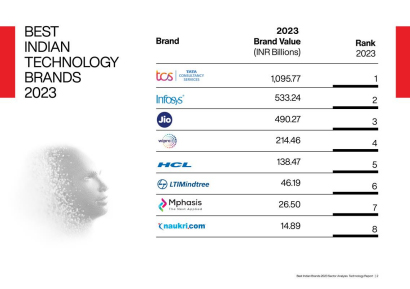
Technology: With many large-scale employers having significant western market skews, the dominant themes include building strong employee and employer brands, tech for good, building global events, communities and sponsorships for visibility and relationships, DEI and ESG. TCS has invested heavily in community initiatives and achieved diversity in its workforce. Infosys has focused on energy and water efficiencies and promotes gender diversity. Jio has maintained market leadership and aims to provide digital connectivity to the emerging Digital India. Wipro is committed to achieving net-zero emissions and has strengthened its partnerships. HCL emphasizes diversity and sustainability, while L&T Mindtree has formed strategic alliances and implemented responsible waste management. Mphasis is investing in emerging technologies and supporting social causes. Naukri has launched innovative solutions for enterprise customers and actively seeks innovative start-ups. These companies are dedicated to making a positive impact in their respective fields.
Automotive: In the automotive sector, several companies are making significant strides into the future of mobility. Maruti Suzuki’s commitment to customer satisfaction is evident through its extensive distribution network, maintenance options, and eco-friendly products. Mahindra leads the Electric 3-Wheeler market and is on a path to becoming the top SUV player with its SUV umbrella branding while focusing on sustainability. Bajaj Auto, the largest motorcycle exporter and a pioneer in EVs, is expanding its reach with the Chetak EV and continues to lead the premiumisation through strategic partnerships. Tata Motors stands as the top SUV manufacturer and a much-improved passenger vehicles player with a strong commitment to electric mobility and sustainability. Hero MotoCorp, a sustainability leader, is driving innovation and diversity in the industry, and has joined the EV bandwagon with its ambitious future mobility brand Vida. Premium segment leader, Royal Enfield explores new avenues through motorsports and community engagement. High performing TVS Motor’s stylish offerings, strategic partnerships and social impact initiatives are making waves. Ashok Leyland’s sustainability efforts, including afforestation and safety measures, are noteworthy. Its EV brand Switch continues to lead the CV electrification. Apollo Tyres, rated among India’s 50 most Sustainable Companies, expands diversity in its workforce and aims to build a community of SUV owners under the #BadRoadBuddies initiative.
Financial Services: HDFC, LIC, SBI, ICICI, Axis, Kotak, Bank of Baroda, IndusInd, and Union Bank are leading banks in India that prioritize customer experience and invest in innovative digital solutions. With the new competition coming from tech brands, the large financial services brands are also seen to be building their digital and customer-centric entities and upfronting the same ahead of their conventional forms. SBI Yono, BoB World, Kotak 811 and Indusind’s Indie are the new avatars becoming the primary windows to the future. They leverage technology to provide seamless banking services, offer personalized solutions, and enhance operational efficiency. These banks also actively engage in corporate social responsibility initiatives, focusing on community development, education, and environmental sustainability. Through their commitment to technological advancements and social welfare, they play a significant role in shaping India’s banking landscape.
FMCG: The brands featuring in the FMCG sector have clearly leveraged the brand equities to add newer and relevant categories. Authenticity and Lifestyle have been the key pivots to drive premiumisation in line with growing customer expectations. They have prioritized innovation, sustainability, and community welfare. Godrej Consumer Products Limited (GCPL) is a major player in household insecticides, air care, and hair care in India, Indonesia, and Africa. It leads the household insecticide market in India and is second in soaps. Amul focuses on the broader and value-added opportunities in dairy and foods, and is conscious of communities, renewable energy usage, rainwater harvesting, and carbon neutrality. Dabur innovates to popularize modern, science based solutions of Ayurveda and nature, drives rural market penetration, encourages gender diversity, and health awareness. Britannia focuses on its transformation into a total foods company and is extending presence and partnerships in areas beyond biscuits while championing water stewardship, safety, and reducing environmental impact. Patanjali adopts digital transformation, promotes farming community development, and ensures palm plantation sustainability. These companies strive to make a positive impact while delivering high-quality products and services to consumers.
Home building & Infrastructure: In the home building sector, Larsen & Toubro is reinventing technology and services as the future high margin businesses. It is working towards Lakshya 2026 and is enhancing energy efficiency, emphasizing sensor-based lighting, LED fixtures, and renewable energy. They also focus on rural empowerment and customer retention. Asian Paints leads the way when it comes to evolving to a broader Arena of Beautiful Homes from Paints Products offering custom design services, excelling in waterproofing solutions, develops new eco-friendly products, and is committed to sustainability, water neutrality, and community livelihood. JSW achieved a remarkable 5 MTPA expansion at Dolvi, the largest ever in the Indian steel industry, featuring India’s biggest blast furnace and steel melt shop. Their expansions prioritize renewable power usage, digitalization for operational efficiency, and cutting-edge technologies to reduce CO2 emissions. JSW set a global milestone by issuing a US dollar-denominated Sustainability Linked Bond of $500 million, linked to a 42% CO2 reduction target by 2030, aligned with India’s NDC. UltraTech, reinforces leadership and technology while attempting to deepen emotional engagement with the category. It prioritizes digitalization for enhanced efficiency, customer-centric innovations, and climate goals, making them India’s largest cement manufacturer. Havells, another emerging Arena Brand, uses customer-centric innovations to drive involvement and preference, recognizes employees with the Employee Ownership Plan and invests in sustainability through solar power and employee training. Nerolac attempts a differentiated offering through technology and innovations, fosters a people centric work culture and prioritizes sustainability, ranking highly in the paint industry’s ESG category. They diversify into new segments and collaborate with customers for customized solutions. Pidilite, known for Fevicol, is gradually evolving through innovations, solutions and creativity. It focuses on CSR initiatives and has high brand recall. Their farmer clubs and COVID-19 support demonstrate their commitment to society. They give a voice to employees through ‘Aapki Awaaz Karegi Vikas’ and support senior citizens. Polycab pivoting on its strong culture and relationships, values its employees, customers, and is again supercharging innovation to broaden into wider Arenas, launching a range of fans, lights, and accessible Home Automation. They invest in digital technologies and prioritize customer feedback and needs.
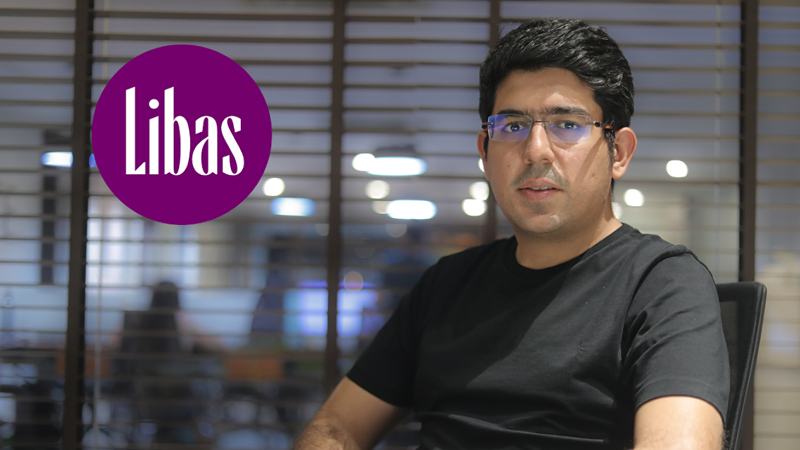
Mumbai: In the realm of fashion, ethnicity unfolds as a vibrant tapestry, encapsulating the cultural legacy and enduring elegance of the contemporary Indian woman. This fusion of tradition and style tells tales through fabric and design. Libas, an ethnic fashion brand, takes the spotlight in this sartorial narrative. With a vision to explore the uncharted territory of ethnic clothing, Libas effortlessly weaves together the latest trends, quality craftsmanship, and affordability. It stands as a comprehensive wardrobe solution, catering to every facet and occasion in the life of the modern Indian woman.
Indiantelevision.com spoke to Libas founder & CEO Sidhant Keshwani on Libas carving its niche in the ethnic fashion market, observing greater traction and growth, and much more…
Sidhant Keshwani took the reins of his family-owned brand, Libas as CEO back in 2013 and started the company with a turnover of 4 crores. He always wanted to enter the e-commerce industry, hence, he introduced his family-owned business to the online space and Libas started retailing through its website, www.libas.in. Sidhant’s vision and leadership enabled a massive growth of 100 per cent y-o-y, thereby resulting in a revenue of 600 crores in eight years. At Libas, he spearheads design, marketing, product, and communication. He is also responsible for setting up sales and distribution, sourcing, and manufacturing processes.
Edited Excerpts:
On Libas carving its niche in the ethnic fashion market and its differentiating aspect from other brands in this space
We have carved a niche in the ethnic fashion market through a unique blend of modern sophistication and traditional heritage. What sets us apart is our commitment to quality, affordability, and innovation. We offer a wide range of premium and distinctive ethnic wear for special occasions, while simultaneously providing a mass-market product line of comfortable, everyday wear for regular and office use. Our ability to cater to diverse customer needs and preferences, consistent focus on high-quality craftsmanship, and strategic approach to an omnichannel presence have contributed to our distinction in the competitive ethnic fashion landscape.
On the TG that Libas caters to now versus when it was launched
Libas has always catered to a diverse clientele, offering contemporary styles for youth and timeless designs for older generations. While we still serve this audience, our product range has expanded, attracting customers of all age groups. Our commitment to modern Indian women of all ages remains steadfast. In response to evolving fashion trends, we’ve also embraced Gen Z by introducing trendy items like coords, jumpsuits, and dresses. This strategic shift has broadened our market reach and adapted to evolving consumer preferences.
On strategies that Libas has implemented to meet the expected surge in demand for ethnic apparel
With the festive season on the horizon, we have proactively prepared to cater to the anticipated surge in demand for ethnic apparel. We have meticulously curated a diverse range of collections, blending modern sophistication with traditional heritage to cater to the varied preferences of our customers.
Recognising the pivotal role of online platforms, we have strengthened our digital and physical presence through our website and a network of offline stores. We’ve also established collaborations with e-commerce giants like Flipkart.com and Myntra.com to reach a wider audience. Furthermore, strategic marketing efforts, digital engagement, and an unwavering commitment to enhancing the customer experience, including personalised assistance, are all integral parts of our approach to meet and exceed customer expectations during the festive season.
On Libas striking a balance between preserving traditional ethnic fashion elements and incorporating modern design trends in their clothing lines especially considering the diverse preferences of your customer base
We strike a delicate balance between preserving traditional ethnic fashion elements and infusing modern design trends into its clothing lines by offering a diverse range of collections that cater to the evolving preferences of its customer base. We meticulously combine the richness of Indian culture and heritage with contemporary style, resulting in ensembles that appeal to a wide spectrum of customers. It’s not just about creating fashionable clothing but also about ensuring that these garments are versatile, comfortable, and of high quality. This approach allows us to seamlessly blend the best of traditional and modern elements, providing customers with the opportunity to embrace their cultural roots while staying in tune with the latest fashion trends. Our commitment to quality craftsmanship and dedication to understanding and meeting diverse customer needs serve as the foundation for this successful balancing act.
On the growth front for Libas, is there greater traction in e-commerce platforms or retail outlets in today’s market
In today’s market, we anticipate significant traction and growth across both e-commerce platforms and retail outlets. During the COVID-19 pandemic, e-commerce saw a significant boost as consumers turned to online shopping for convenience and safety. Post-COVID, the retail sector has rebounded, and now, both e-commerce and retail are performing well. We recognise the increasing importance of online platforms, offering the convenience of shopping from anywhere, while we also value the significance of physical retail spaces, which provide a tactile and immersive shopping experience.
We are keen on expanding both our online and offline presence to effectively capture market opportunities and meet the diverse preferences of our customer base. However, going forward for this festive season, we are reinforcing our efforts to increase visibility on our e-commerce platforms to tap into newer consumer regions.
On Libas balancing its commitment to quality fabric and design with affordability and this contributing to its market share and customer loyalty
We maintain our commitment to quality fabric and design while ensuring affordability through strategic sourcing, efficient operations, and an ultra-fast fashion approach. By optimising the supply chain and production processes, we deliver high-quality materials and craftsmanship at competitive prices with a swift turnaround. This approach has been instrumental in building customer loyalty, as evidenced by an impressive 35-40 per cent customer repeat rate. Customers appreciate our value proposition, which allows them to access well-crafted, stylish ethnic wear without breaking the bank or experiencing long waiting times. It has not only fostered trust and loyalty among existing customers but has also attracted new ones, contributing to our market growth and reputation as a brand that offers both quality and affordability in the ethnic fashion segment.
On Libas’s recent entry into the global market, the challenges and opportunities encountered, and your future plans for international expansion
We’ve strategically established our presence as a global fashion brand, including the recent launch of our worldwide website, with a specific focus on the US, UK, and UAE markets. Our international expansion is facilitated by effective online marketing strategies, allowing us to access a more extensive global marketplace. This approach aligns with our expansion strategy, emphasising a strong presence in online marketplaces. While we encountered some initial challenges related to textiles and logistics, we successfully addressed them prior to our expansion, resulting in smooth operations to date. Additionally, we are eager to collaborate with international influencers, mirroring our successful partnerships in India, to further establish our global presence.
On Libas’ approach to environmental and social responsibility in its production and sourcing processes, in a world increasingly conscious of sustainability and ethical fashion practices
We are deeply committed to environmental and social responsibility in our production and sourcing processes. We emphasise sustainable practices by sourcing materials that are eco-friendly and safe for the environment. We also have a strong focus on ethical labor practices, ensuring that workers are treated fairly and paid adequately. We aim to be a responsible and conscientious brand, not only providing customers with quality products but also ensuring that our fashion choices have a positive impact on the environment and society.
On the categories that Libas is planning to enter, and their alignment with the brand’s existing offerings
We are diversifying our product lines by venturing into the categories of pre-draped sarees, coords, dresses, jumpsuits and loungewear. This expansion aligns with our ethos of blending modern sophistication with traditional heritage, offering customers a complete fashion experience. Incorporating these products into our offerings expands our range of choices, complementing our existing clothing collections and providing a more comprehensive selection for our patrons. This strategic move aims to cater to a broader range of customer needs and preferences while maintaining our commitment to quality, style, and affordability.
On the vision and mission for the next three years
In the next three years, we envision bringing a fresh perspective to Indian ethnic products, drawing inspiration from handcrafting traditions and Indian culture, while infusing modern trends to ensure quality and comfort for every occasion. We aspire to become an ultra-fast fashion label by utilising real-time retail and AI-driven trend forecasting. This approach enables us to produce smaller batches of clothing ahead of time. If these styles gain popularity, production can be swiftly escalated, with the next batch rolled out within just 30 days, ensuring that our customers have access to the latest fashion trends promptly and in line with their preferences.
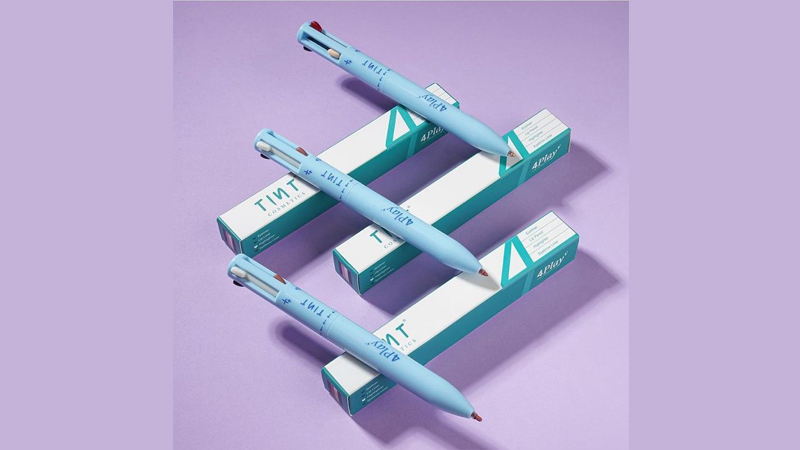
Mumbai: TINT Cosmetics, the dynamic and innovative skincare-infused cosmetics and body care startup, is thrilled to introduce the Four-Play Pen, a game-changing four-in-one makeup pen designed to revolutionise your beauty routine. This remarkable product is vegan, cruelty-free and purely made from organic ingredients and is the latest addition to Tint’s plethora of clean and ethical beauty choices for customers.
TINT Cosmetics was not created overnight; it was the result of months of hard work, and trials involving professionals, friends, family, and their dedicated team. Starting from humble beginnings in a kitchen with a few test tubes, TINT has evolved into a full-fledged laboratory where professionals meticulously curate each product to meet your unique needs. TINT Cosmetics has consistently challenged the norms of the cosmetics industry by making makeup innovative, uncomplicated, hassle-free, and enjoyable for all.
TINT Cosmetics’ Four-Play Pen is the epitome of makeup innovation, combining four essential makeup products – eyeliner, brow liner, lip liner, and highlighter – into one sleek, user-friendly pen. This multifunctional makeup tool redefines convenience and versatility, simplifying your beauty routine without compromising on quality. The Four-Play Pen is a versatile solution, catering to all your makeup needs, from precise eye and brow definition to adding the perfect finishing touches to your lips and complexion. One can effortlessly achieve a complete makeup look with just one product, making it a must-have addition to your beauty arsenal.
“Beauty is not just about makeup; it’s about the experience and how it enhances your individuality. TINT Cosmetics is here to uncomplicate beauty, blending the worlds of skincare and makeup while embracing cutting-edge technology to provide a seamless user experience,” said TINT Cosmetics co-founder Harshwardhan Singh Vijan.
“Quality, authenticity, and a conscious approach to beauty are at the heart of TINT Cosmetics. We believe in providing products that not only enhance your appearance but also align with your values,” emphasised TINT Cosmetics co-founder Arshia Vijan.
The Four-Play Pen from TINT Cosmetics promises to redefine makeup application, making it more accessible, enjoyable, and environmentally conscious for beauty enthusiasts worldwide. It is a testament to TINT Cosmetics’ unwavering dedication to innovation, quality, and ethics in the beauty industry.