Category: Digital

  • “Our company’s main objective is to facilitate engagement with the customers”: Chatbot.team’s Ashish Yadav

    “Our company’s main objective is to facilitate engagement with the customers”: Chatbot.team’s Ashish Yadav

    Mumbai: A chatbot is a software application that aims to mimic human conversation through text or voice interactions. Modern chatbots are typically online and use artificial intelligence (AI) systems that are capable of maintaining a conversation with a user in natural language and simulating the way a human would behave as a conversational partner. Such technologies often utilise aspects of deep learning and natural language processing, but more simplistic chatbots have been around for decades prior.

    Chatbot. team, an innovative interface company, is transforming the way advertising and marketing businesses flourish in the digital landscape.The platform stands out by providing an easy-to-use visual builder, configurable templates, and seamless integration with various communication channels, all without the need for coding expertise. The company leverages natural language processing and machine learning algorithms to comprehend consumer inquiries and deliver personalised replies, thereby facilitating impactful marketing campaigns and increasing conversion rates.

    Indiantelevision.com caught up with Chatbot.team founder Ashish Yadav, where he shares additional information on how his company deploys chatbots for various sectors and much more…

    Edited excerpts

    On Chatbot.team simplifying the process of creating and deploying chatbots for businesses

    The conventional chatbots used by companies earlier involved in replying to customers’ queries involved the making of codes at the backend and then the replies were provided to the customers which was a pretty cumbersome task. As against that the ‘No code chatbots’ deployed by Chatbot.team involves a simple drag and drop process with which you can easily make a bot flow which saves a lot of time and manual efforts and the process is extremely simplified.

    On the key features which make your Chatbot company different from others

    The key differentiators that sets us apart from other companies is our ability to curate groundbreaking Website chatbots, Whatsapp Automation systems, Open Integration: Lead nurture, Customer Engagement and Customer Support systems and novel Green Tick features. With such a bootstrap company making its presence felt in the market for the first time, this is also a key differentiator.

    Our company’s main objective is to facilitate engagement with the customers. We support organizations’/companies’ various departments such as Sales, Support, Lead Generation and Payment collection departments by creating and customizing our Chatbots at the deepest level and with maximum accuracy using Keyword Targeting. As a result, we help the Sales Department to increase their leads, and also help the team by supporting and guiding them with Customer queries.

    With regards to the Sales Department, where we have to generate leads in a situation where Google Ads are very popular, we use Chatbots to generate more leads. If the lead generation is done by Facebook and Google, they take more service charge and function by their own will and algorithm. Our Chatbots help the clients who cannot maintain contact with the Sales, to retrieve the communication between them.

    We also provide IT infra plug and play feature along with customer tech environment. We manage every step of questions and answers via variables from these reports and users can analyze their customer behavior via chatbots. We provide alternative for traditional lead generation via performance marketing.

    As for marketing, the biggest flex is that no one can know whether any Customer is re-targeted. But with the use of our Chatbot, it is possible to do so by directly linking with the CRM.

    On Chatbot.team utilising Natural Language Processing and Machine Learning algorithm to provide Personalized replies

    Before sending personalized messages, we must understand that it is the agents who take care of the management process. The agents engage with the customers and after that the work goes to the Reporting Manager. In order to stop the process from going to the Reporting Manager, the use of NLP is essential. Also, if the customer uses some foul language and the Agent reads it directly, he might get annoyed for which public image might be at stake and vice versa. To avoid this situation, NLP is also used. In terms of Personalized messages, we make the bots read the documents. If any sort of question arises from the customer like “The Skin of my face is dry, so what products should I use?”, we can use Personalized replies to guide the customer. Another question such as “I want to study in the UK” the bot will ask regarding the course and then recommend the Universities and likewise recommend the places of accommodation. This is how NLP is used in machine learning.

    On the benefits of taking services for users specifically for Customer Support

    As previously said, Customer Support and Lead Generation are one of the key pillars of the company. Traditional SEO is a very time consuming process so using chatbots we can retarget a single user multiple times by directly targeting clients’ data set into leads.

    If there are 200 customers and we give them data worth 1 lakh, a huge amount of time will be consumed. In this case, if we use personalized messages, the Process of highly qualified lead generation will be much more rapid. Moreover, the process is pocket friendly as we can avail one lead worth Rs 20 or Rs 25 where the lead could be Rs 80, Rs 100 or Rs 150.

    So also we can create workflow for customers according to their behaviour and interest.

    On Chatbots revolutionising digital marketing and advertising companies

    When the personalised messages with the Chatbots are getting over, at the end, testimony can be done dynamically.

    In conclusion, coding is not easy and it takes a good amount of time. However, once it is done, many departments look forward to this Chatbot development to help them by creating engagement in their respective fields.

    On collaboration plans with other Chatbot company

    We are always ready for collaboration, we want to make ourselves more engaging and are always available and open to the world. Our happiness depends on other departments and individuals engaging with us. 
  • Tata Power and Zoomcar join hands to offer seamless EV charging infra solutions

    Tata Power and Zoomcar join hands to offer seamless EV charging infra solutions

    Mumbai: Tata Power EV Charging Solutions Ltd. (TPEVCSL), a Tata Power group Company and Zoomcar, a leading marketplace for car sharing, have entered into a Memorandum of Understanding (MoU) to promote widespread electric vehicle adoption and deliver a seamless, user-friendly charging experience to EV users nationwide.

    The MoU was signed between Tata Power EV Charging Solutions Ltd. (TPEVCSL) and Zoomcar in Mumbai in the presence of Tata Power Renewable Energy Ltd CEO Ashish Khanna, Tata Power head business development, EV Charging Virendra Goyal, Zoomcar CEO and co-founder Greg Moran. Tata Power EV Charging Solutions Limited is a wholly owned subsidiary of Tata Power Renewable Energy Ltd.

    This collaboration aims to promote Tata Power’s EZ Charge points on the Zoomcar platform and will focus on supporting existing and aspiring EV owners along with Zoomcar’s existing customers. Valuable insights on Tata Power’s extensive network of EZ Charge points all across the country will provide these customers with easy access to streamline the EV charging process and address the challenges often associated with using the charging infrastructure. This will encourage more people to list their EVs on Zoomcar’s platform and potential customers to opt for them.

    Tata Power has an extensive EV charging infrastructure: EZ Charge includes over 50,000 home chargers, 4370+ public and semi-public charging points, and 250 bus-charging points across 350 cities including multiple highways. The company aims to establish 25,000 charging points in the next five years, bolstering the national EV ecosystem and driving sustainable mobility growth. Zoomcar, has over 20,000 cars on its technology-driven platform across India, Indonesia, and Egypt.

    “This collaboration with Zoomcar is another milestone in our journey to speed up the green mobility transition in the country. As India’s leading EV charging infrastructure provider, we are constantly collaborating with industry partners such as Zoomcar to develop a technologically advanced and robust EV ecosystem in the country.”said Tata Power CEO & MD Praveer Sinha.

    Zoomcar CEO & co-founder Greg Moran stated, “We are very excited to embark on this journey with Tata Power, leveraging their position as a leader in the field of EV charging.  At Zoomcar, we strive to be at the forefront of creating innovative solutions that can help shape the mobility industry. Our car-sharing platform is perfectly suited for electric vehicles and we expect to grow 50% of our platform by 2025. This mutual partnership is poised to create a comprehensive ecosystem that fulfils the evolving needs of EV enthusiasts”

  • Industry speaks: On Asci’s guidelines pertaining to health and finance influencers

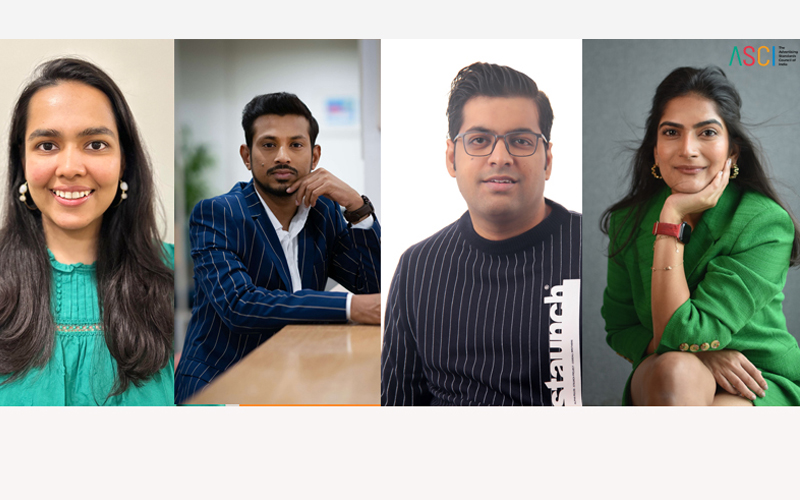
    Industry speaks: On Asci’s guidelines pertaining to health and finance influencers

    Mumbai: In May 2021, influencer guidelines were put in place with regard to helping consumers identify promotional content and make informed decisions on products or services. Last week, the Advertising Standards Council of India (Asci) altered its influencer advertising guidelines to place additional responsibility and keep a check on the advertising content of health and finance influencers.

    With the issues of health and finance being of grave significance, it is essential that correct and useful information is imparted by health and finance influencers.

    A note by Asci stated that the guidelines have been amended in keeping with the rapidly evolving nature and extensive impact of digital platforms. Inaccurate and deceptive advertising content in categories such as banking, financial services and insurance (BFSI), and health and nutrition products and services, could significantly impact consumer well-being and financial security.

    The note further mentions that financial influencers, commonly referred to as ‘finfluencers’, operating within the BFSI realm, can now offer investment-related advice only after being registered with the Securities and Exchange Board of India (Sebi). Their registration number must be prominently displayed alongside their name and qualifications. For other financial advice, influencers must possess appropriate credentials such as a license from the Insurance Regulatory and Development Authority of India (IRDAI), be qualified as a chartered accountant, holds a company secretaryship, etc. Moreover, they are expected to adhere to all disclosure prerequisites as stipulated by financial sector regulators from time to time.

    Similarly, influencers that endorse products that make claims on health and nutrition must hold relevant qualifications such as medical degrees or certification in nursing, nutrition, dietetics, physiotherapy, psychology, etc., depending on the nature of the advice provided. Such qualifications must be disclosed prominently, says the note.

    Disclaimer requirements for health and finance influencers:

    The influencer must disclose their qualifications and registration/certification details prominently in all types of promotional material:

    • Superimposed on the visuals prominently and upfront, or mentioned as the opening remark in videos
    • For blogs or any text-based posts, they should be stated upfront before the consumer has to read the post
    • In the case of podcasts or a purely audio medium, they should be called out at the beginning of the advertising content

    It may be noted that on August 11, 2023, the Department of Consumer Affairs also extended its influencer guidelines to mandate additional disclosures while endorsing health and wellness products and services. Influencers found to be in violation of the guidelines could face penalties under the Consumer Protection Act (2019).

    Indiantelevision.com spoke to influencer marketing agencies to gauge their opinion about these guidelines, and how they think these would affect the projects taken up by health and finance influencers in the long run.

    Industry opines

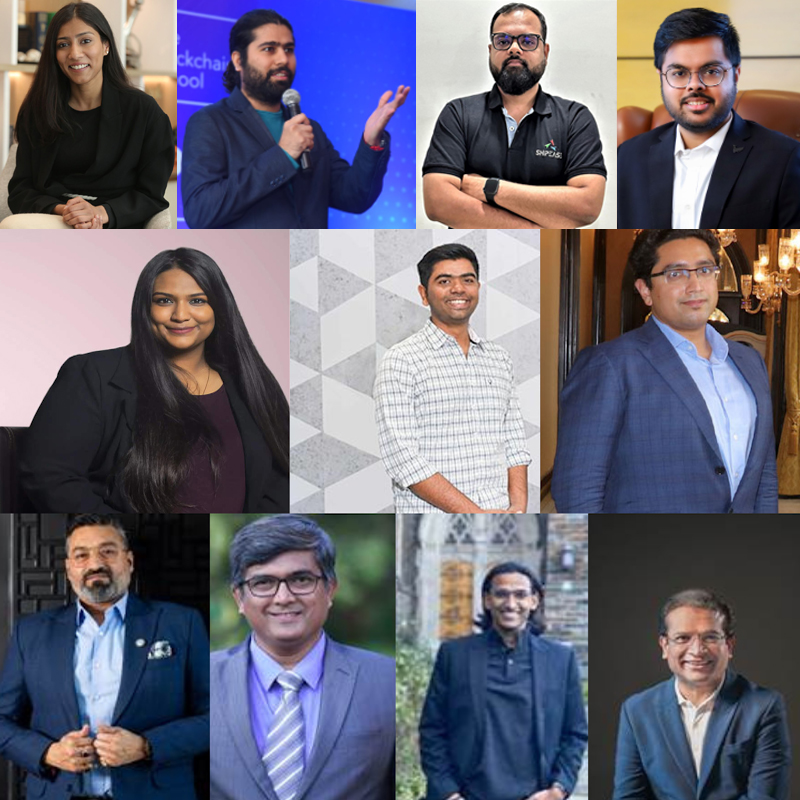
    KlugKlug co-founder and chief product officer Vaibhav Gupta brings out, “The new guidelines introduced by Asci (Advertising Standards Council of India) regarding health and finance influencers seem to be a positive step in the right direction. They acknowledge the need for influencers to exercise responsibility, especially in areas like health and finance where accuracy is crucial. These guidelines attempt to strike a balance between allowing influencers to share their experiences and opinions while safeguarding consumers from potentially misleading or false information. It’s essential to prevent the misuse of regulations and to maintain fairness. The distinction between being an expert and sharing personal experiences is challenging, but these guidelines prioritize the responsibility of the endorsing brand and emphasize truthfulness in claims. The evolving nature of these regulations may require adjustments, but they underline the importance of consumer protection.”

    Whoppl founder Ramya Ramachandran feels that in industries like health & finance, it’s important for influencers to possess relevant qualifications. “Without credentials, offering advice or opinions on these topics can be misleading or inaccurate. Authenticity plays a pivotal role in influencer marketing—genuine expertise in the subject matter is what garners followers and meaningful interactions. These guidelines mitigate the risks associated with misinformation and ensure that only individuals with legitimate qualifications can provide information about products or services.”

    “Influencer marketing revolves around presenting a brand’s message in a clear and relatable manner. The introduction of guidelines is warranted because people tend to trust influencers. For instance, a financial influencer without practical investment experience lacks credibility in offering investment advice. On the flip side, someone well-versed in financial regulations and investment strategies holds more weight in guiding followers. These specific guidelines focus on industries where expertise matters, such as finance and health. They make sure that influencers possess the necessary qualifications to give informed recommendations, which is crucial in areas involving transactions and sensitive issues,” she goes on.

    Boomlet Group co-founder and CEO Danish Malik points out, “The introduction of new guidelines by ASCI will safeguard the interest of consumers while making the influencer marketing ecosystem more transparent. However, the implementation of these guidelines will be a challenge for ASCI, there is a need for the introduction of penalties along with self-regulatory guidelines for the segment, which will make the influencer community follow the rules more carefully. With stringent penalties in place, brands and agencies will make it mandatory for influencers to adhere to the rules and regulations. There is a need for more case studies and learnings on events to raise awareness among the micro and nano influencers.”

    Pollen (Zoo Media) business development manager Samiksha Mehta thinks that it is great that these strict guidelines have been put in place. “I have always believed in the line “with more power comes more responsibility” and the ASCI guidelines could result in a more responsible and informed influencer ecosystem in the fields of health and finance. Influencers will need to ensure their claims are backed by credible qualifications, which will ultimately benefit their audience by promoting accurate and reliable information.”

    The effect on health and finance influencers taking up their projects

    Malik of Boomlet Group is of the thought that the current method of profile selection criteria for campaigns will be affected for brands in the health and finance sectors, the costs will tend to increase. “This increase will be a result of certification and degree requirements introduced, Influencers that have the relevant degrees and qualifications might increase their charges. If brands still want the same without that or want to do a subtle integration without direct shoutouts then there is a scope of gray area that will arise which will be a bigger challenge than the current one to tackle.”

    As per Mehta of Pollen, the introduction of new guidelines by ASCI could have several effects on how these influencers approach their projects such as:

    • Increased Accountability: Influencers will need to provide evidence of their qualifications before making claims related to health and finance. This will hold them more accountable for the information they share with their followers and discourage the spread of misinformation.
    • Transparency: Influencers will need to be transparent about their expertise and qualifications in their respective fields. This transparency can foster trust among their followers and help them make more informed decisions based on credible information.
    • Reduced Misinformation: With influencers required to substantiate their claims with relevant qualifications, there could be a reduction in the spread of misleading or false information. This is particularly important in fields like health and finance, where inaccurate advice can have serious consequences.

    Ramachandran of Whoppl elucidates, “The new guidelines encourage influencers to share their qualifications, establishing legitimacy and transparency for consumers. This approach resonates positively with consumers who want to know the basis of the information being provided. The mandate also compels influencers to be more cautious and responsible in their content. Many professionals, like dieticians and mental health coaches, are now showcasing their certifications in their bio, further boosting credibility.

    In light of these guidelines, influencers can still engage in non-sensitive promotional activities within their industry expertise.”

    Gupta of KlugKlug remarks, “The new ASCI guidelines are likely to impact how health and finance influencers approach their projects. Influencers in these fields will need to be more cautious about the claims they make, ensuring they align with truthful information. The guidelines could lead to increased accountability, making influencers think twice before endorsing products or services. Paid partnerships might see more stringent requirements, ensuring brands are responsible for the accuracy of the information being promoted.”

    “The regulations might also influence the way influencers present disclaimers and information to their audiences, aiming for transparency. However, these guidelines might also pose challenges in differentiating between personal opinions and expert advice, and in monitoring compliance effectively. While the impact might vary, the guidelines intend to bring a sense of responsibility and accuracy to health and finance influencer collaborations,” he wraps up.

  • hypergro.ai secures Rs seven crore funding: Leading the charge in AI-driven digital marketing revolution

    hypergro.ai secures Rs seven crore funding: Leading the charge in AI-driven digital marketing revolution

    Mumbai: hypergro.ai, a Bangalore- based martech startup, focused on boosting brand revenues and dramatically reducing customer acquisition costs, has announced that it has raised seed funding of Rs seven crore. The round was led by Silverneedle Ventures with participation from Huddle, TDV Partners, HME Ventures, Dholakia Ventures, FiiRE, & prominent angel investors like Arjun Vaidya, Ankit Kedia and Rajesh Sawhney.

    In the current digital landscape, rising Customer Acquisition Costs (CAC) are eating up large parts of budgets without delivering expected returns. This problem is made worse by poor Return on Ad Spend (ROAS); even with huge investments in various ads. This combination of challenges has brands stuck in a cycle of high spending with low results, making steady growth hard to achieve.

    With hypergro.ai, brands can reverse this trend by using its state-of-the-art platform that harnesses the raw power of user-generated content (UGC) and couples it with cutting-edge artificial intelligence. This revolutionary synergy not only simplifies the customer acquisition trajectory but also offers brands a potent tool that’s both cost-effective and resonant with modern audiences.

    On the fundraising, Silverneedle Ventures partner Prashant Panday said, “Hypergro.ai attacks the biggest challenge facing consumer marketing companies – rising CACs. We at Silverneedle Ventures believe strongly in the power of technology in general and AI in particular. We are proud to lead this round and repose confidence in the  dynamic founders of the company.”

    The startup was founded in the year 2022 by Rituraj Biswas (CEO), Neha Soman (CBO), Abhijeet Kumar (CTO), and Arijit Mukhopadhyay (CPTO). With roots embedded in platforms like ShareChat and Glance, their collective insight into the digital domain is profound. Biswasj spearheads the product, focusing on innovation and keeping our solutions fresh and ahead of the competition. Kumar, hailing from IIT Roorkee, and Mukhopadhyay, a proud product of IIT Delhi, together constitute the tech-driven backbone. Meanwhile, Soman, leveraging her vast marketing expertise and hands-on experience as a YouTube creator, infuses the team with a distinct content-centric insight.

    “At hypergro, we’re not merely witnessing the future – we’re crafting it. By merging the power of AI with the authenticity of UGC, we’re redefining the dynamics of business-customer interactions. Our mission is to make this groundbreaking shift both transformational and available to everyone,” stated Biswas.

    A substantial slice of this financial boost will be channeled to hypergro’s core – its AI capabilities. This encompasses in-depth data exploration, refining predictive algorithms, and polishing automation to offer clients unparalleled results.  As hypergro scales its operations, it will need to expand its teams. The funds will be used to attract top talents in areas such as AI and machine learning, tech, product, sales and marketing. Moreover, the company is setting its sights on new markets and is poised to make its innovative solutions accessible to a broader spectrum of businesses.

    With businesses steadily gravitating online, they are poised to cater to a booming market, predicted to soar to an astronomical $3.1 billion by 2024 in India alone. Nestled at the pivotal crossroads of digital advertising and UGC, hypergro is the torchbearer in these swift-scaling sectors.

  • hypergro.ai secures Rs seven crore funding: Leading the charge in AI-driven digital marketing revolution

    hypergro.ai secures Rs seven crore funding: Leading the charge in AI-driven digital marketing revolution

    Mumbai: hypergro.ai, a Bangalore- based martech startup, focused on boosting brand revenues and dramatically reducing customer acquisition costs, has announced that it has raised seed funding of Rs seven crore. The round was led by Silverneedle Ventures with participation from Huddle, TDV Partners, HME Ventures, Dholakia Ventures, FiiRE, & prominent angel investors like Arjun Vaidya, Ankit Kedia and Rajesh Sawhney.

    In the current digital landscape, rising Customer Acquisition Costs (CAC) are eating up large parts of budgets without delivering expected returns. This problem is made worse by poor Return on Ad Spend (ROAS); even with huge investments in various ads. This combination of challenges has brands stuck in a cycle of high spending with low results, making steady growth hard to achieve.

    With hypergro.ai, brands can reverse this trend by using its state-of-the-art platform that harnesses the raw power of user-generated content (UGC) and couples it with cutting-edge artificial intelligence. This revolutionary synergy not only simplifies the customer acquisition trajectory but also offers brands a potent tool that’s both cost-effective and resonant with modern audiences.

    On the fundraising, Silverneedle Ventures partner Prashant Panday said, “Hypergro.ai attacks the biggest challenge facing consumer marketing companies – rising CACs. We at Silverneedle Ventures believe strongly in the power of technology in general and AI in particular. We are proud to lead this round and repose confidence in the  dynamic founders of the company.”

    The startup was founded in the year 2022 by Rituraj Biswas (CEO), Neha Soman (CBO), Abhijeet Kumar (CTO), and Arijit Mukhopadhyay (CPTO). With roots embedded in platforms like ShareChat and Glance, their collective insight into the digital domain is profound. Biswasj spearheads the product, focusing on innovation and keeping our solutions fresh and ahead of the competition. Kumar, hailing from IIT Roorkee, and Mukhopadhyay, a proud product of IIT Delhi, together constitute the tech-driven backbone. Meanwhile, Soman, leveraging her vast marketing expertise and hands-on experience as a YouTube creator, infuses the team with a distinct content-centric insight.

    “At hypergro, we’re not merely witnessing the future – we’re crafting it. By merging the power of AI with the authenticity of UGC, we’re redefining the dynamics of business-customer interactions. Our mission is to make this groundbreaking shift both transformational and available to everyone,” stated Biswas.

    A substantial slice of this financial boost will be channeled to hypergro’s core – its AI capabilities. This encompasses in-depth data exploration, refining predictive algorithms, and polishing automation to offer clients unparalleled results.  As hypergro scales its operations, it will need to expand its teams. The funds will be used to attract top talents in areas such as AI and machine learning, tech, product, sales and marketing. Moreover, the company is setting its sights on new markets and is poised to make its innovative solutions accessible to a broader spectrum of businesses.

    With businesses steadily gravitating online, they are poised to cater to a booming market, predicted to soar to an astronomical $3.1 billion by 2024 in India alone. Nestled at the pivotal crossroads of digital advertising and UGC, hypergro is the torchbearer in these swift-scaling sectors.

  • Weekend Unwind with: Vavo Digital founder & CEO Neha Puri

    Weekend Unwind with: Vavo Digital founder & CEO Neha Puri

    Mumbai: With another weekend upon us, it is time to unwind with the latest Q&A edition of Indiantelevision.com’s Weekend Unwind—a series of informal chats that peek into the minds of business executives through a fun lens in an attempt to get to know the person behind the title a little better.

    In this week’s session, we have Vavo Digital founder & CEO Neha Puri.

    A multi-start-up founder and visionary, Puri has a legacy of developing solutions to problems that are a result of distress and unforeseen situations. Her journey before establishing the dynamic influencer marketing space – Vavo Digital, was that of an individual full of visionary zeal and talent. She started her entrepreneurial journey at the age of 24 with her food delivery platform, Cyber Chef, which was later sold off, after two years of operations.

    In a quest to explore the world of marketing and operations, Puri then worked with Movenpick Ice Cream India as the head of franchise and business development. She played an instrumental role in opening eight Movenpick stores across India in six months. She has never stopped experimenting and infusing her ideas into reality, which was the reason that she formed another new venture—a gourmet gifting business for tier I and tier II cities. This started as a need of the market, for people with high disposable incomes but not many options available in the market.

    Post this, when in 2020 the pandemic hit the globe and everything moved drastically digital, Puri took it as an opportunity and started the digital influencer-marketing hub, Vavo Digital.

    Talking about her educational background, she is an international baccalaureate from Ecole Mondiale World School and has completed her bachelor’s in business administration (BBA) from Lancaster University (in affiliation with GD Goenka). She also holds a master’s degree in MSc marketing and strategy from Warwick Business School.

    It is her vision to develop Vavo Digital as a 360-degree influencer marketing agency – covering major platforms, regional platforms, meme marketing, designing, developing AR filters, and all the other aspects that can be amplified with the help of influencers.

    Owing to her growing interest in the digital space, Puri spends a lot of her idle time on social media, including LinkedIn and Instagram, exploring the space for better understanding and analysis. Through LinkedIn, she has built several strong connections with relevant business professionals. Puri has also organically grown her profile on LinkedIn and has over 95k followers.

    She also likes to listen to music and watch documentaries on the OTT platform. Apart from these hobbies, cooking remains her favourite and she takes it as a fruitful disconnection from work. Puri is all set to explore the space of social media and envisions working forever on the possibilities of making the marketing space more dynamic and at par with the current technological developments.

    So, without further ado, here it goes…

        Your mantra for life

    Eat the frog first thing in the morning. There is a quote by Mark Twain: “Where the frog represents items on my to-do list that I dread working on, and nothing worse will happen to you the rest of the day.”

        A book you are currently reading/plan to read

    “Atomic Habits” by James Clear: Your habits play a massive role in your success. This book will help you build good habits and break bad ones.

        Your fitness mantra, especially during the pandemic

    Walking/jogging are my go-to fitness routines. I remember meeting a 90-year-old man at a park once who told me he began jogging at the age of 60 because he realised he wasn’t doing much justice to himself and that walking/jogging was one activity that made him feel fresh and did not require any form of dependency. It really inspired me.

        Your comfort food

    Soya sticks with hummus! (a must try).

        When the chips are down, a quote/philosophy that keeps you going

    A lot of people might be going through things worse than what you feel at that moment, so thank God for things that could have been worse and work towards fixing them rather than being angry or frustrated for being in that situation.

        Your guilty pleasure

    Binge watching Turkish dramas.

        A life lesson you learnt the hard way

    You are in control of your own heaven or hell.

        What gets you excited about life?

    The endless possibilities of travel and exploring the world.

        What’s on top of your bucket list?

    Skydiving

        If you could give one piece of advice to your younger self, what would it be?

    You can never know it all. When people speak, it is best to listen to them because they talk about their experiences. Do what you want, but calmly listen to what others have to say.

        One thing you would most like to change about the world

    A lack of empathy.

        An activity that keeps you motivated/charged during tough times

    My colleagues always say, “We are in this together; you don’t have to deal with problems alone.”

        What lifts your spirits when life gets you down?

    Sitting with my best friend/business partner, it is just the sheer comfort of having someone you can get through things with.

        Your go-to stress buster

    Lying next to my pet.

  • Axis My India partners with Google to build single-stop people empowerment platform application

    Axis My India partners with Google to build single-stop people empowerment platform application

    Mumbai: Axis My India has announced that it is building a one-of-a-kind platform leveraging Google technology that aims to bring about a step change in people’s awareness, accessibility, and utilisation of a slew of services. These include Government social welfare schemes, basic day-to-day amenities, employment opportunities, and healthcare benefits, and has the potential to benefit up to 250 million Indian households across the country.

    Built on Google Cloud’s scalable and secure infrastructure, Axis My India’s People Empowerment Platform (PEP) application will use Google Cloud’s generative AI (GenAI) technology to provide relevant information about government schemes and desired communication/content to citizens based on their individual and family needs. In order to be useful to people across geographies, the PEP will be designed to support 13 regional languages employing Google translation API and Vertex AI for real-time translation and transliteration of information. This two-way communication will facilitate enhanced engagement with Axis My India’s Mission ‘To Actively Contribute Every day to Transform a Billion Lives’ by acting as a digital and physical ‘Jan Suvidha Kendra’ (Public Welfare Centre). The roll-out of PEP will be supported by Axis My India’s network of local offices in more than 700 districts across India.

    Speaking on the partnership, Axis My India chairman & managing director Pradeep Gupta said, “Our collaboration with Google marks a pivotal moment in our pursuit to positively impact the lives of a billion Indians. By leveraging Google Cloud technologies, we aim to create an inclusive platform that truly empowers citizens with authentic information and solutions based on their needs. Axis My India’s massive scale and expertise affords us an unprecedented opportunity to bring information equity between rural and urban India through our platform. We are certain that we will achieve our ambitious goal of acting as a digital super-app for all 250 million Indian households.”

    “Google Cloud offers a wide range of services that can benefit business in terms of scalability, flexibility, security, performance, innovation and support. Rising mobile connectivity presents the opportunity to create an inclusive, equitable, and safer internet for everyone, no matter their literacy, language, or location. We are excited to work with Axis My India to help advance their vision with the People Empowerment Platform, backed by state-of-the-art Gen AI Cloud technologies from Google Cloud. This will help them bring government services and programs to more Indians across the country,” said Google Cloud India managing director Bikram Singh Bedi. 

    Axis My India announced their vision for PEP in 2021 in line with its Mission Himalaya – Unchi Udaan Roadmap Initiative and is currently in the advanced stages of developing this with Google, with the pilot version of the PEP app expected to launch in October 2023. 

  • WhatsApp Broadcast Campaigns vs. Click-to-WhatsApp Ads: Understanding the Crucial Differences and Choosing the Right Strategy

    WhatsApp Broadcast Campaigns vs. Click-to-WhatsApp Ads: Understanding the Crucial Differences and Choosing the Right Strategy

    Mumbai: Rapid technological developments have changed the ways products and services are being marketed to the target audience. Digitalisation is far ahead of what was anticipated, and it has forged the need for businesses to rapidly adapt decisive marketing strategies to stay abreast of changing consumer preferences. As a result, adapting new marketing methods and constantly adjusting them to optimise them has become the norm for modern-day marketers.

    In this context, WhatsApp broadcast campaigns and click-to-WhatsApp ads (CTWA) have emerged as two peculiar strategies. These strategies are gaining ground as India has over 487 million WhatsApp users, which makes it a leading country in the world, according to Statista. However, in order to pounce on this opportunity, marketers need a comprehensive strategy.

    Often used as interchangeable terms, both WhatsApp broadcast campaigns and CTWA methods are distinct in terms of objectives, features, and purposes. Therefore, knowing the main differences will help marketers adapt the right strategies according to their requirements. Let us delve deep into the core differences and provide a guide to choosing the right strategy.

    WhatsApp Broadcast campaigns

    A WhatsApp broadcast campaign is intended to inform, engage, support, and update users about a brand’s products or services. It is a result-driven medium for customer-facing teams that can reach out to their TG in an efficient manner. WhatsApp campaigns are gradually gaining prominence over mass messaging and email campaigns. Despite being relatively new in the digital landscape, they have proven to be highly engaging. As a result, businesses are increasingly utilising WhatsApp to effectively connect with their existing user base and achieve successful outreach. This method can be leveraged by marketers for the following business purposes:

    Customer engagement: WhatsApp can be leveraged to engage customers in an efficient manner with personalised messages, greetings, and more. It allows for real-time communication that engages customers in an efficient manner.

    Customer retargeting: This campaign offers a valuable opportunity for effectively retarget users. When users encounter challenges in the middle of their purchase journey, persuasive strategies can be employed through WhatsApp, leveraging its high engagement and widespread usage, to guide and support them through the process.

    Customer support: WhatsApp makes it easier for customers to reach out to their favourite brands for any product or service-related information, query, or technical assistance. The brands are able to provide timely responses, which in turn fosters a positive customer experience.

    Initiating surveys: TGs can be targeted with tailored surveys, which could help brands delve deep into customer preferences.

    Order updates: The customers can be updated with the details of their respective orders, such as delivery time, confirmation status, ETA of the product, and more, on WhatsApp.

    Automation and Chatbots:  Limited number of customer queries can be handled manually, however, in a bid to cater to large volumes, businesses require integration automation and Chatbots with WhatsApp. The method improvises response time and resolves repetitive queries automatically, enhancing customer satisfaction. However, in case of a complex issues, help of human support representative can also be taken.  

    Click to WhatsApp Ads (CTWA)

    Click to WhatsApp Ads, or CTWA, are types of advertisements that enable users to connect with their businesses on WhatsApp when prospects click on the ads that appear on social media. After clicking on the call to action (CTA) button on advertisements, the users get redirected to WhatsApp, where they can start a conversation with the brand. In this regard, CTWA can be leveraged for the following functions:

    Lead generation:  Click-to-WhatsApp Ads provide businesses with a powerful lead generation solution that uses high engagement and personalised communication to encourage more conversions. Additionally, it may be used to create leads by either referring users to a lead generation form or gathering their information during the discussion. This capacity of the businesses to provide personalised experiences enables them to raise the probability of conversions while also giving users a sense of value and importance.

    E-Commerce: CTWA in e-commerce facilitate seamless customer communication, real-time support, and personalised interactions. Since they enable targeted marketing, they enhance overall customer engagement and drive higher conversions.

    Instant engagement and response: In a bid to have an edge in the fast-paced digital world, brands need to be speedy with their approach. In this context, CTWA can be utilised to engage with leads instantly. Brands can leverage the real-time nature of WhatsApp in order to provide product information, customer support, and more. With swift responses, they will be able to engage prospective customers who are interested in the brand’s products and services.

    Monitor key metrics: Similar to any advertisement strategy, CTWA allows brands to view measurable results. Analytics can be used to gain insights about customer preferences in terms of clicks, conversions, conversations, and more. The procured data can then be utilised by the brands to optimise their campaigns.

    Unlocking the power of WhatsApp: Choosing the winning strategy

    In a bid to choose the right strategy on WhatsApp, the marketers must segregate their requirements and define the nature of their businesses. Furthermore, for maximum benefits, brands can follow these four key considerations: goal, budget, audience, and messaging.

    Goal: Goals are a crucial part of your marketing strategy as they provide the course for what must take place in order for your product or service to succeed on the market. Therefore, goals must be well defined in order to determine the best WhatsApp strategy. For instance, WhatsApp Campaigns are an ideal choice if a firm wants to develop a personal relationship with customers and offer direct customer service. However, CTWA is more appropriate if a company wishes to increase lead generation or reach out to new customers.

    Budget: A brand can better connect marketing tactics with business goals by creating a budget plan and allocating funds to those marketing initiatives that will yield the highest return on investment (ROI). In this regard, WhatsApp marketing may offer a more affordable method of reaching out to current customers. Conversely, CTWA entails increased advertising expenses. However, as it can aid in lead creation and brand exposure, this tactic generally produces more effective results.

    Audience: Segregating audiences on the basis of requirements is a crucial process for a brand that wants to effectively leverage a WhatsApp strategy. For instance, WhatsApp campaigns are an effective choice if the customers are already engaged with the brand. On the other hand, CTWA is effective in reaching new users and prospects.

    Messaging: CTWA requires compelling and crisp ad copy that will encourage users to click on the ad and engage with the brand. And WhatsApp campaigns allow for personalised messaging, which sustains the relationship with existing customers.

    All things considered

    Reaching out to customers via messaging applications is a growing marketing tactic, as direct engagement with the customer base is becoming incredibly vital. This places marketing with WhatsApp at the nexus of marketing and customer service, providing new channels for firms to interact with both current and potential customers. In this context, WhatsApp campaigns and Click to WhatsApp ads are two distinct methods that can help brands reach their designated goals. However, in a bid to choose the right strategy, businesses must analyse their goals, budget, audience, and messaging to garner better results and ROI.

    The author of this article is ETML COO & founder Amitek Sinha.

  • Anand Makhija to helm OneNative Advertising as VP of operations and strategy

    Anand Makhija to helm OneNative Advertising as VP of operations and strategy

    Mumbai: OneNative Advertising, a leading integrated digital media advertising company, has appointed Anand Makhija as their vice president of operations and strategy. With over 14 years of experience in the adtech industry, Makhija brings a wealth of knowledge in programmatic, partnerships, and ad-operations from both the client and publisher sides. His impressive track record includes notable stints at Sharechat, Outbrain, and Komli Media.

    Before joining OneNative Advertising, Makhija played a pivotal role in leading programmatic revenue and partnerships for Sharechat. Prior to that, he served as Outbrain’s director of business development for Engage in India, where he successfully forged and strengthened relationships with esteemed publishers in the region.

    About the new role, Makhija said, “I am thrilled and honored to take on this responsibility. India has always been a crucial market for adtech platforms, and we are witnessing continuous growth and evolution each year. It’s a great privilege to be part of this thriving ecosystem, and I am eager to leverage my experience and expertise in contributing to the growth of OneNative. I am looking forward to working together with the OneNative team to achieve new heights.”

    Makhija began his career with Komli Media, where he spent nearly six years in publishing management and media planning, honing his skills and building a strong foundation in the industry.

    Established six years ago, OneNative Advertising has grown to become a significant player in the digital media advertising landscape. Headquartered in Mumbai, the company has offices in Delhi, Bangalore, and Singapore.

    The team at OneNative believes Anand’s rich experience in the supply side, programmatic advertising as well as ability to work with teams across borders will add great value to OneNative’s plans for the future.

    OneNative Advertising co-founder and director Deepak Karnani said, “We’re happy to have Anand on board. He comes with the right mix of experience on the supply side, platforms as well as programmatic channels. This will help us pursue the growth we are targeting as well as help us with new initiatives beyond native advertising. Anand will be working closely with the core team of OneNative in driving the new initiatives in India & South East Asia.”

    Primarily into native advertising and content marketing, OneNative is also rapidly moving into the emerging media space, which includes Connected TV and DOOH. This is over and above their partnership with WeTransfer Advertising in India and programmatic advertising solutions which OneNative Advertising currently provides across the digital media ecosystem.

  • Archana Vohra moves on from Meta India

    Archana Vohra moves on from Meta India

    Mumbai: Archana Vohra, who was looking after Meta India’s SMB (small and medium-sized business) portfolio, has called it a day.

    Since January 2019, she held the post of director of global business group – mid market and small business at Meta India.

    As per reports, she is ready to start her new innings soon.

    As per her LinkedIn profile, her portfolio at Meta included account management, business development, agency sales, and program management across Instagram, FB, and Whatsapp. She was responsible for driving the majority of the monetization across all business verticals spanning emerging and mature clients for Meta in India.

    With about 25 years of tech industry experience, Vohra has worked with Amazon and Times Internet previously.

    Prior to this development, significant executives like director of marketing Avinash Pant, director of media partnerships Saket Jha Saurabh and director Amrita Mukherjee have been laid off from Meta.