Category: Digital

  • Overdrive shifts gears at 27 with Indian Army’s mighty machines

    Overdrive shifts gears at 27 with Indian Army’s mighty machines

    MUMBAI: When Overdrive hits a milestone, it does so with horsepower and heart. Marking 27 years of pioneering automotive journalism, the magazine has rolled out a special anniversary edition that swaps highways for battlefields celebrating the Indian Army’s formidable automotive strength.

    The spotlight falls on Ahilyanagar, Maharashtra, home to the Armoured Corps Centre and School (ACC&S) and the Mechanised Infantry Centre and School (MIC&S). These elite institutions are where the backbone of India’s mechanised warfare is forged, training soldiers not just in combat, but also in vehicle operation, engineering, and mobility tactics.

    For petrolheads, the issue offers a rare peek at military beasts usually off-limits to civilian eyes. From the main battle tanks T-72, T-90, and indigenous Arjun, to the amphibious BMP infantry vehicle, and the rugged utility fleet of Gypsys, Tata Safari Storme GS800s, and battlefield haulage trucks, it’s a line-up that makes even the flashiest supercar look tame.

    “This anniversary feels especially meaningful,” said Overdrive editor Kranti Sambhav “as we ventured into uncharted territory, bringing to light a fascinating array of military vehicles that have rarely been showcased in mainstream automotive media. It is both a tribute to our armed forces and our commitment to innovation, depth, and storytelling.”

    The magazine doesn’t stop at the barracks. Among its other exclusives are a detailed review of the Range Rover Sport diesel (assembled in India), the Volvo EX30, the Triumph Thruxton, the Aston Martin Vantage V8, and the first Toyota Fortuner Hybrid.

    With cinematic visuals, expert insights, and engaging narration, the anniversary feature serves as a salute to the machines that protect the nation and the soldiers who command them. It underlines Overdrive’s enduring ethos telling stories that matter, whether on the road, on the racetrack, or on the frontline.

  • Unny Radhakrishnan to step down as Digitas India chief after 5.5 years

    Unny Radhakrishnan to step down as Digitas India chief after 5.5 years

    MUMBAI:  Digitas India chief executive officer Unny Radhakrishnan will exit the agency at the end of September, drawing a close to a 5.5-year run at the Publicis Groupe-owned digital marketing firm.

    Radhakrishnan, who took charge in March 2020, steered Digitas India through a period of growth that saw it expand to a 450-strong team split between local clients and a global delivery hub. Under his leadership, the agency pushed deeper into data, user experience and technology services, cementing its position as a marketing transformation partner for brands.

    In a farewell note, he said leadership was about “bringing together people with different expertise and temperament to do things which otherwise could not have been done by any single individual”. He emphasised that before the “great place to work” labels, the focus was on being known for “great work and great people to work with.”

    Radhakrishnan’s career spans nearly three decades across GroupM, WPP and Publicis, with stints as chief digital officer for Wavemaker South Asia and earlier as head of digital at Maxus. A strong proponent of team building, he often described business as having “the responsibility to influence people to become better human beings, looking beyond the financial scorecards.”
    His next move has not been disclosed.

  • Paisabazaar opens doors to credit with first retail store in Gurugram

    Paisabazaar opens doors to credit with first retail store in Gurugram

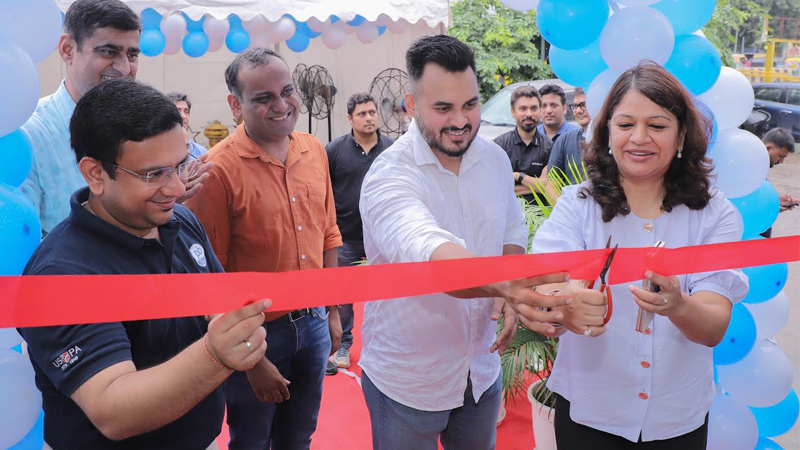
    MUMBAI: Credit just got a shopfront makeover. Paisabazaar, India’s largest credit marketplace and free credit score platform, has stepped off the screen and onto the street with the launch of its first-ever retail store in Gurugram. This brick-and-mortar debut marks the fintech’s bold push to blend face-to-face financial advice with its tech-driven backbone.

    Over the next few weeks, the lender will expand with two more stores in Delhi and Noida before rolling out an ambitious 100 outlets across Mumbai, Delhi/NCR, Bengaluru, Chennai, Hyderabad and other metros. These hubs won’t just sell loans but will serve as financial pitstops for every kind of borrower from first-time credit seekers to small business owners offering guidance on personal loans, home loans, business loans and credit cards. For those less comfortable navigating apps, Paisabazaar’s physical presence promises hand-holding, personalised solutions and a friendlier gateway into the world of credit.

    “The retail store is a new business model for us, one that combines the comfort of a physical interaction and a technology-led seamless experience,” said Paisabazaar CEO Santosh Agarwal. “Our physical presence will help us both scale our business and deepen consumer trust.” The initiative aligns with the fintech’s larger goal of bridging the digital–physical divide and building a hybrid model that caters to millions of Indians who want the reassurance of a handshake alongside a loan approval. In a country where credit literacy still has miles to go, Paisabazaar’s retail foray may well prove to be credit where it’s due.

  • Squadstack AI helps Stage cut calls by 55 per cent and costs by 70 per cent

    Squadstack AI helps Stage cut calls by 55 per cent and costs by 70 per cent

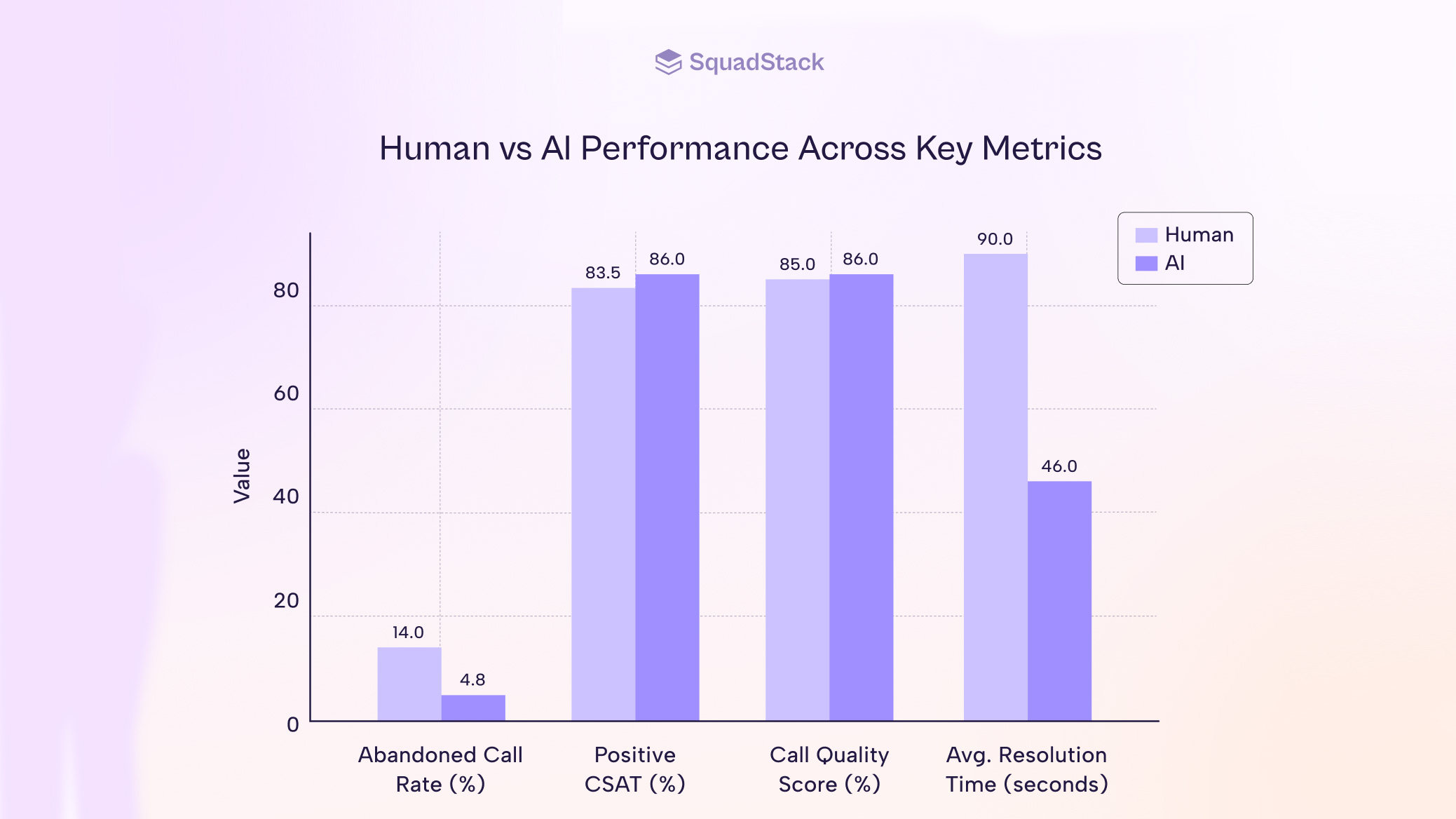
    MUMBAI:  Who needs hold music when your helpline has brains of its own? In a record-breaking makeover of customer support, Squadstack.ai’s Humanoid AI Agent Stack has helped regional OTT platform Stage cut through the chaos deflecting 55 per cent of calls, boosting CSAT to 86 per cent, and slashing support costs by 70 per cent in just six weeks.

    For Stage, which streams hyperlocal hits in Haryanvi, Rajasthani, and Bhojpuri, the timing was crucial. Soaring call volumes over payments and refunds had overwhelmed its human agents. Enter Squadstack.ai’s AI agents trained on over 600 million conversations who not only handle refund requests with empathy but also recommend shows mid-conversation, blending service with engagement like a pro.

    The results speak louder than the dial tone. With an average handling time of 46 seconds and instant responses to nearly 90 per cent of leads, Stage’s users are finally getting the support they deserve, in their own dialects. “We couldn’t scale with human agents alone, but with AI, customers feel heard in the language they’re most comfortable with,” said Stage co-founder Harsh Tripathi.

    Beyond speed, Squadstack.ai ensures compliance too, meeting ISO 27001 and SOC 2 standards while adhering to strict DND norms. As Squadstack.ai co-founder & CEO Apurv Agrawal put it, “This partnership validates our vision of scalable, secure, and empathetic engagement.” With Stage setting the stage for AI-powered support, India’s digital platforms may soon be dialing into a future where machines don’t just talk, they truly listen.

  • Lowe Lintas & Google Gemini put AI to test in everyday moments

    Lowe Lintas & Google Gemini put AI to test in everyday moments

    MUMBAI: That’s the playful pitch behind a new campaign by Lowe Lintas for Google Gemini, designed to take artificial intelligence out of the lab coat and into everyday life. Instead of talking about algorithms and tech jargon, the series of short films makes AI look like the friend who helps you file your expenses, revise for exams, or even sharpen your sports game.

    The campaign spans nine snappy 20-second films, each capturing simple scenarios where Gemini comes to the rescue, whether you’re a student juggling assignments, a professional under pressure, or someone just trying to fix that stubborn office projector.

    By rooting AI in real-world quirks rather than sci-fi fantasy, Gemini is positioned as ‘Your Everyday AI Assistant’, a guide for students, a productivity hack for busy professionals, and a time-saver for anyone stuck in life’s little muddles.

    Sharing her thoughts on the campaign, Lowe Lintas, president (Creative),  Vasudha Misra said, “AI often feels like a big, complex idea, but we wanted to show just how simple it can be. With Google Gemini, all it takes is one press of a button on your Android phone. No complicated setups, no jargon, just real help in real moments, whether it’s fixing a projector that won’t connect or revising for an exam. Suddenly, AI isn’t abstract anymore, it’s an everyday ally, ready when you need it most.”

    The films carry a lightness of touch: relatable, quick, and quietly persuasive, encouraging viewers not just to admire the technology but to try it for themselves. The campaign is now live across digital and offline platforms. 

  • Cinépolis serves up ‘Foovies’, blending blockbusters with bold bites

    Cinépolis serves up ‘Foovies’, blending blockbusters with bold bites

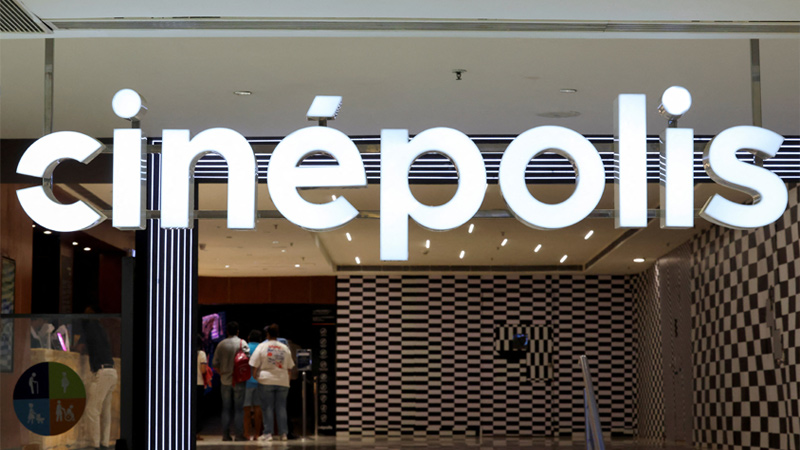
    MUMBAI: Popcorn and a movie? That’s yesterday’s script. Cinépolis has rolled out Foovies, a lifestyle-first concept that lets audiences savour freshly made meals while watching their favourite films.  

    For decades, cinema snacking meant popcorn and cola. Foovies rips up that script, offering freshly prepared wraps, pizzas, fries, nachos, samosas and even in-house desserts, all served in-theatre. The idea is simple: turn a regular movie outing into a full-fledged foodie destination.

    Speaking on the launch, Cinépolis India, managing director, Devang Sampat     said, “At Cinépolis, we don’t just showcase films, we craft experiences. Foovies is our bold step to make every movie visit an immersive lifestyle indulgence, blending the joy of cinema with the comfort of world-class food.”

    The launch is backed by special offers like Foovies25: 25 per cent off food and tickets and integration with Club Cinépolis loyalty rewards.

    Since arriving in India in 2009, Cinépolis has pioneered luxury recliners, Dolby surround, cutting-edge projection and its globally famous popcorn.

  • Sharp rise in childhood myopia in India tied to excessive screen time, say experts

    Sharp rise in childhood myopia in India tied to excessive screen time, say experts

    MUMBAI: India may face a myopia epidemic among children, with nearly 50 per centp expected to be affected by 2050 if current screen usage trends continue, according to projections in Ophthalmic & Physiological Optics.

    As screens become part of daily life for young users, particularly for entertainment and education, doctors are flagging a spike in eye-related health issues among Indian children, ranging from myopia to digital eye strain, disturbed sleep, and even behavioural changes.

    A recent study reported in the Times of India, citing findings from the journal Cureus, revealed that over 50 per cent of children under five who were exposed to extended screen time showed symptoms of digital eye strain. These included fatigue, headaches, sleep disturbances, and mood-related behavioural issues, raising concerns over long-term developmental impact.

    “Prolonged screentime puts school-age children at a higher risk of ocular digital stress like increased incidence of myopia or near-sightedness, rapid progression of myopia, squint, and dry eye disease,” said Dr Deepti Joshi, MS, FIPO, Consultant in the Department of Paediatric Ophthalmology and Strabismus at MM Joshi Eye Institute in Karnataka. “Screen-emitted blue light poses a dual threat: damaging the retina due to free radicals and affecting overall health by suppressing melatonin and disturbing sleep.”

    Between 1999 and 2019, myopia among urban Indian children aged 5 to 15 rose from just over 4 per cent to more than 21 per cent, according to a Times trend report. If this trajectory continues, researchers warn of a generational spike in vision impairment that may affect education, attention spans, and even emotional well-being.

    In Rajkot, a survey by the Psychology Department at Saurashtra University found that 81% of children under 10 were regularly using screens, mostly to watch cartoons, during meals. The study underlines how digital devices have become deeply embedded in routines like eating, learning, and even sleeping.

    Health experts now urge a two-pronged approach: limit screen time and encourage the use of devices that reduce visual strain.

    “Instilling healthy screen habits early on is the key to safeguarding children’s eye health,” added Dr Joshi. “Setting a strict screen time limit is one-way parents can support the same. When screens are necessary for academics, follow the 20-20-20 rule: Every twenty minutes, take a twenty-second break and stare at something 20 feet away to alleviate digital eye stress. Using blue light filter modes can also help.”

    While the bulk of responsibility still lies with caregivers, some tech companies are beginning to design products with eye health in mind. Devices like the OPPO Pad SE, for instance, include TÜV Rheinland-certified low blue light and flicker-free displays, intended to reduce visual strain.

    The tablet also features Kids Mode, allowing parental controls on app access and screen time, along with adaptive eye-protection settings that respond to ambient light, helping reduce harsh contrasts in low-light use.

    According to Oppo India head of product communications, Savio D’Souza said, “At Oppo, innovation isn’t just about performance metrics, it’s about designing technology that improves life in a measurable, meaningful way.”

    What was once dismissed as a parenting challenge is now being recognised as a public health concern. With screens unlikely to disappear from children’s lives, experts agree the focus must shift to how screens are used—and how safe they are.

    “It’s not about eliminating digital access for kids,” said Dr Joshi, “but about enabling safer and healthier use—starting with awareness and supported by responsible tech design.”

  • Trilok teams up with Gaondevi Mahila Govinda Pathak for Dahi Handi season

    Trilok teams up with Gaondevi Mahila Govinda Pathak for Dahi Handi season

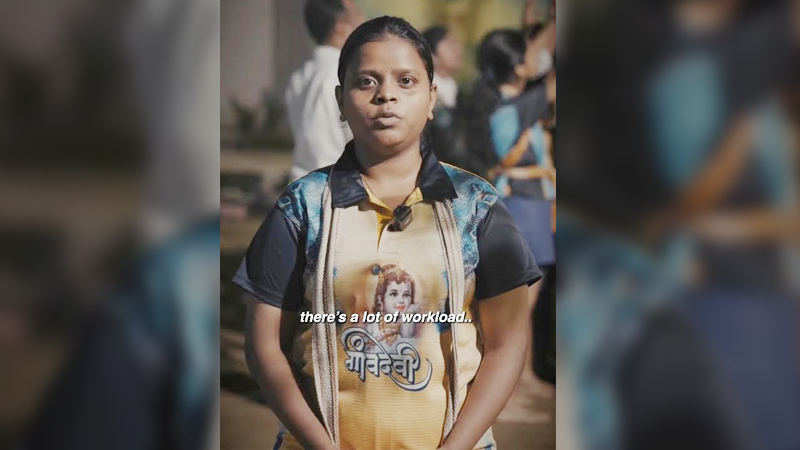
    MUMBAI – Trilok is celebrating Janmashtami with a powerful tribute to women who embody courage, resilience, and quiet strength. Their debut album Devi finds fresh expression in a special Dahi Handi video featuring Mumbai’s spirited all-women team – the Gavdevi Mahila Govinda Pathak.

    Blending the celebratory energy of the festival with the album’s central message – She is not myth. She is presence. She watches. She watches over. – the video brings a groundbreaking story to the national stage.

    “Dahi Handi has always been about teamwork, balance, and determination – qualities every ‘Devi’ in our lives carries,” said Sudeep Lahiri, Head of Channels and Distribution, Collective Media Network. “Collaborating with the Gavdevi Mahila Govinda Pathak felt like the perfect way to show that devotion and strength are living, breathing forces around us.”

    In a sport long dominated by men, the Gavdevi Mahila Govinda Pathak defies stereotypes, scaling human pyramids with skill, precision, and unshakable spirit. They embody the same courage and resilience celebrated in the goddesses we worship – fierce, fearless, and unapologetically themselves.

    With Devi, Trilok hopes to inspire audiences to see strength as a spectrum – where compassion and ferocity coexist. This Janmashtami, they’re not just celebrating a festival; they’re amplifying the story of women transforming tradition from within and proving that shakti is a lived reality.


  • Kogo AI wins Accenture Ventures’ Tech Next 2025

    Kogo AI wins Accenture Ventures’ Tech Next 2025

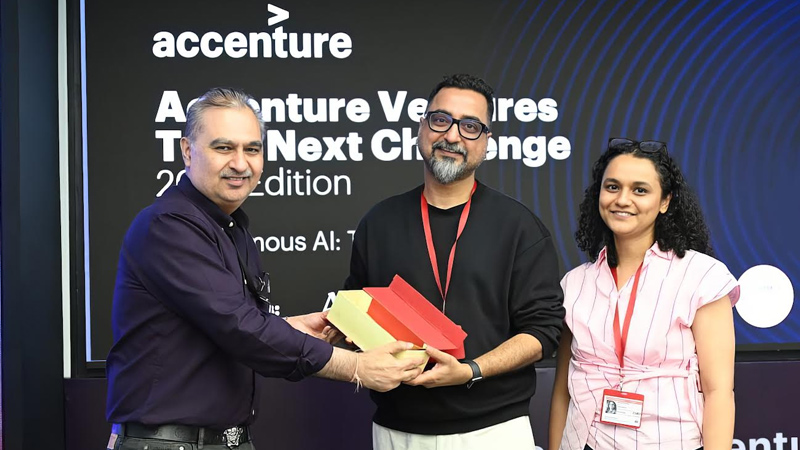
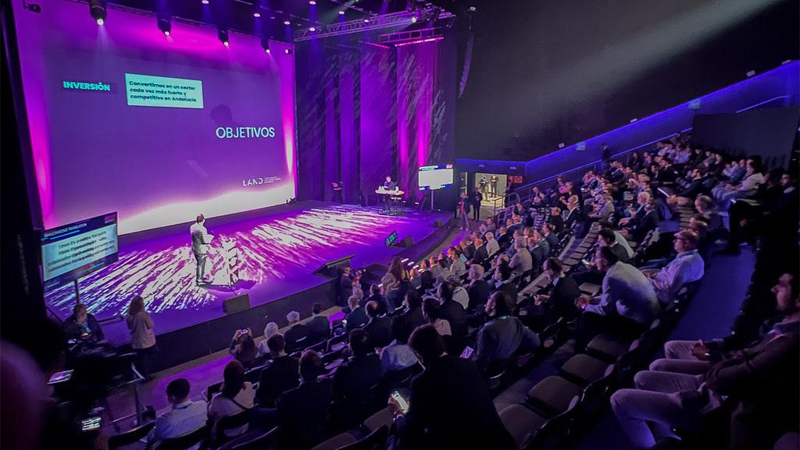
    MUMBAI–Kogo AI, a leader in Private Agentic AI infrastructure, has won the Accenture Ventures Tech Next Challenge 2025, held at the Accenture Innovation Hub in Bengaluru on 7 August. The event, themed “Autonomous AI: The Future is Now,” spotlighted autonomous AI solutions. From over 700 global applications, 300 startups advanced to the shortlist, and 15 made it to the finals.

    Participants were evaluated on solution maturity, originality, market impact, team strength, business plan, and competitive edge. Kogo emerged as a winner with its Private Full Stack Agentic AI Platform-as-a-Service (PaaS) designed for regulated sectors. By combining a low-code/no-code interface, transparent pricing, scalability, and native responsible AI, Kogo’s platform directly addressed the event’s focus.

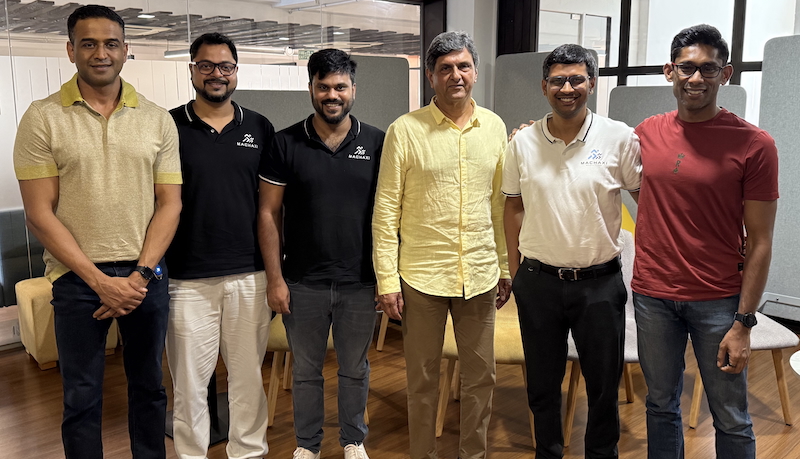
    “Honoured for Kogo AI to be among the winners at the 2025 Accenture Ventures Tech Next Challenge, standing alongside some of the brightest minds in autonomous AI,” said Kogo AI co-founder & CEO Raj K Gopalakrishna. “This recognition validates our mission to bring Private, Responsible, Full-Stack Agentic AI to enterprises globally — solving real-world problems with innovation, scalability, and impact. A big thank you to Accenture Ventures, the jury, and all the ecosystem partners for this platform, and congratulations to my fellow winners!”

  • Content India 2026 confirms dates and opens registrations

    Content India 2026 confirms dates and opens registrations

    MUMBAI: Following the success of the Content India Summit in April 2025, registrations are now open for its first three-day edition, set to take place from 16-18 March, 2026, at Taj Lands End, Mumbai.

    Content India 2026 aims to connect India’s domestic market with international partners to unlock billions in untapped value. Building on the momentum from earlier this year, Content India 2026 is set to be a dynamic platform for cross-border partnerships in the content space. The three-day event will feature panel discussions, a marketplace for domestic and international content, special screenings, curated networking sessions, and more. It aligns with insights from The Future of the Indian Entertainment Business report, which highlights major growth potential in content sales, acquisitions, co-productions, and services in this new era of collaboration.

    The announcement coincides with a major geopolitical milestone: the signing of a landmark trade agreement between India and the UK, expected to boost bilateral trade by an additional £25.5 billion annually by 2040. This lends even greater relevance to Content India 2026’s broader ambition of strengthening India’s position as a global content hub through strategic international collaboration.

    Content India 2026 is anchored around twelve strategic goals designed to transform India’s entertainment economy. These include creating globally resonant hybrid content, attracting international productions, and showcasing India’s capabilities in AI and post-production. The event will connect the creator economy with legacy media and explore new funding models such as venture capital. It also aims to enable co-productions through a trusted partner network, boost format exports and imports, drive brand partnerships, and highlight global content trends.

    By placing a strategic lens on international collaboration and creative synergy, Content India 2026 positions itself as a marquee industry event for stakeholders looking to be part of the next wave of growth and innovation in India’s content economy.

    Announcing the dates, C21’s editor-in-chief & managing director David Jenkinson said, “The Content India Summit in April 2025 consolidated the fact that there is real opportunity for the Indian and international market to create new partnerships in a fresh way. Content India 2026 will focus on how to build successful content partnerships which benefit all, and lead to new formats of content that can work locally, but also be a hit on the world stage. Now is the time.”

    Dish TV India CEO & executive director Manoj Dobhal added, “India is entering a pivotal phase where content goes beyond entertainment—it represents influence, identity, and economic strength. Content India Summit 2025 offered deep insight into the industry’s evolving aspirations and reaffirmed India’s readiness to lead the next wave of global content innovation. With Content India 2026, we aim to build a purpose-driven platform that champions bold storytelling, connects emerging talent with real opportunity, and turns ambition into impact. Our goal is to foster an inclusive, globally competitive eco-system that empowers both seasoned professionals and the next generation of creators. The potential is immense, and this platform will help unlock it through meaningful collaboration. We welcome all who share this vision for India’s entertainment future to join us.”