Category: Telecom

  • Jio-Apple strike a win-win deal as Airtel plans aggressive 4G offer

    Jio-Apple strike a win-win deal as Airtel plans aggressive 4G offer

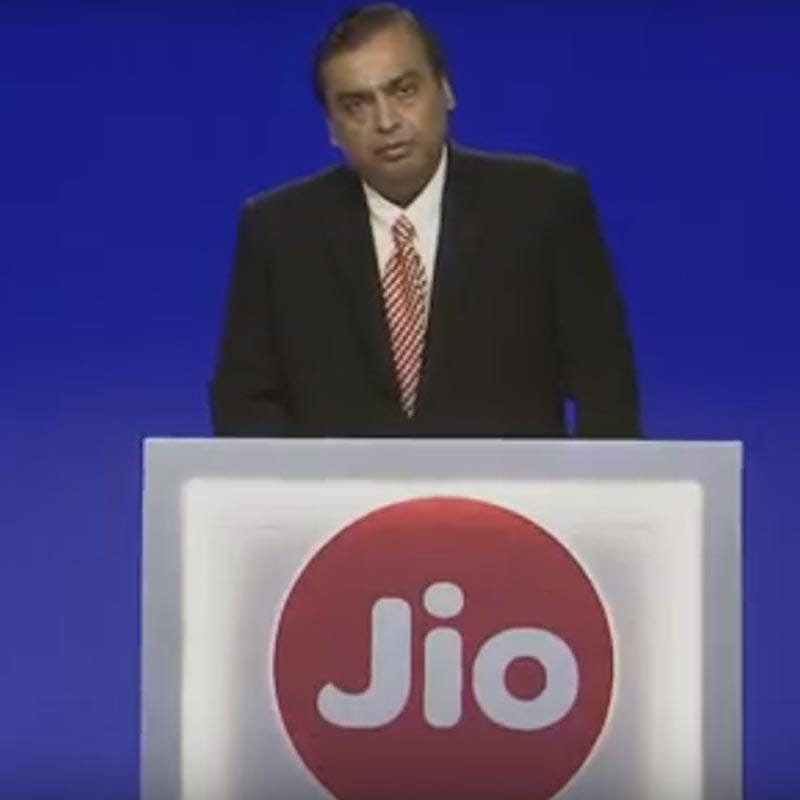
    MUMBAI: Even as Reliance Jio is giving a tough fight to the market leader Airtel, and other leading incumbent operators Vodafone and Idea, it is making significant tie-ups with cell-phone makers to up its 4G gameplan. Substantial investments are being made in high-speed telecom networks in India, said Apple CEO Tim Cook citing Reliance Jio’s 4G roll-out although he admitted its smartphone has “not done as well” in the country.

    Airtel meantime is reportedly planning to launch aggressive 4G bundled offers to take on Reliance Jio as India’s No 1 mobile carrier struggles to boost penetration and revive its slowing data revenue growth amid competition. Bharti Airtel managing director – India & South Asia Gopal Vittal agreed that it’s difficult to compete with a free services offer as it expects Jio’s full-fledged price launch to take place in December. Vittal said it will approach the regulator to clear any confusion over interconnection points (PoIs) as it has provided more PoIs to Jio than any other telco.

    Reliance Jio was the first of its kind all-IP network in India with 4G coverage in 18,000 cities and 200,000 villages, Cook said in the company’s fourth quarter earnings call. He said Apple is partnering with Reliance Jio, which is offering a free year of service to purchasers of new iPhones, to ensure “great iPhone performance” on their network. “Our iPhone sales in India were up over 50 per cent in fiscal 2016 compared to the prior year, and we believe we’re just beginning to scratch the surface of this large and growing market opportunity,” Cook said.

    He, however, noted that Apple’s smartphone has “not done as well” in India in general and one of the key reasons for that is the “(high-speed telecom networks) infrastructure hasn’t been there”. The Apple head was optimistic on the efforts being made by the Narendra Modi-led government to create jobs and develop infrastructure.

    Whether India could in future be as big of an opportunity as China for Apple, Cook said it is important to look not only at per capita income in India but also the number of people that are or will move into the middle class over the next decade. He said this class will “really want a smartphone, and I think we can compete well for some percentage of those.

    “I think it’s clear that the population of India will exceed China sometime in probably the next decade or so. I think it will take longer for the GDP to rival it, but that’s not critical for us to have a great success there,” he said.

  • Interconnect tussle: Vodafone, Airtel, Idea may move court against proposed Rs 3,000-cr penalty

    Interconnect tussle: Vodafone, Airtel, Idea may move court against proposed Rs 3,000-cr penalty

    MUMBAI: The Telecom Regulatory Authority of India (TRAI) plans to impose a heavy penalty on three major telecom operators for failing to provide adequate interconnectivity to RJio even as operators attempted to comply with the rules. Jio had written to the TRAI seeking action against incumbent operators for not giving an adequate number of interconnection points.

    Several thousand customers of Reliance Jio’s new 4G network were facing disruption in service due to shortage of interconnection with other operators for some weeks now. TRAI had earlier called Idea Cellular, Airtel, Vodafone and Jio for a meeting. Point of interconnection, the place where two networks connect, is needed for seamless communication when a user of one operator calls a user of another operator.

    TRAI has now proposed penalties on Vodafone India, Bharti Airtel, and Idea Cellular for denying interconnection to Reliance Jio Infocomm (RJio), the new entrant into telecom space in India.

    The three incumbent operators meanwhile may take a legal recourse to challenge TRAI’s suggestions. A source from one of the operators told the Hindu, it was ‘surprising that RJio’s network was having congestion in all the circles’.

    TRAI has suggested levying of a ₹50-crore penalty per circle on the three incumbent players, which could total more than ₹3,000 crore. According to TRAI, Airtel and Vodafone have to pay ₹1,050 crore each, and Idea Cellular ₹950 crore. The penalty has been imposed for violating quality of service norms.

    RJio had written to TRAI seeking action against incumbent operators for not giving an adequate number of interconnection points on July 14 and July 15, to which TRAI had communicated to all three operators on July 19 to do the needful.

    According to RJio, it is targeting 100 million subscribers, for which it had approached existing operators seeking adequate interconnection. “Instead of augmenting the PoIs, other operators are blocking the PoI augmentation on various unreasonable grounds,” RJio said in a letter to DoT.

    However, incumbent operators initially refused to give these points of interconnection. The operators earlier said they could not release more interconnections because RJio was allegedly bypassing regulations by offering full-fledged services under the guise of test connections.

    However, after a meeting between the rival operators, hosted by TRAI, the incumbent operators started releasing points of interconnection. Though this eased the congestion on RJio’s network, the operator said that a majority of calls on its networks were still dropping.

    Meanwhile, the three incumbent operators may take a legal recourse to challenge TRAI’s suggestions. According to sources from one of the operators, it was ‘surprising that RJio’s network was having congestion in all the circles’.

    Under the licence conditions, operators are required to offer interconnection to each other. TRAI has set a cap of 14 paise as the interconnection charge, which means that operators on whose network the call originates have to pay that fee to the operator on whose network the call terminates. However, incumbent operators have refused to give interconnection.

  • Interconnect tussle: Vodafone, Airtel, Idea may move court against proposed Rs 3,000-cr penalty

    Interconnect tussle: Vodafone, Airtel, Idea may move court against proposed Rs 3,000-cr penalty

    MUMBAI: The Telecom Regulatory Authority of India (TRAI) plans to impose a heavy penalty on three major telecom operators for failing to provide adequate interconnectivity to RJio even as operators attempted to comply with the rules. Jio had written to the TRAI seeking action against incumbent operators for not giving an adequate number of interconnection points.

    Several thousand customers of Reliance Jio’s new 4G network were facing disruption in service due to shortage of interconnection with other operators for some weeks now. TRAI had earlier called Idea Cellular, Airtel, Vodafone and Jio for a meeting. Point of interconnection, the place where two networks connect, is needed for seamless communication when a user of one operator calls a user of another operator.

    TRAI has now proposed penalties on Vodafone India, Bharti Airtel, and Idea Cellular for denying interconnection to Reliance Jio Infocomm (RJio), the new entrant into telecom space in India.

    The three incumbent operators meanwhile may take a legal recourse to challenge TRAI’s suggestions. A source from one of the operators told the Hindu, it was ‘surprising that RJio’s network was having congestion in all the circles’.

    TRAI has suggested levying of a ₹50-crore penalty per circle on the three incumbent players, which could total more than ₹3,000 crore. According to TRAI, Airtel and Vodafone have to pay ₹1,050 crore each, and Idea Cellular ₹950 crore. The penalty has been imposed for violating quality of service norms.

    RJio had written to TRAI seeking action against incumbent operators for not giving an adequate number of interconnection points on July 14 and July 15, to which TRAI had communicated to all three operators on July 19 to do the needful.

    According to RJio, it is targeting 100 million subscribers, for which it had approached existing operators seeking adequate interconnection. “Instead of augmenting the PoIs, other operators are blocking the PoI augmentation on various unreasonable grounds,” RJio said in a letter to DoT.

    However, incumbent operators initially refused to give these points of interconnection. The operators earlier said they could not release more interconnections because RJio was allegedly bypassing regulations by offering full-fledged services under the guise of test connections.

    However, after a meeting between the rival operators, hosted by TRAI, the incumbent operators started releasing points of interconnection. Though this eased the congestion on RJio’s network, the operator said that a majority of calls on its networks were still dropping.

    Meanwhile, the three incumbent operators may take a legal recourse to challenge TRAI’s suggestions. According to sources from one of the operators, it was ‘surprising that RJio’s network was having congestion in all the circles’.

    Under the licence conditions, operators are required to offer interconnection to each other. TRAI has set a cap of 14 paise as the interconnection charge, which means that operators on whose network the call originates have to pay that fee to the operator on whose network the call terminates. However, incumbent operators have refused to give interconnection.

  • Welcome offer lands Reliance Jio in 4G speed soup

    Welcome offer lands Reliance Jio in 4G speed soup

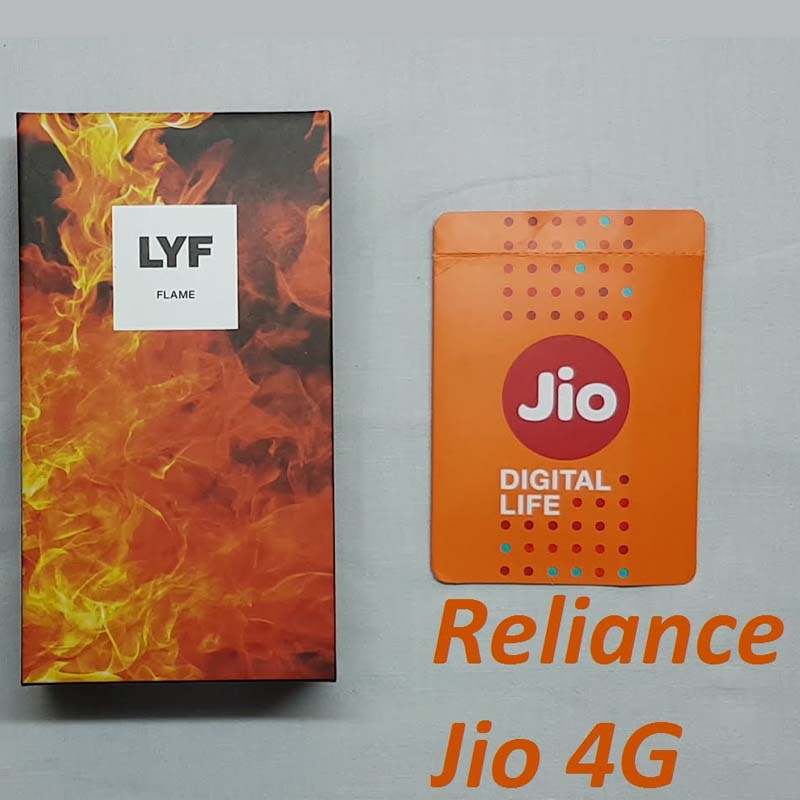
    MUMBAI: Even as Reliance Retail today launched 4G F1, the first device under the LYF brand outside the four elements branding, Reliance Jio seems to have received a setback with TRAI declaring its speed to be the poorest among five telecom operators. LYF F1 has been launched with advanced 4G for Reliance Jio at 13,399.

    Reliance Jio entered the telecom market with the aim of democratising Internet access in India. But, according to data by Telecom Regulatory Authority of India recently-launched My Speed website, the average pan-India 4G download speed by Reliance Jio stands at 6.2Mbps, making it only the fifth-fastest network in the country. TRAI data has found Reliance Jio 4G speed is the slowest in India. It is sixth in upload speed, and lags in internet speeds in all major markets. However, Jio has said that its Fair Usage Policy (FUP) policy has caused the average speed to come down

    In Delhi circle, for example, Jio’s ranking on the same parameter rises to third, but the speed decreases to 5.9Mbps. In Mumbai, a major market, Jio’s download speed goes up to 10.7Mbps and its position rises to second. In Karnataka circle, Jio fell out of the top 5 entirely, despite an average download speed of 7.5Mbps. Jio’s average download speed of 6.2Mbps, on the other hand, still makes it the fastest network in the country if the ‘technology’ on the TRAI website is set to ‘all’, which includes 2G and 3G networks as well.

    In a statement, Reliance Jio said that it has performed an internal analysis of its network and found that “the comparison of Jio speeds with other operators has an inherent bias against Jio data usage.”

    Statement from a Reliance Jio spokesperson:

    “With reference to statistics published TRAI’s analytics website, we have performed an internal analysis of the same. The nature of this skew is explained below. As you may be aware, under the Jio Welcome Offer, there is a daily fair usage policy (FUP) limit of 4GB data consumption per user. This limit has been setup with the express intention of preventing heavy data users from degrading the experience of other users.

    Before this FUP limit is reached, Jio customers enjoy unmatched 4G LTE speeds on the Jio network. However, after the FUP usage limit is reached, speeds are reduced to 256kbps. Full 4G LTE speeds are once again restored once the next 24-hour period begins. Historically, we have observed that a disproportionate number of speed tests are performed once the FUP comes into effect. This is so since most users don’t consider performing the test until they observe a deterioration of speed. Such users also tend to perform multiple tests until full speeds are restored.

    Given that data usage under Jio Welcome Offer is completely free, a higher proportion of Jio users run up against the FUP limit. In comparison, not all non-Jio users have FUP based plans (rather their usage is completely stopped, and they are entirely prevented from performing the speed test), and even those who have FUP based plans face this situation only once a month. Further, such customers tend to recharge quickly and restore full speeds.

    This difference in the offer structures, and associated customer behaviors, result in a large proportion of the speed tests being conducted on Jio network when the speeds are reduced via FUP to 256kbps. This has the effect of dragging the average far below the speeds experienced by Jio customers who are enjoying full 4G LTE speeds.

    Having said that, we continuously measure the speeds experienced by Jio customers – adjusting for factors such as FUP, and are proactively working to improve service levels for all our customers.”

  • Welcome offer lands Reliance Jio in 4G speed soup

    Welcome offer lands Reliance Jio in 4G speed soup

    MUMBAI: Even as Reliance Retail today launched 4G F1, the first device under the LYF brand outside the four elements branding, Reliance Jio seems to have received a setback with TRAI declaring its speed to be the poorest among five telecom operators. LYF F1 has been launched with advanced 4G for Reliance Jio at 13,399.

    Reliance Jio entered the telecom market with the aim of democratising Internet access in India. But, according to data by Telecom Regulatory Authority of India recently-launched My Speed website, the average pan-India 4G download speed by Reliance Jio stands at 6.2Mbps, making it only the fifth-fastest network in the country. TRAI data has found Reliance Jio 4G speed is the slowest in India. It is sixth in upload speed, and lags in internet speeds in all major markets. However, Jio has said that its Fair Usage Policy (FUP) policy has caused the average speed to come down

    In Delhi circle, for example, Jio’s ranking on the same parameter rises to third, but the speed decreases to 5.9Mbps. In Mumbai, a major market, Jio’s download speed goes up to 10.7Mbps and its position rises to second. In Karnataka circle, Jio fell out of the top 5 entirely, despite an average download speed of 7.5Mbps. Jio’s average download speed of 6.2Mbps, on the other hand, still makes it the fastest network in the country if the ‘technology’ on the TRAI website is set to ‘all’, which includes 2G and 3G networks as well.

    In a statement, Reliance Jio said that it has performed an internal analysis of its network and found that “the comparison of Jio speeds with other operators has an inherent bias against Jio data usage.”

    Statement from a Reliance Jio spokesperson:

    “With reference to statistics published TRAI’s analytics website, we have performed an internal analysis of the same. The nature of this skew is explained below. As you may be aware, under the Jio Welcome Offer, there is a daily fair usage policy (FUP) limit of 4GB data consumption per user. This limit has been setup with the express intention of preventing heavy data users from degrading the experience of other users.

    Before this FUP limit is reached, Jio customers enjoy unmatched 4G LTE speeds on the Jio network. However, after the FUP usage limit is reached, speeds are reduced to 256kbps. Full 4G LTE speeds are once again restored once the next 24-hour period begins. Historically, we have observed that a disproportionate number of speed tests are performed once the FUP comes into effect. This is so since most users don’t consider performing the test until they observe a deterioration of speed. Such users also tend to perform multiple tests until full speeds are restored.

    Given that data usage under Jio Welcome Offer is completely free, a higher proportion of Jio users run up against the FUP limit. In comparison, not all non-Jio users have FUP based plans (rather their usage is completely stopped, and they are entirely prevented from performing the speed test), and even those who have FUP based plans face this situation only once a month. Further, such customers tend to recharge quickly and restore full speeds.

    This difference in the offer structures, and associated customer behaviors, result in a large proportion of the speed tests being conducted on Jio network when the speeds are reduced via FUP to 256kbps. This has the effect of dragging the average far below the speeds experienced by Jio customers who are enjoying full 4G LTE speeds.

    Having said that, we continuously measure the speeds experienced by Jio customers – adjusting for factors such as FUP, and are proactively working to improve service levels for all our customers.”

  • Vodafone India announces roaming free from Diwali

    Vodafone India announces roaming free from Diwali

    MUMBAI: Vodafone India, one of India’s leading telecom service providers, has announced free incoming calls while roaming nationally for all its customers. Starting this Diwali, all Vodafone India customers, travelling anywhere in the country, can continue to talk worry free without having to cut short their conversations.

    Vodafone India director – commercial said, “At Vodafone, the customer is at the heart of all that we do and it is an ongoing endeavour to come up with unmatched value and convenience for our customers. Even though outgoing charges while roaming had become comparable to home charges, consumer research has shown that incoming charges while roaming have been a hindrance to worry free usage.”

    “As part of our ongoing 200 million customer celebration, providing free incoming on national roaming will ensure that our customers do not think twice while traveling out of town. We hope that this Diwali gift will empower our customers to stay connected with their loved ones without worrying about roaming tariffs,” he added.

    “Along with our recently launched international roaming daily pack which makes international roaming worry free, we are now confident that Vodafone India customers will not be holding back conversations while travelling nationally or internationally on Vodafone SuperNet™,” he said.

    Vodafone India is a 100% fully owned subsidiary of the Vodafone Group Plc. with operations across the country serving over 200 million customers (over 107 million in rural areas). Commencing operations in 2007, Vodafone is today a robust, award winning business and committed for the long term. Vodafone Business Services serves the needs of enterprises and government by providing total telecommunications (Voice and Data) solutions across mobility and wireline platforms. Our mobile wallet, M-Pesa is a unique and innovative money transfer service from Vodafone that fosters financial inclusion.

  • Vodafone India announces roaming free from Diwali

    Vodafone India announces roaming free from Diwali

    MUMBAI: Vodafone India, one of India’s leading telecom service providers, has announced free incoming calls while roaming nationally for all its customers. Starting this Diwali, all Vodafone India customers, travelling anywhere in the country, can continue to talk worry free without having to cut short their conversations.

    Vodafone India director – commercial said, “At Vodafone, the customer is at the heart of all that we do and it is an ongoing endeavour to come up with unmatched value and convenience for our customers. Even though outgoing charges while roaming had become comparable to home charges, consumer research has shown that incoming charges while roaming have been a hindrance to worry free usage.”

    “As part of our ongoing 200 million customer celebration, providing free incoming on national roaming will ensure that our customers do not think twice while traveling out of town. We hope that this Diwali gift will empower our customers to stay connected with their loved ones without worrying about roaming tariffs,” he added.

    “Along with our recently launched international roaming daily pack which makes international roaming worry free, we are now confident that Vodafone India customers will not be holding back conversations while travelling nationally or internationally on Vodafone SuperNet™,” he said.

    Vodafone India is a 100% fully owned subsidiary of the Vodafone Group Plc. with operations across the country serving over 200 million customers (over 107 million in rural areas). Commencing operations in 2007, Vodafone is today a robust, award winning business and committed for the long term. Vodafone Business Services serves the needs of enterprises and government by providing total telecommunications (Voice and Data) solutions across mobility and wireline platforms. Our mobile wallet, M-Pesa is a unique and innovative money transfer service from Vodafone that fosters financial inclusion.

  • Q2-17: Reliance: Jio busts records, organised retail grows 63 percent

    Q2-17: Reliance: Jio busts records, organised retail grows 63 percent

    BENGALURU: The Mukesh D Ambani led Reliance Industries Limited (RIL) organized retail segment – Reliance Retail,  continued its growth momentum and profitability in the quarter ended 30 September 2016 (Q2-17, current quarter), while its digital services offering Jio has broken all records in terms of subscriber acquisition.

    The RIL earnings release for Q2-17 says that Jio has created a world record by crossing 1.6  crore (16 million) subscribers in its first month of operations (September 2016). RIL says that Jio has achieved this growth faster than any other telecom operator or start up in the world including the likes of Facebook, WhatsApp and Skype.

    Ambani, said, “We are delighted and humbled by the enthusiastic adoption of Jio by India. Jio is built to empower every Indian with the power of data.”

    Further, RIL claims that Jio applications have been very popular on the network. In 1 week from launch, all the 12 Jio applications were ranked in the top 15 applications on Playstore and Appstore. All the Jio applications, including JioTV, JioCinema, JioMusic, JioMagazine, JioNews, which bouquet is worth Rs. 15,000 for an annual subscription, have been provided complimentary for all active Jio subscribers up to 31 December 2017.

    Organised Retail

    RIL’s Organised Retail segment revenue in the current quarter increased 63 percent year-over-year (y-o-y) to Rs 8,079 crore as compared to Rs 4,856 crore and increased 21.2 percent quarter-over-quarter (q-o-q) from Rs 6,666 crore. 

    The segment’s EBIT increased 42.1 percent y-o-y to Rs 162 crore from Rs 114 crore and increased 9.5 percent q-o-q from Rs 148 crore.

    RIL says that during the quarter, Reliance Retail added 59 stores across various store concepts and strengthened its distribution network for consumer electronics. Omni commerce channel offerings www.footprint360.com and www.ajio.com gained traction during the quarter. As on 30September 2016, Reliance Retail operated 3,442 stores across 679 cities with an area of over 1.3 crore (13 million) square feet.

    RIL numbers

    RIL achieved a turnover of Rs 81,651 crore ($ 12.3 billion), an increase of 9.6 percent, as compared to Rs 74,490 crore in the corresponding period of the previous year. Increase in revenue is primarily on account of increase in volumes in refining, petrochemical and retail businesses.

    Operating profit before other income and depreciation (before exceptional item) increased by 20.2 percent on a y-o-y basis to Rs 11,176 crore ($ 1.7 billion) from Rs 9,301 crore in the previous year. Strong operating performance from refining and petrochemicals businesses was partially offset by lower contribution from Oil &  Gas business due to lower volumes and weak price environment says that company.

    Profit after tax excluding exceptional items was higher by 43.1 perc ent at Rs 7,206 crore ($ 1.1 billion) as against Rs 5,035 crore in the corresponding period of the previous year. 

    Basic earnings per share (EPS) excluding exceptional items for the quarter ended 30th September 2016 was Rs 24.4 as against Rs 17.1 in the corresponding period of the previous year.

    Note:The unit of currency in this report is the Indian rupee – Rs (also conventionally represented by INR).The Indian numbering system or the Vedic numbering system has been used to denote money values. The basic conversion to the international norm would be:
    (a) 100,00,000 = 100 lakh = 10,000,000 = 10 million = 1 crore.
    (b) 10,000 lakh = 100 crore = 1 arab = 1 billion.Skype, www.footprint360.com, www.ajio.com, Q2-17

  • Q2-17: Reliance: Jio busts records, organised retail grows 63 percent

    Q2-17: Reliance: Jio busts records, organised retail grows 63 percent

    BENGALURU: The Mukesh D Ambani led Reliance Industries Limited (RIL) organized retail segment – Reliance Retail,  continued its growth momentum and profitability in the quarter ended 30 September 2016 (Q2-17, current quarter), while its digital services offering Jio has broken all records in terms of subscriber acquisition.

    The RIL earnings release for Q2-17 says that Jio has created a world record by crossing 1.6  crore (16 million) subscribers in its first month of operations (September 2016). RIL says that Jio has achieved this growth faster than any other telecom operator or start up in the world including the likes of Facebook, WhatsApp and Skype.

    Ambani, said, “We are delighted and humbled by the enthusiastic adoption of Jio by India. Jio is built to empower every Indian with the power of data.”

    Further, RIL claims that Jio applications have been very popular on the network. In 1 week from launch, all the 12 Jio applications were ranked in the top 15 applications on Playstore and Appstore. All the Jio applications, including JioTV, JioCinema, JioMusic, JioMagazine, JioNews, which bouquet is worth Rs. 15,000 for an annual subscription, have been provided complimentary for all active Jio subscribers up to 31 December 2017.

    Organised Retail

    RIL’s Organised Retail segment revenue in the current quarter increased 63 percent year-over-year (y-o-y) to Rs 8,079 crore as compared to Rs 4,856 crore and increased 21.2 percent quarter-over-quarter (q-o-q) from Rs 6,666 crore. 

    The segment’s EBIT increased 42.1 percent y-o-y to Rs 162 crore from Rs 114 crore and increased 9.5 percent q-o-q from Rs 148 crore.

    RIL says that during the quarter, Reliance Retail added 59 stores across various store concepts and strengthened its distribution network for consumer electronics. Omni commerce channel offerings www.footprint360.com and www.ajio.com gained traction during the quarter. As on 30September 2016, Reliance Retail operated 3,442 stores across 679 cities with an area of over 1.3 crore (13 million) square feet.

    RIL numbers

    RIL achieved a turnover of Rs 81,651 crore ($ 12.3 billion), an increase of 9.6 percent, as compared to Rs 74,490 crore in the corresponding period of the previous year. Increase in revenue is primarily on account of increase in volumes in refining, petrochemical and retail businesses.

    Operating profit before other income and depreciation (before exceptional item) increased by 20.2 percent on a y-o-y basis to Rs 11,176 crore ($ 1.7 billion) from Rs 9,301 crore in the previous year. Strong operating performance from refining and petrochemicals businesses was partially offset by lower contribution from Oil &  Gas business due to lower volumes and weak price environment says that company.

    Profit after tax excluding exceptional items was higher by 43.1 perc ent at Rs 7,206 crore ($ 1.1 billion) as against Rs 5,035 crore in the corresponding period of the previous year. 

    Basic earnings per share (EPS) excluding exceptional items for the quarter ended 30th September 2016 was Rs 24.4 as against Rs 17.1 in the corresponding period of the previous year.

    Note:The unit of currency in this report is the Indian rupee – Rs (also conventionally represented by INR).The Indian numbering system or the Vedic numbering system has been used to denote money values. The basic conversion to the international norm would be:
    (a) 100,00,000 = 100 lakh = 10,000,000 = 10 million = 1 crore.
    (b) 10,000 lakh = 100 crore = 1 arab = 1 billion.Skype, www.footprint360.com, www.ajio.com, Q2-17

  • Airtel 4G to reach nine circles via US$ 230-mn deal with Nokia as latter expands global PON

    Airtel 4G to reach nine circles via US$ 230-mn deal with Nokia as latter expands global PON

    MUMBAI: Finnish telecommunication network company and gear maker Nokia has pocketed a 4G network deal from Bharti Airtel in nine telecom service areas. Nokia meantime is also extending its fiber solution for universal next-gen passive optical networks (PON) to help operators more effectively scale, deploy and automate their networks as the demand for data grows.

    Nokia will deploy its available 4G technologies across Airtel regions of Madhya Pradesh, Gujarat, Bihar, Rest of Bengal, Mumbai, Maharashtra, Odisha, Kerala and UP East. The coverage expansion will include major cities such as Lucknow, Ahmedabad, Patna and Siliguri.

    According to sources cited by Financial Express, the deal between the two telecoms is estimated to be worth around US$ 230 million.

    Nokia’s head of India market Sanjay Malik said, with the latest agreement, they had become the largest supplier of 4G for Airtel. The network expansion would provide the speed, capacity, coverage Airtel needs to meet the next wave of data demand in India, he added.

    The new agreement with Nokia will see Airtel expand the deployment of 4G technology in three new circles in addition to six circles it already serves, enabling launch of new services that started in September.

    Agreement between Nokia and Bharti Airtel will enhance coverage and access in urban, suburban and rural areas within nine circles in India, it added.

    Nokia’s universal PON solution launched in 2015 leverages existing fiber platforms and infrastructure to help operators evolve networks in a gradual way, adding wavelengths in line with demand.

    The solution offers various next generation PON technologies including XGS-PON and TWDM-PON on a single platform and line card. Operators can connect subscribers with any type of optical network terminal (ONTs) regardless of whether it’s XGPON1, XGS-PON or TWDM-PON, eliminating the risk of technology and platform lock-in, the New Indian Express reported.

    Now, Nokia is enhancing its universal solution to provide operators with a higher density option that can reduce costs. Increasing deployment flexibility, the enhancements include new SDN/NFV-based capabilities that automate and simplify the deployment, maintenance and evolution of traditional fiber networks. This provides a smooth evolution path to 10G symmetrical or asymmetrical speeds with cost-efficient non-tunable XGS-PON optics and to TWDM-PON with tunable optics.