Category: Telecom

  • ITU Telecom suggests government policy to drive broadband, digital economy

    ITU Telecom suggests government policy to drive broadband, digital economy

    MUMBAI: ITU Telecom World 2016 is in its second day today. Huawei and the International Telecommunications Union (ITU) jointly hosted the first Asia Pacific Exchange on Broadband Regulation and Policy. They also released the White Paper on Broadband Regulation and Policy in Asia-Pacific Region: Facilitating Faster Broadband Deployment. Speakers at the exchange called for more comprehensive broadband policies to guide development and speed the rollout of national broadband networks, as the basis for growth in the digital economy.

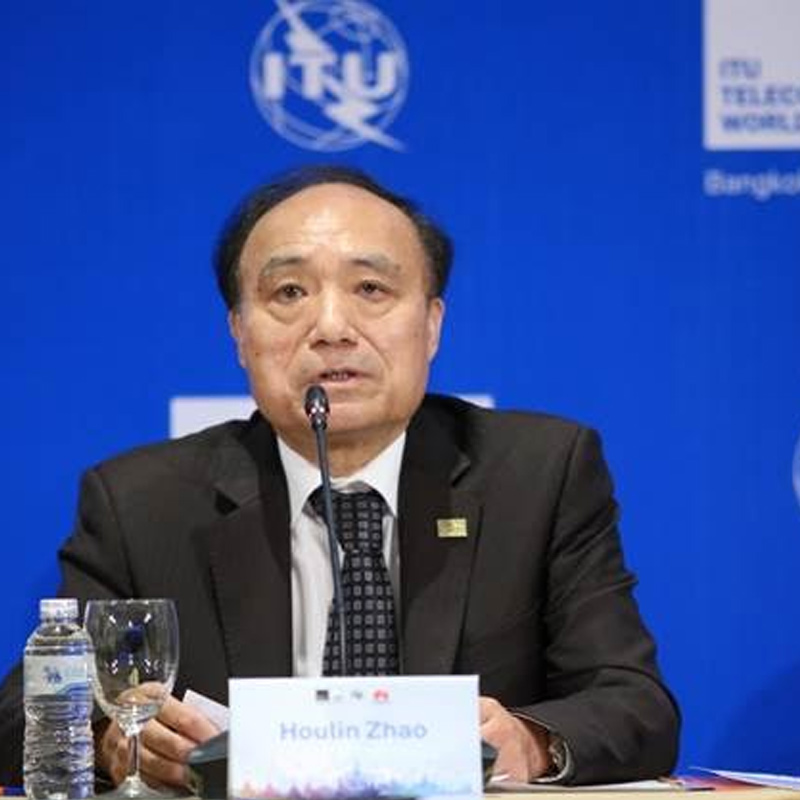
    Houlin Zhao, secretary-general of the ITU, made opening remarks at the exchange. He started his speech with appreciation to Huawei’s cooperation with ITU on the Exchange, and Huawei’s long-term support to ITU as its member. He pointed out that the ICT technologies and broadband infrastructure have become core economic competencies, critical for national competitiveness. Meanwhile, broadband has become people’s basic aspiration. It’s difficult for us to imagine a time without a broadband network and applications. Hence, Government should make broadband an imperative policy and persistently work on it.

    Development in the Asia-Pacific region has been very unbalanced, and there is great variation in connectivity across the region. According to Jin Yuzhi, Vice President of Huawei Southern-East Asia Region, Japan, Republic of Korea, and Singapore are world leaders, with broadband penetration of 95%. But in Myanmar, Bangladesh and Cambodia, less than 5% of the population has access to broadband. Speakers at the exchange said that in those countries, more government and policy support was required to accelerate infrastructure growth and increase external connectivity.

    “Broadband should be part of national strategy. Governments should encourage telecom investment and infrastructure development like submarine and land cables, data centers and other network development,”Jin said.

    During the exchange, Huawei and the ITU launched their White Paper on Broadband Regulation and Policy in Asia-Pacific Region: Facilitating Faster Broadband Deployment to offer policy guidance. The white paper calls on governments to lead infrastructure development, to build alliances incorporating different government departments and private industry, and to develop broadband-friendly industrial policy. Governments should improve infrastructure synergy and find ways to simplify the process of obtaining rights of way. They should require new buildings and renovation projects to include fiber connections, produce explicit standards for compensation for eminent domain, and start universal service funds. Governments should legislate comprehensive frameworks for ICT, expand international fiber links, loosen restrictions on carriers, investors, and infrastructure builders, release more spectrum, and make more efficient use of spectrum resources.

    During the exchange, speakers from many countries in the region agreed on the need to accelerate national broadband rollout to enable the digital economy. Leaders of regulatory agencies from Portugal, Thailand, Cambodia, India, Singapore and Malaysia discussed the development of broadband in their countries, and talked about the challenges they have faced and solutions they have developed. All parties said that they hoped for more global and regional cooperation, and that they were working to build more complete national industry policies, and improve the ICT investment climate to accelerate the development of their national broadband networks.

    Speakers from the event’s sponsor said that Huawei is a leading provider of global information and communications technology (ICT) solutions. The company has a depth of expertise as an ICT industry advisor, long experience delivering successful national broadband solutions, and global operations and systems for training telecommunications professionals. Huawei is ready to work with all the nations of the Asia-Pacific region to develop their broadband capacity, and to build a better connected Asia-Pacific.

    About 200 government officials, industry leaders, and technology experts around the region attended the exchange. ITU Telecom World, first held in 1971, is one of the most important and largest telecommunications expos in the world. The theme for this year’s expo is “Better Sooner. Accelerating ICT Innovation to Improve Lives Faster”.
  • Jio impacts Vodafone India H1-17 results

    Jio impacts Vodafone India H1-17 results

    BENGALURU: Vodafone Group Plc (Vodafone group) reported Group organic service revenue up 2.3 per cent for the half year ended 30 September 2016 (H1-17).  H1-17 Group revenue declined 3.9 per cent to €27,054 million as compared to € 28,151 million for H1-6 (corresponding period of the previous year). H1-17 Vodafone Group reported organic EBITDA growth of 4.3 per cent to €7,906 million, supported by strong cost control. In real terms, EBIDTA declined 1.7 per cent from $8,039 million reported for H1-16.

    India numbers

    Vodafone India contributed about 11.1 per cent to Vodafone Group revenues and adds about 43.7 per cent to Vodafone group mobile subscriber base in the quarter ended 30 September 2016 or Q2-17. About 51.4 per cent of the group’s voice usage was from India in Q2-17 at 183,555 million minutes (Total group 357,034 million minutes).

    Vodafone India Service revenue grew by 5.9 per cent (quarter ended 30 June 2016 or Q1-17: 6.4 per cent, Q2-17: 5.4 per cent) in H1-17 to Rs 22,579 crore from Rs 21,321 crore in H1-16. Excluding regulatory drags including MTR cuts, roaming price caps and an increase in service tax, the quarterly rate of growth slowed from 7.7 per cent in Q1-17 to 6.3 per cent in Q2-17. This underlying slowdown was mainly driven by lower data revenue growth resulting from increased competitive pressure says the company.

    Data revenue growth slowed from 22 per cent in Q1-17 to 16 per cent in Q2-17. This was driven by a flattening of unique data user growth quarter-on-quarter, reflecting the impact of ‘free’ promotional offers from a new entrant, viz., Reliance Jio. 

    Vodafone group’s active data customer base at the period end was 69.6 million or 6.96 crore (Q1-17- 69.7 million or 6.97 crore). Overall data pricing declined 14 per cent year-on-year, while data usage per customer continued to grow strongly to 504MB (+28 per cent). Vodafone group 3G / 4G customer base continued to grow to 36 million (3.6 crore), up 51 per cent, and smartphone penetration was now 34.5 per cent says the company. Vodafone India reported revenue from data of Rs 4,617 crore. Data ARPU (for users more than 1MB) was at Rs 164 in Q2-17 versus Rs 158 in Q2-16.

    Voice revenue growth increased to 2.7 per cent in Q2-17 (Q1-17: 2.2 per cent) supported by a growing customer base. This was despite seasonally lower average minutes of use per customer. Total mobile customers increased 2.8 million (28 lakh) over the period, giving a closing customer base of over 200 million for the first time (Q2: 200.7 million or 20.07 crore).
    During the period Vodafone India added 4,100 new 3G sites, taking the total to 63,000. It also has 13,000 4G sites. In the Indian spectrum auction during October Vodafone India increased its total spectrum holding by 62 per cent. 

    Overall Vodafone paid Rs 20,300 crore (€2.7 billion), of which 92 per cent was on spectrum for the 12 circles in which it claims to be a market leader. Vodafone India plans to extend its 4G footprint from 9 to 17 circles by the end of the current financial year. These circles cover around 91 per cent of Vodafone India’s service revenues and 94 per cent of its data revenues.

    EBITDA grew by 2.6 per cent in H1-17 to Rs 6,704 crore from Rs 6,534 crore, with the EBITDA margin declining by 0.1 percentage points to 29.6 per cent due to higher network and customer acquisition costs, which were largely offset by significant operating cost savings says the company.

    The Vodafone Group intends to proceed with an IPO of Vodafone India as soon as market conditions allow. It does not expect this to take place during the current financial year.

    Company speak

    Vodafone group chief executive Vittorio Colao said, ‘We have further improved our performance during the first half of the financial year with Europe modestly ahead of our expectations – led by Germany and Italy – and good execution in AMAP. Our substantial network investments and ‘more-for-more’ propositions have allowed us to capture opportunities from strong data demand, supporting European mobile contract ARPU and continued growth in emerging markets. As Europe’s fastest-growing broadband operator, we are driving rapid uptake of our consumer fixed and TV services while our wholly converged Enterprise business continues to outperform its peers. We are now translating faster revenue growth into margin expansion, supported by our focus on cost efficiency.

    Competition in India has increased in the year, reducing revenue growth and profitability. We have responded to this changing competitive environment by strengthening our data and voice commercial offers and by focusing our participation in the recent spectrum auction on acquiring frequencies in the more successful and profitable areas of the country.

    Overall, we expect to sustain our underlying performance in the second half of the year and remain on track to meet our full-year objectives despite macroeconomic uncertainties. This performance allows for improved returns to our shareholders, as reflected by the growth in the interim dividend.

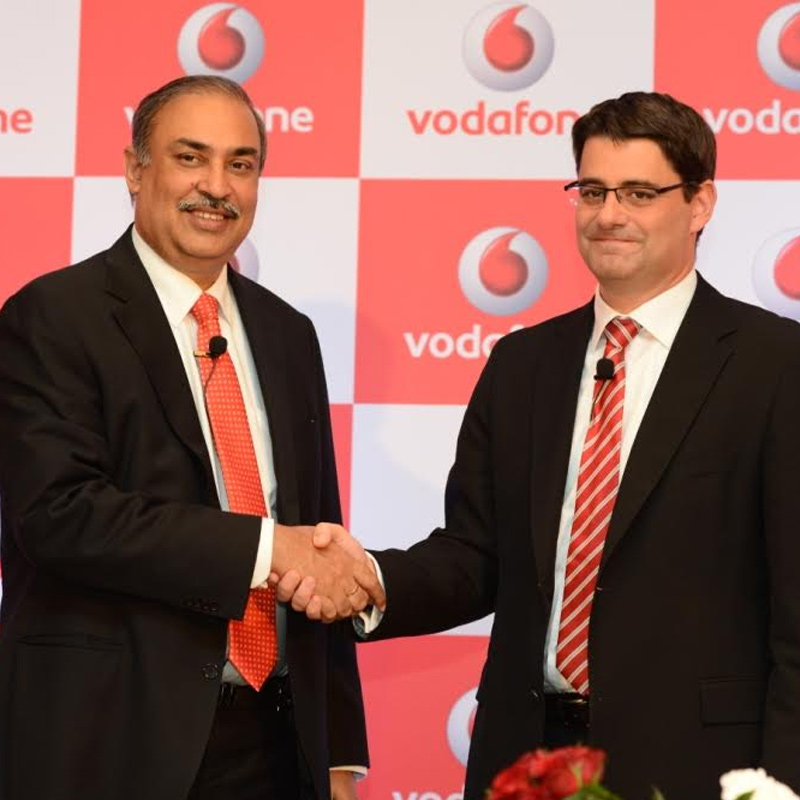
    Vodafone India managing director and CEO Sunil Sood commented: “Amidst a dynamic environment, we delivered a solid performance. We are well prepared for the increased level of competitive intensity that we are experiencing. We have strengthened our customer value propositions making Vodafone Play, your one window to the world of entertainment, launched exciting 4G offers – 9GB free on purchase of 1GB pack for new 4G handsets and revamped Vodafone RED for high end voice and data users. Further, we pioneered lifestyle propositions such as Vodafone U for young customers and Vodafone Flex, which allows customers to make a single recharge for voice, sms and data. We expanded our 4G footprint to 9 circles by launching services in 4 new circles. With the spectrum bought recently, we will roll out the Vodafone SuperNet 4G experience rapidly to 2,400 towns and in 8 additional circles by March. We continue to invest to expand our modern and scalable network with a strong backhaul, to support the increasing volumes and need for speed from both retail and enterprise customers. We remain committed to fulfill the evolving needs of our customers and leverage our global experience plus rich understanding of India to play a meaningful role in enabling Digital India.”

  • Jio impacts Vodafone India H1-17 results

    Jio impacts Vodafone India H1-17 results

    BENGALURU: Vodafone Group Plc (Vodafone group) reported Group organic service revenue up 2.3 per cent for the half year ended 30 September 2016 (H1-17).  H1-17 Group revenue declined 3.9 per cent to €27,054 million as compared to € 28,151 million for H1-6 (corresponding period of the previous year). H1-17 Vodafone Group reported organic EBITDA growth of 4.3 per cent to €7,906 million, supported by strong cost control. In real terms, EBIDTA declined 1.7 per cent from $8,039 million reported for H1-16.

    India numbers

    Vodafone India contributed about 11.1 per cent to Vodafone Group revenues and adds about 43.7 per cent to Vodafone group mobile subscriber base in the quarter ended 30 September 2016 or Q2-17. About 51.4 per cent of the group’s voice usage was from India in Q2-17 at 183,555 million minutes (Total group 357,034 million minutes).

    Vodafone India Service revenue grew by 5.9 per cent (quarter ended 30 June 2016 or Q1-17: 6.4 per cent, Q2-17: 5.4 per cent) in H1-17 to Rs 22,579 crore from Rs 21,321 crore in H1-16. Excluding regulatory drags including MTR cuts, roaming price caps and an increase in service tax, the quarterly rate of growth slowed from 7.7 per cent in Q1-17 to 6.3 per cent in Q2-17. This underlying slowdown was mainly driven by lower data revenue growth resulting from increased competitive pressure says the company.

    Data revenue growth slowed from 22 per cent in Q1-17 to 16 per cent in Q2-17. This was driven by a flattening of unique data user growth quarter-on-quarter, reflecting the impact of ‘free’ promotional offers from a new entrant, viz., Reliance Jio. 

    Vodafone group’s active data customer base at the period end was 69.6 million or 6.96 crore (Q1-17- 69.7 million or 6.97 crore). Overall data pricing declined 14 per cent year-on-year, while data usage per customer continued to grow strongly to 504MB (+28 per cent). Vodafone group 3G / 4G customer base continued to grow to 36 million (3.6 crore), up 51 per cent, and smartphone penetration was now 34.5 per cent says the company. Vodafone India reported revenue from data of Rs 4,617 crore. Data ARPU (for users more than 1MB) was at Rs 164 in Q2-17 versus Rs 158 in Q2-16.

    Voice revenue growth increased to 2.7 per cent in Q2-17 (Q1-17: 2.2 per cent) supported by a growing customer base. This was despite seasonally lower average minutes of use per customer. Total mobile customers increased 2.8 million (28 lakh) over the period, giving a closing customer base of over 200 million for the first time (Q2: 200.7 million or 20.07 crore).
    During the period Vodafone India added 4,100 new 3G sites, taking the total to 63,000. It also has 13,000 4G sites. In the Indian spectrum auction during October Vodafone India increased its total spectrum holding by 62 per cent. 

    Overall Vodafone paid Rs 20,300 crore (€2.7 billion), of which 92 per cent was on spectrum for the 12 circles in which it claims to be a market leader. Vodafone India plans to extend its 4G footprint from 9 to 17 circles by the end of the current financial year. These circles cover around 91 per cent of Vodafone India’s service revenues and 94 per cent of its data revenues.

    EBITDA grew by 2.6 per cent in H1-17 to Rs 6,704 crore from Rs 6,534 crore, with the EBITDA margin declining by 0.1 percentage points to 29.6 per cent due to higher network and customer acquisition costs, which were largely offset by significant operating cost savings says the company.

    The Vodafone Group intends to proceed with an IPO of Vodafone India as soon as market conditions allow. It does not expect this to take place during the current financial year.

    Company speak

    Vodafone group chief executive Vittorio Colao said, ‘We have further improved our performance during the first half of the financial year with Europe modestly ahead of our expectations – led by Germany and Italy – and good execution in AMAP. Our substantial network investments and ‘more-for-more’ propositions have allowed us to capture opportunities from strong data demand, supporting European mobile contract ARPU and continued growth in emerging markets. As Europe’s fastest-growing broadband operator, we are driving rapid uptake of our consumer fixed and TV services while our wholly converged Enterprise business continues to outperform its peers. We are now translating faster revenue growth into margin expansion, supported by our focus on cost efficiency.

    Competition in India has increased in the year, reducing revenue growth and profitability. We have responded to this changing competitive environment by strengthening our data and voice commercial offers and by focusing our participation in the recent spectrum auction on acquiring frequencies in the more successful and profitable areas of the country.

    Overall, we expect to sustain our underlying performance in the second half of the year and remain on track to meet our full-year objectives despite macroeconomic uncertainties. This performance allows for improved returns to our shareholders, as reflected by the growth in the interim dividend.

    Vodafone India managing director and CEO Sunil Sood commented: “Amidst a dynamic environment, we delivered a solid performance. We are well prepared for the increased level of competitive intensity that we are experiencing. We have strengthened our customer value propositions making Vodafone Play, your one window to the world of entertainment, launched exciting 4G offers – 9GB free on purchase of 1GB pack for new 4G handsets and revamped Vodafone RED for high end voice and data users. Further, we pioneered lifestyle propositions such as Vodafone U for young customers and Vodafone Flex, which allows customers to make a single recharge for voice, sms and data. We expanded our 4G footprint to 9 circles by launching services in 4 new circles. With the spectrum bought recently, we will roll out the Vodafone SuperNet 4G experience rapidly to 2,400 towns and in 8 additional circles by March. We continue to invest to expand our modern and scalable network with a strong backhaul, to support the increasing volumes and need for speed from both retail and enterprise customers. We remain committed to fulfill the evolving needs of our customers and leverage our global experience plus rich understanding of India to play a meaningful role in enabling Digital India.”

  • Q3 ’16: 70pc smartphones shipped, 90pc sold by e-tailers 4G-enabled; Indian market crosses 30 million

    Q3 ’16: 70pc smartphones shipped, 90pc sold by e-tailers 4G-enabled; Indian market crosses 30 million

    MUMBAI: Smartphone market in India crossed the 30 million unit shipments milestone for the first time ever in a quarter in CY Q3 2016 maintaining its healthy traction with 11 per cent year-on-year growth.

    According to the International Data Corporation’s (IDC) Quarterly Mobile Phone Tracker, smartphone shipments clocked 32.3 million units in CY Q3 2016 with 17.5 per centage growth over the previous quarter. “This seasonal spike in third quarter of the year can be attributed to the channel preparation for the festive season, mega online sales and early import of smartphones owing to Chinese holidays in October” says IDC India’s senior market analyst – client devices Karthik J.

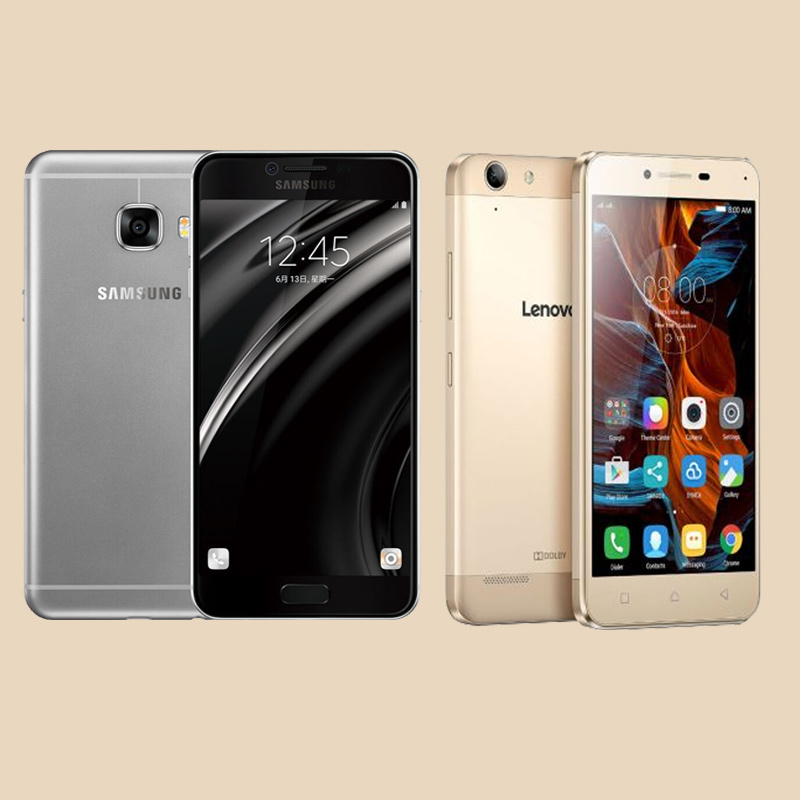
    Online share of smartphone increased to 31.6 per cent with impressive 35 per cent Quarter-on-Quarter (QoQ) growth due to strong performance by key online players primarily from China-based vendors. Also, closing weeks of the quarter witnessed incremental supplies as many vendors were preparing their inventories for the online festival sales in October. Lenovo Group continues to lead online channel followed by Xiaomi. “Lenovo Group accounts for almost one-fourth of total online smartphone shipments driven primarily by Lenovo’s K5 series and Motorola’s G4 series models. Also, Xiaomi’s Redmi Note 3 and newly launched Redmi 3S fuelled the online shipments to a large extent,” adds Karthik. 

    4G smartphone shipments grew 24.8 per cent over previous quarter in CY Q3 2016. Rollout of Reliance Jio network has further increased the share of 4G enabled smartphones in India. Seven out of 10 smartphone shipped in Q3 2016 were 4G enabled and 9 out of 10 smartphone sold by eTailers were 4G.

    http://www.indiantelevision.com/sites/drupal7.indiantelevision.co.in/files/styles/large/public/image005.png?itok=g7Hwl27b

    Samsung leads the Indian smartphone market with 23 per centage share with 8 per cent sequential growth and 9.7 per cent growth from the same period last year. Despite the recall of Samsung’s flagship Note 7, multiple new launches across both offline and online channels added onto the its strong portfolio helped vendor to grow at a healthy rate in CY Q3 2016. J2 continues to be a key contributor for Samsung.

    Lenovo Group (including Motorola) climbed to second place with 9.6 per cent share of smartphones. Similar to the CY Q3 2015 trend, Lenovo Group’s shipment spiked in CY Q3 2016 with growth of 46.1 per cent over previous quarter. Motorola’s volume almost doubled Quarter-on-Quarter driven by newly launched E3 Power and G4 models. K5 series continues to be lead runner for Lenovo accounting for over 40 per cent of its total volume.

    Micromax slips to third position with a 32 per cent decline in smartphone shipments over previous quarter. Vendor is facing tremendous pressure from other local vendors in sub US$ 100 segment and with Chinese players in US$100-150.

    Xiaomi makes its debut in top five as its shipments doubled over previous quarter. With primary focus on online and minimalistic product portfolio, vendor has grown more than 2.5 times over the same period last year. As the vendor plans to expand its footprint in the offline channel, competition is likely to get intense in Indian smartphone market.

    Reliance Jio sustains its fifth position in CY Q3 2016 despite a healthy 20.9 per cent growth over previous quarter. With the commercial launch of Reliance Jio Service with attractive introductory offer, the LYF branded smartphones saw a sharp demand with reports of stock outs at some locations. Apart from its entry level Flame series, Water series also contributed to the growth in Q3 2016.

    http://www.indiantelevision.com/sites/drupal7.indiantelevision.co.in/files/styles/large/public/image006.png?itok=6w5UhTsk

    Overall mobile phone market shipments closed at 72.3 Million units in CY Q3 2016 with an 18.1 per cent sequential growth. Feature phones registered 39.9 Million units in CY Q3 2016 with a healthy 18.6 per cent quarter-over-quarter growth. However, feature phones market declined at 12.4 per cent over the same period last year, pulling down the overall mobile phone shipments marginally by 3.3 per cent.

     “Mobile vendor ecosystem is going through a multi-dimensional transition. Continuous investment from China based vendors on retail expansion and high decibel marketing has led to disruption in the plans of home-grown vendors to some extent. To remain relevant, home-grown vendors are counting on the feature phone market even though they are facing certain supply issues for a few components” says IDC India market analyst client devices Jaipal Singh. “Also, vendors are relooking at the channel strategy by getting lower tier distributors on-board, positioning more staff at storefronts and adopting the right mix of products in both online and offline channels” adds Singh.

    Migration from feature phone to smartphone has slowed down, helping India based vendors to maintain their dominance in overall mobile market. Though feature phone market is consolidated with few key vendors, it is also witnessing the emergence of new brands. Itel in its second quarter in Indian market has quadrupled its shipments while Zen mobile shipments have more than doubled over the previous quarter.

    IDC India expects 2016 to end with a higher single digit annual growth, considering the smartphone performance till CY Q3 2016. 

  • Q3 ’16: 70pc smartphones shipped, 90pc sold by e-tailers 4G-enabled; Indian market crosses 30 million

    Q3 ’16: 70pc smartphones shipped, 90pc sold by e-tailers 4G-enabled; Indian market crosses 30 million

    MUMBAI: Smartphone market in India crossed the 30 million unit shipments milestone for the first time ever in a quarter in CY Q3 2016 maintaining its healthy traction with 11 per cent year-on-year growth.

    According to the International Data Corporation’s (IDC) Quarterly Mobile Phone Tracker, smartphone shipments clocked 32.3 million units in CY Q3 2016 with 17.5 per centage growth over the previous quarter. “This seasonal spike in third quarter of the year can be attributed to the channel preparation for the festive season, mega online sales and early import of smartphones owing to Chinese holidays in October” says IDC India’s senior market analyst – client devices Karthik J.

    Online share of smartphone increased to 31.6 per cent with impressive 35 per cent Quarter-on-Quarter (QoQ) growth due to strong performance by key online players primarily from China-based vendors. Also, closing weeks of the quarter witnessed incremental supplies as many vendors were preparing their inventories for the online festival sales in October. Lenovo Group continues to lead online channel followed by Xiaomi. “Lenovo Group accounts for almost one-fourth of total online smartphone shipments driven primarily by Lenovo’s K5 series and Motorola’s G4 series models. Also, Xiaomi’s Redmi Note 3 and newly launched Redmi 3S fuelled the online shipments to a large extent,” adds Karthik. 

    4G smartphone shipments grew 24.8 per cent over previous quarter in CY Q3 2016. Rollout of Reliance Jio network has further increased the share of 4G enabled smartphones in India. Seven out of 10 smartphone shipped in Q3 2016 were 4G enabled and 9 out of 10 smartphone sold by eTailers were 4G.

    http://www.indiantelevision.com/sites/drupal7.indiantelevision.co.in/files/styles/large/public/image005.png?itok=g7Hwl27b

    Samsung leads the Indian smartphone market with 23 per centage share with 8 per cent sequential growth and 9.7 per cent growth from the same period last year. Despite the recall of Samsung’s flagship Note 7, multiple new launches across both offline and online channels added onto the its strong portfolio helped vendor to grow at a healthy rate in CY Q3 2016. J2 continues to be a key contributor for Samsung.

    Lenovo Group (including Motorola) climbed to second place with 9.6 per cent share of smartphones. Similar to the CY Q3 2015 trend, Lenovo Group’s shipment spiked in CY Q3 2016 with growth of 46.1 per cent over previous quarter. Motorola’s volume almost doubled Quarter-on-Quarter driven by newly launched E3 Power and G4 models. K5 series continues to be lead runner for Lenovo accounting for over 40 per cent of its total volume.

    Micromax slips to third position with a 32 per cent decline in smartphone shipments over previous quarter. Vendor is facing tremendous pressure from other local vendors in sub US$ 100 segment and with Chinese players in US$100-150.

    Xiaomi makes its debut in top five as its shipments doubled over previous quarter. With primary focus on online and minimalistic product portfolio, vendor has grown more than 2.5 times over the same period last year. As the vendor plans to expand its footprint in the offline channel, competition is likely to get intense in Indian smartphone market.

    Reliance Jio sustains its fifth position in CY Q3 2016 despite a healthy 20.9 per cent growth over previous quarter. With the commercial launch of Reliance Jio Service with attractive introductory offer, the LYF branded smartphones saw a sharp demand with reports of stock outs at some locations. Apart from its entry level Flame series, Water series also contributed to the growth in Q3 2016.

    http://www.indiantelevision.com/sites/drupal7.indiantelevision.co.in/files/styles/large/public/image006.png?itok=6w5UhTsk

    Overall mobile phone market shipments closed at 72.3 Million units in CY Q3 2016 with an 18.1 per cent sequential growth. Feature phones registered 39.9 Million units in CY Q3 2016 with a healthy 18.6 per cent quarter-over-quarter growth. However, feature phones market declined at 12.4 per cent over the same period last year, pulling down the overall mobile phone shipments marginally by 3.3 per cent.

     “Mobile vendor ecosystem is going through a multi-dimensional transition. Continuous investment from China based vendors on retail expansion and high decibel marketing has led to disruption in the plans of home-grown vendors to some extent. To remain relevant, home-grown vendors are counting on the feature phone market even though they are facing certain supply issues for a few components” says IDC India market analyst client devices Jaipal Singh. “Also, vendors are relooking at the channel strategy by getting lower tier distributors on-board, positioning more staff at storefronts and adopting the right mix of products in both online and offline channels” adds Singh.

    Migration from feature phone to smartphone has slowed down, helping India based vendors to maintain their dominance in overall mobile market. Though feature phone market is consolidated with few key vendors, it is also witnessing the emergence of new brands. Itel in its second quarter in Indian market has quadrupled its shipments while Zen mobile shipments have more than doubled over the previous quarter.

    IDC India expects 2016 to end with a higher single digit annual growth, considering the smartphone performance till CY Q3 2016. 

  • Jio 4G to erect 45,000 towers; more the merrier, says COAI

    Jio 4G to erect 45,000 towers; more the merrier, says COAI

    MUMBAI: Late entrant telecom operator Reliance Jio will erect around 45,000 mobile towers in the next six months to boost its 4G network.

    Telecom lobbying body COAI meanwhile stated that it has established around 129,101 base transceiver stations (BTSs) across India to tackle call drops on networks.

    Reliance Jio in meeting with the telecom minister Manoj Sinha has committed to erect 45,000 crore mobile towers in six months to further strengthen its network. The company has said that it has plans to invest Rs 1 lakh crore over a period of four years and the new towers are part of this investment, PTI has reported.

    Reliance Jio reportedly informed Sinha that it has already invested Rs 1.6 lakh crore in the networks and installed 2.82 lakh base stations across India covering 18,000 cities and two lakh villages.

    Jio said that it has made all efforts to provide good consumer experience but non-availability of point of interconnection from Airtel, Vodafone and Idea has led to high call failure rate on its network. Sinha then directed the telecom operators to resolve PoI issue among themselves at the earliest.

    Telecom regulator TRAI had recommended Rs 3,050 crore penalty on Airtel, Vodafone and Idea Cellular holding them responsible for congestion in RJIL network. TRAI chairman RS Sharma has asked the incumbent operators to mutually resolve interconnection issue at the earliest and warned action against those found liable for poor service quality benchmark around network congestion, call drop etc.

    Consisting largely of India’s GSM operators, COAI members are said to have invested Rs 12,000 crore for installing these BTSs. The 100-day-plan to install BTSs was reportedly completed last month. TRAI’s Independent Drive Tests (IDTs) conducted between December 2015 and January 2016 revealed that call drop rates in cities like Mumbai, Pune, Delhi were much above the permissible limits. The limits are set at 2% by the regulator.

  • Jio 4G to erect 45,000 towers; more the merrier, says COAI

    Jio 4G to erect 45,000 towers; more the merrier, says COAI

    MUMBAI: Late entrant telecom operator Reliance Jio will erect around 45,000 mobile towers in the next six months to boost its 4G network.

    Telecom lobbying body COAI meanwhile stated that it has established around 129,101 base transceiver stations (BTSs) across India to tackle call drops on networks.

    Reliance Jio in meeting with the telecom minister Manoj Sinha has committed to erect 45,000 crore mobile towers in six months to further strengthen its network. The company has said that it has plans to invest Rs 1 lakh crore over a period of four years and the new towers are part of this investment, PTI has reported.

    Reliance Jio reportedly informed Sinha that it has already invested Rs 1.6 lakh crore in the networks and installed 2.82 lakh base stations across India covering 18,000 cities and two lakh villages.

    Jio said that it has made all efforts to provide good consumer experience but non-availability of point of interconnection from Airtel, Vodafone and Idea has led to high call failure rate on its network. Sinha then directed the telecom operators to resolve PoI issue among themselves at the earliest.

    Telecom regulator TRAI had recommended Rs 3,050 crore penalty on Airtel, Vodafone and Idea Cellular holding them responsible for congestion in RJIL network. TRAI chairman RS Sharma has asked the incumbent operators to mutually resolve interconnection issue at the earliest and warned action against those found liable for poor service quality benchmark around network congestion, call drop etc.

    Consisting largely of India’s GSM operators, COAI members are said to have invested Rs 12,000 crore for installing these BTSs. The 100-day-plan to install BTSs was reportedly completed last month. TRAI’s Independent Drive Tests (IDTs) conducted between December 2015 and January 2016 revealed that call drop rates in cities like Mumbai, Pune, Delhi were much above the permissible limits. The limits are set at 2% by the regulator.

  • Big deals happening in telecom towers

    Big deals happening in telecom towers

    MUMBAI: Valuation in the business of telecom towers has averaged out over the past decade when the sector witnessed a battery of PE firms negotiate deals in India. There have been, over the past year, a few large deals in the sector.

    American private equity firm Providence, specialising in media, telecom, and technology investments, is reportedly exchanging its holding in Aditya Birla Telecom Ltd (ABTL) with a 4.8% stake in Indus Towers Ltd. The planned potential deal is expected to be a stock swap for Providence.

    The stake for Providence may be worth around Rs 3,000 crore according to estimates in the backdrop of recent deals in the telecom tower space in India.

    VCCircle has reported that the country’s largest telecom tower firm Indus Towers is a three-way joint venture with Bharti Infratel Ltd (42%), Vodafone India (42%) and ABTL (16%). Providence Equity Partners owns compulsory convertible preference shares of ABTL that give it beneficial stake of around 30% in the privately held firm.

    Indus is an independently managed company offering passive infrastructure services to all telecom operators and broadband service providers. It operates in 15 of India’s 22 telecom service areas including Delhi, Mumbai, Kolkata and states in southern, northern and western regions. As of 31 March 2016, it operated 119,881 towers with 270,006 co-locations.

    The Economic Times, earlier this month, reported that the Aditya Birla Group was looking at restructuring its towers venture that could involve Providence swapping shares of ABTL with a 5% stake in Indus. It reported that the group was seeking to sell a large stake in its captive tower business under Idea Cellular, and may merge that arm with ABTL, and then bring down its equity in the merged entity.

    Reliance Communications recently signed term sheet with Brookfield Infrastructure Group for part-sale of its telecom tower business. RCom is selling 51% stake in tower unit for Rs 11,000 crore. The deal involving 45,000 mobile towers will facilitate RCom to lessen debt burden.Reliance Communications has a net debt of Rs. 42,000 crores as of end-June, which it expects to cut by Rs. 20,000 crore. Reliance had been looking to sell its mobile towers business, and had expected to seal a deal by October, CEO Gurdeep Singh had said earlier.

    American Tower Corporation, a year ago, purchased a 51% stake in telecom tower firm Viom Networks for Rs 7,635 crore. Co-promoted by Tata Group and the Kanoria family of SREI Infrastructure, Viom had private investors, some of whom had backed the Kanorias’s Quippo Telecom Infrastructure.

  • Big deals happening in telecom towers

    Big deals happening in telecom towers

    MUMBAI: Valuation in the business of telecom towers has averaged out over the past decade when the sector witnessed a battery of PE firms negotiate deals in India. There have been, over the past year, a few large deals in the sector.

    American private equity firm Providence, specialising in media, telecom, and technology investments, is reportedly exchanging its holding in Aditya Birla Telecom Ltd (ABTL) with a 4.8% stake in Indus Towers Ltd. The planned potential deal is expected to be a stock swap for Providence.

    The stake for Providence may be worth around Rs 3,000 crore according to estimates in the backdrop of recent deals in the telecom tower space in India.

    VCCircle has reported that the country’s largest telecom tower firm Indus Towers is a three-way joint venture with Bharti Infratel Ltd (42%), Vodafone India (42%) and ABTL (16%). Providence Equity Partners owns compulsory convertible preference shares of ABTL that give it beneficial stake of around 30% in the privately held firm.

    Indus is an independently managed company offering passive infrastructure services to all telecom operators and broadband service providers. It operates in 15 of India’s 22 telecom service areas including Delhi, Mumbai, Kolkata and states in southern, northern and western regions. As of 31 March 2016, it operated 119,881 towers with 270,006 co-locations.

    The Economic Times, earlier this month, reported that the Aditya Birla Group was looking at restructuring its towers venture that could involve Providence swapping shares of ABTL with a 5% stake in Indus. It reported that the group was seeking to sell a large stake in its captive tower business under Idea Cellular, and may merge that arm with ABTL, and then bring down its equity in the merged entity.

    Reliance Communications recently signed term sheet with Brookfield Infrastructure Group for part-sale of its telecom tower business. RCom is selling 51% stake in tower unit for Rs 11,000 crore. The deal involving 45,000 mobile towers will facilitate RCom to lessen debt burden.Reliance Communications has a net debt of Rs. 42,000 crores as of end-June, which it expects to cut by Rs. 20,000 crore. Reliance had been looking to sell its mobile towers business, and had expected to seal a deal by October, CEO Gurdeep Singh had said earlier.

    American Tower Corporation, a year ago, purchased a 51% stake in telecom tower firm Viom Networks for Rs 7,635 crore. Co-promoted by Tata Group and the Kanoria family of SREI Infrastructure, Viom had private investors, some of whom had backed the Kanorias’s Quippo Telecom Infrastructure.

  • Jio-Apple strike a win-win deal as Airtel plans aggressive 4G offer

    Jio-Apple strike a win-win deal as Airtel plans aggressive 4G offer

    MUMBAI: Even as Reliance Jio is giving a tough fight to the market leader Airtel, and other leading incumbent operators Vodafone and Idea, it is making significant tie-ups with cell-phone makers to up its 4G gameplan. Substantial investments are being made in high-speed telecom networks in India, said Apple CEO Tim Cook citing Reliance Jio’s 4G roll-out although he admitted its smartphone has “not done as well” in the country.

    Airtel meantime is reportedly planning to launch aggressive 4G bundled offers to take on Reliance Jio as India’s No 1 mobile carrier struggles to boost penetration and revive its slowing data revenue growth amid competition. Bharti Airtel managing director – India & South Asia Gopal Vittal agreed that it’s difficult to compete with a free services offer as it expects Jio’s full-fledged price launch to take place in December. Vittal said it will approach the regulator to clear any confusion over interconnection points (PoIs) as it has provided more PoIs to Jio than any other telco.

    Reliance Jio was the first of its kind all-IP network in India with 4G coverage in 18,000 cities and 200,000 villages, Cook said in the company’s fourth quarter earnings call. He said Apple is partnering with Reliance Jio, which is offering a free year of service to purchasers of new iPhones, to ensure “great iPhone performance” on their network. “Our iPhone sales in India were up over 50 per cent in fiscal 2016 compared to the prior year, and we believe we’re just beginning to scratch the surface of this large and growing market opportunity,” Cook said.

    He, however, noted that Apple’s smartphone has “not done as well” in India in general and one of the key reasons for that is the “(high-speed telecom networks) infrastructure hasn’t been there”. The Apple head was optimistic on the efforts being made by the Narendra Modi-led government to create jobs and develop infrastructure.

    Whether India could in future be as big of an opportunity as China for Apple, Cook said it is important to look not only at per capita income in India but also the number of people that are or will move into the middle class over the next decade. He said this class will “really want a smartphone, and I think we can compete well for some percentage of those.

    “I think it’s clear that the population of India will exceed China sometime in probably the next decade or so. I think it will take longer for the GDP to rival it, but that’s not critical for us to have a great success there,” he said.