Category: Telecom

  • TRAI issues fresh paper seeking views on Net Neutrality definition

    TRAI issues fresh paper seeking views on Net Neutrality definition

    NEW DELHI: India’s telecoms regulator Telecom Regulatory Authority of India (TRAI) yesterday floated another consultation paper on Net Neutrality (NN) seeking to establish a framework that allows Internet users the `freedom of expression’ and non discriminatory access to the Net.

    In the discussion paper, TRAI stated having identified the India-specific context, the next challenge is to examine what should be the country’s policy response on issues relating to any form of discriminatory treatment in the provision of access to the Internet and seeks views on framing a regulatory framework that would ensure that access to content on the internet is neither ‘blocked’, ‘throttled’ nor ‘preferentially treated’ by ISPs and telecom service providers (TSPs).

    “The idea of equal or nondiscriminatory treatment of traffic that flows on the Internet resonates in the NN principles adopted by various jurisdictions, although the term itself does not necessary feature in their regulatory instruments. The EU regulations, for instance, create ‘common rules to safeguard equal and nondiscriminatory treatment of traffic’ without expressly using the term NN. Given that key terms such as `equal treatment’ are still contested, many have urged against a rigid definition of NN. This was also the view expressed by the DoT (Department of Telecoms) committee in its report where it stated that ‘the crux of the matter is that we need not hard code the definition of Net Neutrality but assimilate the core principles of Net Neutrality and shape the actions around them’,” TRAI said in the consultation paper.

    The issue of Net Neutrality has been occupying Indian mind space for the last 13 months with pro and anti neutrality views floating around without actually addressing the issue that is also a topic of debate in developed markets like the US, Europe and in Asia. TRAI, which has dealt with the issue in a piecemeal fashion (zero rating plans), for example, earlier in 2016, refers to US regulator FCC stand on the issue in its present paper. However, with a new government led by President-elect Trump to take over later this month, even FCC stand may change on the issue of Net Neutrality.

    Some of the questions raised by TRAI in its present 60+ pages paper on Net Neutrality include the following:

    # How should “Internet traffic” and providers of “Internet services” be un-derstood in the NN context?

    # Should certain types of specialised services, enterprise solutions, Inter¬net of Things, etc be excluded from its scope?

    How should such terms be defined?

    # How should services provided by content delivery networks and direct interconnection arrangements be treated?

    # In the Indian context, which of the following regulatory approaches would
    be preferable?

    # Whether and how should different categories of traffic be objectively defined from a technical point of view for this purpose?

    # Should application-specific discrimination within a category of traffic be viewed more strictly than discrimination between categories?

    # How should preferential treatment of particular content, activated by a users choice and without any arrangement between a telecom service provider and content provider be treated?

    The paper, however, does seem to highlight that telecom service providers have to deploy certain traffic management practices to ensure that the wireless networks are able to maintain a certain quality of standards. Hence, it also attempts to establish the framework for what it calls “reasonable traffic management practices” to ensure the wireless networks do not get choked or congested, Economic Times reported yesterday evening on its website.

    All stakeholders will have to give in their responses by February 28, 2017after which the telecom regulator will deliberate upon the responses and make its final recommendations to the government.

    ALSO READ

    “There would be a lot on TRAI’s plate in 2017” – RS Sharma

    Free data, net neutrality: Discussion on TRAI paper to be held

    Net Neutrality: Reactions from the consumers provide deep insights

    Net Neutrality: TRAI receives a million mails, Indians awaits judgment day
  • Airtel, Vodafone lead market; UP East adds max subs

    Airtel, Vodafone lead market; UP East adds max subs

    MUMBAI: Witnessing a healthy growth in telecom penetration, the GSM subscriber base in the country grew to 801.81 million in November 2016. COAI, the association of mobile telephony service providers in the country, which released the November GSM subscriber base numbers, has said the number of GSM subscribers witnessed a jump of 10.18 million as compared to the previous month.

    Telecom industry’s steady growth was recorded in net subscriber additions from 2.09 million in August to 10.18 million in November.

    Amongst the telecom companies, Bharti Airtel continued to hold on to the pole position in November, adding another 1.08 million additional subscribers during the month to take its total subscriber base to 263.35 million mobile subscribers. Closely followed by Vodafone with 202.79 million subscribers and Idea Cellular with 187.68 million subscribers. With 32.84%, Bharti Airtel owns the maximum market share in the industry.

    The report, which also assesses the growth of mobile subscribers across various circles in India said, UP East added the maximum number of subscribers (73.82 million) in November and Idea added the maximum number of subscribers (7.43 million) in November.

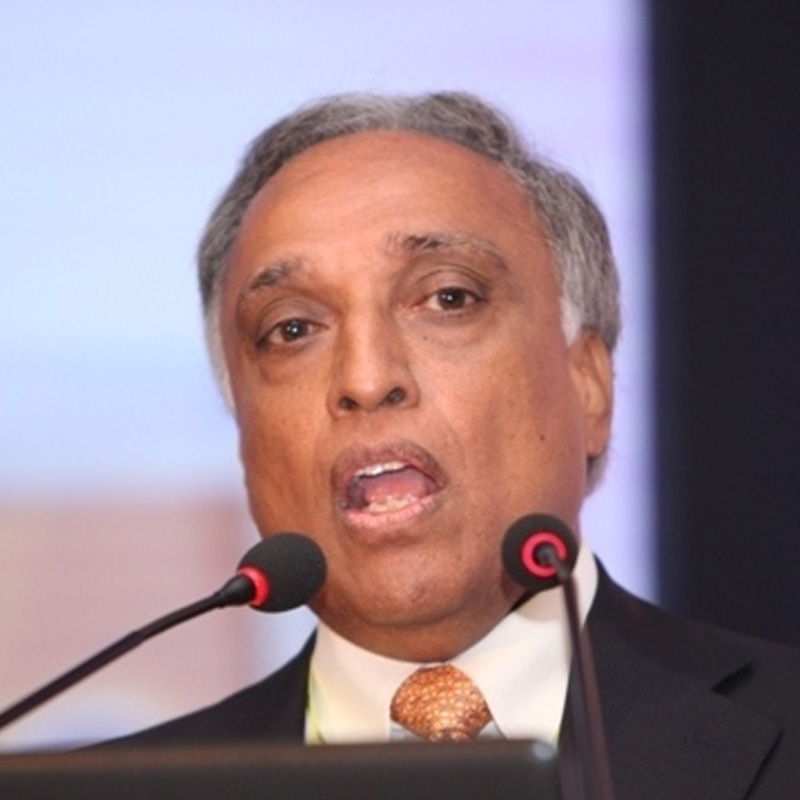
    Talking about the growth in the subscriber base, COAI director-general Rajan S Mathews said, “The telecommunication industry has again posted a good growth for the month of November 2016. It is heartening to see that the industry is showing signs of a robust growth and we have again moved ahead in ensuring complete connectivity at all levels. Telecom companies have been contributing towards fulfilling the government’s vision of Digital India since beginning and we will continue bridge the digital divide for a fully connected and digitally empowered India.”

    Speaking about the impact made by the telecom industry, he added, “We are an enabler of comprehensive growth. The industry has also ensured that the government’s plans reach even the farthest corners of the country and everyone is equally benefitted from the digital revolution.”

  • Airtel, Vodafone lead market; UP East adds max subs

    Airtel, Vodafone lead market; UP East adds max subs

    MUMBAI: Witnessing a healthy growth in telecom penetration, the GSM subscriber base in the country grew to 801.81 million in November 2016. COAI, the association of mobile telephony service providers in the country, which released the November GSM subscriber base numbers, has said the number of GSM subscribers witnessed a jump of 10.18 million as compared to the previous month.

    Telecom industry’s steady growth was recorded in net subscriber additions from 2.09 million in August to 10.18 million in November.

    Amongst the telecom companies, Bharti Airtel continued to hold on to the pole position in November, adding another 1.08 million additional subscribers during the month to take its total subscriber base to 263.35 million mobile subscribers. Closely followed by Vodafone with 202.79 million subscribers and Idea Cellular with 187.68 million subscribers. With 32.84%, Bharti Airtel owns the maximum market share in the industry.

    The report, which also assesses the growth of mobile subscribers across various circles in India said, UP East added the maximum number of subscribers (73.82 million) in November and Idea added the maximum number of subscribers (7.43 million) in November.

    Talking about the growth in the subscriber base, COAI director-general Rajan S Mathews said, “The telecommunication industry has again posted a good growth for the month of November 2016. It is heartening to see that the industry is showing signs of a robust growth and we have again moved ahead in ensuring complete connectivity at all levels. Telecom companies have been contributing towards fulfilling the government’s vision of Digital India since beginning and we will continue bridge the digital divide for a fully connected and digitally empowered India.”

    Speaking about the impact made by the telecom industry, he added, “We are an enabler of comprehensive growth. The industry has also ensured that the government’s plans reach even the farthest corners of the country and everyone is equally benefitted from the digital revolution.”

  • Telecom to be among 2017’s top employment generators; rise in women pro predicted

    MUMBAI: The Year 2017 is bringing good news for job seekers, with an expected 10-15 per cent rise in hiring activity in 2017 as reported by over 2000 employers across India Inc. according to a private survey. This points towards a cheerful year for the hiring industry, as employers’ expectations are greater than what they were last year.

    In the survey last year (2015-16), employers had anticipated a lower 5-10 per cent rise in hiring while now they are upbeat about seeing a 10-15 per cent rise in 2017. “There is a clear paradigm shift in the Indian economy, with the support of the government’s efforts and focus on IT, entrepreneurship and manufacturing, India Inc. is steering itself for strong growth that is seen to be impacting job growth and employment in the country next year,” says Times Business Solutions head of strategy Nilanjan Roy.

    In the TimesJobs survey 2016-17, 30 per cent organisations felt the IT and telecom sectors will hire the biggest numbers, 20 per cent said the healthcare sector and 15 per cent said that manufacturing will be the top employment generator. Another 15 per cent voted for automobile and 10 per cent for infrastructure and retail sectors.

    The focus on gender diversity will also continue to take shape in 2017, as highlighted by India Inc. in the 2016-17 study. Over 70 per cent organisations plan to increase the ratio of women in their workforce. This is a significant 10 per cent rise in employer expectations as compared to that in 2016, showing a heightened awareness of the gender diversity challenge faced by India Inc. About 60 per cent employers foresee a higher demand for women professionals at the middle level positions, 20 per cent see maximum hires at the entry level while another 20 percent say they will hire women professional for CXO level leadership roles in 2017.

    Nearly 25% of organisations voted that IT would be the most sought after profile followed by another 20 per cent organizations that feel the demand for sales, business development professionals and research and development profiles will rise considerably in 2017. About 15 per cent organisations said that they expect marketing and advertising professionals to see maximum demand in 2017.

    The most optimistic hiring expectations are for middle-level professionals, according to the survey 2016-17. The study reveals professionals with 5-10 years of experience will see the maximum demand across sectors. Nearly 30 per cent of the organisations surveyed stated mid-level managers with 5-10 years of experience would be most sought in 2017. About 20 per cent employers see greater demand for young professionals with less than 2 years of experience in 2017 while 15 per cent said experienced professionals with 10-20 years of experience will be most in demand.

    While positive hiring activity is being reported in Tier I cities and state capitals, the major metros will continue to be the top job hubs in 2017 according to the survey. Nearly 45 per cent organisations said job opportunities will be maximum in metro cities, including, Delhi-NCR, Mumbai, Bengaluru and Chennai while 40 per cent see a rise in employment opportunities in Tier I locations. Overall, the survey 2016-17 reports the second and fourth-quarters of 2017 as the hottest for hiring in India Inc.

  • Telecom to be among 2017’s top employment generators; rise in women pro predicted

    MUMBAI: The Year 2017 is bringing good news for job seekers, with an expected 10-15 per cent rise in hiring activity in 2017 as reported by over 2000 employers across India Inc. according to a private survey. This points towards a cheerful year for the hiring industry, as employers’ expectations are greater than what they were last year.

    In the survey last year (2015-16), employers had anticipated a lower 5-10 per cent rise in hiring while now they are upbeat about seeing a 10-15 per cent rise in 2017. “There is a clear paradigm shift in the Indian economy, with the support of the government’s efforts and focus on IT, entrepreneurship and manufacturing, India Inc. is steering itself for strong growth that is seen to be impacting job growth and employment in the country next year,” says Times Business Solutions head of strategy Nilanjan Roy.

    In the TimesJobs survey 2016-17, 30 per cent organisations felt the IT and telecom sectors will hire the biggest numbers, 20 per cent said the healthcare sector and 15 per cent said that manufacturing will be the top employment generator. Another 15 per cent voted for automobile and 10 per cent for infrastructure and retail sectors.

    The focus on gender diversity will also continue to take shape in 2017, as highlighted by India Inc. in the 2016-17 study. Over 70 per cent organisations plan to increase the ratio of women in their workforce. This is a significant 10 per cent rise in employer expectations as compared to that in 2016, showing a heightened awareness of the gender diversity challenge faced by India Inc. About 60 per cent employers foresee a higher demand for women professionals at the middle level positions, 20 per cent see maximum hires at the entry level while another 20 percent say they will hire women professional for CXO level leadership roles in 2017.

    Nearly 25% of organisations voted that IT would be the most sought after profile followed by another 20 per cent organizations that feel the demand for sales, business development professionals and research and development profiles will rise considerably in 2017. About 15 per cent organisations said that they expect marketing and advertising professionals to see maximum demand in 2017.

    The most optimistic hiring expectations are for middle-level professionals, according to the survey 2016-17. The study reveals professionals with 5-10 years of experience will see the maximum demand across sectors. Nearly 30 per cent of the organisations surveyed stated mid-level managers with 5-10 years of experience would be most sought in 2017. About 20 per cent employers see greater demand for young professionals with less than 2 years of experience in 2017 while 15 per cent said experienced professionals with 10-20 years of experience will be most in demand.

    While positive hiring activity is being reported in Tier I cities and state capitals, the major metros will continue to be the top job hubs in 2017 according to the survey. Nearly 45 per cent organisations said job opportunities will be maximum in metro cities, including, Delhi-NCR, Mumbai, Bengaluru and Chennai while 40 per cent see a rise in employment opportunities in Tier I locations. Overall, the survey 2016-17 reports the second and fourth-quarters of 2017 as the hottest for hiring in India Inc.

  • Govt made Rs 2152 cr less than expected from spectrum sale

    Govt made Rs 2152 cr less than expected from spectrum sale

    MUMBAI: The government raised Rs 32434.10 crore upfront from the spectrum auction this year, against the Rs 43586 cr that the Telecom Department had projected. That is a difference of Rs 2152 cr.

    Telecom minister Manoj Sinha stated in the Rajya Sabha that, for 2016-17, DoT estimated Rs 34,586 crore from spectrum auction which was raised by the finance ministry to Rs 63,580.92 crore. Against DoT’s projection of Rs 34,586 crore, Rs 32,434.10 crore had been collected as upfront payment from 2016 auction.

    The final revenue expected from airwaves auction was based on the base price of each band of spectrum in each licenced service area put to auction, fixed by the government on the recommendation of TRAI, the minister explained.

    However, budgetary target projection by DoT can be considered as the revenue target from spectrum auction. Total revenue government raised from the sale of airwaves in 2016 was Rs 65,789.12 crore, the minister added.

  • Govt made Rs 2152 cr less than expected from spectrum sale

    Govt made Rs 2152 cr less than expected from spectrum sale

    MUMBAI: The government raised Rs 32434.10 crore upfront from the spectrum auction this year, against the Rs 43586 cr that the Telecom Department had projected. That is a difference of Rs 2152 cr.

    Telecom minister Manoj Sinha stated in the Rajya Sabha that, for 2016-17, DoT estimated Rs 34,586 crore from spectrum auction which was raised by the finance ministry to Rs 63,580.92 crore. Against DoT’s projection of Rs 34,586 crore, Rs 32,434.10 crore had been collected as upfront payment from 2016 auction.

    The final revenue expected from airwaves auction was based on the base price of each band of spectrum in each licenced service area put to auction, fixed by the government on the recommendation of TRAI, the minister explained.

    However, budgetary target projection by DoT can be considered as the revenue target from spectrum auction. Total revenue government raised from the sale of airwaves in 2016 was Rs 65,789.12 crore, the minister added.

  • Telcos may migrate to ARPU-based model as 5-7 per cent hit feared

    Telcos may migrate to ARPU-based model as 5-7 per cent hit feared

    MUMBAI: Loss of revenue on account of competitive pressure catalysed by the extension of Mukesh Ambani-led Reliance Jio free services and demonetisation may cumulatively affect telcos by 5-7 per cent.

    RJio recently announced an extension of its free services till 31 March, 2017. Speaking on the impact on the Indian telecom industry, ICRA Limited Associate Head – Corporate Ratings Harsh Jagnani, said: “At a time when the industry is already facing pressures on the operating metrics, owing to heightened competition, the extension of free services by RJio is expected to further push down the realisations in both the voice and the data segments. The impact is expected to be exacerbated by demonetisation of the higher denomination currency, which can lead to revenue loss of the telcos, especially in the pre-paid segment.”

    RJio, which launched its services in September 2016 with free voice calling along with lifetime free roaming, provided free unlimited data and a bouquet of mobile applications free till 31 December, 2016, as part of the inaugural offer. Recently, the company announced an extension of its free services till 31 March, 2017.

    The tariffs proposed, apart from being disruptive, are not looking at pricing voice and data separately, instead, it is seeing a subscriber holistically and offering bundled packages. The highlight is to develop a market with deep penetration and high consumption, especially for data, thereby targeting high average revenue per user (ARPU) subscribers.

    Apart from attractive pricing, other factors which can help RJio build a sizeable subscriber base are – (a) a big bang launch with a novelty factor, (b) a fresh network which gives good service, (c) a strong device ecosystem, and (d) a wide bouquet of content. These can translate into rapid subscriber additions, which would intensify the competition in the sector and increase the subscriber acquisition/retention costs for other operators. Nevertheless, the extent of subscriber addition and service quality delivered by RJio, its pricing strategies in the longer term, and the response by other operators remain watch events for the industry.

    ICRA is of the opinion that increasingly the industry would migrate from the revenue per minute (RPM) or the average revenue per megabyte (ARMB) approach to ARPU-based approach.

    “At a time when the industry is reeling under a Rs. 4,25,000-crore debt, this extension of free services by RJio has added to the industry’s woes. Heightened competitive pressures would impact the performance of the telcos during the next two quarters i.e. Q3 and Q4 of FY2017. Revenue loss, owing to demonetisation and pressure on operating metrics due to competitive pressures, intensified by extension of free services by RJio, are expected to negatively impact the revenue of the industry by 5-7% during the next two quarters,” Jagnani reiterated.

  • Telcos may migrate to ARPU-based model as 5-7 per cent hit feared

    Telcos may migrate to ARPU-based model as 5-7 per cent hit feared

    MUMBAI: Loss of revenue on account of competitive pressure catalysed by the extension of Mukesh Ambani-led Reliance Jio free services and demonetisation may cumulatively affect telcos by 5-7 per cent.

    RJio recently announced an extension of its free services till 31 March, 2017. Speaking on the impact on the Indian telecom industry, ICRA Limited Associate Head – Corporate Ratings Harsh Jagnani, said: “At a time when the industry is already facing pressures on the operating metrics, owing to heightened competition, the extension of free services by RJio is expected to further push down the realisations in both the voice and the data segments. The impact is expected to be exacerbated by demonetisation of the higher denomination currency, which can lead to revenue loss of the telcos, especially in the pre-paid segment.”

    RJio, which launched its services in September 2016 with free voice calling along with lifetime free roaming, provided free unlimited data and a bouquet of mobile applications free till 31 December, 2016, as part of the inaugural offer. Recently, the company announced an extension of its free services till 31 March, 2017.

    The tariffs proposed, apart from being disruptive, are not looking at pricing voice and data separately, instead, it is seeing a subscriber holistically and offering bundled packages. The highlight is to develop a market with deep penetration and high consumption, especially for data, thereby targeting high average revenue per user (ARPU) subscribers.

    Apart from attractive pricing, other factors which can help RJio build a sizeable subscriber base are – (a) a big bang launch with a novelty factor, (b) a fresh network which gives good service, (c) a strong device ecosystem, and (d) a wide bouquet of content. These can translate into rapid subscriber additions, which would intensify the competition in the sector and increase the subscriber acquisition/retention costs for other operators. Nevertheless, the extent of subscriber addition and service quality delivered by RJio, its pricing strategies in the longer term, and the response by other operators remain watch events for the industry.

    ICRA is of the opinion that increasingly the industry would migrate from the revenue per minute (RPM) or the average revenue per megabyte (ARMB) approach to ARPU-based approach.

    “At a time when the industry is reeling under a Rs. 4,25,000-crore debt, this extension of free services by RJio has added to the industry’s woes. Heightened competitive pressures would impact the performance of the telcos during the next two quarters i.e. Q3 and Q4 of FY2017. Revenue loss, owing to demonetisation and pressure on operating metrics due to competitive pressures, intensified by extension of free services by RJio, are expected to negatively impact the revenue of the industry by 5-7% during the next two quarters,” Jagnani reiterated.

  • Jio Money Merchant app helps transition to cashless economy

    Jio Money Merchant app helps transition to cashless economy

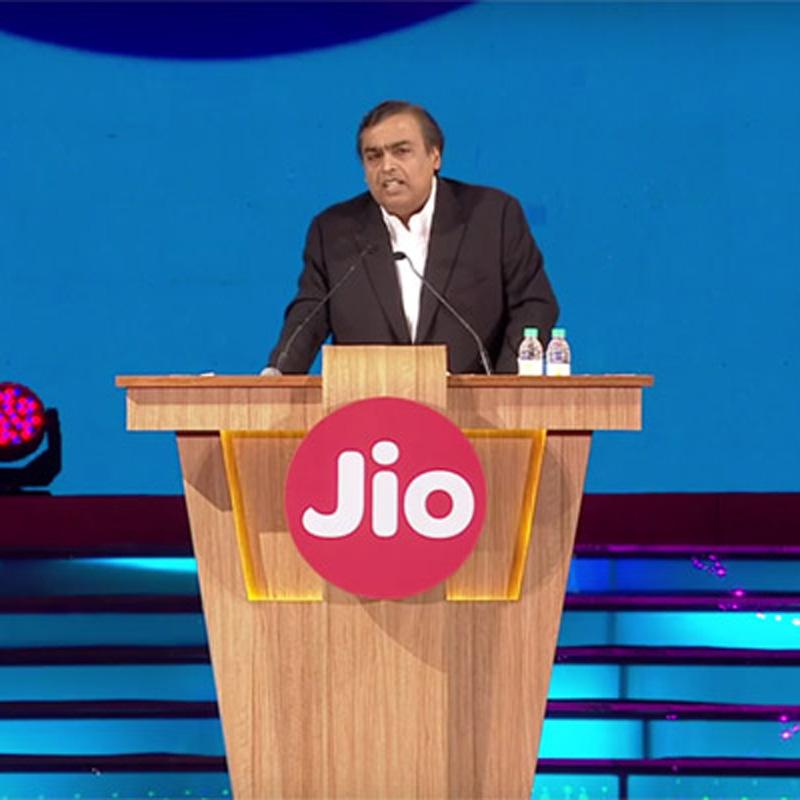
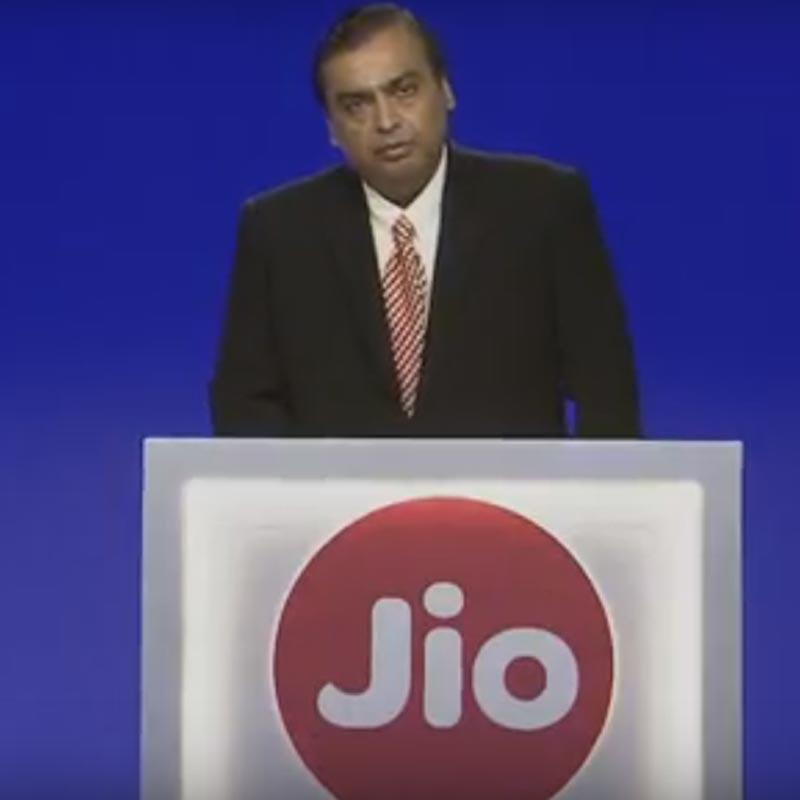
    MUMBAI: Reliance Industries Ltd (RIL) chairman and managing director Mukesh Ambani today, while unveiling Jio’s Happy New year offer, lauded the prime minister Narendra Modi for his bold and historic decision to demonetise some currency.

    Ambani said that, by doing this, Modi has given the strongest possible push to the growth of a digitally-enabled, optimal-cash economy in India. He believes that digitally-enabling transactions will help create a fair, transparent and strong India and Indian economy.

    “It will bring unprecedented accountability at every level. I believe that the common people will be the biggest beneficiaries of this change. Every Indian will have a Digital ATM in their hands, which they can operate whenever and wherever they want,” said Ambani.

    With the Jio Money application, every Indian has access to a digital money wallet that is linked to their bank account. In order to make this possible, JioMoney is rapidly expanding its reach to millions of touch points where Aadhar based micro-ATMs will be deployed, informed Ambani.

    Jio is committed to support the growth of a digital economy in India. One of the key drivers for adoption of digital money and cashless way of living is people’s ability to convert physical cash into digital cash and vice-versa. In order to make this possible, Jio Money is rapidly expanding its reach to millions of touch points where Aadhar-based micro-ATMs will be deployed.

    Jio also announced the launch of the Jio Money Merchant Solution. Starting 5 December, every merchant can download the Jio Merchant money application. This solution provides access to Jio’s suite of services, including customised offerings such as digital money, for an important segment of the Indian economy. This will enable digital transactions of all types, whether at mandis, small shops, restaurants, railway ticket counters, for bus and mass transit and even for person-to-person money transfers.

    Jio believes that this offering will contribute significantly in realising the PM’s vision of transitioning to a cashless economy.