Category: Social Media

  • Mark Zuckerberg gets ‘Reactive’ with Facebook

    Mark Zuckerberg gets ‘Reactive’ with Facebook

    MUMBAI: It’s been seven years since Facebook introduced us to the “Like” button on the social media platform and ever since then it has become an integral part of our daily lives. In order to improve the experience, Facebook recently was on a testing spree to find alternatives to the existing button. After a demand for the “dislike” button and an intensive research, Facebook recently launched “Reactions,” an extension of the Like button, which gives users more ways to share their reaction to a Facebook post in a quick and easy way.

    Talking about the release and the new update, Facebook founder and CEO Mark Zuckerberg said, “Not every moment you want to share is happy. Sometimes you want to share something sad or frustrating. Our community has been asking for a dislike button for years, but not because people want to tell friends they don’t like their posts. People wanted to express empathy and make it comfortable to share a wider range of emotions. I’ve spent a lot of time thinking about the right way to do this with our team. One of my goals was to make it as simple as pressing and holding the Like button. The result is Reactions, which allow you to express love, laughter, surprise, sadness or anger.”

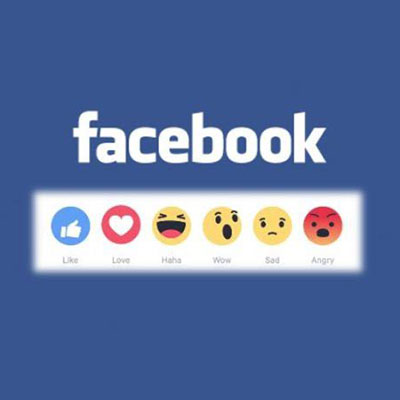
    The ever-so-famous “Like” button has not been replaced, but has now got exciting new additions, which include the expressions such as ‘love,’ ‘haha,’ ‘yay,’ ‘sad,’ ‘angry’ and ‘wow.’ Facebook has ensured that the recent additions do not clutter on the screen and confuse the users; hence the “like” button will look just as it always has. Users will have to hold the mouse over the “like” options for the ‘reactions’ to show up.

    Speaking about the aim on improving the news feed for the users, Facebook product manager Sammi Krug said, “Our goal with News Feed is to show you the stories that matter most to you. Initially, just as we do when someone likes a post, if someone uses a Reaction, we will infer they want to see more of that type of post. In the beginning, it won’t matter if someone likes, “wows” or “sad” a post — we will initially use any Reaction similar to a Like to infer that you want to see more of that type of content. Over time we hope to learn how the different Reactions should be weighted differently by News Feed to do a better job of showing everyone the stories they most want to see.” 

    While this interesting update will bring in a new experience immediately for the users, advertisers on Facebook will have to wait for few more months to understand the user reactions on their respective ads. It is expected that the idea of using the Facebook’s new emoticons – anger, humour and others will be useful to improve the target audiences. But how much impact would that have? Only time will tell.

    For now, it’s time to experience and observe how fans respond to the new feature, and Zuckerberg and team spend time learning from this addition and use “our reactions” to improve.

  • Mark Zuckerberg gets ‘Reactive’ with Facebook

    Mark Zuckerberg gets ‘Reactive’ with Facebook

    MUMBAI: It’s been seven years since Facebook introduced us to the “Like” button on the social media platform and ever since then it has become an integral part of our daily lives. In order to improve the experience, Facebook recently was on a testing spree to find alternatives to the existing button. After a demand for the “dislike” button and an intensive research, Facebook recently launched “Reactions,” an extension of the Like button, which gives users more ways to share their reaction to a Facebook post in a quick and easy way.

    Talking about the release and the new update, Facebook founder and CEO Mark Zuckerberg said, “Not every moment you want to share is happy. Sometimes you want to share something sad or frustrating. Our community has been asking for a dislike button for years, but not because people want to tell friends they don’t like their posts. People wanted to express empathy and make it comfortable to share a wider range of emotions. I’ve spent a lot of time thinking about the right way to do this with our team. One of my goals was to make it as simple as pressing and holding the Like button. The result is Reactions, which allow you to express love, laughter, surprise, sadness or anger.”

    The ever-so-famous “Like” button has not been replaced, but has now got exciting new additions, which include the expressions such as ‘love,’ ‘haha,’ ‘yay,’ ‘sad,’ ‘angry’ and ‘wow.’ Facebook has ensured that the recent additions do not clutter on the screen and confuse the users; hence the “like” button will look just as it always has. Users will have to hold the mouse over the “like” options for the ‘reactions’ to show up.

    Speaking about the aim on improving the news feed for the users, Facebook product manager Sammi Krug said, “Our goal with News Feed is to show you the stories that matter most to you. Initially, just as we do when someone likes a post, if someone uses a Reaction, we will infer they want to see more of that type of post. In the beginning, it won’t matter if someone likes, “wows” or “sad” a post — we will initially use any Reaction similar to a Like to infer that you want to see more of that type of content. Over time we hope to learn how the different Reactions should be weighted differently by News Feed to do a better job of showing everyone the stories they most want to see.” 

    While this interesting update will bring in a new experience immediately for the users, advertisers on Facebook will have to wait for few more months to understand the user reactions on their respective ads. It is expected that the idea of using the Facebook’s new emoticons – anger, humour and others will be useful to improve the target audiences. But how much impact would that have? Only time will tell.

    For now, it’s time to experience and observe how fans respond to the new feature, and Zuckerberg and team spend time learning from this addition and use “our reactions” to improve.
  • FY-2015: Twitter revenue up 58%

    FY-2015: Twitter revenue up 58%

    BENGALURU: Twitter Inc reported 58.1 per cent increase in GAAP revenue for the year ended 31 December, 2015 (FY-2015, current year) at $2,218 million as compared to $1,403 million in FY-2014.

    Taking foreign exchange effect into account, revenue increased 58.1 per cent in the current year at $1,994 million as compared to $1,256 million. Loss for the current year reduced to $521.03 million as compared to $577.82 million in the previous year.


    Adjusted EBIDTA in FY-2015 increased 85.4 per cent to $577.81 million (25.1 per cent margin) in FY-2015 as compared to $300.90 million (21.4 per cent margin).


    For the quarter ended 31 December, 2015 (Q4-2015, current quarter), Twitter advertising revenue increased 48.3 per cent to $710.47 million from $479.08 million in the corresponding prior year quarter. Net loss in the current quarter declined $90.24 million as compared to $125.35 million in Q4-2014. Adjusted EBIDTA in Q4-2015 increased 35.3 per cent to $191.42 million (26.9 per cent margin) as compared to $141.49 million (29.5 per cent margin) in the corresponding prior year quarter.


    Twitter says that total advertising revenue reached $641 million in Q4-2015, an increase of 48 per cent year over year, as reported, and 53 per cent on a constant currency basis. Twitter owned-and-operated advertising revenue was $556 million, an increase of 31 per cent year over year. Non-owned-and-operated advertising revenue reached $85 million, or 13 per cent of advertising revenue, consistent with that of Q3-2015. Growth in total advertising revenue continues to be driven by strong growth in demand for our advertising products, particularly video and website card formats. However, year-over-year growth in the app install advertising format slowed meaningfully in Q4-2015 relative to that of Q3-2015. Sequential video revenue growth in Q4-2015 more than doubled that of total advertising revenue growth.


    By channel, the company says that SMB revenue was again the fastest growing on a year-over-year basis, driven by growth in new customers, though it remains the smallest segment of total advertising revenue by a considerable margin. Twitter’s direct sales channel showed the strongest growth in revenue on a sequential basis in the period, reflecting seasonal spending typically seen from brand advertisers in Q4-2015. Twitter’s base of total active advertisers grew by nearly 90 per cent in the period versus Q4 2014 – approximately 16 per cent on a sequential basis as the company continued to sign up new advertisers and grow overall demand on the platform.


    Data licensing and other revenue totalled $70 million in the quarter, up 48 per cent year over year, driven by more than 60 per cent growth in mobile ad exchange revenue.


    Advertising Metrics


    In Q4-2015, Twitter says it reached 130,000 active advertisers, up almost 90 per cent year over year, driven by small and medium-sized businesses (SMB) initiatives. Twitter expects that SMB growth will continue as it improves its product, making it faster and easier to run campaigns and improve Twitter’s direct response tools.


    Advertising revenue growth on a year-over-year basis was driven by an increase in ad engagements, which grew 153 per cent year over year. Twitter says that this was once again primarily the result of its move to auto-play video in late Q3-2015, as well as growth in our non-owned-and-operated business and an increase in ad load.


    Average cost-per-engagement (CPE) fell 41 per cent year over year, due primarily to the shift to auto-play video, which delivers more engagement at a much lower average CPE than click-to-play video ads. Overall ad load was higher in the quarter, on both a year-over-year and quarter-over-quarter basis, driven by the increase in advertiser demand.


    Audience


    Total MAUs (monthly average users) were 320 million for the current quarter, flat versus Q3-2015 and an increase of nine per cent on a year-over-year basis. MAUs, excluding SMS Fast Followers, grew six per cent year over year to 305 million, but were down on a sequential basis from 307 million in Q3. As of the end of January, Twitter says that it has already seen total MAUs, excluding SMS Fast Followers, return to Q3 levels. In Q4-2015, the company says that it saw positive impacts from its marketing initiatives, which contributed meaningfully to MAU growth; however, these were more than offset by organic declines, partially due to fourth quarter seasonal trends.

  • FY-2015: Twitter revenue up 58%

    FY-2015: Twitter revenue up 58%

    BENGALURU: Twitter Inc reported 58.1 per cent increase in GAAP revenue for the year ended 31 December, 2015 (FY-2015, current year) at $2,218 million as compared to $1,403 million in FY-2014.

    Taking foreign exchange effect into account, revenue increased 58.1 per cent in the current year at $1,994 million as compared to $1,256 million. Loss for the current year reduced to $521.03 million as compared to $577.82 million in the previous year.


    Adjusted EBIDTA in FY-2015 increased 85.4 per cent to $577.81 million (25.1 per cent margin) in FY-2015 as compared to $300.90 million (21.4 per cent margin).


    For the quarter ended 31 December, 2015 (Q4-2015, current quarter), Twitter advertising revenue increased 48.3 per cent to $710.47 million from $479.08 million in the corresponding prior year quarter. Net loss in the current quarter declined $90.24 million as compared to $125.35 million in Q4-2014. Adjusted EBIDTA in Q4-2015 increased 35.3 per cent to $191.42 million (26.9 per cent margin) as compared to $141.49 million (29.5 per cent margin) in the corresponding prior year quarter.


    Twitter says that total advertising revenue reached $641 million in Q4-2015, an increase of 48 per cent year over year, as reported, and 53 per cent on a constant currency basis. Twitter owned-and-operated advertising revenue was $556 million, an increase of 31 per cent year over year. Non-owned-and-operated advertising revenue reached $85 million, or 13 per cent of advertising revenue, consistent with that of Q3-2015. Growth in total advertising revenue continues to be driven by strong growth in demand for our advertising products, particularly video and website card formats. However, year-over-year growth in the app install advertising format slowed meaningfully in Q4-2015 relative to that of Q3-2015. Sequential video revenue growth in Q4-2015 more than doubled that of total advertising revenue growth.


    By channel, the company says that SMB revenue was again the fastest growing on a year-over-year basis, driven by growth in new customers, though it remains the smallest segment of total advertising revenue by a considerable margin. Twitter’s direct sales channel showed the strongest growth in revenue on a sequential basis in the period, reflecting seasonal spending typically seen from brand advertisers in Q4-2015. Twitter’s base of total active advertisers grew by nearly 90 per cent in the period versus Q4 2014 – approximately 16 per cent on a sequential basis as the company continued to sign up new advertisers and grow overall demand on the platform.


    Data licensing and other revenue totalled $70 million in the quarter, up 48 per cent year over year, driven by more than 60 per cent growth in mobile ad exchange revenue.


    Advertising Metrics


    In Q4-2015, Twitter says it reached 130,000 active advertisers, up almost 90 per cent year over year, driven by small and medium-sized businesses (SMB) initiatives. Twitter expects that SMB growth will continue as it improves its product, making it faster and easier to run campaigns and improve Twitter’s direct response tools.


    Advertising revenue growth on a year-over-year basis was driven by an increase in ad engagements, which grew 153 per cent year over year. Twitter says that this was once again primarily the result of its move to auto-play video in late Q3-2015, as well as growth in our non-owned-and-operated business and an increase in ad load.


    Average cost-per-engagement (CPE) fell 41 per cent year over year, due primarily to the shift to auto-play video, which delivers more engagement at a much lower average CPE than click-to-play video ads. Overall ad load was higher in the quarter, on both a year-over-year and quarter-over-quarter basis, driven by the increase in advertiser demand.


    Audience


    Total MAUs (monthly average users) were 320 million for the current quarter, flat versus Q3-2015 and an increase of nine per cent on a year-over-year basis. MAUs, excluding SMS Fast Followers, grew six per cent year over year to 305 million, but were down on a sequential basis from 307 million in Q3. As of the end of January, Twitter says that it has already seen total MAUs, excluding SMS Fast Followers, return to Q3 levels. In Q4-2015, the company says that it saw positive impacts from its marketing initiatives, which contributed meaningfully to MAU growth; however, these were more than offset by organic declines, partially due to fourth quarter seasonal trends.

  • Viacom inks global content & ad sales deal with Snapchat

    Viacom inks global content & ad sales deal with Snapchat

    MUMBAI: Viacom has inked a global partnership with Snapchat that capitalises on and extends the expertise of both companies to creatively and authentically speak to millennial and post-millennial audiences.

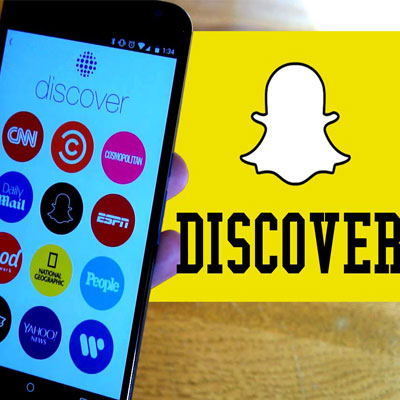
    The wide-ranging deal, anchored in both content production and advertising sales, will bring two high profile channels to Snapchat Discover — a Comedy Central International channel and an MTV Channel in the US, which will complement the already successful Comedy Central and MTV International Discover channels.

    The agreement also grants Viacom the right to sell Snapchat’s US owned and operated advertising inventory, allowing Viacom to offer added value to television advertisers who want to add Snapchat’s wildly popular premium video platform to the media mix. In addition, Viacom also has agreed to provide Snapchat with expanded access so Snapchat can produce Live Stories covering more of Viacom’s tent pole events.

    “Viacom and Snapchat naturally complement each other in significant ways that make us ideal partners in both content and business development. Snapchat captures young audiences on an intimate and immersive mobile video platform while Viacom is the leader in premium long- and short-form storytelling for these same audiences. Add in Viacom’s custom marketing solutions and commitment to evolve our global mobile strategy and you’ve got a partnership that is great for both companies, for advertisers, and is a real evolution of the marketplace,” said Viacom CFO Wade Davis.

    In addition to selling its advertising alongside its own content on Snapchat Discover, Viacom will now also have the right to sell Snapchat’s US owned and operated ad inventory, which includes ads in ongoing Stories such as New York, capturing daily happenings in New York City, and non-partnered holiday Live Stories, such as Valentine’s Day. 

    Viacom is the only television company to have this arrangement with Snapchat.

    “Snapchat provides the best storytelling experience on mobile. Through this partnership with Viacom, we can now offer television advertisers a way to tell their stories across television and mobile in a frictionless way,” said Snapchat chief strategy officer Imran Khan.

    On the content side of the deal, Viacom will further invest in the creation of original premium video content specifically for Snapchat Discover. While MTV International and Comedy Central have previously been committed to creating original content on Discover, additional resources will now be put towards the launch of an MTV US Channel and a Comedy Central International channel on the platform.

    MTV’s new Snapchat Discover channel will feature a wide range of content created exclusively for the platform and updated daily. At launch on 9 February, this includes MTV News articles and video with design and art direction unique to Snapchat, exclusive celebrity interviews, and more. MTV is also developing additional Snapchat-native content, including brand-new original series and reinvented MTV fan-favorite franchises for the platform.

    Comedy Central will launch internationally on Snapchat Discover on 10 February, delivering always funny content to fans globally. The new international channel will serve Snapchat users daily doses of comedy, from curated WTF News articles and exclusive videos with their favourite comedians to upcoming original series set to debut on Snapchat Discover in the coming year. Since its US launch in January 2015, the Comedy Central channel on Snapchat Discover has become a vibrant pipeline for Comedy Central to develop fresh comedic voices and original content. It is one of the most popular brands on the platform.

    Another key element of the Viacom/Snapchat partnership will leverage Snapchat’s Live Stories, which are curated collections of user-submitted content covering major events and places around the world. Through the partnership, Snapchat will have unique access to cover Viacom’s one-of-a-kind, tentpole events, such as MTV’s Video Music Awards (VMAs), BET Experience, and MTV’s EMAs.

    The deal grew organically out of a dynamic Viacom/Snapchat relationship, including many custom advertising campaigns created by in-house creative agency Viacom Velocity that ran in Snapchat Discover, as well as “break-the-internet” level of fan engagement for Viacom events covered by Snapchat Live Stories and Snapchat Discover channels launched a year ago.

  • Viacom inks global content & ad sales deal with Snapchat

    Viacom inks global content & ad sales deal with Snapchat

    MUMBAI: Viacom has inked a global partnership with Snapchat that capitalises on and extends the expertise of both companies to creatively and authentically speak to millennial and post-millennial audiences.

    The wide-ranging deal, anchored in both content production and advertising sales, will bring two high profile channels to Snapchat Discover — a Comedy Central International channel and an MTV Channel in the US, which will complement the already successful Comedy Central and MTV International Discover channels.

    The agreement also grants Viacom the right to sell Snapchat’s US owned and operated advertising inventory, allowing Viacom to offer added value to television advertisers who want to add Snapchat’s wildly popular premium video platform to the media mix. In addition, Viacom also has agreed to provide Snapchat with expanded access so Snapchat can produce Live Stories covering more of Viacom’s tent pole events.

    “Viacom and Snapchat naturally complement each other in significant ways that make us ideal partners in both content and business development. Snapchat captures young audiences on an intimate and immersive mobile video platform while Viacom is the leader in premium long- and short-form storytelling for these same audiences. Add in Viacom’s custom marketing solutions and commitment to evolve our global mobile strategy and you’ve got a partnership that is great for both companies, for advertisers, and is a real evolution of the marketplace,” said Viacom CFO Wade Davis.

    In addition to selling its advertising alongside its own content on Snapchat Discover, Viacom will now also have the right to sell Snapchat’s US owned and operated ad inventory, which includes ads in ongoing Stories such as New York, capturing daily happenings in New York City, and non-partnered holiday Live Stories, such as Valentine’s Day. 

    Viacom is the only television company to have this arrangement with Snapchat.

    “Snapchat provides the best storytelling experience on mobile. Through this partnership with Viacom, we can now offer television advertisers a way to tell their stories across television and mobile in a frictionless way,” said Snapchat chief strategy officer Imran Khan.

    On the content side of the deal, Viacom will further invest in the creation of original premium video content specifically for Snapchat Discover. While MTV International and Comedy Central have previously been committed to creating original content on Discover, additional resources will now be put towards the launch of an MTV US Channel and a Comedy Central International channel on the platform.

    MTV’s new Snapchat Discover channel will feature a wide range of content created exclusively for the platform and updated daily. At launch on 9 February, this includes MTV News articles and video with design and art direction unique to Snapchat, exclusive celebrity interviews, and more. MTV is also developing additional Snapchat-native content, including brand-new original series and reinvented MTV fan-favorite franchises for the platform.

    Comedy Central will launch internationally on Snapchat Discover on 10 February, delivering always funny content to fans globally. The new international channel will serve Snapchat users daily doses of comedy, from curated WTF News articles and exclusive videos with their favourite comedians to upcoming original series set to debut on Snapchat Discover in the coming year. Since its US launch in January 2015, the Comedy Central channel on Snapchat Discover has become a vibrant pipeline for Comedy Central to develop fresh comedic voices and original content. It is one of the most popular brands on the platform.

    Another key element of the Viacom/Snapchat partnership will leverage Snapchat’s Live Stories, which are curated collections of user-submitted content covering major events and places around the world. Through the partnership, Snapchat will have unique access to cover Viacom’s one-of-a-kind, tentpole events, such as MTV’s Video Music Awards (VMAs), BET Experience, and MTV’s EMAs.

    The deal grew organically out of a dynamic Viacom/Snapchat relationship, including many custom advertising campaigns created by in-house creative agency Viacom Velocity that ran in Snapchat Discover, as well as “break-the-internet” level of fan engagement for Viacom events covered by Snapchat Live Stories and Snapchat Discover channels launched a year ago.

  • Q3-2016: Lycos festival quarter revenue up 21%, PAT up 27%

    Q3-2016: Lycos festival quarter revenue up 21%, PAT up 27%

    BENGALURU: Internet brand Lycos Internet Limited (Lycos) reported a 20.6 YoY jump in Total Income from Operations (TIO) and a 26.6 YoY increase in its profit after tax (PAT) for the quarter ended 31 December, 2015 (Q3-2016, current quarter). Lycos reported TIO in Q3-2016 at Rs 718.27 crore as compared to Rs 595.67 crore in the corresponding prior year quarter. The current quarter’s TIO was 27.1 per cent more than the Rs 565.08 crore in the immediate trailing quarter Q2-2016.

    Note: 100,00,000 = 100 lakh = 10 million = 1 crore

    Lycos reported 26.6 per cent higher YoY PAT in the current quarter at Rs 125.17 crore (17.4 per cent margin) as compared to Rs 98.87 crore and was 19 per cent higher quarter on quarter (QoQ) as compared to Rs 105.16 crore (18.6 per cent margin).

    “The team has delivered great results in bringing home the numbers. Video and Programmatic advertising have dominated sales yet another quarter,” said Lycos chairman and CEO Suresh Reddy.  

    Let us look at the other numbers reported by Lycos:

    EBIDTA including other income in the current quarter was 22.3 per cent higher YoY at Rs 199.94 crore (27.8 per cent margin) as compared to Rs 163.42 crore (27.4 per cent margin) and was 9.4 per cent more QoQ as compared to Rs 182.72 crore (32.3 per cent margin).

    Total Expenditure in Q3-2016 increased 22.2 per cent YoY to Rs 538.44 crore (75 per cent of TIO) as compared to Rs 440.69 crore (74 per cent of TIO) and was 33.4 per cent higher QoQ than the Rs 403.57 crore (71.4 per cent of TIO).

    Employee Benefits Expense in the current quarter increased 15 per cent at Rs 33.20 crore (4.6 per cent of TIO) as compared to Rs 28.88 crore (4.8 per cent of TIO) in Q3-2015 and was 29.5 per cent more than the Rs 25.64 crore (4.5 per cent of TIO) in the immediate trailing quarter.

    Finance costs in Q3-2016 reduced by 28.4 per cent YoY to Rs 3.88 crore (0.5 per cent of TIO) as compared to Rs 5.42 crore (0.9 per cent of TIO) and reduced 5.1 per cent QoQ as compared to Rs 4.09 crore (0.7 per cent of TIO).

    Company’s take on business highlights for Q3-2016:

    Revenue from Digital Marketing Segment for Q3-2016 was Rs 609.35 crore, an increase of 32.94 per cent QoQ and an increase of 23.58 per cent YoY. PBT from Digital Marketing Segment for Q3-2016 was Rs 179.31 crore, an increase of 10.46 per cent Q-Q and an increase of 25.86 per cent YoY. Revenue from Software Development Segment for Q3 FY2015-16 was Rs 108.92 crore, an increase of 2.08 per cent QoQ and an increase of 6.18 per cent YoY.

    Lycos Advertising 

    Media Buying (Publishers): The company says that its participation in Adtech New York brought forth new businesses from existing publisher groups in expanding its business in more territories. Programmatic buying became an important part of Lycos’s media supply  

    Video Advertising

    A new video product: Vid-In was launched. Vid-In is an O&O placement, above the fold with good viewability and customization. It’s one of the premium video products in the market.
    Lycos also developed its mobile activity with the launch of mobile app supply. 

    Technology

    Business Intelligence: Lycos says that it is able to now optimise yield based on ad types and formats of the video players for its advertisers.

    Auto-tools development: The company says that it proceeded with the development of auto tools in the current qaurter, enabling advanced alert capabilities for best pricing on media. The tools also enable bid optimisation, which automatically finds the optimal bid in different demand side platforms. This solution has already been launched at one of Lycos’s larger client installs of Compass.

    Compass

    Compass: Lycos says that it released the header bidding solution to both manage a publisher’s auctions and participate in it as pre-bid partner. 

    Lycos Media

    The team is working on a major relaunch of the site and services across the network.

    Lycos Life

    The new edition of the Band and the Ring help users quickly and easily manage their online life.
    The most noticeable change users will experience is a new, customisable dashboard allowing people to see most of the features on a single screen. 
    Lycos claims that significant progress in the development of the marketing messaging for the brand ‘Life’ and the products. Initial testing started through Facebook and other stake holders through email.

    Apollo Lycos NetCommerce (APLY)

    A new company website was launched www.aplyindia.com
    A new product website was launched www.aplymart.com
    Demo of the platform for online stores is now open to all visitors.
    The company says that the first client is on board for cross-border commerce from the leather apparels/accessories segment. 

  • Q3-2016: Lycos festival quarter revenue up 21%, PAT up 27%

    Q3-2016: Lycos festival quarter revenue up 21%, PAT up 27%

    BENGALURU: Internet brand Lycos Internet Limited (Lycos) reported a 20.6 YoY jump in Total Income from Operations (TIO) and a 26.6 YoY increase in its profit after tax (PAT) for the quarter ended 31 December, 2015 (Q3-2016, current quarter). Lycos reported TIO in Q3-2016 at Rs 718.27 crore as compared to Rs 595.67 crore in the corresponding prior year quarter. The current quarter’s TIO was 27.1 per cent more than the Rs 565.08 crore in the immediate trailing quarter Q2-2016.

    Note: 100,00,000 = 100 lakh = 10 million = 1 crore

    Lycos reported 26.6 per cent higher YoY PAT in the current quarter at Rs 125.17 crore (17.4 per cent margin) as compared to Rs 98.87 crore and was 19 per cent higher quarter on quarter (QoQ) as compared to Rs 105.16 crore (18.6 per cent margin).

    “The team has delivered great results in bringing home the numbers. Video and Programmatic advertising have dominated sales yet another quarter,” said Lycos chairman and CEO Suresh Reddy.  

    Let us look at the other numbers reported by Lycos:

    EBIDTA including other income in the current quarter was 22.3 per cent higher YoY at Rs 199.94 crore (27.8 per cent margin) as compared to Rs 163.42 crore (27.4 per cent margin) and was 9.4 per cent more QoQ as compared to Rs 182.72 crore (32.3 per cent margin).

    Total Expenditure in Q3-2016 increased 22.2 per cent YoY to Rs 538.44 crore (75 per cent of TIO) as compared to Rs 440.69 crore (74 per cent of TIO) and was 33.4 per cent higher QoQ than the Rs 403.57 crore (71.4 per cent of TIO).

    Employee Benefits Expense in the current quarter increased 15 per cent at Rs 33.20 crore (4.6 per cent of TIO) as compared to Rs 28.88 crore (4.8 per cent of TIO) in Q3-2015 and was 29.5 per cent more than the Rs 25.64 crore (4.5 per cent of TIO) in the immediate trailing quarter.

    Finance costs in Q3-2016 reduced by 28.4 per cent YoY to Rs 3.88 crore (0.5 per cent of TIO) as compared to Rs 5.42 crore (0.9 per cent of TIO) and reduced 5.1 per cent QoQ as compared to Rs 4.09 crore (0.7 per cent of TIO).

    Company’s take on business highlights for Q3-2016:

    Revenue from Digital Marketing Segment for Q3-2016 was Rs 609.35 crore, an increase of 32.94 per cent QoQ and an increase of 23.58 per cent YoY. PBT from Digital Marketing Segment for Q3-2016 was Rs 179.31 crore, an increase of 10.46 per cent Q-Q and an increase of 25.86 per cent YoY. Revenue from Software Development Segment for Q3 FY2015-16 was Rs 108.92 crore, an increase of 2.08 per cent QoQ and an increase of 6.18 per cent YoY.

    Lycos Advertising 

    Media Buying (Publishers): The company says that its participation in Adtech New York brought forth new businesses from existing publisher groups in expanding its business in more territories. Programmatic buying became an important part of Lycos’s media supply  

    Video Advertising

    A new video product: Vid-In was launched. Vid-In is an O&O placement, above the fold with good viewability and customization. It’s one of the premium video products in the market.
    Lycos also developed its mobile activity with the launch of mobile app supply. 

    Technology

    Business Intelligence: Lycos says that it is able to now optimise yield based on ad types and formats of the video players for its advertisers.

    Auto-tools development: The company says that it proceeded with the development of auto tools in the current qaurter, enabling advanced alert capabilities for best pricing on media. The tools also enable bid optimisation, which automatically finds the optimal bid in different demand side platforms. This solution has already been launched at one of Lycos’s larger client installs of Compass.

    Compass

    Compass: Lycos says that it released the header bidding solution to both manage a publisher’s auctions and participate in it as pre-bid partner. 

    Lycos Media

    The team is working on a major relaunch of the site and services across the network.

    Lycos Life

    The new edition of the Band and the Ring help users quickly and easily manage their online life.
    The most noticeable change users will experience is a new, customisable dashboard allowing people to see most of the features on a single screen. 
    Lycos claims that significant progress in the development of the marketing messaging for the brand ‘Life’ and the products. Initial testing started through Facebook and other stake holders through email.

    Apollo Lycos NetCommerce (APLY)

    A new company website was launched www.aplyindia.com
    A new product website was launched www.aplymart.com
    Demo of the platform for online stores is now open to all visitors.
    The company says that the first client is on board for cross-border commerce from the leather apparels/accessories segment. 

  • Facebook’s Mark Zuckerberg disappointed with TRAI’s decision favouring net neutrality

    Facebook’s Mark Zuckerberg disappointed with TRAI’s decision favouring net neutrality

    MUMBAI: Everyone in the world should have access to the Internet says Facebook founder Mark Zuckerberg.

    Voicing his disappointment over Indian regulator – the Telecom Regulatory Authority of India’s (TRAI) decision, which upheld net neutrality and ruled against differential pricing of data services, Zuckerberg took to his social networking website and said, “Today India’s telecom regulator decided to restrict programs that provide free access to data. This restricts one of Internet.org’s initiatives, Free Basics, as well as programs by other organizations that provide free access to data.”

    With an aim to provide basic internet services to all, Zuckerberg launched Internet.org with many different initiatives — including extending networks through solar-powered planes, satellites and lasers, providing free data access through Free Basics, reducing data use through apps, and empowering local entrepreneurs through Express Wi-Fi.

    “While we’re disappointed with today’s decision, I want to personally communicate that we are committed to keep working to break down barriers to connectivity in India and around the world. Internet.org has many initiatives, and we will keep working until everyone has access to the internet,” he added.

    He added that with Internet.org, more than 19 million people in 38 countries have been connected through its different programs.

    “Connecting India is an important goal we won’t give up on, because more than a billion people in India don’t have access to the internet. We know that connecting them can help lift people out of poverty, create millions of jobs and spread education opportunities. We care about these people, and that’s why we’re so committed to connecting them,” he voiced.

    Zuckerberg said that Facebook’s mission was to make the world more open and connected. “That mission continues, and so does our commitment to India,” he said.

    It may be recalled that Facebook faced a lot of flak recently when it asked its users to support Free Basics via a poll. Free Basics has been criticised over grounds that it curbed people’s freedom to access the internet of their choice.

  • Facebook’s Mark Zuckerberg disappointed with TRAI’s decision favouring net neutrality

    Facebook’s Mark Zuckerberg disappointed with TRAI’s decision favouring net neutrality

    MUMBAI: Everyone in the world should have access to the Internet says Facebook founder Mark Zuckerberg.

    Voicing his disappointment over Indian regulator – the Telecom Regulatory Authority of India’s (TRAI) decision, which upheld net neutrality and ruled against differential pricing of data services, Zuckerberg took to his social networking website and said, “Today India’s telecom regulator decided to restrict programs that provide free access to data. This restricts one of Internet.org’s initiatives, Free Basics, as well as programs by other organizations that provide free access to data.”

    With an aim to provide basic internet services to all, Zuckerberg launched Internet.org with many different initiatives — including extending networks through solar-powered planes, satellites and lasers, providing free data access through Free Basics, reducing data use through apps, and empowering local entrepreneurs through Express Wi-Fi.

    “While we’re disappointed with today’s decision, I want to personally communicate that we are committed to keep working to break down barriers to connectivity in India and around the world. Internet.org has many initiatives, and we will keep working until everyone has access to the internet,” he added.

    He added that with Internet.org, more than 19 million people in 38 countries have been connected through its different programs.

    “Connecting India is an important goal we won’t give up on, because more than a billion people in India don’t have access to the internet. We know that connecting them can help lift people out of poverty, create millions of jobs and spread education opportunities. We care about these people, and that’s why we’re so committed to connecting them,” he voiced.

    Zuckerberg said that Facebook’s mission was to make the world more open and connected. “That mission continues, and so does our commitment to India,” he said.

    It may be recalled that Facebook faced a lot of flak recently when it asked its users to support Free Basics via a poll. Free Basics has been criticised over grounds that it curbed people’s freedom to access the internet of their choice.