Category: Social Media

  • Facebook pumps Rs 27 lakh in fashion start-up CoutLoot

    Facebook pumps Rs 27 lakh in fashion start-up CoutLoot

    MUMBAI: CoutLoot, one of the India’s first end-to-end fashion re-commerce platforms has been selected for Facebook’s developer-focused FbStart programme, which is designed to help early-stage mobile-focused startups on building and growing their apps. The curated marketplace that focuses on pre-loved fashion space has received access to US$ 40,000 (Rs 27 lakh) worth of credits and services from Facebook and various other platforms.

    Incepted in November 2015, CoutLoot is an end to end Fashion re-selling service where you can buy and sell your preowned fashion.

    Launched last year, FbStart is a programme that helps thousands of developers grow their startups by leveraging valuable tools & services, worldwide events, and opportunities to engage with the Facebook team. Under the programme, CoutLoot would also receive mentoring from Menlo Park-headquartered Facebook’s engineering teams and services from its partners like AWS, Annie, Dropbox, Adobe and MailChim. It will also get a chance to get access to the exclusive community of its developers and worldwide events. The program provides free access to more than 25 services including open source tools like React Native, FB Login and Account Kit and App Analytics. According to the independent newswire agency IANS, India is the largest market for FbStart outside the US. According to the product partnerships team at Facebook, over 75% of top-grossing apps in India get integrated with Facebook.

    CoutLoot co-founder Jasmeet Thind said, “We at CoutLoot are constantly striving to make pre-loved and pre-owned fashion reselling a first-of-its-kind experience in India. Although our primary objective is to tackle the problems of scale and quality service in this space, we are presently focusing on enhancing user engagement and growing the user base. FbStart programme will be an immense boost to us at this phase of our evolution. Receiving mentorship from the pioneer of social networking will bring a huge opportunity for us to lead the fashion re-commerce revolution in India within the next couple of years.”

    Founded by Mahima Kaul, Sahil Khimavat, Vinit Jain & Thind, CoutLoot is a one-stop solution to de-clutter one’s closet for cash. While sellers get paid for selling off unused branded and boutique fashion items from their closet, buyers get to avail products from the best brands in a nearly-mint new condition at up to 80% off.

    Based out of Mumbai, CoutLoot delivers all over India, however, selling is restricted to 14 cities including Mumbai, Delhi, Bangalore, Chennai, Hyderabad, Ahmedabad, Pune, Bangalore, Noida, Gurgaon, Ghaziabad, Surat, Kolkata, and Jaipur. While selling and buying happen via CoutLoot’s Android and iOS apps, its website can be accessed for buying across all regions of the country. So far, the online platform has sold close to 1000 ethnic outfits. Although a relatively new concept at present catering to special occasions, CoutLoot is also preparing to start its customised tailoring services to ensure perfect fitting of the outfits to the buyers. Meanwhile, considering that over one crore weddings take place annually in metro cities, CoutLoot is also planning to start a wedding section for buying and selling wedding and bridal fashion.
  • Facebook pumps Rs 27 lakh in fashion start-up CoutLoot

    Facebook pumps Rs 27 lakh in fashion start-up CoutLoot

    MUMBAI: CoutLoot, one of the India’s first end-to-end fashion re-commerce platforms has been selected for Facebook’s developer-focused FbStart programme, which is designed to help early-stage mobile-focused startups on building and growing their apps. The curated marketplace that focuses on pre-loved fashion space has received access to US$ 40,000 (Rs 27 lakh) worth of credits and services from Facebook and various other platforms.

    Incepted in November 2015, CoutLoot is an end to end Fashion re-selling service where you can buy and sell your preowned fashion.

    Launched last year, FbStart is a programme that helps thousands of developers grow their startups by leveraging valuable tools & services, worldwide events, and opportunities to engage with the Facebook team. Under the programme, CoutLoot would also receive mentoring from Menlo Park-headquartered Facebook’s engineering teams and services from its partners like AWS, Annie, Dropbox, Adobe and MailChim. It will also get a chance to get access to the exclusive community of its developers and worldwide events. The program provides free access to more than 25 services including open source tools like React Native, FB Login and Account Kit and App Analytics. According to the independent newswire agency IANS, India is the largest market for FbStart outside the US. According to the product partnerships team at Facebook, over 75% of top-grossing apps in India get integrated with Facebook.

    CoutLoot co-founder Jasmeet Thind said, “We at CoutLoot are constantly striving to make pre-loved and pre-owned fashion reselling a first-of-its-kind experience in India. Although our primary objective is to tackle the problems of scale and quality service in this space, we are presently focusing on enhancing user engagement and growing the user base. FbStart programme will be an immense boost to us at this phase of our evolution. Receiving mentorship from the pioneer of social networking will bring a huge opportunity for us to lead the fashion re-commerce revolution in India within the next couple of years.”

    Founded by Mahima Kaul, Sahil Khimavat, Vinit Jain & Thind, CoutLoot is a one-stop solution to de-clutter one’s closet for cash. While sellers get paid for selling off unused branded and boutique fashion items from their closet, buyers get to avail products from the best brands in a nearly-mint new condition at up to 80% off.

    Based out of Mumbai, CoutLoot delivers all over India, however, selling is restricted to 14 cities including Mumbai, Delhi, Bangalore, Chennai, Hyderabad, Ahmedabad, Pune, Bangalore, Noida, Gurgaon, Ghaziabad, Surat, Kolkata, and Jaipur. While selling and buying happen via CoutLoot’s Android and iOS apps, its website can be accessed for buying across all regions of the country. So far, the online platform has sold close to 1000 ethnic outfits. Although a relatively new concept at present catering to special occasions, CoutLoot is also preparing to start its customised tailoring services to ensure perfect fitting of the outfits to the buyers. Meanwhile, considering that over one crore weddings take place annually in metro cities, CoutLoot is also planning to start a wedding section for buying and selling wedding and bridal fashion.
  • FB targets next billion Indians with local content and Express Wifi

    FB targets next billion Indians with local content and Express Wifi

    MUMBAI: Like Google, Facebook understands that in order to increase their market share of the digital ad pie, it is crucial to target the next billion users. And hence a strong strategy is needed for its India operations. The next billion users on the platform are what will drive its business, both in terms of scale of operation and revenues.

    Facebook is committed to this endeavour, says its south Asia and India managing director Umang Bedi and has taken major steps to keep the platform right, real and relevant for its Indian users.

    India has one of the highest percentages of people accessing Facebook via their mobile phones. Out of the 85 million active monthly users who access the platform from India, 81 million do it through their mobile devices. Nearly 95 per cent of the traffic Facebook gets from India is mobile. Needless to say, Fb has given special care to enhancing user experience in India on Facebook by making the platform functional even under slow internet.

    “For us that is a welcome news. The wider the reach of internet, and mobile, the better we can connect businesses to their right audience,” shared Bedi.

    The company’s flagship project, and perhaps most controversial in the local market, Free Basics, was designed to address the issue of internet penetration in rural India , but failed to move opinion in its favour resulting in its ban by the Telecom Regulatory Authority of India (TRAI) earlier this year due to its conflict with principles of net neutrality in the market.

    “Since the government’s mandate, Facebook has ceased all operations of Free Basics and concentrated on other sectors instead,” Bedi gave a short response when quizzed about Free Basics in a recent interview.

    To push forth FB’s internet.org initiative in India, the social media giant has instead launched what it calls ‘Express Wi-Fi’, which too promises to help connect rural India digitally.

    “We have recently piloted Express WiFI that works with telecom operators, internet service providers, and local entrepreneurs to help expand connectivity to underserved locations around the world. We’re currently live in India, and are expanding to other regions soon,” Bedi shared.

    While Bedi doesn’t clarify whether Express WiFi would also follow Free Basic’s principle of zero charges on data, its page on internet.org defines it as “ fast, affordable and reliable internet” hinting that the service will cost users some money, in-line with the TRAI directives.

    Bedi shares that the biggest challenge Facebook faces in penetrating the further into the market is its relevance in India through local content. “Even the international mobile operators association GSMA recognises the single biggest issue of mobile and internet penetration in India is producing relevant local content for the right device in the right format,” shared Bedi. Making the platform available in 12 Indian languages is another step forward in the direction along with promoting content partnerships with several regional players.

  • FB targets next billion Indians with local content and Express Wifi

    FB targets next billion Indians with local content and Express Wifi

    MUMBAI: Like Google, Facebook understands that in order to increase their market share of the digital ad pie, it is crucial to target the next billion users. And hence a strong strategy is needed for its India operations. The next billion users on the platform are what will drive its business, both in terms of scale of operation and revenues.

    Facebook is committed to this endeavour, says its south Asia and India managing director Umang Bedi and has taken major steps to keep the platform right, real and relevant for its Indian users.

    India has one of the highest percentages of people accessing Facebook via their mobile phones. Out of the 85 million active monthly users who access the platform from India, 81 million do it through their mobile devices. Nearly 95 per cent of the traffic Facebook gets from India is mobile. Needless to say, Fb has given special care to enhancing user experience in India on Facebook by making the platform functional even under slow internet.

    “For us that is a welcome news. The wider the reach of internet, and mobile, the better we can connect businesses to their right audience,” shared Bedi.

    The company’s flagship project, and perhaps most controversial in the local market, Free Basics, was designed to address the issue of internet penetration in rural India , but failed to move opinion in its favour resulting in its ban by the Telecom Regulatory Authority of India (TRAI) earlier this year due to its conflict with principles of net neutrality in the market.

    “Since the government’s mandate, Facebook has ceased all operations of Free Basics and concentrated on other sectors instead,” Bedi gave a short response when quizzed about Free Basics in a recent interview.

    To push forth FB’s internet.org initiative in India, the social media giant has instead launched what it calls ‘Express Wi-Fi’, which too promises to help connect rural India digitally.

    “We have recently piloted Express WiFI that works with telecom operators, internet service providers, and local entrepreneurs to help expand connectivity to underserved locations around the world. We’re currently live in India, and are expanding to other regions soon,” Bedi shared.

    While Bedi doesn’t clarify whether Express WiFi would also follow Free Basic’s principle of zero charges on data, its page on internet.org defines it as “ fast, affordable and reliable internet” hinting that the service will cost users some money, in-line with the TRAI directives.

    Bedi shares that the biggest challenge Facebook faces in penetrating the further into the market is its relevance in India through local content. “Even the international mobile operators association GSMA recognises the single biggest issue of mobile and internet penetration in India is producing relevant local content for the right device in the right format,” shared Bedi. Making the platform available in 12 Indian languages is another step forward in the direction along with promoting content partnerships with several regional players.

  • How FB is helping brands to grow their biz in India

    How FB is helping brands to grow their biz in India

    GURUGRAM: Between dealing and refining its ad-targeting technology, coming clean about overestimating its video metrics to clients, failing to successfully launch Free Basics in India following ban by TRAI, its most recent tussle with Fake News, and, still doubling its revenues to USD 7.01 billion in its last quarter earnings (Q3) – Facebook has had an eventful year so far – be it globally or in India. How do these ups and down score with its partners and clients in India, Facebook’’s second largest market?

    Acknowledging India’s strategic importance to Facebook’ s overall business, Facebook India and South Asia managing director Umang Bedi reassured that advertisers’ faith in Facebook is going strong, and not without reason.

    Since joining the social media giant’s India team from Adobe Systems in July, the last 100 days have kept Bedi busy, hopping between cities catching up with partners across India.

    In line with its motto of ‘moving businesses’, Bedi cited several examples where Indian brands engaging with consumers on Facebook have seen a measurable difference to its brand outcome as well as sales.

    For example, Mondelez International gained over five points in brand consideration through Facebook’s Reach and Frequency tool, Durex saw a 29 per cent increase in sales during a running campaign on Mark Zuckerberg-led Facebook (along with TV), and Garnier saw a 19 per cent increase in sales in a weak market cluster using Facebook Carousel Ads.

    Snapdeal, Tanishq, Adidas, Ola, Yatra.com, were a few other brands of which Facebook helped move business, Bedi cited.

    As to how sales made by these brands could be attributed to ads placed on Facebook, Bedi clarified, “When there is a lift in sales done for a client online, we can easily track whether a consumer who saw its ad on our platform made a purchase or downloaded a certain app. It is a straightforward way keep track of a user across platforms through Software Development Kit (SDK) or pixels. For example, an Ola App will have a FB SDK embedded in its code. When you go offline, or cross media, we depend on our partners like Millward Brown who are known for meta cross-media studies, albeit through a sample-sized user base and campaigns.”

    Based on cross-media meta content measured and studied by Millward Brown in 26 of its campaigns across categories, Facebook managed to add five points to television in audience outcome at one-seventh the cost if same numbers were chased through television. Other measurement services that Facebook uses to procure data and measurement studies for its clients include Nielsen and BARC.

    The company’s impressive Q3 earnings, with a Y-O-Y increase of 16 per cent in revenue speaks volumes of its enormous reach that currently stands at 1.79 billion, off 1.18 billion are daily active users.

    Speaking strictly of the Indian market, Facebook has 166 million monthly active users as of its last quarter reports, of which 159 million access the site through mobile. Similarly, 85 million Indian users access Facebook daily, of which 81 million do it through mobile.

    Do these figures translate into revenues as well for the market? “Facebook India leads the charter among emerging markets when it comes to revenues. We are at par with Asia Pacific earnings, and Asia Pacific is the fastest growing markets for us, and India is a significant contributor to that,” Bedi shared, without putting a figure to its India earnings.

    According to its filings with the Registrar of Companies that was reported earlier this year, Facebook reported a 27 per cent increase in its revenues in India.

    On the flipside, Bedi also made a strong case of Facebook’s contribution to the Indian market to reinforce its positioning as a loved and trusted brand. Citing a Deloitte 2015 report, Bedi shared that Facebook contributes USD 4 billion to the Indan economy and supports 335,000 jobs through its marketing platforms and connectivity efforts.

    “We have generated 2.4 billion interactions between businesses and people in India through two billion small and medium business pages in India. Not to mention, 59 per cent people in India are connected to SMEs through FB.”

    While Facebook is focused on growing the base to reach the next billion new users in India and driving engagement, “everything we do around Facebook in the next five years is all about moving the real world business for our advertisers and partners,” Bedi makes it clear.

    Bedi’s strategy for that is quite simple – grow numbers by driving deep engagement that is augmented by partnerships valued by measured returns.

  • How FB is helping brands to grow their biz in India

    How FB is helping brands to grow their biz in India

    GURUGRAM: Between dealing and refining its ad-targeting technology, coming clean about overestimating its video metrics to clients, failing to successfully launch Free Basics in India following ban by TRAI, its most recent tussle with Fake News, and, still doubling its revenues to USD 7.01 billion in its last quarter earnings (Q3) – Facebook has had an eventful year so far – be it globally or in India. How do these ups and down score with its partners and clients in India, Facebook’’s second largest market?

    Acknowledging India’s strategic importance to Facebook’ s overall business, Facebook India and South Asia managing director Umang Bedi reassured that advertisers’ faith in Facebook is going strong, and not without reason.

    Since joining the social media giant’s India team from Adobe Systems in July, the last 100 days have kept Bedi busy, hopping between cities catching up with partners across India.

    In line with its motto of ‘moving businesses’, Bedi cited several examples where Indian brands engaging with consumers on Facebook have seen a measurable difference to its brand outcome as well as sales.

    For example, Mondelez International gained over five points in brand consideration through Facebook’s Reach and Frequency tool, Durex saw a 29 per cent increase in sales during a running campaign on Mark Zuckerberg-led Facebook (along with TV), and Garnier saw a 19 per cent increase in sales in a weak market cluster using Facebook Carousel Ads.

    Snapdeal, Tanishq, Adidas, Ola, Yatra.com, were a few other brands of which Facebook helped move business, Bedi cited.

    As to how sales made by these brands could be attributed to ads placed on Facebook, Bedi clarified, “When there is a lift in sales done for a client online, we can easily track whether a consumer who saw its ad on our platform made a purchase or downloaded a certain app. It is a straightforward way keep track of a user across platforms through Software Development Kit (SDK) or pixels. For example, an Ola App will have a FB SDK embedded in its code. When you go offline, or cross media, we depend on our partners like Millward Brown who are known for meta cross-media studies, albeit through a sample-sized user base and campaigns.”

    Based on cross-media meta content measured and studied by Millward Brown in 26 of its campaigns across categories, Facebook managed to add five points to television in audience outcome at one-seventh the cost if same numbers were chased through television. Other measurement services that Facebook uses to procure data and measurement studies for its clients include Nielsen and BARC.

    The company’s impressive Q3 earnings, with a Y-O-Y increase of 16 per cent in revenue speaks volumes of its enormous reach that currently stands at 1.79 billion, off 1.18 billion are daily active users.

    Speaking strictly of the Indian market, Facebook has 166 million monthly active users as of its last quarter reports, of which 159 million access the site through mobile. Similarly, 85 million Indian users access Facebook daily, of which 81 million do it through mobile.

    Do these figures translate into revenues as well for the market? “Facebook India leads the charter among emerging markets when it comes to revenues. We are at par with Asia Pacific earnings, and Asia Pacific is the fastest growing markets for us, and India is a significant contributor to that,” Bedi shared, without putting a figure to its India earnings.

    According to its filings with the Registrar of Companies that was reported earlier this year, Facebook reported a 27 per cent increase in its revenues in India.

    On the flipside, Bedi also made a strong case of Facebook’s contribution to the Indian market to reinforce its positioning as a loved and trusted brand. Citing a Deloitte 2015 report, Bedi shared that Facebook contributes USD 4 billion to the Indan economy and supports 335,000 jobs through its marketing platforms and connectivity efforts.

    “We have generated 2.4 billion interactions between businesses and people in India through two billion small and medium business pages in India. Not to mention, 59 per cent people in India are connected to SMEs through FB.”

    While Facebook is focused on growing the base to reach the next billion new users in India and driving engagement, “everything we do around Facebook in the next five years is all about moving the real world business for our advertisers and partners,” Bedi makes it clear.

    Bedi’s strategy for that is quite simple – grow numbers by driving deep engagement that is augmented by partnerships valued by measured returns.

  • FB, Google’s biz approach that of a media content company: GroupM chief

    FB, Google’s biz approach that of a media content company: GroupM chief

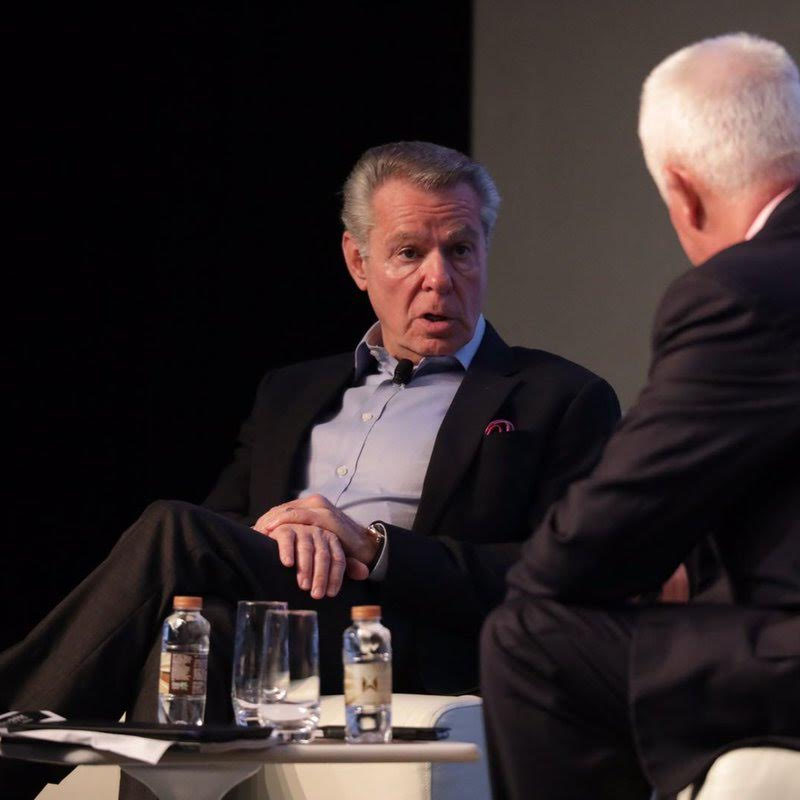
    MACAO: When the hundred billion dollar man, GroupM Global Chairman Irwin Gotlieb, says that the role of the media is to create content, it’s time to take notes. When he opines that Facebook and Google are tech companies whose “business approach is that of a media company” that relies on content, it’s more the reason that one should seriously relook at content creators and business strategies.

    It’s inevitable that Facebook and Google will get more seriously into content creation, Gotlieb said here, adding that it may not be a very healthy trend considering the power that such companies wield in the digital realm today.

    Speaking to former CASBAA Chairman Marcel Fenez during the Opening Keynote at CASBAA Convention 2016 here on Tuesday, Gotlieb held forth on varied media industry trends, including holding the view that the AT&T-Time Warner type of mergers (yet to be ratified by US regulator) are “just tip of the iceberg” in vertical integration, which can take interesting turn as FB and Google seriously get down to such M&A activities.

    To buttress his argument Gotlieb said that Google had already started a division to create content to target consumers, while it may be a matter of time before FB also follows the same path. It’s “kind of “inevitable” that both these companies move into content creation too, which may pose a challenge to other industry stakeholders, the GroupM chief said.

    Pointing out that both these tech giants were “walled gardens and very protective of the data they have”, Gotlieb, who as the GroupM chief is responsible for generating approximately US$ 100 billion in annual global ad sales, said it may not be a very healthy trend as people need to “see across them to target properly (consumers) to maximise client investments.”

    “In the absence of big ideas…it (data) allows us to reach and understand the consumer better,” Gotlieb said, adding, while replying to another question, the measurement of TV as “we understand today is understated as there are alternate devices (to consume media)” available with consumers.

    Holding forth on the changing nature and measurement of viewing behaviors, Gotlieb also touched upon how ways to reach audiences via the marketing funnel is the same but a granularity of data can help decision-making for each stage of the funnel.

    He underscored how media will continue to play a role and become more targetable, addressable and, eventually, part of the transaction process.

    Meanwhile, after Gotlieb had set the trend for the opening day of the CASBAA Convention here, Pricewaterhouse Coopers MD Oliver Wilkinson provided statistics to illustrate that pay TV was not dead despite what the headlines screamed and that it remained a primary form of entertainment.

    Still, with digital players increasingly encroaching on the turf of pay TV, content and channel providers should look to diverse their business models and offerings, Wilkinson said.

    Doing deals in China was the topic for Bennett Pozil, EVP of East West Bank. He discussed the migration of content both ways as well as some of the pros and cons of doing business in China.

    Vivek Couto, Executive Director at Singapore-based market research company Media Partners Asia, flagged the rise of digital players with the forecast that pay TV growth would slow to about 3 per cent as content providers were looking to establish more direct to consumer offerings. However, he admitted that in some markets in Asia like India players had invested heavily in traditional TV infrastructure.

    Reaching a vast audience through tailored video and gaming content was the topic for Chad Gutstein, CEO of Machinima, who highlighted that their most valued content was when viewers felt they had a connection to the creation of it.

    James Schwab, Co-President of VICE, discussed how their local content policy over digital channels has helped the company grow exponentially over the last few years. The recent move into TV was important for the company as it gave them the ability to invest more in content.

    Localized and Asian content was flagged by Henry Tan, COO of Astro, for being one of the main drivers that has seen the provider defy the trend of decline in time spent on TV and reporting healthy growth in this respect. A true understanding of the complexities of the Malaysian audience demographic was key to content that worked for Astro’s market, he said.

    Piracy, online or otherwise, cropped up in conversations throughout the day with opinions polarized on whether this would continue to be an issue.

    In a session devoted to the subject of content piracy, Avigail Gutman, Programme Director, Operational Security, Cisco, advised that the industry needed to “follow the money” in combating piracy. Lucia Rangel, VP Latin America, Asia Pacific & Worldwide, Game Strategy and Operations, Warner Bros. agreed the problem was global and that `ISD boxes’ formed a critical part of the problem as many consumers were not even aware of the illegality of these and other streaming mechanics. A global effort was needed to fight the pirates, Rangel commented.

    Desmond Chan, Deputy GM, Legal and International Operations, TVB, highlighted the tangible impact piracy had already made to their business, while Nickhil Jakatdar of Vuclip talked about how the content provider’s strategy was to provide a better experience than that available from pirate outfits.

  • FB, Google’s biz approach that of a media content company: GroupM chief

    FB, Google’s biz approach that of a media content company: GroupM chief

    MACAO: When the hundred billion dollar man, GroupM Global Chairman Irwin Gotlieb, says that the role of the media is to create content, it’s time to take notes. When he opines that Facebook and Google are tech companies whose “business approach is that of a media company” that relies on content, it’s more the reason that one should seriously relook at content creators and business strategies.

    It’s inevitable that Facebook and Google will get more seriously into content creation, Gotlieb said here, adding that it may not be a very healthy trend considering the power that such companies wield in the digital realm today.

    Speaking to former CASBAA Chairman Marcel Fenez during the Opening Keynote at CASBAA Convention 2016 here on Tuesday, Gotlieb held forth on varied media industry trends, including holding the view that the AT&T-Time Warner type of mergers (yet to be ratified by US regulator) are “just tip of the iceberg” in vertical integration, which can take interesting turn as FB and Google seriously get down to such M&A activities.

    To buttress his argument Gotlieb said that Google had already started a division to create content to target consumers, while it may be a matter of time before FB also follows the same path. It’s “kind of “inevitable” that both these companies move into content creation too, which may pose a challenge to other industry stakeholders, the GroupM chief said.

    Pointing out that both these tech giants were “walled gardens and very protective of the data they have”, Gotlieb, who as the GroupM chief is responsible for generating approximately US$ 100 billion in annual global ad sales, said it may not be a very healthy trend as people need to “see across them to target properly (consumers) to maximise client investments.”

    “In the absence of big ideas…it (data) allows us to reach and understand the consumer better,” Gotlieb said, adding, while replying to another question, the measurement of TV as “we understand today is understated as there are alternate devices (to consume media)” available with consumers.

    Holding forth on the changing nature and measurement of viewing behaviors, Gotlieb also touched upon how ways to reach audiences via the marketing funnel is the same but a granularity of data can help decision-making for each stage of the funnel.

    He underscored how media will continue to play a role and become more targetable, addressable and, eventually, part of the transaction process.

    Meanwhile, after Gotlieb had set the trend for the opening day of the CASBAA Convention here, Pricewaterhouse Coopers MD Oliver Wilkinson provided statistics to illustrate that pay TV was not dead despite what the headlines screamed and that it remained a primary form of entertainment.

    Still, with digital players increasingly encroaching on the turf of pay TV, content and channel providers should look to diverse their business models and offerings, Wilkinson said.

    Doing deals in China was the topic for Bennett Pozil, EVP of East West Bank. He discussed the migration of content both ways as well as some of the pros and cons of doing business in China.

    Vivek Couto, Executive Director at Singapore-based market research company Media Partners Asia, flagged the rise of digital players with the forecast that pay TV growth would slow to about 3 per cent as content providers were looking to establish more direct to consumer offerings. However, he admitted that in some markets in Asia like India players had invested heavily in traditional TV infrastructure.

    Reaching a vast audience through tailored video and gaming content was the topic for Chad Gutstein, CEO of Machinima, who highlighted that their most valued content was when viewers felt they had a connection to the creation of it.

    James Schwab, Co-President of VICE, discussed how their local content policy over digital channels has helped the company grow exponentially over the last few years. The recent move into TV was important for the company as it gave them the ability to invest more in content.

    Localized and Asian content was flagged by Henry Tan, COO of Astro, for being one of the main drivers that has seen the provider defy the trend of decline in time spent on TV and reporting healthy growth in this respect. A true understanding of the complexities of the Malaysian audience demographic was key to content that worked for Astro’s market, he said.

    Piracy, online or otherwise, cropped up in conversations throughout the day with opinions polarized on whether this would continue to be an issue.

    In a session devoted to the subject of content piracy, Avigail Gutman, Programme Director, Operational Security, Cisco, advised that the industry needed to “follow the money” in combating piracy. Lucia Rangel, VP Latin America, Asia Pacific & Worldwide, Game Strategy and Operations, Warner Bros. agreed the problem was global and that `ISD boxes’ formed a critical part of the problem as many consumers were not even aware of the illegality of these and other streaming mechanics. A global effort was needed to fight the pirates, Rangel commented.

    Desmond Chan, Deputy GM, Legal and International Operations, TVB, highlighted the tangible impact piracy had already made to their business, while Nickhil Jakatdar of Vuclip talked about how the content provider’s strategy was to provide a better experience than that available from pirate outfits.

  • Twitter curates special emoji for ‘Koffee with Karan’

    Twitter curates special emoji for ‘Koffee with Karan’

    MUMBAI: Social media platform Twitter has created a special emoji for the talk show Koffee with Karan. The show is slated to go on air on 6 November. It will be aired on Star World and Star World HD.

    Beginning today and for the rest of the season, millions of avid TV viewers can engage, interact and join the conversation using the special emoji in time for the Sunday debut.

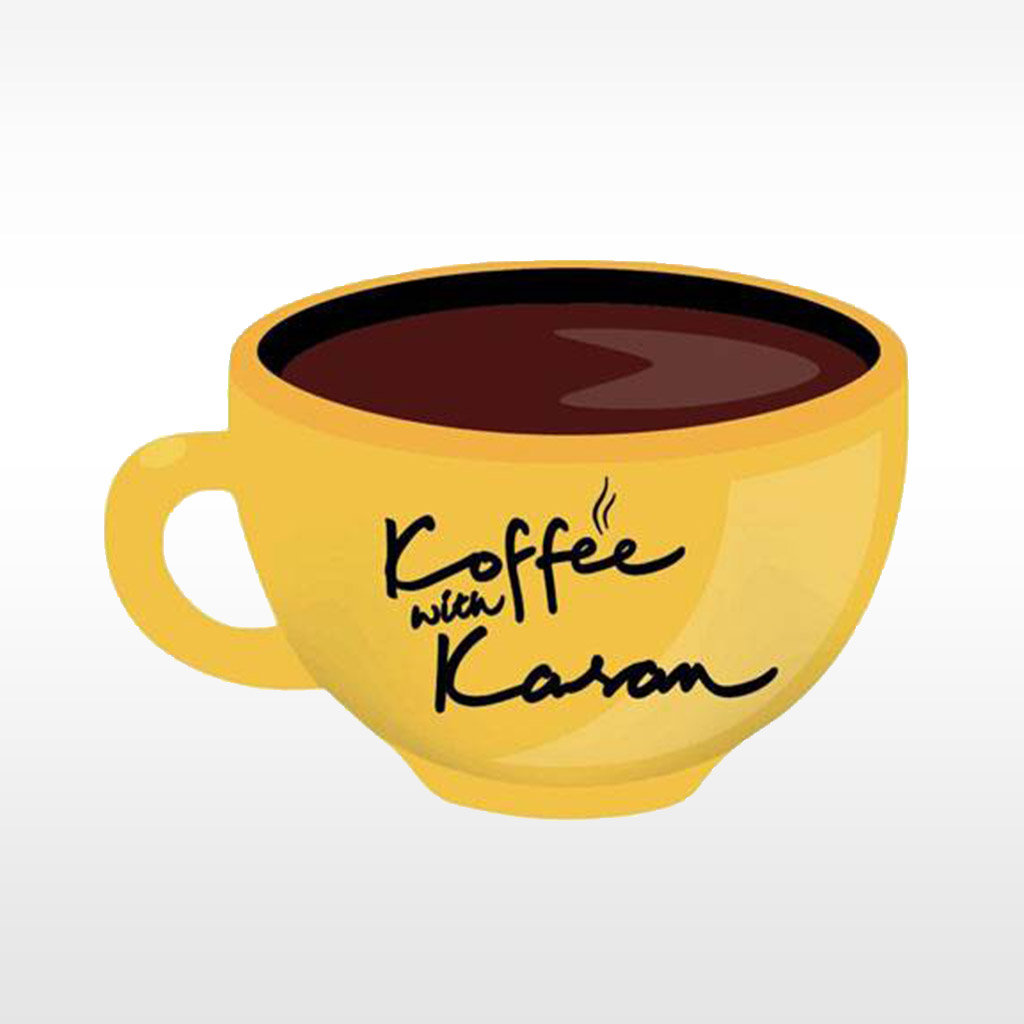
    Viewers can Tweet using several special hashtags and the iconic yellow coffee mug emoji will appear next to the hashtag in their Tweet.

    “Twitter is what’s happening in the world of news, sports, and entertainment and brings fans closer to their favourite stars and top entertainment moments. Koffee with Karan is an iconic show on Indian TV and we are excited to announce creative innovations and release exclusive content and videos on Twitter for this season. The first-ever Koffee with Karan emoji and the special celebrity hashtags will also delight fans across the globe,” Twitter India head of TV partnerships Viral Jani.

    As an innovative twist, every week the show will also announce a new hashtag fashioned on the name of the celebrity guest in the hot seat. This dynamic and unique hashtag will also activate the special emoji.

    Twitter has been every fan’s live connection to their favourite stars and shows and the mood on the platform has been in sync with the show’s exciting comeback. The chatter around the show’s sneak peeks of episode 1 is reflective of the fun banter that is in store for rest of the season.

    In its past seasons, the show has been graced by a string of A-list actors like Amitabh Bachchan, Kajol, Rani Mukerji, Kareena Kapoor, Saif Ali Khan, Preity Zinta, Aishwarya Rai Bachchan, Sanjay Leela Bhansali, Gurinder Chadha, Farah Khan, Abhishek Bachchan, Anil Kapoor, Sonam Kapoor, Parineeti Chopra, etc.

    The show’s first episode will feature Shah Rukh Khan and Alia Bhatt.

    In the past as well, Twitter launched special emojis for moments of national cultural significance such as Ganeshotsav, International Day of Yoga, Independence Day and Republic Day. Twitter also launched it’s emoji for a TV series for Bigg Boss10.

  • Twitter curates special emoji for ‘Koffee with Karan’

    Twitter curates special emoji for ‘Koffee with Karan’

    MUMBAI: Social media platform Twitter has created a special emoji for the talk show Koffee with Karan. The show is slated to go on air on 6 November. It will be aired on Star World and Star World HD.

    Beginning today and for the rest of the season, millions of avid TV viewers can engage, interact and join the conversation using the special emoji in time for the Sunday debut.

    Viewers can Tweet using several special hashtags and the iconic yellow coffee mug emoji will appear next to the hashtag in their Tweet.

    “Twitter is what’s happening in the world of news, sports, and entertainment and brings fans closer to their favourite stars and top entertainment moments. Koffee with Karan is an iconic show on Indian TV and we are excited to announce creative innovations and release exclusive content and videos on Twitter for this season. The first-ever Koffee with Karan emoji and the special celebrity hashtags will also delight fans across the globe,” Twitter India head of TV partnerships Viral Jani.

    As an innovative twist, every week the show will also announce a new hashtag fashioned on the name of the celebrity guest in the hot seat. This dynamic and unique hashtag will also activate the special emoji.

    Twitter has been every fan’s live connection to their favourite stars and shows and the mood on the platform has been in sync with the show’s exciting comeback. The chatter around the show’s sneak peeks of episode 1 is reflective of the fun banter that is in store for rest of the season.

    In its past seasons, the show has been graced by a string of A-list actors like Amitabh Bachchan, Kajol, Rani Mukerji, Kareena Kapoor, Saif Ali Khan, Preity Zinta, Aishwarya Rai Bachchan, Sanjay Leela Bhansali, Gurinder Chadha, Farah Khan, Abhishek Bachchan, Anil Kapoor, Sonam Kapoor, Parineeti Chopra, etc.

    The show’s first episode will feature Shah Rukh Khan and Alia Bhatt.

    In the past as well, Twitter launched special emojis for moments of national cultural significance such as Ganeshotsav, International Day of Yoga, Independence Day and Republic Day. Twitter also launched it’s emoji for a TV series for Bigg Boss10.