Category: iWorld

  • Kingfisher to launch Pitchers app to answer all nightlife queries

    Kingfisher to launch Pitchers app to answer all nightlife queries

    MUMBAI: Acknowledging the power of digital, United Beverage’s flagship alcobev brand Kingfisher is all set to launch an aggregator cum classified app targeting urban nightlife. The beverage giant couldn’t have come up with a better name than ‘Pitchers’, hence giving a recall  to its brand association with TVF’s popular web series ‘Pitchers’ which had Kingfisher as sponsors.

    While addressing a summit at Goafest 2016, United Beverages Limited marketing SVP Samar Singh Sheikhawat announced the app, “Our consumers are constantly on the lookout for fun exciting nightlife destinations, and often that information is not curated and presented to them in a sensible manner. This app will be a one stop shop for them for any night life related queries — it could be about pubs, clubs, a fancy eating joint or places with live gigs.”

    Expected to be available at the Google Play store within the next five days with a soft launch in Bengaluru, Sheikhawat shared that the app would compete with the likes of Zomato and Foodpanda, with focus on nightlife being its key differentiating factor. Sheikhawat revealed that Kingfisher was eyeing Delhi and Mumbai next for the launch (in no particular order).

    “The app will share the entire listing of all the restaurants and pubs, provided that they have a liquor license, unlike Zomato. It will answer frequently asked questions about ‘what is the dress code’, ‘what are the charges as couple, singles and stags, ‘will there be valet parking services or not’, ‘how long will the happy hours be’, ‘What is the music going to be like,’ and if ‘the place has an open smoking zone,” etc.

    Since Pitchers would be a free app, Sheikhawat explained the revenue model, “We don’t need to make money out of this app. We are into the beer business. This is one of the many ways to reach out to our modern age digitally enabled consumer. We will definitely keep an eye out and see how it evolves into something that can be cashed later.”

    Sheikhawat also shared that his company  is open to forming commercial deals with local F&B players, be it SMEs  or five star, who would like to be showcased on the platform. However, his short term goal is to create a buzz around the app’s utility amongst the company’s consumers. The brand would also ensure that the access to the app is age restricted due to the content that will be showcased on it.

    Revealing the marketing and promotion details of  new app Sheikhawat said Kingfisher would be careful, “We want to launch the app, get user feedback,  fix bugs and explore possibilities and then market it to the masses based on our analytics of sometimes’ worth of use. We can create a song and dance around it anytime we want to, but we would rather iron out all issues before talking about Pitchers.”

    With Vijay Mallya making recent headlines for all the wrong reasons, it was inevitable to ask how that affected brand Kingfisher and UBL in general. ”Throughout this time we haven’t seen our shares take a dip. UBL is a completely different entity and a brand on its own. And with Heineken owning 44 per cent stake, we aren’t really worried,” Sheikhawat clarified before signing off.

  • Kingfisher to launch Pitchers app to answer all nightlife queries

    Kingfisher to launch Pitchers app to answer all nightlife queries

    MUMBAI: Acknowledging the power of digital, United Beverage’s flagship alcobev brand Kingfisher is all set to launch an aggregator cum classified app targeting urban nightlife. The beverage giant couldn’t have come up with a better name than ‘Pitchers’, hence giving a recall  to its brand association with TVF’s popular web series ‘Pitchers’ which had Kingfisher as sponsors.

    While addressing a summit at Goafest 2016, United Beverages Limited marketing SVP Samar Singh Sheikhawat announced the app, “Our consumers are constantly on the lookout for fun exciting nightlife destinations, and often that information is not curated and presented to them in a sensible manner. This app will be a one stop shop for them for any night life related queries — it could be about pubs, clubs, a fancy eating joint or places with live gigs.”

    Expected to be available at the Google Play store within the next five days with a soft launch in Bengaluru, Sheikhawat shared that the app would compete with the likes of Zomato and Foodpanda, with focus on nightlife being its key differentiating factor. Sheikhawat revealed that Kingfisher was eyeing Delhi and Mumbai next for the launch (in no particular order).

    “The app will share the entire listing of all the restaurants and pubs, provided that they have a liquor license, unlike Zomato. It will answer frequently asked questions about ‘what is the dress code’, ‘what are the charges as couple, singles and stags, ‘will there be valet parking services or not’, ‘how long will the happy hours be’, ‘What is the music going to be like,’ and if ‘the place has an open smoking zone,” etc.

    Since Pitchers would be a free app, Sheikhawat explained the revenue model, “We don’t need to make money out of this app. We are into the beer business. This is one of the many ways to reach out to our modern age digitally enabled consumer. We will definitely keep an eye out and see how it evolves into something that can be cashed later.”

    Sheikhawat also shared that his company  is open to forming commercial deals with local F&B players, be it SMEs  or five star, who would like to be showcased on the platform. However, his short term goal is to create a buzz around the app’s utility amongst the company’s consumers. The brand would also ensure that the access to the app is age restricted due to the content that will be showcased on it.

    Revealing the marketing and promotion details of  new app Sheikhawat said Kingfisher would be careful, “We want to launch the app, get user feedback,  fix bugs and explore possibilities and then market it to the masses based on our analytics of sometimes’ worth of use. We can create a song and dance around it anytime we want to, but we would rather iron out all issues before talking about Pitchers.”

    With Vijay Mallya making recent headlines for all the wrong reasons, it was inevitable to ask how that affected brand Kingfisher and UBL in general. ”Throughout this time we haven’t seen our shares take a dip. UBL is a completely different entity and a brand on its own. And with Heineken owning 44 per cent stake, we aren’t really worried,” Sheikhawat clarified before signing off.

  • DataWind introduces new 7-Inch Tablet PC in India, first to be Intel-powered

    DataWind introduces new 7-Inch Tablet PC in India, first to be Intel-powered

    NEW DELHI: A new Tablet PC i3G7 priced at Rs 5999 (approximately $90) has been introduced in the market by DataWind Inc.

    In addition to regular voice calling functionality, this 1.2 GHz Intel Quad Core X3 64 bit Processor tablet incorporates DataWind’s breakthrough Internet-delivery platform covered by 18 US and international patents allowing the devices to deliver the fastest mobile web experience on regular GSM-EDGE-based (or 2G) networks.

    This unique technology reduces bandwidth consumption by up to 97 per cent, allowing the delivery of web pages across even congested 2G networks in 5 to 7 seconds – with even faster speeds on 3G and 4G networks.

    The tablet comes with free one year internet browsing from Reliance Communications on prepaid GSM sim cards.

    Exemplifying great style combined with superior technology, the device aims to be the perfect companion for people who wants to stay connected while on the move. The tablet comes with the latest software offering seamless and enhanced user experience.

    The tablet will debut in the market with a partnership with gadgets360.com, the largest technology news and product review website in India, which recently launched an e-commerce website.

    Datawind CEO Suneet Singh Tuli said said, “With this new product, we are offering Indian consumers a unique combination of superior technology and unmatched style. Like its predecessors, the tablet offers the right mix of features and on-the-go connectivity.”
    “The launch of our new tablet reinforces our commitment to empower consumers with the best and most unique technology ata great value. Our low cost Internet-enabled products enable more people to join the digital age. Our focus on introducing technologically advanced devices at the most affordable prices is our way of contributing to the Digital India Vision,” added Tuli.

    The DataWind Tablet PC i3G7 comes with 8GB of built-in storage that is expandable via micro SD card – upto 32GB. It also has an Android Lollipop 5.1 and supports Wi-Fi, Bluetooth, and Micro-USB connectivity options. The tablet also supports 3G via SIM.

  • DataWind introduces new 7-Inch Tablet PC in India, first to be Intel-powered

    DataWind introduces new 7-Inch Tablet PC in India, first to be Intel-powered

    NEW DELHI: A new Tablet PC i3G7 priced at Rs 5999 (approximately $90) has been introduced in the market by DataWind Inc.

    In addition to regular voice calling functionality, this 1.2 GHz Intel Quad Core X3 64 bit Processor tablet incorporates DataWind’s breakthrough Internet-delivery platform covered by 18 US and international patents allowing the devices to deliver the fastest mobile web experience on regular GSM-EDGE-based (or 2G) networks.

    This unique technology reduces bandwidth consumption by up to 97 per cent, allowing the delivery of web pages across even congested 2G networks in 5 to 7 seconds – with even faster speeds on 3G and 4G networks.

    The tablet comes with free one year internet browsing from Reliance Communications on prepaid GSM sim cards.

    Exemplifying great style combined with superior technology, the device aims to be the perfect companion for people who wants to stay connected while on the move. The tablet comes with the latest software offering seamless and enhanced user experience.

    The tablet will debut in the market with a partnership with gadgets360.com, the largest technology news and product review website in India, which recently launched an e-commerce website.

    Datawind CEO Suneet Singh Tuli said said, “With this new product, we are offering Indian consumers a unique combination of superior technology and unmatched style. Like its predecessors, the tablet offers the right mix of features and on-the-go connectivity.”
    “The launch of our new tablet reinforces our commitment to empower consumers with the best and most unique technology ata great value. Our low cost Internet-enabled products enable more people to join the digital age. Our focus on introducing technologically advanced devices at the most affordable prices is our way of contributing to the Digital India Vision,” added Tuli.

    The DataWind Tablet PC i3G7 comes with 8GB of built-in storage that is expandable via micro SD card – upto 32GB. It also has an Android Lollipop 5.1 and supports Wi-Fi, Bluetooth, and Micro-USB connectivity options. The tablet also supports 3G via SIM.

  • People access Facebook 2.4 times more than Twitter and 2.0 times more than YouTube: Kirthiga Reddy

    People access Facebook 2.4 times more than Twitter and 2.0 times more than YouTube: Kirthiga Reddy

    MUMBAI: It’s very easy to overlook a fundamental fact about brands: people bring brands to life – not companies. Brands aren’t to be found in the factory or in the studio and much less in the balance sheets, but in the minds of consumers, employees, suppliers and other stakeholders. In a sense a brand is a public object – and the strongest brands are those whose consumers feel a real sense of ownership: ‘That’s My Brand’. In other words, a brand exists only in people’s mind. So today what is driving people’s mind? Who is moving people? Where is it they go before they make a decision?

    How often today do we hear in our day to day conversation that ‘On my Facebook account I read this.’ Is it really one’s Facebook account, does anybody really own it? It’s just a successful evolution of a brand that someone feels her or his Facebook account is her or his?

    People today are driven by a small screen which moves along, supplies content on demand and reacts as per the personality of its owner. A personalised interactive medium called ‘Mobile’. “The world is not going mobile, it has gone mobile” says Facebook India MD Kirthiga Reddy. She shares some verified data, “More than 142 million people access Facebook every month in India through any of the access points of which 133 million log in via mobile devices. More than 69 million people get on Facebook every day, 64 million of them through mobile.”

    So there is a humongous amount of interaction which happens daily and it happens all across India. “The diversity of Facebook is also an important factor. The data confirms that Facebook has a very strong pan India reach and this perception that Facebook is only an urban Smartphone product is not true. What we found is for every urban user there are two from other parts of India which shows a very strong distribution of people,” asserts Reddy.

    Facebook in association with IMRB has done a study which shows, “63 per cent people on Facebook use 3G connections and 37 per cent use a 2G connection to access Facebook. 70 per cent people on Facebook own a Smartphone; 88 per cent use a prepaid connection.” Despite having such high numbers which are real by nature and not sampled or extrapolated, the investment on mobile, social media and digital is far from premium. Digitally born entrepreneur The Viral Fever founder Arunabh Kumar paints the scenario in the best possible way. He says, “The ad spend on a digital video which reaches to at least 15 times more number of people when compared to TV actually is equal to one meal catering spend of a television commercial (TVC) shoot.”

    Kirthiga Reddy also echoes same sentiments, but she speaks in terms of time investment of brands. “There is a big delta when it comes to how much time brands are spending on mobile and how much time people are spending on mobile” she says. As a frontrunner of the digital wave, Facebook has taken on multiple responsibilities of educating the ecosystem and the study is one of them, “Our intention through this study is to educate people about what people are doing on Facebook, on mobile, and how this information can help them move the business fast and bridge the gap between how much time people are spending on mobile and how time the brands are investing on mobile. We invest heavily on education as this new platform needs some educating. Late last year we rolled out a multi module educating program Blueprint in association with our partners,” she further adds.

    Blueprint is a new education program that trains agencies, partners and marketers on how to use Facebook, so they can create better campaigns that drive business results. Combining online courses, in-person training and certification Blueprint offers training from campaign optimisation, how to use video on Facebook, to effective ad measurement solutions. The Blueprint program features 34 online courses under various categories such as Facebook pages, targeting, buying and managing your ads, campaign optimisation, insight and Instagram. “Since March 2015, more than 175,000 people have taken more than 500,000 course enrolments. India ranks as the second largest country signing onto Blueprint. The top five countries include the US, India, Egypt, Brazil and the UK,” informs the Facebook India team.

    Platforms such as Facebook are also used to target people in TV dark areas, informs Reddy. She cites a case study on Nestle Everyday Whitener. “Nestle wanted to target people from media (traditional media) dark areas of the northeast. One creative was created for smartphones and another one was created for feature phones. The creatives drove that brand association and emotion to the end consumer, which later translated to positive results. This is an example of brands leveraging benefits of Facebook’s pan India presence.”

    The brand interaction with this disrupting social media platform is also happening in India  feels Reddy, “Three years back,if we were having this conversation, I would have only spoken about global case studies. I did not have a single India example to share,” says she. “But today we have so many examples across all the verticals, so the explosion is already happening. In the past also we saw when TV came in and print was there, it took its time,” she informs further.

    As per the FICCI – KPMG 2016 report, TV witnessed ad spends of Rs 542.2 billion (Rs 54,220 crore) which means a 14.2 per cent growth from the previous year. Whereas the growth rate of digital advertising which witnessed a spend of Rs 60.1 billion (Rs 6,010 crore) is an overwhelming 38.2 per cent. The same report projects a 15.1 per cent growth of television despite all the digital disruption and OTT emergence. The projected spend is believed to reach Rs 617.0 billion (Rs 61,700 crore). Digital is set to see a Rs 20 billion (Rs 2,000 crore) more spends as the projected figure for 2016 is Rs 81.1 billion (Rs 8,110 crore) which means a 33.5 per cent growth.

    So is it TV versus mobile? “We say it’s TV plus mobile,” says the Facebook India MD. But, at the same time she believes mobile has an upper hand, “Mobile is a screen kept close to you while TV is kept far with many distractions in between. A study shows that mobile has 82 per cent higher retention rate and 79 per cent lower distraction rate than any other screen,” she asserts. On TV there is a fight amongst brands to buy a prime time slot which shoots the 10 second ad rate sky high. “People are on Facebook throughout the day which means the brands no longer need to wait for the evening prime time to connect with people they can connect throughout the day,” says Reddy. “There are definitely key advantages when it comes to mobile. Mobile is a medium of discovery, mobile is a medium of personalisation it is a one screen one person platform which allows you to target individually, send the right message to the right person. You are seeing the kind of businesses that you can get, it gives you many opportunities which TV doesn’t, be it a whole day phenomenon or targeting,” she further sheds light on the advantages of mobile.

    Facebook has a strong ethos when it comes to value for money or return on investment or ROI, “We believe whenever a client pays a rupee to Facebook, he could have paid the same for either a TV ad or print or any-other medium. So what we promise is that a one rupee spend on Facebook is the most effective rupee spent by the client, that is what we want to strive for,” informs Reddy.

    Facebook is currently working with more than 85 per cent of Kantar’s reported top 100 advertisers in India, which includes Unilever, P&G, PepsiCo, Coca-Cola, Amazon, Nestle, Reckitt Benckiser, Mondelez, and L’Oreal.  This also includes companies headquartered in India like Tata and ICICI Bank, India’s largest private bank, eCommerce companies like Snapdeal, Flipkart, Ola, and new companies like Craftsvilla.com. In 2014 Facebook established the Facebook Client Council to learn more and develop better ad solutions.

    The study had a few proud findings for Facebook and Reddy throws light on them, “People access Facebook 2.4 times more than Twitter and 2.0 times more than YouTube,” says she while sharing India statistics.

    Facebook is focusing on videos too, as there is no India data available when it comes to video consumption Reddy shares global figures, “Everyday there are more than 8 billion (800 crore) video views on Facebook, and more than 45 per cent of video viewing happens on mobile.”

    “We are seeing a trend, where communication is going visual and with that Facebook is evolving in terms of being a visual storytelling platform” she concludes.
     

  • People access Facebook 2.4 times more than Twitter and 2.0 times more than YouTube: Kirthiga Reddy

    People access Facebook 2.4 times more than Twitter and 2.0 times more than YouTube: Kirthiga Reddy

    MUMBAI: It’s very easy to overlook a fundamental fact about brands: people bring brands to life – not companies. Brands aren’t to be found in the factory or in the studio and much less in the balance sheets, but in the minds of consumers, employees, suppliers and other stakeholders. In a sense a brand is a public object – and the strongest brands are those whose consumers feel a real sense of ownership: ‘That’s My Brand’. In other words, a brand exists only in people’s mind. So today what is driving people’s mind? Who is moving people? Where is it they go before they make a decision?

    How often today do we hear in our day to day conversation that ‘On my Facebook account I read this.’ Is it really one’s Facebook account, does anybody really own it? It’s just a successful evolution of a brand that someone feels her or his Facebook account is her or his?

    People today are driven by a small screen which moves along, supplies content on demand and reacts as per the personality of its owner. A personalised interactive medium called ‘Mobile’. “The world is not going mobile, it has gone mobile” says Facebook India MD Kirthiga Reddy. She shares some verified data, “More than 142 million people access Facebook every month in India through any of the access points of which 133 million log in via mobile devices. More than 69 million people get on Facebook every day, 64 million of them through mobile.”

    So there is a humongous amount of interaction which happens daily and it happens all across India. “The diversity of Facebook is also an important factor. The data confirms that Facebook has a very strong pan India reach and this perception that Facebook is only an urban Smartphone product is not true. What we found is for every urban user there are two from other parts of India which shows a very strong distribution of people,” asserts Reddy.

    Facebook in association with IMRB has done a study which shows, “63 per cent people on Facebook use 3G connections and 37 per cent use a 2G connection to access Facebook. 70 per cent people on Facebook own a Smartphone; 88 per cent use a prepaid connection.” Despite having such high numbers which are real by nature and not sampled or extrapolated, the investment on mobile, social media and digital is far from premium. Digitally born entrepreneur The Viral Fever founder Arunabh Kumar paints the scenario in the best possible way. He says, “The ad spend on a digital video which reaches to at least 15 times more number of people when compared to TV actually is equal to one meal catering spend of a television commercial (TVC) shoot.”

    Kirthiga Reddy also echoes same sentiments, but she speaks in terms of time investment of brands. “There is a big delta when it comes to how much time brands are spending on mobile and how much time people are spending on mobile” she says. As a frontrunner of the digital wave, Facebook has taken on multiple responsibilities of educating the ecosystem and the study is one of them, “Our intention through this study is to educate people about what people are doing on Facebook, on mobile, and how this information can help them move the business fast and bridge the gap between how much time people are spending on mobile and how time the brands are investing on mobile. We invest heavily on education as this new platform needs some educating. Late last year we rolled out a multi module educating program Blueprint in association with our partners,” she further adds.

    Blueprint is a new education program that trains agencies, partners and marketers on how to use Facebook, so they can create better campaigns that drive business results. Combining online courses, in-person training and certification Blueprint offers training from campaign optimisation, how to use video on Facebook, to effective ad measurement solutions. The Blueprint program features 34 online courses under various categories such as Facebook pages, targeting, buying and managing your ads, campaign optimisation, insight and Instagram. “Since March 2015, more than 175,000 people have taken more than 500,000 course enrolments. India ranks as the second largest country signing onto Blueprint. The top five countries include the US, India, Egypt, Brazil and the UK,” informs the Facebook India team.

    Platforms such as Facebook are also used to target people in TV dark areas, informs Reddy. She cites a case study on Nestle Everyday Whitener. “Nestle wanted to target people from media (traditional media) dark areas of the northeast. One creative was created for smartphones and another one was created for feature phones. The creatives drove that brand association and emotion to the end consumer, which later translated to positive results. This is an example of brands leveraging benefits of Facebook’s pan India presence.”

    The brand interaction with this disrupting social media platform is also happening in India  feels Reddy, “Three years back,if we were having this conversation, I would have only spoken about global case studies. I did not have a single India example to share,” says she. “But today we have so many examples across all the verticals, so the explosion is already happening. In the past also we saw when TV came in and print was there, it took its time,” she informs further.

    As per the FICCI – KPMG 2016 report, TV witnessed ad spends of Rs 542.2 billion (Rs 54,220 crore) which means a 14.2 per cent growth from the previous year. Whereas the growth rate of digital advertising which witnessed a spend of Rs 60.1 billion (Rs 6,010 crore) is an overwhelming 38.2 per cent. The same report projects a 15.1 per cent growth of television despite all the digital disruption and OTT emergence. The projected spend is believed to reach Rs 617.0 billion (Rs 61,700 crore). Digital is set to see a Rs 20 billion (Rs 2,000 crore) more spends as the projected figure for 2016 is Rs 81.1 billion (Rs 8,110 crore) which means a 33.5 per cent growth.

    So is it TV versus mobile? “We say it’s TV plus mobile,” says the Facebook India MD. But, at the same time she believes mobile has an upper hand, “Mobile is a screen kept close to you while TV is kept far with many distractions in between. A study shows that mobile has 82 per cent higher retention rate and 79 per cent lower distraction rate than any other screen,” she asserts. On TV there is a fight amongst brands to buy a prime time slot which shoots the 10 second ad rate sky high. “People are on Facebook throughout the day which means the brands no longer need to wait for the evening prime time to connect with people they can connect throughout the day,” says Reddy. “There are definitely key advantages when it comes to mobile. Mobile is a medium of discovery, mobile is a medium of personalisation it is a one screen one person platform which allows you to target individually, send the right message to the right person. You are seeing the kind of businesses that you can get, it gives you many opportunities which TV doesn’t, be it a whole day phenomenon or targeting,” she further sheds light on the advantages of mobile.

    Facebook has a strong ethos when it comes to value for money or return on investment or ROI, “We believe whenever a client pays a rupee to Facebook, he could have paid the same for either a TV ad or print or any-other medium. So what we promise is that a one rupee spend on Facebook is the most effective rupee spent by the client, that is what we want to strive for,” informs Reddy.

    Facebook is currently working with more than 85 per cent of Kantar’s reported top 100 advertisers in India, which includes Unilever, P&G, PepsiCo, Coca-Cola, Amazon, Nestle, Reckitt Benckiser, Mondelez, and L’Oreal.  This also includes companies headquartered in India like Tata and ICICI Bank, India’s largest private bank, eCommerce companies like Snapdeal, Flipkart, Ola, and new companies like Craftsvilla.com. In 2014 Facebook established the Facebook Client Council to learn more and develop better ad solutions.

    The study had a few proud findings for Facebook and Reddy throws light on them, “People access Facebook 2.4 times more than Twitter and 2.0 times more than YouTube,” says she while sharing India statistics.

    Facebook is focusing on videos too, as there is no India data available when it comes to video consumption Reddy shares global figures, “Everyday there are more than 8 billion (800 crore) video views on Facebook, and more than 45 per cent of video viewing happens on mobile.”

    “We are seeing a trend, where communication is going visual and with that Facebook is evolving in terms of being a visual storytelling platform” she concludes.
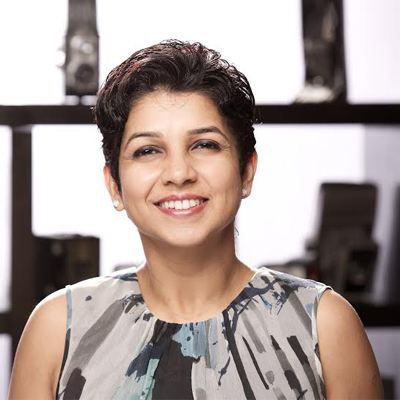
     

  • Verizon to acquire equity stake in AwesomenessTV; to create  new service featuring short-form content

    Verizon to acquire equity stake in AwesomenessTV; to create new service featuring short-form content

    BENGALURU: Verizon today announced it has entered into an agreement to purchase an approximate 24.5 per cent stake in AwesomenessTV. Upon completion of this transaction, the AwesomenessTV multi-platform media company will be valued at approximately $650 million. DreamWorks Animation, which acquired AwesomenessTV in 2013, will remain the company’s majority stakeholder with an approximate 51 per cent ownership of outstanding shares, while Hearst will own the remaining 24.5 per cent. AwesomenessTV founder and CEO Brian Robbins and AwesomenessTV’s president Brett Bouttier will continue to lead AwesomenessTV.

    In addition to its equity investment, Verizon will enter into an agreement with AwesomenessTV to create a first-of-its-kind premium short-form mobile video service featuring leading talent in front of and behind the camera. The new service will operate as a new and independent brand, and feature premium transactional content for a variety of audiences on par with the highest-end content seen on television today. The new service will launch as part of the go90 offering and Verizon will fund the initiative through a multi-year agreement with AwesomenessTV.

    The new premium content service will initially be exclusive to Verizon platforms in the United States, while AwesomenessTV will retain the right to sell content in the rest of the world. In addition to the production resources, expertise and marketing know-how of the team at AwesomenessTV, the partners will draw upon the entire Hollywood community – studios, production companies, writers, directors and actors – for content creation.

    “In addition to delivering compelling scripted and non-scripted series with high production values, AwesomenessTV has demonstrated an ability to zero in on programming that Gen Z and millennials want to watch,” said Verizon executive vice president and president of Product & New Business Innovation, Marni Walden. “The content AwesomenessTV has produced for go90 has exceeded all our expectations with shows such as Guidance and Top Five Live. That’s why we want to be in the AwesomenessTV business.”

    “This deal gives us the resources to work with the biggest talent in front of and behind the camera to create this new branded service and produce the most premium short-form content ever, made specifically for the device racking up the fastest growing viewership – the mobile phone,” said AwesomenessTV’s Robbins. “With Verizon joining DreamWorks Animation and Hearst as part of our equity ownership group, we benefit from the strategic insight and resources of the entertainment and communications industries’ most visionary companies and leaders. Our goal is to be the media company of the future, where content and distribution go hand in hand – we are now one giant step closer to that future.”

    “The creation of this new branded service represents a transformational step, not just for AwesomenessTV, but also for the entire mobile video landscape,” said DreamWorks Animation CEO Jeffrey Katzenberg. “This agreement is clearly impactful for AwesomenessTV – with annual revenues expected to more than double in the first 12 months of content delivery – and even more exciting is the expansion of our relationship with Verizon, one of the world’s most powerful marketers and content distributors, and their commitment to explore with us this incredible opportunity.”

    LionTree Advisors LLC acted as advisor to Verizon during this transaction and J.P. Morgan Securities LLC advised DreamWorks Animation. The transaction is subject to customary closing conditions. The parties currently expect that the transaction will be completed within the next 60 days.

  • Verizon to acquire equity stake in AwesomenessTV; to create  new service featuring short-form content

    Verizon to acquire equity stake in AwesomenessTV; to create new service featuring short-form content

    BENGALURU: Verizon today announced it has entered into an agreement to purchase an approximate 24.5 per cent stake in AwesomenessTV. Upon completion of this transaction, the AwesomenessTV multi-platform media company will be valued at approximately $650 million. DreamWorks Animation, which acquired AwesomenessTV in 2013, will remain the company’s majority stakeholder with an approximate 51 per cent ownership of outstanding shares, while Hearst will own the remaining 24.5 per cent. AwesomenessTV founder and CEO Brian Robbins and AwesomenessTV’s president Brett Bouttier will continue to lead AwesomenessTV.

    In addition to its equity investment, Verizon will enter into an agreement with AwesomenessTV to create a first-of-its-kind premium short-form mobile video service featuring leading talent in front of and behind the camera. The new service will operate as a new and independent brand, and feature premium transactional content for a variety of audiences on par with the highest-end content seen on television today. The new service will launch as part of the go90 offering and Verizon will fund the initiative through a multi-year agreement with AwesomenessTV.

    The new premium content service will initially be exclusive to Verizon platforms in the United States, while AwesomenessTV will retain the right to sell content in the rest of the world. In addition to the production resources, expertise and marketing know-how of the team at AwesomenessTV, the partners will draw upon the entire Hollywood community – studios, production companies, writers, directors and actors – for content creation.

    “In addition to delivering compelling scripted and non-scripted series with high production values, AwesomenessTV has demonstrated an ability to zero in on programming that Gen Z and millennials want to watch,” said Verizon executive vice president and president of Product & New Business Innovation, Marni Walden. “The content AwesomenessTV has produced for go90 has exceeded all our expectations with shows such as Guidance and Top Five Live. That’s why we want to be in the AwesomenessTV business.”

    “This deal gives us the resources to work with the biggest talent in front of and behind the camera to create this new branded service and produce the most premium short-form content ever, made specifically for the device racking up the fastest growing viewership – the mobile phone,” said AwesomenessTV’s Robbins. “With Verizon joining DreamWorks Animation and Hearst as part of our equity ownership group, we benefit from the strategic insight and resources of the entertainment and communications industries’ most visionary companies and leaders. Our goal is to be the media company of the future, where content and distribution go hand in hand – we are now one giant step closer to that future.”

    “The creation of this new branded service represents a transformational step, not just for AwesomenessTV, but also for the entire mobile video landscape,” said DreamWorks Animation CEO Jeffrey Katzenberg. “This agreement is clearly impactful for AwesomenessTV – with annual revenues expected to more than double in the first 12 months of content delivery – and even more exciting is the expansion of our relationship with Verizon, one of the world’s most powerful marketers and content distributors, and their commitment to explore with us this incredible opportunity.”

    LionTree Advisors LLC acted as advisor to Verizon during this transaction and J.P. Morgan Securities LLC advised DreamWorks Animation. The transaction is subject to customary closing conditions. The parties currently expect that the transaction will be completed within the next 60 days.

  • Indian OTT content has a huge potential to make money in overseas markets

    Indian OTT content has a huge potential to make money in overseas markets

    MUMBAI:  With every big and small player wanting a bite out of the OTT pie, it is critical to stop and think about the ground realities involved with this paradigm shift to prevent overzealousness getting the better of rationality. That is precisely why the thought leaders and stakeholders in the emerging space got together to discuss at length the OTT Opportunities and Strategies in India  at the second edition of NexTv Series India 2016 conference organised by Dataxis

    The organisers approached the topic in a more targeted way by splitting the panel into two parts – short form and long form content. The first panel comprising of Red Chillies VFX lead digital strategist Sidharth Iyer, Eros Now business head Zulfiqar Khan, CA Media Digital CEO Vivek Jain, and Vuclip global content and acquisition director Nikhil Naik discussing long form content on OTT platforms.

    The panel started with each player laying down their perspective on what made the OTT sphere such a game changing one, and then went on to categorise the genres of long format content on OTT platforms that they thought would work.

    After segregating the type of content that Bollywood is currently churning out, Iyer was quick to point out the potential for the booming kids’ content in India, especially in the digital space. Citing the example of Viacom18’s recently launched OTT arm VOOT and its separate kids’ library, Iyer emphasised that the kids’ genre was the next big thing in the content space, not just for its reach but because of its prolonged shelf life as well.

    Seconding Iyer, Khan further reiterated the OTT mantra, “What works on TV doesn’t work on digital.”
    The panellists also warned against stereotyping of content by constantly asking “what genre works on OTT”, as it could restrict creators from thinking out of the box and creating beneficial disruptions.

    The overseas market for the emerging OTT platforms in India was the next big turning point in the discussion. Naik, backed by experience of operating in several south Asian markets, bet high on the revenue generation potential of Indian content in overseas markets. “Solving user problems is the right way to approach a new market, and this will show revenue growth for the players,” Naik suggested. Citing his own company’s experience from operating in the Asian market, Naik narrated how providing quick and quality subtitles along with simulcast options of popular Korean dramas won subscribers in its Malaysian operations.

    Censorship was a mammoth issue that the panel addressed. Speaking from a digital content creator perspective, Iyer vouched for the creative liberty of creators, while Jain suggested targeted showcasing or distribution of content to deal with the censorship issue. Khan brought in a fresh perspective by calling censorship a ‘cultural issue rather than a policy one’. “We can’t judge how the entire nation thinks based on a few people here in a five star  hotel in Mumbai say. Solving the censorship issue lies in understanding the value system of the country rather than ignoring it or forcing it to change. There is a huge gap in tier II and tier III cities between access rates and sensibility development. I suggest we take the example from the TV model and form an industry body and practice self-regulation. It’s high time we start talking about it.”

    The second panel comprising of Alt Digital Media Entertainment CSO Eklavya Bhattacharya, Ditto TV business head Archana Anand, Zenga group MD Shabir Momin and  Fame Digital SVP Shreyas Rao  opened the floor with discussions about the challenges in creating short form content for the digital platform.

    “Everyone diving into the OTT space is hedging their bets on the media given its nascent nature. It is leading to content creators becoming more and more possessive of their content, and pushing the prices upward,” Anand made a powerful point.

    Steering away from the predictable ‘pricing’ issue for OTT platforms and digital content creators, Bhattacharya shared his thoughts on ‘convenience.’  “Video consumption is currently driven by convenience, and not taste and preference. Music saw a similar paradigm shift when cassettes disappeared and people asked where the artists and labels were going to make money from. And now T-Series on digital is one of the biggest revenue generators. This doesn’t mean that people didn’t chose the easy way out by downloading songs from sites like Songs.pk, but that it became easier to buy and listen to songs online. So whether people will pay or not ultimately boils down to convenience even for the OTT players.”

    The panel also gave an interesting point of view on the David vs Goliath scenario that currently exists between the big label OTT players like VOOT, Hotstar and Sony Live; and the emerging content start-ups. “The larger players can play on their experience of content creation and their ready bank, but the newer players have the advantage of being agile and flexible. They will be the innovation drivers in content on OTT platforms and evangelise new genres playing on their social media and topicalty strengths.”

    Anand however placed her bets on the OTT platforms operating under a larger broadcast umbrella like SPN, Viacon 18 or Star, as ultimately success in this emerging sphere would be a waiting game. “Those going for the AVOD model will have to build a critical viewership before they can rake in the revenues, and those who are opting for the subscription revenue model, will have to wait till the bandwidth issue gets resolved and Indians adopt to paying for their content, both needing a good two to three years. Thus to sustain these two to five years, the big players will have the funding advantage.”

    The panellists further highlighted the potential for Indian content to travel overseas and make a market for itself. “Geo agnostic content is the future of OTT. No one really cares that a Swedish production house is making GOT. If the content is good, people are willing to pay for it. Between Pakistan, Sri Lanka, Bangladesh, that is, the Indian subcontinent, Indian content has a huge potential,” Bhattacharya shared. “There is a huge market out there amongst the large population of the Indian diaspora sitting outside the country who are also in a situation to pay for the content.”

    Bhattacharya further added that there was a scope to create content that would appeal to the regional markets, and the diaspora that related to that content outside the country. “For years content creators were creating content so that broadcasters could monetise it for advertisers so a lot of the content was very specific. Who is creating content for that Tamil guy sitting in Singapore? Give them good content they will pay for it for certain.”

    The panel concluded with discussions on a need for a new type advertisement creative that wasn’t intrusive and moved away from the traditional way of slapping advertisements on audiences. Cleverly and creatively done branded content was an alternative offered by the panel.


  • Indian OTT content has a huge potential to make money in overseas markets

    Indian OTT content has a huge potential to make money in overseas markets

    MUMBAI:  With every big and small player wanting a bite out of the OTT pie, it is critical to stop and think about the ground realities involved with this paradigm shift to prevent overzealousness getting the better of rationality. That is precisely why the thought leaders and stakeholders in the emerging space got together to discuss at length the OTT Opportunities and Strategies in India  at the second edition of NexTv Series India 2016 conference organised by Dataxis

    The organisers approached the topic in a more targeted way by splitting the panel into two parts – short form and long form content. The first panel comprising of Red Chillies VFX lead digital strategist Sidharth Iyer, Eros Now business head Zulfiqar Khan, CA Media Digital CEO Vivek Jain, and Vuclip global content and acquisition director Nikhil Naik discussing long form content on OTT platforms.

    The panel started with each player laying down their perspective on what made the OTT sphere such a game changing one, and then went on to categorise the genres of long format content on OTT platforms that they thought would work.

    After segregating the type of content that Bollywood is currently churning out, Iyer was quick to point out the potential for the booming kids’ content in India, especially in the digital space. Citing the example of Viacom18’s recently launched OTT arm VOOT and its separate kids’ library, Iyer emphasised that the kids’ genre was the next big thing in the content space, not just for its reach but because of its prolonged shelf life as well.

    Seconding Iyer, Khan further reiterated the OTT mantra, “What works on TV doesn’t work on digital.”
    The panellists also warned against stereotyping of content by constantly asking “what genre works on OTT”, as it could restrict creators from thinking out of the box and creating beneficial disruptions.

    The overseas market for the emerging OTT platforms in India was the next big turning point in the discussion. Naik, backed by experience of operating in several south Asian markets, bet high on the revenue generation potential of Indian content in overseas markets. “Solving user problems is the right way to approach a new market, and this will show revenue growth for the players,” Naik suggested. Citing his own company’s experience from operating in the Asian market, Naik narrated how providing quick and quality subtitles along with simulcast options of popular Korean dramas won subscribers in its Malaysian operations.

    Censorship was a mammoth issue that the panel addressed. Speaking from a digital content creator perspective, Iyer vouched for the creative liberty of creators, while Jain suggested targeted showcasing or distribution of content to deal with the censorship issue. Khan brought in a fresh perspective by calling censorship a ‘cultural issue rather than a policy one’. “We can’t judge how the entire nation thinks based on a few people here in a five star  hotel in Mumbai say. Solving the censorship issue lies in understanding the value system of the country rather than ignoring it or forcing it to change. There is a huge gap in tier II and tier III cities between access rates and sensibility development. I suggest we take the example from the TV model and form an industry body and practice self-regulation. It’s high time we start talking about it.”

    The second panel comprising of Alt Digital Media Entertainment CSO Eklavya Bhattacharya, Ditto TV business head Archana Anand, Zenga group MD Shabir Momin and  Fame Digital SVP Shreyas Rao  opened the floor with discussions about the challenges in creating short form content for the digital platform.

    “Everyone diving into the OTT space is hedging their bets on the media given its nascent nature. It is leading to content creators becoming more and more possessive of their content, and pushing the prices upward,” Anand made a powerful point.

    Steering away from the predictable ‘pricing’ issue for OTT platforms and digital content creators, Bhattacharya shared his thoughts on ‘convenience.’  “Video consumption is currently driven by convenience, and not taste and preference. Music saw a similar paradigm shift when cassettes disappeared and people asked where the artists and labels were going to make money from. And now T-Series on digital is one of the biggest revenue generators. This doesn’t mean that people didn’t chose the easy way out by downloading songs from sites like Songs.pk, but that it became easier to buy and listen to songs online. So whether people will pay or not ultimately boils down to convenience even for the OTT players.”

    The panel also gave an interesting point of view on the David vs Goliath scenario that currently exists between the big label OTT players like VOOT, Hotstar and Sony Live; and the emerging content start-ups. “The larger players can play on their experience of content creation and their ready bank, but the newer players have the advantage of being agile and flexible. They will be the innovation drivers in content on OTT platforms and evangelise new genres playing on their social media and topicalty strengths.”

    Anand however placed her bets on the OTT platforms operating under a larger broadcast umbrella like SPN, Viacon 18 or Star, as ultimately success in this emerging sphere would be a waiting game. “Those going for the AVOD model will have to build a critical viewership before they can rake in the revenues, and those who are opting for the subscription revenue model, will have to wait till the bandwidth issue gets resolved and Indians adopt to paying for their content, both needing a good two to three years. Thus to sustain these two to five years, the big players will have the funding advantage.”

    The panellists further highlighted the potential for Indian content to travel overseas and make a market for itself. “Geo agnostic content is the future of OTT. No one really cares that a Swedish production house is making GOT. If the content is good, people are willing to pay for it. Between Pakistan, Sri Lanka, Bangladesh, that is, the Indian subcontinent, Indian content has a huge potential,” Bhattacharya shared. “There is a huge market out there amongst the large population of the Indian diaspora sitting outside the country who are also in a situation to pay for the content.”

    Bhattacharya further added that there was a scope to create content that would appeal to the regional markets, and the diaspora that related to that content outside the country. “For years content creators were creating content so that broadcasters could monetise it for advertisers so a lot of the content was very specific. Who is creating content for that Tamil guy sitting in Singapore? Give them good content they will pay for it for certain.”

    The panel concluded with discussions on a need for a new type advertisement creative that wasn’t intrusive and moved away from the traditional way of slapping advertisements on audiences. Cleverly and creatively done branded content was an alternative offered by the panel.