Category: iWorld

  • Jio impacts Vodafone India H1-17 results

    Jio impacts Vodafone India H1-17 results

    BENGALURU: Vodafone Group Plc (Vodafone group) reported Group organic service revenue up 2.3 per cent for the half year ended 30 September 2016 (H1-17).  H1-17 Group revenue declined 3.9 per cent to €27,054 million as compared to € 28,151 million for H1-6 (corresponding period of the previous year). H1-17 Vodafone Group reported organic EBITDA growth of 4.3 per cent to €7,906 million, supported by strong cost control. In real terms, EBIDTA declined 1.7 per cent from $8,039 million reported for H1-16.

    India numbers

    Vodafone India contributed about 11.1 per cent to Vodafone Group revenues and adds about 43.7 per cent to Vodafone group mobile subscriber base in the quarter ended 30 September 2016 or Q2-17. About 51.4 per cent of the group’s voice usage was from India in Q2-17 at 183,555 million minutes (Total group 357,034 million minutes).

    Vodafone India Service revenue grew by 5.9 per cent (quarter ended 30 June 2016 or Q1-17: 6.4 per cent, Q2-17: 5.4 per cent) in H1-17 to Rs 22,579 crore from Rs 21,321 crore in H1-16. Excluding regulatory drags including MTR cuts, roaming price caps and an increase in service tax, the quarterly rate of growth slowed from 7.7 per cent in Q1-17 to 6.3 per cent in Q2-17. This underlying slowdown was mainly driven by lower data revenue growth resulting from increased competitive pressure says the company.

    Data revenue growth slowed from 22 per cent in Q1-17 to 16 per cent in Q2-17. This was driven by a flattening of unique data user growth quarter-on-quarter, reflecting the impact of ‘free’ promotional offers from a new entrant, viz., Reliance Jio. 

    Vodafone group’s active data customer base at the period end was 69.6 million or 6.96 crore (Q1-17- 69.7 million or 6.97 crore). Overall data pricing declined 14 per cent year-on-year, while data usage per customer continued to grow strongly to 504MB (+28 per cent). Vodafone group 3G / 4G customer base continued to grow to 36 million (3.6 crore), up 51 per cent, and smartphone penetration was now 34.5 per cent says the company. Vodafone India reported revenue from data of Rs 4,617 crore. Data ARPU (for users more than 1MB) was at Rs 164 in Q2-17 versus Rs 158 in Q2-16.

    Voice revenue growth increased to 2.7 per cent in Q2-17 (Q1-17: 2.2 per cent) supported by a growing customer base. This was despite seasonally lower average minutes of use per customer. Total mobile customers increased 2.8 million (28 lakh) over the period, giving a closing customer base of over 200 million for the first time (Q2: 200.7 million or 20.07 crore).
    During the period Vodafone India added 4,100 new 3G sites, taking the total to 63,000. It also has 13,000 4G sites. In the Indian spectrum auction during October Vodafone India increased its total spectrum holding by 62 per cent. 

    Overall Vodafone paid Rs 20,300 crore (€2.7 billion), of which 92 per cent was on spectrum for the 12 circles in which it claims to be a market leader. Vodafone India plans to extend its 4G footprint from 9 to 17 circles by the end of the current financial year. These circles cover around 91 per cent of Vodafone India’s service revenues and 94 per cent of its data revenues.

    EBITDA grew by 2.6 per cent in H1-17 to Rs 6,704 crore from Rs 6,534 crore, with the EBITDA margin declining by 0.1 percentage points to 29.6 per cent due to higher network and customer acquisition costs, which were largely offset by significant operating cost savings says the company.

    The Vodafone Group intends to proceed with an IPO of Vodafone India as soon as market conditions allow. It does not expect this to take place during the current financial year.

    Company speak

    Vodafone group chief executive Vittorio Colao said, ‘We have further improved our performance during the first half of the financial year with Europe modestly ahead of our expectations – led by Germany and Italy – and good execution in AMAP. Our substantial network investments and ‘more-for-more’ propositions have allowed us to capture opportunities from strong data demand, supporting European mobile contract ARPU and continued growth in emerging markets. As Europe’s fastest-growing broadband operator, we are driving rapid uptake of our consumer fixed and TV services while our wholly converged Enterprise business continues to outperform its peers. We are now translating faster revenue growth into margin expansion, supported by our focus on cost efficiency.

    Competition in India has increased in the year, reducing revenue growth and profitability. We have responded to this changing competitive environment by strengthening our data and voice commercial offers and by focusing our participation in the recent spectrum auction on acquiring frequencies in the more successful and profitable areas of the country.

    Overall, we expect to sustain our underlying performance in the second half of the year and remain on track to meet our full-year objectives despite macroeconomic uncertainties. This performance allows for improved returns to our shareholders, as reflected by the growth in the interim dividend.

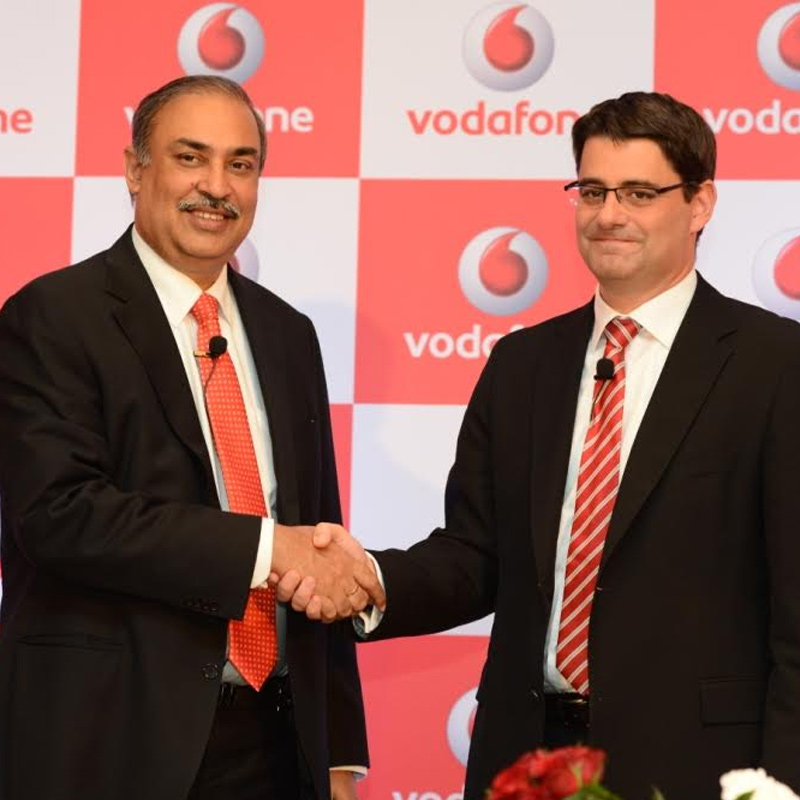
    Vodafone India managing director and CEO Sunil Sood commented: “Amidst a dynamic environment, we delivered a solid performance. We are well prepared for the increased level of competitive intensity that we are experiencing. We have strengthened our customer value propositions making Vodafone Play, your one window to the world of entertainment, launched exciting 4G offers – 9GB free on purchase of 1GB pack for new 4G handsets and revamped Vodafone RED for high end voice and data users. Further, we pioneered lifestyle propositions such as Vodafone U for young customers and Vodafone Flex, which allows customers to make a single recharge for voice, sms and data. We expanded our 4G footprint to 9 circles by launching services in 4 new circles. With the spectrum bought recently, we will roll out the Vodafone SuperNet 4G experience rapidly to 2,400 towns and in 8 additional circles by March. We continue to invest to expand our modern and scalable network with a strong backhaul, to support the increasing volumes and need for speed from both retail and enterprise customers. We remain committed to fulfill the evolving needs of our customers and leverage our global experience plus rich understanding of India to play a meaningful role in enabling Digital India.”
  • Jio impacts Vodafone India H1-17 results

    Jio impacts Vodafone India H1-17 results

    BENGALURU: Vodafone Group Plc (Vodafone group) reported Group organic service revenue up 2.3 per cent for the half year ended 30 September 2016 (H1-17).  H1-17 Group revenue declined 3.9 per cent to €27,054 million as compared to € 28,151 million for H1-6 (corresponding period of the previous year). H1-17 Vodafone Group reported organic EBITDA growth of 4.3 per cent to €7,906 million, supported by strong cost control. In real terms, EBIDTA declined 1.7 per cent from $8,039 million reported for H1-16.

    India numbers

    Vodafone India contributed about 11.1 per cent to Vodafone Group revenues and adds about 43.7 per cent to Vodafone group mobile subscriber base in the quarter ended 30 September 2016 or Q2-17. About 51.4 per cent of the group’s voice usage was from India in Q2-17 at 183,555 million minutes (Total group 357,034 million minutes).

    Vodafone India Service revenue grew by 5.9 per cent (quarter ended 30 June 2016 or Q1-17: 6.4 per cent, Q2-17: 5.4 per cent) in H1-17 to Rs 22,579 crore from Rs 21,321 crore in H1-16. Excluding regulatory drags including MTR cuts, roaming price caps and an increase in service tax, the quarterly rate of growth slowed from 7.7 per cent in Q1-17 to 6.3 per cent in Q2-17. This underlying slowdown was mainly driven by lower data revenue growth resulting from increased competitive pressure says the company.

    Data revenue growth slowed from 22 per cent in Q1-17 to 16 per cent in Q2-17. This was driven by a flattening of unique data user growth quarter-on-quarter, reflecting the impact of ‘free’ promotional offers from a new entrant, viz., Reliance Jio. 

    Vodafone group’s active data customer base at the period end was 69.6 million or 6.96 crore (Q1-17- 69.7 million or 6.97 crore). Overall data pricing declined 14 per cent year-on-year, while data usage per customer continued to grow strongly to 504MB (+28 per cent). Vodafone group 3G / 4G customer base continued to grow to 36 million (3.6 crore), up 51 per cent, and smartphone penetration was now 34.5 per cent says the company. Vodafone India reported revenue from data of Rs 4,617 crore. Data ARPU (for users more than 1MB) was at Rs 164 in Q2-17 versus Rs 158 in Q2-16.

    Voice revenue growth increased to 2.7 per cent in Q2-17 (Q1-17: 2.2 per cent) supported by a growing customer base. This was despite seasonally lower average minutes of use per customer. Total mobile customers increased 2.8 million (28 lakh) over the period, giving a closing customer base of over 200 million for the first time (Q2: 200.7 million or 20.07 crore).
    During the period Vodafone India added 4,100 new 3G sites, taking the total to 63,000. It also has 13,000 4G sites. In the Indian spectrum auction during October Vodafone India increased its total spectrum holding by 62 per cent. 

    Overall Vodafone paid Rs 20,300 crore (€2.7 billion), of which 92 per cent was on spectrum for the 12 circles in which it claims to be a market leader. Vodafone India plans to extend its 4G footprint from 9 to 17 circles by the end of the current financial year. These circles cover around 91 per cent of Vodafone India’s service revenues and 94 per cent of its data revenues.

    EBITDA grew by 2.6 per cent in H1-17 to Rs 6,704 crore from Rs 6,534 crore, with the EBITDA margin declining by 0.1 percentage points to 29.6 per cent due to higher network and customer acquisition costs, which were largely offset by significant operating cost savings says the company.

    The Vodafone Group intends to proceed with an IPO of Vodafone India as soon as market conditions allow. It does not expect this to take place during the current financial year.

    Company speak

    Vodafone group chief executive Vittorio Colao said, ‘We have further improved our performance during the first half of the financial year with Europe modestly ahead of our expectations – led by Germany and Italy – and good execution in AMAP. Our substantial network investments and ‘more-for-more’ propositions have allowed us to capture opportunities from strong data demand, supporting European mobile contract ARPU and continued growth in emerging markets. As Europe’s fastest-growing broadband operator, we are driving rapid uptake of our consumer fixed and TV services while our wholly converged Enterprise business continues to outperform its peers. We are now translating faster revenue growth into margin expansion, supported by our focus on cost efficiency.

    Competition in India has increased in the year, reducing revenue growth and profitability. We have responded to this changing competitive environment by strengthening our data and voice commercial offers and by focusing our participation in the recent spectrum auction on acquiring frequencies in the more successful and profitable areas of the country.

    Overall, we expect to sustain our underlying performance in the second half of the year and remain on track to meet our full-year objectives despite macroeconomic uncertainties. This performance allows for improved returns to our shareholders, as reflected by the growth in the interim dividend.

    Vodafone India managing director and CEO Sunil Sood commented: “Amidst a dynamic environment, we delivered a solid performance. We are well prepared for the increased level of competitive intensity that we are experiencing. We have strengthened our customer value propositions making Vodafone Play, your one window to the world of entertainment, launched exciting 4G offers – 9GB free on purchase of 1GB pack for new 4G handsets and revamped Vodafone RED for high end voice and data users. Further, we pioneered lifestyle propositions such as Vodafone U for young customers and Vodafone Flex, which allows customers to make a single recharge for voice, sms and data. We expanded our 4G footprint to 9 circles by launching services in 4 new circles. With the spectrum bought recently, we will roll out the Vodafone SuperNet 4G experience rapidly to 2,400 towns and in 8 additional circles by March. We continue to invest to expand our modern and scalable network with a strong backhaul, to support the increasing volumes and need for speed from both retail and enterprise customers. We remain committed to fulfill the evolving needs of our customers and leverage our global experience plus rich understanding of India to play a meaningful role in enabling Digital India.”

  • Zimbabwe-Sri Lanka-WI cricket tri-series live on dittoTV

    Zimbabwe-Sri Lanka-WI cricket tri-series live on dittoTV

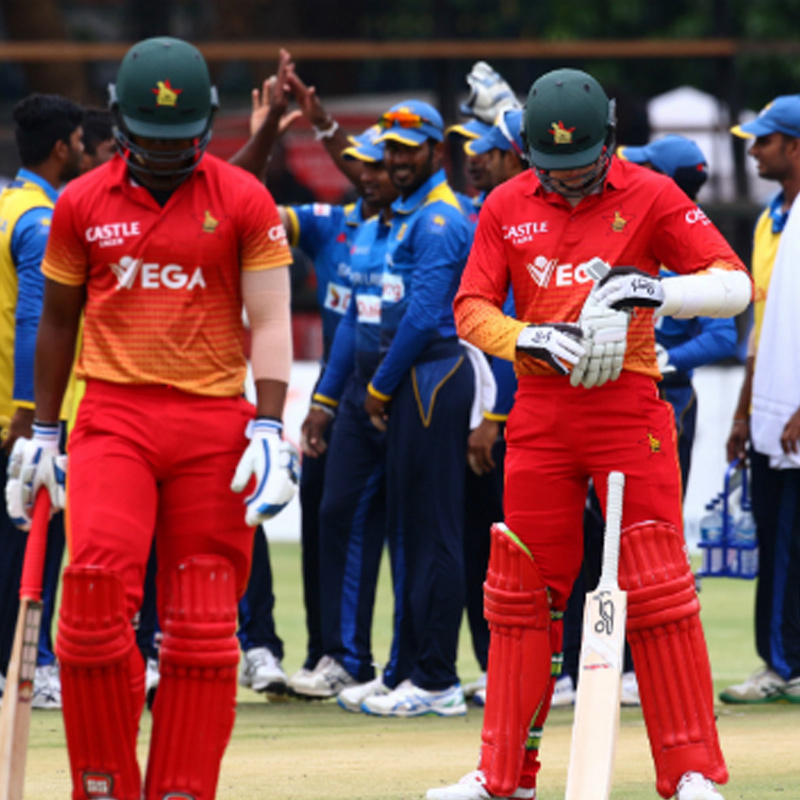
    MUMBAI: Cricket lovers who miss their favourite matches due to various reasons can breathe a sigh of relief. Over the top (OTT) platform dittoTV will provide live feed of the Zimbabwe – Sri Lanka -West Indies cricket tri-series match, which commenced on 14 November 2016.

    The matches can be watched live on Ten1 HD channel available on the digital platform. The series comprises six round-robin matches and subscribers can watch the channel at 1 pm on November 14, 16,19, 21, 23 and on the concluding day, 27 November.

    “Cricket is unarguably the most celebrated sport in India. However, with the tri-series airing in the middle of the day, working professionals and students may miss out on the matches. With dittoTV, cricket enthusiasts can catch up on all the action live via their smartphones, laptops or any internet connected device. We are very excited to bring the tri-series live to viewers on our platform,” said dittoTV business head Archana Anand in a statement.

    The dittoTV app is available on Android and iOS platforms, with a monthly subscription charge of Rs 20.

  • Zimbabwe-Sri Lanka-WI cricket tri-series live on dittoTV

    Zimbabwe-Sri Lanka-WI cricket tri-series live on dittoTV

    MUMBAI: Cricket lovers who miss their favourite matches due to various reasons can breathe a sigh of relief. Over the top (OTT) platform dittoTV will provide live feed of the Zimbabwe – Sri Lanka -West Indies cricket tri-series match, which commenced on 14 November 2016.

    The matches can be watched live on Ten1 HD channel available on the digital platform. The series comprises six round-robin matches and subscribers can watch the channel at 1 pm on November 14, 16,19, 21, 23 and on the concluding day, 27 November.

    “Cricket is unarguably the most celebrated sport in India. However, with the tri-series airing in the middle of the day, working professionals and students may miss out on the matches. With dittoTV, cricket enthusiasts can catch up on all the action live via their smartphones, laptops or any internet connected device. We are very excited to bring the tri-series live to viewers on our platform,” said dittoTV business head Archana Anand in a statement.

    The dittoTV app is available on Android and iOS platforms, with a monthly subscription charge of Rs 20.

  • Times Global appoints Rishi Jaitly as CEO

    Times Global appoints Rishi Jaitly as CEO

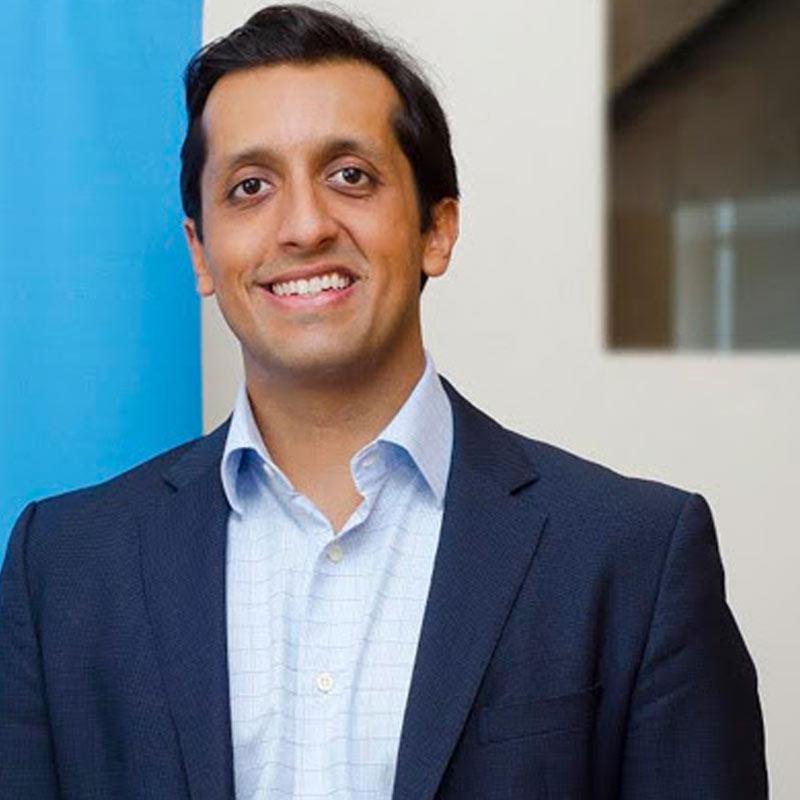
    MUMBAI: Former Twitter Inc.’s India head Rishi Jaitly has been appointed as the chief executive officer (CEO) of Times Global Partners, a group initiative that supports the launch and expansion of emerging global digital companies in India. Jaitly will replace Puneet Singhvi who was till now the chief operating officer.

    Satyan Gajwani, vice-chairman at Times Internet, the digital arm of The Times of India group, said they were thrilled to welcome Rishi. Under his leadership, both Twitter and Google in the last decade had grown from scratch, and were now involved in every segment of India’s business. This appointment comes as a part of Times efforts to increase partnerships investments in media platforms and global technology.

    Jaitly was earlier serving as India head and then as vice-president, Asia Pacific, Middle East and North Africa, at Twitter for four years. He was a member of Google’s original Indian management team before joining Twitter. In a statement, Jaitly said his mission had always been to harness the power of technology and media to ensure they fully realised the untapped potential of people, communities and markets.

    In 2015, he became the VP to lead the Twitter teams who drive strategic partnerships with the news, government, entertainment, sports, TV industries, and others in the mass and emerging media landscape. Jaitly tweeted, “ Building/leading @TwitterIndia, and expanding @TwitterMedia across Asia Pacific & Middle East, was the leadership experience of a lifetime.”

  • Times Global appoints Rishi Jaitly as CEO

    Times Global appoints Rishi Jaitly as CEO

    MUMBAI: Former Twitter Inc.’s India head Rishi Jaitly has been appointed as the chief executive officer (CEO) of Times Global Partners, a group initiative that supports the launch and expansion of emerging global digital companies in India. Jaitly will replace Puneet Singhvi who was till now the chief operating officer.

    Satyan Gajwani, vice-chairman at Times Internet, the digital arm of The Times of India group, said they were thrilled to welcome Rishi. Under his leadership, both Twitter and Google in the last decade had grown from scratch, and were now involved in every segment of India’s business. This appointment comes as a part of Times efforts to increase partnerships investments in media platforms and global technology.

    Jaitly was earlier serving as India head and then as vice-president, Asia Pacific, Middle East and North Africa, at Twitter for four years. He was a member of Google’s original Indian management team before joining Twitter. In a statement, Jaitly said his mission had always been to harness the power of technology and media to ensure they fully realised the untapped potential of people, communities and markets.

    In 2015, he became the VP to lead the Twitter teams who drive strategic partnerships with the news, government, entertainment, sports, TV industries, and others in the mass and emerging media landscape. Jaitly tweeted, “ Building/leading @TwitterIndia, and expanding @TwitterMedia across Asia Pacific & Middle East, was the leadership experience of a lifetime.”

  • Singaporean Bomanbridge closes 111 hours of factual programming with digital Bilibili in China

    Singaporean Bomanbridge closes 111 hours of factual programming with digital Bilibili in China

    MUMBAI: Bomanbridge Media, a Singapore-based content distribution and production agency announced a multi-program factual deal of 111 hours for the millennial-targeted digital platform, Bilibili, in China. Bomanbridge has satellite offices in India, Korea, and Mongolia.

    Bilibili acquired travel and nature programs such as Escape or Die, featuring Dean Gunnarson, a world class escape artist, entertaining global audiences with remarkable stunts that cheat death; Extraordinary Dogs exploring true-stories of canine prowess and the science behind dogs’ incredible abilities; while The Wonder of Dogs, celebrates the dog in all its spectacularly different and unlikely forms — from ancient predator to household pet, the evolution of dogs is arguably the greatest success story in the animal kingdom.

    Other programs acquired include: Hidden Britain by Drone, following Sir Tony Robinson who uses drones to reveal Britain’s hidden places, from billionaires’ private estates to forbidden military zones, and When Patrick Met Kylie featuring Patrick, a British chef with a passion for Italian cuisine and Kylie, an Australian food and travel writer who has made Italy her home. Their mission is to find out how Italians really live and what they really eat. Travel the globe in Animal Alas to meet every kind of animal imaginable, from the familiar to the astounding — learn about their lives, their history, and the adaptations that allow them to survive and thrive. With more than 100 million active users and daily video views, Bilibili already gained great reputation among youngsters and is continuously feeding them with intriguing and high quality worldwide content.

    “Bomanbridge is excited to continue expanding our programming reach to the ever-growing digital online platforms, especially in China where this has become a very lucrative space. We have an exciting, rich factual catalog appealing to many demographics, especially the millennial audiences who demand high quality, captivating stories and are pleased to bring Bilibili viewers over 110 hours of fresh nature and travel content,” said Bomanbridge CEO Sonia Fleck.

  • Singaporean Bomanbridge closes 111 hours of factual programming with digital Bilibili in China

    Singaporean Bomanbridge closes 111 hours of factual programming with digital Bilibili in China

    MUMBAI: Bomanbridge Media, a Singapore-based content distribution and production agency announced a multi-program factual deal of 111 hours for the millennial-targeted digital platform, Bilibili, in China. Bomanbridge has satellite offices in India, Korea, and Mongolia.

    Bilibili acquired travel and nature programs such as Escape or Die, featuring Dean Gunnarson, a world class escape artist, entertaining global audiences with remarkable stunts that cheat death; Extraordinary Dogs exploring true-stories of canine prowess and the science behind dogs’ incredible abilities; while The Wonder of Dogs, celebrates the dog in all its spectacularly different and unlikely forms — from ancient predator to household pet, the evolution of dogs is arguably the greatest success story in the animal kingdom.

    Other programs acquired include: Hidden Britain by Drone, following Sir Tony Robinson who uses drones to reveal Britain’s hidden places, from billionaires’ private estates to forbidden military zones, and When Patrick Met Kylie featuring Patrick, a British chef with a passion for Italian cuisine and Kylie, an Australian food and travel writer who has made Italy her home. Their mission is to find out how Italians really live and what they really eat. Travel the globe in Animal Alas to meet every kind of animal imaginable, from the familiar to the astounding — learn about their lives, their history, and the adaptations that allow them to survive and thrive. With more than 100 million active users and daily video views, Bilibili already gained great reputation among youngsters and is continuously feeding them with intriguing and high quality worldwide content.

    “Bomanbridge is excited to continue expanding our programming reach to the ever-growing digital online platforms, especially in China where this has become a very lucrative space. We have an exciting, rich factual catalog appealing to many demographics, especially the millennial audiences who demand high quality, captivating stories and are pleased to bring Bilibili viewers over 110 hours of fresh nature and travel content,” said Bomanbridge CEO Sonia Fleck.

  • Q3 ’16: 70pc smartphones shipped, 90pc sold by e-tailers 4G-enabled; Indian market crosses 30 million

    Q3 ’16: 70pc smartphones shipped, 90pc sold by e-tailers 4G-enabled; Indian market crosses 30 million

    MUMBAI: Smartphone market in India crossed the 30 million unit shipments milestone for the first time ever in a quarter in CY Q3 2016 maintaining its healthy traction with 11 per cent year-on-year growth.

    According to the International Data Corporation’s (IDC) Quarterly Mobile Phone Tracker, smartphone shipments clocked 32.3 million units in CY Q3 2016 with 17.5 per centage growth over the previous quarter. “This seasonal spike in third quarter of the year can be attributed to the channel preparation for the festive season, mega online sales and early import of smartphones owing to Chinese holidays in October” says IDC India’s senior market analyst – client devices Karthik J.

    Online share of smartphone increased to 31.6 per cent with impressive 35 per cent Quarter-on-Quarter (QoQ) growth due to strong performance by key online players primarily from China-based vendors. Also, closing weeks of the quarter witnessed incremental supplies as many vendors were preparing their inventories for the online festival sales in October. Lenovo Group continues to lead online channel followed by Xiaomi. “Lenovo Group accounts for almost one-fourth of total online smartphone shipments driven primarily by Lenovo’s K5 series and Motorola’s G4 series models. Also, Xiaomi’s Redmi Note 3 and newly launched Redmi 3S fuelled the online shipments to a large extent,” adds Karthik. 

    4G smartphone shipments grew 24.8 per cent over previous quarter in CY Q3 2016. Rollout of Reliance Jio network has further increased the share of 4G enabled smartphones in India. Seven out of 10 smartphone shipped in Q3 2016 were 4G enabled and 9 out of 10 smartphone sold by eTailers were 4G.

    http://www.indiantelevision.com/sites/drupal7.indiantelevision.co.in/files/styles/large/public/image005.png?itok=g7Hwl27b

    Samsung leads the Indian smartphone market with 23 per centage share with 8 per cent sequential growth and 9.7 per cent growth from the same period last year. Despite the recall of Samsung’s flagship Note 7, multiple new launches across both offline and online channels added onto the its strong portfolio helped vendor to grow at a healthy rate in CY Q3 2016. J2 continues to be a key contributor for Samsung.

    Lenovo Group (including Motorola) climbed to second place with 9.6 per cent share of smartphones. Similar to the CY Q3 2015 trend, Lenovo Group’s shipment spiked in CY Q3 2016 with growth of 46.1 per cent over previous quarter. Motorola’s volume almost doubled Quarter-on-Quarter driven by newly launched E3 Power and G4 models. K5 series continues to be lead runner for Lenovo accounting for over 40 per cent of its total volume.

    Micromax slips to third position with a 32 per cent decline in smartphone shipments over previous quarter. Vendor is facing tremendous pressure from other local vendors in sub US$ 100 segment and with Chinese players in US$100-150.

    Xiaomi makes its debut in top five as its shipments doubled over previous quarter. With primary focus on online and minimalistic product portfolio, vendor has grown more than 2.5 times over the same period last year. As the vendor plans to expand its footprint in the offline channel, competition is likely to get intense in Indian smartphone market.

    Reliance Jio sustains its fifth position in CY Q3 2016 despite a healthy 20.9 per cent growth over previous quarter. With the commercial launch of Reliance Jio Service with attractive introductory offer, the LYF branded smartphones saw a sharp demand with reports of stock outs at some locations. Apart from its entry level Flame series, Water series also contributed to the growth in Q3 2016.

    http://www.indiantelevision.com/sites/drupal7.indiantelevision.co.in/files/styles/large/public/image006.png?itok=6w5UhTsk

    Overall mobile phone market shipments closed at 72.3 Million units in CY Q3 2016 with an 18.1 per cent sequential growth. Feature phones registered 39.9 Million units in CY Q3 2016 with a healthy 18.6 per cent quarter-over-quarter growth. However, feature phones market declined at 12.4 per cent over the same period last year, pulling down the overall mobile phone shipments marginally by 3.3 per cent.

     “Mobile vendor ecosystem is going through a multi-dimensional transition. Continuous investment from China based vendors on retail expansion and high decibel marketing has led to disruption in the plans of home-grown vendors to some extent. To remain relevant, home-grown vendors are counting on the feature phone market even though they are facing certain supply issues for a few components” says IDC India market analyst client devices Jaipal Singh. “Also, vendors are relooking at the channel strategy by getting lower tier distributors on-board, positioning more staff at storefronts and adopting the right mix of products in both online and offline channels” adds Singh.

    Migration from feature phone to smartphone has slowed down, helping India based vendors to maintain their dominance in overall mobile market. Though feature phone market is consolidated with few key vendors, it is also witnessing the emergence of new brands. Itel in its second quarter in Indian market has quadrupled its shipments while Zen mobile shipments have more than doubled over the previous quarter.

    IDC India expects 2016 to end with a higher single digit annual growth, considering the smartphone performance till CY Q3 2016. 

  • Q3 ’16: 70pc smartphones shipped, 90pc sold by e-tailers 4G-enabled; Indian market crosses 30 million

    Q3 ’16: 70pc smartphones shipped, 90pc sold by e-tailers 4G-enabled; Indian market crosses 30 million

    MUMBAI: Smartphone market in India crossed the 30 million unit shipments milestone for the first time ever in a quarter in CY Q3 2016 maintaining its healthy traction with 11 per cent year-on-year growth.

    According to the International Data Corporation’s (IDC) Quarterly Mobile Phone Tracker, smartphone shipments clocked 32.3 million units in CY Q3 2016 with 17.5 per centage growth over the previous quarter. “This seasonal spike in third quarter of the year can be attributed to the channel preparation for the festive season, mega online sales and early import of smartphones owing to Chinese holidays in October” says IDC India’s senior market analyst – client devices Karthik J.

    Online share of smartphone increased to 31.6 per cent with impressive 35 per cent Quarter-on-Quarter (QoQ) growth due to strong performance by key online players primarily from China-based vendors. Also, closing weeks of the quarter witnessed incremental supplies as many vendors were preparing their inventories for the online festival sales in October. Lenovo Group continues to lead online channel followed by Xiaomi. “Lenovo Group accounts for almost one-fourth of total online smartphone shipments driven primarily by Lenovo’s K5 series and Motorola’s G4 series models. Also, Xiaomi’s Redmi Note 3 and newly launched Redmi 3S fuelled the online shipments to a large extent,” adds Karthik. 

    4G smartphone shipments grew 24.8 per cent over previous quarter in CY Q3 2016. Rollout of Reliance Jio network has further increased the share of 4G enabled smartphones in India. Seven out of 10 smartphone shipped in Q3 2016 were 4G enabled and 9 out of 10 smartphone sold by eTailers were 4G.

    http://www.indiantelevision.com/sites/drupal7.indiantelevision.co.in/files/styles/large/public/image005.png?itok=g7Hwl27b

    Samsung leads the Indian smartphone market with 23 per centage share with 8 per cent sequential growth and 9.7 per cent growth from the same period last year. Despite the recall of Samsung’s flagship Note 7, multiple new launches across both offline and online channels added onto the its strong portfolio helped vendor to grow at a healthy rate in CY Q3 2016. J2 continues to be a key contributor for Samsung.

    Lenovo Group (including Motorola) climbed to second place with 9.6 per cent share of smartphones. Similar to the CY Q3 2015 trend, Lenovo Group’s shipment spiked in CY Q3 2016 with growth of 46.1 per cent over previous quarter. Motorola’s volume almost doubled Quarter-on-Quarter driven by newly launched E3 Power and G4 models. K5 series continues to be lead runner for Lenovo accounting for over 40 per cent of its total volume.

    Micromax slips to third position with a 32 per cent decline in smartphone shipments over previous quarter. Vendor is facing tremendous pressure from other local vendors in sub US$ 100 segment and with Chinese players in US$100-150.

    Xiaomi makes its debut in top five as its shipments doubled over previous quarter. With primary focus on online and minimalistic product portfolio, vendor has grown more than 2.5 times over the same period last year. As the vendor plans to expand its footprint in the offline channel, competition is likely to get intense in Indian smartphone market.

    Reliance Jio sustains its fifth position in CY Q3 2016 despite a healthy 20.9 per cent growth over previous quarter. With the commercial launch of Reliance Jio Service with attractive introductory offer, the LYF branded smartphones saw a sharp demand with reports of stock outs at some locations. Apart from its entry level Flame series, Water series also contributed to the growth in Q3 2016.

    http://www.indiantelevision.com/sites/drupal7.indiantelevision.co.in/files/styles/large/public/image006.png?itok=6w5UhTsk

    Overall mobile phone market shipments closed at 72.3 Million units in CY Q3 2016 with an 18.1 per cent sequential growth. Feature phones registered 39.9 Million units in CY Q3 2016 with a healthy 18.6 per cent quarter-over-quarter growth. However, feature phones market declined at 12.4 per cent over the same period last year, pulling down the overall mobile phone shipments marginally by 3.3 per cent.

     “Mobile vendor ecosystem is going through a multi-dimensional transition. Continuous investment from China based vendors on retail expansion and high decibel marketing has led to disruption in the plans of home-grown vendors to some extent. To remain relevant, home-grown vendors are counting on the feature phone market even though they are facing certain supply issues for a few components” says IDC India market analyst client devices Jaipal Singh. “Also, vendors are relooking at the channel strategy by getting lower tier distributors on-board, positioning more staff at storefronts and adopting the right mix of products in both online and offline channels” adds Singh.

    Migration from feature phone to smartphone has slowed down, helping India based vendors to maintain their dominance in overall mobile market. Though feature phone market is consolidated with few key vendors, it is also witnessing the emergence of new brands. Itel in its second quarter in Indian market has quadrupled its shipments while Zen mobile shipments have more than doubled over the previous quarter.

    IDC India expects 2016 to end with a higher single digit annual growth, considering the smartphone performance till CY Q3 2016.