Category: iWorld

  • Netflix gets competition as Hooq enters Singapore market

    Netflix gets competition as Hooq enters Singapore market

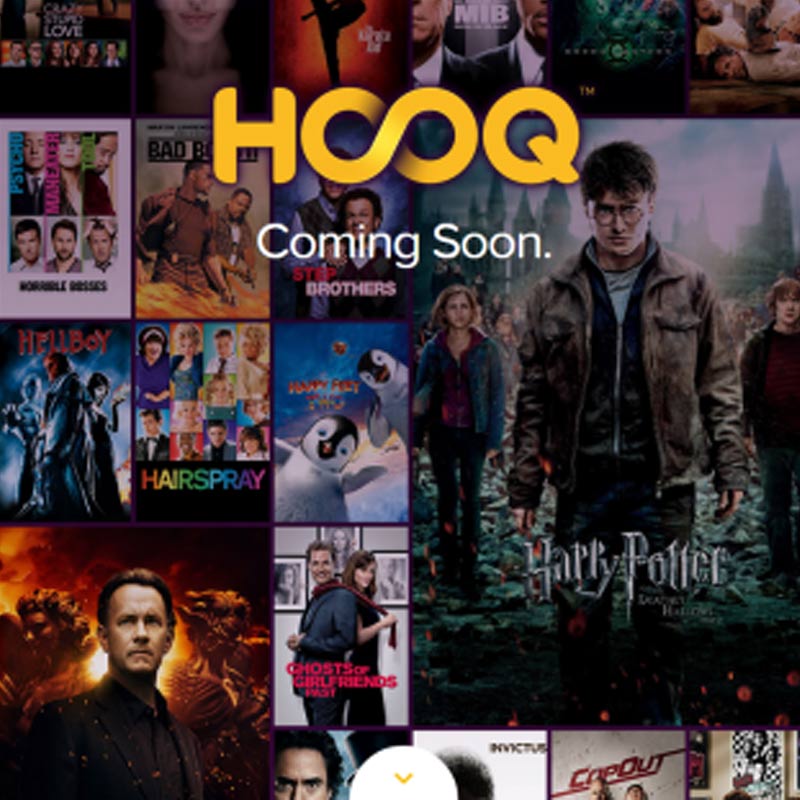
    MUMBAI: Team Netflix, please take note. Video streaming service Hooq is now available in Singapore. It launched in the Philippines early last year, and has since expanded to Thailand, India and Indonesia. In India, Hooq plans to invest $2 million on home-grown content.

    Hooq is a joint venture by Singtel, Sony Pictures Television and Warner Bros. Entertainment.

    The platform has a catalogue of over 20,000 movies and television shows, comprising both Hollywood and regional content. Apart from Hollywood content, Hooq has presently sourced Indian films and shows from studios like Rajshri Productions, Reliance Entertainment, Shemaroo Entertainment, Balaji Telefilms and Whacked Out Studios. With the cost of making original English language shows high, the platform is considering Hindi and other Indian language content.

    It gives users access to Hollywood, Filipino, Indonesian and Indian content but there are plans to add Korean, Malay and Chinese content within the next 90 days.

    In Singapore, a subscription costs from $8.98 a month, to $78.98 for 360 days ($6.58 a month). Discounts are available for longer subscriptions. Hooq has also partnered with Singtel to offer prepaid streaming data bundles starting at $7 for 1 GB of streaming. More bundles will be available for the customers in the next few months.

  • Netflix gets competition as Hooq enters Singapore market

    Netflix gets competition as Hooq enters Singapore market

    MUMBAI: Team Netflix, please take note. Video streaming service Hooq is now available in Singapore. It launched in the Philippines early last year, and has since expanded to Thailand, India and Indonesia. In India, Hooq plans to invest $2 million on home-grown content.

    Hooq is a joint venture by Singtel, Sony Pictures Television and Warner Bros. Entertainment.

    The platform has a catalogue of over 20,000 movies and television shows, comprising both Hollywood and regional content. Apart from Hollywood content, Hooq has presently sourced Indian films and shows from studios like Rajshri Productions, Reliance Entertainment, Shemaroo Entertainment, Balaji Telefilms and Whacked Out Studios. With the cost of making original English language shows high, the platform is considering Hindi and other Indian language content.

    It gives users access to Hollywood, Filipino, Indonesian and Indian content but there are plans to add Korean, Malay and Chinese content within the next 90 days.

    In Singapore, a subscription costs from $8.98 a month, to $78.98 for 360 days ($6.58 a month). Discounts are available for longer subscriptions. Hooq has also partnered with Singtel to offer prepaid streaming data bundles starting at $7 for 1 GB of streaming. More bundles will be available for the customers in the next few months.

  • India television market to reach over US$ 9 billion by ’21: Report

    India television market to reach over US$ 9 billion by ’21: Report

    MUMBAI: Increasing disposable income coupled with technological advancements and growing preference for smart, energy-efficient and internet-enabled television will drive the India television market through 2021.

    According to a TechSci Research report on the India television market 2011-2021, the market is anticipated to cross US$ 9 billion by the end of 2021. With a population of over a billion, India is one of the major developing countries with huge middle class population base and rising per capita income. In recent years, Indian television market has witnessed drastic transformations, with consumer preference changing from CRT TVs to Smart TVs. With emergence of new technologies and robust adoption of these technology equipped televisions, the India television market is expected to grow at a robust pace during 2011-2015.

    TechSci Research, a leading global market research firm, serves 700 global clients with more than 600 studies across 11 industrial verticals.

    With increasing digitisation, the number of DTH users in India is expected to increase from 43 million in 2015 to 62 million by 2021. In order to ensure 100% digitization across the country, the Government of India allowed 100% FDI, through automatic route, for broadcast carriage services like teleport, cable services and head-end-in-the-sky (HITS). Backed by favorable government policies and increasing number of DTH users, the demand for televisions, especially Smart TV, is expected to increase in the next five years.

    During the last 15 years, about 90 million people shifted from rural to urban areas in India, which resulted in increase in the number of cities with more than a million population in the country from 25 in 2001 to around 50 in 2014. Moreover, more than 50 million new houses were constructed in urban India during 2001 – 2014. The same trend is likely to continue in the coming decade as well. Increasing urbanization and growing number of households are some of the factors which are expected to propel the growth of the country’s television market during 2016-2021.

    “Electricity costs are increasing every year, and will continue to rise in the future as well. With increasing electricity cost, consumers are upgrading their old electronic appliances, including television, to energy efficient appliances. LED TV as well as LCD TV are energy efficient, and both comprises of different dimming technology to save electricity. LED televisions are 30% more energy efficient as compared to LCD television. A 32-inch LCD TV consumes 95-100 watts, while LED TV of the same size consumes only about 55 watts. While, Plasma TV consumes around 140 watts, which is more than electricity consumption by LED TV, which is around 70-80 watts. Hence, with increasing electricity concerns, companies involved in the business of television in India are launching energy efficient televisions,” said TechSci Research director Karan Chechi.

  • India television market to reach over US$ 9 billion by ’21: Report

    India television market to reach over US$ 9 billion by ’21: Report

    MUMBAI: Increasing disposable income coupled with technological advancements and growing preference for smart, energy-efficient and internet-enabled television will drive the India television market through 2021.

    According to a TechSci Research report on the India television market 2011-2021, the market is anticipated to cross US$ 9 billion by the end of 2021. With a population of over a billion, India is one of the major developing countries with huge middle class population base and rising per capita income. In recent years, Indian television market has witnessed drastic transformations, with consumer preference changing from CRT TVs to Smart TVs. With emergence of new technologies and robust adoption of these technology equipped televisions, the India television market is expected to grow at a robust pace during 2011-2015.

    TechSci Research, a leading global market research firm, serves 700 global clients with more than 600 studies across 11 industrial verticals.

    With increasing digitisation, the number of DTH users in India is expected to increase from 43 million in 2015 to 62 million by 2021. In order to ensure 100% digitization across the country, the Government of India allowed 100% FDI, through automatic route, for broadcast carriage services like teleport, cable services and head-end-in-the-sky (HITS). Backed by favorable government policies and increasing number of DTH users, the demand for televisions, especially Smart TV, is expected to increase in the next five years.

    During the last 15 years, about 90 million people shifted from rural to urban areas in India, which resulted in increase in the number of cities with more than a million population in the country from 25 in 2001 to around 50 in 2014. Moreover, more than 50 million new houses were constructed in urban India during 2001 – 2014. The same trend is likely to continue in the coming decade as well. Increasing urbanization and growing number of households are some of the factors which are expected to propel the growth of the country’s television market during 2016-2021.

    “Electricity costs are increasing every year, and will continue to rise in the future as well. With increasing electricity cost, consumers are upgrading their old electronic appliances, including television, to energy efficient appliances. LED TV as well as LCD TV are energy efficient, and both comprises of different dimming technology to save electricity. LED televisions are 30% more energy efficient as compared to LCD television. A 32-inch LCD TV consumes 95-100 watts, while LED TV of the same size consumes only about 55 watts. While, Plasma TV consumes around 140 watts, which is more than electricity consumption by LED TV, which is around 70-80 watts. Hence, with increasing electricity concerns, companies involved in the business of television in India are launching energy efficient televisions,” said TechSci Research director Karan Chechi.

  • YuppTV airs Nepali channels worldwide; partners News24, Himalaya, Sagarmatha

    YuppTV airs Nepali channels worldwide; partners News24, Himalaya, Sagarmatha

    MUMBAI: YuppTV, the largest OTT player in south-Asian content, has partnered with popular Nepali TV channels to provide Nepali entertainment and news content to its worldwide audiences. These channels include Himalaya TV, News24, Sagarmatha TV, Avenues TV and Image Channel.

    Starting with just two channels in 2006, YuppTV has come a long way with its worldwide presence. Incepted with the vision of providing the finest quality south-Asian entertainment content, YuppTV had previously launched 18 different Sri Lankan channels on its platform, apart from top most Pakistani and Bangladeshi channels. With the present association, YuppTV is aiming at growing its popularity amongst the Nepali community, spread across the globe.

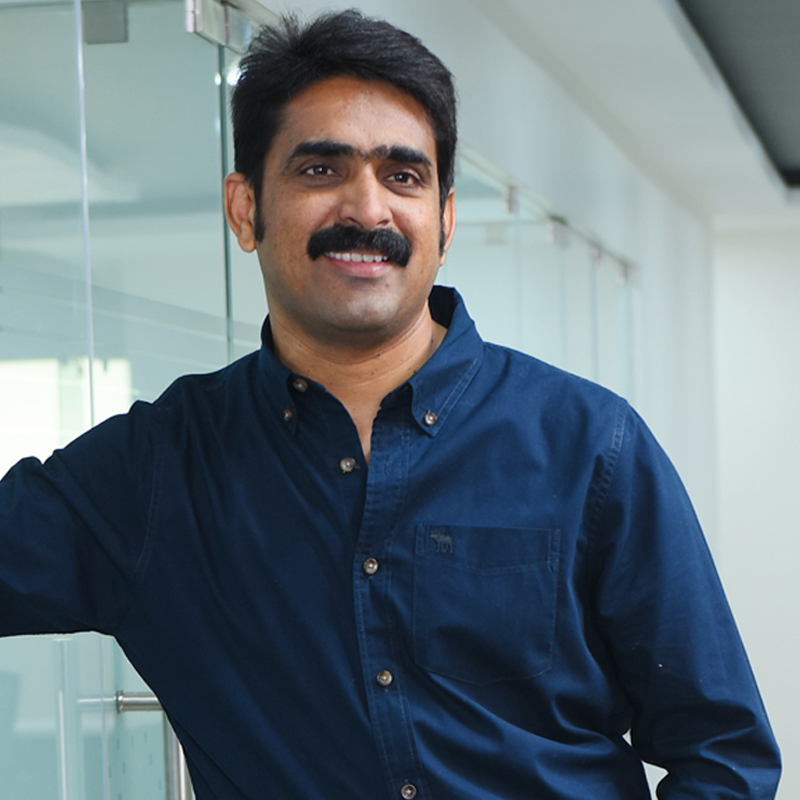
    “At YuppTV, it has been our key endeavor to provide the most entertaining south-Asian content to our global user base,” YuppTV founder & CEO Uday Reddy.

    Echoing the same thought, Avenues Television COO Samridhi Rajkarnikar said, “We are glad to be partnering with YuppTV and making our content available at their fast growing OTT platform. With the changing consumption habits of present day users, we are hopeful to reaching out to a majority of Nepali followers, across the globe.

    Image Channel executive director Raj Manandhar said, “We trust that viewers of Nepali audience will enjoy the channel wide variety of offerings, programs and light-hearted content dedicated to promoting an enjoyable ‘family-viewing’ experience.”

    Himalaya Television marketing manager Pradeep Aryal “While attention spans switch to the second screen, it will also be important to create a seamless viewer experience that goes from television to mobile to PC and back again.”

    Sagarmatha Television marketing manager Prabesh Poudel adds, “These are exciting times for the industry with innovations on content delivery and consumption in digital platforms, designed to entertain consumers like never before.”

    News24 Television, Nepal Broadcasting Channel director Adish Joshi said, “The mission of News24 is to deliver captivating content that tells human story; we are therefore naturally excited to partner with YuppTV.”

  • YuppTV airs Nepali channels worldwide; partners News24, Himalaya, Sagarmatha

    YuppTV airs Nepali channels worldwide; partners News24, Himalaya, Sagarmatha

    MUMBAI: YuppTV, the largest OTT player in south-Asian content, has partnered with popular Nepali TV channels to provide Nepali entertainment and news content to its worldwide audiences. These channels include Himalaya TV, News24, Sagarmatha TV, Avenues TV and Image Channel.

    Starting with just two channels in 2006, YuppTV has come a long way with its worldwide presence. Incepted with the vision of providing the finest quality south-Asian entertainment content, YuppTV had previously launched 18 different Sri Lankan channels on its platform, apart from top most Pakistani and Bangladeshi channels. With the present association, YuppTV is aiming at growing its popularity amongst the Nepali community, spread across the globe.

    “At YuppTV, it has been our key endeavor to provide the most entertaining south-Asian content to our global user base,” YuppTV founder & CEO Uday Reddy.

    Echoing the same thought, Avenues Television COO Samridhi Rajkarnikar said, “We are glad to be partnering with YuppTV and making our content available at their fast growing OTT platform. With the changing consumption habits of present day users, we are hopeful to reaching out to a majority of Nepali followers, across the globe.

    Image Channel executive director Raj Manandhar said, “We trust that viewers of Nepali audience will enjoy the channel wide variety of offerings, programs and light-hearted content dedicated to promoting an enjoyable ‘family-viewing’ experience.”

    Himalaya Television marketing manager Pradeep Aryal “While attention spans switch to the second screen, it will also be important to create a seamless viewer experience that goes from television to mobile to PC and back again.”

    Sagarmatha Television marketing manager Prabesh Poudel adds, “These are exciting times for the industry with innovations on content delivery and consumption in digital platforms, designed to entertain consumers like never before.”

    News24 Television, Nepal Broadcasting Channel director Adish Joshi said, “The mission of News24 is to deliver captivating content that tells human story; we are therefore naturally excited to partner with YuppTV.”

  • How FB is helping brands to grow their biz in India

    How FB is helping brands to grow their biz in India

    GURUGRAM: Between dealing and refining its ad-targeting technology, coming clean about overestimating its video metrics to clients, failing to successfully launch Free Basics in India following ban by TRAI, its most recent tussle with Fake News, and, still doubling its revenues to USD 7.01 billion in its last quarter earnings (Q3) – Facebook has had an eventful year so far – be it globally or in India. How do these ups and down score with its partners and clients in India, Facebook’’s second largest market?

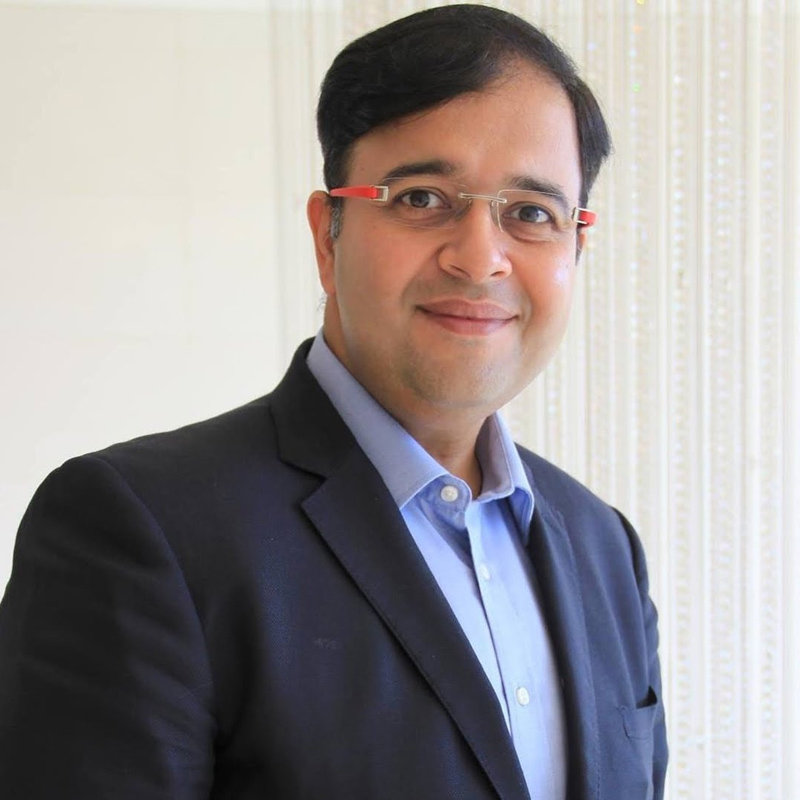
    Acknowledging India’s strategic importance to Facebook’ s overall business, Facebook India and South Asia managing director Umang Bedi reassured that advertisers’ faith in Facebook is going strong, and not without reason.

    Since joining the social media giant’s India team from Adobe Systems in July, the last 100 days have kept Bedi busy, hopping between cities catching up with partners across India.

    In line with its motto of ‘moving businesses’, Bedi cited several examples where Indian brands engaging with consumers on Facebook have seen a measurable difference to its brand outcome as well as sales.

    For example, Mondelez International gained over five points in brand consideration through Facebook’s Reach and Frequency tool, Durex saw a 29 per cent increase in sales during a running campaign on Mark Zuckerberg-led Facebook (along with TV), and Garnier saw a 19 per cent increase in sales in a weak market cluster using Facebook Carousel Ads.

    Snapdeal, Tanishq, Adidas, Ola, Yatra.com, were a few other brands of which Facebook helped move business, Bedi cited.

    As to how sales made by these brands could be attributed to ads placed on Facebook, Bedi clarified, “When there is a lift in sales done for a client online, we can easily track whether a consumer who saw its ad on our platform made a purchase or downloaded a certain app. It is a straightforward way keep track of a user across platforms through Software Development Kit (SDK) or pixels. For example, an Ola App will have a FB SDK embedded in its code. When you go offline, or cross media, we depend on our partners like Millward Brown who are known for meta cross-media studies, albeit through a sample-sized user base and campaigns.”

    Based on cross-media meta content measured and studied by Millward Brown in 26 of its campaigns across categories, Facebook managed to add five points to television in audience outcome at one-seventh the cost if same numbers were chased through television. Other measurement services that Facebook uses to procure data and measurement studies for its clients include Nielsen and BARC.

    The company’s impressive Q3 earnings, with a Y-O-Y increase of 16 per cent in revenue speaks volumes of its enormous reach that currently stands at 1.79 billion, off 1.18 billion are daily active users.

    Speaking strictly of the Indian market, Facebook has 166 million monthly active users as of its last quarter reports, of which 159 million access the site through mobile. Similarly, 85 million Indian users access Facebook daily, of which 81 million do it through mobile.

    Do these figures translate into revenues as well for the market? “Facebook India leads the charter among emerging markets when it comes to revenues. We are at par with Asia Pacific earnings, and Asia Pacific is the fastest growing markets for us, and India is a significant contributor to that,” Bedi shared, without putting a figure to its India earnings.

    According to its filings with the Registrar of Companies that was reported earlier this year, Facebook reported a 27 per cent increase in its revenues in India.

    On the flipside, Bedi also made a strong case of Facebook’s contribution to the Indian market to reinforce its positioning as a loved and trusted brand. Citing a Deloitte 2015 report, Bedi shared that Facebook contributes USD 4 billion to the Indan economy and supports 335,000 jobs through its marketing platforms and connectivity efforts.

    “We have generated 2.4 billion interactions between businesses and people in India through two billion small and medium business pages in India. Not to mention, 59 per cent people in India are connected to SMEs through FB.”

    While Facebook is focused on growing the base to reach the next billion new users in India and driving engagement, “everything we do around Facebook in the next five years is all about moving the real world business for our advertisers and partners,” Bedi makes it clear.

    Bedi’s strategy for that is quite simple – grow numbers by driving deep engagement that is augmented by partnerships valued by measured returns.

  • How FB is helping brands to grow their biz in India

    How FB is helping brands to grow their biz in India

    GURUGRAM: Between dealing and refining its ad-targeting technology, coming clean about overestimating its video metrics to clients, failing to successfully launch Free Basics in India following ban by TRAI, its most recent tussle with Fake News, and, still doubling its revenues to USD 7.01 billion in its last quarter earnings (Q3) – Facebook has had an eventful year so far – be it globally or in India. How do these ups and down score with its partners and clients in India, Facebook’’s second largest market?

    Acknowledging India’s strategic importance to Facebook’ s overall business, Facebook India and South Asia managing director Umang Bedi reassured that advertisers’ faith in Facebook is going strong, and not without reason.

    Since joining the social media giant’s India team from Adobe Systems in July, the last 100 days have kept Bedi busy, hopping between cities catching up with partners across India.

    In line with its motto of ‘moving businesses’, Bedi cited several examples where Indian brands engaging with consumers on Facebook have seen a measurable difference to its brand outcome as well as sales.

    For example, Mondelez International gained over five points in brand consideration through Facebook’s Reach and Frequency tool, Durex saw a 29 per cent increase in sales during a running campaign on Mark Zuckerberg-led Facebook (along with TV), and Garnier saw a 19 per cent increase in sales in a weak market cluster using Facebook Carousel Ads.

    Snapdeal, Tanishq, Adidas, Ola, Yatra.com, were a few other brands of which Facebook helped move business, Bedi cited.

    As to how sales made by these brands could be attributed to ads placed on Facebook, Bedi clarified, “When there is a lift in sales done for a client online, we can easily track whether a consumer who saw its ad on our platform made a purchase or downloaded a certain app. It is a straightforward way keep track of a user across platforms through Software Development Kit (SDK) or pixels. For example, an Ola App will have a FB SDK embedded in its code. When you go offline, or cross media, we depend on our partners like Millward Brown who are known for meta cross-media studies, albeit through a sample-sized user base and campaigns.”

    Based on cross-media meta content measured and studied by Millward Brown in 26 of its campaigns across categories, Facebook managed to add five points to television in audience outcome at one-seventh the cost if same numbers were chased through television. Other measurement services that Facebook uses to procure data and measurement studies for its clients include Nielsen and BARC.

    The company’s impressive Q3 earnings, with a Y-O-Y increase of 16 per cent in revenue speaks volumes of its enormous reach that currently stands at 1.79 billion, off 1.18 billion are daily active users.

    Speaking strictly of the Indian market, Facebook has 166 million monthly active users as of its last quarter reports, of which 159 million access the site through mobile. Similarly, 85 million Indian users access Facebook daily, of which 81 million do it through mobile.

    Do these figures translate into revenues as well for the market? “Facebook India leads the charter among emerging markets when it comes to revenues. We are at par with Asia Pacific earnings, and Asia Pacific is the fastest growing markets for us, and India is a significant contributor to that,” Bedi shared, without putting a figure to its India earnings.

    According to its filings with the Registrar of Companies that was reported earlier this year, Facebook reported a 27 per cent increase in its revenues in India.

    On the flipside, Bedi also made a strong case of Facebook’s contribution to the Indian market to reinforce its positioning as a loved and trusted brand. Citing a Deloitte 2015 report, Bedi shared that Facebook contributes USD 4 billion to the Indan economy and supports 335,000 jobs through its marketing platforms and connectivity efforts.

    “We have generated 2.4 billion interactions between businesses and people in India through two billion small and medium business pages in India. Not to mention, 59 per cent people in India are connected to SMEs through FB.”

    While Facebook is focused on growing the base to reach the next billion new users in India and driving engagement, “everything we do around Facebook in the next five years is all about moving the real world business for our advertisers and partners,” Bedi makes it clear.

    Bedi’s strategy for that is quite simple – grow numbers by driving deep engagement that is augmented by partnerships valued by measured returns.

  • Piracy at YouTube under check, claims Raghavan

    Piracy at YouTube under check, claims Raghavan

    NEW DELHI: YouTube India head of content operations Satya Raghavan has claimed that it has succeeded in curbing piracy on its platform to a large extent. Veteran actress Shabana Azmi along with the young actor Tannishtha Chatterjee was the cynosure of all eyes as they conducted a session in Producers’ Lab at the ongoing Film Bazaar at IFFI Goa on ‘How to Pitch an Actor’.

    Speaking in the Building Communities and Icons section at the Bazaar, Raghavan said “When you upload a film on YouTube, a fingerprint of that film is created. If somebody else is uploading that film, there are a certain proofs by which you come to know about this. YouTube is perhaps the only platform where you can actually know that someone has put up your content but you need to put your content up first, because about 500 hours of content is being uploaded every minute. This is a great system that allows the content owner to understand if their content is being pirated.” He was conducting an engrossing session about the burgeoning digital space and the platform that Youtube has provided filmmakers.

    On monetisation of a Youtube channel, he said, “Once you turn on the section called monetisation in your backend control centre, only then will it serve you ads. You also have to think about whether you’re sending the right signals through your content, which is by giving good descriptions, that help to identify the content and helps us match it with viewers on the other side.”

    The Bazaar organized by the National Film Development Corporation concludes tomorrow. It is held to coincide with the International Film Festival of India which will conclude on 27 November.

    Azmi, who attended the Film Bazaar for the first time since it commenced a decade earlier, was also there to promote her upcoming film Idgah which is a part of the ‘Film Bazaar Recommends’ section. She said, “I learnt there is a formal way in which film business can be conducted. I think it’s important because I’m very interested in the work of first-time filmmakers.”

    “I think these tags of a film being ‘women-oriented’ and ‘heroine-oriented’ have to slowly go out at some point, to feel that we are reaching a point of gender equality, and recognising that cinema is essentially a medium of storytelling,” said Chatterjee.

    “It’s important to highlight the truths about women today, no matter how ugly they are,” said theatre artist/filmmaker/screenwriter Vani Tripathi Tikoo. “Once we address this, the change is cumulative, and only then will it be accepted widely as a part of our culture and society.”

    Producer Kiran Rao, who spent most of her time catching diverse south Asian films in the Viewing Room, said Aamir Khan Productions will attend the next edition of the NFDC Film Bazaar.

    “The Film Bazaar has changed the landscape of how films are made and distributed, and really brought the film community together. It’s a fantastic and much-needed annual event. Aamir Khan Productions will hope to look for projects, meet people and find talent here. The Viewing Room is a great resource that Deepti DCunha, programmer of WIP, has created,” Rao said.

    The Knowledge Series started with the Investor Pitch of Film Bazaar Recommends (Part I) which screened documentary and film trailers followed by a short presentation by the filmmakers, highlighting the support that they needed to complete their process.
    Baradwaj Rangan moderated a discussion with filmmaker Prakash Jha, Chatterjee and Tikoo on “Women Protagonists in Indian Filmscape – Changing Dynamics.”

    In the discussion on Unique Distribution Models – Reaching Out With Independent Films moderator by filmmaker Rohan Sippy, panelists included filmmakers Sandeep Mohan, director of Love, Wrinkle-Free and Hola Venky!, and Sanal Kumar Sasidharan, who started ‘Cinema Cab’, a movement to screen films across the length and breadth of Kerala, and co-founder and CEO of Reelmonk Vivek Paul.

    Rohan Sippy explored the intricacies of the two filmmakers’ approaches, which both thrived on a non-monetary promotional approach and remarked, “It’s very interesting how you have managed to create unique models that work for you and your specific films and audiences. It takes a lot of conviction to follow through on such a vision of involving the audience, and taking the film to them.”

    In Storytelling & Narratives in 360 degrees section, Amsterdam Creative Industries Network Coordinator of Interaction and Games Lab Mirjam Vosmeer presented an illuminating presentation on Virtual Reality, and spoke at length about the various aspects of the uncharted territory that are being researched upon.

    Filmmaker and animator Gitanjali Rao who moderated the discussion and posed questions from the point of view of a filmmaker.“It is such a different way of telling stories. Besides, the fantasy and pleasure aspect of Virtual Reality, it is the empathy that it can induce in the viewer that really fascinates me,” she confessed. “To be able to involve an audience in such an immersive way has a lot of potential, especially for documentary filmmakers.”

    The panel discussion on Queen’s Journey & Filming In the Netherlands moderated by the media specialist and author Vanita Kohli-Khandekar included film commissioner, Nederlands Filmfonds, Bas Van der Reem, the producer Thomas Drijver and the producer of Queen Vivek Bajrang Agrawal. The panel discussion on VOD as the key distribution platforms for independent films included founder of The Film Collaborative, Orly Ravid, and Vista India CEO Suri Gopalan.

    ​Before the film bazaar commenced, the Film Facilitation Office had organised a one-day Workshop with Nodal Officers appointed by various State Governments and Central Government Ministries / Departments / Agencies to act as the one-point contact for easing the process of filming in their respective jurisdiction.

    The workshop included a case study presentation by Gujarat, which won the National Award for the Most Film Friendly State in 2016. It is envisaged that these discussions would motivate and mobilize the Nodal officers from State and Central Governments towards not only easier and timely facilitation of permissions for shooting films in their State, but also undertaking initiatives for a favorable filming environment.​

  • Piracy at YouTube under check, claims Raghavan

    Piracy at YouTube under check, claims Raghavan

    NEW DELHI: YouTube India head of content operations Satya Raghavan has claimed that it has succeeded in curbing piracy on its platform to a large extent. Veteran actress Shabana Azmi along with the young actor Tannishtha Chatterjee was the cynosure of all eyes as they conducted a session in Producers’ Lab at the ongoing Film Bazaar at IFFI Goa on ‘How to Pitch an Actor’.

    Speaking in the Building Communities and Icons section at the Bazaar, Raghavan said “When you upload a film on YouTube, a fingerprint of that film is created. If somebody else is uploading that film, there are a certain proofs by which you come to know about this. YouTube is perhaps the only platform where you can actually know that someone has put up your content but you need to put your content up first, because about 500 hours of content is being uploaded every minute. This is a great system that allows the content owner to understand if their content is being pirated.” He was conducting an engrossing session about the burgeoning digital space and the platform that Youtube has provided filmmakers.

    On monetisation of a Youtube channel, he said, “Once you turn on the section called monetisation in your backend control centre, only then will it serve you ads. You also have to think about whether you’re sending the right signals through your content, which is by giving good descriptions, that help to identify the content and helps us match it with viewers on the other side.”

    The Bazaar organized by the National Film Development Corporation concludes tomorrow. It is held to coincide with the International Film Festival of India which will conclude on 27 November.

    Azmi, who attended the Film Bazaar for the first time since it commenced a decade earlier, was also there to promote her upcoming film Idgah which is a part of the ‘Film Bazaar Recommends’ section. She said, “I learnt there is a formal way in which film business can be conducted. I think it’s important because I’m very interested in the work of first-time filmmakers.”

    “I think these tags of a film being ‘women-oriented’ and ‘heroine-oriented’ have to slowly go out at some point, to feel that we are reaching a point of gender equality, and recognising that cinema is essentially a medium of storytelling,” said Chatterjee.

    “It’s important to highlight the truths about women today, no matter how ugly they are,” said theatre artist/filmmaker/screenwriter Vani Tripathi Tikoo. “Once we address this, the change is cumulative, and only then will it be accepted widely as a part of our culture and society.”

    Producer Kiran Rao, who spent most of her time catching diverse south Asian films in the Viewing Room, said Aamir Khan Productions will attend the next edition of the NFDC Film Bazaar.

    “The Film Bazaar has changed the landscape of how films are made and distributed, and really brought the film community together. It’s a fantastic and much-needed annual event. Aamir Khan Productions will hope to look for projects, meet people and find talent here. The Viewing Room is a great resource that Deepti DCunha, programmer of WIP, has created,” Rao said.

    The Knowledge Series started with the Investor Pitch of Film Bazaar Recommends (Part I) which screened documentary and film trailers followed by a short presentation by the filmmakers, highlighting the support that they needed to complete their process.
    Baradwaj Rangan moderated a discussion with filmmaker Prakash Jha, Chatterjee and Tikoo on “Women Protagonists in Indian Filmscape – Changing Dynamics.”

    In the discussion on Unique Distribution Models – Reaching Out With Independent Films moderator by filmmaker Rohan Sippy, panelists included filmmakers Sandeep Mohan, director of Love, Wrinkle-Free and Hola Venky!, and Sanal Kumar Sasidharan, who started ‘Cinema Cab’, a movement to screen films across the length and breadth of Kerala, and co-founder and CEO of Reelmonk Vivek Paul.

    Rohan Sippy explored the intricacies of the two filmmakers’ approaches, which both thrived on a non-monetary promotional approach and remarked, “It’s very interesting how you have managed to create unique models that work for you and your specific films and audiences. It takes a lot of conviction to follow through on such a vision of involving the audience, and taking the film to them.”

    In Storytelling & Narratives in 360 degrees section, Amsterdam Creative Industries Network Coordinator of Interaction and Games Lab Mirjam Vosmeer presented an illuminating presentation on Virtual Reality, and spoke at length about the various aspects of the uncharted territory that are being researched upon.

    Filmmaker and animator Gitanjali Rao who moderated the discussion and posed questions from the point of view of a filmmaker.“It is such a different way of telling stories. Besides, the fantasy and pleasure aspect of Virtual Reality, it is the empathy that it can induce in the viewer that really fascinates me,” she confessed. “To be able to involve an audience in such an immersive way has a lot of potential, especially for documentary filmmakers.”

    The panel discussion on Queen’s Journey & Filming In the Netherlands moderated by the media specialist and author Vanita Kohli-Khandekar included film commissioner, Nederlands Filmfonds, Bas Van der Reem, the producer Thomas Drijver and the producer of Queen Vivek Bajrang Agrawal. The panel discussion on VOD as the key distribution platforms for independent films included founder of The Film Collaborative, Orly Ravid, and Vista India CEO Suri Gopalan.

    ​Before the film bazaar commenced, the Film Facilitation Office had organised a one-day Workshop with Nodal Officers appointed by various State Governments and Central Government Ministries / Departments / Agencies to act as the one-point contact for easing the process of filming in their respective jurisdiction.

    The workshop included a case study presentation by Gujarat, which won the National Award for the Most Film Friendly State in 2016. It is envisaged that these discussions would motivate and mobilize the Nodal officers from State and Central Governments towards not only easier and timely facilitation of permissions for shooting films in their State, but also undertaking initiatives for a favorable filming environment.​