Category: iWorld

  • Netflix content offering includes Satnam Singh doc

    Netflix content offering includes Satnam Singh doc

    MUMBAI: Satnam Singh Bhamra, first India-born basketball player to be drafted into the National Basketball Association (NBA), has received another big honour. His life has been made into a documentary.

    Titled, One in a Billion, the film was released on 6 December in the US. What’s even more exciting is that the documentary has been picked by streaming juggernaut, Netflix.

    The 90-minute long doc has been directed by RGTV founder Roman Gackowski and is produced by OBB Pictures CEO Michael D Ratner. Netflix has acquired streaming rights to telecast the documentary, which also features NBA commissioner Adam Silver, Dallas Mavericks owner Mark Cuban, Sacramento Kings owner Vivek Ranadive and NBA’s senior director of international basketball operations Troy Justice.

    One in a Billion depicts Bhamra’s life from being born in a small, remote village of Ballo Ke in Punjab’s Barnala district to the night of 25 June 2015 when he created history when he was drafted into the NBA in New York. He was selected by Dallas Mavericks as 52 pick and presently plays as a centre for Texas Legends in the NBA development league.

    Bamra’s father Balbir Singh is excited about the movie based on the life of his son and is on cloud nine.

  • Netflix content offering includes Satnam Singh doc

    Netflix content offering includes Satnam Singh doc

    MUMBAI: Satnam Singh Bhamra, first India-born basketball player to be drafted into the National Basketball Association (NBA), has received another big honour. His life has been made into a documentary.

    Titled, One in a Billion, the film was released on 6 December in the US. What’s even more exciting is that the documentary has been picked by streaming juggernaut, Netflix.

    The 90-minute long doc has been directed by RGTV founder Roman Gackowski and is produced by OBB Pictures CEO Michael D Ratner. Netflix has acquired streaming rights to telecast the documentary, which also features NBA commissioner Adam Silver, Dallas Mavericks owner Mark Cuban, Sacramento Kings owner Vivek Ranadive and NBA’s senior director of international basketball operations Troy Justice.

    One in a Billion depicts Bhamra’s life from being born in a small, remote village of Ballo Ke in Punjab’s Barnala district to the night of 25 June 2015 when he created history when he was drafted into the NBA in New York. He was selected by Dallas Mavericks as 52 pick and presently plays as a centre for Texas Legends in the NBA development league.

    Bamra’s father Balbir Singh is excited about the movie based on the life of his son and is on cloud nine.

  • ‘Regional VOD, cashless subs among 2017 trends’

    ‘Regional VOD, cashless subs among 2017 trends’

    MUMBAI: The video on demand streaming industry in India is only blooming, with a host of developments in this year. The digital eco-system has seen production houses like Balaji Telefilms, Indian broadcasting networks such as Star India, Sony Pictures Networks, Viacom18, Zee, etc and few international players like Netflix, Hooq, Amazon Prime, Spuul, etc entering this space which caters to the varied tastes of a very heterogeneous Indian audience. The demand for customized viewing of digital content in India is only increasing. Various factors such as smartphone penetration, launch of 4G, data cost coming down, better infrastructure, diverse library of content offerings not only in Hindi and English but also in several regional languages, etc are the key factors that have driven the rise  of video content this year.  

    In the year 2017, according to the Akamai & NASSCOM report on the future of internet in India, the mobile video content to grow at an 83 per cent CAGR in next 5 years. OTT has not only arrived, it is here to stay, and the advent of 4G and improved bandwidth speeds have only re-enforced this. With increased competition between the video on demand apps, regional content that appeals to particular states will be the key to capture user share.

    Online video subscription numbers fluctuate dramatically every month. The number of unique online video viewers will grow from 66 million in 2015 to 355 million in 2020. E-payments and mobile wallets are getting more popular among the millennials in the country. Digitization of cash will accelerate over the next few years.

    Spuul India’s Rajiv Vaidya opined:

    Cord Cutting

    Today’s viewers have a choice of a host of viewing platforms to choose from, including digital television, internet, tablets and smartphones. Revolutionary app-powered devices like Roku, Apple TV, Chromecast and other streaming devices lets viewers watch their favourite shows across a variety of screens. According to the Akamai & NASSCOM report on the future of internet in India, the mobile video content to grow at an 83 per cent CAGR in five years. Every major television manufacturer now offers “smart” television sets, with integrated internet features that provide access to a host of on-demand streaming media directly. OTT has not only arrived, it is here to stay, and the advent of 4G and improved bandwidth speeds have only re-enforced this. This surging popularity of OTT platforms has challenged the exclusivity that linear television enjoyed till quite recently. Broadcasters have begun witnessing the market trend of “cord cutting”, with a sizeable segment of viewers tuning out from cable subscription and completely switching over to OTT platforms. In fact the millennials have grown up watching shows online, and will possibly never subscribe to paid television services due to multiple streaming options now available and multiple generations that are accustomed to on-demand services. Looking at trends in the US, 2010 was the first year that regular pay television saw a quarterly decline in subscription numbers (this was reported by WSJ, back in 2012). We’re still a while away from that but a small pocket of users in India (usually in the larger cities) are exploring their options when it comes to cord cutting.

    Let’s go regional

    With increased competition between the video on demand apps, regional content that appeals to particular states will be the key to capture user share. According to the Akamai & NASSCOM report on the future of internet in India, about 75% of the new internet users consume content in local language. The real trick in winning the market is to capture the Tier III towns and the rural areas. According to the Frost & Sullivan report a large percentage of video-on-demand viewership in India is fragmented across states and languages. We have seen a lot of growth in regional content on the video on demand apps, fuelled by demand from both local viewers and the international diaspora. According to Internet and Mobile Association in India (IMAI), the Internet user base will cross 500 million by 2018, with rural Internet users alone being almost 210 million.

    Micro transactions and cashless transactions

    According to the Frost & Sullivan report there are 66 million unique connected video viewers in India, of which 1.3 million are paid video subscribers. Online video subscription numbers fluctuate dramatically every month. The number of unique online video viewers will grow from 66 million in 2015 to 355 million in 2020. The country is heading for a cashless economy with a colossal change in the way netizens make their day to day transactions. E-payments and mobile wallets are getting more popular among the millennials in the country. Digitization of cash will accelerate over the next few years. Non-cash payment transactions, which today constitute 22 per cent of all consumer payments, will overtake cash transactions by 2023. Digital payments instruments will drive the growth in non-cash payments, according to Google BCG Report. Micro-transactions will form a substantial portion of the industry, with over 50 per cent of person-to-merchant transactions expected to be under INR 100 the study said. The report predicts that the value of remittances and money transfer that will pass through alternate digital payment instruments will double to 30 per cent by 2020.

  • ‘Regional VOD, cashless subs among 2017 trends’

    ‘Regional VOD, cashless subs among 2017 trends’

    MUMBAI: The video on demand streaming industry in India is only blooming, with a host of developments in this year. The digital eco-system has seen production houses like Balaji Telefilms, Indian broadcasting networks such as Star India, Sony Pictures Networks, Viacom18, Zee, etc and few international players like Netflix, Hooq, Amazon Prime, Spuul, etc entering this space which caters to the varied tastes of a very heterogeneous Indian audience. The demand for customized viewing of digital content in India is only increasing. Various factors such as smartphone penetration, launch of 4G, data cost coming down, better infrastructure, diverse library of content offerings not only in Hindi and English but also in several regional languages, etc are the key factors that have driven the rise  of video content this year.  

    In the year 2017, according to the Akamai & NASSCOM report on the future of internet in India, the mobile video content to grow at an 83 per cent CAGR in next 5 years. OTT has not only arrived, it is here to stay, and the advent of 4G and improved bandwidth speeds have only re-enforced this. With increased competition between the video on demand apps, regional content that appeals to particular states will be the key to capture user share.

    Online video subscription numbers fluctuate dramatically every month. The number of unique online video viewers will grow from 66 million in 2015 to 355 million in 2020. E-payments and mobile wallets are getting more popular among the millennials in the country. Digitization of cash will accelerate over the next few years.

    Spuul India’s Rajiv Vaidya opined:

    Cord Cutting

    Today’s viewers have a choice of a host of viewing platforms to choose from, including digital television, internet, tablets and smartphones. Revolutionary app-powered devices like Roku, Apple TV, Chromecast and other streaming devices lets viewers watch their favourite shows across a variety of screens. According to the Akamai & NASSCOM report on the future of internet in India, the mobile video content to grow at an 83 per cent CAGR in five years. Every major television manufacturer now offers “smart” television sets, with integrated internet features that provide access to a host of on-demand streaming media directly. OTT has not only arrived, it is here to stay, and the advent of 4G and improved bandwidth speeds have only re-enforced this. This surging popularity of OTT platforms has challenged the exclusivity that linear television enjoyed till quite recently. Broadcasters have begun witnessing the market trend of “cord cutting”, with a sizeable segment of viewers tuning out from cable subscription and completely switching over to OTT platforms. In fact the millennials have grown up watching shows online, and will possibly never subscribe to paid television services due to multiple streaming options now available and multiple generations that are accustomed to on-demand services. Looking at trends in the US, 2010 was the first year that regular pay television saw a quarterly decline in subscription numbers (this was reported by WSJ, back in 2012). We’re still a while away from that but a small pocket of users in India (usually in the larger cities) are exploring their options when it comes to cord cutting.

    Let’s go regional

    With increased competition between the video on demand apps, regional content that appeals to particular states will be the key to capture user share. According to the Akamai & NASSCOM report on the future of internet in India, about 75% of the new internet users consume content in local language. The real trick in winning the market is to capture the Tier III towns and the rural areas. According to the Frost & Sullivan report a large percentage of video-on-demand viewership in India is fragmented across states and languages. We have seen a lot of growth in regional content on the video on demand apps, fuelled by demand from both local viewers and the international diaspora. According to Internet and Mobile Association in India (IMAI), the Internet user base will cross 500 million by 2018, with rural Internet users alone being almost 210 million.

    Micro transactions and cashless transactions

    According to the Frost & Sullivan report there are 66 million unique connected video viewers in India, of which 1.3 million are paid video subscribers. Online video subscription numbers fluctuate dramatically every month. The number of unique online video viewers will grow from 66 million in 2015 to 355 million in 2020. The country is heading for a cashless economy with a colossal change in the way netizens make their day to day transactions. E-payments and mobile wallets are getting more popular among the millennials in the country. Digitization of cash will accelerate over the next few years. Non-cash payment transactions, which today constitute 22 per cent of all consumer payments, will overtake cash transactions by 2023. Digital payments instruments will drive the growth in non-cash payments, according to Google BCG Report. Micro-transactions will form a substantial portion of the industry, with over 50 per cent of person-to-merchant transactions expected to be under INR 100 the study said. The report predicts that the value of remittances and money transfer that will pass through alternate digital payment instruments will double to 30 per cent by 2020.

  • #YouTubeRewind: Celebrating what India watched & shared

    #YouTubeRewind: Celebrating what India watched & shared

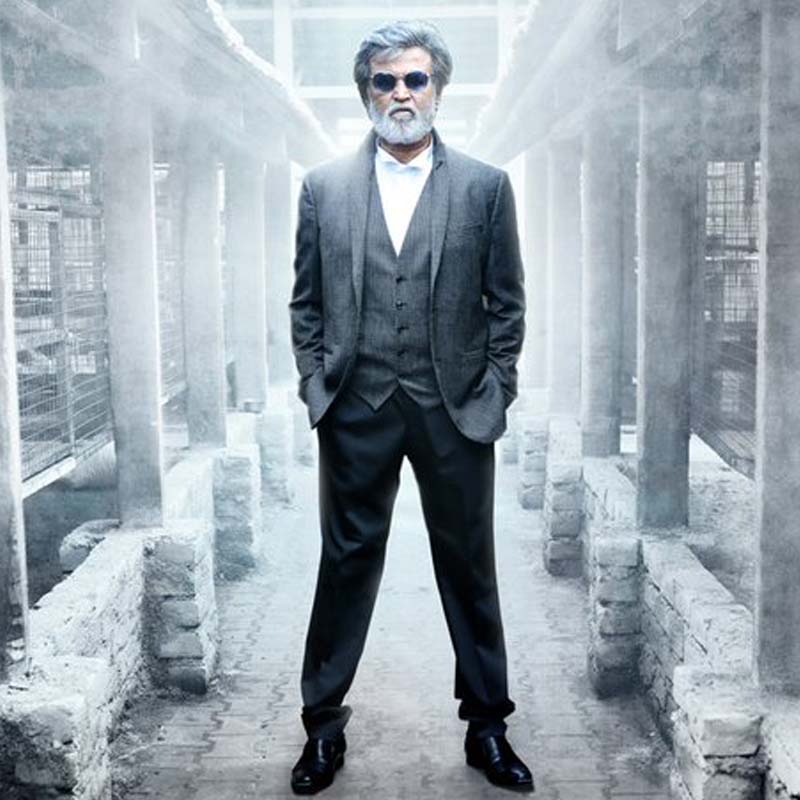
    MUMBAI: 2016 was the year when sidekick became the superhero – yes you guessed it right – Kabali ruled the charts to become top trending movie trailer. Kapil Sharma show featuring Salman Khan got company from our very own YouTube stars of The Viral Fever playing truth or dare with dad and All India Bakchod’s honest portrayal of bars and restaurants as the top trending video’s of the year. Entertainment aside, we were also most curious to know about the GPS chip in the new 2000 rupees note.

    As 2016 is coming to an end, and you know what that means….it’s time for #YouTubeRewind.

    This year, more than 200 YouTube stars from 18 countries accepted our Ultimate 2016 Rewind Challenge to pay homage to the biggest videos, memes, channels, songs, and pop culture moments of the year. Keep an eye out for some pretty epic surprise guests. Oh, and we got Major Lazer to help us out with an original mix too.

    We’re excited to announce the top trending videos, music videos and bollywood trailers from 2016, according to time spent watching, sharing, commenting, liking and more. From Kapil Sharma, TVF, AIB and behind the scene video of Shah Rukh Khan becoming the FAN, this year’s top trending videos represent the amazing variety of creativity shared on YouTube every day.

    Collectively, the top 10 videos have 70 million views and the channels who make them have more than 45 million subscribers who tune in regularly to  watch the funny, insightful, entertaining content they create/ upload, a blog posted by YouTube head of entertainment partnerships Satya Raghavan, stated.

    Top trending videos:

    The Kapil Sharma Show: Sultan

    The Voice India Kids: Ayat Shaikh

    Crime Patrol Dial 100: Andhkaar

    Complete truth of Rs 2000 notes with a chip embedded in it

    TVF: Truth or Dare with Dad

    TVF’s Permanent Roommates: The Parents

    AIB : Honest Bars & Restaurants

    Life Sahi Hai:  The Maid

    How Shah Rukh Khan Became The FAN – Gaurav

    AIB Diwas:  Zakir Khan

    In Music, 2016 seemed to be all about Kala Chashma with 45 million views, and ‘kar gayi chull’ and baby ‘ko base pasand hai’ taking the next slots. 

    Top music videos:

    Kala Chashma:  Baar Baar Dekho

    Kar Gayi Chull: Kapoor & Sons

    Baby Ko Bass Pasand Hai:  Sultan

    Bulleya: Ae Dil Hai Mushkil

    Cham Cham: Baaghi

    GF BF: T-Series

    Hua hain Aaj Pehli Baar: Sanam Re

    Ae Dil Hai Mushkil

    Jabra:Fan

    The Breakup Song: Ae Dil Hai Mushkil

    In movies, Rajinikanth as Kabali went viral with Aamir Khan’s Dangal and Salman Khan’s Sultan following closely behind. The biopic of MS Dhoni featuring Sushant Singh Rajput was also a huge hit.

    Top movie trailers:

    Kabali Tamil Movie

    Dangal

    Sultan

    M.S.Dhoni – The Untold Story

    Shivaay

    Befikre

    Ae Dil Hai Mushkil

    Fan

    Baaghi

    Dishoom

    From an ads perspective, it is quite evident from the YouTube Leaderboard 2016 that several brands chose to create long format ads for a primarily digital-first audience. In fact, seven out of top 10 most watched ads in 2016 were over 90 seconds long. And audiences too were willing to invest their time and attention on ads that are narrative-driven and take a storytelling approach. #Dettolsheronkepanje was the most viewed ads for 2016 with close to 13 million views, and #Ranveerchingreturns and Amazon’s#ApniDukaan taking the next spots.

    Most viewed ads:

    Dettol Sheron ke Panje – #MaaMaane Dettol Ka Dhula

    Ranveer Ching Returns

    Amazon #ApniDukaan

    Doublemint #StartSomethingFresh

    Ola Micro Stories

    Bajaj V – The Invincible

    Makemytrip #BefikarBookKar – Taxi

    #NothingDirty Anthem ft. Badshah

    Amazon#MomBeAGirlAgain

    Samsung Galaxy S7 and S7 Edge

  • #YouTubeRewind: Celebrating what India watched & shared

    #YouTubeRewind: Celebrating what India watched & shared

    MUMBAI: 2016 was the year when sidekick became the superhero – yes you guessed it right – Kabali ruled the charts to become top trending movie trailer. Kapil Sharma show featuring Salman Khan got company from our very own YouTube stars of The Viral Fever playing truth or dare with dad and All India Bakchod’s honest portrayal of bars and restaurants as the top trending video’s of the year. Entertainment aside, we were also most curious to know about the GPS chip in the new 2000 rupees note.

    As 2016 is coming to an end, and you know what that means….it’s time for #YouTubeRewind.

    This year, more than 200 YouTube stars from 18 countries accepted our Ultimate 2016 Rewind Challenge to pay homage to the biggest videos, memes, channels, songs, and pop culture moments of the year. Keep an eye out for some pretty epic surprise guests. Oh, and we got Major Lazer to help us out with an original mix too.

    We’re excited to announce the top trending videos, music videos and bollywood trailers from 2016, according to time spent watching, sharing, commenting, liking and more. From Kapil Sharma, TVF, AIB and behind the scene video of Shah Rukh Khan becoming the FAN, this year’s top trending videos represent the amazing variety of creativity shared on YouTube every day.

    Collectively, the top 10 videos have 70 million views and the channels who make them have more than 45 million subscribers who tune in regularly to  watch the funny, insightful, entertaining content they create/ upload, a blog posted by YouTube head of entertainment partnerships Satya Raghavan, stated.

    Top trending videos:

    The Kapil Sharma Show: Sultan

    The Voice India Kids: Ayat Shaikh

    Crime Patrol Dial 100: Andhkaar

    Complete truth of Rs 2000 notes with a chip embedded in it

    TVF: Truth or Dare with Dad

    TVF’s Permanent Roommates: The Parents

    AIB : Honest Bars & Restaurants

    Life Sahi Hai:  The Maid

    How Shah Rukh Khan Became The FAN – Gaurav

    AIB Diwas:  Zakir Khan

    In Music, 2016 seemed to be all about Kala Chashma with 45 million views, and ‘kar gayi chull’ and baby ‘ko base pasand hai’ taking the next slots. 

    Top music videos:

    Kala Chashma:  Baar Baar Dekho

    Kar Gayi Chull: Kapoor & Sons

    Baby Ko Bass Pasand Hai:  Sultan

    Bulleya: Ae Dil Hai Mushkil

    Cham Cham: Baaghi

    GF BF: T-Series

    Hua hain Aaj Pehli Baar: Sanam Re

    Ae Dil Hai Mushkil

    Jabra:Fan

    The Breakup Song: Ae Dil Hai Mushkil

    In movies, Rajinikanth as Kabali went viral with Aamir Khan’s Dangal and Salman Khan’s Sultan following closely behind. The biopic of MS Dhoni featuring Sushant Singh Rajput was also a huge hit.

    Top movie trailers:

    Kabali Tamil Movie

    Dangal

    Sultan

    M.S.Dhoni – The Untold Story

    Shivaay

    Befikre

    Ae Dil Hai Mushkil

    Fan

    Baaghi

    Dishoom

    From an ads perspective, it is quite evident from the YouTube Leaderboard 2016 that several brands chose to create long format ads for a primarily digital-first audience. In fact, seven out of top 10 most watched ads in 2016 were over 90 seconds long. And audiences too were willing to invest their time and attention on ads that are narrative-driven and take a storytelling approach. #Dettolsheronkepanje was the most viewed ads for 2016 with close to 13 million views, and #Ranveerchingreturns and Amazon’s#ApniDukaan taking the next spots.

    Most viewed ads:

    Dettol Sheron ke Panje – #MaaMaane Dettol Ka Dhula

    Ranveer Ching Returns

    Amazon #ApniDukaan

    Doublemint #StartSomethingFresh

    Ola Micro Stories

    Bajaj V – The Invincible

    Makemytrip #BefikarBookKar – Taxi

    #NothingDirty Anthem ft. Badshah

    Amazon#MomBeAGirlAgain

    Samsung Galaxy S7 and S7 Edge

  • Telcos may migrate to ARPU-based model as 5-7 per cent hit feared

    Telcos may migrate to ARPU-based model as 5-7 per cent hit feared

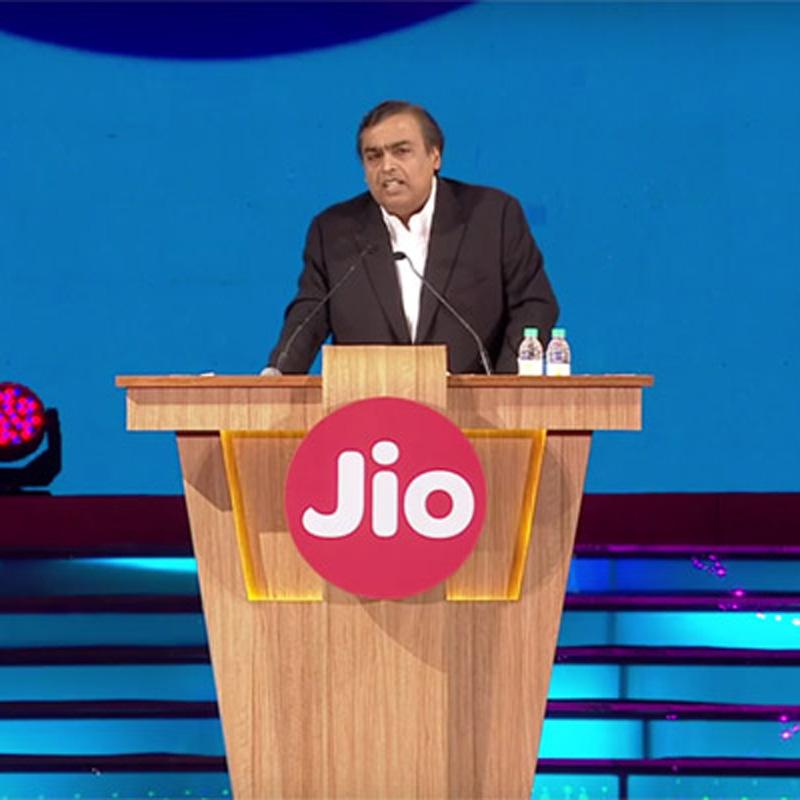
    MUMBAI: Loss of revenue on account of competitive pressure catalysed by the extension of Mukesh Ambani-led Reliance Jio free services and demonetisation may cumulatively affect telcos by 5-7 per cent.

    RJio recently announced an extension of its free services till 31 March, 2017. Speaking on the impact on the Indian telecom industry, ICRA Limited Associate Head – Corporate Ratings Harsh Jagnani, said: “At a time when the industry is already facing pressures on the operating metrics, owing to heightened competition, the extension of free services by RJio is expected to further push down the realisations in both the voice and the data segments. The impact is expected to be exacerbated by demonetisation of the higher denomination currency, which can lead to revenue loss of the telcos, especially in the pre-paid segment.”

    RJio, which launched its services in September 2016 with free voice calling along with lifetime free roaming, provided free unlimited data and a bouquet of mobile applications free till 31 December, 2016, as part of the inaugural offer. Recently, the company announced an extension of its free services till 31 March, 2017.

    The tariffs proposed, apart from being disruptive, are not looking at pricing voice and data separately, instead, it is seeing a subscriber holistically and offering bundled packages. The highlight is to develop a market with deep penetration and high consumption, especially for data, thereby targeting high average revenue per user (ARPU) subscribers.

    Apart from attractive pricing, other factors which can help RJio build a sizeable subscriber base are – (a) a big bang launch with a novelty factor, (b) a fresh network which gives good service, (c) a strong device ecosystem, and (d) a wide bouquet of content. These can translate into rapid subscriber additions, which would intensify the competition in the sector and increase the subscriber acquisition/retention costs for other operators. Nevertheless, the extent of subscriber addition and service quality delivered by RJio, its pricing strategies in the longer term, and the response by other operators remain watch events for the industry.

    ICRA is of the opinion that increasingly the industry would migrate from the revenue per minute (RPM) or the average revenue per megabyte (ARMB) approach to ARPU-based approach.

    “At a time when the industry is reeling under a Rs. 4,25,000-crore debt, this extension of free services by RJio has added to the industry’s woes. Heightened competitive pressures would impact the performance of the telcos during the next two quarters i.e. Q3 and Q4 of FY2017. Revenue loss, owing to demonetisation and pressure on operating metrics due to competitive pressures, intensified by extension of free services by RJio, are expected to negatively impact the revenue of the industry by 5-7% during the next two quarters,” Jagnani reiterated.

  • Telcos may migrate to ARPU-based model as 5-7 per cent hit feared

    Telcos may migrate to ARPU-based model as 5-7 per cent hit feared

    MUMBAI: Loss of revenue on account of competitive pressure catalysed by the extension of Mukesh Ambani-led Reliance Jio free services and demonetisation may cumulatively affect telcos by 5-7 per cent.

    RJio recently announced an extension of its free services till 31 March, 2017. Speaking on the impact on the Indian telecom industry, ICRA Limited Associate Head – Corporate Ratings Harsh Jagnani, said: “At a time when the industry is already facing pressures on the operating metrics, owing to heightened competition, the extension of free services by RJio is expected to further push down the realisations in both the voice and the data segments. The impact is expected to be exacerbated by demonetisation of the higher denomination currency, which can lead to revenue loss of the telcos, especially in the pre-paid segment.”

    RJio, which launched its services in September 2016 with free voice calling along with lifetime free roaming, provided free unlimited data and a bouquet of mobile applications free till 31 December, 2016, as part of the inaugural offer. Recently, the company announced an extension of its free services till 31 March, 2017.

    The tariffs proposed, apart from being disruptive, are not looking at pricing voice and data separately, instead, it is seeing a subscriber holistically and offering bundled packages. The highlight is to develop a market with deep penetration and high consumption, especially for data, thereby targeting high average revenue per user (ARPU) subscribers.

    Apart from attractive pricing, other factors which can help RJio build a sizeable subscriber base are – (a) a big bang launch with a novelty factor, (b) a fresh network which gives good service, (c) a strong device ecosystem, and (d) a wide bouquet of content. These can translate into rapid subscriber additions, which would intensify the competition in the sector and increase the subscriber acquisition/retention costs for other operators. Nevertheless, the extent of subscriber addition and service quality delivered by RJio, its pricing strategies in the longer term, and the response by other operators remain watch events for the industry.

    ICRA is of the opinion that increasingly the industry would migrate from the revenue per minute (RPM) or the average revenue per megabyte (ARMB) approach to ARPU-based approach.

    “At a time when the industry is reeling under a Rs. 4,25,000-crore debt, this extension of free services by RJio has added to the industry’s woes. Heightened competitive pressures would impact the performance of the telcos during the next two quarters i.e. Q3 and Q4 of FY2017. Revenue loss, owing to demonetisation and pressure on operating metrics due to competitive pressures, intensified by extension of free services by RJio, are expected to negatively impact the revenue of the industry by 5-7% during the next two quarters,” Jagnani reiterated.

  • Viva appoints Ashley before global OTT rollout

    Viva appoints Ashley before global OTT rollout

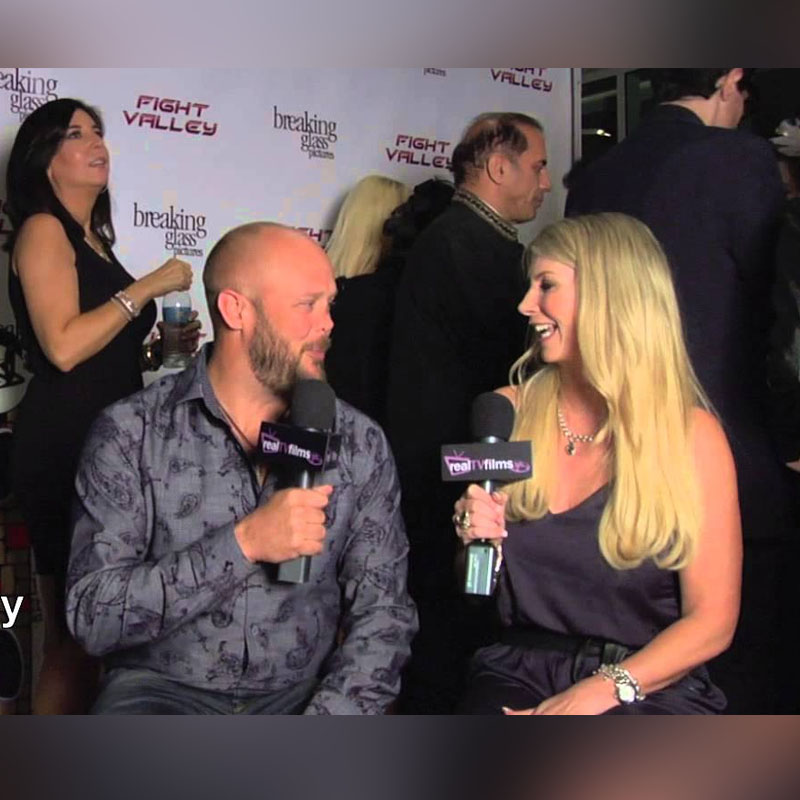
    MUMBAI: Viva Entertainment Group, Inc., a developer of OTT systems through which television services are delivered using the Internet, has announced the appointment of FlixFling founder and CEO, Thomas Ashley, to its board of directors.

    Ashley will serve as an independent director of the company. Viva’s Board now comprises four, with Johnny Falcones, Viva’s CEO, serving as the chairman of the board. Ashley is an industry veteran and brings a new dimension to its seasoned board. This wealth of knowledge makes the perfect team as the company embarks on a global rollout of its cutting edge OTT platform.

    Viva’s CEO, Johnny Falcones expressed, “Ashley’s experience in content rights and global distribution makes him nothing short of an industry guru. Ashley will play a major part in our decision-making when it comes to his fields of expertise. He continues to be a top notch CEO having advanced FlixFling to one of the top streaming music and movie services in North America. The addition of his expertise to Viva’s Board is part of our complete package, rounding out insight into all arenas related to OTT, as we ready our products for global distribution. We could not be more thrilled to have his guidance as we advance Viva’s mission in the market place.”

    Viva founder chairman and CEO Johnny Falcones is an industry veteran with the strategic vision, drive, and connections to advance Viva’s platform in the TV industry. His extensive experience in the entertainment world drove him to start his quest with Viva.

    From day one at a young age he helped develop the careers of Marc Anthony (India) and not long ago Soleil J. This champion then continued his career with Icons such as Celia Cruz and Tito Puente. He also developed a successful record label with Universal Music and Video Distribution, turning it in to a multi-million dollar label.

    Two decades ago, Falcones was just a Puerto Rican born, cool kid from Brooklyn, who moonlighted as a DJ while attending LaGuardia College in New York .2 turntables & a keen ear, Falcones quickly became the music authority of NY’s Latin House music scene of 90s. It was one faithful night at Palladium nightclub, where he had a chance encounter with legendary music impresario Ralph Mercado, who recruited him to RMM Records. Together they globalized the Latin record industry, converting starry-eyed local vocalist Marc Anthony & India from buzz act, to icons.

    Within months, the young up and coming Falcones was globe-trotting with Superstars, Celia Cruz & Tito Puente. Under Falcones’ management, these stars collected a bevy of international awards & were immortalized via ‘Hollywood Walk of Fame’ slots. Falcones co-exec. produced the White House’s 24th Annual Hispanic Heritage Awards in Sep. 2010, which featured a luminaries such Juan Luis Guerra & Don Francisco. He also produced the Last Tito Puente concert Viva La Musica which was release on Showtime pay-per view and the was release on CD and DVD.

    Ashley is an unprecedented CEO who brings two decades of experience in the film industry. As founder and CEO of FlixFling, Ashley has created the largest privately held streaming movie service in North America. FlixFling is the only service to offer both streaming music and movies for one low monthly fee. Through its partnership with Music Choice, FlixFling is also the only streaming service to offer streaming music videos across 25 channels. Flixfling boasts over 10,000 titles, with Ashley negotiating all content deals for the company with partners including Warner Brothers, Sony, Paramount, Universal, Starz Digital Media, Magnolia Pictures, Image Entertainment and VuBiquity among others.

    A veteran in the Advertising Industry Ashley’s experience is paramount in marketing to mainstream audiences. As CEO of Invincible Pictures, Ashley has created a major independent entertainment group pioneering digital film and television distribution. In November of 2008 Ashley opened Philadelphia Sound Stages a 70,000 Square feet facility including Sound Stages, Production Offices and warehousing for Invincible’s pick, pack and ship operations. In May of 2014 Ashley closed his 2nd film acquisitions fund Invincible Entertainment Partners. A follow up to his highly successful 2008 fund IP Film Partners, both with the mission of acquiring, producing and licensing motion picture properties for distribution on a global platform.

    As part of the fund Invincible co-produced Kevin Smith’s newest $5.5MM film “Yoga Hosers” Starring, Smith and his Daughter Harley Quinn, as well as Johnny Depp, and his daughter Lilly-Rose. This is the first time Depp and his daughter shared a screen together. Other notable cast includes Stan Lee, Justin Long, Haley Joel Osment and Genesis Rodriguez. Ashley is a proud member of the board for the Philadelphia Film Society, the non-profit organization behind the Philadelphia Film Festival, A Member of the Entertainment Merchants Association and Volunteer at the Abramson Cancer Center at the Hospital of the University of Pennsylvania, Ashley himself is a cancer survivor and shares a home with his wife and son in the suburbs of Philadelphia.

  • Viva appoints Ashley before global OTT rollout

    Viva appoints Ashley before global OTT rollout

    MUMBAI: Viva Entertainment Group, Inc., a developer of OTT systems through which television services are delivered using the Internet, has announced the appointment of FlixFling founder and CEO, Thomas Ashley, to its board of directors.

    Ashley will serve as an independent director of the company. Viva’s Board now comprises four, with Johnny Falcones, Viva’s CEO, serving as the chairman of the board. Ashley is an industry veteran and brings a new dimension to its seasoned board. This wealth of knowledge makes the perfect team as the company embarks on a global rollout of its cutting edge OTT platform.

    Viva’s CEO, Johnny Falcones expressed, “Ashley’s experience in content rights and global distribution makes him nothing short of an industry guru. Ashley will play a major part in our decision-making when it comes to his fields of expertise. He continues to be a top notch CEO having advanced FlixFling to one of the top streaming music and movie services in North America. The addition of his expertise to Viva’s Board is part of our complete package, rounding out insight into all arenas related to OTT, as we ready our products for global distribution. We could not be more thrilled to have his guidance as we advance Viva’s mission in the market place.”

    Viva founder chairman and CEO Johnny Falcones is an industry veteran with the strategic vision, drive, and connections to advance Viva’s platform in the TV industry. His extensive experience in the entertainment world drove him to start his quest with Viva.

    From day one at a young age he helped develop the careers of Marc Anthony (India) and not long ago Soleil J. This champion then continued his career with Icons such as Celia Cruz and Tito Puente. He also developed a successful record label with Universal Music and Video Distribution, turning it in to a multi-million dollar label.

    Two decades ago, Falcones was just a Puerto Rican born, cool kid from Brooklyn, who moonlighted as a DJ while attending LaGuardia College in New York .2 turntables & a keen ear, Falcones quickly became the music authority of NY’s Latin House music scene of 90s. It was one faithful night at Palladium nightclub, where he had a chance encounter with legendary music impresario Ralph Mercado, who recruited him to RMM Records. Together they globalized the Latin record industry, converting starry-eyed local vocalist Marc Anthony & India from buzz act, to icons.

    Within months, the young up and coming Falcones was globe-trotting with Superstars, Celia Cruz & Tito Puente. Under Falcones’ management, these stars collected a bevy of international awards & were immortalized via ‘Hollywood Walk of Fame’ slots. Falcones co-exec. produced the White House’s 24th Annual Hispanic Heritage Awards in Sep. 2010, which featured a luminaries such Juan Luis Guerra & Don Francisco. He also produced the Last Tito Puente concert Viva La Musica which was release on Showtime pay-per view and the was release on CD and DVD.

    Ashley is an unprecedented CEO who brings two decades of experience in the film industry. As founder and CEO of FlixFling, Ashley has created the largest privately held streaming movie service in North America. FlixFling is the only service to offer both streaming music and movies for one low monthly fee. Through its partnership with Music Choice, FlixFling is also the only streaming service to offer streaming music videos across 25 channels. Flixfling boasts over 10,000 titles, with Ashley negotiating all content deals for the company with partners including Warner Brothers, Sony, Paramount, Universal, Starz Digital Media, Magnolia Pictures, Image Entertainment and VuBiquity among others.

    A veteran in the Advertising Industry Ashley’s experience is paramount in marketing to mainstream audiences. As CEO of Invincible Pictures, Ashley has created a major independent entertainment group pioneering digital film and television distribution. In November of 2008 Ashley opened Philadelphia Sound Stages a 70,000 Square feet facility including Sound Stages, Production Offices and warehousing for Invincible’s pick, pack and ship operations. In May of 2014 Ashley closed his 2nd film acquisitions fund Invincible Entertainment Partners. A follow up to his highly successful 2008 fund IP Film Partners, both with the mission of acquiring, producing and licensing motion picture properties for distribution on a global platform.

    As part of the fund Invincible co-produced Kevin Smith’s newest $5.5MM film “Yoga Hosers” Starring, Smith and his Daughter Harley Quinn, as well as Johnny Depp, and his daughter Lilly-Rose. This is the first time Depp and his daughter shared a screen together. Other notable cast includes Stan Lee, Justin Long, Haley Joel Osment and Genesis Rodriguez. Ashley is a proud member of the board for the Philadelphia Film Society, the non-profit organization behind the Philadelphia Film Festival, A Member of the Entertainment Merchants Association and Volunteer at the Abramson Cancer Center at the Hospital of the University of Pennsylvania, Ashley himself is a cancer survivor and shares a home with his wife and son in the suburbs of Philadelphia.