Category: iWorld

  • Google’s Pulkit Trivedi joins Facebook as industry director

    Google’s Pulkit Trivedi joins Facebook as industry director

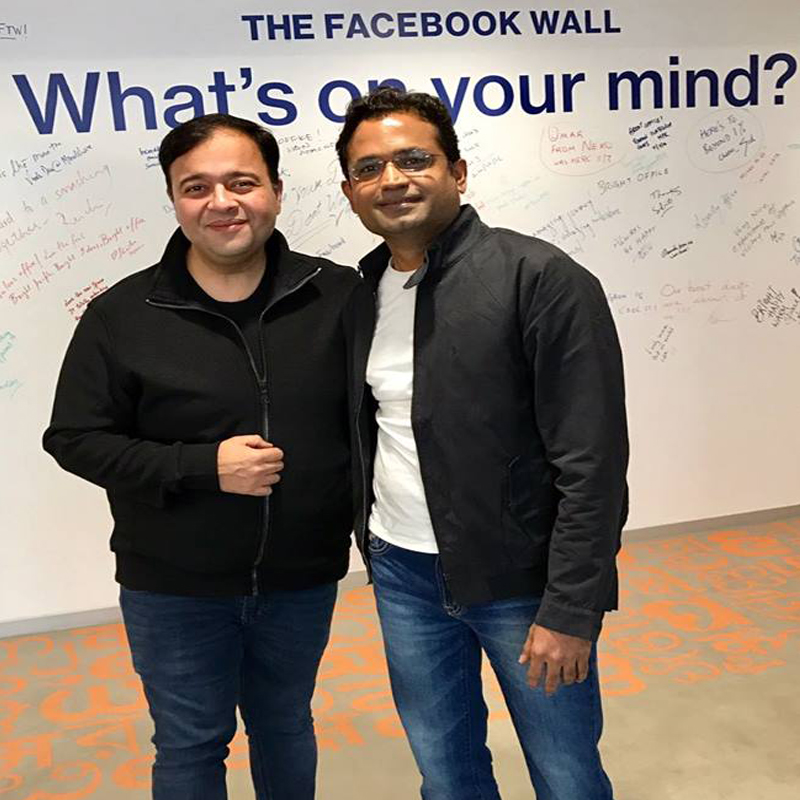
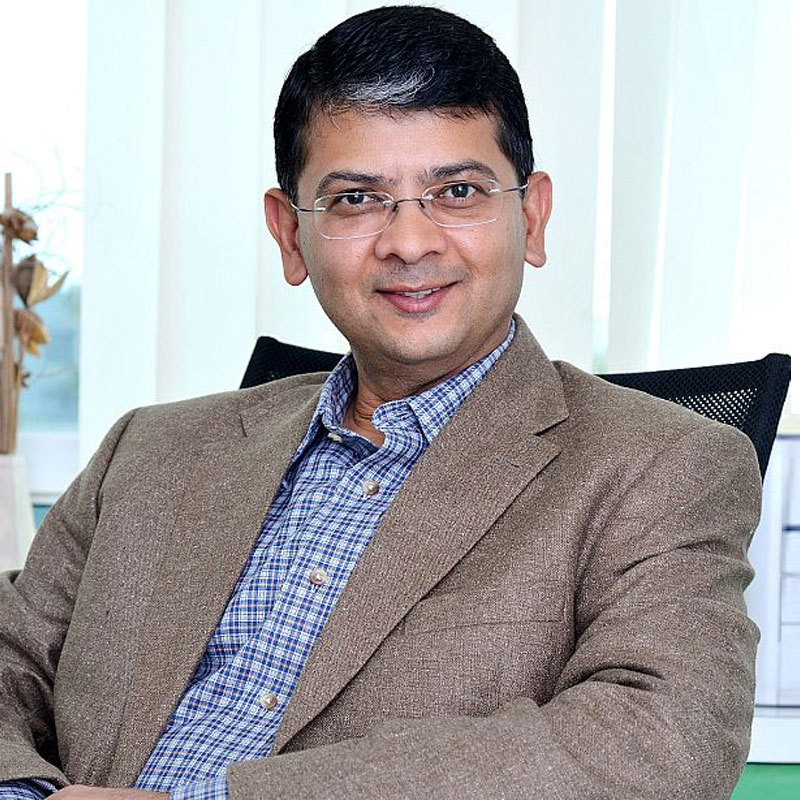
    MUMBAI: Facebook has appointed Pulkit Trivedi as Industry Director for e-Commerce, Retail, Travel and Financial Services verticals, where he will lead in building and maintaining strategic relationships with clients in the country.

    Trivedi, an MBA from BITS Mesra, comes to Facebook with over 18 years of extensive industry experience covering Sales, Business Development & Partnerships for Indian and multinational technology companies such as Google, Intel, Microsoft, IBM and HCL. Most recently, Pulkit held the position of Head of Industry, eCommerce at Google India and was with the company since April 2012. He was responsible for driving a large business for Google India.

    “We are thrilled to have Pulkit join the talented Facebook team to help grow our advertising business. Pulkit is a well proven business professional who along with our teams will strengthen our ability to deliver personalized marketing at scale to clients in India.”said Facebook India MD Umang Bedi.

    “Really excited to have joined Facebook as Industry Director for e-Commerce, Retail, Travel and Financial Services verticals. I’m looking forward to working closely with some of the best talents and making an impact at Facebook. The welcome has been grand – Thanks Umang and team,” Trivedi wrote earlier on his FB wall.

  • Google’s Pulkit Trivedi joins Facebook as industry director

    Google’s Pulkit Trivedi joins Facebook as industry director

    MUMBAI: Facebook has appointed Pulkit Trivedi as Industry Director for e-Commerce, Retail, Travel and Financial Services verticals, where he will lead in building and maintaining strategic relationships with clients in the country.

    Trivedi, an MBA from BITS Mesra, comes to Facebook with over 18 years of extensive industry experience covering Sales, Business Development & Partnerships for Indian and multinational technology companies such as Google, Intel, Microsoft, IBM and HCL. Most recently, Pulkit held the position of Head of Industry, eCommerce at Google India and was with the company since April 2012. He was responsible for driving a large business for Google India.

    “We are thrilled to have Pulkit join the talented Facebook team to help grow our advertising business. Pulkit is a well proven business professional who along with our teams will strengthen our ability to deliver personalized marketing at scale to clients in India.”said Facebook India MD Umang Bedi.

    “Really excited to have joined Facebook as Industry Director for e-Commerce, Retail, Travel and Financial Services verticals. I’m looking forward to working closely with some of the best talents and making an impact at Facebook. The welcome has been grand – Thanks Umang and team,” Trivedi wrote earlier on his FB wall.
  • Govt made Rs 2152 cr less than expected from spectrum sale

    Govt made Rs 2152 cr less than expected from spectrum sale

    MUMBAI: The government raised Rs 32434.10 crore upfront from the spectrum auction this year, against the Rs 43586 cr that the Telecom Department had projected. That is a difference of Rs 2152 cr.

    Telecom minister Manoj Sinha stated in the Rajya Sabha that, for 2016-17, DoT estimated Rs 34,586 crore from spectrum auction which was raised by the finance ministry to Rs 63,580.92 crore. Against DoT’s projection of Rs 34,586 crore, Rs 32,434.10 crore had been collected as upfront payment from 2016 auction.

    The final revenue expected from airwaves auction was based on the base price of each band of spectrum in each licenced service area put to auction, fixed by the government on the recommendation of TRAI, the minister explained.

    However, budgetary target projection by DoT can be considered as the revenue target from spectrum auction. Total revenue government raised from the sale of airwaves in 2016 was Rs 65,789.12 crore, the minister added.

  • Govt made Rs 2152 cr less than expected from spectrum sale

    Govt made Rs 2152 cr less than expected from spectrum sale

    MUMBAI: The government raised Rs 32434.10 crore upfront from the spectrum auction this year, against the Rs 43586 cr that the Telecom Department had projected. That is a difference of Rs 2152 cr.

    Telecom minister Manoj Sinha stated in the Rajya Sabha that, for 2016-17, DoT estimated Rs 34,586 crore from spectrum auction which was raised by the finance ministry to Rs 63,580.92 crore. Against DoT’s projection of Rs 34,586 crore, Rs 32,434.10 crore had been collected as upfront payment from 2016 auction.

    The final revenue expected from airwaves auction was based on the base price of each band of spectrum in each licenced service area put to auction, fixed by the government on the recommendation of TRAI, the minister explained.

    However, budgetary target projection by DoT can be considered as the revenue target from spectrum auction. Total revenue government raised from the sale of airwaves in 2016 was Rs 65,789.12 crore, the minister added.

  • Take ‘Actions on Google’: partner’s Gupshup with enterprises

    Take ‘Actions on Google’: partner’s Gupshup with enterprises

    MUMBAI: Gupshup has partnered with Google to enable enterprises to quickly and easily build for ‘Actions on Google’, its development interface for the Google Assistant. Bot builders can now create and deploy bots or actions for the assistant using Gupshup’s cross-platform development tools.

    One of the early Google Assistant actions to come to Google Home is from VentureBeat, source of technology and chatbot news. Developed in coordination with Gupshup, the bot will be available to consumers later this month.

    Gupshup CEO Beerud Sheth opined that the bot landscape has grown exponentially in the past year. It has enabled the world where intelligent, conversational interfaces will soon be all around us. He expressed gratitude about being one of the first developer platforms to join Actions on Google.

    Google Home users launch the VentureBeat bot by saying “Ok Google, let me talk to VentureBeat,” and can then navigate the latest technology news stories and headlines from the comfort of their own home by interacting with the Google Assistant.

    Few more content providers will be available on Actions on Google soon.

    Gupshup is the first truly omni-channel bot development platform, offering developers and enterprises the ability to connect with consumers on their favorite messaging platforms, now including voice-assisted ecosystems such as Google Home.

  • Take ‘Actions on Google’: partner’s Gupshup with enterprises

    Take ‘Actions on Google’: partner’s Gupshup with enterprises

    MUMBAI: Gupshup has partnered with Google to enable enterprises to quickly and easily build for ‘Actions on Google’, its development interface for the Google Assistant. Bot builders can now create and deploy bots or actions for the assistant using Gupshup’s cross-platform development tools.

    One of the early Google Assistant actions to come to Google Home is from VentureBeat, source of technology and chatbot news. Developed in coordination with Gupshup, the bot will be available to consumers later this month.

    Gupshup CEO Beerud Sheth opined that the bot landscape has grown exponentially in the past year. It has enabled the world where intelligent, conversational interfaces will soon be all around us. He expressed gratitude about being one of the first developer platforms to join Actions on Google.

    Google Home users launch the VentureBeat bot by saying “Ok Google, let me talk to VentureBeat,” and can then navigate the latest technology news stories and headlines from the comfort of their own home by interacting with the Google Assistant.

    Few more content providers will be available on Actions on Google soon.

    Gupshup is the first truly omni-channel bot development platform, offering developers and enterprises the ability to connect with consumers on their favorite messaging platforms, now including voice-assisted ecosystems such as Google Home.

  • YouTube contemplates YRF, Shemaroo, Sony, Zee & studio tie-ups

    YouTube contemplates YRF, Shemaroo, Sony, Zee & studio tie-ups

    MUMBAI: With competition in the OTT space getting tougher every passing day, the players have to ensure that they boast an edge over the rest. In a move to compete with its rivals – Netflix and Amazon Prime, Alphabet’s YouTube is in talks with some of India’s biggest production houses and broadcasters.

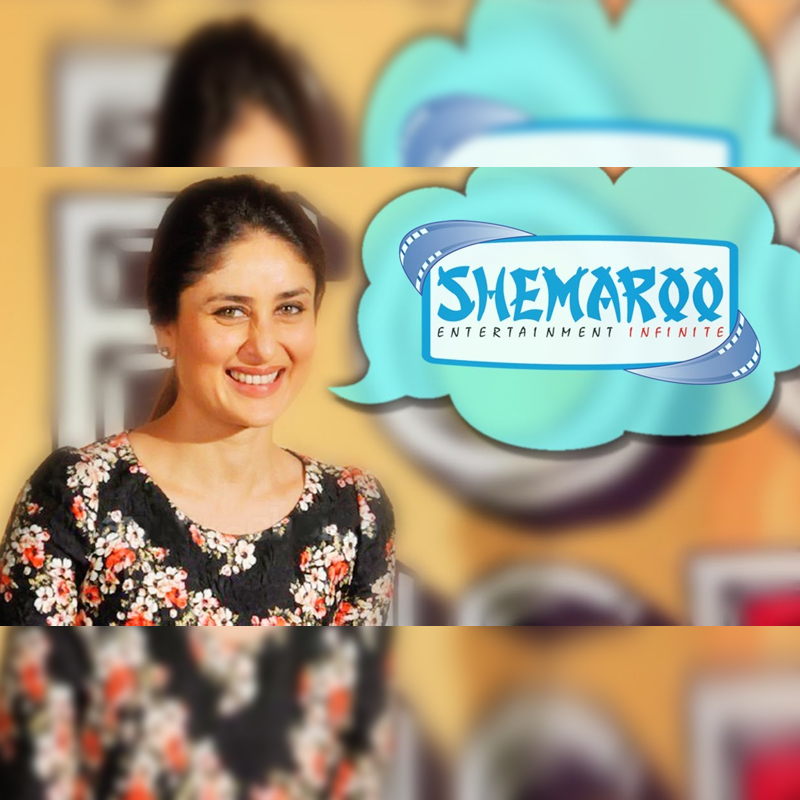
    Yash Raj Films, Shemaroo, Sony, Zee, etc are some of the big banners the streaming service is considering to partner with. It also plans to possess exclusive content for its Indian viewers from a large number of south Indian studios.

    Though, the deals could be different in nature. YouTube APAC regional director Ajay Vidyasagar in an interview with Hindustan Times has stated that some of the deals may bundle the content for YouTube first followed by TV while, some can tweak it for YouTube.

    YouTube is facing serious competition from rivals — Netflix and Amazon Prime not just in India but also in America. Globally, YouTube added 400 hours of content every minute to its platform last year. With Amazon signing a deal with Dharma Productions for exclusive content, with few more to be added soon, YouTube has competition knocking at its door. Even Netflix is closing in deals with studios like Phantom Films apart from its original production.

    Though, Vidyasagar is not letting the players affect his brand. He believes that Netflix is a high-value, low-volume business with limited reach. It creates content in one place and makes it globally available globally.

    But, YouTube claims to have found its way in having large volume and diverse content catering to local needs. According to Vidyasagar, it is expanding to become a local player in every country. Even in small towns, YouTube is the default native video platform that everyone chooses.

    Even after Star India taking away its famous talk show, Koffee with Karan which airs on Star World, off YouTube, Vidyasagar asserted that they have an extraordinary volume and in a few quarters time, they might look at the traffic.

    YouTube will also look more at exclusive content. In India, it will keep the business free, dependent on ad revenue. Even after having a Netflix-like subscription model in some countries, YouTube does not plan to do the same in India at least in the next few months.

  • YouTube contemplates YRF, Shemaroo, Sony, Zee & studio tie-ups

    YouTube contemplates YRF, Shemaroo, Sony, Zee & studio tie-ups

    MUMBAI: With competition in the OTT space getting tougher every passing day, the players have to ensure that they boast an edge over the rest. In a move to compete with its rivals – Netflix and Amazon Prime, Alphabet’s YouTube is in talks with some of India’s biggest production houses and broadcasters.

    Yash Raj Films, Shemaroo, Sony, Zee, etc are some of the big banners the streaming service is considering to partner with. It also plans to possess exclusive content for its Indian viewers from a large number of south Indian studios.

    Though, the deals could be different in nature. YouTube APAC regional director Ajay Vidyasagar in an interview with Hindustan Times has stated that some of the deals may bundle the content for YouTube first followed by TV while, some can tweak it for YouTube.

    YouTube is facing serious competition from rivals — Netflix and Amazon Prime not just in India but also in America. Globally, YouTube added 400 hours of content every minute to its platform last year. With Amazon signing a deal with Dharma Productions for exclusive content, with few more to be added soon, YouTube has competition knocking at its door. Even Netflix is closing in deals with studios like Phantom Films apart from its original production.

    Though, Vidyasagar is not letting the players affect his brand. He believes that Netflix is a high-value, low-volume business with limited reach. It creates content in one place and makes it globally available globally.

    But, YouTube claims to have found its way in having large volume and diverse content catering to local needs. According to Vidyasagar, it is expanding to become a local player in every country. Even in small towns, YouTube is the default native video platform that everyone chooses.

    Even after Star India taking away its famous talk show, Koffee with Karan which airs on Star World, off YouTube, Vidyasagar asserted that they have an extraordinary volume and in a few quarters time, they might look at the traffic.

    YouTube will also look more at exclusive content. In India, it will keep the business free, dependent on ad revenue. Even after having a Netflix-like subscription model in some countries, YouTube does not plan to do the same in India at least in the next few months.

  • How ‘internet’ mourned Jayalalithaa’s death

    How ‘internet’ mourned Jayalalithaa’s death

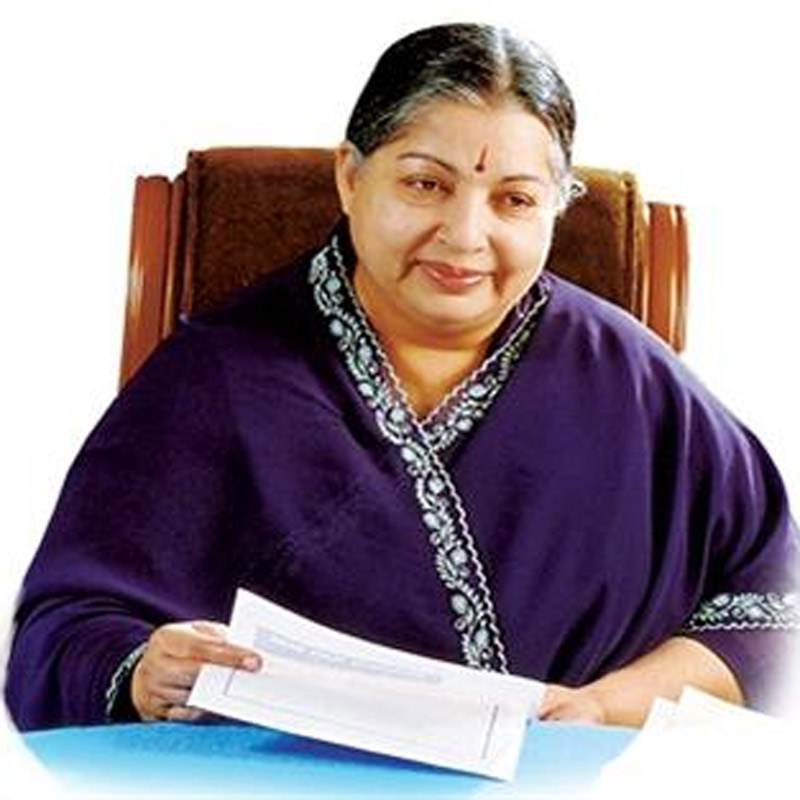
    MUMBAI: 5 December, 2016, was a dark day. Not just for Tamil Nadu politics, but for everyone inspired by and believing in the strength of a self-made woman who rose to the senior ranks of leadership.

    Tamil Nadu’s former chief minister and AIADMK supremo J. Jayalalithaa’s death was a shock to the entire nation.

    The announcement itself shrouded in doubts, rumours, misreporting and impending fear of rioting, it set India, and even people abroad, talking about it through social media.

    So much so, that between 4 and 8 December ‘Jayalalithaa – Tamil Nadu Chief Minister’ was the most searched topic on Google search, according to data collated by the digital marketing enterprise Liqvd Asia.

    Mention of ‘Jayalalithaa’ also surged during this span of time.

    public://jaya1.jpg

    If one were the spread out the reception/ reaction of her death on the internet into various platforms, it was clear that most people were mourning her death on Twitter. Twitter lead the discussions with a staggering 97.2 per cent, followed by comments. A total of 609K conversations on her were recording online during this time, as per the data provided by Liqvd Asia.

    public://jaya2.jpg

    Going by regions, Puducherry showed complete interest in the matter with 100 per cent of its online conversation surrounding Jayalalithaa’s death. It followed naturally by Tamil Nadu. 36 per cent of the conversation coming from Andaman And Nicobar Islands too were about Jayalalithaa’s death.

    public://jaya3.jpg

    Globally, while almost 75 per cent of the conversation recorded in India was about Jayalalithaa, the U.S., Malaysia and the UK too were talking about the same.

    public://jaya4.jpg

    (The above story is based on the info-graphics provided by Liqvd Asia)

  • How ‘internet’ mourned Jayalalithaa’s death

    How ‘internet’ mourned Jayalalithaa’s death

    MUMBAI: 5 December, 2016, was a dark day. Not just for Tamil Nadu politics, but for everyone inspired by and believing in the strength of a self-made woman who rose to the senior ranks of leadership.

    Tamil Nadu’s former chief minister and AIADMK supremo J. Jayalalithaa’s death was a shock to the entire nation.

    The announcement itself shrouded in doubts, rumours, misreporting and impending fear of rioting, it set India, and even people abroad, talking about it through social media.

    So much so, that between 4 and 8 December ‘Jayalalithaa – Tamil Nadu Chief Minister’ was the most searched topic on Google search, according to data collated by the digital marketing enterprise Liqvd Asia.

    Mention of ‘Jayalalithaa’ also surged during this span of time.

    public://jaya1.jpg

    If one were the spread out the reception/ reaction of her death on the internet into various platforms, it was clear that most people were mourning her death on Twitter. Twitter lead the discussions with a staggering 97.2 per cent, followed by comments. A total of 609K conversations on her were recording online during this time, as per the data provided by Liqvd Asia.

    public://jaya2.jpg

    Going by regions, Puducherry showed complete interest in the matter with 100 per cent of its online conversation surrounding Jayalalithaa’s death. It followed naturally by Tamil Nadu. 36 per cent of the conversation coming from Andaman And Nicobar Islands too were about Jayalalithaa’s death.

    public://jaya3.jpg

    Globally, while almost 75 per cent of the conversation recorded in India was about Jayalalithaa, the U.S., Malaysia and the UK too were talking about the same.

    public://jaya4.jpg

    (The above story is based on the info-graphics provided by Liqvd Asia)