
MUMBAI: India’s Lok Sabha has passed the Promotion & Regulation of Online Gaming Bill 2025, creating a stark divide between legitimate esports, casual gaming and what lawmakers term predatory gambling platforms. The legislation, which now heads to the Rajya Sabha, has split the gaming industry down the middle.
Real-money gaming firms are crying foul, claiming the bill sounds their death knell. But esports pioneers are celebrating what they see as long-overdue recognition. Rajen Navani, chairman and managing director of JetLine group, says the cabinet’s approval “is a decisive step that separates esports and social video gaming from wagering-led real money gaming.”
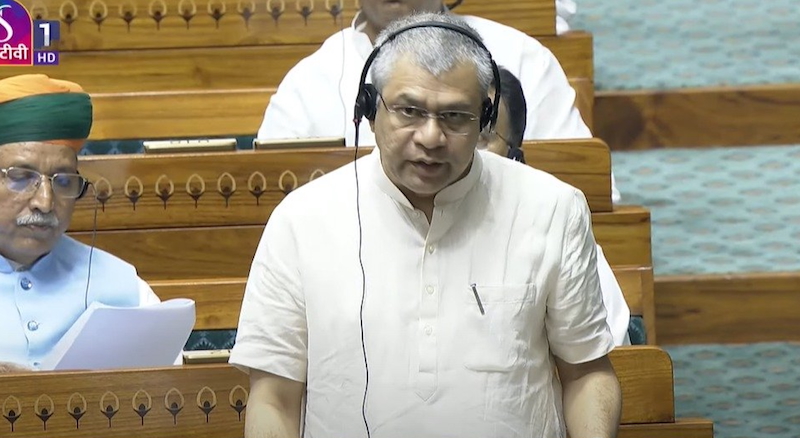
Minister of railways, information & broadcasting and electronics & information technology Ashwini Vaishnaw, pulled no punches when tabling the bill. “Online money gaming firms are opaque in nature,” he told parliament. “There are multiple hazards linked to online money gaming. This also impacts national security such as money laundering and terror funding.”
The minister drew a clear distinction between educational esports and what he characterised as destructive gambling platforms. “The government wants to support esports and casual games. We want to protect the interest of society,” Vaishnaw said, urging unanimous passage.
The legislation establishes a central regulatory authority with Rs 50 crore in initial capital expenditure and Rs 20 crore in annual recurring costs. The watchdog will oversee compliance, shape policy and encourage innovation in legitimate gaming.
Crucially, the bill formally recognises esports as competitive sport, promising government backing for training academies, research centres and technology platforms. Social and educational games will receive similar support, with built-in safeguards ensuring age-appropriate content.
For Navani, who pioneered esports in India, the clarity provides “a strong tailwind” that should boost investment in tournaments, infrastructure and jobs.
Real-money gaming operators, however, face an uncertain future as regulators prepare to separate wheat from chaff in India’s booming digital gaming market.





 “Korea’s premium VoD sector is consolidating around a handful of scaled leaders,” said MPA executive director Vivek Couto. “Local storytelling remains the foundation of engagement and monetisation, while CTV is unlocking new audiences and advertising opportunities.”
 The share of international viewers who say they watch Korean series or films “sometimes” or “very often” rose from 22 per cent in early 2020 to 35 per cent in the first quarter of 2025. The supply of K-content on global streaming platforms grew 55 per cent between 2021 and 2024.
 Netflix is the outlier. It has kept commissioning volumes steady and accounts for 88 per cent of global SVoD announcements in South Korea this year. But even it has shifted emphasis from scripted to unscripted originals, part of a broader industry pivot towards acquisitions and cheaper formats.