Category: Over The Top Services

  • Netflix appoints Anthony Zameczkowski as vice president, business development for Asia-Pacific

    Netflix appoints Anthony Zameczkowski as vice president, business development for Asia-Pacific

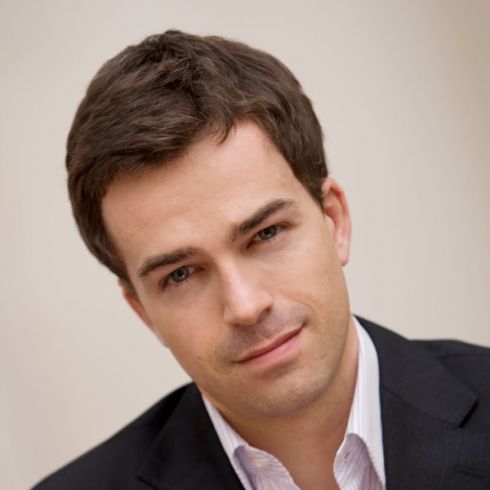
    MUMBAI: Anthony Zameczkowski has joined Netflix as vice president, business development for Asia-Pacific. A senior executive with more than 17 years’ experience in the media and technology industry, Zameczkowski’s new role at Netflix includes leading and managing strategic partnerships and business development in the region.


    Since its global launch in January, Netflix has already concluded partnerships with leading infocomm players in Asia including Singtel and StarHub in Singapore and PCCW Media’s now TV in Hong Kong.


    Prior to Netflix, Zameckowski was running the international operations of Victorious, a Kleiner Perkins-backed startup in the mobile video space with a focus on building new business and international partnerships for the US-based digital company.


    Before Victorious, Zameczkowski spent eight years at Google/YouTube both in Europe and Asia, where he most recently managed the YouTube Music business across the APAC region based out of Singapore. He was among the first few employees to be part of the video-sharing platform, when it was acquired by Google, and first came to Asia close to five years ago when he was based in Hong Kong in his capacity as Head of Partnerships for Greater China and Southeast Asia. He also worked for six years at Warner Bros. Television as Sales and Business Development Manager, licensing content to broadcasters and VOD platforms in Europe.


    “One of the next steps in Netflix globalization is about building and leveraging strategic partnerships in the region that will drive our memberships in Asia-Pacific,” Zameczkowski said.


    Zameczkowski is based in Singapore and reports to US-based Bill Holmes, Global Head of Business Development at Netflix.  He holds an MBA from the Kellogg School of Management and The Hong Kong University of Science and Technology, as well as a Master’s degree from ESSEC Business School.


  • Netflix appoints Anthony Zameczkowski as vice president, business development for Asia-Pacific

    Netflix appoints Anthony Zameczkowski as vice president, business development for Asia-Pacific

    MUMBAI: Anthony Zameczkowski has joined Netflix as vice president, business development for Asia-Pacific. A senior executive with more than 17 years’ experience in the media and technology industry, Zameczkowski’s new role at Netflix includes leading and managing strategic partnerships and business development in the region.


    Since its global launch in January, Netflix has already concluded partnerships with leading infocomm players in Asia including Singtel and StarHub in Singapore and PCCW Media’s now TV in Hong Kong.


    Prior to Netflix, Zameckowski was running the international operations of Victorious, a Kleiner Perkins-backed startup in the mobile video space with a focus on building new business and international partnerships for the US-based digital company.


    Before Victorious, Zameczkowski spent eight years at Google/YouTube both in Europe and Asia, where he most recently managed the YouTube Music business across the APAC region based out of Singapore. He was among the first few employees to be part of the video-sharing platform, when it was acquired by Google, and first came to Asia close to five years ago when he was based in Hong Kong in his capacity as Head of Partnerships for Greater China and Southeast Asia. He also worked for six years at Warner Bros. Television as Sales and Business Development Manager, licensing content to broadcasters and VOD platforms in Europe.


    “One of the next steps in Netflix globalization is about building and leveraging strategic partnerships in the region that will drive our memberships in Asia-Pacific,” Zameczkowski said.


    Zameczkowski is based in Singapore and reports to US-based Bill Holmes, Global Head of Business Development at Netflix.  He holds an MBA from the Kellogg School of Management and The Hong Kong University of Science and Technology, as well as a Master’s degree from ESSEC Business School.


  • Brightcove OTT Flow to democratize OTT services

    Brightcove OTT Flow to democratize OTT services

    MUMBAI – Brightcove Inc.  has launched Brightcove OTT Flow, a turnkey OTT solution for media companies and content owners everywhere to rapidly deploy high-quality, direct-to-consumer, live and on-demand video services across platforms. Developed in partnership with Accedo, OTT Flow offers an end-to-end technology solution via a simple, cost effective commercial model. With OTT Flow, Brightcove and Accedo dramatically lower the barrier to entry to starting a multi-platform OTT service, allowing organizations to take their content over-the-top in weeks rather than months.

    OTT solutions to date have often required multiple vendors and bespoke solution development for each platform, resulting in high upfront development costs, time-consuming implementations, and challenges maintaining and upgrading applications and platforms.

    “There is seemingly insatiable demand around the world for new video programming choices and the industry is rushing to meet that demand with new service launches. IHS is actively tracking well over 2,000 different OTT video and multi-screen deployments in 70-plus countries. With new players entering the market on almost a weekly basis, the timing has never been better for solutions that accelerate these service introductions,” said IHS Technology Consumer, Media, Telecoms & Displays, chief analyst and VP, Ben Keen.

    At its core, OTT Flow   will allow video content delivery with a consistent UX across multiple platforms, including desktop, iOS (smartphone & tablet), Android (smartphone & tablet) and Google Cast.  It will also provide support for ad-supported (AVOD) and subscription (SVOD) video on demand models with ecommerce, CRM, and billing engine interfaces.  Subtitle and caption support would be other added advantages. When it comes to pricing, companies setting up an ad-supported OTT video service can get started with OTT Flow at $0,000 per month. Organizations seeking to launch a subscription-based OTT service can begin at $15,000 per month.

    “Brightcove OTT Flow dramatically changes the dynamics of launching new OTT services, making OTT accessible to nearly any content owner. Combining Accedo’s multi-platform application expertise with our video platform and solutions capabilities, we are bringing to market  a turnkey solution that eliminates technical barriers  and simplifies the OTT cost structure for anyone seeking to take their content over-the-top. As media companies around the world seek to engage their audiences  and drive revenue, they can take advantage of OTT Flow as an easy and affordable path to quickly launch beautiful OTT services,” Brightcove medoia SVP and GM Anil Jain said.

    Brightcove Video Cloud integrated with Accedo App Grid® and VIA® GO with a  subscription management and payment processing for SVOD. It comes with   pre-integrated ad-serving support from Google DFP.

    “Consumer demand for great content available across multiple devices has been increasing dramatically over recent years. With that demand set to rise even further, media companies are looking for solutions to launch new OTT services easily and effectively while providing an attractive user experience. This joint solution enables them to meet that consumer demand and launch compelling services in a much shorter timeframe than ever before,” Accedo CEO Michael Lantz had commented.

    OTT Flow is priced to make setting up and operating OTT services an economic proposition that any serious content owner can embrace. By eliminating the need to invest significant capital in upfront development and platform costs, OTT Flow’s pricing model is designed to fit a customer’s operating model.

  • Brightcove OTT Flow to democratize OTT services

    Brightcove OTT Flow to democratize OTT services

    MUMBAI – Brightcove Inc.  has launched Brightcove OTT Flow, a turnkey OTT solution for media companies and content owners everywhere to rapidly deploy high-quality, direct-to-consumer, live and on-demand video services across platforms. Developed in partnership with Accedo, OTT Flow offers an end-to-end technology solution via a simple, cost effective commercial model. With OTT Flow, Brightcove and Accedo dramatically lower the barrier to entry to starting a multi-platform OTT service, allowing organizations to take their content over-the-top in weeks rather than months.

    OTT solutions to date have often required multiple vendors and bespoke solution development for each platform, resulting in high upfront development costs, time-consuming implementations, and challenges maintaining and upgrading applications and platforms.

    “There is seemingly insatiable demand around the world for new video programming choices and the industry is rushing to meet that demand with new service launches. IHS is actively tracking well over 2,000 different OTT video and multi-screen deployments in 70-plus countries. With new players entering the market on almost a weekly basis, the timing has never been better for solutions that accelerate these service introductions,” said IHS Technology Consumer, Media, Telecoms & Displays, chief analyst and VP, Ben Keen.

    At its core, OTT Flow   will allow video content delivery with a consistent UX across multiple platforms, including desktop, iOS (smartphone & tablet), Android (smartphone & tablet) and Google Cast.  It will also provide support for ad-supported (AVOD) and subscription (SVOD) video on demand models with ecommerce, CRM, and billing engine interfaces.  Subtitle and caption support would be other added advantages. When it comes to pricing, companies setting up an ad-supported OTT video service can get started with OTT Flow at $0,000 per month. Organizations seeking to launch a subscription-based OTT service can begin at $15,000 per month.

    “Brightcove OTT Flow dramatically changes the dynamics of launching new OTT services, making OTT accessible to nearly any content owner. Combining Accedo’s multi-platform application expertise with our video platform and solutions capabilities, we are bringing to market  a turnkey solution that eliminates technical barriers  and simplifies the OTT cost structure for anyone seeking to take their content over-the-top. As media companies around the world seek to engage their audiences  and drive revenue, they can take advantage of OTT Flow as an easy and affordable path to quickly launch beautiful OTT services,” Brightcove medoia SVP and GM Anil Jain said.

    Brightcove Video Cloud integrated with Accedo App Grid® and VIA® GO with a  subscription management and payment processing for SVOD. It comes with   pre-integrated ad-serving support from Google DFP.

    “Consumer demand for great content available across multiple devices has been increasing dramatically over recent years. With that demand set to rise even further, media companies are looking for solutions to launch new OTT services easily and effectively while providing an attractive user experience. This joint solution enables them to meet that consumer demand and launch compelling services in a much shorter timeframe than ever before,” Accedo CEO Michael Lantz had commented.

    OTT Flow is priced to make setting up and operating OTT services an economic proposition that any serious content owner can embrace. By eliminating the need to invest significant capital in upfront development and platform costs, OTT Flow’s pricing model is designed to fit a customer’s operating model.

  • Amagi announces world’s first watermark-Based OTT Ad insertion mechanism ‘Thunderstorm’

    Amagi announces world’s first watermark-Based OTT Ad insertion mechanism ‘Thunderstorm’

    MUMBAI: Amagi one of the leaders in cloud-based broadcast infrastructure and targeted TV advertising, today announced Thunderstorm, a new OTT ad-insertion platform that delivers personalised and targeted advertising for premium live sports and news feeds using a patented content watermarking technology. With Thunderstorm, TV networks can dynamically insert ads on the server side, as opposed to the traditional client-side insertion, monetising video on every screen without dependency on device apps. Amagi will showcase the new platform in booth SU13006 at the 2016 NAB Show, taking place April 18-21 in Las Vegas.

    “The dynamic nature of live sports and news broadcast on OTT platforms calls for a responsive and accurate ad-insertion capability,” said Amagi co-founder Baskar Subramanian. He further adds, “For the first time in the OTT advertising landscape, we have used watermarking-based ad insertion to simplify the broadcast workflow, increase flexibility, and eliminate huge integration efforts into existing broadcast traffic systems. Amagi’s patented watermarking technology is already in use by TV networks worldwide to deliver millions of targeted ad seconds every month, and through Thunderstorm we have extended this successful platform to OTT feeds.”

    Thunderstorm adds more power to the ad-insertion workflow by enabling server-side ad stitching and personalization. When multiscreen ads are delivered via client-based ad insertion systems, broadcasters and advertisers lose control over the advertising playout process. Often, viewers skip or block the ads, and the decision whether ads are played or not, can be left to the OTT service provider. Amagi’s Thunderstorm platform transforms this workflow, enabling TV networks to take control over the ads aired in their content, boost monetization, and enhance viewer satisfaction across the multiscreen environment.

    Thunderstorm will also allow broadcasters to integrate multiple ad formats, including bugs, L-bands, and linear video, for ultimate flexibility. Since ads are stitched on the cloud into the linear stream. Thunderstorm eliminates the need to create device-driven OTT ads, making ads compatible across various screens. The platform packages content and targeted ads together into a linear stream, undetected by ad blockers, leading to a smoother overall user experience.

    Amagi has a proven track record in watermark-based targeted advertising on traditional TV for well-known international broadcasters. Using Amagi’s content watermarking technology, broadcasters can identify replacement triggers and achieve frame-accurate ad splicing. In addition to Amagi watermarks, Thunderstorm also allows TV networks to use traditional triggers such as SCTE-35. By allowing TV networks to efficiently deliver personalized advertising on OTT streams as well, Amagi expands their media pack and strengthens revenue streams.

  • Amagi announces world’s first watermark-Based OTT Ad insertion mechanism ‘Thunderstorm’

    Amagi announces world’s first watermark-Based OTT Ad insertion mechanism ‘Thunderstorm’

    MUMBAI: Amagi one of the leaders in cloud-based broadcast infrastructure and targeted TV advertising, today announced Thunderstorm, a new OTT ad-insertion platform that delivers personalised and targeted advertising for premium live sports and news feeds using a patented content watermarking technology. With Thunderstorm, TV networks can dynamically insert ads on the server side, as opposed to the traditional client-side insertion, monetising video on every screen without dependency on device apps. Amagi will showcase the new platform in booth SU13006 at the 2016 NAB Show, taking place April 18-21 in Las Vegas.

    “The dynamic nature of live sports and news broadcast on OTT platforms calls for a responsive and accurate ad-insertion capability,” said Amagi co-founder Baskar Subramanian. He further adds, “For the first time in the OTT advertising landscape, we have used watermarking-based ad insertion to simplify the broadcast workflow, increase flexibility, and eliminate huge integration efforts into existing broadcast traffic systems. Amagi’s patented watermarking technology is already in use by TV networks worldwide to deliver millions of targeted ad seconds every month, and through Thunderstorm we have extended this successful platform to OTT feeds.”

    Thunderstorm adds more power to the ad-insertion workflow by enabling server-side ad stitching and personalization. When multiscreen ads are delivered via client-based ad insertion systems, broadcasters and advertisers lose control over the advertising playout process. Often, viewers skip or block the ads, and the decision whether ads are played or not, can be left to the OTT service provider. Amagi’s Thunderstorm platform transforms this workflow, enabling TV networks to take control over the ads aired in their content, boost monetization, and enhance viewer satisfaction across the multiscreen environment.

    Thunderstorm will also allow broadcasters to integrate multiple ad formats, including bugs, L-bands, and linear video, for ultimate flexibility. Since ads are stitched on the cloud into the linear stream. Thunderstorm eliminates the need to create device-driven OTT ads, making ads compatible across various screens. The platform packages content and targeted ads together into a linear stream, undetected by ad blockers, leading to a smoother overall user experience.

    Amagi has a proven track record in watermark-based targeted advertising on traditional TV for well-known international broadcasters. Using Amagi’s content watermarking technology, broadcasters can identify replacement triggers and achieve frame-accurate ad splicing. In addition to Amagi watermarks, Thunderstorm also allows TV networks to use traditional triggers such as SCTE-35. By allowing TV networks to efficiently deliver personalized advertising on OTT streams as well, Amagi expands their media pack and strengthens revenue streams.

  • Verizon to acquire equity stake in AwesomenessTV; to create  new service featuring short-form content

    Verizon to acquire equity stake in AwesomenessTV; to create new service featuring short-form content

    BENGALURU: Verizon today announced it has entered into an agreement to purchase an approximate 24.5 per cent stake in AwesomenessTV. Upon completion of this transaction, the AwesomenessTV multi-platform media company will be valued at approximately $650 million. DreamWorks Animation, which acquired AwesomenessTV in 2013, will remain the company’s majority stakeholder with an approximate 51 per cent ownership of outstanding shares, while Hearst will own the remaining 24.5 per cent. AwesomenessTV founder and CEO Brian Robbins and AwesomenessTV’s president Brett Bouttier will continue to lead AwesomenessTV.

    In addition to its equity investment, Verizon will enter into an agreement with AwesomenessTV to create a first-of-its-kind premium short-form mobile video service featuring leading talent in front of and behind the camera. The new service will operate as a new and independent brand, and feature premium transactional content for a variety of audiences on par with the highest-end content seen on television today. The new service will launch as part of the go90 offering and Verizon will fund the initiative through a multi-year agreement with AwesomenessTV.

    The new premium content service will initially be exclusive to Verizon platforms in the United States, while AwesomenessTV will retain the right to sell content in the rest of the world. In addition to the production resources, expertise and marketing know-how of the team at AwesomenessTV, the partners will draw upon the entire Hollywood community – studios, production companies, writers, directors and actors – for content creation.

    “In addition to delivering compelling scripted and non-scripted series with high production values, AwesomenessTV has demonstrated an ability to zero in on programming that Gen Z and millennials want to watch,” said Verizon executive vice president and president of Product & New Business Innovation, Marni Walden. “The content AwesomenessTV has produced for go90 has exceeded all our expectations with shows such as Guidance and Top Five Live. That’s why we want to be in the AwesomenessTV business.”

    “This deal gives us the resources to work with the biggest talent in front of and behind the camera to create this new branded service and produce the most premium short-form content ever, made specifically for the device racking up the fastest growing viewership – the mobile phone,” said AwesomenessTV’s Robbins. “With Verizon joining DreamWorks Animation and Hearst as part of our equity ownership group, we benefit from the strategic insight and resources of the entertainment and communications industries’ most visionary companies and leaders. Our goal is to be the media company of the future, where content and distribution go hand in hand – we are now one giant step closer to that future.”

    “The creation of this new branded service represents a transformational step, not just for AwesomenessTV, but also for the entire mobile video landscape,” said DreamWorks Animation CEO Jeffrey Katzenberg. “This agreement is clearly impactful for AwesomenessTV – with annual revenues expected to more than double in the first 12 months of content delivery – and even more exciting is the expansion of our relationship with Verizon, one of the world’s most powerful marketers and content distributors, and their commitment to explore with us this incredible opportunity.”

    LionTree Advisors LLC acted as advisor to Verizon during this transaction and J.P. Morgan Securities LLC advised DreamWorks Animation. The transaction is subject to customary closing conditions. The parties currently expect that the transaction will be completed within the next 60 days.

  • Verizon to acquire equity stake in AwesomenessTV; to create  new service featuring short-form content

    Verizon to acquire equity stake in AwesomenessTV; to create new service featuring short-form content

    BENGALURU: Verizon today announced it has entered into an agreement to purchase an approximate 24.5 per cent stake in AwesomenessTV. Upon completion of this transaction, the AwesomenessTV multi-platform media company will be valued at approximately $650 million. DreamWorks Animation, which acquired AwesomenessTV in 2013, will remain the company’s majority stakeholder with an approximate 51 per cent ownership of outstanding shares, while Hearst will own the remaining 24.5 per cent. AwesomenessTV founder and CEO Brian Robbins and AwesomenessTV’s president Brett Bouttier will continue to lead AwesomenessTV.

    In addition to its equity investment, Verizon will enter into an agreement with AwesomenessTV to create a first-of-its-kind premium short-form mobile video service featuring leading talent in front of and behind the camera. The new service will operate as a new and independent brand, and feature premium transactional content for a variety of audiences on par with the highest-end content seen on television today. The new service will launch as part of the go90 offering and Verizon will fund the initiative through a multi-year agreement with AwesomenessTV.

    The new premium content service will initially be exclusive to Verizon platforms in the United States, while AwesomenessTV will retain the right to sell content in the rest of the world. In addition to the production resources, expertise and marketing know-how of the team at AwesomenessTV, the partners will draw upon the entire Hollywood community – studios, production companies, writers, directors and actors – for content creation.

    “In addition to delivering compelling scripted and non-scripted series with high production values, AwesomenessTV has demonstrated an ability to zero in on programming that Gen Z and millennials want to watch,” said Verizon executive vice president and president of Product & New Business Innovation, Marni Walden. “The content AwesomenessTV has produced for go90 has exceeded all our expectations with shows such as Guidance and Top Five Live. That’s why we want to be in the AwesomenessTV business.”

    “This deal gives us the resources to work with the biggest talent in front of and behind the camera to create this new branded service and produce the most premium short-form content ever, made specifically for the device racking up the fastest growing viewership – the mobile phone,” said AwesomenessTV’s Robbins. “With Verizon joining DreamWorks Animation and Hearst as part of our equity ownership group, we benefit from the strategic insight and resources of the entertainment and communications industries’ most visionary companies and leaders. Our goal is to be the media company of the future, where content and distribution go hand in hand – we are now one giant step closer to that future.”

    “The creation of this new branded service represents a transformational step, not just for AwesomenessTV, but also for the entire mobile video landscape,” said DreamWorks Animation CEO Jeffrey Katzenberg. “This agreement is clearly impactful for AwesomenessTV – with annual revenues expected to more than double in the first 12 months of content delivery – and even more exciting is the expansion of our relationship with Verizon, one of the world’s most powerful marketers and content distributors, and their commitment to explore with us this incredible opportunity.”

    LionTree Advisors LLC acted as advisor to Verizon during this transaction and J.P. Morgan Securities LLC advised DreamWorks Animation. The transaction is subject to customary closing conditions. The parties currently expect that the transaction will be completed within the next 60 days.

  • Indian OTT content has a huge potential to make money in overseas markets

    Indian OTT content has a huge potential to make money in overseas markets

    MUMBAI:  With every big and small player wanting a bite out of the OTT pie, it is critical to stop and think about the ground realities involved with this paradigm shift to prevent overzealousness getting the better of rationality. That is precisely why the thought leaders and stakeholders in the emerging space got together to discuss at length the OTT Opportunities and Strategies in India  at the second edition of NexTv Series India 2016 conference organised by Dataxis

    The organisers approached the topic in a more targeted way by splitting the panel into two parts – short form and long form content. The first panel comprising of Red Chillies VFX lead digital strategist Sidharth Iyer, Eros Now business head Zulfiqar Khan, CA Media Digital CEO Vivek Jain, and Vuclip global content and acquisition director Nikhil Naik discussing long form content on OTT platforms.

    The panel started with each player laying down their perspective on what made the OTT sphere such a game changing one, and then went on to categorise the genres of long format content on OTT platforms that they thought would work.

    After segregating the type of content that Bollywood is currently churning out, Iyer was quick to point out the potential for the booming kids’ content in India, especially in the digital space. Citing the example of Viacom18’s recently launched OTT arm VOOT and its separate kids’ library, Iyer emphasised that the kids’ genre was the next big thing in the content space, not just for its reach but because of its prolonged shelf life as well.

    Seconding Iyer, Khan further reiterated the OTT mantra, “What works on TV doesn’t work on digital.”
    The panellists also warned against stereotyping of content by constantly asking “what genre works on OTT”, as it could restrict creators from thinking out of the box and creating beneficial disruptions.

    The overseas market for the emerging OTT platforms in India was the next big turning point in the discussion. Naik, backed by experience of operating in several south Asian markets, bet high on the revenue generation potential of Indian content in overseas markets. “Solving user problems is the right way to approach a new market, and this will show revenue growth for the players,” Naik suggested. Citing his own company’s experience from operating in the Asian market, Naik narrated how providing quick and quality subtitles along with simulcast options of popular Korean dramas won subscribers in its Malaysian operations.

    Censorship was a mammoth issue that the panel addressed. Speaking from a digital content creator perspective, Iyer vouched for the creative liberty of creators, while Jain suggested targeted showcasing or distribution of content to deal with the censorship issue. Khan brought in a fresh perspective by calling censorship a ‘cultural issue rather than a policy one’. “We can’t judge how the entire nation thinks based on a few people here in a five star  hotel in Mumbai say. Solving the censorship issue lies in understanding the value system of the country rather than ignoring it or forcing it to change. There is a huge gap in tier II and tier III cities between access rates and sensibility development. I suggest we take the example from the TV model and form an industry body and practice self-regulation. It’s high time we start talking about it.”

    The second panel comprising of Alt Digital Media Entertainment CSO Eklavya Bhattacharya, Ditto TV business head Archana Anand, Zenga group MD Shabir Momin and  Fame Digital SVP Shreyas Rao  opened the floor with discussions about the challenges in creating short form content for the digital platform.

    “Everyone diving into the OTT space is hedging their bets on the media given its nascent nature. It is leading to content creators becoming more and more possessive of their content, and pushing the prices upward,” Anand made a powerful point.

    Steering away from the predictable ‘pricing’ issue for OTT platforms and digital content creators, Bhattacharya shared his thoughts on ‘convenience.’  “Video consumption is currently driven by convenience, and not taste and preference. Music saw a similar paradigm shift when cassettes disappeared and people asked where the artists and labels were going to make money from. And now T-Series on digital is one of the biggest revenue generators. This doesn’t mean that people didn’t chose the easy way out by downloading songs from sites like Songs.pk, but that it became easier to buy and listen to songs online. So whether people will pay or not ultimately boils down to convenience even for the OTT players.”

    The panel also gave an interesting point of view on the David vs Goliath scenario that currently exists between the big label OTT players like VOOT, Hotstar and Sony Live; and the emerging content start-ups. “The larger players can play on their experience of content creation and their ready bank, but the newer players have the advantage of being agile and flexible. They will be the innovation drivers in content on OTT platforms and evangelise new genres playing on their social media and topicalty strengths.”

    Anand however placed her bets on the OTT platforms operating under a larger broadcast umbrella like SPN, Viacon 18 or Star, as ultimately success in this emerging sphere would be a waiting game. “Those going for the AVOD model will have to build a critical viewership before they can rake in the revenues, and those who are opting for the subscription revenue model, will have to wait till the bandwidth issue gets resolved and Indians adopt to paying for their content, both needing a good two to three years. Thus to sustain these two to five years, the big players will have the funding advantage.”

    The panellists further highlighted the potential for Indian content to travel overseas and make a market for itself. “Geo agnostic content is the future of OTT. No one really cares that a Swedish production house is making GOT. If the content is good, people are willing to pay for it. Between Pakistan, Sri Lanka, Bangladesh, that is, the Indian subcontinent, Indian content has a huge potential,” Bhattacharya shared. “There is a huge market out there amongst the large population of the Indian diaspora sitting outside the country who are also in a situation to pay for the content.”

    Bhattacharya further added that there was a scope to create content that would appeal to the regional markets, and the diaspora that related to that content outside the country. “For years content creators were creating content so that broadcasters could monetise it for advertisers so a lot of the content was very specific. Who is creating content for that Tamil guy sitting in Singapore? Give them good content they will pay for it for certain.”

    The panel concluded with discussions on a need for a new type advertisement creative that wasn’t intrusive and moved away from the traditional way of slapping advertisements on audiences. Cleverly and creatively done branded content was an alternative offered by the panel.
     

  • Indian OTT content has a huge potential to make money in overseas markets

    Indian OTT content has a huge potential to make money in overseas markets

    MUMBAI:  With every big and small player wanting a bite out of the OTT pie, it is critical to stop and think about the ground realities involved with this paradigm shift to prevent overzealousness getting the better of rationality. That is precisely why the thought leaders and stakeholders in the emerging space got together to discuss at length the OTT Opportunities and Strategies in India  at the second edition of NexTv Series India 2016 conference organised by Dataxis

    The organisers approached the topic in a more targeted way by splitting the panel into two parts – short form and long form content. The first panel comprising of Red Chillies VFX lead digital strategist Sidharth Iyer, Eros Now business head Zulfiqar Khan, CA Media Digital CEO Vivek Jain, and Vuclip global content and acquisition director Nikhil Naik discussing long form content on OTT platforms.

    The panel started with each player laying down their perspective on what made the OTT sphere such a game changing one, and then went on to categorise the genres of long format content on OTT platforms that they thought would work.

    After segregating the type of content that Bollywood is currently churning out, Iyer was quick to point out the potential for the booming kids’ content in India, especially in the digital space. Citing the example of Viacom18’s recently launched OTT arm VOOT and its separate kids’ library, Iyer emphasised that the kids’ genre was the next big thing in the content space, not just for its reach but because of its prolonged shelf life as well.

    Seconding Iyer, Khan further reiterated the OTT mantra, “What works on TV doesn’t work on digital.”
    The panellists also warned against stereotyping of content by constantly asking “what genre works on OTT”, as it could restrict creators from thinking out of the box and creating beneficial disruptions.

    The overseas market for the emerging OTT platforms in India was the next big turning point in the discussion. Naik, backed by experience of operating in several south Asian markets, bet high on the revenue generation potential of Indian content in overseas markets. “Solving user problems is the right way to approach a new market, and this will show revenue growth for the players,” Naik suggested. Citing his own company’s experience from operating in the Asian market, Naik narrated how providing quick and quality subtitles along with simulcast options of popular Korean dramas won subscribers in its Malaysian operations.

    Censorship was a mammoth issue that the panel addressed. Speaking from a digital content creator perspective, Iyer vouched for the creative liberty of creators, while Jain suggested targeted showcasing or distribution of content to deal with the censorship issue. Khan brought in a fresh perspective by calling censorship a ‘cultural issue rather than a policy one’. “We can’t judge how the entire nation thinks based on a few people here in a five star  hotel in Mumbai say. Solving the censorship issue lies in understanding the value system of the country rather than ignoring it or forcing it to change. There is a huge gap in tier II and tier III cities between access rates and sensibility development. I suggest we take the example from the TV model and form an industry body and practice self-regulation. It’s high time we start talking about it.”

    The second panel comprising of Alt Digital Media Entertainment CSO Eklavya Bhattacharya, Ditto TV business head Archana Anand, Zenga group MD Shabir Momin and  Fame Digital SVP Shreyas Rao  opened the floor with discussions about the challenges in creating short form content for the digital platform.

    “Everyone diving into the OTT space is hedging their bets on the media given its nascent nature. It is leading to content creators becoming more and more possessive of their content, and pushing the prices upward,” Anand made a powerful point.

    Steering away from the predictable ‘pricing’ issue for OTT platforms and digital content creators, Bhattacharya shared his thoughts on ‘convenience.’  “Video consumption is currently driven by convenience, and not taste and preference. Music saw a similar paradigm shift when cassettes disappeared and people asked where the artists and labels were going to make money from. And now T-Series on digital is one of the biggest revenue generators. This doesn’t mean that people didn’t chose the easy way out by downloading songs from sites like Songs.pk, but that it became easier to buy and listen to songs online. So whether people will pay or not ultimately boils down to convenience even for the OTT players.”

    The panel also gave an interesting point of view on the David vs Goliath scenario that currently exists between the big label OTT players like VOOT, Hotstar and Sony Live; and the emerging content start-ups. “The larger players can play on their experience of content creation and their ready bank, but the newer players have the advantage of being agile and flexible. They will be the innovation drivers in content on OTT platforms and evangelise new genres playing on their social media and topicalty strengths.”

    Anand however placed her bets on the OTT platforms operating under a larger broadcast umbrella like SPN, Viacon 18 or Star, as ultimately success in this emerging sphere would be a waiting game. “Those going for the AVOD model will have to build a critical viewership before they can rake in the revenues, and those who are opting for the subscription revenue model, will have to wait till the bandwidth issue gets resolved and Indians adopt to paying for their content, both needing a good two to three years. Thus to sustain these two to five years, the big players will have the funding advantage.”

    The panellists further highlighted the potential for Indian content to travel overseas and make a market for itself. “Geo agnostic content is the future of OTT. No one really cares that a Swedish production house is making GOT. If the content is good, people are willing to pay for it. Between Pakistan, Sri Lanka, Bangladesh, that is, the Indian subcontinent, Indian content has a huge potential,” Bhattacharya shared. “There is a huge market out there amongst the large population of the Indian diaspora sitting outside the country who are also in a situation to pay for the content.”

    Bhattacharya further added that there was a scope to create content that would appeal to the regional markets, and the diaspora that related to that content outside the country. “For years content creators were creating content so that broadcasters could monetise it for advertisers so a lot of the content was very specific. Who is creating content for that Tamil guy sitting in Singapore? Give them good content they will pay for it for certain.”

    The panel concluded with discussions on a need for a new type advertisement creative that wasn’t intrusive and moved away from the traditional way of slapping advertisements on audiences. Cleverly and creatively done branded content was an alternative offered by the panel.