Category: Over The Top Services

  • RVCJ and Salt Media form new powerhouse Salt Media Entertainment

    RVCJ and Salt Media form new powerhouse Salt Media Entertainment

    MUMBAI: RVCJ Digital Media and Salt Media have announced the launch of their joint venture Salt Media Entertainment Pvt. Ltd. This new-age content studio aims to offer end-to-end media solutions, spanning IP creation, branded content, fiction series, web shows, and full-scale film production.

    Blending RVCJ’s massive digital reach with Salt Media’s production finesse, the new entity positions itself as a creative powerhouse built for today’s multi-platform content consumption. The alliance promises to reimagine storytelling from viral digital hits to cinematic originals.

    “This venture is about merging bold ideas with flawless execution,” said Salt Media partner & director Farhan Zamma. “We’re building an ecosystem that bridges the gap between brand campaigns and blockbuster content.”

    RVCJ founder & CEO Shahid Javed added, “We’ve cracked the code on digital engagement now it’s time to scale that energy into long-form storytelling. This partnership lets us do that at full throttle.”

    The venture kicks off with its first project, First Copy, a high-octane web series starring Munawar Faruqi, Gulshan Grover, Krystle D’Souza, and others. Slated to release on Amazon MX Player in June, the show promises a gripping debut. Two more web series are already underway for top OTT platforms.

    With a bold slate and big ambitions, Salt Media Entertainment Pvt. Ltd. is ready to become the creative engine behind India’s next wave of unforgettable content.

  • Affle launches AI-driven ad tech solutions for SMEs, targeting connected TV growth

    Affle launches AI-driven ad tech solutions for SMEs, targeting connected TV growth

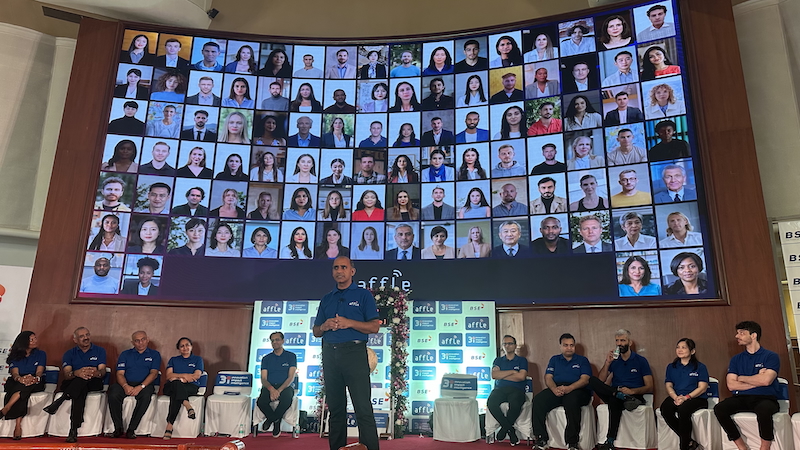
    MUMBAI: Affle India, celebrating its 20th anniversary at the Bombay Stock Exchange, has announced the launch of new AI-powered advertising technology solutions aimed at small and medium-sized enterprises (SMEs). Founders Anuj Khanna Sohum and Anuj Kumar presented the company’s long-term strategy, focusing on innovation, impact, and intelligence, during the event.

    Key platforms introduced include OpticksAI for hyper-local creative generation and CTV AI, designed to facilitate ad campaigns for SMEs on connected television (CTV). The company also showcased 100 AI agents developed to enhance team productivity.

    “We are targeting a tenfold growth over the next decade, with a planned increase in manpower from 600 to 1,000,” stated Sohum.

    The CTV AI platform aims to provide SMEs with affordable access to television advertising within geographically defined areas. 

    “Shopkeepers and SME business owners can utilise these platforms to advertise on connected TVs,” explained Kumar. “Both platforms feature user-friendly interfaces.”

    Sohum elaborated, “Many small business owners desire television advertising at an accessible cost. Our CTV AI service enables them to achieve this at a significantly lower expense compared to traditional satellite and national television in a performance advertising format for bite sized ad campaigns.”

    Kumar highlighted the potential market growth, noting, “Currently, there are approximately 12,000 television advertisers out of a total of 250,000 advertisers across various mediums, indicating substantial growth potential.”

    Affle intends to deliver approximately a billion hyper local and hyper contextual  creatives annually through OpticksAI and onboard one million SMEs globally. “We are focusing on the vernacular vertical, addressing language and localisation needs for ad creation and delivery,” emphasised Sohum.

    The company is exploring various strategies to reach and onboard smaller advertisers, including the potential use of agents spread all over the country.

  • Prashant Nigam joins  Ullu & Atrangii in revenue position

    Prashant Nigam joins Ullu & Atrangii in revenue position

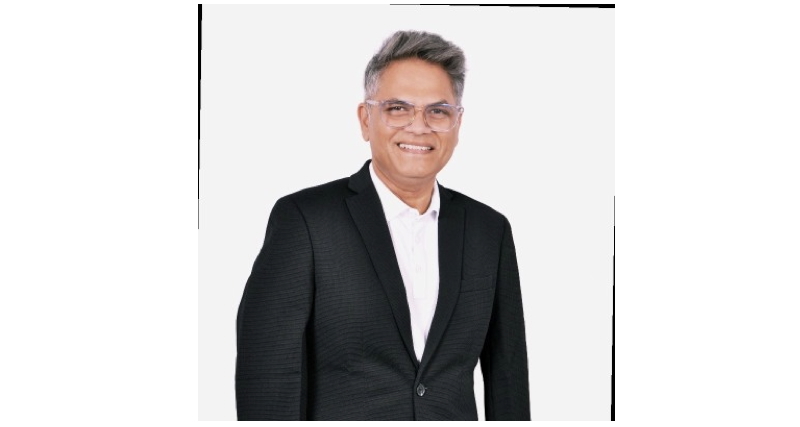
    MUMBAI: Prashant Nigam has joined Ullu & Atrangii Network as vice president of revenue, marking a new chapter in his extensive media career. Nigam, who announced his new role on LinkedIn, brings a wealth of experience in content licensing, syndication, and ad sales to the rapidly expanding OTT platforms.

    Nigam’s move comes after a two-year stint at GoQuest Media, where he served as head of content licensing for India and Saarc nations. His resume also includes roles at Rainshine Entertainment, Helios Media, Zoom Entertainment Television, Radio City 91.1, Red FM, and Dainik Bhaskar.

    At Helios Media, Nigam focused on content syndication and acquisition, while at Zoom Entertainment, he led new business development and ad sales. His background in radio and print media, with positions at Radio City 91.1, Red FM, and Dainik Bhaskar, further underscores his diverse media expertise.

    Nigam’s appointment signals Ullu & Atrangii’s ambition to boost revenue through strategic content partnerships and innovative sales initiatives. His experience in navigating the Indian media landscape positions him to drive growth for the platforms in the competitive OTT market.

  • WWE meets chai, chaos and childhood nostalgia in Netflix’s latest smackdown

    WWE meets chai, chaos and childhood nostalgia in Netflix’s latest smackdown

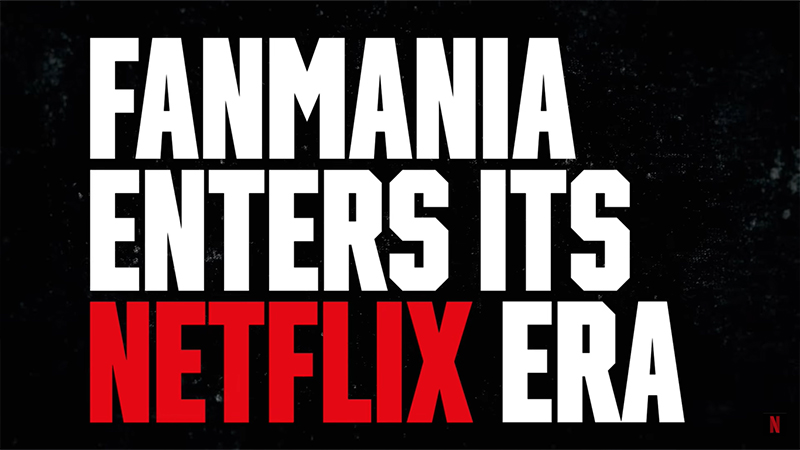
    MUMBAI: Just when you thought Netflix had already conquered every corner of Indian living rooms, it goes and body-slams convention with a fresh campaign that’s part love letter, part elbow drop. On 7 April 2025, Netflix launched a raucous tribute film celebrating India’s relentless WWE fandom, marking the start of what it’s calling the “Netflix Era” of WWE.

    Now that the OTT giant is the exclusive home for WWE in India, it’s bringing the wrestling ring to every smartphone and set-top box in the country — but not before honouring the real MVPs: the desi fans who’ve made John Cena, The Rock, and The Undertaker feel like long-lost cousins.

    “WWE isn’t just watched in India but lived, cherished and woven into everyday moments,” said Netflix India VP – marketing Srivats TS. “This film is a celebration of that synergy—showcasing how WWE and Netflix share the same passion for delivering unmissable entertainment.”

    The film, cheekily titled Fanmania, shows just how deep the wrestling fever runs in the country—from office banter to schoolyard brawls to uncle ji doing a DDT at a wedding (well, almost). It pays homage to the sheer spectacle that is WWE, while neatly folding it into the chaos and charisma of Indian life.

    Tilt Brand Solutions group CCO Adarsh Atal didn’t hold back on the fanfare, “With Fanmania, we set out to celebrate the unshakable passion of WWE fans by seamlessly blending its electrifying energy into everyday life.”

    To make the film hit as hard as a steel chair, they roped in directors Prakash Varma and Kishore Iyyar, whose flair for stylised, crowd-pleasing visuals made the narrative pop louder than a WrestleMania intro. Produced by Nirvana Films and backed by Tilt Brand Solutions, the campaign is slick, nostalgic, and undeniably fun.

    Netflix isn’t just content with playing cheerleader. The platform now streams every WWE flagship show — RAW, NXT and SmackDown — plus the Premium Live Events like WrestleMania, SummerSlam, Royal Rumble and Money in the Bank. For Indian fans, it’s not just binge-watching; it’s body-slamming boredom.

    With WWE woven into the very fabric of Indian fandom for decades, Netflix is clearly aiming for a finishing move of its own: converting casual couch potatoes into roaring superfans. Judging by this campaign, the strategy might just be championship-worthy.

  • Kuku FM and Penguin India launch 15 exclusive Hindi audiobooks

    Kuku FM and Penguin India launch 15 exclusive Hindi audiobooks

    MUMBAI: Kuku FM has joined hands with publishing giant Penguin Random House India (PRHI) to launch 15 exclusive Hindi audiobooks adapted from Penguin’s bestselling titles.

    This partnership not only expands both brands’ storytelling universe but also caters to India’s booming demand for regional audio content. With digital audio consumption skyrocketing, the collaboration brings a treasure trove of literary works to life in a more immersive and accessible format.

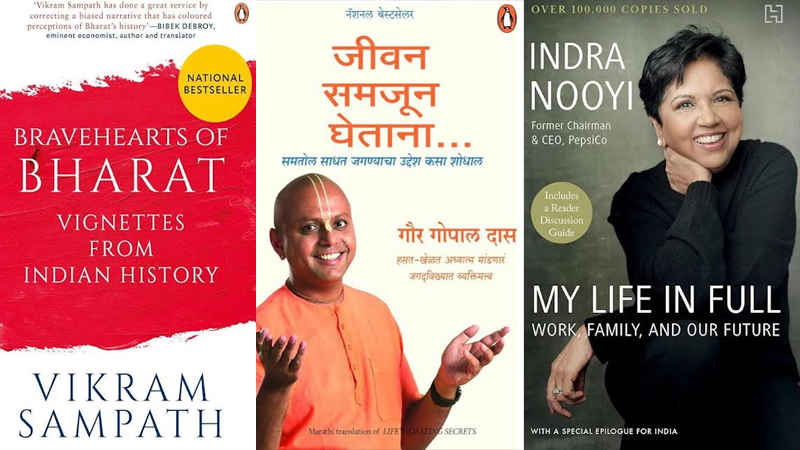
    The curated collection includes works by some of India’s most celebrated voices Gaur Gopal Das, Devdutt Pattanaik, Harish Bhat, Indra Nooyi, Raghuram Rajan, Ankur Warikoo, and Neena Gupta, among others. These audiobooks, produced and adapted by Kuku FM, promise high-quality narration, cultural resonance, and a deeply engaging listener experience.

    “Our customers have higher expectations from us every day, and at Kuku FM, we love rising to that challenge. They know what they want and need plenty of choices. We aim to bring the best books to them in their language and give them a unique yet engaging listening experience,” said Kuku FM CEO & co-founder  Lal Chand Bisu.

    “We are excited to partner with an iconic publisher like Penguin to not only expand our library but also ensure that we’re opening up a whole new world of entertainment and knowledge for every Indian in more accessible formats.”

    Titles will be available on the Kuku FM Android app from April 2025, priced from Rs 175 making bestselling reads more affordable than ever in audio format.

    PRH India vice president  & product Vijesh Kumar added, “At Penguin, we are committed to making books more accessible and inclusive, ensuring they reach readers in the formats they love. Our exclusive partnership with Kuku FM marks an exciting milestone as we bring some of our most celebrated titles to Hindi audiobooks for the first time. With storytelling evolving beyond the page, audiobooks offer a dynamic and immersive way to experience books welcoming both avid readers and new audiences alike.”

    The collaboration aligns perfectly with the projected growth of India’s OTT audio market expected to hit $1.8 billion by 2025 with over 100 million users.

    “The collaboration is a critical extension of Kuku FM’s highly curated portfolio of stories and we are excited to expand this universe further with PRH India who are known to have some of the most storied authors and books in their library,” said Kuku FM head of content acquisition Prerna Vohra.

    PRH India manager & audio Vidhi Nangia added, “Audiobooks are seeing tremendous growth globally, and India is no exception, with the market expected to grow over 30 per cent annually. Recognising this shift in how audiences engage with literature, Penguin is thrilled to partner with Kuku FM to introduce 15 Hindi audiobooks by beloved authors such as Bhat, Warikoo, and Nooyi. Kuku FM’s commitment to exceptional curation and production ensures that our cherished works are presented with the utmost quality. This collaboration marks the beginning of a promising journey to make our stories accessible to an even broader audience.”

    The exclusive collection of Hindi audiobooks includes Tata Stories by Bhat, Bravehearts of Bharat by Vikram Sampath, and My Life in Full by Nooyi. Listeners can also enjoy Jeevan ke Adbhut Rahasya and Energise Your Mind by Das, along with India’s Most Fearless 1 and India’s Most Fearless 2 by Shiv Aroor and Rahul Singh. The line-up features Mythakon se Vigyan Tak by Gauhar Raza, Jaya and The Book of Ram by Pattanaik, and Breaking the Mould by Rajan and Rohit Lamba. Also included are Make Epic Money and Build an Epic Career by Warikoo, Sach Kahun Toh by Gupta, and Manoj Bajpayee by Piyush Pandey.

  • Raaj S Kaushal appointed series head, Hindi originals at ZEE5, promising new content

    Raaj S Kaushal appointed series head, Hindi originals at ZEE5, promising new content

    MUMBAI: Raaj S Kaushal has joined Zee5 as the series head of Hindi originals from February, marking a significant move for the streaming platform. Kaushal brings extensive experience from his previous roles at Zee Studios, Dice Media, and other prominent media companies.

    His career includes a diverse range of projects, from television series like Taarak Mehta Ka Ooltah Chashma and x to OTT content for platforms like AltBalaji. He has also worked on films, including the critically acclaimed “200 Halla Ho” on Zee5.

    In his new role, Kaushal will lead the development and commissioning of original Hindi content for ZEE5, aiming to create “groundbreaking content.” His experience in various aspects of content creation, including production, screenwriting, and creative direction, positions him to contribute to the platform’s growth.

    Kaushal’s background encompasses both television and OTT platforms, providing him with a comprehensive understanding of the Indian entertainment landscape. He has managed projects across various genres, demonstrating his ability to deliver successful content.

    Zee5’s appointment of Kaushal reflects its focus on strengthening its Hindi originals offering. His experience and leadership are expected to play a key role in shaping the platform’s content strategy.

  • Netflix extends multilingual  content viewing to TVs

    Netflix extends multilingual content viewing to TVs

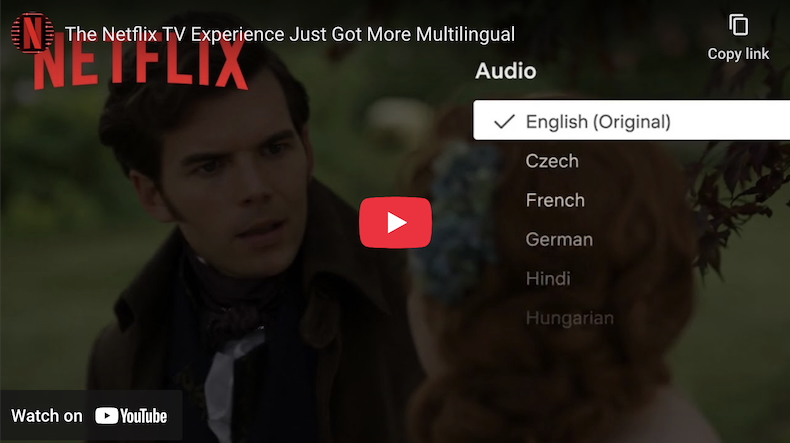
    MUMBAI: Netflix has at long last unleashed its full linguistic arsenal on television screens worldwide, allowing subscribers to frolic through its catalogue in whichever of its 30-plus languages tickles their fancy. The streaming behemoth, which had previously restricted this multilingual delight to mobile devices and web browsers, has finally capitulated from 2 April to the thousands of monthly pleas from linguistically frustrated viewers.

    The timing could hardly be more apt. Nearly a third of all viewing on the platform now involves non-English content—a figure that explains why Korean survival drama Squid Game had British grandmothers attempting to pronounce Ojingeo Geim and why Spanish heist caper Berlin has viewers worldwide practicing their ¡Vamos! with varying degrees of success.

    “This much-anticipated feature carries over the experience members already enjoy on mobile devices and web browsers,” Netflix announced. 

    The streaming giant has also cottoned on to another delicious trend: subscribers have been using the service as a language-learning tool. With customisable subtitle options and a “Browse by Language” feature, Netflix has become an accidental competitor to Duolingo—albeit one with considerably more drama, bloodshed and royal intrigue.

    For the truly adventurous linguistic daredevils—those peculiar souls who might fancy watching Mexican telenovelas with Korean dubbing and English subtitles—Netflix has now made such exotic combinations possible on the biggest screen in the house.

    Global sensations like France’s Lupin, Mexico’s Who Killed Sara?, Norway’s Troll and Germany’s Oscar-winning All Quiet on the Western Front have demonstrated that language barriers in entertainment are crumbling fast. What’s driving this babel of content consumption? Perhaps viewers are finally discovering what continental Europeans have known for decades: that Hollywood doesn’t have a monopoly on compelling storytelling.

    As streaming wars intensify and competitors scramble for global market share, Netflix’s linguistic flexibility may prove its secret weapon. After all, in the battle for worldwide domination, speaking the local lingo is more than half the battle—it’s the whole war.

  • Content India: Indian entertainment’s power play as streaming, AI and regulation collide

    Content India: Indian entertainment’s power play as streaming, AI and regulation collide

    MUMBAI: Move over, primetime television, the new battleground for eyeballs is digital. With smartphones doubling as multiplexes and streaming platforms serving as global entertainment highways, Indian content is having its biggest moment yet. But along with opportunities, the industry faces significant regulatory, technological, and monetisation challenges.

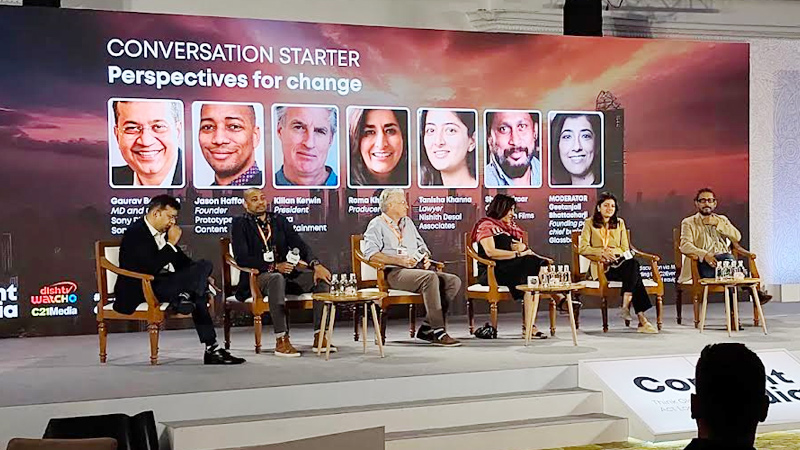
    At Content India 2025’s Perspectives for Change session, leading industry executives, including Gaurav Banerjee (MD & CEO, Sony Pictures/Sony Liv), Jason Hafford (founder, Prototype Content), Kilian Kerwin (president, Jaya Entertainment), Roma Khanna (producer), Tanisha Khanna (lawyer, Nishith Desai Associates), and Shoojit Sircar (CEO, Rising Sun Films), discussed what’s next for Indian entertainment. One thing was clear: the rules of the game are changing, and only the agile will thrive.

    Artificial Intelligence (AI) is no longer just a futuristic concept; it’s already shaping how content is produced, consumed, and monetised. AI-powered analytics are refining ad placements and content recommendations, making streaming services more personalised than ever.

    “AI is a game-changer for storytelling,” said Gaurav Banerjee. “We’re now able to understand audiences at an unprecedented level. The way we create, distribute, and monetise content is evolving, and platforms that adapt quickly will dominate.”

    According to industry insights, AI has led to a 15–20 per cent boost in ad revenue and pay-per-view subscriptions, improving monetisation for platforms.

    Banerjee further noted how AI is addressing long-standing biases in content creation. “For years, storytelling was dominated by certain voices. AI-driven insights are now helping us correct that imbalance, ensuring more diverse representation in entertainment.”

    With AI also being used to automatically translate and dub content, regional storytelling is gaining a global reach. “We’re seeing a major shift where a Tamil or Telugu film can be released worldwide with AI-driven localisation. That’s a huge leap forward,” added Kilian Kerwin.

    If AI is supercharging content, regulations are defining the playground. The Indian entertainment industry is increasingly facing scrutiny, particularly in the digital space. The IT Rules and other regulatory frameworks are being challenged in court, with concerns over censorship and content liability.

    This regulatory uncertainty is causing anxiety among streaming platforms. “Creative freedom is crucial,” said Roma Khanna. “At the same time, we understand the need for responsible storytelling. But what we don’t want is ambiguous laws that leave platforms and creators second-guessing what’s acceptable.”

    Banerjee was more direct: “We need clear and predictable regulations. Content creators should not feel like they’re constantly walking on eggshells. Regulation should encourage creativity, not stifle it.”

    While OTT platforms remain largely self-regulated, concerns about political sensitivities and legal repercussions have led to increased caution in content curation. “We have seen instances where content was pulled due to public backlash,” added Tanisha Khanna. “It’s crucial that there’s a structured, fair process in place.”

    While streaming platforms are thriving, making money remains a puzzle. Subscription models have their limits, and ad-supported streaming is still evolving. However, new-age monetisation models like microtransactions, premium ad tiers, virtual goods, and gamified content experiences are gaining traction.

    Banerjee shed light on the shift in viewer spending habits. “Five years ago, people were hesitant to pay for content. Now, we have 62 per cent of Indian households paying for digital entertainment. The audience values good storytelling, and they’re willing to pay for it.”

    The advertising-based video-on-demand (AVOD) model is also witnessing a surge. “We saw a 40 per cent increase in AVOD revenue last year,” Banerjee revealed. “Ad-supported content isn’t just for budget-conscious viewers anymore. Even premium audiences are engaging with it.”

    Interestingly, India’s vast language diversity is proving to be a monetisation goldmine. Viewers are streaming content in multiple languages, increasing the reach of regional cinema and opening new revenue streams for platforms.

    “Regional content is the future,” said Shoojit Sircar. “More than 60 per cent of future content investments are going into non-Hindi programming, and for good reason. The audience is demanding authenticity, and regional storytelling delivers that in a way no other content can.”

    The biggest validation of Indian entertainment’s success? Global audiences can’t get enough of it. Indian shows and films are now regularly trending in the top 10 lists on global platforms.

    Platforms like Amazon Prime and Netflix are doubling down on Indian originals, and franchises such as Mirzapur, Panchayat, and Citadel: Honey Bunny are expanding their universes. In 2024 alone, Indian content trended in the top 10 worldwide every single week.

    “India has always had great stories, but now we have the technology and platforms to take them global,” said Jason Hafford. “We’re no longer just exporting films, we’re shaping global content trends.”

    The rise of international collaborations is also a promising sign. “We’re working with global studios, co-producing, and experimenting with formats that have never been tried before in India,” said Kilian Kerwin. “The future is cross-border storytelling.”

    The future of Indian entertainment is a mix of boundless opportunity and complex challenges. AI is set to revolutionise content, but ethical concerns and biases must be addressed. Regulations will shape how platforms operate, but clarity is needed to encourage innovation. And while monetisation strategies evolve, striking the right balance between subscriptions, ads, and new revenue streams will be crucial.

    For Gaurav Banerjee, the most exciting part is yet to come. “We’re only scratching the surface. With 5G rolling out, AI making content discovery seamless, and regional content driving engagement, the OTT revolution in India is far from reaching its season finale, it’s just getting started.”

    With the entertainment landscape evolving faster than ever, one thing is certain – the golden age of Indian content is here, and the best is yet to come.
     

  • Streaming strikes gold as India’s entertainment industry hits new highs

    Streaming strikes gold as India’s entertainment industry hits new highs

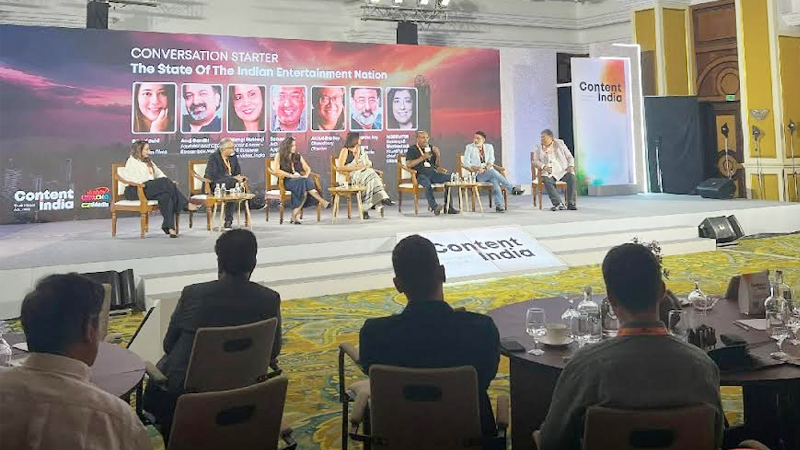
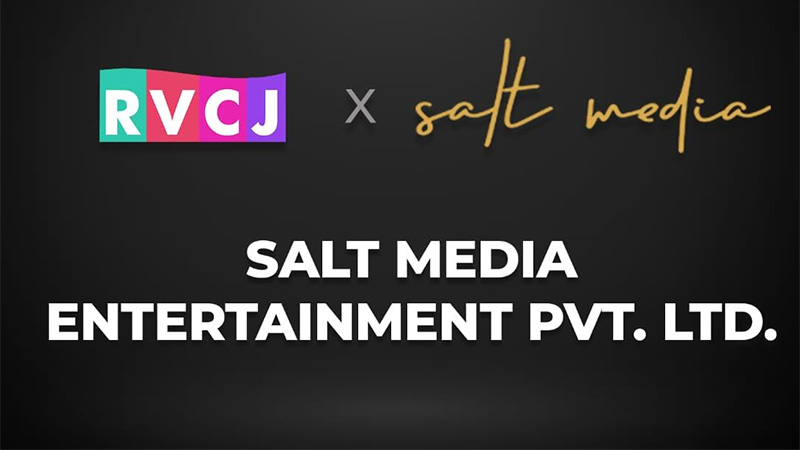
    MUMBAI: If content is king, India’s entertainment industry is the kingdom where multiple rulers are emerging. At Content India 2025, industry stalwarts dissected the evolving media landscape in The State of the Indian Entertainment Nation panel discussion. From the meteoric rise of streaming to the power of regional narratives, the session brought to light the shifting dynamics of how Indians consume entertainment today.

    India’s over-the-top (OTT) landscape is on an unstoppable growth trajectory, with over 500 million digital viewers making it one of the largest streaming markets globally. The paid subscription ecosystem grew 10 per cent in 2023, bringing in Rs 9,900 crore (1.2 billion dollars) in revenue, while the advertising-based video-on-demand (AVOD) model jumped 40 per cent to Rs 6,800 crore (850 million dollars).

    Prime Video India director & head of SVOD business Shilangi Mukherji captured the moment by saying, “Streaming has democratised content. It’s no longer about big cities versus small towns. Today, the same audience that enjoys an international thriller can also binge-watch a hyperlocal drama from a remote region. The lines have blurred.”

    Streambox Media founder and CEO Anuj Gandhi agreed, noting that AI-driven hyper-personalisation is further shaping the streaming experience. “The biggest challenge for any OTT platform is making sure that users find what they want before they get frustrated. AI is now solving that problem, ensuring people spend less time searching and more time watching.”

    Despite streaming’s dominance, the theatrical experience refuses to fade into the background. While the OTT boom has led to a dip in mid-budget theatrical releases, big-ticket films continue to dominate. “Theatres aren’t dying, they’re just evolving,” said Applause Entertainment MD Sameer Nair. “The magic of a collective viewing experience is irreplaceable. Streaming has changed consumption habits, but cinema will always be a cultural event in India.”

    The merger of PVR and INOX has strengthened multiplex chains, making them more resilient against digital competition. However, the industry has become more cautious with high-budget originals. Many OTT platforms are now focusing on regional acquisitions and dubbing successful content instead of creating big-budget originals from scratch.

     If there’s one undeniable trend, it’s the explosion of regional content. Data shows that 48 per cent of all content produced in India in 2024 was in regional languages. Streaming platforms are doubling down on dubbed and subtitled content to bridge linguistic barriers and tap into non-Hindi-speaking markets. The industry is no longer bound by language, hyperlocal content is travelling far beyond its native state.  

    Hungama Digital Media CEO Siddhartha Roy noted, “We are witnessing a content explosion beyond Hindi. Regional is the new national. A Telugu film dubbed in Hindi or a Malayalam film finding audiences in Tamil Nadu, this cross-pollination of audiences is proof that language is no longer a barrier.”

    Phantom Films CEOSrishti Behl added, “The best content is not necessarily being created in Mumbai. It’s coming from smaller production hubs in Chennai, Hyderabad, and even remote pockets of India. The industry is decentralising, and that’s exciting.”

    Artificial intelligence (AI) is emerging as a game-changer for both content creation and consumption. AI-driven personalisation ensures that platforms serve users exactly what they want, while interactive content formats are gaining traction from AI-powered interactive storytelling to immersive live-streaming experiences.

    Aniruddha Roy Chowdhury, an acclaimed director, shared his perspective on AI’s role in the creative process. “AI is not here to replace filmmakers, but to assist them. Whether it’s de-aging actors, enhancing visual effects, or even predicting audience preferences, AI is making storytelling smarter.”

    The future of Indian entertainment is a melting pot of theatrical spectacles, streaming supremacy, regional dominance, and AI-driven innovations. As India’s internet penetration deepens and smartphone usage skyrockets, the next chapter in the industry’s evolution is being written in real-time.

    “We’re in the business of storytelling,” said Shilangi Mukherji. “And in India, stories never run out. They only get better.”

  • Streaming’s next blockbuster AI regional content and interactive boom

    Streaming’s next blockbuster AI regional content and interactive boom

    MUMBAI: India’s digital entertainment landscape is witnessing a blockbuster transformation, with over 500 million viewers tuning into over-the-top (OTT) platforms, making it one of the largest streaming audiences in the world. At Content India 2025 Allied Global Marketing MD, APAC Jamie Crick presented a deep dive into India’s surging OTT market, revealing a sector in overdrive. As data prices drop and internet speeds surge, India’s appetite for on-demand content is growing faster than a viral meme.

    The numbers tell a compelling story. In 2023, India recorded 96 million paid OTT subscriptions, driving a 10 per cent rise in revenue to Rs 9,900 crore (1.2 billion dollars). Meanwhile, advertising-based video-on-demand (AVOD) proved to be a major money-spinner, contributing Rs 6,800 crore (850 million dollars), a staggering 40 per cent increase from the previous year. Clearly, whether audiences are paying for subscriptions or watching ads in exchange for free content, the demand for digital entertainment is skyrocketing.

    With over 80 streaming platforms vying for attention, the content buffet is expanding rapidly. While Hindi continues to dominate, regional content is emerging as the true scene-stealer, now accounting for 50 per cent of total OTT consumption. As more platforms invest in Tamil, Telugu, Bengali, Marathi, and Malayalam productions, the industry is witnessing a significant democratisation of content, bringing hyper-local stories to the national mainstream. Projections indicate that over 60 per cent of future content investments will go towards non-Hindi programming, underlining the massive shift in viewer preferences.

    Technology is playing a lead role in shaping the industry’s future. With AI-driven hyper-personalisation, viewers now spend less time searching and more time watching, thanks to smart recommendations tailored to their interests. Interactive content and live streaming, from gaming to sports to reality-based formats are becoming mainstream, turning passive viewing into an immersive experience. The rise of short-form content is further redefining audience engagement, especially among younger viewers who prefer snackable entertainment over traditional long-form storytelling.

    Interestingly, affordability isn’t deterring audiences. With 62 per cent of Indian households now paying for digital entertainment, the willingness to invest in quality content is evident. The emergence of new monetisation models, including microtransactions, premium ad tiers, and brand collaborations, signals a shift in how platforms generate revenue while keeping content accessible.

    As international giants battle homegrown platforms, the race for eyeballs is heating up. With 5G rollout accelerating, smartphone penetration soaring, and AI making content discovery seamless, the OTT revolution in India is far from reaching its season finale, it’s just getting started.