Category: Over The Top Services

  • Divij Sharma swaps Alexa for Prime Video, joins as head of engagement

    Divij Sharma swaps Alexa for Prime Video, joins as head of engagement

    MUMBAI: Divij Sharma, Amazon’s digital dynamo, is making a grand entrance onto the Prime Video stage, leaving behind the dulcet tones of Alexa to take up the mantle of head of engagement. After an 11-year odyssey through Amazon’s Indian ecosystem, from marketplace to Amazon Pay and Alexa, Sharma is now set to weave his magic on Prime Video’s content kingdom.

    ” These ongoing ~11 years at Amazon have been an incredible journey of building and scaling breakthrough digital products & services in India,” quipped Sharma, clearly buzzing with his new gig. “And now, it’s time to bring that experience to Prime Video, crafting experiences that’ll keep viewers glued to their screens.”

    Sharma’s Amazonian adventure saw him spearhead Alexa’s Indian charge, conjuring up voice shopping and celebrity partnerships while serenading millions across Echo, Fire TV, and a plethora of partner devices. His CV reads like a tech-savvy fairytale, sprinkled with data-driven fairy dust and a dash of entrepreneurial swagger.

    Before his Alexa journey, Sharma cut his teeth at McKinsey & Company, where he conjured up project management modules and data models for corporate titans. He’s a self-confessed data junkie, with a knack for turning complex tech into consumer gold.

    His mission? To amplify Prime Video’s diverse content portfolio, turning casual viewers into die-hard devotees. With a blend of strategic vision and execution prowess, Sharma is poised to orchestrate a viewership symphony.

  • Cinystore launches KeepItShort, India’s first OTT for student filmmakers to own their spotlight

    Cinystore launches KeepItShort, India’s first OTT for student filmmakers to own their spotlight

    MUMBAI: Hyderabad’s startup scene just dropped a cinematic plot twist. Cinystore Technologies, a homegrown media-tech venture, has launched KeepItShort—an OTT platform built exclusively for India’s student filmmakers. No nepotism, no rejections in unread emails, no waiting to be ‘discovered’. Just raw talent, tech muscle and the sweet, sweet power of storytelling.

    KeepItShort is already gunning for a cult status among the country’s 5,00,000+ film and animation students from over 2,700 institutions. Built as a SaaS-powered OTT engine, it’s less about red carpets and more about real reach. With over 1,200 showreels expected at launch—each with at least five collaborators—the platform is bracing for a cinematic invasion of 6,000 fresh minds (and likely twice as many coffee-fuelled editing marathons).

    Think of it as a digital film festival that never ends—and doesn’t care if you know someone at the top. The platform offers end-to-end control, from promotion and performance analytics to audience monetisation and post-launch support. It’s like a one-stop launchpad where future directors and editors can flex, fail, and fly—without begging for favours on Linkedin.

    “We built KeepItShort to shift power back into the hands of student filmmakers. By combining tech with transparency, we are helping filmmakers navigate a noisy, gatekept industry with clarity and control. It’s about levelling the playing field—where stories rise because of merit, not connections,” said Cinystore Technologies CEO Nagender Polamraju.

    He added, “KeepItShort is about giving student filmmakers the same dignity and reach as professionals. We believe talent should not wait for a break and that students should not have to carry the fear of instability or being overlooked after graduation. By offering a space to explore roles like directing, script writing, editing, or sound engineering while still in school, this platform brings their work directly to audiences and industry insiders without needing to cross outdated gates of access.”

    And the industry’s already watching. Institutes, governing bodies and production houses have shown keen interest in the model. Why? Because nothing says the next big thing like a raw, gutsy story from someone who hasn’t been chewed up by a studio committee yet.

    KeepItShort also banks on its community angle—aiming to not only showcase talent but to build a bustling network of future collaborators, critics and creators. By offering analytics and real-time performance data, students don’t just hope people are watching—they know.

    Whether it’s a two-minute thriller or a silent black-and-white satire on social media validation, if it’s on KeepItShort, it gets seen, gets stats, and maybe, gets picked.

    The platform is now live, available for student creators who want to cut the middleman, cancel the cold calls, and take total control of their creative hustle—from idea to audience. 

  • Spotify tunes up India’s advertising  scene with Sax and gen AI

    Spotify tunes up India’s advertising scene with Sax and gen AI

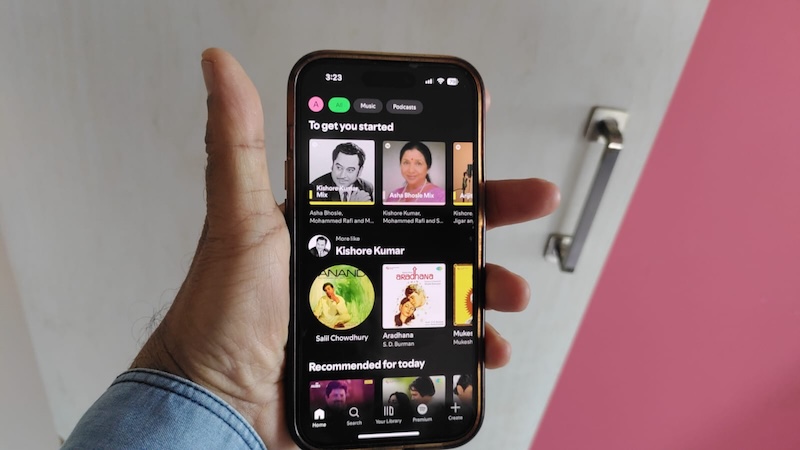
    MUMBAI: Spotify is cranking up the volume on its advertising game in India, launching the Spotify Ad Exchange (Sax)  and unleashing its generative AI ads. This double-whammy aims to give advertisers a programmatic playground and AI-powered audio ad creation, all while tapping into Spotify’s legion of engaged listeners.

    ” Sax is a new programmatic offering that will give advertisers in India easier access to Spotify’s high-quality inventory and more opportunities to reach our highly engaged audience at scale,” declared Spotify sales head India Arjun Kolady. “We aim to make it easier for our client and agency partners to include Spotify as a part of their programmatic always on audience strategies. Globally, over 5,000 advertisers have tested Sax, and with the official launch, our goal is to ensure that all programmatic players can plug into it”. 

    Sax, fresh from a successful US and Canadian pilot, integrates with Google DV360, The Trade Desk, and Magnite, allowing advertisers to bid for ad space via real-time auctions. This means full addressability and measurement across audio, video, and display ads, with podcast ads soon to join the party. Spotify is also boasting a partner framework to help advertisers track their results across the wider digital ecosystem. 

    Quipped Kolady. “We’re streamlining media strategies, boosting efficiency, and giving brands access to high-impact formats.”

    But that’s not all. Spotify is also leveraging its AI chops to launch generative AI ads, which allows advertisers to create audio ads – scripts, voiceovers, and background music – in a matter of minutes. This is a significant leap from the current multi-day process, and it comes at no extra cost.

    “We want to make it easier for advertisers of all stripes to create top-notch audio ads,” Kolady explained. “Gen AI Ads will help them stay topical, relevant, and reach a massive audience.”

    Spotify’s move is a clear shot at dominating the Indian audio advertising space, blending programmatic prowess with AI-driven creativity. With Sax and Gen AI Ads, the team is  betting big on making Spotify the go-to platform for advertisers looking to make some noise.

  • Malaysia’s Media Prima rides ad revolution with Broadpeak

    Malaysia’s Media Prima rides ad revolution with Broadpeak

    MUMBAI: Malaysia’s media heavyweight Media Prima Berhad has jumped into bed with French tech firm Broadpeak to revolutionise advertising on its streaming platform Tonton. The partnership, announced yesterday, unleashes server-side ad insertion (SSAI) technology to seamlessly inject commercials into live streams without viewers batting an eyelid.

    Tonton, Malaysia’s homegrown streaming darling that carries the nation’s popular TV3 channel, now benefits from smoother transitions between programmes and adverts. The platform is banking on Broadpeak’s cloud-based broadpeak.io service to boost its revenue potential while delivering a slicker viewing experience across multiple devices.

    “We were looking for a trusted partner to help us future-proof our OTT monetisation capabilities,” says Tonton head of product Gregory Eu. “Broadpeak’s dynamic ad insertion service helps us increase revenue potential while giving us the scale and flexibility we need as a nimble organisation.”  

    The broadcaster hopes to extract maximum value from its advertising inventory while giving Malaysian viewers the seamless experience they increasingly demand.

    Supporting Tonton’s elevated subscriber experiences in bringing high-quality live content to multi-device audiences, the service harnesses a suite of Switch Media’s video player, content management, and application solutions — delivered via seamless technology ecosystem integration with Broadpeak. Media Prima also benefits from effortless ad server integration with Springserve, a long-term Broadpeak technology partner.  

    Switch Media played a key role in enhancing Tonton’s OTT service by providing its advanced MediaHQ platform, which powers seamless content management, high-performance video playback, and a superior user experience across multiple devices. With MediaHQ’s flexible modular architecture, Tonton benefits from streamlined video workflows—from ingest and media management to content distribution and analytics—ensuring high-quality delivery of both live and on-demand content. This integration allows Media Prima to efficiently manage and scale its OTT offering while delivering engaging viewing experiences to Malaysian audiences. 

    “We’ve enabled a scalable and efficient content workflow that enhances the viewing experience while seamlessly supporting ad integration,” exclaims  Switch Media chief executive Mark Johns.

    For Media Prima, the technology offers blessed relief from the headache of unpredictable traffic spikes, with Broadpeak’s software-as-a-service solution scaling automatically without requiring additional servers. The broadcaster needn’t break a sweat during peak viewing times, letting it focus on cementing Tonton’s position as Malaysia’s streaming sweetheart.

     Broadpeak president & chief executive Jacques Le Mancq couldn’t resist a bit of back-patting: “It’s fantastic to work with market leaders like Media Prima Berhad with a clear vision for growth. Media Prima Berhad is powering a new OTT trajectory and cementing Tonton’s position as a national-favourite streaming service with future-ready monetization and agile SaaS technologies. We’re also delighted to see our technology partnership with Switch Media enabling seamless market deployment and fast results for our joint customer base across the region.” 

    As streaming wars heat up across South-east Asia, Media Prima’s tech-savvy move might just give it the ammunition to fight off international rivals with deeper pockets.

  • JioHotstar hits 200 million paying subscribers as Uday Shankar eyes domestic growth

    JioHotstar hits 200 million paying subscribers as Uday Shankar eyes domestic growth

    MUMBAI: JioStar India’s JioHotstar  has reached a milestone of 200 million paying subscribers, making it “one of the biggest streaming services anywhere in the world,” according to vice-chairman Uday Shankar. The rapid subscriber growth since JioStar’s merger validates the company’s belief that “Indians are willing to pay” for content, albeit at “very aggressive” pricing.

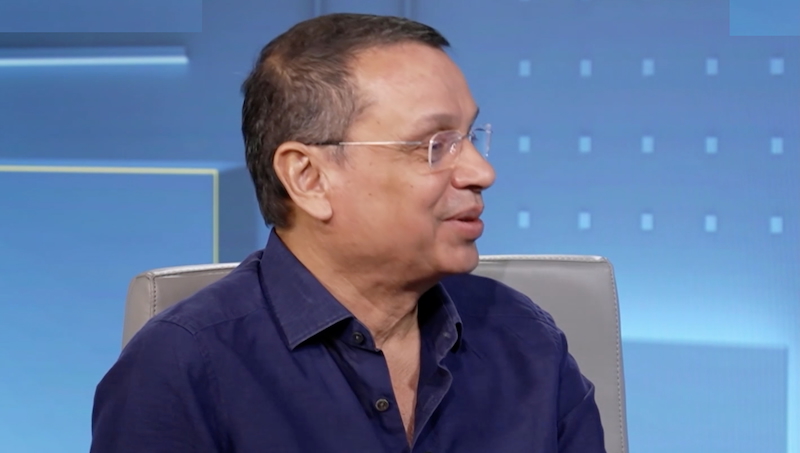
    “Our challenge is not to compete with someone. Our challenge is to create a much bigger market,” Shankar said on an interview with BloombergTV’s  Haslinda Amin. “We want to get into every household. We want to be if there is a connected device, we want our content to surface there. We want to be the destination for every Indian who has access to connectivity and data to come in every day for all their requirements of premium content.  “

    The streaming service, backed by billionaire Mukesh Ambani, appears well-positioned to weather global trade tensions. As tariffs roil international markets, JioStar’s “heavily domestic focused” business provides shelter from the storm. “Our consumers are largely Indian. Our content and the driver content, most of it is Indian,” Shankar explained.

    The Indian Premier League (IPL) remains JioStar’s crown jewel, with viewership expected to cross 400-450 million by tournament’s end on  JioHotstar and Star Sports TV channels. However, Shankar views IPL as a “tactical asset” due to its seasonal nature, emphasising the need for year-round content in Indian languages supplemented by Hollywood partnerships.

    While acknowledging potential interest from international investors (read Chelsea club owner Todd Boehly) in IPL teams, Shankar remained coy about JioStar’s future bidding strategy: “We would be very committed to IPL… But then there is a lot of cricket going around, and it finally comes down to the price.”

    Looking ahead, JioStar aims to “consolidate” over the next 12 months by deepening user engagement for its JioHotstar service. “Now that we have got to a sizable number of subscribers, we definitely want to make sure that we get their attention more and more,” said Shankar, though he declined to provide specific subscriber targets beyond the current 200 million. ”Our focus is can we create JioHotstar as an alternative to television as a bouquet, and make sure that we have the attention of everyone every day?”

    With India facing lighter tariff impacts than other nations—26 per cent on some goods, temporarily suspended for 90 days—Shankar expressed optimism about bilateral arrangements between India and the US. Nevertheless, he cautioned that if “global turmoil” continues, “there’ll be impact on consumption, and all of us will be impacted.”

  • Disney advances live streaming ad technology in the US

    Disney advances live streaming ad technology in the US

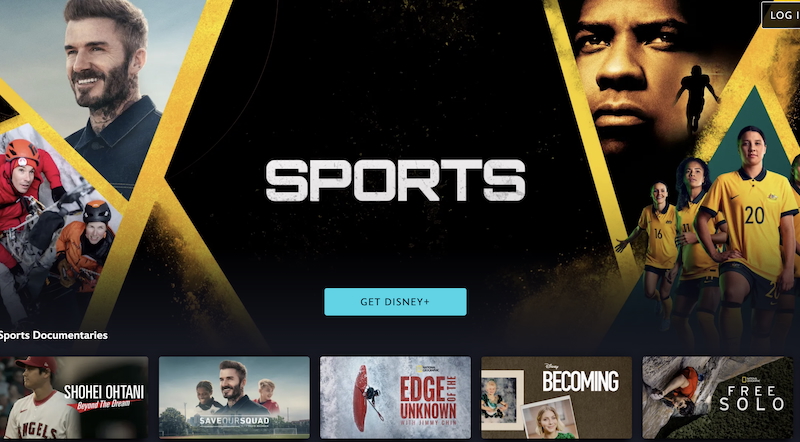
    MUMBAI: The Walt Disney Co has launched new advertising technology integrations to enhance live streaming monetisation on its platforms earlier this week. Advertisers can now programmatically bid on live inventory across Hulu and Disney+, including ESPN and ABC News content, through Disney’s proprietary ad server and Google’s Display & Video 360.

    Senior vice president of ad platforms Amy Lehman highlighted the advancement in ad technology, enabling automated workflows for live ad inventory. Senior vice president of addressable sales Jamie Power confirmed that platforms like Google’s DV360, The Trade Desk, Yahoo DSP, and Magnite are now certified to leverage viewership spikes during live events.

    The integration of Google’s Display & Video 360 instant deals via Disney’s real-time ad exchange (Drax) allows for rapid deal creation, streamlining the buying process. This builds on the existing Drax direct integration.

    Disney is also deploying dynamic ad insertion (DAI) for live events on Disney+, extending the technology already available on Hulu, to enable personalised ad experiences. Lehman emphasised Disney’s leadership in live streaming, combining technological expertise with ad technology to meet market demand.

    This move allows advertisers to target audiences during live events with increased efficiency and precision

  • LG research: viewers keen to spend and shop through the connected TV screen

    LG research: viewers keen to spend and shop through the connected TV screen

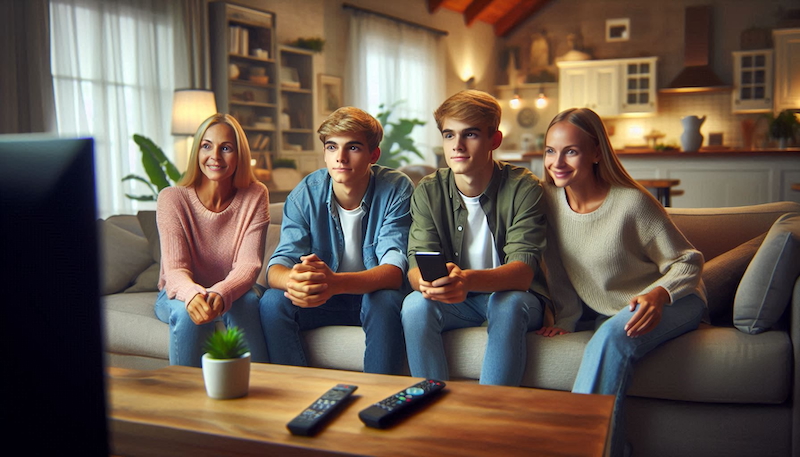
    MUMBAI: The humble television has evolved from mere entertainment box to potential shopping portal, as new research from LG Ad Solutions reveals viewers are itching to flex their purchasing power from the comfort of their sofas. A whopping 62 per cent of connected TV viewers fancy interactive advertisements, with 56 per cent wishing they could splash cash directly through it.

    The February 2025 survey of 1,210 American screen-gazers paints a picture of consumers increasingly susceptible to what flickers before their eyes. Among connected TV viewers, an impressive 79 per cent admit to being influenced by adverts in their shopping decisions, while 63 per cent regularly discover new brands through the box. Nearly half have actually followed through with a purchase after seeing a TVC in the past quarter.

    “The days when people merely absorbed adverts passively are gone with the wind,” says a marketing guru. “Today’s viewers reach for their wallets almost as quickly as they reach for the remote—particularly when offered a discount.”

    LG television owners appear especially vulnerable to advertising’s siren call, showing influence rates a stunning 28 per cent higher than their counterparts. These same viewers are 20 per cent more likely to wish they could shop through their screens—statistics guaranteed to make marketing directors drool into their expense accounts.

    When it comes to actually parting with cash after seeing an advert, mobile phones remain the weapon of choice, with 60 per cent of viewers grabbing their handsets to complete purchases. Laptops and in-store visits follow at 41 per cent and 35 per cent respectively. Connected TVs themselves account for 22 per cent of purchases—a figure that jumps by 20 per cent among LG TV owners specifically.

    Perhaps unsurprisingly, 71 per cent of connected TV viewers confess to keeping their mobiles within arm’s reach whilst watching—creating what industry types call a “second-screen opportunity” and what everyone else calls “modern life.”

    The research also reveals surging interest in free ad-supported television (FAST) services, with 77 per cent of connected TV users regularly tuning into these platforms. LG’s own service—rather blandly christened “LG Channels”—now offers over 350 live channels and 7,000 on-demand options for the discerning viewer who prefers not to pay.

    With nine in 10 consumers in the US now using an internet-connected TV and 60 per cent preferring free streaming with adverts, Fast platforms have become fertile ground for shoppable innovation. Regular Fast users show 12 per cent higher purchase rates after viewing adverts than the general population.

    The report reveals multiple methods viewers are open to using for purchasing through their televisions:
    * 70 per cent fancy saving products to a wish list directly on the TV
    * 67 per cent would send a text for more information or discount codes
    * 62 per cent are willing to scan QR codes to checkout on mobile devices
    * 62 per cent would use voice commands to add items to their cart
    * 60 per cent would save shipping/payment details for quick checkout on the TV
    * 54 per cent are open to an AI assistant contacting them via email, text or social media

    Younger viewers aged 18-34 show particular enthusiasm, with 21 per cent higher interest in interactive TV adverts than the general population.

    For brands looking to capitalize on this trend, the report suggests a three-pronged approach: test creative variations, leverage Fast platforms, and utilize custom landing pages for a seamless shopping experience.

    When it comes to persuading viewers to part with their cash, discounts and promotions prove most effective, with 57 per cent of viewers citing offers as their primary purchase driver. Product features (42 per cent) and attractive visuals (32 per cent) also factor into purchasing decisions, while one in four viewers are influenced by the ability to click through to learn more.

    The creative elements of adverts significantly impact engagement levels:
    * Time-sensitive offers showed a staggering 12.4x higher purchase intent
    * Click-to-landing page functionality delivered 8.1x higher purchase intent
    * Special offers generated 5.6x higher purchase intent
    * Concise messaging resulted in 5x higher brand consideration
    * Clear calls-to-action produced 4x higher brand consideration
    * Dynamic creative animation yielded 2x higher purchase intent

    A case study highlighted in the report showed a major quick service restaurant chain achieving 2.5x more QR code scans and 10 per cent lower cost per reach by following these best practices during a 24-day holiday campaign.

    The report offers tailored advice for different retail categories based on analysis of TV advertising patterns throughout 2024:
    * Clothing and apparel brands should increase connected TV spending during peak periods (Q2 and Q4) to counter higher traditional TV spending from competitors
    * Electronics brands should maintain consistent connected TV spending throughout the year, with increased investment during holiday and post-holiday periods
    * Grocery and consumer packaged goods companies should maintain steady levels all year, with some increase during summer months
    * Appliance brands should boost connected TV presence during summer to compete for share of voice ahead of Labour Day sales
    * Restaurant brands should increase spending towards the end of each month and create special offers to drive engagement

    As one retail executive put it: “The living room is becoming the new shopping centre, and the remote control is the new credit card.”

    For those concerned about a dystopian future where white goods join the sales pitch, prepare yourselves—14 per cent of consumers expressed interest in shopping through their refrigerator, while 10 per cent fancy making purchases via their car dashboard or washing machine. One wonders if one day the toilet might suggest a particular brand of paper.

    LG Ad Solutions recommends advertisers implement the following strategy:
    1. Test various creative variations and calls-to-action for optimal results
    2. Leverage connected TV native ads and custom landing pages for immersive experiences
    3. Capitalise on the shift to free ad-supported streaming services to find new audiences

    The message for retailers is crystal clear: American armchair shoppers are poised with their plastic—and all they need is the right button to press. 

    Are there any lessons in this for Indian advertisers and for Indian platforms? 

    Indeed. 

    Most Indian connected TV owners are international travelers who have been exposed to Fast channels during their travels, but have been loathe to reach for the purchase button because fulfilment can take longer in markets like the US than in India where goods can be delivered in 10 minutes. By consistently following some of these best practices and adapting them to Indian nuances, advertisers on connected TVs can get a better bang for their buck. 

  • Thu Do Multimedia brings in Arjun Raval to tighten its tech game

    Thu Do Multimedia brings in Arjun Raval to tighten its tech game

    MUMBAI: Thu Do Multimedia India just cranked the tech dial to eleven — and they’ve done it with serious firepower. Stepping into the spotlight is Arjun Raval, the newly minted chief technology officer (CTO), who joins the company’s senior leadership team starting April 2025.

    And let’s just say, the man’s no rookie.

    With over 15 years in the trenches of India’s technology sector, Raval knows how to wire, rewire and turbocharge digital TV infrastructure like few others.

    In a space where lag isn’t just a tech problem but a cardinal sin, Thu Do has gone all in. Raval’s résumé reads like a manual for mastering digital television strategy, with past stints helming major projects at heavyweight firms. The company clearly isn’t just streaming shows — it’s streaming ambition.

    If OTT had a command centre, Raval just got the keys to it. He steps into the CTO role with a clear brief: to steer cutting-edge projects across India and southeast Asia. From beefing up backend architecture to delivering smoother-than-butter multicast UDP streams, his tech chops are expected to fuel the company’s next big leap.

    “We are thrilled and honoured to welcome Arjun Raval to the senior leadership team at Thu Do Multimedia India. With over 15 years of experience in the technology sector, Arjun Raval has held key leadership positions at several major companies in India, leading strategic technology projects and possessing deep expertise in the field of digital television. Starting in April 2025, Arjun Raval officially joins the Thu Do Multimedia family as chief technology officer (CTO) at Thu Do Multimedia India. He will lead the team in executing technical projects across India and southeast Asia. We are confident that with his extensive knowledge and experience, Arjun will play a key role in delivering high-quality products and exceptional services to our partners and clients.” read the official company announcement.

    Raval’s arrival signals more than just a fancy title. It’s a statement: Thu Do Multimedia is done playing small. With an arsenal of innovations — from anti-leakage solutions to seamless SSAI integration — the company is betting big on leadership that gets the job done, no buffering.

    And let’s be honest — in an OTT landscape cluttered with buzzwords and jargon, having someone who actually knows what the buttons do is a power move. Good luck, Arjun. May your streams stay strong, and your packets never drop.

  • Glance recruits digital exec Lalwani

    Glance recruits digital exec Lalwani

    MUMBAI: Tarun Lalwani has jumped ship from JioStar to take up the role of director of strategic partnerships, content strategy and design at Glance, the mobile lock screen platform.

    The move comes after a remarkably brief five-month stint at JioStar, where Lalwani served as senior director of digital licensing and partnerships following the merger of streaming services JioCinema and Hotstar.

    Lalwani brings a packed portfolio of digital content experience to his new position. Before his lightning-quick tenure at JioStar, he spent over three years at Viacom18, where he climbed to senior director overseeing digital licensing, strategic partnerships, user growth and content partnerships.

    His CV reads like a who’s who of India’s digital entertainment landscape, with previous roles at ESPN, Hotstar, IndiaCast and Wizcraft International Entertainment.

    At Glance, which transforms smartphone lock screens into content discovery platforms, Lalwani will likely leverage his extensive experience in forging partnerships across the digital content ecosystem.

  • Zee5 cranks up the volume with its home-brewed transcoder tech

    Zee5 cranks up the volume with its home-brewed transcoder tech

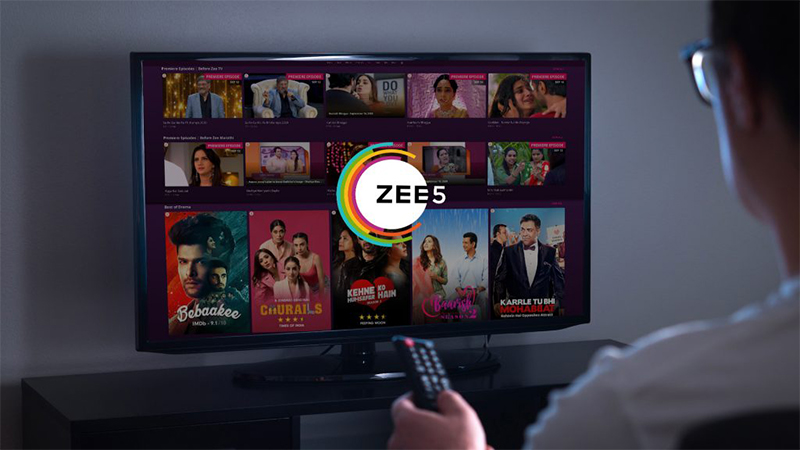
    MUMBAI: When it comes to streaming short-form content, Zee5 isn’t just playing catch-up—it’s rewiring the race. In a move that’s part brainy, part ballsy, the OTT giant has unveiled its own in-house transcoder, a custom-built beast optimised for vertical videos that trims costs, speeds up start times, and delivers slick playback to boot.

    India’s homegrown streaming powerhouse has ditched its third-party transcoding setup and built a bespoke system optimised for the Google Cloud Platform (GCP). The result? A 20 per cent reduction in video start times, 10-15 per cent smaller file sizes, and a staggering 92 per cent drop in transcoding costs. Translation: viewers get smoother video, Zee5 gets cheaper bills, and the engineers probably got cake.

    “At Zee5, we are constantly innovating to create superior viewing experiences while optimising operational efficiencies. We have taken a giant leap in delivering high-quality vertical content at scale with the in-house transcoder. This solution enables faster load times, reduced buffering, and seamless playback, ensuring our users get the best experience every time they press play. Additionally, the massive cost savings allow us to reinvest in creating even more compelling content for our audience,” said ZEEL SVP Suneel Khare.

    With vertical video consumption exploding thanks to reels, shorts, and scroll-happy viewers, Zee5’s message-driven architecture is built for the now. It processes content at lightning pace, cutting down publishing delays to virtually zero. Since launch, the transcoder has reported zero bugs, zero playback issues, and possibly zero sleep for the dev team.

    “Building a cloud-native transcoding solution in-house was a strategic move to future-proof our content delivery infrastructure. This innovation empowers us with complete control over video processing, ensuring better efficiency, scalability, and a higher degree of customisation. More importantly, it strengthens our ability to deliver high-quality content with unmatched cost efficiency, setting new benchmarks in the industry,” added Zee5 principal architect Rahul Banerjee.

    The new tech not only supports Zee5’s current content ecosystem, but also tees up for future expansions in video encoding and format diversification. In an age where buffering equals boredom, and bloat equals bounce rates, Zee5’s in-house power play might just be the smoothest stream of all.