Category: Over The Top Services

  • Intel names Steve Long as APJ regional leader

    Intel names Steve Long as APJ regional leader

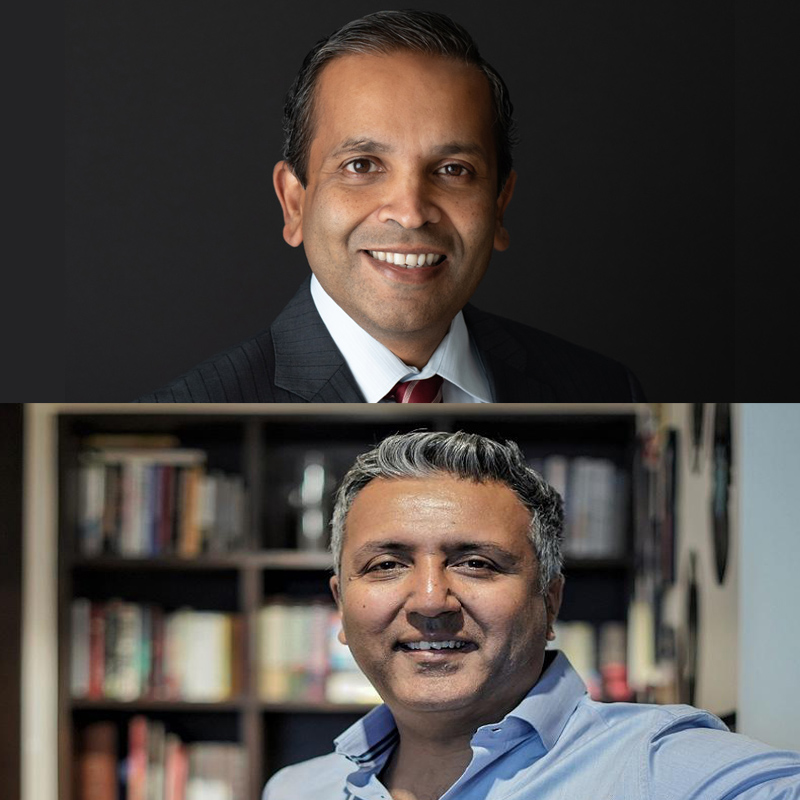
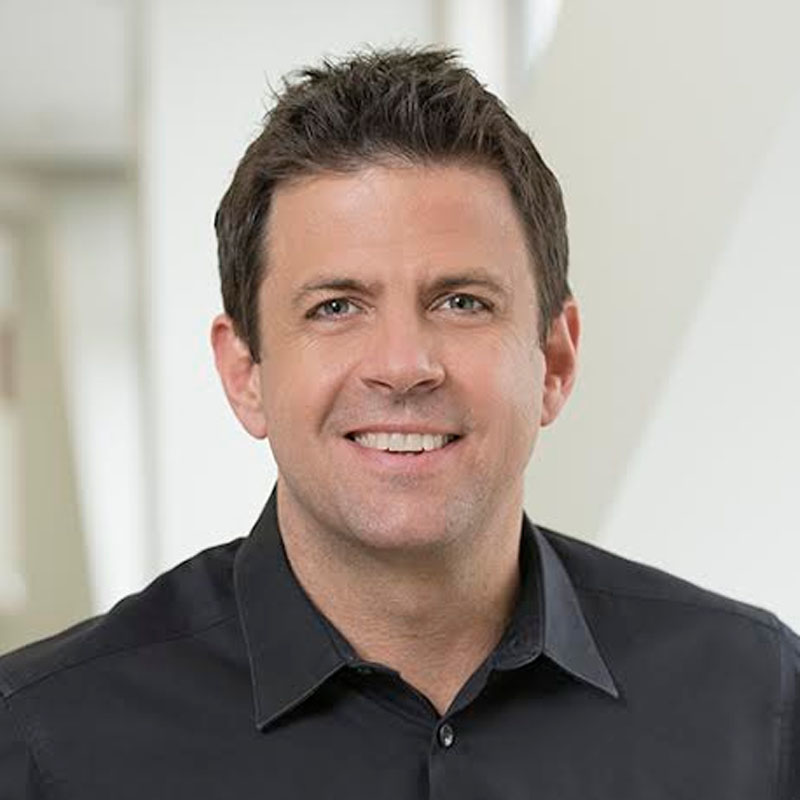
    Mumbai: Intel Corp on Tuesday announced the appointment of Steven A Long as general manager of Asia Pacific and Japan (APJ) region. Long is corporate vice president in Intel’s sales, marketing and communications group.

    In this new role, Long will be responsible for Intel’s overall business in the APJ region, including driving revenue growth, engaging with the local ecosystem to create new opportunities, and strengthening our existing customer and partner relationships, said the tech giant in a statement.

    Long was most recently global head of sales for Intel’s client business. He joined Intel in 2000 and has held a breadth of positions across sales, marketing, product planning, pricing and operations, working in Asia, Latin America, and the USA. His previous assignment in Asia was in Hong Kong in 2004, managing the operations team responsible for Intel’s business in the region.

    “I am thrilled at the opportunity to continue driving growth and leadership for Intel in this incredibly diverse APJ region, more so at a time where the digitisation of everything has been accelerated by the four superpowers of AI, pervasive connectivity, cloud to edge infrastructure, and ubiquitous compute,” stated Long on his new role.

    He holds a bachelor’s degree in Latin American studies from Tulane University, an MBA from Texas A&M University, and is an alumnus of the Harvard Advanced Management Program.

  • Jack Dorsey steps down, Parag Agarwal named as Twitter CEO

    Jack Dorsey steps down, Parag Agarwal named as Twitter CEO

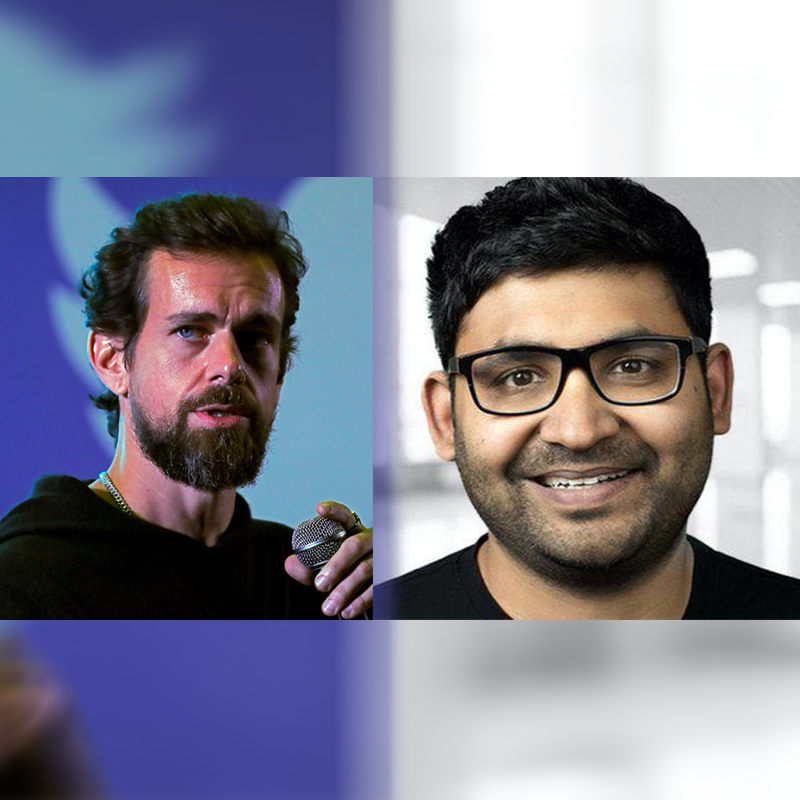
    Mumbai: Microblogging site Twitter has named Parag Agarwal as the new chief executive officer of the company effective immediately. The decision was announced by the outgoing CEO Jack Dorsey who stepped down from his position on Monday.

    Agarwal, an alumnus of IIT-Bombay and a PhD in Computer Science from Stanford University had joined the US company in 2011 as an Ads engineer. He was elevated as the chief technology officer in March 2018. As the CTO, he led technical strategy for the company and oversaw machine learning and AI across its product and infrastructure teams.

    Dorsey would continue to serve on the company’s board until the expiry of his term, which is May, next year. In an email to his employees, which he also shared on Twitter, Dorsey shared that he had worked hard to ensure that the company can break away from its founding and founders. “There’s a lot of talk about the company being founder-led. Ultimately I believe that it’s severely limiting, and a single point of failure,” he wrote, adding that it was the right time for him to leave, and there were three reasons which made him believe so.

    One of the reasons he enlisted was Agarwal, who has been behind every critical decision that helped turn the company around, and deeply understands the company and its needs. “My trust in him as our CEO is bone deep,” he wrote.


    Dorsey along with Biz Stone, Evan Williams and Noah Glass had founded the company in 2006. Dorsey left the company in 2008 to set up his digital payments app, Square, and made a comeback in 2015 and has remained the CEO since.

    “The world is watching us right now, even more than they have before. Lots of people are going to have lots of different views and opinions about today’s news. It is because they care about Twitter and it’s our future, and it’s a signal that the work we do here matters. Lets’ show the world Twitter’s potential,” wrote Agarwal.


  • Netflix India offers a thrilling treat in latest promo for ‘Red Notice’

    Netflix India offers a thrilling treat in latest promo for ‘Red Notice’

    Mumbai: Netflix India has come out with a new campaign for its action-packed Hollywood blockbuster movie, ‘Red Notice’. Conceptualised by 22feet Tribal Worldwide, the campaign invites fans to experience an adrenaline rush at the ‘Red Notice Shop’, where everything is free if they can steal it!

    The Red Notice Shop has been brought to life in a 3000 sq. ft. retail space at Phoenix Palladium, Mumbai. The space is guarded with lasers, sensors, secret codes, CCTV cameras, alarms, and top-notch security. The ‘heist’ is successfully completed if one is able to ‘steal’ from the Red Notice Shop. Prizes include not only goodies, tech delights, ownable shop merchandise but also three precious gold Faberge eggs from the film with exclusive rewards inside them, said the streaming network in a media statement.

    22feet Tribal Worldwide national creative director Debashish Ghosh said, “Most viewers fantasise about being in a role similar to one of their favourite characters or plots in a film. We wanted to give them an unexpected leg-up. So, we set up a shop to pull off a heist where stealers are keepers if you don’t get caught. And if you do, you don’t land up behind bars. Either way, the experience leaves an indelible mark and lodges Netflix & Red Notice in your memory for good.”

    To generate buzz about the Red Notice Shop, a promo film was also launched that introduced the shop to the fans. This was followed by a series of short, tutorial videos featuring stand-up comic Prashasti Singh and actor Javed Jaffrey. In these tutorials, the duo is seen dodging the multiple security measures at the ‘Red Notice Shop’ in an attempt to steal the Faberge egg – failing at stealing but winning at bringing home the fun quotient.  

  • Indian mobile gaming to become a $5bn+ industry by 2025: report

    Indian mobile gaming to become a $5bn+ industry by 2025: report

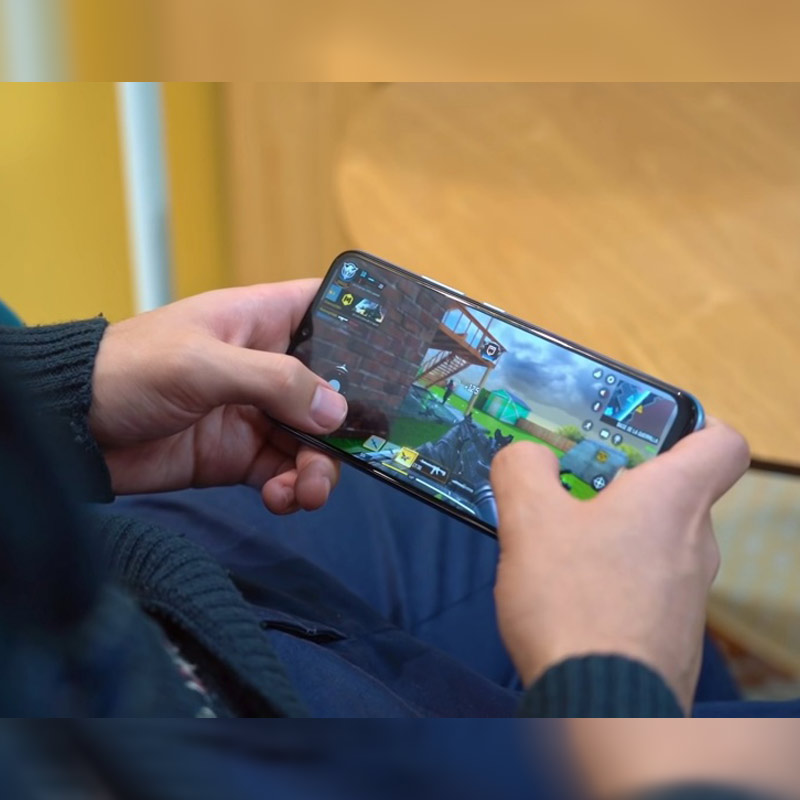
    Mumbai: The gaming sector in India is growing faster than most media sub-sectors – including cinema and home entertainment, audio and more. The industry is currently generating $1.5 billion revenue and is expected to triple to $5 billion plus by 2025 on the back of the “mobile first” phenomenon, according to a BCG-Sequoia India report.

    The growth has largely been catalysed by better smartphones, increased internet access, popular titles, influencers, and the global pandemic, said the report titled ‘Mobile Gaming: $5B+ Market Opportunity’ released by Sequoia India in partnership with BCG to assess the current mobile gaming market in India, and its prospects for expansion.

    The Consumer Survey conducted by BCG as part of this report gathered insights from 3200+ respondents across 21 locations in India, and investigates gaming habits of the Indian gamer. It probes into the evolution of Indian mobile gaming in terms of genres, engagement, and monetisation dimensions.  

    “The gaming industry in India has seen a growth of almost 40 per cent in 2019-20, more than that of OTT, television and social media platforms. 86 per cent of this market consists of mobile phone users. While there is large dependence on ad revenues today, increasing traction and engagement is expected to drive higher willingness to pay which will drive new ways of user monetization and rising ARPUs in the coming years,” said BCG managing director and senior partner Vikash Jain.

    The report also highlighted how India is emerging as both an investment opportunity and a talent hub for the world.

    “Monetisation of Indian games, which has been a concern in the past, is already at $1.8B revenues ramping up very rapidly. The industry is witnessing a significant investor interest in Indian gaming. In fact, a third of all the funding for gaming in India came in the first quarter of 2021. The rise of gaming platforms is especially exciting, as evidenced by 80 per cent of all funding going to platforms,” said Sequoia India managing director Rajan Anandan, talking about investor sentiment.

    According to BCG managing director and partner Mandeep Kohli the Indian gamer is not defined by their demographic. They are rather defined by their context – their needs, preferences, and gaming habits. “An average player who plays to avoid boredom may spend around one to two hours on games, while a die-hard gamer who plays for the competitive spirit, can spend nearly double the time on gaming while playing the same game or a different game all together. Companies that are able to understand these varied consumers and identify which ones are they really serving are the ones which will lead the market,” Kohli explained.

    The report also highlighted key imperatives that will drive the next wave of growth for this fast-paced industry. These include enhancing the discovery and adoption through casual and free to play games, improving usage and retention by diversifying genres to increase engagement and retention, and effectively driving monetisation through localized pricing strategies, among others.

    “80 per cent+ of the mobile gaming market is driven by user spends, i.e., in-app purchases and real-money games, further catalysed by wide availability of quality smartphones, affordable internet and UPI,” said Sequoia India associate Prachi Pawar.

    It also delved deep into the strategic choices of some of the successful mobile gaming companies in India — Nazara, MPL, Dream11 and Gameskraft. “Being the first movers in their respective segments, some of these companies have helped shape the Indian gaming market. They continue to bet on new growth opportunities and build competitive advantage to stay ahead in this high-stakes game,” said BCG principal Wamika Mimani.

  • Indian content producers see uptick in revenues from online video platforms

    Indian content producers see uptick in revenues from online video platforms

    Mumbai: The production of local originals in India is heating up and giving a boost to the creative economy. Online video platforms are expected to invest heavily into local original content to ensure robust paid subscriber growth.

    “The market for digital content has definitely increased,” said Fremantle India managing director Aradhana Bhola. Fremantle India is known for its unscripted TV reality series like “India Idol” and “India’s Got Talent.”

    Fremantle is a global production and distribution company based in the UK that has created hit reality series “Too Hot To Handle” on Netflix and “Hear Me. Love Me.” featuring actor Shilpa Shetty on Prime Video. The Indian arm of the production company has collaborated with YouTube India for two YouTube originals “Hello 2021” followed by “You V YouTube” hosted by actor and cricket presenter Gaurav Kapur.

    “We don’t have a formal partnership in terms of some kind of output deal, however, we are working a lot with them (YouTube),” said Bhola.

    According to Media Partners Asia, investment in online video content reached $1 billion in 2021. Furthermore, the investments in local content increased from 29 per cent in 2020 to 37 per cent in 2021. Licensed/acquired content accounts for 63 per cent share of investments in online video content.

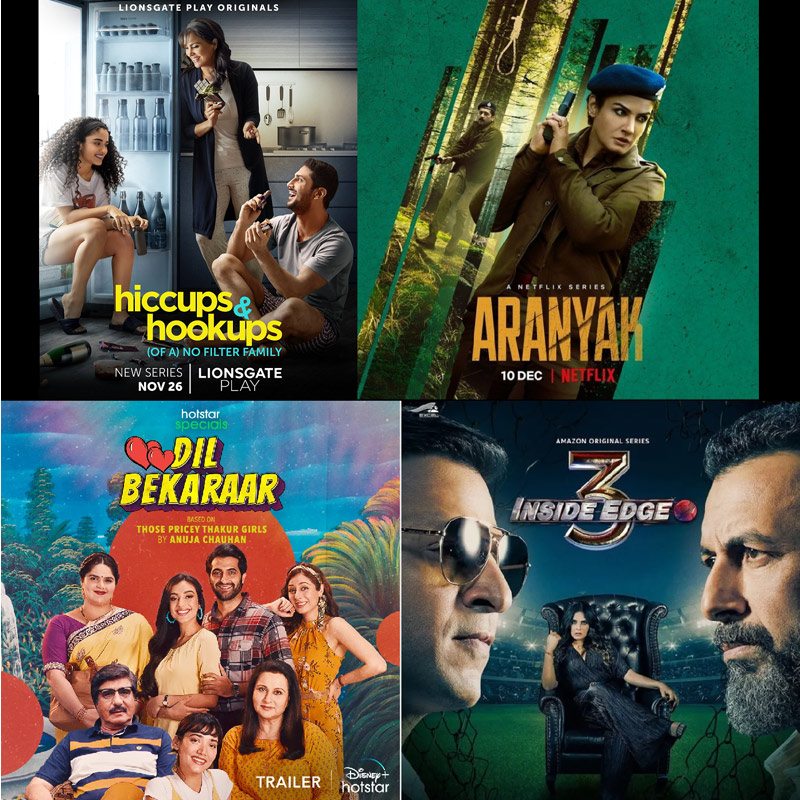
    OTT platform Lionsgate Play, the streaming arm of Lionsgate Entertainment is also launching its first Indian original “Hiccups and Hookups” starring Lara Dutta and Prateik Babbar. Prime Video is releasing the third season of its hit series “Inside Edge.” Disney+ Hotstar is releasing its family drama “Dil Bekaraar.” Netflix is releasing its comedy “Decoupled” that stars R Madhavan and Surveen Chawla. The space for local originals is heating up.

    There is a strong correlation between OTT players who are willing to invest in premium content to service uptake and audience stickiness, according to a study by Boston Consulting Group (BCG). “In the last two-three years, the Indian OTT industry has come of age. The subscription OTT industry is growing at a much faster pace compared to the rest of the industry. This indicates a maturing of the consumer who is now willing to pay for specific content,” said BCG senior partner and managing director Kanchan Samtani.

    Media Partners Asia vice president and head of India Mihir Shah estimates that if OTT players continue to invest in local content at this rate the subscription video on-demand adoption will grow by four times and reach 224 million subscribers and $ 2.1 billion in revenues by 2026.

    The leading OTT players in terms of subscriber share in the SVOD market are Disney+ Hostar (50 per cent), Prime Video (19 per cent) and Netflix (5 per cent). Revenue share of SVOD subscriptions is at 25 per cent for Disney+ Hotstar, 22 per cent for Prime Video, and 29 per cent for Netflix.

  • Saregama inks music licensing deal with Chingari

    Saregama inks music licensing deal with Chingari

    Mumbai: Music label Saregama has inked global music licensing deal with homegrown short-format app Chingari.

    As part of the deal, the entire catalogue of the music label will be made available on Chingari, allowing users to create innovative content using the robust music library of over 130K songs in diverse Indian languages like Hindi, Punjabi, Bhojpuri, Bengali, Tamil, Marathi, Telugu, Malayalam, Kannada, Punjabi and Gujarati among others, said the statement.

    The deal will also have the recent slate of new content that the music label has acquired off late. A quick scan of the recent additions include music of the films such as “Bellbottom,” forthcoming projects like “Gangubai Kathiawad,” “Maidaan,” and the next untitled project of Ranveer Singh with director Shankar.

    The deal also includes music from forthcoming Telugu films like “Sarkaru Vaari Paata” (starring Telugu superstar Mahesh Babu) and “Shyam Singha Roy” (featuring popular Telugu leading man Nani), hit singles of Badshah, B Praak, Arjun Kanungo, and Shreya Ghoshal among others as well as latest Punjabi tracks of Kaka, Amy Virk, Sukh-E, Parmish Varma and more, songs of Bhojpuri superstars like Khesari Lal Yadav, Pawan Singh and Ritesh Pandey and others, all the new songs of popular Gujarati singers Rakesh Barot and Kajal Meheriya.

    “Chingari creators are known for creating out-of-the-box videos. Saregama is a power bank of songs and offers a diverse slate of genres. Our creators can use this to their advantage and develop some fantastic content pieces,” stated Chingari CEO and co-founder Sumit Ghosh.

    “Our aim at Saregama is to make our rich music library be made available to the legions of music lovers from all over the world on as many platforms as possible. To that essence, our partnership with Chingari is a natural fit, given the large followership it enjoys,” said Saregama MD Vikram Mehra. “We are in the midst of a content boom, and we are looking forward excitedly at the immense creativity that content creators will bring with our music on the Chingari platform.”

    “With the success of short video apps, influencers have gained strategic importance beyond being just content creators,” said Chingari COO and co-founder Deepak Salvi. “Saregama, on the other hand, has been a market disruptor & leader with its refreshing slate of song genres. It will be exciting to see new developments take shape under this collab.”

  • Eros Now extends partnership with BSNL to cover postpaid customers

    Eros Now extends partnership with BSNL to cover postpaid customers

    Mumbai: Eros Now, the South Asian OTT entertainment platform owned by Eros STX Global Corp, has announced the extension of its partnership with the Indian state-owned telecommunications company Bharat Sanchar Nigam Ltd (BSNL). Eros Now had first partnered with BSNL in 2019 for its prepaid user base.

    As a part of this association, Eros Now’s content catalogue comprising over 12,000 film titles, premium originals, music videos, and short-form content will also be available to BSNL’s entire postpaid user base. The partnership with BSNL, which has a pan-India presence across all the 22 telecom circles in India, will serve the growing demand for content in different languages across the country, said the streaming platform in a statement on Thursday.

    “It is our constant endeavor to address the growing demand for premium content across markets and bolster the growth of the digital ecosystem. As we continue to entertain consumers across India, including smaller cities and towns, our ability to choose the right partner becomes critical, stated Eros Now CEO Ali Hussein. “No one covers India like BSNL and this partnership will give a massive boost to our reach in the Indian heartlands while giving users access to our premium content.”

    As per research by Digital TV, the language services market is growing exponentially. The global localisation industry has grown up to 40 per cent in the last three years, with OTT content localisation being the defining factor for this rapid growth. Eros Now offers content in multiple languages including Hindi, Marathi, Bengali, Tamil, Telugu, Kannada, Malayalam, Punjabi, and Gujarati among others.

    “Digital media consumption has increased exponentially in the past few years,” said BSNL director –consumer mobility Sushil Kumar Mishra. “They prefer engaging content in their native language. I am excited for our users across India who will now have access to Eros Now’s massive library of premium content in various Indian languages.”

  • Disney+ Hotstar launches LEAP program for agencies

    Disney+ Hotstar launches LEAP program for agencies

    Mumbai: Disney+ Hotstar has announced the launch of LEAP – An educational program for agency planners on advertising solutions and online video marketing on Disney+ Hotstar.

    Through this program, agencies will gain in-depth knowledge and expertise in planning and executing strategic digital campaigns. The first session of LEAP goes live on 25 November with team Dentsu India.

    From media to measurement, the two-day program will cover various aspects for agency planners on digital advertising and media planning and help them to understand how to leverage Disney+ Hotstar’s advertising solutions to maximise brand visibility, said the platform in a statement.

    “At Disney+ Hotstar, our constant endeavour is to equip advertisers and agencies with solutions that bring them closer to their customers and help them stand out in the industry,” said Star and Disney India head – ad sales Nitin Bawankule. “With the digital world evolving rapidly and online video marketing platforms playing an extremely important role in consumers’ lives, it is imperative to comprehensively understand the potential these platforms offer. Through LEAP, we aim to further strengthen our commitment towards the digital advertising ecosystem by equipping them with insights and knowledge that will help them maximise outcomes.”

  • Prime Video’s Gaurav Gandhi, Disney+ Hotstar’s Sunil Rayan on growing SVOD in India

    Prime Video’s Gaurav Gandhi, Disney+ Hotstar’s Sunil Rayan on growing SVOD in India

    Mumbai: After the windfall of 2020, the streaming industry saw consumers’ on-demand content consumption patterns getting more and more well-entrenched and diversified in 2021. As exaggerated trends rationalised, players in the OTT world emerged out of the unarguably positive conundrum with a lot more clarity on charting their individual growth stories and also that of the industry as a whole.

    At the Apos Indian Summit – a two-day virtual event which concluded on 24 November – Disney+ Hotstar president Sunil Rayan and Amazon Prime Video country head Gaurav Gandhi talked about having learned the “balancing act” through the session titled – ‘The Next Stage of Growth for Online Video’.

    Drivers for Adoption

    In addition to widely discussed factors such as affordability of internet services, smartphones, and smart TVs and the availability of content, Rayan and Gandhi had their own unique insights on the growth drivers for streaming services. 

    According to Rayan the surge in volume and diversity of content through the years has brought about the mainstreaming of online video in different stages. “While the early stages were mostly about penetrating the market, the second wave of creating localised content that we are currently riding has propelled the trend further. Going into the third stage of deep localisation where user experience will become highly personalised, we will witness another leap in adoption,” he averred. 

    Like Rayan, Gandhi too believes that the encouraging pace at which Indians took to on-demand services was also a result of a new wave of content coming in. “The content distribution structure in India has always been such that it didn’t allow scope for any kind of premium cable or premium pay. As a result, we never really had access to high cinematic quality content. In the last three or four years streaming platforms have brought world-class content including original long-format series that Indian viewers had not seen before. And this includes both global content and local, home-grown stories,” he said.

    Commenting further, he added that a significant factor in the five-year-growth story of video streaming in India has been its “rich and robust content ecosystem with content industries in over ten languages. That makes it a prolific entertainment market.”

    The emergence of films as a popular segment on streaming platforms, accentuated by the direct-to-digital wave of 2020, further quickened the pace of adoption. “India has a large audience base that loves movies, but the country is very under-screened. Video streaming not only solved the problem of limited access to new movies in the very early window but also enhanced their reach and accessibility. Indian films are today being watched in over 4500 cities and towns and 180-190 countries worldwide on various streaming services. It has also encouraged talent, fetching its appeal across borders,” stated Gandhi.

    Both Rayan and Gandhi recognised the role of advancements in digital payment infrastructure in transforming a largely ad-supported industry into subscription-driven. Rayan shared that a “significant portion of payments for Disney+ Hotstar comes through UPI.”

    Developments such as these and others like rapid growth in smart TV sales, give Gandhi a good reason to dispel the prevailing notion of India being a highly price-sensitive market where viewers are unwilling to pay for content. He estimates the addressable market for SVOD in India to be above 50 million currently, with a potential to reach nearly 100 million in the coming years.

    The response to Disney+ Hotstar’s revised pricing plan designed to have devices tailored against tiers is another testimony to the acceptance of SVOD by value-seeking customers. Elaborating on the rationale behind the new scheme, he stated, “While we were providing access to all types of content, the mode of access is where we thought we could add more value. The broad idea was to make available all types of content to individuals as opposed to having content restrictions by tiers.”

    Growing the SVOD Category

    Rayan observed that going ahead “the overall success of SVOD will depend on three factors – making content more interactive, innovation in business models beyond the existing freemium, AVOD, TVOD, SVOD to something like ‘mircotransactions,’ and taking the user experience to a level where people can get their ‘intent’ from the platform itself.”

    Disney+ Hotstar started its Originals journey in 2019 and it has since then diversified into various genres and formats. “We intend to deliver a piece of original content every two weeks for all our different kinds of users including sports fans, active streaming users, and ‘TV watchers’  who use OTT as a ‘companion app’ to TV. Additionally, we are also exploring ways to get internet users on to our platform with short-form content, short but episodic and other formats that are native to digital,” said Rayan. 

    India is one of the highest engaged countries for Prime Video service in the world. Having grown three times in the last two years, today it enjoys viewership from 99 per cent of the pin codes. Another highly encouraging development witnessed by the brand is the emergence of ‘cross viewership’ wherein viewers are watching content across languages. “Today 50 per cent of the viewership for Tamil, Telugu, Malayalam, and Kannada DTS films on our platform comes from outside the home state. Similarly, international language content such as ‘Parasite’ last year or ‘Maradona: The Blessed Dream’, this year is being viewed widely,” shared Gandhi.

    He credits the quality of Indian content on streaming services that are at par with international standards for the 20 per cent viewership (one in every five views) on Prime Video originals coming from outside India. According to Gandhi, another significant trend in the past couple of years, especially through 2020-21, has been the acceptance of OTTs as a ‘living room phenomenon’ and a product for the household as well as the individual, simultaneously.

    Buoyed by these developments, Prime Video has doubled down on investments in the content to keep the momentum on SVOD going in 2022. As regards sports content, while it has made a start in the direction, Gandhi asserted, “We feel very good about the fact that our overall entertainment portfolio has many strong pieces in it, and we are not dependent on anyone. We would like to evaluate the opportunities that exist in sports, but we are not compelled to.”

    For Disney+ Hotstar 2022 will be about “working on user engagement, experience, and stickiness while delivering quality content at scale,” informed Rayan.
  • PubNation summit 2021: Tracking the next big surge

    PubNation summit 2021: Tracking the next big surge

    Mumbai: The last 18 months saw the publishing industry adapting to several new trends, leading the way to new business models and use of the latest technology. Data became the new currency, and aggressive efforts were made to mine this data to gauge the audience behaviour that also went through a constant change during this unprecedented time.

    So, when digital publishers, advertisers, brands and technology providers came together at this year’s PubNation summit 2021 organised by Indiantelvision.com these evolutionary changes became the centre of the discussion.

    Publishers & tech platforms shared their learnings from the year gone by and weighed in on the major growth drivers for digital publishing which lead to higher stickiness for the users and more revenue for the platforms. Dentsu Creative Group India CEO Amit Wadhwa spoke about the rise of digital which has in fact proved to be a ‘saving grace’ for the industry in the past couple of years.

    HT Digital Streams chief content officer Prasad Sanyal spoke about reinventing business models, the changing workflows and tapping into the opportunity of education and video. While HT has completely shifted its focus to pivot to a digital-first approach, Sanyal said the next six to eight months will be crucial in determining the outcomes of those decisions.

    The panellists also discussed how most publishers today have data analytical teams, and a lot of the decisions are becoming data-driven, and focussed on ‘audience-in’ approach. Network18 Media and Investment Ltd CEO-Digital and president – corporate strategy, Dentsu Publicis Media Services CEO Tanmay Mohanty and Firework India CEO Sunil Nair were among the other key panelists.

    Mohanty highlighted how it has become imperative for publishers to share their data, so brands can plan their reach better. He also spoke about the price and efficiency one can then deliver to the client, by moving away from the walled gardens and creating a sustainable media ecosystem. 

    Firework’s Nair talked about the opportunity that LIVE commerce provides to ecommerce that is beginning to show promise in India. “Vertical video, swipeable video, shoppable video are far more engaging and we are seeing enough traction out there in terms of sales that’s happening,” he said.

    Another session on ‘Personalisation and Monetisation through technology’ witnessed insightful discussion among representatives from InMobi, MAAS, Simplilearn, PayNearby, KreditBee and ShipRocket on the new revenue opportunities. While personalisation is crucial to creating user-centric experiences, the challenge lies in monetising it effectively through technology by creating targeted experiences to the viewers. Indian Television Dot Com founder CEO & editor-in-chief Anil Wanvari set the ball rolling by asking his panellists to share one tech innovation that they found exciting in the recent past.

    KreditBee CMO Ishan Bose said the data-driven approach where they identify variables from the user’s different data sources and based on that allocate scores to the users has been a game-changer. “This has helped in amplifying the reach basis the personalisation of credit and improve the quality of lending,” he added. MAAS chief data and platforms officer Vipul Kedia discussed the omnipresence of data and how the ability to generalise data across various channels will be the driving force for advertisers going forward.

    Inmobi director Microsoft advertising business Rohit Dosi said, “The data is out there. But it is ultimately up to the brand or the user on how much deep down personalisation they want. Publishers are open to working with brands to help them figure out their data strategy, but it’s finally the decision of the brands and users on the level of data privacy they want.”

    PayNearby head-products Nilesh Halde talked about the marginalised set who are not highly prevalent on the digital platform- whose presence is limited to “ABC – Astrology, Bollywood and Cricket”. To target these sets of people who are rarely on social media platforms will be a challenge for brands. “Publishers need platforms to reach out to these people. Definitely an opportunity lies there. We also need to look at Bharat, rather than only India,” he said.

    “There needs to be a balance between privacy and personalisation,” the panelists agreed, highlighting that the key is to make the user believe his privacy is not being invaded. While Content will keep evolving, short-format video content will continue to hold forth in the coming years too, the panelists agreed.

    Another session on ‘Audience behaviour and publishers’ saw representatives from Kantar, OutBrain, Taboola, Toppr and ABP discussing the key trends that have dominated the industry over the past year based on the changing consumer behaviour. The panellists also discussed the new technologies that are bringing ad-tech platforms and digital publishers together to reach more audiences. 

    EMBED: https://indiantelevision.com/events/pubnation-summit-2021/