Category: Over The Top Services

  • Gone too soon: IndianTelevision’s Ravi Soni is no more

    Gone too soon: IndianTelevision’s Ravi Soni is no more

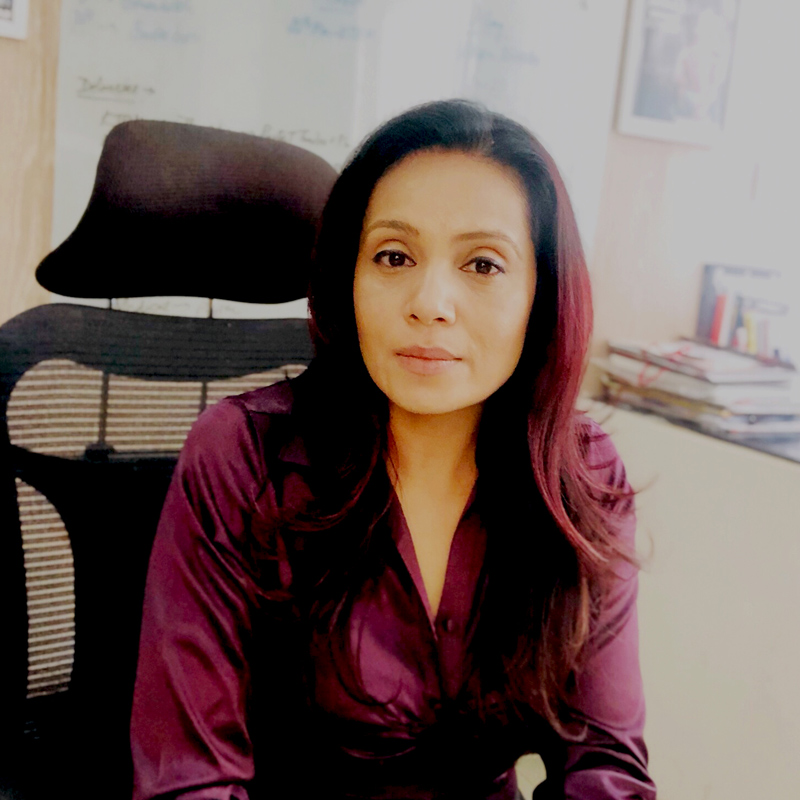
    Mumbai: It is with a heavy heart and profound grief that the Indian Television Dot Com team shares the news of the untimely demise of our colleague Ravi Soni on 10 April. He was all of 28 years old.  

    “Like a rainbow, fading in the twinkling of an eye, gone too soon…
    Like a comet, blazing ‘cross the evening sky, gone too soon…,” go the lyrics of a song “Gone Too Soon” by Michael Jackson.

    The words seem fitting to describe the passing away of a young, promising, liked-by-all colleague.

    Having joined ITV as production executive while still fresh out of college, Ravi would have completed exactly seven years in the organisation on this 13 April. Just three days short of his tragic, premature death.

    “To work with diligence and commitment, to provide possible solutions for issues that arise,” Ravi’s LinkedIn bio read.  

    And providing solutions he did. To every single production challenge or technical snag that arose, he had a single-word, swift response: “Done”

    And the issue was sorted, just like that – without any pressures mounting, temperatures rising or war-of-words in the heat of deadlines to be met in an online news organisation. It was all in a day’s work for Soni.

    Ravi’s responsibilities included managing archived content for the website, migrating content to the server, preparing newsletters, editing images and maintaining an image library for the site. He was also involved in the building, maintaining and updating of web-based applications. He worked closely with the creative and editorial teams at ITV and could always be counted upon to save the day when it came to any glitches or last-minute changes while publishing content on the website.

    Associated with the publication’s web production and day-to-day running, he was known to be a self-motivated, industrious, and proactive worker who ensured news was uploaded, updated and brought to readers instantaneously.

    To his colleagues, he was a gentle, cheerful, ever-helpful, and noble soul who loved cricket passionately. Tragically, it is also on the cricket field that he met his end, during a match on Sunday.

    All of us at IndianTelevision and everyone who has known him will miss him deeply and pray that his soul rest in peace. In this sorrowful time, we also extend our heartfelt condolences to his family and loved ones.

    Gone too soon…

  • GSEAMS hits its stride with a foray into web series

    GSEAMS hits its stride with a foray into web series

    Global Sports Entertainment and Media Solutions (GSEAMS), chiefly involved in film production, started creating content for OTT players beginning with their first project “Samantar” streaming on MX Player from 13 March 2020. The company hit its stride ever since, with a successful run of series on various platforms including “Raktanchal” on MX Player and “Naxalbari” on Zee5. This year, they are yet again collaborating with MX Player on three projects, two of which are successive seasons of their hit franchises. A new web series is also in the pipeline for the OTT platform Voot.

    The company was founded in 2013 by Arjun Singgh Baran and Kartk D Nishandar who quit their corporate roles to get into the content business. The duo saw an opportunity to create films for Marathi-speaking audiences, who at the time was only served by two major companies Zee and to some extent Viacom18. In a short span, they produced about 15 Marathi films with hits such as “Mogra Phulaalaa,” “Ranangan,” “Tula Kalnnaar Nahi,” “Bhikari,” “Vicky Velingkar,” “Bonus,” and “Bali” and produced more than 500 episodes of a popular TV show “Nakalat Sare Ghadale” for Marathi general entertainment channel Star Pravah.

    GSEAMS is now involved in the production of films, TV shows, and web series content for various media platforms. Their original Marathi films are available on Amazon Prime Video and the latest film “Bali” was released last year as an Amazon Prime Video Original.

    In his past tenure as a corporate executive, Baran was associated with Reliance Broadcast Network Ltd as West India business head for BIG 92.7 FM. He’s been in the media industry for over two decades, has produced numerous hit films and provides strategic direction at GSEAMS. Nishandar was also at Reliance Broadcast Network Ltd in the role of national head and has a background in marketing. During their tenure in the production business, they have produced three web series, 11 films and nine television shows, becoming prolific showrunners.

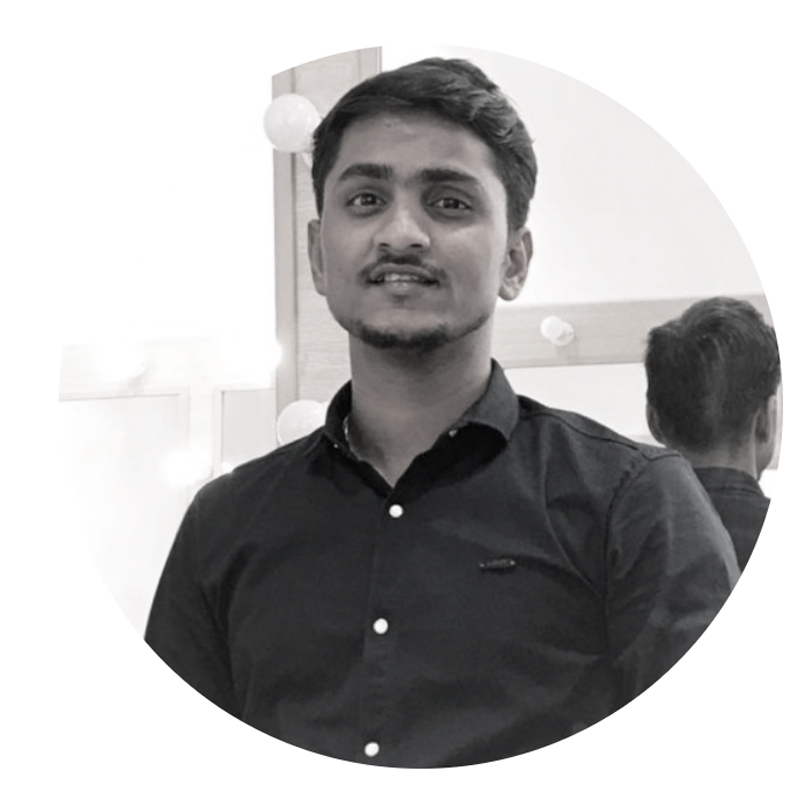
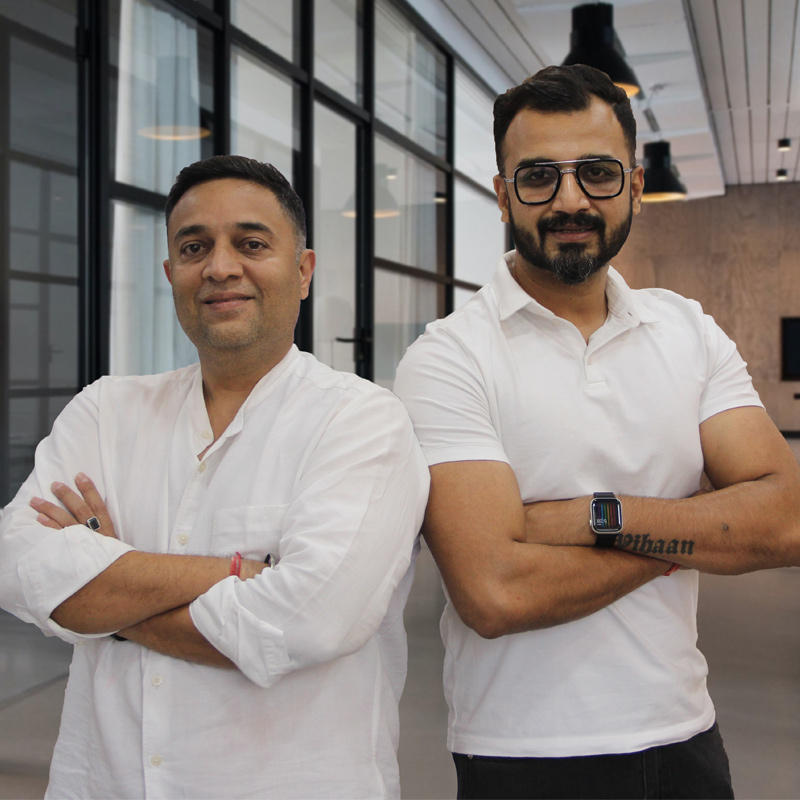
    GSEAMS directors Arjun Singgh Baran and Kartk D Nishandar talk to IndianTelevision.com about their journey into content production and their foray into the OTT space.

    Edited Excerpts:

    On the inception of GSEAMS

    Arjun: Kartk and I started this company in 2013. We had been professionals working in different media companies. I was a business head and Kartk was head of marketing. GSEAMS started off as a company providing marketing solutions for films and managing talent but we quickly moved into production. Unlike other production houses that first get involved in TV production, we got into film production from the get go and started making Marathi movies. At that time, not many corporate companies were making Marathi films with only major producers being Zee and to some extent Viacom18. That’s when GSEAMS came into the picture.

    We have worked on about 15 Marathi films since 2013 and today half of the Marathi directors either work with us or with Zee. We’ve worked with Swapnil Joshi on many films that appear often on TV channels. We also began purchasing a lot of Marathi films and today we have a bank of 80 films that most of the Marathi channels are airing.

    In time, we realised that we need to move into the OTT space. Any project takes us about two years to develop and we got into the OTT space at the right time in 2019. We got in touch with MX Player and produced “Samantar,” which was a hit with 100 million views.

    Kartk: Now, we’re producing another three shows for MX Player. We’ve done one for Zee5 that is “Naxalbari” and we’re doing a show for Voot.

    Arjun: We started shooting for “Naxalbari” when the whole world was in lockdown. The shooting happened in Goa with 250 people and the cast included Rajeev Khandelwal, Tina Dutta, Shakti Anand, Satyadeep Mishra, Sreejita De. Our main lead Rajeev Khandelwal was staying in Goa at the time. We discovered the entire team from the director, DOP, and artists in Goa and were shooting there with Covid tests and checks. The show began streaming on Zee5 in July 2020.

    Arjun: We are partnering with Voot and Jio Studios for our next web series. The show is called “Rafuchakkar” and it has Maniesh Paul, Priya Bapat and it is directed by Ritam Shrivastava who’s also done “Raktanchal 1” and “Raktanchal 2” for MX Player. It is a story of a con man.

    Kartk: Amazon Prime Video is our partner for Marathi content and hence all the movies that we’ve produced are available on the streaming service. Our latest film “Bali” released in 2021 was a Prime Video Original.

    On the hits produced under GSEAMS banner

    Kartk: Our film “Fugay” released in 2017 starring two superstars of Marathi cinema Swapnil Joshi and Subodh Bhave was well received. We also released a film called “Tula Kalnaar Nahi” in the same year that did well. Another film of ours “Mogra Phulaalaa” released in 2018 cast Swapnil Joshi and Sai Deodhar in the lead and did extremely well with the theatre audience. We made a remake of a South film called “Pichaikkaran” into a Marathi film called “Bhikari” which was released in 2018. The production had a huge scale with ace choreographer Ganesh Acharya as the director.  Our recent release “Bonus” featuring Gashmeer Mahajani and Pooja Sawant in lead roles received 12 nominations from the Maharashtra Times Sanman Awards.

    On their content philosophy

    Arjun: We want to make films that appeal to everybody and have done that by continuously studying what the audience wants and understanding the art and science of production. There are few production houses like ours who are creating content because they know what the audience wants. We’ve had hits and misses like everybody else. But the people who survive in this industry are the ones who continuously work on one project after another. If you wait for something to become a hit then you’ll never become a big company.

    We also thought about ‘how do we do production in a much smarter way’ because the industry is very unorganised. If you go and shoot in Goa, Satara or in the North it’s not compatible for everybody. We are able to manage costs while comfortably completing the entire shooting process. We approach production with the mindset of a corporate company and every project that we do is a little better than the last one. That’s helped us survive over the last nine years. God has been kind.

    When the content is good people will come and watch it. Word of mouth is extremely important. That’s what Kartk and I are looking at ‘how do we create content that will have word of mouth?’

    On the expansion of GSEAMS

    Kartk: Around 2018, we created a writer’s room where we took on close to 10-12 writers. To date, we’ve also blocked around 20 book rights. “Samantar” was a great example for us which showed that a bestselling book will work out as a screenplay. Today, we have a large team of writers working across genres and languages, writing screenplays for production. We also began developing our own content by investing our own money before we approached any platform. We would never wait for the platforms to give us approval for content and that’s why we are managing to produce series back-to-back.

    On content that resonates with digital audience

    Arjun: As filmmakers, everything is 120 minutes long and larger than life stories are told where you shoot in different locations. Television is about telling stories that revolve around characters in a single location.  

    When we look at OTT, you see shows that have done well like “Scam 1992: The Harshad Mehta Mehta Story” to “Samantar.” It is about taking the audience to a particular place or time period and getting it as real as possible. On digital, the audience wants to get immersed in the characters’ lives. In the case of “Samantar” to get it as real as possible we visited 42 different locations and shot in chawls and ‘thanas’ so when you watch the show you get transported to their reality. The basic difference is how real and interesting you make the setting.

    While our strength is in creating Marathi content, recently we’ve been making Hindi content like “Raktanchal” and “Naxalbari.” The setting for these stories is in Maharashtra and Goa so even though the language is Hindi we’re able to depict the cultural nuances.

    Kartk: Every OTT platform has its own audience base. For MX Player, their major markets were in Maharashtra and the Hindi heartland. We study a platform before we create a piece of content. We dive into the culture, say for example a Maharashtrian couple who are staying in a Lalbaugh chawl and how they function. In the end, it is about understanding the dynamics and how the audience relates to the content.

    Recently, a lot of shows based on books have been working in the OTT space. From “Sacred Games” to “Scam 1992,” “Rocket Boys” to “Samantar.” We’re also looking at the biopic space that is becoming popular with digital audiences.

    We’re going to keep creating content that is based in Maharashtra. The show “Raktanchal” was based in the Hindi heartland and did really well. But our core strength is in Maharashtra and we have a dedicated writer’s room that works writing Marathi stories.

    On creating more shows with OTT players

    Kartk: In the two years of Covid, we transitioned heavily towards producing content for OTT platforms and we have kept that process going on. In 2020, we produced two series, followed by three series in 2021 and six shows underway in 2022. Our web division is growing. Films are also coming back. Currently, we’re working with director Vishal Furia of “Chhori” fame who recently created the web series “Forensic” featuring Vikrant Massey and Radhika Apte for Zee5. He’s going to direct the Hindi remake of Prime Video Original film “Bali” in collaboration with a top Bollywood actor. This year we have two theatrical releases, six web series and a major biopic starring a top Bollywood actress.

    We also do a lot of work on TV but only in the form of finite series. We have a finite series in development for a TV channel. Our scope of expertise is in telling finite stories though we produced 500 episodes of a successful show on Star Pravah called “Nakalat Sare Ghadale” which was the Marathi remake of the show “Yeh Hai Mohabbatein.”

    On their business model

    Arjun: When we are producing films the Intellectual Property (IP) always belongs to us. We have put in the investment and are taking the risk. Then we sell the media rights for so many years to various channels or platforms. For our web series, the IP belongs to the platform. Initially, we took the risk and made content because we didn’t want to wait for funds to get started.

    Still, we are continuously buying book rights and investing in screenplays. You start investing in a project on the basis of your faith in the writers and the content. In the content business, out of ten things that you’re working on, only three may go to production. As a production house, you need to keep investing money and pitch to platforms because they expect ideas from you. So, there’s a lot of investment that goes in.

    On the growth of the company and future outlook

    Kartk: We’ve been growing steadily since 2013 at an EBIDTA of 30-35 per cent annually. The biggest growth for our company comes from the IPs that we create. We keep adding new films to our library including ones that we create and acquisitions. If a web series is successful, platforms commission us to do the second and third seasons. Hopefully, we will be able to get to a stage where we create bigger series that are our own IPs like to do with our films and syndicate them to OTT platforms. Developing IP that we own is our ultimate goal.

    Arjun: There are around 300-400 people working for us every year on various projects. Every project has about 250 people working on it. We want to keep creating good content for TV, OTT and theatres which entertain people and give them something to talk about.
  • CAMM Summit 2022 all set to discuss latest cutting edge innovations

    CAMM Summit 2022 all set to discuss latest cutting edge innovations

    Mumbai: ‘Content is king’ has become too common of a phenomenon. But there has never been a never-ending hunger for content as is being witnessed today. Estimates are that close to $120 billion is expected to be spent on producing content every year. To discuss the latest cutting-edge innovations in the technology space, IndianTelevision.com has come up with ContentTech, Adtech, Martech, and More (CAMM) Summit and Exhibition 2022. The four-day-long event will be co-powered by PubMatic.

    The virtual summit will commence on 12 April at 02:45 p.m and conclude on 15 April. The key themes for the summit will include planning for connected TV, changing Adtech landscape, AI & data, content infrastructure, technology trends for the year 2022, user experience and retention etc.

    With the help of industry stalwarts, CAMM Summit and Exhibition will showcase the latest cutting edge innovations in cinema production, distribution, consumption, streaming and TV show creation and distribution – whether via satellite or through the Internet.

    The idea is to create a tech-ready corporate and studio culture so that India’s much hyped-up creative industry can live up to its total potential.

    The CAMM Summit will be carried out with the help of an esteemed advisory board comprising senior professionals from the industry including Tata Elxsi global practice head for media and new media Ajay Kumar Meher, CeleverTap senior vice president marketing Jayant Kshirsagar, Zee Technology & Innovation Centre chief technology officer Kishor AK, India Today group chief technology officer Piyush Gupta, PubMatic regional vice president OTT & CTV Vijay Anand Kunduri, Network18 Media & Investments Ltd group chief technology officer Rajat Nigam, Google India head of large partner solutions, online partnerships group Sweta Jhunjhunwala and many more prominent names.

    The event will have speakers from ContentTech, AdTech and marketing sectors who will share their experiences, insights and predictions for the future. The speaker list will include Timex Group head of marketing and e-commerce Ajay Dhyani, Pratilipi business and content head Jugal Wadhwani, Lenskart media head Anupam Tripathi, Times Internet chief technology officer Ashish Jaiswal, TV9 Network chief technology officer S Badari Prasad, Kinnect senior vice president – marketing science and customer experience Bharatesh Salian, PubMatic director Harguneet Singh Madison World vice president Kosal Malladi, Lokmat Media senior executive VP and head of digital business Hemant Jain and so on. The speakers will share their thoughts on their respective panels.

    The summit is an ideal hotspot for startups, short video professionals, MarTech professionals, Broadcasters, AdTech professionals, Venture Capitalists and everyone with a keen interest in technology.

    CAMM Summit and Exhibition is one of its kind of initiatives that will gather the technology professionals under one rooftop. It will give you an opportunity to hear from top industry leaders from ContentTech, AdTech and Marketing sectors who will help you understand how the AdTech landscape is forging stronger brand and publishing relationships. The summit will also give you an opportunity to learn from the experts by listening to their journey, experiences and how they overcome the challenges. There will also be successful branding and marketing stories from the brands. This is the biggest platform to gather knowledge on the current trends in the marketplace. 

  • Glance TV launched to provide interactive experiences on smart TV

    Glance TV launched to provide interactive experiences on smart TV

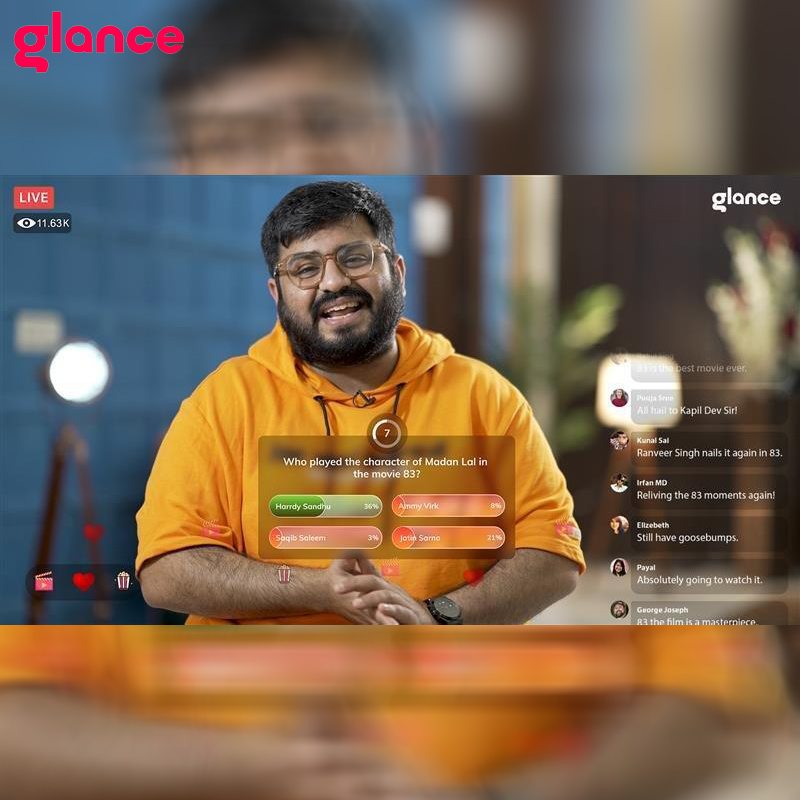
    Mumbai: Consumer internet company Glance on Monday announced the launch of Glance TV – a live, interactive content platform for the home screen or ‘screen zero’ of Android smart TVs. With live streams and real-time on-screen interactions for users, Glance TV aims to transform passive television content consumption into an active social experience.

    Glance TV will offer off-beat, personalised snackable content of 5-20 minutes duration, across categories such as sports, entertainment, infotainment, e-sports, current affairs, lifestyle, food, and fitness, unlike standardised long-form TV shows. It has partnered with major content providers including Zee5, Epic On and Docubay to provide users fresh, personalised and premium content every day, said the statement. 

    Glance TV users can interact directly in real-time with their favourite stars on the television home screens. They can attend personalised fitness training sessions, watch interactive cooking shows with celebrity chefs, or enjoy sports in community watch-alongs that replicate immersive, stadium-like atmospheres. Within shows, users can interact and shape the direction of the content through live comments, reactions, and polls. Using QR codes on live TV, they can also buy tickets for movies and events, shop live, and get their social media posts featured on Glance TV streams.  

    “The launch of Glance TV is a major milestone for Glance, which has revolutionised content consumption on smartphones by bringing Live, interactive content to the mobile lock screen. Launched in 2019, Glance is now one of the world’s largest mobile lock screen platforms with over 200 million active users,” said the company in a statement. 

    Glance TV aims to be present on approximately 30 per cent of all smart TVs in India soon. The company plans to make Glance TV available globally and also intends to develop the same for other smart TV operating systems.

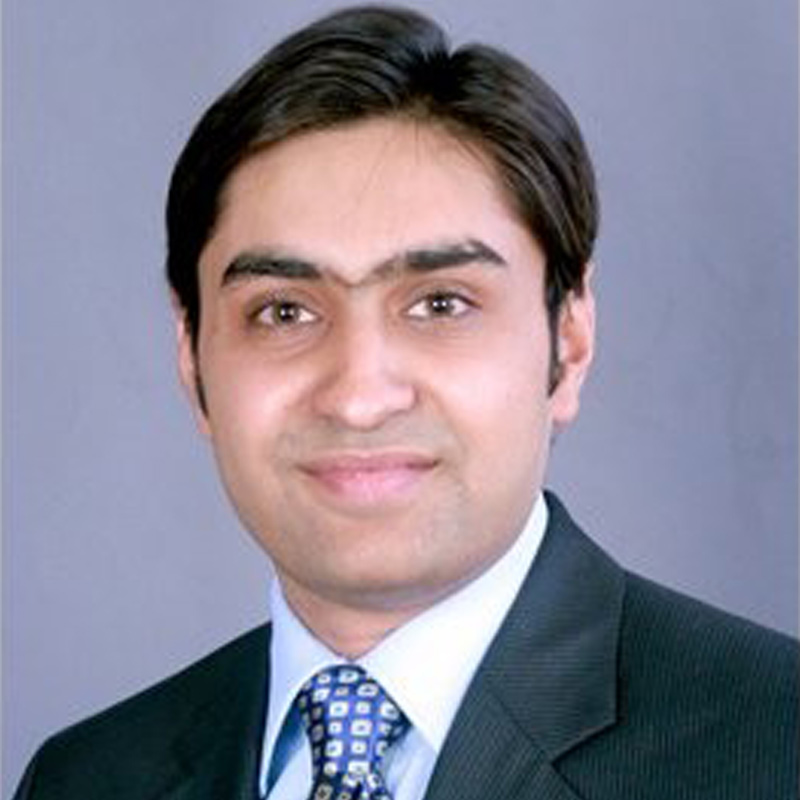
    “Glance has reimagined the lock screen of smartphones into a live screen for personalised, LIVE content,” said InMobi Group co-founder and Glance president and COO Piyush Shah. “With Glance TV, we want to redefine television experiences just as we did with smartphones. This is TV in a way that has never been seen before and is a true innovation that extends the Live experience that Glance delivers on lock screens to television home screens.”

    “With Glance TV, our intention is to remove the age-old connotation of TV being an idle way to pass time and change the perception of TV as the ‘idiot box.’ Glance TV gives users the experience where they can be active while watching TV and can express themselves directly on the big screen, within virtual communities of fellow users,” added Glance SVP and GM Manish Gupta.

  • Disney+ Hotstar appoints Nishant Tandon as AVP – growth

    Disney+ Hotstar appoints Nishant Tandon as AVP – growth

    Mumbai: Streaming service platform Disney+ Hotstar has appointed Nishant Tandon as AVP – growth. 

    Tandon announced his new role in a LinkedIn post. “After a ~six-year long stint with Viacom18 and Voot, moving back to the group where it all began. Though I am sad that I will not be working with people whom I have called friends for a long while, I look forward to the new challenges. I’ll be based out of Gurgaon, working with the growth team at Hotstar,” he wrote.

    He was previously associated with Viacom18 Media since June 2016.

    At Viacom18, Tandon was senior director of subscription revenue for Voot Select and Voot Kids. Prior to that, he worked with Star TV Network as part of the distribution team. He has also had stints at Mahindra Group and Oracle.

    Tandon has completed his B-Tech from the Indian Institute of Technology Guwahati and MBA from Indian Institute of Management Ahmedabad.

  • OTT, broadband, and ARPU chase

    OTT, broadband, and ARPU chase

    Mumbai: The adoption of streaming in India has happened in stages driven by affordable handsets, cheap data, and most recently the pandemic. While the first two aspects set the stage for global streamers like Amazon Prime Video and Netflix to enter the country, the next few years saw both existing as well as new network and non-network players intensifying the scene.

    Despite Netflix’s admittedly ‘frustrated ambitions,’ India continues to be an attractive market for international OTT brands. NBC Universal’s hayu launched last December, AMC+ in March 2022, and the entry of HBO Max is on the cards. The ‘mainstreaming of streaming’ in India, however, depends in a big way on ‘Bharat’ which will power the next wave of OTT adoption through the ‘regional OTT-local ISP/wired broadband’ combine. And now is the time for it.

    What changed?

    The obvious increase in on-demand content consumption aside, what the pandemic changed at a more fundamental and universal level was that India seems to have reached the point of no return in the context of broadband adoption. Between 2016 and now, broadband has become a utility, and ‘2020’ is to be credited exactly for that.

    This also explains why despite the prepaid tariff hike in November 2021 that led to the gross loss in subscriptions, clean up of low paying, dormant users, and movement to postpaid resulted in higher ARPUs (average revenue per user) for telcos across. A look at the past 10 months of Telecom Regulatory Authority of India (Trai) data shows that wired broadband has grown consistently, while mobile and fixed broadband fluctuated.

    In fact, the sharp rise of 8.24 per cent last December was reminiscent of the increased demand for wired broadband fuelled by work from home, online education, e-commerce and other digital services, as well as online video during the pandemic.  The requirement for cheaper, faster and uninterrupted data, saw wired broadband subscriptions growing by 3.42 per cent post the second wave.

    Mutual advantage

    The shifting of broadband consumption from offices to homes, mobiles to CTVs and urban to rural is bound to create more regional prospects for VoD content providers, as well as smaller ISPs and MSOs that are struggling to maintain their individual existence. The OTT opportunity has contributed significantly to ensuring that players like OneOTT and ACT that thrive on a strong tier 2-3 play in addition to the metros are counted in the league of Reliance Jio, Bharti Airtel, and Vodafone Idea today.

    “We all know that wired broadband is more reliable in terms of speed and quality compared to wireless. But to wire, the whole country is Capex sensitive,” Microscan business head–ISP and director Playbox TV Samson Jesudas says. “The penetration of wired broadband is therefore just about 20 per cent in India. Hence we should appreciate big telcos who are investing huge amounts to wire up the whole country. At the same time, we should ensure the survival of other ISPs in the country.”

    Struggling on account of dropping ARPUs as a result of data prices going down, increased customer acquisition cost, high payback of over 12 months, as well as churn issues, ISPs are in greater need than ever to explore other value-added services as revenue options. In such a scenario, OTT can be the catalyst to promote wired broadband.

    “Today, all telcos and ISPs are bundling OTT content along with their broadband plans. Cable operators have upgraded themselves to ISPs or franchisees of ISPs. Logistically they are in best position to give quality and timely service to end subscribers,” observes Jesudas. “In fact, there has to be a major consolidation of these LCOs and ISPs by telcos and large ISPs,” Jesudas adds.

    In addition to tech and content, partnerships with ISPs are an integral part of ErosSTX’s OTT platform Eros Now’s B2B strategy.

    “Today, content makes up for over 82 per cent of internet consumption which also means more consumption of data and increased ARPUs for ISPs. In other words, ISPs have emerged as a medium for consumers to consume more data,” remarks Eros Now senior VP distribution and alliances Manpreet Bumrah. “We work together with ISPs on innovative modulation of engineered subscription plans with a win-all proposition for the entire ecosystem which includes OTT, ISPs and consumers.”

    Elaborating on the prospects for MSOs, Bumrah shares that there are over 750 million mobile internet consumers in the country today which establishes the fact that India is riding on the internet. However, only 25 million households have access to wired broadband. “With the cable connected to around 200 million houses, there is a huge opportunity for the entire digital media and entertainment ecosystem to grow at the household level,” he says. 

    According to Global Infocom Networks partner and director Harshal Dalal, local ISPs are moving ahead from being vanilla broadband service providers to becoming digital service providers today. “Along with OTT which is proving to be a major stepping stone, diversification is being carried out through other offerings such as insurance and travel & tourism,” he notes.

    Currently associated with over ten OTT platforms, the Global Infocom Networks has been providing quality and cost-effective solutions to ISPs. It aims to bring more awareness to them in terms of customising their offers and penetrating tier 2 and 3 cities in 2022.

    The promise of 100 million ‘TV Nevers’

    In a further boost to digital India, the recent budget promised great leaps in rural broadband connectivity through the government’s flagship programme – BharatNet. It aims to bring broadband to 361,000 villages across 16 states, including 1.37 lakh gram panchayats by 2025.  The new infra-sharing guidelines are also making it feasible for smaller MSO/ISPs to reach remote areas of the country. 

    Commenting on the possibility this creates, Bumrah says, “As internet bandwidth improves, the consumer experience will improve which will further accelerate the uptake of the internet in the country including by the 100 million ‘no TV households’.”

    According to the economic survey released on 31 January, 5.46 lakh km optical fiber cable (OFC) has been laid as of September 2021, a total of 1.73 lakh gram panchayats (GP) have been connected by OFC, and 1.59 lakh gram panchayats are service ready under BharatNet. Combined with the global push for affordable broadband led by the ITU, BharatNet has the potential to revolutionise the telecom sector much in the same way as Free Dish has transformed the broadcasting industry in recent years.

  • MIB constitutes AVGC promotion task force

    MIB constitutes AVGC promotion task force

    Mumbai: The ministry of information and broadcasting (MIB) has constituted the animation, visual effects, gaming and comics (AVGC) promotion task force to promote the AVGC sector in the country. The government’s intention to form the task force was first made in the union budget 2022-23.

    The AVGC promotion task force shall be headed by the MIB secretary and will comprise the secretaries of the ministry of skill development and entrepreneurship, the department of higher education, the ministry of education, the ministry of electronics and information technology, and the department of promotion of industry and internal trade.

    The task force will also have the participation of industry partners such as Technicolor India country head Biren Ghosh, Punaryug Artvision Pvt Ltd, Anibrain founder and CEO Jesh Krishna Murthy, Redchillies VFX COO and VFX producer Keitan Yadav, Whistling Woods International chief technology officer Chaitanya Chinchlikar, Zynga India senior vice president and country head Kishore Kichili, Hungama Digital Media Entertainment managing director and CEO Neeraj Roy.

    The AVGC promotion task force also includes state governments of Karnataka, Maharashtra, and Telangana, heads of education bodies such as the All India Council of Technical Education, National Council of Educational Research and Training, and representatives of industry bodies such as MESC, FICCI, and CII.

    The aim of the AVGC promotion task force is to “guide the policies of growth for this sector, establish standards for AVGC education in India, actively collaborate with industry and international AVGC institutes, and enhance the global positioning of the Indian AVGC industry,” said the statement.  

    The terms of reference of the task force include framing a national AVGC policy, recommending a national curriculum framework for graduation, post-graduation and doctoral courses in AVGC related sectors, facilitating skilling initiatives in collaboration with academic institutions, vocational training centers and industry boost employment opportunities, facilitate promotion and market development activities to extend the global reach of Indian AVGC industry and enhance exports and recommend incentives to attract FDI in AVGC sector.

    The task force will submit its first action plan within 90 days.

    “The AVGC sector in India has the potential to capture five per cent or ~$40 billion of the global market share by the year 2025, with an annual growth of around 25-30 per cent and creating over 1,60,000 new jobs annually,” according to MIB.  

  • ‘Lock Upp’ is ALTBalaji’s ‘KBC moment’ as it forays into AVOD: Divya Dixit

    ‘Lock Upp’ is ALTBalaji’s ‘KBC moment’ as it forays into AVOD: Divya Dixit

    Mumbai: With its maiden advertising-based video on demand (AVOD) project “Lock Upp” delivering a stellar performance, Balaji Telefilms’ video streaming service ALTBalaji is currently experiencing its “KBC moment,” as the platform’s SVP of marketing and revenue Divya Dixit tells IndianTelevision.com. Clocking 100 million views within 19 days, and crossing 200 million unique views in 32, it has become one of the most-watched OTT reality shows since launching on ALTBalaji and MX Player.

    “Lock Upp” marks a turning point in ALTBalaji’s journey, as the popular subscription video-on-demand (SVOD) service opens up to the world of AVOD. The platform boasts 35 million subscribers, over 10 million MAUs, an engagement metric of 83 minutes per day, and a library of over 91 original shows. Up to 80 per cent of ALTBalaji’s audience is under 35 years of age.

    ALSO READ | Understanding ALTBalaji’s ‘under 35 viewers’ with Divya Dixit

    Having achieved these milestones, AVOD was a natural progression aimed at expanding the audience base, including via cross-sell and up-sell for ALTBalaji. Furthermore, “it adds a layer of advertising revenue over a successful SVOD business,” says Dixit.

    To this end, “Lock Upp” was designed to have an international appeal. Fronted by a controversial host Kangana Ranaut, and featuring equally controversial contestants, the show’s sets, costumes, tasks, and dares, were all planned to keep these objectives and audiences in mind. It will be exported globally from the next season.

    “After achieving tremendous success locally, the objective of creating a format that caters to the international audience is to expand our audience base as well as establish a homegrown exported-to-world IP, and have the freedom to implement new ideas,” states Dixit, adding that, “The strategy worked as the responses that we received have all been quite positive and exceeded the expectations.”

    The platform has registered equal male and female viewership in the 18-34 age group and a high Average Time Spent (ATS) for “Lock Upp.” International traffic on the app has also shot since it started streaming.

    Commenting on the idea behind launching AVOD with a captive reality show instead of other formats which ALTBalaji has seen success with, Dixit tells us that through AVOD the platform wants to ensure that its content also reaches the audiences that are currently still fence-sitters and buy-in OTT as a mainstream entertainment platform. “There had to be momentous propulsion and a valid reach thrust that would launch AVOD for us, and LockUpp with millions of views gave us that thrust,” she remarks.

    ALSO READ | ALTBalaji’s ‘Lock Upp’ garners 15 million views in 48 hours

    Going ahead, ALTBalaji will explore all different formats of entertainment through AVOD to have a prominent presence in the segment as well as to gain further reach. “Much like how we partnered with MX Player for ‘LockUpp,’ we are open to the ideas of other partnerships that will help us market our platform to the masses,” she asserts.

    The ALTBalaji IP “Lock Upp” was created in partnership with MX Player. Owned by MX Media, MX Player is an ad-supported OTT service with over one billion downloads and 280 million monthly active users globally. The reality show is its first attempt at unscripted content.

    “MX Player and ALTBalaji have always had a great business relationship, therefore we collaborated further on the show,” Dixit shares. “With the reach that MX Player enjoys, and with ALTBalaji emerging as a leader when it comes to unique content and marketing strategies, this is a win-win partnership for both platforms.”

    As ALTBalaji gears up for a long-term AVOD play, it has established separate, dedicated teams and plans for both its AVOD and SVOD offerings to ensure that they do not end up competing with each other. “We have had synergies with several platforms and our history shows that we have managed all those ventures very well and very efficiently. Be it SVOD or AVOD, our main focus has always been to provide world-class entertainment for our fans,” concludes Dixit.

  • Content discovery is overwhelming nearly half of American audiences: Nielsen report

    Content discovery is overwhelming nearly half of American audiences: Nielsen report

    Mumbai: A nearly 20 per cent increase in unique programme titles over the past three years has almost half of the American audiences (46 per cent) feeling overwhelmed by the growing number of services and platforms that makes it more difficult to find the content they’re looking for, revealed audience measurement firm Nielsen’s inaugural ‘State of Play’ report.

    According to the report, consumers now have over 817,000 unique programme titles as of February 2022 vs more than 646,000 as recently as December 2019. The increase in content also comes with an increase in consumption, as 18 per cent of Americans are now paying for four streaming services vs the seven per cent who did so in 2019.

    In February of this year, content from streaming platforms accounted for just under 29 per cent of consumers’ total time with TV, ahead of broadcast programming (26.4 per cent) for the fourth straight month, according to Nielsen’s The Gauge, its monthly total TV and streaming snapshot. In total, Americans watched nearly 15 million years’ worth of streaming video content last year.

    When asked about whether bundled streaming services might make it easier for consumers to find the content they are seeking, 64 per cent of respondents indicated they wish there was a bundled video streaming service that would allow them o choose as few or as many video streaming services that they wanted.

    “The inaugural State of Play really underscores the fact that we’ve entered the next phase of streaming, based on the trends we have been detailing about streaming over the past few years,” said Nielsen SVP product strategy Brian Fuhrer. “We’ve moved from infancy into adolescence and all the complexities that one would expect at that point. It’s not just that streaming is increasing year over year. Now consumers want access simplified and the explosion of services has renewed discussions around bundling and aggregation. Ultimately, these challenges signal an opportunity as the industry harnesses streaming for long-term business growth.”

    ‘State of Play’ highlights the increasing boom of video content in both linear and streaming in recent years. Overall, Americans increased their average weekly time streaming video by 18 per cent, with a year-over-year increase from 143.2 billion streamed minutes to 169.4 billion between February 2021 and February 2022.

    The report reveals two other key takeaways: streaming service consumption is expected to grow, with 93 per cent of Americans reporting they will increase their paid streaming services or make no changes to their existing plans over the next year, and over the last three years there was an 18 per cent increase in all available video content.

    However, due to a nearly 20 per cent increase in unique program titles over the past three years, nearly half of audiences (46 per cent) feel overwhelmed by the growing number of services and platforms that makes it more difficult to find the content they’re looking for.

    Amid the seemingly overwhelming choices provided by new streaming platforms, subscription video on demand (SVOD) now accounts for 53 per cent of minutes streamed. Of the four hours, 49 minutes per day that the average American spends watching content, 1:22 of that is through connected TV (CTV).

    In addition to providing streaming consumption trends and consumer sentiment, ‘State of Play’ details how the streaming landscape has broadened beyond traditional SVOD services. Ad-supported VOD, multichannel video programming distributors (MVPDs) and virtual MVPDs (vMVPDs) have grown to account for 35 per cent. The percentage of homes with YouTube TV—the vMVPD with the highest household penetration—has grown by over 160 per cent since 2020.

    The ‘State of Play’ report leverages Nielsen TV measurement and streaming data, insights from Gracenote a Nielsen company, and findings from an online custom survey of the US video streamers.

  • Rainshine launches new podcast ‘The Unsung Heroes’ with Anup Soni

    Rainshine launches new podcast ‘The Unsung Heroes’ with Anup Soni

    Mumbai: Rainshine Entertainment, the US-based diversified entertainment media company and podcast producer has launched a new audio series “The Unsung Heroes” with Anup Soni. The show is exclusively streaming on Audible.

    Produced by Monisha Singh Katial, “The Unsung Heroes” documents the achievements of 20 Indians from the fields of sustainable living, women empowerment, education for the underprivileged, and climate change.

    “We are very passionate about presenting unique and inspiring content. With the growing potential of audio content, it is important to diversify our catalogue and reach out to a wider section of the populace,” stated Rainshine Entertainment SVP Kiran Nithyanand. “A show like ‘The Unsung Heroes’ brings the awe-inspiring stories of individuals, just like them, who are making a difference in the world. Over the next year, we plan to introduce many more compelling stories, and we’re very excited for what’s to come.”

    “These pan-India stories talk about the achievements of extraordinary people from all walks of life. At a time like this, it is important to bring out stories of these unsung heroes to encourage and motivate the society to contribute to a better tomorrow,” added Anup Soni.

    Rainshine Entertainment intends to release more than 20 podcasts over the next 12 months, offering audiences in India and globally a diverse bouquet of stories ranging from thriller and comedy to self-help. These will include “Kya Lifestyle Hai” with Dr Siddhant Bhargava who will be sharing actionable tips on nutrition and fitness. It is slated to release on 7 April.

    “Iconic Villains” with entertainment journalist and film critic Mayank Shekhar will present listeners with an oral history of the most iconic villains of Bollywood.

    Other popular audio series produced by Rainshine and available on Audible include “Thriller Factory” featuring Anuraag Kashyap, Tabu, Nawazuddin Siddiqui, and “Be Stupid with Vir Das.”