Category: Gaming

  • Game on ASEAN as Johor hosts 2000 plus at digital content summit

    Game on ASEAN as Johor hosts 2000 plus at digital content summit

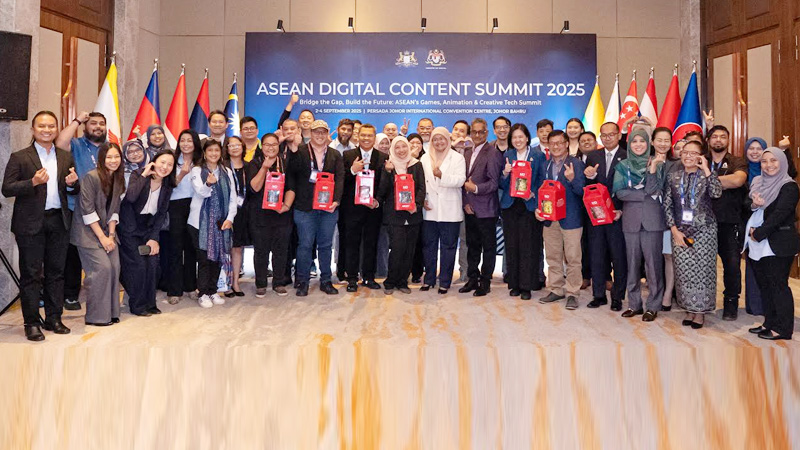
    MUMBAI: Johor Bahru turned into a playground for pixels, panels, and pavilions today as the ASEAN Digital Content Summit 2025 (ADCS 2025) opened its doors at Persada Johor International Convention Centre. Organised by Malaysia Digital Economy Corporation (MDEC) under Malaysia’s ASEAN Chairmanship 2025, the summit aims to power up cross-border collaboration in animation, gaming, and creative technology bringing ASEAN’s creative industries onto the global stage.

    The summit was officially inaugurated by YAB Dato’ Onn Hafiz Ghazi, Menteri Besar Johor, and YB Datuk Wilson Ugak Kumbong, deputy minister of Digital Malaysia, signalling Malaysia’s intent to position ASEAN as a hub of innovation and storytelling. With over 2,000 attendees, more than 10 country pavilions including Indonesia, the Philippines, Singapore, Thailand, Japan, Cambodia, and Vietnam 50 visionary speakers, and over 100 exhibitors, ADCS 2025 is less a conference and more a carnival of creativity.

    Highlights include the ASEAN Roundtable on Digital Content Collaboration, which explores AI-driven innovation and shared policy frameworks; Kre8tif! Business Xchange, ASEAN’s flagship B2B platform linking creators to global investors; and appearances from icons such as Koji Morimoto, co-founder of Japan’s famed Studio 4°C. Public showcases such as the Malaysia Animation Film Festival (MAFF) and Asia Creators Fest (ACF) pavilion round off the festival feel.

    “The ASEAN region is home to a vibrant pool of talent in animation, game, and digital content. ADCS 2025 allows us to move beyond servicing into creating original intellectual property that can compete globally,” said YB Datuk Wilson Ugak Kumbong, underscoring Malaysia’s MADANI government’s push to empower the next generation of creators.

    The summit also set the stage for Malaysia’s upcoming global moment hosting Siggraph Asia 2026, one of the world’s largest computer graphics conferences, expected to attract 3,000 professionals from Asia, the US, and Europe. Supported by the Johor State Government, TM, SME Corp Malaysia, Unisza, Asia Creators Fest, KL Chapter ACM Siggraph, Malaysia Esports Federation, and Rewardinme with media backing from RTM, Animationxpress, Gofluence, and more ADCS 2025 isn’t just a summit; it’s ASEAN’s creative coming-of-age story.LE


  • BGMS levels up with Rs 1.5 crore prize and biggest format shake-up yet

    BGMS levels up with Rs 1.5 crore prize and biggest format shake-up yet

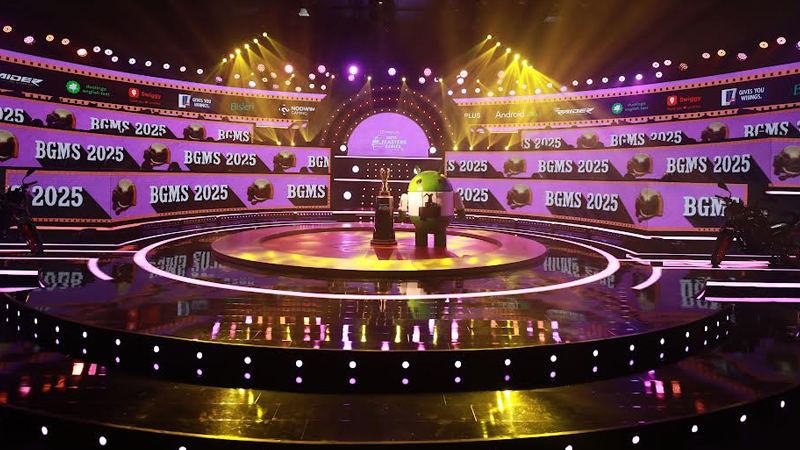
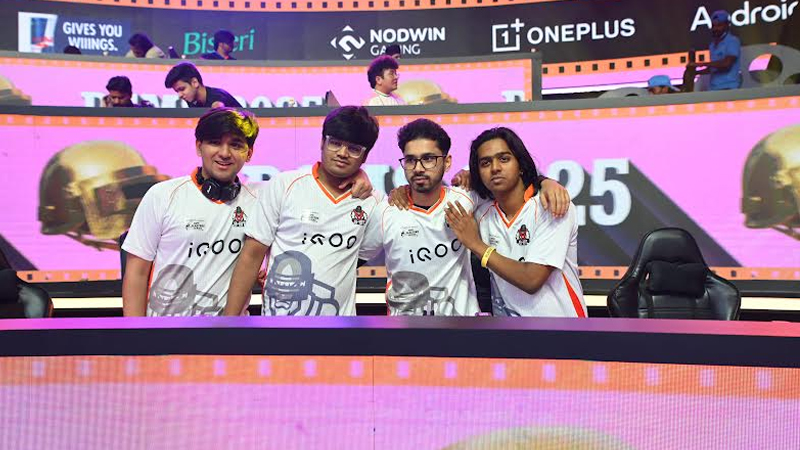
    MUMBAI: Drop in, squad up, and watch the leaderboard go wild Battlegrounds Mobile India Masters Series (BGMS) is back with a bang. Nodwin Gaming’s flagship tournament, co-powered by Oneplus and Android, returns for Season 4 from 18 August to 14 September, with matches airing live daily on Star Sports Khel and JioStar between 5:00 pm and 8:00 pm. With a prize pool of Rs 1.5 crore and a bold new dual-tier structure, this year’s edition promises to be the most inclusive yet.

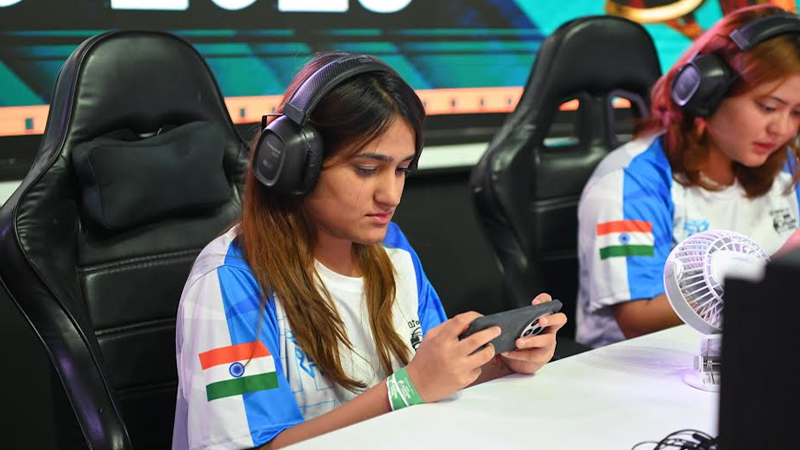
    For the first time, viewers will get a multi-cam broadcast, one main stream, a dedicated map cam, plus four top-team cams that spotlight key players. From next week, player cams will zoom in on rising stars, giving fans an intimate look at gameplay. On the competition front, 24 pro teams will slug it out in the BGMS Masters Series, while another 24 squads including four all-women line-ups battle in the Challenger Series. The top four Challenger squads will advance to the playoffs, joining the lower-ranked Masters teams in a fight to secure one of 16 coveted semifinal slots.

    “BGMS has always been more than a tournament; it’s a cultural phenomenon… From grassroots to greatness, from campus halls to national TV. This is BGMS like you’ve never seen before,” said Nodwin Gaming co-founder & MD, Akshat Rathee welcoming partners OnePlus, Android, TVS and Bisleri onboard.  

    Adding to the thrill are returning mechanics like the Powerplay (double finish points in the first zone), Impact Player (weekend finish points doubled for one chosen star), and the Bounty System (10 bonus points for eliminating the daily target team from 21 August to 7 September). These features, paired with back-to-back LAN events running from noon to 8:00 PM, ensure fans get wall-to-wall action both on ground and on screen.

    “BGMS continues to break new ground in Indian esports, and we at JioStar are proud to bring this cultural movement to screens across the country,” added JioStar head of audience engagement and viewership and monetization initiatives Siddharth Sharma. “The expanded format, diverse participation and high-quality gameplay are exactly the kind of dynamic, youth-driven content we aim to champion.”  

    Season 3 of BGMS pulled in 145.5 million views across platforms, making it India’s most-watched esports tournament. With Season 4 airing on both television and JioStar for the first time, and inclusivity at its heart, BGMS is no longer just an esports league, it’s a cultural festival where campus hopefuls, pro gamers, and even all-women squads share the same battleground.

  • Game on as Parliament clears Bill giving esports its sporting stripes

    Game on as Parliament clears Bill giving esports its sporting stripes

    MUMBAI: India just hit “start” on a new sporting era. On 21 August, Parliament passed the Promotion and Regulation of Online Gaming Bill, 2025, a landmark move that bans all online money games but officially elevates esports to the league of legitimate competitive sport. For the first time, esports has been uncoupled from gambling, betting, and fantasy money play, and placed firmly under the ministry of youth affairs and sports, which will set tournament standards, support academies, and weave esports into India’s sporting fabric.

    The timing was pixel-perfect. Days earlier, 19-year-old Ved Bamb, better known by his gamer tag Beelzeboy, became India’s first esports World Champion by defeating Spain’s Leo Marin at the Pokémon Go Worlds. Esports has been steadily climbing the podium: officially recognised by India in 2022, it debuted as a medal sport at the Asian Games in Hangzhou and snagged a historic bronze in DOTA 2 at the 2022 Commonwealth Esports Championships. Next year, it returns to the Asian Games medal tally and will also feature at the 3rd Asian Youth Games in October.

    Back home, esports is levelling up from grassroots to glory. This year’s Khelo India Youth Games in Bihar featured esports as a demo sport, with states like Maharashtra, Tamil Nadu, Nagaland, and Bihar championing tournaments. Nationally, the Waves Esports Championships, backed by the Ministry of Information and Broadcasting, signalled that esports is no longer niche, but mainstream. Nodwin Gaming’s flagship Battlegrounds Mobile India Masters Series (BGMS), with a Rs 1.5 crore prize pool in its fourth season and female athletes competing for the first time, shows the professional rigour that mirrors cricket or football.

    “The Bill unlocks a zero-to-hero pipeline from state-level championships to global majors,” said Nodwin Gaming cxo-founder & MD Akshat Rathee which is grooming players for EVO, Esports Nations Cup, and even Counter-Strike Majors. S8ul, India’s most celebrated esports org, has its athletes training in Navi Mumbai bootcamps and recently competed at the Esports World Cup in Riyadh, where the prize pool crossed Rs 600 crore. Nodwin Gaming co-founder Animesh Agarwal called the government’s clarity a “game-changer” that will win parents’ trust and bring more young talent into the fold.

    The ecosystem’s growth isn’t just about skill but also kit. With PC and console titles set to feature in the 2026 Asian Games and possibly the Olympic Esports Games in 2027, high-performance gear is becoming non-negotiable. Cyberpowerpc India COO Vishal Parekh noted: “If cricket needs pitches, esports needs world-class rigs.” His company has donated PCs worth lakhs to bridge the infrastructure gap and prepare India’s next champions.

    As India marks National Sports Day, esports now stands shoulder to shoulder with traditional sports. With structured training, global tournaments, and government backing, the nation’s gamers are no longer just chasing high scores, they’re chasing history.

  • Game over? Gaming giants roll the dice on life after India’s RMG ban

    Game over? Gaming giants roll the dice on life after India’s RMG ban

    MUMBAI: When the house always wins, sometimes the only move left is to change the game. That’s exactly what India’s biggest online gaming giants are scrambling to do after the Promotion and Regulation of Online Gaming Bill, 2025 pulled the plug on all real-money contests skill or chance alike.

    Fantasy sports kingpin Dream11, India’s largest operator, is preparing to close its real-money business. CEO Harsh Jain told employees there was “no legal pathway to continue operations once the law takes effect.” In public remarks, Jain added, “We have always been a law-abiding company and have always conducted our business in compliance with the law. While we believe that progressive law would have been the way forward, we will respect the law and fully comply with the Promotion and Regulation of Online Gaming Bill 2025.”

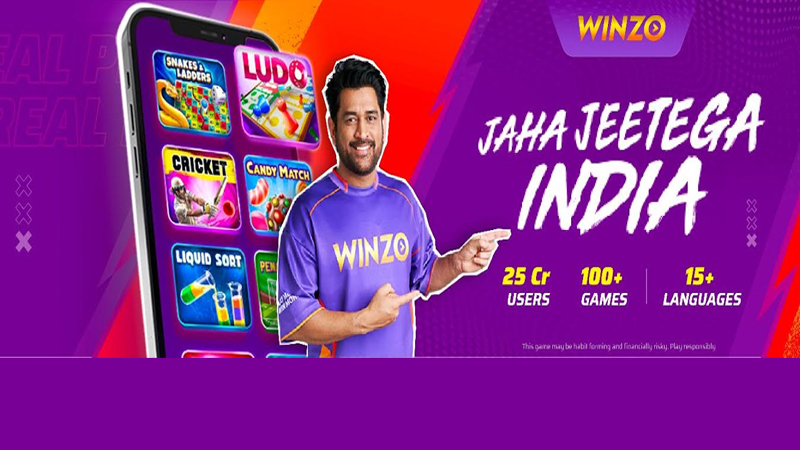
    Winzo has officially launched in the United States, following its Brazil entry in 2023. With this, the company now straddles three of the world’s top four mobile gaming markets India, Brazil, and the US together worth 65–70 billion dollars. Positioned as a Tech Exports 2.0 story, Winzo aims to take Indian gaming IP, talent, and culturally relevant content global through its plug-and-launch distribution model. Backed by 250 million users, 100 plus games, 15 languages, 100 plus patents, and its 50 million dollars Zo Fund, Winzo is scaling innovation beyond India while responsibly exiting real-money formats at home.

    “The launch of Winzo in the United States is a proud milestone for us and for India’s digital entertainment ecosystem. Our vision has always been to empower Indian game developers to reach global audiences. Entering the U.S., the world’s largest and most influential gaming market, is a decisive step towards that mission. We are equally excited to introduce ZO TV, our new short video format, which further diversifies our content offerings and strengthens Winzo’s position as a global hub and one stop destination for interactive entertainment,” said Winzo co-founders Saumya Singh Rathore and Paavan Nanda.

    The financial impact was immediate. Jain revealed that after the bill’s enactment, “95 per cent of revenues disappeared,” describing the legislation as a “knockout blow.” Still, he struck a note of resilience, insisting Dream Sports has “sufficient reserves to sustain its business during this transition” and can adapt by leaning on other ventures like Fancode, Dreametgo and Dream Game Studios.

    The pivot is not just about apps. Dream Sports is now pushing an AI-first strategy, with Jain saying the technology could disrupt “every part of sports: content, commerce, performance, and coaching.” Beyond tech, it is doubling down on grassroots development. At the first Telangana Sports Conclave, COO Sumit Pandey highlighted how the Dream Sports Foundation is backing long-term athlete journeys. “By investing in inclusivity and accessibility,” he noted, the company hopes to carve a sustainable role in India’s sporting ecosystem beyond gaming.

    Meanwhile, Zupee has pulled the plug on its cash contests, but insists the fun isn’t over. Announcing the withdrawal of its RMG offerings, the Gurugram-based company reassured its 150 million-strong user base that its platform will continue to host fan favourites like Ludo Supreme, Ludo Turbo, Snakes & Ladders and Trump Card Mania.

    “Our foremost priority has always been our users, and we remain committed to offering them innovative, responsible, and joyful gaming experiences,” the company said in a statement. “We will continue to focus on engaging, and culturally rooted free-to-play gaming formats…” It added that the aim now is to serve players with entertainment that is “fun, engaging and responsible.”

    MPL (Mobile Premier League), backed by Sequoia and Pegasus, has also hit pause on money-based offerings in India. The platform is funnelling resources into free-to-play titles at home, while going aggressively global with eyes on Europe, the US, and Latin America.

    Games24x7, operator of Rummycircle and My11circle, has stopped accepting deposits and shut its real-money engine. While tight-lipped publicly, industry watchers note the company’s focus may shift towards broader tech plays such as Techxpedite, its accelerator for AI, gaming and tech startups.

    For some, the ban was simply the end of the road. Flutter Entertainment, the global gambling powerhouse behind Junglee Rummy, announced a full India exit, cutting off over 1,100 employees and chalking up a 200 million dollars revenue loss for 2025. CEO Peter Jackson voiced frustration: “We were disappointed… this regulation might push users toward unregulated markets lacking consumer protection and economic contributions.”

    Gameskraft, one of India’s biggest rummy operators, also chose compliance over confrontation. “As a responsible and law-abiding corporate entity, Gameskraft has no intention of pursuing any legal challenge to the legislation. We fully respect the legislative process and remain committed to operating within the framework of the law…” a spokesperson said. They stressed the company’s ongoing commitment to “constructive dialogue with policymakers and stakeholders, responsible innovation, player protection, and regulatory alignment.” Gameskraft noted it had stopped all ‘Gameplay’ and ‘Add Cash’ services as of August 21.

    Not every player was equally exposed. Nazara Technologies, whose stock briefly dipped seven per cent on the news, clarified that it has no direct involvement in real-money gaming and therefore faces little business impact. “The bill is unlikely to significantly affect our financial performance,” the company said.

    Industry associations, however, remain combative. AIGF, EGF and FIFS warned in a letter to home minister Amit Shah that a blanket ban could wipe out Rs 20,000 crore in annual tax revenue and drive players to offshore platforms raising risks of fraud, money laundering and data breaches.

    Delta Corp’s Adda52, India’s top poker platform, is also feeling the squeeze. Its stock has plunged nearly 34 per cent in a year, with an additional nine per cent shaved off after the Bill passed. But unlike pure-play fantasy or rummy firms, Delta still has chips left on the table, its casinos in Goa, Sikkim and Daman remain unaffected. Even before the ban, Delta had lined up a demerger of its hospitality and real estate arms, ring-fencing casino operations for the long haul.

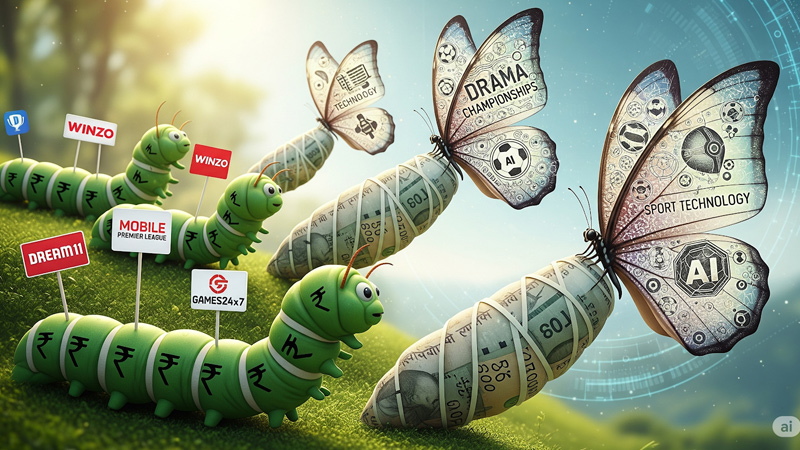
    Between AI-powered sports labs, grassroots investments, free-to-play contests and casino strongholds, the industry is scattering in every possible direction. The only certainty? Real money has left the building but the game is far from over.
  • Gameskraft halts Rummy cash play after new online gaming bill enforcement

    Gameskraft halts Rummy cash play after new online gaming bill enforcement

    MUMBAI: The cards have been reshuffled in India’s online gaming arena and this time, it’s the law dealing the hand. Following the enactment of the Promotion and Regulation of Online Gaming Bill, 2025, which prohibits all real-money games, skill or chance, Gameskraft has announced a full stop to gameplay and cash deposits on its Rummy platforms from 21 August 2025.

    While users can no longer add money or play, the company stressed that withdrawal services remain active, with all account balances “safe and secure.” Gameskraft said it is working with banking partners, auditors, and legal advisors to ensure a seamless process for players cashing out.

    Unlike previous flashpoints between gaming companies and regulators, Gameskraft made it clear there would be no legal challenge this time. “We fully respect the legislative process and remain committed to operating within the framework of the law,” the company stated.

    The focus now shifts to the future. The company revealed it has begun structured internal discussions to explore new business models in line with the bill, guided by what it calls its pillars of responsible innovation, player protection, and regulatory alignment.

    Gameskraft has also reassured stakeholders that it has cleared all regulatory dues, proactively communicated with employees, partners, vendors, and service providers, and safeguarded their interests during this transition.

    Calling compliance “non-negotiable”, the company said the moment, while disruptive, is also an opportunity to “reimagine what’s next responsibly, lawfully, and for long-term value creation.”

    With the ban cutting across India’s booming real-money gaming sector, the industry is now in reset mode. For Gameskraft, once a major player in the Rummy space, the challenge is no longer just winning the game, it’s reinventing it.
     

  • Indian game makers unite under new industry body

    Indian game makers unite under new industry body

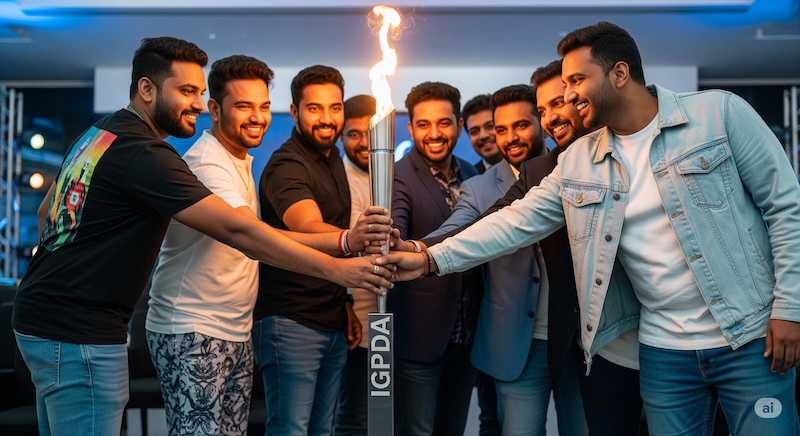
    MUMBAI: India’s game publishers and developers have found a single banner. A new industry body, the Indian Game Publishers and Developers Association (IGPDA), has been launched to give the sector a unified voice and global ambition.

    The association brings together studios, publishers, training outfits, facility providers, and investors. Its brief: to champion homegrown intellectual property, showcase Indian stories, and build skills across animation, VFX, gaming, and comics.

    Nine firms are on the founding roster, from Nazara Technologies (World Cricket Championship) and Gametion (Ludo King) to nCore Games (FAU-G: Domination), Reliance Games (WWE Mayhem), SuperGaming (Indus Battle Royale), Tara Gaming (The Age of Bhaarat), underDOGS Studio (Mukti), Aeos Games (Unleash the Avatar), and Dot9 Games (Apna Games).

    “For the first time, India’s developers and publishers have a unified voice,” said NCore founder and IGPDA chairman Vishal Gondal. “This is about more than games — it’s about building iconic IP and creating a cultural legacy for India.”

    IGPDA has already pitched a partnership with the Maharashtra government to position Mumbai as a global gaming hub through policy incentives. Its first event is slated for later this year in Mumbai.

    The launch comes hard on the heels of the Online Gaming Bill, which won presidential assent on 22 August. The law bans real-money platforms — betting, gambling, lotteries, card games with cash stakes, and fantasy sports — but draws a clear line between those and what it calls “online social games.”

    The government says it will promote esports and safe online gaming as a job creator, export booster, and innovation driver.

  • High on hope News18 Kerala anti drug campaign heads to Kottayam

    High on hope News18 Kerala anti drug campaign heads to Kottayam

    MUMBAI: Kerala’s battle cry against narcotics is getting louder and this time, it’s echoing through Kottayam. News18 Kerala’s anti-drug drive, AD 2025, is drawing packed crowds, celebrity cheer, and spirited debate as it rolls across the state, determined to keep Kerala high on hope, not on drugs. After firing up audiences in Cochin on 10 June and Kozhikode on 15 July, the campaign now heads to K.E. College, Mannanam, on 26 August, from 10:00 am. The roadshow culminates in a grand finale in Thiruvananthapuram next month, but not before it sparks yet another round of tough conversations and cultural performances.

    Each stop so far has been more than a lecture, it’s been a movement. From unpacking the root causes of drug use to spotlighting law enforcement, from discussing how addiction tears through families to stressing early intervention and education, the campaign has stitched together the voices of government, media, NGOs and citizens into a single powerful chorus: collective responsibility.

    The earlier editions saw top dignitaries, police officials, excise officers, celebrities, and cultural icons share the stage, stirring both thought and emotion. Audiences, especially the youth responded with enthusiasm, pledging to act against a menace that has seeped into communities.

    The Kottayam edition promises no less. On the panel: the district collector, police commissioner, excise officer, a social influencer, a psychologist, a student representative and more, ensuring every perspective from law to lived experience is on the table.

    With turnout and public engagement already exceeding expectations, AD 2025 is proving to be more than a campaign. It’s becoming Kerala’s collective pledge for a drug-free tomorrow.

  • Winzo levels up, takes India’s gaming power play to the US market

    Winzo levels up, takes India’s gaming power play to the US market

    MUMBAI: From Delhi to Dallas, Winzo has just hit its biggest checkpoint yet. India’s largest homegrown digital entertainment platform has officially launched in the United States, levelling up its ambition to export desi gaming tech, IP, and talent to global arenas. The move marks Winzo’s entry into the world’s largest gaming market by revenue, hot on the heels of its Brazilian foray in 2023. That places the company squarely at the crossroads of three of the planet’s top four mobile gaming markets India, Brazil and the US together worth an estimated 65–70 billion dollars with over 20 billion annual game downloads.

    With a 250 million-strong user base back home, Winzo’s ecosystem already spans 100 plus competitive games across esports and social formats in 15 languages, backed by more than 100 tech patents. Among them: its Real-Time Game Engine, GenAI-powered vernacular companion, live streaming stack, one-click integration tech and AI-driven cybersecurity solutions.

    The platform also brings financial muscle via its 50 million dollars Zo Fund, fuelling early-stage tech ventures and creating a pipeline of Indian innovation for global markets. Alongside gaming, Winzo is rolling out Zo TV, its new short-video format, aiming to be a one-stop hub for interactive entertainment.

    “This is a proud milestone for India’s digital entertainment ecosystem,” said co-founders Saumya Singh Rathore and Paavan Nanda, noting that the expansion represents “Tech Exports 2.0” where Indian developers can finally take culturally resonant games and esports to the most lucrative gaming market in the world.

    While Winzo continues to expand abroad, it is also doubling down on its Indian audience, even as it responsibly rolls back select offerings impacted by regulatory shifts. For the company, the US debut isn’t just a market entry, it’s a statement that India’s gaming story is no longer just local, but truly global.

  • BGMS 4 drops with Rs 1.5 crore loot, fresh faces and fierce inclusivity

    BGMS 4 drops with Rs 1.5 crore loot, fresh faces and fierce inclusivity

    MUMBAI: Drop in, loot up, and get ready for the chaos. BGMS is back, and it’s bigger than ever. Nodwin Gaming has unleashed Season 4 of the Oneplus Android Battlegrounds Mobile India Masters Series, airing live on Star Sports Khel and JioHotstar daily from 5:00 PM to 8:00 PM until 14 September, with a staggering Rs 1.5 crore prize pool on the line.

    But it’s not just about the loot this time. The tournament has levelled up with the launch of the Battlegrounds Mobile India Challenger Series (BGCS), the official amateur feeder league into the BGMS. Featuring 24 squads including 2 campus champs from the Oneplus Campus Dominate qualifiers, 1 team from TVS Raider Wicked Battles, 17 invited rosters, and a historic 4 all-women line-ups the Challenger Series is bringing fresh blood and fearless energy to Indian esports. Matches stream live on Nodwin’s Youtube channel from 12:00 pm to 3:00 pm every day.

    “BGMS has become more than a tournament; it’s a cultural movement,” said Nodwin Gaming co-founder and MD Akshat Rathee. “Season 4 champions inclusivity at every level, from campus qualifiers to all-women teams on national television.”

    Title sponsor Oneplus is back for another round, powering gameplay with its flagship Oneplus 13 and Nord series. Android continues as co-title sponsor, while TVS Motor Company rides in as official mobility partner for a third year running with its TVS Raider Wicked Battles initiative.

    New faces join the fray too Duolingo English Test debuts as official learning partner, rolling out even a Gujarati-language feed, while Swiggy steps in as official food delivery partner, keeping players and crews fed through marathon matchdays. Red Bull fuels players for a second year, while Bisleri makes its debut as Hydration Partner.

    The BGCS runs till 7 September, setting the stage for BGMS Season 4’s finale stretch. With esports on primetime TV and national brands stacking up behind the action, BGMS isn’t just gaming anymore, it’s India’s newest sporting spectacle.

  • Evo changes hands as Sony exits and Nodwin takes control

    Evo changes hands as Sony exits and Nodwin takes control

    MUMBAI: The Evolution Championship Series (Evo), the world’s largest and longest-running fighting game festival, has entered new ownership and struck fresh partnerships that will steer its future through 2028 and beyond.

    Sony Interactive Entertainment (SIE) has sold its stake in Evo to Nodwin Gaming, backed by Sony Group Corporation, while signing on as a global sponsor until 2028. SIE will continue to support the fighting game community via PlayStation Tournaments and new products in development.

    “When SIE acquired Evo alongside RTS in 2021, our goal was to spotlight fighting game fans on a global stage,” said SIE svp and head of global partner development & relations Phil Rosenberg. “As we transition to sponsor, Evo’s momentum has never been stronger, with expansion into new regions.”

    Nodwin Gaming co-founder & managing director Akshat Rathee said: “Evo was built on authenticity and passion. We will honour that legacy while opening the door for a new generation.”

    Saudi Arabia’s Qiddiya, already a global partner, is investing in RTS, Evo’s co-owner and operator, and extending its deal through 2027. RTS chief executive Stuart Saw said the tie-up would “drive real transformation in the fighting game community through new opportunities, deeper connections and meaningful growth.”

    Evo’s global pull is surging. Its Las Vegas flagship drew players from more than 60 countries across 16 titles on a 14-acre floor, backed by brands including Chipotle, AT&T, PlayStation, Red Bull and Under Armour. Evo Japan at Tokyo Big Sight drew around 30,000, making it the largest in-person fighting game tournament in the country’s history.

    The festival will debut in Europe at the Palais des Expos in Nice, France, from October 10-12, with record registrations, and expand to Singapore in 2027.

    “Evo is accelerating from hosting renowned events to serving as a nexus point for fighting game culture worldwide,” said Evo general manager Rick Thiher.