Category: eNews

  • 68 per cent SMEs offline; Google plans smartphone-optimised regional websites

    68 per cent SMEs offline; Google plans smartphone-optimised regional websites

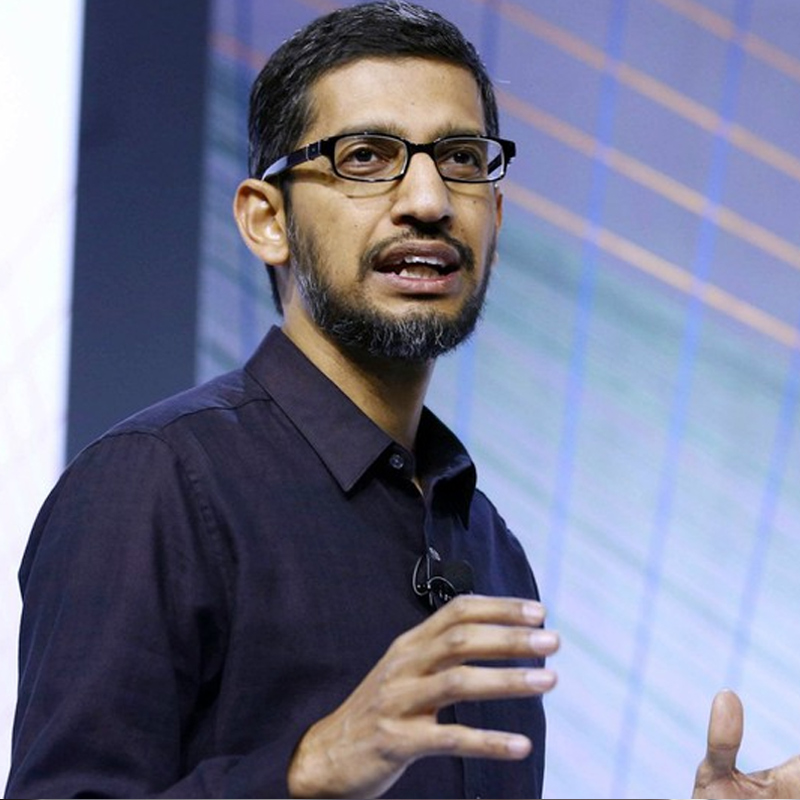
    MUMBAI: Google has announced the launch of Digital Unlocked, a training program to empower thousands of Indian SMBs with essential digital skills that will enable them to get online and start using the power of the internet to grow their business. Google also previewed My Business Websites, an easy-to-use offering to help businesses to have a rich, mobile optimised digital presence that will be launched later this year. Making the announcements at an event held in the city today, Google CEO Sundar Pichai spoke to representatives from hundreds of small and medium business from across the country on the benefits of the web and digital technology.

    My Business Websites will be available in English, Hindi, Bengali, Telugu, Marathi, Tamil, Urdu, Gujarati, Kannada, and Malayalam.

    Google India reaffirmed its commitment to digitally empower India’s 51 million strong small and medium business community.

    During his address, Sundar Pichai said, “The Internet is a powerful equalizer and we are motivated to bring the benefits of information and technology to as many people as possible. Building for everyone and making it available in the hands of as many people is at the heart and core of what we do. And we do this by investing in open ecosystems.”

    Referring specifically to small and medium businesses, Pichai added, “the Internet and digital technology will be an engine of growth for the Indian economy. Today, anyone can become an entrepreneur, a developer, or a creator, but it is important that they have the right tools and skills to digitize. We believe it is important for us to invest in training and equipping these individuals and small businesses to accelerate their journey of growth.”

    Setting the context for the initiative Google unveiled a joint research study with KPMG titled “Impact of internet and digitisation on SMBs in India”. The study reiterates that 68 per cent of the 51m Indian SMBs are offline. Highlighting the macro-economic impact of the internet, the research found that rising penetration and greater uptake for digital by SMBs could help increase their contribution to India’s GDP by 10 percentage points, taking it up to 46-48 per cent by 2020. Ascertaining the benefits of going digital for small businesses, it determined that profits of digitally engaged SMBs grow twice as fast compared to offline SMBs. Likewise digitally engaged businesses are able to grow their customer base significantly with 52 per cent catering to customers beyond their home city versus only 29 per cent offline SMBs. The report cites the lack of understanding of the benefits of digital technologies and technical skills as the essential reasons for being offline.

    With Digital Unlocked, Google is committed to ensuring that every single small business in India that wants to go digital has access to quality training. In keeping with the varied learning needs of the millions of businesses in India, we’ve built this program across online, offline and mobile. The offline training is being conducted in partnership with FICCI and over the next three years, 5,000 workshops will be held across 40 Indian cities. The online training comprises a set of 90 self-paced video tutorials, curated specifically for India and is available free of charge at g.co/digitalunlocked. The tutorials cover a comprehensive set of topics ranging from building a web presence and driving online growth to reaching customers over mobile and video. The trainings are certified by Google, Indian School of Business and FICCI.

    Further, for India’s mobile-first audience, Google also launched Primer, a free mobile app uniquely designed to teach digital marketing skills in a quick, easy and interactive way. It is available for download through the Google Play and iOS app store. Primer also works offline and is currently available in English and Hindi with Tamil, Telugu and Marathi versions coming shortly.

    At the event, Google also previewed My Business Websites, aimed at equipping the vast majority of small businesses with a simple way to start their digital journey by creating a free, mobile optimised website, easily and instantly. Available for Google My Business users later in the year, this new feature will provide simple, templated, editable websites for small businesses created from their data and photos on Google Maps.

    Several small businesses that have leveraged Google’s products and technologies were also present at the event. Three of them – Walnut, Go Co-op and Maganlal Dresswalla – were in conversation with Sundar Pichai and shared their journey to digital using Google offerings including Google My Business, Google AdWords as well as the Google Cloud Platform.

    The announcement today is a continuation of Google’s efforts to support Digital India. Last year Google had launched Google My Business, a program aimed at helping small medium businesses get an online presence on Google Search and Google Maps, without having to invest in a website or domain. Over 8 million Indian SMBs are already on these platforms, with thousands more coming online every month.

  • 68 per cent SMEs offline; Google plans smartphone-optimised regional websites

    68 per cent SMEs offline; Google plans smartphone-optimised regional websites

    MUMBAI: Google has announced the launch of Digital Unlocked, a training program to empower thousands of Indian SMBs with essential digital skills that will enable them to get online and start using the power of the internet to grow their business. Google also previewed My Business Websites, an easy-to-use offering to help businesses to have a rich, mobile optimised digital presence that will be launched later this year. Making the announcements at an event held in the city today, Google CEO Sundar Pichai spoke to representatives from hundreds of small and medium business from across the country on the benefits of the web and digital technology.

    My Business Websites will be available in English, Hindi, Bengali, Telugu, Marathi, Tamil, Urdu, Gujarati, Kannada, and Malayalam.

    Google India reaffirmed its commitment to digitally empower India’s 51 million strong small and medium business community.

    During his address, Sundar Pichai said, “The Internet is a powerful equalizer and we are motivated to bring the benefits of information and technology to as many people as possible. Building for everyone and making it available in the hands of as many people is at the heart and core of what we do. And we do this by investing in open ecosystems.”

    Referring specifically to small and medium businesses, Pichai added, “the Internet and digital technology will be an engine of growth for the Indian economy. Today, anyone can become an entrepreneur, a developer, or a creator, but it is important that they have the right tools and skills to digitize. We believe it is important for us to invest in training and equipping these individuals and small businesses to accelerate their journey of growth.”

    Setting the context for the initiative Google unveiled a joint research study with KPMG titled “Impact of internet and digitisation on SMBs in India”. The study reiterates that 68 per cent of the 51m Indian SMBs are offline. Highlighting the macro-economic impact of the internet, the research found that rising penetration and greater uptake for digital by SMBs could help increase their contribution to India’s GDP by 10 percentage points, taking it up to 46-48 per cent by 2020. Ascertaining the benefits of going digital for small businesses, it determined that profits of digitally engaged SMBs grow twice as fast compared to offline SMBs. Likewise digitally engaged businesses are able to grow their customer base significantly with 52 per cent catering to customers beyond their home city versus only 29 per cent offline SMBs. The report cites the lack of understanding of the benefits of digital technologies and technical skills as the essential reasons for being offline.

    With Digital Unlocked, Google is committed to ensuring that every single small business in India that wants to go digital has access to quality training. In keeping with the varied learning needs of the millions of businesses in India, we’ve built this program across online, offline and mobile. The offline training is being conducted in partnership with FICCI and over the next three years, 5,000 workshops will be held across 40 Indian cities. The online training comprises a set of 90 self-paced video tutorials, curated specifically for India and is available free of charge at g.co/digitalunlocked. The tutorials cover a comprehensive set of topics ranging from building a web presence and driving online growth to reaching customers over mobile and video. The trainings are certified by Google, Indian School of Business and FICCI.

    Further, for India’s mobile-first audience, Google also launched Primer, a free mobile app uniquely designed to teach digital marketing skills in a quick, easy and interactive way. It is available for download through the Google Play and iOS app store. Primer also works offline and is currently available in English and Hindi with Tamil, Telugu and Marathi versions coming shortly.

    At the event, Google also previewed My Business Websites, aimed at equipping the vast majority of small businesses with a simple way to start their digital journey by creating a free, mobile optimised website, easily and instantly. Available for Google My Business users later in the year, this new feature will provide simple, templated, editable websites for small businesses created from their data and photos on Google Maps.

    Several small businesses that have leveraged Google’s products and technologies were also present at the event. Three of them – Walnut, Go Co-op and Maganlal Dresswalla – were in conversation with Sundar Pichai and shared their journey to digital using Google offerings including Google My Business, Google AdWords as well as the Google Cloud Platform.

    The announcement today is a continuation of Google’s efforts to support Digital India. Last year Google had launched Google My Business, a program aimed at helping small medium businesses get an online presence on Google Search and Google Maps, without having to invest in a website or domain. Over 8 million Indian SMBs are already on these platforms, with thousands more coming online every month.
  • Copyright Force finally here to fight online piracy

    Copyright Force finally here to fight online piracy

    NEW DELHI: The Copyright Force is finally here to fight online content piracy, which has been bleeding the Indian content companies, from film, music and TV world, billions of rupees in revenues as pirates have been making hay.

    It seems in co-ordinated movements by the Indian government and the industry, plans have been initiated to seriously fight the online piracy menace. While the Department of Industrial Policy and Promotion (DIPP), under Commerce Ministry, earlier this week discussed the copyright and piracy issues with stakeholders, industry body FICCI sent out notes to stakeholders to be part of  Copyright Force, a unique cross-industry coalition.

    Globally online piracy of content costs trillions of dollars that have prompted several industry organisations to focus specifically on arresting online piracy. According to Dubai-based GO-Gulf, there are $12.5 billion in economic losses each year due to piracy in the music industry alone; 71,060 jobs are lost in the United States every year due to piracy and $2.7 billion in workers’ earnings are lost each year due to online piracy. Interestingly, according to the research, India is ranked 5th (60 per cent) in the Top 10 countries with online piracy, while China tops the list with 91 per cent piracy.

    The DIPP meeting of stakeholders, including producers from film and TV industry, was held to discuss issues related to copyright infringement and ways to tackle online piracy. The meeting, chaired DIPP joint secretary Rajiv Aggarwal, not only appreciated efforts being initiated by the Telangana Intellectual Property Crime Unit or TIPCU to curb piracy of copyright protected material, but expressed the need to adopt this model by other states also to check the menace within their respective jurisdiction.

    Incidentally, TIPCU is a motivated version of Police Intellectual Property Crime Unit (PIPCU), funded by the Intellectual Property Office of the UK and run by the City of London Police with a special focus on offences committed online.

    The industry initiative, helmed by FICCI, is on the lines of discussions at DIPP — to facilitate exchange of global best practices, support platforms that encourage B2G and G2B dialogue and encourage initiatives to promote and protect copyright and possibly take action against offenders, along with law enforcement agencies.
    While highlighting the need for a robust copyright eco-system and acknowledging the National IPR Policy was as a step in the right direction, FICCI outlined the objectives of the Copyright Force:

    # Highlight vital role that copyright plays in fostering creativity and culture, stimulating investmentsand economic growth, while serving to enhance the competitiveness of industry and business
    # Encourage innovation and improved consumer experience through legitimate content delivery platforms
    #Address the challenge of piracy that undermines the growth potential of this sector.

    The  Copyright Force, which  will bring together leaders in the fields of film, television, music, media, Internet, technology and OTT content delivery platforms, likely to have its first formal meeting sometime in January 2017. Some of the biggest broadcasting companies in India have been part of initial discussion on the formation of Copyright Force.

    ALSO READ:

    Online pirates beware, Copyright Force on way

    Internet included in broadcasting for purpose of Copyright

  • Copyright Force finally here to fight online piracy

    Copyright Force finally here to fight online piracy

    NEW DELHI: The Copyright Force is finally here to fight online content piracy, which has been bleeding the Indian content companies, from film, music and TV world, billions of rupees in revenues as pirates have been making hay.

    It seems in co-ordinated movements by the Indian government and the industry, plans have been initiated to seriously fight the online piracy menace. While the Department of Industrial Policy and Promotion (DIPP), under Commerce Ministry, earlier this week discussed the copyright and piracy issues with stakeholders, industry body FICCI sent out notes to stakeholders to be part of  Copyright Force, a unique cross-industry coalition.

    Globally online piracy of content costs trillions of dollars that have prompted several industry organisations to focus specifically on arresting online piracy. According to Dubai-based GO-Gulf, there are $12.5 billion in economic losses each year due to piracy in the music industry alone; 71,060 jobs are lost in the United States every year due to piracy and $2.7 billion in workers’ earnings are lost each year due to online piracy. Interestingly, according to the research, India is ranked 5th (60 per cent) in the Top 10 countries with online piracy, while China tops the list with 91 per cent piracy.

    The DIPP meeting of stakeholders, including producers from film and TV industry, was held to discuss issues related to copyright infringement and ways to tackle online piracy. The meeting, chaired DIPP joint secretary Rajiv Aggarwal, not only appreciated efforts being initiated by the Telangana Intellectual Property Crime Unit or TIPCU to curb piracy of copyright protected material, but expressed the need to adopt this model by other states also to check the menace within their respective jurisdiction.

    Incidentally, TIPCU is a motivated version of Police Intellectual Property Crime Unit (PIPCU), funded by the Intellectual Property Office of the UK and run by the City of London Police with a special focus on offences committed online.

    The industry initiative, helmed by FICCI, is on the lines of discussions at DIPP — to facilitate exchange of global best practices, support platforms that encourage B2G and G2B dialogue and encourage initiatives to promote and protect copyright and possibly take action against offenders, along with law enforcement agencies.
    While highlighting the need for a robust copyright eco-system and acknowledging the National IPR Policy was as a step in the right direction, FICCI outlined the objectives of the Copyright Force:

    # Highlight vital role that copyright plays in fostering creativity and culture, stimulating investmentsand economic growth, while serving to enhance the competitiveness of industry and business
    # Encourage innovation and improved consumer experience through legitimate content delivery platforms
    #Address the challenge of piracy that undermines the growth potential of this sector.

    The  Copyright Force, which  will bring together leaders in the fields of film, television, music, media, Internet, technology and OTT content delivery platforms, likely to have its first formal meeting sometime in January 2017. Some of the biggest broadcasting companies in India have been part of initial discussion on the formation of Copyright Force.

    ALSO READ:

    Online pirates beware, Copyright Force on way

    Internet included in broadcasting for purpose of Copyright

  • Festivelle: Gul Panag & Shruti video chronicles women’s thoughts

    Festivelle: Gul Panag & Shruti video chronicles women’s thoughts

    MUMBAI: The power girls of B-town — Gul Panag and Shruti Seth — have come together and curated the first of its kind women-centric event called ‘Festivelle’ organised by women, for women. To promote the event, Festivelle has partnered with Pocket Acesto launch a video- What women mean v.s What they say featuring Gul and Shruti as the protagonists.

    Pocket Aces is one of the fastest growing digital entertainment companies in India which company conceptualizes, creates, and distributes engaging original content for the millennial through its channels — Dice Media and FilterCopy.

    The video is an interesting and honest take on everyday situations that women go through, how as a woman she would want to react but how she eventually deals with that situation. Besides this video, Pocket Aces has also published articles on FilterCopy by the co-creators of ‘Festivelle’ talking about what both personally believe in and stand for.

    On partnering with Pocket Aces, Shruti Seth, Co-creator, Festivelle said, “Our partnership with Pocketaces/filtercopy has been delightful. The content has been kickass and so well executed. Thank you for adding so much value to Festivelle.”

    Festivelle co-creator Gul Panag, commenting on this unique initiative, said, “I love what Filter Copy is doing! Here’s to more such collaborations.” Panag added: “Often, women find it hard to be able to speak their minds and are busy juggling several things together. This video with FilterCopy has made sure that we conveyed the message that it’s okay for women to take a break and that they should always be able to speak their mind. And that’s exactly the message of Festivelle as well.”

    Commenting on the partnership with ‘Festivelle’, Pocket Aces co-founder Aditi Shrivastava said, “Festivelle is a fresh and much-required initiative, and we are glad to be partnering with them. Women constitute over 50% of FilterCopy’s audience – they love content that they can relate to, engage with, and create conversations around. Festivelle’s motto – taking a break – is relatable to every woman, and this is exactly what prompted us to be involved. Seeing Gul and Shruti in every day, accessible situations is what has made the video really work.” Aditi is also a panelist at Festivelle, and will be talking to women about managing their personal finances better.

    With the intent to celebrate womanhood, this event will bring to women music, comedy, spa sessions, fun conversations, food, shopping and much more. Festivelle will give women the opportunity to spend two days amidst revelry and celebration.

  • Festivelle: Gul Panag & Shruti video chronicles women’s thoughts

    Festivelle: Gul Panag & Shruti video chronicles women’s thoughts

    MUMBAI: The power girls of B-town — Gul Panag and Shruti Seth — have come together and curated the first of its kind women-centric event called ‘Festivelle’ organised by women, for women. To promote the event, Festivelle has partnered with Pocket Acesto launch a video- What women mean v.s What they say featuring Gul and Shruti as the protagonists.

    Pocket Aces is one of the fastest growing digital entertainment companies in India which company conceptualizes, creates, and distributes engaging original content for the millennial through its channels — Dice Media and FilterCopy.

    The video is an interesting and honest take on everyday situations that women go through, how as a woman she would want to react but how she eventually deals with that situation. Besides this video, Pocket Aces has also published articles on FilterCopy by the co-creators of ‘Festivelle’ talking about what both personally believe in and stand for.

    On partnering with Pocket Aces, Shruti Seth, Co-creator, Festivelle said, “Our partnership with Pocketaces/filtercopy has been delightful. The content has been kickass and so well executed. Thank you for adding so much value to Festivelle.”

    Festivelle co-creator Gul Panag, commenting on this unique initiative, said, “I love what Filter Copy is doing! Here’s to more such collaborations.” Panag added: “Often, women find it hard to be able to speak their minds and are busy juggling several things together. This video with FilterCopy has made sure that we conveyed the message that it’s okay for women to take a break and that they should always be able to speak their mind. And that’s exactly the message of Festivelle as well.”

    Commenting on the partnership with ‘Festivelle’, Pocket Aces co-founder Aditi Shrivastava said, “Festivelle is a fresh and much-required initiative, and we are glad to be partnering with them. Women constitute over 50% of FilterCopy’s audience – they love content that they can relate to, engage with, and create conversations around. Festivelle’s motto – taking a break – is relatable to every woman, and this is exactly what prompted us to be involved. Seeing Gul and Shruti in every day, accessible situations is what has made the video really work.” Aditi is also a panelist at Festivelle, and will be talking to women about managing their personal finances better.

    With the intent to celebrate womanhood, this event will bring to women music, comedy, spa sessions, fun conversations, food, shopping and much more. Festivelle will give women the opportunity to spend two days amidst revelry and celebration.

  • Take ‘Actions on Google’: partner’s Gupshup with enterprises

    Take ‘Actions on Google’: partner’s Gupshup with enterprises

    MUMBAI: Gupshup has partnered with Google to enable enterprises to quickly and easily build for ‘Actions on Google’, its development interface for the Google Assistant. Bot builders can now create and deploy bots or actions for the assistant using Gupshup’s cross-platform development tools.

    One of the early Google Assistant actions to come to Google Home is from VentureBeat, source of technology and chatbot news. Developed in coordination with Gupshup, the bot will be available to consumers later this month.

    Gupshup CEO Beerud Sheth opined that the bot landscape has grown exponentially in the past year. It has enabled the world where intelligent, conversational interfaces will soon be all around us. He expressed gratitude about being one of the first developer platforms to join Actions on Google.

    Google Home users launch the VentureBeat bot by saying “Ok Google, let me talk to VentureBeat,” and can then navigate the latest technology news stories and headlines from the comfort of their own home by interacting with the Google Assistant.

    Few more content providers will be available on Actions on Google soon.

    Gupshup is the first truly omni-channel bot development platform, offering developers and enterprises the ability to connect with consumers on their favorite messaging platforms, now including voice-assisted ecosystems such as Google Home.

  • Take ‘Actions on Google’: partner’s Gupshup with enterprises

    Take ‘Actions on Google’: partner’s Gupshup with enterprises

    MUMBAI: Gupshup has partnered with Google to enable enterprises to quickly and easily build for ‘Actions on Google’, its development interface for the Google Assistant. Bot builders can now create and deploy bots or actions for the assistant using Gupshup’s cross-platform development tools.

    One of the early Google Assistant actions to come to Google Home is from VentureBeat, source of technology and chatbot news. Developed in coordination with Gupshup, the bot will be available to consumers later this month.

    Gupshup CEO Beerud Sheth opined that the bot landscape has grown exponentially in the past year. It has enabled the world where intelligent, conversational interfaces will soon be all around us. He expressed gratitude about being one of the first developer platforms to join Actions on Google.

    Google Home users launch the VentureBeat bot by saying “Ok Google, let me talk to VentureBeat,” and can then navigate the latest technology news stories and headlines from the comfort of their own home by interacting with the Google Assistant.

    Few more content providers will be available on Actions on Google soon.

    Gupshup is the first truly omni-channel bot development platform, offering developers and enterprises the ability to connect with consumers on their favorite messaging platforms, now including voice-assisted ecosystems such as Google Home.

  • How ‘internet’ mourned Jayalalithaa’s death

    How ‘internet’ mourned Jayalalithaa’s death

    MUMBAI: 5 December, 2016, was a dark day. Not just for Tamil Nadu politics, but for everyone inspired by and believing in the strength of a self-made woman who rose to the senior ranks of leadership.

    Tamil Nadu’s former chief minister and AIADMK supremo J. Jayalalithaa’s death was a shock to the entire nation.

    The announcement itself shrouded in doubts, rumours, misreporting and impending fear of rioting, it set India, and even people abroad, talking about it through social media.

    So much so, that between 4 and 8 December ‘Jayalalithaa – Tamil Nadu Chief Minister’ was the most searched topic on Google search, according to data collated by the digital marketing enterprise Liqvd Asia.

    Mention of ‘Jayalalithaa’ also surged during this span of time.

    public://jaya1.jpg

    If one were the spread out the reception/ reaction of her death on the internet into various platforms, it was clear that most people were mourning her death on Twitter. Twitter lead the discussions with a staggering 97.2 per cent, followed by comments. A total of 609K conversations on her were recording online during this time, as per the data provided by Liqvd Asia.

    public://jaya2.jpg

    Going by regions, Puducherry showed complete interest in the matter with 100 per cent of its online conversation surrounding Jayalalithaa’s death. It followed naturally by Tamil Nadu. 36 per cent of the conversation coming from Andaman And Nicobar Islands too were about Jayalalithaa’s death.

    public://jaya3.jpg

    Globally, while almost 75 per cent of the conversation recorded in India was about Jayalalithaa, the U.S., Malaysia and the UK too were talking about the same.

    public://jaya4.jpg

    (The above story is based on the info-graphics provided by Liqvd Asia)

  • How ‘internet’ mourned Jayalalithaa’s death

    How ‘internet’ mourned Jayalalithaa’s death

    MUMBAI: 5 December, 2016, was a dark day. Not just for Tamil Nadu politics, but for everyone inspired by and believing in the strength of a self-made woman who rose to the senior ranks of leadership.

    Tamil Nadu’s former chief minister and AIADMK supremo J. Jayalalithaa’s death was a shock to the entire nation.

    The announcement itself shrouded in doubts, rumours, misreporting and impending fear of rioting, it set India, and even people abroad, talking about it through social media.

    So much so, that between 4 and 8 December ‘Jayalalithaa – Tamil Nadu Chief Minister’ was the most searched topic on Google search, according to data collated by the digital marketing enterprise Liqvd Asia.

    Mention of ‘Jayalalithaa’ also surged during this span of time.

    public://jaya1.jpg

    If one were the spread out the reception/ reaction of her death on the internet into various platforms, it was clear that most people were mourning her death on Twitter. Twitter lead the discussions with a staggering 97.2 per cent, followed by comments. A total of 609K conversations on her were recording online during this time, as per the data provided by Liqvd Asia.

    public://jaya2.jpg

    Going by regions, Puducherry showed complete interest in the matter with 100 per cent of its online conversation surrounding Jayalalithaa’s death. It followed naturally by Tamil Nadu. 36 per cent of the conversation coming from Andaman And Nicobar Islands too were about Jayalalithaa’s death.

    public://jaya3.jpg

    Globally, while almost 75 per cent of the conversation recorded in India was about Jayalalithaa, the U.S., Malaysia and the UK too were talking about the same.

    public://jaya4.jpg

    (The above story is based on the info-graphics provided by Liqvd Asia)