Category: eNews

  • Climate-conscious marketing startup bags $2m to fix advertising’s waste problem

    Climate-conscious marketing startup bags $2m to fix advertising’s waste problem

    MUMBAI: Nearly two-fifths of the $1 trillion sloshed around global advertising each year vanishes into the ether—wasted on botched targeting, feeble creative and sheer duplication. Climaty AI reckons it can plug the leak.
    The Dubai-based startup, which bills itself as the world’s first “CliMarTech” company, has secured $2m in early-stage funding led by Turbostart to build what it calls an agentic AI ecosystem—self-learning marketing infrastructure that optimises campaigns in real time whilst measuring their carbon footprint.

    Founded by Neel Pandya, former chief executive of AI startup Pixis (which he helped scale to $225m in funding), Climaty AI deploys four AI-powered agents—Campaign Builder, Creator, Optimizer and Analytics—to automate the grunt work and free media planners to focus on strategy rather than spreadsheets.

    The funding will bankroll expansion across Asia-Pacific, EMEA, Britain and north America, where demand for sustainable marketing is climbing. Climaty AI has already run pilots with Opella and tested its platform across edtech, consumer healthcare, automotive and consumer goods sectors.

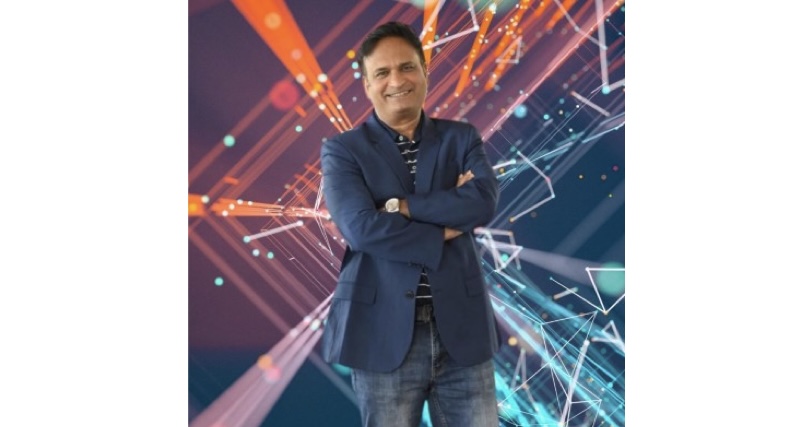
    “Marketing platforms of the future will combine performance with accountability. Climaty AI is shaping this new standard with CliMarTech and agentic AI,” said Bengaluru-based venture and accelerator fund Turbostart founder Ganesh Raju. 

    Pandya, who spent two decades at L’Oréal, Vodafone and GroupM before diving into AI, argued that the most successful brands will treat accountability as a performance driver rather than a cost centre. “Agentic AI and sustainability are at the core of everything we do,” he said.

    The pitch: smarter campaigns, measurable results, and a smaller carbon footprint—performance and responsibility in one package. Whether agencies and brands buy it remains to be seen, but with $370 billion going up in smoke annually, there’s certainly room for improvement.

  • Mipcom 2025: Glance to crack the code on what audiences actually want

    Mipcom 2025: Glance to crack the code on what audiences actually want

    PARIS: In a media landscape where Netflix and YouTube hoover up nearly half of all US streaming hours, knowing what audiences want isn’t just useful—it’s survival.

    Glance, the TV and video market intelligence outfit, will lay bare the winning formulas at Mipcom Cannes 2025 next month, drawing on audience data from more than 120 territories to answer the industry’s most vexing question: who’s watching what, how and why?

    Frédéric Vaulpré, senior vice-president, and Maryam Ramassamy, international research director, will lead the session on 13  October, tackling how content creators can stand out as linear TV withers and streaming platforms multiply like rabbits.

    The presentation will dissect BVoD strategies including TF1+’s digital ad revenue surge, and explore the curious phenomenon of “co-petition”—traditional broadcasters cosying up to the very streaming giants eating their lunch. With advertisers fixated on the golden 25-49 demographic and revenues under pressure, the old rules no longer apply.

    Glance will showcase how hyper distribution—flinging content across AVoD, Fast, SVoD and linear channels simultaneously—often trumps exclusivity. The session will also examine how content is tapping into geopolitical anxiety, evolving gender norms and early-2000s nostalgia, whilst high-concept formats embrace AI and other shiny new tech.

    “The media landscape is more fragmented than ever, yet the need for precise audience intelligence has never been greater,” said Vaulpré.

    Ramassamy added: “Our industry is trying to cope with a fundamental change in how audiences consume TV, in both substance and form. The storytelling needs to be closer to audiences’ current state of mind.”

    Glance, part of Médiamétrie, delivers official ratings for more than 7,000 channels and works with over 100 data providers and 230 major broadcasters, streaming services and production studios worldwide. The Paris-based firm employs over 700 people and notched  a turnover of €103.5m in 2024.

    The session takes place at 9 am on 13 October in the Grand Auditorium at the Palais des Festivals.

  • Crunchyroll takes aim at manga pirates with new digital service come 9 October

    Crunchyroll takes aim at manga pirates with new digital service come 9 October

    MUMBAI: Crunchyroll is betting that frustrated manga readers will pay up to escape the labyrinthine world of publisher-specific apps and dodgy fan-scan sites. The anime streaming giant announced that Crunchyroll Manga, a new premium add-on, will launch on 9 October  for iOS and Android users in America and Canada, followed by a web version on 15 October.

    The service promises an ad-free experience featuring hundreds of titles from major publishers including Viz Media, Square Enix, Yen Press, AlphaPolis and Compass. Launch titles span the spectrum from blockbusters like One Piece and Jujutsu Kaisen to cult favourites such as The Summer Hikaru Died and Delicious in Dungeon.

    For existing subscribers, the pricing structure offers both carrots and sticks. Ultimate Fan subscribers ($15.99 monthly) get access at no extra cost. Others face a $4 monthly surcharge for the Fan tier (bringing it to $11.99) or $3.50 for Mega Fan subscribers ($15.49 total).

    The move tackles a persistent headache for western manga enthusiasts: juggling multiple subscriptions across different publishers’ platforms. Square Enix’s Manga UP! limits access through daily “free currency,” whilst other publishers require separate purchases or subscriptions that quickly pile up costs.

    Crunchyroll Manga, powered by Japan’s Link-U Group, will operate as a standalone app separate from the main streaming service. Features include offline downloads, personalised reading lists and full two-page spreads across mobile, tablet and web platforms.

    Notably absent from the launch lineup are titles from Kodansha, which operates its own K Manga app using a ticket-purchase system. However, popular Kodansha series like Attack on Titan and Vinland Saga, already available as anime on Crunchyroll, may join later.

    Additional publishers including Shueisha, J-Novel Club and ThirdlineNext are slated to join post-launch, potentially creating a one-stop shop for digital manga consumption.

    The timing is shrewd. Digital comics subscription services like Marvel Unlimited have proven the model works for superhero fans. If successful, Crunchyroll Manga could deal a significant blow to manga piracy whilst consolidating the company’s position as the west’s manga and anime gatekeeper

  • India’s internet lobby gets new chiefs to shepherd digital policy

    India’s internet lobby gets new chiefs to shepherd digital policy

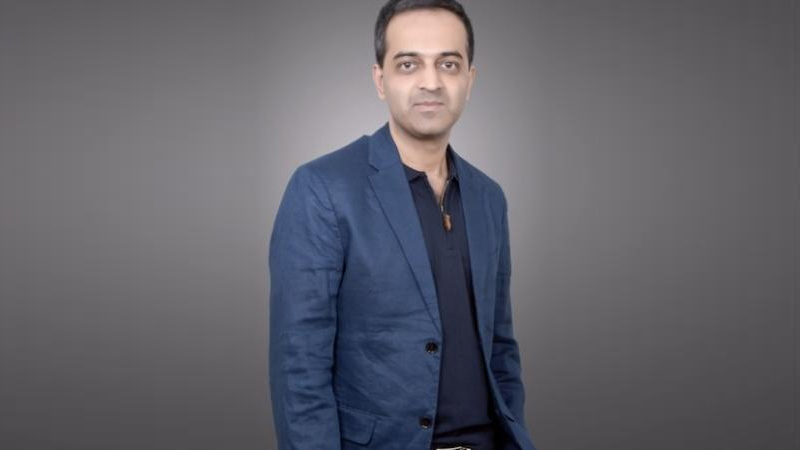
    MUMBAI: India’s Internet and Mobile Association (IAMAI) has shuffled the deck at the top of its influential public policy committee, installing fresh leadership to guide the country’s booming digital sector through an increasingly complex regulatory landscape.

    Amazon Web Services India & South Asia head of digital and AI policy  Saurabh Singh, has been elected chairperson of the committee that shapes industry positions on everything from data governance to consumer protection. He replaces Vineeta Dixit of Spotify, who had steered the group through a period of rapid regulatory change.

    Joining Singh as co-chairs are ride-hailing firm Rapido general counsel and head of corporate affairs & public policy Manasvi Mann, and Swedish caller-identification app Truecaller head of public affairs Seema Jindal. They take over from Senthil Kumar of agritech startup Ninjacart and Richa Mukherjee of fintech firm PayU.

    The reshuffle comes as India’s digital economy hurtles towards the government’s ambitious target of reaching $1trillion in value. The IAMAI committee serves as the industry’s primary voice in policy discussions with New Delhi, weighing in on thorny issues like data localisation rules, platform liability and digital competition.

    “Our focus will be on addressing critical digital policy matters that are relevant to our members whilst the ultimate goal would be to contribute to the national vision of building a $1 trillion digital economy,” Singh said following his appointment.

    The new leadership takes charge at a pivotal moment. India’s tech sector faces mounting scrutiny over market dominance, data privacy and content moderation—issues that will require deft navigation of both domestic political pressures and global regulatory trends.

    Jindal emphasised the need for industry-government collaboration to build “a safe and inclusive digital ecosystem” as India positions itself as a global digital leader. Her appointment brings telecoms expertise to a committee increasingly grappling with infrastructure and connectivity challenges.

    The leadership change reflects IAMAI’s evolution from a relatively niche trade body to a powerful lobbying force representing hundreds of companies across India’s sprawling digital economy. As regulatory battles intensify, the new team will need to balance member interests whilst maintaining credibility with policymakers in the world’s most populous democracy.

  • Animeta launches AI film studio

    Animeta launches AI film studio

    MUMBAI: Singapore-based Animeta has fired up an AI film studio in Mumbai, betting that artificial intelligence can turbo-charge content creation for brands and filmmakers hungry for rapid-fire storytelling.

    The creator-tech company’s new vertical marries human creativity with machine-generated visuals, promising to churn out everything from promotional clips to feature-length films at breakneck speed. The venture taps into Google Cloud’s start-up programme, which provides access to the tech giant’s Vertex AI Veo3 video generation model alongside copyright protection.

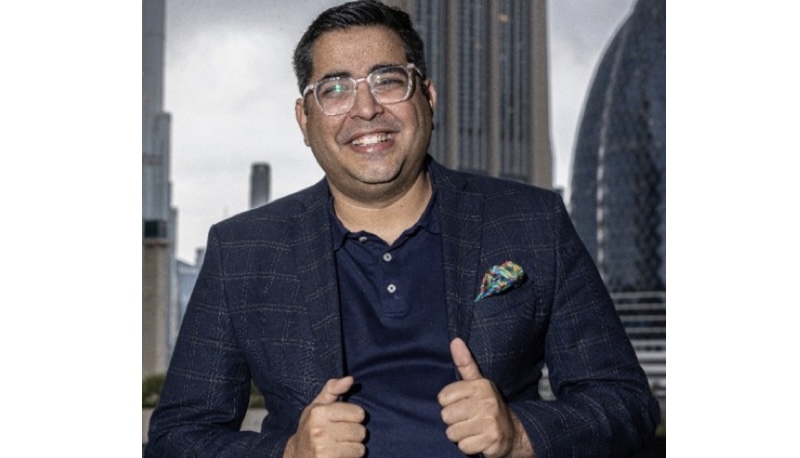
    “We’ve built a hybrid model where human creativity and AI technology work together seamlessly, empowering creators to tell their stories faster, smarter, and infinitely scalable,” said Animeta founder Anish Mehta who has spent two decades reimagining animation storytelling.

    The Mumbai studio aims to capitalise on India’s booming digital content market whilst addressing creators’ perpetual challenge: producing high-quality material at scale without breaking budgets or timelines. The platform allows writers and filmmakers to blend original scripts, music and voice work with AI-generated visuals.

    Animeta already boasts heavyweight clients including Amazon, Starbucks, Warner Music, L’Oréal Group, Tata Group, McDonald’s and Uber through its Brandstar platform, which corrals over 400,000 creators. The company’s tech arsenal spans computer vision, video encoding, natural language processing and large language models.

    The move signals how AI is reshaping content production as streaming platforms and brands scramble for fresh material. Traditional filmmaking’s lengthy production cycles increasingly clash with digital-first audiences’ appetite for constant content consumption.

    Google Cloud’s backing provides crucial copyright indemnity—a key concern as AI-generated content faces legal scrutiny over intellectual property rights. The partnership positions Animeta to exploit AI’s creative potential whilst shielding clients from potential litigation.

    The venture underscores Mumbai’s emergence as a hub for AI-powered media innovation, challenging Hollywood’s traditional dominance in cutting-edge production technology.

  • Betting racket whacked for Rs 307 crore as ED strikes in Dubai

    Betting racket whacked for Rs 307 crore as ED strikes in Dubai

    NEW DELHI: India’s financial crimes enforcers have seized Dubai property and domestic bank deposits worth Rs 307 crore in a crackdown on an online betting operation centred around the Fairplay platform, according to a PTI report. 

    The Enforcement Directorate froze land, villas and flats in the Gulf emirate alongside Indian bank accounts under anti-money laundering laws, the agency said on Monday. The haul represents one of the largest asset seizures in India’s escalating war against illegal online gambling.

    The probe stems from a complaint filed by Viacom18 Media with Mumbai Police’s cyber wing, alleging the betting platform had inflicted revenue losses exceeding Rs 100 crore through violations of information technology and copyright laws.

    Investigators subsequently bundled together multiple cases against Fairplay and its associates for illegal online betting operations. The web of connected entities suggests a sophisticated money-laundering network spanning domestic and international jurisdictions.

    The seizures underscore how Indian authorities are pursuing betting operators’ offshore assets with increasing vigour. Dubai has emerged as a favoured destination for parking proceeds from India’s booming but largely illegal online gambling sector.

    The Fairplay case highlights the complex interplay between broadcasting rights violations and betting operations, with platforms allegedly using pirated content to drive traffic to gambling sites.
    India’s regulatory crackdown on online betting has intensified as authorities grapple with the sector’s explosive growth and its links to money laundering and tax evasion.

  • Oneindia taps Sushant Yattam to spearhead video push

    Oneindia taps Sushant Yattam to spearhead video push

    MUMBAI:  It’s hoping that this appointment will help it go one up on competition. Oneindia, India’s multilingual digital news platform, has named Sushant Yattam as business head for video as it seeks to capitalise on the country’s surging appetite for video content. The appointment signals the platform’s ambitious pivot towards video-first revenue generation and audience expansion.

    Yattam brings 15 years of media and entertainment experience to the role, having held senior positions at Wizcraft, Qyuki Digital Media, Walt Disney India and UTV Indiagames. His brief centres on scaling Oneindia’s video operations and developing creator-led content strategies across the platform’s network.

    “Video represents the future of digital storytelling and revenue growth,” says Oneindia chief business officer Sunder Venkatraman.  “With Sushant’s proven track record in scaling businesses and creator innovations, we’re positioned to lead the market in building an innovative video ecosystem that truly represents Bharat.”

    The platform, which reaches over 280  million users, sees significant scope for video expansion as Indian audiences increasingly shift towards multilingual video formats.  Yattam aims to develop scalable intellectual properties that blend data-driven insights with regional storytelling.|

    “Audiences worldwide are rapidly moving towards video and multilingual formats,” Yattam notes. “Oneindia is uniquely positioned not only to lead this transformation in India but also set benchmarks for digital markets globally.”

    The appointment comes as Indian digital platforms face intensifying competition for video eyeballs and advertising revenue in one of the world’s fastest-growing internet markets.

  • MIPCOM Cannes 2025 puts creators centre stage

    MIPCOM Cannes 2025 puts creators centre stage

    PARIS: Mipcom Cannes is recasting itself as the global meeting ground for the creator economy, unveiling a 13–16 October programme that director Lucy Smith calls “the biggest generational shift the market has ever seen”. She declared the creator economy “no longer emerging—it’s arrived”, signalling a fresh era for storytelling, distribution and monetisation.

    The scale remains vast: organisers expect more than 10,500 delegates from over 100 countries to pack the Palais des Festivals and surrounding beachfront. Joining the traditional powerhouses—Disney, Warner Bros Discovery, Sony Pictures Entertainment, Paramount Global, Banijay, BBC Studios, ZDF Studios and ITV Studios—are creator-led platforms and digital natives such as YouTube, TikTok, Snapchat, Dhar Mann Studios, Tubi, Samsung TV Plus and Luma AI. Big advertisers and agencies including Mattel, Toys“R”Us, Ancestry, Dentsu and McCann are coming to broker brand-funded projects.

    YouTube mounts its most ambitious presence yet: a dedicated space on the Croisette, daily workshops and a headline keynote with EMEA vice-president Pedro Pina and BBC Studios digital chief Jasmine Dawson in conversation with industry analyst Evan Shapiro. The rebadged MIP Creative Hub—formerly the Producers Hub—will host four days of matchmaking between creators, studios and brands.

    Fresh summits aim to blur the lines between TV, tech and social platforms. The BrandStorytelling Summit, imported from Sundance, will showcase how advertisers and digital talent collaborate on narrative campaigns. The Innovation Lab expands with an AI summit and new demo areas for cloud production, virtual sets and immersive formats. Panels will dissect monetisation models from Fast and AVoD to direct-to-fan subscriptions.

    MIPJunior, the kids’ pre-market on 11–12 October, moves into the Palais for the first time, offering dedicated matchmaking and a premiere of Ki & Hi in the Panda Kingdom, based on Kevin Tran’s best-selling manga.
    High-wattage speakers include Mattel Studios president Robbie Brenner, Banijay chief Marco Bassetti, Mediawan Pictures CEO Elisabeth d’Arvieu and Toys“R”Us CMO Kim Miller Olko, alongside creators Callum “Callux” McGinley and Dhar Mann. World premieres on the main stage feature Paramount’s Boston Blue, ZDF’s Ku’damm 77 and a Sony preview of The Miniature Wife, with cast members Donnie Wahlberg, Sonequa Martin-Green and Matthew Macfadyen expected.

    By weaving creators into every strand—from keynotes to co-production hubs—MIPCOM is betting that the next wave of global television will be forged as much by YouTubers and TikTokers as by Hollywood studios. The 2025 edition aims to prove that the Croisette can be the crossroads where legacy broadcasters and digital disruptors strike their biggest deals yet.

  • AI dominates IFA’s ShowStoppers showcase

    AI dominates IFA’s ShowStoppers showcase

    BERLIN: Artificial intelligence was the undisputed headline act at ShowStoppers, IFA Berlin’s official press preview held on 4 September. Over 80 exhibitors packed the three-hour session, giving journalists and influencers an early glimpse of the products set to crowd Europe’s largest tech fair. While the categories stretched from household appliances to personal devices, one theme was inescapable: the wholesale integration of AI.

    Rugged garden mowers, once defined by brute force, now tout autonomous navigation and weather-proofing. Wet-and-dry vacuum cleaners use AI to map, learn and optimise cleaning routes. Gimbals offer intelligent tracking for creators on the go, while rugged smartphones double up as portable projectors. Energy-saving household devices market themselves as “self-learning”, promising to trim electricity bills through adaptive use.

    Hardware makers leaned on portability as well. A 14-inch laptop weighing a mere 800 grams drew attention, billed as a featherweight workhorse. Gesture-following mini-drones pitched themselves as toys and tools in equal measure. Even the stubbornly unpopular 3D tablet resurfaced—evidence that manufacturers, though faced with consumer apathy, remain unwilling to abandon the technology. A neat surprise came in the form of badge-shaped AI translators—clip-on devices priced for the mass market and small enough to stick onto the back of a phone.

    Phone translator

    But the boldest leap was not practical utility but companionship. One company showcased devices capable of generating anime-style characters that converse with their owners, others displayed cute little creatures sold as “digital friends.” The trend hints at a market where technology is less about solving chores and more about filling social and emotional gaps. AI-driven lighting systems and solar solutions underscored how deeply the technology has permeated the design ethos: AI is no longer a bolt-on, it is the organising principle.

    Beyond the gadgets themselves, the origins told their own story. By some estimates, nearly two-thirds of the exhibits could be traced back to China, with Shenzhen firms leading the charge. Their formula—affordable prices married to rapid product cycles and nimble manufacturing—has become hard to beat. For European consumer electronics firms, this dominance is a looming worry. Once the bastions of innovation, many now risk being outpriced and outpaced by their Chinese rivals.

    phones as projectors

    The prevalence of Chinese exhibitors at ShowStoppers reflects a wider shift in the global electronics market, where Asia increasingly dictates both the direction and the speed of innovation. The question for Europe is whether design and brand heritage can offset the brute force of Shenzhen’s cost efficiency.

    For IFA itself, the preview doubled as a stage for a strategic announcement. Organisers confirmed a fresh deal with Berlin authorities, extending the trade show’s stay in the city until 2034. That decision quells speculation that IFA might become a travelling exhibition, rotating between global capitals. Instead, Berlin remains the fair’s long-term anchor—a boon for the city’s tech ecosystem, hotels and conference economy.

    The main event kicks off on 5 September and runs until 9 September. If ShowStoppers was any guide, the halls will be thick with AI, from the mundane to the fantastical.