Category: e-commerce

  • Less-cash to digital economy the goal, but remonetisation behaviour uncertain, feels Jaitley

    Less-cash to digital economy the goal, but remonetisation behaviour uncertain, feels Jaitley

    NEW DELHI: Huawei Telecommunications India CEO Jay Chen has said that demonetisation and the resultant shift to digital economy will help India bridge the digital gap and transform the country into a digitally empowered society and knowledge economy.

    Addressing a ‘Digital Economic Forum 2016’ organised by Times Network in association with Huawei India, Chen said “Today India is at the centre of the world’s attention thanks to the vision and leadership of the present Government. Key national initiatives have given an impetus to the Indian economy. Digital India specifically, is the engine of all the key initiatives. We believe the recent drive by the Government towards digital payments is the heart of a digital economy. The recent high value currency demonetisation is a lifetime opportunity for India to leapfrog into a digital economy.”

    Other speakers included Finance Minister Arun Jaitley, and Power and Coal Minister Piyush Goyal and those present included Vodafone India External Regulatory Affairs Director P Balaji, Mobikwik founder andf CEO Bipin Preet Singh, Shopclues founder Sanjay Sethi and State Bank of India MD Praveen Kumar. The forum included a panel discussion on ‘Digi-Monetisation: Sparking a less cash economy in India’ that involved participation from key industry experts.

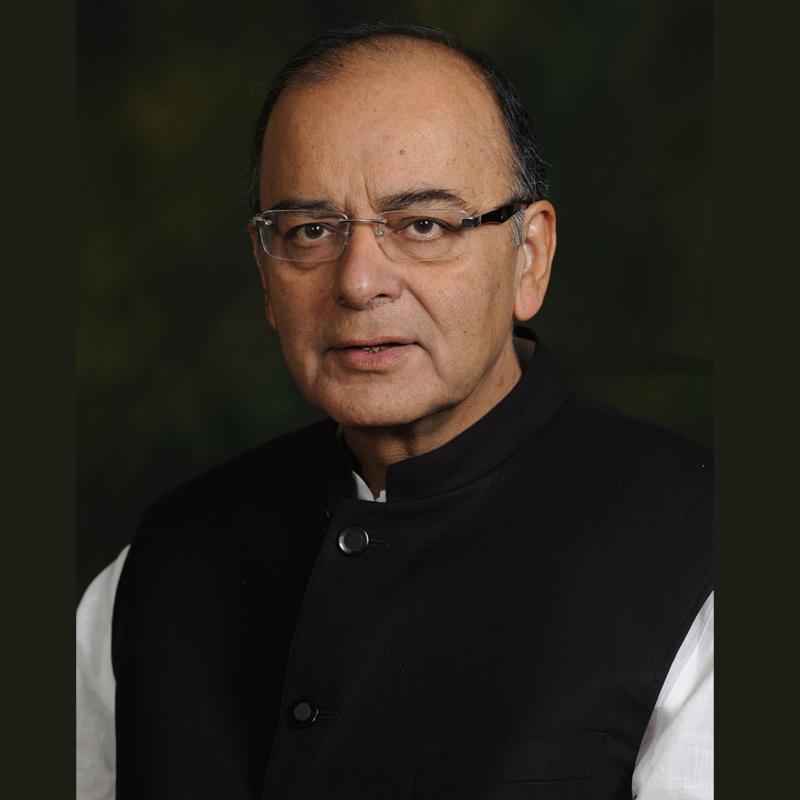
    Jaitley said, “Management of the economy does not depend on the kind of slogans people create. India is an economy that has been suffering with a high cost of capital. The ultimate goal is to digitise the economy. A less-cash economy is supplemented with a digital economy. There is no settled behaviour as to how people will behave when remonetisation sets in. Digitising the economy gives us a great opportunity. Over the next few years, the incremental impact of Digi- monetisation will also be felt in the economy. Lastly, we should make political funding transparent.”

    Goyal said “Digital push was an integral part of demonetization exercise. Any move as big as demonetisation is bound to have some small issues. Today telecom companies have confirmed that spectrum is no longer an issue. Once the person gets addicted to digital transaction, then the possibility of fraud will also reduce. Currently we are looking for a change in the working and mindset of the country. As we say that, the country’s youth have a lot of potential for innovation. Lastly, I would like to congratulate the Times Network for such an initiative like Digital Economy Forum.”

    Times Network executive editor Navika Kumar moderated Q and A sessions with Jaitley and Goyal.

    Times Network MD and CEO M K Anand said, “As a successful media company we have to be aware of the pulse of our audience. In the last 12 years, we have seen a distinct change in the mood of this country. Indians are in a hurry to progress. And they are willing to undergo pain if needed to quickly move forward. We have aptly captured and reflected this mood of the nation in our hallmark tagline NOW or Nothing. This mood of the people is reflected by the most action oriented government that this country has seen in a long while. Demonetisation or remonetisation as we call it is an expression of Now or Nothing. As India’s premium network for influencers, we believe it is within our power and mandate to contribute to this historic endeavor. Amongst a series of initiatives aimed at bringing clarity and accelerating much needed understanding and action in this area, the Digital Economy Forum has been designed to look at Digitisation as a means and an end to Demonetisation and the benefits thereof.”
  • Amazon invests Rs 2k crore; gives stiff competition to Flipkart

    Amazon invests Rs 2k crore; gives stiff competition to Flipkart

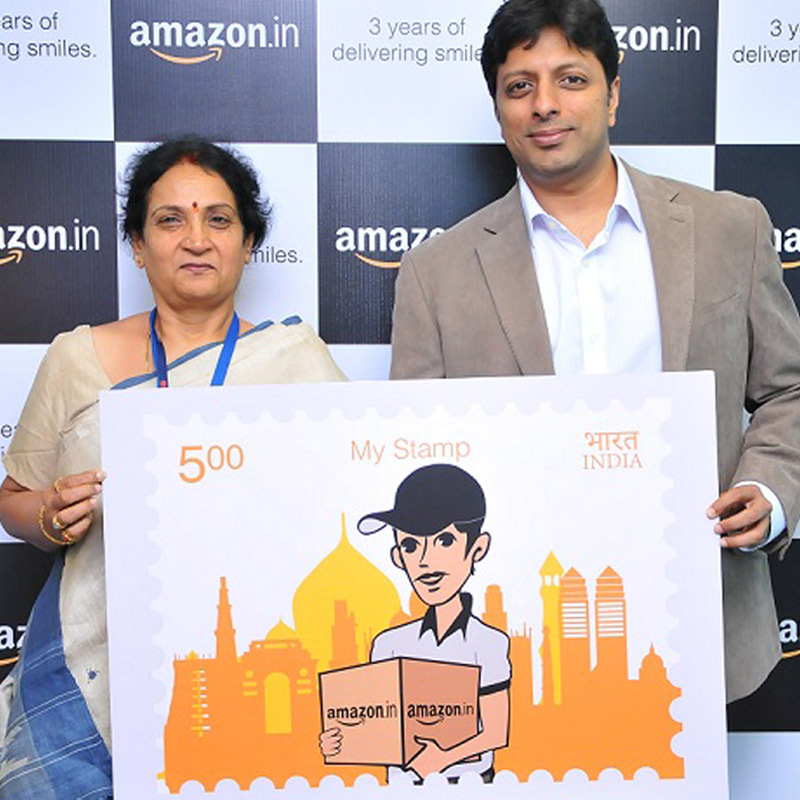
    MUMBAI: In an attempt to give tough competition to prime e-commerce website Flipkart, Amazon has infused US$ 296 million (Rs 2010 crore) in its Indian unit. According to regulatory filing, this investment has made Amazon’s total invested capital to Rs 7000 crore.

    The investment done in November was a timely move from Amazon as Indian brands such as Flipkart and Uber have been trying to take Government’s help in a bid to challenge foreign competition such as Amazon and Ola.

    Amazon India reportedly lost around Rs 1000 crore in the festive month of October with special offers and discounts to build a stronger consumer base. The e-commerce website is also losing around Rs 600 crore every month during non-sales periods. Recently, Amazon India launched prime services which offer quicker and early-access deals.

    Prime has a wide range of international movies and TV shows. Along with this, Amazon Prime has also announced the launch of nine Indian original shows, which has made it the largest Indian original line-up over an OTT platform.

    Adding to its wide base of services, Amazon is also building an app which would connect truck drivers with shippers, making their debut in the logistics sector.

    public://prime-video.jpg

    The e-commerce firm also announced its global programme for start-up products, Launchpad, in India. Global Store was also launched in October for Indian shoppers from its US online stores, giving stiff competition to all e-commerce platforms.

  • Amazon invests Rs 2k crore; gives stiff competition to Flipkart

    Amazon invests Rs 2k crore; gives stiff competition to Flipkart

    MUMBAI: In an attempt to give tough competition to prime e-commerce website Flipkart, Amazon has infused US$ 296 million (Rs 2010 crore) in its Indian unit. According to regulatory filing, this investment has made Amazon’s total invested capital to Rs 7000 crore.

    The investment done in November was a timely move from Amazon as Indian brands such as Flipkart and Uber have been trying to take Government’s help in a bid to challenge foreign competition such as Amazon and Ola.

    Amazon India reportedly lost around Rs 1000 crore in the festive month of October with special offers and discounts to build a stronger consumer base. The e-commerce website is also losing around Rs 600 crore every month during non-sales periods. Recently, Amazon India launched prime services which offer quicker and early-access deals.

    Prime has a wide range of international movies and TV shows. Along with this, Amazon Prime has also announced the launch of nine Indian original shows, which has made it the largest Indian original line-up over an OTT platform.

    Adding to its wide base of services, Amazon is also building an app which would connect truck drivers with shippers, making their debut in the logistics sector.

    public://prime-video.jpg

    The e-commerce firm also announced its global programme for start-up products, Launchpad, in India. Global Store was also launched in October for Indian shoppers from its US online stores, giving stiff competition to all e-commerce platforms.

  • Paytm Marketplace files complaint against ‘fraudulent’ users

    Paytm Marketplace files complaint against ‘fraudulent’ users

    MUMBAI Ever since Prime Minister Narendra Modi brought down the surgical strike against black money in the form of demonetization in November 8, the Alibaba backed online wallet service PayTM found itself in news, and its usage growing by leaps and bounds.

    It was further enhanced when the common rhetoric of demonetization shifted from ‘curbing black money’ to promoting a cash less economy in India, in line with the PM’s digital India dream.

    In fact, within hours of the Prime Minister’s announcement, the company registered a 200 per cent hike in number of app downloads and 250 per cent surge in number of overall transactions and transaction value.

    The number of Saved Cards also grew by 30 per cent, pointing at a strong set of repeat customers the platform has now acquired. The company has noted 1000 per cent growth in money added to the wallet and 400 per cent growth in transaction value of offline payments.

    If that wasn’t enough, the service was in news after releasing an advertisement that belittled the sufferings of those affected by demonetization. It complied with the netizens with a revised advertisement that was later well received.

    With usage on the platform reaching it all time high owing to the current slow influx of liquidity in the market, the company had arranged for a number of consumer friendly policies to make it easy for its users. The policies extended, not just for its online wallet and money transfer service but its digital market place as well.

    According to an official statement from the ecommerce/ e wallet player, “Paytm has identified about 48 fraudulent users in the physical goods marketplace business, who were trying to game the company’s consumer friendly practices.”

    “Paytm regularly monitors its marketplace business to identify any fraudulent or suspicious behaviour. This is a part of the company’s security practices to ensure that genuine users are able to continuously avail the benefits brought to it by Paytm marketplace,” a statement from the company reads.

    Paytm marketplace has robust risk management practices and regularly reports users who try to game the company’s fair usage policies.”

    Considering the current series of developments arround PayTM, whether it is through paid campaigns or organic, demonetisation has plummeted PayTM’s brand recall effortlessly.

  • Paytm Marketplace files complaint against ‘fraudulent’ users

    Paytm Marketplace files complaint against ‘fraudulent’ users

    MUMBAI Ever since Prime Minister Narendra Modi brought down the surgical strike against black money in the form of demonetization in November 8, the Alibaba backed online wallet service PayTM found itself in news, and its usage growing by leaps and bounds.

    It was further enhanced when the common rhetoric of demonetization shifted from ‘curbing black money’ to promoting a cash less economy in India, in line with the PM’s digital India dream.

    In fact, within hours of the Prime Minister’s announcement, the company registered a 200 per cent hike in number of app downloads and 250 per cent surge in number of overall transactions and transaction value.

    The number of Saved Cards also grew by 30 per cent, pointing at a strong set of repeat customers the platform has now acquired. The company has noted 1000 per cent growth in money added to the wallet and 400 per cent growth in transaction value of offline payments.

    If that wasn’t enough, the service was in news after releasing an advertisement that belittled the sufferings of those affected by demonetization. It complied with the netizens with a revised advertisement that was later well received.

    With usage on the platform reaching it all time high owing to the current slow influx of liquidity in the market, the company had arranged for a number of consumer friendly policies to make it easy for its users. The policies extended, not just for its online wallet and money transfer service but its digital market place as well.

    According to an official statement from the ecommerce/ e wallet player, “Paytm has identified about 48 fraudulent users in the physical goods marketplace business, who were trying to game the company’s consumer friendly practices.”

    “Paytm regularly monitors its marketplace business to identify any fraudulent or suspicious behaviour. This is a part of the company’s security practices to ensure that genuine users are able to continuously avail the benefits brought to it by Paytm marketplace,” a statement from the company reads.

    Paytm marketplace has robust risk management practices and regularly reports users who try to game the company’s fair usage policies.”

    Considering the current series of developments arround PayTM, whether it is through paid campaigns or organic, demonetisation has plummeted PayTM’s brand recall effortlessly.

  • E-comm ecosystem to create 1.45 million jobs by ’21: KPMG-Snapdeal

    E-comm ecosystem to create 1.45 million jobs by ’21: KPMG-Snapdeal

    MUMBAI: Ecommerce sector is powering employment generation in India, a report by Snapdeal & KPMG has concluded.

    Snapdeal, in partnership with KPMG today released the findings of a study examining the macro-impact of the e-tail industry and the associated ecosystem, on the employment landscape in India. The study titled Impact of Ecommerce on Employment in India focuses on the role of e-tail in socio-economic development, outlining the alignment of measures with key government initiatives like Make in India, Digital India, Start-up India and Skilling India, among others.

    Highlights from the Study
    o  E-tail and allied ecosystem (logistics, warehousing, IT, ITeS) is expected to create direct employment for around 1.45 million workforce by 2021
    o  Logistics and warehousing sector is expected to be the largest contributor (approximately 55%) to direct employment opportunities in e-tail
    o  E-tail is expected to add 0.4 million high-skilled jobs by 2021
    o E-commerce in improving the socio-economic environment
    o  Impacted employment generation beyond metros –  70% of the online sellers expected to come from smaller towns by 2018-19
    o  Driving women empowerment and self-sustainability –  20% of total online sellers today are women
    o  Government initiatives like Make in India, Digital India, Start-Up India, Skill India will fuel growth and generate further employment for e-commerce

    The study further outlines the potential challenges and shares recommendations on the different roles that various participants like the government, industry bodies and e-commerce companies themselves can play in building more employment avenues and up-skilling.

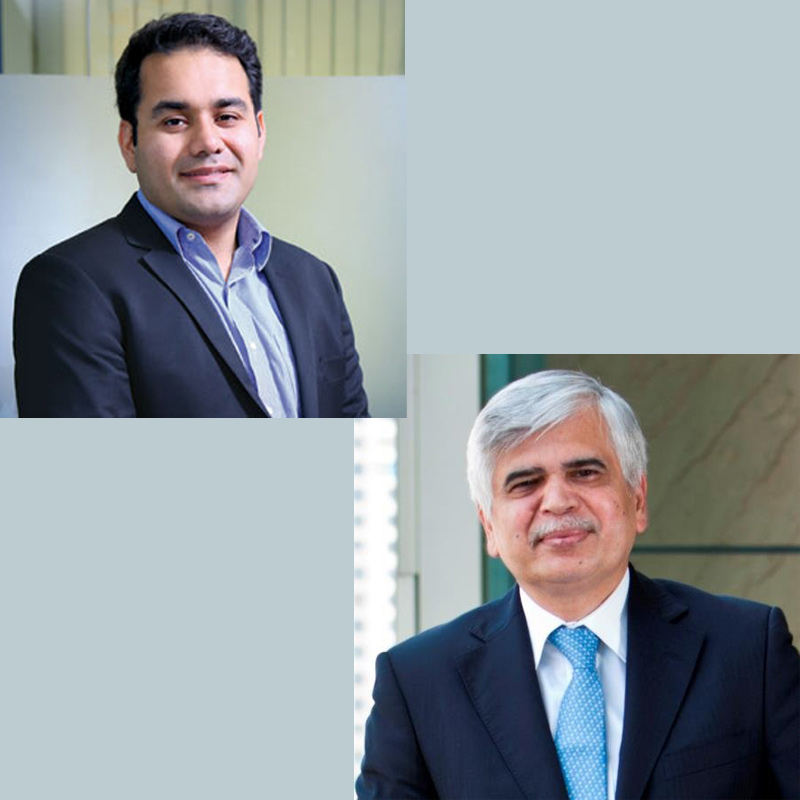
    Snapdeal Co-founder and CEO Kunal Bahl said, “The impact of e-commerce industry on the entire employment landscape has been the most exciting part of India’s digital growth story, and yet often the least spoken about. Through this report, we aim to highlight how the industry is generating direct and indirect jobs in core and associated industries, creating entrepreneurship opportunities in the deepest pockets of India and how it is influencing the socio-economic fabric of the country for a more balanced development.  At Snapdeal, we are working towards building the most reliable and frictionless digital commerce ecosystem in the country and we recognize the deep-seated role of our talent pool, our sellers and other associated partners in achieving this. We felt the need to conduct a systematic study to identify opportunities and challenges, that will further build models and skill sets to foster a mature, sustainable employment avenue. Our entrepreneurial culture and initiatives play a pivotal role in up-skilling our workforce for addressing the consumption needs of India.”

    KPMG India CEO Richard Rekhy said, “The contribution made by the e-commerce industry in employment creation is something that has been recognized for a while now. This report highlights how this impact can be increased multi-fold by facilitating an ecosystem of growth for the industry – developing a skilled workforce, promoting entrepreneurship, improving physical infrastructure, facilitating participation of SMEs and MSMEs, defining clear regulatory frameworks, and providing easier access to funds, etc. to name a few areas which require attention. These measures will ensure that growth in this industry becomes self-sustaining to support the expanding employment opportunities that it can offer.  With innovation and mobile e-commerce leading the way, this industry also looks to propel growth and generate abundant demand for IT/ITeS professionals in the years to come.”

    This report is part of a series of initiatives that Snapdeal has undertaken to build wider understanding about the evolving e-commerce landscape, and its seen and unseen impact on the country’s economy. This follows a previous study by KPMG, Impact of E-commerce on SMEs in India, which focused on creating an ecosystem for MSMEs and leveraging e-commerce for their growth.

  • E-comm ecosystem to create 1.45 million jobs by ’21: KPMG-Snapdeal

    E-comm ecosystem to create 1.45 million jobs by ’21: KPMG-Snapdeal

    MUMBAI: Ecommerce sector is powering employment generation in India, a report by Snapdeal & KPMG has concluded.

    Snapdeal, in partnership with KPMG today released the findings of a study examining the macro-impact of the e-tail industry and the associated ecosystem, on the employment landscape in India. The study titled Impact of Ecommerce on Employment in India focuses on the role of e-tail in socio-economic development, outlining the alignment of measures with key government initiatives like Make in India, Digital India, Start-up India and Skilling India, among others.

    Highlights from the Study
    o  E-tail and allied ecosystem (logistics, warehousing, IT, ITeS) is expected to create direct employment for around 1.45 million workforce by 2021
    o  Logistics and warehousing sector is expected to be the largest contributor (approximately 55%) to direct employment opportunities in e-tail
    o  E-tail is expected to add 0.4 million high-skilled jobs by 2021
    o E-commerce in improving the socio-economic environment
    o  Impacted employment generation beyond metros –  70% of the online sellers expected to come from smaller towns by 2018-19
    o  Driving women empowerment and self-sustainability –  20% of total online sellers today are women
    o  Government initiatives like Make in India, Digital India, Start-Up India, Skill India will fuel growth and generate further employment for e-commerce

    The study further outlines the potential challenges and shares recommendations on the different roles that various participants like the government, industry bodies and e-commerce companies themselves can play in building more employment avenues and up-skilling.

    Snapdeal Co-founder and CEO Kunal Bahl said, “The impact of e-commerce industry on the entire employment landscape has been the most exciting part of India’s digital growth story, and yet often the least spoken about. Through this report, we aim to highlight how the industry is generating direct and indirect jobs in core and associated industries, creating entrepreneurship opportunities in the deepest pockets of India and how it is influencing the socio-economic fabric of the country for a more balanced development.  At Snapdeal, we are working towards building the most reliable and frictionless digital commerce ecosystem in the country and we recognize the deep-seated role of our talent pool, our sellers and other associated partners in achieving this. We felt the need to conduct a systematic study to identify opportunities and challenges, that will further build models and skill sets to foster a mature, sustainable employment avenue. Our entrepreneurial culture and initiatives play a pivotal role in up-skilling our workforce for addressing the consumption needs of India.”

    KPMG India CEO Richard Rekhy said, “The contribution made by the e-commerce industry in employment creation is something that has been recognized for a while now. This report highlights how this impact can be increased multi-fold by facilitating an ecosystem of growth for the industry – developing a skilled workforce, promoting entrepreneurship, improving physical infrastructure, facilitating participation of SMEs and MSMEs, defining clear regulatory frameworks, and providing easier access to funds, etc. to name a few areas which require attention. These measures will ensure that growth in this industry becomes self-sustaining to support the expanding employment opportunities that it can offer.  With innovation and mobile e-commerce leading the way, this industry also looks to propel growth and generate abundant demand for IT/ITeS professionals in the years to come.”

    This report is part of a series of initiatives that Snapdeal has undertaken to build wider understanding about the evolving e-commerce landscape, and its seen and unseen impact on the country’s economy. This follows a previous study by KPMG, Impact of E-commerce on SMEs in India, which focused on creating an ecosystem for MSMEs and leveraging e-commerce for their growth.

  • Vista, Zoo Digital tie up for regional India expansion

    Vista, Zoo Digital tie up for regional India expansion

    MUMBAI: Zoo Digital has partnered with Vista India Digital Media Group to increase the latter’s presence in Mumbai for localisation into eight of the most popular Indian languages. This deal supports Zoo’s services for online platforms such as Amazon, iTunes and Google Play that are seeking to capitalize on the major opportunity presented by the Indian market.

    Located in Mumbai, Vista India delivers premium content to global platforms for major studios operating in India including Disney, Eros, PVR, Sun Network, Epic Channel, Red Chillies and several other independent content providers.

    Vista India Digital media director of operations Rajiv Raghunathan said that they were thrilled by the opportunity to combine their knowledge of the Indian market with Zoo’s word-class technology and expertise. Zoo had an unrivalled, 15-year track record of software innovation which they would leverage to localise premium TV and movie content for Indian audience.

    Vista India is the latest addition to Zoo’s network of affiliates around the world, which also includes partners in the Middle East, Pakistan, Thailand, Vietnam and China. The network has been established to offer global online retailers a local partner in every territory. Each partner benefits from using ZOOcloud, ZOO’s world-class technology. This underpins the delivery of a comprehensive range of connected services enabling premium entertainment content to be seen and heard around the world quickly and cost-effectively.

    Zoo Digital president Gordon Doran said that those were exciting times for global online platforms wanting to reach the Indian audience. Vista India had a robust understanding of the challenges of the digital supply chain specific to Indian content and of this diverse marketplace.

  • Vista, Zoo Digital tie up for regional India expansion

    Vista, Zoo Digital tie up for regional India expansion

    MUMBAI: Zoo Digital has partnered with Vista India Digital Media Group to increase the latter’s presence in Mumbai for localisation into eight of the most popular Indian languages. This deal supports Zoo’s services for online platforms such as Amazon, iTunes and Google Play that are seeking to capitalize on the major opportunity presented by the Indian market.

    Located in Mumbai, Vista India delivers premium content to global platforms for major studios operating in India including Disney, Eros, PVR, Sun Network, Epic Channel, Red Chillies and several other independent content providers.

    Vista India Digital media director of operations Rajiv Raghunathan said that they were thrilled by the opportunity to combine their knowledge of the Indian market with Zoo’s word-class technology and expertise. Zoo had an unrivalled, 15-year track record of software innovation which they would leverage to localise premium TV and movie content for Indian audience.

    Vista India is the latest addition to Zoo’s network of affiliates around the world, which also includes partners in the Middle East, Pakistan, Thailand, Vietnam and China. The network has been established to offer global online retailers a local partner in every territory. Each partner benefits from using ZOOcloud, ZOO’s world-class technology. This underpins the delivery of a comprehensive range of connected services enabling premium entertainment content to be seen and heard around the world quickly and cost-effectively.

    Zoo Digital president Gordon Doran said that those were exciting times for global online platforms wanting to reach the Indian audience. Vista India had a robust understanding of the challenges of the digital supply chain specific to Indian content and of this diverse marketplace.

  • Day-long cash queues activate Jugnoo digital & MobiKwik transfers

    Day-long cash queues activate Jugnoo digital & MobiKwik transfers

    MUMBAI: Yours digitally — seems to be the new salutation. Owing to demonetisation, queues outside banks and ATM centres only seem to get longer. With people trying to exchange their old currency, the use of debit and credit cards has suddenly come into prominence.

    Keeping the demand in mind, MobiKwik has announced that it is prepared to serve over 300 million users with secure, seamless payments. The company already has over 35 million users and is witnessing over 40 per cent more app downloads on a daily basis. It hopes to have over 10 million users on its platform within the next 30 days alone.

    “We have scaled up our infrastructure within the last few days and are prepared to manage over 300 million users and over 100 million daily transactions,” said MobiKwik co-founder Upasana Taku. The company has launched a user support number that is operational 24×7. Users can call to download MobiKwik app and start sending or receiving money for free. It has registered 18 x growths in transactions since the announcement of demonetization.

    Users can load money using their credit/debit cards or netbanking. They can also convert their Payback points, earned from ICICI bank debit/credit cards, Big Bazaar, Central, HP Petrol Pumps, MakeMyTrip, eBay, BookMyShow and American Express; and reward points earned from SBI, Bank of India, Punjab National Bank, Central Bank, Canara Bank, Union Bank & Bank of Baroda to MobiKwik cash.

    MobiKwik money can be transferred to any mobile number or bank account instantly. Whereas, Jugnoo has witnessed an unprecedented growth in transactions executed using digital wallets. The leading auto-rickshaw aggregator, which is currently operational in over 40 Indian cities, has registered an increase of up to 80 percent cashless transactions across all locations via its platform.

    The top five cities where Jugnoo has registered the highest number of cashless payments post the demonetization announcement are: Gurgaon, Mysore, Chandigarh, Noida, and Pune. These cities have recorded 100 to 150 per cent spike in digital transactions.

    “We welcome the government’s move to demonetize high denomination currency in an effort to curb the entry of black money in India, and by extension, encourage the masses to go digital. At Jugnoo, We have always advocated safe & secure cashless transactions as it provides convenience and eliminates the cash handling process. We are educating our customers to use digital payment wallets as much as possible instead of cards or cash, and are encouraging them to use such options on a permanent basis,” said Jugnoo co-founder and chief technology officer Chinmay Agarwal.

    Apart from digital wallets, Jugnoo also recently announced that it would be introducing UPI (Unified Payment Interface) as an initiative to uphold the cashless economy of country. Earlier this year, the company took another step in this direction via a very innovative move of empowering auto-rickshaw drivers to recharge the customers’ Paytm wallet to address the issue of returning change after completing the ride. Further supporting the cause, Jugnoo is also planning to tie-up with Payment banks, a new model of banks conceptualized by the RBI (Reserve Bank of India) last year that enable transfer of money through a mobile phone.

    “We have tried to go cashless since the outset as it provides convenience to both customers and us. Coincidentally we were celebrating the month as NoChangeNovember to educate the customers towards the cause. However, we did have the COD (Cash on Delivery) option due to the nature of our business and the Indian customer’s preference for cash payment. Following the recent development in demonetized bank notes, we have informed all our drivers to stop accepting cash till further notice, and are also educating our customers to use digital wallets as much as possible instead of plastic cards or cash,” he added further.

    The most common digital wallets that are being presently used by Jugnoo users to make payments are – Paytm, Mobikwik, and Freecharge.