Category: e-commerce

  • OMA’s MobiSwipe to deploy 50k MasterCard-preferred & Visa-ready mPoS devices in ’17

    MUMBAI: In line with the government’s vision of Digital India and complemented with the RBI’s policies advocating non-cash transactions, MobiSwipe has announced that it will be deploying over 50,000 mPoS devices within the next three quarters of 2017.

    MobiSwipe is a part of the solutions offered by OMA Emirates and is currently being used by merchants across metros like Mumbai, Pune, Bengaluru, Chennai as well as other cities like Coimbatore, Cuddapah, Sriviliputhur etc.

    The mPoS solution enables merchants to accept payments through Swipe and Chip debit and credit cards on the go via a smartphone or tablet loaded with the MobiSwipe app connected to the pocket sized card reader.

    While metros and Tier 1 cities have been steadily moving towards transacting minus cash, MobiSwipe is focused on Tier 2, Tier 3 and other smaller cities that are yet getting familiar with the concept. With nearly 1000 terminals already in operation, the company’s next target is the retail and e-commerce sector followed by financial institutions, banks, etc.

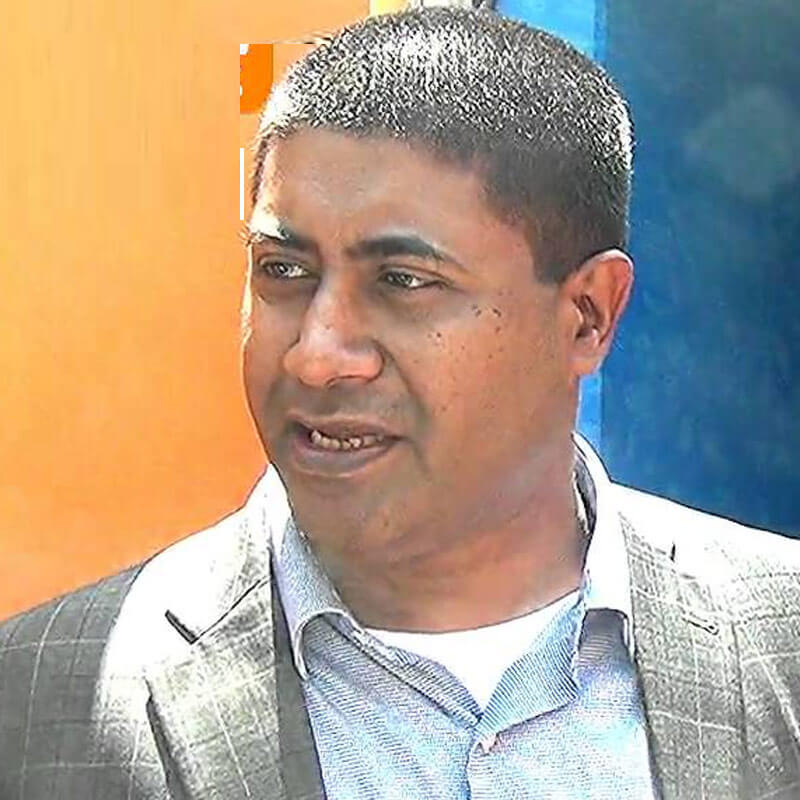
    OMA Emirates Group CEO Niranj Sangal said, “We see India as a huge opportunity for growth. We are strong advocators for digital payments. Demonetisation was a learning curve for all to understand how payments worked and urged consumers to look beyond cash payments.”

    “Avenues have opened for non-cash payments and today, there is more than just a handful of solutions available be it wallets, PoS, mPoS, internet banking, or Government initiatives like UPI and BHIM. We have already received a demand for around 20,000+ MobiSwipe mPoS devices over the last few months of commencing operations and are hopeful of supplying these within the following two months. Simultaneously, there is a demand for PoS devices as well, indicating that India is ready and has progressed to accept non-cash payments as a better alternative. We aim to set up at least 1,00,000 of our PoS terminals by year end,” said Sangal.

    He further added, “A section of merchants have already progressed to using mPoS devices from regular PoS due to convenience, cost and mobility. In smaller cities we understand that there is lack of knowledge about operations and costs. We are hoping to bring about a change in this outlook and are attempting to reduce the costs associated with such transactions while simplifying operations and processes making it a favourable choice for all. We attempt to create an eco-system where merchants can benefit and all parties are able to profit from the system.”

    The sign-up procedure for MobiSwipe is simple and requires a merchant to submit KYC and the merchant agreement form. After the necessary documentation, mPoS is handed over to the merchant. A merchant can link his existing current account with MobiSwipe and does not need to open a new account as a part of the on-boarding process. Real-time transactions are enabled and funds get transferred to the merchants account on a daily basis. MobiSwipe is available at a highly competitive price point with flexible payment options. It comes along with an Ingenico mPoS device which is PCI-DSS and PA-DSS Certified and is MasterCard preferred mPOS and Visa Ready Partner. MobiSwipe promotes paperless transactions, is a cost-effective solution as compared to PoS and is accessible via most Android smartphones. The custom web portal allows merchants to keep a record of the history, reports and other tools.
  • Analytics tell Snapdeal sellers what to stock

    MUMBAI: Snapdeal has shared the success of their seller initiative ‘Grow My Business’, helping sellers across categories to grow their assortment both qualitatively and quantitatively. Driven by the initiative, Snapdeal assortment size has grown by 25 per cent in key categories, such as Fashion, FMCG and Mobiles over the last one month. This has been facilitated by ‘Grow My Business’ recommendation tab that provides customized business advice and consumer insights to sellers on what will sells most, which products are trending and which critical products are out of stock.

    The initiative has been welcomed and appreciated by the nearly 3,00,000 sellers on Snapdeal. With access to accurate data analytics and insights driven by consumer buying behaviour, ‘Grow My Business’ recommendations have empowered the sellers to bring relevant and fast-moving assortment to their consumer audience.

    From preferred pricing to in-vogue colors relevant for a well-defined target audience, sellers can now take informed decisions basis accurate and timely data inputs and analysis made available to them on their seller panels. This has led to not just better conversions and higher sales for sellers, but has also helped them build brand loyalty.

    Paridhi Creations’ Arihant shared, “The ‘Grow My Business’ tab is amazing! I can see the best-selling items as well as emerging favourites of buyers. I simply look at the recommendations and add products that are in line with my existing assortment. With this feature, I have been able to increase my sales from Rs. 4 lakhs to Rs. 30 lakhs per month.”

    KD Electronics’ Kailash Shahani also shared that, “The ‘Grow My Business’ tab is immensely useful. Backed by hard data, these recommendations have brought about a significant increase in the number of orders that I receive and, hence, have helped me actually grow my business.”

    In addition to helping sellers discover the best consumer suited assortment, Snapdeal has simplified and accelerated the listing process for sellers. Through automation of quality checks for standard products, the time consumed in listing has been significantly reduced.

    In recent announcements, Snapdeal has highlighted its commitment towards bringing in business efficiencies across its entire ecosystem – seller stakeholders being a critical part of the same. The success of “Grow My Business” is another milestone in enabling a predictive and intelligence driven growth for Snapdeal sellers.

    Additionally, Snapdeal provides comprehensive training and development opportunities to ensure that sellers understand the ever evolving essentials of online commerce. Recently, it announced the launch of GST Guru, a program that offers sellers an exhaustive range of resources on GST compliance. Likewise, “Unbox Success” is an interactive platform for sellers where they are encouraged to send in their queries, challenges, and successes and openly share them to a microsite dedicated entirely to seller learning.

  • Snapdeal and Truecaller partner for shopping experience

    MUMBAI: Snapdeal, India’s largest online marketplace, has partnered with Truecaller, one of the leading communication apps in the world to enhance consumer experience by integrating Truecaller Priority in the company’s IVR and order confirmation numbers. Customers with Truecaller app installed on their mobiles will be able to easily identify and filter IVR or delivery verification calls when shopping on Snapdeal.

    Any calls received by users who have placed an order on Snapdeal, while be clearly marked as ‘Snapdeal Order Team’ or ‘Snapdeal Delivery Team’, and color coded in purple; thus, assuring the users that the call is important and from a reliable source, not spam.

    Snapdeal chief customer experience officer Jayant Sood said, “Truecaller Priority feature will help reduce a key friction point in the delivery process; ensuring that our customers don’t miss out on any important calls from Snapdeal, and also increase the daily rate of deliveries for us by increasing the call completion rate.”

    Besides boosting customer satisfaction and ensuring that customers are always in the know about the status of their product, this feature will also reduce the rate of “no response” calls for Snapdeal.

    “We constantly strive to enhance the user experience through safe and efficient products. With Truecaller Priority, Snapdeal ensures enhanced efficiency in its user communications while users get to know that call is critical and for relevant reasons. We are confident that such seamless experience will add immense value to both sides,” said Truecaller director – strategic partnerships – Arun Krishnan.

  • Amazon to aid Nagaland women entrepreneurs

    Amazon to aid Nagaland women entrepreneurs

    MUMBAI: Amazon.in will work closely with the Nagaland government to enable women sellers in the state to embrace digital commerce through training, mentorship & skill development workshops.

    In line with its vision to transform the way India sells, Amazon India today announced its partnership with the Government of Nagaland and National Skill Development Corporation (NSDC) to empower and enable women entrepreneurs in the state by providing them with a global platform to sell their products at zero initial cost. Under the partnership, Amazon.in will conduct extensive training & skill development workshops to help women entrepreneurs in Nagaland understand nuances related to online selling and develop skills and capabilities necessary to nurture successful online enterprises. The programme also aims to encourage cottage industries in Nagaland by helping them grow through online commerce.

    As part of the initiative, a one-stop center equipped with state-of-the-art infrastructure will be created to train & equip women entrepreneurs to open their own ‘E-shop’ on Amazon.in. With this, Amazon India aims to promote the flourishing cottage industries in the region and unlock unique selection of products such as hand-woven items, intricate metalwork, woodwork, stonework, pottery and basketry. Spinning and weaving have been very significant in the Naga Hills and in the recent times mill-made yarn is also fast gaining popularity from this region. The government has also been very active in promoting industries like soap-making, candle-making, bee-keeping, and the association with Amazon will definitely aid in this direction.

    Starting today, the first workshop spanning over two days will be conducted in Kohima. The participants of the workshop will be endowed with essential skills required to help them start an online business. The training workshops will comprise of sessions on listing of products, imaging & cataloguing, packaging & shipping, inventory & account management and customer service to name a few. This will be a free workshop offering several exclusive benefits including assisted onboarding and mentorship programs.

    Commenting on the partnership, Nagaland chief minister’s principal secretary Temjin Toy said,“Today, digital commerce has dissolved geographical boundaries and enabled millions of Indians to consume products & services from all corners of the country leading to a massive economic transformation. We hope to drive this transformation in Nagaland by helping our women become e-entrepreneurs on Amazon. We look forward to extending all possible support to Amazon India in helping women artisans & entrepreneurs to participate in India’s vibrant digital economy.”

    Expressing his sentiments on empowering women entrepreneurs through this programme, Amazon India director & GM – seller services Gopal Pillai said, “Our entrepreneurial culture and initiatives have always been aligned with our vision of transforming the way India buys and sells. Through this partnership, we look forward to fostering entrepreneurship and empowerment among women in Nagaland by giving them the opportunity to experience India’s digital economy firsthand. With specialised training, skill development workshops, technology support and market access at zero initial cost, the initiative will not only boost the cottage industry run by women in Nagaland, but also lead to the overall advancement of women e-entrepreneurs from the state.”

    On taking this partnership to other states, Gopal added “We see this as an important milestone in our journey and look forward to extending our partnership with NSDC to other states in India.”

    “The SMB sector in Nagaland is largely women dominated. We believe that with adequate training, skill development and e-commerce exposure, this industry can grow exponentially and lift the economic landscape of the region and its people, especially women entrepreneurs. With Amazon’s training and development program and its massive digital reach, we are confident that the women sellers from the region can not only accelerate their business growth but can also get the required global platform to showcase their products. We look forward to providing all possible support to Amazon in their initiative,“ said NSDC head – Jammu, Kashmir and North East Region Dr. Sapna Poti.

    With its flagship initiatives like Seller University that trains and nurture sellers, fulfilment and assisted shipping service via Fulfilment by Amazon (FBA), Seller Flex and Easy Ship, Amazon Tatkal that helps SMBs get online within 60 minutes and lending program to provide comprehensive financial solutions to sellers, Amazon.in has rolled out several such initiatives and has been working extensively to meet different business requirements of sellers and small entrepreneurs and help them grow their business profitably online.

    The company’s Global Selling Program launched in India in May last year has over 18,000 sellers today selling their ‘Make in India’ products on Amazon’s 9 global marketplaces to millions of active worldwide customers. With the recently launched Prime service, Indian customers in over 100 cities can enjoy unlimited free one-day and two-day delivery on lakhs of eligible products from India’s largest online shopping selection.Customers on Amazon benefit from a safe and secure ordering experience, convenient electronic payments, Cash on Delivery, Amazon’s 24×7 customer service support, and a globally recognized and comprehensive 100% purchase protection provided by Amazon’s A-to-Z Guarantee.

  • Amazon to aid Nagaland women entrepreneurs

    Amazon to aid Nagaland women entrepreneurs

    MUMBAI: Amazon.in will work closely with the Nagaland government to enable women sellers in the state to embrace digital commerce through training, mentorship & skill development workshops.

    In line with its vision to transform the way India sells, Amazon India today announced its partnership with the Government of Nagaland and National Skill Development Corporation (NSDC) to empower and enable women entrepreneurs in the state by providing them with a global platform to sell their products at zero initial cost. Under the partnership, Amazon.in will conduct extensive training & skill development workshops to help women entrepreneurs in Nagaland understand nuances related to online selling and develop skills and capabilities necessary to nurture successful online enterprises. The programme also aims to encourage cottage industries in Nagaland by helping them grow through online commerce.

    As part of the initiative, a one-stop center equipped with state-of-the-art infrastructure will be created to train & equip women entrepreneurs to open their own ‘E-shop’ on Amazon.in. With this, Amazon India aims to promote the flourishing cottage industries in the region and unlock unique selection of products such as hand-woven items, intricate metalwork, woodwork, stonework, pottery and basketry. Spinning and weaving have been very significant in the Naga Hills and in the recent times mill-made yarn is also fast gaining popularity from this region. The government has also been very active in promoting industries like soap-making, candle-making, bee-keeping, and the association with Amazon will definitely aid in this direction.

    Starting today, the first workshop spanning over two days will be conducted in Kohima. The participants of the workshop will be endowed with essential skills required to help them start an online business. The training workshops will comprise of sessions on listing of products, imaging & cataloguing, packaging & shipping, inventory & account management and customer service to name a few. This will be a free workshop offering several exclusive benefits including assisted onboarding and mentorship programs.

    Commenting on the partnership, Nagaland chief minister’s principal secretary Temjin Toy said,“Today, digital commerce has dissolved geographical boundaries and enabled millions of Indians to consume products & services from all corners of the country leading to a massive economic transformation. We hope to drive this transformation in Nagaland by helping our women become e-entrepreneurs on Amazon. We look forward to extending all possible support to Amazon India in helping women artisans & entrepreneurs to participate in India’s vibrant digital economy.”

    Expressing his sentiments on empowering women entrepreneurs through this programme, Amazon India director & GM – seller services Gopal Pillai said, “Our entrepreneurial culture and initiatives have always been aligned with our vision of transforming the way India buys and sells. Through this partnership, we look forward to fostering entrepreneurship and empowerment among women in Nagaland by giving them the opportunity to experience India’s digital economy firsthand. With specialised training, skill development workshops, technology support and market access at zero initial cost, the initiative will not only boost the cottage industry run by women in Nagaland, but also lead to the overall advancement of women e-entrepreneurs from the state.”

    On taking this partnership to other states, Gopal added “We see this as an important milestone in our journey and look forward to extending our partnership with NSDC to other states in India.”

    “The SMB sector in Nagaland is largely women dominated. We believe that with adequate training, skill development and e-commerce exposure, this industry can grow exponentially and lift the economic landscape of the region and its people, especially women entrepreneurs. With Amazon’s training and development program and its massive digital reach, we are confident that the women sellers from the region can not only accelerate their business growth but can also get the required global platform to showcase their products. We look forward to providing all possible support to Amazon in their initiative,“ said NSDC head – Jammu, Kashmir and North East Region Dr. Sapna Poti.

    With its flagship initiatives like Seller University that trains and nurture sellers, fulfilment and assisted shipping service via Fulfilment by Amazon (FBA), Seller Flex and Easy Ship, Amazon Tatkal that helps SMBs get online within 60 minutes and lending program to provide comprehensive financial solutions to sellers, Amazon.in has rolled out several such initiatives and has been working extensively to meet different business requirements of sellers and small entrepreneurs and help them grow their business profitably online.

    The company’s Global Selling Program launched in India in May last year has over 18,000 sellers today selling their ‘Make in India’ products on Amazon’s 9 global marketplaces to millions of active worldwide customers. With the recently launched Prime service, Indian customers in over 100 cities can enjoy unlimited free one-day and two-day delivery on lakhs of eligible products from India’s largest online shopping selection.Customers on Amazon benefit from a safe and secure ordering experience, convenient electronic payments, Cash on Delivery, Amazon’s 24×7 customer service support, and a globally recognized and comprehensive 100% purchase protection provided by Amazon’s A-to-Z Guarantee.

  • FbStart, Amazon Launchpad nurture e-com startups

    FbStart, Amazon Launchpad nurture e-com startups

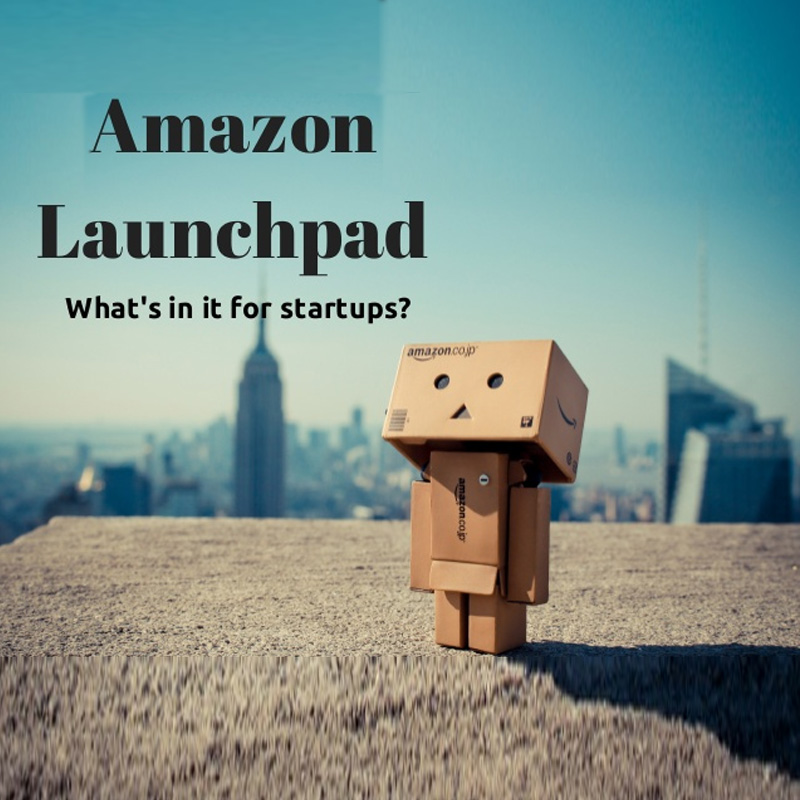
    MUMBAI: In a worthwhile push towards the government’s ‘Startup India’ initiative, Amazon Launchpad saw around 250 plus applications within three days of its launch. The programme helps make it easier for Indian startups to launch, market and distribute their products to millions of Amazon customers across India and around the world.

    Facebook meantime has picked up three more Indian startups — skill-based networking app Skillmate, rental platform SimplyMoveIn and social platform for investors and traders Talkoot – for FbStart startup mentorship programme.

    The startups will receive credits up to US$40,000 and free tools and services from Facebook and its more than 30 partners including Amazon, Dropbox, UserTesting, and MailChimp. Besides partners, startups get free access to more than 25 services including open source tools like React Native, FB Login and Account Kit and App Analytics.

    Amazon.in received over 400 applications within two weeks of the launch. Most of the applicants are young startups that are about one and half years old. Around 60 per cent applicants have never sold on Amazon.in before.

    Electronics, grocery and health & personal care are among the major categories of applicants. While applications have mainly been received from metros, startups from tier 2 & 3 towns such as Hubli, Mehsana and Thissur have also applied.

    Amazon Launchpad has partnered with various constituents in the ecosystem, such as DIPP’s Startup India initiative and offers startups a streamlined on-boarding experience.

    Consumers benefit from a safe and secure ordering experience, convenient electronic payments, Cash on Delivery, Amazon’s 24×7 customer service support, and a globally recognized and comprehensive 100% purchase protection provided by Amazon’s A-to-Z Guarantee.

    Over a dozen Indian startups have been inducted into the FB programme over the past year. These startups will get an opportunity to connect directly with the Facebook team and will be enrolled into the social media giant’s exclusive community of global startups that include Adobe, Coursera, Dropbox, and Salesforce.

    Any developer who has launched a working mobile app in Google Play app stores or Apple is eligible to apply for FbStart.

  • FbStart, Amazon Launchpad nurture e-com startups

    FbStart, Amazon Launchpad nurture e-com startups

    MUMBAI: In a worthwhile push towards the government’s ‘Startup India’ initiative, Amazon Launchpad saw around 250 plus applications within three days of its launch. The programme helps make it easier for Indian startups to launch, market and distribute their products to millions of Amazon customers across India and around the world.

    Facebook meantime has picked up three more Indian startups — skill-based networking app Skillmate, rental platform SimplyMoveIn and social platform for investors and traders Talkoot – for FbStart startup mentorship programme.

    The startups will receive credits up to US$40,000 and free tools and services from Facebook and its more than 30 partners including Amazon, Dropbox, UserTesting, and MailChimp. Besides partners, startups get free access to more than 25 services including open source tools like React Native, FB Login and Account Kit and App Analytics.

    Amazon.in received over 400 applications within two weeks of the launch. Most of the applicants are young startups that are about one and half years old. Around 60 per cent applicants have never sold on Amazon.in before.

    Electronics, grocery and health & personal care are among the major categories of applicants. While applications have mainly been received from metros, startups from tier 2 & 3 towns such as Hubli, Mehsana and Thissur have also applied.

    Amazon Launchpad has partnered with various constituents in the ecosystem, such as DIPP’s Startup India initiative and offers startups a streamlined on-boarding experience.

    Consumers benefit from a safe and secure ordering experience, convenient electronic payments, Cash on Delivery, Amazon’s 24×7 customer service support, and a globally recognized and comprehensive 100% purchase protection provided by Amazon’s A-to-Z Guarantee.

    Over a dozen Indian startups have been inducted into the FB programme over the past year. These startups will get an opportunity to connect directly with the Facebook team and will be enrolled into the social media giant’s exclusive community of global startups that include Adobe, Coursera, Dropbox, and Salesforce.

    Any developer who has launched a working mobile app in Google Play app stores or Apple is eligible to apply for FbStart.

  • Hoarded cash is flowing back into financial system, asserts Modi

    Hoarded cash is flowing back into financial system, asserts Modi

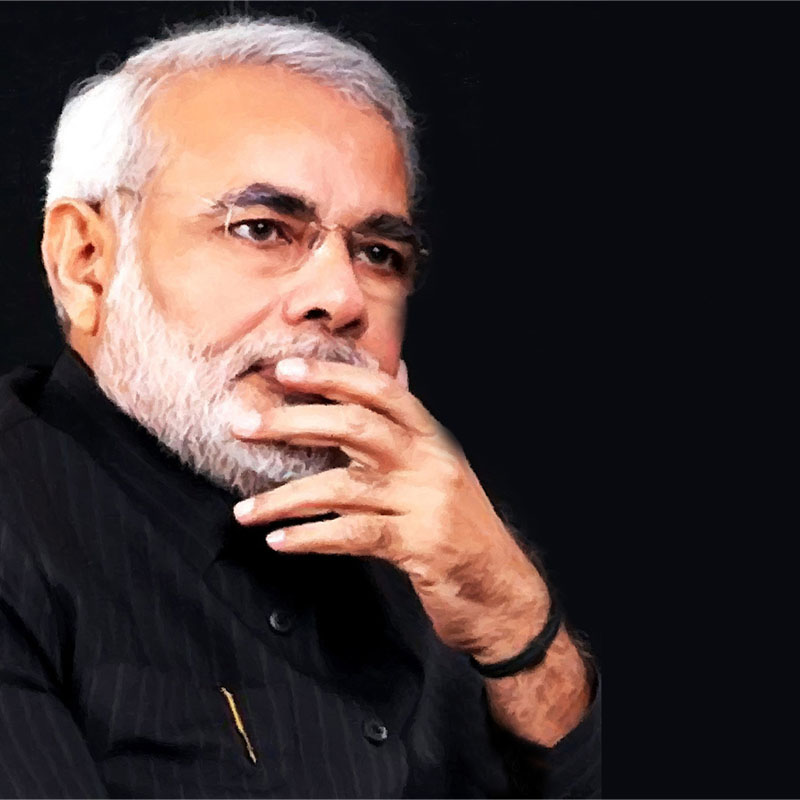
    MUMBAI: Economists, and not the government, had floated estimates that Rs 3 lakh crore black money was in circulation and would be extinguished as a result of demonetisation, the prime minister Narendra Modi said commenting on the dichotomy between the fact that almost 90 per cent of the demonetised currency returned to the banks and the perception that the above-stated figure of black money was in circulation.

    In his first interview after the 8 November demonetisation move, Modi has said that the exercise has achieved the goals it had set out, in an interview to India Today.

    In fact the government wanted the black money, which was “hoarded and kept out of the regular transactional economy, by people storing them in suitcases and cupboards or under the mattress” to flow back to the banking system. “This has left behind a permanent financial trail. This changes the game as the black money that did not have an address till now, has been tagged with one.”

    Modi has said that the exercise has achieved the goals it had set out—to attack corruption, black money, counterfeit notes, financing of terrorism and other activities threatening national security. “Decisive outcomes are clearly visible on all these fronts,” said the prime minister in an exclusive interaction with Raj Chengappa.

    “I was well aware of the magnitude and complexity of the challenge we faced in implementation. And I believe we have lived up to the same. It is no small thing that no significant incident of unrest has taken place in the country.”

    The prime minister defended frequent and multiple changes in the notifications regarding the implementation of demonetisation saying that there was a distinction between the government’s Niti (policy) and Ran-niti (execution strategy and tactics) and the two must not be put in the same basket. “The decision of demonetisation which reflects our Niti,is unequivocally clear, unwavering and categorical. Our Ran-niti however, needed to be different, aptly summarized by the age old saying of Tu Daal-Daal, Main Paat-Paat.”

    Modi also came candid about the rationale and timing of this historic yet controversial decision to render nearly 86 per cent of the country’s currency invalid. “We took the decision not for some short-term windfall gain, but for a long-term structural transformation. Our objective was to clean our economy and society of the menace of black money, purging the distrust, artificial pressures and other ills that came with it,” he said.

    Quoting global economists such as James Henry, Kenneth Rogoff and Larry Summers and recommendations of the 1971 Wanchoo Committee, the prime minister averred that the decision to demonetise high value currencies was taken 40 years late. “This step was in fact a critical crisis avoidance measure, as, if we had delayed it any further, the problem and its corresponding correction would have magnified exponentially in size and complexity,” he said.

    Countering the criticism that such a move was unwarranted when the economy was in good shape Modi said that the timing of it was a matter of common sense. “If India’s economy was weak, this decision could not have been made. It was consciously taken when the economy is in good shape, as such a sharp correction could have only been made then to fortify its foundations and give it a further boost.”

    The prime minister also sought to allay fears that country was staring at a cash crisis, which was unlikely to end, even after 30 December deadline. “Regarding printing of notes, the planning and strategy was based on India’s usage and requirements of currency. Very few people know that as per RBI’s evaluation, a substantial part of the Rs 1,000 and Rs 500 notes printed never make it into everyday circulation, and are instead hoarded and stocked away. Furthermore, the common man now has access to a wide variety of alternate digital payment mechanisms ranging from Rupay cards to online wallets and USSD payments,” he said.

    Modi also dismissed the Opposition’s allegation that the decision was a political move keeping an eye on the Assembly election in Uttar Pradesh. “On one hand they say I took this decision for political dividend, and on the other they say the people have been troubled and are deeply unhappy. How can the two go together?”

    The prime minister indicated that the government would carry forward tax reforms reducing the scope of discretion for income tax department officials. “The Revenue Department is already building a system where the entire process of assessment is done on-line without any need for the assesse to appear before the officer… selection of cases for scrutiny will be based on objective evidence rather than the whims and fancies of officers. The aim is to ensure that the honest tax-payer is not harassed or inconvenienced, while the tax-evader is efficiently caught and punished.”

    As the BJP-led NDA government has completed half of its five-year tenure, Modi envisaged his vision for India: “An India where the farmer is happy, the trader is prosperous, every woman is empowered and the youth gainfully employed. An India where every family has a house, and every household has access to the basic amenities of electricity, water and a toilet. An India which is Swachh from all forms of filth.”

  • Hoarded cash is flowing back into financial system, asserts Modi

    Hoarded cash is flowing back into financial system, asserts Modi

    MUMBAI: Economists, and not the government, had floated estimates that Rs 3 lakh crore black money was in circulation and would be extinguished as a result of demonetisation, the prime minister Narendra Modi said commenting on the dichotomy between the fact that almost 90 per cent of the demonetised currency returned to the banks and the perception that the above-stated figure of black money was in circulation.

    In his first interview after the 8 November demonetisation move, Modi has said that the exercise has achieved the goals it had set out, in an interview to India Today.

    In fact the government wanted the black money, which was “hoarded and kept out of the regular transactional economy, by people storing them in suitcases and cupboards or under the mattress” to flow back to the banking system. “This has left behind a permanent financial trail. This changes the game as the black money that did not have an address till now, has been tagged with one.”

    Modi has said that the exercise has achieved the goals it had set out—to attack corruption, black money, counterfeit notes, financing of terrorism and other activities threatening national security. “Decisive outcomes are clearly visible on all these fronts,” said the prime minister in an exclusive interaction with Raj Chengappa.

    “I was well aware of the magnitude and complexity of the challenge we faced in implementation. And I believe we have lived up to the same. It is no small thing that no significant incident of unrest has taken place in the country.”

    The prime minister defended frequent and multiple changes in the notifications regarding the implementation of demonetisation saying that there was a distinction between the government’s Niti (policy) and Ran-niti (execution strategy and tactics) and the two must not be put in the same basket. “The decision of demonetisation which reflects our Niti,is unequivocally clear, unwavering and categorical. Our Ran-niti however, needed to be different, aptly summarized by the age old saying of Tu Daal-Daal, Main Paat-Paat.”

    Modi also came candid about the rationale and timing of this historic yet controversial decision to render nearly 86 per cent of the country’s currency invalid. “We took the decision not for some short-term windfall gain, but for a long-term structural transformation. Our objective was to clean our economy and society of the menace of black money, purging the distrust, artificial pressures and other ills that came with it,” he said.

    Quoting global economists such as James Henry, Kenneth Rogoff and Larry Summers and recommendations of the 1971 Wanchoo Committee, the prime minister averred that the decision to demonetise high value currencies was taken 40 years late. “This step was in fact a critical crisis avoidance measure, as, if we had delayed it any further, the problem and its corresponding correction would have magnified exponentially in size and complexity,” he said.

    Countering the criticism that such a move was unwarranted when the economy was in good shape Modi said that the timing of it was a matter of common sense. “If India’s economy was weak, this decision could not have been made. It was consciously taken when the economy is in good shape, as such a sharp correction could have only been made then to fortify its foundations and give it a further boost.”

    The prime minister also sought to allay fears that country was staring at a cash crisis, which was unlikely to end, even after 30 December deadline. “Regarding printing of notes, the planning and strategy was based on India’s usage and requirements of currency. Very few people know that as per RBI’s evaluation, a substantial part of the Rs 1,000 and Rs 500 notes printed never make it into everyday circulation, and are instead hoarded and stocked away. Furthermore, the common man now has access to a wide variety of alternate digital payment mechanisms ranging from Rupay cards to online wallets and USSD payments,” he said.

    Modi also dismissed the Opposition’s allegation that the decision was a political move keeping an eye on the Assembly election in Uttar Pradesh. “On one hand they say I took this decision for political dividend, and on the other they say the people have been troubled and are deeply unhappy. How can the two go together?”

    The prime minister indicated that the government would carry forward tax reforms reducing the scope of discretion for income tax department officials. “The Revenue Department is already building a system where the entire process of assessment is done on-line without any need for the assesse to appear before the officer… selection of cases for scrutiny will be based on objective evidence rather than the whims and fancies of officers. The aim is to ensure that the honest tax-payer is not harassed or inconvenienced, while the tax-evader is efficiently caught and punished.”

    As the BJP-led NDA government has completed half of its five-year tenure, Modi envisaged his vision for India: “An India where the farmer is happy, the trader is prosperous, every woman is empowered and the youth gainfully employed. An India where every family has a house, and every household has access to the basic amenities of electricity, water and a toilet. An India which is Swachh from all forms of filth.”

  • Less-cash to digital economy the goal, but remonetisation behaviour uncertain, feels Jaitley

    Less-cash to digital economy the goal, but remonetisation behaviour uncertain, feels Jaitley

    NEW DELHI: Huawei Telecommunications India CEO Jay Chen has said that demonetisation and the resultant shift to digital economy will help India bridge the digital gap and transform the country into a digitally empowered society and knowledge economy.

    Addressing a ‘Digital Economic Forum 2016’ organised by Times Network in association with Huawei India, Chen said “Today India is at the centre of the world’s attention thanks to the vision and leadership of the present Government. Key national initiatives have given an impetus to the Indian economy. Digital India specifically, is the engine of all the key initiatives. We believe the recent drive by the Government towards digital payments is the heart of a digital economy. The recent high value currency demonetisation is a lifetime opportunity for India to leapfrog into a digital economy.”

    Other speakers included Finance Minister Arun Jaitley, and Power and Coal Minister Piyush Goyal and those present included Vodafone India External Regulatory Affairs Director P Balaji, Mobikwik founder andf CEO Bipin Preet Singh, Shopclues founder Sanjay Sethi and State Bank of India MD Praveen Kumar. The forum included a panel discussion on ‘Digi-Monetisation: Sparking a less cash economy in India’ that involved participation from key industry experts.

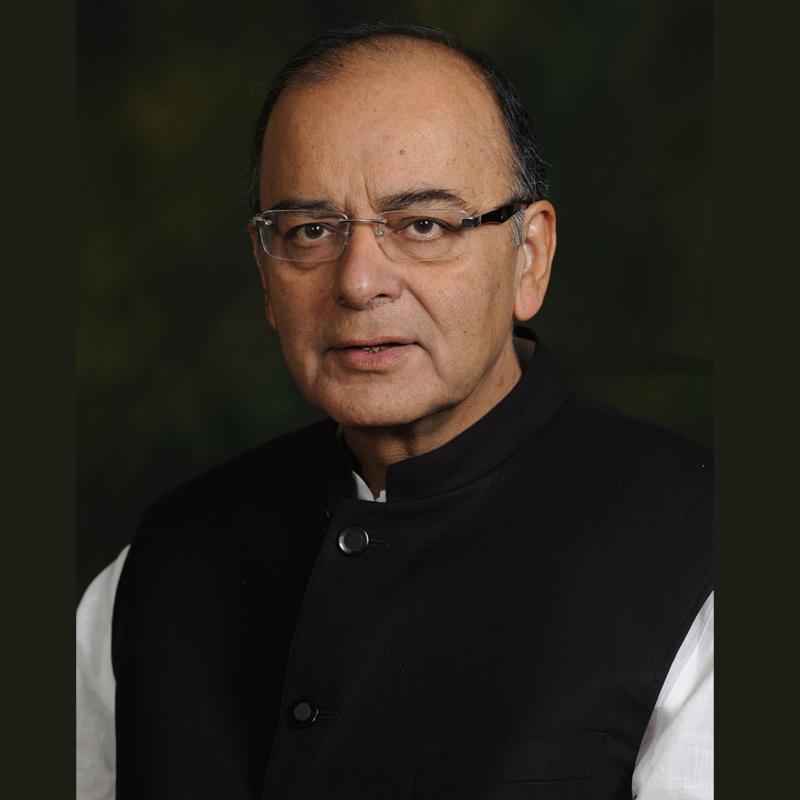
    Jaitley said, “Management of the economy does not depend on the kind of slogans people create. India is an economy that has been suffering with a high cost of capital. The ultimate goal is to digitise the economy. A less-cash economy is supplemented with a digital economy. There is no settled behaviour as to how people will behave when remonetisation sets in. Digitising the economy gives us a great opportunity. Over the next few years, the incremental impact of Digi- monetisation will also be felt in the economy. Lastly, we should make political funding transparent.”

    Goyal said “Digital push was an integral part of demonetization exercise. Any move as big as demonetisation is bound to have some small issues. Today telecom companies have confirmed that spectrum is no longer an issue. Once the person gets addicted to digital transaction, then the possibility of fraud will also reduce. Currently we are looking for a change in the working and mindset of the country. As we say that, the country’s youth have a lot of potential for innovation. Lastly, I would like to congratulate the Times Network for such an initiative like Digital Economy Forum.”

    Times Network executive editor Navika Kumar moderated Q and A sessions with Jaitley and Goyal.

    Times Network MD and CEO M K Anand said, “As a successful media company we have to be aware of the pulse of our audience. In the last 12 years, we have seen a distinct change in the mood of this country. Indians are in a hurry to progress. And they are willing to undergo pain if needed to quickly move forward. We have aptly captured and reflected this mood of the nation in our hallmark tagline NOW or Nothing. This mood of the people is reflected by the most action oriented government that this country has seen in a long while. Demonetisation or remonetisation as we call it is an expression of Now or Nothing. As India’s premium network for influencers, we believe it is within our power and mandate to contribute to this historic endeavor. Amongst a series of initiatives aimed at bringing clarity and accelerating much needed understanding and action in this area, the Digital Economy Forum has been designed to look at Digitisation as a means and an end to Demonetisation and the benefits thereof.”