Category: Executive Dossier

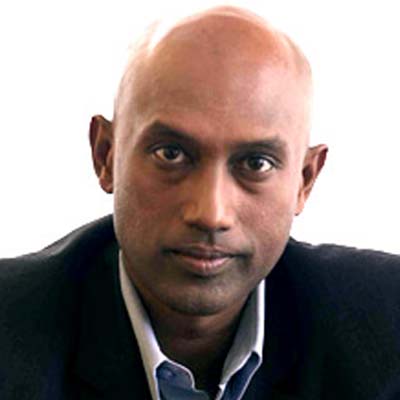
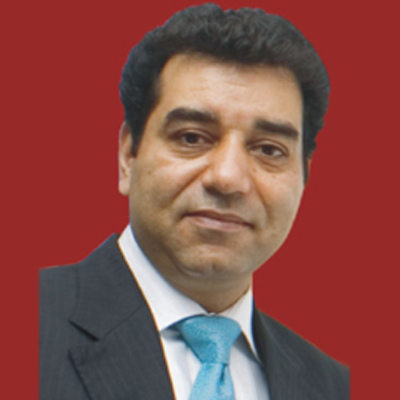
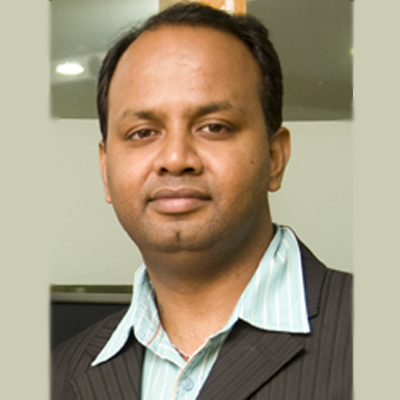
  • Valvoline has adopted a digital-first marketing strategy: MD Sandeep Kalia

    Valvoline has adopted a digital-first marketing strategy: MD Sandeep Kalia

    Founded in 1866 by Dr John Ellis when he discovered the lubricating properties of distilled crude oil, Valvoline oil – the world’s first petroleum-based lubricant was officially trademarked in 1873.  With such a historic legacy backing it up, Valvoline has been a key part of the global landscape ever since and this role is at the centre of its latest ‘Original Motor Oil’ campaign.

    Valvoline Cummins Pvt Ltd (VCPL) has recently launched its TVC, ‘Baccho Jaisa Junoon’, conceptualised by Leo Burnett, to celebrate its child-like passion to stay original, innovate and stay ahead of the curve while maintaining its 150-year old legacy.

    IndianTelevision’s Anupama Sajeet had an extensive conversation with Valvoline Cummins Pvt Ltd managing director Sandeep Kalia who steered the company right from its onset days in India in the 1990’s. Kalia talked about how the engine oil company’s marketing strategy and media mix has undergone a nearly 360-degree reversal during the pandemic and turned to digital-first. From not being known as a “consumer-first category,” the brand is now reaching out extensively to its customers through digital marketing and social media channels, in a bid to connect directly with them.

    Edited excerpts:

    On Valvoline India’s aggressive marketing strategy during the pandemic

    Valvoline Cummins has always concentrated more on its long-term vision. Over the last one year, all efforts of our teams and channels have been directed on how to reach out to our customers during such a difficult time. It was not only to do business but about understanding their needs, and their wellbeing. We launched several small, digital campaigns on staying safe, and also how to maintain their vehicles during lockdowns, because vehicles have typically been standing for months. We gave tips to our consumers, who were running CV vehicles, or trucks, tractors, cars or bikes, on ensuring their proper maintenance. We connected with them with much greater rigour via video calls, vocal interactions checking on their well-being, while also educating them- all of this was to ensure that the connect with our customers is long term.

    Hence, when the markets opened up around October 2020, we saw a lot of rewarding customers come to us. And that’s when we thought it will be a good time to launch a new campaign. That’s how the two campaigns came about. For this latest one, we wanted to start absolutely afresh, so we started with the global campaign on ‘the Original engine oil- stay original’ and went ahead and launched the ‘Baccho Jaisa Junoon’ campaign.

    On dealing with the multiple Covid waves

    During both the waves, the industry has been badly hit by recession- not just ours, but every other industry. We saw profits falling as vehicles were not running, nearly all across the lubricant industry. Looking back, the recovery was pretty strong after the first Covid wave, around last October which continued till March this year, although there were revenue losses. But the second wave hit closer home- our channel partners, our employees and our customers, all were affected and cash management was tighter because people wanted to retain cash with them. This was the main difference between wave one and two. Now, even though markets are opening up- especially in the regions where restrictions have eased- they are still not up to the levels where it was pre-pandemic. However, one can say about 80- 85 per cent recovery has happened.

    -On the latest campaign ‘Baccho Jaisa Junoon

    The brief given to Leo Burnett was simple- how do we best convey the brand’s 150 year plus legacy, while also stressing on our passion to continuously innovate. So the ‘Baccho Jaisa Junoon’ concept went very well with the theme that we were talking about- that Valvoline does not shy away from dirtying our hands, being innovative and full of curiosity. That this is a company which has been standing tall for the last fifteen decades, and our backbone for success has been this passion or junoon for continuous innovation in each and every employee we have at Valvoline.

    – On the brand’s marketing strategy & media mix

    If you look at our industry, this is not a consumer category- we have a lot of retailers which sell spare-parts shops and mechanics who are the big influencers in the industry. And finally, are the consumers. Our research found that TV news channels and GECs are very much part of the viewing habits of retailers and mechanics, so we’ll definitely continue with it. Print has not been much in the mix earlier as well, as there wasn’t much returns on it.

    But, now as we want to reach out to more consumers and talk to them about our heritage and vision, we have to go the digital way. In the next coming weeks, we will go big on digital platforms in tune with our larger emphasis on the light-duty vehicle category, such as motorcycles and cars as compared to the heavy-weight category comprising trucks and tractors.

    -On the impact of the pandemic on the brand’s media plan

    Primarily, the difference in pre and post pandemic strategy is that now we are trying to use more and more platforms to go digital- Moving from the traditional TV channels to catching up with the many new OTT platforms that have come up- how do we engage with them, how do we ensure good content which is meaningful for the brand as well as consumers see value in them. Till last year, our ad-spend was 60 per cent on TV and 30-40 per cent on digital. This year, with our focus on digital, it looks like it will be vice-versa.

    Valvoline has adopted a digital-first strategy both in terms of content creation and media mix from a continuous engagement point of view. Today, our consumers across the chain are connected on various digital platforms via smartphones, hence it becomes imperative for us to have a robust digital approach. Our digital media contribution in the overall media pie is 1.5x-2x that of our competitors.

    However, from an overall media mix perspective, TV plus Digital, and retail visibility remain our pivots. The pandemic sure skewed our digital investments a bit more, and our efforts our social and search platforms have gone up vis-à-vis pre-pandemic times. For new campaigns of course, TV continues to be the largest reach builder.

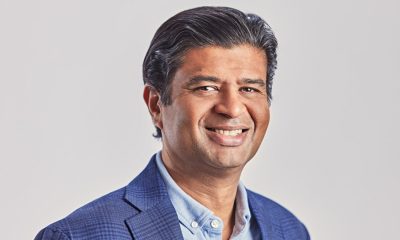
  • Digital marketing really worked for us during the pandemic: Super Plastronics’s Avneet Singh Marwah

    Digital marketing really worked for us during the pandemic: Super Plastronics’s Avneet Singh Marwah

    When the second-generation entrepreneur, Avneet Singh Marwah took over the reins of the company, it was still known for manufacturing plastic injection moulds which it started in the 1970s and 80’s. He slowly steered it into what it is today – one of the country’s largest TV manufacturing firms and the exclusive India licensee of global brands such as Kodak, Thomson televisions. It has recently also tied up with the German consumer electronics brand Blaupunkt.

    He started his journey in the company as an assistant manager and made his way through, before taking over the reins of the company from his father, Amarjeet Singh Marwah, the founder chairman of the company. “I worked in almost all divisions – from moulding to assembly line to service, accounting, finance, and sales. I worked on the field itself and spent three to four months in each department,” Avneet said, “In those six-seven years I never had any office or anything.”

    From thereon, there was no looking back for Marwah who went on to change the game and turn the fortunes for Super Plastronics Pvt Ltd (SPPL). Under his leadership, SPPL has now become one of the leading smart TV and home appliance manufacturers, selling top-of-the-charts global brands in India’s booming e-commerce market, via Flipkart and Amazon. Under the brand’s aegis, the European consumer technology brand, Thomson is currently among the ‘Top Five selling online smart TV brands’ in India.  

    IndianTelevision’s Anupama Sajeet had an in-depth conversation with SPPL, CEO Avneet Singh Marwah on the brand’s journey from plastic moulding to being India’s largest contract manufacturing firm & the exclusive licensee of four renowned international television brands. He also spoke about spotting opportunities amid the pandemic gloom, and talked about what it means to be an online exclusive brand, and future plans.

    Edited excerpts:

    On the origins Super Plastronics and the journey so far

    It’s been 30-years since we forayed into black & white CRT, colour, LCD & now LED televisions. Before that, our work was limited to plastic moulding for television. Currently, we have a couple of LCD brands in our portfolio, about 550 service centres, 24 pan India offices, and 28 warehouses across India. There are three manufacturing plants located in Noida, Una, and Jammu. By the end of the year, we will be shifting to our new fully automated TV manufacturing plant in Hapur, Uttar Pradesh where the target set is 1.5 billion units a year. In fact, we have the second-largest manufacturing plant in India, after LG.

    We began with Kodak in 2016 and offered ‘global technology at competitive prices. In 2018, we launched the French consumer electronic brand Thomson. Now, we have four international brands on board, including the German consumer electronics brand Blaupunkt. SPPL has complete rights to these brands from manufacturing to sales to marketing. There are two parts to it – the first is providing the most affordable TV sets in India and the second category is premium TV sets.

    On what led to the brand’s expansion plans amid the pandemic gloom

    The pandemic actually presented a big opportunity to all the manufacturing units in India. Firstly, the government banned the import of LED televisions’ CBUs (complete build units) last year, which led to a huge spike in the market in terms of the television industry. Earlier, there were a lot of imports happening in televisions. With the decision to ban it, one had to manufacture and assemble them in India. Plus, globally everyone’s looking for an alternative to China. We see this as a great opportunity for us with the government taking a decision on manufacturing all appliances in India. So, apart from television, we are foraying into appliances.

    On the brand’s focus on e-commerce and its region-specific growth

    We are an online-exclusive brand to Flipkart and it’s one of the largest retailers of TV sets in India, with an approximate market share of 44 per cent currently. When we started out about three years back, we had a strong online presence in tier 1 and tier 2 cities, but now we see a huge surge of growth in tier 3 and 4 towns, as well. In fact, in the last one year the maximum growth has happened in tier 2 and 3 regions.

    To be region-specific, the online sales have grown in Tamil Nadu, Karnataka, Andhra Pradesh, Telangana, Delhi NCR and Uttar Pradesh. In the West, Gujarat and Maharashtra, where the latter is among the best-selling states with maximum consumerism in India. In the East, West Bengal is seeing a spike; Assam and Odisha again have a bright future for online sales.

    The advantage of being online-exclusive currently is that we are seeing a 100% YoY (year-on-year) growth for Thomson. Pandemic has led people to move from offline to online even for buying appliances and electronics.

    On SPPL’s marketing strategy to reach out to consumers

    We are primarily marketing through the digital platform- that has really worked for us. At first, we targeted the online customers where the intent of buying is high based on their searches, so the conversion to sales is high. Now, we have started focusing on the customers, who were buying offline to encourage them to buy online and we have seen a lot of first-time e-buyers in the last eight months. We get lots of traction from influencer marketing, social media, google ad words- we have a 360-degree ecosystem in digital marketing.

    Apart from that, our strategic partner is Flipkart and whenever there’s any ATL/ BTLs or TV campaigns during festive season periods they include the SPPL brand name as well – only on those particular days do we target TV. That includes print campaigns too, but the print is in the decline stage right now and we don’t get too many eye-balls via it; this was more so true during the pandemic when sales of newspapers took a hit.  

    On the impact on brand growth and revenue during the pandemic

    We have been an online exclusive brand for Flipkart since 2018. We have seen a 100 per cent year-on-year growth phase. Last year after the first lockdown there was a huge pent-up demand and the whole world was hooked to their screens due to WFH, online classes, and people shifting to OTT platforms due to lack of fresh content on the TV – all of which led to record sales for us. But after the hard-hitting second wave, because of low disposable income, people had reservations about spending on high-value items and electronics. But, there is a huge inflationary demand for televisions in the country that will continue. As soon as the consumer sentiment improves, we will again find a growth pattern.

    On the plans to be an online exclusive brand for high-value items like TV and washing machines, post pandemic

    We have seen once the customer starts buying online it becomes very difficult for him to come out of it, because of various factors- there are offers that run exclusively online. Both Amazon and Flipkart are creating an ecosystem around it. Plus, there’s a limitation of shelf space when one goes to buy offline, thus one will not find the complete product catalogue in one place, unlike online where you’ll find the complete package in terms of variety. Hence, I don’t believe it will be affected once the lockdowns and restrictions cease.

    We are covering almost every town and city pan India, and now all set to foray into the rural markets too. With regards to product diversification, right now we have introduced air-coolers, before that it was washing machines. We are working on a couple of more product categories that need to be finalised before they can be announced.

    On what sets the brand apart from other local players?

    There are very few brands in India which have a network of more than 550 service centres. In the next few years, we plan to take that number to 800, which will be one of the highest for any television brand in India. Thus, we have a well-established network, which we have developed over the last three years, which is a challenging task for any new brand or an existing Chinese smartphone brand. We cater to 2,300 cities and towns that contribute to over 85 per cent of sales.

    Additionally, we have about 28 warehouses across India, with a door-to-door service which is a huge factor when it comes to spare parts replacement. The delivery period is also drastically cut down when there’s local warehousing with spares, and this gives a huge advantage to customers. Plus, we are one of the few brands which have the capability of doing replacement of TVs from the customer doorstep- even in tier 3, tier 4 towns which most other brands struggle to do.

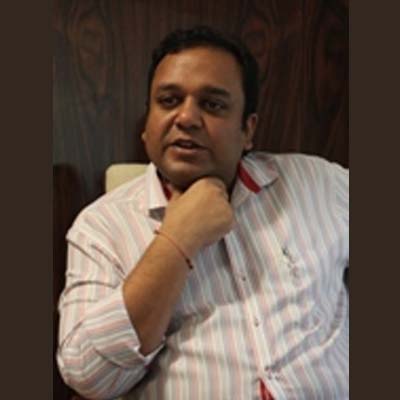
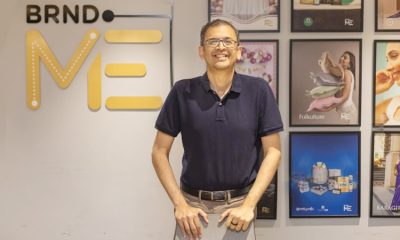
  • Premium MTB & kids’ bikes drove higher profitability during pandemic: Hero Cycles’ Pankaj Munjal

    Premium MTB & kids’ bikes drove higher profitability during pandemic: Hero Cycles’ Pankaj Munjal

    “The world is a lot faster now, but still, it’s the steady consistent approach that wins”, Pankaj Munjal wrote on a microblogging site in August last year, alluding to the age-old fable of the rabbit and tortoise.Words of wisdom that hold true today more than ever, when the world has been brought to a virtual grinding halt by the novel coronavirus.

    While the COVID-19 outbreak has hurt many sectors, the two-wheeler sector has largely been insulated, and even witnessed growth. The pandemic has firmly put the spotlight on a corona-safe, sustainable and environment-friendly mode of transit- good for good health. And what epitomises it better than the humble bicycle!

    Hero Cycles Ltd, the flagship company of Hero Motors Company, was established in 1956 in Ludhiana Punjab, manufacturing bicycle components. HMC, chairman and managing director, Pankaj M Munjal had joined the company in 1988. In 2015, he took over the reins of the company from his father and founder of Hero Cycles, Om Prakash Munjal. Today, the brand is considered the single largest producer of bicycles in the world, producing over 19,000 cycles per day.

    A cycling enthusiast himself, Munjal likes to stay ahead of the curve. Being one of the earliest makers of cycles in India hasn’t deterred the brand from evolving with the times. Hero recently dived into the eco-friendly, electric cycles market, with the launch of its Hero Lectro range of e-bikes. With the rocketing fuel prices, e-cycles could well be a pocket-friendly, safe and sustainable transit solution for the young consumer, while also being a turning point in the country’s cycling culture.   

    IndianTelevision’s Anupama Sajeet caught up with the two-wheelers veteran – Hero Motors Company, chairman and managing director, Pankaj M Munjal for an in-depth conversation on the Indian cycle market, the impact of the pandemic, its latest offering of  e-cycles and the plans to reach out to people through digital campaigns. Munjal also shares his views on the emerging trends, opportunities and challenges in the sector and on the road ahead for the cycle company

    Edited excerpts:

    On the challenges to the cycle industry due to the pandemic

    Initially, there was a constraint in supply and logistics due to the lockdown & other macro factors that led to a restriction on imports. Towards the end of last year, local disruptions prevented the movement of freight trains, causing further supply shortages. However, the government policies helped us to keep going. The challenges for the cycling industry are the same as they were before lockdown — the issues related to the safety and infrastructure of cyclists. We believe that simple measures like a dedicated lane for cycles and e-bikes can encourage more people to adopt cycling.

    On the opportunities presented by the pandemic

    The cycle industry posted a quick recovery after the lockdown. In the past one-and-a-half years, Hero Cycles has witnessed a 100 per cent increase in demand. Our traditional bicycles witnessed a 50 per cent increase in demand while the demand for electric cycles went up by 100 per cent, especially among the young people in urban India where cycling emerged as a viable alternative for health, fitness, and recreation when gyms and studios were closed. It presented a major opportunity to motivate the mobile urban youth about the suitability of cycles and e-bikes. The benefit of switching to a more eco-friendly mode of transport was evident by the impact of lockdown on air pollution and improvement in air quality across India.  

    On the brand’s market share & growth over the last year

    The Indian bicycle market, combining the organised and the unorganised markets, is estimated to produce and sell about 18 million to 20 million units. Hero Cycles has nearly 42 per cent of the share in the organised market. We have seen a spurt in the number of first time cycle users in the past 1.5 years and an improved product mix comprising premium and kids’ bikes with a market share of over 50 per cent now- have driven higher profitability.

    On the new emerging trends in the Indian cycle market

    Demand for premium kids bicycles, nearly 40 per cent of the demand, grew during the pandemic, driven by fitness and leisure needs. The pandemic has increased the number of people focusing on general health and immunity-building through exercise, while children have opted for cycling as a means of recreation. As a result, we have seen a 100 per cent increase in the demand in the premium MTB (mountain bike), and kids segments. The demand in the export segment grew by more than double.

    On the seasonal outlook

    With the second wave ebbing, we are seeing markets opening and therefore there is a palpable increase in demand. Demand for cycles does not have any relation with the seasonal variations like monsoons; rather it is the time when leisure activities like people going for trails or weekend rides generally increase, and therefore may drive fresh demand.

    On the e-cycles market in India and potential for growth

    Hero Lectro e-cycle has an estimated 70 – 80 per cent market share in India. Our wide portfolio of e-cycles ensures that we are catering to all those who may benefit from e-cycles — right from someone who needs it for daily commute to somebody wanting to have fun and adventure on long-distance journeys. We have introduced many innovations over the last few years such as the connected bikes with an iSmart app, detachable battery, USB charger and many more.

    India has immense potential to adopt e-bikes, provided the challenges that impede its growth are taken care of. Lack of adequate charging infrastructure is a problem, though Hero Lectro E-Cycles do not need any dedicated charging infrastructure; one can charge the e-cycle from any regular socket. And that readies the vehicle within a few hours for a 25km plus journey on a single charge. Additionally, Hero Lectro is creating dedicated retail and service channels for E-Cycles with our first-ever Experience and Service centre having been launched recently in Chennai. It is important for our potential customers to be aware of its benefits and make a conscious choice towards e-cycles.

    On the way ahead and plans for global expansion

    Hero Cycles is looking to add a manufacturing capacity of two million SKD (Semi Knocked Down) bikes per annum immediately, with the International e-Cycle Valley project in Punjab, built at an investment of nearly Rs. 200 crore. The state-of-the-art Hero Industrial Park is a significant milestone in HMC’s journey to becoming a global leader and a critical link between the company’s global engineering and manufacturing chain. While 50 acres of the Valley houses the factory, another 50 acres will have a dedicated Suppliers Park. Hero E Cycle Valley has been envisaged as the manufacturing hub to meet the rising demand for exports, currently done to Germany and the UK. Our plan is to have a large market in Europe and integrate it fully with our manufacturing facilities in India.

    On the brand’s 2021 marketing roadmap

    In the coming months, focusing on both urban and semi-urban areas, Hero Cycles will roll out digital & and on-the-ground activities to continue generating awareness about the products, especially the premium, off-road MTB bikes and kids cycles, as well as their benefits among the youth, in view of the increased focus on fitness and health due to pandemic.

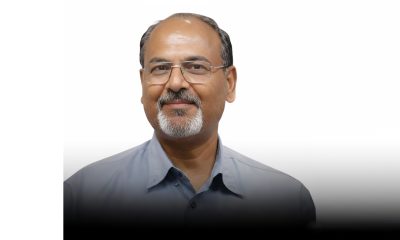
  • Ed-tech, OTT platforms bring about 30% of our revenue: GoPaisa’s Ankita Jain

    Ed-tech, OTT platforms bring about 30% of our revenue: GoPaisa’s Ankita Jain

    One of the early players in the cashback and rewards category functioning within the e-commerce space in India, product and offer aggregator platform GoPaisa.com was co-founded by the husband-wife duo of Aman Jain and Ankita Jain in 2012. The bootstrapped start-up has come a long way, with the platform currently recording more than three million user interactions daily. For online retailers, the platform acts as a massive ground for the promotion of their products and related deals. With an association of over 1,000 brands across categories, GoPaisa.com has already distributed over Rs 50 crore plus as cashback over the years.

    Having co-founded GoPaisa at the young age of 23, Jain was awarded the tag of the Youngest Female Entrepreneur, in addition to bagging the ‘Unconventional Women entrepreneur of the Year’ award for her fresh marketing perspectives and take on traditional norms of media as CMO. The brains behind the brand’s popular ‘Don’t be a Kaddu’ TV campaign that emphasised its core philosophy of “Why wait for discounts when you can get Cashback every time you shop”, Jain has always sought to go beyond demographics in defining and engaging consumers, in context with the brand proposition. The app already flaunts a portfolio of reputed brands including Amazon, Flipkart, Myntra, Ajio, OnePlus, mamaearth, Oneplus, 1mg, Norton, etc., and is present across key categories like BFSI, Fashion, Medicines, Grocery, Personal care, travel, digital products. Her ultimate dream is to make GoPaisa synonymous with ‘shopping’.

    ‘Bridging the gap between a solution and a seeker’ is a concept that always intrigued Jain. Expanding further on this premise, the scope for a more user-friendly platform that also enables extra income for users was identified. And thereof was born the couple’s new baby- the deal-sharing platform, Earnly. The latest entrant in the E-commerce space aims to eliminate all the technical challenges of affiliate marketing, by introducing an easy-to-use platform tailored to users who want to earn extra money by sharing curated online retailer deals.

    IndianTelevision’s Anupama Sajeet had an in-depth chat with GoPaisa CMO & cofounder Ankita Jain about the growth of GoPaisa during the pandemic, the company’s new platform, Earnly, and what it plans to achieve through micro-influencer marketing.

    Edited excerpts…

    On the GoPaisa business model

    We started back in 2012 when e-commerce was at a nascent stage. We had a tough task explaining our business model when we approached brands, for they would demand to know ‘what is it that our marketing agencies cannot do, that you can’. It is all about performance marketing- we only charge for sales, as we realise that at the end of the day it’s the conversion that matters. It’s not about the number of clicks or traffic, for these are fictitious by nature, and until and unless it leads to conversion it is of no use.

    Eventually, it became easier with big brands coming onboard- first was Snapdeal then we had Flipkart and Amazon. We work on a ‘cost per converted unit’ basis with the brands, which could differ from brand to brand. For some brands, the converted unit could mean the actual sales transaction. For some others, the premium paid or a credit card dispatched could be the converted unit, instead of sales.

    On the impact of the pandemic on consumer behaviour

    Our total traffic has gone up in the aftermath of the pandemic. Another major difference that I noted during this phase is the trend of adoption of new brands, unlike pre-pandemic, where people were hesitant and more comfortable with their ‘safe’ purchases from known brands like Parachute or Dove. The pandemic has changed that. Especially in tier-3, tier-4 markets, consumer behaviour has changed drastically. They have come online and are open to experimenting – ready to try new products from relatively newer brands like, say, a mamaearth’s onion hair oil or a beard cream from Beardo, which previously did not have penetration in these markets. The learning curve of the customer has been phenomenal and the entire gamut of D2C brands post-pandemic is the result of this.

    Since we work with all these brands, we completely know where the trend is now shifting. We closed the financial year with Rs 15 crore revenue. We are growing 15-20 per cent month-on-month. So based on sheer numbers we have performed quite well in the last year and a half.

    Also, there is this whole new category of products that has sprouted during the pandemic- digital products. By that, I mean the ed-tech platforms, OTT platforms, which comprise 30 per cent of our revenue. Right now our top five categories would be medicines, digital products, electronics, and furniture.

    On the marketing & advertising media mix adopted by the digital-centric brand

    Influencer content marketing has always been a major part of the Gopaisa marketing plan, along with the traditional digital advertising through Google, Facebook, etc. We did a small trial campaign on TV and then we went ahead with a marketing split of 50-50 between TV & digital mediums. Initially, we did TV advertising for three years, mostly during the festive season, so that we are assured of ROI on it. I wouldn’t say the ROI that we got on TV was bad. That’s also the reason why we plan to get the TV back in our marketing mix this quarter itself. But print and radio not so much.

    On the platform’s consumer demographics

    Our audience age group usually ranges from 18 to 34 years, with the core being from 24 to 34 years. Till last year 60 per cent of our consumers were from metros and 40 per cent were from non-metro cities. However, now the skew is towards non-metro. This is more so after we initiated regional marketing assignments, where we tied up with local micro-influencers from different regions and different languages like Kannada, Tamil, Telugu, Gujarati, Marathi for influencer marketing. That’s when we began seeing increasing returns from the tier 3, tier 4 towns.

    On influencer marketing & the idea behind Earnly

    As a policy, we did not approach the big influencers, instead, we tried the local influencers with a limited following. These influencers had high relatability and also had the tracking factor of their audience. We saw that the reach of these micro-influencers was phenomenal. But still, they did not make money. Because the branding deals only went to the top five per cent, and brands do not grant marketing budgets to micro-influencers.

    So how can they make money? And that is how we arrived at the idea of Earnly. With this new platform, they can actually commercialise their marketing efforts. And they rightfully ought to, for they make good sales through their video promotions of deals etc. When people see individuals like themselves, from a similar stratum of society or having a similar mindset, they buy due to the relatability aspect. Hence, we want to open up our entire gamut of 1,500 brands to these kinds of influencers with Earnly.

    On the USP of Gopaisa & Earnly platforms

    While competition has always been there in this space, our USP has been to work from an analytics angle. With advanced analytical tools, advertisers now have the freedom to pay for achieved results. We also understand the fact that we cannot be bombarding the customer with all 1,500 odd brands. So, for us to understand our customer is very important. Hence, we work a lot on our data analytics, which helps us to give the right offer to the customer at the right time. For that, we capture all the footprints that he/ she makes while or before making a transaction. So, ours is a very analytics-driven approach. And that is why our customer loyalty is high. Gopaisa has amassed 3.5 million subscribers as of today and with Earnly, we plan to cross 30,000 to 40,000 users by the end of this quarter.

    On the challenges ahead for the new e-commerce platform

    For three months, Earnly was in a Beta stage and we have already onboarded a thousand plus influencers to the platform, so the response has been really good. Right now, our main challenge is how fast we can spread the word. We have some campaigns going live on Earnly with big brands going on right now, and we are doing a lot of barter deals, where we can get the micro influencers’ costs for the product covered. We have negotiated with the brands such that the entire product cost, and commission- in cases when sales happen- is paid for by the brand so that there are zero investment charges for the influencer.

    It is said that 21 days is what it takes to build a habit. So in terms of consumer behaviour shift to shopping online- habit formation has happened. Because people are just too used to it plus the advantages of the price and the convenience of not having to step out. More so, one’s everyday routine requirements- it has shifted from offline to online, which is a major shift in consumer behaviour and which is here to stay I think.

  • FreshToHome has grown 4x since 2019: CEO Shan Kadavil

    FreshToHome has grown 4x since 2019: CEO Shan Kadavil

    Shan Kadavil’s bio on a networking platform reads ‘Farmer, Fisherman & Entrepreneur’.  In his own words, his journey to co-founding FreshToHome stemmed simply from a desire to find safe, hygienic fish to consume. That desire turned into passion, which in turn set him off on a mission to source seafood which is free of chemicals & antibiotic residue. To do so, Kadavil and team had to disrupt the traditional ways in which sourcing and distribution of seafood & meat happens in India and re-invent the food supply chain from scratch, by disengaging with the middle men and providing value to the farmers and fishermen.

    Thus, was born FreshToHome- an AI-based online marketplace that directly connects consumers with the fishermen and farmers. Today the platform has transformed into arguably the world’s largest vertically integrated e-commerce company in the fish and meat space, delivering to nearly two million customers in ten cities in India and all of UAE. The brand is now making forays into other fresh food categories such as fruits, vegetables and dairy.

    An entrepreneur who jump-started many technology companies and start-ups in India and the US, Kadavil has been named twice in the Exhibit magazine’s “100 Top Tech Indians” list, and won the Economic Times “Most Promising Entrepreneur of 2019” award, among others. Founder, chairman of tech startup, Dbaux Technologies, Kadavil holds a number of patents in the areas of Big Data & Cloud Computing.

    Kadavil is also credited with having built the first and largest Studio outside the US for Zynga- a leader in social gaming and maker of popular games such as Farmville, CityVille & Mafia Wars- in his previous role as the country manager & India founder of the company.

    As he himself jokingly once said, Kadavil literally went from making virtual tomatoes and potatoes on Farmville to actually farming fresh vegetables, poultry and fishes from fishermen.

    IndianTelevision’s Anupama Sajeet caught up with the multi-functional leader for a freewheeling conversation on being one of the early movers in the online seafood & meat delivery space in India, the challenges it entailed and on the road ahead for the e-tailer…

    Edited excerpts:

    On the brand’s claim of ‘zero chemicals & antibiotic-residue free’ on its fish & meat products

    The key to success in the fish and meat category is quality products and the fastest time from source to end consumer. A typical fish supply chain in India has over three middlemen which takes at least three to four days to reach the end-user. FreshToHome’s AI & IoT-tech-enabled platform ensures that the sellers are able to source without middlemen and the product reaches the end consumer within 24 to 36 hours.

    Additionally, the platform guarantees that an around-the-clock cold chain keeps the products within a range of zero to four degrees. The prompt delivery to the customer’s doorstep is possible through our state-of-the-art facilities and hubs in all regions and our convoy of vehicles that deliver around 23,000 tons of fish and meat per year.

    Apart from this, we have numerous checks during the process, including for standard chemicals, antibiotics, and preservatives. FreshToHome has reputed third-party lab certification that we provide on our website and app, which our customers are free to download. With this, we are able to validate that the products our customers are purchasing have been tested for over 120 antibiotics and other chemicals.

    On the marketing strategy behind the recent TVC campaign & revamped logo

    With our first campaign titled “Apne aap se, ya app se” we reference the wet market and nudge consumers to move online and buy from the FreshToHome app for a better experience. The film aims to highlight the predicament faced by ‘non-app’ users. There are three films created, which show the comparison with the wet market in a split screen treatment, depicting our three product categories- chicken, fish & meat- with super-quick delivery, cleaned, cut, and ready-to-cook. Most importantly, it shows how the consumer can save time and effort spent in the conventional ways of buying and thereafter cleaning, cooking it. We have also revamped our brand imagery (logo, look and feel) to be more youthful and fresh, bringing to life its core of fresh, chemical free food.

    On the brand’s media mix for advertising

    Being a digitally native brand, our media will be primarily digital. Post pandemic, coinciding with our campaign launch, our media mix has included TV, OTT, outdoor and print in a big way, as we want to deliver a larger thematic message by creating awareness of the benefits of shifting to buying meat and seafood online.

    On ‘the pandemic effect’ and the difference in numbers- pre & post Covid

    The growth of the platform has been rapid during the pandemic- the number of orders and registered users have gone up. While, in the first wave we witnessed a growth of 1.5 times, we have registered a growth of 2.5 times now.

    During the first wave, we were less prepared and there were a lot of issues in settling down operationally. We spent a lot of energy figuring out how to amplify human capital. The lack of resources was a problem but we have now hired 40 per cent extra manpower. In the last three to four months, we have employed 3000-4000 people. This rapid growth has happened on our platform directly or indirectly. And that kind of growth prepared us for the second wave. Earlier where we had one factory in each city, we now have two to three factories. We have grown four times from 2019 to the present. Currently, we are getting 2.2 to 2.3 million orders per month.

    On the shift in consumer behaviour towards online & company’s plan post-pandemic

    Online space is going to become much more competitive and saturated with every passing day. Companies like us will not be able to ignore the importance of this medium if they want to stand out among the competition and provide value to their consumers. Businesses with agility and creativity should work together to ensure the collective survival of this ecosystem.

    The industry has continued to reach out to micro-influencers for awareness about safety and hygiene among their potential consumers. It is imperative to adopt marketing strategies directed towards building a direct bond with their customers by focusing on digital methods.

    Talking particularly about FreshToHome and FTH Daily, COVID-19 transformed the fish and meat purchasing behaviour of consumers dramatically. Due to safety concerns, consumers made the habit-forming shift to e-commerce and we saw online demand for our products going up manifolds last year, thanks to the safety guarantee of “100 per cent Fresh and zero per cent chemicals”.

    On features, that sets FreshToHome apart from other established e-tailers

    The key differentiator of FreshToHome is our direct sourcing approach. For a competitor, who buys from vendors in the city, this is a hard task to do. Our ‘Farm to Fork’ feature and our AI-backed US patent called “Virtual Commodities exchange” is primarily what helps us stand apart. So, we get the info on consumer demand and then we match this with supply information from farmers. With the help of this, the time delay between taking the product and reaching the consumer is reduced.

    Secondly, there are no chances of wastage. The wastage in the supply chain of fish is about 15 per cent. The time cut-off in the supply chain, which is a minimum of 0 to 24 hours, makes us extremely competitive. Then there’s our sourcing strength. Most players may go to five to six harbours, but we go to nearly 500 fishermen and 125 harbours. This has the advantage of being marginalized in cost and not overpriced.

    Also, we use external labs to get certifications like ‘Free of ammonia’ and ‘No preservatives and antibiotic residue’. We are an honest brand and we are vocal about it.

    On ensuring quality, while expanding the products portfolio beyond meat

    When Mathew Joseph (co-founder) and I met, he had a company called ‘SeaToHome’. The reason behind starting ‘FreshToHome’ was to expand our categories to everything “fresh”- that was the vision. Since then, we realised that fish itself has been a complex challenge of hygiene but we are slowly and steadily building against that. It took us four years before we got our commodity on the exchange platform correctly. Then, to build the cold chain and supply chain- the whole process took us five to six years to develop.

    Now that the infrastructure has been developed, we are expanding our categories to fruits, vegetables and dairy. We have already expanded our daily delivery service- FTH Daily in 2019, which specialises in delivering milk, groceries, fruits, vegetables, and daily essentials, in Bangalore, Hyderabad, and Pune.

    On challenges faced while expanding regionally

    The challenge has always been to change an inherent consumer behaviour to shift their purchase of meat and seafood through our app, instead of going out and buying it themselves. This is a gradual shift where we are continuing to educate consumers about the benefits of buying meat and seafood from FreshToHome.

    On plans for international expansion

    We are already one of the largest players in the UAE and now plan to expand to all GCC (Gulf Cooperation Council) countries, specifically in Saudi Arabia, Oman and Qatar.

  • Bisleri’s Anjana Ghosh reveals why the beverage brand floated its own e-comm platform

    Bisleri’s Anjana Ghosh reveals why the beverage brand floated its own e-comm platform

    MUMBAI: Last year when the pandemic-induced lockdown struck Indians, Bisleri launched the Bisleri@Doorstep initiative to fulfil the increasing demand for safe and pure mineral water. Soon after, it unveiled Shop.Bisleri.com an online platform where a consumer can easily access a range of Bisleri products and subscribe to get hassle-free uninterrupted supplies.

    Indiantelevision.com’s Anupama Sajeet spoke to Bisleri International director – marketing & business development Anjana Ghosh to know more about the bottled water conglomerate’s drive to go digital after decades of being recognised as an on-the-go retail product and what it hopes to accomplish through it. Ghosh also shared insights on the company’s long-term expansion plans and efforts to minimise the impact of plastic waste on the environment.

    Edited excerpts:

    On transitioning from an OOH retail product to launching online d2c website.

    We recognised that it was critical to understand operating issues at the ground level, sense changes in consumer behaviour, and refine our approach. As noted last year during the pandemic, there was a spike in home consumption, and we used five and ten litre jars which are easy to carry. The pandemic helped us penetrate new channels like chemists, milk booths, and grocery stores as these were the only stores allowed to be open. At that moment, consumers were constrained by restrictions and limited operating hours. 

    Now there is an increased affinity for online shopping, even for essential products. Consumers understand that it is a safer and more convenient way to shop. Last year was a valuable period for us to develop a deeper understanding of the challenges faced by consumers. This is how Bisleri@Doorstep was born.

    On Bisleri’s expansion plans in the country.

    We have a very well-distributed supply-chain model of being closer to market with over 150 plants and a robust, sustained production across India with over 4,500 active distributors.

    We are currently active across 40 top cities and have tied up with leading online delivery partners to scale up our servicing ability across the cities and ensure consumers have easy access to the full range of our products. In some cities, we tied up with a logistics partner to ensure our e-comm deliveries happen in 3 hours, reducing the time from 24 hours. In many cases, these partners helped us improve our service levels significantly. We are now expanding to tier-2 cities like Ahmedabad, Surat, Baroda, Coimbatore, Guwahati, Chandigarh, Ludhiana etc.

    We have developed a cost-effective hyperlocal model called the Mohalla Distribution model, leveraging synergies with trade partners. We are also transforming our route to market, factoring in all the learnings of the pandemic and the future challenges.

    On the customer response to Bisleri@Doorstep.

    We are proud to say that Bisleri is the first brand in the category to launch an e-commerce platform. Bisleri@Doorstep was launched to provide consumers access to our complete range of products and is turning out to be a big hit with the consumers. The digital campaign Ab Ghar Ayegi Bisleri was very well received as well on social media platforms. We advise people to stay in the safety of their homes while we deliver to them at the doorstep. So far, we have had 20 lakh users who visited the website, and our numbers are increasing at a steady rate.

    We are also moving towards marketing automation and have finalised a partner who will help us integrate consumer data from various touchpoints into one central data platform. We are gathering insights on consumer preferences and evaluating differentiated products in health & hygiene categories. This platform will create various consumer profiles and enable us to target consumers through personalised communication in the media of their preference.  

    We are witnessing almost 2.5 times more traction since the beginning of the new fiscal with our consumer engagement initiatives.

    On dealing with ‘Say No to Plastic’ as a brand & the Bottles for Change initiative.

    Treating plastic as waste is not the solution; if used and disposed responsibly, plastic is not harmful to the environment. Used plastic segregation that starts from home is a very basic but crucial part of the recycling process. There are many misconceptions among the masses as they fail to understand the proper ways of clean plastic segregation.

    Bottles for Change: Designed and implemented by Bisleri International, it aims to bring about a habit change in society by cleaning the plastic after its use, segregating and sending it for recycling. As a part of the program, we conduct plastic recycling awareness and collection drives in schools, colleges, corporate offices, malls, events, etc. This is done through a four-step process via which we provide effective tools to recycle plastic and provide a non-hazardous and hygienic work environment to our plastic agents.

    Bisleri has partnered with three NGOs in Mumbai – Parisar Bhagini Vikas Sangh, Sampurna Earth and Garbage Concern Welfare Society. The plastic collected by Bottles for Change is crushed into fine flakes, which are then used to create non-edible products such as furniture, cloth fabric, shoes, handbags, and many more. The motive of this model is to ‘Be the Change You Want to See’.

    Through our initiative we have reached out to more than five million people in the last four years and have helped in recycling more than 6,500 tonnes of used plastic. 

    On the new campaign Samajhdaar Bisleri Peete Hain.

    Our Samajhdaar Bisleri Peete Hai campaign was launched to reinforce consumers’ trust and raise awareness on the difference between the original Bisleri and all other bottled water which are called Bisleri in the market. Today’s consumer is aware, educated and diligent. However, when it comes to water, they don’t mind compromising and settling for unknown, unprocessed variants of mineral water. The campaign is an effort to initiate and provoke the consumer to be vigilant and choose a trusted mineral water brand, check the Quality parameters, the manufacturing process and not just settle for any bottled water.

    On the new launches in categories other than bottled water.

    Apart from packaged mineral water, we also have our range of fizzy fruit drinks. These were developed keeping in mind the evolving consumer preferences and are a healthier option with real fruit juices. We introduced three brands – Fonzo, Limonata & Spyci. We have a few more product launches lined up for the future. 

    On measures taken by Bisleri to ensure safety of its employees during this pandemic.

    We have made sure that the production and packaging remain completely contactless and have installed ozone tunnels to disinfect our employees in our facilities apart from additional safety protocols.

    We have also taken additional Covid insurance for our employees and housed staff closer to the plant to prevent exposure. We have put safety protocols in place for our delivery staff, like sanitizing vehicles and providing protective gear to them, in addition to other measures.

  • Partnership with Mumbai Indians creates multi-fold opportunity: Marriott’s Khushnooma Kapadia

    Partnership with Mumbai Indians creates multi-fold opportunity: Marriott’s Khushnooma Kapadia

    MUMBAI: For the second year running now, Marriott Bonvoy – the globally awarded loyalty program by Marriott International – renewed its collaboration with Mumbai Indians with an exclusive series of experiences for its members during the IPL season. From a chance to go live on social media channels with their favourite player to availing of a family getaway with them, the events have been curated to offer unforgettable experiences. As part of its multi-year partnership with the cricket team, it has launched once-in-a-lifetime immersive experiences and moments for fans to closely feel the elation of engaging with their sporting idols.

    Indiantelevision.com’s Anupama Sajeet spoke to Marriott International’s senior area director of marketing – south Asia Khushnooma Kapadia about how the Group has been able to drive fan engagement when the league seems to have lost some of its aura, due to the lack of in-stadium experience for the second year in a row. As the country battles its second Covid wave, Kapadia also shared some of the significant learnings the pandemic taught last year, which holds them in good stead this year as well.

    Edited excerpts:

    On the success metrics of partnership with Mumbai Indians (MI) amid testing times.

    We are very sensitive and extremely cognisant of what is the current environment and hence everything has gone into the virtual realm. Even the engagements and the moments we are providing are within the virtual space.

    We had signed up with Mumbai Indians in January 2020, before the pandemic had actually struck India. But we haven’t negated our partnership – we have just made the best with what we have and created an opportunity out of it.

    This entire program isn’t really dependent on travel dynamics. In the first year it was predominantly to amplify the awareness of our Marriott Bonvoy loyalty program. In fact, this year it is extremely critical for us to be out there with these kinds of strategic partnerships which help us to provide a more unique experience to our loyalty members, and to individuals who are not part of the loyalty program but have the facility to become part of it.

    Even last year we saw great resonance to this alliance. The intention behind initiating such a program was to provide experiences which our members can cherish and relish, and it could be in the realm of sports, music, entertainment, culinary et al. Which is why we feel the partnership with IPL and Mumbai Indians will lend a greater synergy even over last year.

    On conducting all experiences virtually instead of physically.

    Clearly, this kind of partnership lends itself so much better when it’s a physical interaction or when you see a match live in the stadium. But nevertheless, we still do believe it will drive a lot of value to our members, especially in these bleak times.

    There are some of the experiences we had planned, like hosting a dinner for the players and inviting our members for the exclusive VIP event, doing a coin toss with a special member on the field along with the MI captain – all of which are not going to be possible in today’s circumstances. But nevertheless, there are lots of other moments which we can still do virtually. One needs to operate with a level of optimism that is bordering on realism, not on fantasy.

    On benefits as a loyalty partner with a team like Mumbai Indians.

    There’s a multi-fold opportunity as a brand. It is the most premier team in the entire league – we have seen every time MI plays a match the TRPs are the highest. This time the team is unfortunately not playing in the home city, Mumbai, which would have given us the chance to host them in our hotels, as well. It also gives us the opportunity to create an entire MI engagement program in the premises of our lobbies and hotels. While the first year was all about creating awareness + engagement, this time it’s also about enrolment.

    On the marketing mix to leverage the partnership.

    Typically, our marketing strategy would be a 60:40 mix with 60 being on television and other offline mediums of advertising like newspapers, radio etc. But obviously we needed to bring a 360-degree shift into our marketing mix. So, we have strengthened our presence on digital and social media networks- Facebook, Instagram, digital channels like Spotify. The intensity of marketing this partnership for the next two and a half months is going to be heightened through our entire portfolio of hotels, as well.

    On the long-term impact of Covid2019 on the hospitality industry.

    The world has shifted in the way we are living or in the way we are going to live- that pretty much holds true for every aspect of our lives. Travel will change its dynamics as well, there’s no denying that. Business travel has changed, people have recognised the fact that there are ways to interact with people sitting across continents than actually travelling. People are going to become more cautious, conservative.

    However, that said, we have seen last year also that as soon as things normalise people do not stop leisure travel. Today they have realised they would rather spend on experiences. A reflection of that is the kind of domestic travel we saw last year- so many virgin locations, boutique hotels boomed in this whole new travel dynamic because people could not travel internationally. Our JW Marriott in Goa and Mussoorie were thriving. India replaces China as the largest market for Maldives. So travel is never going to go out of fashion, only the way we consume it may change.

    On key takeaways from the past year.

    I think we all learnt we can take nothing for granted. What we learnt as a global chain is agility of operations, crisis management, pressure management – by living in a pressure-cooker environment, while also dealing with one’s personal dynamics, and that decision-making has to be quick as it could impact lives, business, everything. Also, making sure we provide stability to our employees, taking care of them through these traumatic times. These were some of the significant learnings that hold us in good stead this year, so whatever it is that gets thrown at us we are better prepared to deal with it.

  • We want to create a culture & community of respect: L’Oréal Paris–India’s Pau Gruart

    We want to create a culture & community of respect: L’Oréal Paris–India’s Pau Gruart

    MUMBAI: L’Oréal Paris launched its global initiative ‘Stand Up Against Street Harassment’ in India in November last year with NGO Breakthrough as its on-ground training partner. The aim was to train one million people in India in bystander intervention to tackle street harassment by 2022. The program, with actor Aditi Rao Hydari as its brand ambassador, applies the global ‘5D’ methodology of Direct, Distract, Delegate, Document, and Delay – to help victims and bystanders to take these actions when faced with harassment in public places. 

    Now, on the occasion of International Anti-Harassment Week, Indiantelevision.com’s Anupama Sajeet spoke to L’Oréal Paris – India general manager Pau Gruart to know more about the beauty conglomerate’s drive against street harassment and what it hopes to accomplish through it. Gruart also shared insights on the long-term impact of Covid2019 on the beauty industry and why he believes the changes brought about by 2020 in consumer behaviour and consumption “are real and here to stay”.

    Edited excerpts:

    On what inspired the global cosmetics giant to take on this initiative.

    Globally, L’Oréal Paris has always stood for women's empowerment. We are committed to addressing the barriers between women and their ambition. An international survey done by L’Oréal Paris-Ipsos showed that sexual harassment is one of the most important issues worldwide. It happens everywhere, every day, and takes away the right of women to feel safe in the public spaces and impacts their sense of self-worth. We felt there was a need to empower people to take action for themselves, and others. Thus, L’Oréal Paris launched a campaign to encourage women and men to intervene safely if they experience or witness street harassment. We partnered with Hollaback! a global, people-powered movement to end harassment in all its forms, and Breakthrough India, an organisation working to make violence and discrimination against women and girls unacceptable, for its launch in India.

    On what the brand hopes to achieve through this initiative.

    We want our program to create awareness about street harassment and let people recognise the issue for what it is. We want to create a culture and community of respect, dignity, and worth by empowering over one million people with the 5D’s methodology, developed by Hollaback – training that can be taken digitally from the standup-india.com site. In India, we are also going on-ground with our partner Breakthrough India. We hope to create a bystander movement that discourages harassers, supports victims, and empowers bystanders to intervene by equipping them with safe methods to do so.

    On the findings of the study conducted by L’Oréal Paris in partnership with Ipsos.

    When we investigated to know the most important issue women face in their daily lives, we discovered that the #1 issue was street harassment. So, we commissioned Ipsos to investigate the scale of sexual harassment in public spaces.  The survey found that 80 per cent of women have experienced sexual harassment in public spaces, at least once in their lives. 76 per cent of people (men and women) have witnessed sexual harassment. While 28 per cent globally said they did not know what to do when asked why they didn’t intervene.

    In India, the survey revealed that 81 per cent of those spoken to feel there is a lack of training on how to intervene to put an end to sexual harassment. At least 54 per cent of Indians said someone helped while witnessing sexual harassment and 79 per cent said it improved the situation when someone did intervene.  

    These stats clearly show there is intent, but people do not have the tools or strategies that can help them change the narrative. So we decided to #StandUp Against Street Harassment and help people become a part of the solution in preventing street harassment. Our program offers people free training in the 5D methodology that gives them five simple, safe strategies to diffuse a situation without endangering themselves or the victim. 

    On the disruption caused by Covid2019 and changes in consumer behaviour.

    Firstly, I don’t think there is going to be any ‘going back to pre-Covid normal’. The changes brought about by 2020 in consumer behaviour and consumption are real and here to stay. Digital has become an extremely important aspect of our strategy. Fortunately, L’Oréal Paris has been leading the field when it comes to digital for years now. We have transformed from a beauty company to a Beauty Tech company. We have been able to ride on this shift in consumer behaviour effectively. We have been delivering a much richer online experience for our consumers, capturing the DIY and digital trend through: 

    -Delivering education (on products) in a virtual way

    -Use VR/AR tools to try the product and see how it looks on you

    – Live sessions and leveraging influencers for consumers to help them on their DIY journeys

    -Access to e-consultants who can further help answer queries 

    L’Oréal Paris Hair Colour, for example, leveraged technology to hold the consumer’s hand ‘virtually’ as she took her first steps into the hair colouring journey at home. We did this by organizing special sessions with our Hair Colour expert to clarify all her questions, having a virtual try-on on our website where you can see how the colour will look on you. So, we educated, demonstrated, and consulted – all virtually.

    On the long-term impact of Covid on the beauty industry.

    Beauty is an eternal requirement, linked to a fundamental need to feel and look good. While we have been in the business for 110 years globally, the desire for beauty has been with humankind for many more years, and that is not going to change. Even if you look at what happened last year during the lockdown with practically no socialising, people still experimented and expressed themselves in different ways with their makeup. Eyes got a lot more focus, even long-stay lipsticks became a mainstay in makeup bags. Like everything else, the market will transform. With Covid2019, it might go through an accelerated phase of transformation in products, consumer use, distribution, etc but as long as we are close to the consumers and thinking of satisfying their needs, the beauty market will be fine.

  • Thomas Cook’s Abraham Alapatt on looking beyond the pandemic

    Thomas Cook’s Abraham Alapatt on looking beyond the pandemic

    MUMBAI: Travel and tourism were among the first sectors to be hit in 2020, due to the outbreak of the Covid2019 pandemic and the resultant closure of borders. It has also been one of the most affected industries and probably will take the longest to revive, with both leisure and business travel taking the brunt. According to the World Travel and Tourism Council (WTCC), the pandemic is likely to cost the tourism sector almost $22 billion and 50 million jobs. Last year alone, India's hospitality and tourism sector suffered an economic wipe-out estimated to be up to Rs 15 lakh crore. And just when it began to show signs of recovery, the country is witnessing a resurgence in cases, dimming the outlook for the sector.

    Indiantelevision.com’s Anupama Sajeet spoke to Thomas Cook (India) president and group head of marketing Abraham Alapatt about how the travel industry plans to beat Covid 2.0 and assuage consumer fears. Alapatt also talked about the company's roadmap to deal with the large-scale disruption caused by the second wave of the pandemic.

    Edited excerpts:

    On the humongous challenge facing the tourism industry.

    The travel and tourism industry has been one of the hardest hit due to the Covid2019 pandemic. Given the vaccine rollouts, we are now witnessing a growth in positive consumer sentiment and are seeing fear being replaced with cautious optimism. In the short to medium term, the opportunity for tourism will be dominated by a few new keywords — safety and hygiene, clear focus on less crowded, more open space, sunshine-oriented destinations, and as a result possibly more unexplored, undiscovered, destinations and experiences.

    Going forward in the new normal, marketers have talked of the post-pandemic ‘3C’ customer, who is effectively going to be constrained — mentally, physically, and financially and will be connected to what’s happening in their country and the world. The post-pandemic customer is going to be defined by 4Ds, especially for travel:

    · Will Deliberate more on decisions on leisure travel

    · More Discerning about the choice of destinations

    · Demanding/Detail-oriented regarding all aspects of the travel programs

    · Discovery-oriented

    On marketing strategies for the upcoming summer holiday season.

    Summer is one of the primary seasons to travel for families given that most school vacations are during this time. While our marketing strategy in 2020 had been primarily digital, we have now reintroduced print to our mix of promotions. We believe in an omnichannel approach, giving the customer the choice to connect with us digitally, at our outlets, or via our toll-free numbers. Customers have now become more digital-savvy post-2020. We have seen an increase in the web traffic on our sites as well as walk-ins at our stores for final discussions and closures. We will continue to invest digitally and boost our retail network across the country.

    Also, we quickly adapted to the new normal and created products and services in line with the requirements of the Covid2019 era. The consumer wish-list had changed and our teams worked accordingly to create easy to book, practical holidays such as workations, staycations, drivecations, affordable luxury holidays. We focused on quick breaks to counter the stress of work from home and home chores at convenient short drivable distances.

    As international borders reopened, our teams negotiated deals with our vendors/partners to offer customers the best rates at Dubai and Maldives’ luxury and super-luxury resorts. The reopening of borders for additional countries has boosted outbound demand to destinations like Russia, Turkey, Egypt, and Seychelles. We have added the exciting Aurora Borealis/Northern Lights experience in Murmansk and launched our Nepal tours with a special offer. We are seeing growing confidence in international travel and the return of group travel. 

    On Thomas Cook’s roadmap for 2021 and beyond.

    We conducted a survey with over 2500 customers across India’s metros and tier-1 and tier-2 cities to understand key consumer behaviours and trends. Our Holiday Readiness Travel Report – Future of Travel post-Covid2019 revealed key drivers in this new era of travel. Health and safety ranks as the primary concern for 75 per cent of respondents. We took this challenge head-on and put together a three-pronged customer confidence-building program in the form of 'Assured-Insured-Secured', that covers every aspect of physical safety, as well as mental and financial security to give the customer complete peace of mind.

    We also launched the Assured Safe Travel Program and Doctor on Call 24×7 service in partnership with Apollo Clinics; a free-service offering expert guidance and assistance for safe holiday planning via a tie-up with ICMR accredited labs.

    Given the situation, the demand for virtual and contactless sales and services has accelerated. Our survey also revealed that given the prevailing uncertainty, a significant 71 per cent of respondents stated that they require the guidance of a holiday expert and preferred to visit an outlet/Virtual Store/video chat while planning their holidays. We introduced Virtual Holiday Store and our dedicated team of travel experts will be available over video chat to guide customers with contactless and convenient holiday planning. This is in addition to our retail outlets pan India, that are operational where permitted by local authorities.

    (In addition to Thomas Cook, the Thomas Cook India Group operates leading B2C and B2B travel brands including SOTC, Asian Trails, AlliedTPro (ATP), Australian Tours Management (ATM), Desert Adventures, Luxe Asia, Kuoni Hong Kong, TC Travel, Private Safaris East & South Africa and Sterling Holidays.)

  • Privé World Box Office bridges the gap between Indian cinephiles & foreign films

    Privé World Box Office bridges the gap between Indian cinephiles & foreign films

    MUMBAI: While Cinema is said to be a universal language, most of us grew up watching only Indian or Hollywood movies. However, of late, viewers increasingly value quality of storytelling and entertainment over the language of the content itself. it is for these movie aficionados that English language movie channel &PrivéHD launched ‘Privé World Box Office’ – a new category to curate foreign movies from around the world. In a freewheeling chat with Indiantelevision’s Shikha Singh, ZeeL premium channels business head Kartik Mahadev spoke at length about the decision to bring foreign films for Indian audiences, the programming line-up and more.

    Edited excerpts:

    On the decision to curate foreign films for the Indian audience.

    In the quest for entertaining cinema and exceptional storytelling, cinema lovers occasionally come across foreign films through word of mouth but they do not find enough supply or a clear destination to watch them. Our aim was to solve this consumer challenge through curation of titles from ten different languages that have been loved by audiences in their origin country.

    On how foreign films will create an impact on the Indian audiences.

    Director Bong Joon Ho in his award-winning speech at the Golden Globes made a very pertinent remark as he teased moviegoers to embrace the ‘one-inch-tall barrier’ to explore a world of amazing films. Today, the consumer appetite for world-class movies transcending languages has been witnessing a rise by leaps and bounds. Our offering has been crafted with insights that aim to bridge the gap between the Indian film fans and the universal narratives in foreign language films.

    On the promotional campaign and the creative team behind it.

    We have arrived at ‘feel at home, no matter the language’ as the core messaging to bring to the fore a curation of foreign movies with familiar themes that are relatable and enjoyable. Flux @ The Glitch was roped into helm the light-hearted campaign along with Jigar Fernandes, Third Floor Films, who brought the vision to life with his direction. The film marks the return of the legendary Deepak Tijori along with the evergreen Renuka Shahane who brings their expertise along with the new age internet sensation Rohit Saraf. Through the lens of a typical Indian family, the film captures a relatable situation in a foreign language through a fun-filled banter amongst the family.

    On the programming line-up.

    The offering includes a mix of genres ranging from romance, drama to action and comedy thus catering to the tastes of all movie lovers. A new movie will be released every week with our viewers having the option of watching the movie at their convenience on any day of the week @9 PM. Some of our key titles include the latest instalment of the biggest French action franchise Taxi 5, the top-grossing Norwegian monster movie, Ragnarok, one of the craziest French love stories, Jeux D’enfants aka Love Me If You Dare, The Idol (Arabic) directed by the two-time Academy Award nominee Hany Abu-Assad among others. Some of the other titles to premiere include the French comedy, Fonzy, the Chinese neo-noir crime thriller The Wild Goose Lake, the Norwegian drama film based on a real-life event, Utøya: July 22 and others like The Farewell (Mandarin), Headhunters (Norwegian) and Pain And Glory aka Dolor Y Gloria (Spanish).

    On advertiser interest and sponsors on board.

    While consumers undoubtedly are at the core of what we offer, our major focus in 2021 is to delight our brand partners by providing value through our offerings. We have seen great sponsor interest for the property with Cetaphil onboard as the presenting partner and Standard Chartered as the special partner for the block.

    On the marketing activations to bring this offering to audiences.

    With the Covid2019 outbreak, we have witnessed a surge in television viewership alongside brands engaging on digital through Live video formats. In the English cluster, we have adopted digital engagement alongside television as part of the channel marketing strategy. We had a robust marketing campaign rolled out across TV, digital, trade, on-ground screenings and bolstered via PR that targets the six metros. Digital has always played a pivotal role in our marketing mix. Through Rohit Saraf and Renuka Shahane's social media handles, we teased movie fans with a teaser that intrigued the movie lovers, which was later released across digital and TV. We also hosted a fun-filled Valentine’s day activity with Rohit Saraf on Instagram reels, which garnered immense traction via UGC as fans reached out to the actor with their proposal messages in a foreign language.

    On the channel’s plan for 2021.

    In the coming months, we will have the Ticket To Hollywood movie airings for the biggest Hollywood blockbusters. We will continue to bring originals on Zee Café that add to the repertoire of locally nuanced content along with iconic international shows. The foreign language premieres as part of Privé World Box Office will continue to entertain movie fans with new movies every week through the coming months and we have more in the pipeline. So, all in all, it’s a promising and packed content line-up for the Zee English cluster.