Category: Executive Dossier

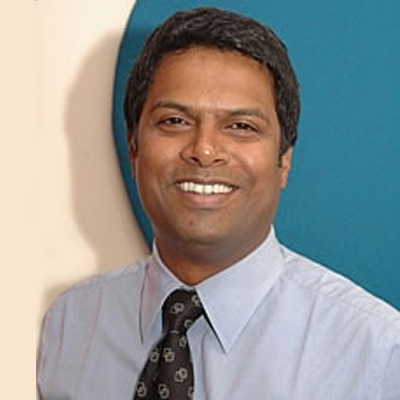
  • ‘The Merrill Lynch deal has given us a Rs 5 billion valuation’ : MK Anand – Zoom business head

    ‘The Merrill Lynch deal has given us a Rs 5 billion valuation’ : MK Anand – Zoom business head

    After selling 25 per cent stake to Merrril Lynch for Rs 1.25 billion, Zoom is gearing up for more programme launches to race ahead of competition that has arrived in the form Showbiz and E24.


    Targeting upscale audiences, the channel from the Bennett, Coleman & Co Ltd (BCCL) Group has increased its dosage of Bollywood-centric prime time content with a slate of new shows. Aided by a rise in ratings, Zoom is eyeing a revenue of Rs 1 billion this fiscal.


    In an interview with Indiantelevision.com’s Richa Dubey, Zoom business head MK Anand discusses the growth track of the channel and the need to push the Bollywood genre of content across different markets through the syndication route.


    Excerpts:

    Has Zoom Entertainment Network (ZEN) diluted 25 per cent stake to Merrill Lynch for Rs 1.25 billion?
    We got a valuation of Rs 5 billion when Merrill Lynch bought this stake in around May-June. We are utilising this amount to develop stronger content for the channel. Some of the new shows are already launched and we will gradually unveil a few more.

    Will you also not spend more on distribution as channels are finding it difficult to find space on choked analogue cable networks?
    We are content with our present distribution. We will be utilising the money only for new programmes.

    Why has Zoom shifted gear to Bollywood-centric shows?
    Getting viewers closer to celebrity life was the whole idea on which Zoom was launched. The metamorphosis happened when we realised that ‘celebrity’ as a word in India is congruent with Bollywood.


    Originally when we started, we were showing programmes based on popular influential people from all walks of life (corporate, sports, page 3). As we went along, we had to change and make it a Bollywood-centric channel because that is what people whom we target want to see. We tried to make the channel more holistic from the Bollywood point of view by showing many related things.


    Even our lifestyle shows are centred arround Bollywood. We will, for instance, not have a cookery show. But if a Bollywood actor likes some particular food, then we will show him cooking something. So we will always look for a Bollywood element in whatever we show.

    Was this metamorphosis dictated by the generic revenue limitations of a lifestyle channel?
    The lifestyle content on Zoom was always negligible compared to the glamour factor.


    Our programming budgets have definitely doubled over last year as our offerings have increased. Other than short form of content, we are now getting into longer formats which cost more.


    But it is also important to note that we operationally broken even last year. This has happened in just three years of our existence!

    Have advertisers been more supportive after Zoom shifted to a Bollywood-centric channel?
    When we launched, an advertiser could not classify us in any category because we were the first ones in the space. But now we have been substantially increasing our rates even while other channels were dropping theirs. This has been possible because we have an ad sales team which is bigger than what a channel of this size would normally have. As a group we are very ad-focussed.


    Our inventory is sold out. Some 300 clients must be active every year. We would be having 15-20 exclusive deals.

    When we started, we were showing programmes based on popular people from all walks of life. As we went along, we made it a Bollywood-centric channel because that is what people whom we target want to see

    What is your revenue target this year?
    We are targeting Rs 1 billion this fiscal (August-July period). This is after taking into account revenues through ads, video ads and content syndication that we do with other broadcasters.

    Whom does Zoom compare with when you pitch to clients?
    We normally compare ourselves with Star Movies, MTV, HBO and 9XM.


    These are the players focussed on this TG (target group) – SEC AB 1 million+ in the age group 15-34.

    What are the positioning changes Zoom has undergone ever since its launch?
    The Times of India Group as a whole has affinity with the urban upscale English speaking audiences. That has always been the Group’s focus. Similarly when it came to TV, we decided not to go for a mass channel and invest heavily in it. Instead, we thought of launching something for the particular audience we have affinity with.


    So we launched a channel catering to 1 million+ cities of India. Our weekly reach has gone up from 15-20 per cent in mid-2006 to 36 per cent this year.


    As a brand we promised to deliver glamour and we have done that successfully. In terms of brand proposition, we have evolved in terms of our offerings.

    How do you see Bollywoood evolving as a genre?
    Bollywood shows are still evolving as a genre. It is the most popular content, after fiction shows and movies. Even news channels have special shows centred arround Bollywood.


    We position ourselves as a generic channel for Bollywood.

    How does Zoom source content?
    We have a reporting team of about 40 people. They continuously shoot and get stories on Bollywood related stuff which is archived. That is the main store for us and we take footage from there and develop shows.


    Our in house team uses them to produce shows like Zabar 10, Planet Bollywood. Besides, we also have external production houses which make shows for us. Bollywood Club is done by Optimystix, Bollywood Case Files is done by Moving Pictures Company. We give our archived stuff to them as well.

    What is the movie acquisition strategy?
    For the movies that we telecast, we acquire them from other channels or producers for limited airings.

    What is the prime time on Zoom?
    Advertisers identify prime time from 5 pm in the evening till 1 am. But from the viewers point of view, it lasts from 7 pm – 9:30 pm, the time band where we have launched our new shows. Our core prime time would be 8-9 pm where we will launch stronger shows.

    Zoom also provides shows to other channels. How strong is this business?
    Yes, we do shows for other channels. We have realised that the bank that we have is more than what we can use. So why not commercially exploit our content further?


    We have not approached any Hindi channel, but we have some channels in the regional space who use our content. We have given our shows to ETV and Sun Network.


    We also have two deals in Pakistan. We are doing a one-hour show for Safron TV in South Africa.

    Will this not kill the exclusivity element on your channel?
    Zoom enjoys more channel loyality as far as Bollywood content is concerned. We have a first mover advantage in the genre. We also have exclusive coverage. Besides, we can leverage exclusive tie ups which Bombay Times has with others.

    What are the digital initiatives Zoom has undertaken?
    We are looking at opportunities in the digital space. Our channel is made up of short form of content. Say three stories of four minutes each are clubbed in a half-hour episode. If we unstring these episodes and put these videos on internet, they become easy to download.


    These small videos are more popular than the longer format due to lower streaming capacity in India. We unbundle the entire episode and put these videos on our site.


    For further promoting them, we have started putting these videos on other websites. We realised that there was an opportunity in syndicating Bollywood content. This has, in fact, increased traffic on our video online content.


    Realising the importance of this, we are looking at synergies now. We have an ad sales deal with these websites. We also promote our other shows through these videos. This makes the marketing of our shows easier and consumption increases.

    Which are these websites?
    Rediff iShare, Yahoo, Youtube and Nautanki TV. They have good traffic and for us they become a platform to share our shows.


    We have an ad sales contract with all of them.

    How big a challenge is distribution?
    Distribution is key to the business. But since we also have the consumer pull factor, cable operators will find it difficult to dislodge us from their networks. The Bollywood genre is also expanding with other channel launches. In another 18 months, we can expect the genre to develop and be widely accepted.
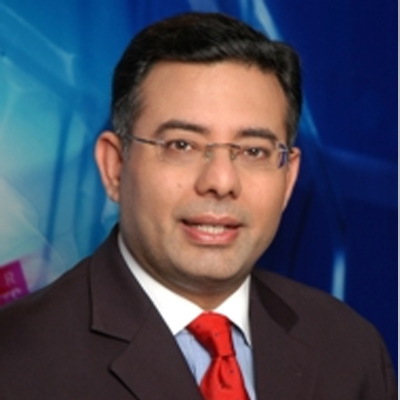
  • ‘The commercialisation of IPTV will happen as we have a policy in place now’ : Sujata Dev – Time Broadband Services Pvt. Ltd co-founder, CEO & MD

    ‘The commercialisation of IPTV will happen as we have a policy in place now’ : Sujata Dev – Time Broadband Services Pvt. Ltd co-founder, CEO & MD

    Having stitched a deal with state-owned telecom major Bharat Sanchar Nigam Ltd (BSNL), Time Broadband Services Ltd (TBSL) is preparing for an IPTV roll out in 20 cities across Uttar Pradesh and the eastern region of India.


    Armed with an investment from Dubai Investment Group, the company has worked out on the technology front with H.264 AVC, Verimatrix encryption system and Amino set-top boxes.


    In an interview with Indiantelevision.com’s Gaurav Laghate, TBSL co-founder, CEO & MD Sujata Dev talks about the challenges that are in store for IPTV operators in India and the company’s growth plans.


    Excerpts:


    Why has a serious IPTV roll out not happened in India despite telecom majors like Reliance, Bharti and Tatas showing an interest in it for the last few years?
    The commercialisation of IPTV will happen now as the legislation has thrown some clarity on the policy issue. The Telecom Regulatory Authority of India (Trai) has also given its recommendations. When these were still dark areas, the telcos were in the trial stage. A proper IPTV roll out should happen within the next six months.

    Aren’t there areas of concern as the government is yet to give the nod to some of Trai’s recommendations?
    The policy is not clear whether IPTV providers can downlink directly or it has to be churned through the cable operator. Then there is the pricing issue. We need a similar policy like it is for DTH or digital cable in Cas (conditional access system) areas. If IPTV has to compete with other digital addressable delivery platforms, it has to have a level playing field. For the same content, you can’t have a different pricing.


    There is also the ‘must carry’ clause for eight Doordarshan channels while in case of cable it is four. This will occupy 16 mbps (2 mbps per channel). Copyright for IPTV is another challenging area.

    Time Broadband had a franchisee deal with MTNL for providing IPTV a few years back. Why no roll out happened since then while other players like IOL Broadband and Aksh Optifibre went ahead to launch their services?
    Since there was no IPTV policy, we didn’t want to launch commercially. There was no copyright definition for IPTV content. The technology was also evolving. Besides, MTNL worked out a different revenue sharing system with later franchisees like Aksh. We are sorting out our issues with MTNL.

    What was the roadblock on the technology front?
    We had decided on ADSL2+ technology. For a market like India where there is 2 mbps on the last mile, you will need H.264 AVC which was evolving as a technology. We have Amino set-top boxes (STBs) and Verimatrix encryption system.

    Since you were under arbitration with MTNL, what was it that attracted Dubai Investment Group (DIG) to take a 40 per cent stake in your company through its subsidiary Dubai Ventures?
    They were attracted by the knowledge base that we had acquired. DIG has a telecom and IPTV presence in many markets. Time Broadband will be the new technology company which will support their projects in different markets. We have launched IPTV over 2.5G mobile platform in Malaysia. They see us as futuristic telecom company.

    We are be profitable once we reach a 2.5 million subscriber base. For achieving this target, we will require an investment of around Rs 7 billion

    How much has DIG invested into the project and who are the other shareholders?
    The company has pumped in close to Rs 1 billion. DIG will continue to invest. We will become profitable once we reach a 2.5 million subscriber base. For achieving this target, we will require an investment of around Rs 7 billion. Aniyan Kutty Kunju, the chairman of Jai Hind TV (a Malayalam news channel), is another shareholder.

    How will you manage to have 2.5 million IPTV subscribers?
    We have signed up with BSNL to roll out IPTV on their network across 20 towns in Uttar Pradesh and the eastern region of India. We are also looking at MTNL. Unlike the private telecom operators, these two state-owned majors have the last mile connectivity. Besides, as content aggregators we have the advantage of even doing business with all the telcos. We are also optimistic about IPTV on mobile phones once 3G opens up in India.


    We have created a lot of content for mobile, as the screen and user habits are different. We have lifestyle, yoga, spiritual, music and sports content. We have tied up with IMI for music and different producers for other content.

    What makes you so bullish when the private telecom operators like Reliance, Bharti and Tatas have jumped into DTH as they feel IPTV can have slow growth in the Indian market, at least in the short run?
    The USP of IPTV is the interactivity which is not present in cable or DTH. IPTV has room for interactive and premium content. As for the telcos, they may work out a business model where they offer channels through DTH and rely mainly on interactivity for their IPTV success.


    In Korea, gaming has driven IPTV while in Hong Kong it is exclusive and premium content which has brought in subscribers. In India, interactive services and e-learning may drive IPTV.

    State-owned telcos BSNL and MTNL have gone in for non exclusive franchisees to develop their content delivery network. Do you see business feasibility for all of them?
    BSNL and MTNL are limiting their franchisees. Some of the franchisees may have entered to boost their value as they are listed entities. We are in as we see a serious business opportunity in IPTV. We realise that with low ARPUs (average revenue per user) and subsidy on STBs, profitability can come only after five years. IPTV is more part of telecom. We have a serious investor in DIG and have a business plan knowing the hardships of the Indian market.

    For acquiring content like movies, how successful have you been to work out revenue share arrangements with rights owners?
    We believe that is the best model to be in. We have done some deals along these lines. There can also be a MG (minimum guarantee) system for a certain number of subscribers, after which a revenue share model can be arrived at.

  • ‘We are the biggest investor in the game of cricket’ : Manu Sawhney – ESPN Star Sports managing director

    ‘We are the biggest investor in the game of cricket’ : Manu Sawhney – ESPN Star Sports managing director

     ESPN Star Sports has pumped in a whopping $2.25 billion to acquire the rights for ICC including the two World Cups, the Champions League T20, Cricket Australia and England and Wales Cricket board. The mix includes cricket across the three formats of T20, ODIs and Test matches.


    The mark of aggression has spread to other sports including the Fifa World Cup soccer rights and the Olympics.


    For over a year, Manu Sawhney has been shepherding this drive to crush competition and establish leadership position as a sports broadcaster by acquiring driver content rights over a longer period of time.


    “This is the best in cricket that could be there in the market and places us in the position of matchless leadership not only in Asia but on a global scale,” he says.


    In an exclusive interview with Indiantelevision.com’s Sibabrata Das, ESS managing director Sawhney elaborates on how the ESPN-Star joint venture company is gearing up to be not just a TV brand but also dominate in the digital new media space with its comprehensive content across sports, platforms and markets.


    Excerpts:


    The Indian Premier League was touted as the biggest prime time reality show on Indian television. Why didn’t ESPN Star Sports buy into that hype?
    We wanted to first evaluate how the T20 format of the game would evolve as a product cycle. Remember, we were the first to recognise the power of this new format at the international level when we acquired the ICC rights which include the two World Cups.


    With the IPL doing well, we have now bagged the Champions League T20. It will involve the best of the best where the top teams from various domestic leagues including the IPL, Australia, South Africa, England and others compete to win the title of Champions of Champions. The IPL also becomes a feeder league for this global tournament.


    We recognise that various formats continue to get developed and broaden the appeal of the game across new markets and demographics, providing increasing number of platforms for leverage and exploitation.

    Was the IPL miss a reason why ESS paid higher ($975 million) for the Champions League T20 when it could have got it at a much lower price with DIC’s $751.3 million bid being the second in race?
    When we are in a bidding environment, we do not punt but go ahead with an amount which we believe adds value to our business. We thought $612 million for the BCCI rights was too high for us, but somebody else thought it made business sense. We make a bid thinking what value the property can bring to us, how prepared we are today to leverage it, and how well placed are we for the future to fully realise the potential.


    Our investment in content follows this strategy and allows us to present a sound proposition to our partners. The acquisition of Champions League T20 has been done with this focused, planned and future oriented approach backed by a solid business plan, ensuring our profitability and long term growth.


    As a property, CL T20 has all the necessary ingredients of a blockbuster property, not only on the national level but on a global scale.


    After the inaugural edition this year in December, the tournament is to be scheduled right before the festive period featuring more top quality international teams and increased number of matches spread over a longer duration. This amplifies the opportunities around the property.

    But aren’t you also risking on the most expensive cricket property (calculated on a per game basis)?
    Tell me one property today which is available across the globe with all commercial rights – and that, too, for a period of 10 years! CL T20 is the only such property. This allows us multitude of opportunities to build, develop, customise, and fully realise immense value around the property. And it makes CL T20 most unique and premium as compared to any other domestic or international property currently around from the business perspective.


    Even if we were to compare it with a property like IPL, we have tremendous advantages. The rights around IPL do not include title sponsorship, umpire sponsorship, stadium advertising, official sponsor, ticketing and licensing. These rights amount to sizeable contribution and are expected to grow manifold over the next 10 years as the CL T20 further develops as the most premium tournament.


    The domestic nature of the tournament also limits IPL’s appeal internationally. This affects international syndication and other related rights. On the other hand, we have had significant success with the ICC on the international syndication front and today are better placed than anybody else to fully realise the value of this premium property in the global market.


    Unlike others, we are not just a broadcast brand but today the most comprehensive sports content provider in the region and the biggest cricket content provider in the world. With our three strong TV brands (ESPN, Star Sports and Star Cricket), two robust mobile brands (mobileESPN and Star Sports Mobile) and the most comprehensive online offering in form of www.espnstar.com, we are better placed than anyone else to fully leverage and exploit multiple opportunities across platforms for building our business on the back of CL T20 across the region and globally.

    Even in the ICC bid, ESS’s winning punt was $1.1 billion while the second highest bidder with $900 million was way behind. Are we seeing a more aggressive ESS?
    We are today the biggest investor in the game of cricket in the world with the ICC, Cricket Australia, England and Wales Cricket board rights and the newly acquired CL T 20. This not only provides us with a good mix of all forms of cricket – the new age blistering Twenty20 format, the popular ODIs and the ever-green Test matches, but along with the ICC it also gives us a very strong lineup of top quality cricket with a World Cup every year for the next 10 years. This is the best that could be there in the market and places us in the position of matchless leadership not only in Asia but on a global scale.


    While IPL has been a successful property, in ICC we have the pinnacle of international cricket while CL T20 gives us the very best of the international domestic competition. With the acquisition of CL T20, we have enhanced our driver content portfolio for cricket and our leadership position as a sports broadcaster not just for few years but a longer period of time.

    Do you see the high rise in cost for cricket properties a function of competition or is it based on a realistic projection of business growth?
    The escalation in the rights cost is because of competition as well as growth in the market that you are able to reach. The T20 format, for instance, has expanded the demographic profile from a male skew to young and female audiences. The emergence of new platforms is also playing a part in defining the value in the marketplace.

    India is no longer a low-cost media economy. As the market matures, there will be consolidation. There is, after all, a limited amount of driver content that is available

    ESS enjoyed high revenues from DTH operators as it was carried on the basic tier. But this year Tata Sky and the new DTH operators like Reliance ADAG’s Big TV are not willing to put the three channels on that package. With MSOs (multi-system operators) also consolidating, do you see growth on subscription revenues being hit?
    There is a huge opportunity for sports broadcasters like us and platform providers to work together in building the subscriber base. In global markets, digital subscribers grow on the back of HD, interactivity and video-on-demand; the driver content is live sports. In India, the market is still in infancy. New technologies like DTH, IPTV and mobile are bringing in paradigm shifts. With the power that we have on content across sports, we see tremendous scope to increase our revenues.

    With the ICC Champions Trophy, which was scheduled to be held in Pakistan in September, being deferred, will you be re-negotiating the bid amount with ICC?
    The ICC Champions Trophy is a showcase of game’s best elite players from the world’s top national cricketing sides. It was, therefore, important to ensure full and committed participation of the best teams from all qualified nations for ICC Champions Trophy to retain its premium status. Unfortunately, too much ambiguity existed for many months about the realistic possibility of the event being staged in Pakistan, which led to the current situation where the options available were very limited.


    As the global broadcast and production partner of the ICC, ESS was fully committed to producing and broadcasting the ICC Champions Trophy in a truly engaging and entertaining manner for fans across the globe. Accordingly, all necessary broadcast arrangements were made by ESPN Star Sports as per plans agreed with ICC for covering the event in Pakistan.


    The late decision to defer the tournament did come with its own set of difficulties for various organisations involved in the tournament, and this affected ESS’s business commercially too. Various questions have arisen as a result of this postponement, particularly issues relating to ensuring teams’ participation in the tournament when it is eventually played as well as the knock-on impact of the rescheduling on the overall cricket calendar.


    It is expected from the ICC to decide on these critical matters in the near future. We will only be able to assess the overall impact on our business based upon the way in which these issues are resolved and after we are able to study the short and long term implications of ICC’s actions for ourselves. We reiterate our commitment to working with the ICC in evolving a mutually satisfying solution.

    Isn’t ESS’s aggression spreading to other properties as well including the Fifa World Cup where ESS is said to have bid $40.5 million (up from around $8 million)?
    We have been aggressively mopping up content. In football, we have the exclusive television rights to broadcast Fifa’s stellar lineup of international football events including the 2010 World Cup for the Indian sub-continent. We have the exclusive rights to show over 275 international football games including the Fifa Confederations Cup. We have a multi-year exclusive agreement with The Football Association (The FA), for broadcast rights to The FA Cup, England Internationals and The FA Community Shield on multimedia platforms for the 2008/9 – 2011/12 seasons for 20 countries across the region. This, coupled with the existing partnership with Premier League with which ESS holds BPL rights for 22 countries in Asia through 2010 and rights of UEFA Champions League in key markets, places us as the single largest football content provider in the region.


    In motorracing, we have renewed partnership with FIA for another 5 years across the region and for the first time, secured rights across various platforms and in many key markets acquired terrestrial rights as well. This flagship racing property along with other leading properties like A1, MotoGP and WRC, sets ESS apart from any other network or broadcaster in the region.


    We have also renewed our partnership with Tennis Australia for another seven years, acquired French Open for India, and continue partnership with NBA and key Golf majors including Augusta Masters, The US Open and The Open, among others.


    We have acquired the Olympic rights. The partnership with the International Olympic Committee will allow us to show the Vancouver 2010 and London 2012 Olympic Games for 22 countries across the Indian subcontinent and South East Asia.

    This is the first time that IOC has awarded the rights to one single pay-TV platform across the region.

    Have your programming hours also gone up?
    In addition to the acquired content that we have the rights for, we produce over 3650 hours of original programming per year, which is probably the largest quantum of original programming around these sports.


    To give you an idea, we produce over 1500 hours of original football content and over 1000 hours of cricket content. In addition, our flagship studio show, SportsCenter, offers the best round-up of sporting action around the globe with five localised editions in Asia on ESPN. And along with our entertainment-focused sports bulletin show Score Tonight on Star Sports, we produce over 1000 hours of original sports news programming every year. This lineup of content makes us the prime choice of over 310 million passionate sports fans and business partners and associates across Asia.

    Our content strategy is to build a sustainable and scalable biz across sports, platforms and markets

    How important is the Indian market for ESS?
    It is a very important market for us and continues to contribute to the overall growth of our business in Asia. The media industry in India itself has seen rapid growth in the last few years. There is appetite for quality content and so are the opportunities to leverage and further build the business.


    While cricket has been, for many years, the most popular sport in India, it still continues to grow. This popularity is growing beyond India playing cricket to other international cricket as well as growth of strong female TG for cricket. The dedicated 24×7 cricket channel, Star Cricket, quickly reached penetration levels of 90-95 per cent after its launch last year.

    India is also steadily developing into a multi-sports market. Other sports like soccer, motor sports, tennis, hockey and golf are increasingly becoming more popular and gaining viewership as well. With that in mind, and considering the huge viewership base, India will continue to be a key market for ESS.

    India offers a lot of potential in terms of ESS’s new media initiatives. ESS has invested in a focused manner in the Indian market. With our multi-platform capabilities on the back of some of the most premium content in the form of ICC, CL T20, Fifa and F1, ESS is better placed than ever today to fully exploit the opportunities from the emerging media scenario in India.

    Do you see consolidation in the sports broadcasting space in India?
    India is no longer a low-cost media economy. As the market matures, there will be consolidation. There is, after all, a limited amount of driver content that is available. We hope to leverage our leadership position as and when such opportunities throw up. We are not just TV dependent but have grown our presence in the new digital media space. And we are not just an India product.

    What have been your focus areas since you took charge as managing director of ESS one year back?
    My focus has been on four key areas. The content strategy is to build a sustainable and scalable business across sports, platforms and markets.


    Besides continuing to acquire and develop the strongest, most comprehensive and relevant content, we have enhanced our multi-platform presence.


    While television is the biggest format in which consumers want to watch sports, new media platforms are growing in importance. Growing ESS’s presence in the digital space is a key thrust area for the company and we have invested huge resources to provide a new improved platform.


    We have launched the sharp new version of www.espnstar.com and are offering advertisers an expansive range of customised and creative advertising opportunities. The new Star Sports Mobile complements the mobileESPN offering through entertaining and engaging content with exclusive video highlights from Arsenal and Liverpool FC and Star Sports’ original programmes.


    Skyhawk is a new business management system that has been successfully integrated between internal systems across functions to provide competitive advantage and smoother operations.


    We have also made significant investments in improving our business and operational processes through adoption of new technology over the last one year with an aim to scale up our operations more efficiently for future expansion. Our focus has also been on human resource development and I have worked towards creating project teams within the organisation spanning across departments and markets entrusted with an objective to scout for new ideas to help grow our business.

    How has the last one year been for ESS?
    We have seen growth in bottomline and topline across the region. Our task is to take ESS to the next level in scalable business across sports and markets.
  • ‘Though reality shows are expensive, the yields are also high’ : Deepak Dhar – Endemol India country head

    ‘Though reality shows are expensive, the yields are also high’ : Deepak Dhar – Endemol India country head

     Riding the reality format boom, Endemol is stepping up efforts to grab a slice of the fiction content market in India. The company is also planning to foray into regional language content and is in talks with broadcasters like Sun TV, Raj TV and Maa TV.


    In an interview with Indiantelevision’s Nasrin Sultana, Endemol India country head Deepak Dhar also talks about the company’s venture into gaming and Call TV format shows.


    Excerpts:

    Most of the shows that Endemol introduces in India are based on international format. What kind of research and creative inputs do you work on to add local flavour to it?
    Whenever we get an international show format to India, we always try to adapt it to the local market. There is certain amount of local creativity that is allowed on the format shows. We try to draw and pull in expertise from other countries and learn from how they are doing the show there.


    We follow certain standards and practices while adapting an international format. Our in-house Indian teams make sure that the format is tailored to suit Indian sensibilities so that audiences can watch the content with their families around.


    For example our international property Fear Factor, which has done so well in other countries, was spiced up in India according to the need. Unlike its international version, Khatron Ke Khiladi had 13 female celebrity contestants.


    With the 13 female contestants in such difficult situations, we delivered nail biting thrill and competition. This was the first time that these female models were making public appearance without make-up. Besides, the Akshay Kumar-factor gave us an upper edge this time in the show.

    Does the India division of Endemol own any original format? Are you selling your format show to other foreign broadcasters?
    Endemol India owns the rights for the musical show Mission Ustad on 9X. The show was produced in association with United Nations. The show featured AR Rehman along with various singers who performed to achieve eight millenium development goals set by the UN. In the show, the contestants also composed and performed original tracks.


    We are in talks with an UK broadcaster to sell the rights of the show. We hope to seal the deal in two to three months.

    What about your most popular show The Great Indian Laughter Challenge?
    We do not hold any rights of The Great Indian Laughter Challenge. Star India holds rights for the format and the show. Endemol India only produces it.

    Besides Fear Factor and Big Boss, what are the other format shows that Endemol India is launching in the local market?
    We are in talks with a couple of Indian broadcasters to launch some of the format shows that we had brought rights to in Mipcom last year. Right now we are looking to launch format shows like Divided, Set For Life. Wipe Out, Divided and 1 vs 100.

    At the last Mipcom, Endemol had bought rights of shows like Kids are Alright and 11 Cameras for the Indian market. What is the reason that you have not yet launched them?
    These shows are very advanced in its nature to fit with the Indian viewers. They would not have accepted it then. We are launching them in India soon.

    Although Indian broadcasters and producers have tasted success with reality, it is still fictions that work well with all kinds of viewers in India

    What went wrong in your not-so-good experience with fictions like Jamegi Jodi for 9X and Full Masti 88.2 for Sab TV?
    Although Indian broadcasters and producers have tasted success with reality, it is still fictions that work well with all kinds of viewers in India. Our weekly sitcoms have drawn good response. We are building up on that front.

    How aggressive are you on the fiction front and will it be in the same comedy space?
    We have a full fledged fiction division in Endemol India. This time we are trying to get away from the comedy genre. Currently we are working on two fiction-based shows in different genres. We are launching a fiction show, Miley Jab Hum Tum, on Star One.

    What steps are you taking to tap the rapidly growing regional space?
    We will be foraying into regional language markets very soon. We have already firmed up our team. Starting with the South, we will get into producing shows for Marathi and Bengali channels. In the South, we are talking to Sun TV, Raj TV and Maa TV.

    With reality shows being so expensive, do you think regional channels can afford them?
    Why Not? Though reality shows are expensive, the yields are also high. Regional players are ready to fork out money for such shows and reap the returns.

    What are the other areas that you are stepping into?
    Endemol is expanding its business in India. Besides producing shows, we are getting into other areas like gaming and call TV format shows.

    What are the shows that you are looking at to develop into the game software?
    We will develop gaming software on the format shows. We are planning a strategic alliance with a gaming company. We will hold the gaming rights for all these shows.


    Some of the format shows that we are looking to develop into gaming software include Deal or No Deal, Set for Life and 1 vs 100, among others.


    We are also planning to release DVDs with respective broadcasters on various shows.

    Could you elaborate on Call TV shows?
    Call TV is a show wherein viewers can interact with the TV programme host through a mobile. The theme for Call TV shows may vary from astrology to cooking recipe. These shows will be mostly in the non-prime time band.


    As of now, Call TV initiative is at the initial stage of formation. We will be introducing th Call TV shows by the year-end.

    For Call TV shows, are you talking to any Hindi news channels?
    We are in talks with some of the Hindi news channels.
  • ‘Our business model in India will be driven by subscription revenues’ : Bruce Tuchman – MGM Networks executive VP

    ‘Our business model in India will be driven by subscription revenues’ : Bruce Tuchman – MGM Networks executive VP

    The English movie channel genre will have a new aggressive player in MGM. After making the channel available on Dish TV, the largest direct-to-home operator in India, MGM Studios has inked a five-year distribution deal with Star Den. The aim is to make the channel widely available across cable TV networks, DTH and IPTV platforms.


    MGM is looking at subscription revenues and will be advertising-free – at least for the time being. The channel is priced at Rs 6 for the cable TV market and Rs 3 for DTH.


    In an interview with Indiantelevision.com’s Ashwin Pinto, MGM Networks executive VP Bruce Tuchman talks about the expansion plans for the channel in India and other markets.


    Excerpts:


    Why did it take MGM so long to enter the Indian market?
    We have participated in India before through our licensing deals with Zee and Sony. We learnt a lot from that. India is a growing market and offers huge opportunities. We decided to come with a 100 per cent ownership so that we could control our destiny.

    Didn’t you realise the opportunity a bit too late as channels have to now contend with carriage fees not just on cable but on DTH as well?
    Some channels started operating in this market more than 10 years back. That may have been good. But it is also a great time now with digitalisation growing. India is also on a high-growth story.

    Why did MGM choose Star Den for distribution?
    We did our first deal with Dish TV independently. That will stay as it is. But getting meaningful and broader penetration would have been a real challenge if we were to do it ourselves. We decided on Star Den as they have a strong bouquet of channels. We have good Hollywood content and have a library of 4100 films. Star Den will represent us on cable TV, DTH and IPTV platforms.

    Will carriage fee not hurt the business in a genre that is not growing too fast?
    We do not plan to pay carriage. We have a brand and a track record that stands out. This puts us in a good position to occupy a lot of capacity without paying carriage.

    Would you look at presence on analogue cable and still not pay carriage?
    We are looking for as much distribution as possible. The subscription base is large and it will provide an attractive revenue base. Our business model here will be driven by subscription revenues.

    Our TG would be people who are interested in Hollywood movies and who have a connection with the MGM brand. We are not a channel that showcases blockbusters

    Will MGM carry advertising?
    Not for now. Globally we have advertising on some feeds. However our dominant source of revenue is subscription. Models will evolve and adapt though. We don’t know what we will do here in the future.

    In a genre that already has established players like HBO and Star Movies, what value does MGM bring to the table?
    We are the MGM brand. We have a deep connection with the glamour and aura of Hollywood. We do things like having celebrity testimonials, going behind the scenes of films, etc.


    Besides, digitalisation offers room for many players. In India there are tens of millions of people who want to watch Hollywood films. In the US there are scores of film channels and not just five or six. Consumers want this kind of choice. It is key to have a brand that people stick to and trust.

    Could you offer an overview of the programming strategy?
    We will handpick titles from our huge library. We do a lot of stunting. We do thematic programming nights. In the evenings, we focus on genres like comedy, action. We also focus on key stars and we try to be flexible and creative with what we do.


    Our channel caters to people who want to expose themselves to sophisticated and eclectic film choices. We are not looking to just get attention through new releases. While there is a value to that, people often watch that film and then forget about it. Our library is classic and modern. We have films from different eras.

    Will your core target audience be more elderly skewed?
    Our TG would be people who are interested in Hollywood movies and who have a connection with the MGM brand that is glamorous and well known. We are not a channel that showcases blockbusters that one soon forgets about. Our aim is to show films that define an era. Films that will be shown over the coming year include Woody Allen’s classic Manhattan, Network, A Passage to India, Midnight Cowboy, The Pink Panther Strikes Again and Mystic Pizza.

    Does MGM acquire movies from other studios to show on the channel?
    The MGM library is so large that it can be programmed forever in a manner of speaking. We are doing The Hobbit. We also have Bond films and the Pink Panther franchise. New movies are being made here. We also have the Rocky films.

    Would you look at a dubbed feed to expand penetration in India?
    We are in English at the moment. If we expand deeply and there is consumer demand for it, I would not rule it out.

    What kind of marketing activities are being planned?
    We have just entered into a distribution arrangement with Star Den. We have to sit down and figure out how we are to promote the channel. It could be through television, print etc. We will also do events.

    How has MGM gone about strengthening its worldwide TV distribution business?
    We are growing well. We keep adding new countries. Three weeks back, we announced that we had a great summer across Central and Eastern Europe. Just to give you a frame of reference, in 2002 we had no branded channel presence in Europe. Now we are in over 30 European countries. In June we launched in Italy on Sky Italia.
     

    In Asia we did not have a presence five years back. Now we are in most countries in Asia. We have three channels in South Korea. We are also present in Singapore, Malaysia, Vietnam and Indonesia, among other countries. Our aim is to be as widespread as possible. We will keep an aggressive pace of development.

    Outside the US, which are your key markets?
    We have penetrated Western Europe nicely. Italy, Spain, Germany are key markets.
    In the US, MGM has tied up with Comcast for an action-oriented VoD offering. How did this deal come about?
    There is big demand in the US for on demand content. Comcast is a leader in this space. It was a god idea and launched with fanfare. In Germany, the MGM channel is being distributed on the mobile. We want to get our content delivered across all forms of distribution.
    How has MGM stayed as an independent firm even after Sony took a 20 per cent stake in the company?
    A couple of years back, people were asking whether MGM was independent. We have clarified that MGM is a vibrant and independent entity. We were also innovative in our approach. We came up with an innovative partnership with Tom Cruise. We brought him in as a partner owner of United Artists. We are co-producing The Hobbit.
     

    We are also embracing new media. We are featured on itunes. We do not just have a legacy but are also vibrant and look to the future.


  • ‘Going global is a key part of our TV content scale up plan’ : Ajit Thakur – UTV Television COO

    ‘Going global is a key part of our TV content scale up plan’ : Ajit Thakur – UTV Television COO

    With industry pundits expecting the television content industry to explode from Rs 14 billion to Rs 30 billion over the next two years, UTV Software Communications is laying the foundation to ride on this boom.

    Having slipped in the television content production business over the years, UTV’s revival strategy includes holding IPR rights for some of the content that it creates, working out a genre-specific approach, and striking partnerships with other production houses.

    The Ronnie Screwvala promoted company, which has set the pace for the Bollywood industry, is readying to develop formats and content that can travel across the globe.

    In an interview with Indiantelevision.com’s Sibabrata Das & Anindita Sarkar, UTV Television COO Ajit Thakur explains how the company plans to scale up its content business.

    Excerpts:

    Why is it that UTV’s television content production business slipped over the years?
    A few years back, production houses started emerging as specialist content providers. While Hats Off Productions mastered comedies, Fire Works started working on thrillers and Synergy specialised in format shows.

    UTV did not take steps in this direction. We didn’t have a genre-specific approach, but continued to do a number of things. Also, good talent was lacking in the industry.

    Is UTV going to focus on specific genres as part of its revival strategy?
    Our key focus now is to specialise in different genres and develop formats for which we can hold the IPR. We have identified a need gap in reality formats and have gone into it. We are also looking at formats and content that can travel in the global marketplace. We are clear that we want to hold the rights to some of our content. That is what keeps international content companies like Endemol and FremantleMedia in strong financial health; about 70 per cent of their turnover comes from 3-4 big shows.

    Which is why you are interested in creating a property like Gandhi?
    Exactly. If you do not hold the IPR to the big properties that you create, you will never be able to cushion yourself from the cyclic downturns that every creative content company goes through. The current structure of the broadcasting business is such that there is no value model for the production houses. We are out to change that. As part of that ambition, we are producing Gandhi for India as well as the world.

    How much will the fund requirement be for this project and are you planning to strike a deal with an international broadcaster ahead of production as a de-risk strategy?
    We will have to get there, no matter what it takes. We are creating an internal research team and will have a panel of Indian and international historians. Most of the creative team will not be from the television but the film industry. We will have writers from Bollywood and the West. Since we are sure that the content will travel, we are producing it in Hindi as well as in the English language. We are in talks with US and UK broadcasters.

    Will you hold the IPR for the Indian market as well?
    We will hold the global rights while selling the Hindi version of the drama series to an Indian broadcaster. Once we have a definite fix on the story board and zero in on the cast, we will know about the costs. We haven’t worked out the budget yet but are prepared to spend on the project. It is easy to go to the Middle East and South East Asian markets. We want our content to travel to the US, UK and European markets.

    If content firms do not hold the IPR, they will never be able to cushion themselves from cyclic downturns

    How will the basic revenue flow from the content supply to local broadcasters be taken care of?
    There is a business opportunity in soaps, reality, mythology and fantasy content. For starters, we have hit on the reality genre. We have set up the team for it and have produced EK Se Badhkar Ek for Zee TV. We will be replacing it with another reality show for the same channel. We will have Ek Khiladi Ek Hasina, a weekly dance reality show which has six leading cricketers as participants, on Colors. The game show, Cash Cab, has been developed by us on a licensed format, originally produced by Lion Television for ITV. Bindaas will be airing it from 15 September.

    We see the reality genre having the potential to travel to overseas markets as well. Our aim is to produce six reality shows by the end of this fiscal.

    Our next look will be in fiction and we will take a genre-specific approach. In fact, every six months we will get into a new genre and consolidate in that space.

    What are the genres that carry an opportunity for UTV and could be tapped?
    We are definitely not looking at the saas-bahu genre as the audience for this segment is steadily diminishing. There are thriller, comedy, fantasy and mythology genres. There is enough scope for period dramas too.

    UTV has got into co-production partnerships with different local production houses. Isn’t this the beginning of a new trend, much like what has happened in the movie business?
    Our aim is to be among the top two TV content producers in the Indian market. One way of getting there is by creating partnerships with other production houses who have a distinct content flavour. We have equal joint ventures with three players and are looking at other proposals. We have JVs with Smriti Irani Television Ltd (SITL), Windmill Entertainment with Shekhar Suman, and another with Rajesh Beri. On the Gandhi project, we are doing it with SITL.

    Going global, of course, is a key part of the scale up plan. We have another big project coming up which we feel we can take to the global arena.

    Hasn’t UTV recently started getting into TV content production in the southern languages?
    We were earlier doing only airtime sales for the Sun TV network. But recently we have got into production as well and are doing a show for Sun TV (Tamil) and Gemini (Telugu). It is not a big revenue earner for us, but is more of strategic value. Since we were doing airtime sales, it was a logical step for us to integrate it with our creative resources. Once we have 5-6 shows on Sun, it can be a big step for us.

    In a unique deal, UTV paid a minimum guarantee to NDTV Imagine for Ramayan and syndicated it to the Sun TV network of channels. Will we see more such deals?
    We are close to signing up with a broadcaster for another mythology and syndicating that content down south.

  • ‘NDTV is adequately funded to support its expansion’ : Narayan Rao – NDTV Group CEO KVL

    ‘NDTV is adequately funded to support its expansion’ : Narayan Rao – NDTV Group CEO KVL

     NDTV Ltd is on an expansion overdrive. In over a year, it has launched a slate of channels and moved beyond news into the lucrative Hindi general entertainment space.


    The company has attracted NBC Universal to pump in $150 million for an effective indirect holding of 26 per cent stake in NDTV Networks Plc. Further capital infusion of $120 million has come from a clutch of investors.


    NDTV’s stake in the joint venture company with Malaysia-based Astro has increased from 20 per cent to 30 per cent. The company has also launched NDTV Arabia to tap customised channels in international markets.


    Shepherding this growth has been NDTV Group CEO KVL Narayan Rao. In an interview with Indiantelevision.com’s Sibabrata Das, Rao chalks out the company’s expansion plans and the need for the group to consolidate its operations.


    Excerpts:

    Is NDTV floating a joint venture company with The Hindu Group to launch a Chennai city-centric channel?
    We are setting up a joint venture company with The Hindu Group where we will hold 51 per cent. The Hindu Group will have the balance 49 per cent and the JV will launch MetroNation Chennai in the next 3-4 months. Hindu is a reputed brand at the regional and national level. So we decided to have a content and commercial relationship. It was a natural gravitation towards each other.

    Will we see NDTV get into more such deals with print owners to tap regional markets?
    Regional news is not something on our radar. Our area of expertise is in English and Hindi language news. Our strategy is to do city-centric channels.

    Are the MetroNation channels being transferred to a subsidiary company called NDTV News Ltd?
    The intent is there to have MetroNation as a subsidiarised company. Since it has separate business requirements, we have got a chief executive officer for it. A distinct entity will bring in greater efficiencies.

    NDTV ended last fiscal with a consolidated loss of Rs 1.86 billion. When do we see a turnaround?
    We are in the stage of incubating various businesses. We have seen exponential growth over the last one year and have expanded into the non-news segment as well.


    We forayed into the Hindi general entertainment space with NDTV Imagine in January this year and have just launched Imagine Showbiz. We launched MetroNation in Delhi last year and it is doing well in terms of audience and reach. Now our focus will be to monetise this.


    We have already obtained licence for the World Cinema channel and will be launching it in the next couple of months. MetroNation in Mumbai will probably come up in the next fiscal. We have our plate full.

    Is NDTV spreading itself too thin?
    There are opportunities and media companies are exploiting this. There is, however, an expectation from the marketplace to grow the topline which is putting unnecessary pressure on several media firms. Nobody is given a chance to consolidate. We need to structure that expansion and build the management bandwidth.


    As for NDTV, we are adequately funded to support our expansion drives. We have have built the quality and ability to scale up. And in the news business, credibility is the only way to move forward.

    Regional news is not something on our radar. Our area of expertise is in English and Hindi language news. Our strategy is to do city-centric channels

    Will NDTV Networks Plc. raise money by listing on the Alternative Investment Market (AIM) of the London Stock Exchange?
    NDTV Networks has raised $120 million from a clutch of investors including $20 million from Velocity Interactive Group (earlier called ComVentures). This is the holding company for the verticals including NDTV Imagine Ltd, NDTV Lifestyle, NDTV Convergence, Labs and NGEN Media Services (50 per cent). We have decided that it is better to build the businesses rather than go for an initial listing.

    NBC Universal has the option to increase its stake from 26 per cent to 50 per cent. Will NDTV part with majority in its non-news company?
    NBC Universal has put in $150 million to subscribe to shares of our Dutch subsidiary company which will give it an effective indirect holding of 26 per cent in NDTV Networks. We will never part with control. The other investors are in NDTV Networks.

    Colors has made a strong debut. Will this affect the break even period of NDTV Imagine which reportedly has a funding support of $106 million?
    NDTV Imagine is well on track and is growing steadily. The funding is adequate to take it to EBITDA positive stage. I can’t talk about other GECs.

    While the trend in an entertainment bouquet is to have a GEC and a Hindi movie channel, NDTV Imagine Ltd has launched a niche channel in Showbiz through a joint venture partner. What is the holding structure and potential for this channel?
    NDTV Imagine Ltd will hold 51 per cent in the JV and the balance 49 per cent will be with Cinestar. It is a growing segment and has tremendous potential.


    The launch of a Hindi movie channel is also in the pipeline. We are already in the process of acquiring movies. We are also going to be present in film production.

    NDTV’s consolidated revenue was at Rs 3.66 billion for FY’08. What contributed to this 31 per cent jump in turnover over the year-ago period?
    NDTV 24X7 and NDTV Profit have seen strong growth. NDTV India’s revenues, however, are not growing at the same pace because of the editorial positioning it has opted to take.

    Isn’t there a temptation to take NDTV India the tabloid route as many Hindi channels have successfully done to grow audiences?
    Going the tabloid route is not our strength. That is not our USP. NDTV India is holding on to revenue because of quality. We believe in the long run, good news will prevail and more audiences will come in.

    How is the joint venture with Malaysia-based Astro faring?
    The venture has already launched channels in Indonesia and Malaysia. We were given 20 per cent stake against a fee that we were to charge Astro for our services. Our stake in the joint venture is going up to 30 per cent.

    NDTV Emerging Markets is a subsidiary company which launched NDTV Arabia. Are we going to see more such customised channels being launched in other countries through this company?
    NDTV Arabia will now break into local news bands. It is our first venture into the Middle East and Africa as a customised channel. Yes, NDTV Emerging Markets will launch more such channels in other international markets to provide local news content. It is part of our international expansion plan to reach out to new target audiences.
    NBC Universal’s investment of $150 million for 26 per cent stake in NDTV’s Dutch subsidiary company puts the valuation at Rs 24.2 billion. The market cap of NDTV Ltd, which includes the news channels as well, was marginally higher at Rs 24.5 bn (July-end). Since the true value is not captured, is this the reason why NDTV Ltd is planning to de-merge the company into “news related businesses” and “non news businesses?”
    The aim is to unlock shareholder value and to promote the focused growth of our various businesses. Consultants are working on this and we will evaluate various options after receiving their feedback.
  • ‘We are developing a 100 per cent Indian company’ : G Krishnan – TV Today Network CEO

    ‘We are developing a 100 per cent Indian company’ : G Krishnan – TV Today Network CEO

     TV Today Network Ltd. has been very conservative in expanding its footprint. While TV news organisations Network18 and NDTV Ltd. have scaled up their business model to work out a non news empire, the Aroon Purie-promoted company has stuck to its basic strength of running a string of news channels.

    Holding tight the purse strings, TV Today has stayed a profit-focussed company. Flagship Hindi news channel Aaj Tak continues to be the market leader while Tez and Dilli Aaj Tak are add-on channels serving targeted spaces. English general news channel Headlines Today has got a new positioning of being “refreshingly different.”

    The company intends to merge Radio Today Broadcasting Ltd, a group firm, with itself. TV Today, which currently holds 10 per cent in Radio Today, believes the synergy will help it to pocket local advertising much more efficiently.

    In an interview with Indiantelevision.com’s Sibabrata Das, TV Today Network CEO G Krishnan talks about the company’s plans to launch more news channels to service the need gap while stressing on the need to get it correct.

    Excerpts:

    Why has TV Today been reluctant to scale up like TV18 or NDTV when it is sitting on Rs 1.7 billion of cash on books?
    Some media companies have tied up with international majors to fund their expansion. We are developing a 100 per cent Indian company. But we will have more channel roll outs. We are firming up a robust business plan. We are looking at all possibilities and are taking our time as we want to do it correctly.

    Will you wait for digitalisation to take off in a big way before adding more channels?
    We are studying the feasibility of launching niche channels. Distribution is currently the major cost in the P&L (profit and loss) account. However if we feel there is potential in any space in the long term, we will look at launching channels to service the need gap.

    Isn’t TV Today too dependent on flagship Hindi news channel Aaj Tak with Tez and Dilli Aaj Tak being low-cost channels?
    Media companies tend to depend on a single flagship channel. Star India has Star Plus as the main revenue channel while in case of Zee, it is Zee TV. But Headlines Today is growing and targeted channels like Tez and Dilli Aaj Tak contribute both to our turnover and our profitability. Tez has shorter news wheels while Dilli Aaj Tak is a Delhi/NCR specific Hindi news channel with the content led by utility in the capital region.

    TV Today had floated a wholly owned subsidiary company, TV Today Network (Business) Ltd, a few years back and was talking to American financial and business news major Bloomberg. Are the plans to launch a business news channel still alive?
    Bloomberg was talking to several players at that stage. We are still open to launching a business news channel, with or without partners.

    Are there any big plans for Headlines Today?
    Headlines Today has been on the growth track with the new positioning of “refreshingly different” and targeting the younger audience. We will further consolidate our position and launch more properties to strengthen the various time bands.

    News channels are paying Rs 5 billion as carriage fee. It is for us as a group of broadcasters to see if we can ensure that this doesn’t gallop further

    Do you see a slowdown in the Indian economy affecting the TV news organisations?
    The TV news market, pegged at Rs 10 billion, is growing at 17 per cent. The size of the Hindi news market is Rs 6 billion while English general news channels make about Rs 2 billion. The healthy thing is that each segment is growing. The English business news space will see market expansion when the Times of India Group launches its product in this segment.

    Aren’t a rise in carriage and personnel costs a worrying feature?
    News channels are paying Rs 5 billion as carriage fee. The surge in distribution costs is killing the industry. It is for us as a group of broadcasters to see if we can ensure that this doesn’t gallop further. The personnel cost has not grown at an alarming pace for us in the last fiscal (Rs 552 million compared to Rs 445 million in FY’07). For some networks, though, the rise in costs will be really tough.

    The new players also should stick to reasonable ad rates. Everybody is hoping that good sense would prevail and the market shouldn’t be spoilt.

    TV Today’s revenue jumped 22 per cent to Rs 2.3 billion in FY’08. Was this driven by an ad rate hike and improved utilisation of Headlines Today?
    We had an effective ad rate hike of 12-13 per cent in the last fiscal. We have further increased our rates by 8-9 per cent in July.

    Was the 43 per cent surge in net profit to Rs 435.5 million led by an income in international distribution?
    We made Rs 100 million from international distribution. We plan to take both Aaj Tak and Headlines Today to Canada. We are doing research to assess that market.

    Do you see domestic pay revenues kicking in this year?
    We are a pay channel and are part of the One Alliance bouquet. We have turned pay in select markets as we do not want to lose our viewership and ratings. We will see distribution income grow.

    Zee News Ltd. has started the franchising model to have a footprint in the smaller markets. Do you see this as a growth model you would like to follow?
    We have not explored the franchising model. We feel launching our products directly in the marketplace is a better route.

    TV Today is in the process of merging Radio Today Broadcasting Ltd, a fellow subsidiary company, with itself. Why?
    The radio business will synergise with our TV business. We will tap local advertisers.

    If the government allows news on private FM radio, will we see a radical change in positioning from its current talk show format for women?
    We will have a heavy dose of news. And the synergy will work. When we launch more local channels in other markets, it will add strength to our radio advertising revenues.
    What has been the progress made by the News Broadcasters Association (NBA) on the Content Code?
    The NBA is putting systems in place for a content code based on self-regulation for news television channels. We understand the need for a self-regulatory system and are aggressively pursuing it. We have formed the ‘News Broadcasting Standards (Disputes Redressal) Authority’ to enforce NBA’s code of ethics and broadcasting standards. The authority will become operational from 2 October.
  • ‘We are open to a foreign equity partner for the English channels’ : Laxmi Narain Goel – Zee News Ltd MD

    ‘We are open to a foreign equity partner for the English channels’ : Laxmi Narain Goel – Zee News Ltd MD

     Zee News Ltd (ZNL) plans to invest Rs 5 billion in a slew of channels over two years, expanding its presence in regional markets and new segments.

    Immediately on the agenda is the launch of a Tamil general entertainment and a Telugu news channel. Plans are also afoot to launch an English business and a global news channel.

    The company is also bringing to its bouquet mix a clutch of regional movie channels. It will soon apply for a Bengali movie channel while Zee Talkies is being transferred from sister company Zee Entertainment Enterprises Ltd.

    In an interview with Sibabrata Das, Zee News Ltd managing director Laxmi Narain Goel chalks out the company’s growth roadmap.

    Excerpts:

    When Zee News Ltd was spun into a separate entity a few years back, it was making a loss due to the Telugu channel. How did things turn around?
    The losses from the new businesses have substantially reduced. Zee Telugu, in fact, should break even in the third quarter of this fiscal and Zee Kannada in the subsequent quarter. Our turnover has also gone up from Rs 2 billion to Rs 3.58 billion (standalone) for the fiscal ended 31 March 2008, with Zee Marathi and Zee Bangla seeing exponential growth in the last one year.

    Is the company still taking a cautious approach and waiting for some recent channels to break even before launching new ones?
    We are launching a Tamil general entertainment channel (GEC) with an investment plan of Rs 900 million in September as the Telugu and Kannada channels are close to earning profits. The Telugu news channel will launch in October while the Malayalam GEC should make its appearance in the next fiscal.

    ZNL is also planning to launch an English business and a global news channel. Do you see this the right stage for the company to leap into such high-cost investments?
    We plan to invest Rs 5 billion by FY’10 which will include the launch of several channels. Our intention is to have a complete presence in all the segments.

    The company is on a high growth curve and expects to clock Rs 3.55 billion in advertising revenues for FY’09, a 25 per cent jump over the prior year. Subscription revenues are expected to grow even faster, soaring to Rs 1.19 billion (from Rs 667.5 million in FY’08). The Telugu and Kannada channels have started generating pay revenues from the last quarter of FY’08 and would only add to this growth.

    Will you be inducting a foreign equity partner for the English channels?
    We are open to bringing in an equity partner. But all will depend on what proposals we receive from whom and what model is on offer.

    ZNL so far has been a mix of news channels and regional language GECs. Will we also see regional movie channels forming the bouquet?
    We will soon be applying to the information and broadcasting ministry for clearance to operate a Bengali movie channel. We are also transferring Marathi movie channel Zee Talkies from Zee Entertainment Enterprises Ltd (Zeel) to Zee News Ltd. The broad plan is to bring regional movie channels under the company. This will give us a unique mix and add to the growth of the company.

    We plan to invest Rs 5 billion. Our intention is to have a complete presence in all the segments

    Zee News has also started a franchising model to enter into new markets. Will you restrict this to smaller markets where it doesn’t make commercial sense for you to enter directly?
    The first such channel will roll out in Chattisgarh with SB Multimedia as our local partner. We will be leveraging our brand while the local partner will make the investments. We hope to strike such deals with other players in these smaller markets. Once we have a cluster of such channels, we can sell as a package to advertisers and command better rates. Significant revenues can then flow in from the franchising model. It can turn out to be a successful business model.

    What made Zee change the positioning of its flagship Hindi news channel?
    We have relaunched as a serious news channel and see it as a differentiator in a segment that is witnessing lots of competition. We have decided not to go the tabloid or sensationalism way. This is not the first time that we are changing our positioning. But our motto continues to be the same: We will show what interests the masses and is in the interests of the nation.

    When you dramatised the ‘Gudiya’ story, was this to do more with ratings than anything else?
    We saw the story as having a genuine mass interest among our audiences. It was a national interest story.

    Isn’t it time for the Hindi business news channel to get a makeover?
    We will be relaunching Zee Business and making it more market-oriented. But we will not just be a stock market channel; we will address all kinds of markets and segments.

    Do you see the surge in personnel and distribution costs upsetting the profitability of the TV news business?
    There is a lot of new manpower and talent available in the market today. The supply can only increase. I believe that manpower costs as a share to revenues will not go up, but indeed fall.

    As far as distribution expense is concerned, the industry will take 3-4 years to settle down. But with DTH (direct-to-home), HITS (Headend-In-The-Sky) and new platforms emerging, we could see carriage costs peaking once the digital systems take off in a big way.

    Zee is continuing to bleed in the Gujarat market. Are there plans to address this by launching a Gujarati news channel to support the GEC?
    Zee Gujarati is making a small loss. The local viewers watch a lot of Hindi entertainment content. But we have no plans to launch a Gujarati news channel.

    Why is the ZNL scrip lowly priced in the market?
    Zee News Ltd is a terribly undervalued stock. It is a profitable company in the news business, has leading regional GECs, and will continue to post strong subscription growth. The market should adequately react to this.

  • ‘Indian promoters have build a scale where they can attract foreign media companies’ : Ravi Sardana – ICICI Securities Limited Vice President

    ‘Indian promoters have build a scale where they can attract foreign media companies’ : Ravi Sardana – ICICI Securities Limited Vice President

     Foreign media companies like Walt Disney and Turner have entered into equity deals with Indian firms to grow their business in India.


    The last two years has seen a spate of equity deals, changing the media landscape in India. Indian promoters have raised money to build scale and also brought in corporate structures.


    In an interview with Sibabrata Das, ICICI Securities vice president Ravi Sardana talks about the immense potential that the media sector offers to investors and the consolidation that is waiting to happen.


    Excerpts:

    Multinational media companies like Walt Disney and Turner had come to India on their own. Why are they now entering into JVs with local partners?
    When the foreign players entered the market, there was no Indian media company of size to attract a buyout. Besides, the market has become too crowded today. It is better for them to build on whatever is available. Managing the government and distribution on cable networks is also difficult.

    Why are the Indian media companies becoming attractive to financial and private equity investors as well?
    Indian promoters have taken their companies to a scale where even Walt Disney and Time Warner have gone ahead to do equity deals with them. The business has become scalable with the opening of multiple platforms. There are also lots of markets in India which are still under penetrated. Media companies can expand their business by entering into new geographies.

    Which are the segments in the media sector that are proving lucrative?
    In the broadcasting space, every big player wants to build a full boutique. Even smaller TV production companies like Miditech and BAG Films are getting into broadcasting. All of this will require funding.


    Distribution is also becoming a big value driver and a new segment that investors have started looking into as the revenue leakages are getting plugged with digitalisation. The regional space is another interesting segment and will see higher growth compared to Hindi and English media. Regional TV has not build scale like print has, but there is a serious interest. Growth is faster in tier-II and tier-III towns.

    But aren’t DTH companies saddled with losses?
    In the short run, they may not be attractive for investors. But DTH service providers are mopping up subscribers. That will add value and open up the space for investors.

    Aren’t investors shying away from cable companies as digitalisation is slow?
    Cas (conditional access system) has been introduced in pockets of Delhi, Mumbai and Kolkata. Consolidation is also happening at the multi-system operator (MSO) level in analogue cable. The process is underway to convert this to digital. We are already getting feelers from investors who are exploring options to put money behind cable networks.

    Since the size and scale of the movie business has shot up, there is a need for capital. While good financing sources for debt are being made available, there is a requirement of providing risk capital for this business

    Only one media company raised money through an initial public offering in 2007. Why are IPOs drying up in the media sector?
    The first wave of IPOs happened when companies like Mukta Arts and Creative Eye tapped the market. It was a pre-matured phase. Now Indian media companies have set up corporate systems from being just promoter-led. But there are not many large media companies that are privately held.

    The economy is slowing down and interest rates are hardening. Do you see media organisations being cash strapped to fund their growth?
    Companies have chalked out aggressive growth plans. They believe the wider pull of channels they have, the easier it will be to sort out distribution issues. But to expand their presence in all genres of broadcasting, they need capital. Fund raising for some companies has definitely slowed down. But they can tap alternate sources of funding like debt, private equity and convertible instruments.

    Is the broadcasting space heading for consolidation?
    In every genre, the top 3-5 channels will make money. There will be a huge competition to reach those levels. We will see some consolidation and there will be pressure to differentiate content.

    Are news channels getting bogged down by a steep rise in operational costs?
    More than operational expense, it is distribution costs that are inflating and going to hurt.

    Is the news channel space getting too cluttered with companies from all sectors wanting to rush into it?
    Historically, the journalist-led channels have done well. Already there is a clutter and there are a large number of strongly entrenched players. New entrants will have a challenging task; they will have to create a new niche space.

    Will there be room for so many regional news channels?
    If they are able to get market share, then in 2-3 years they will break even. The big players can also amortise their costs with the main channels.

    Do you see the other revenue streams growing for news broadcasters?
    The other revenue streams in India are still very small. News channels should focus on kicking in subscription revenues.

    How are the movie companies shaping up in India and what are the challenges they face?
    In the movie business, there are already the four tigers – UTV, Adlabs, Eros and Studio18. Multiplex operator PVR is also into movie production. For a pure film exhibition company, profitability could be range bound. So there is need to enter into other streams like film production and distribution.
    What are the new financing options available for companies?
    For the film business, Indian companies have tapped the Alternative Investment Market (AIM) of the London Stock Exchange. Since the size and scale of the business has shot up, there is a need for capital. While good financing sources for debt are being made available, there is a requirement of providing risk capital for this business.