|
Category: Executive Dossier
-
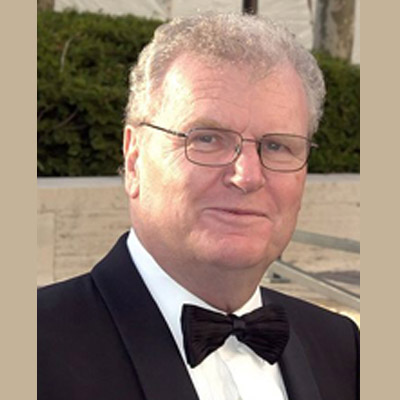
‘Our aim is to see that India is a top 5 market for us in 2 years’ : Sony chairman, CEO and president Sir Howard
-
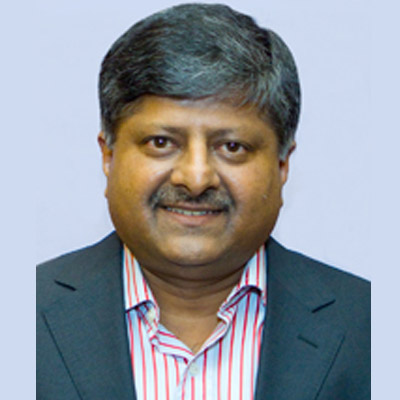
‘The ad market will grow by 13-15% this year’ : Lodestar Universal CEO Shashi Sinha
Cricket is expected to earn an advertising revenue of Rs 18 billion from its television telecast this year, up from Rs 15 billion in 2010, as it showcases the World Cup and the Indian Premier League (IPL) in back-to-back events.
The World Cup will be bigger for ESPN Star Sports than it was for Sony in 2007. Digging into the game are a lot more advertisers, offering the telecast rights owner a wider plate to bargain from. The telecom and auto categories, which are the two big cricket spenders, have also grown.
Ad monies will not shift dramatically from other genres to the World Cup. There is no real worry for the Hindi general entertainment channels (GECs) as the ad market is expected to grow between 13-15 per cent. Cricket will get its share of ad revenue growth, but it will not substitute the Hindi GECs.
In an interview with Indiantelevision.com‘s Ashwin Pinto, Lodestar Universal CEO Shashi Sinha talks about the advertising opportunities cricket throws up and the impact it could have on the other genres of television content.
Excerpts:
The cricket genre is expected to get a big boost with the World Cup and the IPL happening in the same year. Will we see a big ad shift to cricket this year?
Our estimate is that this year cricket will earn Rs 17-18 billion from television telecast. The World Cup and the IPL will each get around Rs 6-7 billion.How much will ESPN Star Sports make from the World Cup?
Eighty per cent of the figure I earlier mentioned will go to them. The balance will be shared between Doordarshan and news channels.The World Cup this year will be far bigger than in 2007. There is an 80 -100 per cent increase in rates compared to what was paid in 2007.
The logic is that today there are more advertisers. In 2007, there were three telecom companies; today, there are 15. There were five auto companies then; today there are 15. Reach has also gone up. There are at least 60 per cent more TV homes today compared to 2007. I expect ESPN Star Sports to make at least double of what Sony managed to garner in 2007.
Cricket is pre-sold. Eighty per cent of the ad inventory has been pre-sold for this World Cup, which is what also happened in 2007. It is the client and agency‘s gamble on the property when it is pre-sold.
Was there hesitation on the part of advertisers after the disaster of 2007?
It is a question of demand and supply. Also, the issue of India going out after two games does not arise this time (Last time in seven days India was out and people lost interest in the remaining games). Now the schedule has been done smartly. If India goes out, it will be in the third week of March. You are not just sustaining India but also the other teams around India. People, for instance, will follow Australia in anticipation of India meeting them later on, though they are not in our group. Advertisers see a great opportunity in the World Cup. They look at what the scene is today.The advantage of the World Cup is that there is more inventory for clients to get on-board. It is not like the 20:20 format; there are more secondages here.
When people talk about how so much inventory will be sold, they have to keep in mind the fact that the advertising landscape has changed. Advertising was a Rs 160 billion business industry in 2007. Today, it is sized at Rs 280-290 billion. The male dominated categories have grown faster than the female categories. The telecom and auto categories, which are the two big cricket spenders, have also grown.
Is there any performance guarantee in deals done with ESS?
There isn‘t any in cricket. It is easy to say that there should be. If supply outstrips demand, then a broadcaster will ensure that there is performance guarantee. If 10 companies are waiting to take sponsorship, why would there be a performance guarantee? Some Indian advertisers don‘t understand that the dynamics of advertising has changed. It is about the supply and demand ratio.Are we going to see ad monies shifting from other genres to the World Cup?
I don‘t think that the shift will be dramatic. There will be a temporary blip, but overall the ad market will grow by 13-15 per cent this year. That makes a big difference. If it was static, I would worry. Around Rs 35 billion will be added this year. It is not like it is not growing like the US – or is shrinking. Cricket is getting its share of ad revenue growth; it is not that it is substituting the Hindi GECs.
‘Our estimate is that this year cricket will earn Rs 17-18 billion from television telecast. The World Cup and the IPL will each get around Rs 6-7 billion‘How will news channels fare during the World Cup?
They have built specials around it. CNN-IBN, for instance, is doing programming that is different.The news channels will make some money, but the genre is a small part of the overall television advertising expenditure; they earn Rs 8 billion of ad revenue in combine. They will gain but in the larger scheme of things, the gain will be small.
News channels will make around 10 per cent of what the live World Cup broadcast earns. It is a complementary activity for some clients; others take it as it is less expensive.
Hindi GECs say that they will hold on due to the women audience. What do you see happening?
There will be a problem as 75-80 per cent of the Indian homes are single TV. But it depends on who controls the remote. If it is the woman, then the Hindi GECs will be watched. If it is the man, then cricket will gain.From an ad revenue perspective, due to competitive pressures people are advertising more; there are more companies coming in. There is no problem in the larger scheme of things. If this was 2009 or five years back, I would have spoken differently.
How does the World Cup compare to the IPL?
They are different properties and they do not happen simultaneously. I don‘t know why people compare them. If extra money is coming into cricket advertising, then how are they competing?Both properties have relative strengths. If a company is in one property, then its rival will be in the other. IPL gives sustained viewership. In the World Cup, you have to factor in the non India viewership. If India wins, the hype will be much bigger and there will be more eyeballs.
What difference will there be between India and non India games?
There will be a dramatic difference. When India plays, there will be an expectation of a national rating of six to seven. If the hype is generated to ensure that non India games deliver a rating of two, then we will be alright. It should not be that non India games give a rating of just 0.5 or 1.How do you see this event faring vis-?-vis 2003 and 2007?
2003 was very good as India reached the final and the tournament was held in South Africa; the telecast timings were very good. 2007 was a disaster and we went out in the first round after two games. This time India would have to be unlucky not to reach the quarter-finals. We play six to seven matches.The problem is that with the World cup taking place in India, the hopes are higher. In South Africa, the ratings built up slowly and picked up when India played Pakistan and England. With the event being in India, there is more hype. You are seeing different commercials being created. The bad news is that India has to perform. That is the issue.
How important will the audience delivery of World Cup be for the ODI format?
I feel that ODIs are here to stay. People earlier said that Tests would disappear. But it remains healthy, if you look at the India versus South Africa ratings. All depends on the contest and the performance of the teams. In 2009 when Australia came here, people wondered what would happen. Each game was thrilling.Your client Amul has sponsored the Holland team. Could you talk more about this?
It was a bit of a punt taken, but at this point of time the sponsorship is paying off. Holland is a milk producing country. And this is a low cost sponsorship that has been done.What kind of activation is being done by companies?
The ICC should be better organised from an activation standpoint. A key component of activation is tickets. Castrol and other companies are running competitions where people can get tickets. Then you go to the stadium and make a noise, generate excitement.The fact, though, is that there are not enough tickets available. I have sat in meetings where ICC sponsors have jumped around and said that tickets are not available. Activation is a weak area in this World Cup.
Sony is using Dhoni in a campaign while Coca-Cola is doing gully cricket. Can this be construed as ambush marketing?
No! Coca-Cola did the initiative in the past also and it is for the IPL. Ambush marketing is when you are doing activities in a stadium. While Reliance is an ICC sponsor, if a competitor does something in the stadium that is ambush marketing. It is very direct. These examples that you have given do not constitute ambush marketing.There was ambush marketing done in the past. Now the rules are very tight and corporates realise that it is not worth the risk. Big corporates are careful about their reputations. For brands that want recall, it boils down to how good the commercial is. Does it have a good story to tell? That is what consumers will react to rather than anything else.
Didn‘t LG make a mistake by not taking on-air sponsorship for the World Cup?
I am sure that LG would have thought about it. Being an on-ground sponsor, the first right of refusal for on-air would have been theirs. As sport gets more official, ambush marketing is getting difficult. LG would have realised that if they did not take the on-air sponsorship, there would be five other television manufacturers waiting.In terms of ROI, how is cricket faring?
Cricket gives instant reach, eyeballs and passion. The disadvantage is that the entry cost is high. With cricket you do activities in a four-to-six-week period. If you want to do activities for a sustained period, then you have to look elsewhere. Cricket is too expensive to use across the year.Has there been a fatigue in cricket viewership?
In India, there is no sport apart from cricket. In the US, you have four games competing; there is an audience for all of them. Here there is a lack of sporting content. The Indian cricket team cannot play for more than 150 days.Are advertisers looking at other sports?
As sports develop, advertisers will come; they chase eyeballs. In the 15-18 demographics, EPL has become big in Mumbai and Delhi. Clients are looking at it. Tennis and F1 may be very niche, but for certain clients associating with them makes a lot of sense. I expect football to become big here – as it has globally. -

‘India and China are our key markets in Asia’ : Dolby Laboratories senior director, broadcast Jason Power
Driven by the rapid development in digital and mobile technologies, sound company Dolby is expanding its market base from cinema to the broadcasting sector.
Dolby is pushing Dolby Digital Plus, an enhanced version of the Dolby Digital system, which allows broadcast operators to deliver surround sound. But Dolby also works with the entire value chain to ensure a better consumer experience.
As the Indian broadcasting sector digitises, Dolby sees a big opportunity. It has stitched deals with three DTH operators and is in talks with the cable TV operators. It wants to work with content providers to boost the quality of their sound.
In an interview with Indiantelevision.com’s Ashwin Pinto, Dolby Laboratories senior director, broadcast Jason Power talks about the company’s growth across all media platforms and its India plans.
Excerpts:
What strategy has Dolby followed in the past few years to enhance the consumer’s entertainment experience?
Our focus lies in all those things which are going digital and High Definition (HD). This is where we see a big opportunity as we create technologies that enable entertainment to be replayed at its best. While people know us for doing this best for cinema over the past 10 years, we have also been focusing on the broadcast sector and other areas where digital entertainment has been happening.Dolby has been closely linked to the transition to high definition around the world. Dolby has been there to make sure that the audio complements the HD picture.
Now HD content is moving to digital devices such as the mobile phone. We ensure that content is replayed at its pristine best, regardless of the platform which includes online delivery.
What new products have you added to your portfolio recently?
The most exciting product for broadcasting is Dolby Digital Plus. Dolby Digital has been synonymous with HDTV. Dolby Digital Plus is the new generation of that technology and an ideal combination for new HD television services. It is being used in Europe and the US.In India, it is currently being used by three direct-to-home (DTH) operators – Airtel digital TV, Tata Sky and Sun Direct. Using our technology, they can now offer 7.1 channels of surround sound.
How is Dolby Digital Plus an improvement?
It allows surround sound to be added at attractive data rates. It minimises the data rate that broadcasters need to use for transmitting audio. There is a 40 per cent saving over the previous technology. Most importantly, it allows for future innovation. The Blu Ray disc, for example, has features for 7.1 channel audio, for interactivity in the audio. We can offer these same benefits to broadcasters. It can keep DTH competitive.What kind of product research does Dolby do to make sure that clients and consumers are satisfied?
Satisfying consumers is what we are about. We believe that to be successful, we have to make a difference to the entertainment experience.To make the technology a difference, we want to help the industry create a surround sound. We work with content makers to help produce in surround sound. We work with broadcasters to help them handle that surround sound in their station. We also work with operators to help them transmit that surround sound.
We work with set-top box (STB) vendors to help them input our technology. We also work with home cinema manufacturers. We do educational drives and training to help operators understand our technology better and see how people hook up systems better. We are present across the value chain.
What have the learnings been from working with so many parties?
In the broadcast business where we have over 1000 channels using our technology, we find the eco system complex. Many parties are involved in the chain. There is production, broadcasters, equipment vendors, STBs, chip suppliers and middleware. There are all these layers. You have to support all these players if you want to give the consumer at home a better experience.A key part of our success is our engagement with all the parties all the way through the value chain. We have not just tried to flog the technology in one small piece. We have engaged with the whole industry to help make surround sound a reality for them. We have nurtured and catalysed the process happening in the industry. This has been essential to our success in the broadcast business.
‘For us, the Indian market will be content driven. China, on the other hand, will be more manufacturing centric‘Which are your top three markets in Asia?
You have to split it between the consumer audience and manufacturing. Clearly, there are TV manufacturers in Korea. But in terms of consumption and getting content on the air in our technology, India and China are key. They have large populations going through an exciting digital transition. DTH is exploding in India. The HD transition is just happening. Digital cable transition will happen in the coming years. This is why we are excited about India.Earlier Dolby was known for its work in cinema. When did you shift the focus to broadcast and mobile entertainment and how has it benefited you?
We remain focussed and invest heavily on cinema. We innovate in terms of audio formats for cinema. We are involved in 3D for cinema.But we have steadily grown other businesses as digitisation has spread globally. Broadcast and PC is our second largest biggest segment.
How important will the role of sound be in a digital Indian television landscape?
What is interesting is that India has a passion for entertainment. Consumers are hungry for changing the quality of their entertainment experience; we can provide that change.HD is about video and audio. Both are equally important – or it is incomplete. We think that for HD to make a difference and a valuable proposition, it needs to be more than just a pretty picture on the wall. We can turn it into an immersive experience where the consumers feel that they are in there.
We want to put your right in the middle of a cricket match, right in the middle of a rainforest or in the middle of your favourite drama, for instance. Picture gives you detail and something to watch for, but it is the sound that makes it real for you.
What other products do you offer for the broadcast sector?
The other product is Dolby Volume. It is a different challenge. It deals with the issue of volume inconsistencies across TV services. It can even be used in TV sets to level out sound differences.How big a challenge is it to market your products to television platforms and services in India and abroad?
Our technology is used in over 50 per cent of TV sets shipped around the world. It is a challenge to market but we have invested in this area; we have improved the relevance of our technology. Our USP is about providing a richer, more immersive experience through surround sound for digital entertainment.What is the value add that the DTH players will get by partnering with Dolby?
We are helping the three Indian DTH companies adopt our technology. They have included our technology in their STBs so that they can transmit on surround sound. We work upstream with broadcasters to help them provide a selection of surround sound content to feed on HD services. NGC, Discovery, ESPN are some channels that are making use of our surround sound technology. Our focus now is to work with local channels to help produce content in surround sound.Have you set any targets in terms of the amount of business you expect to see from India?
We want our technology to be adopted by all the six DTH operators. We are also excited about digitisation of cable. We can help incentivise consumers to switch over to digital cable.To what extent did the economic downturn affect business?
We have seen growth globally in the broadcast business. Our touch rate to digital television has doubled in the past two years. We have met our forecasts.We have benefited from the macro effect of HDTV rolling around the world. This insulated us from the downturn.
Could you give me an example of how Dolby worked with a broadcaster to make the HD transition?
We have worked with the DTH operators here. With Airtel we have worked not just in terms of enabling our technology in their transmission through STBs, but also to help them publicise this to the consumer and explain the difference.In the UK Sky was the first significant sized HDTV operator in Europe; so we worked with them on content. Cricket production was the first place we got involved in; we helped them work on mixing surround sound to their cricket coverage with minimal additional effort.
In terms of sound, don’t movies and sport benefit the most?
They do. However there are other genres like audience shows, live entertainment shows and talent shows that can also get a boost. They can be really immersive. I have seen people bend our format to all kinds of content.How big is your R&D effort?
Our investment is sizeable. We have state of the art research going on in audio and imaging. We contributed some of the fundamental IP into MPEG 4 video encoding; we have some technology around high dynamic range imaging. We recently announced a product targeted at very high end post production facilities.Are you looking at setting up an R&D hub in India?
That is something we would be open to. We have decentralised our research to use local talent. Five years back, we used to do most of our search in the west coast of the US. Now we have eight research locations dotted around the world. We are familiar with talent coming from here.How are you tackling China?
We have been present there for a long time; our technology is a standard part of HD television there. We have 11 channels using our technology. As the digital TV transition is taking place, it is also an exciting market for us. We license our technology for STB manufactures. We partner with government agencies like Cesi. We help their members have access to our technology for the Chinese and global market.How are India and China different as markets?
In India, it will be content driven for us; it is about making sure that there is local content using our technology.China, on the other hand, will be more manufacturing centric. It will be about enabling their manufacturers compete on a worldwide stage; we will give them audio features that the global market demands.
On the cinema front, you have done work in stereoscopic 3D. Have exhibitors in India and overseas supported you in this, given the added investments they have had to make?
Exhibitors are happy that they are able to command a premium price for 3D exhibition. It has helped them fund the investment in digital cinema exhibition.Some chains in India use us. According to our feedback, we provide the sharpest and clearest picture. Our glasses are reusable. It is not a wear once and throw away model. Theatres that are very quality conscious tend to like us more.
How do you see 3D TV progressing?
We are excited about the potential for 3D in broadcast. We see moves by major TV manufacturers to promote 3D TV sets. The interesting thing is that making a flat panel TV to a 3D one requires little cost. They can offer this additional benefit without there being a big impact on their cost.We see big forecasts of 3D TV shipments coming from broadcasters to transmit in 3D. We have published an open specification that broadcasters can use. We have exciting ideas about what we can offer in the future.
In developing solutions for new media like mobile, you work with several partners like Nokia and LG. How has this experience been?
We work with LG across different fields. With Nokia it is with the mobile phone and is a newer relationship. We work with them not just as an entertainment device but as an entertainment library device. You can have movie content on the phone and enjoy it with your headphones; you could also connect the phone to a home cinema system and enjoy the content in HD, Dolby surround System. We help these companies establish a completely new value proposition.We also work with companies like Netflix and AT&T to help their content get decoded in our formats. Then they can deliver this content through whatever pipes they choose in the best possible audio.
What are the challenges in developing solutions for new media?
We have partnered closely with the industry to make sure that technology is there in the form that they need it in. There are specific chips that are used in mobile phones. We also work with the chosen chip set vendors of handset manufacturers to make it easier for them to have our technologies available on a chip.The other part is creating technology to improve the headphone listening experience. When a consumer hits the Dolby button on the mobile phone, the whole experience should come alive. That is our goal. The challenge was creating a complex technology which you then make available in a form that works so that it is practical to implement on the mobile phone.What work does Dolby do in gaming?
Our technology is included in Xbox, Playstation and Nintendo among other manufacturers. We work with game developers to see how best to include our technology. We also have a new technology called Dolby Axon. It is a voice communications application that helps interactive gamplay.What are the challenges in developing solutions for new media?
We have partnered closely with the industry to make sure that technology is there in the form that they need it in. There are specific chips that are used in mobile phones. We also work with the chosen chip set vendors of handset manufacturers to make it easier for them to have our technologies available on a chip.The other part is creating technology to improve the headphone listening experience. When a consumer hits the Dolby button on the mobile phone, the whole experience should come alive. That is our goal. The challenge was creating a complex technology which you then make available in a form that works so that it is practical to implement on the mobile phone.
What work does Dolby do in gaming?
Our technology is included in Xbox, Playstation and Nintendo among other manufacturers. We work with game developers to see how best to include our technology. We also have a new technology called Dolby Axon. It is a voice communications application that helps interactive gamplay. -

‘We deliver natural history with a powerful brand at a global level’ : National Geographic Wild senior VP, Development Janet Han Vissering
A new entrant in the infotainment space, Nat Geo Wild launched in India last year to cater to the need for high quality wild life and natural history content.
The channel, which is on two DTH platforms, is looking to push distribution with a clear focus on digital. It is also doing an India specific show called Wild India which goes on air next year.
National Geographic Wild senior VP, Development Janet Han Vissering is responsible for commissioning over 250 hours of original programming per year for broadcast in 166 countries, 330 million homes and 34 languages worldwide.
Vissering manages a team to source and develop all original programming for Nat Geo Wild. Previously she was SVP of Strategic Development and Co-finance for seven years. As part of Development, she has been responsible for developing key programmes such as Engineering Connections, Big Bigger Biggest and Animal Autopsy among other highly rated shows.
Prior to acquiring her current position, Vissering served as vice president of International Acquisitions at NGCI from August 1998 to March 2000. She joined NGCI from Discovery Networks International, where she was Head of Program Acquisitions and Development from 1995 to 1998.
In an interview with Indiantelevision.com‘s Ashwin Pinto, Vissering talks about the challenges of creating unique content in an increasingly competitive television environment.
Excerpts:
What challenges do you face as a content production executive with more lifestyle and entertainment channels launching?
It is the same challenge in India as it is around the world. The expansion of technology and bandwidth is allowing more channels to live together.How do you make programming different?
My job is made easier as we deliver a channel that serves an audience that is begging for animals and natural history. They want family friendly content.We deliver natural history with a powerful brand at a global level. That is how we differentiate ourselves. At NGC we deliver by expanding genres like science, adventure, history and exploration.
In terms of how Nat Geo Wild is programmed and scheduled, is there a difference between India and other countries like Singapore and Malaysia?
It is independent. It is scheduled differently. We do shows to the viewers‘ choice which are relevant. People in Hong Kong love fish based shows. Here shows on snakes and big cats do really well. People are used to seeing these animals. Indians empathise with shows featuring these animals better. It is easier to identify with Wild even if it is not India specific. The flagship is harder as there are more genres.We have different genres of wildlife film. We leave it to our regions as to how they schedule to conform to the local needs.
For Nat Geo Wild, what have been the learnings from NGC?
You learn logistical things. We also learned the priority of customisation. We know what animals have rated better in each region. We know what animals do not rate. It was a great way for Nat Geo Wild to dip its toes into the water to find out what works and what does not. This is not just from a content basis but also from a logistical point of view. We know what the lead time is in terms of scheduling shoots.What response has Nat Geo Wild received in India and globally since launch?
We are number one in our genre in Hong Kong, Singapore and Malaysia. We also had record ratings in the UK last week. We are a successful young network. In India we are on two DTH platforms – Dish TV and Tata Sky. Our focus is on digital. It is still young days here.‘Nat Geo Wild is programmed & scheduled differently. In India, shows on snakes & big cats do really well. People in Hong Kong, on the other hand, love fish based shows‘What is its USP vis-a-vis other channels and shows dedicated to animals and wildlife?
We have a foundation of scientific, factual research. No other network offers this perspective. Being part of Nat Geo offers us access to many places that other filmmakers do not gain access to. I think that also we feature scientists that are a part of the National geographic Explorer base. Heinrich Sala is a marine biologist and we are making a show on sharks that features his work. Access and scientific research are our USPs.We have the foundation of all our shows on factual research and science. We are the only network that has this guarantee. We are always about animals and the wild world. The main goal is to bring viewers closer to that natural world.
Why didn‘t National Geographic launch a show for wildlife earlier?
We launched the channel as wildlife is only one of many genres that National Geographic Channel has. Wildlife was a small part of their lineup but it consistently delivered ratings. We looked across the market and saw the channel that would meet viewer needs for high quality natural history content. This need was not being met. Viewers want programming that is safe that everybody in their family can watch. They want a channel that will always deliver high quality visuals, information and be a destination channel. We look at launching later as a benefit. We saw what was not there.Could you give me an overview of how the production process works at Nat Geo Wild?
I work out of the DC office. As part of this, we have eight executives that reach out to over 300 production companies around the world. They work with outsourcing ideas. We also have a global website where anybody can actually submit their projects into. I on behalf of Wild meet with the National Geographic team to sift through the best ideas every two weeks. On a monthly basis, we have greenlight meeting with all departmental heads and the head of programming Jeff Daniel. This is where projects are greenlit and put into production.Before giving an idea the go ahead, what do you look for?
I look for a myriad of things. I look for exclusivity. What is the USP? Why are we doing this show now and why are we using this filmmaker? There has to be great cinematic value. The market is competitive. There are a lot of options. I have to give a show that nobody can do anywhere else. This is key for me. Our shows are shot 100 per cent in HD.How much research goes into making a successful show like Engineering Connections on NGC?
This is a show that I really pushed for. It involved a UK star Richard Hammond. He has passion for engineering. What we wanted to do was show all collections of how a guitar vibrating in a room can relate to an oil platform. The show builds a bridge between different subject matters. It took over a year to do. We picked ideas which were iconic like a Formula One vehicle but had really good connection an odd connection. A+B has to equal C.Every step of production including the music was important to me. Hammond was immersive. We had to make sure that he was okay in doing stunts. There was one moment where he was strung up on a bridge and he was scared. That made great television.
Could you talk about the upcoming ‘Wild India‘ series on Nat Geo Wild?
This goes on air early next year. This will be a three hour special. It is a coffee table celebration of India and its wildlife. We felt that there hadn‘t been a really good natural history series on India for ten years. The last good show was Land Of The Tiger that the BBC has made. Things have moved on since then. A whole new young audience is interested in India‘s natural history. The technology has also moved on.We have more interesting camera techniques to capture intimate animal behaviour. We have HD cameras, night film cameras, infra red and thermal cameras. We can, thus, film in the night. We want people to experience a much more personal wildlife.
Did the economic downturn put pressure on budgeting?
The global economic situation has made everyone think twice. But we continue to do projects. I scrutinise every penny more. It is up to us and the filmmakers to make sure that the investment being made is sound. So we rely on reliable production companies like Icon Films. The production team on Wild India is largely Indian. The crew is from Tamil Nadu, Karnataka and Gujarat. So cameramen can be on the field for longer. We do not have long haul flights to pay for. We can be more responsive.You have to respond to the natural environment. This is a homegrown product which is important. With any film whether it is from Russia, Asia, Japan or Scandinavia, I want to make sure that filmmakers can get access and give viewers the feeling of being right there next to the environment.
What have been the learnings from localisation in terms of what works and what does not globally?
I am in a lucky position that wildlife has few cultural barriers. Everyone loves tigers, big cats, snakes. There are few cultural issues I have to worry about.Is it a collaborative effort working with production companies?
Yes! We always have one of our Nat Geo Wild or NGC executive producers who is working in partnership with an executive producer from the production company side by side all the way through the film. We have an internal production group from National Geographic television that make shows with us often featuring our own scientists.How long does it take for a show to be made?
It depends. Wild India will take a year to make. They will shoot in March and April. It takes at least six months but most shows take nine months. We can do a quick turnaround on a topical subject matter, though. When the Gulf oil spill happened in the US, we did a show within four weeks of that accident.But natural history does not work on human timelines. We have to work hand in hand with Mother Nature. A tiger will show up when it wants to. Animals are unpredictable. If they were predictable, my life would be easier bur probably less exciting. It is the moment of capturing that bit of footage that makes it worthwhile. To give you an idea of how challenging making wildlife content can be, on Wild Mississippi the temperature was minus 30 degrees Fahrenheit. We had to use urine to prevent the camera from freezing.
What are the trends we are seeing in environmental and wildlife film making?
Having a first point of view, less narration and giving the impression that people are there next to the cameraman is very important now. Less is more. Beautiful cinematic images are important. Having characters that can deliver adventure and the journey of exposition in a very visceral way is also important. People want to be vowed.What role is HD playing in boosting the documentary genre?
Each show is on HD. This is a non negotiable discussion with any show going on air. This is a must before we commission anything. From a visual aspect it is different and an enhancement from Standard Definition. When you watch Wild India, you will feel that you are flying on a plane over India on your own. On Standard Definition images are cloudy. It is like looking through muddy waters. On HD you get the true essence of where you are. You can almost smell where you are. We will deliver 100 hours of premiere HD content every year.Balancing traditional story telling techniques with technical innovation is key for the success of factual content. How does NGC manage this?
We have the ability to film wildlife in HD at night. This gives you the perspective of three cameras that allow you to see how animals work at night.What other recent commissions have been done?
Following Wild India we also have Wild Mississippi, Secret Brazil. These are three part specials like Wild India. That will celebrate the journey into natural areas. We also have hosted shows that are young and contemporary. We will have a show featuring a heli cowboy in Australia. At the end of the year we have our annual Big Cat Week to bring awareness about conservation. We will have shows on the Jaguar, American Cougar and the Indian Cloud Leopard.How does NGC use new media platforms like YouTube to leverage its brand?
We have our site, links and blogs. This is additional information for viewers. We will expand on this as our network grows. As we send filmmakers to exotic places, we will look for conversations on Twitter and other media.Are you looking at long term projects?
Absolutely. We are still in negotiations though. We are also a young network. -
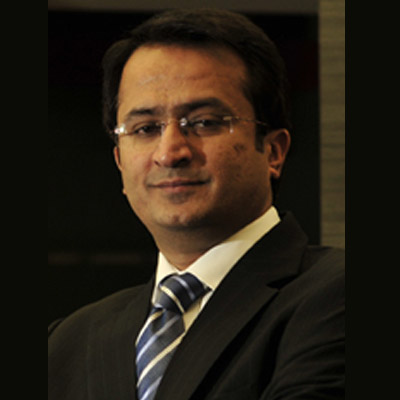
‘We aim to be among the top 3 studios in the country within 3 years’ : Viacom18 Motion Pictures chief operating officer Vikram Malhotra
Knocked down by a model that relied heavily on acquisitions, Network18 founder-promoter Raghav Bahl has reworked on the movie production business that he has moved to a joint venture company with Viacom as a partner.
Having snapped up The Indian Film Company that was listed on London‘s Alternative Investment Market (AIM), Bahl will now have movies rolled out from Viacom18, the company that also houses Hindi general entertainment channel Colors, MTV India, Nick and Vh1.
A cautious spender this time, Bahl has earmarked Rs 1.20 billion for a seven-movie slate that will run through early 2012. The peak funding requirement in a three-year horizon will be Rs 2.50 billion
In an interview with Indiantelevision.com‘s Sibabrata Das, Viacom18 Motion Pictures chief operating officer Vikram Malhotra talks about the mistakes learnt from Studio18, the focus on building a sustainable capability and the company‘s revival plans.
Excerpts:
The Indian Film Company churned out several hits like Ghajini, Singh is Kinng, Jab We Met, Welcome and Golmaal Returns in the initial years. Why it suddenly collapsed and couldn‘t survive the downturn?
TIFC had a great run in the first two years. Then came the downturn in the industry. The business model of acquisition was fraught with risks and it lost more value share than the others.
One year of stupidity wiped out the hard work that TIFC had initially done. What did it do fundamentally wrong for this to happen?
In 2006 and 2007 capital was easily available to the industry and the acquisition model suited the business environment at that time. But the risks are much higher than the market and the operating margins much thinner. In the changed climate, the model needed to be revisited.
Was the team not capable to change in the changing times?
Clearly, the team at that time chose to stick to the then existing model and could not read fully into where the market was heading. The motion pictures business is a dynamic and competitive one and your eye needs to be constantly on the ball. A large part of the focus at that time was on distribution and not on building capabilities to create and produce films. This industry needs a model that is fundamentally sound but agile enough to suit the operating environment.
How is the business model more protected now?
We have moved away from the old business model of trading and acquisitions. We won‘t be making first copy ready made acquisitions. We are de-risking by building IP and our own creation. Even in co-productions, we will be involved at every stage. We will be a streamlined organisation that is nimble footed and is focused on profitability, sustainability and capability. We are, in short, rebooting the business.
Why was the movie business shifted to Viacom18 before working on a revival plan?
I can‘t comment extensively on this as it happened before my time here. But for Viacom18 which is in the entertainment broadcasting space, the movie production business is only a logical extension – particularly when the business was being revisited. Movies are a fundamental part of the entertainment space in India.Studio18 is now rebranded as Viacom18 Motion Pictures. A linked advantage to this realignment of the business is the immense synergies that we will draw from the multiple media platforms that Viacom18 has.
‘We are 20-25% de-risked before entering into a movie project because of our integrated model. We have a good non-theatrical revenue opportunity with Colors, the upcoming movie channel, MTV and Nick‘
How much of the movie business is led by the need to feed content into Hindi general entertainment channel Colors, the upcoming Hindi movie channel, MTV and Nick?
We are, in fact, 20-25 per cent de-risked before entering into a movie project because of our integrated model. We have a good non-theatrical revenue opportunity with Colors, the movie channel, MTV and Nick. Incidentally, Colors currently happens to be the leading acquirer of motion pictures content.
Sources say the revival plan includes an investment of Rs 1.20 billion for the first line up of movies and a peak funding requirement of Rs 2.50 billion over three years. Why is Viacom18 taking such a cautious approach?
I can‘t comment on the financials. But fundamentally, we are going to be prudent in capital spending. We have lined up a slate of seven movies through early 2012, with Players being the most expensive (sources say Rs 400 million upwards). We are doing four films with first time directors.We will kick off our slate with a rom-com titled ‘Tanu Weds Manu‘ that will hit the screens on 25 February. This will be followed by two films that are co-productions with Anurag Kashyap – Michael (Working Title) & Shaitan. These films are set for release in the first quarter of the next fiscal year.
The roster also includes Gang of Waseeypur (2 Series), Buddah (starring Amitabh Bachchan) by Puri Jaganathan, and David Dhawan‘s Chashme Baddoor.
We will weigh the financial success of each movie. The first two years will be a crucial build-up. In the third year, we will review the business and change track accordingly.
Is this the best time to stage a comeback with the inflationary costs correcting to a great extent?
Irrationality has definitely been thrown out of the window. There is a need for further correction in star costs but we will spend our pennies very carefully. Besides, our marketing costs will be 10-15 per cent lower due to the wide reach of our channels like Colors, MTV, Vh1 and Nick.
How wide will the movie slate be?
We are going to have a minimum threshold of six movie releases a year. We are in no hurry to deploy capital. We are in no hurry to produce the costliest movie. We are in a hurry to get it right. We are building our business brick-by-brick.
Will you be producing smaller movies under a different brand name?
An important part of the gameplan is to produce movies in the urban-youth genre under the brand of ‘Tipping Point Films‘. This kind of targeted movies will also be content for MTV. We have projects in the urban-youth genre in co-production with Irock Media.As for animation movies, we are evaluating them along with our partnership with Nick. But there is nothing concrete on this front.
Is regional language movies on the agenda?
We are very keenly watching the regional space, particularly Marathi and Bengali. The cultural and economic dynamics are different. We will spend the next few months understanding that market.
Viacom18 has plans to launch Marathi and Bengali language entertainment channels. Will you wait till then before you decide on movie projects in these languages?
The movie projects are not linked to the launch of the regional channels. While we will share a relationship with the channels if and when they come, we are not inter-dependent for the launch of regional language movies.
What is the distribution gameplan?
We will distribute our own movies. We have our outfits in Mumbai, Delhi and UP territories. The distribution network is being expanded to the South markets, Rajasthan and the North. We will also handle overseas distribution. We will continue to build on our backbone and take up other movies for distribution if the costs are rational.
Will you get into the home video segment as well?
We are not entering this segment. The way consumption is happening is changing very fast – you have satellite release windows shortening, new media is growing and 3G is coming. Besides, one has to tackle piracy.
How do you plan to scale up?
The scale-up plan will involve creating franchise properties that will have a sliding cost model while upping box office revenues. Players is positioned as a franchise property. We plan to have 2-3 properties by 2012. We aim to be among the top three studios in the country within three years – at least in terms of profitability. -
‘Fiction will help endemol scale up in India’
For Endemol India, it has been a roller coaster ride. The international content creator has established itself as a leader in the reality TV genre and has expanded into other strands of content. Now the gameplan is to speed up on the fiction front.
Endemol, which produced 1400 hours of content in 2010, is planning to scale up in several verticals including regional language, sports and food and lifestyle programming. The company recently formed a JV with Rhiti Sports, the company which manages Indian skipper MS Dhoni, for sports formats.
In an interview with Indiantelevision.com‘s Ashwin Pinto, Endemol India managing director Deepak Dhar talks about the company‘s growth plans.
Excerpts:
What progress did Endemol make in India last year?
The progress has been 360 degrees. Initially, we were known for reality. Now it is not the only thing; we are known for other strands of non fiction also.We have an array of fiction shows. We have moved into regional as well with Bengali and Southern language content. We have also gained from being in the Hindi general entertainment channel (GEC) space.
How does India compare to other Asian markets?
It is growing. The entire world is looking at us. Our parent is looking at what India can do. We did over 1400 hours of production last year. We have done well if you look at the state of our productions or business development. We have had double digit growth.Could you shed light on how you are scaling up the fiction business?
We are seeing ideas that can be exploited in the Hindi GEC space. They can also go into the regional space, south, Bengali, Marathi. We are looking at slots that need newer storytellung. We are meeting with our broadcast partners to see what the synergies are.We do a lot of non fiction and format work. In terms of scaling up, growth will come from fiction.
We will be making two to three announcements in the next few weeks.
What kind of shows are you looking at?
We are not focussing only comedy or only drama or only thriller. We are known for 360 degree entertainment solutions. Anything that fits the household will be our focus.Are you looking at forming JVs with local production houses?
We are constantly analysing it. Now we are largely focussing on organic growth. We will look at inorganic growth, but at this point of time there is nothing serious.‘Now we are largely focussing on organic growth. We will look at inorganic growth, but at this point of time there is nothing serious‘In terms of margins, how are you faring?
Margins are always tough in this country, espcially in the broadcast and production sector. In our formats and even our fiction business, we have kept a healthy balance in our margins due to product efficiencies. In a year, we do around nine non fiction shows.But in the fiction space aren‘t margins squeezed?
They are squeezed but again for us the emphasis is great
storytelling. We want to be happy with the stories being told and we will manage the margins. Comedy has its own space. In drama, emotions are integral to the Indian psyche. That will never go out of fashion.How do you manage costs?
It is a challenge. Broadcasters are always looking to push costs down without the quality falling. Broadcasters, though, understand that to have a quality product the margins must be healthy. The production house must be given some breathing space.Non fiction shows have a larger budget. You get a bang for 13-26 weeks and that is it. With fiction it is like running a marathon. You need to have the stamina to push the idea and engage the audience.
Balaji to some extent has lost dominance which has created a gap. How are ou tapping this?
We have already tapped into this. We are doing three fiction shows at this point of time. We will be adding two more within a month or so. We have stepped into this opportunity. We also look at the competition and what is on the horizon.Fiction is where the horizon is. The margins can improve in this genre. People will look at us as an Indian producer and not just as a format producer. We will focus largely on fiction.
Indian production houses are known for doing one kind of show. We are not like that. We do things from ‘songs and dancing‘ to reality and action-based shows.
How were you able to broadbase youreself into fiction?
This has to do with the team. We have Gadgi and Kartik as the creative and business heads. They lend credibility and experience to Endemol‘s fiction slate. We believe that if you have the right talent on board, then the right discussions start flowing out.Geet has worked. Mili Ye at one point really worked. But the story ran its cycle. These stories have been channel drivers for Star One and Star Plus; they will help us consolidate our next line of fiction.
In the non fiction area, you entered the food genre with two shows. What scope do you see in the lifestyle space?
Lifestyle is a niche space. However, we do not want to leave any space untapped. The opportunity might seem small. But an opportunity needs to be seen.Documentary and speciality channels are growing in popularity in the West. You will see the same trend happening here. A new spate of speciality channels from science and technology to crime and thriller to food are bound to come in. This is a new space we will be busy with this year.
Is the approach here different from how you look at other areas like formats?
Yes! In lifestyle you will have to create original ideas; it is not about replicating an idea from the US. We don‘t want to simply pick up a format. it has to fit into an opportunity.The local version of Wipeout launches tomorrow. Has the format been changed in any way?
Not really. You will see the same thing. It will be extremely engaging, funny and competitive. It is the new next breed of reality shows that we will roll out on Indian television. We want to push trends and get trends into the country.What trends are we seeing abroad in the format space?
A lot of game shows are doing well at this point. 1vs 100, Million Pound drop Aare two big game shows. We are bringing them to India.Deal Or No Deal has done well. We produced 300 episodes of this on the Sun Network. We did five seasons back to back for them.
You will see us pushing a lot of gameshows going forward. Howwever, reality will always be the flavour of the season. People like to watch others in pressure cooker scenarios. This is the spectrum of ideas you will see.
We are also looking to bring in State of Panic to India. Circus Of The Celebrities is another one. It is an engaging, high end primetime experience. The common thread is people being pushed into pressure cooker situations; in others pure true human emotions are glorified on primetime television. As long as the emotions are true, it will help some of these format shows stand.
We are also doing things in the ad funded space. Rin Mera Star Superstar, Fair And Lovely Choo Lo Aasman have done well for us. This is what I mean by having a 360 degree approach. We are pushing ideas in this space. We need top keep a balance between the needs of a broadcaster and an advertiser. You do not want an advertiser funded show to look like one. You have to do something that has been well thought through and engages.
What is the gameplan to tackle the South market?
We will take our big ticket gameshows there. We are also taking reality shows there.Currently the South is a growing part of our business. This year we will add a few more fundamental blocks to make it stand on its own.
We are concentrating on the Tamil and Telugu markets. We producing a lot in the Malayalam space as well.
What balance are you looking at between fiction and non fiction content?
We want it to be 50:50. We are on track to achieve this. We have been the market leader in the non fiction space. The challenge is to see how we can fast track our business and sales. We are adding new pieces like sports into our business. This will bring in new challenges as every business has its own dynamic. We have a good tab on the competition.How did the tie up with Rhiti Sports come about?
We have been exploring this in terms of doing things in the sports space. We want formats like The Match, Next Great Champ. We are looking at basketball, football, boxing, cricket. Rhiti Sports with their credibility will help us monetise the formats across sports broadcasting and GECs as well.The sports genre is not tapped in terms of formats. Sports formats are consumed a lot by the youth, kids and women. We have a rich library of content in the sports format space.
You used to do a Call TV initiative with ETV. How did that fare?
It was a good experience. In the interactive TV space, we do a lot internationally. There was a need to create a low cost game show. We produced Break The Bank. The market size, though, is small. The telecom industry versus the content industry faces its own set of challenges. So we did not push it too hard.Are you looking at new media?
Yes! We do a lot of content for the mobile internationally. With 3G coming in, we are keen to tap this space. We have formats tailored for the mobile like small comedy interstitials. The youth love to sample something really fast. They are restless. They don‘t only want content on the television. A lot of discussions are going on globally regarding how to cater to the mobile audience.Where do you see Endemol five years from now?
When we came in four years ago, the idea was to Indianise the Endemol brand. Now we want to localise and regionalise the Endemol brand. We want to adapt our content to a lot of regional markets. -
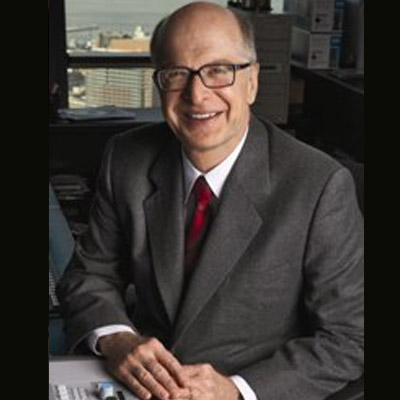
‘There is significant increase in competition from companies and countries from Asia and LA’ : Iatas president and CEO Bruce Paisner
The International Emmy Awards have been growing in strength from year to year. These recognise the best in television from around the world. This time around The International Academy of Arts and Sciences (Iatas) wants India to be a bigger part of the awards and the Academy. With that aim in mind Iatas president and CEO Bruce Paisner is coming down to India next month to meet with the top television industry professionals. He will be assisted in this by Anil Wanvari a member of the Academy.
In an interview with Indiantelevision.com, Paisner talks about the role the Academy plays in recognising the best of global television, country participation, the importance of having digital media awards.
Excerpts:
What role does The International Academy of Television Arts & Sciences play in facilitating awareness of global television programming?
We award International Emmys in ten categories as well as digital and news categories. During the year we run panels and forums to stay at the cutting edge of developments in international programming. We set the standard for excellence in television programming. Performances and nominations and wins are carefully followed by industry professionals, television fans and the media at large.We pride ourselves in offering every year, a unique cultural showcase of the best television currently produced around the world. When a producer or broadcaster enters a programme or performance into our competition, they open themselves up to many wonderful opportunities: being nominated or winning an Emmy of course, but also, having their programme watched by jurors from all over the world.
Additionally, our network of over 600 Members from 50 countries who represent all sectors of the television industry including mobile and Internet, plays a major role in promoting our activities and the importance of entering into our competition.
In light of this, we are doing more activities with our Members and more international outreach.
How has your flagship event, The International Emmy Awards, grown over the past five years?
The International Emmy Awards Gala has grown in both prestige and attendance. It also has grown in the number of countries represented that night in the room. Last November, we had over 50 countries represented. The International Academy’s goal is to make the experience in the room better for our guests every year. People convene to New York for the International Emmy Awards and The International Emmy World Television Festival and we strive to offer them a full 3-day programme which includes both business and social events.The buzz around the awards has grown. Last year we gave Special Awards to Lorne Michaels and Simon Cowell. Past award recipients in the last five years have included Steven Spielberg, Al Gore and Oprah Winfrey. The global publicity and excitement around the event is rising every year and we are thankful to our Gala Partners, Phoenix Satellite Television, TV Globo, Microsoft, Dori Media Group, Ascent Media, Ernst & Young, Variety, Mip TV and Sofitel Luxury Hotels for their continued support.
How does the selection process work? Has country participation increased?
It is important to understand that The Academy does not select programmes; the producers and broadcasters need to enter their programmes into the competition. All the rules and entry information are on our website www.iemmys.tv.We have a total of 15 programme categories. Nominees are selected through a lengthy and rigorous judging process which takes place over a period of six months and three rounds of judging. Over 720 independent jurors, who are selected because they are experts in their category, participated in this process in 2010. There are four nominees in each category that make it to the final round
Regarding increase in country participation, in the past five years we’ve seen significant increase in participation in the competition from companies and countries from Asia and Latin America. Entries from Latin America have doubled and those from Asia, the Middle East and Africa have grown by more than 50 per cent. Unfortunately, India’s quality programming is vastly underrepresented so far. We look forward to that changing.
What kind of marketing do you do to create awareness among broadcasters about the awards?
We have ad campaigns that run in trade magazines throughout the year, throughout the world. We are present at the leading trade shows such as Natpe, MIPTV and Mipcom. We distribute our publication, The International Emmy Almanac, at those events where we also advertise about membership and entries into the competition.We also have a quarterly newsletter that goes to over 10,000 industry contacts worldwide and a Facebook and Twitter following. And as you know, since you have been hosting a semi-final round of judging for us for several years, we are present in over 15 countries every summer with local semi-final rounds of judging events organised by member companies. These events are strategic in creating awareness about the competition because they involve content producers directly. Once they see how the competition works, they are more likely to enter their programmes.
“India is such a prominent player in the television industry and unfortunately, this is not reflected in the International Emmy Awards competition. We hope more Indian television professionals will get involved with us“You added the digital Emmys a few years back. Was that done to acknowledge changes happening in a rapidly changing media landscape?
Definitely, as The International Academy we need to reflect the developments in our industry. Multiplatform content is the norm now, and audiences’ viewing patterns are leading the growth in the digital sector.The International Digital Emmy Awards recognise excellence in programming and content created and designed for viewer interaction and/or delivery on a digital platform (i.e. mobile, internet, interactive TV, etc.) originating outside the United States. We have three categories: Fiction; Non-Fiction and Children & Young People. The competition has been growing over the past five years and we’re looking forward to more entries every year.
The aim for you is to stay one step ahead of developments in the industry. What steps were recently taken to achieve this?
This is a very good question. Of course, we need to stay one step ahead so that our members can stay one step ahead. To that end we organise industry forums and panels that address the central challenges and opportunities our industry is facing.Our competition also stays one step ahead. One example is the digital Emmy awards, with the three categories which have evolved over the years and the presentation of a Pioneer Prize, which recognizes the outstanding contributions of an individual or organisation to the field of digital entertainment. Another example is separating the news categories to News & Current Affairs and presenting them at a separate News Emmy awards ceremony presented by the National Academy in New York.
Also, the Telenovela category was created three years ago because of the global nature of the phenomenon and the need for our competition to recognise this important genre became imperative.
Could you talk about the scope The International Academy sees in India for content producers and channels to be a part of The International Academy?
First of all, we encourage Indian content producers and broadcasters to enter their programmes into the International Emmy Awards competition. The entry deadline for this year is February 20th, all the information is on our website www.iemmys.tv. It’s very simple to enter, and also important to enter as many categories as possible.Also, if you are involved in international television, you should consider becoming a Member. Our team in New York will be happy to help with any questions regarding Membership, they can email iemmys@iemmys.tv.
India is such a prominent player in the television industry and unfortunately, this is not reflected in the International Emmy Awards competition. We hope more Indian television professionals will get involved with us and thanks to the wonderful platform offered by Indiantelevision.com and Anil Wanvari, we hope this will be possible.
-
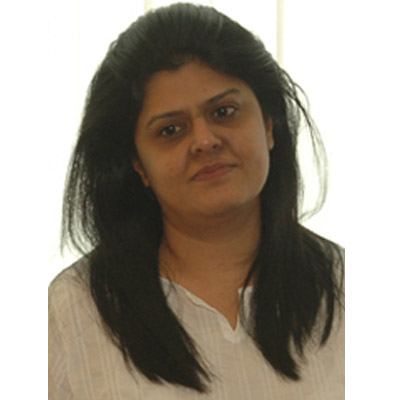
‘Max is an extremely successful channel’ : Max Sr EVP and business head Sneha Rajani
Multi Screen Media‘s hybrid channel Max has completed 11 years and today is a prime asset of the company.
While it telecasts the lucrative Indian Premier League (IPL), in the movie space it is in close fight with Zee Cinema for the top spot.
In an interview with Indiantelevision.com’s Gaurav Laghate, Max Sr EVP and business head Sneha Rajani talks about how Max has successfully run its movie and cricket businesses separately and profitably.
Excerpts:
Max has been both, praised and criticised, for changes in cricket programming. Your comments…
What we did with cricket was pioneering. We changed the way cricket was viewed and consumed in this country. Till then it was like a match being aired and a little bit of analysis thrown. What we wanted to do, and which is where we revolutionised cricket viewing, was that we wanted to increase the base.Cricket was predominantly male viewing till we came into the market. We knew that in order to increase the base, it couldn‘t be just confined to the men. We had to make it all inclusive.
So we took some seriously bold steps like introducing a woman anchor way back in 2002 (Ruby Bhatia) and Extraa Innings.
In the 2003 World Cup, we had three women instead of one – and purists went ballistic. The ratings increased five times, women audience grew 200 per cent and Extraa Innings touched a 19 TVR.
Another milestone was duplicating the success of Extraa Innings with movies – Extra Shots. Mandira Bedi became the first movie jockey.
From 2008 we are having IPL. There has been no dull moment since then – we are made for each other.
What about movies?
Blockbuster movie acquisition is something Max has been associated with always. Out of the 10-12 big films every year, Max has easily over half of them. Be it Lagaan, Devdaas, Om Shanti Om or 3 Idiots – you will always see the best and biggest movies on Max.3 Idiots is, perhaps, the biggest coup that Sony has pulled off. Look at the ratings of the first three airings.
With so much controversies and bad publicity going around IPL, will it have any adverse impact on your revenue targets?
I won‘t comment on numbers but any publicity is good publicity…it helps you look positively. And at the end of the day, the IPL is a league that the audience wants to watch. The thought and vision is so strong that the IPL will continue to be the biggest entertainment spectacle.Max being a hybrid channel, the cost of investment is much higher compared to a pure play movie channel…
Yes, but we look at the two as completely separate businesses. And both are doing fairly well independently.And yes, as for cricket, the rights have been acquired for 10 years. We are well aware of the costs. But as far as movie acquisition is concerned, we know the prices have gone up tremendously, which is why we have been extremely careful about how many movies we have picked up this year and at what price.
But you have acquired very few movies this year?
Let me put it this way… We have not acquired as many films as we normally do simply because we did not want to pay unrealistically high. Acquisition has to make business sense.‘We have not acquired as many films as we normally do, simply because we did not want to pay unrealistically high. Acquisition has to make business sense‘As Colors is buying movies aggressively for its upcoming movie channel, what will be your plan of action?
Not just Colors, Star has also picked up a lot of them. Colors is in a different life cycle; they are in a launch phase. We are nowhere in the launch phase, we have a very solid library. We have acquired enough number of premieres.So what are the parameters that you look for while acquiring the movies?
We have a budget and a set of parameters. Our recent acquisitions are Robot, Crook, Raktacharitra, We Are Family and Hisss.When you are airing movies, you do not have scope for creative programming. How is your channel different from the other movie channels?
The scope is very limited simply because we run movies back to back; there is very little space available for us to do anything else. But in the next quarter, we are trying to bring in at least a couple of innovations.So far we have Extraa Shots – which has a different look to it every month. We shoot with TV stars; we have picture-in-picture type shots etc. It has been refreshed continuously over time.
But how will you differentiate between your channel, and say, Zee Cinema and Star Gold if everyone is playing the same movies?
You are talking about the syndication model. But there are very few movies that have been shared between the broadcasters like Jab We Met airing on 10 different channels.I can say 99 per cent of our library is exclusive, and so is Zee‘s and Star‘s. There are very few – around 50 films that are shared in the market.
So you don‘t believe in the syndication model?
We as broadcasters are extremely and completely against the syndication model. If you talk to other broadcasters, I think they will also share the same views.I think it is not right for the broadcasters and for the movie itself. I think producers also should not encourage this as it completely devalues the product.
But many channels have formed business models on syndication. Like Colors acquired first airing, Imagine TV got second airings…
The response to that is the pricing is wrong. It does not mean that you change the model and introduce a model that completely kills your product and the brand of the channel.We had to acquire some movies on syndication as they were not available otherwise. But going forward, we have not acquired any film that is on syndication. It is outright acquisition model that we are following.
Which movies you had to take on syndication?
Om Shanti Om, Chandni Chowk to China, Bhootnath, Jab We Met and a few others. But after that, we haven‘t. Like 3 Idiots – which we acquired exclusively.The window between theatrical release and TV premiere has shortened. But a movie channel gets the movie after it airs on the general entertainment channel. Is there a return on investment?
If not, why will Colors launch a movie channel? And let me tell you, I can‘t talk about the other movie channels, but Max is a very successful channel. Not just from the ratings point of few, but as a business it is extremely successful.And as you rightly said, the big premiere happens on a general entertainment channel simply because the effective rates on a GEC are far higher than a movie channel. But there is a model there which works, and that‘s why everyone is doing it.
In other words, we recover what we invest.
But Zee Cinema is not investing heavily on acquisitions and rates higher than Max. So is it not a more effective business channel?
They do buy, maybe not as much as Star or Sony or Colors, but it is because their business model is different.
And talking about Sony, even before we launched Max, our brand promise was that we are known for our blockbusters. Our strategies

are different. I wouldn‘t say theirs is more effective or ours is.
And if you see the last five years, Max has been leading more than them. Obviously our strategy is also working.
Also don‘t forget that Zee Cinema has got a first mover advantage. It‘s a far older channel. People are used to it and in the Hindi heartland they have a huge following.
-

‘CNN-IBN is a win-win partnership’ – CNN International Managing Editor – Asia Pacific Ellana Lee
Based at the network‘s regional headquarters in Hong Kong, Ellena Lee is one of the most dynamic and successful young executives working in Asian television. She manages the on air and online news and feature programming produced in Hong Kong, in addition to CNN‘s correspondents and newsgathering teams across ten bureaus in the Asia Pacific region that stretch from Islamabad to Tokyo.
Some of the programming initiatives under her tenure include taking CNN‘s Asia-produced programming to Beijing, Delhi, Mumbai and Seoul for dedicated weeks of coverage. She has overseen the launch of a new weekday business program from Hong Kong, World Business Today and also managed the network‘s Talk Asia program as it has travelled across the Asia Pacific.
Named as a Young Global Leader in 2008 by the World Economic Forum, Lee has steered CNN in the Asia Pacific to received a variety of awards, including a 2008 Peabody for the network‘s global coverage of the US presidential primary campaigns and debates and two Asian Television Awards for best news program for ‘CNN Today‘ (now renamed ‘World Report‘) and best talk show for ‘Talk Asia‘.
In an email interview with Indiantelevision.com, Lee shared her views on the state of journalism in India, CNN‘s viewpoint and the changes she has brought in her three year tenure as managing editor.
Excerpts:
How do you see India as a news market? How different is it from other Asian countries? When it comes to news gathering, how different do you see India among other countries around world? Your take on the exploding media scene in India what so many news channels that have launched?
India is a fascinating television news market thanks to the number and diversity of channels and the press freedom that the media enjoys. The Indian media is a powerful force to be reckoned with, which makes the need for responsible journalism even more necessary. Indeed, there are clearly some quality control issues regarding journalistic output while the lines between journalism and advertising have too often been blurred. From a domestic Indian perspective, the concept of news has undergone a transformation over the past five years due to key factors including the entry of private (non-governmental) players in the news space and the speed of technological innovations, so there will doubtless be many more changes ahead.
How is CNN‘s coverage different than other international players like BBC? What is your DNA?
Production and ownership of our content is our cornerstone and it has allowed us to expand the depth and breadth of coverage. It is very important for us that CNN provide original news to its audiences and not aggregate third party material which people can get from elsewhere. In 2009, we embarked on the biggest newsgathering expansion in our history, a multi-million dollar investment in staff and resources to bolster our world-class, award-winning journalism as well as give us the power to move swiftly into developing new business models.
CNN also continues to evolve to meet the needs of our international audience through platforms including online, broadband, mobile and interactive television. Our strategy is to make use of most of the growing digital technologies and platforms to enhance our reach and be in continuous touch with our audience. That‘s why we offer multiple touch points for the consumer to access CNN content anytime, anywhere.
The issue of paid news and plagiarism have been raised in the Indian media repeatedly and quite often in the recent past. Your comment?
Journalism should always be responsible, impartial and unimpeded by any external factors, be they financial or otherwise. There have been examples of plagiarism and paid media within India which raise serious questions about the independence and objectivity of some reports.
What is CNN‘s policy on paid news and journalistic ethics?
We adhere to the highest standards of journalism and never compromise on journalistic ethics. We have never and will never accept any payment for any news coverage, period.
CNN has adopted a broader perspective on global matters. Can you throw some light on the same?
In 2009, we embarked on the biggest newsgathering expansion in our history, a multi-million dollar investment in staff and resources to bolster our award-winning journalism and give us the power to move swiftly into developing new business models. This also reflects our philosophy of “Go beyond borders”, our commitment to delivering intelligent news in a connected world where stories and people are not defined or limited by geography.
‘Journalism should always be responsible, impartial and unimpeded by any external factors‘You were promoted as managing editor of the APAC region in 2007. In the last three years, what changes have you brought in the editorial during this time?
Rigorous editorial discussion and accountability, clarity of thought and speed of action from all our journalists. As Asia itself grows in influence, we strive to reflect its rise through smart story telling. In my short time as managing editor, we have seen explosive growth in the digital and social media sphere and so we make sure our journalists are comfortable on all platforms and work across divisions to maximize a story‘s impact.
What about CNN‘s ambitions to go regional and local? You have CNNj in Japan, then Turkish and Korean CNN, why not in India? And if you say partnership with CNN-IBN, the editorial content is all under IBN18?
CNN-IBN and CNN International have enjoyed a very fruitful newsgathering relationship. For our CNN-IBN audience, we are able to offer a window into key international stories such as the Chilean miners story. And in turn, CNN-IBN offers our international viewers key stories making headlines in India. It really is a win-win partnership.
How has the tie-up with IBN18 helped CNN in India?
CNN-IBN and CNN International have enjoyed a very fruitful relationship with respect to content sharing, helping us provide even more complete and rounded journalism from India for our global audiences.
How will you position CNN in Indian context vis-a-vis other APAC countries?
We don‘t ‘position‘ India or other countries. We report the stories that matter for our hundreds of millions of viewers around the world. We have bureaus in Delhi and Mumbai and are proud of our coverage from India.
How many people you have in your Indian editorial team?
The CNN Editorial team in India is led by New Delhi Bureau Chief, Phillip Turner. CNN boosted its presence in India with the appointment of Sara Sidner as the New Delhi-based international correspondent. Then, in 2008, as part of CNN‘s international newsgathering expansion and content ownership strategy, the network announced the opening of its editorial operation in Mumbai as well as the appointment of Mallika Kapur as the network‘s Mumbai-based international correspondent. We have dedicated newsgathering teams to support these bureaus.
What are the plans for India, how are you going to consolidate your position?
CNN International has a long and special relationship with India spanning more than two decades. We were the first International broadcaster to interview Dr. Manmohan Singh. Our programming in India runs the gamut from political and business news to stories that bring out the human dimension of India. For example, our coverage of the Commonwealth Games highlighted some of the problems in the preparation, while also focussing on stories which bought out a different and uniquely Indian flavour of the games for our viewers. For instance we covered how authorities were using langurs to deal with the macaque monkeys of Delhi in the run-up to the games.
In the past, we‘ve focussed in-depth on India through special theme weeks like ‘Eye on India‘ (2004, 2005 & 2007) and ‘India Means Business‘ (2008). India is a nation with one of the youngest populations globally and we examined its youthful essence by giving a voice to ‘Generation Next.‘ In October 2010, ‘CNNGo‘ the monthly travel show on CNN International featuring a unique take on global destinations, visited Mumbai and took viewers beyond Bollywood and the bulls and bears of Dalal Street to explore some unique aspects of this vivacious city.
Going forward we are looking at further expanding our coverage from India and continuing with our investments in technological innovations. We are also keen to work alongside the remarkable talent pool that is India‘s youth.
-
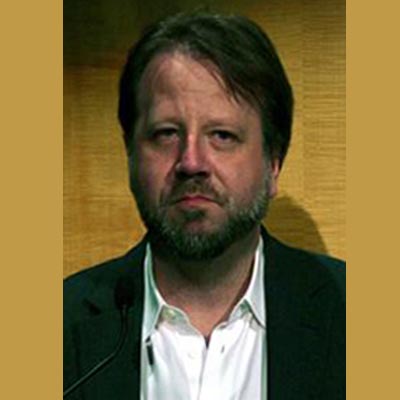
‘As content creators, we have to be more entrepreneurial in our approach’ : Castle creator and executive producer Andrew Marlowe
With the television landscape having to work under a struggling global economy, it is becoming more of a challenge for content creators to stay creative under financial constraints.
Fiscal responsibility has become a part of the creative process, says Castle creator and executive producer Andrew Marlowe.
In an interview with Indiantelevision.com‘s Ashwin Pinto, Marlowe talks about the creation of Castle, its USP of focussing on characters, the relationship with ABC Studios, what is needed for a show to work, the importance of being in the digital space and the need for a collaborative relationship between broadcasters and content creators.
Excerpts:
How did the idea of Castle come about?
I was watching a lot of procedurals on American television like CSI, Law and Order. I was missing the fun characters that I saw on TV growing up – like Moonlighting. On those shows, you really got a sense of who the people were and that is what you were following more than the case. I wanted to bring something like that back to television. It felt like there was room for it since the other shows were doing things that were different. They were not focusing on characters.When I was imagining the character of Richard Castle as a writer myself, I thought that it would be great if I could get up and do some of the things that I was writing about. That is where the idea came from. To create a character who is a mystery novelist who thinks of ways to kill people and get away with it. Then to have him go out with a detective in real life solving crime felt to me to be rich, fertile material for storytelling.
We are at a time when there is a lot of competition among channels and shows for viewers attention. What sets Castle apart from other shows?
The relationship between the two major characters sets it apart. You have to find what attracts your audience. Something like Law and Order was attractive at the time. CSI looks at forensics which was new. For us, it is about the character dynamic and the relationship. When we market the show, this is what we sell. We know that there has to be a procedural element as audiences expect it. However this is the strand on which we put the relationship pearls to make the necklace.Creating interesting characters for Castle was important. How did you approach this job?
I looked at the dynamics between the two lead characters. I knew that I had to have characters that were in conflict but who also had a romantic interest in each other. For Castle, he thinks highly of himself. He is a bit of a narcissist but is also charming. Things have come easily for him. I wanted him to be in a relationship with a woman who is a bit of a mystery and who did not fall for him. She did not fall for his surface charm and surface wit but be a match for him. The characters approach storytelling from two different points of view.For detective Beckett, it is about what the evidence suggests. But Castle looks at it in terms of the story of the dead person like a frozen woman found at a construction site. He wonders how she got there. Though they approach things from different points of view, they help each other reach the solution. We capitalise on the spark and the great relationship that they have working together.
You have to juggle different genres. Was this tricky?
It is tricky while writing. We can go from comedy to drama quickly. It is important to treat the victim and the victim‘s family with respect. But we know that we allow viewers to have more fun with the murder mystery than they would with other procedurals. We walk the fine line of walking from a crime scene and have fun. The detective is on point carrying the torch for the victim.But Castle sometimes says inappropriate things and has more fun with it. Cops have come up and say how much they like our show. They have to find humour in their daily real life situations. Otherwise, it gets overbearing. On other shows where police officers are humourless, it feels less authentic to them. Even though our show exists in a fantasy setting, a lot of law enforcement officers seem to be relating to it.
‘New technology has to be in the service of the storytelling rather than the other way around. We have seen big budget action affects movies that do not have a quality story at the heart of it. It is like watching fireworks. You watch something interesting but are not emotionally engaged‘Generally as a show gets more popular it gets more expensive to do. What is happening with Castle?
Finances are a continuous challenge. We figure out which episodes we want to have which are bigger in scale and make a lot of noise. Then you have episodes that are smaller and more personal in scale. The production costs are smaller here and it becomes a more intensely focused drama in terms of the sets that we have. We shoot in Los Angeles but we want to give an authentic feel of New York. There is money that we have to spend on recreating New York.Fiscal responsibility has become a part of the creative process for us. I don‘t mind it that much as it seems to me that a lot of great creativity can come when you push against constraints. If you have all the time and money in the world, often TV shows are not as good as they should be. Facing constraints can challenge you as an artist to create something better and more interesting rather than opting for what is easy.
How is the show perceived by viewers?
They enjoy it as it is different from the other stuff on air. The other procedurals are sensationalistic and go to a darker place. Advertisers are excited due to our TG. Women watch us the most. We win the night every time in this demographic. In the US, we have Dancing With The Stars as the lead in. So it helps us build a strong female audience.We are also getting stronger with men. We have tried to craft an experience where they too can have fun when they come to the show. We are fortunate that our viewers are passionate and bring others into the experience. Advertisers are seeing the value of our show. But so much of the coveted 18-35 TG are seeking out content in non traditional forms on the net, portals. Everybody in the broadcast space is trying to figure out how to best monetise this.
How is Castle faring in countries like India?
From the conversations I have been having, people have been responding favourably. They like the relationships and the fact that Castle is a family man. They like the creativity of the storytelling. So far the feedback has been very good.How important is it for a show to be in the digital space?
It is essential to create a community for viewers. Viewing habits are changing. Some people view content on the net, phone and not just on the TV. Creating a digital watercooler where people can have a conversation about your show is important to extend their experience. We launched a couple of initiatives to have better relationships with fans and deepen their entertainment value. Between the first two seasons in the US, our fiction character Richard Castle was tweeting.He went on vacation and got involved in a murder mystery. So in the break between seasons, he was keeping loyal viewers engaged and deepening their loyalty but having a story telling vehicle on twitter. Our audience was engaged between the seasons. These people became emissaries. It helped with viewership when we returned for the second season. Having a facebbok page helps get feedback. It helps extend the brand. This is what viewers expect from entertainment these days.
We know what viewers respond to and like or do not like. In the past when you built an online community, it was the fanatics that visited. But now that twitter has gone mainstream, there are more viewers there. You can get more balanced information on what people feel about your show which helps in storytelling.
Are you creating Castle content for the net and mobile?
It is an on-going discussion. Is this being done to market the show or to try and create another revenue stream? People have not figured out the economic model. You have to have actors. They already work a lot on the television show. You need to figure out why you are doing it. Is it to attract a new audience, go to a new platform to bring people to the main show or is it to generate more revenue? It has a price tag.There is stuff we want to do, but we do not have the capability yet. The proven business model is not there and so it is always a risk. We might have a great idea but are we generating revenue or bringing more viewers to the table? These questions must be answered or you could have unnecessary capital expenditure.
What are the key ingredients needed for a show to work and draw audiences regularly in an increasingly fragmented environment?
You need something at the heart of a show for people to talk about. There has to be reason for them to leave the storytelling and go out to the community and talk about their experience. You can do it with a compelling premise like Lost. Or you can have a key relationship at the heart of it and characters that viewers fall in love with.If this happens, viewers will invite the characters into their homes week after week and live the adventures with them. It is either the premise that is very bold or characters that we fall in love with. Ideally, you should have both. The minute a premise loses its interest, then the characters keep you coming back for more.
What trends are we seeing now in terms of the kinds of shows that work and do not?
Comedy is making a bit of a comeback. There was a time when comedies were not working. But when things get bad economically, people want an escapist experience. People are attracted to really good content, characters. This is hard to do.Are dramas and realities tapering off a bit in terms of popularity?
I think that they are both evolving. Some new reality shows are successful while others are not. What is specific premise? Is it resonating? Dramas had a tough year where few shows got traction or caught on. However, broadcasters are being more patient and seeing they can grow a show.Marketing is a challenge for everybody. There is a lot of product including online with YouTube. I think patience can help develop a show so that people can understand that this cultural experience will be something they would want to be a part of. Broadcasters will be more patient out of necessity to see if they can grow an audience. There is no hard and fast rule. If something goes strong out of the gate, people will be more generous and foster it over the next couple of years.
What are the fresh challenges that you and the creative community in general face?
We always think that our stories are worth telling and there is audience. We have to be entrepreneurial, be better partners for studios and networks. It means that we have to take chances. We have to take risks as the audience wants new and interesting material.They also want an experience that they are comfortable with. Sometime people spend a lot of money and at other times there is belt tightening. As a content creator, you have to roll with those punches and do the best that you can.
Has the production process of making a show changed?
Not really. The fundamental stuff is there. A lot of shows have switched to HD. People are doing more special effects work for less money. We can go to states where there are tax breaks. We still shoot on film. We don‘t feel that HD cameras are there yet in terms of how they capture light. They will catch up. There will be cost savings but also time issues.The new technology has to be in the service of the storytelling rather than the other way around. We have seen big budget action affects movies that do not have a quality story at the heart of it. It is like watching fireworks. You watch something interesting but you are not emotionally engaged. It is important for us that the cart does not lead the horse.
Are you happy at the deal the WGA did with the AMPTP?
That remains to be seen as to whether or not we are happy with what the settlement was. The issues that we had were in terms of new media. This landscape is changing rapidly. When we went on strike in terms of digital rights and payments, nobody understood the landscape. This brought the town‘s attention to the fact that this is an issue. It is an issue worldwide. What does it mean to have IP in a digital age when it is so easy to make a copy? How do you define and protect IP in the digital age?It goes to the heart of piracy. These issues have not been resolved by the marketplace. I know a lot of writers and studios who are still recovering from the strike. Nobody wants to see this labour strike again. But the issues that were raised across the board by the strike are the ones that we are going to be dealing with for a while.
Will YouTube be the new TV five years down the road?
No! There is too much content for people to sort through. People want to know that they will commit their time to something worthwhile. So the notion of a brand or a channel or community will not go away. I do think that the screen will change. This will create chaos but out of chaos comes opportunity.If there is too much product, people are not going to know where to look. They will ask their peers or stick to trusted brands. While there are hundreds of channels in the US, most people I know only watch five or six channels. They only talk about five or six shows. That is because it is hard to make great content that resonates. It will come down to making good shows and it will find an audience it is worthwhile. I don‘t have time to go to YouTube and sift through the noise and nonsense to find something worthwhile. I need a filtration system. This is why brand and channels will still be important in the new formulation.
As a writer do you constantly learn from the work going on in other shows, especially those that have been going on for a while?
We look at other shows to make sure that we are not doing the same thing. We also study older shows like Moonlighting to see how the relationship between the two lead characters was handled. On that show it was handled well for a while, and then it wasn‘t.I also look at shows like Bones. You never want to get too complacent and only look inside your own show. You would also want outside perspective to shape up your storytelling.
What is the difference between writing for television and writing for film?
In films, you have more leeway in terms of location and money that you can spend. You can paint on a much bigger canvas. In case of television, you need to be clever in terms of the storytelling – and overcome financial constraints.Are you looking at other concepts or is Castle your only focus?
Right now it is my primary focus. I want to make sure that the series does well. But I have an appetite for creating shows.In films, I have a couple of projects that are actively moving forward. I have an alien invasion movie with Warner Bros. It will be directed by Pierre Morel who made Taken. He has just signed on.