|
Punit Goenka is in control of the media empire that patriarch Subhash Chandra built assiduously over almost two decades. He is quick to take decisions, is unruffled by temporary ups and downs, and believes in continuity.
The elder son of Chandra digs deep into the Zee culture, has his own ways of finding solutions and does not hesitate to bet on sports as he takes up the responsibility of shaping Zee‘s broadcasting business.
“I have learnt a lot from my dad. He is no more hands-on. See, he has not called me for over an hour (during the interview). I have my own style,” says Goenka, a grin on his face.
Soft-spoken and shy, Goenka is a people‘s man. He backs his senior team, even when certain decisions do not work in the short run.
In an environment of raunchy reality TV shows, he believes in clean content and explains that Zee TV, the flagship channel, is designed for family viewing.
Goenka crafts strategies that focus on profitability; he hardly plays to the gallery.
Under his leadership, Zee ended its 12-year-old rivalry with Star to float a joint venture distribution company named Media Pro Enterprise India. The aim of the JV: to pave the path for consolidation and hasten the need for digitisation in the sector.
In an interview with Indiantelevision.com‘s Sibabrata Das, Zee Entertainment Enterprises Ltd managing director and CEO Goenka talks about the lack of opportunity in the marketplace to make the right purchase, the need to bet on sports broadcasting and to stick to profitability in a high-cost environment.
Excerpts: |
|
|
Zeel is sitting on a cash pile of Rs 14 billion (as of 30 June 2011). Are you looking at acquisition opportunities?
As a company philosophy, we have decided to keep aside a cash of Rs 10 billion at any stage for organic or inorganic growth opportunities. |
|
|
But isn‘t this the right time for consolidation in the industry?
However, for the benefit of the industry, consolidation is the answer. The sector is sized at Rs 300 billion and there are 500 television channels in the country earning an average ARPU (average revenue per user) of $3. That is why we have become an unprofitable industry. |
|
|
In a drive to consolidate and digitise the industry, Star India and Zee Group recently ended their 12-year divorce to create a distribution company. Has the joint venture been able to shake up the pay-TV market? |
|
|
How deep in terms of percentage growth?
A large part of the deal plays out in analogue cable. In case of DTH, both of us are in any case growing independently. |
|
|
|
|
How painful has been the integration process? |
|
|
Media analysts say Zeel’s share price will get a boost if the sports broadcasting business is hived off and capital raised by offloading equity. Has any investment bank got the mandate to hunt for an investor for the sports business? |
|
|
When do you expect the sports business to turn around? |
|
|
Zeel‘s sports losses for FY‘11 stood at Rs 2.08 billion on a revenue of Rs 4.4 billion (excluding a one-time revenue gain of Rs 700 million as one-time fee for the pre-mature termination of rights for AIFF). So what will drive this to profitability?
Ad revenue is heavily dependent on cricket. And within that segment, it is India cricket. While advertising revenue is cyclical, subscription income is consistent throughout the year. |
|
|
Zeel has bagged the eight-year Cricket South Africa (CSA) television rights for $180 million. Considering that the earlier five-year rights went for $75 million, isn’t the new price tag on the higher side? |
|
|
We get to learn from sources that the Zimbabwe board rights have been retained for $20 million (earlier it had gone for $6 million for four years). But Zeel will be able to give its sports business maximum firepower when it is able to retain the telecast rights for the other three boards – Sri Lanka, Pakistan and West Indies. So will you bid aggressively? |
|
| When is the golf channel getting launched ? We are awaiting government approval. We are ready to launch the golf channel within 60 days of obtaining the regulatory clearances. |
|
|
Will Comcast be a partner for the channel? |
|
|
When are you launching a full-fledged HD channel in sports? |
|
| Are there other HD launches planned? Zee TV, Zee Cinema and Zee Studio will be launched in HD format soon. |
|
|
Zeel has posted a measly 0.5 per cent ad growth in the fiscal first-quarter. Do you see the market improving?
Subscription revenues will continue to have a similar growth trajectory, both on analogue cable and DTH. Our international revenues should stay flat. |
|
|
International subscription income actually de-grew two per cent in FY’11. Do you have any plans to fix the international business?
In the other markets like the US, We are seeing growth. |
|
|
Is your localisation strategy working?
The other experiment we have carried out is in Russia. The audiences there love Bollywood, soaps and dramas. However, it is early days yet.
We are also planning to launch in 3-4 other markets. |
|
|
Zee TV has slipped to fourth position as Sony Entertainment Television rejuvenated on the back of its big-ticket game show Kaun Banega Crorepati (KBC). Will you change the programming strategy and bring in celebrity-backed reality shows?
A large part of a particular channel‘s growth still comes from one show. A reality show may bring in spikes but we will wait to see what happens after that concludes. We will not take to celebrity-based reality shows unless we feel that we have a concept that needs to engage them. We are happy with our homegrown formats.
Our prime competitor is Star. And as a network, we are in close competition. |
|
|
|
| Will you increase the programming hours of Zee TV as you fight back to regain market share? We will be increasing our original hours of content from 28 to 33 hours per week. There has been some delay in that because we have had a few bad launches and we want to first fix those slots. We have also had a slowdown in the advertising market. |
|
|
Zee has kept away from purchasing big movie titles. Will that affect Zee Cinema when Viacom18 launches its movie channel?
Big titles give rating spikes but they are first run on GECs rather than on movie channels. The Hindi movie channel genre has become cluttered and unprofitable due to high acquisition costs. But we have stayed profitable. |
|
| Star Gold has reduced ad inventory on the channel by 33 per cent and is showing six fresh movies a day. Will you follow suit? Such a move has to be compensated with an increase in ad rates. In the current market scenario, this may not be easy. But we are working on reducing the ad time on the channel. And don’t forget that Zee Cinema was the first channel to show five fresh movies a day. |
|
| Sun TV is under attack from the Jayalalithaa government. With the launch of the state-owned Arasu cable, will you make aggressive investments in the Tamil Nadu market? With Zee Tamizh, we have a foot in that market. Arasu has got presence in some pockets of the state. It is still early days and we have to wait and see how the market gets impacted. But if we get more distribution, we will get more aggressive. |
|
|
Isn’t Zee under attack from Star in the Bengali and Marathi regional language markets?
Regional news, on the other hand, is easily doable. |
|
|
Isn’t the news genre too cluttered?
There should be more stringent norms in this genre as entertainment is also passing as news. We have positioned ourselves as a serious news channel and are seeing decent growth. Unlike other players, we also have a strong pay revenue from our news business.
It is the regional markets that are getting cluttered. The Andhra market, for instance, has seen too many launches. Some national news broadcasters are also having issue over cost structures. |
|
| Will you launch an English general news and business news channel or you feel the balance sheet of Zee News Ltd has to further strengthen before you go in for these high-cost launches? The balance sheet can support these launches. But strategically, we will focus on Hindi and regional news channels. Yes, we have two critical genres left. But we will first fill up the regional space. |
|
| Are you looking at expanding through the franchise route? We will take the franchise route only if editorial content is with us. After all, that is what impacts our brand. |
|
| When you started, you were part of the Agrani satellite project. Do you still nurture the ambition of owning a satellite? Agrani was a good project but the policies were not supportive. Banks also had no clue how satellite funding works. Owning a satellite doesn’t make sense now; it is more feasible to lease transponder space on a satellite. |
Category: Executive Dossier
-

‘We will keep aside Rs 10 bn for organic or inorganic growth opportunities’ : Zeel MD and CEO Punit Goenka
-

‘If you are up in the hierarchy, you will get pricing power’ : Star India president ad sales Kevin Vaz
Leading broadcasters will continue to post strong ad revenue growth while the long tail will be severely hurt as advertisers tend to consolidate their spends in a cautionary environment.
Genre leaders will benefit as advertising monies get rejigged. It is the weaker performers that will not find support from advertisers; they will degrow.
The television sector will see a 13-15 per cent growth in ad revenue this fiscal while print will be pushed back in a slowing economy.
Star India, which has leader channels in most genres, has done more annual and network deals this year. Its top 10 clients, for instance, have done deals stretching from a minimum of 12 months to three years.
The Hindi general entertainment channel (GEC) genre is on an upswing even as ad monies are moving away from cricket.
The Hindi movie channel genre is set to grow at 15-20 per cent. The news genre will, however, continue to struggle this year.
In an interview with Indiantelevision.com‘s Sibabrata Das, Star India president ad sales Kevin Vaz talks about the changing equations in the television advertising space.
Excerpts:
Is India‘s leading broadcasting network ready to announce that the advertising economy is slowing down?
The ad market is not as buoyant as it was in January. The television sector will not see a 20-25 per cent growth in ad revenue this fiscal as was forecasted earlier. But it will still post a 13-15 per cent growth while print will be pushed back in a slowing economy. With print crawling at a 0-3 per cent growth rate, ad monies will move to television.Even then it is a slower growth for the TV broadcast segment. Is Star beginning to feel the heat?
Leading broadcasters will continue to post healthy growth while the long tail will be severely hurt as advertisers tend to consolidate their spends in a cautionary environment.Genre leaders will benefit as advertising monies get rejigged. It is the weaker performers that will not find support from advertisers; they will degrow.
Aren‘t Star‘s top advertisers noticing a slowdown?
We have actually done more annual and network deals this year. Our top 10 clients, who account for 30 per cent of our revenues, have done deals stretching from a minimum of 12 months to 36 months. We will buck the trend and grow much faster than the industry. Having leader channels in most genres has helped us stitch long term deals.The fiscal first-quarter is indicating a slowdown for certain listed media companies. So isn‘t there a negative sentiment already prevailing in the market?
The April-June quarter has been good for us. And the July-September quarter is even better. Of course, the channel performance has also improved. If you are up in the hierarchy, you will get pricing power.‘The hard core press categories are shifting more to TV. The automobiles category is now spending 60 per cent of its ad budgets on
TV, up from 30 per cent. The consumer durables segment is also
following this trend‘But aren‘t we seeing a small dip in FMCG spending in the first quarter?
The FMCG category is going to be aggressive this year. Some of them may have issues, but as a whole they will continue to spend more. P&G, Marico and ITC, for instance, will not shrink their promotional budgets. There are variants being launched and competition in the category is fierce. TV is the last thing they will cut down on as it is the most efficient medium for the category. And within TV, they will consolidate their spends.In a toughening economy, advertisers tend to flirt less; they commit their spends to the bigger players and keep aside a lesser amount for shopping with the rest.
Are Hindi general entertainment channels going to benefit because cricket is not delivering due to India‘s poor performance?
Cricket is hit in a big way. GECs are on an upswing even as ad monies are moving away from cricket. The Hindi GEC genre, pegged at Rs 37-40 billion, will grow at 12-15 per cent this year.It is important to note that cricket is losing out because of India‘s dismal performance; this has nothing to do with a slowdown. In fact, the Indian Premier League (IPL) will be tested next year; as ratings slip, there will be a churn.
So what is working well for us? Cricket and print are on the losing side this fiscal.
Are tentpole properties bringing in revenue spikes in GECs?
Advertisers are supporting tentpole properties as they look at buying impact. Brands like Maruti and Cadbury, who are on cricket, are sponsors of Just Dance. Kaun Banega Crorepati has got Idea. If cricket was doing well, we could have come under some pressure. Even in regional language channels, we are seeing tentpole properties being created.What about the Hindi movie channel space?
The ad revenue market for this genre is around Rs 8 billion. It is set to grow this year at 15-20 per cent.Star Gold will capitalise heavily as the channel is performing very well. We have cut the ad inventory time by 33 per cent with effect from 15 August to give it a Hindi GEC environment (Channel V saw a similar ad cut time from 1 January) and ramped up our investment on movie acquisitions.
How will the launch of a Hindi movie channel by Viacom18 impact the market?
We will see a huge erosion in viewership for some channels who have not invested in movies. But from a revenue perspective, we must remember that it is a very efficient genre.In the Bengali and Marathi regional markets, it is becoming a three-horse race with Star performing well. So how will this fragmentation impact?
The successful launch of Star Jalsha has actually grown the market. The Bangla GEC advertising market has grown from Rs 3 billion two years ago to a size of Rs 6 billion. Even in Marathi, there will be a revenue expansion as we start monetising the growth of Star Pravah. In these stand-by-itself markets, advertisers had only limited GRPs to buy. Now that the supply has increased, we expect a 30-40 per cent expansion. National brands are going deeper and deeper and local brands are getting more aggressive.Now that Star is also handling ad sales of NDTV, how do you see the growth in the news genre?
The news genre will continue to struggle this year. Banking, finance and automobile categories are seeing a huge hit; so news television will feel the impact. With the resurgence of GECs, the news genre has actually stagnated for the last few years.Regarding NDTV, we are selling it along with the network. So we are bringing in a wider range of advertisers.
Do you see consortium selling growing as a concept?
Yes, leading broadcasters will become the rallying point. It has happened in the case of distribution (Star and Zee merger) because they sensed value; we will see it in the advertising arena as well.Is the English entertainment segment under pressure?
English general entertainment channels will benefit as the premium segment grows. High-end cars, for instance, will increase their exposure to TV. The English GEC genre will see a 30 per cent growth this fiscal.So is TV gaining at the cost of print?
The hard core press categories are shifting more to TV. The
automobiles category is now spending 60 per cent of its ad budgets on TV, up from 30 per cent. The consumer durables segment is also following this trend. -

‘Peak fragmentation affecting rev growth’ : Zeel executive director revenue and niche channels Joy Chakraborthy
There are early indications that the advertising economy is slowing down. With many parts of the world awash in economic gloom, there are forecasts that guide India‘s television advertising revenue market to a below double-digit growth this fiscal.
Zee Entertainment Enterprises Limited (Zeel) executive director revenue and niche channels Joy Chakraborthy believes the sports segment will see a degrowth while the Hindi general entertainment channels (GECs), caught in a four-horse race, will lose their pricing power.
Though advertisers are exercising caution in spending, rate hikes are taking place in certain genres like movie and regional channels. Even in case of Hindi GECs, certain programmes can get rate hikes.
In an interview with Indiantelevision.com‘s Sibabrata Das, Chakraborthy talks about peak fragmentation affecting revenues and what the industry needs to do to beat growth blues.
Excerpts:
Zeel posted a measly 0.5 per cent rise in first-quarter ad revenue over the year-ago period. So are we heading for an ad slowdown due to stresses in the global economy or is it is due to a fall in ratings of the flagship Hindi general entertainment channel Zee TV?
Advertisers are exercising caution in spending. They are entering into quarterly and shorter term deals; not too many annual deals are happening. We will be hit both by a possible slowdown and a fall in viewership of Zee TV. But at the same time, we have the highest GRP-to-revenue conversion.
Major spenders like FMCGs have said that they will be slashing their ad budgets as their profit margins are getting squeezed. How deep will the television advertising economy be hit?
There is a concern, but at the same time many of the FMCG companies are launching variants. If HUL states that it is slashing its ad budget, frankly speaking it is no more a scare. But what could be disturbing is that we are seeing a drop in high-yielding inventories filled by telecom, banking and finance and real estate companies. We are hoping that like telecom which came in a big way a few years back, we will see a new category emerge. India being an emotional country, a single strong wave can lead to a turnaround.
But don‘t FMCGs account for 55 per cent of the total TV ad pie?
It is not that FMCGs are going to retreat. They are redeploying their ad monies. While their spends on cricket and Doordarshan are getting reduced, they are increasing their allocations to GECs, regional markets and other genres. And if HUL and Marico cut their spends, ITC and others will up them. There is too much competition in the category.Will broadcasters be able to implement effective ad rate hikes?
Broadcasters have almost filled up their ad inventories. Perhaps, what has increased is ‘float deals‘ (whenever inventory ia available, channels give them to clients at a marginal discount rsate) given to FMCGs. Rate hikes, however, are taking place in certain genres like movie and regional channels. Zee, for instance, will see ad revenue growth in Marathi, Bangla, Kannada and Andhra Pradesh markets. Even in case of Hindi GECs, certain programmes can get rate hikes. Celebrities, for instance, attract a premium.
‘Advertisers are exercising caution in spending. But if HUL states that it is slashing its ad budget, frankly speaking it is no more a scare. What could be disturbing is that we are seeing a drop in high-yielding inventories filled by telecom, banking and finance and real estate companies‘In case of Hindi GECs, we are moving from a three-horse race last year to a fight among the four at the top with the resurgence of Sony Entertainment Television. How is this going to affect the genre?
As we move to a four-horse race, Hindi GECs will lose their pricing power. The genre will see growth but there will be revenue fragmentation. Media agencies will be in a better bargaining position.
How hard will Zeel be hit considering that its flagship channel Zee TV will most likely continue to be placed No. 4 during the festive season?
It does worry us. But in case of a slowdown, advertisers like to hedge their bets. The comfort zone for them could be that Zee TV wouldn‘t fall further; it can only go up. And the difference between the top-rung GECs is mainly one show. After Jhansi Ki Rani fared well during its run at the 8 pm slot, its replacement Shobha Somnath Ki has not been doing well. We are relaunching that show.
Let‘s also not forget that advertisers and agencies are not opportunists; they do not dump the ship but value long term relationships and the network strength.
Will Zee TV, which contributes about 40 per cent of the network‘s ad earnings, see a degrowth?
We are seeing strong growth in many of our channels. In fact, eight of our channels have posted peak monthly revenues in August. But, yes, there will be some impact if Zee TV loses GRPs.
Considering that there is a slowdown and the GECs are caught in a fight among four at the top, what is the growth forecast for the television sector?
Television will grow at 10-12 per cent this year, faster than print which will crawl at 2-3 per cent. But there is still a lot of ground to cover. We believe the television ad revenue size is Rs 107.50 billion compared to print‘s Rs 119 billion.
Another abnormal thing this year is that the Dussehra and Diwali festive season falls in the same month (October). Television has limited inventory. If this would have stretched over two months, the sector would have gained.
A proper picture of the growth pace will, however, emerge after we get the trends in November and December.
Sports was a big revenue driver in FY‘11. Will it sustain that momentum this fiscal?
Sports will see degrowth. Sports broadcasters earned a combined ad revenue of Rs 15 billion in FY‘11, buoyed by the World Cup and the Indian Premier League (IPL). But this fiscal their ad revenue will be under attack because of India‘s debacle against England. The India-West Indies series was affected as some of India‘s stars were not playing. Seeing the performance of the Indian team, the Champions League Twenty20 is obviously facing the music.
Sports broadcasters only focus on property-based selling. They should also strategise on RODP (run of day part) and ROS (run on schedule) selling. We are doing that in a big way.
How difficult is it to push hard for revenue growth in such a cluttered television market even for niche genres?
The biggest problem in the television industry is that fragmentation is peaking. There are 18 music and 15 English entertainment channels. Where is the money going to come from? Revenue gets affected because of fragmentation.
Zee is in a fortunate position as it has the largest bouquet of channels. The niche channels have also built a brand equity over the years. We are seeing 10-15 per cent growth in this segment. But for new channels that are to come up, there is no bandwidth on both analogue cable networks and DTH platforms.
You are not happy with the way distribution is evolving?
The underreporting of subscriber numbers is hurting the industry. Broadcasters are feeling the pinch with content costs climbing, as ad sales is still funding the television business. Whatever a broadcaster earns as pay revenue goes out as carriage fees. The cable TV sector needs transparency.
Is slowdown good in that sense as it will act as an entry barrier for more launches?
Slowdown is good in a way as it will ensure that networks with sustaining power will gain. The No. 1 and No. 2 players will take away most of the monies. Costs will also get corrected as companies try to protect their bottom lines.
But at the same time there is one player every year who spoils the market. In the movie channel space, for instance, Viacom18 drove the acquisition price insane last year. This year Star is doing it.
Do you see an opportunity for leading broadcasters like Zee to get smaller networks outsource their ad sales?
Personally, I feel there will be media-selling consortiums, led by big networks. We are evaluating partnerships in markets where we do not compete.
The time has also arrived for us to dig deep into the regional markets. We have formed a retail team and they are tapping such clients.
How beneficial has it been from a growth perspective as you have been handling the ad sales of television as well as print with DNA under your belt?
Print is very scheme-led, there are too many hidden deals, and no timely research is available. The circulation gains can‘t be monetised immediately. But in print you can do a lot more innovations. Print and television buyers are totally different in mindset but the basic business principle remains the same.
DNA has benefited from Zee‘s deep relationship with media agencies. Zee, on the other hand, has been able to gain access to a wider breadth of clients. We would have benefited more from the synergies if we had not lost GRPs (gross rating points) and our channel positions were healthier.
-

‘Now there are four key players in the market’ : HBO South Asia country manager Shruti Bajpai
Adopting an aggressive posture, HBO is giving a push to its content as competition turns fierce in the English movie channel space.
After its deal with Sony Pictures Entertainment (SPE) ended, HBO stitched deals with 16 studios. The focus will continue to be popular blockbusters, cutting edge titles and original content.
The entry of Movies Now has shaken up the market and from a two-horse race it now has four key players. HBO, however, is looking at a double-digit growth this year and has brought in new category of advertisers to the genre.
In an interview with Indiantelevision.com‘s Ashwin Pinto HBO South Asia country manager Shruti Bajpai talks about the challenges that the genre faces.
Excerpts:
New entrant Movies Now seems to have upset the applecart, pushing HBO to the third position. How do you plan to bounce back?
Rating fluctuations are normal for any channel in this business. As the number of players grow, it is more important for the category to expand. As for HBO, there’s no reason to feel threatened because of the sheer differentiation in terms of our content. We are the only channel with the capability to bring the most popular blockbusters, cutting edge titles and original content. In terms of both quality and quantity, we are still unmatched.Movies Now’s strategy of showing popular films that have high repeat value seems to have worked. So have premieres gone down in value?
No! That counts for a lot in terms of brand perception. At the end of the day it is about what your brand stands for. We show more premiere blockbusters than any other channel. Our focus is on having more premieres, strengthening our franchises and telecasting HBO Originals. Our USP is to offer something for everyone and be a one-stop shop.What impact are the new players having on the genre?
From being just two key players in the market, now there are four – HBO, Star Movies, Movies Now and Pix.After HBO’s output deal with Sony Pictures Entertainment ended, how have you lined up content to take on competition?
We have, in fact, expanded our content pipeline. Last year, we stitched deals with 16 studios. We have the very best of blockbusters like ‘Ironman 2’, ‘Inception’, our popular franchises include Rocky and Bond. We have cutting edge titles like Blind Side, Stieg Larsson’s Millennium Trilogy and ground-breaking original content like Temple Grandin.
‘There are plans to expand the base in India and HD will be a part of that‘Movies Now was the first HD channel in the English movie genre. Is HBO looking at HD feed?
There are plans to expand the base in India and HD will be a part of that. We can’t really speak for others, but HBO has a multi-channel and HD presence in most of the countries across the globe. India will be no exception.Content costs are escalating due to intense competition in the genre. Has revenue also expanded?
Rising content cost is a factor, but a point of concern more for our competitors and relatively less for HBO. Unlike the rest of the channels which are mostly home-grown or only operational in Asia, HBO is a global player with widespread presence. With multi-year output deals with three studios – Warner bros, Paramount and Universal -and content from 16 other movie companies, we are best equipped in the genre to manage content acquisition costs.English movie channels in combine earned an ad revenue of Rs 3 billion last year. Will the genre post a 20 per cent growth this year?
Though this year has been a bit challenging for all non-sport categories with high influx of cricket, we wouldn’t like to speculate on what the genre has made. English movies has always been a very sought after genre with a wide variety of advertisers and HBO being the most preferred channel in this category, has maintained the growth rate as per the previous years.What revenue growth is HBO targeting this year?
HBO has always maintained double-digit growth numbers and this year will be no exception. We don‘t have advertisers; we have partners.We are also perceived as a very premium, international brand among the viewers as well as the advertisers. Many high-end and prestigious brands like Audi and BMW spend a large chunk of their marketing budgets on HBO. In the English movie channel genre, we command the highest rate for our inventory.
Are you tapping into new categories?
Yes. In fact, this has been our biggest success this year. We have added more than 30 clients this year, with far more contribution from new categories. It’s our high value perception that has helped us bring some non-traditional categories like real estate on board.What are the challenges the genre faces?
English movie and entertainment channels face the same challenges as any other channel in the country – intense fragmentation. In the last couple of years, this category has seen a significant number of new entrants. HBO, however, has always stayed a step ahead of the game. Since inception, we have been one of the strongest players in the market with superior content and high value to advertisers and viewers alike.The DTH base is growing rapidly. Are you looking at content innovations for this platform which can yield more revenues?
Yes! As the base grows, there is a need to tailor content for DTH. -
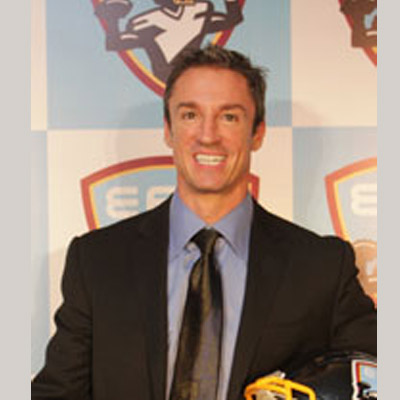
‘We plan to list at the US stock exchange to raise funds for the league’ : EFLI CEO Richard Whelan
There is a rush among sporting bodies to follow the Indian Premier League (IPL) way to build their sport. The latest to follow this route is American football.
The Elite Football League of India (EFLI) is making an entry with its first edition ready to kick off in November 2012 in Pune. The franchise model starts with eight teams, building up to a total of 52 by 2022 representing all Indian cities with a population in excess of one million.
EFLI will work with the Indian government to develop the first ever governing body for the game, similar to that of the BCCI and its governance of cricket.
Ten Sports has the rights to televise 33 games in the first season including Saturday and Sunday games as well as 13 Monday Night Football games. The league will commence its first nationally televised game beginning November 2012 and the inaugural season will run through February 2013.
EFLI plans to list in the US stock exchange to raise funds for the league.
In an interview with Indiantelevision.com‘s Ashwin Pinto, EFLI CEO Richard Whelan talks about the growing sports market in India.
Excerpts:
You have a scene where different sporting bodies are looking at leagues in India. What is the reason for this sudden push?
India is today one of the fastest growing economies in the world. Its vast middle class population acts as the backbone of its economy. They want more than just cricket; they are today watching F1, EPL, Wimbledon and various other sporting activities. This has encouraged people to explore opportunities in the dynamic Indian sports landscape.
When you look at the Indian sporting landscape, what is your vision for EFLI?
Looking at the sporting scene in India today, the future for EFLI looks very bright. Games like rugby, basketball and lawn tennis have gained a strong ground in this country. Moreover, F1 and other motorsports events too are getting off the ground. The environment for sports in India is very conducive.
Have you done any research to find out how American football is perceived in India?
Clearly we‘ve started from scratch, and the slate couldn‘t have been any clearer for us. This has been terrific. From the early responses to our training and orientation camps, we can tell that India has a great sporting culture hitherto unknown.
The message about the advent of American football coming to India spread virally at the ground level purely through word-of-mouth and we‘ve had a massive response with hundreds of candidates turning up for player and coach trainings. We are overwhelmed with this kind of response, and whilst we understand that we need to educate people about the sport in its entirety, the desire to want to learn is very strong.
Indians don‘t watch much of other sports except for cricket. A few major events like the soccer World Cup get some traction primarily among males. Do you see things changing in this regard?
We have seen some radical changes in Indian sports scenario in these recent years. As recent as two months ago, there was a report in one of the leading English Indian dailies that audience and advertising revenue are bound to multiply in the coming years and that Indians love to see American sports on television.
It‘s fast, furious and fun to watch. They further reported that according to Tam, Indian viewers are now watching sports other than cricket. There is no doubt in our minds that the EFLI has picked the right time for its Indian touchdown. Even women are keen on watching sports!
‘EFLI will create legal bylaws, working with the Indian government to develop the first ever governing body for the game, similar to that of the BCCI and its governance of cricket‘
You start with eight franchises. How will this be scaled up?
Economically, EFLI will have an astoundingly unmatched impact on India. The league will incorporate sponsorship from around the world and provide a platform for multinational companies to reach India‘s burgeoning retail market.
EFLI will auction eight teams internationally. An opportunity will be created within the Indian investment banking arena to offer franchise, league and team ownership to the public marketplace. India offers enormous room for growth within the industry of sport. The US sports industry is currently valued at a half trillion dollars leading the layperson to easily recognise India‘s potential to reach beyond the scope of the American precedent.
In order to achieve this standard, India must embrace and become a country of many sports. Football will lay the foundation and open the pathway for an explosive sports and media marketplace with reverberating impact into memorabilia and second and tertiary product sales. There is no question that, on behalf of India, football will elicit interest and participation from a broad spectrum of sporting enterprises once the door has been opened.
What are the different revenue streams available to franchises and have you spoken to any parties for feedback?
We are still working out these details.
On the broadcast front, have you signed a deal with anybody?
EFLI has signed letter of intent with Ten Sports to televise 33 games in its first season including Saturday and Sunday games as well as 13 Monday Night Football games.
The league will commence its first nationally televised game beginning November 2012 and the inaugural season will run through February 2013.
Could you talk about how you will partner the sports ministry to set up a governing body like the BCCI?
We have set up EFLI, the first ever American-style Football Federation in India. This allows for the non-profit entity to work directly with the central government of India for the benefit of Indian society.
EFLI will distribute 15 per cent of its revenue to the Sports Ministry of India to help maintain many of its ongoing programmes and facilities.
Also, the league will forge strategic alliances by offering ownership opportunities to all Indian entities; business, military, political, municipalities, private and public partnerships. The EFLI will create legal bylaws, working with the Indian government to develop the first ever governing body for the game, similar to that of the BCCI and its governance of cricket.
Could you give us an idea of the investments being made and by when you expect the venture to be profitable?
We plan to list EFLI at the US stock exchange to raise funds for the league. We are planning to raise around $10-12 million through this route. Americans know the growth story of India and want to invest in India.
The sports business industry is untapped and they are very familiar with the power behind American football. Besides tapping the US stock market, we are also looking at the option of raising funds from private investors but at this point we have quite a few options. We also have private investors and potential debt investors for equity down the line.
Is the initiative being done under the aegis of the NFL and do you have similar leagues in other markets?
No, EFLI has no affiliation with NFL. It‘s a completely independent entity which was formed by people sharing a similar thought process.
There are various other leagues which are present in the US today like the United Football League (UFL), or the Stars Football League which will begin from August 2011. Even Canada has its own football league called the Canadian Football League (CFL). Apart from these professional leagues, there are other various semi-pro and amateur leagues which are held in various parts of United States.
Could you talk about the team and support staff behind the EFLI?
EFLI‘s management is in the hands of a very dynamic and experienced team. We have Sunday Zeller, who is the founder of this exciting new initiative. She has worked as a marketing consultant in branding and positioning startup enterprises to help attract capital and attention for the past 22 years.
Then we have Alex Emmanuel who is the co-chairman. He was the Tata group global VP for Human resources. He has also worked with MNCs like ABB / Boehringer Mannheim. I am the CEO of EFLI. I come from a stock broking background. I had a firm called Moveable Cubicle. I have been involved in many start-up or early stage private companies, many of which went on to become publicly traded.
Mohan Bangera is our COO. Previously he was Videocon VP marketing and sales. He has been closely associated with sports since a long time. He is the Technical Council of Judo Federation of India Chairman. Bangera comes with 30 years of experience in this field as a player, coach and administrator.
We also have a robust executive management team with specialists from various backgrounds coming on board with their expertise in specific roles such as corporate alliances, production, events, marketing and choreography among other important job functions.
What are the different facets of the EFLI?
EFLI will create an exclusively Indian product packaged perfectly and specifically to advantage television and media support ultimately to become the most valuable sports franchise in the world.
Thousands of jobs will be created as a result of the immense need for coaches, athletes, trainers, referees, and support staff as well as the even greater demand for employees in the legal, maintenance, media, marketing and retail sectors.
EFLI will strive to eventually support the highest paid athletes in all of India. Founding athletes and coaches will have an opportunity to become owners of the league. The league will recruit and train a team that will physically and strategically compete at the level of the current US teams, one day defeating the US in competitive play.
EFLI will establish a grassroots educational project to incorporate the game of football in schools beginning at grade school level extending to universities which will feed the professional recruitment efforts. By introducing and supplying footballs and equipment along with the programme, the league will provide a much needed physical and intellectual stimulus through competitive game play to the male youth of India.
What are logistical challenges you will face and what is the strategy to tackle this?
Educating people about the game, providing them with the right kind of exercise and nutrition to be able to play the game in its true form will be our biggest challenge. And we are fully aware of this, and will do everything possible to make this best in sports entertainment.
What is American football‘s USP from a viewer‘s perspective compared to other sports that Indians follow like cricket and soccer?
Indian viewers have opened up to newer sporting events in recent years. Sports like rugby and badminton have gained momentum in the Indian sporting culture.
The introduction of American football will be a new robust sport that Indian viewers can look forward to. It‘s a game which needs speed, strength and strategy. These traits will keep the viewers to their seats. It‘s a total entertainment for the viewers.
In the US, American football has maintained its pinnacle in a competitive and fragmented market with the Super Bowl being the most watched event in the year. What are the learnings from this success that you would look to apply in India?
When football took off in America in 1960, there was a population of 180 million people; India has 1.2 billion.
America had 45 million TV households; India currently has 130 million and this is increasing exponentially.
The economic strength of the United States was $520 billion; the economic strength of India is currently more than double at $1.2 trillion and growing at a blistering pace! India is without doubt an exceptionally fertile market for the immediate and overnight success of the game of football.
Having said that, you have the disadvantage of a relative lack of awareness for American football compared to other sports in India. How will you work around this?
We agree that there is lack of awareness towards American football in the county but people are willing to know about this game. There is a huge Indian population in America which follows American football. This trend has passed on to the Indian audience as well.
EFLI believes that it will easily be able to capture the interest of the enormous population under the age of 30 which has shown proven interest in American form of sports. The EFLI will be branded as the “New and Cool” intelligent ultimate athlete gladiator sport and form of entertainment.
We also believe that the top US companies with an international presence or those looking to grow their international presence in this enormous 1.21 billion population market will have a keen interest in attaching their brands to the “proven power” of this game. The EFLI will capitalise from the unbelievable discrepancy between the number of unpaid athletes in the country and the enormous potential of gross revenue football has proven to capture through television and electronic media broadcasting, merchandising and licensing revenue, ticket sales, and local and corporate sponsorship as well as future team franchise sales.
We plan to establish EFLI as an educational project at the grassroots level to incorporate the game of football in schools beginning at school level extending to universities which will feed the professional recruitment efforts. By introducing and supplying footballs and equipment along with the programme, the league will provide a much needed physical and intellectual stimulus through competitive game play to the male youth of India.
What new technologies have come in to enhance the viewing experience of American football?
These aspects will be worked upon in close cooperation with our broadcaster partner. Needless to say we will offer our viewers a cutting-edge and technologically advanced viewing experience.
In terms of global television viewership, how does American football compare to the NBA, soccer and tennis?
American football has gained strong ground outside US. It‘s now a very popular sport in countries like Israel, Australia, Belgium, Brazil, Germany, England, Ireland, Italy, Japan, Mexico, New Zealand, Hungary, Norway and Spain. Ironically, these are the nations where soccer and rugby are a religion. In terms of viewership, the Super Bowl has a global audience of over two million – this is an impressive number.
What role do new media like mobile and social networks play for American football in building brand equity?
Mobile and social networks play a huge role in building a brand name for American football. These are the new platforms through which we can spread the word amongst the new generation.
They are connected through Facebook and Twitter for news and information, which I guess is apt to promote the game. Besides, new media tools like electronic and fantasy gaming have already proven their ability to attract consumers and also rake in huge profitability.
-

‘TV is the only medium that does not have geographic targeting’ : Amagi Media Labs co-founder Srinivasan K A
Geographic targeting of television advertising is a business that is still in a nascent stage in India. Once adopted by various players in the television advertising chain, it has the potential to be a game-changer in the way brands and products are promoted and aired in India.
Bangalore headquartered Amagi Media Labs (Amagi) has the advantage of being one of the first players in this space in India. Amongst the Amagi team are investor and board member N S Raghavan, who was one of the co-founders and joint managing director at Infosys, former ZeeEntertainment Enterprises Ltd CEO Pradeep Guha and ex-CEO of Tata Sky Vikram Kaushik as advisors.
Amongst the three founders at Amagi who run the show are Baskar S who works on strategy, investments and R&D, and Srividhya S who works on engineering and technology deployment.
In an interview with Indiantelevision.com‘s Tarachand Wanvari, Amagi‘s third co-founder Srinivasan K A. (Srini as he is called by his friends) talks about the company‘s strategy and growth plans.
Excerpts:
How does Amagi tap into advertisers who look at geographic targeting?
We at Amagi make TV advertising smarter. If you look at all the media options available to an advertiser now, except at a language level, TV is the only medium that does not have geographic targeting. We look to strike out that disadvantage for TV by bringing targeted advertising on this medium.
By rolling out our patent-pending technology infrastructure across the country, we enable different ads to be run in different regions on the exact same ad spot. So a single 30-sec ad spot can have different creatives running in different cities across the country.
So you have a business model that can assist local as well as national advertisers?
We have two business models. The first is local ads. Purchasing power across the top 100 cities in India is growing dramatically. This has been good for a variety of regional businesses in FMCG, retail, real-estate and education catering to the local population.
These businesses have the capacity to spend significantly in advertising to build their brand, but are limited by the absence of a viable TV advertising option.
Advertising on satellite TV is expensive and there is a significant spillage beyond their target geography for these businesses. So a lot of them have stayed away from satellite TV, except in pockets like Chennai, where a viable local option was available.
Amagi for the first time in the country has brought the option of advertising on satellite TV channels for a specific region at a fraction of the national price. This enables local businesses to build brands that emotionally connect with the local audience and unleashes the power of TV advertising for these businesses in the most cost-effective manner.
The second model is Ad Versioning. This business option is specifically targeted at large national advertisers. Ad versioning allows able to play different creatives in different parts of the country on the ad spots that they have already bought from the channel.
One example could be an advertiser can have different creatives for the same brand in different parts of the country – one with Aamir Khan in the north and Vijay in the south, say during an ad spot in a cricket match.
Another example could be to have different local promotions and offers on products in different regions which today are entirely done in print as TV is not isolatable by market.
This is the Holy Grail for advertisers who want to target Internet, but want the reach of TV. Amagi‘s platform enables this for advertisers.
Amagi also works with TV channels and operators to enable this option for advertisers.
How have the various players in the equation taken your offering – advertisers, agencies, television channels, MSOs and the cable operators?
This is a change in the way TV advertising is currently done. Amagi is working with multiple partners in the TV ecosystem to speed up adoption – obviously, anything as dramatic as this option requires time and patience and we are seeing adoption rate accelerating now.
We believe that this is good for advertisers and the broadcasters – as this brings more advertising monies to TV and improves productivity and effectiveness for the advertiser.
In the US, local advertising on TV is a $5 billion business, and has been working great for the whole TV ecosystem, and we believe that we can replicate the same success here in India. Like the US, India has a vibrant local economy that has largely been underserved from media availability perspective. We are filling that gap.
Amagi is bringing in a new set of advertisers at the local level, and a new set of product advertising from larger advertisers which never looked at TV as a viable option. We believe that this a great boon for TV channels as more advertisers and product categories would advertise on their channels, leading to higher yield and revenues.
Amagi partners with MSOs who for the first time have the opportunity to participate in sharing advertising revenue.
What is the size of the market for your services?
The size of the market comes from two parts: Regional businesses which contribute 40 per cent of print advertising in the country today; and large businesses that see that Amagi platform enables their ad spends to work better and provide 20 per cent-30 per cent effective over their current ad spends.
With these two market opportunities combined, the potential for this capability is above Rs 50 billion by 2015.
‘Amagi for the first time in the country has brought the option of advertising on satellite TV channels for a specific region at a fraction of the national price‘
What is driving your growth?We are an ad marketplace. We connect right content with right advertisers at the local level. Our growth comes from expansion across geographies, and bringing in a portfolio of TV channels that cater to the needs of local businesses.
We are currently in 15 cities across the country, including Mumbai and Delhi. We will be in 22 cities in the next 6 months. We believe that will give us the critical mass to bring a compelling bouquet of TV channels to local businesses; we will have established a local TV marketplace across the country.
Could you tell us how your system works and the safeguards from failure and intrusion or misuse or piracy that you have in your system?
Amagi places ad insertion systems in different cable MSO headends across the country. These systems uniquely and predictably identify the ad spot that is allocated for Amagi, and replaces them with different content in different regions.
Amagi is a completely automated technology platform and are securely controlled and monitored from a centralised location. So essentially these ad insertion systems cannot be programmed, tampered or intruded at these headends. The only way to programme them to do their activities is from a secure Amagi control server located in Bangalore. So, essentially these boxes have no way to be tampered at the local level.
Amagi has been running this technology for the past two years and has done close to half a million seconds of local advertisements across multiple advertisers across the country.
Amagi‘s technology is one of the most advanced, robust and comprehensive technologies in the world, where this is the only system that can handle dynamic requirements of sports, news TV channels with their dynamic scheduling needs and abrupt end of ad spots during sports events. We are in discussions with broadcasters outside the country as well, as this need is universal.
So this is a mature system with a built-in secure work-flow that guarantees no possibility of any misuse whatsoever.
How strong is competition in the space that you are in?
Rediff is one company that started earlier than us in trying to address a similar opportunity. I cannot comment on where they are in their lifecycle.
How scalable is Amagi?
We have a scalable technology platform, large sales force across 15 cities and hundreds of installations across the country, and are exponentially increasing the number of deployments as we speak. More than 230 advertisers have advertised on our platform with close to half a million seconds of advertising.
We believe this the future of TV, and would be happy to see more people exploring this opportunity as it will help build a vibrant marketplace.
-

‘We have grown without showing gruesome reality shows’ : Zoom Entertainment Television CEO Avinash Kaul
Zoom, the youth channel with a lazar sharp focus on Bollywood, has found its space in a competitive genre that is waiting to see the launch of UTV Stars in mid-August.
The channel has consciously stayed away from gruesome reality shows, protecting it from the volatile curve that its rivals like MTV and UTV Bindass are subject to.
In an interview with Indiantelevision.com‘s Gaurav Laghate, Zoom Entertainment Television CEO Avinash Kaul talks about how this positioning has made the channel a safe proposition for advertisers and ensured its growth across the content pillars that it has built after reinventing twice.
Excerpts:
It‘s over a one and a half year now that you have taken charge at Zoom. What changes have you brought?
There has been a lot of positive momentum that we have built at Zoom. For example, we have more than doubled our GRPs (gross rating points). We are now almost the genre leader.There were quite a bit of pieces that we have ironed out across the business. This includes content, distribution, marketing, and ad sales pillar… all the components of the business, as the dynamics of the business change every day. And it needs re-orientation of how to work things out.
So that‘s what we were focussing on. And we have been successful in all the ventures that we have been in, so far. This is reflecting in the results (ratings) today. And the remarkable thing is that these results are without any reality shows, unlike other channels.
Zoom is about wholesome inclusive family viewing entertainment, and we do not cater to any gruesome reality show. There are no beepers, no pixilation, and no grungy outlook towards life. We believe in the positive outlook.
Define your market?
We specifically target the 1 million + towns in the HSM, 15-24 SEC AB. If you look at the content mix of anybody else in this genre, more than 50 per cent of content comes from the reality shows. And they keep going up and down. A Roadies, for instance, will take them (MTV) to a high and once it is over, they will come back to right at the base.So basically, for 13 weeks in a year, you will see a high on some channels or the other. You have to look at consistency, which we offer, because we don‘t have such dramatic crests and dramatic troughs. So for an advertiser it‘s a safe proposition, technically.
But for such shows, do advertisers pay a premium?
Advertisers look at the cost-benefit ratio – the cost of making the content versus the returns that you are likely to get from the content. And not all of this is enviable to all of the advertisers. Because with a lot of content, many advertisers might want to associate, many might not to. So it‘s about the environment you create. We have not created any negative dissonances on the content front on the channel and we do not expect anything to change dramatically in the future to go into that zone.We have very carefully navigated ourselves out, staying away from that temptation. Demographically, we are aimed at youth but our focus has been Bollywood and we will keep that focus. Which is why today we see that you would see us as India‘s No.1 Bollywood channel, right because that‘s a statement we can obviously make.
There is not too much competition also ?
Well the way we look at the competition, we have various content pillars- we have Bollywood news, we have music, we have movies, we have countdowns and we have features. These are the kind of programming we do at Zoom today. So when I look at my review show, it performs better than any other on other channels including Hindi news. So as long as I am the best in every pillar that I am present in, I am in safe hands. Today my Bollywood news performs better than any other mainstream Hindi news channel‘s news flash.As far as standalone 15-24 HSM, 1 millionn+ is concerned in Bollywood news dissemination, Zoom is ahead. Of course, I do far more of it because I am a dedicated channel as opposed to say one bulletin on Aaj Tak or any other news channel.
When I am playing music, I am the No. 1 in the music band. As long as you are successful in all the pillars, your proposition is entirely secured.
‘We have various content pillars- Bollywood news, music, movies, countdowns and features. As long as I am the best in every pillar that I am present in, I am in safe hands‘So how do you see Zoom poised today?
Today, Zoom is India‘s No. 1 Bollywood channel, and technically, I would rather go to the extent of saying that we are the world‘s No. 1 Bollywood destination. Because as a network (Times Television Network), we are available in 18 countries, out of which Zoom is in over 15 countries. Now that is again the Bollywood connect spreading out.So we reach out and fulfil their daily dose of Bollywood. If I give you some statistics, we are today the No. 2 channel on YouTube in India and 18th in entertainment in the world. Today, as we talk, we have over 420 million views on YouTube and every week, we get 5 million hits on an average. Now that‘s massive consumption.
Our Facebook page has around 700,000 followers. And as per tracking sites are concerned, we are No. 2 or No. 3 page in India on Facebook among the media channels‘ pages. As far as interactivity is concerned, we get around 20 million impressions every week on Facebook. This is because the interactivity element that we have built is far more superior. Every post of ours gets over 5000 responses in terms of likes and comments.
We also syndicate our content internationally to various channels, and locally to regional channels here. As a result, the cumulative exposure to the content created by Zoom gets magnified at every level.
So what all are your revenue streams?
Digital is a very important component for us. As we have specialised content, our realisation from digital is very healthy. Branded content is another significant part and we also have got syndication as a model.So these are the three big chunks. Then we are a pay channel, so we get international and domestic subscription revenues. That balances our portfolio pretty decently; it‘s a well diversified, well matured business.
Coming to your programming mix, how do you justify having movies on your channels?
Our choice of movies is something very contemporary, very youth. We will stretch the envelop to go for those kinds of movies that may not be top grossers but give you ratings.We are looking at contemporary Bollywood movies which are aimed at youth so that there is a better opportunity to weave it…Fashion for example, would find a way on our channel.
So how is your content mix at present?
If you consider the 18 hours cycle of Zoom, you will get 40-45 per cent of music, which is all contemporary; 15-18 per cent is movies, 20 per cent is from news fillers and the balance is from features and countdown shows.So far there was no competition for Zoom in a true sense. Now UTV is launching UTV Stars, which will be in similar space. How do you see competition brewing?
So we hear, but honestly, very little to comment till we see the actual product on air. Anything else can be a ‘me too‘.We have had competition; E24 launched, but hasn‘t really been able to cut much ice. There are so many channel launches every day.
But don‘t you think that UTV Stars will have an advantage as it is also into production of movies?
Well I would argue that not having a studio is beneficial for us because we are agnostic. We have no vested interest in Bollywood.Today, our business is well diversified. It is not just a TV channel; it‘s a Bollywood ecosystem that we have created over the years. So honestly, we do not see any immediate threat.
A party which is neutral, which has consistency of business, consistency of investing in the business and which is serious about the business, will only succeed.
As a group, whatever we stand by, we commit; we invest, we build, we grow…and that too profitably. So that‘s the key operating word for us. We are not in business for the sake of business, we are in business for profitability.
How many new clients do you have advertising on your channel?
Technically, the highest client count on the genre is with us. It is around 230-240 clients active in a year. In terms of volumes, we are right among the top, if not the top.We have a better value proposition for the advertisers in the sense that we, for example, have not been able to crack the HUL business for a while now. Until and unless the client sees the value proposition, we are not going out of the way to seek their business.
As far as the business is concerned, I have no reason to believe that we are any less than the top in the particular segment. Yes, certain tent pole properties might give an edge, only to say a channel like MTV, but not to anybody else.
So as far as the pure vanilla advertising business coming from advertisers is concerned, I would probably put up as a strong competitor. Purely talking about the advertiser lead business.
So what all new shows are coming?
We are looking at a healthy mix of new shows. There will be shows related to Bollywood and fashion. We are looking at properties which could probably like a Style-cop. We are also looking at a show which will bring in the advent of Bollywood stars on television, Telly Talk. The view primarily is to look at the cross-border pollination that has happened and focus on that angle on what‘s happening in the Bollywood space.We have just launched Big Story and, yes, there will be some shows which will be built for appointment viewing, but not with beeps and pixels. We will be unveiling them shortly.
We will also be shortly announcing Bollywood Summit.
Your comments on the genre you are in?
The genre is very dynamic; audience is fickle, every year 10 per cent of audience moves out and a new set of audience comes in. It is just 9 years old and the attention span is small. So we go all out to tap that audience. -
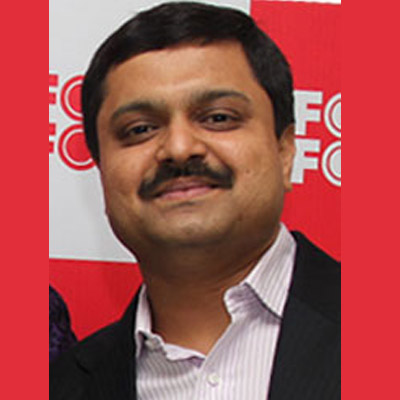
‘Food chnnls have tremendous potential to grow’ : FoodFood COO Karthik Lakshminarayan
FoodFood, one of the three recently launched food specialty channels in India, is completing six months on 24 July. With Sanjeev Kapoor and Astro as promoters and Madhuri Dixit as the lifestyle promoter, the channel took up the challenge of growing a new genre in India.
Indiantelevision.com‘s Gaurav Laghate caught up with FoodFood COO Karthik Lakshminarayan to talk about the plans ahead and the journey so far.
Excerpts:
FoodFood is completing six months of operations. Has it been a bumpy or a smooth ride for a channel that is exploring a new genre in India?
We are on track as per our business plan. We launched in January and as we are completing our first phase, we are seeing a healthy growth in terms of ratings as well as revenues.Being a speciality channel in Hindi, our connectivity in the Hindi speaking markets is approximately 60 per cent, which is quite good. Also if you see our reach, we have a 5.7 per cent reach in C&S households, while in the core TG of Female 25+ Sec ABC, our reach is almost 9 per cent.
Isn‘t the ratings too narrow at this stage?
Our reach is growing and in the core TG we are in the 8-12 GRPs (gross rating points) band. We are more than double of the competition (Zee Khana Khazana and Food First) in terms of ratings as well as time spent on the channel. Our weekly average time spent is over 30 minutes per user, which is extremely healthy.So, you see, there is no immediate competition. However, having said that, we do feel there is more potential for the genre to grow. But there is no benchmark as such. If you see the US market, the food channels are doing really well, and we see similar potential here also.
So are you planning to take the channel overseas?
There are definitely plans to take the channel to the international markets. We have already signed carriage deals in the Middle East and will launch FoodFood there soon. We are a Hindi food channel and will cater mainly to the Indian diaspora.FoodFood seems to be the only channel in this genre that is spending on distribution. How big is your carriage payout?
I do not call it spend. It is an investment me make for distributing the channel. And as far as our position on the cable platform is concerned, we try to get in the Hyper-band and we are also available on S-band in certain markets.The industry is very dynamic and one has to always fight for the right band.
Having said that, we are now entering into the second phase of growth. We will step up our investments in distribution, marketing and content.
‘We are now entering into the second phase of growth. We will step up our investments in distribution, marketing and content. ‘And in content?
When we launched the channel, the buzz generated by Bollywood actress Madhuri Dixit (lifestyle ambassador of the channel), and Sanjeev Kapoor (promoter, celebrity chef) took us to a certain level. Now with our programming, we are going to cash on it.Very soon, you will see the launch of our biggest reality show – Maha Challenge which will have both Dixit and Kapoor and their teams of women and men battling it out to answer who is the better cook – men or women. It is a battle of sexes in its true sense. The 13-part series is being produced by Fremantle India. We will launch it in September and you will see Dixit for the first time in this role on television.
We will also launch another reality show Secret Recipes in which people will come with their recipes and will cook with Kapoor.
How many advertisers do you have on board now?
We have over a dozen advertisers right now including Amul and Samsung. Most of them are either kitchen appliances or food related clients, who get perfect exposure on FoodFood.And all these get integrated seamlessly in the shows that we air. We do not want to clutter our shows with advertisements at this time and we have only 4-5 minute ads in the half-hour slots.
-

‘India is our largest revenue contributor’ : TSA Group CEO Marcus Luer
As it plans to grow its business in India, Total Sports Asia (TSA) is looking at media formats that combine sports with lifestyle.
Plotting an aggressive growth strategy, the sports marketing company has been able to double its India business year on year.
The business in India has been divided into three verticals – media, licensing and events and sponsorship. Forty per cent of the business comes from media. Another 40 per cent comes from events and sponsorship, while licensing takes up the rest.
In an interview with Indiantelevision.com‘s Ashwin Pinto, TSA Group CEO Marcus Luer talks about the challenges sports marketing companies face in Asia.
Excerpts:
How has the business grown over the last couple of years?
In the TV rights and production business, we are physically involved in over 50 live events across the globe. We provide satellite and production service to our core properties in badminton, table tennis, squash and boxing. We own and sell major properties worldwide including BWF Super Series, ITTF Pro Tour and all other ITTF events, PSA Pro Tour, AIBA Boxing and the World Series of Boxing.So far as partnerships and sponsorships go, we work on both ends of the spectrum. We work directly with rights holders and help them find new partners in Asia, including major football clubs from Europe, F1 teams, US Open Tennis and ITTF Pro Tour.
What challenges did the economic downturn pose for you?
2008-09 were not “fun” years. We had invested heavily into new areas, manpower and had lost a big account. We stuck to our core principals and retooled certain areas of the business. We are on target to have our best year ever.As it plans to grow its business in India, Total Sports Asia (TSA) is looking at media formats that combine sports with lifestyle.
Plotting an aggressive growth strategy, the sports marketing company has been able to double its India business year on year.
The business in India has been divided into three verticals – media, licensing and events and sponsorship. Forty per cent of the business comes from media. Another 40 per cent comes from events and sponsorship, while licensing takes up the rest.
In an interview with Indiantelevision.com‘s Ashwin Pinto, TSA Group CEO Marcus Luer talks about the challenges sports marketing companies face in Asia.
Excerpts:
How has the business grown over the last couple of years?
In the TV rights and production business, we are physically involved in over 50 live events across the globe. We provide satellite and production service to our core properties in badminton, table tennis, squash and boxing. We own and sell major properties worldwide including BWF Super Series, ITTF Pro Tour and all other ITTF events, PSA Pro Tour, AIBA Boxing and the World Series of Boxing.So far as partnerships and sponsorships go, we work on both ends of the spectrum. We work directly with rights holders and help them find new partners in Asia, including major football clubs from Europe, F1 teams, US Open Tennis and ITTF Pro Tour.
What challenges did the economic downturn pose for you?
2008-09 were not “fun” years. We had invested heavily into new areas, manpower and had lost a big account. We stuck to our core principals and retooled certain areas of the business. We are on target to have our best year ever.Are things back to normal now or has the Japan earthquake set things back?
Sports marketing in Asia has been back to normal since 2010, which was also a big Football World Cup year. I believe the industry has growth potential for the next 20-30 years. Of course, there will be course corrections based on global macro economic problems or more domestic issues in key markets which will affect everyone.On the other hand, sports marketing is still only a toddler in Asia and has plenty of years left before it reaches levels of maturity as seen in the US, Europe or Australia. Certain sports have already been developed like cricket in India. But even cricket has plenty of room to improve and grow. As powerful as the IPL is, it‘s not on the same level of professionalism as major football Leagues in Europe. For a still relatively new League, it has done incredibly well and has plenty of room to grow and improve.
How has the business in India grown?
The business from India has been doubling year on year. India has always been a very important market, even prior to 2004 when we set up our local subsidiary. Over the years, India has now grown to be the single largest country in terms of revenue contribution to the group.
‘We already have great scale in India and do very little in cricket. That just shows that there are plenty of other areas to concentrate on and grow the business outside cricket‘Given that India is a one sport country, what is the strategy to build scale here?
We already have great scale in India and do very little in cricket. That just shows that there are plenty of other areas to concentrate on and grow the business outside cricket.We have divided the business into three verticals – media, events and sponsorship and licensing. We do six to seven events a year.
How did you get involved with the Delhi Golf Club?
The Delhi Golf Club made the most sense for us in terms of taking the rights for their calendar year and getting sponsors. We have got sponsors like Mitsubishi Motors and China Tourism. The other option is to do a one off event like everyone else. We did not want to get into a crowded space.How are you going to get involved with the F1 event here?
In F1, our focus is on the teams and only occasionally we work with the local races.I do believe that F1 viewership and general interest in the sport will dramatically grow in India over the next three-five years. I saw it first hand in Malaysia where F1 was unknown to the general public prior to the first race in 1999; now everyone seems to be an expert. I have no doubt that F1 will have a similar success in India. It‘s an amazing product and even more exciting to watch live than on TV.
Once Indian corporations have a chance to see the F1 spectacle live, they will get the idea pretty quickly on how to leverage the power of it in the local market and even worldwide.
In India what work are you doing to grow soccer?
We have worked with several clubs including Churchill Brothers to help them grow their commercial revenue streams. We had partnered with CAA to bid for the rights, which now are handled by IMG/Reliance. So we were ready to invest considerable resources into the sport, but unfortunately came up a bit short.We are seeing sports bodies and agencies making a bigger push in India. WWE just set up an office here. IMG Reliance is doing work to push sports. How will all this activity benefit the sports marketing environment here?
It clearly will grow the size of the pie,,there is no doubt about it. Just like Cricket, there are several other sports which have good growth potential. It has happened all over the world and will happen here as well. Clear second tier sports will emerge and will develop their own niche and space.Growth will be led by new star players emerging in certain sports; the 2012 Olympics will particularly unearth new talent. Sports will be driven by corporations seeking new ways to reach consumers and being driven or prized out of cricket.
Are you looking at the possibility of a JV in India like what IMG has done with Reliance?
We are always open to team up with powerful partners.In terms of leveraging their brands, to what extent is digital becoming important for sports federations and sports marketing agencies?
The digital world is a huge opportunity for sports in general. Niche sports can now deliver their content directly to their fan base without having to rely on the big sports platforms or channels.At the same time, sports is the only true “appointment TV” and, therefore, will continue to drive pay TV and other traditional media platforms as it caters to huge audiences — “live”.
The only difference is sports, where it is all about live experience; no one will tape a crucial match of their favourite team, player or sport. People make “appointments” to watch it live; the delivery mechanism and the viewing experience might change but not the desire to see it while it unfolds. That‘s the true power of sports.
What progress has your online streaming service Total Sports TV made since launch?
It‘s an on-going case study into the digital world for us. We don‘t claim to have found the ultimate solution yet — but it gives us exposure into a new fast developing area and will lead to new business opportunities down the line.How is Total Sports Asia planning to get involved with the 2012 Olympics?
I assume that the economic impact in Asia will be much smaller compared to 2008. We are working with several companies who are major Olympic sponsors and helping them with marketing and leveraging ideas and implementation across the region.I believe the London Olympics will be big in Asia, because of the host city itself. Beijing was unique in many ways and might not be topped in terms of the sheer scale and size. But I have no doubt that London will set new standards in many other ways. Overall, the Olympics will definitely grow in Asia and we will see more and more global sponsors trying to take its advantage by making it locally relevant.
What are the new technologies coming up here that are enhancing the viewer‘s experience?
Our racket sport production business is growing dramatically this year. We have brought in many innovative ideas such as speed guns and virtual technology to enhance the viewer experience. We are also aiming to provide fans with new data and info about their sport.We will continue to work with our Federations to push new technologies and ideas, while making it commercially viable at the same time.
Sports marketing in Asia has been back to normal since 2010, which was also a big Football World Cup year. I believe the industry has growth potential for the next 20-30 years. Of course, there will be course corrections based on global macro economic problems or more domestic issues in key markets which will affect everyone.
On the other hand, sports marketing is still only a toddler in Asia and has plenty of years left before it reaches levels of maturity as seen in the US, Europe or Australia. Certain sports have already been developed like cricket in India. But even cricket has plenty of room to improve and grow. As powerful as the IPL is, it‘s not on the same level of professionalism as major football Leagues in Europe. For a still relatively new League, it has done incredibly well and has plenty of room to grow and improve.
How has the business in India grown?
The business from India has been doubling year on year. India has always been a very important market, even prior to 2004 when we set up our local subsidiary. Over the years, India has now grown to be the single largest country in terms of revenue contribution to the group.
‘We already have great scale in India and do very little in cricket. That just shows that there are plenty of other areas to concentrate on and grow the business outside cricket‘Given that India is a one sport country, what is the strategy to build scale here?
We already have great scale in India and do very little in cricket. That just shows that there are plenty of other areas to concentrate on and grow the business outside cricket.We have divided the business into three verticals – media, events and sponsorship and licensing. We do six to seven events a year.
How did you get involved with the Delhi Golf Club?
The Delhi Golf Club made the most sense for us in terms of taking the rights for their calendar year and getting sponsors. We have got sponsors like Mitsubishi Motors and China Tourism. The other option is to do a one off event like everyone else. We did not want to get into a crowded space.How are you going to get involved with the F1 event here?
In F1, our focus is on the teams and only occasionally we work with the local races.I do believe that F1 viewership and general interest in the sport will dramatically grow in India over the next three-five years. I saw it first hand in Malaysia where F1 was unknown to the general public prior to the first race in 1999; now everyone seems to be an expert. I have no doubt that F1 will have a similar success in India. It‘s an amazing product and even more exciting to watch live than on TV.
Once Indian corporations have a chance to see the F1 spectacle live, they will get the idea pretty quickly on how to leverage the power of it in the local market and even worldwide.
In India what work are you doing to grow soccer?
We have worked with several clubs including Churchill Brothers to help them grow their commercial revenue streams. We had partnered with CAA to bid for the rights, which now are handled by IMG/Reliance. So we were ready to invest considerable resources into the sport, but unfortunately came up a bit short.We are seeing sports bodies and agencies making a bigger push in India. WWE just set up an office here. IMG Reliance is doing work to push sports. How will all this activity benefit the sports marketing environment here?
It clearly will grow the size of the pie,,there is no doubt about it. Just like Cricket, there are several other sports which have good growth potential. It has happened all over the world and will happen here as well. Clear second tier sports will emerge and will develop their own niche and space.Growth will be led by new star players emerging in certain sports; the 2012 Olympics will particularly unearth new talent. Sports will be driven by corporations seeking new ways to reach consumers and being driven or prized out of cricket.
Are you looking at the possibility of a JV in India like what IMG has done with Reliance?
We are always open to team up with powerful partners.In terms of leveraging their brands, to what extent is digital becoming important for sports federations and sports marketing agencies?
The digital world is a huge opportunity for sports in general. Niche sports can now deliver their content directly to their fan base without having to rely on the big sports platforms or channels.At the same time, sports is the only true “appointment TV” and, therefore, will continue to drive pay TV and other traditional media platforms as it caters to huge audiences — “live”.
The only difference is sports, where it is all about live experience; no one will tape a crucial match of their favourite team, player or sport. People make “appointments” to watch it live; the delivery mechanism and the viewing experience might change but not the desire to see it while it unfolds. That‘s the true power of sports.
What progress has your online streaming service Total Sports TV made since launch?
It‘s an on-going case study into the digital world for us. We don‘t claim to have found the ultimate solution yet — but it gives us exposure into a new fast developing area and will lead to new business opportunities down the line.How is Total Sports Asia planning to get involved with the 2012 Olympics?
I assume that the economic impact in Asia will be much smaller compared to 2008. We are working with several companies who are major Olympic sponsors and helping them with marketing and leveraging ideas and implementation across the region.I believe the London Olympics will be big in Asia, because of the host city itself. Beijing was unique in many ways and might not be topped in terms of the sheer scale and size. But I have no doubt that London will set new standards in many other ways. Overall, the Olympics will definitely grow in Asia and we will see more and more global sponsors trying to take its advantage by making it locally relevant.
What are the new technologies coming up here that are enhancing the viewer‘s experience?
Our racket sport production business is growing dramatically this year. We have brought in many innovative ideas such as speed guns and virtual technology to enhance the viewer experience. We are also aiming to provide fans with new data and info about their sport.We will continue to work with our Federations to push new technologies and ideas, while making it commercially viable at the same time.
-
‘We are now in a very strong position to overcome any new challenges in the Indian marketplace’ : WWE International executive VP Andrew
Earlier this year to better reflect its business, World Wrestling Entertainment rebranded as WWE. Among other things, it is looking to develop new television products including scripted, non-scripted and animated programmes as well as the launch of a new WWE Network in the next 12-18 months.
Recognising the importance of India, the company this month set up an office here with Rukn Kizilbash as its head. The company has a strong association with Ten Sports and is also exploring possibilities of putting its content on regional channels.
In an interview with Indiantelevision.com‘s Ashwin Pinto, WWE International executive VP Andrew Whitaker talks about the company‘s growth plans in India.
Excerpts:
You recently opened an office in Mumbai. Given that this is an important market, why did it take so long?
India has been one of our most successful television markets for a number of years now. In line with our global strategy, since we have begun to introduce our other lines of business, the time is now right to begin building a more local presence in the market. The Mumbai office is the first step of that process.Could you talk about the opportunities and challenges that you will face in India?
With our new Mumbai office and Rukn Kizilbash in place as general manager India, as well as our strong TV penetration with Ten Sports and other lines of business, we are now in a very strong position to overcome any new challenges in the marketplace.We have an extremely loyal and extensive fan base in India and are highly confident about the opportunities open to us in this important market.
How have you built upon the relationship with Ten Sports?
Ten Sports is pivotal to our success in the market. We deliver fresh original content 52 weeks of the year and are able to provide new content to meet with the growing demands in the market. The promotional strategy we deploy with Ten Sports includes implementing regular local consumer promotions and bringing WWE Superstars to market every year.Are you talking to regional channels regarding having your content being seen there?
We are working with Ten Sports to see if we can make some content available on regional channels.Live events will play a big role in terms of growing the fan base here. What can we expect?
We have held live events in India in the past and I think this is something we will consider for the near future.“We are working with Ten Sports to see if we can make some content available on regional channels”You now have a talent development department. Is India going to be a part of this?
We have seen a number of non-American talent prosper within WWE, from The Great Khali to Rey Mysterio and more recently Alberto Del Rio, Sin Cara and Sheamus. In fact this year we signed a new talent from India, Jinder Mahal.This success indicates a significant appetite and opportunity for us to actively recruit international talent and it is an area we will continue to invest in across all markets, including India.
How have you grown the studio side of the business over the past couple of years?
From 2010 through 2012 we have a full slate of nine movies, four of which have been released so far. These are ‘Legendary‘, ‘Knucklehead‘, ‘The Chaperone‘ and ‘That‘s What I Am‘.We have successfully deployed a deal by deal model which allows us to achieve structural efficiencies per movie. This model has seen our movies released through multiple platforms around the world including theatrical, home video, pay-per-view, VOD/Pay TV and Free TV. The remaining releases for this year include ‘Inside Out‘ and ‘Family Reunion‘.
Is there a chance of doing a film co-production in India?
It‘s certainly something we may consider. We enjoyed a successful partnership last year with Viacom whereby one of our top WWESuperstars, The Great Khali came runner up on Bigg Boss.There are a number of parallels to be drawn between WWE and Bollywood and we see great opportunities for us in this area.
What strategy has WWE followed to grow the brand globally over the past couple of years?
Our global growth strategy on a market by market basis is first to bring WWE‘s television programming into the marketplace, which is usually the starting point to begin engaging fans and bringing our unique form of entertainment into people‘s homes. Once we have established a strong television audience, we then look to introduce our other multiple lines of business, from live events where fans can see our Superstars live and in person to our vast lines of consumer products, digital media and publishing.WWE is a global business, seen in more than 145 countries in 30 different languages, and key to our successful global growth is our local office presence. We have offices in Stamford, New York, Los Angeles, London, Shanghai, Singapore, Tokyo and now Mumbai, which are fundamental to our local level operations.
Has there been any change in terms of how fans in India and globally perceive WWE?
I think that our fans have always understood that WWE is fundamentally an entertainment business. In India our partnerships with the likes of Ten Sports, Sify and Mattel provide our fans with multiple brand touch points across TV, online and consumer products and our fans have responded well to our evolution and growth as a family-friendly integrated entertainment business.To what extent has the share of revenue from international markets grown? Which are the top three markets?
When we set up our first international office in London in 2002, international revenues were worth $32 million. That figure has now grown to over $133 million.Outside of the USA and Canada, our biggest markets are the United Kingdom, Mexico and France.
In terms of your various divisions, which has shown the healthiest growth and why?
Internationally, our television business continues to grow and remains our most profitable division. We have also expanded our global live events business, now scheduling more than 70 international live events on an annual basis.Since 2006 international consumer products revenue has doubled, meaning that the retail brand value of WWE now exceeds $1 billion per year globally.
In terms of the new business model, which are the key focus areas?
There are two key components to WWE‘s recently announced brand expansion plans. First, the company will maintain a strong focus of growing its core business on a global basis and announced that Paul “Triple H” Levesque will be heading a new talent development programme.In addition, innovation will be the key to the long term growth through new consumer product launches, new television programming and international growth.
The second component will be the active pursuit to acquire entertainment content companies and the outsourcing of WWE‘s core competencies – television and film production, live event production and licensing.
What targets has WWE set for this year?
Internationally, our focus continues to be on the Bric markets on the back of our recent TV launches with 2×2 in Russia and EI in Brazil and the growth of our already established business operations in India and China.As mentioned above, our new talent development department will be another key focus for us in 2011.
What growth has there been in terms of doing international tours and holding ‘Raw‘ and ‘Smackdown‘ abroad?
As I mentioned above, we operate over 70 live events internationally each year and are continuously exploring potential new live event markets. In the last five years, we have held live events in 35 different countries.To date, we have taken our Raw and SmackDown TV events that you mention to three markets outside of the USA and Canada – the UK, Japan and Italy – and in May of this year we announced that in October 2011 Mexico will become our fourth international market to host our Raw and SmackDown TV events.
You recently rebranded as WWE. What was the aim?
WWE is constantly evolving and this is simply the next step in that evolution to provide a ‘bigger, badder and better‘ – as we say in our advertising campaign – entertainment product for our fans.There has been talk about mixed martial arts and boxing now providing more competition for your viewership globally. I would appreciate your take on this?
We don‘t view MMA or boxing as competitors for our viewership globally. Their product is completely different to WWE. Whilst they may borrow from various elements of WWE‘s production to entertain their own fans more, what they provide is a pure sporting spectacle.We view our competition as any live or televised family entertainment event.
You have stars of the past returning briefly like Bret Hart. Is the aim to reinforce WWE‘s brand value?
We are fortunate enough to have an extremely loyal and diverse fan base on a global basis, spanning all ages. As such, WWE has the ability to bring back stars of the past and feature them in programming from time to time, thereby creating both nostalgia and new storyline angles.What role is the global tie up with Mattel playing in growing your licensing and merchandising business?
With Mattel, the number one company in toys, WWE has enjoyed impressive growth in its toy revenues. Mattel‘s distribution footprint is unrivalled.Allied to the reality of reaching more fans and customers in more countries is Mattel‘s innovation of various WWE lines.
New play patterns in the action figure segment as well as bringing genuine scaling mean the current line of action figures are as accurate and detailed in their depiction of WWE Superstars than ever before.
How are you growing the consumer products business in India?
We have announced our appointment of the specialist licensing agency Dream Theatre to undertake the task of developing a scaled up programme of branded consumer products.Local licensees in apparel, footwear, stationery, publishing, magazines, nightwear, underwear and novelties are due to be added over the next two years to compliment the efforts of Mattel, THQ and Topps. We anticipate direct to retail tie ups and traditional licensees representing WWE‘s business as it continues its efforts to grow distribution as India‘s retail landscape continues to change and mature.
Piracy is a big concern especially in markets like China. How are you tackling this issue?
WWE is actively engaged in minimising the impact of piracy and counterfeit products on its businesses. We have a robust and mature trademarks registration and protection policy.The company takes down sites in real time that illegally stream WWE‘s PPV‘s, which otherwise represent a significant segment of annual revenue. The company also ensures that it seizes all counterfeit goods and legally challenges those companies and individuals found guilty of their manufacture and distribution.
Piracy is a problem all over the world and cheats fans of genuine articles. It is a cost burden for brands and limits the investment being made in new lines for those consumers purchasing the genuine and authentic branded products. We are committed to continuing to do our utmost to protect our IP in every country.
How is WWE expanding its presence in the digital space?
WWE has seen 1,000 per cent growth over the last year in worldwide fans to our Facebook pages. We are currently working with Sify, our web partner in India, to create a WWE branded Facebook page with a few simple but powerful goals in mind:To build a direct connection with our fans in the local market, create awareness of our local site (wwe.in), encourage brand loyalty through special offers and promotions, and give fans the opportunity to connect and share their passion for our brand with other fans.
Could you shed light on how social networks are changing the equation between WWE and its fans?
The way I see it, the rapid adoption of social networks gives a large amount of power to the fan. It is less about “selling” and more about engaging with the fans. WWE is taking a more editorial rather than a promotional approach with social networks. The key is to use social networks to entertain and inform while subtly marketing to fans.Are the social networks allowing you to change course and take corrective action quicker?
Absolutely! social media gives us immediate feedback to everything we do as a company.We have Facebook pages for many of our products from the WWE Superstars to our merchandising and the information we receive is shared directly with our creative and editorial teams. Social media feedback is key to our future initiatives.