Category: Executive Dossier

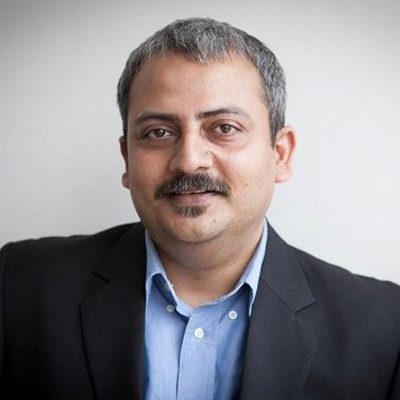
  • ‘Sharper market segmentation a must in digital India’ : CEO of Viacom18 Sudhanshu Vats

    ‘Sharper market segmentation a must in digital India’ : CEO of Viacom18 Sudhanshu Vats

     Sudhanshu Vats couldn’t have walked into the crease at a better time to start his innings as the Group CEO of Viacom18, a 50:50 joint venture company between TV18 and Viacom. Colors had settled as one of the leading Hindi general entertainment channels (GECs) while MTV was also sustaining growth.

    Vats’ task was to grow Colors to a new level, chalk out expansion plans and clock faster growth for the company. His focus was also on profitability and a step in that direction was to shelve the launch of a Hindi movie channel.

    Viacom18 saw opportunity in launching segmented channels at a time when India’s cable TV networks were asked by the government to digitise. So Sonic, Comedy Central and Nick Jr. were launched in quick succession.

    Vats’ next big growth pillar could be the addition of the ETV GECs. TV18 Group has offered Viacom the option to acquire the remaining 50 per cent stake in ETV’s five GECs and 24.5 per cent equity interest in ETV Telugu.

    This is a follow-up to the acquisition deal inked by TV18 in January 2012 to acquire 50 per cent stake in ETV‘s Marathi, Bangla, Kannada, Gujarati and Oriya entertainment channels, along with the option of picking up the balance 50 per cent interest. It also has 24.5 per cent stake in ETV Telugu and can add a similar equity interest in the Telugu GEC.

    After getting Viacom’s equity participation, the ETV GECs will get housed under Viacom18. The new owners will, thus, get full ownership of the five ETV GECs (ETV Marathi, ETV Bangla, ETV Kannada, ETV Gujarati and ETV Oriya) while half of ETV Telugu’s equity will get transferred.

    An FMCG industry veteran with over 21 years of experience, Vats feels that the Indian broadcasting industry has huge growth potential with the onset of digitisation and opportunity to correct advertising rates.

    In an interview with Indiantelevision.com‘s Sibabrata Das, the Group CEO of Viacom18 talks about the company‘s portfolio of channels and its growth plans in the backdrop of digitisation.

    Excerpts:

    Q. Has TV18 Group offered Viacom the option to buy the remaining 50% stake in five of ETV’s regional general entertainment channels and 24.5% equity interest in ETV Telugu? 

    Viacom has the option to acquire stake in ETV’s entertainment channels. A due diligence is being conducted.

    Q. Will the ETV GECs be housed under Viacom18?

    That will depend upon Viacom’s approval to pick up equity in the ETV assets.

    Q. So the next pillar of growth for Viacom18 will be the regional channels?

    We have been aggressive all along. We have launched three channels (Sonic, Comedy Central and Nick Jr) within a year’s time to take our total bouquet offering to seven. When the ETV channels integrate, we will have a new growth area in regional-language entertainment broadcasting.

    Q. Will we see regional movie channel launches as well?

    We are not looking at that at this stage. We will, however, be acquiring movies for the regional GECs when they come our way.

    ‘We will definitely evaluate the regional music broadcasting space. We are entering into regional movie production’

    Q. Even the launch of the Hindi movie channel was shelved. Does this mean that there is a focus on segmented products rather than mass entertainment channels that consume huge capital?

    We are committed to most of the genres. We have no immediate plans to look at sports or movies in the broadcasting space.

    The business case for a Hindi movie channel from us looks weak at this stage. We can’t come out with a product that is differentiated enough. The other question we ask ourselves is whether we have the right library. The answer is in the negative. The acquisition prices have also climbed steeply. And our studio business, which can provide captive content for the channel, is growing but needs to size up more.

    Q. So the growth strategy at this stage also fits into your overall philosophy of segmentation and psycho-graphic market approach which you carried out so well during your long stint at HUL?

    We have been sharply segmenting the market, particularly in the kids television space. We have Nick Jr, which targets the preschool segment. Nick addresses the 4-14-year-olds while Sonic has a skew towards young boys. MTV appeals to the youth and so does Vh1. You could probably see us working immediately on more segmentation as the market moves towards digitisation.

    Q. Have the early results of digitisation shown any benefits?

    Digitisation has actually been a shot in the arm for channels like MTV. We are also bullish on the kids TV space as it is a low-powered ad index category. Besides subscription gains, we can build in ancillary revenue streams by developing the ecosystem.

    Having Viacom as a partner also helps as we can leverage on the international parent in terms of content and research. Kids internationally is a hugely researched category and the best part is that the segment is more universal in nature.

    Q. Is the youth genre like MTV showing a particular level of saturation on the ad revenue front?

    Apart from the organic ad growth, an ecosystem can be created to build ancillary revenues. There is scope for live concerts and advertisement-funded programmes. We are taking MTV Block Party to five towns. MTV Video Music Awards India is taking place on 21 March. The youth-cum-music genre will also be able to increase subscription revenues in a digitised environment. But yes, the genre will see more of youth than music content.

    ‘Viacom has the option to acquire stake in ETV’s entertainment channels. A due diligence is being conducted’

    Q. Will Viacom18 also explore the regional music broadcasting space?

    We will definitely evaluate this space.

    Q. Don’t you have to work on the English content side as Comedy Central has a long way to go?

    English entertainment is better indexed on both the revenue counts – ad as well as subscription. Segmentation will happen in these genres. Comedy Central is picking up well.

    Q. What is the growth path for Colors in a digitised climate?

    We will have more genres to widen the appeal of the channel. Colors is more urban now; we are making it all inclusive. We are rounding up the genres for the channel – crime, comedy and mythology. We have already demonstrated that we can come out with good fiction and non fiction shows.

    Q. Is there scope for correction in advertising rates?

    I am bullish over a five-year horizon. India is one of the cheapest ad markets in the world. The time regulation on commercial time (as defined by the Telecom Regulatory Authority of India) will have a positive impact on rate inflation. However, it should be introduced after digitisation matures. I also see media buyers differentiating between reach and quality reach.

    Q. At a macro level, what are Viacom18’s key thrust areas?

    Sharper segmentation is a must as India moves from a collective to an individualistic content consumption habit. Technology and multiple screens will be available to consume that content. The third force will be digitisation. With the distribution pipe becoming broader, the system will allow a channel to launch and at a lower cost of carriage. This will make the business model viable. The dependence on advertising revenue will reduce as an alternative income system grows.

    The fourth area is something we have to shape up and, to my mind, is more difficult to execute. This is what I call behavioural research, which allows us to move from just idea and gut feel to something more scientific. No doubt the first two are very important to have and will always remain core to the media business. But we need to also have a system that can develop and test the power of that idea.

    Within Viacom18, we are also keen to drive in internal synergies. The challenge is to develop the different lines of businesses into one company – family entertainment channels, music content and movies. We are also seeing experimentation in TV properties like Bigg Boss which are moving across regional channels.

    Q. How much is Viacom18 investing on its movie production business and what is the plan to scale up?

    For us the issue in the film production business is not funding but profitability. The risk-reward ratio today is heavily skewed towards the stars than the studios.

    The peak funding requirement for our movie business is Rs 1 billion. We have a slate across small, medium and big-budget movies. We have decided to do more co-productions and to get early involvement into the project. This will allow us to have control on costs, influence to some extent the creativity of the product, understand the movie better and, hence, be able to market it better.

    We are also looking at entering into regional film production. For starters, we will be doing a few Punjabi and Bengali movies.

  • ‘Effective digitisation to facilitate faster break even’ : Big CBS business head Anand Chakravarthy

    ‘Effective digitisation to facilitate faster break even’ : Big CBS business head Anand Chakravarthy

    Big CBS, the joint-venture between Anil Ambani-promoted Reliance Broadcast Network Limited (RBNL) and CBS Studios International, is betting big on cable television digitisation to grow its clutch of entertainment channels.


    Encouraged by the successful implementation of the first phase of digitisation, the network has just launched a Hindi feed of its male focused English general entertainment channel (GEC), Big CBS Prime. Apart from Big CBS Prime, the network also operates Big CBS Spark and Big CBS Love. Last year, Big CBS Spark switched from an English GEC to a music channel.


    In an interview with Indiantelevision.com‘s Ashwin Pinto, Big CBS business head Anand Chakravarthy said that effective digitisation would facilitate the network‘s faster break even plans. Big CBS is now pinning hopes on the second phase of digitisation to increase the reach of its channels and grow its revenues.


    Excerpts:

    Q. Is Big CBS on track to break even this year?

    It is hard to talk in terms of when break even is expected. Effective digitisation will facilitate faster break even. A lot will depend on tackling issues like audience measurement system and the second phase of digitisation getting implemented without delay. This will be a big opportunity to grow our revenues.

    Q. So what you are suggesting is that apart from digitisation, there is need for an alternative audience measurement system that would help Big CBS in capturing better revenues?

    The solution is to either have an alternative system or have another product within the current system. A strong elite panel could be created. The industry should support it.

    Q. And how would digitisation aid Big CBS as cable TV networks would still extract carriage fees?

    Carriage costs would reduce significantly. Facing competition from direct-to-home (DTH) service providers, the cable operators would protect their turf by offering a great channel package at the lowest possible cost. They need channels like ours because we pull in the high ARPU (average revenue per user) customers.

    Q. So has the English general entertainment genre made significant gains in the metros where digitisation has been implemented?

    DAS (Digital Addressable System) was one of the biggest things to have happened last year. About 70 per cent of this genre’s viewership comes from the three cities of Delhi, Mumbai and Kolkata. As a result, there was a dramatic increase in our channel distribution. What has happened is that the genre penetration has grown by 100 per cent in the three biggest markets for English entertainment. Post DAS, we saw a 45 per cent growth for the genre.

    ‘Our belief is that segmentation by sex will take place ahead of age. That is because content preferences by men and women are different’

    Q. Has distribution been a challenge as you doing it yourself?

    No! When we launched, we were available across six metros. We took a decision in April to go to digital platforms, which was when we expected DAS to happen. But it got postponed and so we were not available in all homes.


    We have, however, not ruled out joining another platform. We have seven channels in our bouquet and all of them are distinctly positioned. We don’t know what future opportunities hold in terms of an alliance. The second phase of DAS would allow us to grow distribution beyond the major metros. This is important as advertisers too are looking to grow their reach across the country.

    Q. Why did Big CBS Prime launch a Hindi feed?

    It will help Big CBS Network play in the Hindi-speaking market (HSM), which has higher advertising potential. This will give consumers the chance to switch between Hindi and English.

    Q. Why Big CBS Spark shifted from a general entertainment to a music channel last year?

    If you look at youth as a genre, we are seeing two kinds of waves. One is that Hindi music channels are becoming youth GECs. When we launched Spark, we launched it as a channel targeting youth. We had youth focussed shows as well as music.


    Over a year we saw an opportunity to take on English music and also an emerging opportunity in indie music with indigenous bands playing English songs. You can see that there is an explosion of live concerts happening across the country. We decided to have Spark combine international and indie music.

    Q. How has the response been so far?

    With Spark, we have been a little slow in terms of pushing it on the distribution front. Our aim is to first establish Big CBS Prime and Love.

    Q. Besides Spark, the other two channels are TG focussed with one aimed at men and the other at women. How is this segmentation working in a genre that is very niche?

    We launched these channels recognising that in India this segmentation does not exist. At the end of the day, advertisers are increasingly looking at relevant ROI.


    This means that advertisers want to address a specific audience with minimal spillover. That pressure will only go on increasing. With Prime and Love as we build them into stronger platforms, advertisers will see the value of using them on the basis of their own TG and environment. Across the world what we have seen is more media and micro segmentation.

    Q. But is the genre large enough to allow for segmentation?

    I do not think that it is about the genre but the ad environment. Let us look at brands across categories. L’Oreal has moved into a range of male products. This was not their mainstay, but these products are increasingly becoming important for them.


    Marico was earlier Parachute and Sunflower. Now they have an entire range of male products through the Paras acquisition. The auto two wheeler and four wheeler segment has exploded. Then look at the e-commerce market, which targets male audience as they do a lot of their buying online. This advertising segment was not there four years ago. As the market evolves, the need for specific channels will only increase.

    Q. The challenge in this genre is to grow loyalty. What has the strategy been to achieve this for Big CBS Prime and Love in 2012?

    There were two things that we focussed on. One is to build sampling of the channels during the DAS period as we went into more homes. The second was to build stickiness. So ‘X-Factor’, ‘America’s Got Talent’ and ‘American Idol’ was simulcast across the three channels. The shows were playing from August-December when digitisation was happening. The aim was that when new viewers see any channel, they see something familiar and they watch.


    Now we are building our primetime band. On big CBS Love, we have ‘Melrose Place‘, ‘Excused‘ and ‘Sex And the City‘. And on weekends, there is ‘American Idol‘. What you see are shows that are more female skewed.


    On Big CBS Prime you have shows like ‘America’s Got Talent‘, ‘Rules of Engagement‘, ‘48 Hours‘ and ‘Chaos‘. This is content that is more male skewed. We are building destinations on the channel. There is a daily stripped strategy that we follow from Monday – Thursday with specials happening on the weekend.

    Q. But then you cannot have latest and fresh shows under a stripped strategy?

    What you will have is the latest season airing a few weeks after the US. ‘Rules of Engagement, for example, is the latest season that we are showing; and we build a bank of at least 12 episodes.


    Q. Is there segmentation happening in terms of TG as well where some channels attract the 15-34-year-olds while others chase the age group between 25-44? What TG does the Big CBS channels attract the most?

    Our core TG is 15-34-year-olds. Segmentation by age will happen, but our belief is that segmentation by sex will take place first. That is because content preferences by men and women are different. Content preferences by youth and older people are also different.

    Q. How do you tackle this?

    Our preference was to segment by sex. Within that, we have some shows that skew towards younger audiences in the age group between 15-24 years. So they are placed in time bands when that TG is watching. For example, ‘90210’ on Big CBS Love is placed in a time band when the younger audience is available.


    ‘Melrose Place’, on the other hand, is a drama. That is placed in a time band when the audience watching is 20+. You cannot ignore any age group.

    Q. What shows have emerged as the drivers for Big CBS Prime as compared to rival channels?

    We have shows across different genres. We have a comedy, ‘Rules Of Engagement’. AXN, on the other hand, has no comedy. Then we have exclusive shows like ‘America’s Got Talent’. We just launched ‘48 Hours‘, which is based on real life crimes around the world.


    On Prime, we have the advantage of not only being driven by action; it could also be crime, action, shockumentary. AXN is more action oriented. That gives us a distinct look and feel which is different from them. We also do not have clip shows; we have regular programmes to bring audiences back. The advantage we have is our access to CBS content.

    Q. How much of content comes from CBS and how much comes from outside?

    Around 80 per cent of our content comes from CBS. The rest is acquired.

    Q. Earlier you mentioned that you have done simulcasting of a show across channels. Doesn‘t this dilute their brand identity as the same thing is seen across the channels?

    The reason we did this was because of the DAS period. Now that DAS has happened, simulcast is something that we are no longer doing. We are now focussing on building Spark and Love’s distinct positioning.

    Q. Is more experimentation happening in primetime for the Big CBS channels and the genre?

    I would not call it experimentation. I would say that the good thing about DAS is that it forces broadcasters to focus more on content. Everybody is trying to bring in really good quality shows. As a result, the genre will gain. We have fortified our primetime. The challenge is that there are only so many good quality shows available to buy. This is where the advantage of our JV comes in.

    Q. Currently which are the genres that work well for English GECs?

    For male audiences, it is action, crime and comedy. Action reality also works – like ‘Survivor’. In the case of women, it is drama like ‘Melrose Place’ which are more soap oriented. Reality also works, but of different kind like dating and singing shows. To some extent crime also works.

    Q. What is the focus going to be this year for the two channels?

    We will build the big shows from the CBS portfolio. There are some big launches coming up, including new seasons of current shows. Local shows will be built upon – like ‘India’s Sexiest Bachelor’ and ‘India’s Glam Diva’. The third big area will be to create a large local marquee property like ‘India’s Next Top Model’. The aim is to have the latest content and add to that with local shows that give advertisers relevant opportunities.

    Q. What role do sports and movies play?

    Sports air on Prime. We have martial arts and wrestling. Movies are shown on the weekend in this channel. For Love, we are planning to bring television movies.


    Movies become a great destination for sampling the channels as they pull in a larger audience. They also offer good sponsorship opportunities. The aim of having sports properties is to broad base the channel as they bring in both younger and older audiences.

    Q. What are the synergies that exist between Big CBS and the other divisions of RBNL and how are these being leveraged?

    From a marketing perspective, Big FM plays a key role. This helps us market the channels in second tier towns.


    A lot of our shows are also made by Big Production. It allows for cost saving and more rationalisation of expenses.

    Q. By when do you see subscription revenues kicking in substantially for this genre?

    It is a matter of time, now that digitisation is happening. Certainly for smaller channels it is harder, but we have a decent bouquet. We have more leverage than someone selling a single channel.

    Q. How much did the genre make in terms of ad revenue last year and what growth is expected this year?

    The genre made Rs 1 billion last year. This year DAS has rolled out and the second phase is happening, but there is also a certain amount of slowdown in the economy. I expect a 10 – 12 per cent ad revenue growth. If you have distinct and relevant content, you will do well.


    We are only seeing the top of the iceberg in terms of international content being shown here. There is a world of content waiting to come in. We can grow the genre rather than fight with each other. Also, despite the slowdown there are new opportunities. E-commerce has come in. Luxury has also grown significantly as has organised retail advertising. You look at traditional advertisers and new ones which is how you grow ad sales in a slow market.

    Q. What share in the ad pie are you looking at?

    We have a 26-27 per cent market share in terms of audience. Given that, our ad share should also be similar. Product integration into shows is something that we work on. Samsung Galaxy, for example, was integrated into India’s Prime Icon.

    Q. But perception also plays a role in niche channels getting ad monies. How is Big CBS faring in this?

    Perception is something that we have to work on as we are fighting three other players who have been around for a long time. Changing perception will not happen overnight. But with DAS getting implemented, there is an opportunity for us to reach there quicker.

  • ‘We are looking at a break-even in five years’ : ZeeQ Business Head Subhadarshi Tripathy

    ‘We are looking at a break-even in five years’ : ZeeQ Business Head Subhadarshi Tripathy

     The year 2012 saw the entry of Indian media conglomerate Zeel in the kids TV broadcasting with the launch of ZeeQ. The channel with bi-lingual content in English and Hindi has been positioned as India‘s first edutainment channel.

    The pay-driven channel priced at Rs 82 has been launched with the intention of filling in the gap in the market. Its USP is the content that it believes will help in developing life skills amongst 4-14 kids at the same time fulfilling their entertainment needs through a mix of animation and live action content.

    Subhadarshi Tripathy, the Business Head of ZeeQ, is driving Zeel‘s efforts as it seeks to establish foothold in a genre dominated by foreign networks like Disney, Nickelodeon and Turner. Tripathy is responsible for developing brand strategy, programming and content acquisition strategy.

    In a conversation with Indiantelevision.com‘s Javed Farooqui, Tripathy shares his views about the opportunities in the kid‘s genre, ZeeQ‘s content strategy and how it plans to drive the pay-TV business in a market where business model is still loaded heavily in favour of ad sales.

    Excerpts:

    Q. Why couldn‘t ZeeQ fully be owned and managed by Zee Entertainment Enterprises Ltd (Zeel)? Who has the management of the channel?

    The channel is owned by Zeel because it is the home for all the entertainment broadcast business of Zee. The operations of the channel are managed by Zee Learn as this company specifically runs the education business of children. We have an in-house ad sales team while distribution is being managed by Media Pro. So in that sense ZeeQ is a completely different set-up.

    Q. Since multinational companies dominate the kids broadcasting business, what has been the initial feedback you have got about the channel since its launch?

    The content strategy has been designed in such a way that we get more and more participative content. We believe that people who participate are eventually going to subscribe to the channel.


    The content strategy has been designed in such a way that we get more and more participative content. We are already getting good response since the letters that we have received have been very engaging and have gone to the extent of even suggesting us to tweak particular elements of some shows. Teenovation, for example, is a show which has got fantastic response.


    But since this is a ‘free view period‘ (till March), we wouldn‘t know how many people would subscribe to us. ZeeQ is a pay channel. We are not chasing TAM ratings because how many people subscribe to the channel will define how many people like it.

    Q. Has the distribution of the channel been settled on the digital platforms?

    We are currently available on Dish TV and Videocon d2h. Tata Sky should happen soon. We are also on digital cable TV.


    We have planned out our distribution strategy. As there are 38 cities that are coming up for digitisation in the second phase (by 31 March according to government mandate), we have selected 20 cities out of them where we run our schools. We see synergy develop between our schools and our television business. So we do this filtering process. We are on about 16 digital headends.

    Q. What are your immediate priorities for the channel?

    Our priority is to impress the parents. So the programme mix is designed in such a way that they like the channel because they are the ones who will decide whether or not to subscribe the channel. Once they decide, our task is to continuously keep them engaged so that they don‘t keep going back to the Japanese animation that is currently being aired.

    ‘The channel is priced at Rs 82 on a la carte and I don‘t think it will be a deterrent. If you want a safe environment, if you want content that is developed and tested by childhood experts, you will be willing to pay a price‘

    Q. Tell us about your content offering?

    The core of the channel is that we provide content which is right for children and which does not provide any incidental learning which will spoil the child. There are academicians in the panel who decide what content goes on the channel.

    Q. How do you decide on the content?

    Content is broadly divided into categories. For the 4-8-year-olds, we have animated content and for those who are in the 4-9 age group, we have live-action content purely based on the research that we did with IMRB and Taalim. The live-action content is something that we produce over here while animated content is something that we have so far acquired globally.


    The international edutainment content is very engaging while the Indian academic content is very instructional. The content that we take pains to produce is the live action content. After the concept comes in, the panel of academicians and programme team look into it before it goes into production. The animated content also goes through the academicians; the filtering is done on the basis of knowledge, life skills and core values. So if the content does not have knowledge, life skills and core values, it becomes kid‘s general entertainment stuff which we are interested in.

    Q. Since you have clear distinction for the content that you will offer to the two age-groups, how do you decide on the scheduling?

    The scheduling is designed around their school timings and what time they watch what. However India being that vast, school timings are also that different. If you look at preschoolers, there are two times that they tend to watching TV. One is when parents are getting the kids ready and they have to feed them to get them to school; they just plunk the kid in front of the TV and the TV works as a nanny. Second is when the kids come back and have to eat again. These are the times when most channels across the globe use them as prime-time.


    The 9-14-year-olds are people who are more of weekend viewers; and during weekday‘s it‘s mostly post school and early evenings till about 7 pm.

    Q. Will your content offering undergo change after the freeview period?

    Not much. Because when the freeview period ends, what I am telling viewers is that they will be getting the same experience and they better pay for it. So I cannot change the mix drastically there. We are, however, going to keep a very close watch on the geographical skew like who all are watching me, subscribing to the channel, and what they are wanting. So our strategy is going to be based on that.

    Q. But kids at the end of the day also want to be entertained?

    The fun part is that you have to make it knowledgeable content where they learn something but are also kept engaged. So for a kid, ‘Sid the Science Kid‘ is as engaging as any other animated content. But what goes subtly into it is pure educational or ‘life skill‘ kind of content. They are very smartly made programs where kids actually respond to the questions and do it.

    Q. Do you think the pay model will work?

    Firstly, I think parents wouldn‘t mind paying for a channel that will help in the holistic development of their child and which is not like a coaching class. Secondly, I am not an ad-free channel, so I will have some money coming from there as well. We are an a la carte channel and carriage is not something that will be an issue for us.

    Q. Will you be selective in picking up ads?

    We will have ads but the ones which we think are right for the child. The ads will go through a nutritionist if it‘s in the food category. If it is something else, it will go through a child expert. Ad will form a small component of the total revenues. I would rather need subscriber funded programmes wherein they come in as partners and do brand integration. In a fitness programme, I wouldn‘t mind if a Nike comes and works with me. The biggest thing I can give brands is touch points in 330 cities through brick and mortar structures – which no other channel can give.

    Q. Don’t you think the pricing of the channel will be a deterrent?

    The channel is priced at Rs 82 on a la carte and I don‘t think it will be a deterrent. If you want a safe environment, if you want content that is developed and tested by childhood experts, you will be willing to pay a price. ZeeQ is a premium content provider in this space (edutainment); it will deliver what it promises – and we have been doing it for 17-18 years on-ground (through our schools).

    Q. How much will the channel invest?

    We will be investing Rs 1 billion over a period of three to three and a half years. We are looking at a break-even in five years.

    Q. Digital consumption among kids is increasing. What is the plan there?

    For the online medium, we have a completely different vertical. ZeeQ for us is not a broadcast channel only; it was conceived as a content platform for a holistic development of the child. We have big online plans and are going to come up with an app and games as well. So we are trying complete 360 degree touch points for content which will be on television.

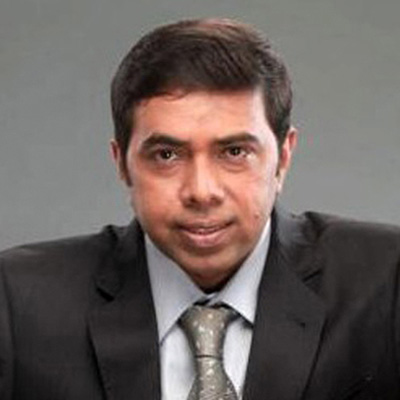
  • ‘There is no major differentiation among the top 3 players’ – Mohan Gopinath

    ‘There is no major differentiation among the top 3 players’ – Mohan Gopinath

    Zee Cinema, the Hindi movie channel from the Zee stable, has seen it all since its inception in 1995. Right from being the uninterrupted ruler to seeing its territory being eaten into by new players like Star Gold and Max, the channel has weathered all kinds of climate. And it continues to be a cash cow within the Zee network of entertainment channels.

    According to Zee Cinema business head Mohan Gopinath, there is no major differentiation among the top three players. “We are all battling for the same share of the slice and there is no huge lead to say that this channel is number one as that keeps oscillating,” he says.

    Gopinath also believes that digitisation would throw open a lot of growth opportunities for the genre. Segmentation of movie channels would be one such area. He also believes that movie acquisitions would have to be in line with the business economics and strategies of the channel. In a conversation with Indiantelevision.com‘s Javed Farooqui, Gopinath talks about how Zee Cinema has managed to remain steady and relevant all these years despite the rise in competition and the changing consumption pattern.Excerpts:


    What are the key takeaways for Zee Cinema from 2012?

    The key takeaways were the premieres that we did. We did a premiere of Agneepath, English Vinglish, Agent Vinod and Joker. So those were the kind of refreshed content that was displayed on Zee Cinema. Then we had ‘Bollywood’s Most Wanted‘ festival during Dussehra which was a take on glorifying the villains. This has been a good year in terms of imagery and mileage that was displayed on Zee Cinema.

    How was the content different from what was offered in 2011?
    Refreshing content, that was the difference. We had heavyweight content which had superstars; and we also had English Vinglish which was so strong on content that people didn’t mind that it lacked a hero. Besides, we had Agent Vinod and Joker which also had stars which we as a channel could boast about.

    Zee Cinema used to rule the roost as numero uno Hindi movie channel but now it is at the second spot on the ratings table?
    In a scenario where you have very little to choose from, it is wrong to say that one is at number one or two because there is no major differentiation among the top three players. We are all battling for the same share of the slice and there is no huge lead to say that this channel is number one as that keeps oscillating. So I would like to believe that all three are on an even par and that is where the content resides at this point of time. The important fact is have you been able to maintain a steady base at the level that you were operating on and are you in the game right now because of so many environmental changes where certain channels have taken a huge lead and certain channels have gone off the boil. So a lot of things have happened in the last 45-50 days. It has been heartening to note that Zee Cinema has been rock steady and continues to do so.

    Have you seen any drastic changes in the ratings post digitisation?
    Not much. In fact competitor channels have fallen by certain points but nothing to suggest that any great upheaval has taken place. So all three are on the same even play. The averages for across the year and the past 13 weeks would seem to suggest so.

    How do you think  digitization will  help Hindi movie channels?

    The opportunity for broadcasters is the level playing field. In fact if I am not seen at all, then what is the incentive for me to say that whether I am good or bad. So I think digital (cable) will help cure that ailment in the sense that I will at least be seen. Then you can shout about the uniqueness that you bring to the table. Secondly, it becomes a completely viewer medium. All this while we were catering to a certain type of viewers who was interested in certain kind of movies but who also wanted to see something different. A case in point being classic: it is a very premium category that watches the the Bharat Bhushan’s and Dilip Kumar’s of the world. The newer generation may not know about them but they have always heard from their parents or grandparents that used to exist. So the quality of song will attract movie watching also. If per se I were to name an Awaara or an Arzoo, it will not ring a bell. But if I sing or hymn a particular song, you will say ‘let’s see that movie’ just to know what is in it that makes my parents rave about them. So that is a huge opportunity of how we can go about things.

    You have already segmented the genre with channels like Premier, Action and Classic. Are these channels getting any traction and how do you see them faring in digital era?

    We have to wait before we pass judgments on these channels because digital offers good scope. We are on the threshold of something that is about to explode, so in three-four months time we will be able to tell what has happened and what hasn’t. We are just waiting on the edge to appreciate it. The availability of these channels have increased. Zee Classic is getting carried across all the DTH operators. So I think that leads to a greater consumption of the channel.

    Zee Cinema was not very aggressive in acquiring big-ticket acquisitions but last year you changed gears?

    See, it depends on where you are and where you want to be in terms of taking the channel forward. Acquisition for the sake of acquisition will never work as you have to take into account the economics, the kind of strategy that the company has in place and the strategy that you (as a channel) have in place. It was a very informed call that this is the year we are going to make our presence felt in the market. You wouldn’t want to be counted out of the race of airing new movies, so that was clear decision and I am happy that it bore fruit.

    But viewers also want more of new content on movie channels?

    New and fresh content always appeals to the viewer but they do not let go the old content. There is this huge fallacy that viewers only like to watch new content. What is also important is do you have enough back-up content and plans in your kitty that once you are done with your premieres and once you are done with three-four telecasts (of new movies) do you have the library to sustain viewership and that is where the history and pedigree of the channel comes and that is where Zee Cinema is on a good footing at this point. We have a huge library to back-up the newer lot. It is so easy to say that I will buy everything in town but it doesn’t work even our competitors would agree it’s just a matter of what you have as a back-up plan.

    What is the brand philosophy of Zee Cinema?

    It carries along the company ethos with it which is that of being a family entertainment channel. We don’t want to be counted as a channel that does bizarre stuff and goes beserk with the kind of movies that we air. We have always been a rock steady channel keeping in mind the consumption pattern of the viewer. We believe that what appeals to us at a certain basic primal level will also appeal to viewers. The numbers (ratings) and the kind of response we have generated seems to suggest so.

    Have movie consumption habits been changing particularly due to the emergence of new platforms?

    It has impacted consumption habits a little bit, but to attribute everything to external factors will also not be right. People initially thought that DVDs would lead to the demise of movie consumption in theatres, but actually you have seen the theatre business grow multi-fold. I think they will co-exist because they are all appealing to a different set of TG.

    How do you decide on the scheduling of content?

    There is a lot of thought that goes into the scheduling because movie consumption can happen at any time. So am I at any given point satisfying the need of my viewer at that particular point in that particular mood? That is the kind of study that goes into deciding the schedule and acquisition of movies for that particular slot. There are lots of packages that are being done.

    Like the branded slots that you have?

    A case in point being ‘Dopahar Zee Cinema Par’ in the month of May. So those kind of things or if there have been new acquisitions that we will have to put into it to give it a different flavour and a different positioning. If I keep on scheduling movies, then not everyone will come to know about it by just running a promo. Here I am giving a different flavour, I am tapping into that aspect of a never before scene or a great content that helps you understand the ethos of the movie or what goes into the making of it.


  • ‘We need to get India more established within the Interbrand network’: Interbrand London CEO Graham Hales

    ‘We need to get India more established within the Interbrand network’: Interbrand London CEO Graham Hales

    Months after Omnicom‘s buyout of DDB Mudra Group, brand consultancy Water Interbrand has been renamed Interbrand India from 1 January.

    Interbrand, known for its annual report on Best Global Brands, will provide to India its list of Most Valuable Indian Brands in this quarter.

    Interbrand London CEO Graham Hales says the world has seen a complete digital revolution taking place across markets. This means that most customers’ first interactions with a brand will now take place digitally.

    He feels this has added democracy to marketplaces. This wasn’t there previously and adds pressure on organisations to deliver on their promise to customers.

    Hales spoke to Indiantelevision.com‘s Ashwin Pinto about the best brands list, the plans for India, the challenges that brands face in a fast changing environment and how a brand like McDonald‘s repositioned to appeal to a broader customer base.

    Excerpts:

    Q. How important is India for Interbrand vis-?-vis the rest of Asia?

    A. As an international business we need to have a presence in India. India offers tremendous potential. While there are some strong Indian brands, they have international marketplaces where they can prosper more deeply.

    Q. How is the integration of Water with Interbrand working out?

    A. It is going smoothly. We hope to welcome them to the Interbrand family next year. Processes are taking place to get them on board more deeply.

    Interbrand has a way of doing things. We have basic toolkits that people need to have greater fluency in to operate comfortably. It means consistency in terms of services that we offer clients.

    Q. What is the gameplan for India?

    A. We need to get India more established within the Interbrand network. Then we have to grow the business given the opportunities in India‘s economic environment. If the pace grows, it will be determined by the commerciality of the business.

    Q. Which are your top three markets?

    A. The US is the biggest. After that it tends to follow the patterns of global commerce. In Asia, we have two offices in China, one in Singapore, Japan, Korea. 


     ‘In the last couple of years, some changes have taken place in the branding space. One of the things is the tightening of the economy. We also have had a complete digital revolution taking place across markets. This means that most customers’ first interactions with a brand will now take place digitally. You have social media attached to that now where people are able to give their opinions about brands. This has added democracy to marketplaces’


    Q. In India people think of a brand as just a name and fancy logo. What are the other elements in creating successful brands?

    A. A brand has many touchpoints where it may spring to life. While a logo might be a point of identifying one organisation from another, there are opportunities in terms of how an organisation uses its people, its behaviours, its products and services. The channels it uses and the way it communicates is also important. All this should be directed by the brand. Metrics allow you to understand a brand from an internal and external perspective.

    Q. Does having local offices make it easier to handle differences in culture and attitudes towards global brands?

    A. We offer international benchmarks of best practices for our management. But we also have local people who understand the culture, placement of the brand within a particular market, and fluency over the consumers in that market. Local talent represents consumers.

    Q. What strategy has Interbrand followed in the past couple of years to grow its presence globally?

    A. We continue to advise and help organisations create and maintain brand value. Our services are linked to how a brand drives value into an organisation. We have 40 offices in 36 countries. We are the only consultancy that has brand valuation sitting at the heart of the business. Everything that we do links back to helping organisations create brand value. We have created processes that help organisations manage their brands.

    Q. What are the challenges Interbrand faces due to economic slowdown?

    A. Markets are moving faster than they have before despite the economic slowdown. Consumer‘s attitudes are moving quickly. So brands also have to move fast. They have to make sure that they are changing at the pace of their markets.

    One of the interesting things of the slowdown is that organisations have focussed on the supply side of their business in terms of keeping costs down as low as possible. But they also should look at managing the demand side of their business where brands have a role to play.

    That is where customer loyalty comes from. That is what gives the security to a big company to make investments in the future. The opportunities lie in the strength of brands giving a competitive edge to organisations. These opportunities are deep and significant.

    Q. Over the past couple of years what changes have happened in the branding space?

    A. One of the things is the tightening of the economy. We also have a complete digital revolution taking place across markets. This means that most customers‘ first interactions with a brand will now take place digitally. You have social media attached to that now where people are able to give their opinions about brands.

    This has added democracy to marketplaces. This wasn‘t there previously and adds pressure on organisations to deliver on their promise to customers.

    Q. Is flexibility in terms of how Interbrand serves clients more important given the difficult economic climate?

    A. You have to be able to have agility to move in the way that the market wants you to move. You have to listen very carefully to your clients to understand how you can best help them. Any effective consultancy has to be agile to the marketplace.

    Q. Could you give me a few examples in the past couple of years of working with clients to create identification, differentiation and value?

    A. We have worked extensively with Hyundai to make them understand how their brand drives its value. You can link that back to what you should be doing more as a business to enable yourself to become a stronger brand to continue to compete across the marketplace.

    Hyundai has become a bigger and a more significant brand globally. A few years ago Hyundai was not present in some markets and did not necessarily drive consumer choice. We help organisations understand where the value of their brand comes from. We help them understand the strategy that they should pursue to get their brand to be stronger and apply more competitor advantage to give the brand a better opportunity to drive consumer choice in the marketplace.

    Q. With offline and online brand experiences constantly intertwining, brands need to stay actively engaged with consumers. How does Interbrand ensure that its clients do this?

    A. One of the fundamental shifts that has changed is that purchase used to feel like a linear device. People had a disposition to shop for a brand in a particular category. They would go to a retail store to experience brands and decide which brand they wanted to buy.

    Now it is a more dynamic and chaotic process. People will consider a purchase and go online. This adds brands in and takes brands out before they arrive at the point of purchase. So the whole process has become more chaotic and more exciting. There are different routes to go to market now.

    We help organisations understand how their brand should come to life within markets. Therefore we decide on the digital strategy that they should have to maximise the role of their brand.

    Q. Do brands like Apple follow a common trajectory to become powerful?

    A. All these things are idiosyncratic. Any brand that has a clear idea of its own personality will understand how it should use opportunities in a market to help navigate decisions. So if a brand just tries to replicate what competitors do, it is not going to end up being distinctive or differentiated. Great brands are business strategy brought to life. They deliver a seamless experience across products and services, physical spaces and places, internal culture and communications.

    Apple in its history has succeeded in innovating. They have thought very deeply about that. They have humanised their technology very effectively and so it does not feel like another technology. It feels like a brand in its own right that happens to be in the technology market. They have a number of things growing right.

    Q. In terms of managing a brand‘s reputation that has been built over the years ,what are the key things to keep in mind?

    A. You to have to be clear about what the brand idea is. You have to show that commitment to the brand idea so that the organisation can respond to it. It can then feel authentic inside the business. You have to protect the brand zealously which is what Samsung did in its patent fight against Apple. You have to move responsibly in the market.

    You have to understand what is different about the organisation. This has to be driven so that it is understood. There are 10 brand strength factors that we monitor to find out about the health of a brand and find opportunities for its continued growth.

    Q. Coca-Cola has been number one in your list for a long time. Technology companies have also grown. What separates them from the rest of the pack?

    A. Coca-Cola has a 126 year history. That provides an opportunity for them. There are 3500 products within the Coca-Cola portfolio. Around 1.8 billion Coca-Cola products are consumed on a daily basis. Can it keep pace with challenges is the question.

    Google has moved beyond its core product offering into more diverse offerings. These will give greater revenues in the future. The financial performance of a brand will depend on its ability to create brand value.

    Q. Yahoo! no longer has the presence that it once did. Where do you see it going from here?

    A. Yahoo has been on the decline for the past 10 years. Although the web portal pioneer is the fourth-largest site on the internet and has an audience of millions, it has been making news not for its achievements, but for its missteps.

    Yahoo struggles to compete in search, email, and data sharing. Acquisitions such as Flickr have been underutilised. Without fully developing social elements, Flickr ceded ground to Facebook and Instagram. On top of that, Yahoo‘s revenues have been waning for years and its content, while a dominant force in online news, needs to evolve.

    Potential buyers have been circling the troubled company for the past two years and, so far, no one has been able to revive the ailing brand. Enter Marissa Mayer – a former Google executive, now Yahoo‘s CEO. A bold hire by anyone‘s estimation, there is now more hope than ever for a turnaround at Yahoo.

    Q. So you see Yahoo! possibly being able to become more competitive?

    A. Yes! The company has potential to make a comeback: it has strong brand recognition, a vast audience, and despite challenges, revenues are up. Yahoo must realise that the content it‘s now developing will come to define it as a brand and that, in a world overflowing with information, differentiation has never been more important.

    Q. Nokia has struggled and has fallen in the list. Is that because they failed to see changes in market dynamics?

    A. Nokia has struggled to innovate at a pace and parity with the likes of Apple and Samsung. It has fallen behind from where it was in ascendancy some years ago. It has struggled to keep pace with the market and keep its technology working in tune with consumers demands.

    Q. What is your take on Disney?

    A. Disney is still a much loved brand and has great opportunities in the future. It is just a question of whether it can keep pace and maintain relevance in the market that it is serving. It needs to create great movies that work for kids and contemporary audiences. It shouldn‘t only rely on the warmth of yesteryear.

    Q. Is it a question of a company just living on legacy?

    A. Legacy is good for a brand. It is a question of how they are using that legacy to project themselves into the future. To thrive in the long term, Disney must rediscover its core as a global entertainment powerhouse — and reclaim its standing as one of the world‘s great innovators. Few companies have a heritage so rich, meaningful and worthwhile to millions of people of all ages and backgrounds around the world. That is not something to be squandered; it is something to build upon.

    Q. Finance brands like Barclays were hit by the Libor scandal. What do they need to do to regain lost ground?

    A. These brands have struggled since the 2008 downturn. They should be significant to us. With an aging population globally, we need to get better financial planning into our lives. But they need to create products and services that we feel a proximity towards. They have a lot of work to do to bring trust back into them.

    Q. Auto has been going through a tough time. How is this segment faring?

    A. Automotive brands are becoming more attuned to the emotional connection consumers have with their cars. This has caused many automakers to develop more effective, technologically savvy ways to reach target markets and help prospective buyers better relate to car brands.

    Audi‘s digital showroom, Audi City, is revolutionizing the future of retailing by combining digital product presentations and personal contact with dealers. Similarly, Ford is working hard to improve MyTouch, its in-car communications and entertainment system. Brands like BMW and Hyundai are investing in global brand campaigns and are becoming more digitally connected and tailored to narrower target groups. For the most part, the entire industry appears to be focussed on engaging customers and prospects in a more relevant and personalised manner throughout the entire purchase cycle.

    Q. Luxury brands have proven resilient despite the slowdown. What is the reason for this?

    A. Despite the current economic landscape, all of the luxury brands in this year‘s report increased their brand value. As the meaning of luxury shifts, this year‘s top luxury brands reflect a changing global consciousness – with success dependent not only upon a portfolio of superior products and superb quality of service, but also a strong cohesive brand, a formidable digital presence, and reputation that is timeless, elevated, and refined. The 2012 Best Global Brand report includes seven luxury brands: Louis Vuitton, Gucci, Hermes, Cartier, Tiffany and Co., Burberry and Prada.

    Q. Where do you see Sony moving as a brand?

    A. Sony remains a leader when it comes to innovation and creativity, but even with a strong portfolio of sub-brands such as Bravia, Vaio, Cybershot, Playstation and Xperia, Sony continues to see challenges.

    The silo structure of the brand inhibits its ability to build brand value across platforms and products. Disruptions following last year‘s disasters in Japan, financial distress globally, and a loss of leadership in key categories have put pressure on the brand. Determined to revitalise the business, Sony has unveiled an array of new products: three new Xperia smartphones, a new splash-proof Tablet, a hybrid laptop VAIO PC, a new NEX camera with built in Wi-Fi and enhanced NFC enabled headphones and audio devices.

    Additionally, Sony unveiled its first 4K TV, an 84″ showstopper promising a totally immersive experience. Building on the impact of this “product offensive,” Sony‘s “Make.Believe” message is reigniting the brand and inspiring people to rediscover this once-dominant leader. With a unified brand message, plans to increase its marketing spend by 30 per cent, and a ‘laser-focused‘ new CEO, Sony looks like it‘s serious about a comeback.

    Q. How do you see Facebook evolving?

    A. The forthcoming year poses some major hurdles for Facebook. The migration of users to its mobile platform is surging by 67 per cent year-on-year, a good sign that Facebook remains relevant. The migration to mobile has resulted in one-third of Facebook users spending less time on the traditional site than they were just six months ago. Facebook must determine how to make mobile profitable very soon and without alienating users. But if there‘s a service that can combine relevant content with an ad model, Facebook seems more than up for the challenge.

    Q. How has McDonald‘s benefitted from more focus on brand management?

    A. McDonald‘s, the leading global foodservice retailer, stands out because of its exceptional brand management, significant global presence, leadership in sustainable practices and admirable approach to consumer engagement. McDonald‘s has more than 33,500 restaurants in 119 countries and the Golden Arches continue to expand, most notably in Asia.

    The company deftly manages its franchise model, delivering a remarkably consistent customer experience while still allowing for locally relevant menu and service variations (such as home delivery in India and China). The company is also working to respond to critics by increasing the number of healthy menu options and effectively communicating its sustainability efforts to both customers and employees, building energy saving and waste reduction into staff incentives.

    Demonstrating its commitment to brand development, McDonald‘s is repositioning itself to appeal to a broader audience, particularly by redesigning its outlets and making them more modern, comfortable, and upscale. The McCafé experience is another example of McDonald‘s flexibility and its efforts to appeal to a broader group of customers.

    On the digital front, McDonald‘s “Make Your Own Burger” campaign in Germany and the Netherlands used crowdsourcing to generate new recipes and promotions. The campaign created significant digital buzz and positioned the brand as a digital innovator, helping to further build the brand‘s strength.
  • ‘Our goal is to make UFC the No. 2 property for Six after IPL’: UFC Chairman and CEO Lorenzo Fertitta

    ‘Our goal is to make UFC the No. 2 property for Six after IPL’: UFC Chairman and CEO Lorenzo Fertitta

    Founded in 1993, the Ultimate Fighting Championship (UFC) has gone on to become the largest Mixed Martial Arts brand in the world. Having established itself in markets like US, Canada, and Brazil, the UFC has made its first big push in India through a broadcast deal with Sony Six.


    Apart from having a television presence in the country, UFC also plans to build the sport with on-ground activities and talent hunt initiatives. Its ultimate aim: to make UFC the second biggest property for Sony Six after the cash-rich Indian Premier League (IPL).


    Indiantelevision.com‘s Ashwin Pinto caught up with UFC Chairman and CEO Lorenzo Fertitta to find out the organisation‘s plans for India and the strategy it will be following to grow the sport in the country.


    Excerpts:


    Q. When you bought UFC in 2001 what was the aim and to what extent has this been achieved?
    A. At that time what we wanted to do was create a combat sport organisation that had some structure and brand around it. We looked at boxing as we have always been boxing fans. Big fights occur in Las Vegas.


    But what we found is that boxing was very fragmented. There was no brand and structure which a lot of times prevented the sport from putting on the fights that fans wanted to see. So we saw an opportunity in the UFC to take combat sport to a new level because there would be an organisation, structure and a brand.


    Our vision was to take the UFC from a niche sport to a global brand. We wanted to create a great entertainment product for the fans. We have accomplished our aim. We are the largest combat sport organisation. We are broadcast in 150 countries to a billion homes in 22 languages.


    Q. You once said that when you bought UFC it was the worst brand in the US because of all the negativity. Could you talk about the strategy followed that helped the company turn things around?
    A. Firstly we developed rules and regulations that we now call Unified Rules of Mixed Martial Arts. We worked with various state governments to have them recognise those rules and UFC as a sport. The third thing was really promoting the athletes and presenting them as being world class. The previous owners really focussed on the violence and spectacle of the sport.


    We focussed on the athleticism of the fighters and the competition. The aim is to have athletes compete in a safe way. The sport is a combination of martial arts like Judo, Jujitsu, Boxing and Taekwondo.


    Q. As per research how is the UFC brand perceived in India and globally today?
    A. Globally we are looked at as the market leader in mixed martial arts. We are seen as the premier organisation. In India it is too early to tell. I don’t think that there is a lot of awareness in India about mixed martial arts. I think that people are intrigued about the success that we have had around the world. The question is can we replicate that success here?


    Q. What would you say is your USP vis-a-vis other events like Bellator and boxing?
    A. Relative to other sports, what we do is put on fights that fans want to see. All fighters are contracted by us. It is easy to put matches together. Our aim is to never have a mismatch. So we put fighters in an event who are evenly matched. Most fights don’t go to a decision. Matches are fast paced and you have outcomes that are very definite and defined.


    Boxing is one dimensional. In the UFC, on the other hand, you can grapple, kick, punch and put the opponent in a submission hold. It is interesting from a strategic standpoint and more fast paced. That is why younger people like it. In 2006 UFC overtook boxing as the biggest provider of pay per view events. Last year in November over nine million Americans watched a heavyweight fight on Fox. Bellator would be lucky to get 90,000.

    ‘We liked the approach that Sony was going to take. We also liked being affiliated
    with the IPL. And we wanted to be on a sports channel‘

    Q. So is MMA more mainstream compared to a decade ago?
    A. Without question! In the markets where we have a presence in, it is a mainstream sport. We produce more than 30 live events in a year.


    Before we acquired the UFC mixed martial arts was a fringe attraction, largely unregulated and unable to appear even on pay per view platforms. All that has changed.


    Q. MMA like soccer is a sport that works everywhere, unlike cricket which works in some markets, NFL which is only present in the US and baseball which is only present in the US and Japan. Is that because viewers can identify with the aggression and competitive nature of the fighters?
    A. I think the reason is that it is simple and easy to understand. A lot of other sports have rules. If you have not grown up watching cricket or the NFL, you will never understand how the game is played.


    When you put two athletes in the Octagon and make them compete everybody gets it. It is not hard to explain.


    Q. Is there an entertainment quotient in the UFC or is the focus just on the sport?
    A. The way we present the product is very important. We spend a lot of money putting on a big show. At the end of the day it is the fighters, the action and the quality of the fights that sells. We broadcast all our events in HD. We have aired some events in 3D. We look at emerging technologies to make the viewer experience better.


    Q. What revenue growth does UFC expect this year and how much comes from television fees?
    A. Sixty per cent comes from television fees. Then you have live ticket sales. Beyond that you have sponsorship.


    The US accounts for over half our revenue. Canada would be second, Brazil third and Europe next.


    Q. Which are the top three markets for UFC?
    A. The US is number one. Canada is number two and Brazil is number three. We see a lot of similarities between Brazil and India. Both are emerging economies. There is a growing educated class of younger people who are looking for a new and exciting sport. We think that is what the UFC represents.


    Q. How big is Europe?
    A. Europe is big, particularly the UK as well as the Baltic states like Sweden and Denmark where the UFC is very popular. We are just starting in Italy, France, Spain and Germany and we plan to bring events to
    Central Europe sometime next year.


    Q. Where does Asia fit in the scheme of things?
    A. 2013 and 2014 are important years for us in Asia. We did our first event in February in Tokyo and it was a success. Our second event was in Macau in November. Then we want to do events in the Asian capitals like Shanghai, Singapore, Taipei, Hong Kong and Kuala Lumpur.


    Q. How did the deal with Six come about and what are the terms of the deal?
    A. This is a four-year deal. Hopefully we will be able to extend it and make it a long term relationship. Our goal is make UFC the number two property for Six after the IPL.


    We came to India two years ago. We started looking here and have worked for a long time. We have had interest expressed from every major media company here. We have had discussions with companies like Zee, NDTV and Star.


    We liked the approach that Sony was going to take. We also liked being affiliated with the IPL. And we wanted to be on a sports channel.


    Q. What is the gameplan to grow the UFC brand in a country where WWE is hugely popular?
    A. When we started the UFC, WWE was popular in the US. But people figured out quickly that while we were real, the WWE was fake. We were, thus, able to migrate a lot of fans over to the UFC.


    In India, we see the same thing happening, particularly with the younger demographic base. Once they see how exciting the UFC is and that it is real, they will migrate from WWE.


    The gameplan is firstly using the distribution of Six and airing live events. They also use our library to educate fans on what is going on in the UFC. Then there is the reality show ‘The Ultimate Fighter’.


    This will develop Indian fighters and is the most important thing for us. In order to be successful, we have to have Indian fighters that can compete at an international level. We appreciate Sony‘s dedication in producing ‘The Ultimate Fighter: India’ with us.


    Q. Could you talk more about Ultimate Fighter?
    A. This is a reality show which is in its 17th season. We have done versions in the US, Australia, Brazil and the UK. It is about 16 young fighters who live in a house together. They train together. At the end of each episode there is a fight and the winner progresses. The event takes place over 13 weeks.


    The Indian edition takes place next year. The two semi finalists fight together to determine who gets the UFC contract.


    Q. When does the first season kick off?
    A. We are looking at a time frame of September next year. We will spend the next six months looking at different fighters around the country and do casting calls. In terms of venues, Mumbai and Delhi will be important. We will be looking at facilities that a city can provide.


    Q. How did the idea of doing reality television come about?
    A. When we bought the brand, it was tarnished. People associated it with violence. We knew that we needed to do something that was different that explained why it was not about violence and why these athletes were so special.


    We created the reality show so that people were not just watching a fight. They were watching how these guys lived, interacted, what their background was, their family life, and how they train. It helped change the perception of the sport. This show has changed the face of mixed martial arts.

    ‘When we started the UFC, WWE was popular in the US. But people figured
    out quickly that while we were real, the WWE was fake. We were, thus, able to migrate a lot of fans over to the UFC. In India, we see the same thing happening, particularly with the younger demographic base‘

    Q. Is there cross viewership happening between UFC and WWE as athletes like Brock Lesnar and Ken Shamrock have competed in both?
    A. There is some cross viewership. Our TG is males 18-34. WWE skews a little bit younger – teenagers. I see UFC’s appeal spreading across India including in the wrestling belts in the rural areas.


    Q. Has UFC considered launching its own TV channel?
    A. Not yet! We felt that we needed to make an investment and grow the brand before making this move.


    Q. What growth has there been in the amount of content UFC offers in the past three years?
    A. We have increased it significantly. A lot of this is driven by our television deal in the US with Fox. We went from being on a one cable channel which was Spike TV to being on the Fox platform which includes programming for four networks that they own. Our programming has tripled year on year.


    We felt that there was a demand that people wanted to see more fights. We wanted our product on multiple platforms in the US. We are on a free to air channel Fox, on a cable channel FX and on a smaller sports cable channel which is called Fuel TV. Hitting every tier within the US media market was important to help us continue to build our brand.


    Q. What challenges does the economic slowdown pose for UFC?
    A. We have been fortunate that we have not been affected very much by the economy. The reason for that is that no matter how bad things are, people still want to consume entertainment. All sports whether it is
    the UFC, NFL, NBA are doing well.


    Q. Sports entertainment outfits like Super Fight League have come in. How do you think it will push the sport in the country?
    A. It will boost popularity. Competition is a good thing. We come in as a premier organisation which if we succeed will help other leagues.


    Q. There is a view that UFC has followed NBA’s approach to grow which lies in buying rival promotions. Is that a fair assessment?
    A. I don’t know that we are following anybody’s strategy. We have over time acquired a number of leagues to get their athletes over to the UFC. We also got their library. Strategically it made a lot of sense. The biggest acquisition was Pride Fighting Championship which was based out of Japan.


    We also bought Strikeforce which was based in the US. Female fighters take part here. We could license these rights to Six as well. There is potential for that. As all these athletes are under one company it allows us to put on fights that fans want to see.


    Q. How do you view new media platforms like Internet and mobile?
    A. Our core customer base is very proficient online. They consume a lot of their entertainment on YouTube. They are on Facebook and Twitter; it is important to our strategy. We have a large portion of our library online. You can subscribe and go back and watch fights, interviews, updates etc. We try to use Facebook, Twitter to market UFC and spread the word about the upcoming fights.


    Q. Has China been a difficult market to crack due to government regulation?
    A. We are taking it very slow. We have not had any issues or any problems. China is the birthplace of martial arts. There is a huge appetite for this sport there.


    Q. Where do you see the UFC in India five years down the line?
    A. I think that we could be the number two sport after cricket. In Brazil we are not just the number two sport but are also getting close to the popularity of soccer. Many times we get more viewership than the Brazilian national soccer team does.

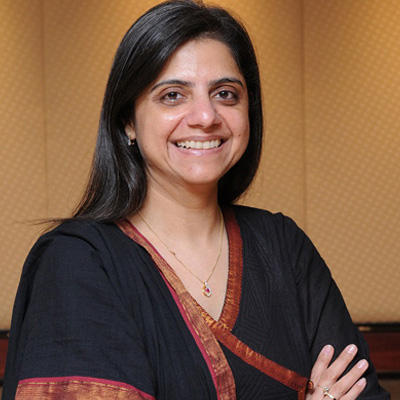
  • ‘Segmentation in kids TV genre makes biz sense in digital era’ : Viacom18 EVP & business head – Kids Cluster Nina Elavia Jaipuria

    ‘Segmentation in kids TV genre makes biz sense in digital era’ : Viacom18 EVP & business head – Kids Cluster Nina Elavia Jaipuria

    Kids channels, bogged down in an analogue cable TV environment, suddenly find space to grow. Segmented channels is the new mantra. After launching an action and adventure channel Sonic in 2011, Viacom18 has launched another dedicated offering in the form of Nick Junior, a preschool channel targeted at 2-6 years.


    Nickelodeon‘s move follows Disney‘s foray into the preschool space and Zee‘s entry into the kids broadcasting space with the launch of its edutainment channel ZeeQ. The common thread between the three channels is that they are pay-driven, unlike the earlier ad supported models.


    Nick Jr. makes its arrival at a time when India is moving towards mandatory digitisation of cable networks.


    In an interview with Indiantelevision.com‘s Javed Farooqui, Viacom18 EVP & business head – Kids Cluster Nina Elavia Jaipuria shares her enthusiasm about why she is bullish about the preschool segment and the impact that digitisation will have on the kids TV genre.


    Excerpts:


    Preschool blocks had existed on kids channels. Now we are seeing full-fledged channels being launched targeting preschoolers. How has the business climate changed?
    The biggest change is digitisation. We are seeing that happen now. The segmentation in the kids TV genre makes more business sense now because we will have transparency. Subscription revenues will also increase.


    Does digitisation make more sense for segmentation in the kids TV genre primarily because of carriage being corrected or you see a substantial gain in subscription revenue as well?
    It‘s both. It will allow us to try very focussed segmentation which we could have not done in analogue cable TV environment. Today in digital, we can segment as much as we can. Carriage payouts will no longer be a deterrent and pay revenues can only grow. So we are all riding the wave of digital right now and hoping that while we cater to need gaps, we also make business sense.


    That is not to say the launch of Nick Junior is a sudden development. Since I started working with Nickelodeon, I always wanted to bring Nick Jr. to India. But then it had to make business sense for everyone.


    Are we in a situation where full-run preschool programming on a channel is not yet commercially viable?
    I don‘t think so.


    Why then did BBC shut CBeebies in India despite knowing that digitisation of cable TV networks is happening?
    Actually, I am very suprised that it happened so abruptly. I am sure they have their reasons for moving out of the country.


    Why do you then have this dual slot (Nick Jr. and Teen Nick) on Nick Jr.?
    We could have gone either way — done a 24-hour channel or have the model of preschool content till 7 pm and teenage programming after that. We have the product and the content that is our own, so it‘s just a matter of dishing it out to them.


    But we seriously believe that towards the evening this channel will get switched off as most toddlers and their mothers are winding down for the day. So it‘s a good idea to use a frequency that is going to be switched off and wanting to keep them switched on. We are also assuming that in a one television household you always have younger siblings and older siblings and when the younger siblings go away, the older siblings take care of the remote.


     ‘We will see a lot of localised content as digitisation picks up. In all this, what will continue is animation. No matter how hard you try, live action can never help children to transport to their imaginary world. We will stick to animation‘

    How do you differentiate Teen Nick from Nickelodeon?
    Nick is hardcore animation and will run from 6 am to 7 pm. Teen Nick, on the other hand, is only live action and has all the sitcoms and dramas that are rocking internationally. Most of the kids in India are watching them on YouTube. So you will have Victorious and Unfabulous and those kind of shows which have made it really big in the West but haven‘t really got the chance to come to India. They are very teenager shows because they are based on college, music, internet, digital and a lot of comedy. So there are sitcoms and drama that are very different from Nick.


    Since Nick Jr. is targeting 2-6-year-olds, wouldn‘t the upper end of this age group want to watch television even after seven in the evening?
    We have seen that post 7 pm, kids are winding down; most of the remotes are also not in toddlers hands. Even at dinner time, it‘s not the toddler that has the remote. I don‘t think even the kids category has the remote post 7 because it‘s the GECs and News channels that take over. You have this trend in a single television household. That way the battle for remote will continue across every segment.


    What kind of research went into launching this channel?
    There was no rocket science really about the research. To me every parent would like to do what is best for their child and in today‘s competitive world you want your child to learn and develop fast. Therefore, parents are doing everything they possibly can to ensure that their kids are learning and developing and this (Nick Jr.) is filling that need gap to my mind. There certainly was a gap there and there was no offering. The research to that extent is that there is a need gap and parents are looking for this kind of learning and development. What happens in school is hardcore education. We are only complementing that with edutainment.


    What is researched is the content and we do this internationally. It‘s content that is made worldwide, so the curriculum is set in place. Every show, therefore, teaches a particular skill . So if you look at Team Umizoomi, it‘s really maths.


    And you must remember that we are getting our international content here. There is even research going on there before they produce any preschool content. We are very careful in keeping Nick Jr. a destination for safe viewing with no violent content.


    How important is the preschool segment within the kids genre?
    It‘s very important from perspectives. One is it allows you to cater to the entire range of kids right from zero to teenage which is what we are now looking at. This was the missing gap that we had in Viacom18. But it‘s also important from the consumer products business point of view. We all are trying to create ancillary revenue streams for ourselves outside of ad sales and outside of subscription. Nick Jr. will play a very large role in driving this part of the business.


    Will it be an ad-free channel?
    Currently it is an ad-free channel, but I don‘t think we can continue to be ad-free. Despite everything being said about digitisation, the ratio of subscription-to-ad sales is still skewed. In the Western world, subscription contributes about 65 per cent of the revenues and in India we are not even half of that. However being a responsible broadcaster, we will be very selective of how much and what ads we put.


    How much is the subscription revenue for kids channels?
    It is under-indexed, I don‘t think it will even hit Rs 200 crore (Rs 2 billion).


    What kind of an upside do you see with digitisation?
    Nobody has any answer to this question.


    Why is Nick Jr. only in English?
    It is inherent in India for every parent to learn English. This is an aspirational channel which teaches your child English. If we do this in regional languages, it will defeat the very purpose of being aspirational. The shows are very easy to understand. So when Dora teaches to say A for Apple, that is what causes the child to learn.


    So is Dora the link between Nick and Nick Jr.?
    Dora has been on Nick and we will keep her there as well because that is the driver show. It also help us from the consumer products perspective.


    Will you have local productions for Nick Jr.?
    No, because we believe that for this kind of a product there is no boundary. In fact, even as kids grow older it doesn‘t matter to them whether it‘s a Japanese show or an American show. Therefore you will see a lot of animation featuring on normal kids category. There is no need to create so much desi content and the pipeline we are creating for Nick where we have Keymon Ache and Motu Patlu for this audience is done after a lot of research. It takes a lot of time to make a show.


    Disney also launched its preschool channel. What impact will competition have on the genre?
    It will only grow the category as there will be more choice. It‘s the best thing that can happen to the category. It will only grow the preschool category that was almost non-existent until all of us launched.


    How do you see segmentation within Nick?
    Nick is the mother brand and it delivers a very core need of a child, which is humour. Nick will continue in that space. While we talk about Nickelodeon audience being very universal, I think it‘s 4-14 years, so I never like to box it at any level. I think the core really lies at 6-12 if you really ask me and we will continue to cater to them in humour and comedy.


    Within comedy, you have action comedy, family comedy, silent comedy and slapstick comedy. The character either becomes a role model or a superhero and it‘s the character that takes over after a point. As you move along, you will see newer episodes of Ninja coming in and that‘s how we drive our viewership. You will see the mother brand engaging on the television platform and outside the platform. The Keymon game had 3 million downloads on Nokia Ovi, so we are dealing with what I call the ‘screenagers‘. It‘s all about staying ahead of the curve and engaging with kids across various screens.


    Will Nick have more localised content?
    I see more localisation happening on that front. But that is also a chicken and egg situation and we have to look at the investment-to-revenue ratio. We don‘t know when the subscription revenues will start getting corrected. After that happens, you will see more focus on local content. But having said that, we have two shows and we have a third in the pipeline; you will see a lot more progress on that front. In all this, what will continue is animation. No matter how hard you try, live action can never help children to transport to their imaginary world. We will stick to animation.


    Will we see more movies coming out?
    We had Keymon Ache & Nani in Space Adventure movie
    and you will see movies from Motu Patlu because Bollywood and Hollywood have become not just kids but also family entertainment. As we move from kids to family, you will see more extensions happening.


    But till now Nick has not been airing movies?
    Series is the bread and butter for us. Kids like to watch, as Farah (Khan) was saying, repetitive content. They want to watch more of the same, so that‘s what we give in the weekend as well. We don‘t miss not having movies on the channel.


    Has ad growth stayed flat for the kids genre this year?
    Ad revenue will grow anywhere between 10 to 14 per cent. If you look at the last five years, the CAGR is 14 per cent.


    Isn‘t the space tough as we have 12 channels fighting for Rs 2.5-3 billion ad revenue market?
    It is a hugely under-indexed market. From viewership perspective, we have eight per cent genre share while ad revenue share is just two per cent. Correction is bound to happen. A few years back, this revenue share was just one per cent. So we are growing, although we don‘t get what we deserve.


    Do you see room for local players entering this space?
    We saw UTV launch Hungama years ago. Zee has already made an entry. Let digitisation complete, then only there will be space. In the current scenario, it will be a tough proposition for local players.

  • ‘The news terminal biz is dominated by global players and we got a good price for NewsWire18’ : Network18 head of investments Sarbvir Singh

    ‘The news terminal biz is dominated by global players and we got a good price for NewsWire18’ : Network18 head of investments Sarbvir Singh

    Founder-promoter Raghav Bahl has started shaving Network18 Group‘s non-core businesses to stay focussed on the company‘s core strengths of television, digital assets and e-commerce.


    As part of the haircut, Bahl has found a buyer for NewsWire18, the home-grown real-time financial news and information provider, which competes in India with global giants like Bloomberg and Reuters.


    Private equity firm Samara Capital is buying Network18’s 77.50 per cent stake in NewsWire18 for Rs 900 million and has drawn up plans to expand the company‘s business, including an ambitious plan to spread out to other countries.


    For Network18, it is a profitable monetisation of its stake in the company it helped grow and stabilise since 2006. NewsWire made an operational profit of Rs 70 million on revenue of Rs 445 million for the fiscal ended 31 March 2012.


    Network18 has so far raised Rs 2 billion from stake sales in non-core businesses this year and expects to raise another Rs 3 billion over the next 12 months.


    It is also in discussions with new as well as existing investors (SAIF Partners and GS Shopping) to invest in its teleshopping and e-commerce arm HomeShop18 as it needs capital to grow. It intends to continue to hold a sizeable
    stake in HomeShop18, though not a controlling one.


    The other companies which Network18 will ultimately exit are travel portal yatra.com and Infomedia’s printing business.


    In an interview with Indiantelevision.com‘s Sibabrata Das, Network18 head of investments Sarbvir Singh talks about the Group‘s focus on profitability, cautious approach towards big-budgeted television channel launches, and strong digital and e-commerce assets.


    Excerpts:

    Q. Why is Network18 exiting from NewsWiire18 when it had turned into an operating profitable company?
    The news terminal business is dominated by global players (like Reuters and Bloomberg) and doesn’t fit into our scheme of things. We are getting a good price (Rs 900 million) for selling our stake (77.5 per cent) in NewsWire18.


    Q. Why didn’t the deal with Reuters consummate? Was it because it made sense for Reuters to have Network18 as an equity partner so that NewsWire18 would continue to benefit from the television news channels of the Group?
    I can’t comment on who the other interested parties were, but that (total exit) wasn’t an issue at all. We obviously sold to private equity firm Samara Capital because we got the best deal from them.


    Q. Wasn’t there a synergistic value as Network18 Group holds interests in television news channels?
    The news terminal business does not fall into our core focus areas; it also does not fit into our core business strength. It is a standalone business by itself and requires specific focus.


    We have decided to get out of our non core businesses. Our focus will be on three core areas: television, digital and e-commerce.


    Network18 is no longer the same company as it was in 2007. Our television business has grown exponentially, be it in the areas of news or entertainment. We have strong web properties and our e-commerce play is large.


    Q. Does this mean that the Group will launch more television channels through TV18?
    We may launch smaller channels, but there is no rush as such. We have too much on our plate. In addition to the existing channels, we have made a big acquisition (Rs 21 billion for acquiring assets of ETV Network) and will have to integrate operations.


    ‘Our focus will be on three core areas: TV, digital and e-commerce. Network18 is no longer the same company as it was in 2007. Our TV has grown exponentially. We have strong web properties and our e-commerce play is large‘
     

    Q. Is there a plan to revive the launch of a Hindi movie channel?
    We are not sure whether we would need a Hindi movie channel at this stage. The Hindi general entertainment channels have become like movie channels on weekends.


    Our focus will be on profitability and getting the distribution equation right. Distribution is a very important part of the evolution process and we have to set it right. We are unlikely to do big channel launches at this stage.


    Q. Sources say there is plan to launch a Gujarati business news channel along the lines of CNBC TV18. How far has this progressed?
    In media companies a lot takes shape at the planning stage. Everybody looks at opportunities. But as I said earlier, we are in no tearing hurry to do anything.


    Q. What are the other non-core businesses that Network18 is looking to sell?
    We are looking at getting about Rs 5 billion from our asset sales. We have already done Rs 2 billion this year and expect to generate another Rs 3 billion over the next 12 months.


    Q. Network18 has sold partial stake in bookmyshow.com. Will it exit from this as well?
    We will hold on to our remaining stake in bookmyshow.com and build that business. We want to be in digital commerce. We see ourselves as being one of the largest players in e-commerce through our presence in online and television through HomeShop18.


    Q. Which means the stake in HomeShop18 will be retained?
    We are looking at a similar model like bookmyshow.com. We may not remain as a shareholder with controlling stake but have a sizeable equity in HomeShop18.

    ‘We may launch smaller channels, but there is no rush as such. We are not sure whether we would need a Hindi movie channel at this stage. We have too much on our plate. Our focus will be on profitability and getting the distribution equation right‘
     

    Q. Isn’t there a plan to raise $50 million as pre-IPO funding for HomeShop18?
    We are looking at an external investor as the teleshopping and e-commerce firm needs capital to grow. We are in discussion with existing (SAIF Partners and GS Shopping) and new investors as well. There are many who come and talk to us. In the long term, we may look at raising capital through an initial public offering (IPO).


    Q. But isn’t the mandate given to an investment bank to scout for an investor in HomeShop18?
    I can’t comment on that.


    Q. Will Network18 exit from yatra.com before or after the IPO?
    We have expressed our intent to offload stake from yatra.com. But it is difficult to say whether it will be a pre-IPO exit or after it. We will see how it goes and what is the market situation then.


    Q. How many asset sales are we looking at for getting to the target of Rs 3 billion in the next one year?
    There will be a couple of companies which will fetch us Rs 400-500 million from each transaction. And then there is yatra.com.


    Q. Will Infomedia’s printing business form a part of this?
    Yes, it is on the block. But it won’t be a major part of this.


    Q. What about your sports marketing company Sport18?
    We are not bidding aggressively for the rights. We have certain rights (Professional Golf Tour of India, India Cyclothon, Hyderabad 10K and the Chandigarh Marathon) and this fits into our TV news business.

  • ‘Digitisation will throw open acquisition opportunities’ : IndusInd Media and Communications chief executive officer Nagesh Chhabria

    ‘Digitisation will throw open acquisition opportunities’ : IndusInd Media and Communications chief executive officer Nagesh Chhabria

    T he Hindujas have started the first round of cable TV digitisation in the three metro cities of Mumbai, Delhi and Kolkata. The second phase will open up 15 more cities where IndusInd Media and Communications Ltd (IMCL), the cable TV company they own, operates. Aggression is being planned to take on 14 more cities through acquisitions, joint ventures or direct entries.


    The ambitious target set is deployment of four million digital set-top boxes (STBs) on top of the 1.5 million IMCL is expecting to achieve in the first phase of digitisation. The company is also planning to own one million last mile connections in two years, up from its current base of 300,000.


    IMCL, which operates its cable TV business under the Incablenet brand, will need Rs 6 billion in the new phase that will see 38 cities go digital by 31 March 2013. The company is in talks with private equity investors to raise $75 million.


    “There is a huge appetite now to invest in cable TV companies. The first phase of digitisation has been successfully implemented in the three metro cities of Mumbai, Delhi and Kolkata. There is also no uncertainty now about India’s digitisation programme across the country. We should see equity deals happening in the sector,” says IndusInd Media and Communications chief executive officer Nagesh Chhabria.


    Chhabria believes the cable TV ARPUs (average revenue per user) would rise to Rs 500 by 2015, while carriage income would see a 10-15 per cent drop in DAS (digital addressable systems) markets.


    “In the first phase, we are looking at a 15 per cent increase and believe our ARPU would settle at Rs 225. If the ARPU is lower than this, the local cable operator will not survive,” he says.


    In an interview with Indiantelevision.com’s Sibabrata Das, Chhabria talks about the changing cable TV environment and the multi-system operator’s (MSO) expansion plans.


    Excerpts:

    Q. Is IMCL in talks with private equity investors to raise capital for funding its cable TV digitisation programme?
    We are looking at raising $75 million and have mandated Ernst & Young for this purpose. There is a huge appetite now to invest in cable TV companies. The first phase of digitisation has been successfully implemented in the three metro cities of Mumbai, Delhi and Kolkata. There is also no uncertainty now about India’s digitisation programme across the country. We should see equity deals happening in the sector.


    Q. Will $75 million meet IMCL’s total funding requirement for the second phase?
    We will need Rs 6 billion as we expect to deploy four million set-top boxes (STBs). We have existing lines of credit from banks for $15 million. We can further raise $10 million of new debt. So along with equity financing, we should be comfortably placed. Of course, there is concern about the weakening of the rupee, which will mean STBs becoming costlier. But we are asking our STB manufacturer to offer us a better rate so that it offsets any rise in dollar value.


    Q. Hasn’t IMCL lined up vendor financing so that the pressure on funding upfront eases?
    We have not gone in for that option. The Cisco set-top boxes are 15-20 per cent more expensive than ours. Our model works out cheaper for us.


    Q. Isn’t your estimate of the STB requirement too high as IMCL operates in only 15 out of the 38 cities that fall under digitisation in the second phase?
    It is easier now to get into new cities because there is less entry cost. You don’t have to pay broadcasters for an assumed number of subscribers as digitisation would reflect your actual subscriber base. Capital expenditure, of course, is going to be higher but there is an assured revenue model.


    We plan to enter into 15 more cities and anticipate a requirement of two million STBs from the new operations. For our existing operational cities, we would need two million STBs.

    ‘Even in the second phase, DTH will hardly be able to make an impact. Since most of the cities that fall in this round of digitisation are carriage markets, the national MSOs have a presence in them. Already 10 per cent of this market is digitised by the MSOs‘
    Q. Will you take the acquisition route for entering into these markets?
    Digitisation will throw open acquisition opportunities. There are many operators who will find it difficult to fund for the STBS. So they will either want somebody to invest in their cable networks or completely sell out. We are in talks with many independent operators. We can also enter on our own through fibre or available bandwidth.
     

    Q. How are valuations getting decided?
    We look at the profits made in the last fiscal and offer four times that value. The other option is to look at future profits (sans STB investment) made from the first six months of digital operations and then fix a value. But this has few takers as nobody wants to take the risk.


    Q. Are you not looking at last mile acquisitions that will give IMCL direct ownership of the consumer homes without having to share a portion of the subscription revenue with the local cable operator?
    We have an aggressive plan to own last mile. Our target is to own one million primary points in two years, up from our current base of 300,000. The acquisition of primary points, however, is much costlier and the price could be in the region of ten times the subscription fee. In Mumbai, this could go up to 20 times. But with digitisation necessitating billing systems, the primary points will be up for grabs.


    Q. Has DTH been able to eat into IMCL’s subscriber base in the first phase?
    We have hardly felt the impact. Even in the second phase, DTH will not be able to win over cable TV consumers in a big way. Since most of the cities that fall in this round of digitisation are carriage markets, the national MSOs have a presence in them. Already 10 per cent of this market is digitised by the MSOs. DTH will stand a better chance in tier III and IV towns. Acquisition of primary points in these smaller places will be a good strategy for MSOs to follow.


    Q. How many STBs has IMCL deployed across three cities in the first phase?
    We have already seeded 1.3 million boxes and our target is to touch 1.5 million. In Mumbai we will do 850,000 million and 0.5 million in Delhi. The progress in Kolkata is slow but it will also pick up.


    ‘We are looking at raising $75 mn and have mandated E&Y. There is a huge appetite now to invest in cable TV companies. The first phase of digitisation has been successfully implemented in the three metro cities of Mumbai, Delhi and Kolkata. There is also no uncertainty now about India’s digitisation programme across the country. We should see equity deals happening in the sector‘
     

    Q. Is the conversion into second TV homes significant?
    The demand for second TV sets is higher in Delhi than in Mumbai. But at a combined level we are talking of a 25-30 per cent conversion rate. We are working out a pricing for second and third TV sets as we have to match the DTH offers. But we are yet to ink deals with broadcasters on this.


    Q. What is the kind of content deals that you have stitched with broadcasters?
    We have done cost-per-subscriber deals. This works out better in the long term and is a more transparent system. We get to know our cost per box and it is easier to work out negotiations later. Our content cost would work out to 33 per cent of our subscription revenue.


    We wanted to do three-year deals with broadcasters but they were not ready for it. Most of our content deals are on a yearly basis.


    Q. What is the revenue share you are giving to local cable operators?
    The value chain will take away 33 per cent of our subscription revenue. We also have operational costs and an investment on the STBs, but we also earn carriage or placement revenue. We are seeing a 10-15 per cent drop in our carriage deals for DAS (digital addressable system).


    Q. Will ARPUs go up?
    In the first phase, we are looking at a 15 per cent increase and believe our ARPU would settle at Rs 225. If the ARPU is lower than this, the local cable operator will not survive.


    ARPUs for MSOs should at least be Rs 300 for them not to be dependent on carriage income. MSOs with ARPUs below Rs 300 will have to be carriage dependent.


    Our forecast is that cable TV ARPUs would rise to Rs 500 by 2015. What will lift up ARPUs is HD and regional packages. Premium packages will also get sold.


    Q. So are we talking of financially healthy MSOs in digitised India?
    A lot on how the market shapes up will be decided over the next six months. We will know the actual seeding of boxes in consumer homes once the subscription collections happen.


    Q. Will IMCL rely only on video services or there is a serious plan to pump up broadband investments?
    We will be investing Rs 1 billion on broadband infrastructure in the next fiscal. We are also going to prepare for IPTV and OTT (over-the-top) services.


    Q. What about launching local cable channels?
    Yes, this is very much a part of the plan. Since there will be no constraints on bandwidth in the digital era, we are planning to put together 10-12 local channels, including local news. We are also looking at ad-free channels.

  • ‘India is the only market where we pay carriage fees for our channels’ : BBC Worldwide Channels, Asia senior VP, GM, Mark Whitehead

    ‘India is the only market where we pay carriage fees for our channels’ : BBC Worldwide Channels, Asia senior VP, GM, Mark Whitehead

    BBC Worldwide, the commercial arm of BBC, has decided to shut its two channels in India. This will mark the closure of BBC Entertainment and CBeebies from 1 December and reflects the difficulties that niche channels have in growing their business in an analogue cable TV driven market.


    In an interview with Indiantelevision.com‘s Ashwin Pinto, BBC Worldwide Channels, Asia senior VP, GM, Mark Whitehead explains why.


    Excerpts:


    BBC Entertainment was refreshed last year. What went wrong?
    The nature of the Indian market for pay-TV channels make the economics of running channels very challenging at this time. We have reluctantly concluded that we need to close our channels.


    Could you talk about the carriage costs that had to be incurred versus revenues that were earned?
    India is the only market where we pay carriage fees for our channels. We can’t go into commercially sensitive detail on our revenues.


    BBC Worldwide was talking to platforms like the One Alliance. Why did talks fall through?
    We did not choose to comment on speculation at the time and I’m sure you will understand that we won’t be doing that now.


    Was the decision to exit part of the overall cost re-structuring exercise that is going on?
    This decision has nothing to do with the overall restructuring of BBC Worldwide. We took the difficult decision to close the channels for commercial reasons.


    Some of the reasons included the uniquely challenging pay TV market in India and the delays to digitisation.


    ‘India is a uniquely challenging market and decision to withdraw CBeebies and Entertainment is not part of an Asia-wide view

    Didn‘t BBC Entertainment have an edge over competition as it covered three genres – entertainment, factual and lifestyle?
    Both channels – BBC Entertainment and CBeebies – have been exceptionally well received by the Indian audience. However the uniquely challenging pay TV market in India made the economics of running them very difficult at this time.


    CBeebies was ad free. Is running an ad free channel in India unviable at the moment?
    Advertising is currently a major source of revenue for pay TV channels in India. Without that revenue we found it unviable to run CBeebies in India at this time.


    Having said that isn‘t this the wrong time to exit given that the digitisation process has just started with Mumbai, Delhi already switching off analogue signals?
    Digitisation has been slow and the long term impact on the economics of running a channel is unclear at this stage. If those economics improve with digitisation, we will reconsider launching the channels.


    Is BBC Worldwide Channels looking more carefully at the cost structure across Asia and are you exiting other markets to an extent?
    India is a uniquely challenging market and our commercial decision to withdraw the CBeebies and Entertainment was not part of an Asia-wide review. We have no plans to close channels in any other markets at this time.


    There have been a lot of changes in the BBC such as a new DG and COO. How will this affect the functioning of the channels business?
    The international Channels business is part of BBC Worldwide, the commercial arm of the BBC.


    BBC Worldwide has a strong focus on international markets, and our channels business remains an important part of that strategy for growth. We have a clear leadership structure running the channels business with David Weiland as acting Managing Director of Channels and I (Whitehead) running the Asia business.


    Is there the chance that BBC might re-enter India in 2015 when digitisation is complete?
    We believe India is an exciting market and in the event of changes in the options available to us, we would certainly consider re-launching our non-News channels in the market.


    BBC Worldwide remains committed to India, where BBC World News – the BBC’s international news and current affairs television channel – continues to be available across the market, along with the bbc.com and bbchindi.com websites, BBC Hindi radio and Global India, a new primetime programme produced by BBC Hindi TV which launched on five ETV channels this month.


    In addition, BBC Worldwide operates a TV production business, a content syndication business and Lonely Planet in India. BBC Worldwide is also evaluating the potential for a number of digital initiatives which have been successfully developed in other markets. BBC Entertainment programmes will also continue to be available on other channels in India – both terrestrial and cable, as well as digitally on our YouTube channel.