Category: Executive Dossier

  • ‘Advertising is only a sliver of marketing:’ Pratap Bose

    ‘Advertising is only a sliver of marketing:’ Pratap Bose

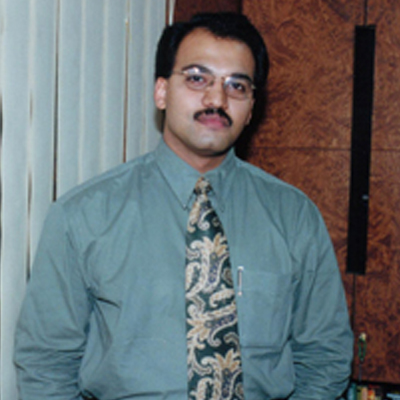
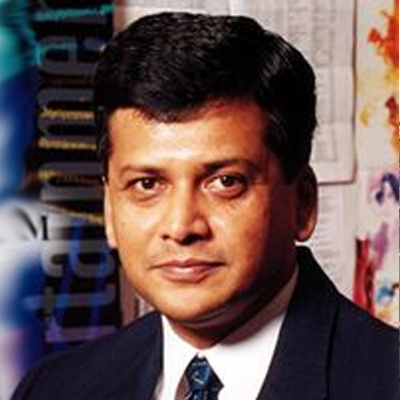
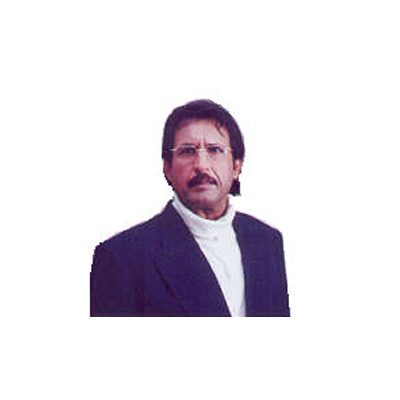
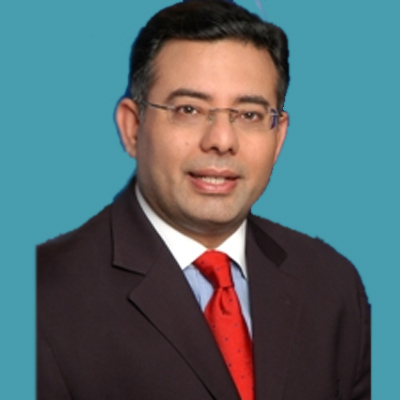
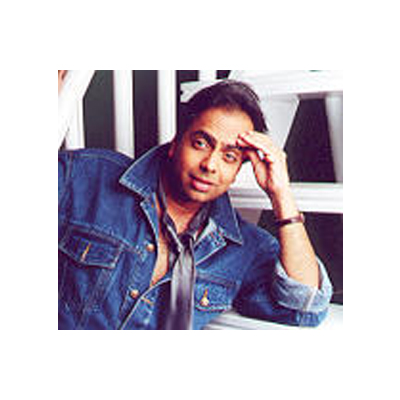
    Seven months back ad man and former Ad Club president Pratap Bose embarked on his entrepreneurial journey with The Social Street, a digitally driven agency that looks at advertising as part of the many marketing solutions that an advertiser seeks. Joining him in the initiative were partners Mandeep Malhotra, Arjun Reddy and Pradeep Uppalapati — all pioneers in different fields.

    After his exit from DDB Mudra as the chief operating officer, it was natural that The Social Street’s launch would make headlines with all industry’s eyes trained on its proceedings. Now, seven months later, with the buzz receding, we find the workings of this new fledgling agency becoming more and more shrouded in mystery. “It is a conscious decision to not reveal our account wins, as we don’t want to be in that game,” Bose simply answers when queried about the same. 

    Currently operating through 10 satellite offices with 160 employees who handle over 50 clients to boot, The Social Street credits its quick growth to its unique positioning in the market. In a candid chat with Indiantelevision.com’s Papri Das, Bose speaks on the advertising philosophy the start-up agency holds, their game plan for 2016, his thoughts on retail and shopper marketing and why their focus is not advertising.

    Excerpts:

    How has life been as an entrepreneur? What are the biggest changes that you have observed from your past role?

    Not much honestly. I am not someone who has worked in 10 agencies in the last 25 years of my career. In terms of work hours, the pressure and handling people, it comes very naturally to me. The only thing that has changed is that it’s my business and I am not answerable to any chain of superiors or hierarchy. I am the one accountable. There is no reporting to New York or Hong Kong, for example. It certainly brings a fresh perspective now that I am on the other side. Now I can see things far more realistically from a client’s point of view.

    When you work for a large agency, I think fundamentally you are chasing revenue rather than cultivating good strategic work. I am not saying that has always been so but in the last five years or so, the pressure on margins and revenues from an agency’s point of view is getting more acute than ever before. And performance, no matter what the industry says, is evaluated on a quarter by quarter basis on revenue target achievements. 

    How does The Social Street differ from that mindset? What is its advertising philosophy? 

    In any business numbers are very important, especially so for start-ups, though I prefer not to call us one. Because if you are not profitable as an agency, whether you operate with 20 people or 200 people, there is always going to be a strain on the business. But you are not accountable to every person in the organisation who wants to know what the numbers are. If your fundamentals in the strategy is bang on then we believe the numbers will happen in any which way. We have an offering and range of services that really sets us apart from most agencies. I am not competing with any creative agency as the market I want to penetrate, is world apart. 

    If I have to round up, we have seven buckets of businesses, which includes out of home, traditional media like television, print and radio, experiential, branded content, shopper and retail, rural, youth and sports marketing and cause marketing. Then there are specialisations that come with each.

    How was year 2015 for The Social Street? Did you set any benchmarks when it comes to the work and mandates? How was it in terms of new business?

    It takes time to build an organisation. Nothing happens in six months’ time. Having said that, have we done well? I think so, yes. The fact that we have opened 10 satellite offices and three main offices, hired around 160 people, and managed to get over 50 clients onboard is great progress, I feel. It was a conscious decision to not publicise about the account wins. We prefer to put all the investments upfront so in that regard I feel we have broken traditions in the business as well. And the experiment has paid off for us. Clients are happy with us. For seven months, I feel that is a pretty large amount of progress.

    Your expertise is legendary in the industry and now you have Deepak Singh onboard. Tell us how this appointment helps the agency reach its advertising philosophy? 

    The creative process and approach we take to a client is one of our differentiating aspects. So therefore, the kind of people we are looking for are new age thinkers who are willing to look beyond TV commercials and newspaper ads. 

    Today the market needs creatives to think like clients who are seeking accountability. So I am looking for creatives who are not afraid to talk about how we are delivering incremental sales through the most creative process, of course. So Deepak fit the bill perfectly and hence he is onboard with us. He shares the same advertising philosophy as we do. 

    The Social Street was recently making headlines for its partnership with Rediffusion. Please tell us the thought behind this partnership and how it will play out?

    The Social Street and Rediffusion have worked together twice in the past during our initial days. It worked well for both the companies and the vibes were just right. The clients were happy too. That led to the idea of taking our partnership on a bigger scale. We decided to offer the entire gamut of our services to the entire group. We are having a separate unit of about 35 – 40 people, for that who will closely work with Rediffusion on all their clients. We will cater to their Out of Home needs, experiential, digital and other requirements, rather than core media. We won’t be making TV commercials for them, Rediffusion will cater to their creative needs instead.

    Being a fairly new company, was it difficult to penetrate the market?

    Though we deal in core media, I am not really focusing in the advertising part of it. I am not looking forward to making TVCs and newspaper ads. There will be some as they are bread and butter and I need to pay the bills as well. But at the end of the day my focus is to deliver business solutions in a way that delivers ROI for the client. Therefore I don’t see creative agencies as competition. For us, it’s more about solving business problems or finding innovation business solutions with data consulting and analytics. We have a unique positioning in the market thanks to the various and distinct services we can offer, all under the same umbrella. Clients see value in going to one agency and getting all their requirements fulfilled than knocking at 10 different doors.

    Though several forecasts predict that digital ad spends are growing by leaps and bounds, television still remains the most preferred medium for advertisers to invest in. What do you have to say to that?

    I am not looking into advertising budgets of brands, I am looking into marketing budgets. The advertising spends are a fraction of what brands and clients have put together for their marketing. For example’s sake, if there is a large retailer owning 500 stores in india, those 500 stores are the most important part of his business. He puts in way more effort and money into those stores, which could be easily ten times of what he spends on advertising them. If I have the ability to measure every customer who is walking in his store and profiling and understanding them, to help him create a marketing strategy for them in a creative way, they will see far more value in it. It is very important to understand the distinction between marketing and advertising. Advertising is only a sliver of marketing.

    What are your thoughts on the current landscape of marketing?

    I feel that shopper marketing, which is one of the most important tools in the western world, should be paid more heed to. If a shampoo brand spends Rs 50 crore in advertising but doesn’t get picked up by the shopper in the mall, what use is that? So at the moment of truth, whether you go to the roadside kirana store or a mall, you go from being a consumer to a shopper. That science, research and understanding is massive and we need young professionals to understand that.

    What is interesting is that the same shopper market is now turning to digital marketing as well, as more and more consumers choose to shop online, which calls for completely different game plans. There are studies done in western markets on ways to influence customers even in their online shopping experience.

    Where do you see most of your business coming in from? 

    From clients who are seeking solutions in anything that is process and tech driven, because that’s where there is a huge amount of incremental value to the clients. That is where the growth will happen for us.

    If I were to break it down, I see the entire experiential marketing space coming back in the business. Obviously digital will grow, there’s no doubt about it. I also see some clients looking for content based solutions, which may even be viral videos etc. I also see a huge scope in the rural marketing category as there are hardly any players in the business who have a strategy in place, but that’s where brands are spending. And last but not the least, retail and shopper marketing, as I said, holds a lot of promise for us.

  • ‘Advertising is only a sliver of marketing:’ Pratap Bose

    ‘Advertising is only a sliver of marketing:’ Pratap Bose

    Seven months back ad man and former Ad Club president Pratap Bose embarked on his entrepreneurial journey with The Social Street, a digitally driven agency that looks at advertising as part of the many marketing solutions that an advertiser seeks. Joining him in the initiative were partners Mandeep Malhotra, Arjun Reddy and Pradeep Uppalapati — all pioneers in different fields.

    After his exit from DDB Mudra as the chief operating officer, it was natural that The Social Street’s launch would make headlines with all industry’s eyes trained on its proceedings. Now, seven months later, with the buzz receding, we find the workings of this new fledgling agency becoming more and more shrouded in mystery. “It is a conscious decision to not reveal our account wins, as we don’t want to be in that game,” Bose simply answers when queried about the same. 

    Currently operating through 10 satellite offices with 160 employees who handle over 50 clients to boot, The Social Street credits its quick growth to its unique positioning in the market. In a candid chat with Indiantelevision.com’s Papri Das, Bose speaks on the advertising philosophy the start-up agency holds, their game plan for 2016, his thoughts on retail and shopper marketing and why their focus is not advertising.

    Excerpts:

    How has life been as an entrepreneur? What are the biggest changes that you have observed from your past role?

    Not much honestly. I am not someone who has worked in 10 agencies in the last 25 years of my career. In terms of work hours, the pressure and handling people, it comes very naturally to me. The only thing that has changed is that it’s my business and I am not answerable to any chain of superiors or hierarchy. I am the one accountable. There is no reporting to New York or Hong Kong, for example. It certainly brings a fresh perspective now that I am on the other side. Now I can see things far more realistically from a client’s point of view.

    When you work for a large agency, I think fundamentally you are chasing revenue rather than cultivating good strategic work. I am not saying that has always been so but in the last five years or so, the pressure on margins and revenues from an agency’s point of view is getting more acute than ever before. And performance, no matter what the industry says, is evaluated on a quarter by quarter basis on revenue target achievements. 

    How does The Social Street differ from that mindset? What is its advertising philosophy? 

    In any business numbers are very important, especially so for start-ups, though I prefer not to call us one. Because if you are not profitable as an agency, whether you operate with 20 people or 200 people, there is always going to be a strain on the business. But you are not accountable to every person in the organisation who wants to know what the numbers are. If your fundamentals in the strategy is bang on then we believe the numbers will happen in any which way. We have an offering and range of services that really sets us apart from most agencies. I am not competing with any creative agency as the market I want to penetrate, is world apart. 

    If I have to round up, we have seven buckets of businesses, which includes out of home, traditional media like television, print and radio, experiential, branded content, shopper and retail, rural, youth and sports marketing and cause marketing. Then there are specialisations that come with each.

    How was year 2015 for The Social Street? Did you set any benchmarks when it comes to the work and mandates? How was it in terms of new business?

    It takes time to build an organisation. Nothing happens in six months’ time. Having said that, have we done well? I think so, yes. The fact that we have opened 10 satellite offices and three main offices, hired around 160 people, and managed to get over 50 clients onboard is great progress, I feel. It was a conscious decision to not publicise about the account wins. We prefer to put all the investments upfront so in that regard I feel we have broken traditions in the business as well. And the experiment has paid off for us. Clients are happy with us. For seven months, I feel that is a pretty large amount of progress.

    Your expertise is legendary in the industry and now you have Deepak Singh onboard. Tell us how this appointment helps the agency reach its advertising philosophy? 

    The creative process and approach we take to a client is one of our differentiating aspects. So therefore, the kind of people we are looking for are new age thinkers who are willing to look beyond TV commercials and newspaper ads. 

    Today the market needs creatives to think like clients who are seeking accountability. So I am looking for creatives who are not afraid to talk about how we are delivering incremental sales through the most creative process, of course. So Deepak fit the bill perfectly and hence he is onboard with us. He shares the same advertising philosophy as we do. 

    The Social Street was recently making headlines for its partnership with Rediffusion. Please tell us the thought behind this partnership and how it will play out?

    The Social Street and Rediffusion have worked together twice in the past during our initial days. It worked well for both the companies and the vibes were just right. The clients were happy too. That led to the idea of taking our partnership on a bigger scale. We decided to offer the entire gamut of our services to the entire group. We are having a separate unit of about 35 – 40 people, for that who will closely work with Rediffusion on all their clients. We will cater to their Out of Home needs, experiential, digital and other requirements, rather than core media. We won’t be making TV commercials for them, Rediffusion will cater to their creative needs instead.

    Being a fairly new company, was it difficult to penetrate the market?

    Though we deal in core media, I am not really focusing in the advertising part of it. I am not looking forward to making TVCs and newspaper ads. There will be some as they are bread and butter and I need to pay the bills as well. But at the end of the day my focus is to deliver business solutions in a way that delivers ROI for the client. Therefore I don’t see creative agencies as competition. For us, it’s more about solving business problems or finding innovation business solutions with data consulting and analytics. We have a unique positioning in the market thanks to the various and distinct services we can offer, all under the same umbrella. Clients see value in going to one agency and getting all their requirements fulfilled than knocking at 10 different doors.

    Though several forecasts predict that digital ad spends are growing by leaps and bounds, television still remains the most preferred medium for advertisers to invest in. What do you have to say to that?

    I am not looking into advertising budgets of brands, I am looking into marketing budgets. The advertising spends are a fraction of what brands and clients have put together for their marketing. For example’s sake, if there is a large retailer owning 500 stores in india, those 500 stores are the most important part of his business. He puts in way more effort and money into those stores, which could be easily ten times of what he spends on advertising them. If I have the ability to measure every customer who is walking in his store and profiling and understanding them, to help him create a marketing strategy for them in a creative way, they will see far more value in it. It is very important to understand the distinction between marketing and advertising. Advertising is only a sliver of marketing.

    What are your thoughts on the current landscape of marketing?

    I feel that shopper marketing, which is one of the most important tools in the western world, should be paid more heed to. If a shampoo brand spends Rs 50 crore in advertising but doesn’t get picked up by the shopper in the mall, what use is that? So at the moment of truth, whether you go to the roadside kirana store or a mall, you go from being a consumer to a shopper. That science, research and understanding is massive and we need young professionals to understand that.

    What is interesting is that the same shopper market is now turning to digital marketing as well, as more and more consumers choose to shop online, which calls for completely different game plans. There are studies done in western markets on ways to influence customers even in their online shopping experience.

    Where do you see most of your business coming in from? 

    From clients who are seeking solutions in anything that is process and tech driven, because that’s where there is a huge amount of incremental value to the clients. That is where the growth will happen for us.

    If I were to break it down, I see the entire experiential marketing space coming back in the business. Obviously digital will grow, there’s no doubt about it. I also see some clients looking for content based solutions, which may even be viral videos etc. I also see a huge scope in the rural marketing category as there are hardly any players in the business who have a strategy in place, but that’s where brands are spending. And last but not the least, retail and shopper marketing, as I said, holds a lot of promise for us.

  • ‘The joy is in the journey and the journey for me is only journalism till the last breath:’ Arnab Goswami

    ‘The joy is in the journey and the journey for me is only journalism till the last breath:’ Arnab Goswami

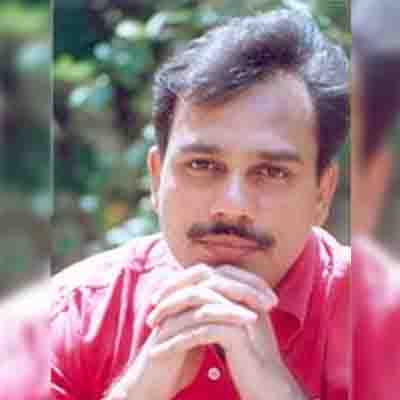
    Arnab Goswami needs no introduction. He is the man who proved that high decibel is not always harmful and that sometimes it plays a pivotal role to awaken those in deep slumber. Opinionated journalism is not a bad thing if that opinion leads to a change for good. Sensationalism is not a crisis if done for the benefit of the society. Not following the traditional may give birth to something for the traditional to later follow. All these daring aspects are the gut feeling of the man who has redefined broadcast journalism in India. He along with his team has changed how media was consumed and perceived.

    Social consciousness was invoked time and again in the debates he conducted. The topics gave news a whole new dimension; the decibel levels brought the stories alive for viewers; the questions and counter questions heightened the bring-in-a-change quotient. His stories not only reflected the abysmal crisis in society but also exposed many a top notch officials. Be it Suresh Kalmadi in the CWG scam or Sushma Swaraj in Lalit Gate… backing down was never an option for him.

    He silenced naysayers early on with the famous lines crooned by Bob Dylan: Don’t speak too soon. For the wheel’s still in spin. And there’s no tellin’ who That it’s namin’. For the loser now, will be later to win. For the times they are a-changin’.

     He acknowledged every change and adapted accordingly to stay relevant and ahead of competition. If needed, he even resorted to speaking in Hindi on his English news channel. Ten years down the line, he is an established name and Times Now is the undisputed leader in its space. Not only in terms of viewership, the moolah that The Newshour rakes in now, is higher than that of many shows on GECs.

    Speaking to Indiantelevision.com’s Anirban Roy Choudhury, Times Now, ET Now and MagicBricks Now president – news and editor-in-chief expresses his profound love for journalism and speaks on competition’s mockery, the scams, investigative journalism and much more…

    Read on: 

    On screen on a Sunday morning, you break the Lalit Gate story. Incidentally the week before for the first time Times Now dropped down to second place. Was Lalit Gate an attempt to go back to number one?

    Actually, we had the story with us for almost three weeks before we broke it. These kind of stories doesn’t happen overnight. So we were working on it for a long period of time. We put it up on a Sunday typically because Sunday is a slow news cycle day. What we did not expect was the confirmation on the story from Sushma Swaraj’s office within 15 to 20 minutes, which led to the blow up. We take our time working on stories. Being a channel, which has been there done that, we don’t respond to things immediately. That one week that you are talking about was purely because of the double frequency model adopted by one channel, which failed very quickly and you can see the numbers now. We have been number one for 10 years on television and we are pretty immune to one or two weeks.


    How much does a campaign of a rival English news channel featuring mimicry of you and your show bother you?

    There is only one botheration from all that ape-mocking and negative campaigning that happens against me and Times Now and that is they are wasting their time trying to mock, mimic or ape us. People should stop wasting their time but if they want to pay more attention to us, they can. It only proves that they are also watching us all the time!


    There was a time when you were about to give up journalism and were standing in front of a PR firm with your CV in hand. Today, ten years later when you look back, are you glad that you did not give up journalism?

    I am very glad that I did not quit journalism. I feel I was very fortunate that I was given a chance to start a channel on my own, find my own team and get a group of people, who are willing to work with me. Also ten years back, I had not built a professional reputation of my own and I feel fortunate that people choose to share their professional years with me to take a big risk and start this channel. I am very grateful that I had the support of good people. I also feel fortunate that we have been able to go by our gut and change the way journalism is done. And it was not because our back was against the wall but because we felt this was the way forward. If I have to launch a channel all over again, I will go by gut instinct.


    Purulia Arms Drop was a piece of investigative journalism that turned to a documentary and got mass acclamation. Do you see investigative journalism, which is not the high decibel eight box debates getting more prominence?

    I think Purulia Arms Drop documentary, which led to foreign news organisations commissioning documentaries in it, is an amazing story. This is the kind of journalism I would like to do more and more. Going forward, when we explore different formats, the investigative format is the one that I will find most exciting.


    Despite having such high inclination towards investigative journalism, why did you publicly oppose the airing of India’s Daughter?

    I don’t think you can give a platform to a rapist on TV. It is ridiculous if a rapist is given a platform on TV to talk about how he is innocent when the matter is sub-judice. Will you give a platform to 1000 of rapists to go on air and justify why they are innocent? Will giving a rapist a platform not impact the victim as well as the rapist’s family? Is it not an interference in the judicial process? Of course it is!


    Even today I challenge such journalism. If giving a rapist a platform is good journalism, then I don’t believe in such journalism. It is disgraceful giving a rapist a platform. Certainly a foreigner with some interest in India cannot come and say that giving a rapist a platform is good journalism. Will they go to the US and the UK and give rapists there a platform to broadcast to the masses? It is morally wrong. It’s totally incorrect. I stand by my position and it was all on moral ground. I was cringing when I saw the clip of a rapist describing why he is innocent. Any right thinking person will cringe. Good journalism is Lalit Gate not giving a platform to a rapist; good journalism is breaking scams and not giving a platform to a rapist.


    How will you deal with a story from the hinterlands? Will you treat it with same detail as you do to a story breaking in the metros?

    We will do partnerships with regional channels to cover every story with utmost details. Our foot presence is low in those areas. For example, we have the largest TV presence with couple of camera crews, a consulting editor, two reporters a full VSAT 2 MBPs loop, an OB van and live view units. Compared to other channels, we are three times bigger in the North East. But if you ask me if it’s enough, well it’s certainly not! If something happens in Manipur, or upper Assam or Arunachal Pradesh, we are not in a position to connect in those regions. So we tie-up with regional channels like News Live and other local channels to ensure that we get the right news. These are all situation based tie-ups. While we don’t have formal associations with anyone, we have very strong informal understandings with channels across the country.


    If news was not a viewership and advertising led business in India, would you have followed the same form of journalism? Is this a rating led Arnab Goswami?

    Let me answer this in this way, there was no guarantee that the formats I was getting into would be successful. Without the guarantee, why did I start the format? Because I believed in it. I was a debater since I was in class seven. I think sometimes when you do things that you like, it works. TV is a transparent medium, you cannot lie on television or pretend to be something you are not. All those who pretend and lie, fail. And the ones who do things with honesty and purpose will succeed. So what we want is a group of producers and journalist saying, we want to see it the way it is. Sitting in Mumbai in the media business I couldn’t care less if it works or it doesn’t. I am not a Santa Clause. I’m not here to get affection or be popular. I am here to be relevant.


    How to you react to the perception that Times Now is as good as Arnab Goswami and that it’s a one man show? You must have heard it every now and then.

    I am the leader of my team of reporters and producers. I am as good as my team. My team believes in that and we work together. We are fortunate to have India’s best reporters working with us. I feel proud when I see a reporter who has just been with me for a year, covering a big political story. When we depute people for foreign assignments, I feel proud. We are the only channel to send reporters with the Prime Minister on his foreign visits. We deploy our reporters far quicker than our competition. Our speed of deploying reporters in a news space is far quicker than any other channel in India. If we need to deploy a particular person in a particular place, nobody can do it quicker than me and my logistics team. So in terms of production and logistics, we are far smarter than any other news channel in India. I cannot do anything about perception and frankly, I don’t care.


    Very often we see your peers from other media firms sharing their dislike for you. Does that somehow affect you?

    Since we have beaten every news channels in last ten years, I don’t expect to be liked by news channels and journalists. Since me and my team are not doing traditional journalism, I don’t expect the ones doing traditional journalism to like me. Also while we take away 60 per cent of the market share, the others are scrambling for the remaining 40 per cent. I don’t expect the ones scrambling for the 40 per cent to like me. How does it even matter if they don’t like me?


    How do you approach a legal sub-judice story?

    Generally when an issue goes to the realm of courts, we pull down. Most of the breaking stories like the 2G or CWG scams, we push with debates and discussions till the point it goes to the court. And once it goes to the court, we kind of pull back. We believe once it has gone to court, the court should look into it. We do not interfere in the judicial process.


    Social media is breaking stories in bits and bytes from every nook and corner. The news of Abdul Kalam’s death broke on Twitter. Do you see that impacting TV news?

    Breaking a big exclusive story has not yet happened on social media. But it’s good that social media is keeping us informed about things happening around us. That’s one thing but remember in the case of Abdul Kalam, we are talking about the demise of a former President. We will not put it up till we have an official confirmation. So there is no reason to presume that we did not have the news. It’s just that at times, we choose not to put the news till we receive official information on it.


    Your gut feeling and people management has taken Times Now to new heights in the last 10 years. The characteristics are exactly what is required for an entrepreneur. How far are you from your entrepreneurship voyage?

    Let’s see what happens in the future. Who can predict what happens in the future? I want to do nothing but journalism till my last breath. I want to do journalism in a way that we can make Indian media go global in the digital world. I want to do journalism in a way that people coming out of colleges should feel that the first job they want to do is with this team.


    The joy is in the journey and the journey for me is only journalism till the last breath. There may be many vehicles, Times Now itself has been an entrepreneurial journey for me. I never predict the future but the future can take me anywhere. Let’s see.

  • ‘The joy is in the journey and the journey for me is only journalism till the last breath:’ Arnab Goswami

    ‘The joy is in the journey and the journey for me is only journalism till the last breath:’ Arnab Goswami

    Arnab Goswami needs no introduction. He is the man who proved that high decibel is not always harmful and that sometimes it plays a pivotal role to awaken those in deep slumber. Opinionated journalism is not a bad thing if that opinion leads to a change for good. Sensationalism is not a crisis if done for the benefit of the society. Not following the traditional may give birth to something for the traditional to later follow. All these daring aspects are the gut feeling of the man who has redefined broadcast journalism in India. He along with his team has changed how media was consumed and perceived.

    Social consciousness was invoked time and again in the debates he conducted. The topics gave news a whole new dimension; the decibel levels brought the stories alive for viewers; the questions and counter questions heightened the bring-in-a-change quotient. His stories not only reflected the abysmal crisis in society but also exposed many a top notch officials. Be it Suresh Kalmadi in the CWG scam or Sushma Swaraj in Lalit Gate… backing down was never an option for him.

    He silenced naysayers early on with the famous lines crooned by Bob Dylan: Don’t speak too soon. For the wheel’s still in spin. And there’s no tellin’ who That it’s namin’. For the loser now, will be later to win. For the times they are a-changin’.

     He acknowledged every change and adapted accordingly to stay relevant and ahead of competition. If needed, he even resorted to speaking in Hindi on his English news channel. Ten years down the line, he is an established name and Times Now is the undisputed leader in its space. Not only in terms of viewership, the moolah that The Newshour rakes in now, is higher than that of many shows on GECs.

    Speaking to Indiantelevision.com’s Anirban Roy Choudhury, Times Now, ET Now and MagicBricks Now president – news and editor-in-chief expresses his profound love for journalism and speaks on competition’s mockery, the scams, investigative journalism and much more…

    Read on: 

    On screen on a Sunday morning, you break the Lalit Gate story. Incidentally the week before for the first time Times Now dropped down to second place. Was Lalit Gate an attempt to go back to number one?

    Actually, we had the story with us for almost three weeks before we broke it. These kind of stories doesn’t happen overnight. So we were working on it for a long period of time. We put it up on a Sunday typically because Sunday is a slow news cycle day. What we did not expect was the confirmation on the story from Sushma Swaraj’s office within 15 to 20 minutes, which led to the blow up. We take our time working on stories. Being a channel, which has been there done that, we don’t respond to things immediately. That one week that you are talking about was purely because of the double frequency model adopted by one channel, which failed very quickly and you can see the numbers now. We have been number one for 10 years on television and we are pretty immune to one or two weeks.


    How much does a campaign of a rival English news channel featuring mimicry of you and your show bother you?

    There is only one botheration from all that ape-mocking and negative campaigning that happens against me and Times Now and that is they are wasting their time trying to mock, mimic or ape us. People should stop wasting their time but if they want to pay more attention to us, they can. It only proves that they are also watching us all the time!


    There was a time when you were about to give up journalism and were standing in front of a PR firm with your CV in hand. Today, ten years later when you look back, are you glad that you did not give up journalism?

    I am very glad that I did not quit journalism. I feel I was very fortunate that I was given a chance to start a channel on my own, find my own team and get a group of people, who are willing to work with me. Also ten years back, I had not built a professional reputation of my own and I feel fortunate that people choose to share their professional years with me to take a big risk and start this channel. I am very grateful that I had the support of good people. I also feel fortunate that we have been able to go by our gut and change the way journalism is done. And it was not because our back was against the wall but because we felt this was the way forward. If I have to launch a channel all over again, I will go by gut instinct.


    Purulia Arms Drop was a piece of investigative journalism that turned to a documentary and got mass acclamation. Do you see investigative journalism, which is not the high decibel eight box debates getting more prominence?

    I think Purulia Arms Drop documentary, which led to foreign news organisations commissioning documentaries in it, is an amazing story. This is the kind of journalism I would like to do more and more. Going forward, when we explore different formats, the investigative format is the one that I will find most exciting.


    Despite having such high inclination towards investigative journalism, why did you publicly oppose the airing of India’s Daughter?

    I don’t think you can give a platform to a rapist on TV. It is ridiculous if a rapist is given a platform on TV to talk about how he is innocent when the matter is sub-judice. Will you give a platform to 1000 of rapists to go on air and justify why they are innocent? Will giving a rapist a platform not impact the victim as well as the rapist’s family? Is it not an interference in the judicial process? Of course it is!


    Even today I challenge such journalism. If giving a rapist a platform is good journalism, then I don’t believe in such journalism. It is disgraceful giving a rapist a platform. Certainly a foreigner with some interest in India cannot come and say that giving a rapist a platform is good journalism. Will they go to the US and the UK and give rapists there a platform to broadcast to the masses? It is morally wrong. It’s totally incorrect. I stand by my position and it was all on moral ground. I was cringing when I saw the clip of a rapist describing why he is innocent. Any right thinking person will cringe. Good journalism is Lalit Gate not giving a platform to a rapist; good journalism is breaking scams and not giving a platform to a rapist.


    How will you deal with a story from the hinterlands? Will you treat it with same detail as you do to a story breaking in the metros?

    We will do partnerships with regional channels to cover every story with utmost details. Our foot presence is low in those areas. For example, we have the largest TV presence with couple of camera crews, a consulting editor, two reporters a full VSAT 2 MBPs loop, an OB van and live view units. Compared to other channels, we are three times bigger in the North East. But if you ask me if it’s enough, well it’s certainly not! If something happens in Manipur, or upper Assam or Arunachal Pradesh, we are not in a position to connect in those regions. So we tie-up with regional channels like News Live and other local channels to ensure that we get the right news. These are all situation based tie-ups. While we don’t have formal associations with anyone, we have very strong informal understandings with channels across the country.


    If news was not a viewership and advertising led business in India, would you have followed the same form of journalism? Is this a rating led Arnab Goswami?

    Let me answer this in this way, there was no guarantee that the formats I was getting into would be successful. Without the guarantee, why did I start the format? Because I believed in it. I was a debater since I was in class seven. I think sometimes when you do things that you like, it works. TV is a transparent medium, you cannot lie on television or pretend to be something you are not. All those who pretend and lie, fail. And the ones who do things with honesty and purpose will succeed. So what we want is a group of producers and journalist saying, we want to see it the way it is. Sitting in Mumbai in the media business I couldn’t care less if it works or it doesn’t. I am not a Santa Clause. I’m not here to get affection or be popular. I am here to be relevant.


    How to you react to the perception that Times Now is as good as Arnab Goswami and that it’s a one man show? You must have heard it every now and then.

    I am the leader of my team of reporters and producers. I am as good as my team. My team believes in that and we work together. We are fortunate to have India’s best reporters working with us. I feel proud when I see a reporter who has just been with me for a year, covering a big political story. When we depute people for foreign assignments, I feel proud. We are the only channel to send reporters with the Prime Minister on his foreign visits. We deploy our reporters far quicker than our competition. Our speed of deploying reporters in a news space is far quicker than any other channel in India. If we need to deploy a particular person in a particular place, nobody can do it quicker than me and my logistics team. So in terms of production and logistics, we are far smarter than any other news channel in India. I cannot do anything about perception and frankly, I don’t care.


    Very often we see your peers from other media firms sharing their dislike for you. Does that somehow affect you?

    Since we have beaten every news channels in last ten years, I don’t expect to be liked by news channels and journalists. Since me and my team are not doing traditional journalism, I don’t expect the ones doing traditional journalism to like me. Also while we take away 60 per cent of the market share, the others are scrambling for the remaining 40 per cent. I don’t expect the ones scrambling for the 40 per cent to like me. How does it even matter if they don’t like me?


    How do you approach a legal sub-judice story?

    Generally when an issue goes to the realm of courts, we pull down. Most of the breaking stories like the 2G or CWG scams, we push with debates and discussions till the point it goes to the court. And once it goes to the court, we kind of pull back. We believe once it has gone to court, the court should look into it. We do not interfere in the judicial process.


    Social media is breaking stories in bits and bytes from every nook and corner. The news of Abdul Kalam’s death broke on Twitter. Do you see that impacting TV news?

    Breaking a big exclusive story has not yet happened on social media. But it’s good that social media is keeping us informed about things happening around us. That’s one thing but remember in the case of Abdul Kalam, we are talking about the demise of a former President. We will not put it up till we have an official confirmation. So there is no reason to presume that we did not have the news. It’s just that at times, we choose not to put the news till we receive official information on it.


    Your gut feeling and people management has taken Times Now to new heights in the last 10 years. The characteristics are exactly what is required for an entrepreneur. How far are you from your entrepreneurship voyage?

    Let’s see what happens in the future. Who can predict what happens in the future? I want to do nothing but journalism till my last breath. I want to do journalism in a way that we can make Indian media go global in the digital world. I want to do journalism in a way that people coming out of colleges should feel that the first job they want to do is with this team.


    The joy is in the journey and the journey for me is only journalism till the last breath. There may be many vehicles, Times Now itself has been an entrepreneurial journey for me. I never predict the future but the future can take me anywhere. Let’s see.

  • ‘Costume drama is not everybody’s cup of tea:’ Nikhil Sinha

    ‘Costume drama is not everybody’s cup of tea:’ Nikhil Sinha

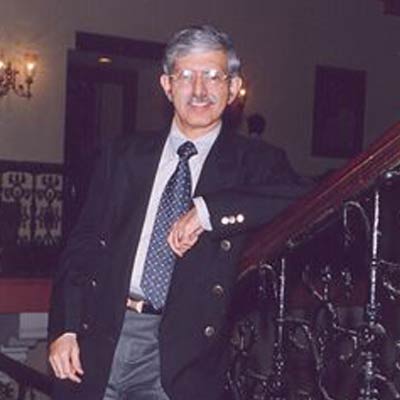
    With the increase in the number of television channels in India, the demand for content producers has gone up, which in turn has seen many a new players making their entry into the industry that was once monopolised by a handful few. One such new production house is Triangle Film Company helmed by Nikhil Sinha, which has made its mark in a short-period with its social, historical and mythological shows.


    After producing shows like Baba Aisa Var Dundho, Akbar Birbal, Adventure of Hatim and Devo Ke Dev Mahadev, Sinha’s Triangle Film Company is now busy with its new show Siya Ke Ram on Star Plus.


    In conversation with Indiantelevision.com’s Sonam Saini, Sinha shares his views on the television content space in India, his experience of producing costume dramas and more. 


    Excerpts:


    From director of photography to producer of ‘Baba Aisa Var Dundho,’ how has been the journey so far?

    The journey has been superb and amazing so far from director of photography to director to producer. It has been like an accreditation from one to another.


    What according to you is the most challenging genre for television production?

    The entire production game itself is a very challenging task. From direction to production everything is a task. When it comes to genres, then obviously costume dramas are the most challenging ones because they are more elaborate and scaled.


    While in social dramas, you can make a show with 70 – 80 people in a unit, in costume dramas no less than 200 – 300 people are involved. Moreover, a lot of aspects are involved from pre-production to set-designing to shooting and graphics. So there are more layers here and hence it’s more challenging.


    Apart from television, has Triangle Film Company started creating content for other platforms?

    We are working on a few concepts for the digital platform but there’s nothing concrete as yet. We believe that when we do something for the digital platform, it needs to have a unique proposition and we’re waiting to find that.


    From the company’s launch to now, how would you rate yourself in terms of creating unique concept shows?

    From the time I started my company, we have worked on five shows including Baba Aisa Var Dundho, Devo Ke Dev Mahadev, Adventure of Hatim, Akbar Birbal and Siya Ke Ram. Moreover, we produced four shows in five years and they all are quite unique. They have been the most talked about shows for their concept and production. Therefore, we have been able to fulfil the vision that the company was launched with. I am happy with the way we are producing shows, which will be remembered over the years.  


    What sets Triangle Film Company apart from the other content production houses in the industry?

    The desire to deliver quality content, which oozes positivity. In all our shows, we have tried to cover different strata of society. We are not only making shows for the masses but also for the elite and niche classes.


    Our show Mahadev was watched by everyone across the country. The idea is to create the content for the entire family and the society as a whole and that’s what makes us different from the others.


    We have set the bar high and that I believe is the most important thing. So every time we create a show, we set a higher benchmark in the industry so that we can compete with the western world. That is the basic philosophy that we follow.


    Mythology has become a popular genre on Indian television and you’ve also dabbled in the genre. What’s the lure there given that they are more expensive in terms of production?

    The more expensive the show, the more hard work it requires. You have to have more scale, bigger sets and a host of people are required. It is basically the nature of accepting challenges that is what drives us towards the mythological genre. Moreover, costume drama is not everybody’s cup of tea. It takes a lot of courage and hard work to produce such shows. 


    Are mythological shows a profitable proposition?

    Whether you do a social, fantasy or mythological show, the profit is always calculated in terms of ratio or percentage. If you have Rs 1 lakh and the profit margin is five per cent, then you end up making a profit of Rs 5 lakh. It is a percentage, which is important and that percentage remain the same, no matter what the production is. So the kind of return one gets depends on the kind of money spent.


    To produce a costume drama, you have to invest lot of money. People talk about the revenue generated from costume dramas but nobody sees the amount of investment that a producer puts in. 

    But like I said, whether it is social drama or a costume drama, the percentage remains the same.


    Siya Ke Ram is a story from Sita’s perspective. What was the idea behind coming up with a show like this and how is it different from other traditional mythological shows?

    Conceptually, Ram and Sita’s story has always been seen in a very typical format, which has been like a bakhti-rass. So to touch the story at a micro level from a human point of view was very important. So far the show has been doing that and it has been accepted by the audience. 


    In terms of approach and visuals, not a lot of money was invested in the show. However, what is more important is how the show is conceived and not much was spent on making it. You can have all the money in the world and no product, and at the same time limited money can give you good output. Siya Ke Ram is that kind of show, which doesn’t have too much money in it but looks rich. The idea was to create a very different show, which was the biggest challenge because we created a benchmark with Mahadev.


    Siya Ke Ram has created a new trend in terms of visuals, and how a production can look grand on Indian television.


    This is the second time you are working with Devdutt Pattanaik. How was the experience working with him? 

    Enlightening! With the kind of answers, philosophy and insights that he has, it has been a great experience working with him.


    Can you elaborate on the association? Is he helping you out with his insights on screenplay given that he has penned a book called ‘Sita’?

    On shows like Mahadev and Siya Ke Ram, it is philosophy that matters and these characters are made out of that philosophy of life. In order to decode, understand and make it in a story format, you need someone who can explain it to you and that’s the role he played in the show. He provides the philosophy on the subject.  


    In just a few weeks, the show gained immense popularity. Did you expect that response? What according to you has worked in the show’s favour?

    Yes, we put a lot of hard work into it and we went many extra miles. We are expecting more popularity from this. I think we’ve only just started and in coming days, this show has the potential to become the biggest show in India. The visuals and unique story line is getting a lot of traction and people are now getting connected with the characters.


    Is the company also looking at producing non-fiction shows?

    I have never restricted myself to any one kind of genre. I am open to all the genres as a director also and as a producer too. If something interesting comes up, then I will definitely do that it.


    How has 2015 been for Triangle Film Company?

    It was good but it was mostly a year of preparing for Siya Ke Ram.


    What is your opinion on Intellectual Property staying with the channel? Don’t you think it should be remain with the production house?  

    Certainly, it should. The IP should remain with the person who conceived the idea.


    Nowadays they have a different definition and our previous generation has given away this right to the channel because 25 years back, the IP of a show vested with the production house. However, somehow it went to channels and now we are the victims.


    The IP should remain with the producer or at least should be shared with the producer because the person who is creating and putting in all the hard work doesn’t get anything out of it. Whereas the person who is providing the platform for telecast gets everything. It’s not very fair but I hope it will change soon. 


    With the number of channels increasing every year, how is Triangle poised to cater to the increasing content demand?

    We have to expand ourselves and create many more programmes now. The need of the hour is immense and we will certainly rise up to the occasion and churn out more content for multiple platforms.


    According to you, what is lacking in the television content production space in India? And how does Triangle aim to fill that void?

    Television is one place where we can the herd mentality being followed. If one channel creates a trend, others immediately start chasing the same and it becomes the routine. What’s more, the audience also laps up these trends. I believe that the audience hasn’t created us but we have created the audience. Twenty years back people loved shows likeBuniyad or Bharat Ek Khoj, which were intelligent shows even when the literacy rate was much lower. Now, even though the literacy rate is much higher and people have advanced and are modern, they still tend to like clichéd shows. I would say the fault is ours because the audience sees what we throw at them.


    I have realised that since a couple of years, television viewership has also declining because of poor content. We should take the responsibility of delivering quality content. While it might not reap us benefits immediately, it will definitely help us to build the platform in the future.


    What according to you were the key production highlights and landmarks on Indian television in 2015?

    According to me, nothing happened good. There were no remarkable or promising launches on Indian television in 2015.


    With so many production companies in the fray, making and selling content to broadcasters is a fragmented business. How difficult is it to sustain growth in such a scenario?

    Earlier, it was a monopolised business but competition was inevitable. Television production is a space for everybody and anybody. Competition is good as it only makes you work hard in order to sustain.


    Content production is an expensive proposition. Has the company broken even since launch?

    Yes, certainly… long back. We are not a channel where the investment is huge and the reward is good. Production houses work on a project basis and not on a yearly basis.


    What can we expect from Triangle in the coming year?

    Good, nice and bigger shows in the future, which are a class apart and will raise the level of our industry.

  • ‘Costume drama is not everybody’s cup of tea:’ Nikhil Sinha

    ‘Costume drama is not everybody’s cup of tea:’ Nikhil Sinha

    With the increase in the number of television channels in India, the demand for content producers has gone up, which in turn has seen many a new players making their entry into the industry that was once monopolised by a handful few. One such new production house is Triangle Film Company helmed by Nikhil Sinha, which has made its mark in a short-period with its social, historical and mythological shows.


    After producing shows like Baba Aisa Var Dundho, Akbar Birbal, Adventure of Hatim and Devo Ke Dev Mahadev, Sinha’s Triangle Film Company is now busy with its new show Siya Ke Ram on Star Plus.


    In conversation with Indiantelevision.com’s Sonam Saini, Sinha shares his views on the television content space in India, his experience of producing costume dramas and more. 


    Excerpts:


    From director of photography to producer of ‘Baba Aisa Var Dundho,’ how has been the journey so far?

    The journey has been superb and amazing so far from director of photography to director to producer. It has been like an accreditation from one to another.


    What according to you is the most challenging genre for television production?

    The entire production game itself is a very challenging task. From direction to production everything is a task. When it comes to genres, then obviously costume dramas are the most challenging ones because they are more elaborate and scaled.


    While in social dramas, you can make a show with 70 – 80 people in a unit, in costume dramas no less than 200 – 300 people are involved. Moreover, a lot of aspects are involved from pre-production to set-designing to shooting and graphics. So there are more layers here and hence it’s more challenging.


    Apart from television, has Triangle Film Company started creating content for other platforms?

    We are working on a few concepts for the digital platform but there’s nothing concrete as yet. We believe that when we do something for the digital platform, it needs to have a unique proposition and we’re waiting to find that.


    From the company’s launch to now, how would you rate yourself in terms of creating unique concept shows?

    From the time I started my company, we have worked on five shows including Baba Aisa Var Dundho, Devo Ke Dev Mahadev, Adventure of Hatim, Akbar Birbal and Siya Ke Ram. Moreover, we produced four shows in five years and they all are quite unique. They have been the most talked about shows for their concept and production. Therefore, we have been able to fulfil the vision that the company was launched with. I am happy with the way we are producing shows, which will be remembered over the years.  


    What sets Triangle Film Company apart from the other content production houses in the industry?

    The desire to deliver quality content, which oozes positivity. In all our shows, we have tried to cover different strata of society. We are not only making shows for the masses but also for the elite and niche classes.


    Our show Mahadev was watched by everyone across the country. The idea is to create the content for the entire family and the society as a whole and that’s what makes us different from the others.


    We have set the bar high and that I believe is the most important thing. So every time we create a show, we set a higher benchmark in the industry so that we can compete with the western world. That is the basic philosophy that we follow.


    Mythology has become a popular genre on Indian television and you’ve also dabbled in the genre. What’s the lure there given that they are more expensive in terms of production?

    The more expensive the show, the more hard work it requires. You have to have more scale, bigger sets and a host of people are required. It is basically the nature of accepting challenges that is what drives us towards the mythological genre. Moreover, costume drama is not everybody’s cup of tea. It takes a lot of courage and hard work to produce such shows. 


    Are mythological shows a profitable proposition?

    Whether you do a social, fantasy or mythological show, the profit is always calculated in terms of ratio or percentage. If you have Rs 1 lakh and the profit margin is five per cent, then you end up making a profit of Rs 5 lakh. It is a percentage, which is important and that percentage remain the same, no matter what the production is. So the kind of return one gets depends on the kind of money spent.


    To produce a costume drama, you have to invest lot of money. People talk about the revenue generated from costume dramas but nobody sees the amount of investment that a producer puts in. 

    But like I said, whether it is social drama or a costume drama, the percentage remains the same.


    Siya Ke Ram is a story from Sita’s perspective. What was the idea behind coming up with a show like this and how is it different from other traditional mythological shows?

    Conceptually, Ram and Sita’s story has always been seen in a very typical format, which has been like a bakhti-rass. So to touch the story at a micro level from a human point of view was very important. So far the show has been doing that and it has been accepted by the audience. 


    In terms of approach and visuals, not a lot of money was invested in the show. However, what is more important is how the show is conceived and not much was spent on making it. You can have all the money in the world and no product, and at the same time limited money can give you good output. Siya Ke Ram is that kind of show, which doesn’t have too much money in it but looks rich. The idea was to create a very different show, which was the biggest challenge because we created a benchmark with Mahadev.


    Siya Ke Ram has created a new trend in terms of visuals, and how a production can look grand on Indian television.


    This is the second time you are working with Devdutt Pattanaik. How was the experience working with him? 

    Enlightening! With the kind of answers, philosophy and insights that he has, it has been a great experience working with him.


    Can you elaborate on the association? Is he helping you out with his insights on screenplay given that he has penned a book called ‘Sita’?

    On shows like Mahadev and Siya Ke Ram, it is philosophy that matters and these characters are made out of that philosophy of life. In order to decode, understand and make it in a story format, you need someone who can explain it to you and that’s the role he played in the show. He provides the philosophy on the subject.  


    In just a few weeks, the show gained immense popularity. Did you expect that response? What according to you has worked in the show’s favour?

    Yes, we put a lot of hard work into it and we went many extra miles. We are expecting more popularity from this. I think we’ve only just started and in coming days, this show has the potential to become the biggest show in India. The visuals and unique story line is getting a lot of traction and people are now getting connected with the characters.


    Is the company also looking at producing non-fiction shows?

    I have never restricted myself to any one kind of genre. I am open to all the genres as a director also and as a producer too. If something interesting comes up, then I will definitely do that it.


    How has 2015 been for Triangle Film Company?

    It was good but it was mostly a year of preparing for Siya Ke Ram.


    What is your opinion on Intellectual Property staying with the channel? Don’t you think it should be remain with the production house?  

    Certainly, it should. The IP should remain with the person who conceived the idea.


    Nowadays they have a different definition and our previous generation has given away this right to the channel because 25 years back, the IP of a show vested with the production house. However, somehow it went to channels and now we are the victims.


    The IP should remain with the producer or at least should be shared with the producer because the person who is creating and putting in all the hard work doesn’t get anything out of it. Whereas the person who is providing the platform for telecast gets everything. It’s not very fair but I hope it will change soon. 


    With the number of channels increasing every year, how is Triangle poised to cater to the increasing content demand?

    We have to expand ourselves and create many more programmes now. The need of the hour is immense and we will certainly rise up to the occasion and churn out more content for multiple platforms.


    According to you, what is lacking in the television content production space in India? And how does Triangle aim to fill that void?

    Television is one place where we can the herd mentality being followed. If one channel creates a trend, others immediately start chasing the same and it becomes the routine. What’s more, the audience also laps up these trends. I believe that the audience hasn’t created us but we have created the audience. Twenty years back people loved shows likeBuniyad or Bharat Ek Khoj, which were intelligent shows even when the literacy rate was much lower. Now, even though the literacy rate is much higher and people have advanced and are modern, they still tend to like clichéd shows. I would say the fault is ours because the audience sees what we throw at them.


    I have realised that since a couple of years, television viewership has also declining because of poor content. We should take the responsibility of delivering quality content. While it might not reap us benefits immediately, it will definitely help us to build the platform in the future.


    What according to you were the key production highlights and landmarks on Indian television in 2015?

    According to me, nothing happened good. There were no remarkable or promising launches on Indian television in 2015.


    With so many production companies in the fray, making and selling content to broadcasters is a fragmented business. How difficult is it to sustain growth in such a scenario?

    Earlier, it was a monopolised business but competition was inevitable. Television production is a space for everybody and anybody. Competition is good as it only makes you work hard in order to sustain.


    Content production is an expensive proposition. Has the company broken even since launch?

    Yes, certainly… long back. We are not a channel where the investment is huge and the reward is good. Production houses work on a project basis and not on a yearly basis.


    What can we expect from Triangle in the coming year?

    Good, nice and bigger shows in the future, which are a class apart and will raise the level of our industry.

  • “Think mobile as ad dollars are heading there”: CVL Srinivas

    “Think mobile as ad dollars are heading there”: CVL Srinivas

    MUMBAI: Several market forecasts that we have seen in the past couple of months project digital advertising and marketing growing by leaps and bounds this year. The historical galloping growth rates have led marketers and planners to consider the possibility that the medium will overtake television spends in the near future.
     

    Brand custodians are no longer investing in digital as an added benefit but are thinking about investments on that front from the get-go. So is digital gnawing away at television’s share of ad spends or is its growth coming courtesy a new breed of brand builders?


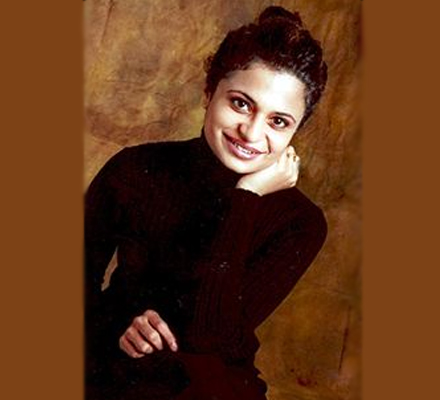
    Group M South Asia CEO CVL Srinivas does not think that TV is losing its edge. “Television is riding the digital wave, and smartly so”, says the veteran waving off any worries of television ad revenues seeing a dip this year. Not denying the obvious growth one sees in the digital space, Srinivas gives indiantelevison.com a complete breakdown of  how the digital growth works in favor of broadcasters and content providers, while also touching upon the key trends in the market, the changing role of media agencies and his take on the currently mushrooming of several digital agencies in the market. Excerpts from an interview with indiantelevision.coms Papri Das. 


    Here it is:


    How was 2015 for GroupM as a whole? What were the agency’s benchmark developments?


    2015 was a great year for us in GroupM. All our agencies performed well, especially when it comes to client retention which I consider most important. On the client acquisition front as well, we grew our business with several new accounts.


    Last year has also been kind to us when it came to awards. The GroupM Office of Year award, which is given out by GroupM APAC, was given to us last year. That’s something I consider as another high for us.


    For me, 2015 would be the year when we truly broke out of the mould of pure play media agency and delivered a range of different services to our clients to help them keep ahead of the curve. Over the years we have made investments in data, analytics and experiential marketing, cinema advertising and rural marketing and so on. All of that delivered excellent value to our clients last year. That has helped us diversify our offerings and in turn win us new and interesting mandates as well. Apart from that we have actively involved ourselves in the Mobile Marketing Association to help set standards and get some measurements going.


    Out of the four agencies under GroupM in India, which one do you think performed the best?


    I think all of them did exceptionally well and I say this with confidence based on each of the agency’s client retention and the newer arenas that they ventured successfully into.


    How was the year for the industry at large? Did you notice any changes that majorly impacted the industry?


    Last year we projected 12.7 per cent growth in ad expenditure and I must say we erred on the conservative side at the start of the year and we ended up with 14.2 per cent, but no one’s complaining!


    Several factors led to this development. The FMCG sector despite all the pressure it is facing continues to invest big money behind brands. You also saw huge growth coming in through e-commerce and there were quite a few brands that continued to invest throughout the year.


    What key trends do you see emerging in the market in 2016?


    Very clearly, our clients and brands in general are adapting to mobile as a medium. Till few years ago we hardly had ten or twenty clients, today the count is around 150. Advertisers are actively investing in campaign after campaign, month after month, by experimenting with new formats and following the measurements.  That is something I see taking off in a major way this year as several enablers are supposed to come into place in 2016.


    E commerce is emerging as a platform for advertisers in 2016 which can give an interesting spin to ecosystem.


    Apart from this we see several interesting initiatives happening in the content space, especially in the video and branded content space. This can give a further push to mobile advertising. The real big headline for me is mobile driving digital growth and in turn driving ad growth in India, and getting all traditional medium owners – be it broadcasters or be it print publication – to think mobile fast and think mobile first, because that’s where most of the advertising dollars are gonna flow to.


    What do you think will dictate how marketers spend this year?


    Right now we observe that marketers are a bit circumspect on where and when to invest. We are not yet seeing any major budget cuts otherwise our numbers in the GroupM This Year Next Year report for 2016 wouldn’t have looked so good.  But there is definitely an amount of cautiousness creeping in amongst advertisers.


    I think this year they are going to look at a lot more Return On Investment (ROI) and accountability across different media platforms. I also think they will wait and watch the market before deploying any of their long term campaigns and investments across media channels. Unless a property is tried and tested it will go through intense scrutiny before marketers decide to invest. Tracking of ROI and tracking of what the marketing spends are doing to the overall business will be key drivers for brands this year.


    Brands are increasingly seen as the sum of all customer touch points and this in turn increases the scope of marketing. In this context, how is the role of agencies changing?


    We think we are becoming even more relevant in the current scenario and important at the end of the day given the way the marketing and the media landscapes are shaping. Today consumers have multiple choices when it comes to brands and media consumption channels. In the same way advertisers and marketers also have multiple options to invest in. It can become highly confusing for the clients. That’s where GroupM  went ahead of the curve and started investing in multiple media investment management  services so that our clients can have a holistic marketing strategy and solution.


    What percentage of your business is “traditional” or core media now?


    I can’t share the break up but if you look at the market split, and the fact that we are future focused we tend to concentrate on wherever the marketing is moving to step ahead of it.


    A lot has been said about digital advertising overtaking television as the primary medium. What’s the ground reality?


    If you look at the trends in the last few years, not just in India but across markets we see a lot of synergy between television and digital. Looking at it from a consumer’s lens, you and I watch television and also consumer media on our second screen be it mobile or laptop. There is some amount of interplay happening between the screens.


    Looking at it from a broadcaster or content providers angle, most major broadcasters today have their own digital arms. And hence, I say television is actually riding the digital wave. Broadcasters are doing it very smartly, unlike other media which are getting swamped by digital. We see that trend continuing. Inf act if you look at our forecast figures, TV and digital account for close to 60 per cent of the market share of the total ad expenditure, and we see that number move to 70 to 80 per cent in near future.


    Is India truly ready for mobile marketing? Do we have a road map for it?


    There are several developments that have happened in the recent past. I have been personally involved in setting up the Mobile Marketing Association (MMA). Despite India being one of the top markets globally for mobile, we did not did not earlier have a body that monitors the digital marketing space. Therefore we needed this body where all stakeholders can come and ideate and put in place systems and structures for the medium. A lot of useful discussions have happened in the recent past be it on measurement and advertising standards and MMA as a body has done phenomenal work across the market. That is one of such several initiatives that will show its effect in 2016.


    What impact did BARC rural inclusive data have on the TV industry and on advertisers?


    I think it’s still early days to comment on BARC’s rural ratings. It’s only few weeks that they have come out. It is a very positive development. Rural India’s viewership accounts for a sizable chunk of our market. It’s a very aspirational class and important segment for many products and categories. To have data for this segment is a very good development.


    Though we will have to wait on watch how the data impacts the market, it is sure that advertisers are going to look at rural markets a lot more seriously especially in terms of media investment deployment across TV and other media options. Similarly content creators are also going to look at that space a lot more seriously today and come up with relevant products and offerings.


    And over all it is good for the economy and the country because we are finally becoming a lot more inclusive.


    How will the advertising landscape change with the completion of cable television digitization in India?


    Funny thing about India is that nothing ever happens sequentially…..everything happens together….somehow amalgamating. This actually makes our job fun because on the one hand you have the whole cable TV digitization playing out and DAS phase III being rolled out, and a lot of DTH players have gotten very active. On the other hand you have the 4 G launch that will open up a lot more bandwidth and infrastructure in digital and you have mobile crossing 1 billion connections.


    For marketers and advertisers what this means is to be aware of the developments, keep a close eye on them and see what are the opportunities they can capitalize on in short term and where is it that they need to invest, test and learn so that they can start capitalizing on them in the long term.


    The big lesson for us and specially me has been that we need to be constantly in a state of beta. What do we keep testing and learning today which could become a big thing tomorrow. Staying dynamic is the way to go.


    2015 also saw several well-known creatives and executives setting up their own startups, resulting in a mushrooming of several branded content and digital agencies. What is your take on this development?


    I think it is a good thing that bright young individuals are setting up companies on their own.  In fact some of us wouldn’t have jobs if this wasn’t done earlier. It also shows that today there are so many different areas that are emerging, and with the way the industry is being revolutionized there are many different expertise and special skill sets that the marketers need. I believe all of us can co-exist as one happy family because of the way the whole pie is getting fragmented. A lot of them are my dear friends and I wish them all the best.


  • “Think mobile as ad dollars are heading there”: CVL Srinivas

    “Think mobile as ad dollars are heading there”: CVL Srinivas

    MUMBAI: Several market forecasts that we have seen in the past couple of months project digital advertising and marketing growing by leaps and bounds this year. The historical galloping growth rates have led marketers and planners to consider the possibility that the medium will overtake television spends in the near future.
     

    Brand custodians are no longer investing in digital as an added benefit but are thinking about investments on that front from the get-go. So is digital gnawing away at television’s share of ad spends or is its growth coming courtesy a new breed of brand builders?


    Group M South Asia CEO CVL Srinivas does not think that TV is losing its edge. “Television is riding the digital wave, and smartly so”, says the veteran waving off any worries of television ad revenues seeing a dip this year. Not denying the obvious growth one sees in the digital space, Srinivas gives indiantelevison.com a complete breakdown of  how the digital growth works in favor of broadcasters and content providers, while also touching upon the key trends in the market, the changing role of media agencies and his take on the currently mushrooming of several digital agencies in the market. Excerpts from an interview with indiantelevision.coms Papri Das. 


    Here it is:


    How was 2015 for GroupM as a whole? What were the agency’s benchmark developments?


    2015 was a great year for us in GroupM. All our agencies performed well, especially when it comes to client retention which I consider most important. On the client acquisition front as well, we grew our business with several new accounts.


    Last year has also been kind to us when it came to awards. The GroupM Office of Year award, which is given out by GroupM APAC, was given to us last year. That’s something I consider as another high for us.


    For me, 2015 would be the year when we truly broke out of the mould of pure play media agency and delivered a range of different services to our clients to help them keep ahead of the curve. Over the years we have made investments in data, analytics and experiential marketing, cinema advertising and rural marketing and so on. All of that delivered excellent value to our clients last year. That has helped us diversify our offerings and in turn win us new and interesting mandates as well. Apart from that we have actively involved ourselves in the Mobile Marketing Association to help set standards and get some measurements going.


    Out of the four agencies under GroupM in India, which one do you think performed the best?


    I think all of them did exceptionally well and I say this with confidence based on each of the agency’s client retention and the newer arenas that they ventured successfully into.


    How was the year for the industry at large? Did you notice any changes that majorly impacted the industry?


    Last year we projected 12.7 per cent growth in ad expenditure and I must say we erred on the conservative side at the start of the year and we ended up with 14.2 per cent, but no one’s complaining!


    Several factors led to this development. The FMCG sector despite all the pressure it is facing continues to invest big money behind brands. You also saw huge growth coming in through e-commerce and there were quite a few brands that continued to invest throughout the year.


    What key trends do you see emerging in the market in 2016?


    Very clearly, our clients and brands in general are adapting to mobile as a medium. Till few years ago we hardly had ten or twenty clients, today the count is around 150. Advertisers are actively investing in campaign after campaign, month after month, by experimenting with new formats and following the measurements.  That is something I see taking off in a major way this year as several enablers are supposed to come into place in 2016.


    E commerce is emerging as a platform for advertisers in 2016 which can give an interesting spin to ecosystem.


    Apart from this we see several interesting initiatives happening in the content space, especially in the video and branded content space. This can give a further push to mobile advertising. The real big headline for me is mobile driving digital growth and in turn driving ad growth in India, and getting all traditional medium owners – be it broadcasters or be it print publication – to think mobile fast and think mobile first, because that’s where most of the advertising dollars are gonna flow to.


    What do you think will dictate how marketers spend this year?


    Right now we observe that marketers are a bit circumspect on where and when to invest. We are not yet seeing any major budget cuts otherwise our numbers in the GroupM This Year Next Year report for 2016 wouldn’t have looked so good.  But there is definitely an amount of cautiousness creeping in amongst advertisers.


    I think this year they are going to look at a lot more Return On Investment (ROI) and accountability across different media platforms. I also think they will wait and watch the market before deploying any of their long term campaigns and investments across media channels. Unless a property is tried and tested it will go through intense scrutiny before marketers decide to invest. Tracking of ROI and tracking of what the marketing spends are doing to the overall business will be key drivers for brands this year.


    Brands are increasingly seen as the sum of all customer touch points and this in turn increases the scope of marketing. In this context, how is the role of agencies changing?


    We think we are becoming even more relevant in the current scenario and important at the end of the day given the way the marketing and the media landscapes are shaping. Today consumers have multiple choices when it comes to brands and media consumption channels. In the same way advertisers and marketers also have multiple options to invest in. It can become highly confusing for the clients. That’s where GroupM  went ahead of the curve and started investing in multiple media investment management  services so that our clients can have a holistic marketing strategy and solution.


    What percentage of your business is “traditional” or core media now?


    I can’t share the break up but if you look at the market split, and the fact that we are future focused we tend to concentrate on wherever the marketing is moving to step ahead of it.


    A lot has been said about digital advertising overtaking television as the primary medium. What’s the ground reality?


    If you look at the trends in the last few years, not just in India but across markets we see a lot of synergy between television and digital. Looking at it from a consumer’s lens, you and I watch television and also consumer media on our second screen be it mobile or laptop. There is some amount of interplay happening between the screens.


    Looking at it from a broadcaster or content providers angle, most major broadcasters today have their own digital arms. And hence, I say television is actually riding the digital wave. Broadcasters are doing it very smartly, unlike other media which are getting swamped by digital. We see that trend continuing. Inf act if you look at our forecast figures, TV and digital account for close to 60 per cent of the market share of the total ad expenditure, and we see that number move to 70 to 80 per cent in near future.


    Is India truly ready for mobile marketing? Do we have a road map for it?


    There are several developments that have happened in the recent past. I have been personally involved in setting up the Mobile Marketing Association (MMA). Despite India being one of the top markets globally for mobile, we did not did not earlier have a body that monitors the digital marketing space. Therefore we needed this body where all stakeholders can come and ideate and put in place systems and structures for the medium. A lot of useful discussions have happened in the recent past be it on measurement and advertising standards and MMA as a body has done phenomenal work across the market. That is one of such several initiatives that will show its effect in 2016.


    What impact did BARC rural inclusive data have on the TV industry and on advertisers?


    I think it’s still early days to comment on BARC’s rural ratings. It’s only few weeks that they have come out. It is a very positive development. Rural India’s viewership accounts for a sizable chunk of our market. It’s a very aspirational class and important segment for many products and categories. To have data for this segment is a very good development.


    Though we will have to wait on watch how the data impacts the market, it is sure that advertisers are going to look at rural markets a lot more seriously especially in terms of media investment deployment across TV and other media options. Similarly content creators are also going to look at that space a lot more seriously today and come up with relevant products and offerings.


    And over all it is good for the economy and the country because we are finally becoming a lot more inclusive.


    How will the advertising landscape change with the completion of cable television digitization in India?


    Funny thing about India is that nothing ever happens sequentially…..everything happens together….somehow amalgamating. This actually makes our job fun because on the one hand you have the whole cable TV digitization playing out and DAS phase III being rolled out, and a lot of DTH players have gotten very active. On the other hand you have the 4 G launch that will open up a lot more bandwidth and infrastructure in digital and you have mobile crossing 1 billion connections.


    For marketers and advertisers what this means is to be aware of the developments, keep a close eye on them and see what are the opportunities they can capitalize on in short term and where is it that they need to invest, test and learn so that they can start capitalizing on them in the long term.


    The big lesson for us and specially me has been that we need to be constantly in a state of beta. What do we keep testing and learning today which could become a big thing tomorrow. Staying dynamic is the way to go.


    2015 also saw several well-known creatives and executives setting up their own startups, resulting in a mushrooming of several branded content and digital agencies. What is your take on this development?


    I think it is a good thing that bright young individuals are setting up companies on their own.  In fact some of us wouldn’t have jobs if this wasn’t done earlier. It also shows that today there are so many different areas that are emerging, and with the way the industry is being revolutionized there are many different expertise and special skill sets that the marketers need. I believe all of us can co-exist as one happy family because of the way the whole pie is getting fragmented. A lot of them are my dear friends and I wish them all the best.


  • ‘Channels will stop chasing TRPs if we had a proper subscription revenue model:’ Vikram Chandra

    ‘Channels will stop chasing TRPs if we had a proper subscription revenue model:’ Vikram Chandra

    In an industry where people change jobs every few years in order to quickly climb the ranks, his association spanning more than two decades with Dr Prannoy Roy’s NDTV Group speaks volumes about his commitment and stability. One of India’s leading journalists, he now helms NDTV Group as executive director and CEO. He is also the executive chairperson of the company’s online venture – NDTV Convergence.


    What’s more, even with the increasing managerial responsibilities, he manages to find time to anchor shows like Gadget Guru and The Big Fight and therein reflects his love for the Fourth Estate. He also flirted with the pen when he wrote his first fiction thriller titled The Srinagar Conspiracy in the year 2000. He is none other than Vikram Chandra.


    With many a feathers in his cap, Chandra is now well poised to take NDTV to newer heights with the expansion in the digital space. Tapping new avenues, NDTV now has its fingers dipped in multiple segments like wedding, fashion, auto, gadgets et al… and all under Chandra’s stewardship.


    In a chat with Indiantelevision.com’s Megha Parmar, Chandra sheds light on his journey, NDTV’s businesses ventures, cable TV digitisation, social media and the road ahead for the company.


    Read on for excerpts:


    NDTV is now expanding its digital footprint with gadgets, auto and retail. What drives you towards digital despite being a traditional broadcaster?


    This has been one of NDTV’s key strategies from a long time. Going digital is a key part of NDTV from several years. Way back in 1999 and 2000s, we started to believe that Internet is going to be a dominant part of our lives. While TV is still a core part of our DNA and plays an important role in everything that we do, we then wanted to expand into digital from a long time.


    Today, people can consume the same NDTV news though different streams. You can watch it on your TV, phone and the NDTV app. There are different ways to get the content that we are enabling for people. Going forward, we took a decision that there were individual niche areas where we want to make a major impact. That is what we are building on from the past couple of years; be it food, auto, wedding, retail and there are other things also coming into place.


    How much does digital contribute towards the company’s revenue?


    Digital’s contribution to the company’s revenues has been growing. It used to be around three – four per cent sometime back, but today because digital revenues are growing at a faster rate, digital accounts 20 – 22 per cent of NDTV’s revenue. The number is growing rapidly.


    What was the idea behind NDTV entering the online wedding market?


    Everything that we are doing in these areas has a very specific planned execution strategy. We thought it is a good proposition to be in and we got into it. We followed the same thing with Gadgets360 and the other portals. In weddings, we have found the same niche that we think is going to be very attractive. 


    Are revenues from television on the decline?


    The revenue from TV has grown over the years and will continue to grow. It’s just that the revenues from digital are growing at a faster rate almost at 15 per cent a year from a long period of time. While the share of digital revenue is increasing, it’s not that the TV revenues are declining.


    How long before revenue from digital will surpass that from television?


    We’re a long way from there. There is a lot of action going on TV also and we are also expecting regulatory changes to happen soon. If everything goes fine, the revenues from TV will also grow at a faster rate. There is no competition between the two. As long as the both are growing and are doing well, that is what we want.


    What are your plans with Gadgets360 and Auto? Do you see enough monetisation opportunities?


    Gadgets360 is by now a very dominant property. It is not just the number one gadget site in the country, it’s four or five times far than the number two in the entire world and has gained a very massive position. With Gadgets360, we tend to hold a position of considerable dominance in the space. If the people want to buy a gadget and want to know about anything related to it be it news or reviews, they have to refer to some or the other NDTV’s properties. It gives us a good position to build a strong community around the gadget loving and gadget dying population. We have now started to do some select launches of individual products that we think are interesting on the website. Many e-commerce transactions have also started to happen on Gadgets360 and the initial response has been quite astonishing. The first two three phones that we tried to sell were sold out in a month’s time, which surprised us. So now we are planning to do more such things, which will surprise us in many other ways.


    Auto is an area where we have built a powerful franchise over a long period of time. We have a good combination of content like carandbike.com and technology package combined with good engineering. This will help the auto portal also scale up both from the content side and from the transactions point of view.


    Do you see enough monetisation opportunities in Gadgets360 and Auto?


    Gadgets360 is doing well for us and has stayed ahead of our expectations. The monetisation is coming in. Once you have strong communication in various communities, it’s not just an attractive proposition from the revenue point of view but also from advertising. From an advertiser’s perspective, where else would you want to put your money than on a leading portal in that space? If you have a leading tech, auto or food content portal, that’s where you will want to put your money. Auto is also emerging successfully.


    What kind of investment is being pumped in for these new ventures?


    Well these have raised funds already. Food is the recent one, which has raised funds to the tune of $12 million roughly. Each of these have been visualised as an individual entity and they have a life of their own. Each of them have been done in a very entrepreneurial manner like start-ups. We don’t have the group dynamics playing; it’s all done by individual entrepreneurial team. They have raised their own money including some of the top investors.


    Can you share your overall plans for NDTV Convergence? It’s already the leader in its space but now there have been others joining in too.


    There will always be competition and that’s good. We are not scared of the competition. The more the activity and action in the field, the more it will help in growing the market. Today, only a small fraction of our population has access to the internet but the number of people who are going to use the service five years down the line is huge. It’s a vast untapped market. If more people come in, it will just expand the market. So far, with competition, it has not changed our position, market share or even the traffic that we get. We are in a comfortable position.


    In the age of clutter, competition & multiple start-ups mushrooming in the country, how does NDTV plan to have an edge over the others in the new areas that it has ventured into? 


    There are things that we do and focus on. So far we have managed the competition right. If you look at the page views or the traffic, it’s clear that there are a couple of clear leaders and while a few competitors are at some distance behind. We know how to manage the space.


    How do you see digitisation changing the game in India for broadcasters in terms of content, revenues, etc?


    Digitisation was always anticipated to be a game changer but to some extent we are disappointed. What is causing disappointment in the market is that the business models have not changed after digitisation.


    Digitisation was supposed to transform the business models for broadcasters where distribution revenues start to become a very major contributor, where subscription money starts to flow and also lower the reliance on advertising. That was the logic that digitisation was supposed to drive.


    There was also a strong economic business rational for this that in analog systems you only had 40 slots for 200 channels but now you have no capacity constraints. What we really would want to see in 2016 is concerting actions to be taken especially by the government and the regulators to try and persuade people that the model needs to change and formulate what the correct model should be.


    There is an effect on the content model as well. If subscription revenues were robust, then it sets up a business model where quality channels will have money to invest in quality content and a channel’s revenue will be based on subscription and not around chasing the advertising. Then what will be the need of content if one is chasing advertising? It’s not only chasing advertising; the channels are chasing TRPs, which is to some extent evident in the news space. They are clearly following tabloid type of news content, creating sensationalism and other things that are basically designed to get more TRPs. If you had a proper model wherein channels could make money from subscription, then people will not want to chase the TRP game. They will do good quality content and would gain some money from subscription.


    How much importance do you give social media? Do social media insights play a vital role in penning down your strategy?


    Social media is a very powerful tool and helps people connect with each other. There are obviously issues around and you should not think that social media is everything, which sometimes you pretend to do. Social media sometimes acts as a platform for the loudest voices but with a disproportionate scare. For a journalist too, it’s one of the first bases where you might get breaking news and information about what’s happening around you. But you do need to be careful about how you use social media and how you engage with social media. You should not believe on everything that goes around.


    Having said that, I don’t think social media plays any key role in driving our strategy back at NDTV.


    The credibility of a news story is now defined by a trending hashtag. If your story leads to a trending tag, it’s a successful story, otherwise it’s not. Is it a fair proposition?


    I don’t agree to that. It’s good to have your story trending but you can do a very successful strong and powerful story, which does not necessarily need to trend. It should not be the only metric. As a journalist, I think that it’s not necessary that something that drives more clarity or will trend means that it’s the only form of journalism you can do. You can still do very powerful journalism in various areas, which may not drive TRPs or trend on Twitter.


    Do trending #tags like presstitutes bother you?


    I think on social media a lot of the language and discourses have become disappointing. The language used, at times, is inappropriate. There are some people using abusive language. I think this is dangerous as at times you will find accusations, which aren’t true. People are straightforward and mature and also are definitely using social media for the right purpose but there is a possibility that they sometimes might pick up something, which is incorrect or not accurate and is a total fabrication. Someone will put something on social media and then it will be re-tweeted repeatedly and will be passed around, which is not true and will cause damage. 


    Social media has helped us in democratically using the voice of the people. Anyone can access it and express their views on anything, which should be rolled forward. But everything has a sad part attached to it and here the issue is about how we control the worst impulses of a few people putting something, which is invalid or not factual. We have to find a solution to how we can control such things from taking place on social media.


    Suppose a journalist is doing a hard hitting story like on child smuggling or malnutrition or about what is going in the Vidarbha region; these are not negative stories but are strong powerful development stories and may lead to some transformation happening in one place or other.


    We often hear people commenting on why we don’t publish positive stories or development stories. The answer is, these stories are done but are not the kind of social stories that will either make TRPs or be trending on Twitter. You do a great story on solar power and publish it; it will not work that much. But the story should be done. We should find ways to tweak the model that those stories are done on and are broadcast without anyone worrying about TRPs or trends.


    How important are ratings in the larger scheme of things?


    Ratings are a currency. TRPs will always reward a certain type of content over another type of content. That is one another intrinsic problem with the rating system. Now we are seeing new methods of measurement also coming out with a much larger monitoring system and a larger sample of people, which is interesting. At some point, I am sure BARC India and others will start monitoring digital data as many consume news not only from television but also from live streams.


    For a long time, NDTV has not been trying to sell on the basis of TRPs alone. I think the sales team has done a great job. Many of the powerful and important brands are keen to be a part of NDTV now.


    Is digital gradually taking over TV when it comes to news? What should TV players be doing to keep the audience intact?


    I don’t think it is going to be an either or situation… just as television and print have co-existed from such a long time. It’s not that after the invention of TV the newspapers shut down. Digital is another facet of it.


    We at NDTV are content providers and will provide content to  consumers in whichever format we can. It will be on TV, desktops, mobiles, etc. Wherever the consumer is consuming content, we will be there in that space. We are visible in most of the areas. So I think TV and digital will go together.


    From Doon School to journalism to Chief Executive Officer, how would you define your journey so far?


    Well, it’s been an interesting journey. I have worn so many hats so far. I have always enjoyed my years as a journalist and I still enjoy my anchoring. I get a lot of satisfaction especially from things like the special projects that I do and the big campaigns in which I play an active role as an anchor.


    Other than Gadget Guru and The Big Fight, I don’t get to do so much journalistically, which taps some area of regret within me. 


    What role has Dr Prannoy Roy played in your career?


    He has been a guide and a mentor in more ways than one. I went to TV because I saw Prannoy anchoring a show. That’s when I decided to make a career in the same field. He has been a role model for me and many of us. I wouldn’t have been a journalist if it wouldn’t have been for him.


    What can we expect from NDTV in the coming year?


    We are hoping for another change in the TV business model in 2016. On TV, we will continue to target growth and profitability. We will focus on our three basic aspects of TV, i.e. digital content, TV  and e-commerce business. Each have their own targets and matrices against which we will be evaluating them. We will go to the bottom line and get the profitability up as much possible.


    In digital content, we will try to consolidate our leadership position. On the e-commerce side, this is a crucial and critical year of all our new ventures that we are launching and we are hoping that the success that they have seen in the initial stage will turn into strong marketing business model.

  • ‘Broadcasters should black out areas where DAS implementation is tardy; Govt should move SC:’ VD Wadhwa

    ‘Broadcasters should black out areas where DAS implementation is tardy; Govt should move SC:’ VD Wadhwa

    An Alumnus of Harvard Business School and a fellow member of the Institute of Company Secretaries of India, V D Wadhwa carries his multifarious responsibilities with a humility and ease that belies the positions he had occupied in the private sector. 


    SitiCable executive director and CEO, Wadhwa has almost 30 years of general management experience in consumer lifestyle and retail industries. Additionally, he has also served on various committees of FICCI and Assocham besides serving as president of the Horological Federation of India.


    His personal interests include – playing squash, adventure sports, and travelling.


    Donning the hat of All India Digital Cable Federation’s president for the past 15 months, Wadhwa is convinced that the move towards digital addressable system (DAS) is in the  right direction. In an interview with Indiantelevision.com, he justifies this and is of the opinion that there should be no let up.


    Excerpts from the interview:


    With cable operators and multi system operators in so many states having got extension orders from the courts, do you feel the government should have given more time before implementing Phase III covering all urban areas?

    No, I feel that the Government has taken the right decision in not extending the date except where Court orders have come. With reports that there are pockets even in the first two phases where analogue signal is still being beamed, any extension by the Government would have made the MSOs and LCOs go slow and this could have gone on for years.


    At least the stakeholders now know they have a deadline that they have to meet. We should not forget that all stakeholders knew since September 2014 that the Government had set a deadline it would stick to, and had enough time to get ready for DAS Phase III.


    What is the way out?

    The Government should go to the Supreme Court and stop all the High Court cases on DAS.


    But there is great shortage of set top boxes, if you go by the pleadings before the High Courts…

    In SitiCable, we have 11 million subscribers on our network and we have already seeded three million STBs in Phase III. I am confident that we will complete five to six million in the next couple of months and reach 10 million by March. Thus we will cover 6.5 million boxes of the first three phases. Other stakeholders had enough time to order STBs if they had acted in time.


    But these are Chinese STBs with little or no service.

    They are Chinese, but they are reliable and when we fit this in any household, we give the requisite service for taking care of any problems.


    What about indigenous STBs?

    It is true that there is very little indigenous production with just two manufacturers. There are less than two per cent indigenous STBs. The Government will have to facilitate more under its Make in India scheme. But that is not our field. We have expertise as the distribution pipe.


    Pricing of STBs is also a problem since there is no fixed rate.

    STBs had initially cost much more, but are now being sold for just around Rs 1200 and even on a rental basis.


    What do you think should be done to speed up the DAS process?

    Implementation on the ground needs support. And the broadcasters should black out areas where implementation is tardy.


    And now the Government is gearing up for Phase IV, which covers the rural areas…

    In my view, Phase III and Phase IV should have been done together as the government had initially planned. In any case, there is a 30 per cent base of direct-to-home (DTH) platforms in Phase IV so a large pocket is already digitised. In fact, the total DTH segment in Phase III and IV is around seventy per cent.


    What are SitiCable’s future plans?

    We are very clear that we now have to concentrate on broadband and add on at least 500,000 subscribers every year.