Category: Executive Dossier

  • “You call ‘Bigg Boss’ scripted or non-scripted you will end up watching it”- Abhishek Rege

    “You call ‘Bigg Boss’ scripted or non-scripted you will end up watching it”- Abhishek Rege

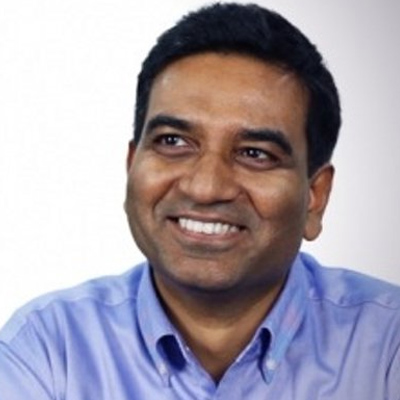
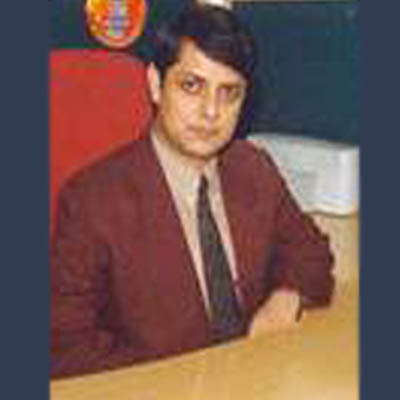
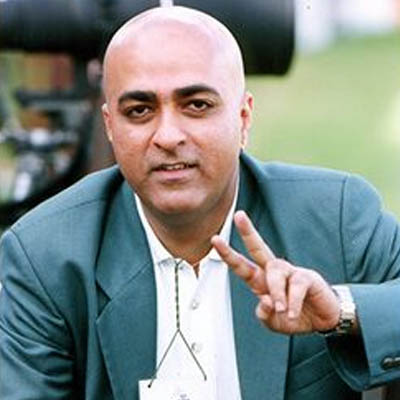
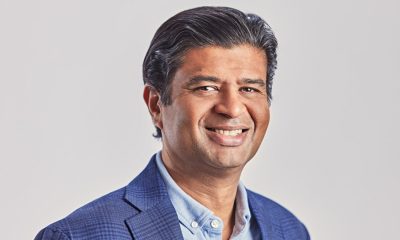
    MUMBAI: “It’s been ten years for Endemol in India and we proudly say that we are the first International production house that has not wrapped up and gone back. Today, at this point, we are poised to be the leaders in the non-scripted format,” says Endemol Shine India TV business COO Abhishek Rege.

    The production house which has brought some major international formats to India, Endemol Shine India doesn’t require any introduction. The popularity and fan following of its shows like Bigg Boss, Fear Factor: Khatron Ke Khiladi, Deal or No Deal and Voice say it all!

    In 2006, Endemol started production in India and first enthralled Indian audiences with the Indian adaptation of Big Brother . The production house has had a successful run in  the fiction and non-fiction space since then.

    In conversation with Indiantelevision.com’s team, Rege speaks about his journey with Endemol Shine India, shares his views on BARC rural data, digital space and responds to rumours about Bigg Boss being a scripted format. Excerpts of the interaction:

    How challenging has your stint with Endemol been? What have the major highlights been?

    It’s been a great roller-coaster ride. We have seen really tough times between 2011 and 2012. There was a large amount of fragmentation that we went through in the market as well, but overall, the journey starting from Laughter Challenge and Chhote Miyan to doing Bigg Boss, the Voice and “So You Think You Can Dance” today has been fantastic. It has been a rich and wonderful experience and not to mention – a great learning. We had some great partnerships with international players and also locally. It has been a great run.

    For me, the major highlights in the journey were when Viacom launched its Hindi entertainment channel Colors and we went in with Bigg Boss, Fear Factor and created a new franchise of Chhote Miyan. Our attempt to bring in professional wrestling into the GEC space with partnerships with TNA too was a fulfilling experience.

    Investments into our Endemol Indian entity by CA Media and our foray into the movie business were also the high points.

    Until now, only English entertainment channels aired international content. Now Comedy Central is rolling out the home-grown Indian show Challenge Accepted. Do you see more of that happening in the near future? And do you think these shows have the scope to be licensed globally?

    Absolutely! The English entertainment sector is going through a lot of growth. Until now, the competition was between who acquired the best of the shows from various catalogues. Doing a show like Challenge Accepted is a big step, if it works, you will see others trying to emulate it. But at the end of the day, the economics will drive any such foray.

    You need something locally developed, because if you buy formats then cost will be a big roadblock for producing a show. The budgets for such shows may not be too high and hence one may not be able to do big ticket shows in this space as yet. The monetization potential for such adapted shows will be lower because they are likely to cater to Indian audiences only.

    After the rural data roll out do you see content becoming a bit conservative?

    Not really. From the advertisers’ perspective, it’s more about what content they are picking up, which in turn depends on their target group. We need to understand if those rural pockets attract national advertisers or local. The market which clients look for are towns and cities which have access to national brands or are self-distribution points. So in reality, broadcasters are not catering to a hard-core rural group. Hard-core rural audiences don’t have the same affiliation to buy national brands as they are prized very high as compared to what they can afford. That is the market segmentation wherein the advertisers decide who their consumers are, and that will make the difference. Therefore, rural data should not be affecting content strategies too much.

    Bigg Boss is one of Endemol’s marquee shows. However, it’s often rumoured of being scripted to some extent. What is your response to that?

    It’s not scripted, is all that I can say. Bigg Boss is one of those shows where the PR is not limited to any positive or negative buzz.  It’s one of those shows which feed on anything about it. Whether they love it or hate it, whether it’s scripted or not, people will end up watching the show. They want to know when the next fight will happen and they will come back to watch it.

    How is the interest in the regional Bigg Boss versions growing?

    We did three seasons of Bigg Boss Kannada and now will be doing a second season in Bangla soon. Though Bigg Boss season one in Bangla didn’t hit the top as compared to the Kannada market, we had 50 per cent of the channels’ GRPs at that point of time. While in Kannada, the first season of Bigg Boss which aired on Colors Kannada did extremely well, the second season didn’t go all as planned. But the third season that aired on Colors Kannada again broke all the records.  The success of Bigg Boss season 3 in Kannada proves that we have a great potential in the Tamil & Telugu markets.

    Endemol has produced a few sports shows like 100% De Dana Dan, Stumped etc. What kind of scope is there in the sports content space and can we expect anything new on that front this year?

    We don’t have anything that is specifically targeted at sports. But yes, we have a lot of scope in the sports genre. Our focus right now is films. We did a show called IPL Rockstars where singers performed in the stadium while the crowd gathered before a match was about to start. We haven’t delved further in this genre yet except something like Stumped which is more Call TV, but right now we are focusing more films.

    Do you think India has truly woken up to branded entertainment? Is there anything lined up from Endemol in that space?

    The potential on branded entertainment for the producer is always questionable because of the structure that we follow here. The broadcaster gets all the rights and product placements. Therefore, it’s not that easy for a producer to garner a share in the branded space. I think digital will be the door which will be a lot more open for branded content. Right now we don’t have anything in that space but the future looks promising.

    How different is it producing content for OTT players and television? Can an OTT production be more expensive than TV?

    It’s quite different producing content for OTT as compared to television because you need someone to understand the sensitivity and the attention span of the consumer when it comes to OTT.  There will also be comparisons on scripted and non-scripted content from both the sides. You need to have power packed content for digital. Edits will play a major role. You just can’t run a drama or a soap on it – that is more for catch-up. Digital is a place where you can have creative freedom as well. It is where your lifestyle, youth & niche segments will come in, and as far as production costs are concerned, it can be cheaper than regional and it can be more expensive than GEC, for making something premium like the Game Of Thrones.

    On what basis do you decide on the international formats that can be brought to India and how much are they modified to suit Indian sensibilities?

    We look at two things while adapting international formats, one is the cultural adaptability and the other is how economically feasible will it be? The format should be relevant to the Indian audience and to our culture. We can’t bring shows which have cultural differences or something which our audiences might not relate to. Also we have to see if the format is financially feasible or not. In the UK, production houses spend around US$ 10 million on a pilot, and here we don’t have that budget even for an entire series.

    We modify the format to an extent where the rules of the key game play are not affected. There are always some Dos’ and Don’ts of every format that have to be protected.

    What other formats of Endemol do you plan to get to India in the near future?

    That’s tough to answer because we keeping pitching and we don’t decide what comes in, the broadcasters decide that. I think the line-up for most of the broadcasters is pretty much tied up, so we are waiting to see what will come out from this year’s MIPTV/ MIPCOM.

    What are Endemol’s plans going forward? What’s in store from Endemol India in 2016 in terms of fiction and non-fiction?

    Our focus will be a lot on films, that’s going to be our key acceleration area while our TV focus will continue as usual. But films’ are something which will help us to take next the step to diversify and grow. Digital is another area we are looking closely at. In the non-fiction space we will be coming up with season 3 of Bigg Boss in Bangla soon, and then we will be doing the subsequent seasons for Kannada and Hindi at the end of the year. Also looking forward to the subsequent seasons of other franchises we have set up to come in this year.


  • “You call ‘Bigg Boss’ scripted or non-scripted you will end up watching it”- Abhishek Rege

    “You call ‘Bigg Boss’ scripted or non-scripted you will end up watching it”- Abhishek Rege

    MUMBAI: “It’s been ten years for Endemol in India and we proudly say that we are the first International production house that has not wrapped up and gone back. Today, at this point, we are poised to be the leaders in the non-scripted format,” says Endemol Shine India TV business COO Abhishek Rege.

    The production house which has brought some major international formats to India, Endemol Shine India doesn’t require any introduction. The popularity and fan following of its shows like Bigg Boss, Fear Factor: Khatron Ke Khiladi, Deal or No Deal and Voice say it all!

    In 2006, Endemol started production in India and first enthralled Indian audiences with the Indian adaptation of Big Brother . The production house has had a successful run in  the fiction and non-fiction space since then.

    In conversation with Indiantelevision.com’s team, Rege speaks about his journey with Endemol Shine India, shares his views on BARC rural data, digital space and responds to rumours about Bigg Boss being a scripted format. Excerpts of the interaction:

    How challenging has your stint with Endemol been? What have the major highlights been?

    It’s been a great roller-coaster ride. We have seen really tough times between 2011 and 2012. There was a large amount of fragmentation that we went through in the market as well, but overall, the journey starting from Laughter Challenge and Chhote Miyan to doing Bigg Boss, the Voice and “So You Think You Can Dance” today has been fantastic. It has been a rich and wonderful experience and not to mention – a great learning. We had some great partnerships with international players and also locally. It has been a great run.

    For me, the major highlights in the journey were when Viacom launched its Hindi entertainment channel Colors and we went in with Bigg Boss, Fear Factor and created a new franchise of Chhote Miyan. Our attempt to bring in professional wrestling into the GEC space with partnerships with TNA too was a fulfilling experience.

    Investments into our Endemol Indian entity by CA Media and our foray into the movie business were also the high points.

    Until now, only English entertainment channels aired international content. Now Comedy Central is rolling out the home-grown Indian show Challenge Accepted. Do you see more of that happening in the near future? And do you think these shows have the scope to be licensed globally?

    Absolutely! The English entertainment sector is going through a lot of growth. Until now, the competition was between who acquired the best of the shows from various catalogues. Doing a show like Challenge Accepted is a big step, if it works, you will see others trying to emulate it. But at the end of the day, the economics will drive any such foray.

    You need something locally developed, because if you buy formats then cost will be a big roadblock for producing a show. The budgets for such shows may not be too high and hence one may not be able to do big ticket shows in this space as yet. The monetization potential for such adapted shows will be lower because they are likely to cater to Indian audiences only.

    After the rural data roll out do you see content becoming a bit conservative?

    Not really. From the advertisers’ perspective, it’s more about what content they are picking up, which in turn depends on their target group. We need to understand if those rural pockets attract national advertisers or local. The market which clients look for are towns and cities which have access to national brands or are self-distribution points. So in reality, broadcasters are not catering to a hard-core rural group. Hard-core rural audiences don’t have the same affiliation to buy national brands as they are prized very high as compared to what they can afford. That is the market segmentation wherein the advertisers decide who their consumers are, and that will make the difference. Therefore, rural data should not be affecting content strategies too much.

    Bigg Boss is one of Endemol’s marquee shows. However, it’s often rumoured of being scripted to some extent. What is your response to that?

    It’s not scripted, is all that I can say. Bigg Boss is one of those shows where the PR is not limited to any positive or negative buzz.  It’s one of those shows which feed on anything about it. Whether they love it or hate it, whether it’s scripted or not, people will end up watching the show. They want to know when the next fight will happen and they will come back to watch it.

    How is the interest in the regional Bigg Boss versions growing?

    We did three seasons of Bigg Boss Kannada and now will be doing a second season in Bangla soon. Though Bigg Boss season one in Bangla didn’t hit the top as compared to the Kannada market, we had 50 per cent of the channels’ GRPs at that point of time. While in Kannada, the first season of Bigg Boss which aired on Colors Kannada did extremely well, the second season didn’t go all as planned. But the third season that aired on Colors Kannada again broke all the records.  The success of Bigg Boss season 3 in Kannada proves that we have a great potential in the Tamil & Telugu markets.

    Endemol has produced a few sports shows like 100% De Dana Dan, Stumped etc. What kind of scope is there in the sports content space and can we expect anything new on that front this year?

    We don’t have anything that is specifically targeted at sports. But yes, we have a lot of scope in the sports genre. Our focus right now is films. We did a show called IPL Rockstars where singers performed in the stadium while the crowd gathered before a match was about to start. We haven’t delved further in this genre yet except something like Stumped which is more Call TV, but right now we are focusing more films.

    Do you think India has truly woken up to branded entertainment? Is there anything lined up from Endemol in that space?

    The potential on branded entertainment for the producer is always questionable because of the structure that we follow here. The broadcaster gets all the rights and product placements. Therefore, it’s not that easy for a producer to garner a share in the branded space. I think digital will be the door which will be a lot more open for branded content. Right now we don’t have anything in that space but the future looks promising.

    How different is it producing content for OTT players and television? Can an OTT production be more expensive than TV?

    It’s quite different producing content for OTT as compared to television because you need someone to understand the sensitivity and the attention span of the consumer when it comes to OTT.  There will also be comparisons on scripted and non-scripted content from both the sides. You need to have power packed content for digital. Edits will play a major role. You just can’t run a drama or a soap on it – that is more for catch-up. Digital is a place where you can have creative freedom as well. It is where your lifestyle, youth & niche segments will come in, and as far as production costs are concerned, it can be cheaper than regional and it can be more expensive than GEC, for making something premium like the Game Of Thrones.

    On what basis do you decide on the international formats that can be brought to India and how much are they modified to suit Indian sensibilities?

    We look at two things while adapting international formats, one is the cultural adaptability and the other is how economically feasible will it be? The format should be relevant to the Indian audience and to our culture. We can’t bring shows which have cultural differences or something which our audiences might not relate to. Also we have to see if the format is financially feasible or not. In the UK, production houses spend around US$ 10 million on a pilot, and here we don’t have that budget even for an entire series.

    We modify the format to an extent where the rules of the key game play are not affected. There are always some Dos’ and Don’ts of every format that have to be protected.

    What other formats of Endemol do you plan to get to India in the near future?

    That’s tough to answer because we keeping pitching and we don’t decide what comes in, the broadcasters decide that. I think the line-up for most of the broadcasters is pretty much tied up, so we are waiting to see what will come out from this year’s MIPTV/ MIPCOM.

    What are Endemol’s plans going forward? What’s in store from Endemol India in 2016 in terms of fiction and non-fiction?

    Our focus will be a lot on films, that’s going to be our key acceleration area while our TV focus will continue as usual. But films’ are something which will help us to take next the step to diversify and grow. Digital is another area we are looking closely at. In the non-fiction space we will be coming up with season 3 of Bigg Boss in Bangla soon, and then we will be doing the subsequent seasons for Kannada and Hindi at the end of the year. Also looking forward to the subsequent seasons of other franchises we have set up to come in this year.


  • “Viewers are no more mere viewers they are our consumers”: Rohit Bhandari

    “Viewers are no more mere viewers they are our consumers”: Rohit Bhandari

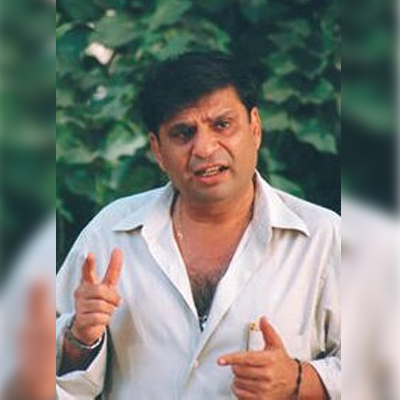
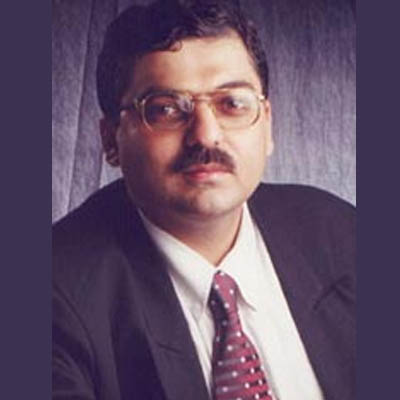
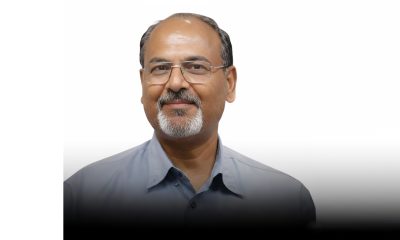
    MUMBAI: A pioneer of innovation which has revolutionized world television with shows like Game of Thrones, Last Week Tonight with John Oliver, Entourage and many more, HBO (Home Box Office) competes with Hollywood through their diverse range of content on board. The network recently partnered with Star India for an exclusive programming agreement through which Hotstar and the network’s other channels will have access to HBO’s original content.

    With a brand new red and blue washed look, HBO will also launch an application. Rebranded by Turner  International from Turner Studios Atlanta, and the broadcaster is all geared up to invade the entertainment space with its popular content programming appealing to a larger and younger audience. The movie destination already has titles like Mission Impossible, Transformers Genesis, etc under them.

    Speaking to Indiantelevision.com’s Megha Parmar, Turner International English entertainment Senior Director and Network head Rohit Bhandari sheds some light on his journey with the network so far, the English entertainment space, what attracts the advertisers to the genre, BARC rolling out their rural data, and the way ahead for the channel.

    Excerpts are:

    How has been the journey so far with HBO?

    It has been good as I joined at the time when HBO came into the network and it was quite new for everyone. From the WB channel, which is typically a library service to launching a channel where you have all the premieres, movies and good deals in place, the journey has been exciting. In the initial year, I had to understand what content we have and what content we can expect working with our content partners; understanding the way it’s going to take us in the next few years and what benefits it can do us. I think that was an exciting part in the first year.

    In the second year, we saw a transition from TAM to BARC that shook up everyone. We are trying to understanding the BARC audience as BARC is yet to settle down. It was going through various phases – household data, individual data and then rural got added to it, but this has not changed our lives. We are still looking at the changes that will affect the system. And I think, once the TAM meters come in the panel, it is going to expand further and how does that help us is what we are waiting for. Once all this happens, we can say that BARC has settled down and that’s when everyone will know where they stand from a genre consumption point of view or an individual channel’s point of view.

    Out of the eight movie channels in India, we manage two – that is 25 per cent of the share. We want to understand the consumers better by knowing their motivations, what do they enjoy doing and how does he engage with you and as the consumers have evolved in such a connected world from an alphanumeric phone to a smartphone. This forms a great engagement as well as great distraction. We did our survey and based on the feedback we decided to do a revamp of both our channels. We decided to do something new and give something fresh to our consumers.

    What gives the channels under you an edge above the competition?

    There is no real edge at this point of time. The entertainment space is extremely competitive. Look at the overall situation right now, with only 5 to 6 big studios delivering big films. Some are real blockbusters films and some are the second grader films that come out. To settle in this big English movie space, you need a fair mix of both. At this time, we have a good mix coming from Warner and Paramount, our first pay partners, which we play on HBO and we plan to buy content from more studios so that we can have a complete offering and make up a number for our consumers. Our bit right now is to understand our consumers better, engaging with them and to build the gap from what they expect from us as a movie channel and what we eventually deliver to them, that is where we stand.

    How was year 2015 for the English movie channels? Are there any bench marks or highlights of the year that you would like to mention?

    I think it was a year of a lot of adjustments. We at HBO want to understand our brand better and are adjusting to what it stands for. Everyday is a new day for us where we improve ourselves from the previous day. It’s a process of continuous improvements that we are working on right now. We are happy as well as unhappy and want to develop more. That word ‘more’ is what we are striving for.

    How much does viewership impact advertisers and agencies when it comes to English movie channels?

    It does impact the advertisers. Typically, a lot of the sponsorship only comes on big titles. Hence, it is important to have a right mix of both of performance and a big title. Everyone is trying to achieve that and so are we. 

    Did the genre grow in terms of ad revenues from the previous years? Do you see a further increase this year?

    Yes. There has been an increase from the previous years. I don’t think there will be any drastic change this year. I expect it to be at the same range.

    Do you see an increase in the subscription revenue with digitization?

    The subscription numbers are growing up slowly. Compared to the increase that we saw in DAS I and II, DAS III has been a bit slow but as the year rolls out with big ticket events coming up, we are expecting the roll-out to be a bit more aggressive.

    Movies Now, Star Movies, Zee Studio are often seen fighting for the top three ranks in the BARC data. How do you plan to invade the space?

    As I mentioned earlier, there are only 5 to 7 studios sharing content across channels. Everyday the idea is to increase the ratings and that is what we are trying to do. We are trying to change at three levels. First, we are structuring our titles in a better way. Second, we are going to launch an app soon. The idea behind launching an app is to provide information. It is actually an engagement tool. The mobile phone has become a competitor to TV and especially when our core focus is in the age group of 16 to 30, we need to have that type of content. As you grow, your choice of a handset also grows – that is, your functionality improves and hence you start spending more time on it. The entire idea is to use a medium which the youth follows and is active on. The consumers should know what the brand has and what it is doing for them.

    Lastly, we need to understand from them what their expectations are and bridge the gap of meeting it with what we are providing. That’s a challenge. We are doing something like Batman versus Superman where we are trying to create unique experience for our viewers. We are trying to do that on the app itself. These are the things through which we are trying to reward the viewers for being loyal to us and also for engaging with us on the app. We are trying to have a slightly deeper connection with our viewers. 

    What is key for the genre to garner advertisers’ attention?

    Advertisers want a brand that talks to aspirational India. Within Indian space, English is considered as a minority language. From that perspective, advertisers look for a brand that delivers to this set of audience and continues to hold that edge in continuing to deliver the promise and that’s what HBO has always done.

    BARC had sometime back come out with rural data. Did that have an impact on the content strategy that was followed?

    We look at the data from two perspectives. One, how does the advertisers view us and how the consumers view us. English entertainment initially used to be a four metro base than it became six metro base and then it became eight metro base and then became a 1mn plus based. BARC initially was concerned with urban India, a mix of upper and middle ‘Bharat’ of India. Rural as a metric is being recorded and reported to us for the first time in India. One would expect a number from the council. It has changed the dynamics of the game, but it still needs some time to stabilize its data collection and assimilation process. But as a core offering, I would not focus more on rural. From an English point of view, we will focus on our target group that lies ex-rural irrespective of BARC data. That is the market we will focus on and even our advertisers focus on. Rural is important for everyone but for our genre rural will not be so important.

    BARC and TAM have collaborated. What do you have to say about that?

    It’s a good move. All the meters that TAM had are going to get added to the BARC panel. Whether it gets added uniformly across or whether they expand the panel completely is what we are waiting to hear. Eventually there is only one currency and that actually clears the air on everything

    How is HBO attempting to redefine the movie viewing experience for the viewers?

    The new consumers that we are speaking with, preference is to watch a lot of action content. Based on our research, a couple of key points that came out were that people watch TV because they want to reduce their stress, which is why most of us watch TV. At the second level, they watch English movies as a base to learn English language and hence subtitling becomes important. At the third level, it gives them an opportunity to explore a different culture. Lastly, with the special effects, audio effects or graphics that we use in award winning movies, the viewers want to watch something slicker slightly larger than life and have that entire feeling of grandeur. And that grandier-massier feeling is what we are looking for. There are two levels in which we operate; one is to provide content that your audience wants to watch and also provide content which educates them further about the entire genre.

    Do you think the availability of movies and shows on digital platforms will take away the traditional tv viewing experience?

    At this time I don’t see it as a threat for at least the next few years. On TV the audience is growing on an ongoing basis with digitization and DAS III, and the base is only going to increase. On a larger level, the consumers have to mature to a certain level and understand the difference between TV and what the digital platforms are offering. At least for the next few years, I see TV dominating the space. 

    In an era where people download content globally and the rate of download is very aggressive, is piracy a major teething issue for Hollywood movies?

    This is a bigger question for theatrical guys. What happens is there is a window between theatrical and TV. Earlier it was 12 months and now it has come down to 9 months or 6 months at some places. That is a critical question for theatrical as they are the first ones on the receiving end. Piracy is when theatres get affected by the number of people walking in to watch the movie. I don’t see it as a threat for HBO as a brand.

    Will we see a change in marketing with more experimental initiatives?

    We work closely with our partners. We try to take ownership of the film right from theatrical to the time it premieres on the channel. It is typical consumer behaviour. Today, Batman vs Superman are blockbuster movies which you would definitely want to watch. Once you watch it, there is a certain experience that you derive from the film and that is the same experience that we want to give our consumers when you watch it on HBO. Hence we try to keep the connection alive with them. Hence it is association with a movie at the theatrical level itself. 

    What is the way ahead for the channel?

    We are two brands. Our aim is to keep increasing our viewership share in the overall entertainment space. So currently we have 23 per cent of viewership. We are trying to push ourselves hard to be at number one. That is what I and my team is geared up for. Our aim is to push the envelope by doing new different things to expect a different result at the end of the day. We want to continue surprising our viewers every day. Viewers are no more mere viewers they are our consumers; they come up religiously every day to check what’s happening on the channel like a consumer but also want them to treat HBO as a brand and what we try to do is brand HBO trying to surprise them by trying to do something different.

  • “Viewers are no more mere viewers they are our consumers”: Rohit Bhandari

    “Viewers are no more mere viewers they are our consumers”: Rohit Bhandari

    MUMBAI: A pioneer of innovation which has revolutionized world television with shows like Game of Thrones, Last Week Tonight with John Oliver, Entourage and many more, HBO (Home Box Office) competes with Hollywood through their diverse range of content on board. The network recently partnered with Star India for an exclusive programming agreement through which Hotstar and the network’s other channels will have access to HBO’s original content.

    With a brand new red and blue washed look, HBO will also launch an application. Rebranded by Turner  International from Turner Studios Atlanta, and the broadcaster is all geared up to invade the entertainment space with its popular content programming appealing to a larger and younger audience. The movie destination already has titles like Mission Impossible, Transformers Genesis, etc under them.

    Speaking to Indiantelevision.com’s Megha Parmar, Turner International English entertainment Senior Director and Network head Rohit Bhandari sheds some light on his journey with the network so far, the English entertainment space, what attracts the advertisers to the genre, BARC rolling out their rural data, and the way ahead for the channel.

    Excerpts are:

    How has been the journey so far with HBO?

    It has been good as I joined at the time when HBO came into the network and it was quite new for everyone. From the WB channel, which is typically a library service to launching a channel where you have all the premieres, movies and good deals in place, the journey has been exciting. In the initial year, I had to understand what content we have and what content we can expect working with our content partners; understanding the way it’s going to take us in the next few years and what benefits it can do us. I think that was an exciting part in the first year.

    In the second year, we saw a transition from TAM to BARC that shook up everyone. We are trying to understanding the BARC audience as BARC is yet to settle down. It was going through various phases – household data, individual data and then rural got added to it, but this has not changed our lives. We are still looking at the changes that will affect the system. And I think, once the TAM meters come in the panel, it is going to expand further and how does that help us is what we are waiting for. Once all this happens, we can say that BARC has settled down and that’s when everyone will know where they stand from a genre consumption point of view or an individual channel’s point of view.

    Out of the eight movie channels in India, we manage two – that is 25 per cent of the share. We want to understand the consumers better by knowing their motivations, what do they enjoy doing and how does he engage with you and as the consumers have evolved in such a connected world from an alphanumeric phone to a smartphone. This forms a great engagement as well as great distraction. We did our survey and based on the feedback we decided to do a revamp of both our channels. We decided to do something new and give something fresh to our consumers.

    What gives the channels under you an edge above the competition?

    There is no real edge at this point of time. The entertainment space is extremely competitive. Look at the overall situation right now, with only 5 to 6 big studios delivering big films. Some are real blockbusters films and some are the second grader films that come out. To settle in this big English movie space, you need a fair mix of both. At this time, we have a good mix coming from Warner and Paramount, our first pay partners, which we play on HBO and we plan to buy content from more studios so that we can have a complete offering and make up a number for our consumers. Our bit right now is to understand our consumers better, engaging with them and to build the gap from what they expect from us as a movie channel and what we eventually deliver to them, that is where we stand.

    How was year 2015 for the English movie channels? Are there any bench marks or highlights of the year that you would like to mention?

    I think it was a year of a lot of adjustments. We at HBO want to understand our brand better and are adjusting to what it stands for. Everyday is a new day for us where we improve ourselves from the previous day. It’s a process of continuous improvements that we are working on right now. We are happy as well as unhappy and want to develop more. That word ‘more’ is what we are striving for.

    How much does viewership impact advertisers and agencies when it comes to English movie channels?

    It does impact the advertisers. Typically, a lot of the sponsorship only comes on big titles. Hence, it is important to have a right mix of both of performance and a big title. Everyone is trying to achieve that and so are we. 

    Did the genre grow in terms of ad revenues from the previous years? Do you see a further increase this year?

    Yes. There has been an increase from the previous years. I don’t think there will be any drastic change this year. I expect it to be at the same range.

    Do you see an increase in the subscription revenue with digitization?

    The subscription numbers are growing up slowly. Compared to the increase that we saw in DAS I and II, DAS III has been a bit slow but as the year rolls out with big ticket events coming up, we are expecting the roll-out to be a bit more aggressive.

    Movies Now, Star Movies, Zee Studio are often seen fighting for the top three ranks in the BARC data. How do you plan to invade the space?

    As I mentioned earlier, there are only 5 to 7 studios sharing content across channels. Everyday the idea is to increase the ratings and that is what we are trying to do. We are trying to change at three levels. First, we are structuring our titles in a better way. Second, we are going to launch an app soon. The idea behind launching an app is to provide information. It is actually an engagement tool. The mobile phone has become a competitor to TV and especially when our core focus is in the age group of 16 to 30, we need to have that type of content. As you grow, your choice of a handset also grows – that is, your functionality improves and hence you start spending more time on it. The entire idea is to use a medium which the youth follows and is active on. The consumers should know what the brand has and what it is doing for them.

    Lastly, we need to understand from them what their expectations are and bridge the gap of meeting it with what we are providing. That’s a challenge. We are doing something like Batman versus Superman where we are trying to create unique experience for our viewers. We are trying to do that on the app itself. These are the things through which we are trying to reward the viewers for being loyal to us and also for engaging with us on the app. We are trying to have a slightly deeper connection with our viewers. 

    What is key for the genre to garner advertisers’ attention?

    Advertisers want a brand that talks to aspirational India. Within Indian space, English is considered as a minority language. From that perspective, advertisers look for a brand that delivers to this set of audience and continues to hold that edge in continuing to deliver the promise and that’s what HBO has always done.

    BARC had sometime back come out with rural data. Did that have an impact on the content strategy that was followed?

    We look at the data from two perspectives. One, how does the advertisers view us and how the consumers view us. English entertainment initially used to be a four metro base than it became six metro base and then it became eight metro base and then became a 1mn plus based. BARC initially was concerned with urban India, a mix of upper and middle ‘Bharat’ of India. Rural as a metric is being recorded and reported to us for the first time in India. One would expect a number from the council. It has changed the dynamics of the game, but it still needs some time to stabilize its data collection and assimilation process. But as a core offering, I would not focus more on rural. From an English point of view, we will focus on our target group that lies ex-rural irrespective of BARC data. That is the market we will focus on and even our advertisers focus on. Rural is important for everyone but for our genre rural will not be so important.

    BARC and TAM have collaborated. What do you have to say about that?

    It’s a good move. All the meters that TAM had are going to get added to the BARC panel. Whether it gets added uniformly across or whether they expand the panel completely is what we are waiting to hear. Eventually there is only one currency and that actually clears the air on everything

    How is HBO attempting to redefine the movie viewing experience for the viewers?

    The new consumers that we are speaking with, preference is to watch a lot of action content. Based on our research, a couple of key points that came out were that people watch TV because they want to reduce their stress, which is why most of us watch TV. At the second level, they watch English movies as a base to learn English language and hence subtitling becomes important. At the third level, it gives them an opportunity to explore a different culture. Lastly, with the special effects, audio effects or graphics that we use in award winning movies, the viewers want to watch something slicker slightly larger than life and have that entire feeling of grandeur. And that grandier-massier feeling is what we are looking for. There are two levels in which we operate; one is to provide content that your audience wants to watch and also provide content which educates them further about the entire genre.

    Do you think the availability of movies and shows on digital platforms will take away the traditional tv viewing experience?

    At this time I don’t see it as a threat for at least the next few years. On TV the audience is growing on an ongoing basis with digitization and DAS III, and the base is only going to increase. On a larger level, the consumers have to mature to a certain level and understand the difference between TV and what the digital platforms are offering. At least for the next few years, I see TV dominating the space. 

    In an era where people download content globally and the rate of download is very aggressive, is piracy a major teething issue for Hollywood movies?

    This is a bigger question for theatrical guys. What happens is there is a window between theatrical and TV. Earlier it was 12 months and now it has come down to 9 months or 6 months at some places. That is a critical question for theatrical as they are the first ones on the receiving end. Piracy is when theatres get affected by the number of people walking in to watch the movie. I don’t see it as a threat for HBO as a brand.

    Will we see a change in marketing with more experimental initiatives?

    We work closely with our partners. We try to take ownership of the film right from theatrical to the time it premieres on the channel. It is typical consumer behaviour. Today, Batman vs Superman are blockbuster movies which you would definitely want to watch. Once you watch it, there is a certain experience that you derive from the film and that is the same experience that we want to give our consumers when you watch it on HBO. Hence we try to keep the connection alive with them. Hence it is association with a movie at the theatrical level itself. 

    What is the way ahead for the channel?

    We are two brands. Our aim is to keep increasing our viewership share in the overall entertainment space. So currently we have 23 per cent of viewership. We are trying to push ourselves hard to be at number one. That is what I and my team is geared up for. Our aim is to push the envelope by doing new different things to expect a different result at the end of the day. We want to continue surprising our viewers every day. Viewers are no more mere viewers they are our consumers; they come up religiously every day to check what’s happening on the channel like a consumer but also want them to treat HBO as a brand and what we try to do is brand HBO trying to surprise them by trying to do something different.

  • ‘There is a ‘church and state’ line between editorial and advertising’ :Sunita Rajan

    ‘There is a ‘church and state’ line between editorial and advertising’ :Sunita Rajan

    MUMBAI: Time and again news media, especially broadcast has come under scrutiny for compromising its editorial because of advertisers. Paid news and native advertising aren’t new to the industry and neither is the eternal debate between editorial and advertorial. Because the fact remains that the industry is heavily dependent on advertisers, and while selling content on entertainment channels is a task by itself, when it comes to news channel or other news media, it’s a completely different ballgame.

    While people are quick to point fingers and accuse media for being ‘sold’ and its content being ‘paid news’, they seldom look at it from the shoes of those who perform the tough balancing act of editorial and advertising sales and keep the machine running so more news is produced and reported.

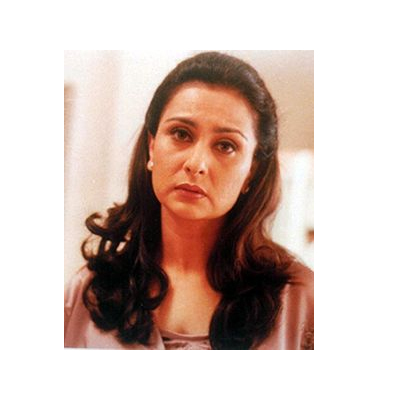
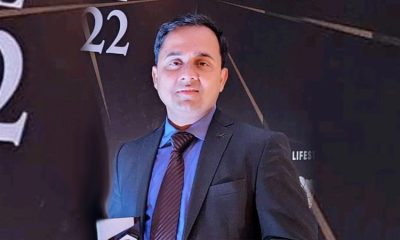
    To understand how a popular mainstream media goes about doing its ‘business’ while ensuring that its editorial credibility is intact, indiantelevision.com’s Papri Das got in touch with CNN International advertising sales asia pacific VP Sunita Rajan to get some expert insight.

    A key member of the CNN International team, Rajan has been tasked with setting the business strategy to drive advertising revenue for CNN’s global portfolio of multi-platform products among Asia Pacific based advertisers. With an emphasis on integrated advertiser solutions across the full range of CNN’s linear and non-linear properties, she is responsible for managing strategic relationships and brand partnerships. 

    Excerpts from the interaction:

    With broadcast news being heavily dependent on advertising revenue, how does CNN go about creating news content without falling prey to native advertorials?

    I would like to break the response down in three parts. Firstly, as an advertising sales person, I don’t manage or control editorial. That’s part of the business agreement. My role is to run the business which is advertising and sales across the Asia pacific region. I think the best analogy to describe how we look at this is that there should be church and state lines between editorial and advertising. CNN is very clear about it. There is no blurring of those lines. 

    We have maintained that we keep our audiences at the heart of what we do. Our editorial ensures that every piece of content that we produce is of value to the audiences. We don’t make the news, we report the news. 

    Even in the features, long form and analysis pieces that we do, we are mindful and also extremely stringent about selecting the stories that we believe are of value to the audiences. For example, our series on Silk Route, or even a lifestyle series.

    Can you explain the business model for CNN international?

    Our business model for CNN international is of ad sales and content sales. The other stream of revenue is business development which we have initiated in the last couple of years. The three key pillars of all streams of revenue are distribution, content and ad sales.

    What happens when a piece of editorial content has a conflict of interest with an advertiser?

    I wouldn’t say there is a conflict of interest because we are not kept informed of what editorial does. Marketing and ad sales never get into the editorial meets. The only space where there’s a discussion or interface it is with the number of features content that we do special seasons or theme weeks. There are times when the editorial highlights or showcases a particular country. We have a number of franchises, like On The Road, which is focusing on India this time as its relevant to our audiences. India is being talked about and with Modi’s Make In India falling into place, the youth and their aspiration need to be looked at.

    What brings advertisers to CNN?

    We go and talk to brands and partners, we build commercial partnerships. What we sell to clients and what we bring to the conversation is the brand proposition. We talk about our audiences, scale and size, texture and profile and a bit of what these audiences care about and why they consume content on CNN, how they come to CNN for its unique content and CNN as a platform. To be honest, what brands are buying is the quality of the audience, the profile of the audience, and that’s what we showcase when we going for a pitch.

    How do you react to advertisers wanting to get an editorial favour as part of an advertising deal?

    We don’t promise the clients editorial coverage if that is what you are asking. I think the reason the clients come into conversations with CNN is because they recognise the value of the brand and they recognise the principles that CNN as an international platform adheres to. They come to us because of that integrity and the value we bring to the table, and not because they think they can influence the editorial. There are a number of channels that do operate with that market behaviour probably

    From the ad sales point of view, for me and my team, it is our job to identify themes and content relevant to the client. For example we have CNN Money, which is an online vertical that CNN operates and that’s our business proposition as well. It’s about how we present to our audience, what is unique about the content for brands and advertisers, the differentiation between how we capture the story and how others do it. Because we are not just focused in the stock markets, we go beyond that and talk about the aspirational values of stories and stories on finance and wealth etc.

    How different is advertising sales in news channels from that of other entertainment broadcasters?

    Ad sales for news, whether it’s international market or local news is very different from general entertainment channels and sports channels. Those brands and their content are very much a point of view. News, on the other hand is a must have; a daily habit. You dip in and out of it but it’s 24 by 7. It’s less about the specific show. Yes, we do have content on a specific time, be it daily weekly or monthly.  We do offer certain programs for sponsorships, everything except for news and current affairs and business as it can’t be sponsored in Europe like everywhere else. We don’t necessarily take one program to the market and ask for a sponsor for it. That’s because’ when you are buying news, you are buying the brands reach and not its audience at 7 pm or 9 pm like entertainment channels. Now advertisers may choose to place their advertisement at a specific time of the day. That’s where I come in and recommend what the media schedule will look like and which programming would be more relevant to the brand. 

    But there are editorial events such as Heroes which is a very popular franchise and is in its 10th year this year. Or a republican debate, which we do sell as a big point of view. It has specific time bands and exclusives with CNN, so an occasion such as that is sold as a standalone property.

    How important is TV viewership ratings to you from an ad sales perspective? 

    Whole news brands and channels always had a good proportion of viewership command, it is not always that a news broadcaster focuses its ad sales or the opportunity to associate with brands just based on television ratings. We don’t sell on ratings but the reach of the channel across a week and also the context or the value of the environment. It is very much a brands sale than ‘how many people are watching or engaging with the channel.’

    Both in India and in other markets, it is also about brands looking for an international platform and reach. I am not saying that we are not getting the BRAC ratings, but we are not selling on just the BARC ratings. We also very much have a multiscreen and multiplatform presence, be it on TV, desktop or the mobile or through a responsive website. 

    There are a number of digital platforms in India that have started aggregating short form video content on news that audiences can consume on demand. Are they competition to conventional news broadcasters when it comes to the digital footprint?

    From a business owner perspective and media owner perspective, one needs to be able to be where the audiences are, be it on an investment scale or technology scale that drives one’s content. And to be where the audiences are, you need to serve where they consume the content. Rather than concentrating on just creating programming, it is important to recognise who your audiences are, where are they consuming content and what kind of content they prefer. Not forgetting your primary audience on television, it is also increasingly necessary to evolve so that you have as many touch points with your audiences as possible.

    As far as CNN is concerned we look at it positively. It comes as an advantage to have worked in a global market. We own the content we produce and showcase so we work with a number of platforms and partner with them, whether it’s Facebook, Youtube or Snapchat. While we see our content through such platforms, we also aggregate our own content, providing it to enrich the user experience, and driving audiences. So a number of these technology platforms have recognised the value of working with CNN. We don’t see them as threats but as opportunities. 

  • ‘There is a ‘church and state’ line between editorial and advertising’ :Sunita Rajan

    ‘There is a ‘church and state’ line between editorial and advertising’ :Sunita Rajan

    MUMBAI: Time and again news media, especially broadcast has come under scrutiny for compromising its editorial because of advertisers. Paid news and native advertising aren’t new to the industry and neither is the eternal debate between editorial and advertorial. Because the fact remains that the industry is heavily dependent on advertisers, and while selling content on entertainment channels is a task by itself, when it comes to news channel or other news media, it’s a completely different ballgame.

    While people are quick to point fingers and accuse media for being ‘sold’ and its content being ‘paid news’, they seldom look at it from the shoes of those who perform the tough balancing act of editorial and advertising sales and keep the machine running so more news is produced and reported.

    To understand how a popular mainstream media goes about doing its ‘business’ while ensuring that its editorial credibility is intact, indiantelevision.com’s Papri Das got in touch with CNN International advertising sales asia pacific VP Sunita Rajan to get some expert insight.

    A key member of the CNN International team, Rajan has been tasked with setting the business strategy to drive advertising revenue for CNN’s global portfolio of multi-platform products among Asia Pacific based advertisers. With an emphasis on integrated advertiser solutions across the full range of CNN’s linear and non-linear properties, she is responsible for managing strategic relationships and brand partnerships. 

    Excerpts from the interaction:

    With broadcast news being heavily dependent on advertising revenue, how does CNN go about creating news content without falling prey to native advertorials?

    I would like to break the response down in three parts. Firstly, as an advertising sales person, I don’t manage or control editorial. That’s part of the business agreement. My role is to run the business which is advertising and sales across the Asia pacific region. I think the best analogy to describe how we look at this is that there should be church and state lines between editorial and advertising. CNN is very clear about it. There is no blurring of those lines. 

    We have maintained that we keep our audiences at the heart of what we do. Our editorial ensures that every piece of content that we produce is of value to the audiences. We don’t make the news, we report the news. 

    Even in the features, long form and analysis pieces that we do, we are mindful and also extremely stringent about selecting the stories that we believe are of value to the audiences. For example, our series on Silk Route, or even a lifestyle series.

    Can you explain the business model for CNN international?

    Our business model for CNN international is of ad sales and content sales. The other stream of revenue is business development which we have initiated in the last couple of years. The three key pillars of all streams of revenue are distribution, content and ad sales.

    What happens when a piece of editorial content has a conflict of interest with an advertiser?

    I wouldn’t say there is a conflict of interest because we are not kept informed of what editorial does. Marketing and ad sales never get into the editorial meets. The only space where there’s a discussion or interface it is with the number of features content that we do special seasons or theme weeks. There are times when the editorial highlights or showcases a particular country. We have a number of franchises, like On The Road, which is focusing on India this time as its relevant to our audiences. India is being talked about and with Modi’s Make In India falling into place, the youth and their aspiration need to be looked at.

    What brings advertisers to CNN?

    We go and talk to brands and partners, we build commercial partnerships. What we sell to clients and what we bring to the conversation is the brand proposition. We talk about our audiences, scale and size, texture and profile and a bit of what these audiences care about and why they consume content on CNN, how they come to CNN for its unique content and CNN as a platform. To be honest, what brands are buying is the quality of the audience, the profile of the audience, and that’s what we showcase when we going for a pitch.

    How do you react to advertisers wanting to get an editorial favour as part of an advertising deal?

    We don’t promise the clients editorial coverage if that is what you are asking. I think the reason the clients come into conversations with CNN is because they recognise the value of the brand and they recognise the principles that CNN as an international platform adheres to. They come to us because of that integrity and the value we bring to the table, and not because they think they can influence the editorial. There are a number of channels that do operate with that market behaviour probably

    From the ad sales point of view, for me and my team, it is our job to identify themes and content relevant to the client. For example we have CNN Money, which is an online vertical that CNN operates and that’s our business proposition as well. It’s about how we present to our audience, what is unique about the content for brands and advertisers, the differentiation between how we capture the story and how others do it. Because we are not just focused in the stock markets, we go beyond that and talk about the aspirational values of stories and stories on finance and wealth etc.

    How different is advertising sales in news channels from that of other entertainment broadcasters?

    Ad sales for news, whether it’s international market or local news is very different from general entertainment channels and sports channels. Those brands and their content are very much a point of view. News, on the other hand is a must have; a daily habit. You dip in and out of it but it’s 24 by 7. It’s less about the specific show. Yes, we do have content on a specific time, be it daily weekly or monthly.  We do offer certain programs for sponsorships, everything except for news and current affairs and business as it can’t be sponsored in Europe like everywhere else. We don’t necessarily take one program to the market and ask for a sponsor for it. That’s because’ when you are buying news, you are buying the brands reach and not its audience at 7 pm or 9 pm like entertainment channels. Now advertisers may choose to place their advertisement at a specific time of the day. That’s where I come in and recommend what the media schedule will look like and which programming would be more relevant to the brand. 

    But there are editorial events such as Heroes which is a very popular franchise and is in its 10th year this year. Or a republican debate, which we do sell as a big point of view. It has specific time bands and exclusives with CNN, so an occasion such as that is sold as a standalone property.

    How important is TV viewership ratings to you from an ad sales perspective? 

    Whole news brands and channels always had a good proportion of viewership command, it is not always that a news broadcaster focuses its ad sales or the opportunity to associate with brands just based on television ratings. We don’t sell on ratings but the reach of the channel across a week and also the context or the value of the environment. It is very much a brands sale than ‘how many people are watching or engaging with the channel.’

    Both in India and in other markets, it is also about brands looking for an international platform and reach. I am not saying that we are not getting the BRAC ratings, but we are not selling on just the BARC ratings. We also very much have a multiscreen and multiplatform presence, be it on TV, desktop or the mobile or through a responsive website. 

    There are a number of digital platforms in India that have started aggregating short form video content on news that audiences can consume on demand. Are they competition to conventional news broadcasters when it comes to the digital footprint?

    From a business owner perspective and media owner perspective, one needs to be able to be where the audiences are, be it on an investment scale or technology scale that drives one’s content. And to be where the audiences are, you need to serve where they consume the content. Rather than concentrating on just creating programming, it is important to recognise who your audiences are, where are they consuming content and what kind of content they prefer. Not forgetting your primary audience on television, it is also increasingly necessary to evolve so that you have as many touch points with your audiences as possible.

    As far as CNN is concerned we look at it positively. It comes as an advantage to have worked in a global market. We own the content we produce and showcase so we work with a number of platforms and partner with them, whether it’s Facebook, Youtube or Snapchat. While we see our content through such platforms, we also aggregate our own content, providing it to enrich the user experience, and driving audiences. So a number of these technology platforms have recognised the value of working with CNN. We don’t see them as threats but as opportunities. 

  • ‘Not taking anything for granted is our guiding philosophy’: Maxus MD Kartik Sharma

    ‘Not taking anything for granted is our guiding philosophy’: Maxus MD Kartik Sharma

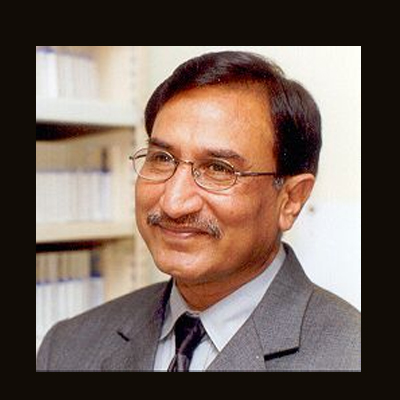
    ‘No room for complacency’ is a motto Maxus South Asia managing director Kartik Sharma as well as his team follow strongly when it comes to upholding the philosophy of not taking their position in the market for granted. In a market where traditional media practices are being challenged every now and then by a new start up or biz solutions provider, Maxus isn’t too worked up, says Sharma, but is definitely not taking it easy.

    With client retention being top priority, the media agency has heavily invested in new and innovative services in the last few years… while some have worked, others have taught team Maxus what to work on next… the next innovation.

    In an interview with Indiantelevision.com’s Papri Das, Sharma speaks on the company’s future initiatives that not only prepares Maxus as an agency of tomorrow but also forms yardsticks for the dynamic current media ecosystem.

    Excerpts:

    How was 2015 for Maxus in terms of new businesses and mandates?

    2015 was a challenging as well as gratifying year. We have been successful in achieving our business goals. We have picked up a fair amount of new businesses as well. But that is part and parcel of our business. We did some landmark work in the area of sports where we helped our client Paytm bag the BCCI home series sponsorship rights of 84 matches. We also set up a new marketing command centre called Mesh that reads signals from social media and other data platforms to help brands to come up with real time interventions and help campaigns.

    What were the challenges that you faced in 2015?

    The first quarter was a bit slow and I think this was uniform across all agencies last year. Therefore business was slow but it picked up in the latter half of the year. There was also this sentiment about the new government and what it can do, which drove a lot of the business decisions as well. We had mixed feelings through the year regarding how our clients will end up spending and whether they would be making cuts, because that directly impacts our business. Having said that, things were looking better by the end of the year.

    How useful has Mesh proved for you and your clients?

    We launched Mesh around April – May last year with two centres in Mumbai and Delhi, and very soon we will set up one in Bangalore as well. The idea was to set it up internally and have a culture change within Maxus. Parallelly, we also got multiple projects at the back of Mesh. A lot of clients are already using Mesh in various ways, be it ad-hoc or continual projects.

    It actually started much earlier in a different avatar when we deployed a similar service with Nestle as a client. We did some interesting work with L’oreal on the same principles where we continued to monitor all the social media pages and activities on the brand, understand the top influences and the kind of content that was working for the brand. The engagement analysis told us which part of India was giving us response on a particular product. It was immensely helpful in understanding what consumers feel about various brands.

    With the technology evolving and the ecosystem becoming more dynamic, do you think advertisers’ dependency on media agencies has increased?

    More than dependency, I think we work with clients as partners so it’s all about being equal in that. We have been able to demonstrate the real value of what we call the command centre. It’s about telling really powerful and relevant stories, which you can actually take back as an impact on your business.

    We must also take into consideration the number of new pitches that happened globally. Last year, around 20 million plus pitches took place globally. Fortunately for us, we weren’t part of it as you can never really predict how these additions will work out. As an agency, I would rather focus on current clients doing a great job than pitching. I think that having a few new strategic pitches are fine as long as it doesn’t effect your loyalty to your current clients.

    Don’t you think Maxus as a group has the capability to take on new clients without disappointing the existing ones?

    I have mentioned this again and I will repeat it yet again, Maxus as a group never takes its position in the market for granted. We have to earn what we are standing on and demonstrate every single day to all our stakeholders. That is critical to Maxus’ functioning. Not taking anything for granted is our guiding philosophy. It is also about the changing environment and Maxus needs to be forward facing to some extent. Mesh is a project keeping that in mind. If we don’t invest in Mesh and prepare ourselves for the future, then we can’t make that transition.

    Do you sense competition from all the ‘marketing solutions’ providers that have mushroomed in the industry recently? Some of them claim to provide similar services that Maxus has.

    Competition is always welcome. It builds a certain degree of positive energy for everyone to do better. Having said this, we have our own vision. It is a very inspiring vision that leans in to change. If you look at how we work, the entrepreneurial streak is very strong within Maxus. The DNA of Maxus is all about innovation, doing new things and evolving. So I am not overtly worried about the competition, yet we will keep a watch. We will not become complacent for sure.

    We see several big agencies collaborating with start-up agencies for specific skill sets. Do you think it reflects the lack of certain skills within the big media agencies to take on the changing market dynamics?

    Firstly, the skill set factor is not affecting just the agencies, I think it is across the board. As the market landscape changes, there are two ways to deal with it – either incorporate and evolve all the skill sets internally, which requires its own time and effort, or partner with someone who has these skill sets in a focused area still relevant to you. It is always going to be hybrid between building yourself and partnering with others.

    Can it be considered a shortcut way out?

    I don’t think it’s a shortcut. Once a client comes on board an agency, we want to give them the best possible solution. Clients don’t really worry too much on where that solution is coming from. There will always be something like a super specialisation, which an agency might not require for all its clients. Therefore it is better to partner, for a particular client or for a brief period of time.

    We too work with multiple partners. For example, we introduced a tool called Synapse last year, which marries television ratings with social buzz. We work with our partner Frrole to develop that. Frrole has certain proprietary technology for which it makes immense sense for us to partner with them.

    Within the WPP ecosystem we work with the research agency Kantar because it gives us certain specialisations. Rather than replicating the same skills within the agencies, it’s better to work with the experts.

    How do you ensure client’s faith in television, especially for advertisers who are heavily dependent on the television medium when there is all this talk about television losing importance in the advertising space?

    Firstly, we will continue to use the industry endorsed television rating system, which is currently Broadcast Audience Research Council (BARC) India. Secondly, as I mentioned earlier, we have the tool Synapse that helps marry television ratings with the social buzz. For particularly niche brands, which have a well defined target group, sometimes only TV ratings may not work. It may be that a certain type of channel, say a niche channel with a very targeted audience will work for them. We can identify them by listening to the social buzz. So in many ways, we are supporting the need for television through these new initiatives.

    Agencies are increasingly facing the ‘4 second challenge’ digital platforms with this current ADHD generation. How can the industry deal with this?

    First and foremost, one needs to take a hard look at the communication created for television and have an open conversation with the client and the creative agency on whether the same communication will hold true in a digital environment.

    The second thing is about doing a lot of experiment and a bit of trial and error at low cost to see what works and then tweaking it accordingly. Keeping an eye on what’s happening globally and learning from best practices or successful examples there and contextualising in the Indian market is also necessary.

    Any new services or products that are in the pipeline from Maxus?

    There are at least four or five big initiatives that we have in mind but it’s a little premature to talk about it now. By end March or early April we will be able to give a proper communication on the same.

    We keep innovating on our product front and learn from the previous launches. If certain things haven’t worked, we go back to the black board and think on what needs to change. At this point in time, I can say that we will soon be introducing an improved version of our T2D tool that was launched last year targeting the eCommerce community. We have received good feedback on it and will build on it to develop it into a more powerful tool.

  • ‘Not taking anything for granted is our guiding philosophy’: Maxus MD Kartik Sharma

    ‘Not taking anything for granted is our guiding philosophy’: Maxus MD Kartik Sharma

    ‘No room for complacency’ is a motto Maxus South Asia managing director Kartik Sharma as well as his team follow strongly when it comes to upholding the philosophy of not taking their position in the market for granted. In a market where traditional media practices are being challenged every now and then by a new start up or biz solutions provider, Maxus isn’t too worked up, says Sharma, but is definitely not taking it easy.

    With client retention being top priority, the media agency has heavily invested in new and innovative services in the last few years… while some have worked, others have taught team Maxus what to work on next… the next innovation.

    In an interview with Indiantelevision.com’s Papri Das, Sharma speaks on the company’s future initiatives that not only prepares Maxus as an agency of tomorrow but also forms yardsticks for the dynamic current media ecosystem.

    Excerpts:

    How was 2015 for Maxus in terms of new businesses and mandates?

    2015 was a challenging as well as gratifying year. We have been successful in achieving our business goals. We have picked up a fair amount of new businesses as well. But that is part and parcel of our business. We did some landmark work in the area of sports where we helped our client Paytm bag the BCCI home series sponsorship rights of 84 matches. We also set up a new marketing command centre called Mesh that reads signals from social media and other data platforms to help brands to come up with real time interventions and help campaigns.

    What were the challenges that you faced in 2015?

    The first quarter was a bit slow and I think this was uniform across all agencies last year. Therefore business was slow but it picked up in the latter half of the year. There was also this sentiment about the new government and what it can do, which drove a lot of the business decisions as well. We had mixed feelings through the year regarding how our clients will end up spending and whether they would be making cuts, because that directly impacts our business. Having said that, things were looking better by the end of the year.

    How useful has Mesh proved for you and your clients?

    We launched Mesh around April – May last year with two centres in Mumbai and Delhi, and very soon we will set up one in Bangalore as well. The idea was to set it up internally and have a culture change within Maxus. Parallelly, we also got multiple projects at the back of Mesh. A lot of clients are already using Mesh in various ways, be it ad-hoc or continual projects.

    It actually started much earlier in a different avatar when we deployed a similar service with Nestle as a client. We did some interesting work with L’oreal on the same principles where we continued to monitor all the social media pages and activities on the brand, understand the top influences and the kind of content that was working for the brand. The engagement analysis told us which part of India was giving us response on a particular product. It was immensely helpful in understanding what consumers feel about various brands.

    With the technology evolving and the ecosystem becoming more dynamic, do you think advertisers’ dependency on media agencies has increased?

    More than dependency, I think we work with clients as partners so it’s all about being equal in that. We have been able to demonstrate the real value of what we call the command centre. It’s about telling really powerful and relevant stories, which you can actually take back as an impact on your business.

    We must also take into consideration the number of new pitches that happened globally. Last year, around 20 million plus pitches took place globally. Fortunately for us, we weren’t part of it as you can never really predict how these additions will work out. As an agency, I would rather focus on current clients doing a great job than pitching. I think that having a few new strategic pitches are fine as long as it doesn’t effect your loyalty to your current clients.

    Don’t you think Maxus as a group has the capability to take on new clients without disappointing the existing ones?

    I have mentioned this again and I will repeat it yet again, Maxus as a group never takes its position in the market for granted. We have to earn what we are standing on and demonstrate every single day to all our stakeholders. That is critical to Maxus’ functioning. Not taking anything for granted is our guiding philosophy. It is also about the changing environment and Maxus needs to be forward facing to some extent. Mesh is a project keeping that in mind. If we don’t invest in Mesh and prepare ourselves for the future, then we can’t make that transition.

    Do you sense competition from all the ‘marketing solutions’ providers that have mushroomed in the industry recently? Some of them claim to provide similar services that Maxus has.

    Competition is always welcome. It builds a certain degree of positive energy for everyone to do better. Having said this, we have our own vision. It is a very inspiring vision that leans in to change. If you look at how we work, the entrepreneurial streak is very strong within Maxus. The DNA of Maxus is all about innovation, doing new things and evolving. So I am not overtly worried about the competition, yet we will keep a watch. We will not become complacent for sure.

    We see several big agencies collaborating with start-up agencies for specific skill sets. Do you think it reflects the lack of certain skills within the big media agencies to take on the changing market dynamics?

    Firstly, the skill set factor is not affecting just the agencies, I think it is across the board. As the market landscape changes, there are two ways to deal with it – either incorporate and evolve all the skill sets internally, which requires its own time and effort, or partner with someone who has these skill sets in a focused area still relevant to you. It is always going to be hybrid between building yourself and partnering with others.

    Can it be considered a shortcut way out?

    I don’t think it’s a shortcut. Once a client comes on board an agency, we want to give them the best possible solution. Clients don’t really worry too much on where that solution is coming from. There will always be something like a super specialisation, which an agency might not require for all its clients. Therefore it is better to partner, for a particular client or for a brief period of time.

    We too work with multiple partners. For example, we introduced a tool called Synapse last year, which marries television ratings with social buzz. We work with our partner Frrole to develop that. Frrole has certain proprietary technology for which it makes immense sense for us to partner with them.

    Within the WPP ecosystem we work with the research agency Kantar because it gives us certain specialisations. Rather than replicating the same skills within the agencies, it’s better to work with the experts.

    How do you ensure client’s faith in television, especially for advertisers who are heavily dependent on the television medium when there is all this talk about television losing importance in the advertising space?

    Firstly, we will continue to use the industry endorsed television rating system, which is currently Broadcast Audience Research Council (BARC) India. Secondly, as I mentioned earlier, we have the tool Synapse that helps marry television ratings with the social buzz. For particularly niche brands, which have a well defined target group, sometimes only TV ratings may not work. It may be that a certain type of channel, say a niche channel with a very targeted audience will work for them. We can identify them by listening to the social buzz. So in many ways, we are supporting the need for television through these new initiatives.

    Agencies are increasingly facing the ‘4 second challenge’ digital platforms with this current ADHD generation. How can the industry deal with this?

    First and foremost, one needs to take a hard look at the communication created for television and have an open conversation with the client and the creative agency on whether the same communication will hold true in a digital environment.

    The second thing is about doing a lot of experiment and a bit of trial and error at low cost to see what works and then tweaking it accordingly. Keeping an eye on what’s happening globally and learning from best practices or successful examples there and contextualising in the Indian market is also necessary.

    Any new services or products that are in the pipeline from Maxus?

    There are at least four or five big initiatives that we have in mind but it’s a little premature to talk about it now. By end March or early April we will be able to give a proper communication on the same.

    We keep innovating on our product front and learn from the previous launches. If certain things haven’t worked, we go back to the black board and think on what needs to change. At this point in time, I can say that we will soon be introducing an improved version of our T2D tool that was launched last year targeting the eCommerce community. We have received good feedback on it and will build on it to develop it into a more powerful tool.

  • ‘The sort of shoddy opinionated journalism that you see on television isn’t limited to India:’ Andrew Stevens

    ‘The sort of shoddy opinionated journalism that you see on television isn’t limited to India:’ Andrew Stevens

    How often do we hear that Indian media, especially broadcast, is heavily inclined towards opinionated journalism where the prime time is ruled by one sided debates?

    The scenario isn’t restricted to only Indian media, but is a global trend, says CNN Asia Pacific editor and correspondent Andrew Stevens, who was in Mumbai recently for the CNN Business Forum 2016.

    The specialist business correspondent with over two decades of experience in the beat is known for his extensive coverage of news and business stories across the region. The latest feathers to his cap are covering Hong Kong’s ‘Umbrella Revolution’ pro-democracy movement and the mysterious disappearance of Flight MH370 in 2014.

    A former print journalist with several election coverages across many countries to boot, Stevens’ knowledge in geopolitics and its subsequent effect on the different Asia Pacific markets is unparalleled indeed.

    With ‘news’ and ‘business’ being the two sectors that Stevens has expertise on, his take on Indian media industry does put matters into a global perspective.

    In conversation with Indiantelevision.com Papri Das, Stevens shares his opinion on the current media industry and prospects of exploring new revenue models for the medium, why there is an audience for ‘debate format’ shows on television news, and why journalists must be careful when entertaining followers on social media.

    Excerpts:

    How do you see India in terms of freedom of the press? Have you noticed any change since the current government came into power?

    From an editorial standpoint I think Indian media is pretty free of censorship, and external influence. I am sure there are proprietors who wish to share their views in their own affiliated networks but generally I think it’s wonderful how robust the industry is. The different views that are aired daily through the news television networks is an indication of a healthy and thriving press in India.

    With regards to the current government, I haven’t seen any significant change. I don’t know if I am in the right position to answer this, but from what I have heard and read, there hasn’t been any serious clamming down of the press that’s visible to the international media.

    Do you think international media successfully covers India and doesn’t just scratch the surface?

    I find it’s a bit of both. It ultimately boils down to the reporter and reporting itself. There is no reason an international media such as ourselves can’t get to the real story. Churning out cliched news is lazy and I don’t believe in that type of journalism.

    I have been in India often and I find people to be very free and happy to share their opinions. Therefore there shouldn’t be an obstacle in gathering and reporting that very perspective internationally.

    Do you think digital will rule news and TV will gradually phase out?

    Digital media, especially social media is very attractive and an easy option. The news is snappy and one can simply grab a bite and they are done. But our job is to go beyond that.

    I don’t condone the whole social media as a news outlet. As a journalist I can tap into Twitter or other social media platforms to get good real time information as long as I trust my sources. But one needs to be aware that it’s a 15 secs of fame thing. Everybody is a journalist on Twitter in just 140 characters. At the end of the day, journalism is all about credibility and people need to trust what they read or watch. And that credibility can only be built through research and analysis, which is a journalist’s job. And that is why I think credible broadcast journalism will survive this digital wave; while those who are still into ‘byte’ form journalism will face tough competition.

    Are long form news programs a dying breed in broadcast in this generation of ADHD viewers?

    I certainly hope not. There always will be trends. I agree that right now snappy two minute video packages meant for the digital platforms are popular. For those who have a hunger for a holistic picture however, it leaves you wanting more. It is too basic a level and mostly scratches the surface. Yes, consumers of news are busy but they want to read and watch something that answers all their questions, not just make a statement. Like I always say, it comes down to the storyteller. Do I think good storytelling is in jeopardy? No, it still has a huge market and its industry is only growing.

    Prime time news in India is heavily dictated by the debate form of news. What is your take on this style of opinionated journalism?

    This sort of shoddy journalism that you see on television isn’t limited to India; we have examples of this in the west, and probably we lent this format to different markets. I think that a lot of people watch this because it conforms to their own ideas and opinions. It’s more of an echo chain where the broadcaster and the viewers feed off each others opinions. It’s human nature to keep watching something that we are comfortable listening to — a broadcaster who agrees with them; who confirms their prejudices or views. Personally, I get bored of that very quickly. I am not saying they are not influencing. I have been following the US Presidential election campaign very closely and the coverage there is very fascinating. Those who are glued to the television and are highly opinionated on the matter may actually end up having the fate of the entire western world in their hands.

    In India maximum news broadcasters are heavily dependent on ad revenue? How does a news channel ensure unbiased reporting and not lend itself to crony capitalism while running after ad ex?

    It is not only India, advertising remains a very important revenue stream for the broadcast industry all over the world and news is not an exception to that. There are also sponsorship deals now where companies will fund or bear part of the cost of certain content. News channels have a certain responsibility to provide an unbiased report and have to be very careful in striking a fine balance… as long as there is a clear labelling of advertorial, sponsorship and editorial.

    I know the lines do get blurred at times and that’s what we need to be concerned about. We have to make sure that we are not compromising news at the cost of our consumerist needs. We must understand that an advertiser chooses to lend their name and invest in a bulletin or a news program because the broadcaster and that content carries a certain credibility that they want to be associated with. Therefore a news channel’s primary job should be to not compromise on that. The entire business model should be based on it.

    Which do you prefer as a journalist — a subscription revenue platform or ad revenue platform?

    There is a lot of robust conversation about this issue even globally. People in the industry are talking about alternate sources of revenue. The internet has dragged the traditional advertising revenues down for people like us (broadcasters). If you ask me, a network like CNN would not work on just subscription revenue. But for a specialist or niche publication or broadcaster, it would work much better. And that is what we see on the digital platforms these days. People will pay for a deeper analysis in a specific beat rather than a news digest.

    How much does breaking the news before others matter to you? Does the rush not lead to an impulsive job?

    I think it’s a real danger to credible journalism, this whole practice of chasing after breaking news. That is why we don’t entertain any breaking news it until we confirm it ourselves. Suppose we get a news flash that Queen Elizabeth has died; we are not going to go anywhere near it until we verify the news ourselves through trusted and multiple sources. And that is what journalism is all about. The only reason people watch us is because when they hear us say something and they assume it to be true. Being the first mover doesn’t necessarily work, in fact it can be counter productive instead.

    CNN has consciously chosen to be those who might not be first to tell you what’s going on, but will tell you what is factually right. We don’t encourage sensationalisation of news but there are some news and personalities that lend themselves to controversy whom we also have to cover.

    A fine example would be the Republican candidate Donald Trump. We cover Trump a lot but then again Trump is a news maker and we cover news. It doesn’t necessarily mean that we agree with what he opines.

    What is your take on media debates involving sub-judice matter, which is called ‘Trial by media’ or ‘Media Trial?’

    It’s not fair but it’s a fact of life. This is where opinionated journalism can become very dangerous indeed. There have to be strong laws in place that will prevent this sort of influence by media on the judiciary. For example in UK, there are laws on what you can and can’t say when someone is under suspicion or charged with something. It’s partly the responsibility of the jurisdiction. One must understand that there is a whole spectrum of journalism.

    How much do you care about the number of digital views CNN generates? How in tune are you with the social media?

    I am not a digital native. So me and social media have a very loose association. While I do check from time to time, personally I am hardly tuned in. I don’t think I have tweeted since last November, so you can tell how active I am on the social network.

    But if you ask me if broadcasters today need to be social media savvy to stay connected with their audiences? Yes, I do think so. One has to manage that very carefully. I think we do have to be able to justify the stories we write and the pieces we put on air. We shouldn’t be hiding behind a mask or corporate wall. But at the same time I am not going to spend my life answering everybody’s question on what I do and why. A journalist has to have a keen ear, granted; but they can’t be influenced by popular opinion either. There has to be a fine balance.

    What will you advise budding journalists?

    It really depends on what you want to be. Do you really want to be the Indian correspondent internationally? I don’t think one needs to restrict oneself to a specific type of platform. As the world of media continues to change with these dynamic times, I feel that there are a lot more opportunities ahead for young and budding journalists out there. It’s becoming more important for young journalists starting up to make a name for their own self. Pick up a beat where you can thrive, whatever be the platform. And the key to it is of course breaking news. Apart from reacting to what is happening, develop skill sets and sources to find out newsworthy information for the world.

  • ‘The sort of shoddy opinionated journalism that you see on television isn’t limited to India:’ Andrew Stevens

    ‘The sort of shoddy opinionated journalism that you see on television isn’t limited to India:’ Andrew Stevens

    How often do we hear that Indian media, especially broadcast, is heavily inclined towards opinionated journalism where the prime time is ruled by one sided debates?

    The scenario isn’t restricted to only Indian media, but is a global trend, says CNN Asia Pacific editor and correspondent Andrew Stevens, who was in Mumbai recently for the CNN Business Forum 2016.

    The specialist business correspondent with over two decades of experience in the beat is known for his extensive coverage of news and business stories across the region. The latest feathers to his cap are covering Hong Kong’s ‘Umbrella Revolution’ pro-democracy movement and the mysterious disappearance of Flight MH370 in 2014.

    A former print journalist with several election coverages across many countries to boot, Stevens’ knowledge in geopolitics and its subsequent effect on the different Asia Pacific markets is unparalleled indeed.

    With ‘news’ and ‘business’ being the two sectors that Stevens has expertise on, his take on Indian media industry does put matters into a global perspective.

    In conversation with Indiantelevision.com Papri Das, Stevens shares his opinion on the current media industry and prospects of exploring new revenue models for the medium, why there is an audience for ‘debate format’ shows on television news, and why journalists must be careful when entertaining followers on social media.

    Excerpts:

    How do you see India in terms of freedom of the press? Have you noticed any change since the current government came into power?

    From an editorial standpoint I think Indian media is pretty free of censorship, and external influence. I am sure there are proprietors who wish to share their views in their own affiliated networks but generally I think it’s wonderful how robust the industry is. The different views that are aired daily through the news television networks is an indication of a healthy and thriving press in India.

    With regards to the current government, I haven’t seen any significant change. I don’t know if I am in the right position to answer this, but from what I have heard and read, there hasn’t been any serious clamming down of the press that’s visible to the international media.

    Do you think international media successfully covers India and doesn’t just scratch the surface?

    I find it’s a bit of both. It ultimately boils down to the reporter and reporting itself. There is no reason an international media such as ourselves can’t get to the real story. Churning out cliched news is lazy and I don’t believe in that type of journalism.

    I have been in India often and I find people to be very free and happy to share their opinions. Therefore there shouldn’t be an obstacle in gathering and reporting that very perspective internationally.

    Do you think digital will rule news and TV will gradually phase out?

    Digital media, especially social media is very attractive and an easy option. The news is snappy and one can simply grab a bite and they are done. But our job is to go beyond that.

    I don’t condone the whole social media as a news outlet. As a journalist I can tap into Twitter or other social media platforms to get good real time information as long as I trust my sources. But one needs to be aware that it’s a 15 secs of fame thing. Everybody is a journalist on Twitter in just 140 characters. At the end of the day, journalism is all about credibility and people need to trust what they read or watch. And that credibility can only be built through research and analysis, which is a journalist’s job. And that is why I think credible broadcast journalism will survive this digital wave; while those who are still into ‘byte’ form journalism will face tough competition.

    Are long form news programs a dying breed in broadcast in this generation of ADHD viewers?

    I certainly hope not. There always will be trends. I agree that right now snappy two minute video packages meant for the digital platforms are popular. For those who have a hunger for a holistic picture however, it leaves you wanting more. It is too basic a level and mostly scratches the surface. Yes, consumers of news are busy but they want to read and watch something that answers all their questions, not just make a statement. Like I always say, it comes down to the storyteller. Do I think good storytelling is in jeopardy? No, it still has a huge market and its industry is only growing.

    Prime time news in India is heavily dictated by the debate form of news. What is your take on this style of opinionated journalism?

    This sort of shoddy journalism that you see on television isn’t limited to India; we have examples of this in the west, and probably we lent this format to different markets. I think that a lot of people watch this because it conforms to their own ideas and opinions. It’s more of an echo chain where the broadcaster and the viewers feed off each others opinions. It’s human nature to keep watching something that we are comfortable listening to — a broadcaster who agrees with them; who confirms their prejudices or views. Personally, I get bored of that very quickly. I am not saying they are not influencing. I have been following the US Presidential election campaign very closely and the coverage there is very fascinating. Those who are glued to the television and are highly opinionated on the matter may actually end up having the fate of the entire western world in their hands.

    In India maximum news broadcasters are heavily dependent on ad revenue? How does a news channel ensure unbiased reporting and not lend itself to crony capitalism while running after ad ex?

    It is not only India, advertising remains a very important revenue stream for the broadcast industry all over the world and news is not an exception to that. There are also sponsorship deals now where companies will fund or bear part of the cost of certain content. News channels have a certain responsibility to provide an unbiased report and have to be very careful in striking a fine balance… as long as there is a clear labelling of advertorial, sponsorship and editorial.

    I know the lines do get blurred at times and that’s what we need to be concerned about. We have to make sure that we are not compromising news at the cost of our consumerist needs. We must understand that an advertiser chooses to lend their name and invest in a bulletin or a news program because the broadcaster and that content carries a certain credibility that they want to be associated with. Therefore a news channel’s primary job should be to not compromise on that. The entire business model should be based on it.

    Which do you prefer as a journalist — a subscription revenue platform or ad revenue platform?

    There is a lot of robust conversation about this issue even globally. People in the industry are talking about alternate sources of revenue. The internet has dragged the traditional advertising revenues down for people like us (broadcasters). If you ask me, a network like CNN would not work on just subscription revenue. But for a specialist or niche publication or broadcaster, it would work much better. And that is what we see on the digital platforms these days. People will pay for a deeper analysis in a specific beat rather than a news digest.

    How much does breaking the news before others matter to you? Does the rush not lead to an impulsive job?

    I think it’s a real danger to credible journalism, this whole practice of chasing after breaking news. That is why we don’t entertain any breaking news it until we confirm it ourselves. Suppose we get a news flash that Queen Elizabeth has died; we are not going to go anywhere near it until we verify the news ourselves through trusted and multiple sources. And that is what journalism is all about. The only reason people watch us is because when they hear us say something and they assume it to be true. Being the first mover doesn’t necessarily work, in fact it can be counter productive instead.

    CNN has consciously chosen to be those who might not be first to tell you what’s going on, but will tell you what is factually right. We don’t encourage sensationalisation of news but there are some news and personalities that lend themselves to controversy whom we also have to cover.

    A fine example would be the Republican candidate Donald Trump. We cover Trump a lot but then again Trump is a news maker and we cover news. It doesn’t necessarily mean that we agree with what he opines.

    What is your take on media debates involving sub-judice matter, which is called ‘Trial by media’ or ‘Media Trial?’

    It’s not fair but it’s a fact of life. This is where opinionated journalism can become very dangerous indeed. There have to be strong laws in place that will prevent this sort of influence by media on the judiciary. For example in UK, there are laws on what you can and can’t say when someone is under suspicion or charged with something. It’s partly the responsibility of the jurisdiction. One must understand that there is a whole spectrum of journalism.

    How much do you care about the number of digital views CNN generates? How in tune are you with the social media?

    I am not a digital native. So me and social media have a very loose association. While I do check from time to time, personally I am hardly tuned in. I don’t think I have tweeted since last November, so you can tell how active I am on the social network.

    But if you ask me if broadcasters today need to be social media savvy to stay connected with their audiences? Yes, I do think so. One has to manage that very carefully. I think we do have to be able to justify the stories we write and the pieces we put on air. We shouldn’t be hiding behind a mask or corporate wall. But at the same time I am not going to spend my life answering everybody’s question on what I do and why. A journalist has to have a keen ear, granted; but they can’t be influenced by popular opinion either. There has to be a fine balance.

    What will you advise budding journalists?

    It really depends on what you want to be. Do you really want to be the Indian correspondent internationally? I don’t think one needs to restrict oneself to a specific type of platform. As the world of media continues to change with these dynamic times, I feel that there are a lot more opportunities ahead for young and budding journalists out there. It’s becoming more important for young journalists starting up to make a name for their own self. Pick up a beat where you can thrive, whatever be the platform. And the key to it is of course breaking news. Apart from reacting to what is happening, develop skill sets and sources to find out newsworthy information for the world.