Category: Executive Dossier

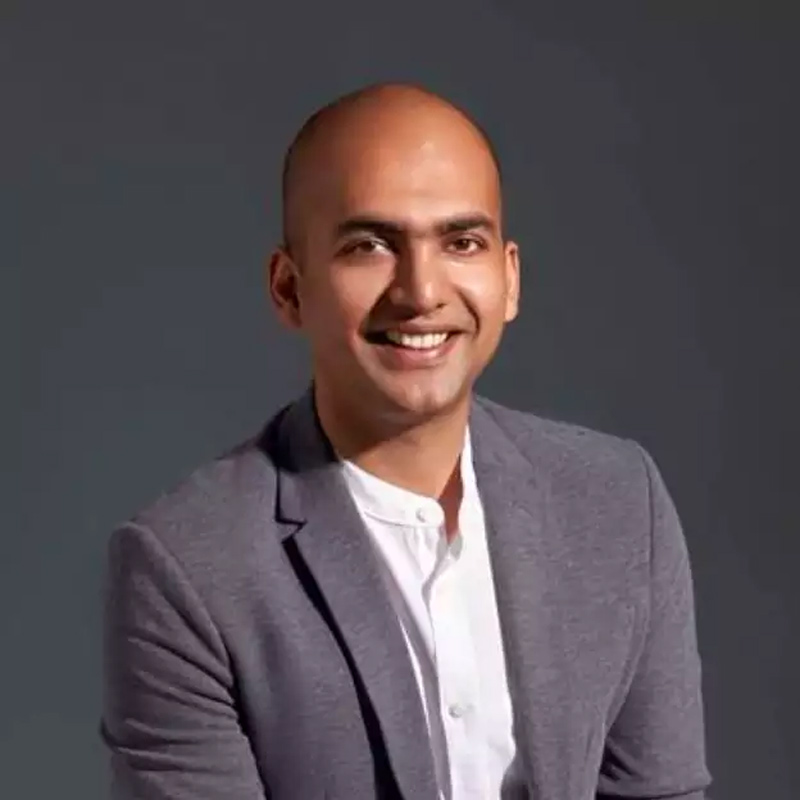
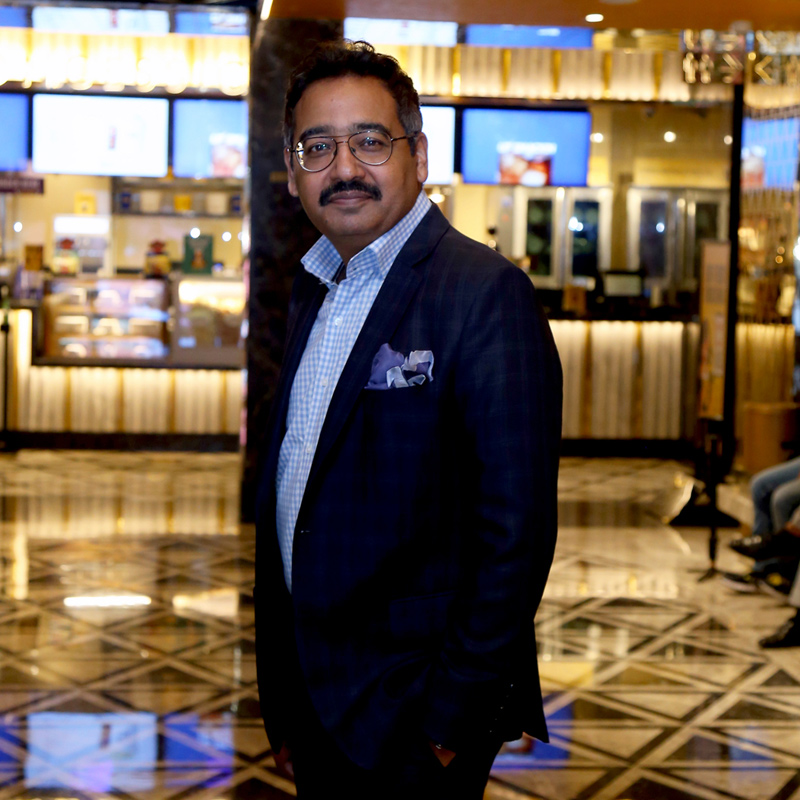
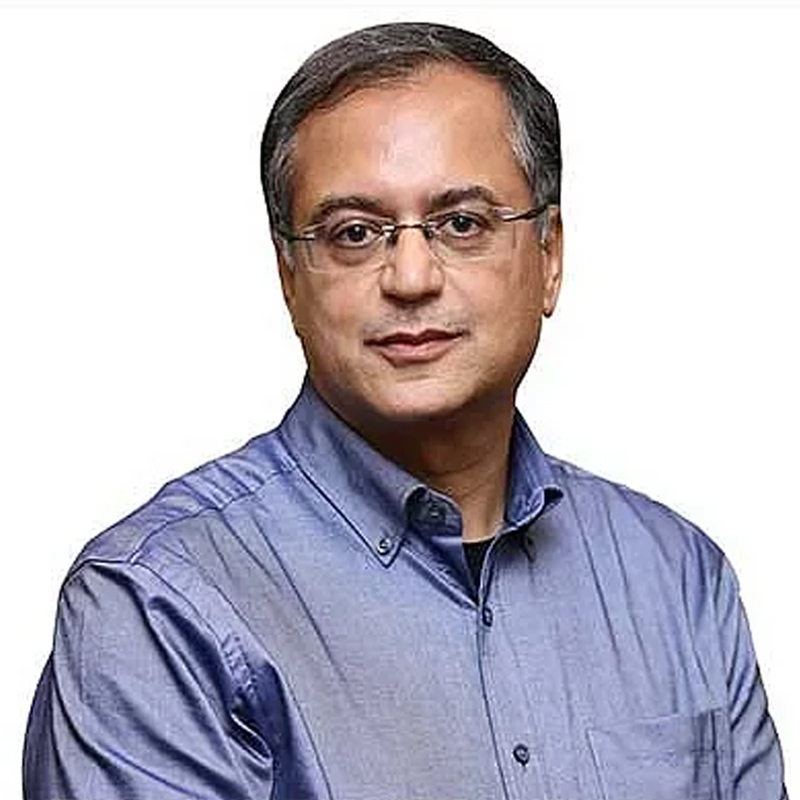
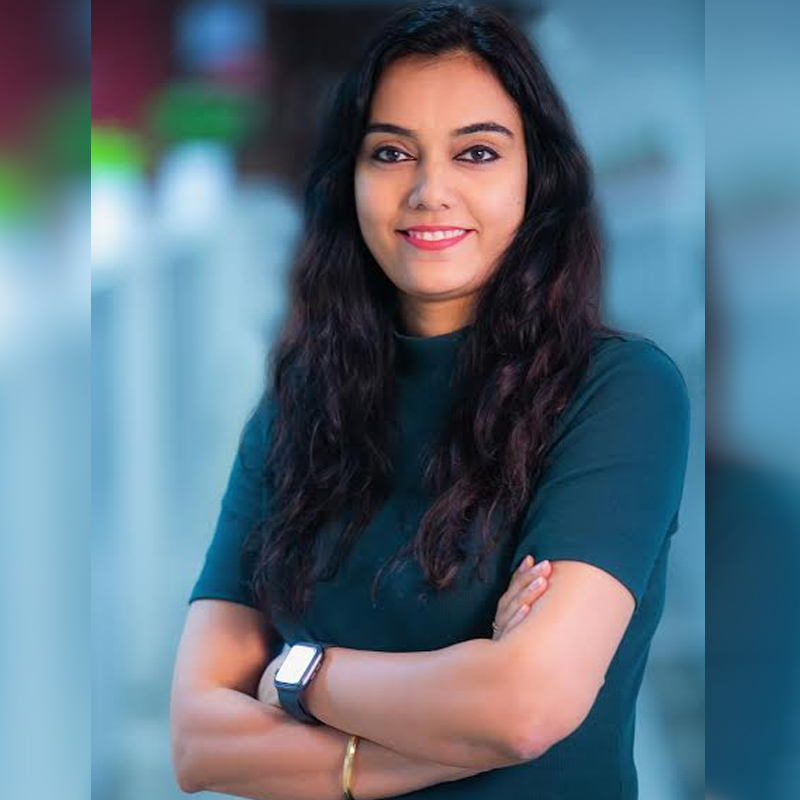
  • “Goafest 2025 is our canvas; we want brands to be comfortable forging content partnerships on MX Player” – Amogh Dusad

    “Goafest 2025 is our canvas; we want brands to be comfortable forging content partnerships on MX Player” – Amogh Dusad

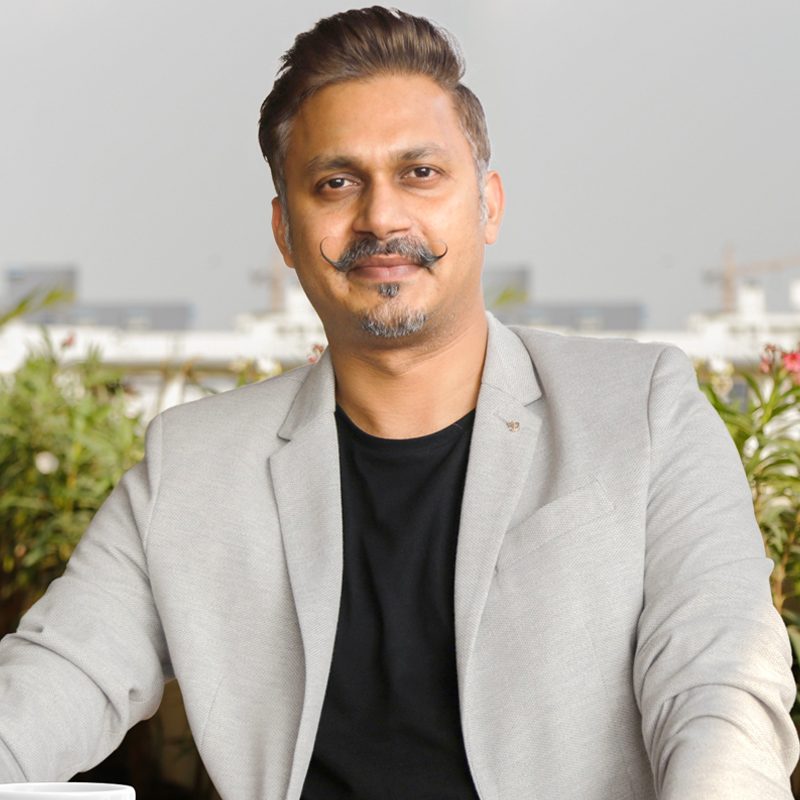
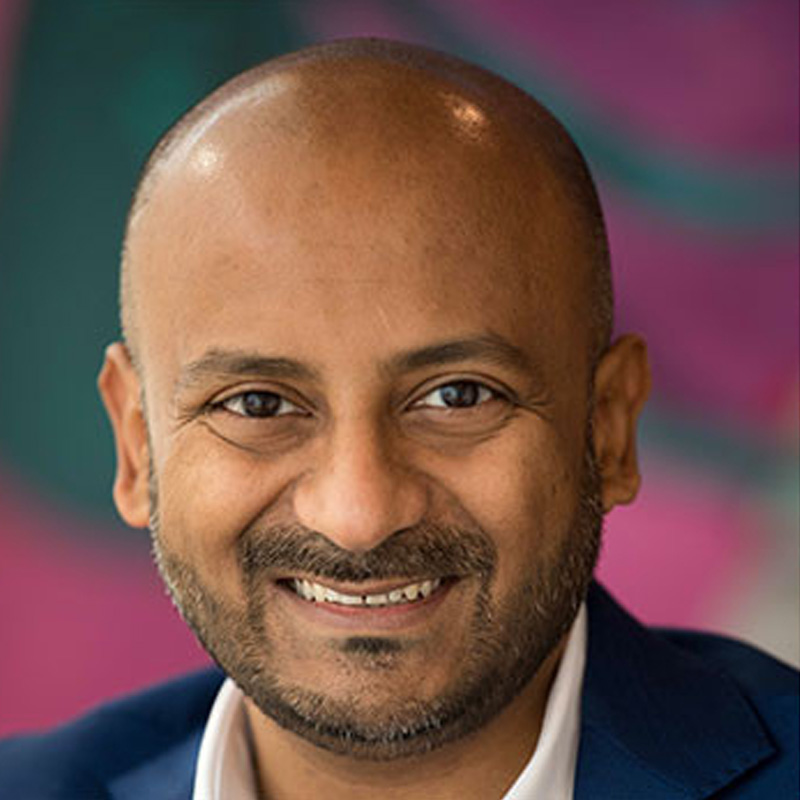
    MUMBAI: On the sun-kissed shores of Goafest 2025, amidst the creative chaos and infectious enthusiasm of India’s advertising aristocracy, Amazon MX Player made a splash—not merely as a passive sponsor but as an ingenious storyteller poised to rewrite the rulebook on how brands engage their audience. Content maestro Amogh Dusad, appearing as though he thrives solely on a potent cocktail of wit, charm, and industry savvy, laid bare exactly how Amazon MX Player plans to dazzle and delight the notoriously unpredictable advertising elite.
    In this buzzing carnival of ideas and innovation, Indian Television Dot Com’s Sreeyom Sil gladly swapped leisurely sun-loungers for spirited verbal fencing, exchanging lively repartee with Amazon MX Player’s charismatic content wizard Dusad to unravel the secrets behind his devilishly clever content crusade. Below is a distillation of Dusad’s interview, served fresh in a brisk question-and-answer dossier.  Excerpts: 

    How is Amazon MX Player positioning itself to impress India’s top advertising minds at Goafest?
    We want to use this opportunity to talk about some of our upcoming tentpole shows. Also give them full comfort and trust on the kind of content that is on the service so that brands feel comfortable in deeper content partnerships.These forums build awareness around our upcoming slate. Our masterclass here offers brands a journey into our ecosystem—demonstrating seamless brand integrations in our narratives, ensuring advertisers feel confident forging deeper content partnerships.

    Can you give a specific example of brand integration in Amazon MX Player’s content?
    There’s a lot of brand integrations in LinkedIn in Jamnapaar, or Realme sponsored Hip Hop India.  We’ve successfully embedded brands directly into storytelling. Unlike traditional TV, where ads often become ambient noise, OTT’s intimate viewing ensures audiences engage fully. Shows like Lock Upp and Campus Diaries seamlessly weave brand messages into compelling stories, amplified further through our social media.

    Are there any new storytelling trends from Goafest influencing Amazon MX Player’s content?
    The festival’s just begun, but we constantly reassess our content. The rapid popularity of hip-hop among India’s youth, for instance, inspired our show Hip Hop India, integrating subculture and music in an energetic format, demonstrating our commitment to riding cultural waves swiftly.

    Has involvement in Goafest planning influenced your decision to double down on dubbed international content?
    No videsi as a category. We’ve been programming for almost two to three years now. We’ve curated international hits, notably from East Asia, for a few years now. Our recent anime venture dubbed in Hindi, Tamil, and Telugu, a free-to-view innovation, was an independent, successful experiment reinforcing our strategic direction.

    Any exclusive content reveals at Goafest 2025 from Amazon MX Player?
    We will be screening  the first episodes of popular returning franchise Half CA season 2 and new series Mitti: Ek Nayi Pehchaan, featuring Ishwak Singh. We will also be having a fireside chat featuring actor Sunil Shetty on the returning season of Hunter and insights from our upcoming unscripted show featuring Ashneer Grover will give attendees an exclusive taste.

    How is Amazon MX Player leveraging Goafest as a testing ground for new ad formats?
    Being the presenting sponsor gives us significant engagement opportunities. Through masterclasses and interactive sessions, we’re challenging the industry’s brightest to rethink brand storytelling beyond traditional paradigms. Our aim is bold yet simple: innovate or perish.

    Reflecting on your role, how have your leadership decisions shaped Amazon MX Player?
    My journey here has been immensely rewarding, producing over 20 returning franchises within just three years. Our next frontier? MX Fatafat, an innovative vertical short-form drama series with two minute episodes tailored to a thumb-scrolling audience, expected later this yea

  • “The future depends on how we will balance AI and ML with ethical considerations:” Emmy sound design winner Cory Choy

    “The future depends on how we will balance AI and ML with ethical considerations:” Emmy sound design winner Cory Choy

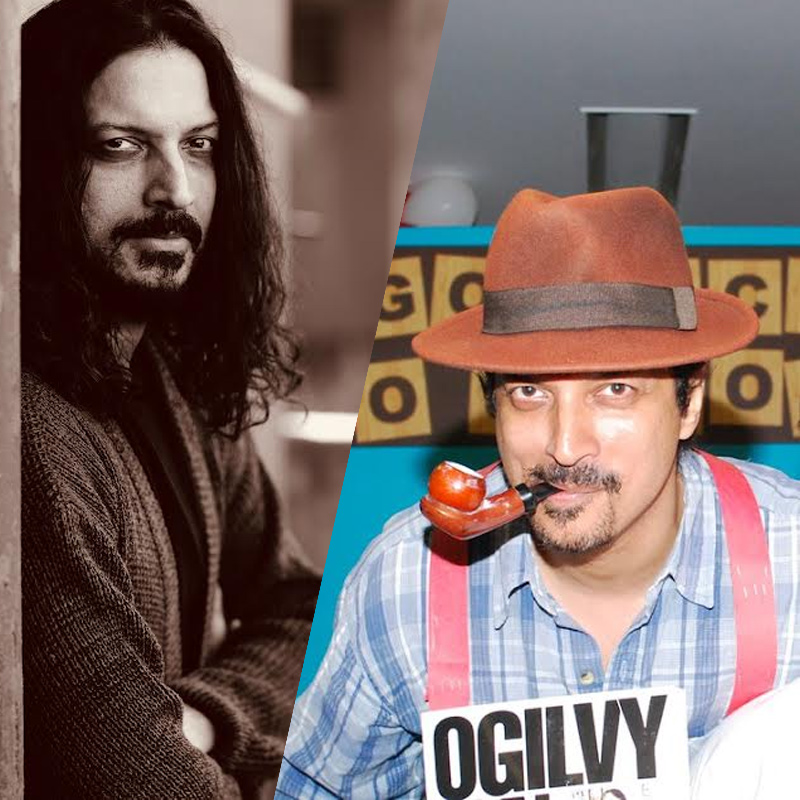
    He is an award-winning sound guy. Sound as in reliable; sound as in to do with audio. Cory Choy and his boutique sound studio Silver Sound Studio, located in the heart of New York City, have made a name for themselves, which is the envy of many others.

    Silver Sound boasts an Emmy award-winning team of on-location sound recordists in New York and Los Angeles. Choy himself picked up the lovely golden lady for his work mixing the sound for a show Born To Explore. 

    His studio provides recording, design, edit, restoration and mix services and has worked with all sorts of people all over the globe including, but not limited to: ABC, NBC, Vice, Comedy Central, ESPN, Disney, Google, Microsoft, CNN, MTV, FOX, Netflix, Apple, Shudder and Spotify.

    In a wide-ranging interview, the Emmy Award-winning sound artist, engineer and studio owner discusses the evolution of audio technology, creative freedom, and the intersection of art and social responsibility. Here are the key insights from his conversation with Indiantelevision.com group CEO and publisher Mishaal Wanvari.

    On what sparked his interest in sound design. 
    It was an inevitability rather than a decision. Both my parents were musicians – my mother wrote plays and operas, while my father combined music with computer programming. One of my earliest memories is watching my mother’s opera being performed at the Kennedy Center. But it was my father who showed me how technology could amplify creativity. He connected a Midi output from the game Monkey Island through a Casio keyboard, making it sound like a full orchestra. He connected a midi through a keyboard with a massive and professional instrument sound bank– which was far superior to the stock soundcard midi instruments. That early demonstration showed me how technology could be used to bring people together… the midi experience taught me that looking for a unique solution and setups can bring great power and creates experiences far beyond what people expect.

    On the evolution of sound editing tech during his career.
    I started at the very end of physical tape editing, where you had to physically cut and splice tape together. There was no undo button – once you made a cut, you had to live with it. The transition to digital audio workstations was revolutionary. Suddenly, all your tape was right in front of you, you could cut anywhere, and if you made a mistake, you could simply undo it.

    The economics were equally transformative. In 2006, a professional Pro Tools system cost around $10,000 – might as well have been a million to me at the time. But then Dell provided affordable, powerful hardware, and I discovered Reaper, which cost just $60. With a $2,500 Dell computer and Reaper, we were competing with studios using much more expensive equipment. Reaper vs. Avid – every single line of code in reaper is very well thought through with a small team, it is very efficient, and the entire program is designed to empower the user not restrict it. There is more freedom and there are more possibilities in Reaper than any other program I have ever used.

    On his Emmy Award win and on his experience thereafter.
    We won it in 2016 for the programme Born to Explore. One of our most impressive achievements was capturing crystal-clear dialogue from a host 200 feet away on a lake, using a highly directional Sanken CS-3E microphone. The water’s surface actually helped carry the sound. What made it special for us was that we won it in a category that is extremely competitive.

    On his Aisha win at the Tribeca film festival.
    It’s a fascinating story that began with an intern application. Fayshyo Aluko, a Nigerian poet with no sound experience, applied for an internship. When I asked why she wanted to work in sound, she simply said she wanted to explore sound design. I gave her a poem I’d written about a Palestinian girl, inspired by my own daughter’s questions about human rights.

    What Fayshyo brought to it was extraordinary – she incorporated traditional Nigerian storytelling techniques, using an oil drum beat as a metaphor for both footsteps and heartbeats. Her first-ever sound design piece won at the Tribeca Festival. It went on to win a Signal Award and an Anthem Award for human rights work.

    On the industry’s relationship with technology.
    The accessibility of technology has been revolutionary. When I started, a gigabyte of storage was massive – Pro Tools required one gigabyte just to install. Compare that to Reaper, which was just two megabytes. The difference? Avid spent their programming efficiency on creating paywalls – $50 here, $100 there, some plugins over $5,000.

    But now, with affordable computers and software, small studios can compete with anyone. Though the challenge isn’t doing the work – it’s finding it. If you’re not in the elite class, convincing someone from that class to work with you is the real challenge.

    Cory Choy

    On what’s next for sound design and sound mixing.
    We’re at an interesting inflection point with AI and machine learning. The technology is incredibly powerful, but we need to consider the ethical implications. For instance, voice cloning technology could be used for scams or misinformation. The wealth gap in computing power also means some will have access to these tools while others won’t.

    The future of our industry will depend on how we balance these technological capabilities with ethical considerations. It’s not just about what we can do, but what we should do.

    AI is both enabling and potentially corrupting. It’s incredible for tasks like analysing a voice and removing unwanted noise, but it also raises ethical concerns. We can now make someone sound like they’re saying something they never said, with their exact voice. While that’s exciting from a creative standpoint, it’s concerning from an ethical one.

    I have mixed feelings about the cloud-based AI tools emerging in our industry. Tools like Eleven Labs are incredibly powerful, but they raise important questions about access and control. What happens if these services suddenly become restricted based on geography or politics? It’s similar to the wealth gap we’re seeing in computing power – those with access to unlimited energy and graphics cards will have more capabilities than others.

    What’s fascinating is watching how different regions approach these challenges. Chinese engineers, for instance, are often outwitting their American counterparts with fewer resources. It’s not just about having the most powerful tools – it’s about how creatively you use what you have.

    On the way forward for small studios in a competitive market.
    The tools have never been more accessible, but the challenge is standing out in an increasingly crowded space. There are billions of talented people in the world, everyone has something unique to bring to the table, and the competition is fierce while resources are limited.

    However, I believe independent studios have an advantage in being more nimble and able to take creative risks. The key is finding your unique voice and the audience that resonates with it. It won’t be the easiest path, but if you really want to be in this space, you absolutely can make it work.

    And yes, the model has changed completely. At Silver Sound, we’ve evolved from a partnership to a more focused operation. The pandemic really took a chainsaw to the industry in 2020 – many partners and staff left, and we weren’t sure we’d survive. But then I met our current studio manager and latest engineer, both in their 20s, and it gave us new direction.

    Now our mission is to help develop new talent while remaining economically sustainable. We want to create things that make both us and the world better, but in a way that supports everyone financially. It’s about finding that balance between artistic integrity and commercial viability.

    The hardest part isn’t doing the work – it’s finding it. If someone gives me a project and appropriate funding, we can create something extraordinary. The challenge is breaking through that class ceiling where elite-level clients don’t trust smaller studios with significant projects.

    That said, I believe boutique studios have advantages in today’s market. We can be more responsive, take creative risks, and maintain closer relationships with clients. The key is finding clients who value that personal touch and creative freedom over the prestige of a large studio name.

    On his feature film.
    Sound and music are integral to my film Esme, My Love – you really won’t understand the movie without them. We made it for $135,000 total, yet people think we spent £3 million. That was only possible because we had Silver Sound as a home base. It’s now being dubbed into Spanish and Portuguese, with Korean potentially next. 
    It’s still an independent gem – not widely known in the United States or globally – but I’m proud that it got distribution. You can find it on Amazon and Tubi. We spent six years working on it, ensuring it didn’t feel like something just slapped together.

    On his approach keeping in mind the technical versus creative aspects of sound design.
    Technical precision is only a means to an end – creative decision-making is everything. If you don’t have the technical ability to execute your creative vision, then you need to improve technically. The more technical ability you have, the better you understand what’s creatively possible. They feed off each other.

    We offer two modes at Silver Sound: we can either help someone achieve their vision to its highest level possible, or we can work with them to create a vision from scratch. People come to us because they know our technical work is solid, but we provide a creative aspect that many other companies can’t match.

    On how technology vendors have evolved in service.
    I’m particularly grateful to Dell, and this isn’t just corporate speak. In New York City, their ProSupport service has been invaluable. When a computer breaks down in a professional studio, having a skilled repair technician on-site within 24 hours is extraordinary. Finding a reliable repair person independently could take a month.

    However, I’m watching carefully how technology companies position themselves during these challenging times. We need companies that empower creators rather than restrict them. The best technology partners understand they’re enabling creativity, not just selling hardware.

    On what excites him most about the industry’s future. 
    The democratisation of technology has opened up incredible possibilities. When I started, the barrier to entry was hundreds of thousands of dollars. Now, with a decent computer and some affordable software, talented creators can produce professional-quality work.

    But what really excites me is seeing how younger generations approach these tools. They’re not bound by traditional workflows or assumptions. They’re combining technologies in ways we never imagined, creating new forms of storytelling. The challenge will be maintaining high creative standards while embracing these new possibilities.

    On advice for aspiring sound designers.
    Do what you love, but understand the economic realities. Unless you join a large company, it’s not an easy path financially. You can live a good life as a sound mixer and designer, but if you’re independent, you need to be a business person as well. If that’s not your strength, find a business partner who can handle that aspect while you focus on the creative work. The competition is fierce and resources are limited, but if you truly want to be in this space, you absolutely can make it work.

    On his belief that media has social responsibility and his willingness to remind it of it.
    Many companies are afraid to take moral stances for fear of alienating potential clients. This year, I’ve made a conscious business decision to openly oppose fascist movements in America. Yes, we might lose some potential clients, but I believe we’ll attract more of the kind of clients we want to work with. You can be moral and ethical, but if you can’t feed your family, it’s no good. However, I don’t want to survive in a way where my soul isn’t surviving.


  • Zee UK crowned media brand of the year at British Asian Media Awards

    Zee UK crowned media brand of the year at British Asian Media Awards

    MUMBAI: Zee Entertainment UK has been named media brand of the Year 2025 at the prestigious Arqiva British Asian Media Awards, cementing its position as a dominant force in the UK broadcasting landscape.

    The award recognises Zee’s strategic expansion over the past year, which has seen the broadcaster evolve from a niche provider into a comprehensive media network with growing mainstream appeal.

    In 2024, Zee significantly expanded its footprint with several key launches, including Zee One UK, the country’s first fully English-dubbed channel showcasing Indian content, and Zee Punjabi, which caters to the 700,000-strong Punjabi diaspora across major platforms including Sky and Virgin Media.

    The media group has also strengthened its European presence with localised Zee One channels in Germany and France, delivering Bollywood films and Indian series dubbed in local languages.

    “We are incredibly proud to be named Media Brand of the Year,” said Territory Head Europe Parul Goel. “This recognition underscores our commitment to delivering high-quality, diverse content that resonates with audiences across the UK and Europe.”

    Zee’s marketing strategy has included high-profile campaigns across London’s transport network, digital billboards, and iconic locations such as Piccadilly Circus, significantly raising the brand’s visibility beyond its traditional audience base.

    The company, part of India’s Zee Entertainment Enterprises Limited, now operates over 50 channels worldwide, reaching more than 1.3 billion viewers globally.


  • Netflix India appoints Aneesha Mukhopadhaya as consumer insights lead

    Netflix India appoints Aneesha Mukhopadhaya as consumer insights lead

    MUMBAI: Aneesha Mukhopadhaya has joined Netflix India as consumer insights lead in Mumbai. She moves from Amazon, where she served as research and insights lead for Prime Video for nearly three years.

    Prior to Amazon, Mukhopadhaya spent over eight years at Unilever in various roles, most recently as global homecare lead for CMI Hive. She previously worked with Kantar as insights director at IMRB International.

    A consumer insight specialist with over 15 years’ experience, Mukhopadhaya brings expertise in research, analytics and brand strategy across FMCG and entertainment sectors.


  • “Our focus remains on building a truly global gaming company from India”- Nazara  Technologies CEO Nitish Mittersain

    “Our focus remains on building a truly global gaming company from India”- Nazara Technologies CEO Nitish Mittersain

    It’s game to go global. In fact that’s the only game it looks like it is willing to play. Nazara Technologies, under the leadership of CEO Nitish Mittersain, is charting an ambitious course to become a global gaming powerhouse built from India.   One would find it hard to believe that Nitish is  anything more than 35 years of age, he carries oodles of boyish charm with him everywhere. (He’s actually 45). The boyish looking executive who’s grown Nazara from a bedroom operation to one of the most impressive gaming and experiences companies to emerge from India.

    Hailing from a business family, Mittersain began coding at  the age of eight, had tech pioneer and actor Shammi Kapoor as a mentor, set up a website building business when he was just 15.  Nazara followed when he was 19. It nearly went belly up with the dot com bust with huge debts piled up; its saving grace was that it  had a relationship with cricket’s God Sachin Tendulkar. Hence it  managed to attract investment from Westbridge Capital.

    Since then there’s been no looking back. A massive IPO has seen the company raise capital, followed by  acquisitions galore – both in India and overseas as Mittersain  goes about his business building a group touching various aspects of the gaming ecosystem and one which can rival other scaled enterprises globally.

    Nazara’s latest quarter financials saw a bunch of investors, analysts probing him during an investor call  to check if the company’s story still holds merit. He parried all with extreme ease, grace and aplomb.

    Indiantelevision.com decided to paraphrase Mittersain’s  responses during the investor call, to give you insights into how this young gaming entrepreneur is single mindedly cobbling together a global Indian gaming enterprise. Excerpts: 

    On Nazara’s great Q3 FY2025 performance.
    Our Q3FY25 performance demonstrates the strength of our diversified portfolio. Revenue reached Rs 534.7 crore, representing 67 per cent  year-on-year growth, while EBITDA grew 39 per cent to Rs  52.4 crore. The core gaming segment was particularly strong, growing 53 per cent  year-on-year, driven by our Fusebox Games acquisition and solid performance from existing titles like Animal Jam. 

    For the first nine months of FY25, we’ve reported revenue of Rs  1,103.7 crore and EBITDA of Rs  102.4 crore, showing consistent growth across our business segments.  Gaming contributed 29 per cent  of total revenues and 56 per cent of EBITDA in Q3, while eSports delivered 43 per cent of revenues and 32 per cent of EBITDA. This balance demonstrates the resilience of our business model and the success of our diversification strategy.

    On the strategic thinking behind the recent capital raises through preferential placement that the company has resorted to recently. 
    The Rs  495 crore raised through preferential placement to Aksana Estates LLP represents more than just capital – it’s a strategic partnership that validates our vision. Having established entrepreneurs like Arpit Khandelwal and Mithun Sacheti, the founder of CaratLane, join us as co-promoters brings valuable expertise to our growth journey and provides us with substantial financial flexibility. Having Plutus Wealth and Mithun Sacheti cross the 25 per cent  threshold and join as co-promoters is a significant validation of our business model.

    While some investors might view dilution with concern, we’re seeing unique opportunities in the global gaming market. The current environment, characterized by post-COVID normalization and higher interest rates, has created situations where high-quality assets are available at attractive valuations. Our strategy isn’t about short-term arbitrage – we’re building a sustainable global gaming company by acquiring strong assets and growing them systematically.

    Picture courtesy inc42

    On how the company evaluates potential acquisitions, particularly in terms of IP valuation
    We look at multiple factors. First, we assess the historical performance – app store ratings, download numbers, current user base, revenue trends, and profitability. Second, we evaluate growth potential under Nazara’s ownership – can we expand the business through improved live operations or market reach? Finally, we consider valuation metrics, typically based on EBITDA multiples within our acceptable range. For instance, with our recent game acquisitions from Zepto Labs, we saw strong existing performance metrics combined with clear opportunities for growth under our management.

    On the company’s IP licensing strategy, particularly with brands like Barbie and Big Brother.
    Our IP strategy represents a shift from our traditional approach of relying solely on original content. We’ve observed that popular IPs can significantly reduce user acquisition costs through organic downloads and improved click-through rates. These partnerships, such as Kiddopia’s agreements with Mattel for Barbie and Moonbug Entertainment for Little Angel, typically involve minimum guarantees plus revenue sharing arrangements. Even with these costs, we expect better profitability compared to traditional user acquisition spending. The success of Fusebox’s Love Island game has given us confidence to pursue similar partnerships with Big Brother globally and Bigg Boss in India.

    On  how  Nodwin  Gaming is performing, and what’s the path to profitability
    Nodwin continues to build market leadership in eSports and youth engagement. Their Q3 revenue grew 23 per cent  year-on-year, but the like-for-like growth was actually 48 per cent excluding Wings, which was deconsolidated. While profitability has been impacted by strategic investments and events like the NH7 Weekender cancellation, we’re seeing strong performance from proprietary IPs and live events. Nodwin has expanded its footprint to 20 countries and made strategic acquisitions in influencer management (Trinity Gaming), content distribution (AKF Gaming)  and event production (StarLadder). Their international revenues now account for 48 per cent of total revenue, demonstrating successful global expansion.

    We’re deliberately prioritising growth over immediate profitability because we believe building market leadership and strong moats now will create significant value in the future. The youth attention economy, particularly in emerging markets, represents a massive opportunity that requires scale and presence to capture effectively.
     

    On PokerBaazi, and its growth trajectory
    PokerBaazi is the dominant poker platform in India, and our strategy is focused on building an even stronger moat through brand development. Their gross gaming revenue grew 67 per cent  year-on-year in Q3, with healthy growth in both traded value and deposits. Rather than focusing on performance marketing, they’re investing heavily in brand building through strategic sponsorships like Shark Tank and IPL. The core business is very profitable – quarterly EBITDA fluctuations mainly reflect the timing of brand spending. This approach should create a more defensible market position over time.
     
    On the approach while developing games – both in India and internationally
    We’re implementing a hybrid model that leverages global expertise with Indian capabilities. Take Fusebox Games for example – their core team of about 35 people in the UK drives game design and narrative, while we’re increasingly shifting development and engineering work to India. This allows us to combine international design expertise with India’s strong engineering talent pool.

    Through Nazara Publishing, we’re also bringing international games to the Indian market, providing localised support and marketing. This aligns with our view that India’s gaming market will see significant growth in terms of paying users over the next five years. Simultaneously, we’re investing in local studios and capabilities to create games in India for the global market, responding to the government’s vision of India as a gaming development hub.

    Nitish and His brands

    On the company’s G-commerce initiative and its potential impact
    G-commerce addresses a fundamental challenge in the Indian gaming market – low monetisation through both in-app purchases and advertising. By integrating e-commerce within gaming environments, we aim to create new revenue streams through affiliate fees. We’re in advanced stages of a pilot with ONDC, scheduled for launch in Q4FY25. If successful, this could be a significant innovation not just for India but globally. The concept leverages Indians’ familiarity with online shopping while providing game developers with better monetisation options than traditional advertising.

    On challenges post Apple’s  IDFA changes and how Nazara addressing them.
    The post-IDFA environment has certainly changed the landscape for user acquisition. We’re adapting through multiple strategies. First, our IP partnerships help generate organic downloads and reduce acquisition costs. Second, we’re seeing ad agencies and platforms develop new models that work within the privacy-first framework. Third, we’re exploring alternative channels and focusing on markets where Android remains dominant. The situation has stabilised over the past 18 months, and we’re seeing companies, including ourselves, successfully adapt their user acquisition strategies to this new reality.

    On the  role  AI will play in Nazara’s future operations
    We see AI as both an opportunity and a tool across our business. In game development, we’re exploring AI applications for content creation, testing, and personalization. In user acquisition, AI helps optimize targeting and spending. For eSports, AI assists in content creation and production efficiency.
    However, we maintain a balanced view. While AI can enhance efficiency and create new possibilities, the core of gaming remains human creativity and engagement. We’re focused on using AI to augment rather than replace human capabilities, particularly in areas like game design and community engagement.
    The real opportunity lies in using AI to better understand and serve our users while maintaining the human elements that make games and eSports engaging. We’re investing in AI capabilities but always with a clear focus on enhancing rather than replacing the core gaming experience.

    On guidance for future growth
    We’re maintaining our FY27 EBITDA target of Rs  300 crores and are confident in achieving it. Our recent capital raise and strong cash position give us the flexibility to pursue both organic and inorganic growth opportunities. 2025 presents particularly attractive M&A opportunities in the global gaming market, especially given current valuations. We’re seeing potential in both established markets and emerging economies, particularly in mobile gaming and eSports. Our focus remains on building a truly global gaming company from India, leveraging our expertise across different segments and geographies.

    (Picture of Nitish punching courtesy INC42)

  • “Any proposal for strategic partnership will receive careful consideration”- Zeel’s Punit Goenka

    “Any proposal for strategic partnership will receive careful consideration”- Zeel’s Punit Goenka

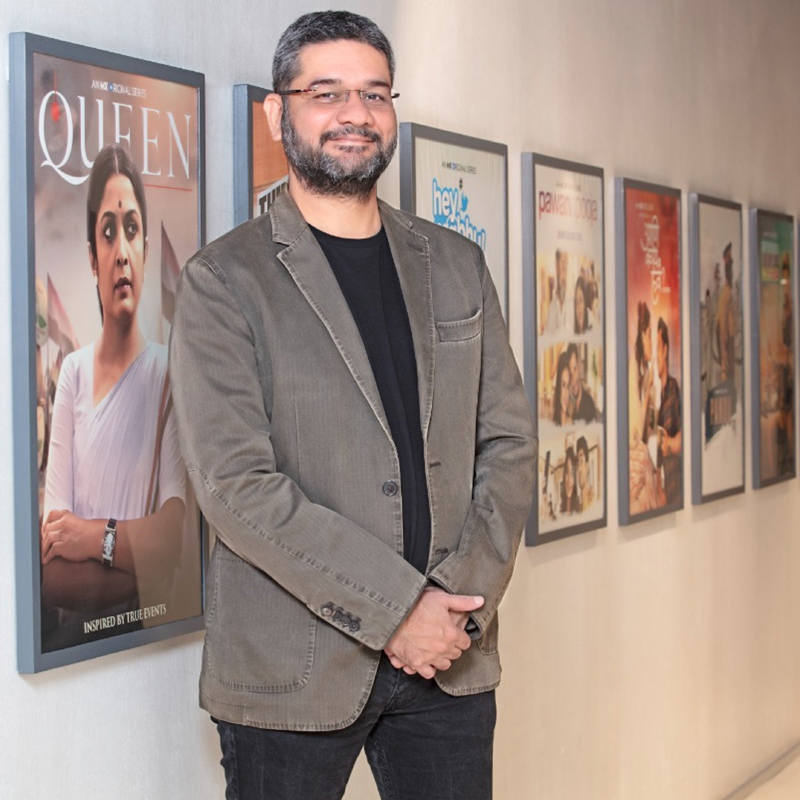
    If there are a couple of things that are noticeable about Zee Entertainment Enterprises CEO Punit Goenka, then it is his receding hairline and his continued optimism in his strategy to turn around the firm and bring it back under the family’s control. He has been rather reticent and aloof from media focusing on running the company. But he took time out to speak to Zee Business’ editor Anil Sanghavi on all things related to Zeel. Indiantelevision.com decided to share it with other Zee-o-philes so that they get a perspective on the way forward for the indigenous media major. Excerpts: 

    On how his  role has changed since stepping down from the board 

    The fundamental dynamics remain unchanged. The entire operational structure continues exactly as before, with all teams reporting to me. The only significant change has been stepping down from the board, which has actually streamlined my role by eliminating various compliance obligations. This has proven to be quite beneficial as it allows me to channel my complete attention towards business operations and strategic initiatives. The reduction in administrative responsibilities has created space for more focused leadership.

    On whether this  transition has impacted company performance 

    The impact has been notably positive. We’ve seen a remarkable improvement in our financial performance, with profits climbing from 10.2 per cent to 16.1 per cent in December 2024. This growth isn’t merely coincidental – it’s a direct result of our enhanced focus on core operations and systematic cost optimisation efforts. The team’s ability to concentrate on business fundamentals without merger-related distractions has been instrumental in this improvement.

    On whether another merger, perhaps with Sony, is  still possible 

    We maintain an open and pragmatic approach to strategic opportunities. Any proposal, whether from Sony or other potential partners, will receive careful consideration. However, our criteria are clear and non-negotiable – any such arrangement must definitively benefit our company, create value for our shareholders, and safeguard our employees’ interests. It’s worth noting that we’ve amicably resolved our previous dispute with Sony, with both parties withdrawing all claims. This professional resolution keeps all future possibilities open.
     

    Punit Goenka

    On Zeel’s  strategy for growth

    Our growth strategy rests on three robust pillars: content creation, content monetisation, and fiscal prudence. We’ve invested about six to seven months in optimising our cost structure, which had become somewhat inflated during the merger preparations. This wasn’t just about cost-cutting – it was about creating a more efficient, agile organisation. Now, with that foundation in place, we’re actively pursuing growth opportunities across multiple fronts, with a particular focus on creating compelling content that resonates with our diverse audience base.

    On how the group is addressing the digital transition

    We recognise that the OTT space represents a distinct ecosystem with its own unique audience – viewers who have consciously moved away from traditional television. We’re responding with a sophisticated, multi-layered approach, developing specialised content specifically for this demographic. However, it’s crucial to note that traditional television remains robust in India, with reach growing by three to four per cent annually, currently standing at 70 per cent. This dual-track growth presents exciting opportunities for content development and audience engagement across both platforms.

    On whether the promoter group will  increase its stake from the current 3.99 per cent 

    The promoter group is actively exploring various options to enhance our shareholding position from the current 3.99 per cent. While this is fundamentally an internal matter, I can say that we’re evaluating multiple pathways to increase our stake in a manner that aligns with regulatory requirements and serves the best interests of all stakeholders. The timing and mechanism of such an increase will be carefully considered to ensure optimal value creation.

    On  the pending SEBI investigation
    We’re still awaiting the regulator’s comprehensive report, which was originally due in April 2024. It’s important to note that the Securities Appellate Tribunal’s order contained no adverse findings against Zee promoters. We maintain a position of complete transparency and cooperation with Sebi, recognising and respecting their authority as a regulator to conduct thorough investigations. Our commitment to regulatory compliance remains unwavering, and we’re confident in our governance standards.

    On the  handling of corporate governance concerns.
    We’ve implemented substantial measures to reinforce our corporate governance framework. Perhaps uniquely in our industry, we’ve established a board composed entirely of independent directors. This structure ensures robust oversight and independent decision-making. I’m proud to note that we haven’t faced any compliance-related complaints since 2018-19. Our governance practices often exceed industry standards, particularly in terms of ensuring comprehensive compliance across all operational aspects.

    On how he  views competition  from international players 

    In the media industry, success isn’t purely a function of financial resources – it’s fundamentally about establishing an emotional connection with your audience. Our experience shows that when you genuinely resonate with viewers’ aspirations and cultural sensibilities, the commercial aspects naturally follow. We compete through deep understanding of local preferences, agile content creation, and cost-effective delivery of premium programming. International competition actually validates our market’s potential and drives innovation across the industry.

    On his plans for content monetisation. 
    We’re developing a sophisticated, multi-tiered approach to monetisation that recognises the distinct characteristics of different audience segments. For our OTT platforms, we’re creating premium content while maintaining cost efficiency. In traditional broadcasting, we’re leveraging our deep market understanding to deliver content that maximises advertiser value while meeting viewer expectations. The key is maintaining quality while optimising production costs, ensuring sustainable profitability across all platforms.

  • “Data orchestration is the priority for many customers, but AI-driven pipelines are rapidly becoming a competitive advantage” – Dell Technologies’ Alex Timbs

    “Data orchestration is the priority for many customers, but AI-driven pipelines are rapidly becoming a competitive advantage” – Dell Technologies’ Alex Timbs

    Alex Timbs is not your regular business executive from Dell Technologies. The Ozzie Brisbane-based gent  takes a keen interest in everything right from sport to tech when he is not in his day job at Dell Technologies as a media industry expert.

    He likes to tinker around with almost every new tech that comes up, apart from having a creative bent of mind. He spent a good decade and a half at an animation studio working on some of the well-known animation and VFX franchises like Matrix and HappyFeet before switching to the vendor side at Dell. 

    Because of his understanding of both sides of the coin, Alex’s clients more often than not call on him to help him find some workflow solutions and not just about storage which he is an expert in. A courtesy he extends every time. And these are relationships which have seen emerge as amongst the top executives in the storage vertical at Dell.

    Indiantelevision.com’s founder, chairman and editor in chief Anil Wanvari got in touch with the affable gentlemen over several zoom calls to distil down whatever he had to say about the the transformative impact of AI on content creation and the evolving landscape of media storage solutions. Excerpts from the various conversations with Alex. This one is only part one of the interview; the second part will follow mid-this week.  

    On what were the workflows for animation and post-prod when he started out.

    I spent nearly 16 years at Animal Logic, and the transformation I witnessed was remarkable. . I vividly remember my early days at Animal Logic, where we were working on Matrix 2 using film scanners. The workflow seems almost archaic now – we’d send work out for overnight printing. Even during Happy Feet, our dailies process involved sending work out to be printed overnight. The next morning, everyone would gather in the theatre to review footage on actual film, Our technology backbone consisted of SGI boxes, with one particular suite costing around 1.5 million Australian dollars. Individual machines were running between 30,000 to 50,000 dollars each.
    Then came this revolutionary shift towards personal computers. It was transformative – suddenly we had access to incredibly powerful technology for just 5,000 to 10,000 dollars. This technological deflation has continued throughout my career and is accelerating with AI and generative technologies. Each year, we see the capability-to-cost ratio improving exponentially. What’s fascinating is how this democratisation of technology has fundamentally changed the way we approach content creation.

    This technological deflation has continued throughout my career and is accelerating with AI and generative AI. It’s been fascinating to watch this snowball effect, enabling us to do exponentially more with less.

    On his transition from a major animation studio to Dell Technologies

    I’ll be completely honest – I was incredibly skeptical about joining what I perceived as a sales company. I didn’t think I’d last more than 12 months, assuming I’d be bored out of my mind. But here I am, over five years later, and it’s been an extraordinary journey. Dell has a massive media and entertainment focus that many people don’t realize. We have a team of subject matter experts from various backgrounds – broadcasters, film studios, game studios – with over 100 years of combined industry experience.
    I actually had a relationship with Dell’s technology before joining them. Back in 2006-2007, I purchased an Isilon system (now PowerScale) to replace 14 individual storage silos. We went from needing two people working shifts to manage data movement to requiring just a quarter of one person’s time. That experience showed me the real impact technology could have on production workflows.

    On the major challenges media companies are facing today
    The biggest challenge we’re seeing is data management – and it’s not what people might expect. When we go to major trade shows, everyone assumes AI will dominate the conversation. But in reality, most customers want to discuss data orchestration. They’re grappling with questions like: How do I support globally distributed workflows? How do I enable freelance artists working from home? How do I manage this tsunami of data being created by automation and new tools?
    Many media companies are dealing with hundreds of millions, if not billions of files. They need help regaining control of their data. This includes automated solutions for deprecating or deleting data efficiently. It’s becoming a critical issue, especially as generative AI tools create even more data at an exponential rate.
    All of this is happening against a backdrop of global economic uncertainty. Companies are making more utilitarian decisions, seeking certainty in their investments. They want to know exactly what return they’ll get, whether that’s efficiency gains or cost control. Agility is also crucial – the ability to shift where data lives and how it’s accessed has become fundamental to modern workflows.

    Alex TimbsOn how  companies are  implementing AI in their production pipelines
    We’re seeing AI adoption across every scale of production. Whether it’s an individual working from home or a team of 1,000 artists, most customers are starting their AI journey. They’re gravitating towards validated solutions and partners who understand the unique infrastructure needs of this technology.
    The fascinating thing about generative AI in media production is its diverse application. While it doesn’t handle true 3D environments well yet – it’s more ‘2.5D’ with depth mapping – we’re seeing it used for face replacement, frame blending, character development, and environmental creation. But the implementation varies significantly, what we call the ‘T-shirt size’ approach.
    “A small ‘T-shirt size’ might be an individual or small workgroup doing exploratory work using local SSD storage. As projects evolve and more people start collaborating, you need shared flash storage – even for small teams of 30-40 people working with just 30 terabytes of data. The largest enterprises might invest in Nvidia superpods or specialized AI servers with large VRAM-capable GPUs for distributed AI use cases.”

    On his perspective on cloud storage in media production
    We’re seeing a significant shift in cloud strategy. The future is definitely hybrid, but cloud-first isn’t the right approach for many customers. In fact, we’re seeing considerable repatriation from the cloud. The reality is that sustained workloads in the cloud can be very expensive.
    That said, certain workflows make perfect sense in the cloud. Broadcasters who need to scale dynamically for specific events and then scale down – it would be foolish to buy infrastructure that sits idle most of the time. But there’s been a recent rationalization of strategy. Customers are becoming more sophisticated in their understanding of when cloud makes sense and when it doesn’t.

    On his perspective on the key trends in media technology that one should keep an eye on. 
    The industry is at a fascinating inflection point. We’re seeing the convergence of real-time workflows, often driven by game engines, with AI tools. This combination is radically speeding up the creation process. At the same time, there’s a growing focus on operational efficiency – automating repetitive tasks, improving asset management, and making more informed decisions about data lifecycle.
    The key is finding the right balance between innovation and practicality. Success isn’t about rushing to adopt every new technology; it’s about understanding your specific needs and implementing solutions that deliver measurable value while protecting your creative assets and IP.
     

  • “We believe brand strength is crucial in this category”- Britannia vice-chairman & MD Varun Berry

    “We believe brand strength is crucial in this category”- Britannia vice-chairman & MD Varun Berry

    It’s been 11 years since Varun Berry has been serving as managing director of food company Britannia Industries. Since then, the designation of vice-chairman has been added to his titles. But a lot more has happened at Britannia: its product portfolio has significantly expanded beyond biscuits into adjacent categories like dairy, cakes, rusk, and croissants. He has focused on driving innovation, strengthening distribution networks particularly in rural areas, and implementing robust cost efficiency measures.

    Prior to joining Britannia, Berry had a long stint at PepsiCo, where he held various leadership positions including CEO of PepsiCo Foods for Greater China. He also served as CEO of PepsiCo’s Indian snack food business.

    Berry is known for his strong operational expertise and focus on execution. During his tenure, Britannia has consistently improved its market share in the biscuits category while maintaining healthy profit margins despite inflationary pressures. He has emphasised direct distribution expansion, particularly in rural markets, and driven premiumisation across product categories.
    His management style focuses on systematic improvements in distribution, cost management, and innovation. Under his leadership, Britannia has also made significant investments in new manufacturing facilities and automation to support growth. 

    Berry  recently made a presentation  after the company’s Q3 and nine month  2025 financials as well as answered investment analysts’ questions. Excerpts from the presentation and question and answers sessions..

    On the macro environment.

    It’s been quite challenging. Food inflation was nearly in double digits, with cereals up 6.5 per cent and oils and fats around 15 per cent. The government’s GDP projections show real GDP growth at 5.4 per cent and nominal at 8 per cent, though they’re forecasting a recovery to 10.5 per cent in the second half.

    On inflationary pressures on input costs and on managing them.

    We’re seeing palm oil up 43 per cent, cocoa up 103 per cent, flour up 4 per cent, and corrugated boxes up 15 per cent. Overall commodity inflation is about 11 per cent. It would have been 2-4 per cent higher if we hadn’t done forward buying. Sugar has remained flat, and laminates saw a nominal three per cent increase. We have been forward buying of key commodities, getting in manufacturing efficiency improvements, optimising procurement, improving Logistics,  keeping overhead cost under control, and managing employee cost -targeting 0.75x of revenue growth, optimising work capital limit usage and using capacity strategically.

    On Britannia’s growth relative to the industry

    Based on the exit numbers and public declarations by other companies, we’re performing ahead of the industry. Our core biscuits business grew about 5.5 per cent in volume terms, with total volume growth at 6 per cent, showing the positive impact of our adjacency businesses.

    On the approach to  different segments

    We’re taking a multi-tiered approach. For our  core product, biscuits, we have launched  premium cookies with new variants like fruit & nut, butter, jeera. We have maintained popular price points with grammage management.  We have ringfenced our core products and are very clear we will be protecting market share  by innovating in existing segments. In our premium offerings we have launched Britannia Pure Magic Choco premium offerings. There are new premium croissant variants, an upgraded cake portfolio and premium cheese. 
    In the value segment, we have introduced Rs 5 packs for Rusk and our focus has been on maintaining competitive pricing while strategically managing grammages. 

    On  brand investments.

    We’re focusing on several areas: Critical growth brands, innovation-led initiatives, higher impact social media activation, tactical consumer promotions, digital campaigns showing strong consumer connection,  premium segment emphasis, regional preference consideration, and brand strength maintenance against competition.

    On growth in  adjacency businesses

    We’re seeing strong momentum. Croissants will cross Rs 200 crore next year, milkshakes have already crossed Rs 200 crore and are growing high double digits. 17 per cent contribution from e-commerce
    We’ve launched new products like a dual-flavoured layer cake, a Rs 5 pack in rusks, and a triple chocolate croissant. In drinks, we’ve introduced Winkin’ Cow Grow, a Rs 20 flavoured milk fortified with 16 nutrients.

    bihar plant

    On the cake portfolio.

    We’re in the midst of a full cake portfolio relaunch with new graphics and improved recipes that are outperforming competition. We have launched a triple chocolate variant. Similarly, we’re rolling out a relaunch of our entire cheese portfolio. These relaunches are backed by new graphics and superior recipes. Our cheese is beating competition in taste tests.

    On the company’s  approach to the salty snacks category.

    We’re being very deliberate here. While we recognise it’s a large category, it’s also highly competitive. We’re running pilots in some markets, experimenting with different formats, marketing approaches, product specifications, working on advertising pull vs push, on pack sizes and grammage,  and on consumer preferences.  We’ll only launch nationally when we’re absolutely confident of sustainable success.

    On the company’s advertising strategy

    We’re focusing on critical growth brands and innovation, with increased emphasis on high-impact social media activation. This approach is delivering better productivity for our advertising investments

    On  competitive pressures, particularly from new entrants

    While we’re aware of new entrants, including large players, we believe brand strength is crucial in this category. Price alone isn’t sufficient for success, and our established brands have consistently maintained their position despite competitive pressures.

    On Britannia’s e-commerce strategy

    We’ve developed in-house capabilities for data-based consumer insights and personalised content. E-commerce contribution varies significantly by category – about four per cent for biscuits, 17 per cent for croissants, nine per cent for cakes, and 11 per cent for dairy products. It’s particularly effective for new product launches.

    Varun berryOn the company’s approach to innovation

    We’re taking a measured approach. For instance, our Pure Magic Choco Frames with Harry Potter themes, launched exclusively for e-commerce and modern trade, is performing exceptionally well. We’re focusing on innovations that can be sustained and scaled.

    On distribution initiatives

    We’re implementing several strategic changes. For urban retail, we have a five-part strategy: leveraging high-potential outlets, right-sizing service frequency, upskilling salesmen capabilities, upgrading technology for better productivity, and increasing feet on street. We’re also planning a refresh of our rural route-to-market approach. Direct distribution has been  increased to 2.88 million outlets from 2.79 million. Then rural distributors have expanded to 31,000 from 30,000. We are also laying greater emphasis on focus states with distribution growing at 2-2.5 times the average.

    On growth in the focus states.

    They contribute about 15-16 per cent to our overall revenue and are growing at 1.3-1.4x the company average. These states represent 35 per cent of the rural category, and our market share there is less than half of what we have in the rest of the country, so there’s significant headroom for growth.. Following distribution-led, brand-led growth strategy. No big bang pricing strategies. Focus is  on sustainable growth through execution excellence

    On  the capex outlook

    We’re taking a break after significant investments. Planning to keep it between Rs 150-200 crore annually, unless volume growth demands more. We have three new plants with new lines and sufficient capacity headroom, so we’re well-positioned for now.

    On the  outlook on margins
    While we don’t give forward estimates, we’re confident about managing the current challenges. The 6-6.5 per cent price increases, combined with our 2.5 per cent cost savings target and other efficiency measures, should help us maintain our profit margins. We’ve navigated similar environments successfully in the past.

    On the company’s approach to  cost leadership
    Our cost savings programme has evolved significantly. In 2013-14, it represented 0.7 per cent of revenue; now it’s at 2.5 per cent. We reset these targets annually – whatever is achieved ends with the year, and we start fresh with new initiatives each April. 

    On the company’s  ESG initiatives

    We’ve received recognition from Times Now for ESG impact and a silver award from Scotch ESG awards. We’ve run a successful campaign highlighting our achievement of 100 per cent plastic neutrality, energy efficiency, and water stewardship.

    On  managing the price-point products given the inflation

    A: For popular price points like Rs 5 and Rs 10, we’re carefully managing grammage while ensuring consumer value. We’re also introducing new price points where relevant, like our Rs 20 Winkin’ Cow Grow product, which helps us tap into new market segments.


    On the company’s international business
    The international business continues to perform well across markets. While we don’t break out specific numbers, it’s showing consistent growth and remains a focus area for us.

    On employee costs fluctuations.

    We had a Rs 75 crore impact in Q3 related to stock appreciation rights, based on share price movements. Last quarter had a Rs 50 crore provision, and Q1 had about Rs 25 crore. These fluctuations are based on share price changes – when the share price moved from Rs 6,338 to Rs 4,762, it impacted the provisions.

    On the approach to  technology and digital transformation

    Several initiatives are underway: we are developing e-commerce capabilities in-house even as we are taking a data-based consumer insight approach. We are producing a lot personalised content along with the automation of sales force and digital tech upgrades. Tools have been put in place to enhance productivity and platforms where consumers can engage have been built. Digital campaigns are being managed on these platforms and outside. 

    On pricing strategy in FY 2025 as against FY 2023

    Initially, we thought it would be a deflationary year and had actually taken some price decreases. Then the inflationary trend emerged. We were also hopeful that government duties on fats would be temporary, but as the finance minister clarified, these are here to stay as part of the effort to indigenise fats in India. Now we’re taking decisive pricing actions. We’re implementing a three-phase price increase totalling 6-6.5 per cent: two per cent already implemented, 2.5 per cent being implemented; Q1 FY26: 1.5 per cent planned. This is calibrated to address the 11 per cent commodity inflation while maintaining competitiveness.
     

  • “AI makes ads unforgettable, and bold stories keep viewers hooked” – Aruna Daryanani & Amogh Dusad

    “AI makes ads unforgettable, and bold stories keep viewers hooked” – Aruna Daryanani & Amogh Dusad

    In India, the free ad-supported streaming TV (FAST) market isn’t just growing; it’s practically sprinting faster than a Mumbai local train during rush hour. With revenue projected to hit a cool US $194.70 million in 2025 and an expected CAGR of 14.28 per cent through 2029, this space is hotter than a freshly popped bag of OTT popcorn. But marketing in this landscape? That’s like trying to explain Inception to your grandma—everyone claims it works, but proving it requires a flowchart. Thankfully, Amazon MX Player isn’t here to throw darts in the dark. It’s weaving brand integrations so seamlessly that they don’t just sell products; they make them part of the entertainment experience. Think of it as the masala in your favorite biryani—essential, flavorful, and impossible to ignore.

    With AI-driven ad tech, binge-friendly ad formats, and strategic partnerships, the platform is redefining how ads and content co-exist without stepping on each other’s toes. At Streamnext 2025, Indian Television Dot Com’s Sreeyom Sil sat down with Amazon MX Player director Aruna Daryanani, and head of content Amogh Dusad, to break down their master plan.

    And these two know their game. Aruna, with a track record of pioneering AI-led ad innovations and brand synergies, has turned Amazon MX Player into a powerhouse for advertisers looking to make a mark without disrupting the viewer experience. Meanwhile, Amogh, the brain behind the platform’s genre-defying originals and regional storytelling push, has a knack for picking content that hooks audiences from the first frame. Together, they’re not just changing how content is made and monetised—they’re making sure it sticks in the minds of both brands and binge-watchers alike.

    Edited excerpts from the interview

    For brands that don’t sell on Amazon Marketplace, how does your team leverage properties like Rise and Fall (social experiment) or Bhay (paranormal genre) to demonstrate measurable impact?

    Aruna: Amazon is India’s largest online store, generating trillions of shopping signals that advertisers can tap into to reach relevant audiences. This is valuable for all advertisers, even those not selling on Amazon. We offer immersive ad formats that allow all brands to showcase their story in an interactive and memorable way. For non-endemic brands, we ensure they can build broad awareness and positively impact brand recall, consideration, and purchase metrics. For instance, Nissan GEZA Special Edition, inspired by Japanese musical themes, partnered with us on Hip Hop India Season 1 to build awareness for their new model through a unique hip-hop dance competition. The campaign even led us to break a Guinness World Record, creating a significant word-of-mouth ripple effect that benefited the brand’s success.

    The 2025 slate includes Mitti (agricultural drama) and First Copy (piracy thriller). What specialised verticals are you targeting for category-exclusive partnerships?

    Aruna: Advertisers either look for direct story fitment to celebrate their brand or seek to connect with the audiences watching these shows. Mitti is about a progressive young man returning to his roots to bring meaningful change to his village. Brands targeting 18–40-year-old males will find great synergy with this narrative. We have already received interest from multiple industries for partnerships on these shows.

    With the success of shoppable ads, are you developing synchronous e-commerce features for reality formats?

    Aruna: We have significantly invested in personalised, native ad experiences at scale so that brands can find success on Amazon MX Player. Our shoppable ad formats allow customers to browse products within the ad and add them to their cart or wishlist while watching. We have also introduced immersive ads, where brands can highlight key messages in a 3D format to drive higher recall. We’re now working on AI-led features that will help brands create engaging ad creatives and videos without incurring significant costs and effort.

    Amazon MX Player is India’s largest ad-supported platform. How do you maintain the 70:30 content-to-ad ratio while introducing high-impact formats? What guardrails prevent shows like Ek Badnaam Aashram S3 from experiencing narrative disruption?

    Aruna: At Amazon, we always work backwards from the customer’s perspective. For ad load, we use machine learning to customise both the ads audience and the number of ads displayed, ensuring that viewers’ experiences remain uninterrupted.

    With seven returning series and experimental formats like Rise and Fall, how do you balance audience expectations from established IPs with the risks of untested concepts? What metrics determine renewal decisions?

    Amogh: Good observation! The slate has a strong mix of returning franchises, thanks to the immense consumer love for shows like Ashram, Jamnapaar, Who’s Your Guy?, Mac, and Half Sea. These series also performed well from a business perspective, securing their renewal.

    As a content platform, we aim to push storytelling boundaries. Bold steps like Made in India, Story of Titan, and Bhay showcase our commitment to exploring fresh narratives. Expect more such big moves in the future.

    Your lineup spans Bhay (paranormal), Mitti (agricultural drama), and First Copy (90s piracy). How does this reflect MX Player’s analysis of emerging viewer trends in India’s crowded OTT space?

    Amogh: We always work backwards from consumer preferences. Viewers don’t stick to one genre; they switch between lighthearted content and intense thrillers. Our slate reflects this diversity—from paranormal investigations to agripreneurial struggles and a gripping piracy tale featuring Munawar. These varied worlds help audiences engage on multiple levels.

    Hunter S2 looks like your action tentpole, featuring Suniel Shetty and an international shoot. How does it compare to another big bet—Made in India: Titan Story? What viewership milestones are you targeting?

    Amogh: Each year, we select three or four titles that define our programming strategy—perception-defining shows that also bring massive viewership. For 2025, Hunter, Ashram, Rise and Fall, and Titan are our major bets. These series will generate conversation and drive engagement among a broad audience.

    Titles like Bindiya (Bihar gangster drama) and Petty Cash (Purulia setting) reinforce your regional storytelling push. Are you developing language-specific originals beyond Hindi? How much of 2025’s budget is allocated to regional content?

    Amogh: 2025 is all about strengthening our Hindi-speaking audience base. While Bindiya and Petty Cash are set in Bihar and Purulia, respectively, they remain Hindi-language shows. We ensure authenticity through character portrayal and dialect nuances. That said, we continuously evaluate opportunities for regional expansion and new formats. For instance, MX Fatafat, launching in April, will introduce scripted series in vertical format—two minute bite-sized episodes designed for thumb-scrolling engagement.

    With 14 fiction titles and one reality show announced, what’s MX Player’s projected watch-time per user for 2025? How do lighthearted shows like Gutar Gu S3 differ from high-octane dramas like Ek Badnaam Aashram S3 in engagement metrics?

    Amogh: MX Player is a massive platform with 1.4 billion lifetime downloads and 250 million monthly active users, averaging 40 minutes per session. Our audience is loyal and highly engaged. Our slate is designed to cater to both wide-appeal themes—resonating across demographics—and sharply targeted young adult genres, like Gutar Gu, Campus Beats, and Heartbeats. Each show serves a distinct engagement KPI, ensuring we cater to diverse audience preferences.

    You’ve partnered with Prakash Jha Productions (Ek Badnaam Aashram) and Banijay Asia (Rise and Fall). What makes MX Player attractive to creators? Are you considering in-house production?

    Amogh: We have long-standing relationships with content creators like TVF and Dice Media and continue to expand our partnerships. Our decision-making is consumer and creative-first—we pick stories that will resonate and then collaborate with the right creators. For instance, Banijay is on board for Rise and Fall, while Prakash Jha Productions joins us for Aashram. As the industry evolves, so do our partnerships, always ensuring that storytelling remains the core focus.

    According to a 2024 Ormax report, India’s OTT audience hit 481 million, with ad-supported platforms like MX Player dominating tier 2/3 cities with their sole focus on hyper-local storytelling and ad innovation keeping them at forefront. While Disney+ Hotstar and SonyLIV battle for cricket rights, MX Player’s 250 million monthly users are too busy debating whether Hunter S2 (starring Suniel Shetty) out-actioned Made in India: Titan Story. With 1.4 billion lifetime downloads, they’re the quiet giant of India’s OTT race—no subscription required.

    Fun Fact is their 70:30 content-to-ad ratio is maintained with the precision of a Mumbai local train timetable. Miss an ad? Don’t worry—their AI will gently nudge you again in 10 minutes.

    In a market where viewers flip genres faster than pani puri stalls, Amazon MX Player’s blend of chaos and strategy might just be the secret sauce—or as they’d say, masala. 

  • WeddingWire India launches free ring giveaway campaign for Valentine’s Day

    WeddingWire India launches free ring giveaway campaign for Valentine’s Day

    MUMBAI: Rings – to add to the romance and engagements – will be in the air  come Valentine’s day 2025. And they are coming courtesy global wedding technology platform The Knot Worldwide’s Indian subsidiary WeddingWire India. Its egging on couples to get engaged this February through its Valentine’s Day campaign, Put A Ring On It, running from 21 January to 9 March 2025.  

    Three lucky couples stand a chance to win a pair of Tanishq engagement rings  worth Rs 1.5 lakhs which it has sponsored.  The campaign coincides with February’s engagement season, when around 14 per cent  of Indian couples traditionally get engaged. It aims to resonate with couples beginning their journey towards marriage, making the milestone even more memorable.

    WeddingWire India consumer marketing manager Snigdha Johar said:  “Indian weddings are evolving, and today’s couples seek meaningful ways to mark their engagement. Through Put A Ring On It, we’re not just offering prizes – we’re celebrating the beautiful moment when two people decide to share their lives together, while providing them with the resources to plan their perfect wedding.”

    Winners can choose their ideal rings from Tanishq’s premium Soulmate collection, featuring pairs crafted from the same natural diamond, symbolising unity. The campaign also acknowledges India’s typical four to six month wedding planning window, offering couples immediate value and long-term support through WeddingWire India’s comprehensive planning services.

    Participants can enter the sweepstakes via WeddingWire India’s website or mobile app.