Category: Executive Dossier

  • “Bindass is platform-agnostic; a relaunch is on the cards:” Nikhil Gandhi

    “Bindass is platform-agnostic; a relaunch is on the cards:” Nikhil Gandhi

    Youth are a fickle audience. Especially considering that today’s young are a mobile first generation, and it is difficult to nail them down and make them watch simple telly.

    No one understands this more than Star India’s Channel [V] which brought the curtains down on youth programming and reinvented itself as a music channel recently.

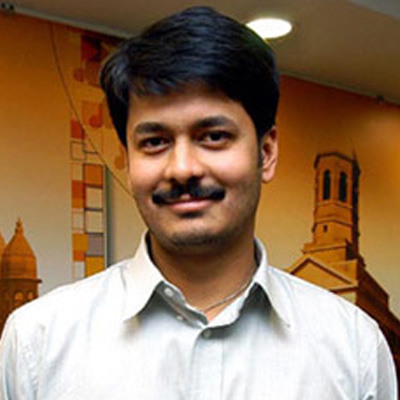
    And of course no one understands this more than Disney India Media channels VP and head of revenue Nikhil Gandhi. He has the responsibility of running the mousehouse’s channel’s in India comprising of youth channels – Bindass and Bindass Play and kids channels – Disney Channel, Disney Junior, Disney XD and Hungama TV, and  movie channels – UTV Movies and UTV Action.

    What’s grabbing his attention these days is Bindass. Launched as  a youth channel in 2007 under the UTV umbrella, it aired cult shows such as as Yeh Hai Aashiqui, Love by Chance, and  Emotional Atyachaar which got it  into the top 3 slot in the youth channel genre.  But that was in the pre-smart phone era, when video consumption on hand held devices was not that ubiquitous.

    Over the past few months, Gandhi and his Bindass team, have been working on reinventing the channel into one which is relevant for today’s mobile and Internet data guzzling youth. Among the first steps it took was to release a series first online on its Facebook page. Called Girl In The City it caught the youth’s imagination.

    Indiantelevision.com caught up with Gandhi to know what else is on the cards for Bindass viewers in an exclusive tete a tete.:
    Excerpts:

    What’s in store for Bindass?

    Bindass started out in 2007 and we have completed nine years. And this is going to be the 10th year of its existence. We are planning something very exciting. We have changed the way that content is getting developed on the channel. We are not looking at channel content only but platform agnostic content. We started off with the journey of this thought process three months back with a show called as Girl in the City (GITC) which has now come up to become the second most viewed show as a web series in India for which we partnered with Facebook. The way we did it was that we launched the show on the social media platform every Thursday which went on to the channel on Friday and then subsequently on YouTube by Saturday. 30 million views, the second most viewed web series in India. And we  are working with the best talent, right from Anand Tiwari to writer Sanyuka Chawla Shaikh. We worked with the best talent, directors and writers for the show. The talent that we worked with is exceptional which we plan to continue with going forward.

    The good part is that the content marketing was phenomenon which was earlier called as branded content or AFP is becoming a new buzzword for marketers. Everybody wants to get into the content space. And so we are pioneering that effort along with a lot of other guys who are in the same space. Next year, starting October you will see new shows launching on the Bindass interactive platforms (Bindass, Bindass Play, Snapchat, Instagram, Twitter, Blogs, etc) . It is not necessary to have a 22 minuter on Facebook, I can also choose to have five  minuter there. Or a six second Vine video. Marketers and advertisers are loving this because we are providing them this holistic engagement. The views and the numbers are just phenomenal.

    So, we are saying about 30 minutes of what?. How much does a normal Bindass show get in terms of the audience?

    I can’t compare it completely like that because there we have different metrics like TVR TVT or DVR. The truth is Bindass reaches out to 90 million homes, so the reach is there. So the reach is there but the engagement has to move up to a level where I can at least say that even if we are getting million views a week, in 15 weeks I will be providing 15 million views. The number is not small, it is quite staggering and there is lot of repeat value and of library value.

    The best part of this is it also gives me an advantage to expand into different territories. Now, I have syndicated this show in Pakistan, I have syndicated this show on inflight. So my eco-system of revenue generation is different all together. First of all, I have got great brand partners. The partners for GITC – sponsor Castrol and powered by partner ebay, saw the power in storytelling and then we integrated them seamlessly into the show; it was not overtly in your face branding. We found a very good talent in the young YouTuber Mithila Palkar. She is extremely talented and now the entire world wants to work with her.

    We did a lot of exciting stuff not just from the web series point of view but also from the ancillary programming around it and around her. She did something called as Facebook live interactions with the audience through which we got a lot of on the spot feedback about the show, about the length, the quality of the show. Everyone did a great job. So, this is now going to become the mantra of Bindass going forward.

    And what else is going to happen?

    We are revamping the entire look and feel of Bindass in the month of October. You will see a whole new avatar of the channel. The micro content that we are going to create around it is going to be phenomenal. That also leaves a space for us to probably move into the events space which we have stayed away from a long time. Anything interesting from the ground perspective, we may want to partner with.

    Our main  stay  is going to be platform agnostic content. The good part is we own the IP and the library is for life. Given our global presence now, GITC is travelling as a format to Indonesia. So, the Maker Studios team in South East Asia in Singapore is now taking up this concept and creating a show for either the Philippines or the Indonesian market which for us is a phenomenal way forward.

    So, likewise, our next show is going to launch either in end of October or first week of November. I think the way forward clearly for us is to get into this space for largely digital content,  separate content for on-air. The sky’s the limit as far as the creativity is concerned.

    What happens to Bindass Play? Does it continue?

    Bindass Play continues. It is a very sweet music channel. It is a highly profitable business. We are looking at creating ancillary content around Bindass Play that we did last year through Bollywood Republic. This entailed us moving into smaller towns, checking out the talent , recreating and rehashing Bollywood songs. It did very well for us. If you put both Bindass and BindassPlay together as a network, we stand tall as the number one youth network on television. And if I add the digital elements to it which is Facebook, YouTube and everything else our digital initiatives on YouTube, we are a very strong healthy leading youth network in the country. Which gives you a holistic view of two youth channels leading the space on TV, the entire digital play, and most importantly the content creative capability that we have right now is what is driving us.

    But you have reduced your presence on YouTube?

    But if I put my video up on YouTube, I get that many amount of views. All my old library content is still there. Any new exciting stuff, unless its made for YouTube, I don’t put on YouTube. GITC was made for digital, so the third leg of it went on to YouTube. But specifically If I am making a show for television, I don’t need to necessary put it on YouTube. So that’s the change that’s coming about in our thought process.

    So are you working with all partners?

    We are open to working with all partners, everyone is talking to us. We are working with people who share the same vision. Our thought of owning IP is very clear. We are working with very good talent from the face perspective.  So that’s the vision we have taken on for Bindass. We are here for the long run.

    You will see a lot of this action starting from October from our perspective and we will be announcing many of these initiatives very soon. I think the kind of advertisers who are getting attracted to this and the kind of support that we are getting from brands is phenomenal. They have seen what we have done with GITC, with other shows. The last 10 years have created a mega library of sorts.

    So Bindass will continue with its edginess and brand ethos?

    Bindass has its own brand ethos. It does not necessarily mean edginess. That era is over now. If you look at GITC, it’s a rom-com web  – there’s romance, there’s love, there’s emotion; there’s a lot of empowerment, achievement, confidence building. Bindass from that sense if you look at the way the brand has evolved, you will see that we have through a lot of iterations with the brand. And today if you look at the real meaning of Bindass, it actually means confidence.

    Bindass is a term and we are the only TV channel in the country with a brand that has got meaning in the country. Every other channel today has just a television name. Bindass is an attitude and that is our inherent advantage. It means fearless, fun, free, frank, etc which are all attributes of confidence. We have realised this through our on-going research that for the last so many years is that the parentage have become cooler. Today the children can talk to their parents because they are equally young.

    The father is not anymore saying that you have to wear a saree or salwar kameez at home, he understands his daughter or son. He is not saying my way or the highway – that you have to become a doctor or an engineer. Today, we have got DJs, gliders, etc who are making careers out of things that you have never ever imagined before and the parents are supporting them. So a lot of that confidence is coming from parents and family. The second part is coming from the youth’s aspirations. They all want to make it big in life. Their attitude is not of rebellion at all but of let’s make it happen.The manifestation of all of this is Bindass. Every show you see will have this element of Bindass coming about extremely strongly.

    Our vision is to empower the youth of the country. We want to stand tall as this figure, supporting you guys. Go out make it happen. Need So it is not enough for you to become an engineer or doctor. You have to have that Bindass attitude which is a very confident attitude.

    What happens to getting advertisers on board? Do you see them coming?

    As the brand specifically, I think the advertisers, the clients, who have been with us for so many years have now realized now that this is the way forward.  It is not enough for you to just put it out there. We have several channels in the youth space trying to be something. I won’t take names but just putting up a show on your channel and getting a few GRPs is not the way this business works. You need to have that element of understanding the youth. You need to understand what is driving their thought process, how are they  looking at making this thing work. And that is what we call the new Bindass millennial.

    What is driving their attitude and confidence in them. Pillar of support is their circle, their dreams. And the drive to succeed is their attitude and actions. What is their circle of support? I can talk to my parents, I can talk to my friends if I am in a situation; I know that I have a backup which is driving me that’s my confidence. In earlier times, my confidence was also restricted, because I could not speak to my father. My dad wanted me to become a chartered accountants and I did not want to. That was the cause, the reason for rebelling at that time. Now there is no need because the parents understand their children and want them to go for it. They have become supportive- that is the element of confidence. As this is the pillar of support, follow your dreams,  break the barriers and receive abundance freedom, sky is the limit.

    I don’t want to think small, I just want to make it big. I don’t want to work, I won’t. I’ll do whatever I feel. I have seen so many people in my own friend and relative circles. I could never imagine in my dreams that my father would allow me to become a wildlife photographer. It is all about having the will to succeed. Instant gratification. I want it now. This is all getting into the fact that there is a lot of exposure happening, because this millennial is a digital native. You talk to them about Donald Trump, they will give you their opinions; you talk to them about what’s happening in the world with the whole ISIS crisis, they will give their opinions. You talk to them about Michael Phelps world record, they will give you their opinion. Their universe is driving around their phones, their IPads, their tablets.

    And the reason we have taken this platform-agnostic content approach. Just to give you a brand personality manifestation, we are looking at at Alia Bhatt. That is our brand personality – versatile, good looking, urban, sexy, smart, trendy, confident. My elements of Bindass is this.

    We have always been 2D in our packaging. We are looking, for the first time,  at going 3D. So the whole coming of Bindass is going to be new look and feel, this new brand philosophy, the manifestation of this great content.

    What about traditional television distribution?

    We are looking at increasing our digital reach on television through all that’s happening on digitization. Hopefully in the next six months from here or maybe in the next one year from here, India will be completely digitized. So if I am talking 100 million or 150 million homes digitized reach on television with just two brands- Bindass and Bindass Play.  Right now, I’m talking about 250 million homes that my brands will reach out to with all my digital platforms which is a huge massive brand to reckon with going forward.

    What is the number of audience we are looking for out of 150 million audience category? It is not everyone in the universe who will consume this data.

    15 to 21 is my demographic. Even if you go to Hohsiarpur, everyone is on Google, and on facebook. Just look at the kind of interactivity they get, it’s mind boggling. I travel the length and breadth of the country into many towns, I have observed that everybody has access to the internet and that is what is enabling this whole philosophy of being a digital native and us getting the confidence of driving that.

    What is the number? Is it 20 million or 15 million or 10 million people the young people out there?   People who could possibly be the key target audience of Bindass?

    It’s far more than that. First of all you know the great number of 65-70 per cent of India being in the age of 15-40.  That is my number. Whether they are engaging with me on television or on my Facebook or YouTube or Instagram or Vine, I am getting them wherever they are.

    But Facebook is about 150 million to 200 million users….

    My own Facebook page has 10 million fans in two brands.  When I do a show on Facebook, they pump it out to their universe and then if I am syndicating the same show to various people, I am going through a huge massive turnover of sorts in terms  of  numbers. So, I have got the platforms, the audience and the brand. I got the look and feel and I have also got the entire pedigree of the Bindass out there. What I am focusing now is content creation capability which is what is driving and propelling this entire engine and creating the modernisation on top of it.

    Will you build the same structure and tap into these possibilities?

    Absolutely. After I have a team which is already there, we are going out to tap various possibilities. The beauty of it is brands which never thought of coming onto the channel before have suddenly latched onto this.Now they are saying Boss, let’s make it happen.

    How are you putting this in your executive producers in the network? How are you integrating this entire brand  philosophy with them?

    They have already been with us so everybody is in the understanding of the coming age of Bindass and what we stand for. They are part of our focus group discussions and research. When I give the vision of what we want to do, the first click was let’s stop thinking as a 42 minute episode. I urge them to come up with a 10 second spot or 10 second video which makes sense to me. We will blow it up.

    So, content today cannot have a duration cut. It is to have a creative cut and to see what work well exceptionally for it. I think that we have also gone into a philosophy wherein we don’t think that I have to create 22 minute episode showing long scenes. We can’t do that as the audience is a digital native. They are consuming maximum amounts of videos on WhatsApp. I need 100  of my videos to be on Vine, Instagram and WhatsApp and SnapChat. .

    Like Snapchat with a 10 sec video with or without giving link to television…

    Exactly. It’s like a 30 second promo. You watch a promo, you get a synopsis of what you gonna see in the half an hour or one hour program. A guy who is spending one hour a day on mobile constantly checking his apps, give him a sense over there by creating a 10 or 20 second video. Most importantly the virality has to be out there. That guy, who  gets video, needs to have the ability or the push that I need to send this to my group and that is the success of content.

    Are you going to raise ad rates?

    We have already raised our ad rates. We are the highest in the market from an FCT perspective. What we are now raising is the premium in terms of content. So when we go out to brands, we actually sell the story first. We have stopped selling and have started telling. No selling shows, start telling stories. That is the shift in the revenue teams is to stop selling and start telling. And that has created great success. We have 10 brands lined up for our next shows confirmed already.

  • “Bindass is platform-agnostic; a relaunch is on the cards:” Nikhil Gandhi

    “Bindass is platform-agnostic; a relaunch is on the cards:” Nikhil Gandhi

    Youth are a fickle audience. Especially considering that today’s young are a mobile first generation, and it is difficult to nail them down and make them watch simple telly.

    No one understands this more than Star India’s Channel [V] which brought the curtains down on youth programming and reinvented itself as a music channel recently.

    And of course no one understands this more than Disney India Media channels VP and head of revenue Nikhil Gandhi. He has the responsibility of running the mousehouse’s channel’s in India comprising of youth channels – Bindass and Bindass Play and kids channels – Disney Channel, Disney Junior, Disney XD and Hungama TV, and  movie channels – UTV Movies and UTV Action.

    What’s grabbing his attention these days is Bindass. Launched as  a youth channel in 2007 under the UTV umbrella, it aired cult shows such as as Yeh Hai Aashiqui, Love by Chance, and  Emotional Atyachaar which got it  into the top 3 slot in the youth channel genre.  But that was in the pre-smart phone era, when video consumption on hand held devices was not that ubiquitous.

    Over the past few months, Gandhi and his Bindass team, have been working on reinventing the channel into one which is relevant for today’s mobile and Internet data guzzling youth. Among the first steps it took was to release a series first online on its Facebook page. Called Girl In The City it caught the youth’s imagination.

    Indiantelevision.com caught up with Gandhi to know what else is on the cards for Bindass viewers in an exclusive tete a tete.:
    Excerpts:

    What’s in store for Bindass?

    Bindass started out in 2007 and we have completed nine years. And this is going to be the 10th year of its existence. We are planning something very exciting. We have changed the way that content is getting developed on the channel. We are not looking at channel content only but platform agnostic content. We started off with the journey of this thought process three months back with a show called as Girl in the City (GITC) which has now come up to become the second most viewed show as a web series in India for which we partnered with Facebook. The way we did it was that we launched the show on the social media platform every Thursday which went on to the channel on Friday and then subsequently on YouTube by Saturday. 30 million views, the second most viewed web series in India. And we  are working with the best talent, right from Anand Tiwari to writer Sanyuka Chawla Shaikh. We worked with the best talent, directors and writers for the show. The talent that we worked with is exceptional which we plan to continue with going forward.

    The good part is that the content marketing was phenomenon which was earlier called as branded content or AFP is becoming a new buzzword for marketers. Everybody wants to get into the content space. And so we are pioneering that effort along with a lot of other guys who are in the same space. Next year, starting October you will see new shows launching on the Bindass interactive platforms (Bindass, Bindass Play, Snapchat, Instagram, Twitter, Blogs, etc) . It is not necessary to have a 22 minuter on Facebook, I can also choose to have five  minuter there. Or a six second Vine video. Marketers and advertisers are loving this because we are providing them this holistic engagement. The views and the numbers are just phenomenal.

    So, we are saying about 30 minutes of what?. How much does a normal Bindass show get in terms of the audience?

    I can’t compare it completely like that because there we have different metrics like TVR TVT or DVR. The truth is Bindass reaches out to 90 million homes, so the reach is there. So the reach is there but the engagement has to move up to a level where I can at least say that even if we are getting million views a week, in 15 weeks I will be providing 15 million views. The number is not small, it is quite staggering and there is lot of repeat value and of library value.

    The best part of this is it also gives me an advantage to expand into different territories. Now, I have syndicated this show in Pakistan, I have syndicated this show on inflight. So my eco-system of revenue generation is different all together. First of all, I have got great brand partners. The partners for GITC – sponsor Castrol and powered by partner ebay, saw the power in storytelling and then we integrated them seamlessly into the show; it was not overtly in your face branding. We found a very good talent in the young YouTuber Mithila Palkar. She is extremely talented and now the entire world wants to work with her.

    We did a lot of exciting stuff not just from the web series point of view but also from the ancillary programming around it and around her. She did something called as Facebook live interactions with the audience through which we got a lot of on the spot feedback about the show, about the length, the quality of the show. Everyone did a great job. So, this is now going to become the mantra of Bindass going forward.

    And what else is going to happen?

    We are revamping the entire look and feel of Bindass in the month of October. You will see a whole new avatar of the channel. The micro content that we are going to create around it is going to be phenomenal. That also leaves a space for us to probably move into the events space which we have stayed away from a long time. Anything interesting from the ground perspective, we may want to partner with.

    Our main  stay  is going to be platform agnostic content. The good part is we own the IP and the library is for life. Given our global presence now, GITC is travelling as a format to Indonesia. So, the Maker Studios team in South East Asia in Singapore is now taking up this concept and creating a show for either the Philippines or the Indonesian market which for us is a phenomenal way forward.

    So, likewise, our next show is going to launch either in end of October or first week of November. I think the way forward clearly for us is to get into this space for largely digital content,  separate content for on-air. The sky’s the limit as far as the creativity is concerned.

    What happens to Bindass Play? Does it continue?

    Bindass Play continues. It is a very sweet music channel. It is a highly profitable business. We are looking at creating ancillary content around Bindass Play that we did last year through Bollywood Republic. This entailed us moving into smaller towns, checking out the talent , recreating and rehashing Bollywood songs. It did very well for us. If you put both Bindass and BindassPlay together as a network, we stand tall as the number one youth network on television. And if I add the digital elements to it which is Facebook, YouTube and everything else our digital initiatives on YouTube, we are a very strong healthy leading youth network in the country. Which gives you a holistic view of two youth channels leading the space on TV, the entire digital play, and most importantly the content creative capability that we have right now is what is driving us.

    But you have reduced your presence on YouTube?

    But if I put my video up on YouTube, I get that many amount of views. All my old library content is still there. Any new exciting stuff, unless its made for YouTube, I don’t put on YouTube. GITC was made for digital, so the third leg of it went on to YouTube. But specifically If I am making a show for television, I don’t need to necessary put it on YouTube. So that’s the change that’s coming about in our thought process.

    So are you working with all partners?

    We are open to working with all partners, everyone is talking to us. We are working with people who share the same vision. Our thought of owning IP is very clear. We are working with very good talent from the face perspective.  So that’s the vision we have taken on for Bindass. We are here for the long run.

    You will see a lot of this action starting from October from our perspective and we will be announcing many of these initiatives very soon. I think the kind of advertisers who are getting attracted to this and the kind of support that we are getting from brands is phenomenal. They have seen what we have done with GITC, with other shows. The last 10 years have created a mega library of sorts.

    So Bindass will continue with its edginess and brand ethos?

    Bindass has its own brand ethos. It does not necessarily mean edginess. That era is over now. If you look at GITC, it’s a rom-com web  – there’s romance, there’s love, there’s emotion; there’s a lot of empowerment, achievement, confidence building. Bindass from that sense if you look at the way the brand has evolved, you will see that we have through a lot of iterations with the brand. And today if you look at the real meaning of Bindass, it actually means confidence.

    Bindass is a term and we are the only TV channel in the country with a brand that has got meaning in the country. Every other channel today has just a television name. Bindass is an attitude and that is our inherent advantage. It means fearless, fun, free, frank, etc which are all attributes of confidence. We have realised this through our on-going research that for the last so many years is that the parentage have become cooler. Today the children can talk to their parents because they are equally young.

    The father is not anymore saying that you have to wear a saree or salwar kameez at home, he understands his daughter or son. He is not saying my way or the highway – that you have to become a doctor or an engineer. Today, we have got DJs, gliders, etc who are making careers out of things that you have never ever imagined before and the parents are supporting them. So a lot of that confidence is coming from parents and family. The second part is coming from the youth’s aspirations. They all want to make it big in life. Their attitude is not of rebellion at all but of let’s make it happen.The manifestation of all of this is Bindass. Every show you see will have this element of Bindass coming about extremely strongly.

    Our vision is to empower the youth of the country. We want to stand tall as this figure, supporting you guys. Go out make it happen. Need So it is not enough for you to become an engineer or doctor. You have to have that Bindass attitude which is a very confident attitude.

    What happens to getting advertisers on board? Do you see them coming?

    As the brand specifically, I think the advertisers, the clients, who have been with us for so many years have now realized now that this is the way forward.  It is not enough for you to just put it out there. We have several channels in the youth space trying to be something. I won’t take names but just putting up a show on your channel and getting a few GRPs is not the way this business works. You need to have that element of understanding the youth. You need to understand what is driving their thought process, how are they  looking at making this thing work. And that is what we call the new Bindass millennial.

    What is driving their attitude and confidence in them. Pillar of support is their circle, their dreams. And the drive to succeed is their attitude and actions. What is their circle of support? I can talk to my parents, I can talk to my friends if I am in a situation; I know that I have a backup which is driving me that’s my confidence. In earlier times, my confidence was also restricted, because I could not speak to my father. My dad wanted me to become a chartered accountants and I did not want to. That was the cause, the reason for rebelling at that time. Now there is no need because the parents understand their children and want them to go for it. They have become supportive- that is the element of confidence. As this is the pillar of support, follow your dreams,  break the barriers and receive abundance freedom, sky is the limit.

    I don’t want to think small, I just want to make it big. I don’t want to work, I won’t. I’ll do whatever I feel. I have seen so many people in my own friend and relative circles. I could never imagine in my dreams that my father would allow me to become a wildlife photographer. It is all about having the will to succeed. Instant gratification. I want it now. This is all getting into the fact that there is a lot of exposure happening, because this millennial is a digital native. You talk to them about Donald Trump, they will give you their opinions; you talk to them about what’s happening in the world with the whole ISIS crisis, they will give their opinions. You talk to them about Michael Phelps world record, they will give you their opinion. Their universe is driving around their phones, their IPads, their tablets.

    And the reason we have taken this platform-agnostic content approach. Just to give you a brand personality manifestation, we are looking at at Alia Bhatt. That is our brand personality – versatile, good looking, urban, sexy, smart, trendy, confident. My elements of Bindass is this.

    We have always been 2D in our packaging. We are looking, for the first time,  at going 3D. So the whole coming of Bindass is going to be new look and feel, this new brand philosophy, the manifestation of this great content.

    What about traditional television distribution?

    We are looking at increasing our digital reach on television through all that’s happening on digitization. Hopefully in the next six months from here or maybe in the next one year from here, India will be completely digitized. So if I am talking 100 million or 150 million homes digitized reach on television with just two brands- Bindass and Bindass Play.  Right now, I’m talking about 250 million homes that my brands will reach out to with all my digital platforms which is a huge massive brand to reckon with going forward.

    What is the number of audience we are looking for out of 150 million audience category? It is not everyone in the universe who will consume this data.

    15 to 21 is my demographic. Even if you go to Hohsiarpur, everyone is on Google, and on facebook. Just look at the kind of interactivity they get, it’s mind boggling. I travel the length and breadth of the country into many towns, I have observed that everybody has access to the internet and that is what is enabling this whole philosophy of being a digital native and us getting the confidence of driving that.

    What is the number? Is it 20 million or 15 million or 10 million people the young people out there?   People who could possibly be the key target audience of Bindass?

    It’s far more than that. First of all you know the great number of 65-70 per cent of India being in the age of 15-40.  That is my number. Whether they are engaging with me on television or on my Facebook or YouTube or Instagram or Vine, I am getting them wherever they are.

    But Facebook is about 150 million to 200 million users….

    My own Facebook page has 10 million fans in two brands.  When I do a show on Facebook, they pump it out to their universe and then if I am syndicating the same show to various people, I am going through a huge massive turnover of sorts in terms  of  numbers. So, I have got the platforms, the audience and the brand. I got the look and feel and I have also got the entire pedigree of the Bindass out there. What I am focusing now is content creation capability which is what is driving and propelling this entire engine and creating the modernisation on top of it.

    Will you build the same structure and tap into these possibilities?

    Absolutely. After I have a team which is already there, we are going out to tap various possibilities. The beauty of it is brands which never thought of coming onto the channel before have suddenly latched onto this.Now they are saying Boss, let’s make it happen.

    How are you putting this in your executive producers in the network? How are you integrating this entire brand  philosophy with them?

    They have already been with us so everybody is in the understanding of the coming age of Bindass and what we stand for. They are part of our focus group discussions and research. When I give the vision of what we want to do, the first click was let’s stop thinking as a 42 minute episode. I urge them to come up with a 10 second spot or 10 second video which makes sense to me. We will blow it up.

    So, content today cannot have a duration cut. It is to have a creative cut and to see what work well exceptionally for it. I think that we have also gone into a philosophy wherein we don’t think that I have to create 22 minute episode showing long scenes. We can’t do that as the audience is a digital native. They are consuming maximum amounts of videos on WhatsApp. I need 100  of my videos to be on Vine, Instagram and WhatsApp and SnapChat. .

    Like Snapchat with a 10 sec video with or without giving link to television…

    Exactly. It’s like a 30 second promo. You watch a promo, you get a synopsis of what you gonna see in the half an hour or one hour program. A guy who is spending one hour a day on mobile constantly checking his apps, give him a sense over there by creating a 10 or 20 second video. Most importantly the virality has to be out there. That guy, who  gets video, needs to have the ability or the push that I need to send this to my group and that is the success of content.

    Are you going to raise ad rates?

    We have already raised our ad rates. We are the highest in the market from an FCT perspective. What we are now raising is the premium in terms of content. So when we go out to brands, we actually sell the story first. We have stopped selling and have started telling. No selling shows, start telling stories. That is the shift in the revenue teams is to stop selling and start telling. And that has created great success. We have 10 brands lined up for our next shows confirmed already.

  • “We plan to double staff in a year in pace with client growth”: Vizeum India MD Shripad Kulkarni

    “We plan to double staff in a year in pace with client growth”: Vizeum India MD Shripad Kulkarni

    Shripad Kulkarni is man on a mission. The mission is to transform Vizeum India digitally, not with just an add-on digital arm but from within. Thereafter, establishing the agency as an indispensable AoR partner for clients seeking real measurable value addition from its media management. And the last few account wins including Warner Bro. and TCL show that he is on the right track.

    The agency is believed to handle Rs 200 crore worth of media businesses spread across all its clients, of which the last quarter has been a significant contributor.

    But these numbers are not fruits of labour of just the past few months. Its foundation was laid when Kulkarni had joined Vizeum India as the managing director in 2015 from Percept Allied Media (where he was the CEO), following Dentsu Aegis Network (DAN) Ashish Bhasin’s laying out of his vision for the agency.

    It will be an understatement to say that the soft spoken professional had taken that vision seriously. It’s been a little over a year, and Kulkarni is already confident that the agency will double itself around the end of next financial year.

    In a freewheeling conversation with indiantelevision.com’s Papri Das, Kulkarni delves into his grand plans to realise this target, and more.

    Excerpts:

    What were your personal benchmarks in the last one year of working for Vizeum?

    I have kept a very ‘people first’ approach to my targets within the company since I joined almost a year back. The large team that operates in Delhi is undergoing its digital training  and familiarisation with the tools available within the agency and the group. The last quarter has given us a positive indication that the strategy is working. We have got Warner Bros, we have Panasonic as a client and just recently signed up as the media agency for TCL Corp.

    Given the momentum, I see a significant increase in our client portfolio in the coming few years. We want to double our staff strength in 12 to 18 months to handle this increase in new businesses and our entire budget planning is being worked out to favour this development.

    The one P&L structure that DAN follows is best in terms of getting integrated marcom planning done, and getting various specialists in verticals to work for a brand. The fact that a very high proportion of the revenue of the group comes from digital says a lot about DAN  as a future facing agency.

    Every media agency is ramping up to be the ‘all rounder’ these days. How differently is Vizeum positioned in the market?

    One has to understand that digital is changing your customers, and their linear behaviour in the purchase cycle; the classic AIDA (Attention, Interest, Desire, Action) is no longer working. Now that is a fundamental shift that we must align everyone to, even if one is planning for television. Based on this, we are remodeling Vizeum, to keep our clients up to date.

    At the core of the remodelled Vizeum, with its refreshed approach to traditional media with digital outlook, we believe that media can directly make a difference to business. Media can add value to businesses because of this entire disruption digital is doing across all media, and this significant value addition will be measurable.

    Has this fundamental shift impacted how television planning and buying happens?

    To start with, these days you have to look at video and not television, when doing planning for television, because there is a good chunk of the audience that watches TV on the Internet. There are youngsters who enjoy binge watching or as and when they want to. They are hardly watching television the way we know it. So that is changing the entire paradigm so that even the medium that was classically entirely outbound and spewing messages at its audiences is now changing.

    Another interesting aspect of this paradigm shift is how technology has made TV media more target-oriented. Technology now allows advertisers  to target people who have viewed their ads on television. We have experimented with this technology with a few of our clients where we have embedded certain beacons on their TV ads, and identified which  of the consumers had their smartphones around. Now these consumers could be reached digitally as well, now that we have made sure they had seen the TVC.

    We will soon see that technology and data is going to alter the way the entire marcom industry functions. It will require us agencies and clients as well to understand the complete customer decision journey, and accordingly reach out to them with specific messages at certain stages of the customer purchase journey.

    Do most of your clients come to you keeping a specific media in mind or do they have a specific outcome in mind, regardless of where the spend goes?

    Well of course a client has an outcome in mind to begin with. But the way the industry, and actually media itself, is getting more and more fragmented, advertisers too are seeking specialised use of media — some are looking at digital agencies, some are looking at mainline agencies, some are looking at agencies that are good at search engine optimisation, some are preferring social media only agencies and some are even doing it in house. I think the missing piece is a strategic direction across all media vehicles towards the outcome.

    Sounds like a massive level of unlearning and relearning on the part of the planners and buyers….

    Absolutely. In fact we are currently training every single planner under Vizeum with digital knowledge and skill sets. A planner classically handles mainstream media, and he can plan for digital. But we are aiming to make each one of them experts in digital. Every planner must know digital strategy on a par with an agency squarely into digital marketing. We plan to achieve this within one year, and there will be continuous refresher courses to keep them up to date.

    We have already initiated since a few months ago. It has picked up momentum and we should be able to see some of its results by the next quarter. The ultimate goal is to get all staff, irrespective of the department to be digital savvy. It is a DAN initiative.

    How do you measure a certain campaign’s performance? Is there any yardstick that Vizeum follows?

    Campaign performance must be measurable from day one, and it must be definitive and making a difference to the business. To achieve this, we look at performance in a three by three metric — three minutes, three weeks and three months of the  time spent on a campaign, where each time period gives us specific and significant measure of the campaign’s effectiveness. Certain tools that  we have developed using Facebook data, or Youtube data, or Google data, give us instant feedback on how a campaign is fairing.

    To start with, we can have this performance measure of all digital campaigns running for a few minutes to a day or, as we put it three  minutes to a day.. It will give an instant idea of what is working and what isn’t, which allows creatives to tweak a campaign. For example, if you have six campaigns or creatives running on Youtube, we can now tell which one is performing well, keeping a brand and campaign in mind.

    We make a second assessment after a campaign runs for a week, when we have significant data on it. For certain categories, this time period can extend to a month to be able to gather reliable data.

    The third assessment is made around the three month mark that leaves a planner with a lot of data to play with and analyse keeping quantitative results in mind. This assessment can give us insights on the brand health. In other words, we keep monitoring different measures at different entry points of a campaign within different parameters. We are heading towards an arrangement where we ask for compensations based on such performances.

    Where do you think the media management industry is headed in the next few years and what factors will impact it?

    We are doing a study called India 2020, where we are trying to understand the trends across the world and try and predict the entire media ecosystem of 2020 in India. We believe this disruption is going to stay for a while and lead to digital spends growing by leaps and bounds. As of now we are looking different simulations of different scenarios. We have narrowed down to three such scenarios for the time being based on how quickly high speed data will be available in our country. Whether it is brought about by Reliance Jio or the government, it doesn’t matter, but high speed internet is a deciding factor in the simulations. It will also need to be affordable and services will be free is what I believe. Open wifis will also be a huge thing.

  • “We plan to double staff in a year in pace with client growth”: Vizeum India MD Shripad Kulkarni

    “We plan to double staff in a year in pace with client growth”: Vizeum India MD Shripad Kulkarni

    Shripad Kulkarni is man on a mission. The mission is to transform Vizeum India digitally, not with just an add-on digital arm but from within. Thereafter, establishing the agency as an indispensable AoR partner for clients seeking real measurable value addition from its media management. And the last few account wins including Warner Bro. and TCL show that he is on the right track.

    The agency is believed to handle Rs 200 crore worth of media businesses spread across all its clients, of which the last quarter has been a significant contributor.

    But these numbers are not fruits of labour of just the past few months. Its foundation was laid when Kulkarni had joined Vizeum India as the managing director in 2015 from Percept Allied Media (where he was the CEO), following Dentsu Aegis Network (DAN) Ashish Bhasin’s laying out of his vision for the agency.

    It will be an understatement to say that the soft spoken professional had taken that vision seriously. It’s been a little over a year, and Kulkarni is already confident that the agency will double itself around the end of next financial year.

    In a freewheeling conversation with indiantelevision.com’s Papri Das, Kulkarni delves into his grand plans to realise this target, and more.

    Excerpts:

    What were your personal benchmarks in the last one year of working for Vizeum?

    I have kept a very ‘people first’ approach to my targets within the company since I joined almost a year back. The large team that operates in Delhi is undergoing its digital training  and familiarisation with the tools available within the agency and the group. The last quarter has given us a positive indication that the strategy is working. We have got Warner Bros, we have Panasonic as a client and just recently signed up as the media agency for TCL Corp.

    Given the momentum, I see a significant increase in our client portfolio in the coming few years. We want to double our staff strength in 12 to 18 months to handle this increase in new businesses and our entire budget planning is being worked out to favour this development.

    The one P&L structure that DAN follows is best in terms of getting integrated marcom planning done, and getting various specialists in verticals to work for a brand. The fact that a very high proportion of the revenue of the group comes from digital says a lot about DAN  as a future facing agency.

    Every media agency is ramping up to be the ‘all rounder’ these days. How differently is Vizeum positioned in the market?

    One has to understand that digital is changing your customers, and their linear behaviour in the purchase cycle; the classic AIDA (Attention, Interest, Desire, Action) is no longer working. Now that is a fundamental shift that we must align everyone to, even if one is planning for television. Based on this, we are remodeling Vizeum, to keep our clients up to date.

    At the core of the remodelled Vizeum, with its refreshed approach to traditional media with digital outlook, we believe that media can directly make a difference to business. Media can add value to businesses because of this entire disruption digital is doing across all media, and this significant value addition will be measurable.

    Has this fundamental shift impacted how television planning and buying happens?

    To start with, these days you have to look at video and not television, when doing planning for television, because there is a good chunk of the audience that watches TV on the Internet. There are youngsters who enjoy binge watching or as and when they want to. They are hardly watching television the way we know it. So that is changing the entire paradigm so that even the medium that was classically entirely outbound and spewing messages at its audiences is now changing.

    Another interesting aspect of this paradigm shift is how technology has made TV media more target-oriented. Technology now allows advertisers  to target people who have viewed their ads on television. We have experimented with this technology with a few of our clients where we have embedded certain beacons on their TV ads, and identified which  of the consumers had their smartphones around. Now these consumers could be reached digitally as well, now that we have made sure they had seen the TVC.

    We will soon see that technology and data is going to alter the way the entire marcom industry functions. It will require us agencies and clients as well to understand the complete customer decision journey, and accordingly reach out to them with specific messages at certain stages of the customer purchase journey.

    Do most of your clients come to you keeping a specific media in mind or do they have a specific outcome in mind, regardless of where the spend goes?

    Well of course a client has an outcome in mind to begin with. But the way the industry, and actually media itself, is getting more and more fragmented, advertisers too are seeking specialised use of media — some are looking at digital agencies, some are looking at mainline agencies, some are looking at agencies that are good at search engine optimisation, some are preferring social media only agencies and some are even doing it in house. I think the missing piece is a strategic direction across all media vehicles towards the outcome.

    Sounds like a massive level of unlearning and relearning on the part of the planners and buyers….

    Absolutely. In fact we are currently training every single planner under Vizeum with digital knowledge and skill sets. A planner classically handles mainstream media, and he can plan for digital. But we are aiming to make each one of them experts in digital. Every planner must know digital strategy on a par with an agency squarely into digital marketing. We plan to achieve this within one year, and there will be continuous refresher courses to keep them up to date.

    We have already initiated since a few months ago. It has picked up momentum and we should be able to see some of its results by the next quarter. The ultimate goal is to get all staff, irrespective of the department to be digital savvy. It is a DAN initiative.

    How do you measure a certain campaign’s performance? Is there any yardstick that Vizeum follows?

    Campaign performance must be measurable from day one, and it must be definitive and making a difference to the business. To achieve this, we look at performance in a three by three metric — three minutes, three weeks and three months of the  time spent on a campaign, where each time period gives us specific and significant measure of the campaign’s effectiveness. Certain tools that  we have developed using Facebook data, or Youtube data, or Google data, give us instant feedback on how a campaign is fairing.

    To start with, we can have this performance measure of all digital campaigns running for a few minutes to a day or, as we put it three  minutes to a day.. It will give an instant idea of what is working and what isn’t, which allows creatives to tweak a campaign. For example, if you have six campaigns or creatives running on Youtube, we can now tell which one is performing well, keeping a brand and campaign in mind.

    We make a second assessment after a campaign runs for a week, when we have significant data on it. For certain categories, this time period can extend to a month to be able to gather reliable data.

    The third assessment is made around the three month mark that leaves a planner with a lot of data to play with and analyse keeping quantitative results in mind. This assessment can give us insights on the brand health. In other words, we keep monitoring different measures at different entry points of a campaign within different parameters. We are heading towards an arrangement where we ask for compensations based on such performances.

    Where do you think the media management industry is headed in the next few years and what factors will impact it?

    We are doing a study called India 2020, where we are trying to understand the trends across the world and try and predict the entire media ecosystem of 2020 in India. We believe this disruption is going to stay for a while and lead to digital spends growing by leaps and bounds. As of now we are looking different simulations of different scenarios. We have narrowed down to three such scenarios for the time being based on how quickly high speed data will be available in our country. Whether it is brought about by Reliance Jio or the government, it doesn’t matter, but high speed internet is a deciding factor in the simulations. It will also need to be affordable and services will be free is what I believe. Open wifis will also be a huge thing.

  • “TV ad rates will continue to be under pressure” – Ashish Bhasin

    “TV ad rates will continue to be under pressure” – Ashish Bhasin

    MUMBAI: From leading brands discussing the advertising fraternity’s readiness to deal with the digital onslaught to panel discussions after panel discussions dedicated to cracking the content code of the digital world in reputed conferences; the Indian media world is truly enamored with the word ‘digital.’ And rightly so, as the media has completely changed how the trade works in the sector.

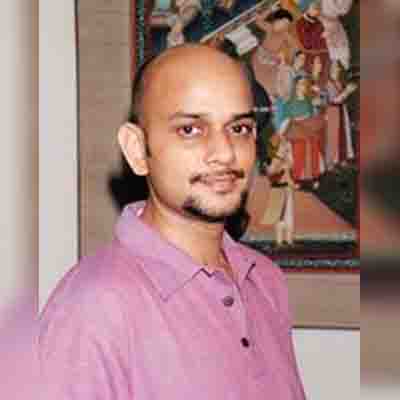
    But little is being discussed on the specifics of digital media’s effect on television and its business. To put this into perspective and shed light upon the current realities of the television industry from a media executive’s point of view, indiantelevision.com reached out to Dentsu Aegis Network chairman and South Asia CEO Ashish Bhasin.

    In a free flowing conversation, Bhasin opens up on sophistication employed in a new age television plan with the help of data analysis, ad-rates discrepancies in India,  future of TV media from advertising perspective, and more.

    Excerpts:

    Does Big Data and interpreting it play a role in today’s TV plans?

    It is important to pay attention to Big Data and analyse it right. At Dentsu Aegis Network we have set up our own data stack, which is driving through econometric modelling. That team is using it…it is composed of a young team of statisticians and senior data analysts, economists, and technicians who are analysing and decoding the available data on behalf of our clients.

    For example, you can get 44 percent reach for a particular plan on television.  Now if you spend 10 percent extra on your budget, you probably can get 46 percent reach on the same plan. This 10 percent of budget spends for 2 percent of incremental reach isn’t viable for the client. Thats where the data team comes in, who have developed a software who figures out where is that wastage happening. They combine the television exposure and digital exposure and tells us here is the sweet spot for advertisers to spend that 10 percent on.

    The age old problem of advertising is that advertisers know 50 percent of their advertising works but don’t know which half. Our approach helps the advertisers to know to some extent which half works.

    Many fear that digital will eat into television’s ad revenues even as TV continues to grow. What are your thoughts on this?

    Well in the distant future, in theory, digital will eat into television’s market share because everything will become digital. It is already happening in the more mature western markets but in India that has a long way go because television penetration has some way to go. We are all seeing it still from a Mumbai-Delhi point of view but the growth is not going to come from these two metros, there is already 100 per cent penetration there. The growth will come from tier III tier IV rural towns.

    There it is a long way to go. Therefore for the next five to 10 years there is enough space for all media to grow. Even print, which is collapsing everywhere else in the world is still still growing in India because literary levels are growing. But we don’t doubt that digital will grow faster – at least we believe – than any other medium.

    Will the per unit realisation (valuation) of television go up?

    Per unit realisation is the function of the audiences you get. More your distribution, more your audience, more is the realisation. I don’t think it will go because there are contradictory factors acting. On the one side you are getting more audiences, on the other side, the time of these audiences is getting more fragmented. It is getting fragmented — within television, and also between television and digital.

    So, there will be a balancing factor. It won’t collapse like it has in many other parts of the world. It may go up but gradually because there will be the other factor of the fragmentation which will come into play. There will be the two paradoxical forces acting together.

    Compared to markets like US, Indian television ad rates are very low even after adjusting the purchasing power parity. Your comments?

    I think it is unfair to compare US national rates with Indian semi regional rates because they are operating on completely different bases. There are 300 million people in the US. Out of that the TV audience is about 150 million. Per person per secondage average if you compare the two, you will understand, there are two different bases you are operating from. It’s unfair to compare US national rates with Indian semi-national or regional programs. Because then what you should compare is the 0800 ads in Minnesota, Iowa. You see their rates, their rates are less than or equal to the rates in India, even though the ones there are in dollars. The Super Bowl, one refers to, is a dense packed audience nationally – it is a unique phenomenon.

    Could the IPL be that property in India?

    It probably could be, But the IPL has already peaked; it will not go beyond this. That’s why IPL is commanding the premium; one spot on IPL is so expensive. It is anywhere between Rs three to five lakh for a 10 second spot.  

    What trend do you notice in the current television advertising rates per spot?

    I feel that the pricing on television will further go down. Today, we are looking at 0.1 rated programs. There are hundreds of programs that rated 0.1 by BARC. Tomorrow, you will be having programs with e rated 0.05, hypothetically. An advertiser is ultimately paying for the eyeballs the show is getting. If that number will go down, suddenly the prices can’t go up right?

    It is true that some premier shows will command higher ratings, such as a cricket match etc. But I don’t see the ratings going up in general.

    An advertiser is only paying more money to get more audience. To an advertiser it does not matter whether the viewer is watching it on Zee, Sony, Star or Colors, he is interested in that my target audience, say a million people, where do I reach them? So, if the reach or number of people is going to get more and more fragmented, then the per spot rate is headed south. Overall the advertiser may end up spending more because he has to take that many more spots to reach the audience he wants, but the per spot rate realisation will not go up, it will come down.

    The problem with television is also that there is too much supply, too many channels, too much inventory. The TV industry had one chance to limit the supply when the TRAI asked them to limit ad time on TV to 12 minutes an hour. Limiting supply could have had to benefit of taking rates up. But the industry did not comply with this. Hence, now there has been a commodisation of television air time.

    Do you think we will need  TV broadcaster going forward?

    The reduction of dependency on a broadcaster is at least five to 10 years away in India, which is what I keep reminding people. We are at that sweet spot where everything is going to grow. While there will be a lot of digital pressure and digital will grow fast, actually if there were no other contradictory pressures, TV should have started collapsing. That will not happen because TV is growing.

    Doordarshan has started giving away its Free Dishes in the south now. They started this in the north earlier. With this the penetration of free to air channels is going to really rise. Hence the distribution increase is going to keep an inward positive upward pressure for TV coming up. Digital is going to put pressure on it to push it down. Therefore it will remain in balance for four to five years. Finally, digital will prevail. Once you more or less have penetrated India. You have more or less got everyone in. That stage, that will be tipping point when digital will take over.

    What will happen when Jio launches?

    Globally, if you see, smart phone penetration when it goes over one third, it’s the rule of thumb. That’s the inflection point in digital anywhere. In India we are probably at around 18-20 per cent. We are about 12-18 months away from that point. The moment smartphone penetration crosses 33 per cent, bandwidth gets available cheaper and cheaper. And you get good quality bandwidth. That inflection point is going to happen.

    How will that impact the advertising agency?

    Lines are blurring. There is no difference between media  or technology or content. There is only one solution. And the advertiser is looking at a comprehensive digital solution from his communications partner.

    What does a traditional client looking for digital solutions want from an agency these days?

    The client today doesn’t want generalists. He wants super specialists. If it is digital, he doesn’t want a normally media guy to handle it, he wants a digital specialist to handle its social media, a search specialist and then a display specialist.

    The clients today want the benefits of specialization but he does not want the hassles of silos. Fortunately or unfortunately, all the legacy agencies are constructed in silos. For a guy in a creative agency, it does not matter if the media goes to any other agency. Because they are all separate companies. Because of this they have not been able to provide a single solution under one umbrella.

    The reason we have been successful is that we are structured as one P&L. Everything from media in India reports into me – whether it is Carat or Isobar or iProspect or  Dentsu Creative or whatever. And that is our biggest strength because you can bring talent in, think around the client in one seamless way.  And almost all of the others have not focused on this.

    Your take on ad blockers?

    Ad blocking is a very tricky subject. As a consumer when I look at it, ad blockers are damn good because audiences don’t want an intrusion when they consume content. I think advertising businesses are to be blamed for getting the pushback from the consumers because people just went berserk with displays online. Consumers are not paying to see your advertising, they are paying for content. So if advertisers start intruding so much, there will be push back. And it will only go up unless we figure out some standardisation. The future of digital advertising is going to be opted.

    We see ad blocking in conjunction with bot fraud and click fraud, it will lead to a scenario where the media will collapse unless the cleaning up doesn’t happen.

    We have a large programmatic buying division. The biggest challenge they face is how do you that it’s a human being consuming the content on the other end. So ad blocking will continue to happen unless you have incentivized the consumer to opt it. Either by choice or by incentives. Privacy laws will get stronger, they are much stronger abroad than they are here.


  • “TV ad rates will continue to be under pressure” – Ashish Bhasin

    “TV ad rates will continue to be under pressure” – Ashish Bhasin

    MUMBAI: From leading brands discussing the advertising fraternity’s readiness to deal with the digital onslaught to panel discussions after panel discussions dedicated to cracking the content code of the digital world in reputed conferences; the Indian media world is truly enamored with the word ‘digital.’ And rightly so, as the media has completely changed how the trade works in the sector.

    But little is being discussed on the specifics of digital media’s effect on television and its business. To put this into perspective and shed light upon the current realities of the television industry from a media executive’s point of view, indiantelevision.com reached out to Dentsu Aegis Network chairman and South Asia CEO Ashish Bhasin.

    In a free flowing conversation, Bhasin opens up on sophistication employed in a new age television plan with the help of data analysis, ad-rates discrepancies in India,  future of TV media from advertising perspective, and more.

    Excerpts:

    Does Big Data and interpreting it play a role in today’s TV plans?

    It is important to pay attention to Big Data and analyse it right. At Dentsu Aegis Network we have set up our own data stack, which is driving through econometric modelling. That team is using it…it is composed of a young team of statisticians and senior data analysts, economists, and technicians who are analysing and decoding the available data on behalf of our clients.

    For example, you can get 44 percent reach for a particular plan on television.  Now if you spend 10 percent extra on your budget, you probably can get 46 percent reach on the same plan. This 10 percent of budget spends for 2 percent of incremental reach isn’t viable for the client. Thats where the data team comes in, who have developed a software who figures out where is that wastage happening. They combine the television exposure and digital exposure and tells us here is the sweet spot for advertisers to spend that 10 percent on.

    The age old problem of advertising is that advertisers know 50 percent of their advertising works but don’t know which half. Our approach helps the advertisers to know to some extent which half works.

    Many fear that digital will eat into television’s ad revenues even as TV continues to grow. What are your thoughts on this?

    Well in the distant future, in theory, digital will eat into television’s market share because everything will become digital. It is already happening in the more mature western markets but in India that has a long way go because television penetration has some way to go. We are all seeing it still from a Mumbai-Delhi point of view but the growth is not going to come from these two metros, there is already 100 per cent penetration there. The growth will come from tier III tier IV rural towns.

    There it is a long way to go. Therefore for the next five to 10 years there is enough space for all media to grow. Even print, which is collapsing everywhere else in the world is still still growing in India because literary levels are growing. But we don’t doubt that digital will grow faster – at least we believe – than any other medium.

    Will the per unit realisation (valuation) of television go up?

    Per unit realisation is the function of the audiences you get. More your distribution, more your audience, more is the realisation. I don’t think it will go because there are contradictory factors acting. On the one side you are getting more audiences, on the other side, the time of these audiences is getting more fragmented. It is getting fragmented — within television, and also between television and digital.

    So, there will be a balancing factor. It won’t collapse like it has in many other parts of the world. It may go up but gradually because there will be the other factor of the fragmentation which will come into play. There will be the two paradoxical forces acting together.

    Compared to markets like US, Indian television ad rates are very low even after adjusting the purchasing power parity. Your comments?

    I think it is unfair to compare US national rates with Indian semi regional rates because they are operating on completely different bases. There are 300 million people in the US. Out of that the TV audience is about 150 million. Per person per secondage average if you compare the two, you will understand, there are two different bases you are operating from. It’s unfair to compare US national rates with Indian semi-national or regional programs. Because then what you should compare is the 0800 ads in Minnesota, Iowa. You see their rates, their rates are less than or equal to the rates in India, even though the ones there are in dollars. The Super Bowl, one refers to, is a dense packed audience nationally – it is a unique phenomenon.

    Could the IPL be that property in India?

    It probably could be, But the IPL has already peaked; it will not go beyond this. That’s why IPL is commanding the premium; one spot on IPL is so expensive. It is anywhere between Rs three to five lakh for a 10 second spot.  

    What trend do you notice in the current television advertising rates per spot?

    I feel that the pricing on television will further go down. Today, we are looking at 0.1 rated programs. There are hundreds of programs that rated 0.1 by BARC. Tomorrow, you will be having programs with e rated 0.05, hypothetically. An advertiser is ultimately paying for the eyeballs the show is getting. If that number will go down, suddenly the prices can’t go up right?

    It is true that some premier shows will command higher ratings, such as a cricket match etc. But I don’t see the ratings going up in general.

    An advertiser is only paying more money to get more audience. To an advertiser it does not matter whether the viewer is watching it on Zee, Sony, Star or Colors, he is interested in that my target audience, say a million people, where do I reach them? So, if the reach or number of people is going to get more and more fragmented, then the per spot rate is headed south. Overall the advertiser may end up spending more because he has to take that many more spots to reach the audience he wants, but the per spot rate realisation will not go up, it will come down.

    The problem with television is also that there is too much supply, too many channels, too much inventory. The TV industry had one chance to limit the supply when the TRAI asked them to limit ad time on TV to 12 minutes an hour. Limiting supply could have had to benefit of taking rates up. But the industry did not comply with this. Hence, now there has been a commodisation of television air time.

    Do you think we will need  TV broadcaster going forward?

    The reduction of dependency on a broadcaster is at least five to 10 years away in India, which is what I keep reminding people. We are at that sweet spot where everything is going to grow. While there will be a lot of digital pressure and digital will grow fast, actually if there were no other contradictory pressures, TV should have started collapsing. That will not happen because TV is growing.

    Doordarshan has started giving away its Free Dishes in the south now. They started this in the north earlier. With this the penetration of free to air channels is going to really rise. Hence the distribution increase is going to keep an inward positive upward pressure for TV coming up. Digital is going to put pressure on it to push it down. Therefore it will remain in balance for four to five years. Finally, digital will prevail. Once you more or less have penetrated India. You have more or less got everyone in. That stage, that will be tipping point when digital will take over.

    What will happen when Jio launches?

    Globally, if you see, smart phone penetration when it goes over one third, it’s the rule of thumb. That’s the inflection point in digital anywhere. In India we are probably at around 18-20 per cent. We are about 12-18 months away from that point. The moment smartphone penetration crosses 33 per cent, bandwidth gets available cheaper and cheaper. And you get good quality bandwidth. That inflection point is going to happen.

    How will that impact the advertising agency?

    Lines are blurring. There is no difference between media  or technology or content. There is only one solution. And the advertiser is looking at a comprehensive digital solution from his communications partner.

    What does a traditional client looking for digital solutions want from an agency these days?

    The client today doesn’t want generalists. He wants super specialists. If it is digital, he doesn’t want a normally media guy to handle it, he wants a digital specialist to handle its social media, a search specialist and then a display specialist.

    The clients today want the benefits of specialization but he does not want the hassles of silos. Fortunately or unfortunately, all the legacy agencies are constructed in silos. For a guy in a creative agency, it does not matter if the media goes to any other agency. Because they are all separate companies. Because of this they have not been able to provide a single solution under one umbrella.

    The reason we have been successful is that we are structured as one P&L. Everything from media in India reports into me – whether it is Carat or Isobar or iProspect or  Dentsu Creative or whatever. And that is our biggest strength because you can bring talent in, think around the client in one seamless way.  And almost all of the others have not focused on this.

    Your take on ad blockers?

    Ad blocking is a very tricky subject. As a consumer when I look at it, ad blockers are damn good because audiences don’t want an intrusion when they consume content. I think advertising businesses are to be blamed for getting the pushback from the consumers because people just went berserk with displays online. Consumers are not paying to see your advertising, they are paying for content. So if advertisers start intruding so much, there will be push back. And it will only go up unless we figure out some standardisation. The future of digital advertising is going to be opted.

    We see ad blocking in conjunction with bot fraud and click fraud, it will lead to a scenario where the media will collapse unless the cleaning up doesn’t happen.

    We have a large programmatic buying division. The biggest challenge they face is how do you that it’s a human being consuming the content on the other end. So ad blocking will continue to happen unless you have incentivized the consumer to opt it. Either by choice or by incentives. Privacy laws will get stronger, they are much stronger abroad than they are here.


  • “Story telling and production quality are going to drive the Kannada TV market”- Ashok Namboodiri

    “Story telling and production quality are going to drive the Kannada TV market”- Ashok Namboodiri

    Three months back Ashok Namboodiri replaced Star India’s Kannada entertainment channel Suvarna’s business head Anup Chandrasekharan.

    Namboodiri hails from a very strong FMCG background with more than 20 years experience with heavyweight MNCs like HUL, Coca Cola, Tata Tea, and Britannia. Prior to joining the channel, Namboodiri was the business head of J K Helene Curtis where he was responsible for building the FMCG portfolio of brands like Park Avenue and Raymond.

    In a very short span, under his guidance, Star India revamped its nine-year old brand Suvarna as Star Suvarna and its movie channel Suvarna Plus as Star Suvarna Plus. This was a part of an initiative to lift the channel’s position to numero uno in the Kannada market.  

    Indiantelevision.com’s Sonam Saini had a tete a tete with Namboodiri who spoke about his journey in the media & entertainment space, challenges and his plans for Star Suvarna. Excerpts from the conversation:

    How different is the media and entertainment space as compared to the other industry categories you have worked in before? Where do you draw your motivation from?

    I think it’s a very exciting space. The ability to understand the style of the consumer and then to address that with stories which can have an impact which goes beyond entertainment but that impacts life itself in some way.. And I particularly think this aspect of the story is very important. Compared to what I was doing earlier then this is a very fascinating and exciting space to be in.

    Motivation comes from people interaction. In some form and manner your ability to reach out to people, get insights, keeping your eyes and ears to story ideas that can come from anywhere that  makes for a very enriching experience.

    What is it like to be the business head of the channel? If you were to describe three biggest challenges what would they be?

    When it comes to running a business, the principle remains the same. You need to establish the systems and processes, put down your metrics to review periodically and also you need people to rally around a larger vision that you set for the business.

    Where I am finding this extremely challenging and exciting is in the area where I have to really convert ideas to stories that attract and engages consumer eyeballs. Here the product is something that is intangible, yet touches so deeply at the same time.

    Picking up the right story is the challenge, with the evolution of technologies, consumers are so well connected to  global trends that keeping pace and raising the bar is very important. Also, making sure in execution,  quality is not sacrificed.

    How is regional broadcasting in India different now from say what it was three years back?

    From the standpoint  of the kind of stories that need to be told, the regional market is becoming extremely competitive than what it was three years back.

    It opens the environment and gives the viewer a much more enriching experience as you have new shows, stories, characters, new technology that has come in due to the increased competitive intensity.

    Each market is different and has a different style of telling stories. In Star Suvarna we have launched Har Har Mahadev on a much higher scale when it comes to production and quality, which has completely changed the standard. That is the other thing where regional television is actually going through a change.

    How has the profile of a regional channel viewer changed say in the past three years?

    There are two things, one is the matter of trends – globalization, access to what is happening around the world, and the fact that the world is becoming younger..these trends are applicable to all including regional viewers. Secondly, the social and cultural trends are changing.

    If you were to pitch a brand to come and associate with Suvarna what would your differentiator be that your competition cannot offer?

    Star Suvarna has been here for nine years in the business and whatever research we have done one thing is evident that Star Suvarna enjoys a very unique place in the life of the Kannada consumer. Our DNA is about exclusive content and being the exclusive in content attracts potential advertisers as well.

    HD in regional channels has been the talking point over the past few months. Do you think having an HD offering in the regional market is a profitable proposition?

    With the evolution of technology, consumers are accessing content through various formats and as well as through channels in the form of HD and SD. That really doesn’t matter, at the end of day, the thing that will drive the  future is better stories and those which are executed in a superior manner. The quality will become very crucial going forward.  

    Do you think there is enough marketing of content in the region you operate? What would  Suvarna’s marketing spend per year be  and what is the media mix in terms of TV, Print, Outdoor and Digital?

    Yes, we have rolled out a 360 degree marketing campaign for our launch along with Har Har Mahadev. We are doing unique things like running a campaign reaching out the people of Karnataka. We are covering all the media channels through this campaign. We don’t comment on particular numbers. We aim to be very competitive and establishing properties that drive the marketing spends. We go for everything basically the home channel is the big one. We pick and choose the media depending on what is the objective.  

    You have just revamped the nine year old brand Suvarna and Suvarna Plus. What is the idea behind it? What new will we see in the channel?

    When we did our research and we found out that we have the capability to raise the bars altogether to a new level. We have done a lot of work on the show Har Har Mahadev – visual effects, production quality that we have has never been seen in any other show in the Kannada market. Using this as the disruption in the market, we thought it’s the right time to relaunch the channel.  We all are excited about the new line up which is there in the pipeline and of course we will leverage the Star network for technological upgradation and the entire expertise that is there to leverage from the ecosystem.  

    How has the satellite acquisition rights space for Kannada films been? Has there been a rise in acquisition price? What kind of competition is there?

    I won’t be able to comment on the price but films are an integral part of the programming line up of any GEC channel so we are also looking at the same.

    What are the programming innovations that a regional movie channel can undertake?

    Innovations can be done in two ways, one in the execution and other in the way of storytelling and content.

    What do you think will be the key driver of growth in Kannada regional market?

    Execution is the big one, talent, getting the right kind of expertise, infrastructures and digitization are going to be the key drivers. The Kannada consumer is as demanding as any other consumer, therefore fulfilling their desires will also be the important driver of growth in Kannada market. 

  • “Story telling and production quality are going to drive the Kannada TV market”- Ashok Namboodiri

    “Story telling and production quality are going to drive the Kannada TV market”- Ashok Namboodiri

    Three months back Ashok Namboodiri replaced Star India’s Kannada entertainment channel Suvarna’s business head Anup Chandrasekharan.

    Namboodiri hails from a very strong FMCG background with more than 20 years experience with heavyweight MNCs like HUL, Coca Cola, Tata Tea, and Britannia. Prior to joining the channel, Namboodiri was the business head of J K Helene Curtis where he was responsible for building the FMCG portfolio of brands like Park Avenue and Raymond.

    In a very short span, under his guidance, Star India revamped its nine-year old brand Suvarna as Star Suvarna and its movie channel Suvarna Plus as Star Suvarna Plus. This was a part of an initiative to lift the channel’s position to numero uno in the Kannada market.  

    Indiantelevision.com’s Sonam Saini had a tete a tete with Namboodiri who spoke about his journey in the media & entertainment space, challenges and his plans for Star Suvarna. Excerpts from the conversation:

    How different is the media and entertainment space as compared to the other industry categories you have worked in before? Where do you draw your motivation from?

    I think it’s a very exciting space. The ability to understand the style of the consumer and then to address that with stories which can have an impact which goes beyond entertainment but that impacts life itself in some way.. And I particularly think this aspect of the story is very important. Compared to what I was doing earlier then this is a very fascinating and exciting space to be in.

    Motivation comes from people interaction. In some form and manner your ability to reach out to people, get insights, keeping your eyes and ears to story ideas that can come from anywhere that  makes for a very enriching experience.

    What is it like to be the business head of the channel? If you were to describe three biggest challenges what would they be?

    When it comes to running a business, the principle remains the same. You need to establish the systems and processes, put down your metrics to review periodically and also you need people to rally around a larger vision that you set for the business.

    Where I am finding this extremely challenging and exciting is in the area where I have to really convert ideas to stories that attract and engages consumer eyeballs. Here the product is something that is intangible, yet touches so deeply at the same time.

    Picking up the right story is the challenge, with the evolution of technologies, consumers are so well connected to  global trends that keeping pace and raising the bar is very important. Also, making sure in execution,  quality is not sacrificed.

    How is regional broadcasting in India different now from say what it was three years back?

    From the standpoint  of the kind of stories that need to be told, the regional market is becoming extremely competitive than what it was three years back.

    It opens the environment and gives the viewer a much more enriching experience as you have new shows, stories, characters, new technology that has come in due to the increased competitive intensity.

    Each market is different and has a different style of telling stories. In Star Suvarna we have launched Har Har Mahadev on a much higher scale when it comes to production and quality, which has completely changed the standard. That is the other thing where regional television is actually going through a change.

    How has the profile of a regional channel viewer changed say in the past three years?

    There are two things, one is the matter of trends – globalization, access to what is happening around the world, and the fact that the world is becoming younger..these trends are applicable to all including regional viewers. Secondly, the social and cultural trends are changing.

    If you were to pitch a brand to come and associate with Suvarna what would your differentiator be that your competition cannot offer?

    Star Suvarna has been here for nine years in the business and whatever research we have done one thing is evident that Star Suvarna enjoys a very unique place in the life of the Kannada consumer. Our DNA is about exclusive content and being the exclusive in content attracts potential advertisers as well.

    HD in regional channels has been the talking point over the past few months. Do you think having an HD offering in the regional market is a profitable proposition?

    With the evolution of technology, consumers are accessing content through various formats and as well as through channels in the form of HD and SD. That really doesn’t matter, at the end of day, the thing that will drive the  future is better stories and those which are executed in a superior manner. The quality will become very crucial going forward.  

    Do you think there is enough marketing of content in the region you operate? What would  Suvarna’s marketing spend per year be  and what is the media mix in terms of TV, Print, Outdoor and Digital?

    Yes, we have rolled out a 360 degree marketing campaign for our launch along with Har Har Mahadev. We are doing unique things like running a campaign reaching out the people of Karnataka. We are covering all the media channels through this campaign. We don’t comment on particular numbers. We aim to be very competitive and establishing properties that drive the marketing spends. We go for everything basically the home channel is the big one. We pick and choose the media depending on what is the objective.  

    You have just revamped the nine year old brand Suvarna and Suvarna Plus. What is the idea behind it? What new will we see in the channel?

    When we did our research and we found out that we have the capability to raise the bars altogether to a new level. We have done a lot of work on the show Har Har Mahadev – visual effects, production quality that we have has never been seen in any other show in the Kannada market. Using this as the disruption in the market, we thought it’s the right time to relaunch the channel.  We all are excited about the new line up which is there in the pipeline and of course we will leverage the Star network for technological upgradation and the entire expertise that is there to leverage from the ecosystem.  

    How has the satellite acquisition rights space for Kannada films been? Has there been a rise in acquisition price? What kind of competition is there?

    I won’t be able to comment on the price but films are an integral part of the programming line up of any GEC channel so we are also looking at the same.

    What are the programming innovations that a regional movie channel can undertake?

    Innovations can be done in two ways, one in the execution and other in the way of storytelling and content.

    What do you think will be the key driver of growth in Kannada regional market?

    Execution is the big one, talent, getting the right kind of expertise, infrastructures and digitization are going to be the key drivers. The Kannada consumer is as demanding as any other consumer, therefore fulfilling their desires will also be the important driver of growth in Kannada market. 

  • “The new management structure will empower and create width of leadership” – Kunal Jeswani

    “The new management structure will empower and create width of leadership” – Kunal Jeswani

    As the media and advertising world in India undergoes catharsis in the form of unlearning, relearning and evolving for the ongoing digital disruption, with data and analytics infusing new variables in the process of creating a brand communication, most of the major stakeholders understand the urgency to address the matter at a talent and skill level within the organisations as well. The recent restructuring of Ogilvy & Mather Mumbai is a fine example of that.

    Effective from July 7, 2016, all Ogilvy & Mather Mumbai’s businesses and account management resources were brought together under five clusters, each headed by an executive vice-president (EVP) and cluster head.

    The five new EVPs and cluster heads are —  Abhik Santara, Ajay Menon, Hitesh Patel, Prakash Nair, and VR Rajesh — forming the core business leadership team for Ogilvy & Mather Mumbai. The EVPs are working closely with CEO of Ogilvy India, as well as the head of office for Ogilvy Mumbai Kunal Jeswani to spearhead the agency’s flagship Mumbai office.

    It is a first major change in the organisation structure after Kunal Jeswani’s appointment as the CEO last year, after the position lay vacant since the previous CEO Pratap Bose quit in 2008.

    To understand the agency’s strategy behind the new reshuffle of key positions and what foreshadowed the restructuring,  indiantelevision.com’s Papri Das caught up with Kunal Jeswani.

    In a free flowing interaction, Jeswani  attempts to satisfy curiosities about function and purpose of the new management structure at Mumbai Office, his thoughts on the challenges of talent retention within major agencies, the relevance of 30 second TV commercials for brands today and why brands should not fall prey to promise of  ‘free viral reach.’

    Excerpts:

    Q1. What called for the need to restructure Ogilvy & Mather’s Mumbai office?

    Ogilvy Mumbai has grown to become the largest advertising office in South Asia. At the same time, our business is changing rapidly. We need a more nimble management structure and we need to put our young leaders in positions where they can influence change. The new management structure is designed to empower Ogilvy’s young leaders and create a width of leadership to re-engineer the agency for growth over the next 5 years and drive greater focus on clients.

    Q2. What were the key factors kept in mind while planning this restructure?

    The heart of planning the new structure was creating leadership width. There is so much to do and we need to empower people to take on different aspects of the business and own them. Brand stewardship is a given. That is the heart of our business.

    But there is so much more to do today — new business growth, building, launching and nurturing new services, talent and training, agency reputation management, and the list goes on. We need more people in positions of authority to drive this.  

    Q3. What roles will each of the units have and how will the five units function in tandem?

    The EVPs & cluster heads will have a line responsibility to run their clusters and improve the quality of our client relationships. However, they will also work as a management team with me at an office level. The intent, at an office level, is for them to work as a team to influence the office as a whole.

    Q4. What function does the Mumbai office play for the agency’s overall strategy in the market keeping the rest of the offices in mind?

    Every office has a strong role to play in the India network. Gurgaon is the fastest growing market for the advertising industry in India and we have a fantastic team leading it. Our Bangalore office has seen dramatic growth on the back of offshore marketing services as well as great new business wins like Amazon. Our Hyderabad office is our digital technology and production centre. Our Kolkata and Chennai offices have each built a strong business in their markets.

    Mumbai is the largest of the lot and is recognized as one of the best advertising offices in the world. Its role is no different from any of our other offices in the sense that it needs to deliver communications solutions that help grow our clients’ businesses. We have to do it better than anyone else in the market. Our work has to shine, across every medium of communication. At the end of the day, it’s always about creating great work and growing our clients’ businesses.

    Q5. In a scenario when consumers are also becoming a key part of the creative process for a brand’s communication, how can an agency stay relevant to clients?

    Consumers have always been part of the creative process. No one has ever created work without a consumer in mind. But our job is not to do what the consumer tells us to. If that were the case, no client would need an agency. All you would need to do is get a bunch of consumers in a room and get them to create advertising for you. Or better still crowdsource your advertising online. You need an agency because you want work that cuts through, that connects with consumers in a way they couldn’t have envisaged in the first place. That uses decades of experience in persuasion to deliver work that actually gets the consumer to do something you want him or her to do, that navigates the changing media landscape to deliver a width of work that addresses the consumer in different mind-states, at different points in the consumer journey, across different media. Of course the role of the agency is becoming harder. And that’s a good thing. The harder the job is, the more clients need us to do it well.

    Q6. Independent content creators today are launching several branded content initiatives. Does the agency see a market in India for developing their own branded content for the digital or television space for that matter?

    Media is getting more expensive every year. As clients struggle to manage slow sales growth and rapid media cost escalation, they look for easier, more cost effective ways to reach consumers. Branded content, particularly digital video offers the allure of free viral reach. My advice is always to be wary of anyone who tells you that a piece of branded content will go viral. The odds are hugely stacked against it. The hard truth is that if you want significant reach (and by significant reach I mean that if you want a large proportion of your actual consumers to see something) you need to spend significant media money behind it. There are no short-cuts. There is no escaping it. Is there are market for branded content? Yes. Will we build a play in that market? Yes. But clearly content that is part of an overall communication strategy, content that has a specific role in the media mix, content that engages predominantly digital consumers. Not content that is the promise of free viral reach.

    Q7 Are 30 seconders still relevant to brands today, or is not the age of one minute or two minute videos?

    Both. Most clients understand that TV is still the driving force of reach, awareness and persuasion and the TV commercial still accounts for the chunk of their media spend. However, many clients are also using digital to reach and engage with consumers who spend a significant amount of their media time on mobile and desktop video consumption.

    Q8. How hard is it to attract new talent and retain existing talent for an agency like Ogilvy & Mather, when several are leaving salaried jobs for the freedom that comes with being an entrepreneur?

    Talent is our business. It is our primary cost and without great talent, we are nothing. Of course it’s getting more and more difficult to retain talent. There are far more options that are available to young people today. However, Ogilvy offers them stability, mentorship of the best kind, the opportunity to work on a range of the incredible brands, and a client base that essentially comes to us because they want great work. That’s what attracts people to us. That’s what keeps them here. 

  • “The new management structure will empower and create width of leadership” – Kunal Jeswani

    “The new management structure will empower and create width of leadership” – Kunal Jeswani

    As the media and advertising world in India undergoes catharsis in the form of unlearning, relearning and evolving for the ongoing digital disruption, with data and analytics infusing new variables in the process of creating a brand communication, most of the major stakeholders understand the urgency to address the matter at a talent and skill level within the organisations as well. The recent restructuring of Ogilvy & Mather Mumbai is a fine example of that.

    Effective from July 7, 2016, all Ogilvy & Mather Mumbai’s businesses and account management resources were brought together under five clusters, each headed by an executive vice-president (EVP) and cluster head.

    The five new EVPs and cluster heads are —  Abhik Santara, Ajay Menon, Hitesh Patel, Prakash Nair, and VR Rajesh — forming the core business leadership team for Ogilvy & Mather Mumbai. The EVPs are working closely with CEO of Ogilvy India, as well as the head of office for Ogilvy Mumbai Kunal Jeswani to spearhead the agency’s flagship Mumbai office.

    It is a first major change in the organisation structure after Kunal Jeswani’s appointment as the CEO last year, after the position lay vacant since the previous CEO Pratap Bose quit in 2008.

    To understand the agency’s strategy behind the new reshuffle of key positions and what foreshadowed the restructuring,  indiantelevision.com’s Papri Das caught up with Kunal Jeswani.

    In a free flowing interaction, Jeswani  attempts to satisfy curiosities about function and purpose of the new management structure at Mumbai Office, his thoughts on the challenges of talent retention within major agencies, the relevance of 30 second TV commercials for brands today and why brands should not fall prey to promise of  ‘free viral reach.’

    Excerpts:

    Q1. What called for the need to restructure Ogilvy & Mather’s Mumbai office?

    Ogilvy Mumbai has grown to become the largest advertising office in South Asia. At the same time, our business is changing rapidly. We need a more nimble management structure and we need to put our young leaders in positions where they can influence change. The new management structure is designed to empower Ogilvy’s young leaders and create a width of leadership to re-engineer the agency for growth over the next 5 years and drive greater focus on clients.

    Q2. What were the key factors kept in mind while planning this restructure?

    The heart of planning the new structure was creating leadership width. There is so much to do and we need to empower people to take on different aspects of the business and own them. Brand stewardship is a given. That is the heart of our business.

    But there is so much more to do today — new business growth, building, launching and nurturing new services, talent and training, agency reputation management, and the list goes on. We need more people in positions of authority to drive this.  

    Q3. What roles will each of the units have and how will the five units function in tandem?

    The EVPs & cluster heads will have a line responsibility to run their clusters and improve the quality of our client relationships. However, they will also work as a management team with me at an office level. The intent, at an office level, is for them to work as a team to influence the office as a whole.

    Q4. What function does the Mumbai office play for the agency’s overall strategy in the market keeping the rest of the offices in mind?

    Every office has a strong role to play in the India network. Gurgaon is the fastest growing market for the advertising industry in India and we have a fantastic team leading it. Our Bangalore office has seen dramatic growth on the back of offshore marketing services as well as great new business wins like Amazon. Our Hyderabad office is our digital technology and production centre. Our Kolkata and Chennai offices have each built a strong business in their markets.

    Mumbai is the largest of the lot and is recognized as one of the best advertising offices in the world. Its role is no different from any of our other offices in the sense that it needs to deliver communications solutions that help grow our clients’ businesses. We have to do it better than anyone else in the market. Our work has to shine, across every medium of communication. At the end of the day, it’s always about creating great work and growing our clients’ businesses.

    Q5. In a scenario when consumers are also becoming a key part of the creative process for a brand’s communication, how can an agency stay relevant to clients?

    Consumers have always been part of the creative process. No one has ever created work without a consumer in mind. But our job is not to do what the consumer tells us to. If that were the case, no client would need an agency. All you would need to do is get a bunch of consumers in a room and get them to create advertising for you. Or better still crowdsource your advertising online. You need an agency because you want work that cuts through, that connects with consumers in a way they couldn’t have envisaged in the first place. That uses decades of experience in persuasion to deliver work that actually gets the consumer to do something you want him or her to do, that navigates the changing media landscape to deliver a width of work that addresses the consumer in different mind-states, at different points in the consumer journey, across different media. Of course the role of the agency is becoming harder. And that’s a good thing. The harder the job is, the more clients need us to do it well.

    Q6. Independent content creators today are launching several branded content initiatives. Does the agency see a market in India for developing their own branded content for the digital or television space for that matter?

    Media is getting more expensive every year. As clients struggle to manage slow sales growth and rapid media cost escalation, they look for easier, more cost effective ways to reach consumers. Branded content, particularly digital video offers the allure of free viral reach. My advice is always to be wary of anyone who tells you that a piece of branded content will go viral. The odds are hugely stacked against it. The hard truth is that if you want significant reach (and by significant reach I mean that if you want a large proportion of your actual consumers to see something) you need to spend significant media money behind it. There are no short-cuts. There is no escaping it. Is there are market for branded content? Yes. Will we build a play in that market? Yes. But clearly content that is part of an overall communication strategy, content that has a specific role in the media mix, content that engages predominantly digital consumers. Not content that is the promise of free viral reach.

    Q7 Are 30 seconders still relevant to brands today, or is not the age of one minute or two minute videos?

    Both. Most clients understand that TV is still the driving force of reach, awareness and persuasion and the TV commercial still accounts for the chunk of their media spend. However, many clients are also using digital to reach and engage with consumers who spend a significant amount of their media time on mobile and desktop video consumption.

    Q8. How hard is it to attract new talent and retain existing talent for an agency like Ogilvy & Mather, when several are leaving salaried jobs for the freedom that comes with being an entrepreneur?

    Talent is our business. It is our primary cost and without great talent, we are nothing. Of course it’s getting more and more difficult to retain talent. There are far more options that are available to young people today. However, Ogilvy offers them stability, mentorship of the best kind, the opportunity to work on a range of the incredible brands, and a client base that essentially comes to us because they want great work. That’s what attracts people to us. That’s what keeps them here.