Category: Executive Dossier

  • Excellent Publicity launches pro bono startup aid

    Excellent Publicity launches pro bono startup aid

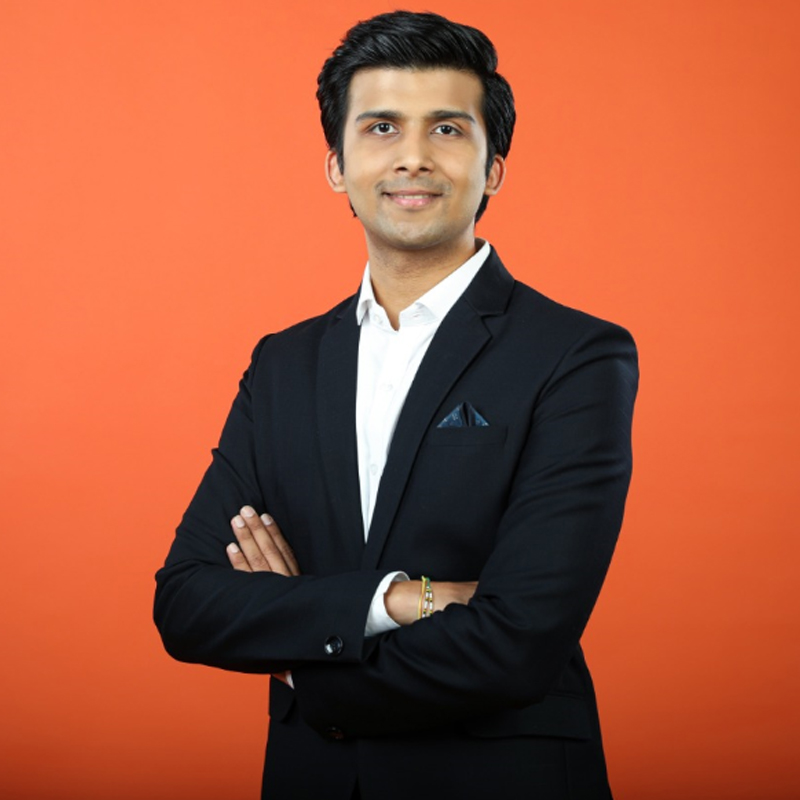
    MUMBAI: Giving back can sometimes be the best business move. Excellent Publicity, a leading ad-tech Saas agency, has launched a pro bono consultation initiative aimed at mentoring early-stage startups in India.

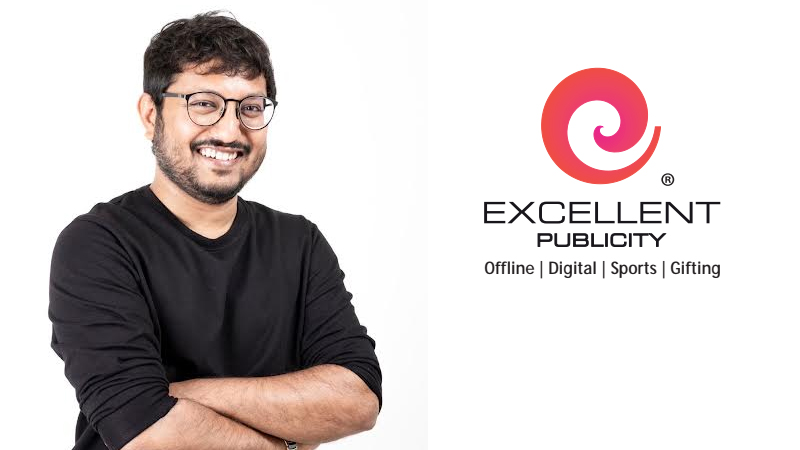
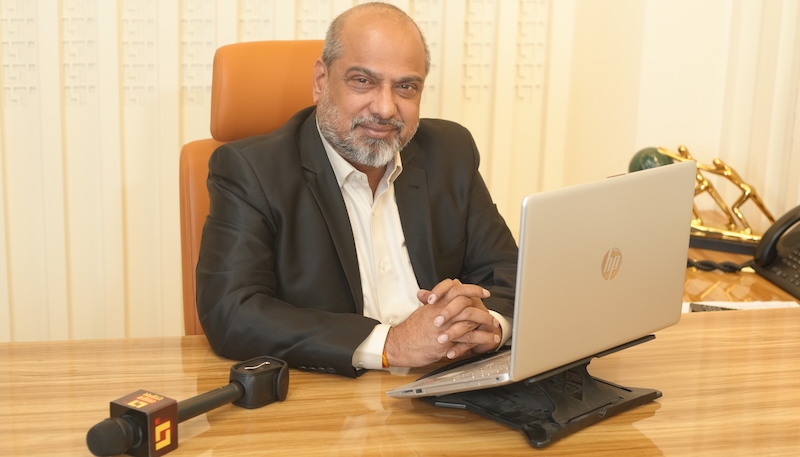
    The program targets ventures less than a year old or generating under Rs 1 crore in annual revenue, offering strategic one-on-one guidance on brand building, marketing, and growth. Co-founder Vaishal Dalal, who experienced the struggles of starting a business firsthand, will personally lead the sessions.

    “At the beginning of our own journey, we had no one to turn to,” Dalal said. “This program is our way of ensuring that new entrepreneurs don’t feel as alone as we once did.”

    Daily slots will be open for startups to register via Excellent Publicity’s website, with no obligations attached. The initiative aims to equip young businesses with the clarity, tools, and confidence to navigate a competitive market and reduce early-stage failures.

    “One entrepreneur finding their way forward can spark jobs, opportunities, and growth for many others,” Dalal added. “We want to create that ripple effect.”

    While currently planned as a one-time programme, Excellent Publicity may expand the initiative based on its impact, demonstrating a commitment to purpose-driven support for India’s entrepreneurial ecosystem.

  • Bihar turns centre stage as India News Manch 2025 fuels poll fire

    Bihar turns centre stage as India News Manch 2025 fuels poll fire

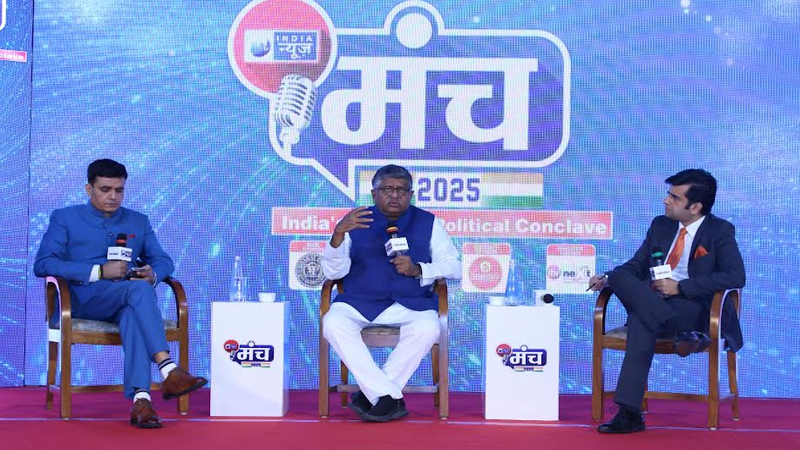
    MUMBAI: Democracy had its loudest drumroll in Patna as India News Manch 2025 lit up Hotel Maurya with a day-long spectacle of fiery speeches, charged debates, and political one-upmanship. Billed as Bihar’s grandest political conclave yet, the event didn’t just host discussions, it set the narrative for the state’s fiercely awaited 2025 assembly elections.

    From the opening mantrochchar by Pandit Dr. Ranjit Narayan Tiwari to the final curtain call, the conclave was a political marathon that gripped audiences both in Patna and nationwide. The dais was nothing short of a power parade: Deputy CMs Samrat Chaudhary and Vijay Kumar Sinha, veteran voices Ravi Shankar Prasad and Syed Shahnawaz Hussain, challenger-in-chief Tejashwi Yadav, strategist Prashant Kishor, and a chorus of leaders including Mukesh Sahani, Upendra Kushwaha, Ashok Choudhary, and Shambhavi Choudhary.

    Each session packed in headlines of its own. The debate titled “क्या PK का परचम लहराएगा?” turned into a spirited battle over Prashant Kishor’s political roadmap. The NDA vs INDIA clash lived up to its billing, with sparks flying as party representatives went head-to-head. And Sachchidanand Rai’s session, rooted in his IIT and industrialist background, struck a chord as he spotlighted youth, industry, and Bihar’s developmental trajectory.

    But the Manch wasn’t just politics, it was culture too. Bhojpuri stars Ritesh Pandey and Gunjan Singh brought the flavour of Bihar’s art and entertainment into the mix, reminding the audience that the state’s identity is as much about music and cinema as it is about manifestos and mandates.

    “This conclave shaped narratives and presented Bihar’s politics in its raw, unfiltered form,” said India News managing editor for input Rakesh Singh adding that Patna had never before seen such a convergence of power and ideology. Echoing this, Dr. Aishwarya Pandit Sharma, Founder of Itv Foundation, called it “a democratic celebration like no other,” emphasising how the conclave connected citizens directly with decision-makers.

    With India News Manch 2025 drawing over a dozen heavyweight leaders and thousands of engaged viewers, the conclave has firmly cemented Patna as the crucible of India’s electoral pulse, a place where not just Bihar’s, but the nation’s political future is being scripted.

  • “Indian broadcasters need to look at solutions not just products to get real value” – Ross Video’s David Ross

    “Indian broadcasters need to look at solutions not just products to get real value” – Ross Video’s David Ross

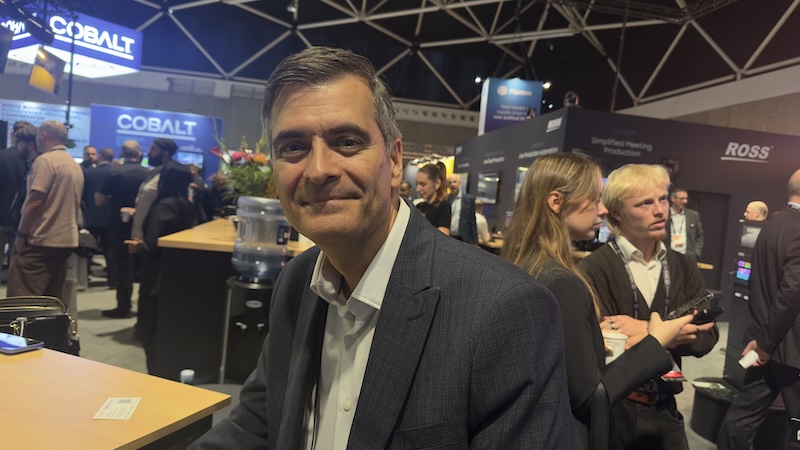
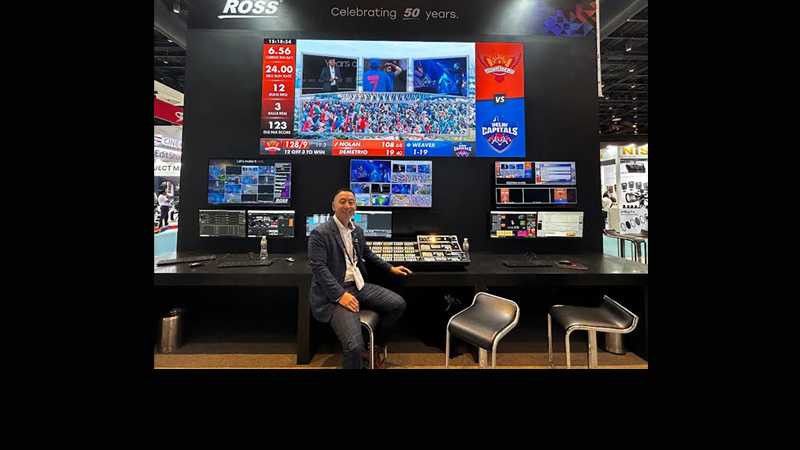
    At around 10 am on 12 September, long before the espresso machines hit their stride, Hall 8 of Amsterdam’s RAI convention centre throbbed with an unexpected chant: “Go Ross Go!” The source was not a marketing stunt but the chairman and chief executive himself. David Ross, head of Ontario-based Ross Video, stood shoulder-to-shoulder with his crew on the IBC show floor,  voice carrying across the cavernous hall. While rival executives do their glad-handing from glassy suites, David prefers to start the day in the trenches, rallying the troops like a regimental captain before battle.
    Engineering and enterprise run in his circuitry. He began programming at the age of nine, scooped up national engineering prizes as a teenager and left university with a computer-engineering degree heavy on business. Before joining the family firm in 1991 he cut his teeth at the CBC and Electrohome, fiddling with projectors and video-effects units. From product manager to head of R&D, then president in 2004 and chief executive two years later, his climb was brisk and unshowy at Ross Video.
    The numbers are anything but modest. Under his watch Ross Video has posted roughly 15 per cent compound growth every year since 1991—without a single downturn, recession or not. He owns more than four-fifths of the company yet has kept it employee-friendly, structuring it as an ESOP and keeping private equity at bay. The mantle of respect is heavy: an honorary doctorate from the University of Ottawa, fellowships from Canada’s Academy of Engineering and from the Society of Motion Picture and Television Engineers, and a trophy cabinet of industry awards.
    For all the laurels, David remains a kinetic learner. He trades ideas with fellow chiefs through TEC (Vistage in America) and gulps down management audiobooks while pounding out marathon miles. It is this mix of technical curiosity, fiscal discipline and boyish gusto that has made Ross Video one of broadcasting’s quiet powerhouses.
    When Indiantelevision.com founder and editor in chief Anil Wanvari caught up with him at IBC, the conversation roamed from the science of sustaining perpetual growth to the sheer pleasure of building kit that makes television sparkle—proof that the man leading the cheer is also the engineer behind the magic. Excerpts from the tete a tete:

    On what’s exciting him about IBC 2025.
    To start off we just bought a company. And we just had some fun with it. We are talking about, you know, peanut butter goes with jelly, movies go with popcorn and you know video goes with audio. So we bought Lama (Lean and Mean Audio) – a company that does audio entirely software-based in the cloud and on-prem. It’s quite a comprehensive feature set. It’s also got automix and things like that. They did 16,000 streams of audio for the Paris Olympics where they needed to match up commentators with crowd noise – and to have it automatically set up. They were doing hundreds and hundreds of them a day.  We are going to sell what we have and over time we are going to do more with it.

    On whether Ross Video’s acquisition streak is going to continue. 
    Lama was our twenty second acquisition. Acquisition number 23 is almost done. We can’t talk about that, But watch this space. We also do organic growth. If all we were going to do is grow through acquisition, we would not have 500 people in R&D like we do today. So that’s a major investment, especially when you consider that Ross Video is only about 1500 people. One in three are designing new products. And also considering we have our own manufacturing in-house. That  is a major commitment to new product development.  But we look at everything that is adjacent to- complimentary to – what we do. Everything has to connect with what we do in multiple ways.

    The first robot I actually bought was in house, and we bought it out. It was the Furio, which is on tracks. I did that around 2011 or so. It was a bit of a shock when I came back and said: “Stop everything. Let’s start building robots.” Then we did Cambotics three months later, and then we did an organic product, which was SkyDolly and and just last year, we launched Artimo, which was an organic product based upon acquisitions. So, how much is acquisition? How much is organic? It kind of gets all blurred after a while, because we’re doing brand new innovations, but because we are already in the market. Now we have that technology that we brought in house. You’re going to see the same sort of thing again, with Lama, you know, bringing in audio in house. Great. What’s next? That’ll be organic,

    On whether Ross Video will consider outsourcing production to cheaper locations such as India or China
    What we make in our industry is generally not interesting to make in India or China. They want to make a million of something. We make hundreds or thousands of something. Very, very complex products at lower volumes than the mass market. There’s a lot of enhancements and back and forth of R&D. It all makes sense to have all of that in-house. It might be more expensive for us to do the manufacturing in China as there’s a lot inefficiencies in working with an outside company and also it’s just not interesting to them. Our factories are designed to make studio robotics or routers or production switchers.
    On the product gaps in the company’s portfolio and how will Ross fill those.
    We’re already in broadcast, we’re in sports and live events, we’re in OB vans, we’re in mega churches, we’re in government, we’re in corporate, high end type production. We’re already in stadiums that’s actually our biggest market. What else can we do? I know there’s there’s other adjacencies. So I can’t quite tell you where our gaps are. You could say that we’ve got a great portfolio, and we can create some really great end-to-end solutions. I can also tell you that there’s 1000 companies that aren’t part of Ross; they do stuff that we don’t do. So you could say that we’ve got a thousand gaps. In other words, lots of opportunity in the future.

    On how long can the motivated and family like culture continue at Ross Video now that it is expanding aggressively.
    I think I enhanced it a little bit coming forward from what my father John had put in place. You know, there was a day when I had to move from the Iroquois in Canada  location, where we really started, and to Ottawa, an hour north. And not being in the factory, things started to go wrong, and culture started to change. And I’d hear stories about people not working well together and so on. That was only when we were around about 75 people, and I thought to myself  how are we going to get to 100 people and keep the culture? It’s already falling apart, so we sat down and wrote up the Ross Video code of ethics. We wrote down the Ross Video culture. We put it in everybody’s, you know, walls or their cubes and their offices, their home offices. We put it on the website. It sits on the doors of our meeting rooms. Here we live it. And when you do that, it’s a culture that can extend potentially indefinitely, because I’m already not in every location, but we’re able to bring people on. They understand what it is. We got a lot of people that live this culture and love it. And people who don’t match that culture, that don’t respect each other, that don’t help each other, that aren’t focused on customers, that sort of thing. They don’t last very long at Ross Video, sometimes they self-select and out they go. They just don’t fit. So how big can we go? I know, as big as you want.

    On how Ross Video deals  with a market like India where price plays a very important role in closing a deal and negotiations can be endless as compared to other countries.

    Well,  the thing is I am unaware of a major manufacturer of routers or production switchers or sports analysis tools or robotics out of India. We’re competing with the same players, for the most part, in India that we do with in the rest of the world. So really, the question is figuring out the right solution for the job and sharpening your pencil for India is but in the end, you know, it’s the same products. So I would love to be able to discount our products to 90 per cent but then it would be cheaper for us to just shovel money and not sell products, because we’d have been losing money on everything we sell.

    So, so from the point of view of price, I think India, like everybody else as well, does have certain minimum requirements for what they want. I mean, I was looking at a bid from Doordarshan just yesterday, actually,  “they didn’t just say we would need a production switcher. We want the lowest price.” They had, you know, a couple of dozen criteria the product. Before you can bid, you must have all of these high end features. And if you qualify for that, then we want to see the best price. So it’s not just a race to the bottom.

    These features are important to our customers in India like everywhere else, because they provide value. And I think what we need to start doing in India as well, like we have been doing everywhere else, that is not just talk about a product, its features and its price, but also the ecosystem and the solution that we provide.

    For example, you know, OverDrive works really well with our Carbonite production switchers. Carbonite production switchers work really well triggering XPression graphics. XPression graphics work really, really well with our with our weather system Raiden. Xpression workflows work really well with Voyager, which ties in sports analysis, which talk  to our instant replay systems and so forth. So you can see there’s a thread that goes through everything that we do that also has value. And I think if one of the things you have to have a conversation with locally is discuss the system that you want, the solution that you want, and not just bid for individual products. Because I think if India continues to just look at one product at a time, some features and a price, they’re missing out on unlocking real value and real savings in workflow and efficiencies.

    On whether Ross Video will consider serving the individual creator community at some stage.
    I’m going to say only at the highest end, yeah, one of the most important things when you have a company of any sort is the path to market. How are you going to be communicating with a market, and how are you going to service that market? Ross Video is very intentionally set up to have a close relationship with its customers. When somebody comes onto our booth in an exhibition, we know who they are, we know what they need. We understand their company, their needs. We often know the person, even have a relationship with that person, maybe over many years.

    When you’re talking about the creator community, and you say there’s a million creators out there, we can’t do that. That is a different type of a sale. It’s a sale where it’s about marketing, it’s about lead generation. It’s about no price negotiation. It’s about clicking and buying it on a website. We’re not set up for that. And also it’s about a larger mass market.

    And in the mass market as well is that’s where you have to build in millions at a very, very low price, very little customisation, if any. That’s not what we do either. We do more expensive products. That’s what our factory is set up to do. And we have, we would say, a more expensive but more intimate connection with our customers. When the creator community, you know, gets to a certain point, if you have one that’s making it, you know, has a lot of eyeballs, therefore making a lot of money, they want to transform from to a more professional look, and they want to create a studio, then we’re there for them. So we don’t need to move into the content creator business to be able to get to the billion dollars in revenue from the 500 million we have now, but to get to $2 billion in revenue, maybe, maybe that’s next. But right now, I think the way we want to leverage our customers and our brand and our go to market and our manufacturing capability and our design expertise, more so to be able to double the size of the company.

    On the role that AI is playing at Ross Video and in its products.
    AI is a really, really big topic. It’s everything like it’s interesting inside the company. You could say there’s inside, there is outside the products, and then there’s many types of AI as well. Inside the company, there’s AI everywhere. Pretty much everybody that wants chatgpt gets an enterprise copy of it inside of Ross video, so we’ve got like, 1000 copies of chatgpt running at any given time. We’re using it, developing our software. We’re using it developing our manuals. We’re using it to drive our website, our manuals. We’re using it writing our specifications, our market research, internal communications. We’re using it everywhere, and that’s on purpose, because I want to make sure that all of our employees, in all ways, become very, very familiar with AI and be able to get more ideas of how can it affect workflows and get that comfort.

    Now, inside of Ross Video, we have something called Ross Research Labs, and that is different and separate. Ross Research Labs is different and separate from all the product groups. So we got, you know, R and D team for production switches, another for routers, another for graphics, another for robots and so forth.

    Ross Research Labs is there for all of the different groups. So for example, recently, they were using AI to do player tracking for our Piero system, our sports analysis system, and be able to make sure that when one player goes through another player and comes out the other side, it doesn’t suddenly get identified as a new player. It can track them properly they had to go through we actually worked with universities to figure out the very best algorithms to be able to make player tracking work.

    We also take a look at the pitch, say for cricket or football or something like that, where we can look at that, and we can now use AI to calculate where the camera is that’s taking that image and what the zoom setting is on the lens and everything else, and understand where it is. The camera is in a three dimensional space, so we can overlay graphics with it. That was another thing that came out of Ross Research Labs.

    Another thing that we’re doing is Ross voice control. So this is speech to text, but we have examples of major broadcasters. I’ll say that that I’ve done hour long productions where the presenter is speaking, controlling the graphics, running maps and creating all these animations behind them. There is no one in the control room following this and pressing any buttons. It is all speech to text. That text goes into an engine that then drives through an API our products to be able to do the production. And when we did it, there was only one time that somebody had to reach in and press a button over a one hour or two hour production, which is just amazing, and it was running faster than  any human operator could could run in real time.

    There’s another thing that we’re just starting to work with as well, which we’re starting to do in stadiums where we’re doing closed captioning, basically, but for the big screen. So people who can’t hear that, or maybe the crowd is too loud they want to hear what a commentator said. We’re actually putting that up on the screen. We can also do it in real time. Translations. We’ve compared that to human translators, and we’re faster by like, five seconds, and more accurate as well. So that’s another use of AI that we’re starting to roll out, and that came out of some of our other R and D teams. There’s more going in that direction. The next side of things as well. Oh, of course, our Artimo, you know, has all sorts of facial tracking and body tracking and things like that for our cameras to be able to keep talent centered in a production quality way, but there’s more

  • The Sancy cuts a fine figure as Chandan Allen brings label home to India

    The Sancy cuts a fine figure as Chandan Allen brings label home to India

    MUMBAI: Fashion, when stitched with purpose, always fits better. Mumbai-born, California-based designer Chandan Allen has brought her ready-to-wear label The Sancy to India, unveiling a debut collection that reimagines accessible luxury through the lens of craftsmanship and cultural depth.

    Launched as a digital-first brand, The Sancy offers a curated range of tops, tailored bottoms, dresses, and jumpsuits designed for women who crave elegance without excess. Priced between Rs 3,500 and Rs 8,500, the collection positions itself firmly in the premium yet attainable bracket, balancing refinement with responsibility. Each garment is crafted in Allen’s Mumbai atelier using sustainable practices, turning everyday pieces into lasting wardrobe investments.

    Among the early favourites are the Teres Shift Dress, Linearis Shift Lace Dress, Encelia Wrap Skirt, and Carissa Printed Dress. With clean silhouettes, heritage-inspired detailing, and a muted colour palette, the line promises both versatility and timeless appeal.

    Allen’s own journey reads like a global design itinerary. Trained at Central Saint Martins in London, she honed her skills blending Indian handcraft with European precision. Years spent in Cape Town and California sharpened her eye for lifestyle-driven fashion, and in 2009 she set up Chandan Allen Designs Pvt. Ltd. in Mumbai. The Sancy, born out of this trajectory, is her answer to fast fashion’s fleetingness: garments built to last, imbued with artistry and meaning.

    “The Sancy is not just a fashion label, it’s a conversation between heritage and modernity,” Allen says. “My Indian roots anchor me in craft, while my global exposure sharpens the silhouettes. Together, it’s about creating pieces with longevity, not just seasonal appeal.”

    Currently available only through thesancy.com, the label will soon expand offline with a flagship Mumbai store, the first step in a larger retail rollout across India’s metros. The strategy mirrors the evolution of Indian fashion retail itself, where consumers increasingly seek story-driven, conscious luxury.

    With sustainability stitched into its seams and style woven into its fabric, The Sancy’s arrival signals that India’s fashion-forward needn’t choose between meaning and modernity, they can now wear both.

  • “News Must Serve People, Not Power: Credibility Is the True Currency of Journalism” — LiveTimes CEO  Dilip Singh

    “News Must Serve People, Not Power: Credibility Is the True Currency of Journalism” — LiveTimes CEO Dilip Singh

    MUMBAI: Dilip Singh is not your ordinary journo. With over 35 years in journalism and media leadership, Singh has consistently been ahead of the curve, embracing technology long before it became mainstream. From India’s first video magazines to the first private 24×7 satellite news channel, from building the country’s first private teleport to pioneering the head end in the sky  (HITS) for JainHits, Singh’s career has moved at a zippy pace. 
    Today, he is once again redefining news delivery with Live Times’ state-of-the-art multicast news hub in Noida—developed in collaboration with global tech giants to power LiveTimes, a digital First 24×7 satellite news channel across OTT, Fast, D2C, and new-age platforms.

    But Singh is not just a technocrat; he is a newsroom warrior. He has reported on terrorism, insurgencies, elections, parliamentary proceedings, and government affairs, all while building successful news organisations from the ground up. His stints at Mega Telelive and Jain TV cemented his reputation as a content architect and editorial leader before he struck out to create Live Times.

    At the heart of his legacy is an unwavering belief in journalistic integrity. Singh is vocal about “truth over TRP” and “public interest over vested interests,” pushing for meaningful debate, investigative journalism, and authentic storytelling in a media landscape often dominated by noise.

    Today, as Live Times expands its footprint from local to global, Dilip Singh says he remains a pioneer, a defender of truth, and a relentless innovator shaping the future of Indian news.

    Indiantelevision.com did an interaction with him to understand what’s keeping him and LiveTimes going on its first anniversary. Excerpts from the interaction.

    On how true democratization of news ensures diversity of voices, representation of real issues, and independence from political or corporate agendas,
    True democratisation of news means creating a space where every voice matters, not just those with power, money, or influence. It ensures that stories of ordinary citizens, marginalised communities, and real issues affecting the public take center stage. Independence from political or corporate agendas is the cornerstone of credibility—when newsrooms operate without fear or favor, they serve democracy in its purest form. Live Times is committed to this principle by giving equal representation and unbiased coverage, ensuring that news serves people, not power.

    On how Live Times is restoring trust through fact-based, unbiased journalism.
    In an age of sensationalism, Live Times has taken a strong stand for fact-based journalism. Our newsroom prioritizes verification over speed and accuracy over sensationalism. Every report goes through rigorous fact-checking before reaching the public. By consistently delivering unbiased news content, Live Times is rebuilding the trust that many feel traditional media has lost.

    On fighting misinformation and clickbait in the age of virality.
    Misinformation thrives in a world obsessed with speed and virality. Clickbait headlines may grab instant attention, but they erode trust over time. At Live Times, we have adopted a zero-tolerance policy toward fake news and misleading content. Every story is validated through multiple credible sources before publishing. We believe that while speed is important, responsibility is non-negotiable. Our editorial strategy focuses on depth, accuracy, and context rather than chasing meaningless trends.

    On how journalism is a responsibility to the public.
    Journalism is not just about breaking news; it’s a public service that comes with immense responsibility. Citizens rely on media for facts that shape their understanding of the world and influence critical decisions. Misreporting or bias can have severe consequences for society. Live Times views journalism as a duty to empower, not manipulate, the public. Our mission is to deliver news that informs, educates, and upholds democratic values, reaffirming journalism’s role as the fourth pillar of democracy.

    On sensationalism giving instant fame, while authenticity ensures lasting respect.
    Sensationalism is like a sugar rush—short-lived and damaging in the long run. While it may fetch quick ratings, it corrodes credibility. Authentic journalism, on the other hand, builds a foundation of trust and respect that endures. At Live Times, we choose authenticity over theatrics because we understand that citizens seek truth, not drama. Respect in journalism is earned through consistency, honesty, and transparency, and that’s the benchmark we aim to set.

    On balancing TRP and digital metrics with meaningful content.
    The pressure to chase TRP and engagement metrics often tempts newsrooms to prioritize sensational content over meaningful stories. Live Times refuses to compromise its core values for numbers. We believe that meaningful journalism can also drive engagement when delivered compellingly. By blending strong storytelling with factual accuracy, we ensure that our content resonates with viewers while maintaining editorial integrity. The goal is sustainable growth through credibility, not short-term spikes.

    On sensationalism vs credibility – How news channels can build credibility.
    Credibility cannot be manufactured overnight; it is earned over time through consistent honesty and transparency. News channels must make editorial integrity their north star, resisting the lure of sensational headlines for quick attention. Credibility is strengthened when journalists verify facts, acknowledge errors, and prioritize public interest over TRP games. Live Times leads by example, demonstrating that credibility and audience loyalty go hand in hand when trust is never compromised.

    On how clickbait journalism may bring short-lived attention, but credibility builds loyalty and brand.
    Clickbait may capture fleeting attention, but it undermines the very foundation of journalism—truth and integrity. Real journalism thrives on credibility because audiences rely on news not just for information, but for understanding and trust. Sensational headlines might drive quick clicks, but they erode confidence and damage the profession’s core purpose. Credibility, on the other hand, builds a loyal audience that values accuracy and depth over drama. In the long run, it’s not the loudest voice that prevails, but the most trusted one—and that is where responsible journalism creates lasting impact.

    On how Live Times is setting a benchmark in responsible journalism.
    Live Times prioritises truth over trends. We have built systems to fact-check rigorously, avoid unnecessary sensationalism, and provide context to every story. From investigative reports to citizen-centric coverage, our goal is to inform rather than inflame. By refusing to bow to political or commercial pressure, we are setting an example for the industry: credibility is the true currency of media, and we intend to preserve it.

  • We are firm believers that tools don’t build brands, stories do: Art-E Media’s Rohit Sakunia

    We are firm believers that tools don’t build brands, stories do: Art-E Media’s Rohit Sakunia

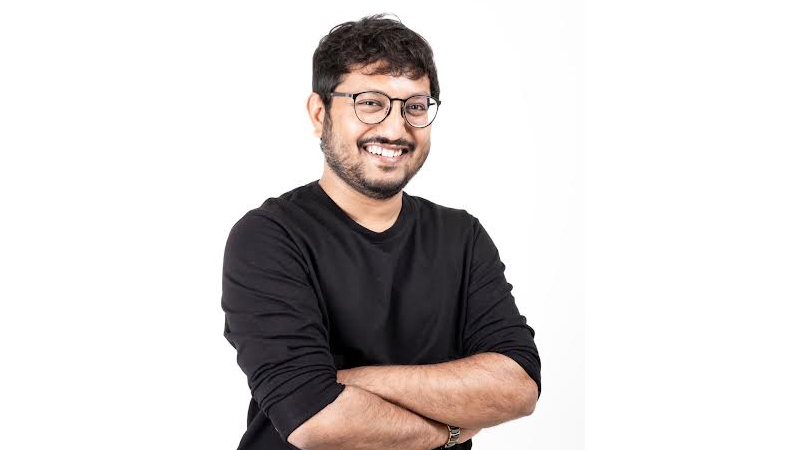
    MUMBAI: Fancy a tale of entrepreneurial derring-do? Look no further than Art-E Mediatech Private Ltd, better known as Art-E Media, a marketing and technology maven that burst onto the scene in 2018. What began as a mere septet of tech-savvy chaps toiling in a humble garage has, in a rather spiffing turn of events, mushroomed into a formidable force of over 150 bright sparks, affectionately dubbed “ArtEans”. With a footprint stretching from the bustling streets of Mumbai to the glittering towers of Dubai, via Delhi and Bangalore, this outfit isn’t just playing the game; it’s practically written the rulebook for full-stack marketing, creator content, and tech artistry.

    Over the years, Art-E Media has been canoodling with some rather grand names – the sort that make rivals green with envy. Think Google, Coursera, TCL, Sharp, Panasonic, Pantaloon, Ceat Tyres, Jubilant Foods, IndiaMART, Flipkart Seller Hub, Realme Smartphones, and even Hero.

    At the heart of this empire stands Rohit Sakunia, a chap who clearly doesn’t believe in modest ambitions. This whizz-kid not only birthed Art-E Media but also propelled it to a staggering $10 million in annual revenue within a mere four years. But wait, there’s more! He also cooked up INVIZ, which raked in a cool $1.5 million in its sophomore year. Running a tight ship, he’s overseen a crew of over 100, masterminding delivery, creative genius, and the nitty-gritty of business development. And if that wasn’t enough, he’s pumped out content that’s garnered millions of organic views, forging brand equity and building businesses like a true titan of industry.

    Indiantelevision.com’s Rohin Ramesh managed to corner this elusive guru. Expect the resulting interaction to be brimming with juicy details on new technologies, advanced tools, revenue generation, and a whole lot more that will undoubtedly make for a ripping good read.

    Edited excerpts

    On the inspiration behind the inception of Art-E Media

    Honestly, Art-E wasn’t born out of a grand plan. It started over endless coffees and late-night chats where we kept questioning why marketing was either too flashy or too clinical. Why couldn’t it be real? Human? Isn’t that a big question today too in this era of AI.

    For Tejender (my partner) and I, the idea was simple: build an agency where storytelling leads, and technology enables. Where marketing doesn’t feel like marketing. Where brands don’t chase trends but create their own narratives.

    Our vision was to keep it very personal. To be humble but create loads of impact. We always believed data will do the talking but we also didn’t let it kill or cull creativity.

    We have always said to the larger team too. That does not look very ahead of time. Look at the next campaign we are doing. And redefine it for your client. Our motto thus is one honest campaign at a time.

    On how your agency is integrating advanced technologies (e.g., AI, machine learning, big data) into marketing strategies to drive better outcomes

    At Art-E, we’ve always believed technology should simplify, not complicate. AI, machine learning, and data tools aren’t just buzzwords for us. They’re enablers to understand human behavior better and craft sharper stories. That’s what the planners in the team use it for too.

    Whether it’s using AI to predict consumer shifts, personalising content at scale, or leveraging data to decode what’s working and what’s just noise, we love blending tech with instinct. And we are extremely careful too. As I have mentioned above, creativity stays at the core, while technology plays the role of an amplifier. For us, the goal is simple, smarter marketing that feels human.

    On your perspective on emerging trends in marketing, including AI-powered tools and immersive technologies such as AR/VR

    Trends will keep coming. AI, AR, VR, all these are powerful no doubt but at Art-E, we stop a tad bit before getting very excited at something new.  First we use the same and check for ourselves whether it can actually solve a problem. If it does, then we jump in joy. Because now we know that it can tell a story better.

    AI-powered tools help us work smarter: We agree. AR/VR helps us build experiences that engage deeper this too. But the focus stays on why we’re using them, not just what we’re using.

    We are firm believers that tools don’t build brands, stories do. These tools at best are probably amazing paintbrushes. And we’ll use them wherever they help create something meaningful.

    On the evolving role of influencer marketing and the impact of technology on this space

    Influencers today are storytellers and not billboards. And we use them precisely that way. We use tech to find and fit a voice that will resonate for the brand and not just plain echo the communication. The problem happens when you try to use influencer marketing for selling. The idea is to connect. Because when the connection happens, the selling or the impact definitely follows.

    On strategies for building trust and fostering meaningful engagement with consumers in an increasingly digital world

    For me, trust isn’t built through fancy campaigns or viral content or even through the biggest brand ambassador. It’s built in those small, consistent, vital moments where brands choose honesty over hype.

    At Art-E, both Tejender and I and also our CEO Amit often tell our clients to stop marketing to people and start talking with them. Being more human. Being more transparent. We have said that saying no sometimes is ok and apologising is ok too. And on top of all this, listen more than you speak.

    For our clients we ensure realness stands out in the digital chaotic world. Our strategy? Keep it simple. Keep it honest. Keep it human. That’s how you build trust.

    On your plans for the future

    Our plan for the future is very simple. We just intend to stay restless. How can you rest in an era like this where tech is disrupting our business so often. So we intend to keep questioning the obvious and keep chasing stories that matter.

    We’re focusing more on blending content, commerce, and tech in ways that feel seamless. They don’t look forced. We are expanding into experiential and immersive spaces too, but again, only where it adds genuine value to the brand narrative.

    We love numbers. But the goal isn’t just growth in numbers. It’s growth in impact. To stay boutique in mindset, but global in our thinking. And to ensure every campaign we craft feels less like work and more like a conversation worth having.

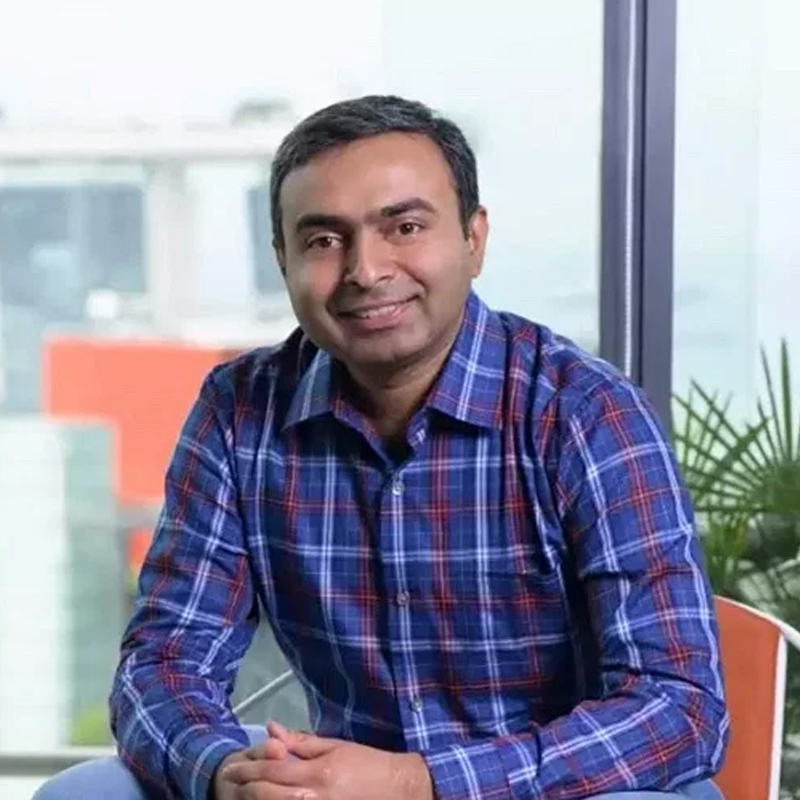
  • I don’t switch hats between data and creativity; I wear both: Excellent Publicity’s Vaishal Dalal

    I don’t switch hats between data and creativity; I wear both: Excellent Publicity’s Vaishal Dalal

    What began in 2011 as a scrappy gamble by two advertising outsiders, Vaishal Dalal and Manan Joshi, has today morphed into one of Ahmedabad’s loudest success stories. Excellent Publicity, once a fledgling agency with nothing but ambition, now clocks a turnover of Rs 100 crore+.

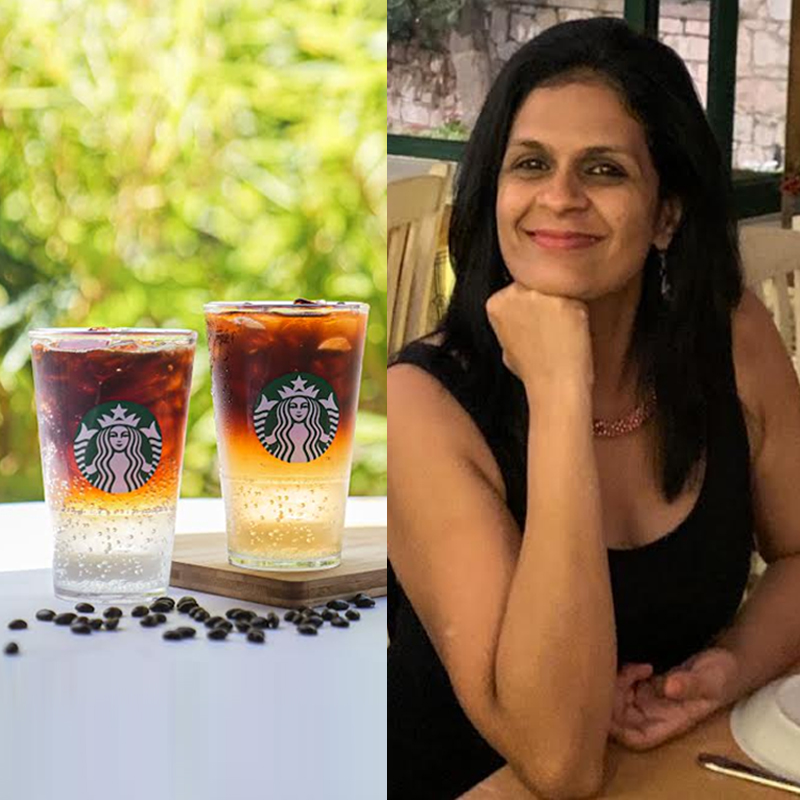
    In just 13 years, the company has evolved into a full-blown media-tech powerhouse, fusing human creativity with data-driven precision. Its client roster reads like a brand marketer’s fantasy league: Google, Amazon, Amul, Axis Bank, Starbucks, Flipkart and Asian Paints – 1,300 of them in FY 2024–25 alone.

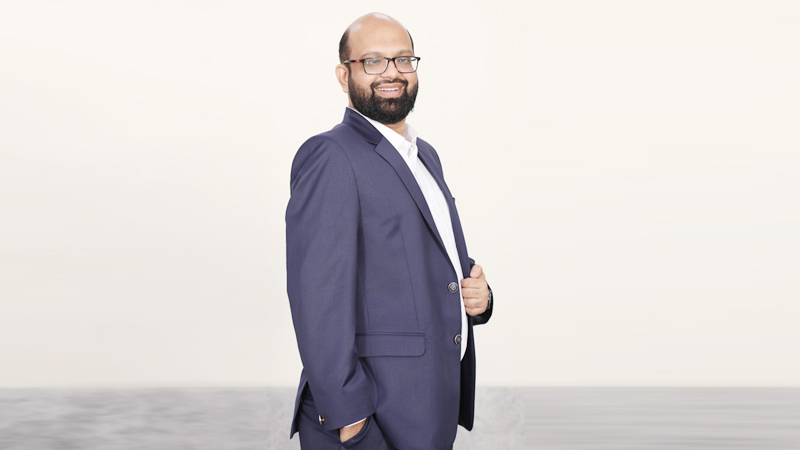
    At the helm is Vaishal Dalal, chairperson, co-founder and director, a chartered accountant who swapped balance sheets for brand battles and has been making bets ever since. As Excellent’s chief finance strategist and resident dealmaker, Dalal drives business development, crafts growth playbooks, and ensures every campaign is engineered for impact.

    His leadership has earned the firm a trophy cabinet of accolades, from the Gujarat Young Achievers Award and Mumbai City Icon Award to a coveted spot among India’s top 100 advertising and marketing agencies. Dalal himself was crowned with the Top 100 Great People Managers Award in 2023, proof that his knack for scaling brands is matched only by his ability to inspire teams.
    Indiantelevision.com’s Rohin Ramesh traded emails with Dalal, who pulled back the curtain on how Excellent Publicity went from scrappy start-up to Rs 100-crore+ media-tech agency and why the agency’s next big act might just be its boldest yet.

    Edited excerpts

    On your “microwave moment” when you realised media was your true main course

    The turning point came not with numbers or funding, but with obsession. The first idea was building a platform from which people could book tables at restaurants, but that was just an idea. My goal was to solve an issue people were facing, and my initial idea gave me the process of building its narrative, the name, logo, and launch campaign stirred something deeper. I found myself more engrossed in building something no one would have even thought of. And that’s when I came up with the idea of “on wheels”.

    To give the idea a push, I started a magazine where we wrote and designed everything ourselves and even built shelves inside auto-rickshaws for travelers to read during their rides. But instead of the magazine, people were more drawn to the advertisements on the outside of the autos. That unexpected insight gave us our opening; this was where the idea of transit advertising was born.

    The curiosity around how billboard branding works had always been there, and this experience made it clear: branding wasn’t just an accessory, it was the engine. And the media wasn’t just a service, it was a platform for impact.

    That realisation led to the foundation of Excellent Publicity, a media aggregator that aimed to declutter the space of offline media buying and planning. Eventually, we evolved into building an AI-integrated ad-tech platform that helps brands execute advertising globally, both offline and digital, with simplicity and scale.

    On the name Excellent Publicity coming from

    It came from intent. The name “Excellent Publicity” was chosen not just as a label, but as a promise, to ourselves and to every client we would eventually work with. It had to be aspirational but also grounded. No jargon, no fluff, just a clear message: we deliver nothing less than excellent. It became both our identity and our benchmark. Every campaign we executed, every feature we added to our AI platform, was a step toward making that promise real.

    On the motivation of going forward when the bank balance said “LOL”

    What kept us going was belief, not just in the vision, but in our ability to figure things out, even if it meant failing forward. We had no Plan B. We didn’t have funding or a fallback. So when the bank balance mocked us, we responded with action: cold emails, late-night research, and experiments that eventually paid off. Every inch of progress was hard-earned, which made it meaningful. Today, when clients across 23+ countries trust our platform to book their campaigns, it’s a reminder of what persistence can build.

    On what is more tough, filing ITRs or convincing a legacy client to try programmatic?

    Convincing a legacy client, without doubt. Numbers are predictable. People, not so much. Especially when they’ve done things a certain way for decades. But we saw this as an opportunity, not a challenge, to educate and progress. Our platform and the team made it easier. When clients could receive live media inventory, real-time pricing, and cross-platform insights, all at the click of a button, it wasn’t just convincing, it was converting.

    On you being  India’s “Prompt Whisperer” for marketers who don’t know their LLMs from their LCDs

    We’re not trying to be whisperers; we’re translators. At Excellent Publicity, we’ve built a platform that speaks business, not just code. Whether you’re a startup founder in Bangalore or a brand manager in Berlin, our platform eliminates the tech intimidation. You don’t need to know how an LLM works; you just need to know your audience. The AI handles the rest: inventory, targeting, media planning, and campaign booking. You click. It calculates. It’s advertising without the guesswork.

    On balancing spreadsheets with storyboards, and P&Ls with punchlines

    The secret is in integration, not balance. I don’t switch hats between data and creativity; I wear both. My finance background taught me discipline; advertising taught me intuition. One feeds logic into the system, the other breathes life into it. Whether we’re building a strategy for Burger King or defining media budgets for a fintech brand, the goal is always the same: maximize ROI while staying memorable.

    On challenges of building an adtech beast out of Ahmedabad

    It’s liberating. Not being in the conventional advertising hubs meant we were free from the pressure to conform. We built for need, not for noise. We understood Tier 2 and Tier 3 markets deeply, and now, through our AI-integrated platform, we’re scaling globally. A business in New York can launch a campaign in Mumbai within minutes, without picking up the phone. That’s our real flex, location never limited our ambition. And since having presence in Mumbai, Delhi, Pune, and Surat along with the UAE, we understand the local and global markets thoroughly, which helps us simplify advertising for brands globally.

    On your secret to win trust across such wildly different verticals

    It starts with listening. Every brand, whether legacy or startup, wants clarity, speed, and results. We bring that with our hybrid approach, human insight powered by AI logic. Our platform doesn’t generalize; it personalizes. Whether it’s Amul’s mass appeal or CoinDCX’s niche strategy, we’re able to adapt the media mix with precision and speed. That flexibility, backed by trust, is what keeps them coming back.

    On one thing AI still can’t do that your team nails every time

    Empathy. AI can process data, predict behavior, and even draft copy, but can’t feel it. It can’t understand cultural nuance, emotional context, or the layered meaning behind a regional campaign. My team can. Whether it’s deciding what billboard location is best in Baroda for a brand or designing a strategy that can appeal to the locals in Dubai, the human pulse is irreplaceable. AI is our engine, but people are the soul.

  • From Dubai to Saudi: One founder’s big desert bet

    From Dubai to Saudi: One founder’s big desert bet

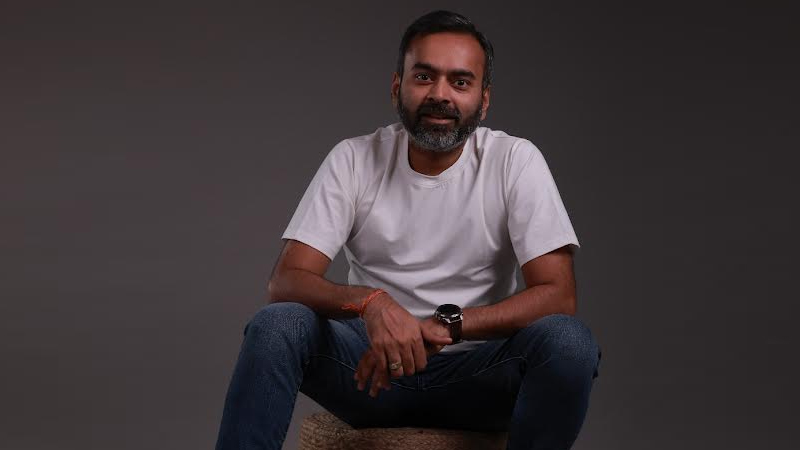
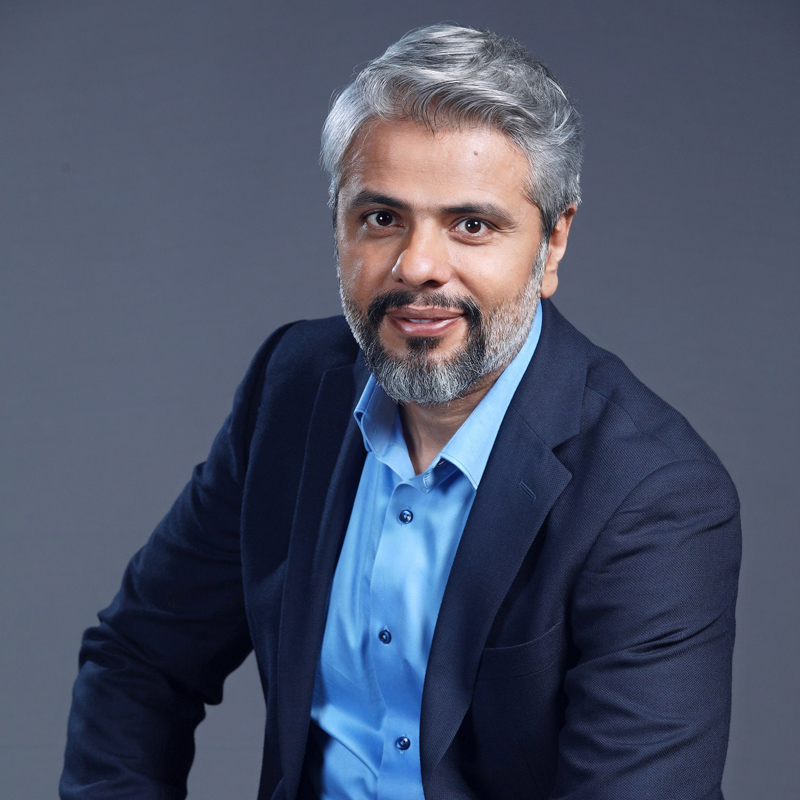
    MUMBAI: After years riding Dubai’s growth wave, Balu Nayar, the man behind several billion-dollar businesses, is betting big on the Middle East’s next blockbuster: Saudi Arabia. And he’s doing more than cheering from the sidelines—he’s launching AraIndica, a venture platform built to plug Indian innovation into the Kingdom’s transformation story.

    “Saudi Arabia is the next in line for transformation—and a much larger economy,” says Nayar, pointing to stats that read like an investor’s dream:

    ●    $26 billion FDI in 2023, up 91 per cent year-on-year

    ●    Mega projects like Neom and Jeddah Central pumping in billions and promising thousands of jobs

    ●    Tourism up 73 per cent, VC funding leading MENA, and green energy powering toward 60 GW

    ●    A leap to 13th place on the 2025 A.T. Kearney FDI Confidence Index

    But Nayar isn’t launching yet another consultancy. “We’re not consultants. We’re builders. We have skin in the game,” he says. AraIndica’s approach is rigorous, selective, and unapologetically blunt.

    First up is market fit diagnostics. No flattery if your business doesn’t align with Saudi needs, you’ll hear a hard “no”. The platform vets Indian ventures against Saudi mega-projects, digitalisation goals, and local demand realities.

    Then comes strategic localisation, which is a regulatory fast-tracking, partner matchmaking, and investor-ready positioning tailored for Saudi dynamics. AraIndica even grooms founders on etiquette and investor psychology before hosting high-stakes roadshows.

    Post-entry, AraIndica sticks around—hiring local talent, ensuring Nitaqat compliance, and establishing advisory boards to guide long-term growth.

    With Saudi’s Vision 2030 eyeing non-oil sectors like healthcare, agri-tech, education, and green energy, Nayar says the time is ripe—but tricky. “Market entry isn’t easy. You need deep local expertise and real relationships,” he adds.

    AraIndica is out to fill that gap, with hard-earned wisdom, not PowerPoint theory. “We know what it’s like to make mistakes and still scale. That’s the edge we bring,” Nayar says.

    The bottom line is AraIndica isn’t selling maps to Saudi Arabia’s gold rush, it’s laying the roads brick by brick.

    (If you are an Anime fan and love Anime like Demon Slayer, Spy X Family, Hunter X Hunter, Tokyo Revengers, Dan Da Dan and Slime, Buy your favourite Anime merchandise on AnimeOriginals.com.)

  • “We have invested more than $500 million dollars in sport over the past 15 years, and this is apart from rights acquisition costs” – Sanjog Gupta

    “We have invested more than $500 million dollars in sport over the past 15 years, and this is apart from rights acquisition costs” – Sanjog Gupta

    Sanjog Gupta, the man steering live experiences and the sports juggernaut at JioStar, finds himself squarely in the spotlight. Fresh off helming the eighteenth edition of the IPL — a relentless, high-octane ride that shattered records in viewership, fan engagement, and tech wizardry — Gupta is already plotting the next innings.
    In a crackling fireside chat with MPA’s Vivek Couto at APOS in Bali this morning, the sharp-suited sports boss laid out JioStar’s grand vision: why giving away the IPL for free wasn’t madness but method, how technology is rewriting the fan playbook, and why the network isn’t just broadcasting sport — it’s reinventing it.

    Here’s the man behind the masterstroke, unfiltered and in full flow.

    On IPL 2025’s impact on Indian sports
    India’s growing influence in sport is nothing but a reflection of India’s growing significance on the global stage, driven by a strong consumption-oriented economy. This IPL, not only have we reached a billion viewers across platforms, we have also managed to make this IPL the most monetised edition of the event and also the most monetised sporting event ever in India across advertising and subscription revenue.

     On what Star and JioStar have invested in sport
    Over the last decade and a half, Star and now JioStar has actually been the biggest private investor in Indian sport and in Indian media and entertainment. Largely with the mission to build what we believe can be a media and entertainment economy, but more than that, a media consumption economy, which is much larger in scale to anything that could have been imagined. While numbers around acquisition prices for sports rights tend to be thrown around a lot, what at times gets missed is the sheer investment that a network such as ours has made to grow those properties by way of marketing, by way of production, by way of investment in technology and that over the last decade and a half exceeds 500 million dollars. That is outside of what we paid for the acquisition of rights.
     
    On sport fuelling the wider JioStar network
    We believe sports serves as a recruitment funnel to bring in viewers and fans at scale, who then can be taken on a journey on a platform which could entail a live event, a Hindi entertainment show, or it could entail one of our new originals which is marketed on the back of a big sporting event and a recent example of that is the returning season of Criminal Justice which benefited significantly by launching in the last week of IPL.”

    On the freemium IPL strategy and changing viewer habits
    Our mission wasn’t to incrementally change the landscape, it was to completely shift the way consumers perceive paying for content and also over a period of time, attribute value to the entertainment needs they have. The subscribers are on the platform and not just on IPL and it started with an interesting hybrid subscription strategy, which allowed everyone to come onto the platform free. So it’s not pay at the gate, we’re not trying to keep people out and having them pay before they can consume. The model is based on real life example of how you shop, which is you go into a mall or a store, you sample enough and more of what you may want to look at and then choose to pay for deeper engagement, which in that case is purchase of an item.

    On whether cricket will remain the network’s sole focus
    We don’t want to be a single content or be known for a single content genre and that applies to sport as well. We have looked to grow English Premier League significantly over the last five years. In fact, over the last five years the viewership for English Premier League across our platforms has grown almost three and a half X (3.5x). Largely on the back of localisation efforts where we’ve taken Premier League deeper into the Indian sports ecosystem than ever before by producing it in languages meant for regions which have affinity for football. At the other end of the spectrum, you have a sport like kabaddi which is a sport that goes back thousands of years and is a part of India’s history but also it’s a part of India’s recreation where kids grow up playing it as a game. We’ve professionalized it and continue to invest in it to build it as India’s second most favorite sport. It already is the second biggest league in the country but but our objective with it is for the sport itself to grow and become a year-long proposition instead of being a two to three-month league.

    On building hyper-personalised sports journeys
    Our premise around sport is don’t look to serve many fans as one but look to serve almost each fan as many and what that means is every fan at different points of time and on different devices and in different modes of consumption will consume your content differently. So can you create infinite hyper-personalized journeys for each and every fan instead of serving one streaming experience to all and that’s the core tenet of the platform.”

    (If you are an Anime fan and love Anime like Demon Slayer, Spy X Family, Hunter X Hunter, Tokyo Revengers, Dan Da Dan and Slime, Buy your favourite Anime merchandise on AnimeOriginals.com.)

  • “Increasingly Indian brands are recognising that embracing the LGBT community has to be an ongoing process” – Insight Cosmetics Mihir Jain

    “Increasingly Indian brands are recognising that embracing the LGBT community has to be an ongoing process” – Insight Cosmetics Mihir Jain

    June is Pride Month – a time when rainbows pop up across corporate India, from brand logos to Instagram grids. But behind the hashtags and the colourful symbolism, a tougher question lurks: is this genuine progress or just another seasonal PR parade?

    Over the years, India Inc. has inched forward in recognising sexual diversity. But is it truly embracing the LGBTQIA+ community, or simply ticking the inclusion box for 30 days a year? To explore this, Indiantelevision.com turned to leaders in the advertising and marketing fraternity.

    The result? A split screen. Some argue meaningful strides have been made; others insist we’re barely past square one.

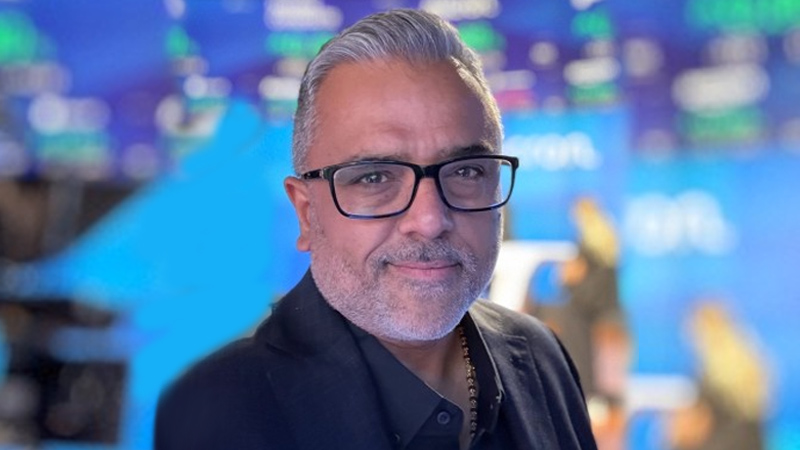
    In the first of two interviews in our Executive Dossier series, Rohin Ramesh sits down with Mihir Jain, sales and marketing director at Insight Cosmetics — a homegrown beauty brand that belongs to the first category who points out that a lot of progress has been made. He believes Pride isn’t a campaign, but a compass. For Jain, inclusion runs through everything: who gets cast in ad films, how transgender and non-binary employees are supported at work, and what it means to be truly representative in an industry long dominated by narrow norms.

    He also unpacks how shifts in law — from the Transgender Persons (Protection of Rights) Act, 2019, to the Supreme Court’s evolving take on queer partnerships — are nudging brands to think broader and better.

    Is Indian marketing still stuck in a heteronormative bubble? Is LGBTQIA+ storytelling breaking into Tier II and III markets? And what do Gen Z and Alpha really expect from brand narratives?

    For companies like Insight, Pride isn’t just a parade — it’s a promise.

    Excerpts from the conversation follow.

    On brands evolving from symbolic gestures during pride month to sustained representation in product design, hiring policies, partnerships and campaigns that sparked conversation vs those that felt like rainbow-washing.

    The evolution of Pride marketing has shifted from token gestures to more deliberate, long-term inclusion strategies. Brands are increasingly embedding LGBTQIA+ representation into product design, hiring policies, and year-round collaborations. At Insight Cosmetics, we’re taking conscious steps in that direction by collaborating with LGBTQIA+ influencers and gradually opening our platform to ensure everyone feels seen. The distinction lies in consistency; representation must extend beyond a single month and into the everyday DNA of the brand. Activations that really ring true are those that stem from authenticity, not perceived as “rainbow-washing.” In order to really make a difference, though, inclusion must be an enduring and considered brand commitment.

    On creative, PR, and digital agencies working to ensure LGBTQ+ stories are told authentically, with lived experience and not just layered filters.

    Ad agencies, PR agencies, and digital agencies are becoming the go-to facilitators of authentic LGBTQIA+ narratives. The shift these days is towards co-creation alongside the community, not for them. Lived experience narratives have emotional depth and cultural richness that cannot be matched by any design filter. At Insight Cosmetics, we ensure our partnerships with LGBTQIA+ creators are real, respectful, and rooted in their own stories, not just filtered narratives. This model of partnership values unique voices without losing sincerity and inclusivity in content. In this way, agencies and brands collectively drive storytelling that captures the actual diversity and authenticity of queer experience.

    On Indian brands showing up for the queer community throughout the year, or only when it trends.

    Although Pride month tends to be a catalyst for visibility, true inclusion cannot be time-sensitive. More and more Indian brands increasingly understand that embracing the queer community has to be an ongoing process. At Insight Cosmetics, we’re working to make our platform inclusive throughout the year  not just when it trends, but as a continuous commitment. At every level of partnership to policy formation within our organization, we labor throughout the year to make representation a core value. The goal is to make LGBTQIA+ visibility the norm in brand space, not only when it’s trendy, but as a continuous commitment to values and advocacy of diversity.

    On the data about LGBTQ+ inclusion driving brand loyalty, especially among Gen Z and millennial consumers.

    Today’s consumers, especially Gen Z and millennials, expect brands to take a strong position on inclusion. Numbers show that this segment compensates brands that express a genuine commitment to LGBTQIA+ rights with more engagement and loyalty. Performative action is readily called out and dissected. At Insight Cosmetics, we see this reflected in how engaged and supportive our audience is when we partner with LGBTQIA+ creators in meaningful ways. These collaborations not only validate our values but also enhance customer trust. Inclusion is no longer a choice for brands; it is a key driver of loyalty and relevance for a socially conscious consumer marketplace.

    On brands showing solidarity without falling into legal or cultural backlash traps, given the legal grey areas around same-sex marriage in India.

    In a litigious landscape where homosexual marriage is still a gray area, brands have to walk with courage and cultural care. The discourse has to be on validating identities, not commodifying stories. At Insight Cosmetics, we aim to create a safe, inclusive space through representation and collaboration, while being mindful of cultural context and the lived realities of the LGBTQIA+ community. By keeping an eye on lived experience and avoiding tokenism, brands can demonstrate authenticity.

    On facilities being provided within the organisation for cross dressers and transgenders and lesbian, for instance transgender toilets.

    Workplace inclusivity begins with transparent and inclusive hiring processes. At Insight Cosmetics, we’re committed to building a safe and inclusive work environment for all individuals, regardless of gender identity or sexual orientation. Our hiring is open and welcoming to transgender, non-binary, and LGBTQIA+ individuals.

    On brands ensuring they’re not misrepresenting queer identities in Tier II and Tier III towns, since majority LGBTQIA+ marketing in India remain urban-centric.

    It’s true that a lot of LGBTQIA+ marketing in India focuses on urban audiences. To avoid alienating or misrepresenting queer identities in Tier II and III towns, brands need to engage with local voices, use relatable storytelling, and avoid stereotypes. At Insight Cosmetics, we’re mindful of representation across geographies and are working toward more inclusive content that resonates beyond metros, while staying respectful of different lived experiences.

    On the representation of the LGBT community in ad films being around their sexual preferences or as stereotypes only.

    While earlier ad films often reduced LGBTQIA+ representation to stereotypes, spoofs, or tokenism, we’re now seeing a welcome shift. More brands are portraying queer individuals as real people with full identities, beyond just their sexual orientation. At Insight Cosmetics, we believe in telling authentic, respectful stories where everyone is seen as human first, not as a label or trend.

    On marketers rethinking the idea of the ‘Indian family’ in their narratives, post the 2022 Supreme Court ruling recognising cohabiting same-sex couples.

    The 2022 Supreme Court ruling was a landmark moment, encouraging marketers to slowly expand their definition of the ‘Indian family.’ While the heteronormative lens remains dominant, we are seeing more brands beginning to embrace diverse family structures in their narratives reflecting evolving social realities and the importance of inclusivity.

    On the LGBT market being a big enough market in India to be targeted for products specially designed for them.

    The LGBTQIA+ community in India is a growing and influential market, with increasing visibility and purchasing power. While many products are designed to be inclusive for all, there is potential for offerings tailored to specific needs like gender-neutral cosmetics, skincare for diverse skin types, and products that celebrate individuality. At Insight Cosmetics, we focus on creating versatile products that resonate with everyone, including the LGBTQIA+ community.

    On where the right attitude towards the LGBTQ+ community in an organisation truly begins — leadership, middle management, or peers.

    The right attitude towards the LGBTQIA+ community begins at the leadership level, as inclusive values need to be modeled from the top down. That said, middle management and peers play a crucial role in carrying those values into day-to-day interactions and creating a truly supportive environment.

    On your plans for pride month

    For pride month, we’re excited to do an Instagram influencer campaign featuring a prominent gay influencer. He will be doing a get ready with me video showcase makeup skills and sharing his personal journey of coming out and navigating societal challenges. Through this authentic storytelling, we aim to celebrate individuality and foster greater acceptance.