Category: DTH

  • PEMRA raids DTH & cable operators showing Indian content

    MUMBAI: A PEMRA team has seized illegal hardware and apparatus of DTH and Cline cable network from various electronics shops in Silanwali (Sargodha), Pakistan, and raided DTH re-broadcasters and viewers who are watching or distributing Indian TV channels.

    Pakistan Electronic Media Regulatory Authority assistant general manager Malik Qasim Nawaz said the government had banned foreign channels and dish antenna, the News International reported. Nawaz added that the raids would continue and action would be taken against electronic shops and cable operators for allegedly violating government policies.

    The Sindh High Court earlier vacated its interim order regarding suspension of PEMRA’s ban on Amir Liaquat Hussain’s private TV programme and directed that PEMRA’s order would shall remain in force as per the apex court directive. PEMRA had submitted that it had received hundreds of complaints against the petitioner anchorperson for virulent hate speech during the period — 2 January to 24.

    A senior lawyer of the apex court earlier refused to further represent the Sindh provincial government in a case pertaining to the appointment of advisers for the chief minister Murad Ali Shah.

    Former attorney general Makhdom Ali Khan who was representing the province in the instant matter in private capacity recused himself in view of the Supreme Court verdict taking exception to the practice of federal and provincial departments of hiring services of private lawyers in various cases and paying hefty sums from the national exchequer as their fees.

    Also Read-

    PEMRA announces DTH licence bidders; Indian DTH eviction to continue

    Cancel DTH licence auction, cable operators urge PEMRA

    “Let India open its market, we will open ours” – PEMRA chairman Absar Alam

  • Dish TV & ALi tie up – chipset tech vital for secure VAS, enriched viewing

    MUMBAI: India’s largest DTH operator Dish TV is tying up with ALi Corporation, a STB (set-top box) manufacturer, for launching its Liberty project.

    Also, ALi Corporation is integrating Conax robust cardless security client into HEVC series system on chip (SoC) family, expanding operator STB offering, which is aimed at emerging markets such as India, LatAm, APAC and Africa. The ALi HEVC family includes SoCs for Satellite, Cable and IPTV decoders.

    ALi’s project with Dish TV would be based on its system-on-a-chip technology to offer next-gen security, performance and flexibility while being cost-efficient needed for India. The aim of the project is to provide VAS to expand Dish TV’s market share, hike revenue and enhance user experience. ALi and Dish TV will launch the Liberty project to accelerate convergence and target future expansion opportunities. The Liberty project is based on ALi Corp.’s cutting-edge and sophisticated SoC technology.

    India is the largest DTH market in the world based on the number of subscribers. According to statistic reports in 2016, subscribers reached approximately 65 million in India. Since the introduction of the DTH service in 2003 by Dish TV, the market has experienced exponential growth through multiple digitalisation phases.

    Throughout Phase 1 and Phase 2, four metropolitan areas of Delhi, Mumbai, Chennai and Kolkata had gone digital in 2012. In Phase 3, most of the urban areas in India had gone digital and completed ASO (Analogue Switch-Off) process. As Phase 4 is around the corner, the operators are looking forward to the opportunity targeting at the households in rural areas and thus the whole country will be digitalised. For operators to stay ahead of the game, chipset technology plays a significant role in their capability to supply value-added yet secured services that will help them establish a wider subscriber base by offering enriched viewing experience.

    “Dish TV serves over 14 million subscribers by 2016, leading the Indian DTH market,” said Dish TV COO VK Gupta. “To maintain our market leadership and prepare for future opportunities, we implemented ALi Corp.’s SoC solution to launch the Liberty project, which will improve our DTH operations. ALi Corp. has the expertise to help us provide whatever it takes to realise the true spirit of the Liberty project.

    “Ranked among the world’s top 3 with a good chance to be further boosted amid the industry reshuffle, ALi Corp. has a proven track record in delivering high-performing and competitive STB chipset solutions,” said ALi Corp COO Tony Chang. “The Dish TV deployment of ALi Corp. SoC platforms further signifies recognition on our global achievements in helping partners go through ASO and digitalisation processes. We are confident to offer innovative and revolutionary features and services to Indian views and we will fully support Dish TV in their expansion,” Chang added.

    DTH satellite pay-TV sector in India is a growth-oriented industry. Media Partners Asia had forecast it will generate revenues of US$ 4.04 billion by 2018 and US$ 5.6 billion by 2023 in the country. The DTH active subscribers may increase to 60 million by 2018 and 70 million by 2023. This means a 39 per cent share of the overall market by ’23 and a 56 per cent of the digital pay-TV market.

  • DTH STBs: Interoperability to be ensured with MeiTY & BIS help

    NEW DELHI: The information and broadcasting ministry has decided to refer to the electronics and information technology ministry and the Bureau of Indian Standards the issue of ensuring interoperability of set-top boxes for the direct to home industry.

    Minister of State for I and B Rajyavardhan Rathore told the Parliament that the Telecom Regulatory Authority of India (TRAI) had on 23 July 2014 recommended replacement of license condition at clause 7.1 of the existing DTH guidelines.

    The clause stipulates that “The Open Architecture (Non-proprietary) Set Top Box (STB), which will ensure technical compatibility and effective interoperability among different DTH service providers shall have such specifications as laid down by the Government from time to time” and TRAI in its recommendations on “Issues relating to New DTH Licenses” wanted the clause to read: “The STB offered by a DTH service provider shall have such specifications as laid down by the BIS from time to time.”

    TRAI further recommended that BIS should come out with updated specifications for STBs from time to time and while doing so, BIS shall consult TRAI and that the license conditions should mandate the licensee to comply with the tariff order/scheme prescribed by TRAI for commercial interoperability.

    As reported in mid-December 2016, the Bureau of Indian Standards (BIS) had failed to come out with specifications with regard to interoperability of STBs (set-top boxes) meant for DTH (direct-to-home) platforms.

    An information and broadcasting ministry source was answering a question by indiantelevision.com in response to a reply in the Parliament.

    The minister had said the ministry had accepted recommendations of the Telecom Regulatory Authority of India (TRAI) that it should work with the BIS and the Department of Electronics and IT to ensure such set-top boxes.

    Also Read:

    http://www.indiantelevision.com/dth/dth-services/no-bis-specification-yet-for-interoperable-dth-boxes-161210

    http://www.indiantelevision.com/specials/year-enders/the-growth-of-dth-in-india-170116

  • Somani to lead Shemaroo’s DTH business

    Somani to lead Shemaroo’s DTH business

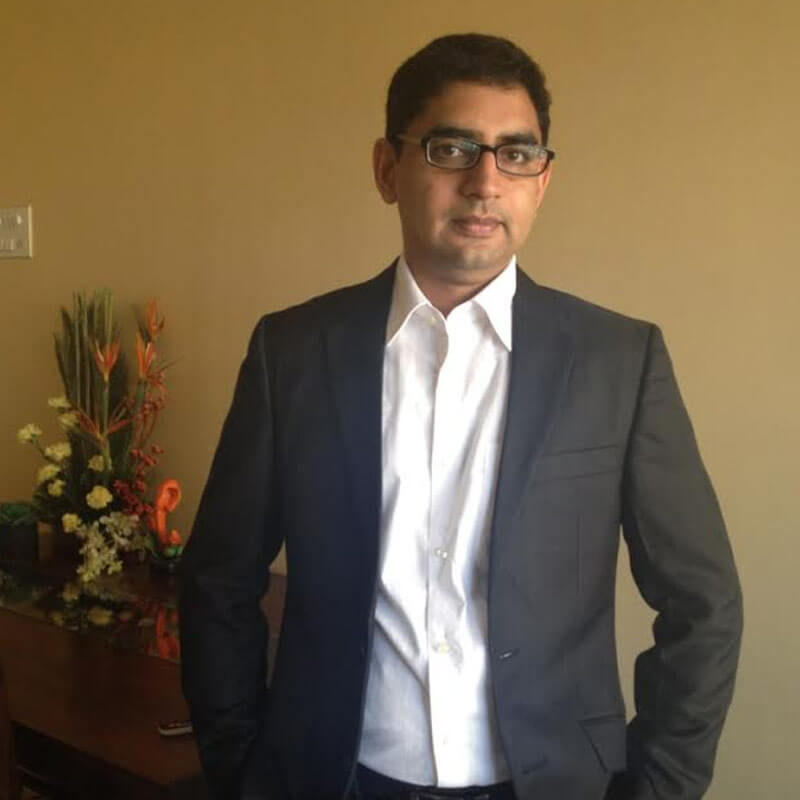
    MUMBAI: Shemaroo Entertainment Ltd, one of the leading content houses appoints Subhash Somani to head DTH business for the company. Prior to joining Shemaroo Entertainment Ltd, he was working for Videocon d2h as Senior Manager – Content. In Shemaroo Entertainment, he will be responsible for driving the scale of business to next level. He will be primarily looking into Content Strategy, Business Development & Revenue. Also, he will lead & manage strategic partnerships with broadcasters/studios and will be playing key role in new initiatives & launches.

    Somani has over seven years of experience in diverse roles in Media & Entertainment sector. In his last tenure with Videocon d2h, he was primarily involved in content acquisition and launch of new value added services (VAS) for d2h platform.

    Shemaroo director Hiren Gada said “Subhash is a part of the DTH industry since its nascent stage and has deep understanding of the market. With an addition of new perspective and experience in the team, we believe, we will be able to leverage the platform to the fullest.”

    Somani shared his thoughts, “Now when Shemaroo is expanding its DTH services, we plan to leverage the trust value it has created in the partners and consumers. We are at cusp of opportunities for DTH business in the country and with a company that has one of the largest content libraries, I believe sky is the limit.”

    Shemaroo recently forayed into DTH business and today stands among the leading players in the industry. The company has tied up with all the DTH players including Tata Sky, Airtel Digital, Videocon d2h and Dish TV. Shemaroo offers a bouquet of VAS services on all the major DTH platforms covering multiple genres. These offerings range from devotional services like iDevotion and Sajda to special service tailored to fulfill the needs of bollywood buffs like Miniplex and Sadabahar Hits. It also includes regional services like Relamchhel and Punjabi Tadka.

  • Indians ready to pay for compelling health-related content, says Brilliant Living TV CEO

    Indians ready to pay for compelling health-related content, says Brilliant Living TV CEO

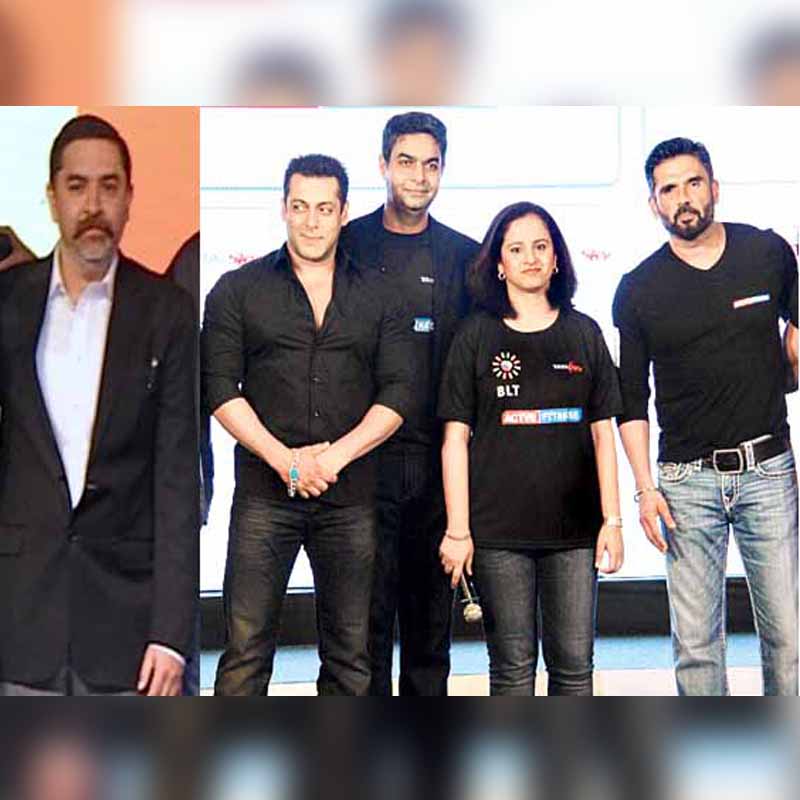
    Staying fit and healthy is one of the top priorities in today’s hectic lifestyle. Brilliant Living TV is an initiative by Suniel Shetty & Adarsh Gupta, which recently tied up with SonyLiv VoD, Vodafone and Tata Sky DTH to offer health and fitness content.

    The Tata Sky interactive service enables subscribers to access a world of fitness experts that train the country’s film stars, from the comfort of their homes. Tata Sky’s Pallavi Puri had said that there was a growing desire to find solutions that help manage the challenges of a fast paced and demanding lifestyle. However, not everyone had access to right exercising regimes or trainers across the country. It was this insight that triggered the Actve Fitness service, where Tata Sky offered celebrity fitness experts who would help subscribers to stay fit.  Celebrity fitness trainers such as Kaizzad Capadia, Yasmin Karachiwala, Abbas Ali, and Shifuji share workout, yoga sessions, self-defense and fitness tips that any individual can follow at home.

    Brilliant Living TV’s founder and CEO Adarsh Gupta added that their focus had been on creating passion and excitement for fitness amongst all Indians by guiding them through fitness exercises such as work-out videos, yoga  and meditation. The former Times Music COO and HMV Saregama music business head who, in December 2014, launched ‘s first-destination fitness channel bringing together the best global fitness & wellness experts, shared some insights with indiantelevision.com’s deputy editor Parvinder Sandhu. Excerpts from an interview:

    Do you believe more people in India are inclined towards fitness of late, unlike the scenario, say, 5-10 years ago?

    Fitness and wellness has emerged as a megatrend in India today. From being a niche sector 5-10 years ago, fitness today has become a subject of priority in the tier 1 and 2 cities like never before. There are three categories of people in the fitness ecosystem: enthusiasts, dabblers and fence sitters. Between these categories there are approximately 50- 60 million people in the top 20 cities in India today.

    public://0e4cd13.jpg

    Until recently food or travel industry seemed to be growing in India. But, lately, growth seemed to have slowed down. Why would you not think that fitness is another fad?

    Fitness is too intrinsic to the well being of a person and that realization has hit people. The trend today is prevent-rather-than-cure. I believe fitness is too solid an issue on people’s agenda to pass off as a fad. Look at more matured markets as a reference point and it is clear that this emerging megatrend in India is here to stay and grow.

    How big is the health, fitness and wellness market in India?

    The fitness market, which includes essentially the gym eco-system, is expected to be around Rs. 7000 crore (Rs.700,00 million) in the current year. If we expand the scope of the industry to wellness, which then also includes segments such as beauty services /spas/personal health counseling and yoga, the size of the category is in the region of 35,000 core (Rs 350,000 million) and growing 15-17 per cent per year.

    How big is the health and fitness genre on/through television?

    Actve fitness was the first dedicated fitness/wellness media service that launched in  in 2015. The launch was an unprecedented success and is now being replicated by other leading media houses in India. We at Brilliant Living TV are driving this agenda. Having achieved the position of the most credible content creator in this genre, we have launched and are in the process of tying up the best platforms in the media space in India and relevant markets overseas.

    If I were a broadcaster, why would I think of Brilliant Living TV as a wellness content provider or why would it come to my mind?

    At Brilliant Living TV, we have the distinction of being the only domain experts that have mapped this category end to end like no other content creator. This is not one of the many things we do…this is the only genre that we super specialize in. The best experts in  and the more advanced markets have all been signed on with our company for exclusive long term deals ensuring the very best expert talent is only with Brilliant  Living TV. We have also been able to layer fitness / wellness with a heavy dose of  Bollywood / celebrity content coefficient ,giving us the all round best competitive advantage.

    Is Brilliant Living TV a VC/investor funded company? Or, is it privately funded?

    Our company is currently privately funded. However, we will be looking to raise our first round of capital for funding growth objectives soon.

    How is BLT company’s internal structure?

    Suniel Shetty (partner) plays the role of the mentor and guide for BLT. He has been an iconic star who has been known for his fitness through the years and is still fighting fit to the point of being inspirational. He guides us on all aspects of the domain. Additionally, Vikram Razdan (another partner) who is a film industry veteran looks after production for Brilliant Living Television.

    How many companies like Shemaroo, Brilliant, etc are supplying health and fitness content to television networks in India ?

    Currently there are about 3-4 companies like Shemaroo/Rajshri and a few other that have a presence in this genre. However there are rumors that there is a lot of activity by new companies in this space.

    Approximately, how much is Brilliant Living TV’s share of the pie? You are 25 months into the business and by when would you potentially break even?

    From the point of view of the content catalogue, we are the most dominant player in the category today. We would be bordering approximately 1000 plus hours of content already, which would put us at about 70 percent of this category today.

    How many well-known fitness experts have you tied up with and is there something unique in your strategy?

    Across the domains of yoga/all forms of fitness/nutrition and spirituality, we have over 400 of the best experts from India and overseas markets signed on to us. It is unique in the sense that we were the first ones to identify fitness/wellness as an opportunity for us to become the domain leaders. The strategy has paid off as we are already spearheading this genre for the most credible and reputed media platforms in India. Besides, most of the remaining platforms are also engaging with us for launches in the near future.

    How smooth is it to sign up celebrities and manage (co-ordinate with) them?

    The moment you get into the realm of managing celebrities and celebrity experts, there is bound to be a degree of kid glove management involved, and we as a team are real good at it.

    As a strategy would you rather not concentrate on the merit of content than the celebrity quotient in the business?

    Like i mentioned earlier, there are three categories of people in this ecosystem.

    1. Enthusiasts – driven by fitness

    2. Dabblers – keep coming in and out of fitness

    3. Fence sitters – people who think about getting fit but have done nothing yet.

    The celebrity content works beautifully well to motivate the fence sitters and dabblers to get into the fold of fitness. And, hence celebrity content is critical to our content strategy.

    Do you think people are ready to pay for non-entertainment programmes in India?

    Yes our launch with Tata Sky has proved that people are willing to pay for a genre that has a compelling proposition. All our engagements across Ttata Sky, Vodafone and SsonyLiv are paid services. We believe it is still a genre of very high demand and relatively low supply and, hence, a perfect market for the paid ecosystem.

    What are the terms of the Tata Sky deal and was it difficult to convince the team there?

    We have a exclusive arrangement only for the DTH segment with them. Outside of DTH, we are free to do what we want. When we approached Tata Sky, the team was looking to start a service under the actve portfolio dedicated to fitness. It may be coincidence but, in retrospect, we timed our initiative really well.  

    While the product design for Active Fitness is done by the Tata Sky team, rest of the work is done jointly. The programming scheduling, packaging, etc is all worked on jointly between the teams.

    How does it work? You supply a single type of linear content, say, every week/fortnight to Tata Sky and then get paid depending on number of subscribers?

    We have a defined refresh rate of content every month that we provide to our platforms. And yes, our revenues are a function of the number of subscribers.

    Would you curate your fitness content in the traditional form, or do you also incorporate different styles/genres?

    Our objective is to showcase the wealth of knowledge that  India has to offer.. yoga and fitness in its most authentic forms. We do, however, believe that we need to package this content in a contemporaneous way so as to appeal to the youth today.  

    Does one get a variety of health and wellness content with one subscription — for the whole family?

    Yes if you subscribe to actve fitness, you get content for all groups. This includes kids, youth, middle aged, senior citizens and dedicated women-related content.

    Do you need to keep innovating on content or is it standard form?

    Yes we need to keep innovating. While we offer the most traditional forms of yoga workouts, we also showcase the best that the world has to offer in terms of trending workouts like zumba/ariel yoga/pilates/masala bhangra workouts, etc. to name a few.

    Would you also negotiate deals with other DTH players or broadcasters? Would the content be similar or differentiated?

    I cannot comment on this DTH aspect at this stage. But we have already launched with Sony and are in the middle of tying up with other prominent broadcasters as well.

    How much according to you is the wellness business on hand-held devises like mobile phones in India?

    There is a growing apetite for all kinds of content on mobile phones and fitness is a part of that emerging story. The logic is simple. In today’s dynamic world where people are forever short of time, if we had a “do it along” fitness workout on our mobile phone, we could be at it anywhere anytime.

    What strategy works well for you? SVoD or AVoD?

    Our current strategy is SVoD. However, over time we will be looking to expand to the AvoD side of the action too. In our experience both work in India, depending on the core proposition. Majority of action currently is skewed towards AVoD. However, all major players have already either launched an AVoD option or are in the process of putting one together

    Is the health content on OTT/VoD platforms similar to DTH content? Is one able to choose different genres of fitness programmes on SonyLiv?

    Yes the offering is very similar. At the moment, we are focusing on full length workouts on SonyLiv. However going forward, we are considering shorter workouts as well.

    Is the SonyLiv deal exclusive in some way?

    Brilliant Living TV exclusively powers the fitness/wellness genre for SonyLiv. The Sony team has clearly viewed this as a great strategic differentiator and is driving the initiative accordingly.

    What is your analysis of people being ready to pay for fitness content on mobile?

    They may have recently learnt to pay a minimal amount for GECs, sports and movies on Amazon, Netflix etc.

    Too early to say. However, my conviction is that fitness is such a compelling genre where options like gyms etc cost a lot more, we expect a good response of the paid audiences. We are in discussion with other OTT players too, but cannot discuss details at this point of time.

    Few OTT/VoD players share their numbers of active subscribers. Subs seem to switch a bit too often, or switch off completely. Is that something that bothers content providers?

    As a content provider, we understand the need to build a core base of loyal users. We also recognize that there will be a certain percentage of churn on an ongoing basis and we are prepared for that.

    India has too many Internet infrastructure challenges. How would you overcome those?

    Our offering is adaptive. Hence, the feed adapts itself to the (Internet) speeds available to the viewer.

    You seem to be well-entrenched in the health and fitness space. What are the measures that you are taking to maintain your lead?

    We are constantly working on increasing our content library with the most happening workouts and experts across domains. We believe we have a significant lead over any other player in this genre and plan to maintain it.
  • FM wants DTH to help Swayam, industry skeptical

    FM wants DTH to help Swayam, industry skeptical

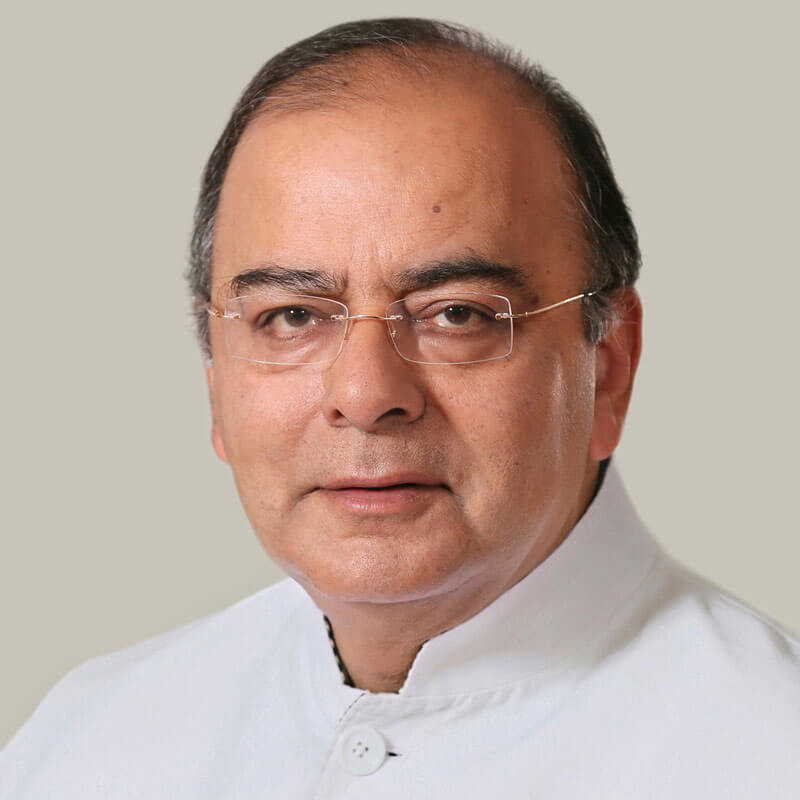
    NEW DELHI: The Government today said linkage to direct to home platforms would help widen the Swayam platform to be launched with at least 350 online courses. 

    Finance Minister Arun Jaitley in his budget for 2017-18 said this would enable students to virtually attend the courses taught by the best faculty; access high quality reading resources; participate in discussion forums; take tests and earn academic grades.

    He noted that access to Swayam would be widened by linkage with DTH channels, dedicated to education.

    However, sources in the DTH industry told indiantelevision.com that the implications of this would have to be seen as it was not clear whether the linkage had any monetary aspect to it.

    Also Read:

    DTH channels being launched by September to impart education: Javadekar

    Only Dish TV carrying HRD ministry’s educational TV channels

    PSLV-C34 successfully launches 20 satellites in a single flight

  • FM wants DTH to help Swayam, industry skeptical

    FM wants DTH to help Swayam, industry skeptical

    NEW DELHI: The Government today said linkage to direct to home platforms would help widen the Swayam platform to be launched with at least 350 online courses. 

    Finance Minister Arun Jaitley in his budget for 2017-18 said this would enable students to virtually attend the courses taught by the best faculty; access high quality reading resources; participate in discussion forums; take tests and earn academic grades.

    He noted that access to Swayam would be widened by linkage with DTH channels, dedicated to education.

    However, sources in the DTH industry told indiantelevision.com that the implications of this would have to be seen as it was not clear whether the linkage had any monetary aspect to it.

    Also Read:

    DTH channels being launched by September to impart education: Javadekar

    Only Dish TV carrying HRD ministry’s educational TV channels

    PSLV-C34 successfully launches 20 satellites in a single flight

  • DISH buys EchoStar’s DBS & OTT assets; gives control over Sling TV customer experience

    DISH buys EchoStar’s DBS & OTT assets; gives control over Sling TV customer experience

    MUMBAI: DISH Network Corporation and EchoStar Corporation today announced they have executed an agreement that will transfer certain EchoStar assets and operations, including its EchoStar Technologies hardware and software development group, its national and regional uplink business, its managed fiber backhaul network serving all U.S. DMAs and its OTT development group to DISH in exchange for DISH’s 80 per cent economic interest in Hughes Retail Group held in the form of a tracking stock.

    This transaction also transfers to DISH the 10 per cent stake in Sling TV held by EchoStar, wireless spectrum licenses covering four markets in the 28 GHz band and certain real estate properties.

    DISH will continue to market satellite broadband under the brand dishNET to rural customers.

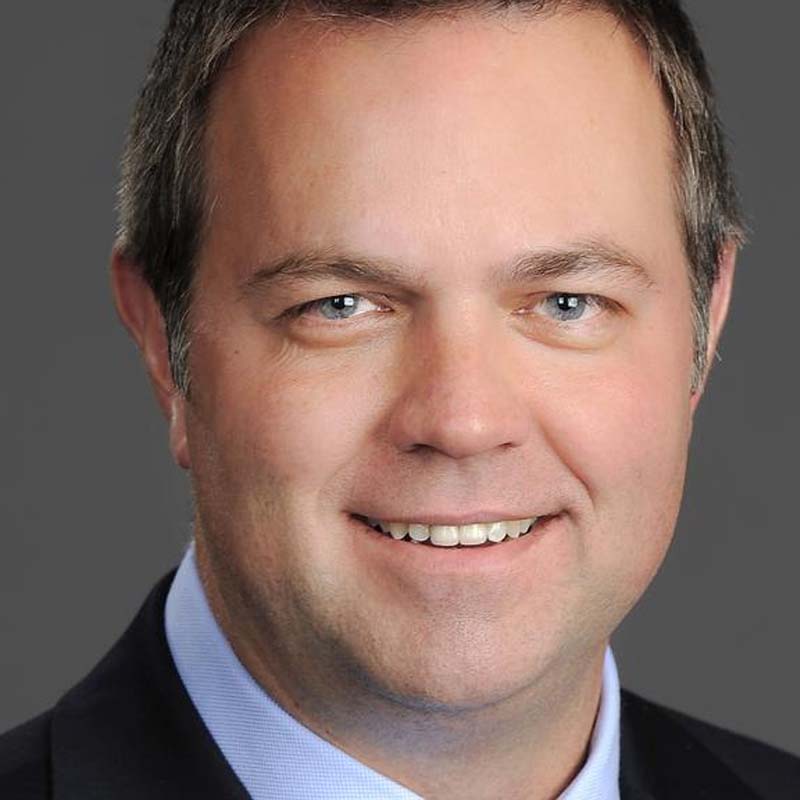
    “With this transaction we will vertically integrate all the elements that define our customer experience – one team will deliver the full DISH and Sling TV experience end to end,” said DISH president Erik Carlson. “Not only do we gain full control of product development roadmap for DBS and Sling TV but we also anticipate achieving operational efficiencies.”

    The transaction is structured in a manner to be a tax-free exchange and is expected to close in the first quarter of 2017, subject to satisfaction or waiver of closing conditions.

  • DISH buys EchoStar’s DBS & OTT assets; gives control over Sling TV customer experience

    DISH buys EchoStar’s DBS & OTT assets; gives control over Sling TV customer experience

    MUMBAI: DISH Network Corporation and EchoStar Corporation today announced they have executed an agreement that will transfer certain EchoStar assets and operations, including its EchoStar Technologies hardware and software development group, its national and regional uplink business, its managed fiber backhaul network serving all U.S. DMAs and its OTT development group to DISH in exchange for DISH’s 80 per cent economic interest in Hughes Retail Group held in the form of a tracking stock.

    This transaction also transfers to DISH the 10 per cent stake in Sling TV held by EchoStar, wireless spectrum licenses covering four markets in the 28 GHz band and certain real estate properties.

    DISH will continue to market satellite broadband under the brand dishNET to rural customers.

    “With this transaction we will vertically integrate all the elements that define our customer experience – one team will deliver the full DISH and Sling TV experience end to end,” said DISH president Erik Carlson. “Not only do we gain full control of product development roadmap for DBS and Sling TV but we also anticipate achieving operational efficiencies.”

    The transaction is structured in a manner to be a tax-free exchange and is expected to close in the first quarter of 2017, subject to satisfaction or waiver of closing conditions.

  • Demonetisation hits Dish TV numbers for Q3-17

    Demonetisation hits Dish TV numbers for Q3-17

    BENGALURU: Indian direct to home (DTH) company Dish TV India Limited (Dish TV) has reported just 3.3 per cent increase in subscription revenue for the quarter ended 31 December 2016 (Q3-17, current quarter) as compared to the corresponding year ago quarter (quarter ended 31 December 2015, Q3-16). Total Income from operations (TIO) in the current quarter actually declined three per cent as compared to Q3-17.

    Further, despite the sunset dates for DAS phases III and IV quickly approaching, the company could add just 220,000 subscribers (net additions) in the current quarter as compared t0 317,000 (net additions) in Q3-16. Dish TV says that it closed the current quarter with 1.53 crore net subscribers.

    In its earnings release, Dish TV says that only 30  of its subscribers made payments by digital means until demonetisation day – 8 November 2016. CMD Jawahar Goel explained further, “Limited cash supply made people defer their DTH recharges by a few days or weeks depending on the urgency of other basic necessities. The impact was stronger in the second tier and below towns and cities as most of the economy in these areas runs on cash. Our subscription revenues during the quarter could have been higher by around 8 per cent in a non-adverse scenario. Lower growth eventually resulted in lower average revenues per user as well.”

    The company says that the fiscal third quarter being the period of festivals is generally the largest contributor to new subscriber additions during the year. Demonetization however impacted Dish TV’s new subscriber additions also with the company recording an estimated 8-10 per cent lower subscriber adds during the quarter.

    Goel said further, “Subscribers as well as trade partners were extended temporary credit facilities basis their past transactions pattern. Subscriber awareness drives to promote alternate methods of payment were run both on the ground and on screen in addition to various other initiatives. Looking at the brighter side of it, demonetization does promise an eventual less-cash dependent population that should use online payment interfaces over cash for DTH recharges. That’s going to be a boon for the DTH business.”

    Goel is optimistic about the future. He said, “Though demonetization has led to an initial distress, it also will result in certain structural changes that are going to benefit the economy in the long run. As far as our business is concerned, the effect has already started coming in. As online payment transactions, credit cards and a less-cash society become buzz words today, we are happy to note an increase in our online transacting subscriber base from 30 percent to around 38 percent with around 22 digital wallets and the like being integrated with the company. Every online recharge transaction vis-à-vis EPRS based transaction implies savings on recharge commissions paid by us.”

    Let us look at the numbers reported by Dish TV for Q3-17

    As mentioned above, subscription revenue in the current quarter increased 3.3 percent to Rs 692.10 crore from Rs 669.90 crore. TIO declined 3 percent to Rs 747.98 crore from Rs 771.48 crore.

    Profit after tax (PAT) declined to almost a third (declined 61.0 Percent) to Rs 26.68 crore (3.6 percent margin – of TIO) in Q3-17 from Rs 68.49 crore (8.9 percent margin) in Q3-16. EBIDTA in the current quarter declined 6 percent to Rs 249.51 crore (33.4 percent margin) from Rs 265.45 crore (34.4 percent margin).

    Total Expenditure in Q3-17 increased 1.8 percent year-over-year (y-o-y) to Rs 664.04 crore from Rs 652.33 crore. Programming/content and other costs increased 6.2 percent y-o-y to Rs 220.10 crore in the current quarter from Rs 207.31 crore.

    Employee Benefits Expense in the current quarter increased 25.2 percent to Rs 36.12 crore from Rs 28.85 crore. Other expenses in Q3-17 increased 9.7 percent y-o-y to Rs 118.09 crore from Rs 107.68 crore. Other operating costs declined 36.6 percent in the current quarter to Rs 66.82 crore from Rs 105.35 crore in the corresponding year ago quarter.

    Finance costs in Q3-17 increased 8.3 percent to Rs 59.1 crore from Rs 54.46 crore in the corresponding year ago quarter.

    Commenting on the results, Goel said, “We believe that the negative impact of demonetization is only temporary and that with a strong subscriber growth rate, tight control on costs, reasonably steady free cash flows and a healthy balance sheet we should deliver sustainable growth. The rollout of the Goods and Services Tax (GST), a hopefully favourable license fee regime and a revenue conscious cable industry should only add to the strengths of Dish TV going forward.”

    Notes:The unit of currency in this report is the Indian rupee – Rs (also conventionally represented by INR). The Indian numbering system or the Vedic numbering system has been used to denote money values. The basic conversion to the international norm would be:

    (a) 100,00,000 = 100 lakh = 10,000,000 = 10 million = 1 crore.

    (b) 10,000 lakh = 100 crore = 1 arab = 1 billion.

    Also Read:

    The growth of DTH in India

    DTH adds 14 lakh active subscribers in Q2-17 as per TRAI data

    DishTV expands its HD offering

    Dish TV offers ‘Digishala’ to 15 million subs