Category: DTH Operator

  • Cable TV suspended in parts of Pakistan; Senate okays DTH plan

    Cable TV suspended in parts of Pakistan; Senate okays DTH plan

    MUMBAI: Cable operators have suspended their services in different areas of Pakistan after unfruitful dialogue with the government on the postponement of Direct-To-Home (DTH) licences to be auctioned tomorrow.

    Around three million consumers use Indian DTH, and the government plans to eliminate it through local facilities and save about PKR 24 billion in capital flight to India. Estimates of DTH users range from 70,000 to 2.5 million with most of them concentrated in Islamabad, Lahore, and Karachi.

    Cable services in Islamabad, Karachi, Lahore, Peshawar, Gujarat and Multan have been suspended. In Balochistan’s capital Quetta, however, cable TV was still running, Pakistani newspapers reported.

    Pakistan’s Senate panel on information, broadcasting and national heritage has asked Pakistan Electronic Media Regulatory Authority (PEMRA) to proceed with its decision to launch an indigenous Direct to Home (DTH) television system.

    Opposing the move, operators started suspending their services in various parts following their complete strike call from Monday evening. Cable Operators’ Association staged a protest at the press club announcing closure of the services.

    The Senate meeting, chaired by senator Kamil Ali Agha, was informed by PEMRA chairman Absar Alam that it held successful meeting with the operators and decided that Pakistani DTH would be launched in November 2017 giving them time for system upgradation. Still, they announced shutdown of cable, he added.

    Alam said that operators had no problem with illegal Indian DTH and demanded to lift ban on Indian content. But, they want the PEMRA DTH plan abolished which was unconvincing. Alam said PEMRA had taken concrete steps to stop Indian content and Indian movies on the cable.

    Earlier, finance minister Ishaq Dar reportedly refused to agree to operators’ demand and decided that the DTH auction will be held as per schedule on Wednesday. The successful bidder however would start its operation from November next year.

    Not budging from their positions, operators are now likely to go on strike for an indefinite period. Cable Operators Association chairman Khalid Arain, on 15 November, said that DTH launch was not justified since the cable operators invested billions in converting the analogue cable system into the digital one. Arain said they needed at least three years to create awareness among the people about cable digitalisation.

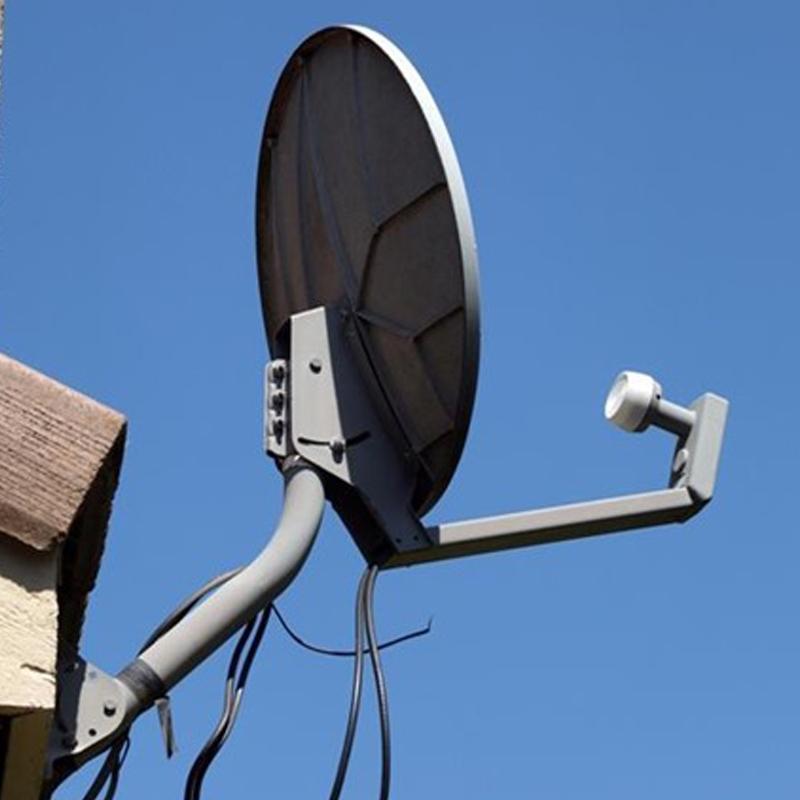
    Unlike the analogue connections, DTH service is a digital platform that transfers channels directly into homes from satellite through small dish antennas. The service is reliable and allows consumers to view high-definition video. The quality of channels at the end on the bandwidth does not diminish such as those on cable.

    Also read

    Pak to award three DTH licences on 23 Nov; Chinese, UAE companies also in fray
     

  • Cable TV suspended in parts of Pakistan; Senate okays DTH plan

    Cable TV suspended in parts of Pakistan; Senate okays DTH plan

    MUMBAI: Cable operators have suspended their services in different areas of Pakistan after unfruitful dialogue with the government on the postponement of Direct-To-Home (DTH) licences to be auctioned tomorrow.

    Around three million consumers use Indian DTH, and the government plans to eliminate it through local facilities and save about PKR 24 billion in capital flight to India. Estimates of DTH users range from 70,000 to 2.5 million with most of them concentrated in Islamabad, Lahore, and Karachi.

    Cable services in Islamabad, Karachi, Lahore, Peshawar, Gujarat and Multan have been suspended. In Balochistan’s capital Quetta, however, cable TV was still running, Pakistani newspapers reported.

    Pakistan’s Senate panel on information, broadcasting and national heritage has asked Pakistan Electronic Media Regulatory Authority (PEMRA) to proceed with its decision to launch an indigenous Direct to Home (DTH) television system.

    Opposing the move, operators started suspending their services in various parts following their complete strike call from Monday evening. Cable Operators’ Association staged a protest at the press club announcing closure of the services.

    The Senate meeting, chaired by senator Kamil Ali Agha, was informed by PEMRA chairman Absar Alam that it held successful meeting with the operators and decided that Pakistani DTH would be launched in November 2017 giving them time for system upgradation. Still, they announced shutdown of cable, he added.

    Alam said that operators had no problem with illegal Indian DTH and demanded to lift ban on Indian content. But, they want the PEMRA DTH plan abolished which was unconvincing. Alam said PEMRA had taken concrete steps to stop Indian content and Indian movies on the cable.

    Earlier, finance minister Ishaq Dar reportedly refused to agree to operators’ demand and decided that the DTH auction will be held as per schedule on Wednesday. The successful bidder however would start its operation from November next year.

    Not budging from their positions, operators are now likely to go on strike for an indefinite period. Cable Operators Association chairman Khalid Arain, on 15 November, said that DTH launch was not justified since the cable operators invested billions in converting the analogue cable system into the digital one. Arain said they needed at least three years to create awareness among the people about cable digitalisation.

    Unlike the analogue connections, DTH service is a digital platform that transfers channels directly into homes from satellite through small dish antennas. The service is reliable and allows consumers to view high-definition video. The quality of channels at the end on the bandwidth does not diminish such as those on cable.

    Also read

    Pak to award three DTH licences on 23 Nov; Chinese, UAE companies also in fray
     

  • Pak to award three DTH licences on 23 Nov; Chinese, UAE companies also in fray
    Pak to award three DTH licences on 23 Nov; Chinese, UAE companies also in fray
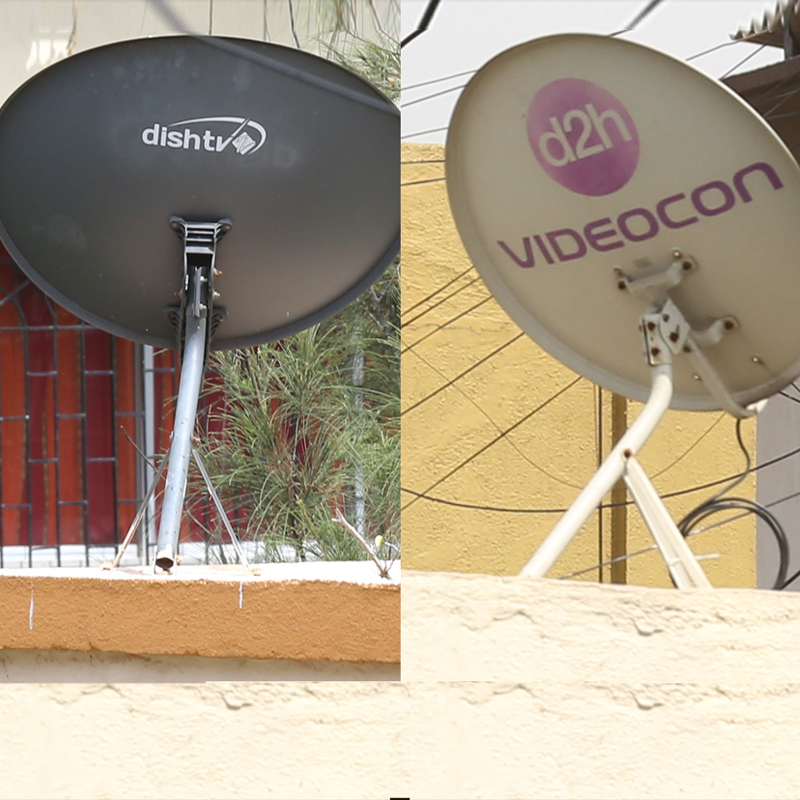
    MUMBAI: Twelve companies have been shortlisted by PEMRA to bid for the award of three DTH licences on 23 November which is anticipated to fetch around US$400 million. Initially the authority will issue license for a period of 15 years, which will be extended as per agreement.

    No TV channel would be allowed to be a part of the licence directly. The base price for the bid offering was PKR 20 million.

    The Pakistan Electronic Media Regulatory Authority is expecting indirect and direct investment of PKR 4194 crore (INR 2720 crore) through bidding of Direct to Home licenses during the next three years. PEMRA officials said the body will open the bidding process at the PEMRA headquarters to give away three licenses, for which 12 companies including Chinese, Russian and UAE firms out of 16 had been selected, Pakistani newspapers reported.

    The short-listed companies are:

    Mag Entertainment Lah­ore

    Orient Electronics Lah­ore

    Skyflix Islamabad

    Startimes Communi­ca­tions Isla­m­abad

    Smart Sky Islam­abad

    Sardar Builders Islamabad

    Parus Media and Broadcast Islamabad

    Naya Tel Islamabad

    Sha­h­zad Sky Islamabad

    Maestro Med­ia Distribution Islamabad

    HB DTH Islamabad

    IQ Com­munications Karachi

    PEMRA had fixed the price of DTH service box PKR 2,500 to PKR 3,000 and its subscription fee will be only PKR 550 a month.

    Countrywide, this decision is forecast to create 1,500 direct and 15,000 indirect employment opportunities. PEMRA officials said DTH had captured maximum 25 per cent market while the rest was being served by digital cable suppliers.

    There are around three million consumers, using Indian DTH, and the government aims to eliminate it through local facilities and save about PKR 24 billion in capital flight to India.

    A PEMRA official said that a Chinese firm was keen to establish a company in Pakistan to manufacture set-top box for DTH and digital cable TV. The Pakistani cable market is primarily analogue, and the most of the operators have not adequately invested in upgrading their networks.

    Cable operators in Pakistan had launched an anti-DTH campaign. The Cable Operators Association had staged a protest last week against the DTH bidding. Association chairman Khalid Arain said that the PEMRA chairman had assured the association that PEMRA would not launch DTH in the next two years, warning it to stop the bidding or face the consequences.

    Meanwhile, Christian Post reported that PEMRA had banned all 11 Christian TV channels airing in the country and arrested at least six cable operators for defying the order.

    PEMRA does not grant landing rights for religious content, allowing the airing of Christian messages only for Christmas and Easter.

    However, the Christian channels had been operating for over 25 years. PEMRA has now formally labelled the Christian channels as illegal, the Post reported quoting UCAnews.

  • Pak to award three DTH licences on 23 Nov; Chinese, UAE companies also in fray

    Pak to award three DTH licences on 23 Nov; Chinese, UAE companies also in fray

    MUMBAI: Twelve companies have been shortlisted by PEMRA to bid for the award of three DTH licences on 23 November which is anticipated to fetch around US$400 million. Initially the authority will issue license for a period of 15 years, which will be extended as per agreement.

    No TV channel would be allowed to be a part of the licence directly. The base price for the bid offering was PKR 20 million.

    The Pakistan Electronic Media Regulatory Authority is expecting indirect and direct investment of PKR 4194 crore (INR 2720 crore) through bidding of Direct to Home licenses during the next three years. PEMRA officials said the body will open the bidding process at the PEMRA headquarters to give away three licenses, for which 12 companies including Chinese, Russian and UAE firms out of 16 had been selected, Pakistani newspapers reported.

    The short-listed companies are:

    Mag Entertainment Lah­ore

    Orient Electronics Lah­ore

    Skyflix Islamabad

    Startimes Communi­ca­tions Isla­m­abad

    Smart Sky Islam­abad

    Sardar Builders Islamabad

    Parus Media and Broadcast Islamabad

    Naya Tel Islamabad

    Sha­h­zad Sky Islamabad

    Maestro Med­ia Distribution Islamabad

    HB DTH Islamabad

    IQ Com­munications Karachi

    PEMRA had fixed the price of DTH service box PKR 2,500 to PKR 3,000 and its subscription fee will be only PKR 550 a month.

    Countrywide, this decision is forecast to create 1,500 direct and 15,000 indirect employment opportunities. PEMRA officials said DTH had captured maximum 25 per cent market while the rest was being served by digital cable suppliers.

    There are around three million consumers, using Indian DTH, and the government aims to eliminate it through local facilities and save about PKR 24 billion in capital flight to India.

    A PEMRA official said that a Chinese firm was keen to establish a company in Pakistan to manufacture set-top box for DTH and digital cable TV. The Pakistani cable market is primarily analogue, and the most of the operators have not adequately invested in upgrading their networks.

    Cable operators in Pakistan had launched an anti-DTH campaign. The Cable Operators Association had staged a protest last week against the DTH bidding. Association chairman Khalid Arain said that the PEMRA chairman had assured the association that PEMRA would not launch DTH in the next two years, warning it to stop the bidding or face the consequences.

    Meanwhile, Christian Post reported that PEMRA had banned all 11 Christian TV channels airing in the country and arrested at least six cable operators for defying the order.

    PEMRA does not grant landing rights for religious content, allowing the airing of Christian messages only for Christmas and Easter.

    However, the Christian channels had been operating for over 25 years. PEMRA has now formally labelled the Christian channels as illegal, the Post reported quoting UCAnews.

  • Tata Sky launches interactive educational service

    Tata Sky launches interactive educational service

    MUMBAI: Education is the next happening thing in India. Tata Sky in partnership with Tata Elxsi and Tata ClassEdge plans launch an interactive educational service. As part of the deal, Tata Elxsi is supporting the development of content that is specially developed to suit modularised learning programs and made available via Tata Sky’s active plus portfolio of value added services. It will produce interactive educational content for science students from classes V to VIII with lessons mapped to their syllabus.

    Tata Sky Classroom is an educational service launched by Tata Sky along with Tata ClassEdge. It aims at assisting tutoring young viewers in an engaging manner with animated video content providing a fundamental understanding of core concepts in Science and Maths subjects.

    “Tata Sky Classroom will help children in understanding core concepts which are really the key building blocks for future learning as we see this as a clear need gap. The service is aligned with children’s school syllabus and covers over 500 topics, delivered in an interesting and interactive format. With the objective to provide the best-in-class educational experience for kids, Tata ClassEdge with their expertise in the field was the perfect fit. Some of the best schools in India are currently using multimedia solutions from Tata ClassEdge to augment classroom learning. We plan to now make these accessible to our subscribers at an affordable price,” said Tata Sky chief commercial officer Pallavi Puri.

    This interactive service has been launched and is now available to all subscribers.

    “We are excited to partner with Tata Sky and make available our innovative learning content to children in the comfort and convenience of their homes. Tata Sky Classroom will enable learning of the core concepts of Science & Maths in an engaging manner so that a child understands the fundamental principles and is able to access this anytime of the day. This partnership will further support our vision of educating 10 million students annually by 2025,” added Tata ClassEdge chief commercial officer Rajesh Khandagale.

    “Interactive content is increasingly being leveraged to help create effective learning experiences for school children, enabling easier understanding, improved comprehension and knowledge retention. Tata Elxsi’s award-winning digital and interactive content creation capabilities, coupled with its deep expertise in broadcast technologies, enables operators and broadcasters expand their portfolio of value added services, develop new revenue streams and discover new audiences, through compelling and differentiated content,” said Tata Elxsi SVP marketing and strategy Nitin Pai.

  • Tata Sky launches interactive educational service

    Tata Sky launches interactive educational service

    MUMBAI: Education is the next happening thing in India. Tata Sky in partnership with Tata Elxsi and Tata ClassEdge plans launch an interactive educational service. As part of the deal, Tata Elxsi is supporting the development of content that is specially developed to suit modularised learning programs and made available via Tata Sky’s active plus portfolio of value added services. It will produce interactive educational content for science students from classes V to VIII with lessons mapped to their syllabus.

    Tata Sky Classroom is an educational service launched by Tata Sky along with Tata ClassEdge. It aims at assisting tutoring young viewers in an engaging manner with animated video content providing a fundamental understanding of core concepts in Science and Maths subjects.

    “Tata Sky Classroom will help children in understanding core concepts which are really the key building blocks for future learning as we see this as a clear need gap. The service is aligned with children’s school syllabus and covers over 500 topics, delivered in an interesting and interactive format. With the objective to provide the best-in-class educational experience for kids, Tata ClassEdge with their expertise in the field was the perfect fit. Some of the best schools in India are currently using multimedia solutions from Tata ClassEdge to augment classroom learning. We plan to now make these accessible to our subscribers at an affordable price,” said Tata Sky chief commercial officer Pallavi Puri.

    This interactive service has been launched and is now available to all subscribers.

    “We are excited to partner with Tata Sky and make available our innovative learning content to children in the comfort and convenience of their homes. Tata Sky Classroom will enable learning of the core concepts of Science & Maths in an engaging manner so that a child understands the fundamental principles and is able to access this anytime of the day. This partnership will further support our vision of educating 10 million students annually by 2025,” added Tata ClassEdge chief commercial officer Rajesh Khandagale.

    “Interactive content is increasingly being leveraged to help create effective learning experiences for school children, enabling easier understanding, improved comprehension and knowledge retention. Tata Elxsi’s award-winning digital and interactive content creation capabilities, coupled with its deep expertise in broadcast technologies, enables operators and broadcasters expand their portfolio of value added services, develop new revenue streams and discover new audiences, through compelling and differentiated content,” said Tata Elxsi SVP marketing and strategy Nitin Pai.

  • With d2h merger, Essel Group will have world’s largest subs base

    With d2h merger, Essel Group will have world’s largest subs base

    BENGALURU: The Essel group is one of the largest media and entertainment industry players in India. Its flagship company is Zee Entertainment Enterprises Limited (Zeel) that has a weightage of 45 per cent on the National Stock Exchange’s Nifty Media Index.

    Its group company, Dish TV Limited (Dish) is also is the largest DTH player in the country in terms of number of subscribers. Along with DTH services, the group also has one of the largest cable operators or multi-system operators (MSO) in Siti Networks Limited or Siti (the erstwhile Siti Cable Network Limited). Amongst the major MSOs in India, Siti is the only one that has added 1.5 million (15 lakh) subscribers over the past few quarters, while its peers have had stagnating subscriber numbers.

    On combining the number of subscribers, the two carriage industry players are already a force to reckon with – a fact that the Essel Group recognised, and will leverage. In an industry first, the two formed a content negotiating joint venture (JV) called Comnet. Both Dish and Siti are equal partners in the JV that came into existence on 1 July, 2015. As part of the JV, both companies said that they would hold joint discussions with broadcasters post which separate direct contracts between the broadcaster and distribution platform will be signed. Further, the JV’s intent is to bring together the industry on contentious taxation issues like the hike in entertainment tax in Delhi.

    Let us look at what we have on the table — Siti had 12.2 million (1.22 crore) subscribers — of which 8.4 million (84 lakh) were digital as per its Q1-17 report, and Dish has reported a subscriber base of 15.1 million (1.51 crore) – totalling 27.3 million(2.73 crore). Now the merger with Videocon d2h will bring in another 12.5 million (1.25 crore) subscribers into the Essel fold for a grand total of 39.8 million (3.98 crore), hence about 2 million (20 lakh) more than the 37.8 million (3.78 crore) subscribers reported for DIRECTV.

    Zeel’s channels have been regularly making it to the top five or 10 in the Broadcast Audience Research Council (BARC) ratings across various genres, be they Hindi general entertainment (GEC), regional channels, movies, English entertainment, etc. Another group company, Zee Media Corporation Limited (ZMCL), offers general news and business news across its television channels.

    The fact that a number of the top rated channels are Essel group companies as well as a huge slice of the Indian television subscription market is indeed huge leverage – bear in mind that the group will probably control more than 25 percent of the carriage industry in the country. And what with the sunset date for DAS phase IV nearing with no let-up in sight from the government, subscription numbers will only grow.

    With this merger, synergies of the two match perfectly. Dish is more of a value player with offerings for all markets including rural, while Videocon d2h is a premium player.

  • With d2h merger, Essel Group will have world’s largest subs base

    With d2h merger, Essel Group will have world’s largest subs base

    BENGALURU: The Essel group is one of the largest media and entertainment industry players in India. Its flagship company is Zee Entertainment Enterprises Limited (Zeel) that has a weightage of 45 per cent on the National Stock Exchange’s Nifty Media Index.

    Its group company, Dish TV Limited (Dish) is also is the largest DTH player in the country in terms of number of subscribers. Along with DTH services, the group also has one of the largest cable operators or multi-system operators (MSO) in Siti Networks Limited or Siti (the erstwhile Siti Cable Network Limited). Amongst the major MSOs in India, Siti is the only one that has added 1.5 million (15 lakh) subscribers over the past few quarters, while its peers have had stagnating subscriber numbers.

    On combining the number of subscribers, the two carriage industry players are already a force to reckon with – a fact that the Essel Group recognised, and will leverage. In an industry first, the two formed a content negotiating joint venture (JV) called Comnet. Both Dish and Siti are equal partners in the JV that came into existence on 1 July, 2015. As part of the JV, both companies said that they would hold joint discussions with broadcasters post which separate direct contracts between the broadcaster and distribution platform will be signed. Further, the JV’s intent is to bring together the industry on contentious taxation issues like the hike in entertainment tax in Delhi.

    Let us look at what we have on the table — Siti had 12.2 million (1.22 crore) subscribers — of which 8.4 million (84 lakh) were digital as per its Q1-17 report, and Dish has reported a subscriber base of 15.1 million (1.51 crore) – totalling 27.3 million(2.73 crore). Now the merger with Videocon d2h will bring in another 12.5 million (1.25 crore) subscribers into the Essel fold for a grand total of 39.8 million (3.98 crore), hence about 2 million (20 lakh) more than the 37.8 million (3.78 crore) subscribers reported for DIRECTV.

    Zeel’s channels have been regularly making it to the top five or 10 in the Broadcast Audience Research Council (BARC) ratings across various genres, be they Hindi general entertainment (GEC), regional channels, movies, English entertainment, etc. Another group company, Zee Media Corporation Limited (ZMCL), offers general news and business news across its television channels.

    The fact that a number of the top rated channels are Essel group companies as well as a huge slice of the Indian television subscription market is indeed huge leverage – bear in mind that the group will probably control more than 25 percent of the carriage industry in the country. And what with the sunset date for DAS phase IV nearing with no let-up in sight from the government, subscription numbers will only grow.

    With this merger, synergies of the two match perfectly. Dish is more of a value player with offerings for all markets including rural, while Videocon d2h is a premium player.

  • Goel & Dhoot speak Dish TV-Videocon d2h merger

    Goel & Dhoot speak Dish TV-Videocon d2h merger

    MUMBAI: It was earlier this year that mainstream media was going berserk with the speculation that India’s largest pay TV operator Dish TV was going to acquire the the Dhoot family run rival DTH service Videocon d2h. Repeated denials by Dish TV did nothing to restrain hacks from reporting that an acquisition was almost done. But the facts are out now. Speaking to CNBC TV18 last weekend Dish TV India managing director Jawahar Goel said that “the arrangement of the scheme is merger and we never envisaged a buyout.” Which is probably why most journos got it wrong.

    Goel informed CNBC TV18 that he would be chairman & managing director of the new entity, while Saurabh Dhoot will be the deputy managing director. The Dhoot family can also appoint another nominee as vice-chairman of the board. The merger will result in a new pay TV operator with 27.6 million subscribers, commanding 16 per cent or so of the Indian pay TV market.

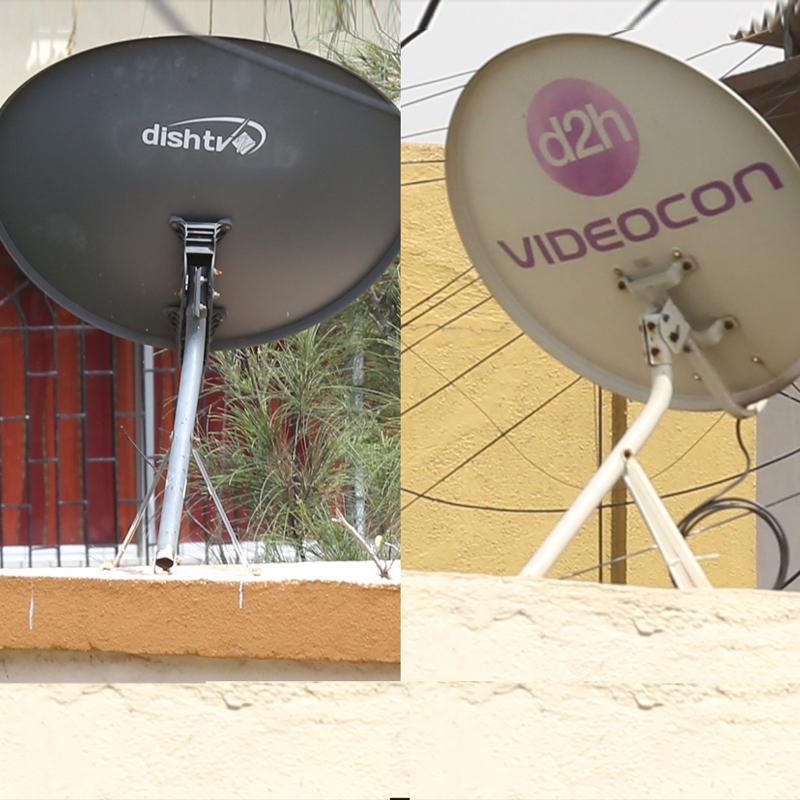
    “The two brands Dish TV and Videocon d2h will continue to operate as distinct brands in the market,” Dhoot clarified to the business news channel.

    He added that “both the families – the Goel family and the Dhoot family are very closely associated since a decade, this is really a family affair.”

    Post the merger, Dish TV and the public will end up with 36 per cent equity each, while Videocon d2h will have 28 per cent of the equity of Dish TV Videocon. Dhoot further clarified that “Dish TV shareholders would comprise of in terms of ownership of the new entity of 55.4 percent and so around 45 percent would be owned by Videocon D2H shareholders. Dish TV shareholders would own something like 1066 million shares, Videocon d2hshareholders would own 857 million shares and this is an all stock combination swap ratio reflecting the relative values of each business across operating like financial and trading metrics. So subscribers and subscriber addition is factored in, revenue, earnings before interest, taxes, depreciation, and amortization (EBITDA) and growth is factored in and trading metrics are also factored in, so the combination combine Dish’ scale and profitability with d2h scale and growth and the scale and efficiency benefit emanating from such a combination will be a win-win for all stakeholders.”

    Goel pointed out that the merger will likely take around seven to eight months and the benefits of the reasonably debt cost that Dish TV enjoys will be passed on to the merged entity. Said he: (The debt) will be around Rs 2,100 crore and EBITDA as reported in the last financial numbers in the past it is around Rs 1,800-1,900 crore…. and the debt will definitely will be the Dish TV debt, which will be coming at the same price or a better price going forward – – so the problem of high cost of debt should not be there.”

    But, most importantly, added Dhoot that “the merger would lead to significant cost synergies as well as enhance our ability to grow alternate revenue streams like carriage, advertising, value added services, new channel launches and these are all highly margin accretive. So the proposed combination shall create scale benefits for all stakeholders. There will be better growth opportunities for employees, sales and service networks, larger distribution network, but from an economic standpoint for our shareholders, which includes the existing Dish TV and Videocon D2H shareholders the merged entity will drive value unlocking from combine sourcing, purchasing, product development, improved distribution, customer service and net support, network and infrastructure consolidation and capex. “

    Clearly, one plus one could end up being more than two in this case.

  • Goel & Dhoot speak Dish TV-Videocon d2h merger

    Goel & Dhoot speak Dish TV-Videocon d2h merger

    MUMBAI: It was earlier this year that mainstream media was going berserk with the speculation that India’s largest pay TV operator Dish TV was going to acquire the the Dhoot family run rival DTH service Videocon d2h. Repeated denials by Dish TV did nothing to restrain hacks from reporting that an acquisition was almost done. But the facts are out now. Speaking to CNBC TV18 last weekend Dish TV India managing director Jawahar Goel said that “the arrangement of the scheme is merger and we never envisaged a buyout.” Which is probably why most journos got it wrong.

    Goel informed CNBC TV18 that he would be chairman & managing director of the new entity, while Saurabh Dhoot will be the deputy managing director. The Dhoot family can also appoint another nominee as vice-chairman of the board. The merger will result in a new pay TV operator with 27.6 million subscribers, commanding 16 per cent or so of the Indian pay TV market.

    “The two brands Dish TV and Videocon d2h will continue to operate as distinct brands in the market,” Dhoot clarified to the business news channel.

    He added that “both the families – the Goel family and the Dhoot family are very closely associated since a decade, this is really a family affair.”

    Post the merger, Dish TV and the public will end up with 36 per cent equity each, while Videocon d2h will have 28 per cent of the equity of Dish TV Videocon. Dhoot further clarified that “Dish TV shareholders would comprise of in terms of ownership of the new entity of 55.4 percent and so around 45 percent would be owned by Videocon D2H shareholders. Dish TV shareholders would own something like 1066 million shares, Videocon d2hshareholders would own 857 million shares and this is an all stock combination swap ratio reflecting the relative values of each business across operating like financial and trading metrics. So subscribers and subscriber addition is factored in, revenue, earnings before interest, taxes, depreciation, and amortization (EBITDA) and growth is factored in and trading metrics are also factored in, so the combination combine Dish’ scale and profitability with d2h scale and growth and the scale and efficiency benefit emanating from such a combination will be a win-win for all stakeholders.”

    Goel pointed out that the merger will likely take around seven to eight months and the benefits of the reasonably debt cost that Dish TV enjoys will be passed on to the merged entity. Said he: (The debt) will be around Rs 2,100 crore and EBITDA as reported in the last financial numbers in the past it is around Rs 1,800-1,900 crore…. and the debt will definitely will be the Dish TV debt, which will be coming at the same price or a better price going forward – – so the problem of high cost of debt should not be there.”

    But, most importantly, added Dhoot that “the merger would lead to significant cost synergies as well as enhance our ability to grow alternate revenue streams like carriage, advertising, value added services, new channel launches and these are all highly margin accretive. So the proposed combination shall create scale benefits for all stakeholders. There will be better growth opportunities for employees, sales and service networks, larger distribution network, but from an economic standpoint for our shareholders, which includes the existing Dish TV and Videocon D2H shareholders the merged entity will drive value unlocking from combine sourcing, purchasing, product development, improved distribution, customer service and net support, network and infrastructure consolidation and capex. “

    Clearly, one plus one could end up being more than two in this case.